
OPPO K13 256GB
+ Compare


-
Design19

-
Rear Camera14

-
Front Camera4

-
360° View
![360° View]()
-
UI Screenshot17
![UI Screenshot]()
-
Videos3
![Videos]()


Key Specs
Performance
-
Qualcomm Snapdragon 6 Gen 4 -
Octa core (2.3 GHz, Single Core + 2.2 GHz, Tri core + 1.8 GHz, Quad core) -
8 GB RAM, LPDDR4X
Display
-
6.67 inches (16.94 cm); AMOLED -
1080x2400 px (FHD+) -
120 Hz Refresh Rate -
AGC Dragontrail Protection -
Bezel-less with punch-hole display
Rear Camera
-
Dual Camera Setup - 50 MP Wide Angle Primary Camera
- 2 MP Mono Camera
-
LED Flash -
UHD @30 fps Video Recording
Front Camera
-
16 MP Wide Angle Lens -
Screen flash -
FHD @30 fps Video Recording
Battery
-
7000 mAh, Silicon Carbon -
80W Super VOOC Charging; USB Type-C port
General
-
SIM1: Nano, SIM2: Nano -
5G Supported -
128 GB / 256 GB internal storage, Non Expandable -
Dust Resistant, Water Resistant
OPPO K13 256GB Prices in India
 Flipkart
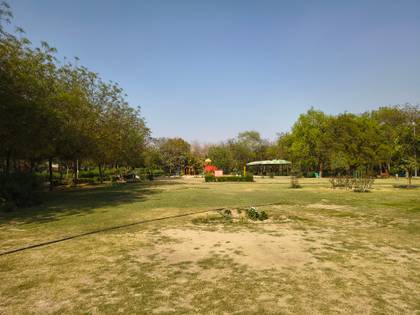
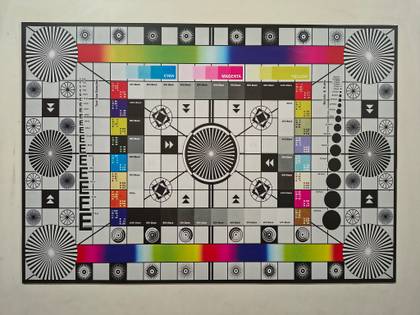
OPPO K13 256GB Compare Camera Samples






































OPPO K13 256GB Expert Review Summary
Expert Rating:
![Ashish Kumar]()
Verdict
The OPPO K13 impresses with its strong battery life, fast charging, and efficient thermal management. While its overall performance is in line with other devices in its segment, its ability to stay cool under pressure makes it a compelling choice for power users. The cameras perform reliably in daylight, and the display is well-suited for indoor content consumption. However, those who prioritise a cleaner software experience or stronger low-light photography might find better alternatives in devices from Realme or Lava.
Pros
- Outstanding battery life
- Smooth performance
- Impressive thermal efficiency
- Good daylight cameras
Cons
- No NFC support
- Average Low-light photography
- Many pre-installed apps
Design and display
+
The OPPO K13 stands out as one of the most striking smartphones in its segment. We reviewed the Icy Purple variant, which surely radiates a cool vibe. The variant also features a dynamic, shifting pattern on the back panel that catches the light beautifully from different angles, adding a touch of sophistication to its overall design. Furthermore, the back panel has a matte finish that keeps fingerprints and smudges at bay. At the top right corner of the panel is a square camera module, with dual cameras in a layout that bears a subtle resemblance to the iPhone 16.SmartphoneThicknessWeight IP ratingOPPO K138.45mm208 gramsIP65Realme P38mm194 gramsIP69Lava Blaze Duo8.5mm186 gramsIP64
Read More
Cameras
+
In terms of optics, the OPPO K13 is equipped with a dual rear camera setup, featuring a 50MP primary sensor paired with a 2MP depth sensor for enhanced portrait shots. As mentioned, OPPO has gone with a vertically stacked camera layout, resembling the dual cutout design seen on the latest iPhone 16 series. On the front, it sports a 16MP punch-hole camera for selfies and video calls. Although the primary sensor lacks optical image stabilisation (OIS), it compensates with electronic image stabilisation (EIS) to help reduce blur and maintain clarity.The camera software supports a variety of shooting modes, including Night mode for low-light shots, High-Resolution mode, Panorama, Slow Motion, Time-lapse, Dual-View Video, and a Document Scanner for added convenience. The rear camera is capable of shooting videos with up to 4K resolution at 30 frames per second (fps).Speaking of the results, the OPPO K13 excels at capturing commendable results in daylight. The primary camera captures detailed shots with near-accurate colours, making it a reliable option for everyday photography. The 2MP depth sensor complements this setup by offering respectable background separation and accurate edge detection, resulting in portraits with natural-looking bokeh effects. The front-facing 16MP camera also delivers pleasing selfies, producing vibrant tones and good facial detail. However, the device falls short in low-light scenarios, where images tend to suffer from reduced clarity and sharpness.Read on to find out how the OPPO K13 cameras compare against the Realme P3 (review) and Lava Blaze Duo (review).DaylightThe OPPO K13 and Realme P3 are closely matched, delivering images with comparable levels of detail and sharpness. However, their colour science differs noticeably. The Realme P3 camera leans towards cooler colours and stronger contrast, but that can make some small details, especially in darker areas, harder to see. In contrast, the OPPO K13 leans towards warmer tones, which may cause slight overexposure in backlit conditions, but overall, it offers more accurate and balanced colour reproduction.The OPPO K13 outperforms the Lava Blaze Duo in daylight photography, capturing images with greater clarity and more accurate colours. In comparison, the Lava Blaze Duo produces a log-style image, which requires post-editing for better appeal.PortraitThe Realme P3 portrait is relatively sharper and more detailed, but its skin tones and colours are not as accurate as the OPPO K13. So the choice between the two depends on your preference. The bokeh effect and edge detection remain almost on par with each other. There is a bit of cropping while separating the subject from the foreground to the background.The OPPO K13 remains the more obvious choice against the Lava Blaze Duo, which does equally good with edge detection and bokeh, but the colour appears washed out. As noticeable in the images above, the OPPO's portrait image is more vibrant and near-accurate.SelfieThe OPPO K13 and Realme P3 maintain a similar colour science in their selfie cameras as seen in their primary sensors. The OPPO device produces noticeably brighter selfies, thanks to its warmer tone profile. It also handles exposure more effectively, preserving background details and delivering more accurate skin tones compared to the Realme P3.Selfies taken with the Lava Agni Duo are underwhelming. The device struggles to retain detail and falls short in delivering accurate colours.Low-lightAll three smartphones struggle to impress with their low-light photography without the night mode. That said, the OPPO K13 produces a noticeably less grainy image compared to both the Realme P3 and Lava Blaze Duo.However, the OPPO smartphone swaps colours with the Realme P3. The K13 tends to apply a cooler tone, turning yellow artificial lights into a colder white, whereas the Realme P3 preserves a more natural colour palette, staying true to the warm, yellow hues of the ambient lighting. The Lava Blaze Duo preserves similar tones to the Realme offering, but struggles to bring out details.Low-light (night mode)The cooler tones help the OPPO K13 reduce light flare in low-light conditions, particularly when night mode is enabled. The handset also captures finer details, which appear to be lacking in the Realme P3 — though the latter maintains a more accurate representation of the actual scene.The Lava Blaze Duo also attempts to preserve the natural look, similar to the Realme P3, but falls short in terms of detail retention.Overall, all three smartphones struggle with exposure in low-light conditions. OPPO's image is particularly high on contrast and shadows, hence the final result looks darker and less appealing.
Read More
Performance and software
+
The OPPO K13 is powered by the Snapdragon 6 Gen 4 SoC, which has found its way in a bunch of smartphones, including its direct competitor, the Realme P3. The chipset ensures smooth and lag-free performance for the smartphone, making it easier not only for everyday use but also for power users who demand more from their device. This was evident in our standard gaming test, which included BGMI, Call of Duty: Mobile, and Real Racing 3.The handset provided a smooth gaming performance with excellent thermal management. The latter could be attributed to the large 5,700mm square Vapour Chamber cooling, which is said to be segment-leading, and a 6,000mm square graphite sheet. After 90 minutes of continuous gaming, the phone's temperature rose by 8.1 degrees Celsius, which is lower than both Realme P3 and Lava Blaze Duo.The OPPO K13's impressive thermal management system also shines in the Burnout CPU Throttle Test, where it maintained 80.09 percent of its peak performance under sustained load. This result isn't just best-in-class for its segment — it outperforms several higher-priced competitors as well. The raw performance of the smartphone, analysed through Geekbench and AnTuTu tests, remained on par with the competitors.Overall, the OPPO K13 is a dependable choice for anyone seeking a powerful yet affordable smartphone that handles both regular and moderately intense activities with ease. The phone comes with 8GB of LPDDR4X physical + 8GB of virtual RAM support and 128GB/ 256GB UFS 3.1 fast storage. Sadly, there's no option to expand the storage with a microSD card.SmartphonePre-installed appsOS updatesOPPO K13782 years major + 3 years securityRealme P3692 years major + 3 years securityLava Blaze Duo312 years major + 4 years security
Read More
Battery and charging
+
The OPPO K13 is equipped with a powerful 7,000mAh graphite battery, which is said to be superior to both silicone anode and Lithium-Ion batteries. This advanced battery technology is 'engineered for longevity, promising an impressive five-year lifespan', and it is evident from the results. The handset delivers outstanding endurance, performing impressively across both synthetic benchmarks and real-world usage scenarios. In the PCMark battery test, which mimics everyday smartphone tasks until the battery depletes to 20 percent, the OPPO K13 achieved an exceptional runtime of approximately 17 hours, placing it among the top performers in its category.SmartphoneBattery and charging speedCharging time (20 to 100 percent)OPPO K137,000mAh (80W)40 minutesRealme P36,000mAh (45W)61 minutesLava Blaze Duo5,000mAh (33W)72 minutes
Read More
Read full Review

Verdict
The OPPO K13 impresses with its strong battery life, fast charging, and efficient thermal management. While its overall performance is in line with other devices in its segment, its ability to stay cool under pressure makes it a compelling choice for power users. The cameras perform reliably in daylight, and the display is well-suited for indoor content consumption. However, those who prioritise a cleaner software experience or stronger low-light photography might find better alternatives in devices from Realme or Lava.
- Outstanding battery life
- Smooth performance
- Impressive thermal efficiency
- Good daylight cameras
Pros
- No NFC support
- Average Low-light photography
- Many pre-installed apps
Cons
Design and display
+The OPPO K13 stands out as one of the most striking smartphones in its segment. We reviewed the Icy Purple variant, which surely radiates a cool vibe. The variant also features a dynamic, shifting pattern on the back panel that catches the light beautifully from different angles, adding a touch of sophistication to its overall design. Furthermore, the back panel has a matte finish that keeps fingerprints and smudges at bay. At the top right corner of the panel is a square camera module, with dual cameras in a layout that bears a subtle resemblance to the iPhone 16.SmartphoneThicknessWeight IP ratingOPPO K138.45mm208 gramsIP65Realme P38mm194 gramsIP69Lava Blaze Duo8.5mm186 gramsIP64
Read MoreCameras
+In terms of optics, the OPPO K13 is equipped with a dual rear camera setup, featuring a 50MP primary sensor paired with a 2MP depth sensor for enhanced portrait shots. As mentioned, OPPO has gone with a vertically stacked camera layout, resembling the dual cutout design seen on the latest iPhone 16 series. On the front, it sports a 16MP punch-hole camera for selfies and video calls. Although the primary sensor lacks optical image stabilisation (OIS), it compensates with electronic image stabilisation (EIS) to help reduce blur and maintain clarity.The camera software supports a variety of shooting modes, including Night mode for low-light shots, High-Resolution mode, Panorama, Slow Motion, Time-lapse, Dual-View Video, and a Document Scanner for added convenience. The rear camera is capable of shooting videos with up to 4K resolution at 30 frames per second (fps).Speaking of the results, the OPPO K13 excels at capturing commendable results in daylight. The primary camera captures detailed shots with near-accurate colours, making it a reliable option for everyday photography. The 2MP depth sensor complements this setup by offering respectable background separation and accurate edge detection, resulting in portraits with natural-looking bokeh effects. The front-facing 16MP camera also delivers pleasing selfies, producing vibrant tones and good facial detail. However, the device falls short in low-light scenarios, where images tend to suffer from reduced clarity and sharpness.Read on to find out how the OPPO K13 cameras compare against the Realme P3 (review) and Lava Blaze Duo (review).DaylightThe OPPO K13 and Realme P3 are closely matched, delivering images with comparable levels of detail and sharpness. However, their colour science differs noticeably. The Realme P3 camera leans towards cooler colours and stronger contrast, but that can make some small details, especially in darker areas, harder to see. In contrast, the OPPO K13 leans towards warmer tones, which may cause slight overexposure in backlit conditions, but overall, it offers more accurate and balanced colour reproduction.The OPPO K13 outperforms the Lava Blaze Duo in daylight photography, capturing images with greater clarity and more accurate colours. In comparison, the Lava Blaze Duo produces a log-style image, which requires post-editing for better appeal.PortraitThe Realme P3 portrait is relatively sharper and more detailed, but its skin tones and colours are not as accurate as the OPPO K13. So the choice between the two depends on your preference. The bokeh effect and edge detection remain almost on par with each other. There is a bit of cropping while separating the subject from the foreground to the background.The OPPO K13 remains the more obvious choice against the Lava Blaze Duo, which does equally good with edge detection and bokeh, but the colour appears washed out. As noticeable in the images above, the OPPO's portrait image is more vibrant and near-accurate.SelfieThe OPPO K13 and Realme P3 maintain a similar colour science in their selfie cameras as seen in their primary sensors. The OPPO device produces noticeably brighter selfies, thanks to its warmer tone profile. It also handles exposure more effectively, preserving background details and delivering more accurate skin tones compared to the Realme P3.Selfies taken with the Lava Agni Duo are underwhelming. The device struggles to retain detail and falls short in delivering accurate colours.Low-lightAll three smartphones struggle to impress with their low-light photography without the night mode. That said, the OPPO K13 produces a noticeably less grainy image compared to both the Realme P3 and Lava Blaze Duo.However, the OPPO smartphone swaps colours with the Realme P3. The K13 tends to apply a cooler tone, turning yellow artificial lights into a colder white, whereas the Realme P3 preserves a more natural colour palette, staying true to the warm, yellow hues of the ambient lighting. The Lava Blaze Duo preserves similar tones to the Realme offering, but struggles to bring out details.Low-light (night mode)The cooler tones help the OPPO K13 reduce light flare in low-light conditions, particularly when night mode is enabled. The handset also captures finer details, which appear to be lacking in the Realme P3 — though the latter maintains a more accurate representation of the actual scene.The Lava Blaze Duo also attempts to preserve the natural look, similar to the Realme P3, but falls short in terms of detail retention.Overall, all three smartphones struggle with exposure in low-light conditions. OPPO's image is particularly high on contrast and shadows, hence the final result looks darker and less appealing.
Read MorePerformance and software
+The OPPO K13 is powered by the Snapdragon 6 Gen 4 SoC, which has found its way in a bunch of smartphones, including its direct competitor, the Realme P3. The chipset ensures smooth and lag-free performance for the smartphone, making it easier not only for everyday use but also for power users who demand more from their device. This was evident in our standard gaming test, which included BGMI, Call of Duty: Mobile, and Real Racing 3.The handset provided a smooth gaming performance with excellent thermal management. The latter could be attributed to the large 5,700mm square Vapour Chamber cooling, which is said to be segment-leading, and a 6,000mm square graphite sheet. After 90 minutes of continuous gaming, the phone's temperature rose by 8.1 degrees Celsius, which is lower than both Realme P3 and Lava Blaze Duo.The OPPO K13's impressive thermal management system also shines in the Burnout CPU Throttle Test, where it maintained 80.09 percent of its peak performance under sustained load. This result isn't just best-in-class for its segment — it outperforms several higher-priced competitors as well. The raw performance of the smartphone, analysed through Geekbench and AnTuTu tests, remained on par with the competitors.Overall, the OPPO K13 is a dependable choice for anyone seeking a powerful yet affordable smartphone that handles both regular and moderately intense activities with ease. The phone comes with 8GB of LPDDR4X physical + 8GB of virtual RAM support and 128GB/ 256GB UFS 3.1 fast storage. Sadly, there's no option to expand the storage with a microSD card.SmartphonePre-installed appsOS updatesOPPO K13782 years major + 3 years securityRealme P3692 years major + 3 years securityLava Blaze Duo312 years major + 4 years security
Read MoreBattery and charging
+The OPPO K13 is equipped with a powerful 7,000mAh graphite battery, which is said to be superior to both silicone anode and Lithium-Ion batteries. This advanced battery technology is 'engineered for longevity, promising an impressive five-year lifespan', and it is evident from the results. The handset delivers outstanding endurance, performing impressively across both synthetic benchmarks and real-world usage scenarios. In the PCMark battery test, which mimics everyday smartphone tasks until the battery depletes to 20 percent, the OPPO K13 achieved an exceptional runtime of approximately 17 hours, placing it among the top performers in its category.SmartphoneBattery and charging speedCharging time (20 to 100 percent)OPPO K137,000mAh (80W)40 minutesRealme P36,000mAh (45W)61 minutesLava Blaze Duo5,000mAh (33W)72 minutes
Read MoreCompetitors For OPPO K13 256GB
View Alternatives








OPPO K13 256GB Specifications
General |
|
|---|---|
| Launch Date | April 25, 2025 (Official) |
| Operating System | Android v15 |
| OS Updates | 2 Years |
| Security Updates | 3 Years |
| Custom UI | ColorOS |
Performance
(Very Good)
|
|
|---|---|
| Chipset | Qualcomm Snapdragon 6 Gen 4 SM6650 View Details |
| Processor | Octa core (2.3 GHz, Single core, Cortex A720 + 2.2 GHz, Tri core, Cortex A720 + 1.8 GHz, Quad core, Cortex A520) |
| Architecture | 64 bit |
| Fabrication | 4 nm |
| Graphics (GPU) | Adreno 810 |
| RAM | 8 GB |
| RAM Type | LPDDR4X |
| Cooling Technology | Vapor Chamber |
Benchmark Screenshots

AnTuTu Benchmark

Graphics Benchmark

Geekbench6 Benchmark
|


Display
(Excellent)
|
|
|---|---|
| Display Type | AMOLED |
| Screen Size | 6.67 inches (16.94 cm) |
| Resolution | 1080x2400 px (FHD+) |
| Peak Brightness | 1200 nits |
| HBM Brightness | 1200 nits |
| Refresh Rate | 120 Hz |
| Touch Sampling Rate | 180 Hz |
| Aspect Ratio | 20:9 |
| Pixel Density | 395 ppi |
| Screen to Body Ratio (calculated) | 86.49 % |
| Screen Protection | Yes |
| Bezel-less Display | Yes with punch-hole display |
| Screen to Body Ratio (claimed by the brand) | 92.2 % |
UI Screenshots

Lock Screen

Home Screen

Screen With Widgets

Dialer Screen

App Drawer

Notification Panel

Quick Settings Panel

Settings Screen

OS Version

Storage

Battery

Camera On

Camera Options

Camera Modes

Camera Settings

Picture Size Options

Video Size Options
|
Design |
|
|---|---|
| Height | 163.2 mm |
| Width | 76.1 mm |
| Thickness | 8.5 mm |
| Weight | 208 grams |
| Build Material | Back: Plastic |
| Water Resistance | Yes, Splash proof, IP65 |
| Ruggedness | Dust proof |
|
Click to View

|
Rear Camera
(Very Good)
|
||||||||||||||||||||||||
|---|---|---|---|---|---|---|---|---|---|---|---|---|---|---|---|---|---|---|---|---|---|---|---|---|
| Resolution | ||||||||||||||||||||||||
|
||||||||||||||||||||||||
| Autofocus | Yes | |||||||||||||||||||||||
| OIS | No | |||||||||||||||||||||||
| Flash | Yes, LED Flash | |||||||||||||||||||||||
| Image Resolution | 8150 x 6150 Pixels | |||||||||||||||||||||||
| Settings | Exposure compensation, ISO control | |||||||||||||||||||||||
| Shooting Modes |
Continuous Shooting High Dynamic Range mode (HDR) |
|||||||||||||||||||||||
| Camera Features |
Digital Zoom Auto Flash Face detection Touch to focus |
|||||||||||||||||||||||
| Video Recording |
UHD @30 fps FHD @120 fps HD @240 fps |
|||||||||||||||||||||||
| Video Recording Features |
Dual Video Recording Slow Motion Bokeh portrait video |
|||||||||||||||||||||||
Rear Camera Samples

Daylight / HDR Auto

Max Zoom Supported

Long Shot 10X

Long Shot 5X

Long Shot 3X

Long Shot 1X

High Res

Portrait Shot

Night Mode OFF

Night Mode ON

Close Up

Low Light

Low Light With Flash

Colour Variance
|
Front Camera
(Very Good)
|
||||||||||||||
|---|---|---|---|---|---|---|---|---|---|---|---|---|---|---|
| Resolution | ||||||||||||||
|
||||||||||||||
| Autofocus | No | |||||||||||||
| Flash | Yes, Screen flash | |||||||||||||
| Camera Features | Fixed Focus | |||||||||||||
| Video Recording | FHD @30 fps | |||||||||||||
Front Camera Samples

Selfie

Selfie Portrait

Selfie Low Light

Selfie Low Light With Flash
|
Battery
(Very Good)
|
|
|---|---|
| Capacity | 7000 mAh |
| Battery Type | Silicon Carbon |
| Quick Charging | Yes, 80W Super VOOC Charging, 62% in 30 minutes |
Storage |
|
|---|---|
| Internal Storage | 128 GB / 256 GB |
| Storage Type | UFS 3.1 |
| Expandable Storage | No |
Network & Connectivity |
|
|---|---|
| SIM Slot(s) | Dual SIM |
| SIM Type | SIM1: Nano, SIM2: Nano |
| Network Support | 5G, 4G |
| VoLTE | Yes |
| SIM 1 |
5G bands, 4G bands
Expand
|
| SIM 2 |
5G bands, 4G bands
Expand
|
| SAR Value | Head: 1.191 W/kg, Body: 0.636 W/kg |
| Wi-Fi | Yes, Wi-Fi 6 (802.11 a/b/g/n/ac/ax) 5GHz |
| Wi-Fi Features | Mobile Hotspot |
| Bluetooth | Yes, v5.2 |
| GPS | Yes with A-GPS, Glonass |
| NFC | No |
| IR Blaster | Yes |
Multimedia |
|
|---|---|
| Stereo Speakers | Yes |
| Audio Jack | USB Type-C |
Sensors |
|
|---|---|
| Fingerprint Sensor | Yes |
| Fingerprint Sensor Position | On-screen |
| Fingerprint Sensor Type | Optical |
| Other Sensors | Light sensor, Proximity sensor, Accelerometer, Compass, Gyroscope |
OPPO K13 256GB User Reviews
OPPO K13 256GB Key Highlights
| Processor | Qualcomm Snapdragon 6 Gen 4 SM6650 |
| RAM & Storage | 8 GB RAM + 128 GB 8 GB RAM + 256 GB |
| Display | 6.67", 1080 x 2400 Resolution |
| Rear Camera | 50 MP + 2 MP |
| Front Camera | 16 MP |
| Battery | 7000 mAh |




























OPPO K13 Price In India
| Product Name | Store | Price |
|---|---|---|
| OPPO K13 (8 GB + 128 GB) | Flipkart | ₹22,999 |
| OPPO K13 (8 GB + 256 GB) | Flipkart | ₹24,999 |
Popular Links
- All Upcoming Phones
- Upcoming OPPO Phones
- OPPO phones under 10k
- OPPO phones under 20k
- Samsung Galaxy F70 5G
- vivo S2 FE 5G
- Infinix GT 50 Pro
- Nothing Phone 4a
- Itel A300C 4G
- Samsung Mobiles
- Motorola Mobiles
- vivo Mobiles
- OPPO Mobiles
- Tecno Mobiles
- realme Mobiles
- OnePlus Mobiles