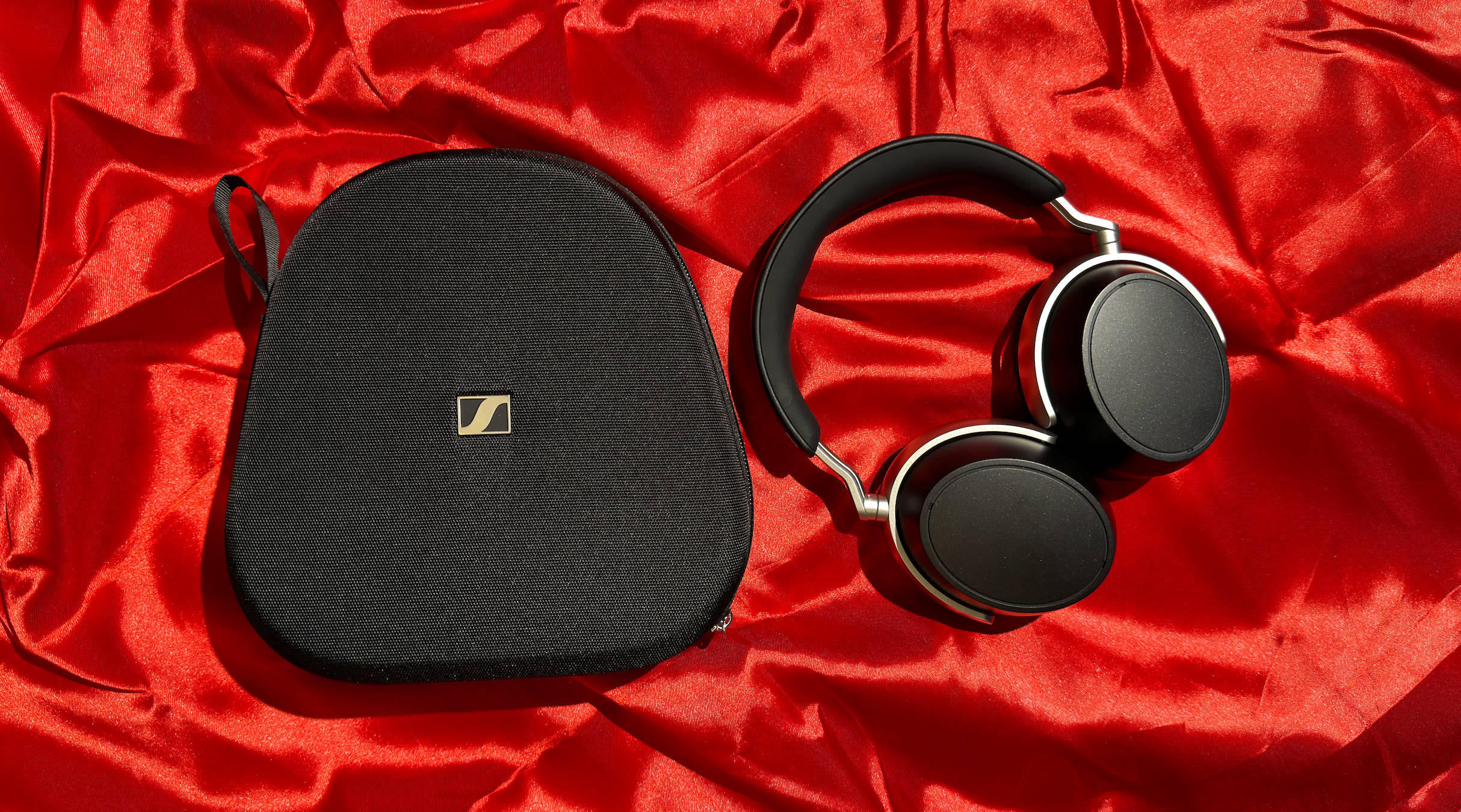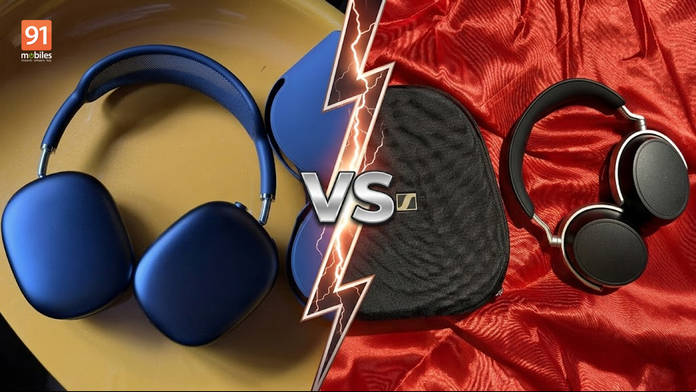
If you’re a premium headphone shopper, the two most important considerations are sound quality and comfort, followed by codec support and ecosystem perks. Between the AirPods Max 2 and the Sennheiser HDB630, the Apple vs Google debate gets a once-over, justifiably so.
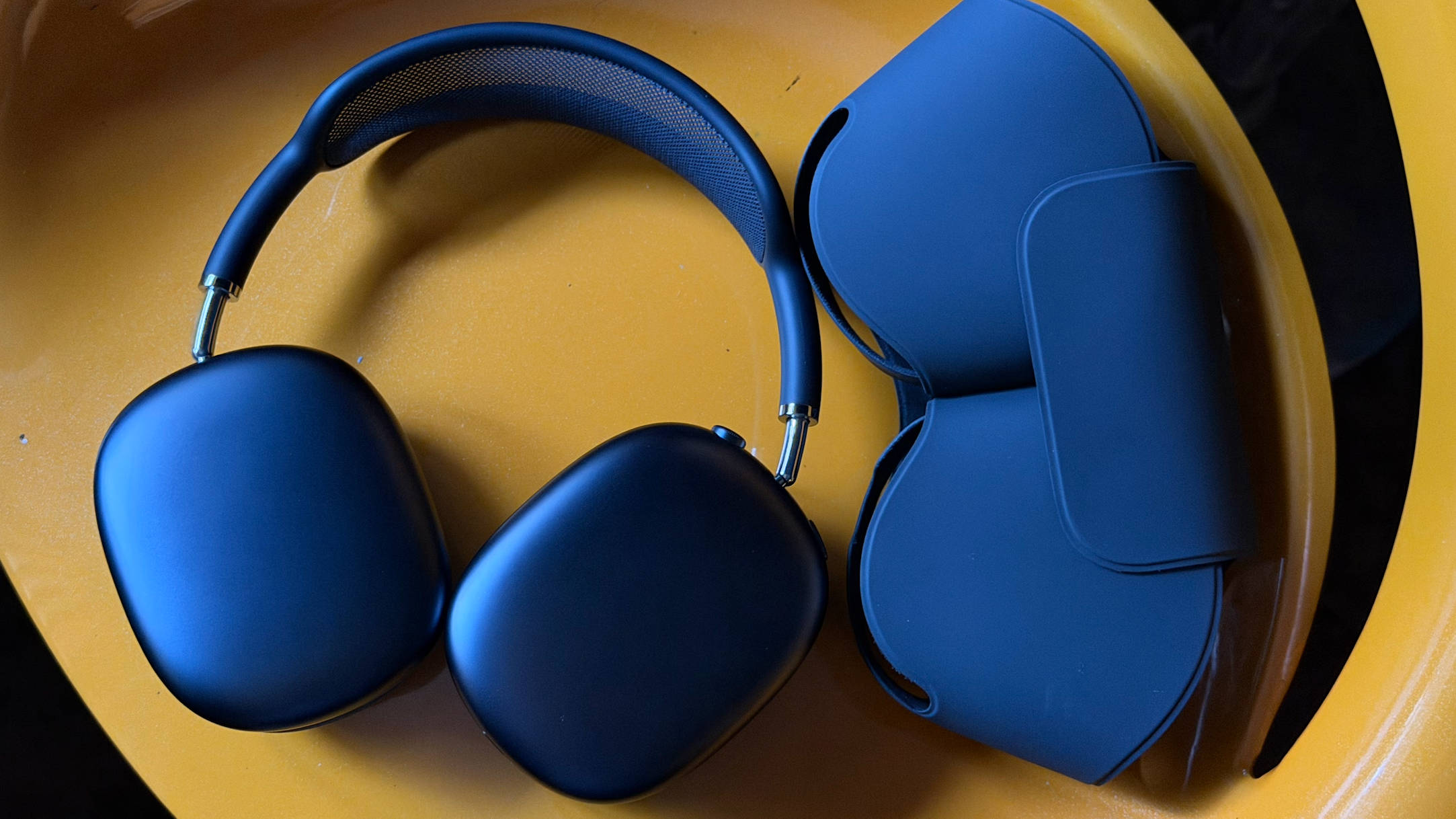
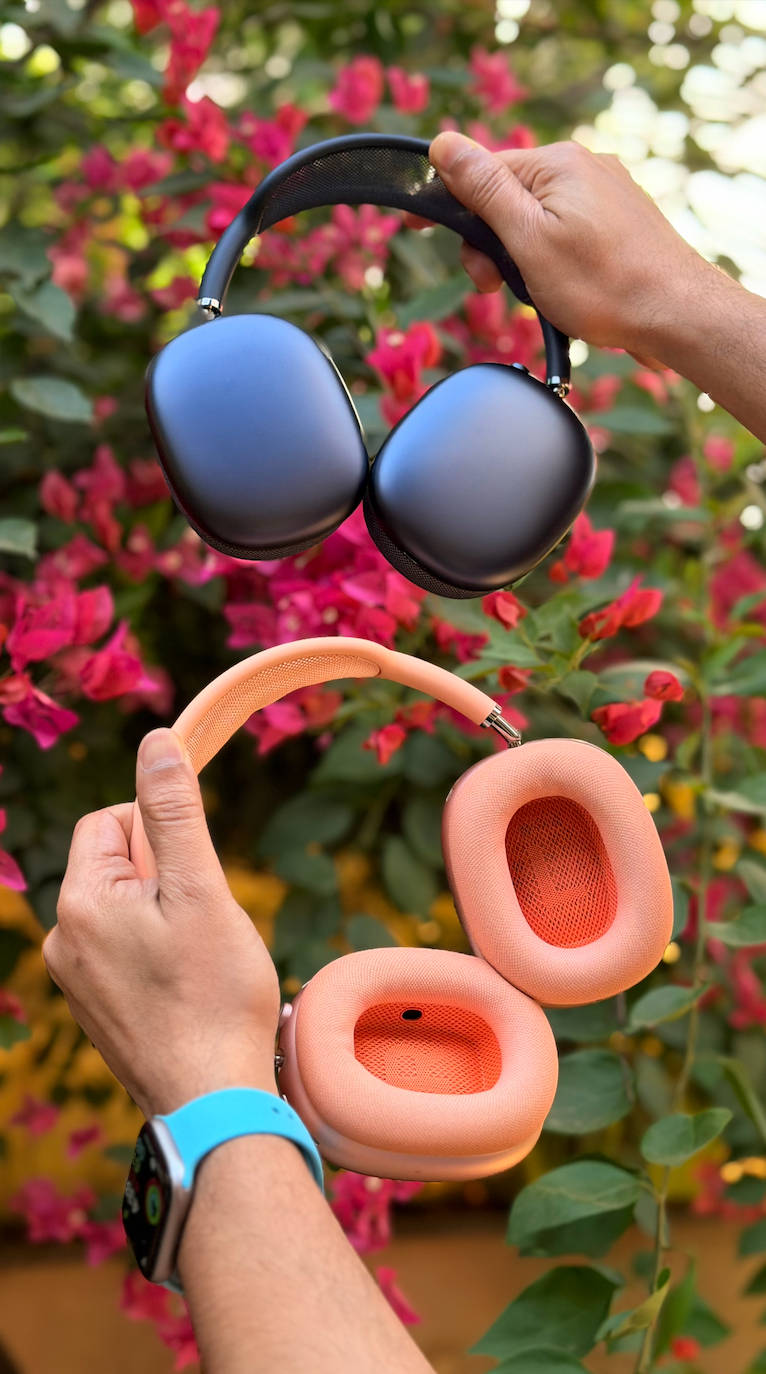
Table of Contents
Design: Minimalist vs generic
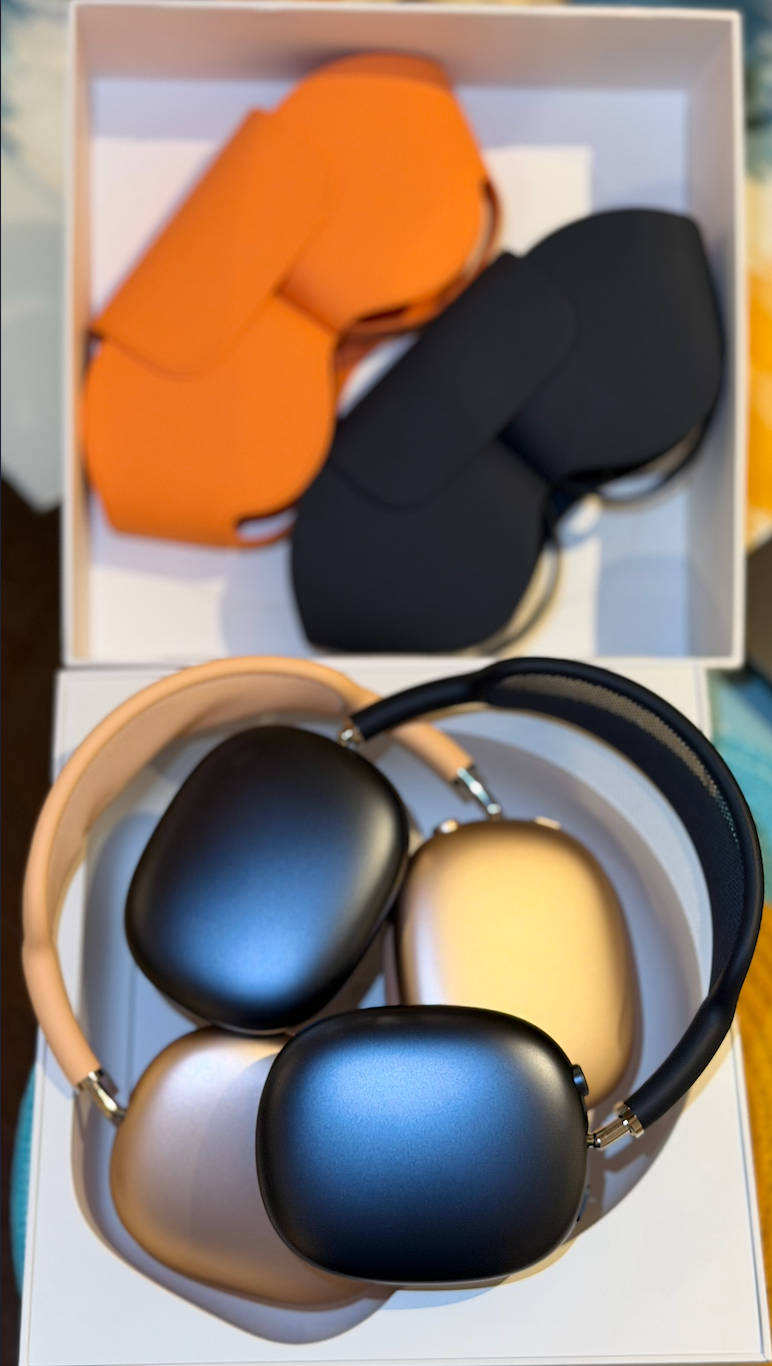
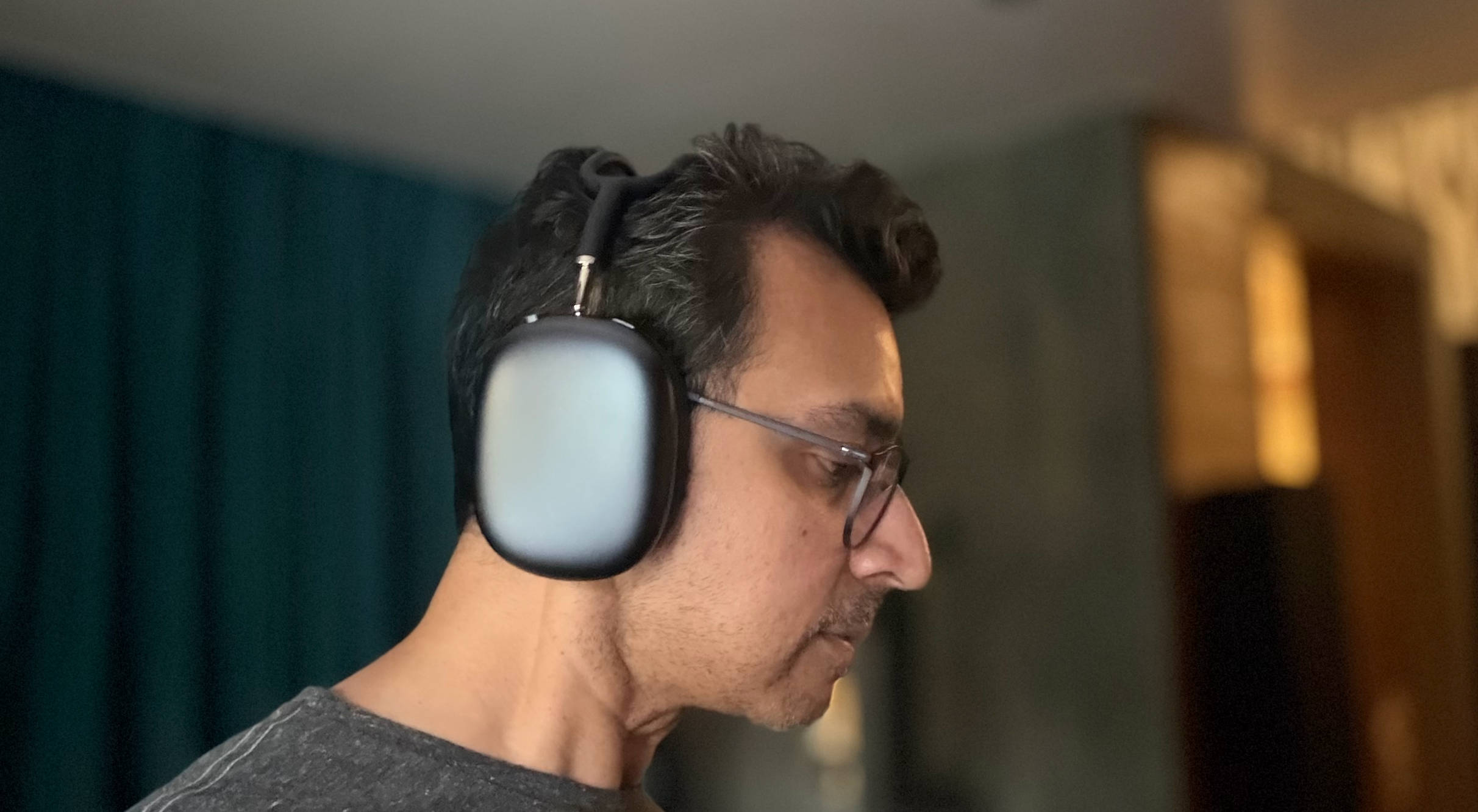
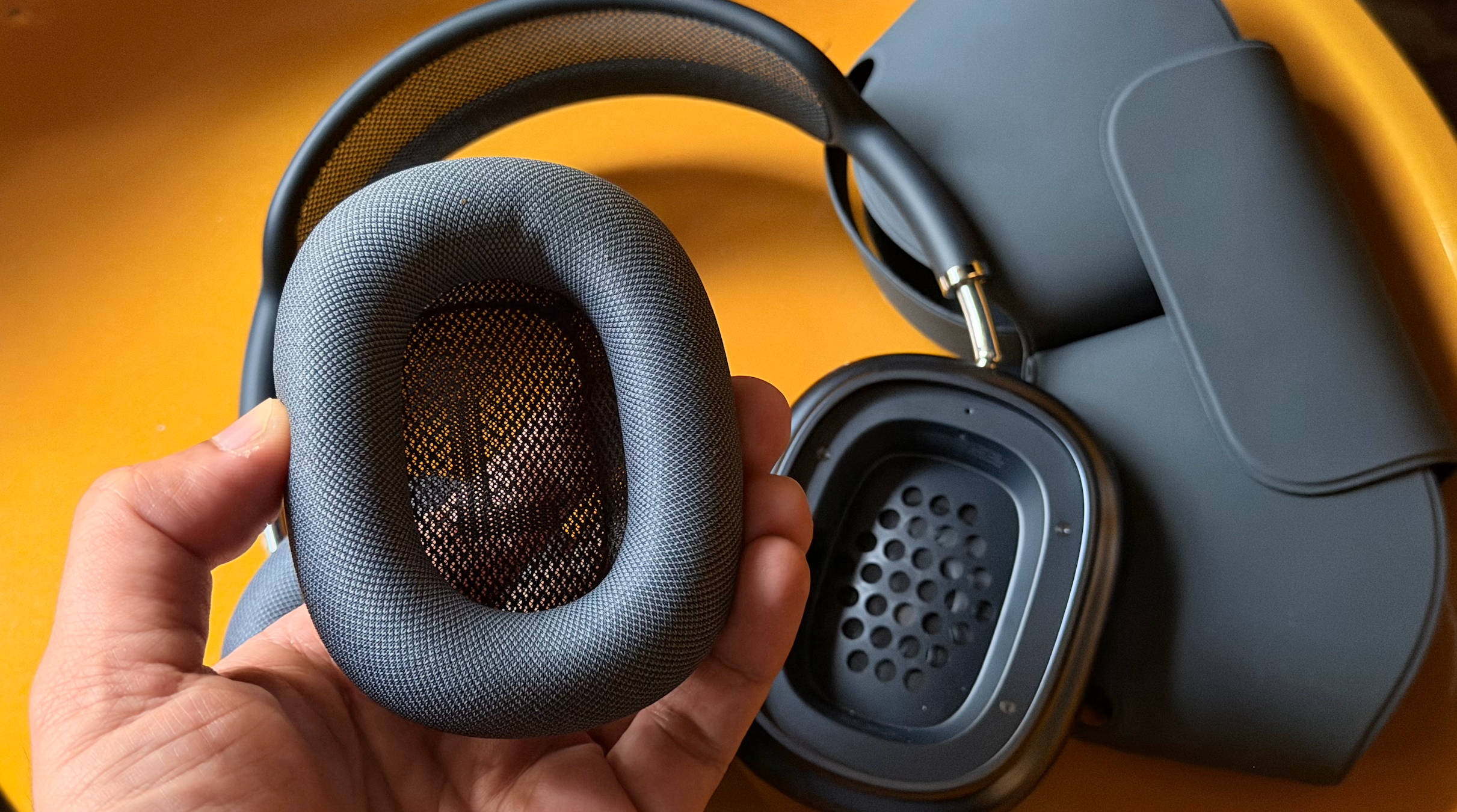
At first glance, the AirPods Max 2 look (and are) exactly the same as the first version. Same size, same weight, same design, same build quality. Even some of the elements that needed a second look, like the mesh on the headband and innerwear-resembling “smart” case, have been left untouched by the design team. Sure, the cushions are interchangeable, but that wasn’t a concern to begin with, was it?
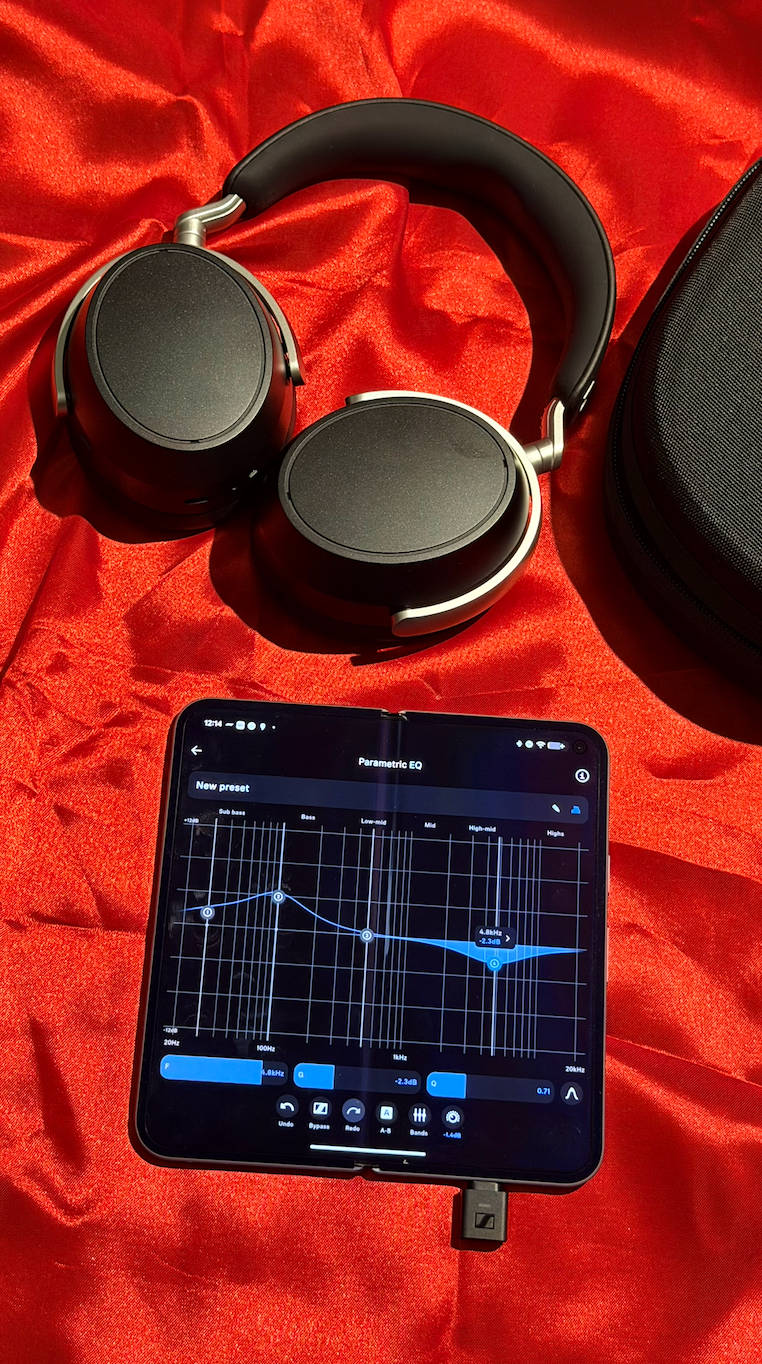
 Tech & features: H2 bump vs audiophile app
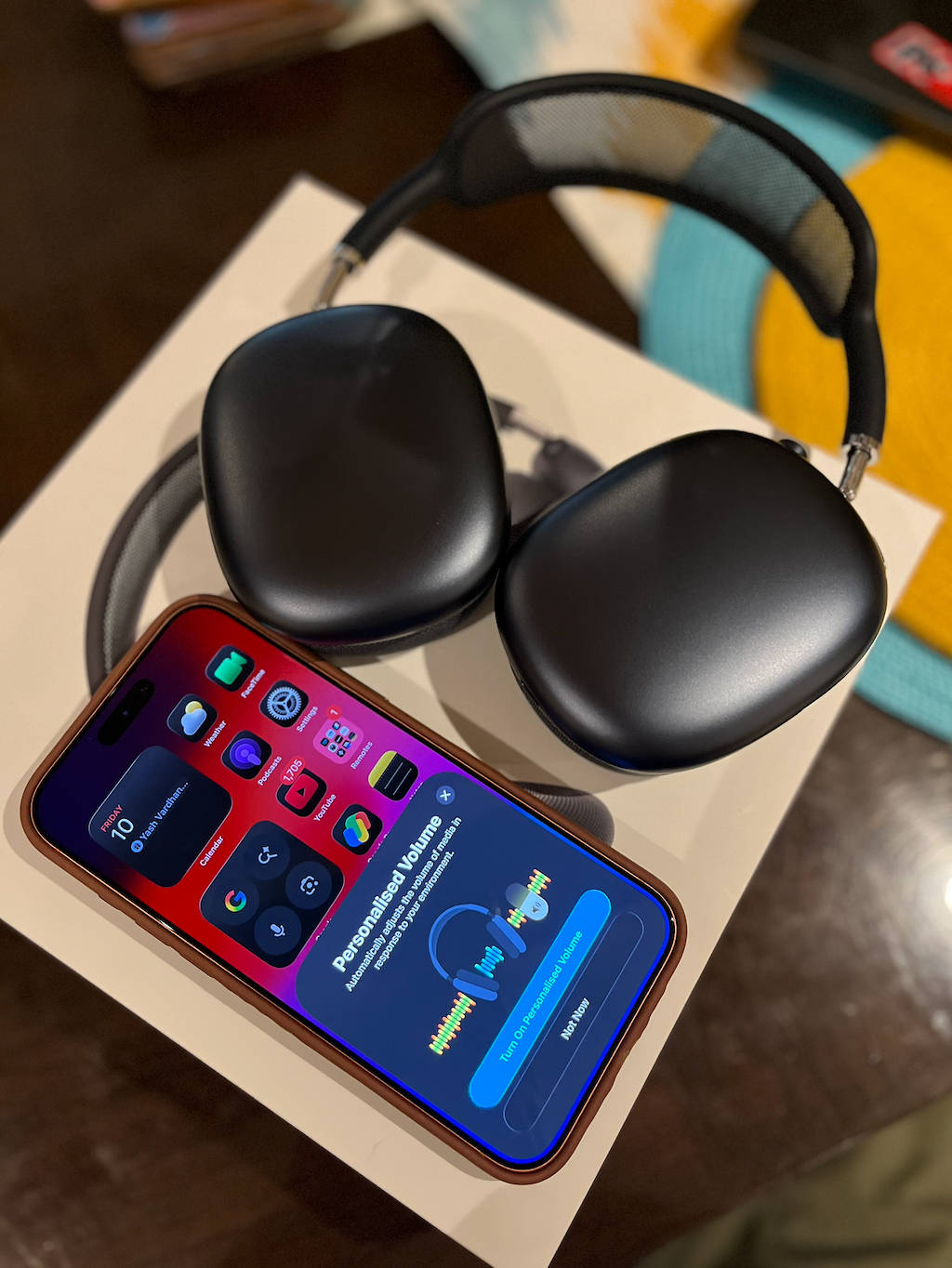
This is where the AirPods Max 2 earns its upgrade sticker. The new model adds the H2 chip, meaningfully improved Active Noise Cancellation, an enhanced Transparency Mode, and Adaptive Audio features including Conversation Awareness, Personalised Volume, and Voice Isolation. Live Translation, Head Gesture controls, and Camera Remote features also make the list. These are real, daily-use improvements done with the typical polish of Apple. Conversation Awareness, for instance, doesn’t just attenuate to 0dB and back. Instead, it ramps up or down in two graded steps, easing you back into your music. The ANC isolates better, and background voices are quieter while the silence feels blacker overall. Transparency mode is the most natural-sounding of any wireless headphone out there, with no unnaturalness or artifice in voices.
 Sound: Sophistication vs neutrality
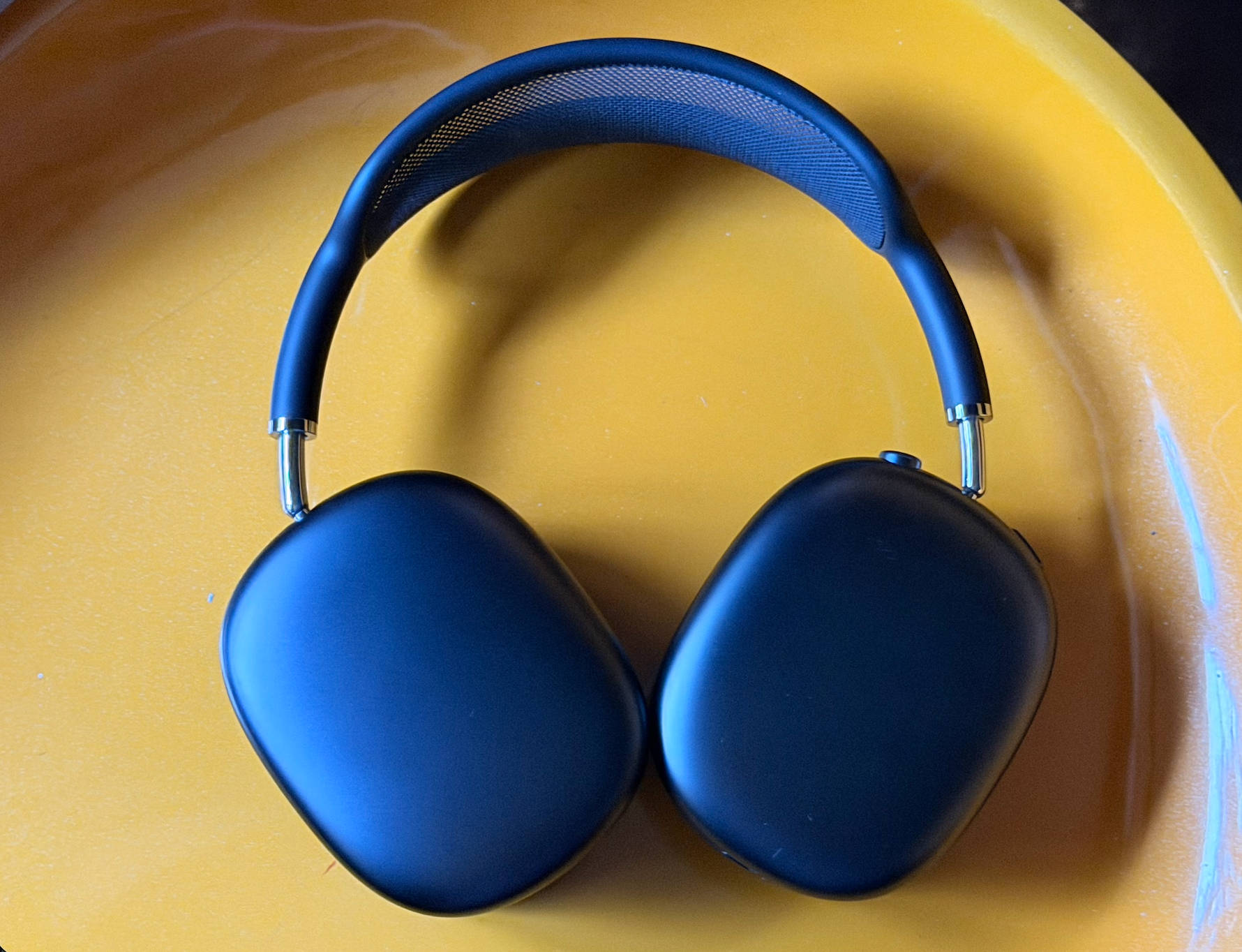
The AirPods Max 2’s sound cannot be described as neutral, at least not compared to the HDB630. The AirPods Max 2 has a sound that is energetic, airy, and crisp, without being overtly bright or fatiguing during long listens. Its new high-dynamic range amplifier and retuned Adaptive EQ are responsible for extracting perceptibly more detail from recordings while judging the bass perfectly with heft and agility, which is a difficult balance to achieve. Overall, it’s a cleaner presentation that is an audible improvement over the more V-shaped character of the Gen 1. The mids breathe more easily now, and the sound is engaging without being clinical, which is just the thing you need while listening to Thriller on the metro. Spatial Audio, Apple TV+, and seamless iPhone handoff push the experience to a level no competitor can quite match inside Apple’s ecosystem.
 Verdict
If you’re an iPhone user who streams music, watches movies, takes calls, and commutes, the AirPods Max 2 at Rs. 67,900 is still the best single-device headphone Apple has ever made, and the H2 upgrade makes it a meaningful buy over its predecessor. Ecosystem integration, ANC quality, and transparency are unmatched if your life runs on iOS.