Review Summary
Expert Rating

The ASUS ZenBook A14 made a strong impression when it debuted last year, offering a clean design, great battery life, and a premium build in a chassis that weighed under 1kg. It also marked ASUS’ early push into the Windows on Arm space with Qualcomm’s Snapdragon X platform. While we appreciated its Ceraluminum construction, vibrant OLED display, and everyday usability, performance wasn’t always on par with similarly priced Intel, AMD, and Apple-powered alternatives.
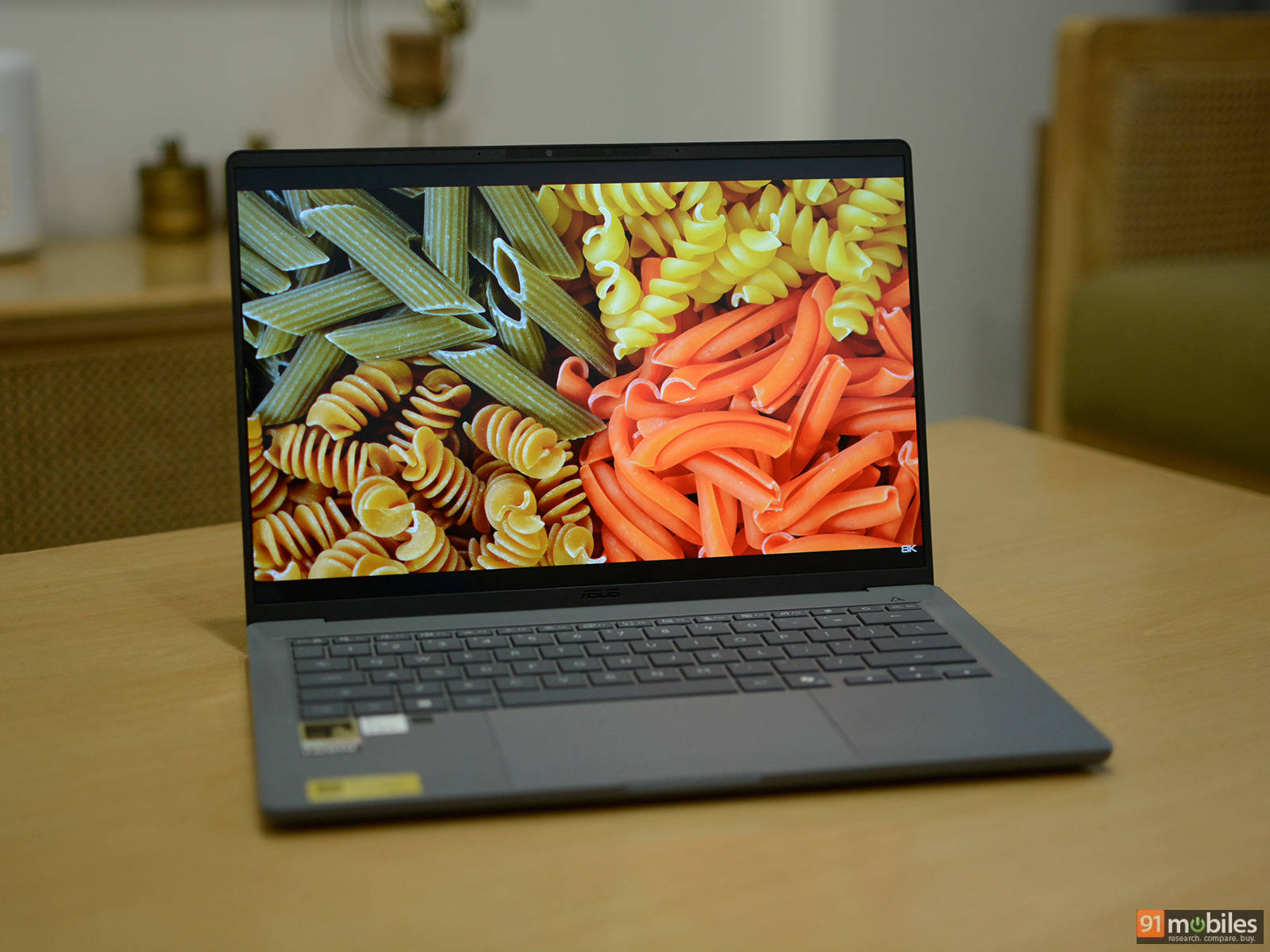
For 2026, ASUS has introduced a refreshed model that retains the same sleek aesthetics, lightweight chassis, and overall feature set, with the biggest change coming under the hood. The laptop now packs Qualcomm’s latest Snapdragon X2 Elite processor, promising a boost in performance while maintaining the long battery life and portability that defined its predecessor. So, is the upgraded silicon enough to elevate the overall experience, or is it simply last year’s ZenBook A14 with a faster processor? Let’s find out.
Table of Contents
Defining the ultraportable segment
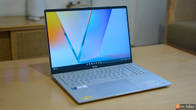
The new 2026 ZenBook A14 carries forward the same understated design language featuring clean lines and rounded edges that feel modern without being flashy. Available in Beige and Iceland Gray colour options, the laptop continues to be constructed from ASUS’ proprietary Ceraluminum material, which combines the durability of aluminium with a ceramic-like finish. The texture is unlike conventional aluminium and almost resembles plastic at first, yet it feels reassuringly premium while keeping fingerprints and minor scratches at bay.
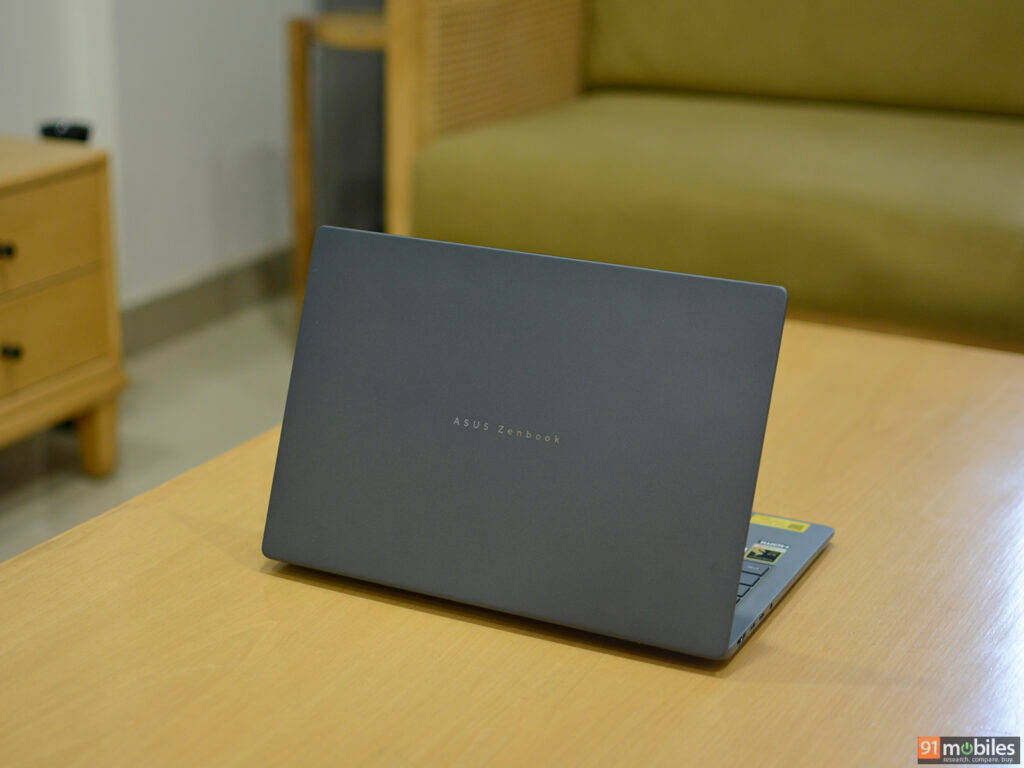
Portability remains one of the ZenBook A14’s biggest strengths. Weighing at just 990 grams and measuring only 13.4mm thick, it is among the lightest and slimmest 14-inch laptops available today. Whether you’re travelling or simply moving between meetings, the laptop is effortless to carry around. Despite its featherweight construction, the chassis feels rigid, with very little flex in the keyboard deck or display lid.
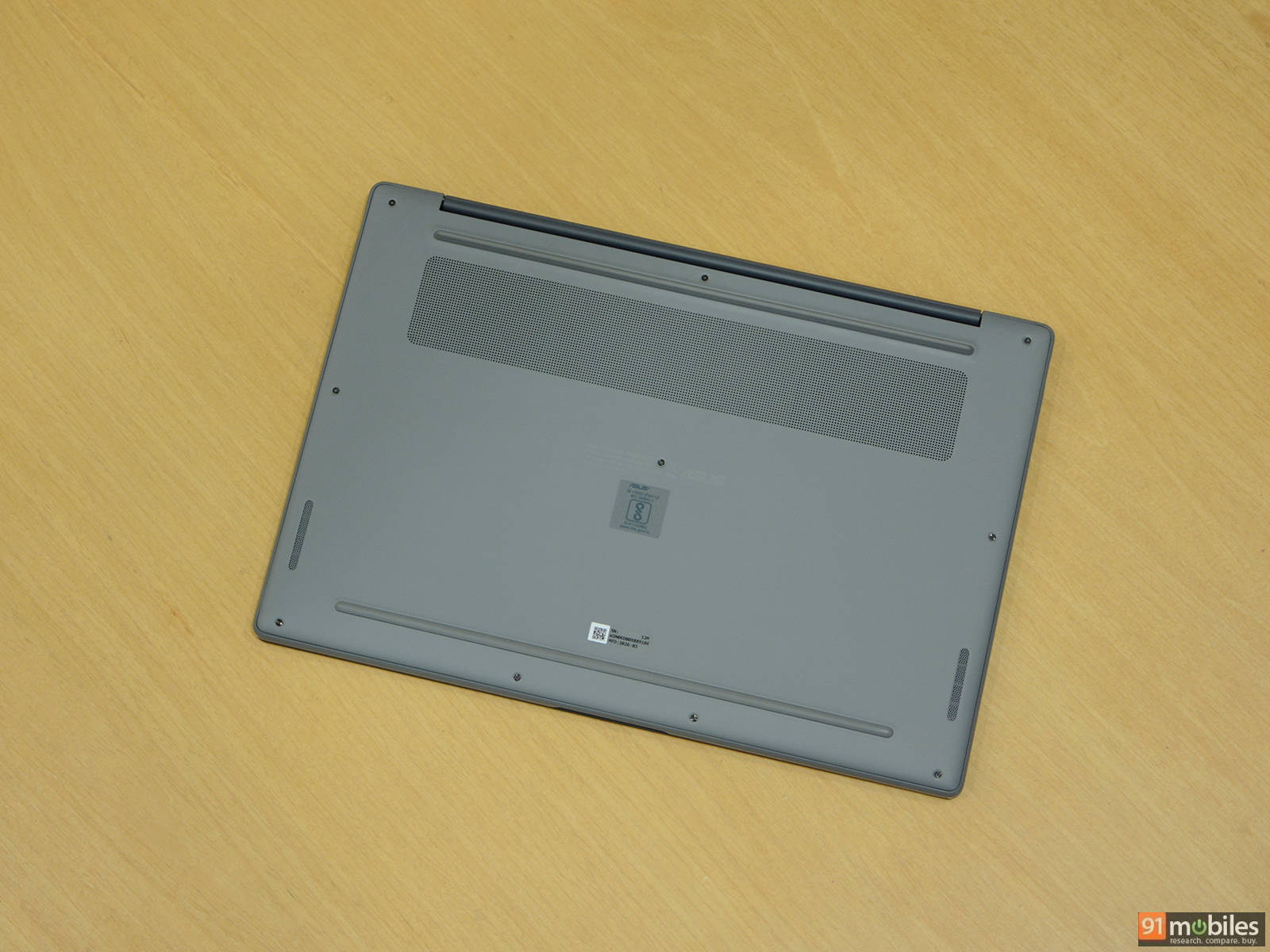
Flip the laptop over, and you’ll find long rubber feet stretching across much of the base, providing excellent grip on a desk. Like the 2025 model, the new ZenBook A14 also meets the US MIL-STD 810H military-grade standard for ruggedness. Essentially, ASUS has managed to strike an excellent balance between portability and structural integrity, making the notebook feel every bit as premium as its price suggests.
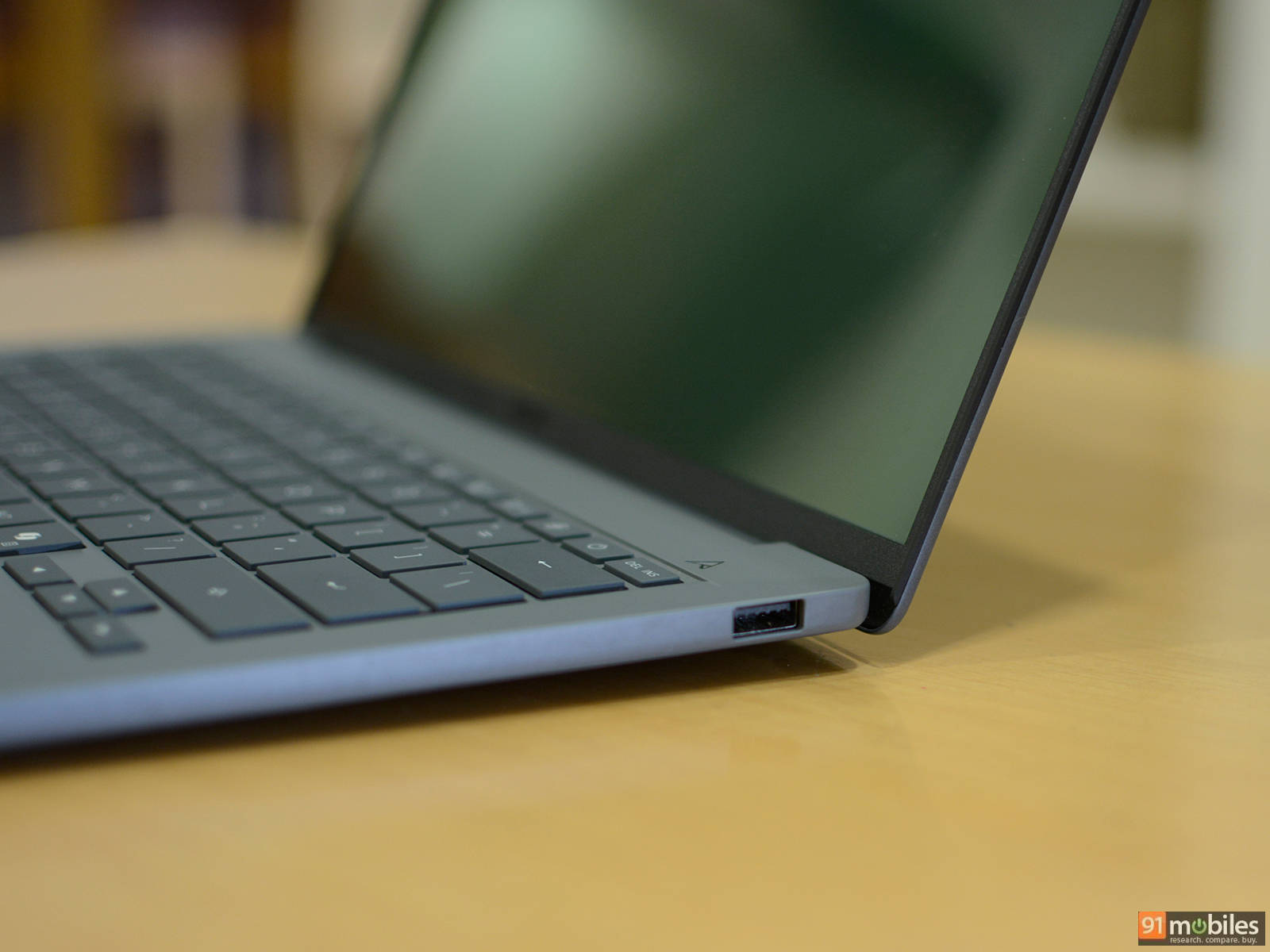
The ZenBook A14 also offers a practical selection of ports, including two USB 4.0 Type-C ports that support charging, DisplayPort output, and up to 40 Gbps high-speed data transfers, alongside a full-sized HDMI 2.1 port for connecting an external display. ASUS has also retained a USB 3.2 Gen 2 Type-A port for legacy accessories, as well as a 3.5mm headphone and microphone combo jack. While there’s no dedicated SD card reader, the port selection should cover the essentials for most users.
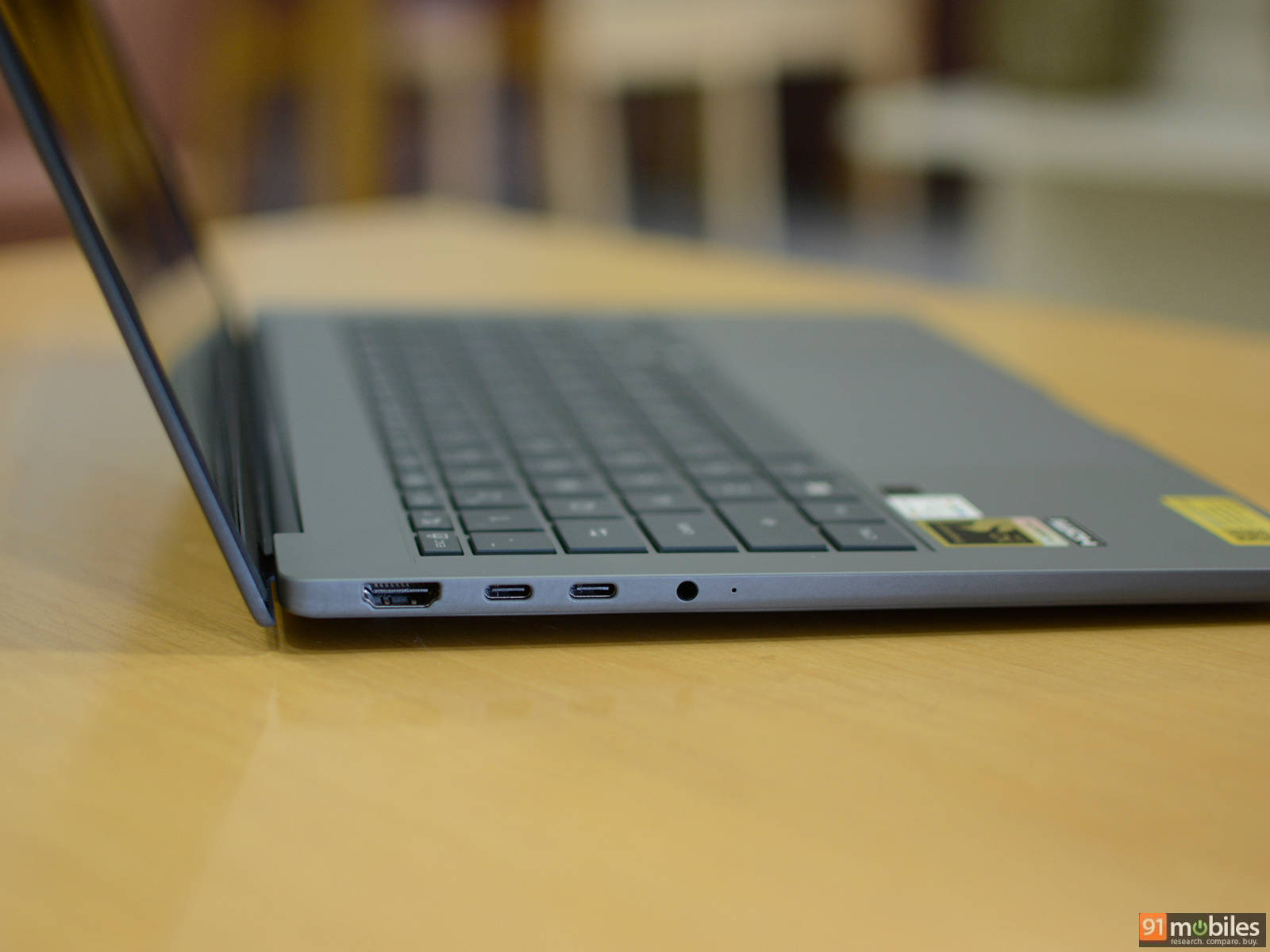
The notebook also features a 1080p full HD webcam with an IR sensor for Windows Hello facial recognition. Image quality is good in well-lit environments, producing sharp footage with natural skin tones, while Qualcomm’s AI-powered camera enhancements offer features such as auto framing, background blur, and eye contact during video calls. Low-light performance is average, but for meetings and everyday video conferencing, the webcam gets the job done.
Excellent OLED, held back by 60Hz
The ASUS ZenBook A14 features the same 14-inch WUXGA (1,920×1,200) OLED display as last year with a 16:10 aspect ratio and a standard 60Hz refresh rate. The panel covers 100% of the DCI-P3 colour gamut, is Pantone Validated, and carries VESA DisplayHDR True Black 600 certification. ASUS rates it at 400 nits of typical brightness and up to 600 nits while displaying HDR content.
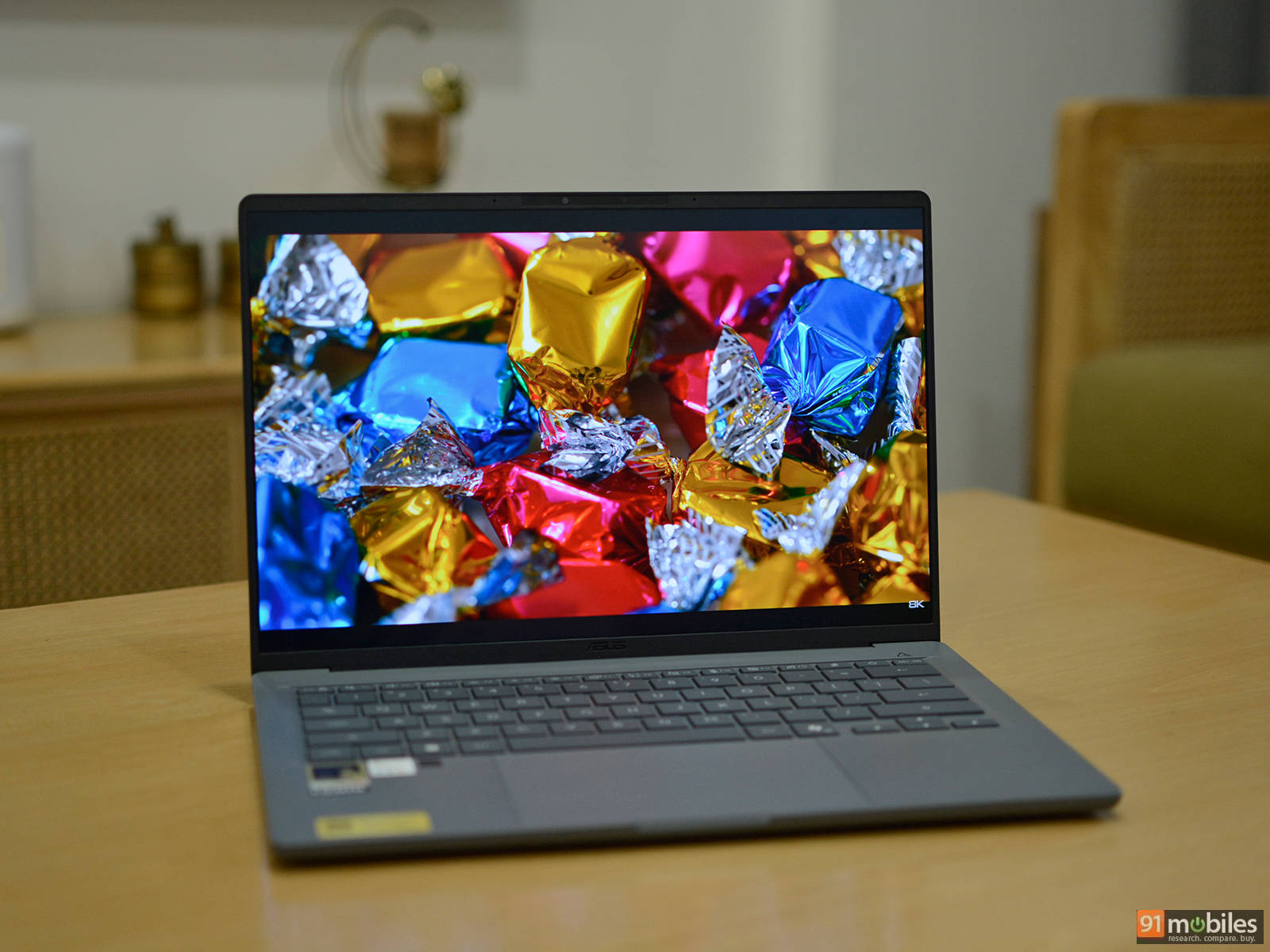
Although ASUS hasn’t equipped the ZenBook A14 with its latest-generation OLED panel, the display still delivers an excellent viewing experience. Colours are vibrant, blacks are deep, and contrast is superb, making everything from movies to photo editing look fantastic. The anti-glare coating is another welcome addition, helping cut down some of the reflections without significantly affecting image quality.
The biggest disappointment, however, is the 60Hz refresh rate. At a time when many premium ultraportables offer 120Hz panels, the ZenBook A14’s display feels a step behind. Scrolling through webpages, navigating Windows, and even simple UI animations lack the fluidity we’ve come to expect in this price segment. It isn’t a deal-breaker for productivity-focused users, but a higher refresh rate would have gone a long way towards making an already excellent OLED display feel truly premium.
A familiar keyboard that still delivers
Like its predecessor, the ZenBook A14 comes with a well-spaced keyboard with a 65% layout featuring 1.3mm of key travel and a sensible layout. The typing experience is comfortable, thanks to the keys’ soft, cushioned feel and relatively quiet operation. Instead of offering a sharp, clicky response, the keys have a slightly spongy bottom-out that makes long typing sessions less fatiguing. The white backlighting is evenly illuminated and offers three brightness levels, while dedicated indicators for the microphone, camera, and Caps Lock are thoughtful additions.
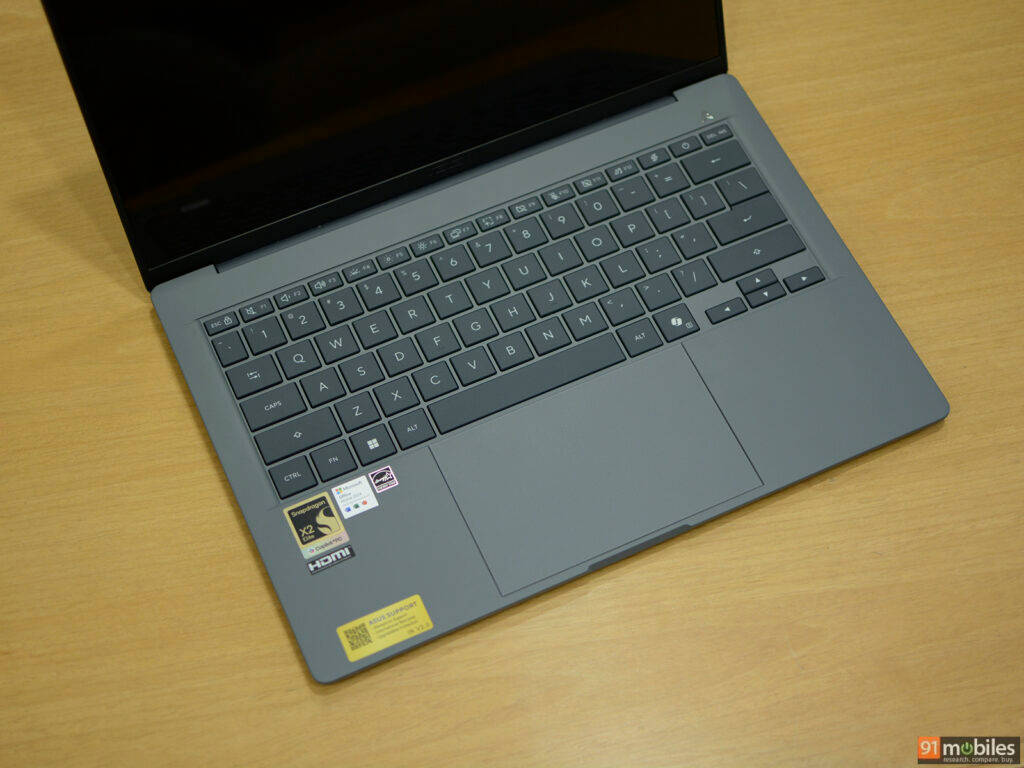
Compared to some of ASUS’ older ZenBook models, the keyboard feels more substantial and is well suited for users who spend a significant part of their day typing.
The generously sized glass touchpad is smooth to the touch, tracks finger movements accurately, and supports Windows Precision drivers. Multi-finger gestures, including three-finger swipes and pinch-to-zoom, worked consistently throughout our testing. ASUS has also integrated its familiar Smart Gestures, allowing you to adjust the display brightness and system volume by swiping along the edges of the touchpad, while a swipe along the top edge lets you scrub through videos. These shortcuts are intuitive once you get used to them and can be switched off using the MyASUS software.
Fast, efficient, and surprisingly capable
Coming to the performance, the new ASUS ZenBook A14 is powered by Qualcomm’s latest Snapdragon X2 Elite (X2E-88-100) SoC. It features an 18-core, 18-thread CPU with 53MB cache and boost clock speeds of up to 4.7GHz. It also comes with Qualcomm’s new Hexagon NPU that is claimed to offer up to 80 TOPS of AI performance, enabling Microsoft’s suite of Copilot+ PC features such as Recall, Click to Do, Paint Cocreator, and Windows Studio Effects.
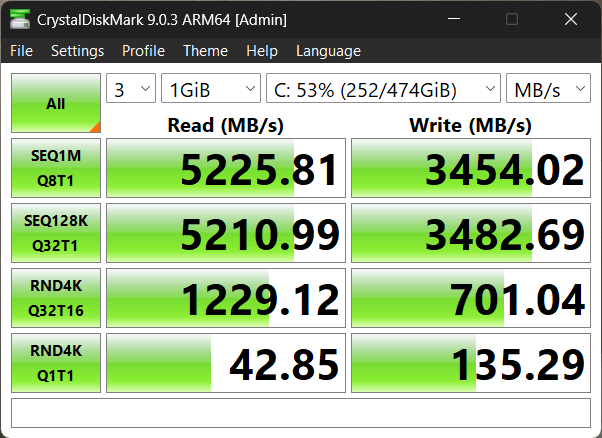
The laptop also features 16GB of LPDDR5X memory and a 512GB PCIe Gen 4 SSD. While 16GB of RAM should be sufficient for the target audience, a 1TB SSD would have been more fitting for a premium laptop in this price bracket. That said, the ongoing DRAM and NAND supply crunch has likely played a role in ASUS opting for a smaller-capacity drive. In our CrystalDiskMark tests, it delivered sequential read and write speeds of 5,225MB/s and 3,454MB/s, respectively, resulting in quick boot times, fast file transfers, and snappy application launches.
In day-to-day use, the ZenBook A14 felt quite responsive. Whether it was juggling dozens of Chrome tabs, editing documents, attending video meetings, or working with multiple productivity apps simultaneously, the laptop handled everything without slowing down. Unless your workflow involves demanding creative applications or sustained heavy workloads, the ZenBook A14 has more than enough performance for everyday productivity. As for the ARM on Windows situation, throughout our testing we hardly encountered any app compatibility issues. That said, it may vary depending on the use case.
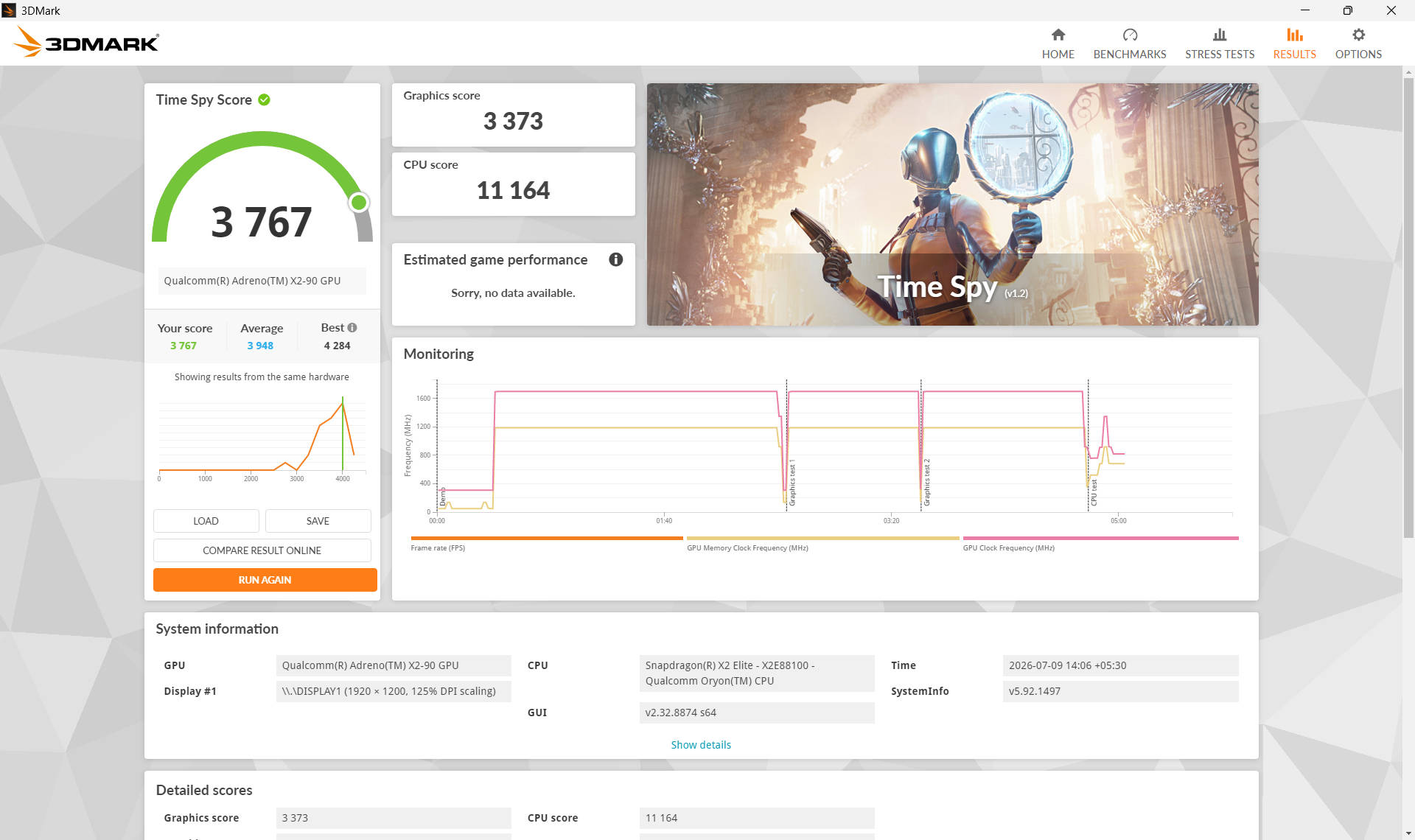
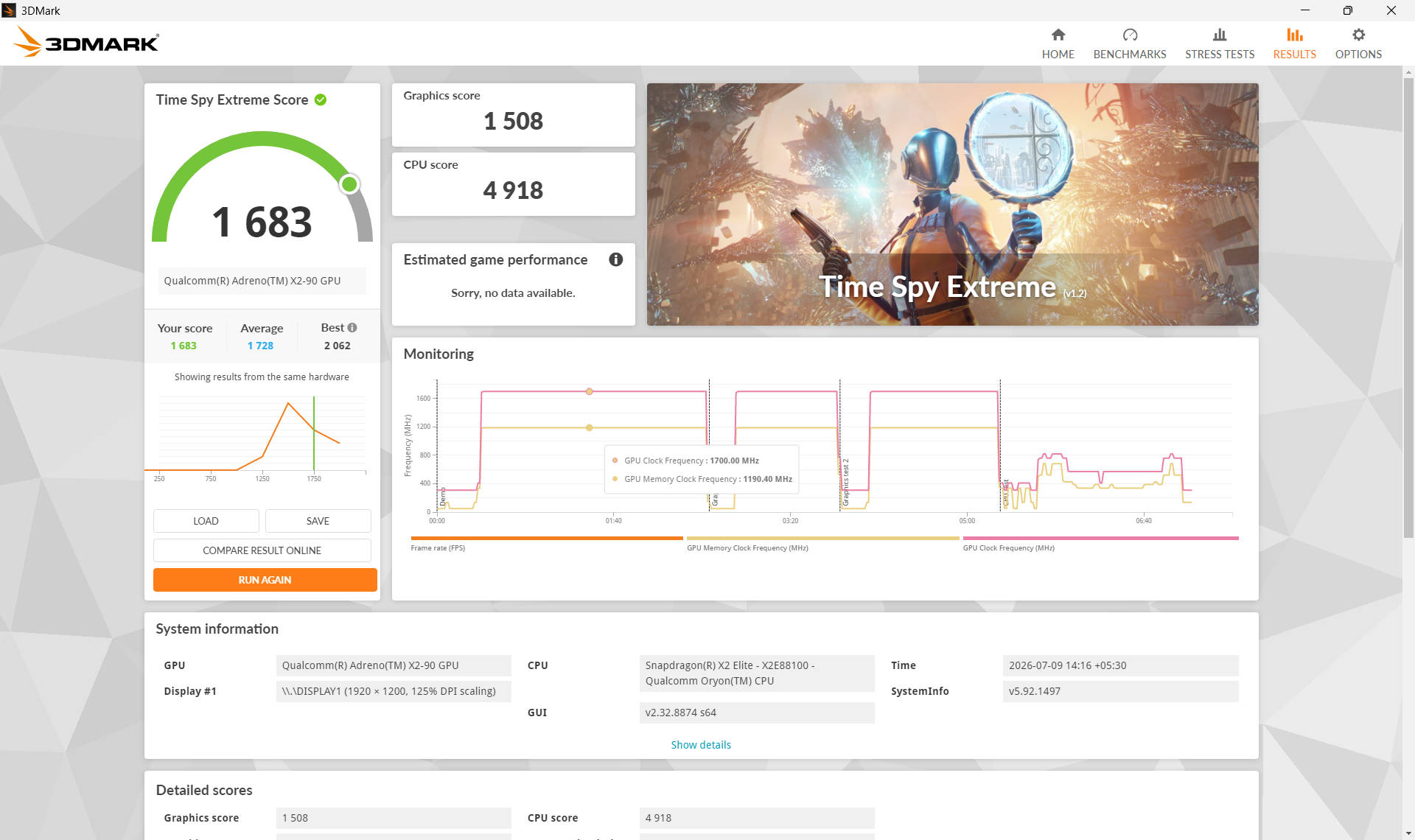
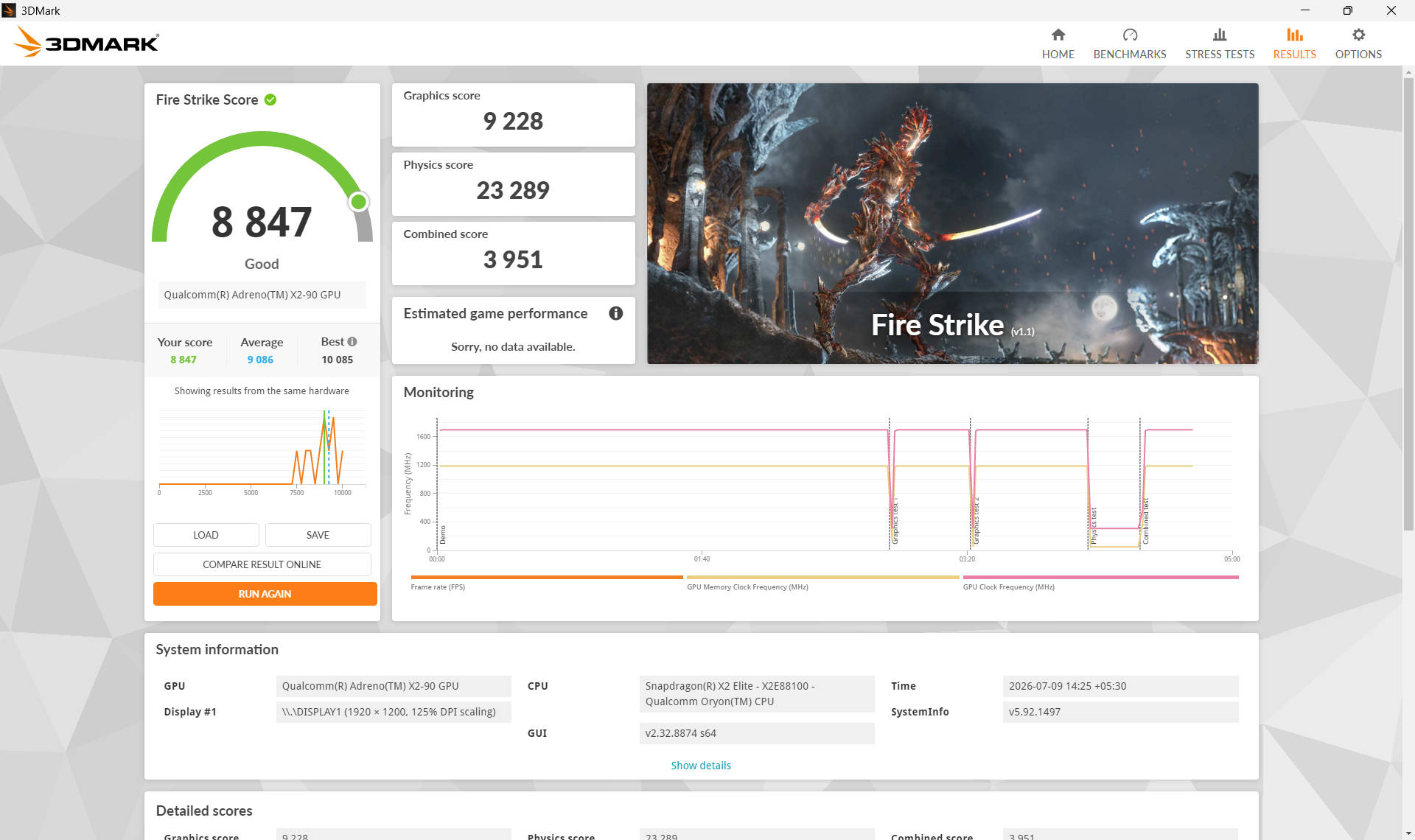
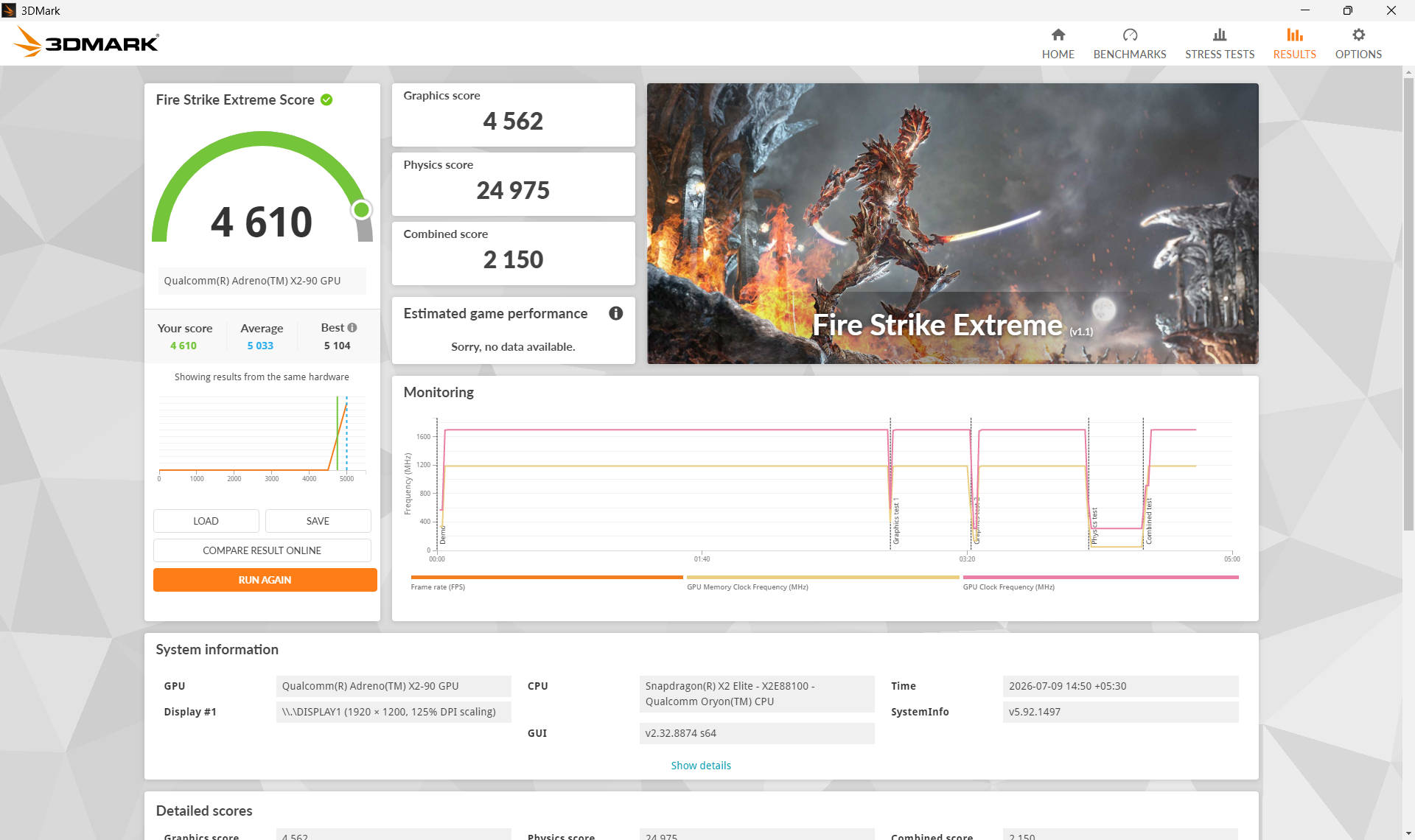
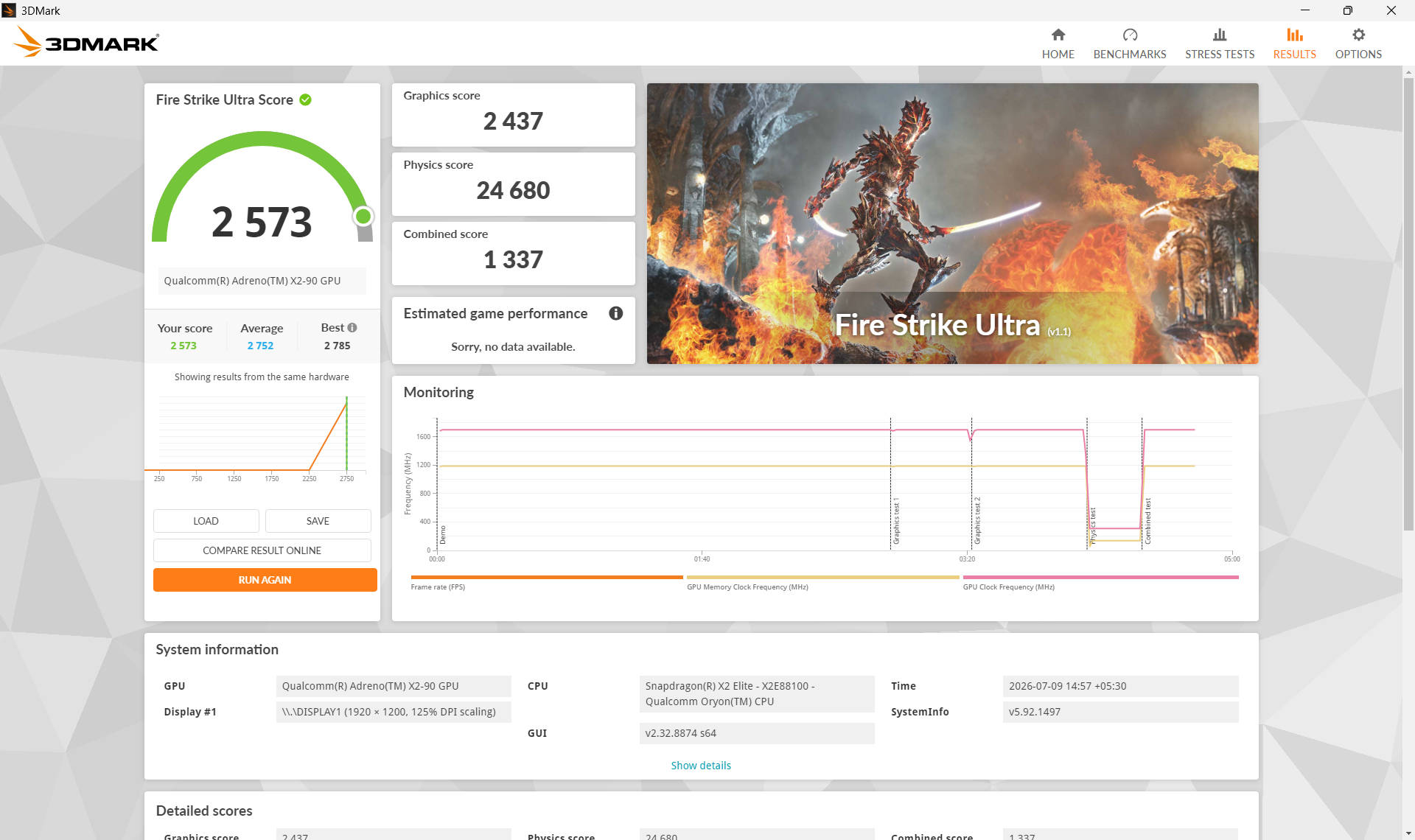
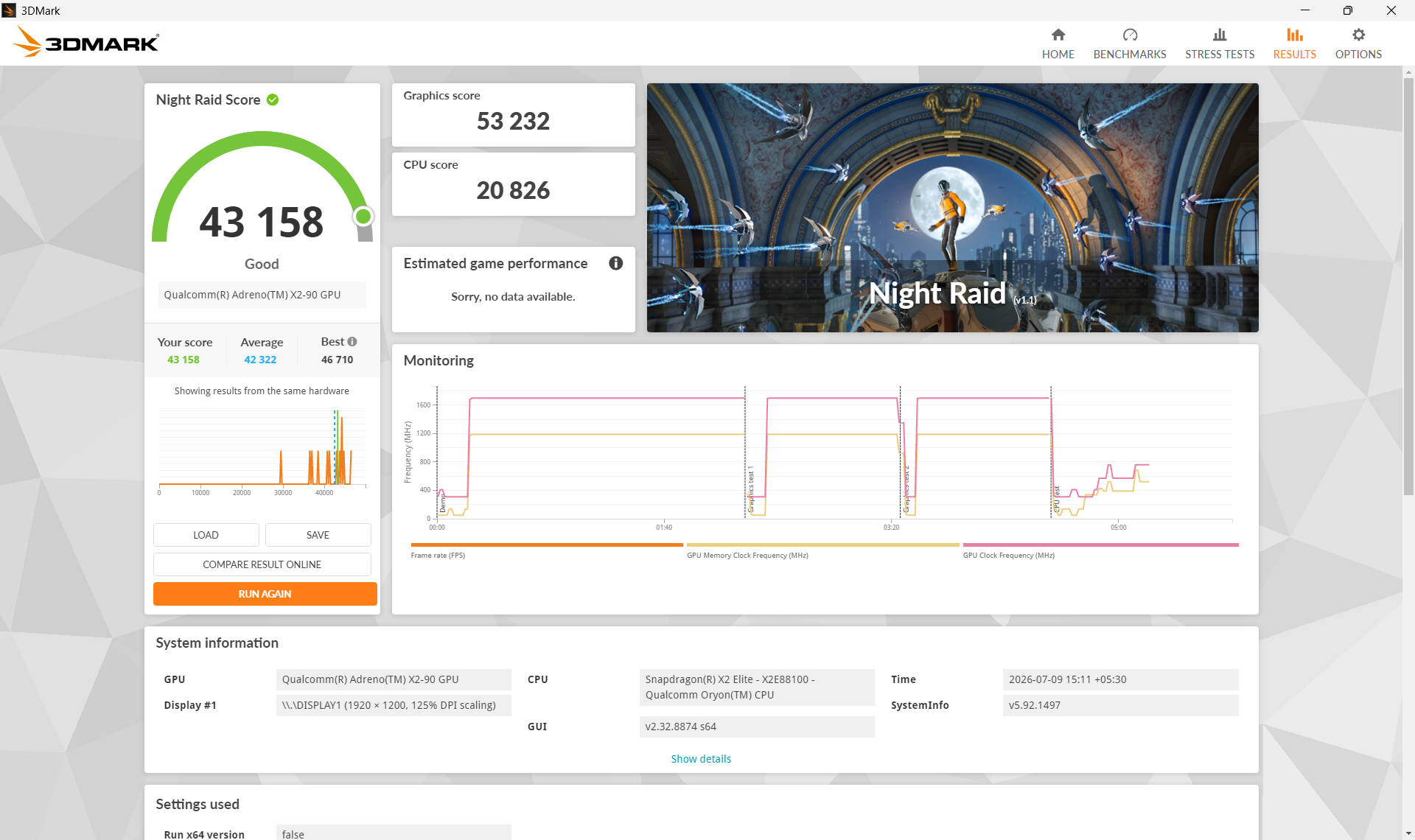
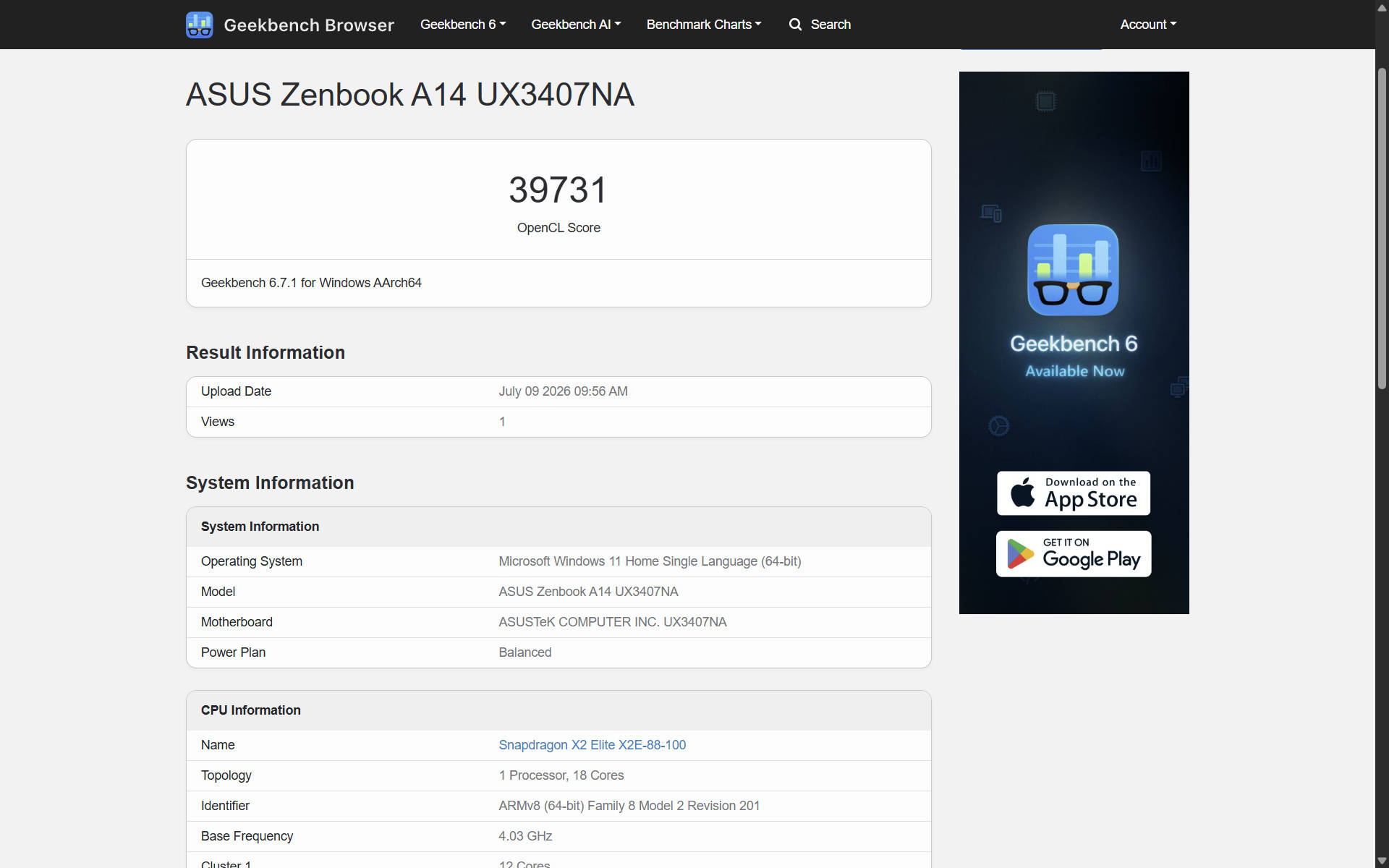
Synthetic benchmarks also paint a positive picture. For comparison, we benchmarked the ZenBook A14 against the HP OmniBook X 14, ASUS ZenBook S14, HP EliteBook X G2q 14 AI, and the Dell XPS 14 (2026). While Dell’s flagship continues to hold an advantage in graphics-heavy workloads thanks to its Intel Arc GPU, the ZenBook A14 proves to be one of the strongest performers in CPU-centric tasks, making it an excellent choice for users who prioritise productivity, multitasking, and battery life over GPU-intensive workloads.
| ASUS Zenbook A14 2026 | HP OmnibookX 14-ka0068TU | ASUS Zenbook S14 UX5406AA-SU362WS | HP Elitebook X G2q 14 AI | Dell XPS 14 (2026) | |
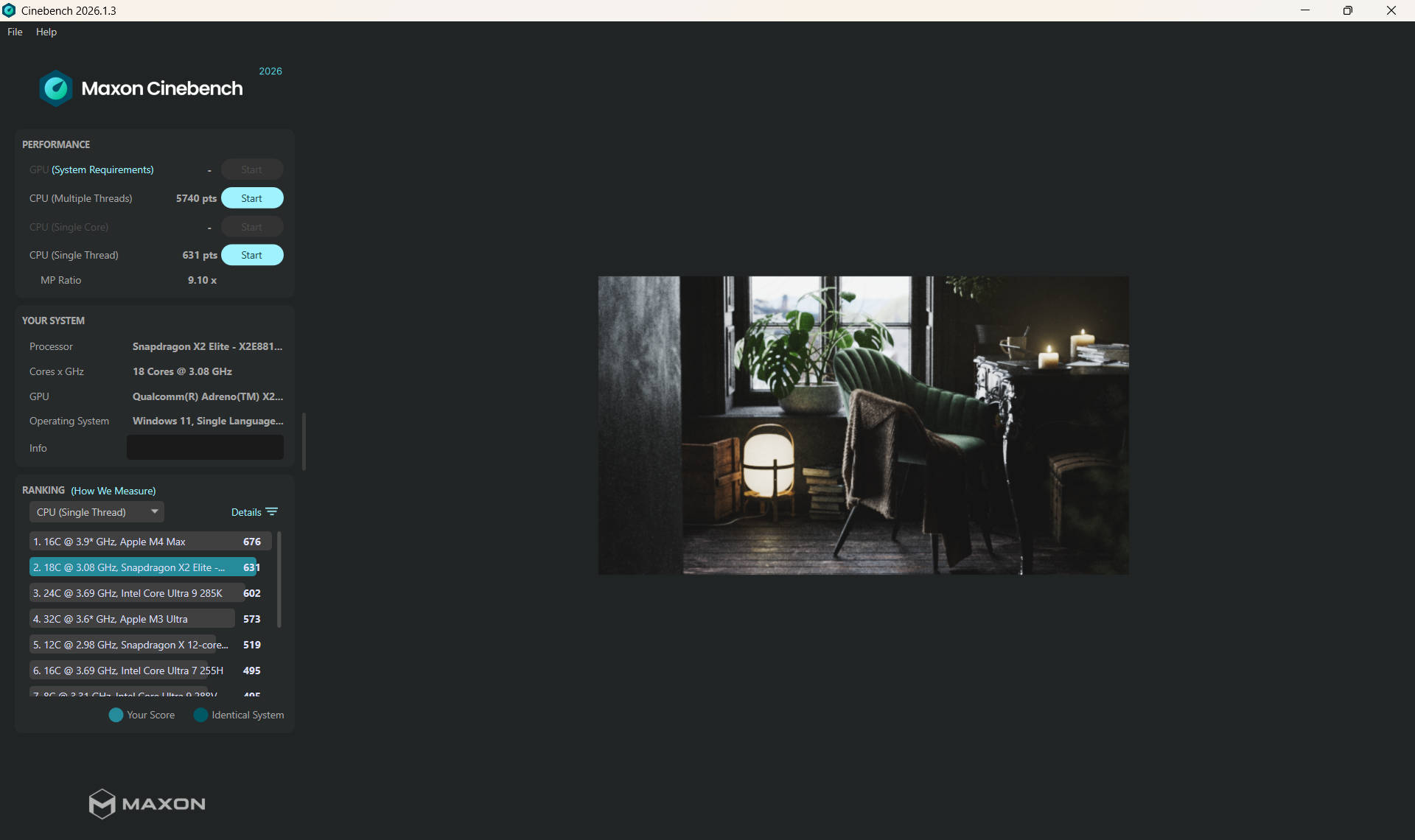
| Cinebench 2026 MT | 5740 | 2917 | 3907 | 3723 | 3028 |
| Cinebench 2026 ST | 631 | 492 | 503 | 387 | 482 |
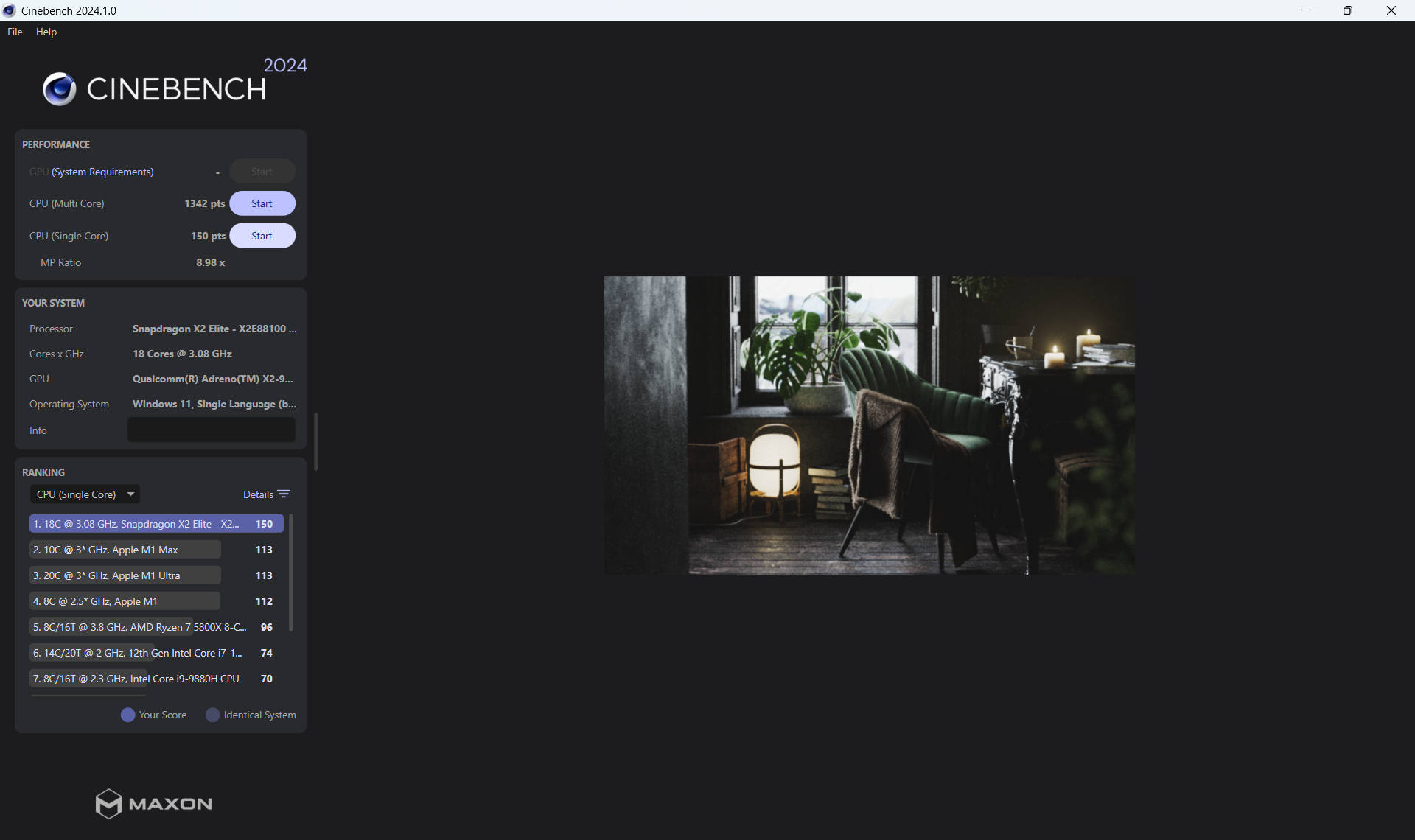
| Cinebench R24 MT | 1342 | 814 | 954 | 911 | 755 |
| Cinebench R24 ST | 150 | 121 | 123 | 94 | 118 |
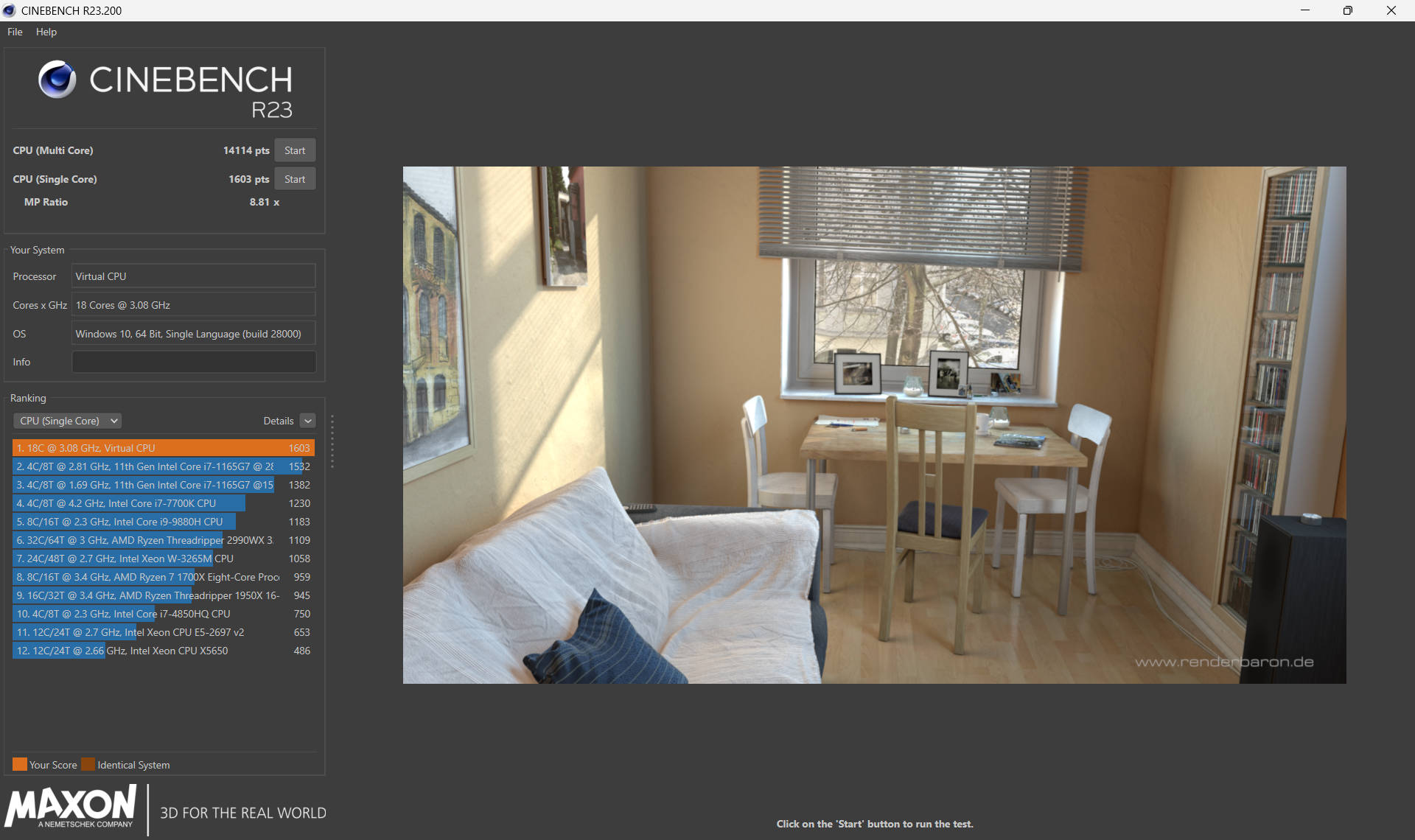
| Cinebench R23 MT | 14114 | 16328 | 15558 | 16876 | 12500 |
| Cinebench R23 ST | 1603 | 2029 | 2062 | 1676 | 2008 |
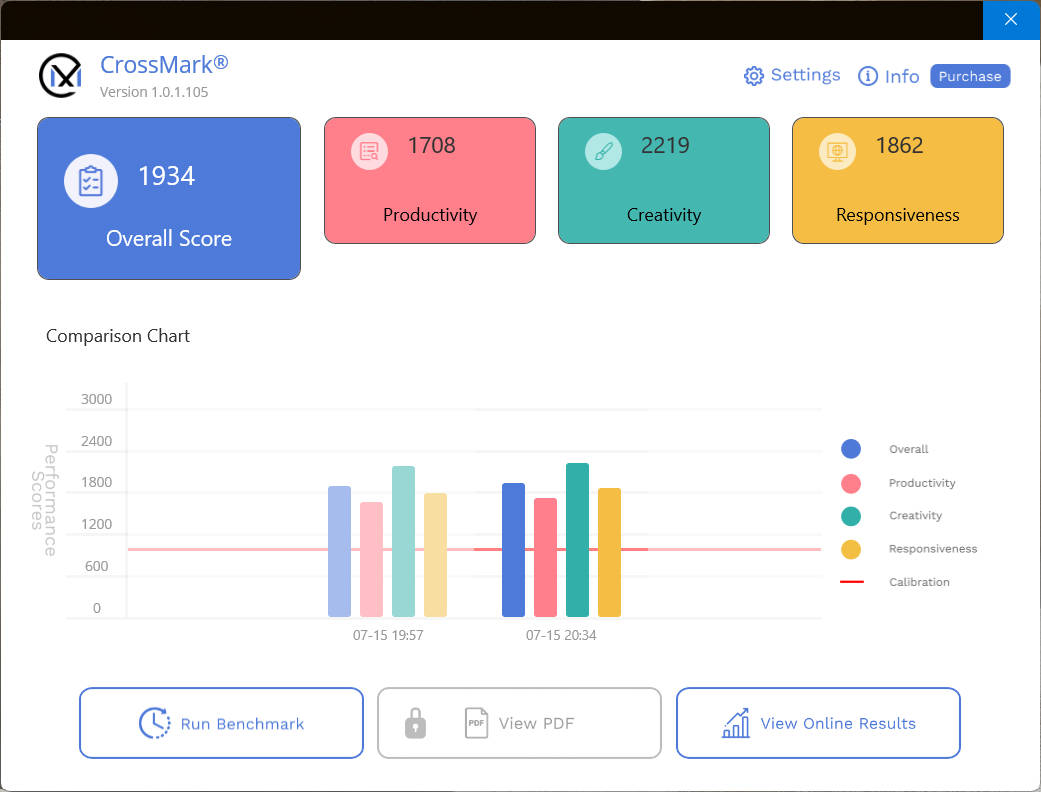
| CrossMark - Overall | 1934 | 1994 | 2207 | 2013 | 2204 |
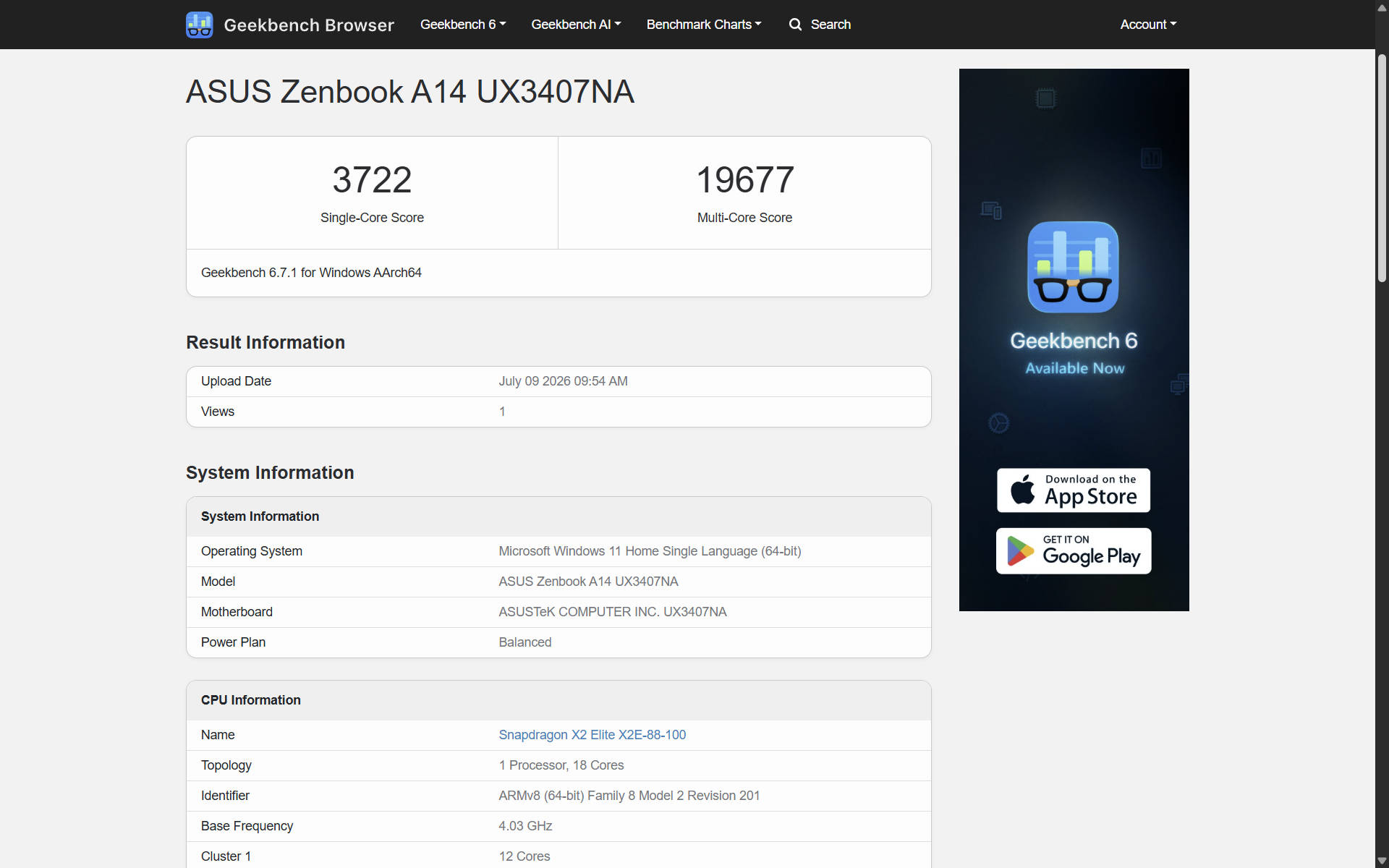
| Geek Bench 6 ST | 3722 | 2821 | 2864 | 4042 | 2862 |
| Geek Bench 6 MT | 19677 | 16068 | 16427 | 21041 | 16438 |
| Geek Bench OpenCL | 39731 | 23218 | 23777 | 40904 | 55943 |
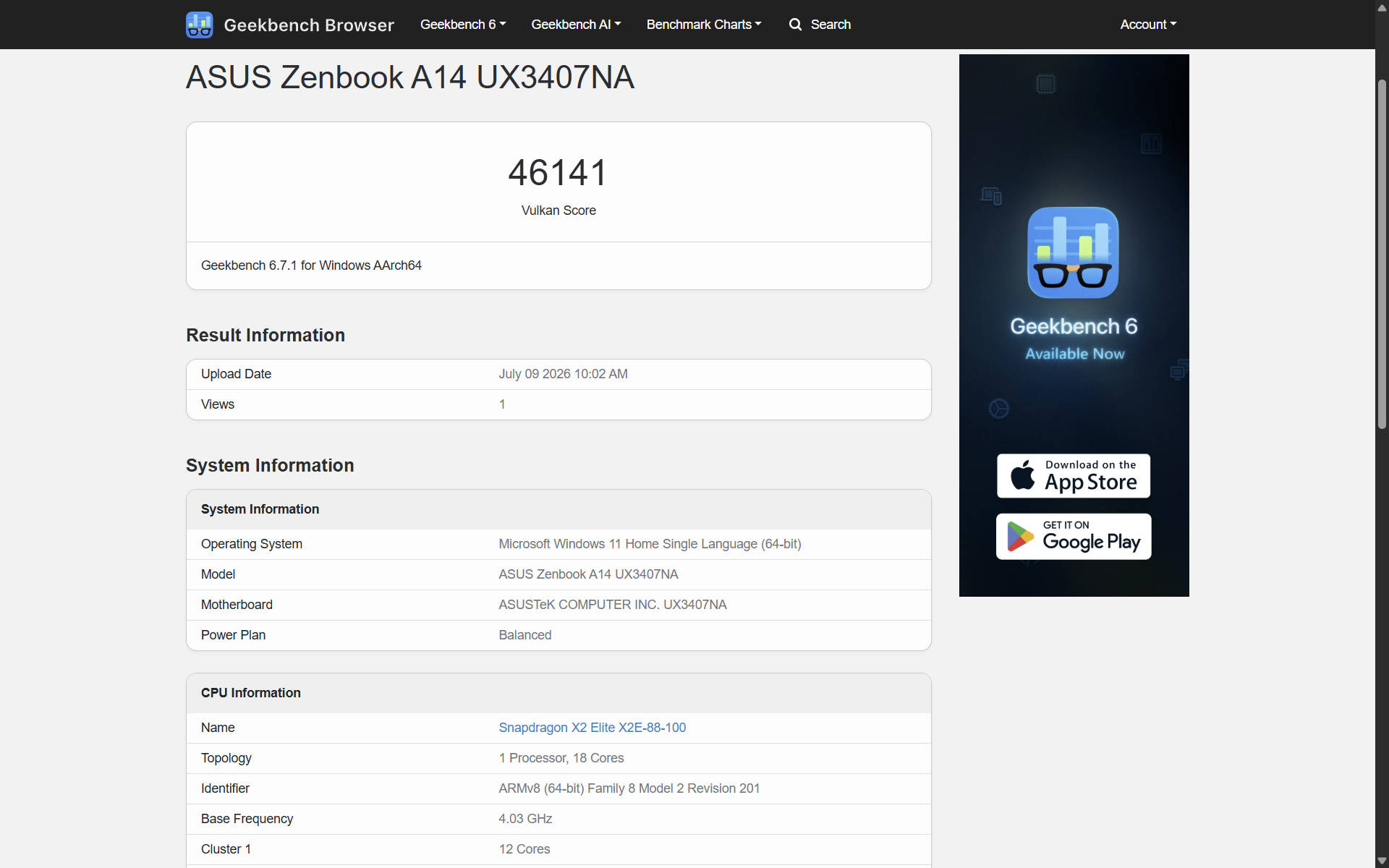
| Geek Bench Vulcan | 46141 | 28285 | 28759 | 47012 | 61421 |
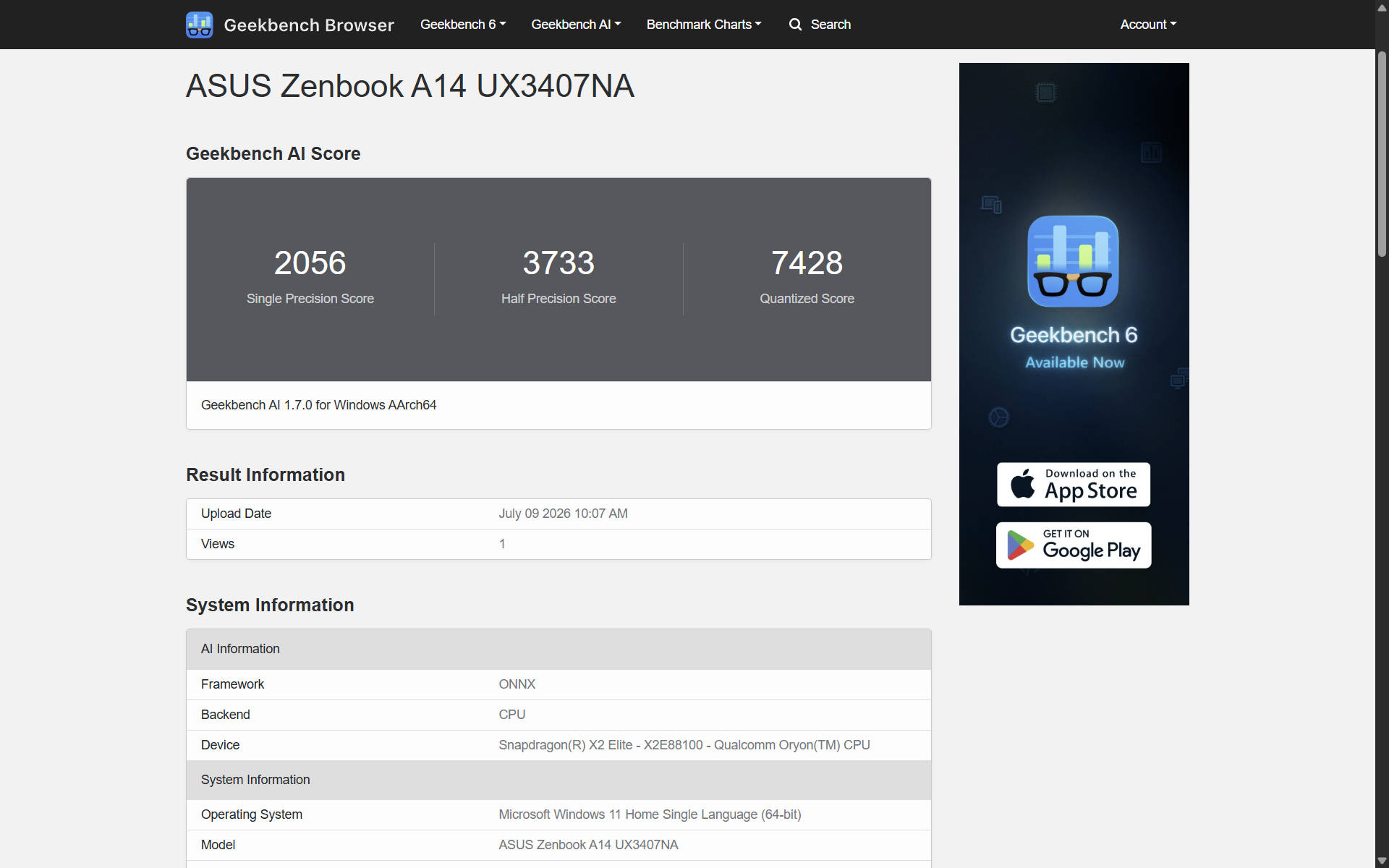
| CPU - ONNX - Single Precision | 2056 | 4636 | 4537 | 2105 | 4288 |
| CPU - ONNX - Half Precision | 3733 | 1827 | 1828 | 3798 | 1550 |
| CPU - ONNX - Quantized Score | 7428 | 8593 | 8774 | 7690 | 8303 |
| 3DMark Time Spy Extreme | 1683 | 1354 | 1583 | 2049 | 2362 |
| 3DMark Time Spy | 3767 | 2908 | 3471 | 4284 | 5821 |
| 3DMark Fire Strike Ultra | 2573 | 1439 | 1729 | 2752 | 3283 |
| 3DMark Fire Strike Extreme | 4610 | 2930 | 3289 | 5033 | 5849 |
| 3DMark Fire Strike | 8847 | 5768 | 6666 | 10085 | 11081 |
| 3DMark Night Raid | 43158 | 24482 | 30468 | 44427 | 36031 |
The Snapdragon X2 Elite delivered an impressive Geekbench 6 score of 3,722 in the single-core test and 19,677 in the multi-core test, comfortably outperforming the Intel Core Ultra 7 356H powered HP OmniBook X 14 and the Core Ultra 9 386H-equipped ASUS ZenBook S14 in multi-threaded workloads. It also leads the pack in Cinebench 2026, scoring 631 points in the single-core test and 5,740 points in the multi-core run, highlighting Qualcomm's improvements in both single-threaded responsiveness and sustained CPU performance.


In terms of thermals, the ZenBook A14 does a pretty good job of keeping temperatures under control. Under sustained workloads such as benchmark runs and prolonged multitasking, the chassis never became uncomfortably hot, with heat largely confined to the upper section of the keyboard deck. The cooling system is also tuned conservatively, meaning the fans remain silent during everyday tasks and only become faintly audible under heavier CPU loads.
The downward-firing stereo speakers are another pleasant surprise. They deliver clear vocals and decent detail for a laptop this thin, making them suitable for watching movies, attending video calls, or listening to music. While bass is limited due to the compact chassis, the overall audio quality is well balanced with enough volume to comfortably fill a small room. Support for Dolby Atmos further enhances the listening experience, especially when using compatible headphones.
Endurance champion
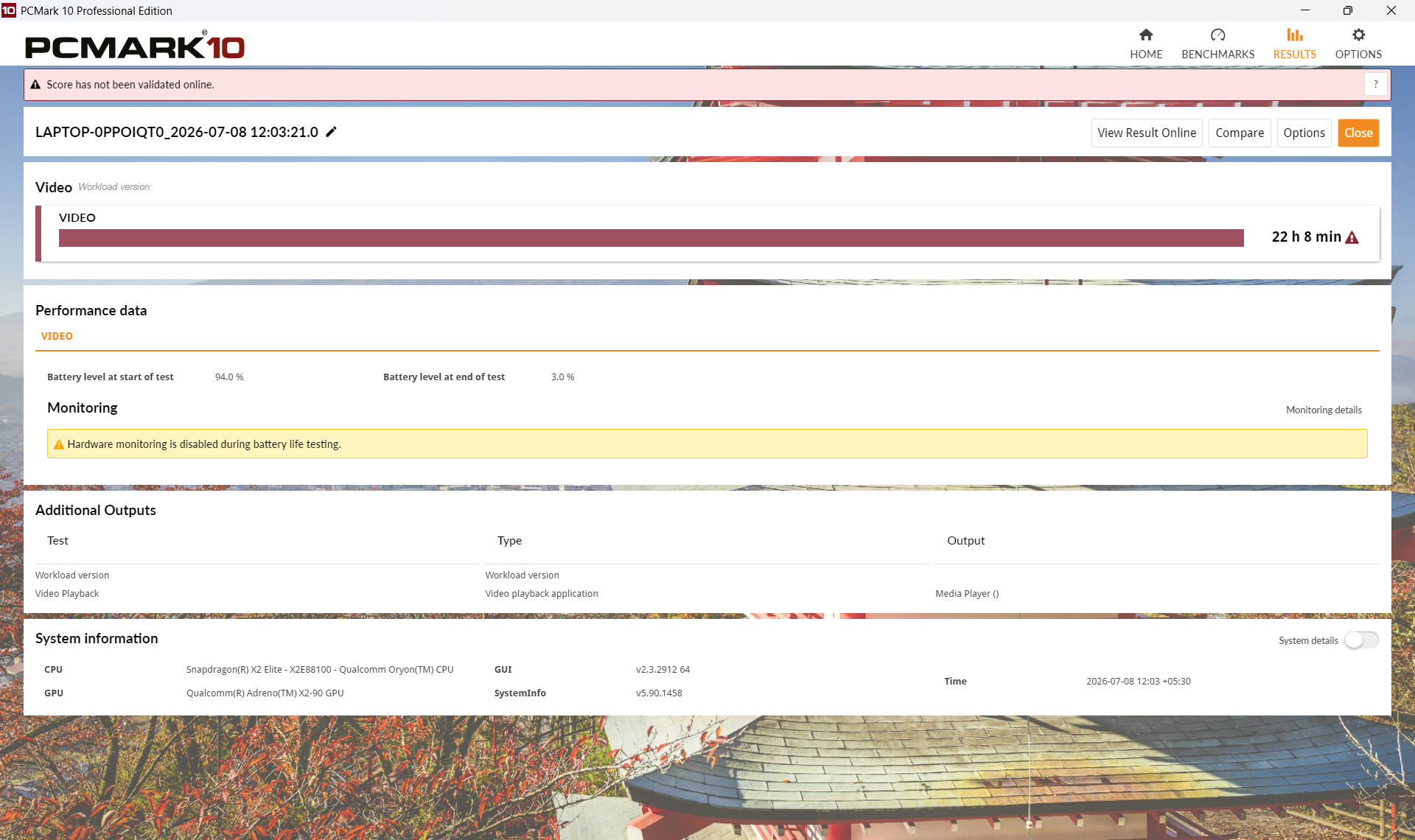
Battery life continues to be one of the ZenBook A14's biggest strengths. ASUS has retained the same 70Wh battery from last year's model, but thanks to the efficiency of Qualcomm's Snapdragon X2 Elite processor, the laptop delivers outstanding endurance. In our PCMark 10 Video battery test, with the display brightness set to 80%, the ZenBook A14 lasted an impressive 22 hours and 8 minutes. That is one of the best results we've seen from a premium Windows ultraportable and comfortably ahead of most Intel-powered rivals in this segment.
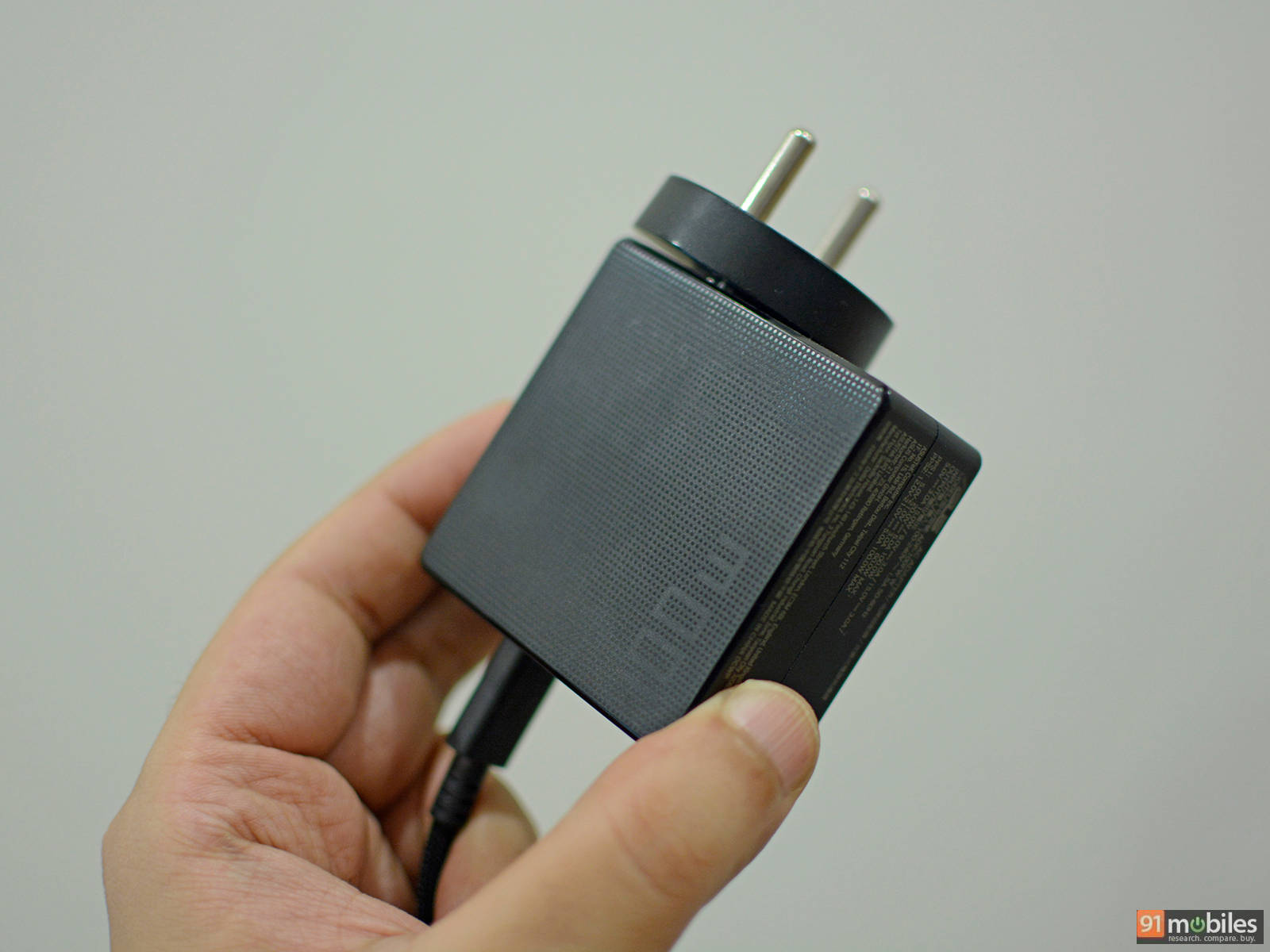
The bundled charger has also received a small upgrade. ASUS now ships the ZenBook A14 with a 100W USB Type-C power adapter, replacing the 65W unit included with last year's model. While the higher wattage means it's slightly larger than its predecessor, it remains compact enough to slip into a backpack or laptop sleeve without adding much bulk. Since it uses the USB-C Power Delivery standard, the charger can also be used to top up smartphones, tablets, and other USB-C devices, making it a versatile travel companion and reducing the need to carry multiple adapters.
Final words
The 2026 ZenBook A14 isn't a radical departure from last year's model, but it doesn't need to be. ASUS has retained everything that made the original stand out while addressing one of its biggest shortcomings with the much faster Snapdragon X2 Elite processor. Add quiet thermals, solid everyday performance, and improved Windows on Arm compatibility, and the ZenBook A14 becomes one of the most complete ultraportables we've tested.
That said, the asking price of Rs 1,65,990 makes the ZenBook A14 extremely difficult to recommend, especially when it ships with a 60Hz display and a 512GB SSD. More importantly, it represents a significant jump over its predecessor, which started at around Rs 99,000 and topped out at roughly Rs 1.3 lakh for the Snapdragon X Elite variant.
At this price, the new ZenBook A14 competes with premium offerings such as the Apple MacBook Air M5, Dell XPS 14, HP OmniBook X 14, and ASUS' own ZenBook S14, all of which offer compelling reasons to choose them. If your priorities include portability, battery life, and a quiet computing experience, the ZenBook A14 remains an excellent choice. However, unless you specifically want one of the lightest Windows laptops on the market, it may be worth waiting for a price drop before taking the plunge.
Editor's rating: 8 / 10
Pros:
- Extremely lightweight and portable
- Class-leading battery life
- Clean aesthetics
- Snappy and responsive in daily use
Cons:
- 60Hz refresh rate display
- Only 512GB SSD
- Difficult to justify at this price