

Review Summary
Expert Rating
The ASUS Vivobook S16 S5652MA-TK192WS makes a fairly straightforward promise: deliver a modern Intel processor, a large display, and a premium-looking metal design without venturing too far into the expensive laptop territory. And for the most part, it gets the job done. The Intel Core 7 350 offers enough performance for everyday productivity, the battery life is respectable, and the enormous touchpad is certainly a conversation starter. But there’s one area where ASUS seems to have got its priorities slightly mixed up: the display. A 144Hz refresh rate sounds lovely on paper, but is it enough to make up for a relatively low-resolution panel? Let’s find out.
Table of Contents
A metal makeover that actually feels premium
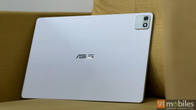
The Vivobook S16 gets an aluminium chassis that immediately feels more premium than the plastic builds commonly found in this segment. It feels sturdy, doesn’t attract fingerprints easily, and has a clean, understated design that should appeal to mainstream buyers.
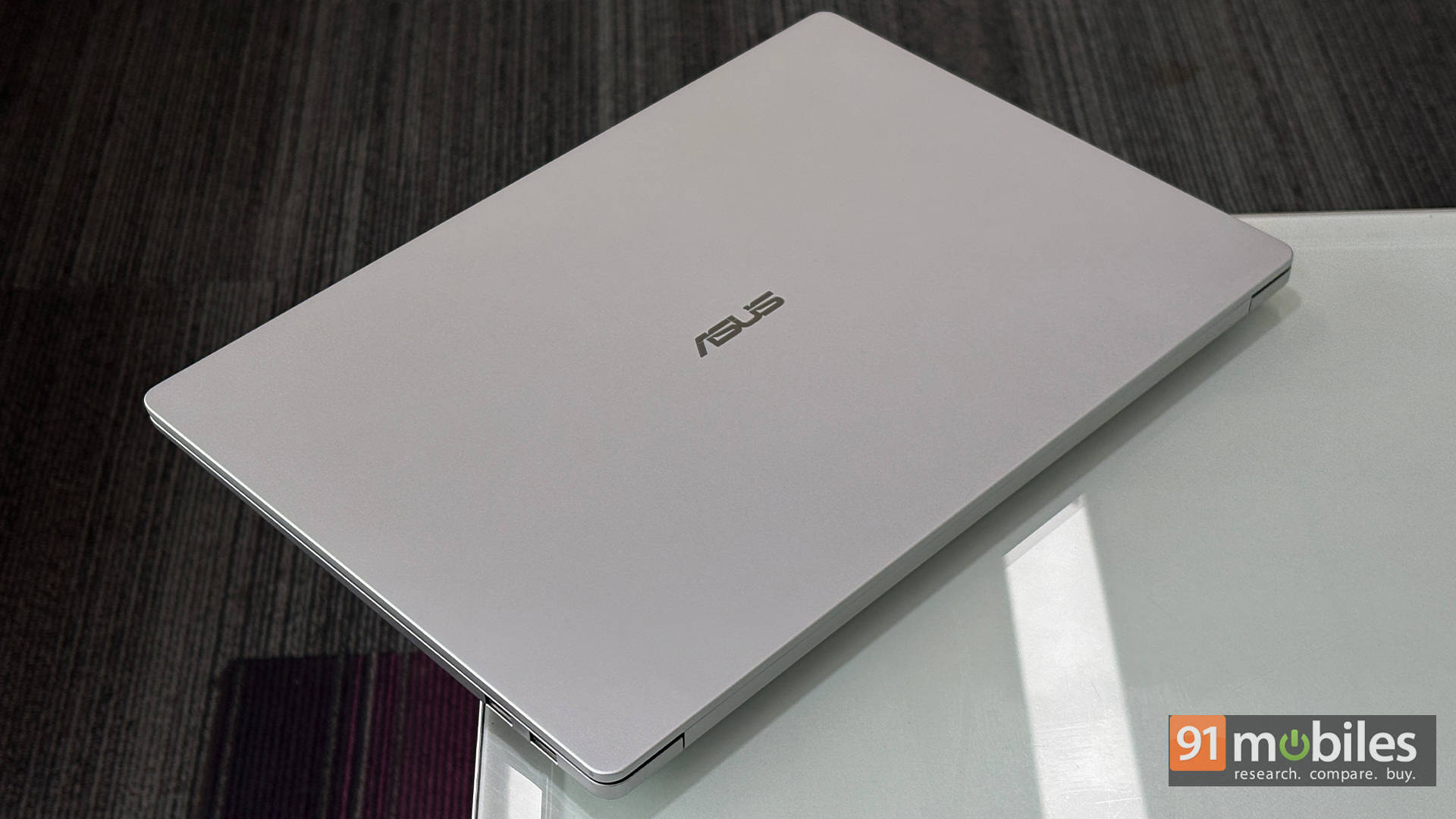
There are compromises, naturally. The lid doesn’t pass my one-handed opening test, so opening it requires both hands. It’s not a deal-breaker, but it’s a reminder that this isn’t quite a premium Zenbook.
At around 1.5kg, the laptop is reasonably portable for a 16-inch machine. However, don’t expect it to slip effortlessly into every backpack. Its footprint is fairly large, and finding a suitable compartment can be a bit of a struggle. That’s the trade-off with a bigger screen, and one worth considering if the laptop will spend a lot of time travelling.
A 144Hz display with a bit of an identity crisis
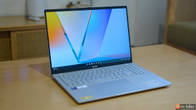
The Vivobook S16 features a 16-inch IPS display with a 1920 x 1200 resolution and a 144Hz refresh rate. That last bit sounds impressive, and it does make scrolling, animations, and general navigation noticeably smoother. However, the actual panel quality leaves quite a bit to be desired.
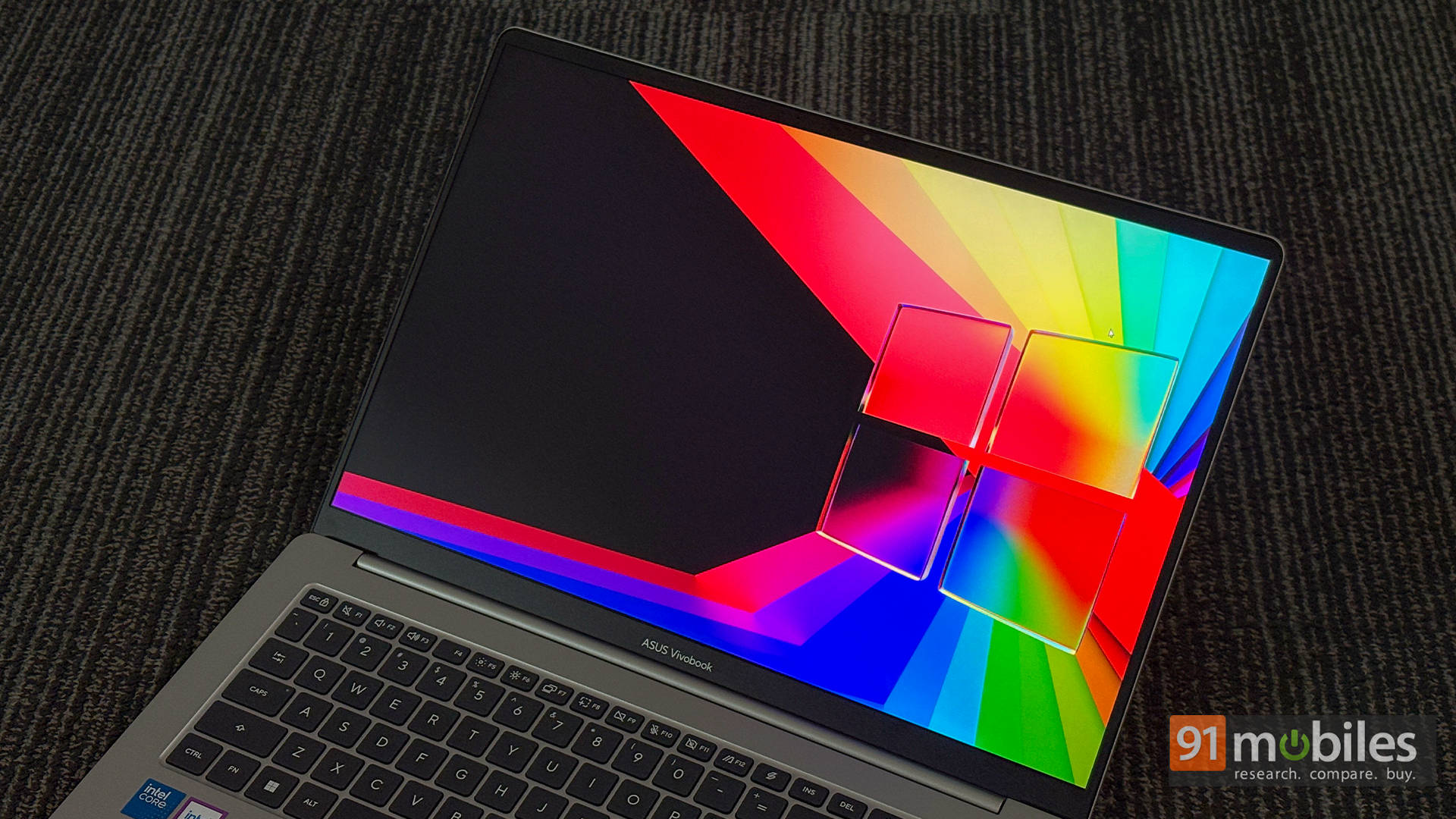
Colours look rather ordinary, and the overall viewing experience feels a little underwhelming for a laptop at this price. It’s perfectly usable for documents, browsing, and everyday content consumption, but it isn’t a display that will make anyone stop and stare.
The bigger issue is the resolution. A 1200p panel might have made more sense on a 14-inch laptop, but on a 16-inch screen, the limitations are easier to notice. Text and visuals don’t look as crisp as they could, and the display feels like an obvious cost-cutting measure.
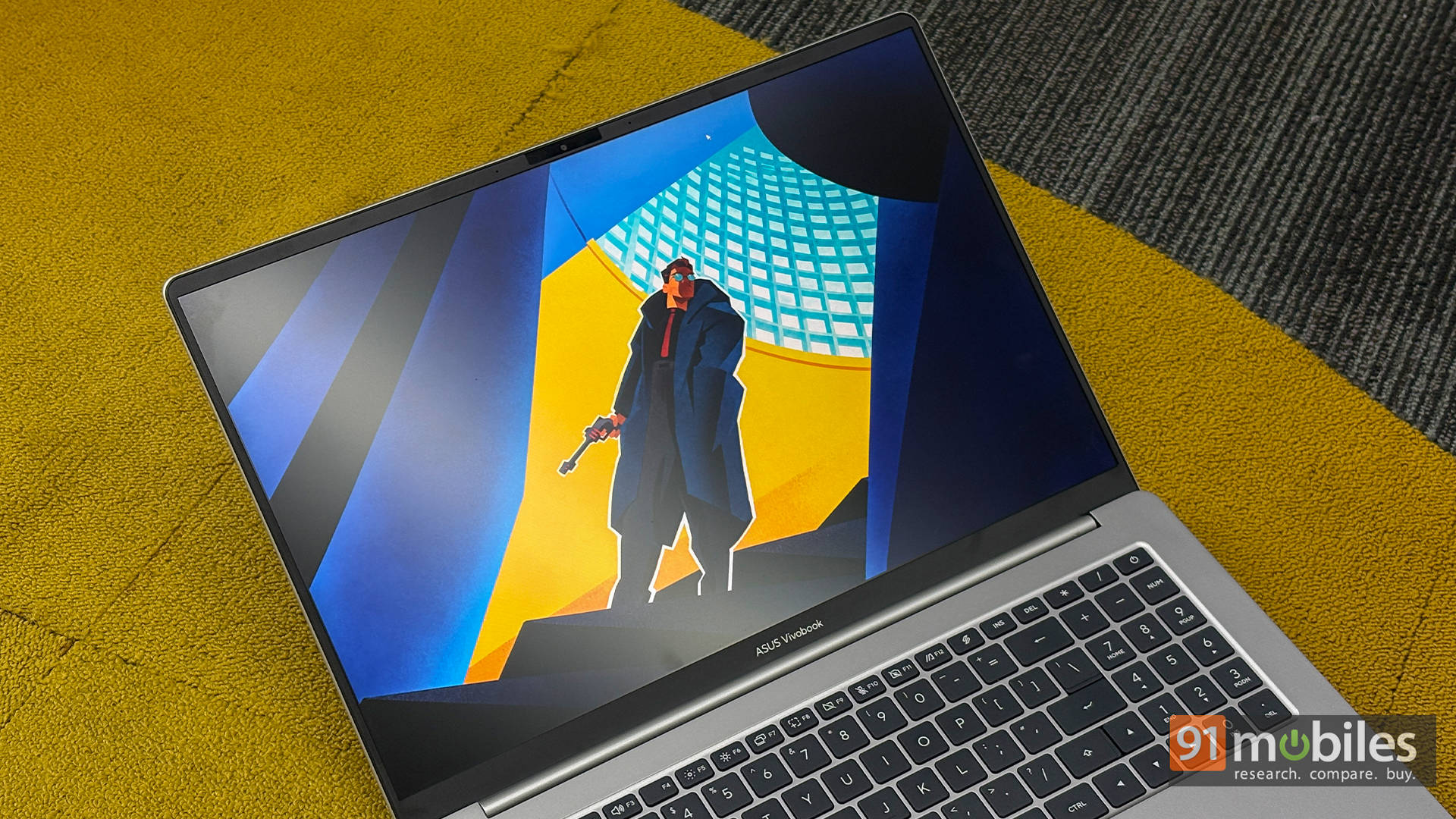
Considering that OLED laptops are available in the broader price segment, ASUS could have made a stronger case with a higher-resolution panel, even if that meant dropping the refresh rate to 120Hz. After all, how many mainstream productivity users really need 144Hz over a sharper, better-looking display?
The touchpad is enormous, but the keyboard pays the price
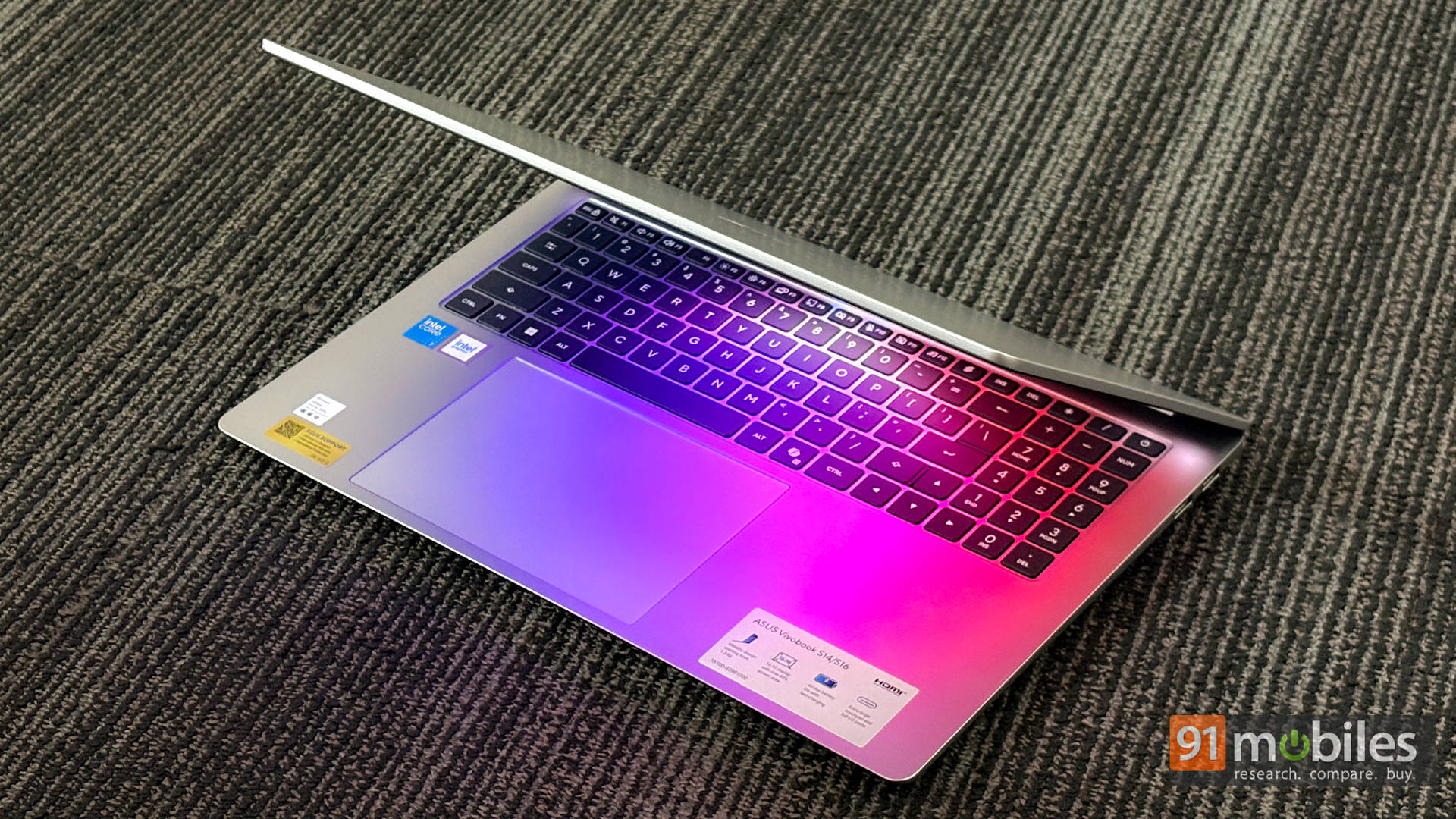
ASUS has fitted the Vivobook S16 with one of the largest touchpads I’ve used on a laptop. It’s genuinely massive, and the good news is that it works rather well. Tracking is accurate, gestures respond as expected, and I didn’t experience any frustrating accidental touches during my testing. That’s particularly impressive given how much surface area there is to work with.
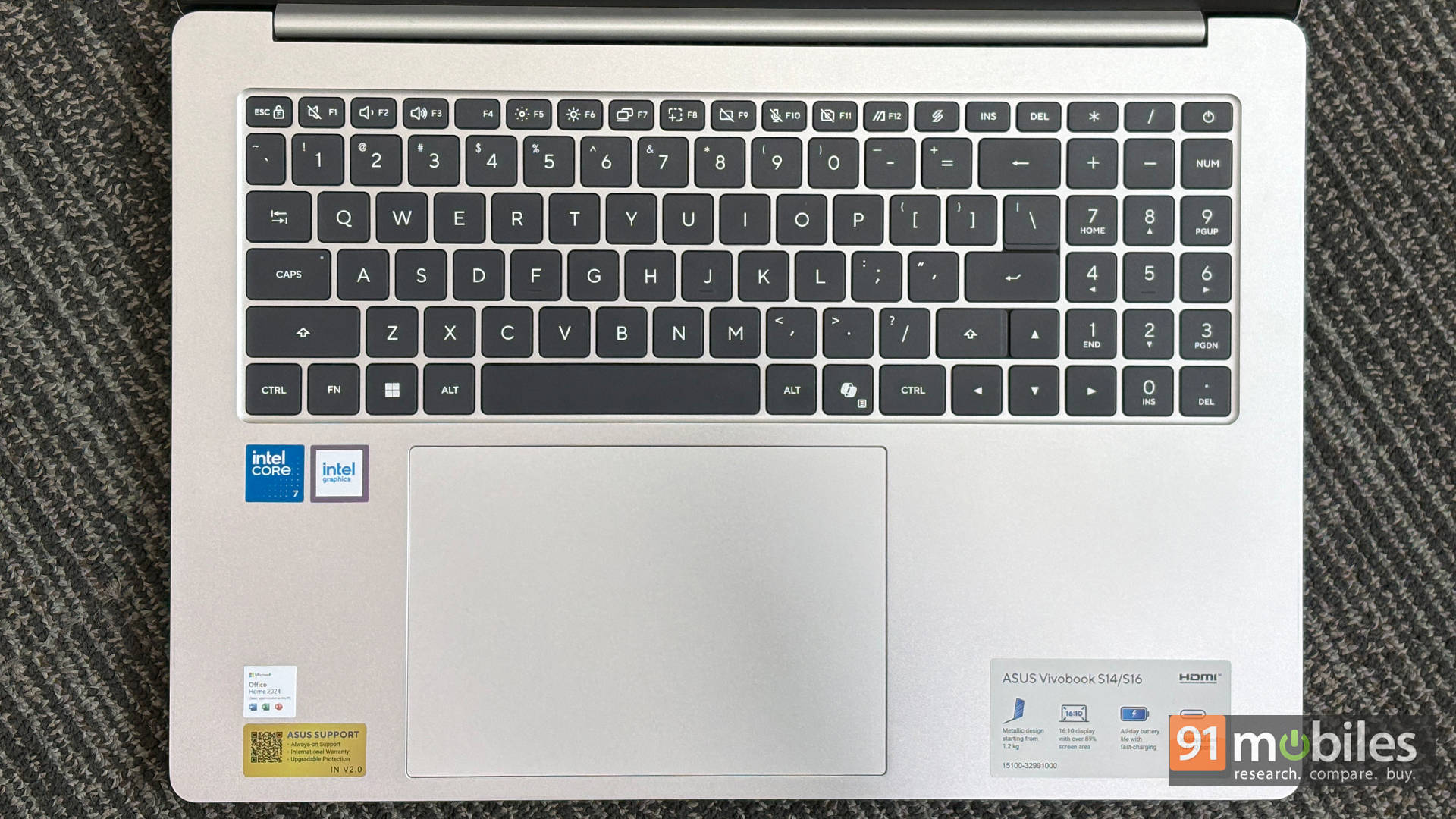
Unfortunately, all that touchpad real estate comes at a cost. The keyboard feels a little cramped, which is surprising considering the laptop’s 16-inch chassis. The layout takes some getting used to, and the keys have relatively shallow feedback. It’s still better than what I’d expect from many entry-level laptops, but it isn’t the most satisfying keyboard for long typing sessions. A little less touchpad and a little more breathing room for the keyboard might have been a better design decision.
Intel Core 7 350: Plenty for work, not quite a workstation
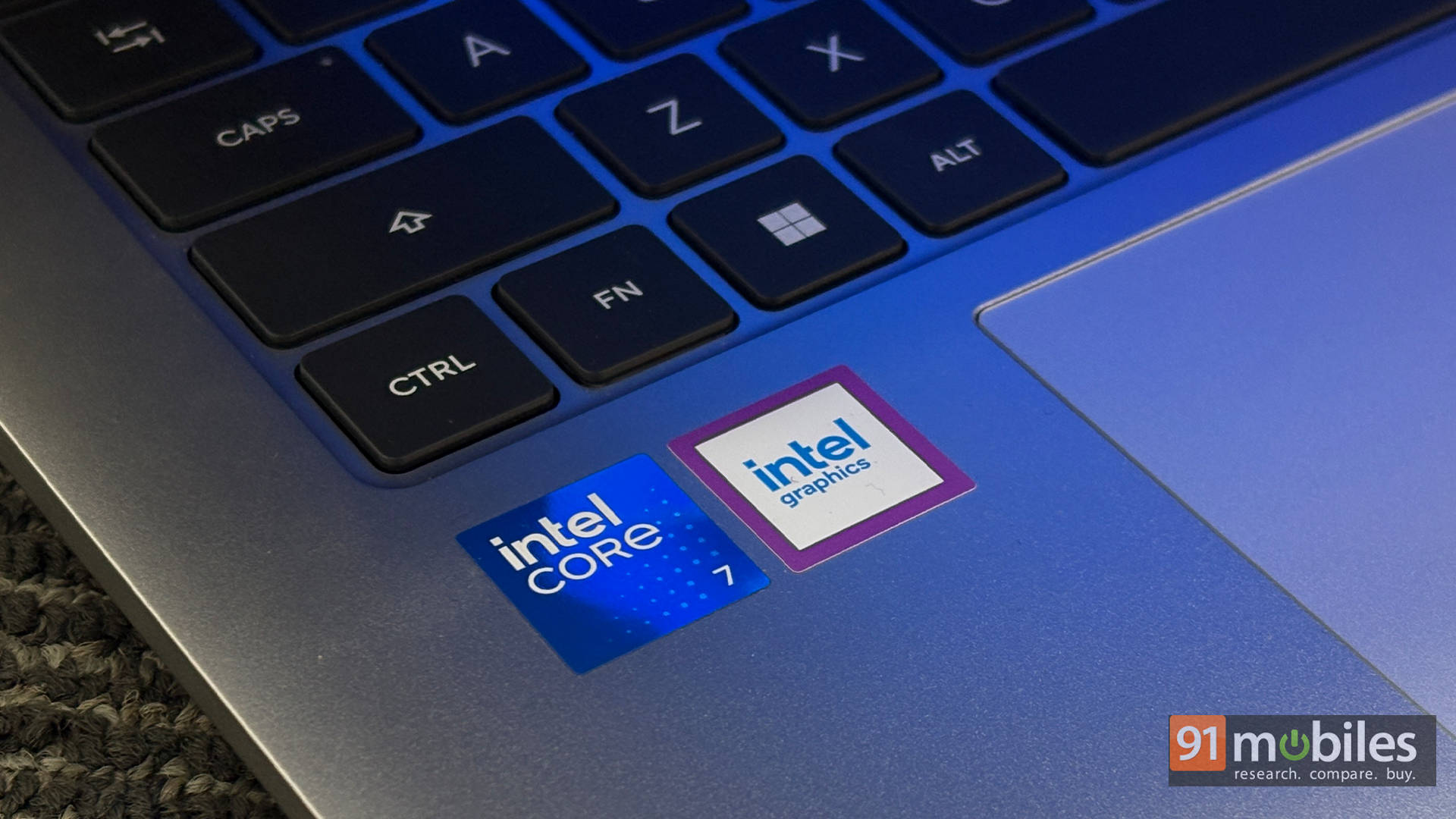
The Vivobook S16 runs on Intel’s Core 7 350 processor, paired with 16GB of LPDDR5X RAM and a 512GB PCIe Gen 4 SSD. Integrated Intel Graphics handle graphics duties, so this is a productivity-focused machine rather than a laptop built for heavy creative workloads or gaming.
In everyday use, the laptop feels responsive, handles multitasking comfortably, and doesn’t struggle with regular office work, browsing, or document editing.
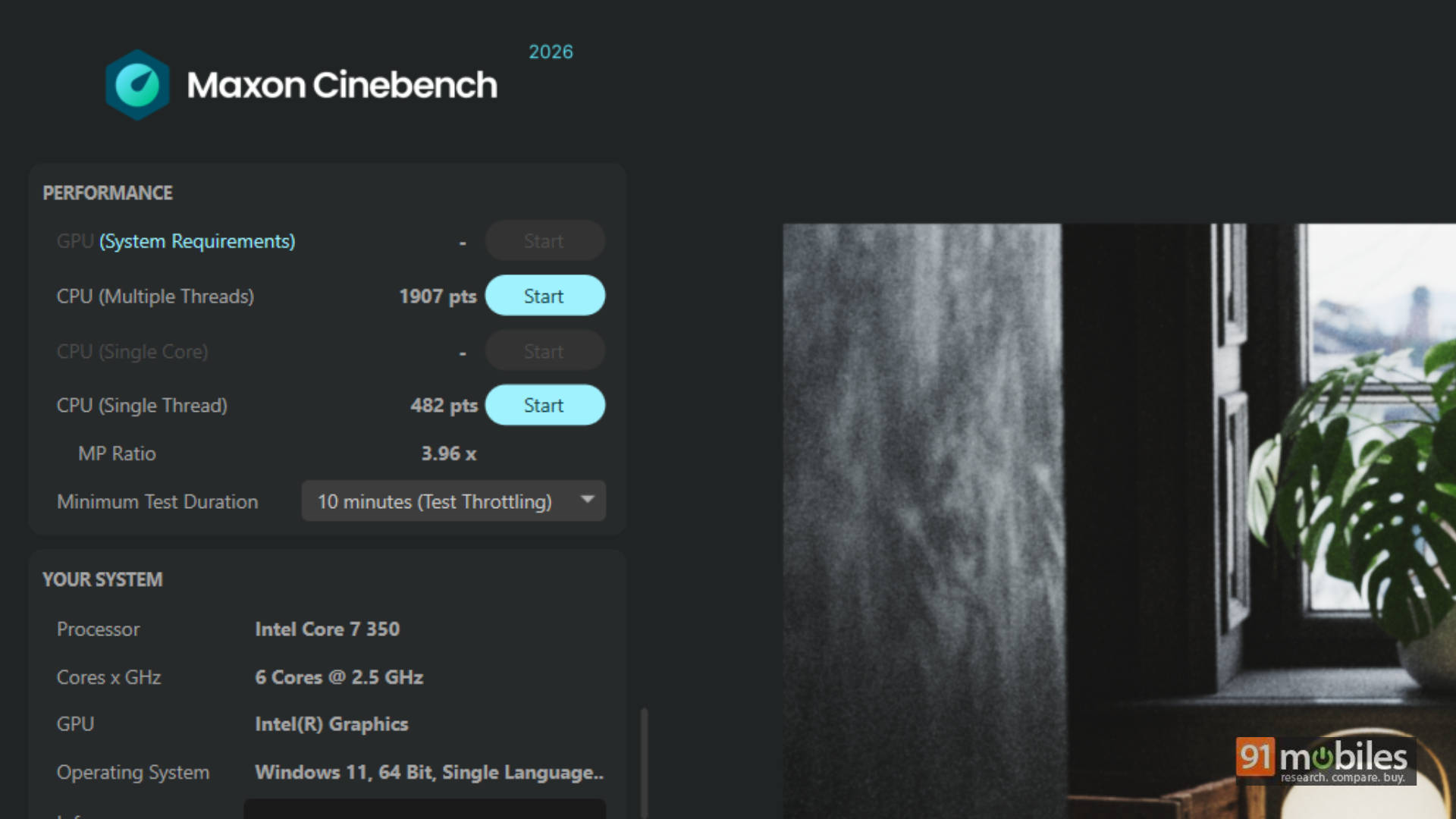
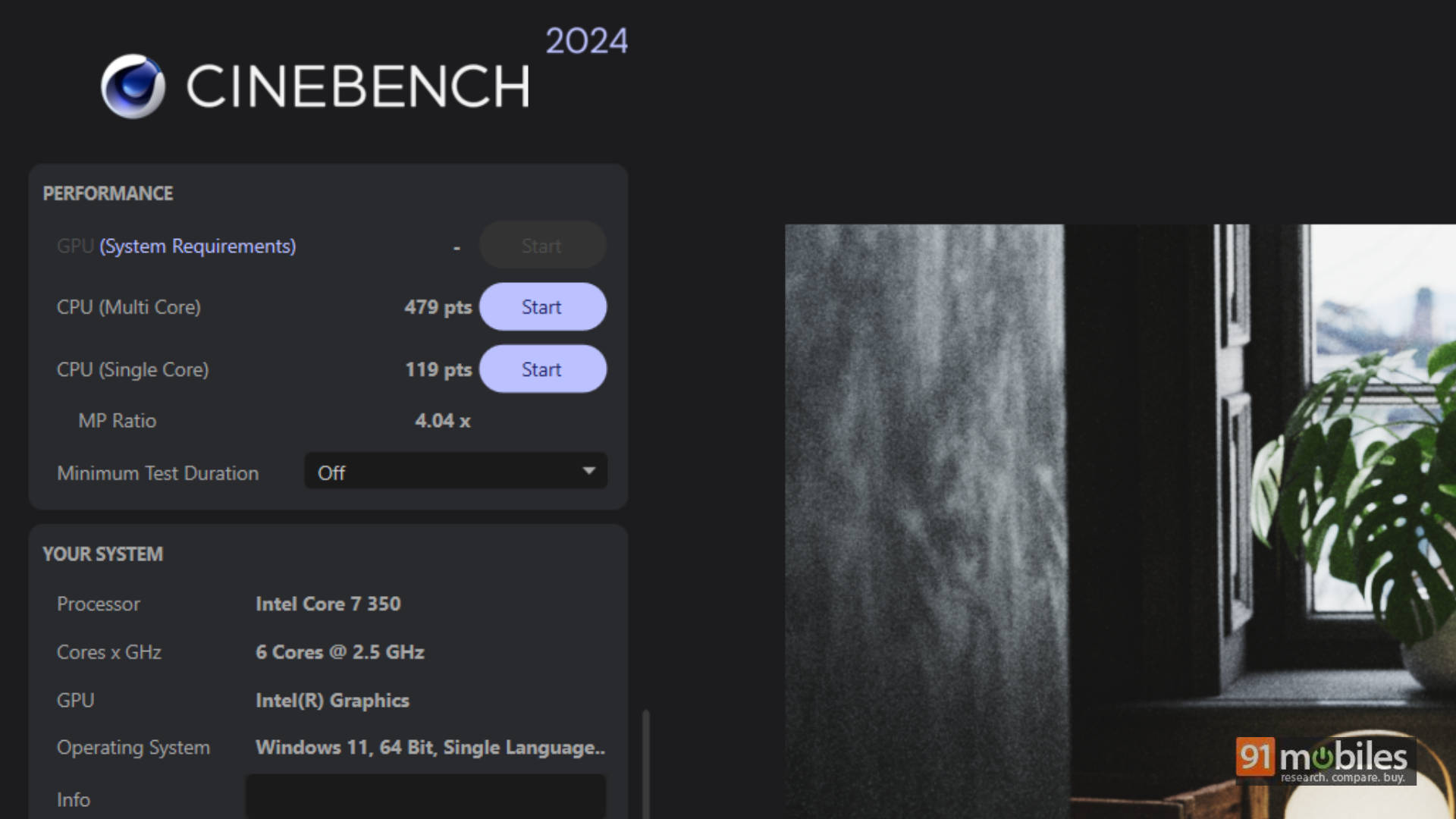
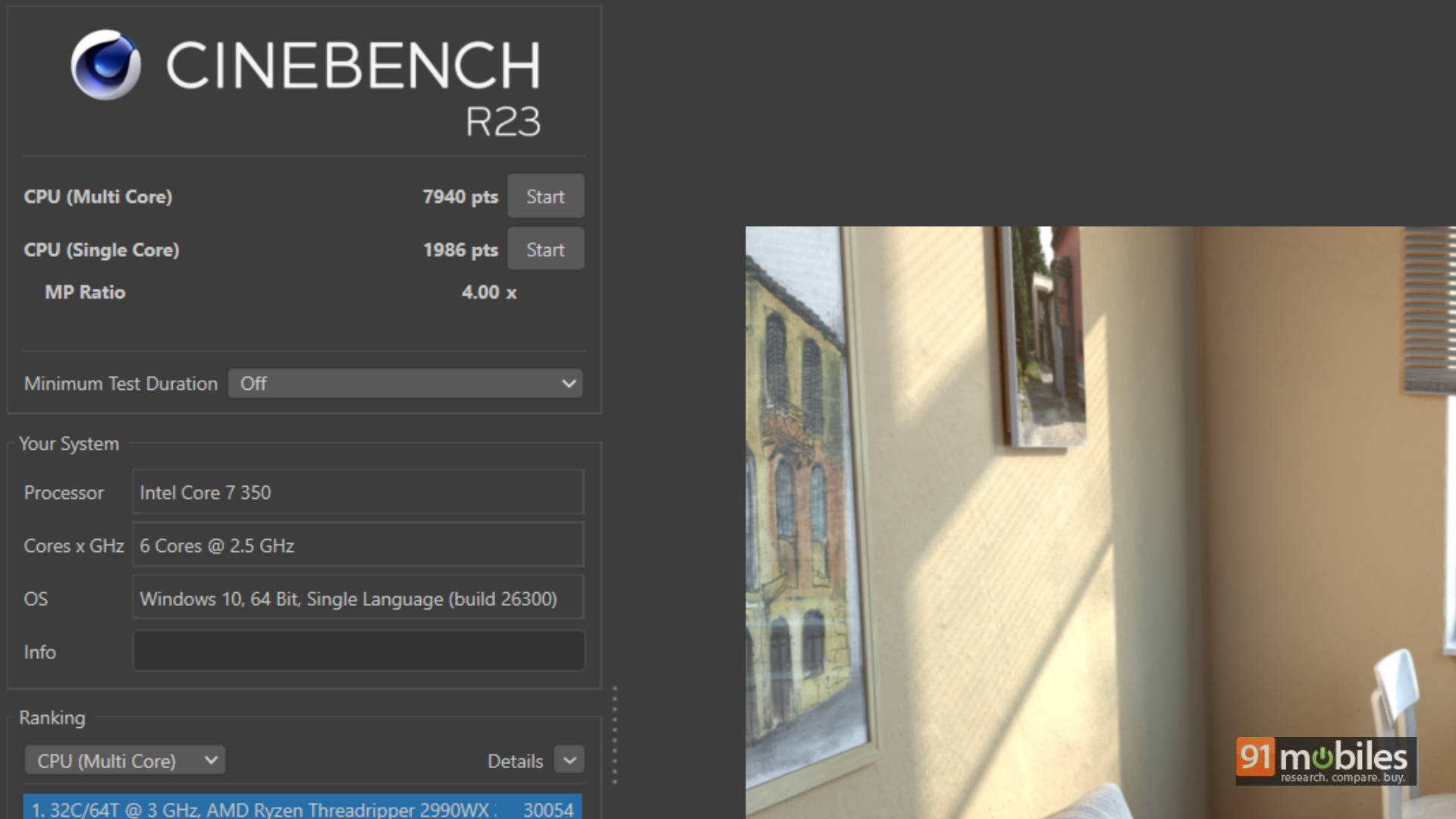
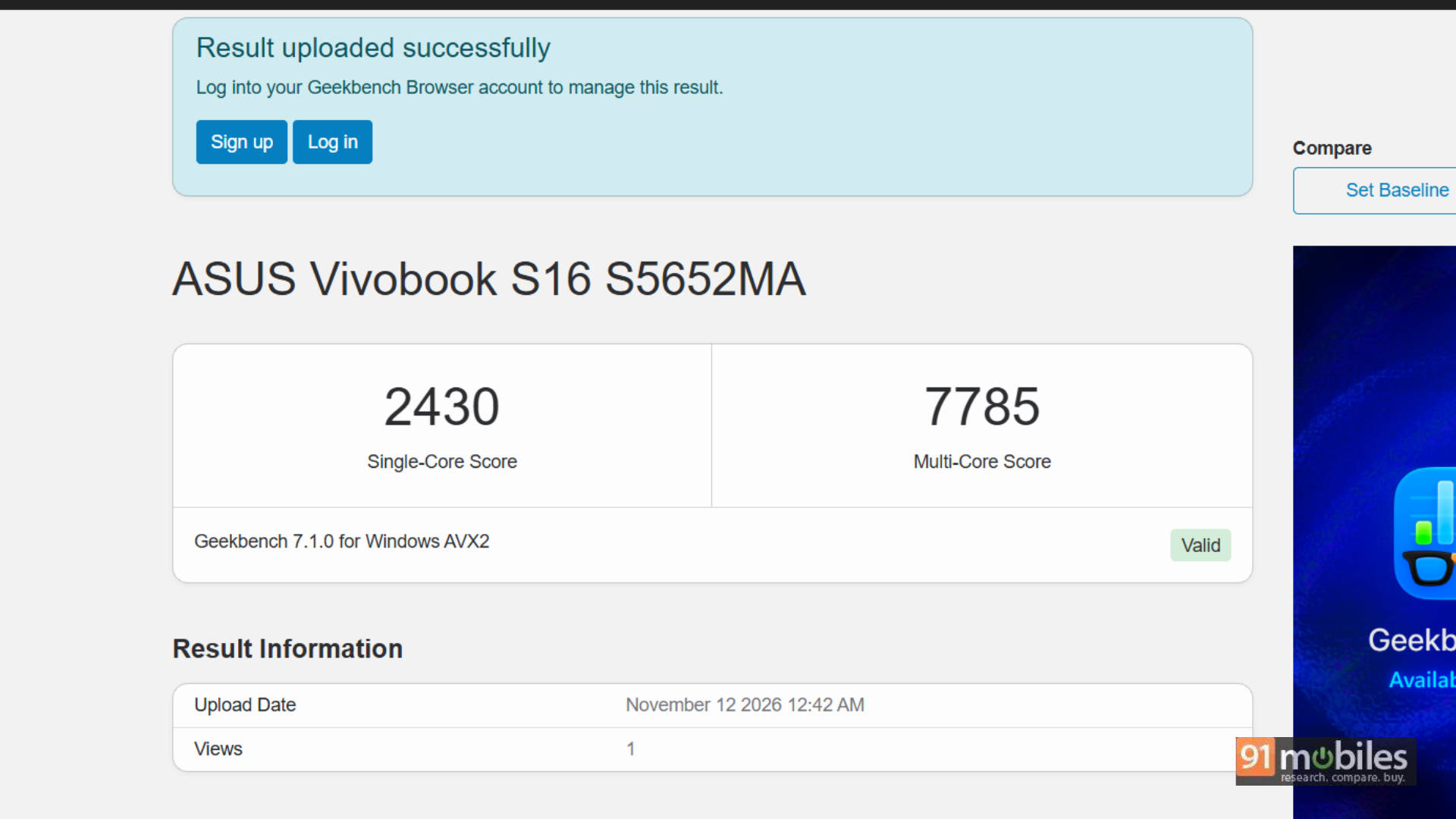
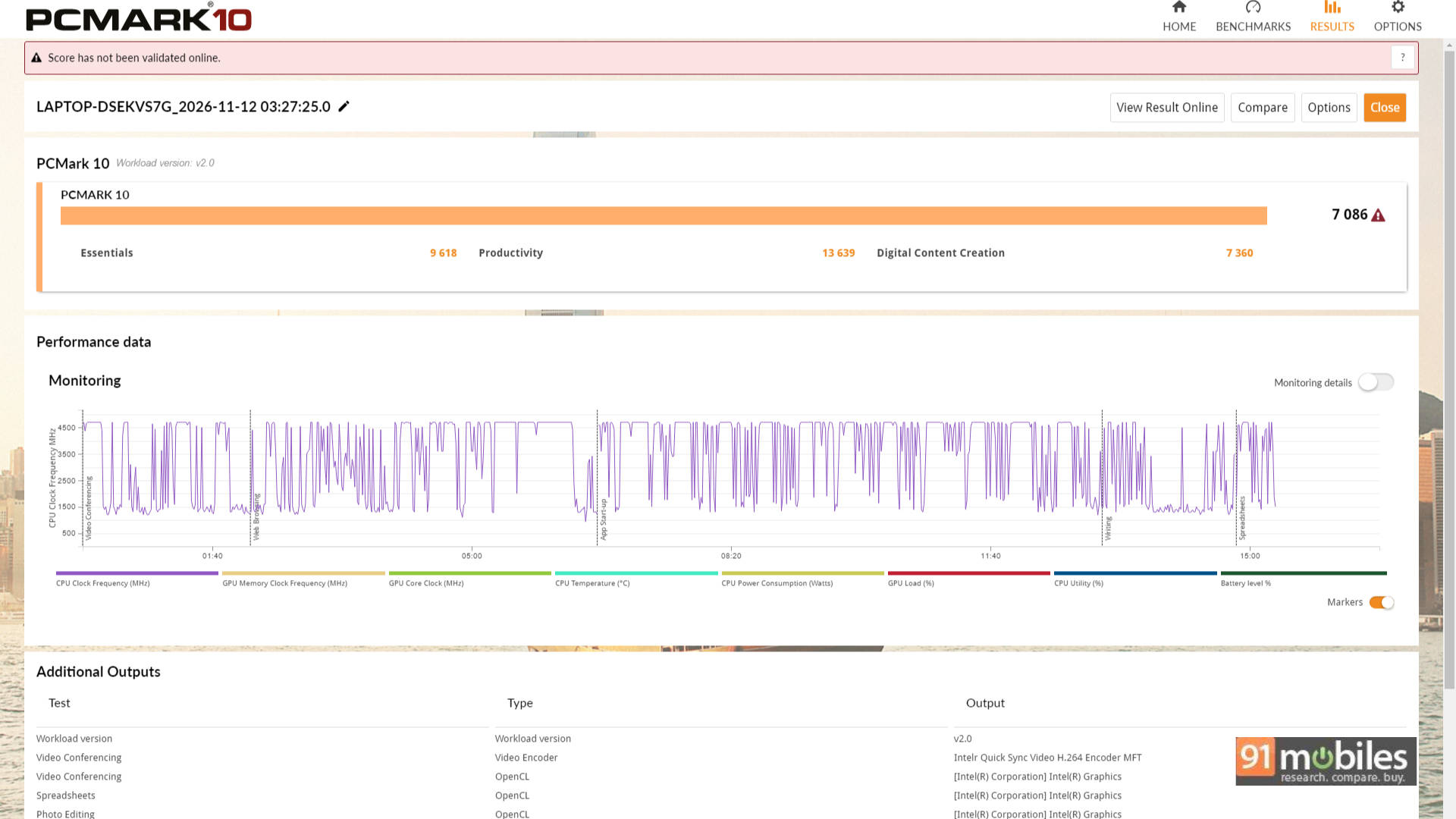
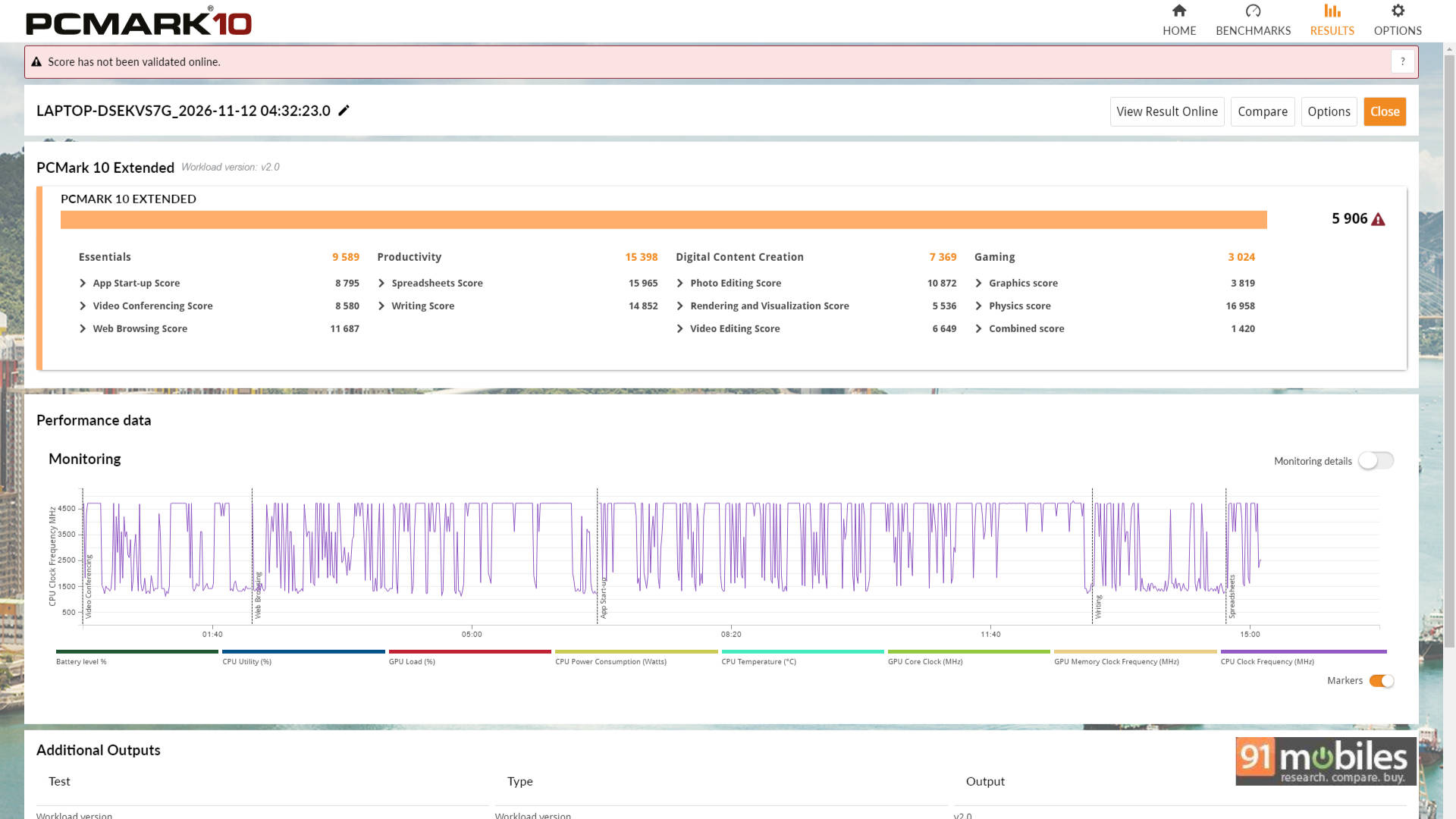
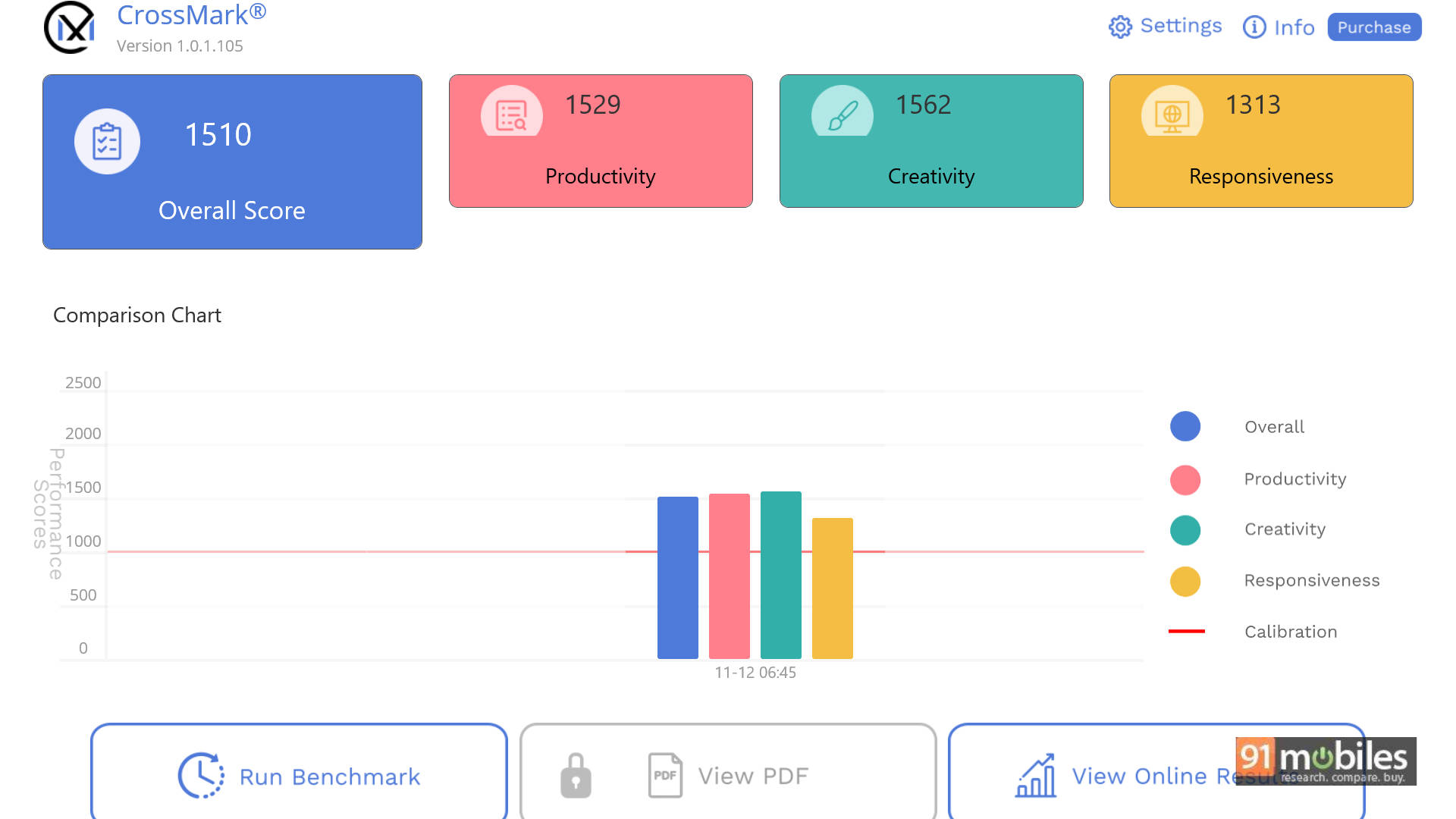
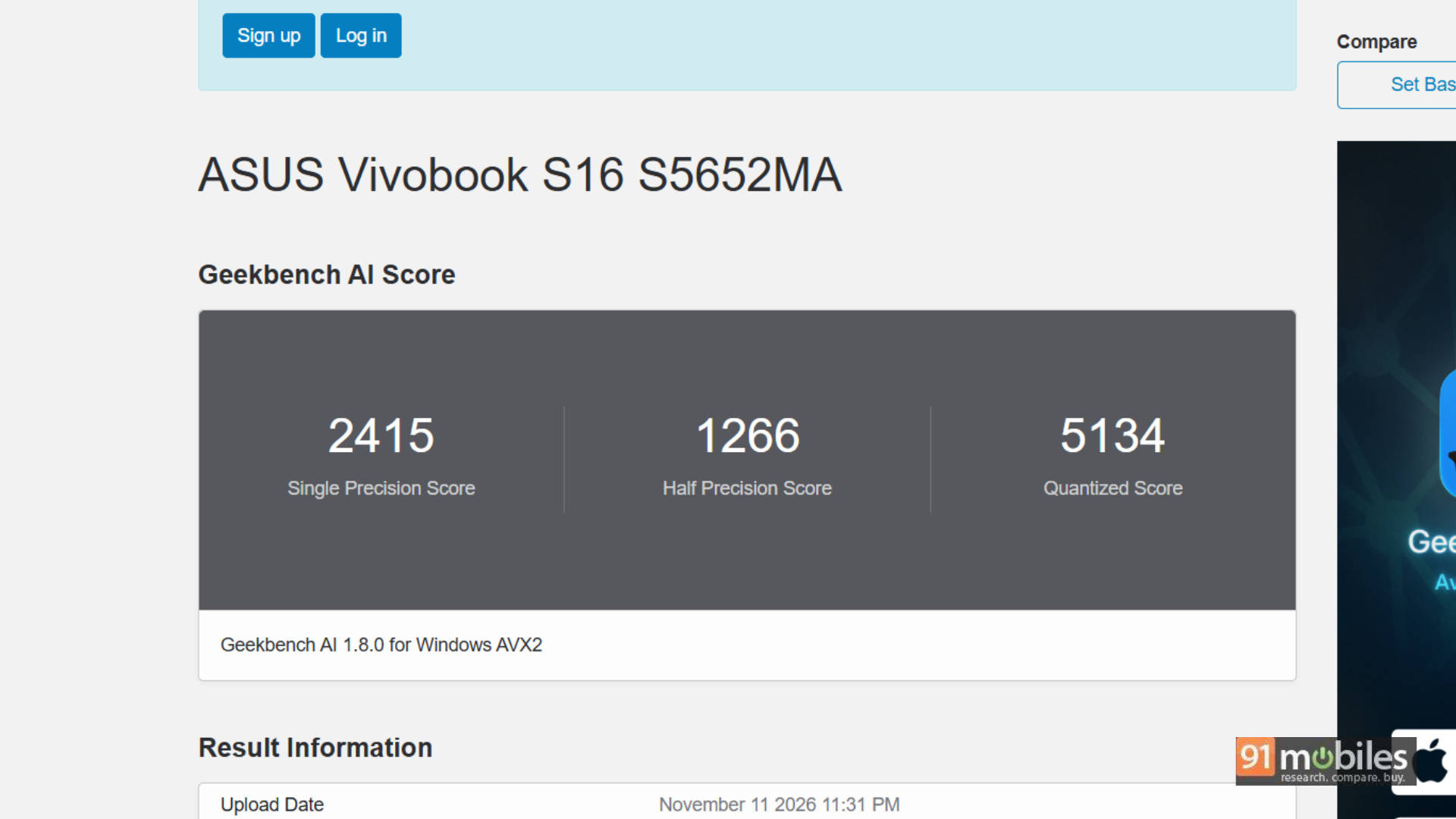
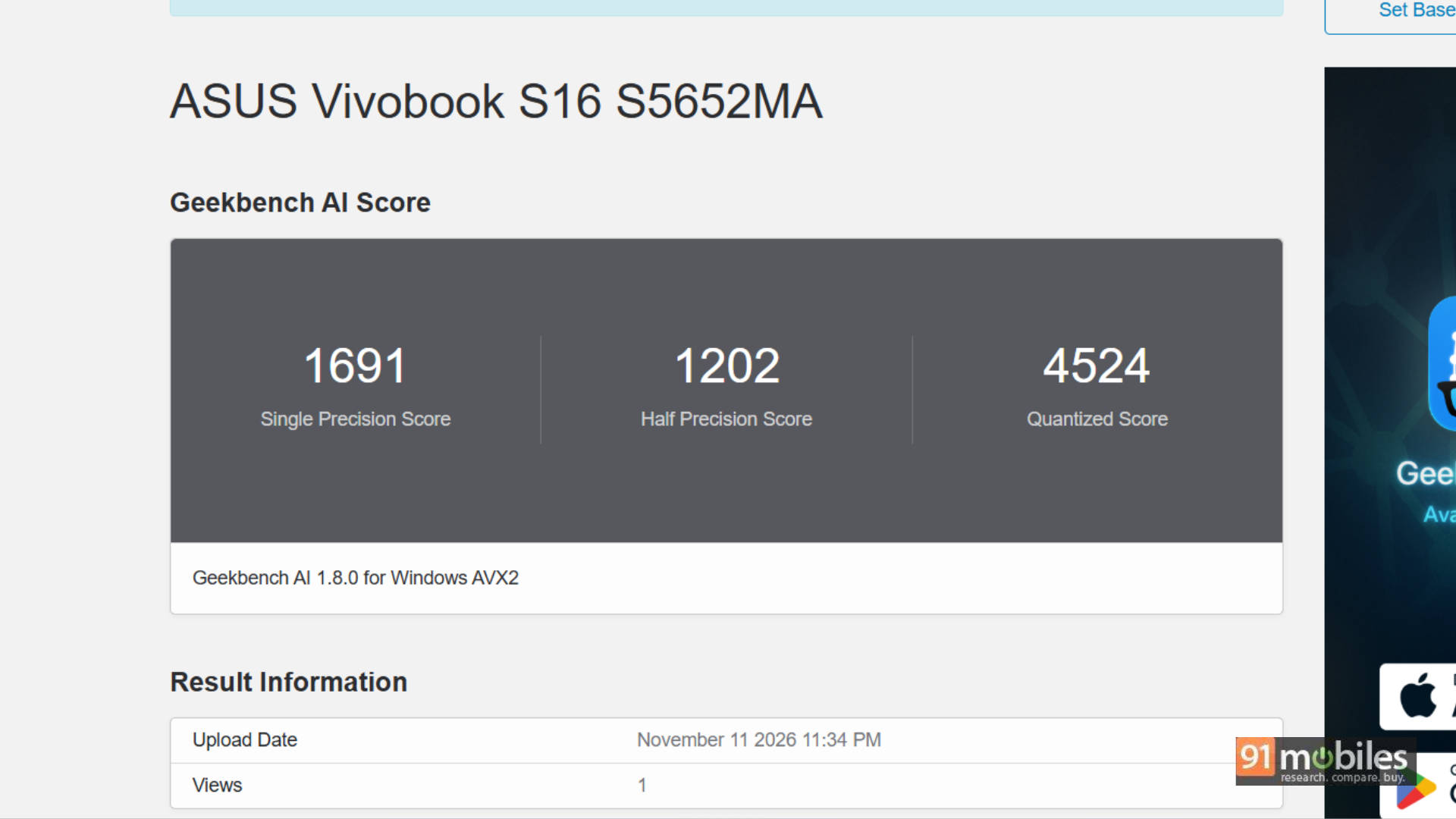
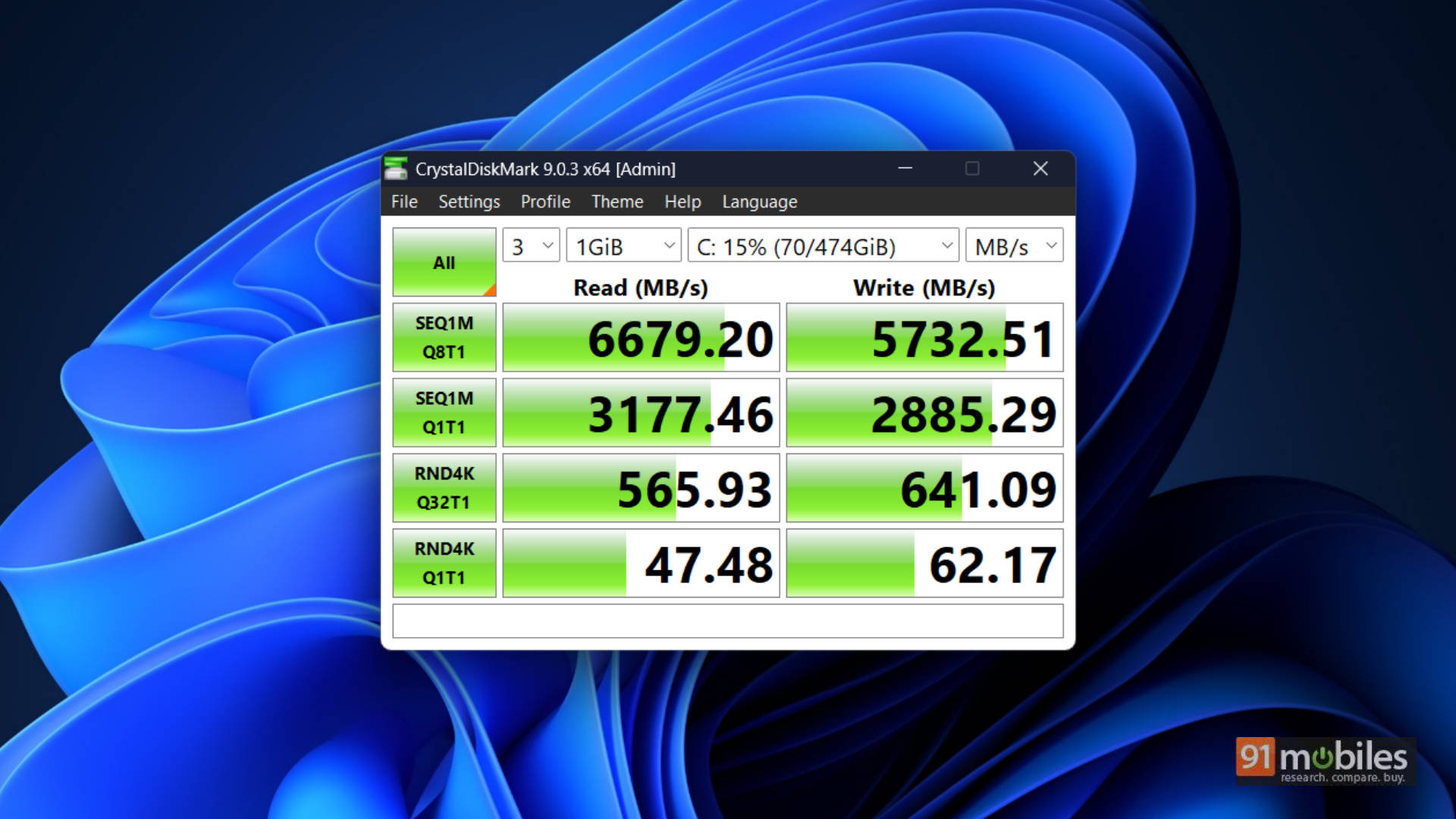


As for benchmarks, I’ve compared it to the ASUS Vivobook S16 OLED version, which is powered by the Intel Core Ultra 5 325. Of course, the non-Ultra variant is a bit behind, but not by a lot, which is quite promising.
| Model Number | ASUS Vivobook S16 S5652MA-TK192WS | Vivobook S16 S3607AA |
| CPU | Intel Core 7 350 | Intel Core Ultra 5 325 |
| GPU | Intel Graphics | Intel Graphics |
| RAM Size | 16GB | 16GB |
| RAM Type | LPDDR5x | DDR5 |
| TDP - CPU | 15W | 25W |
| Battery Capacity (WHrs) | 52.5 | 70 |
| Cinebench 2026 MT | 1907 | 2383 |
| Cinebench 2026 ST | 482 | 444 |
| Cinebench R24 MT | 479 | 579 |
| Cinebench R24 ST | 119 | 110 |
| Cinebench R23 MT | 7940 | 9902 |
| Cinebench R23 ST | 1986 | 1812 |
| PCMark 10 | 7086 | 7089 |
| PCMark 10 Extended | 5906 | 7016 |
| CrossMark - Overall | 1510 | 1586 |
| Geek Bench 6 ST | 2430 | 2535 |
| Geek Bench 6 MT | 7785 | 9532 |
| CPU - ONNX - Single Precision | 2415 | 3167 |
| CPU - ONNX - Half Precision | 1266 | 1381 |
| CPU - ONNX - Quantized Score | 5134 | 6206 |
| CPU - OpenVINO - Single Precision | 1691 | 3099 |
| CPU - OpenVINO - Half Precision | 1202 | 2238 |
| CPU - OpenVINO - Quantized Score | 4524 | 8217 |
I also tried Photoshop, and the integrated graphics managed my workload of around 10–15 layers without any major complaints. That's perfectly fine for occasional photo editing and lighter creative work. However, demanding video editing, rendering, and other GPU-intensive tasks aren't its strong suit. The integrated graphics simply don't have the muscle or dedicated video memory needed for that sort of workload.
Yes, you can game on it. No, it's not a gaming laptop
The integrated graphics are capable enough for some casual gaming. Valorant ran fine during my testing, and older titles such as GTA 5 were playable too. The 144Hz display might tempt gamers into thinking this machine can make the most of high refresh rates, but that's not necessarily the case. The graphics hardware is the limiting factor here, and newer, demanding games will require considerable compromises in visual quality and performance.
| Model Number | ASUS Vivobook S16 S5652MA-TK192WS | Vivobook S16 S3607AA |
| CPU | Intel Core 7 350 | Intel Core Ultra 5 325 |
| GPU | Intel Graphics | Intel Graphics |
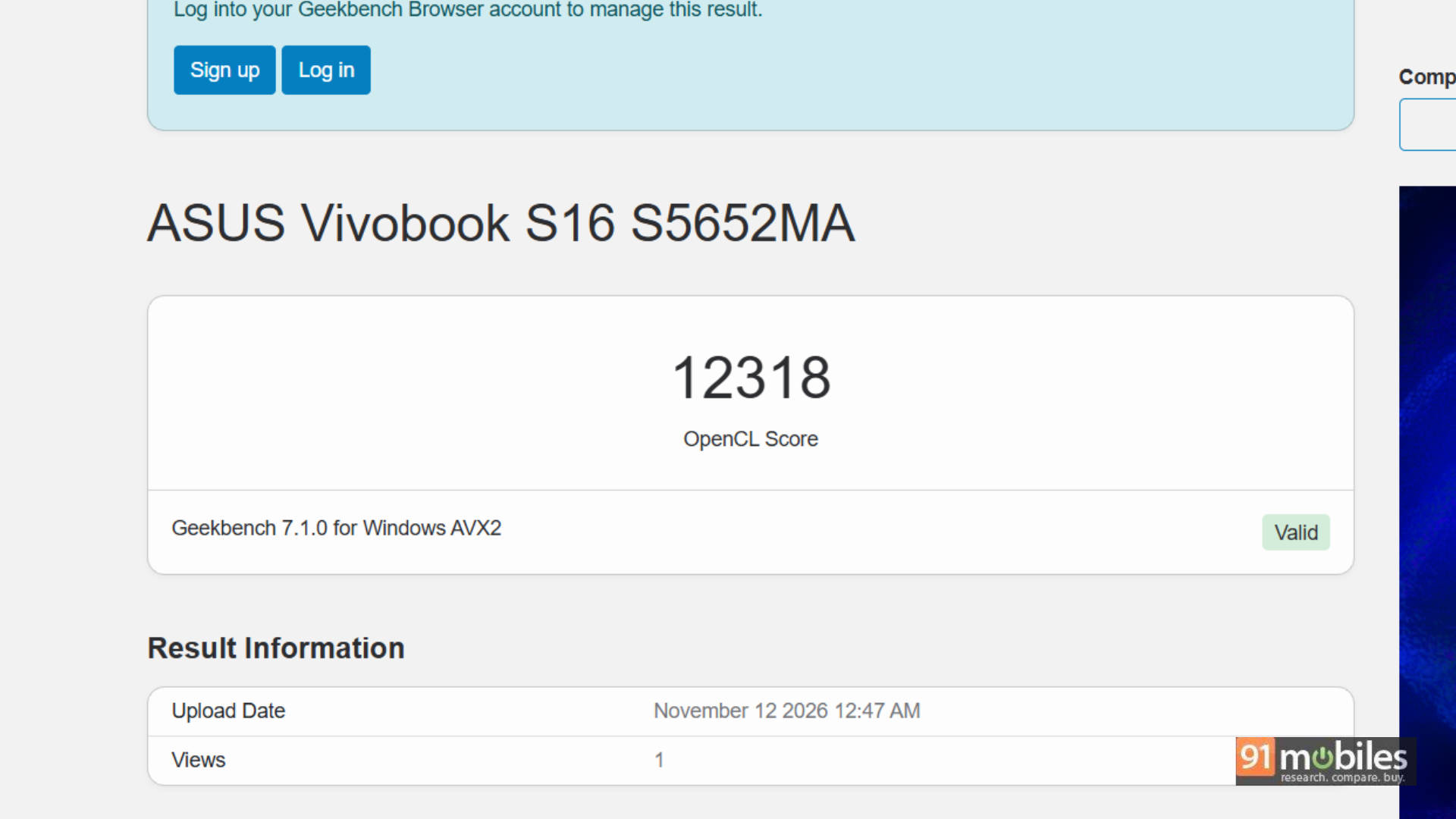
| Geek Bench OpenCL | 12318 | 20621 |
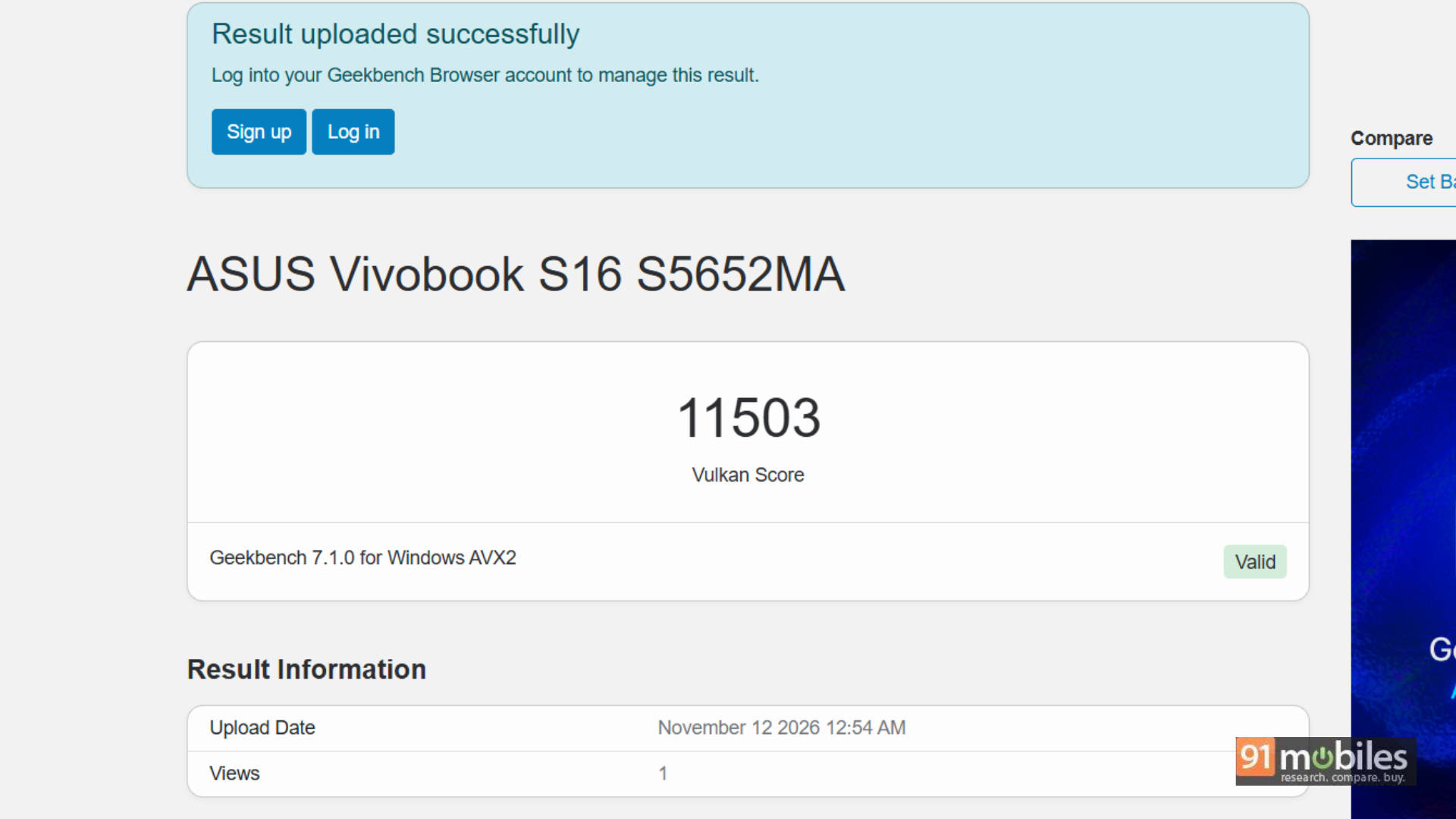
| Geek Bench Vulcan | 11503 | 20653 |
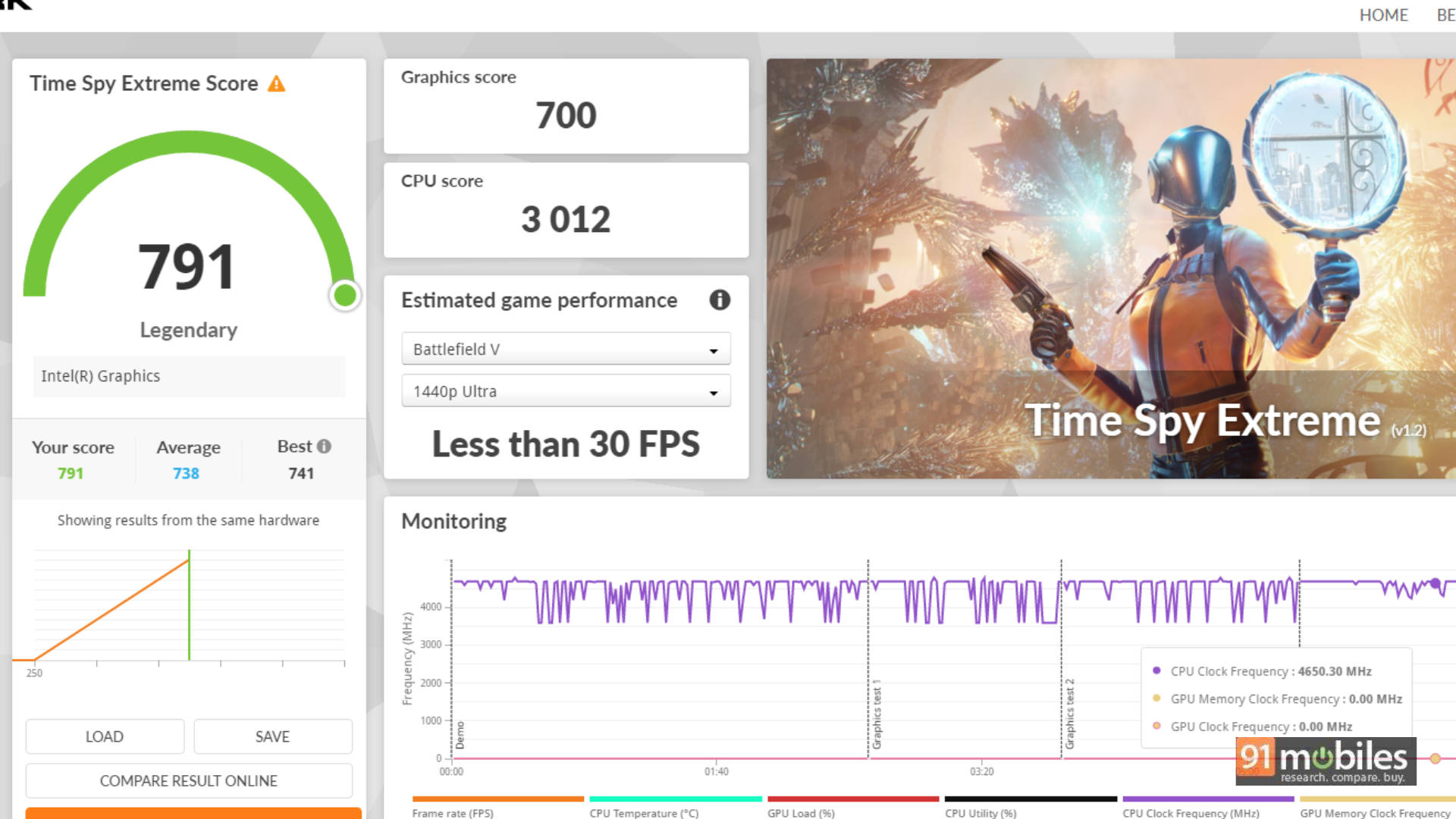
| 3DMark Time Spy Extreme | 791 | 746 |
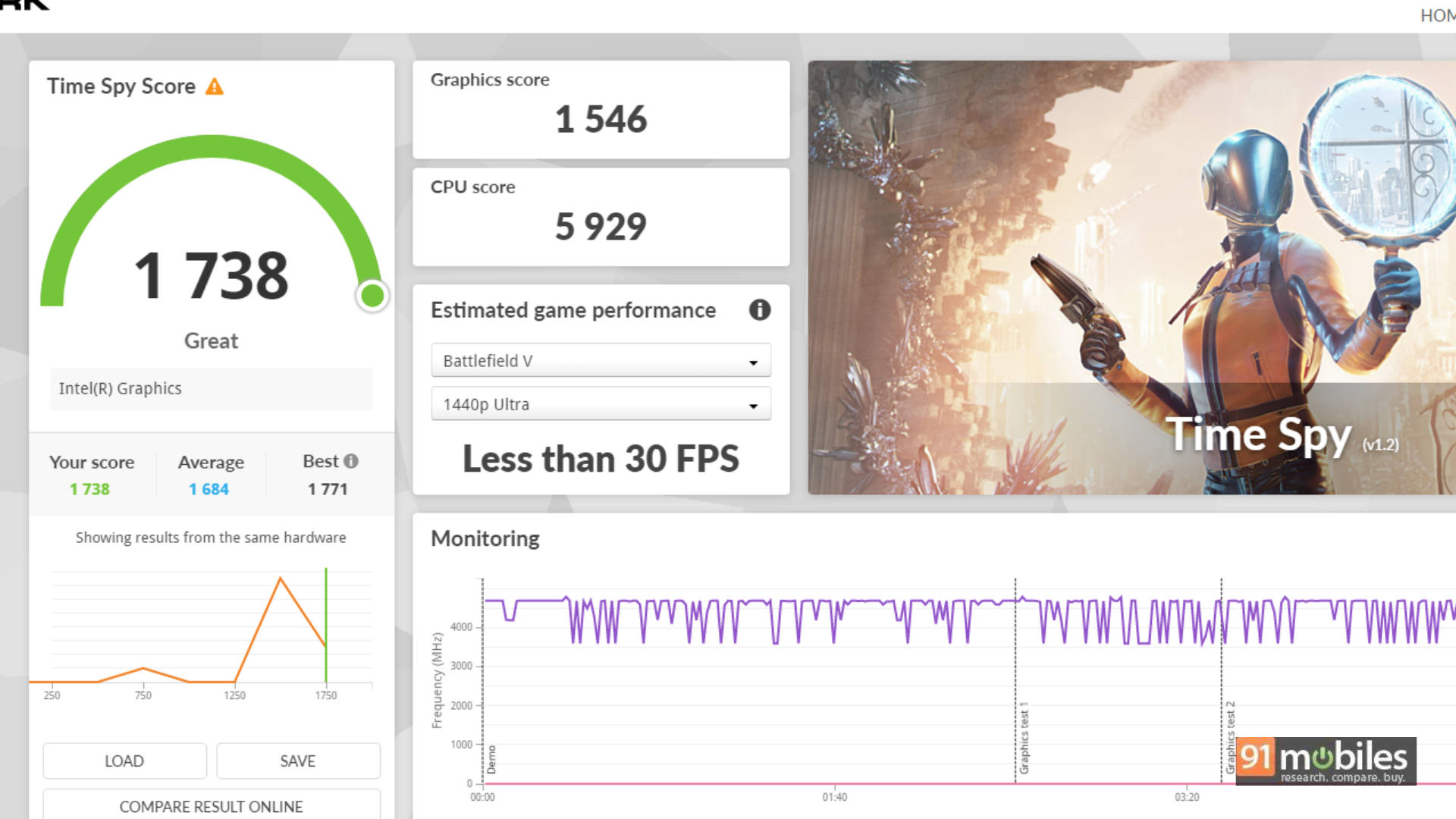
| 3DMark Time Spy | 1738 | 1787 |
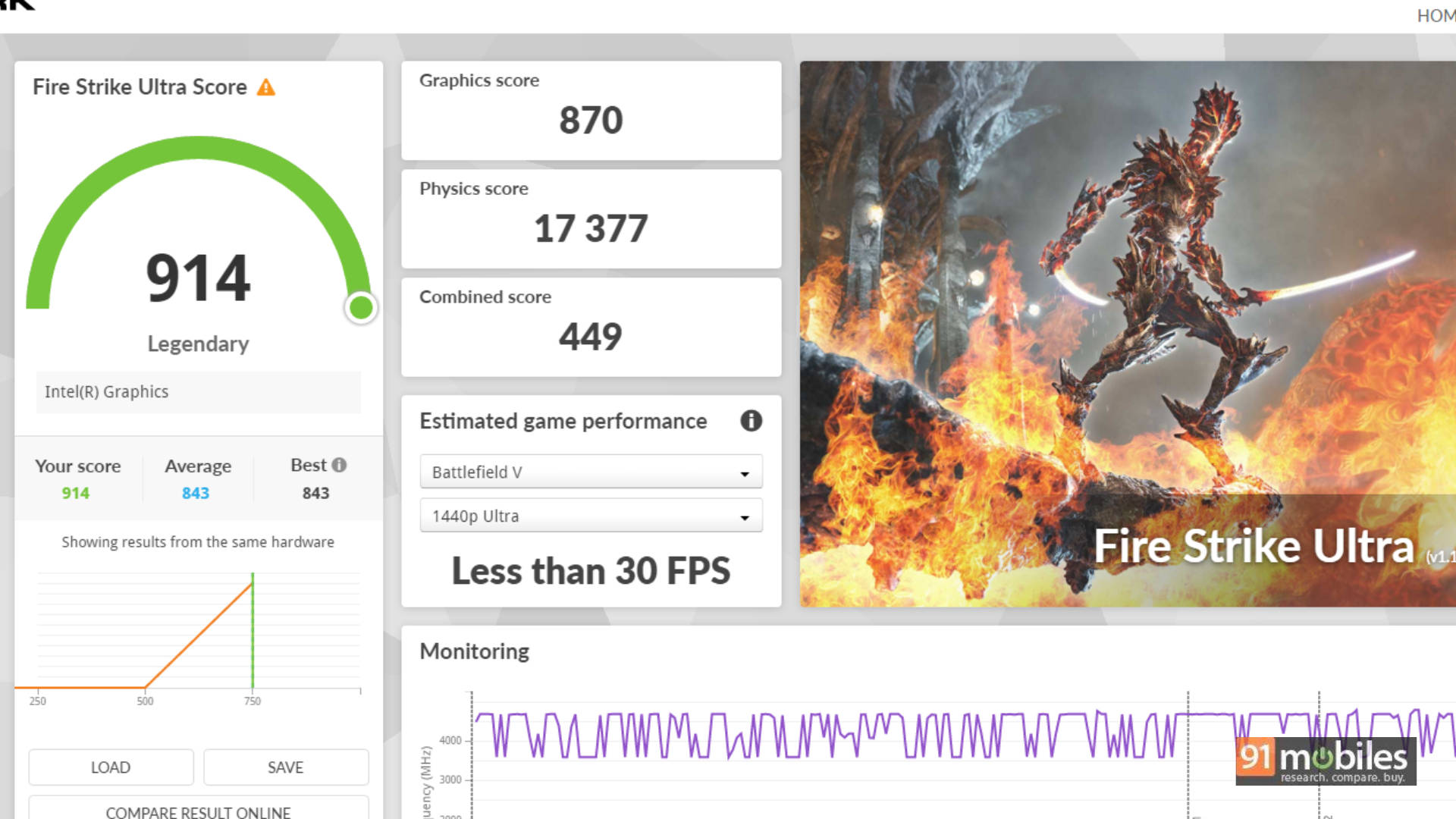
| 3DMark Fire Strike Ultra | 914 | 805 |
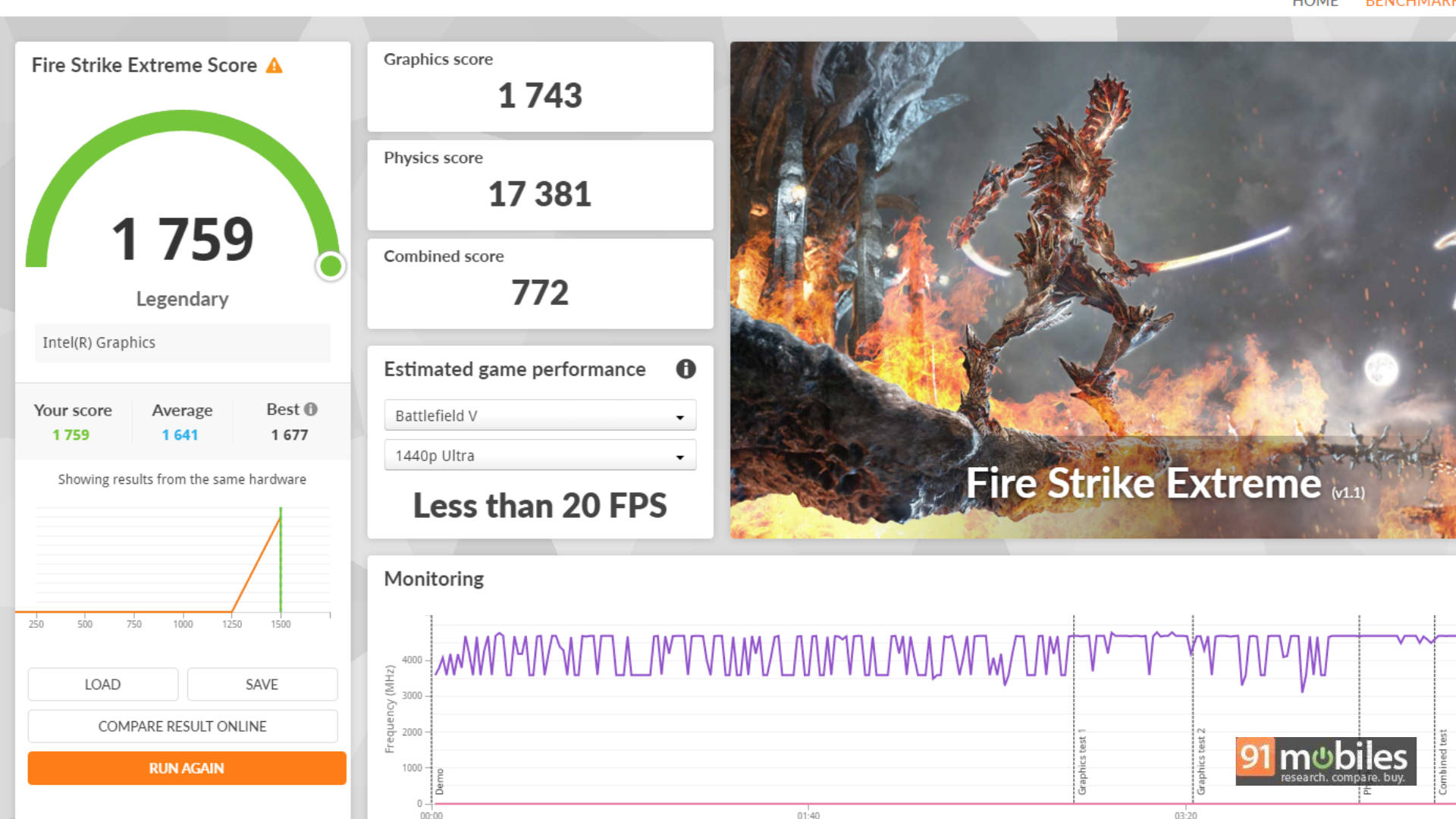
| 3DMark Fire Strike Extreme | 1759 | 1451 |
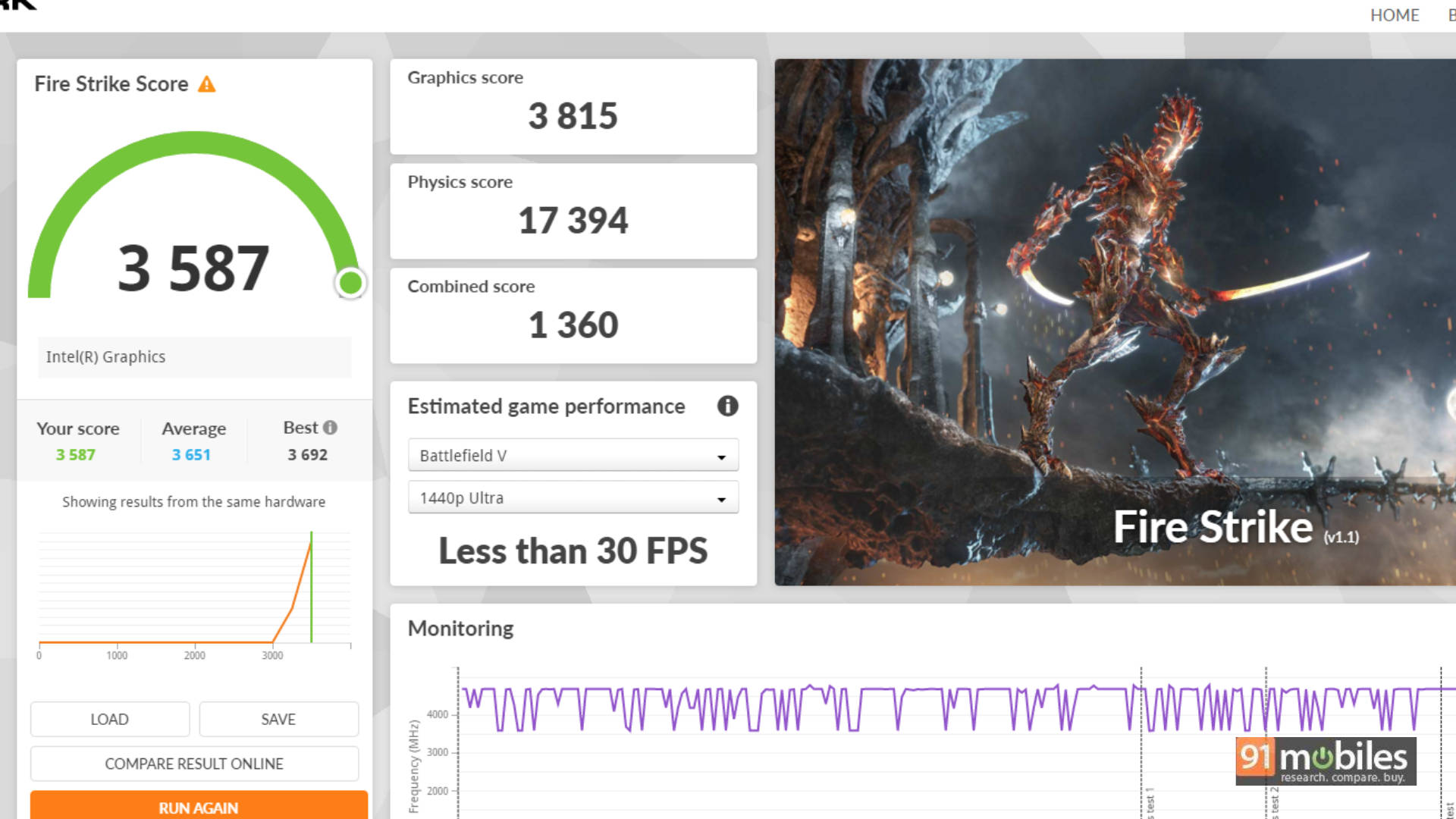
| 3DMark Fire Strike | 3587 | 2843 |
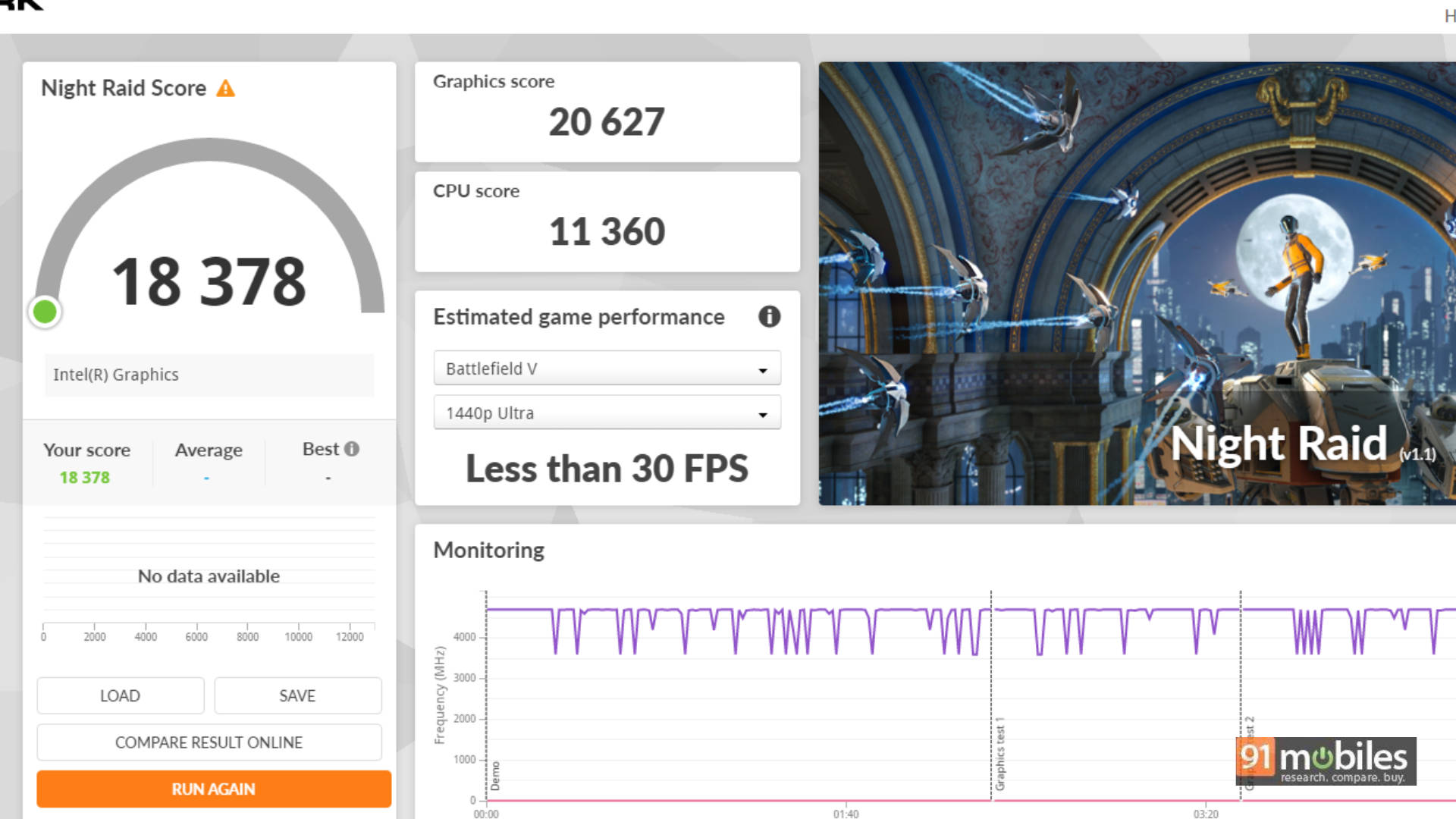
| 3DMark Night Raid | 18378 | 18961 |
| Battery Runtime (Hr:Min) | 11:10 | 20:00 |
The 3DMark results reinforce that point. The laptop scored 1,738 in Time Spy and 3,587 in Fire Strike, which gives a better idea of its modest graphics capabilities. There's nothing wrong with having a little gaming fun after work, but buyers should approach this as a productivity laptop with some casual gaming potential, not a gaming machine masquerading in office attire.
It stays relatively quiet, but gets a little warm
Thermal performance is fairly uneventful, which is generally a good thing. During my regular productivity and Photoshop workloads, the fans weren't particularly loud, and the laptop didn't become uncomfortably hot. The chassis does get a little warm during extended use, but nothing that raised any major concerns during my testing.
That said, I haven't pushed the laptop through extensive video rendering or other sustained, demanding workloads. So while everyday thermals are reassuring, I'd avoid making any grand claims about its long-term performance under heavy loads. For the kind of work this laptop is designed for, however, it should be perfectly manageable.
Battery life is decent, but that charger is a strange choice
The Vivobook S16 packs a 52.5Wh battery, and my real-world experience delivered around 6–7 hours of mixed usage. This included plenty of browsing, document editing, some Photoshop work, and Spotify streaming in the background. That's respectable, although hardly class-leading.
Interestingly, the laptop lasted 11 hours and 10 minutes in my PCMark battery video-loop test, conducted using the Balanced power profile at 80% brightness. This is a much lighter workload than my everyday usage, but it shows that the laptop can stretch its battery considerably when it isn't being pushed too hard.
My bigger gripe is the included 48W USB-C charger. It's an unusual rating when 60W or 65W chargers are fairly common, and I'd have preferred something a little faster. On the plus side, USB-C charging means a compatible power bank can also top up the laptop. That's handy when travelling, especially if carrying the bundled charger isn't convenient.
Webcam gets a thumbs-up, speakers not so much
The Vivobook S16's speakers are fairly basic. They're not particularly loud, and while they're fine for casual YouTube viewing or background audio, I wouldn't rely on them for an immersive movie or music experience. The microphone is better, with ASUS's noise-cancellation feature helping keep calls reasonably clear.
The webcam is a pleasant surprise. With sufficient lighting, it captures a good amount of detail and does a decent job for video calls. It's not going to replace a dedicated camera, obviously, but it's perfectly usable for meetings and remote work. The laptop also offers a useful selection of connectivity options, including USB-A, USB-C with DisplayPort and Power Delivery, HDMI 2.1 TMDS, Wi-Fi 6 and Bluetooth 5.4.
Verdict: A sensible upgrade, but shop around first
The ASUS Vivobook S16 gets several fundamentals right. Its metal construction feels premium, performance is good for everyday productivity, battery life is respectable, and the touchpad is genuinely excellent. However, the display is a rather disappointing compromise, especially on a 16-inch laptop at this price. The cramped keyboard and modest speakers also leave room for improvement.
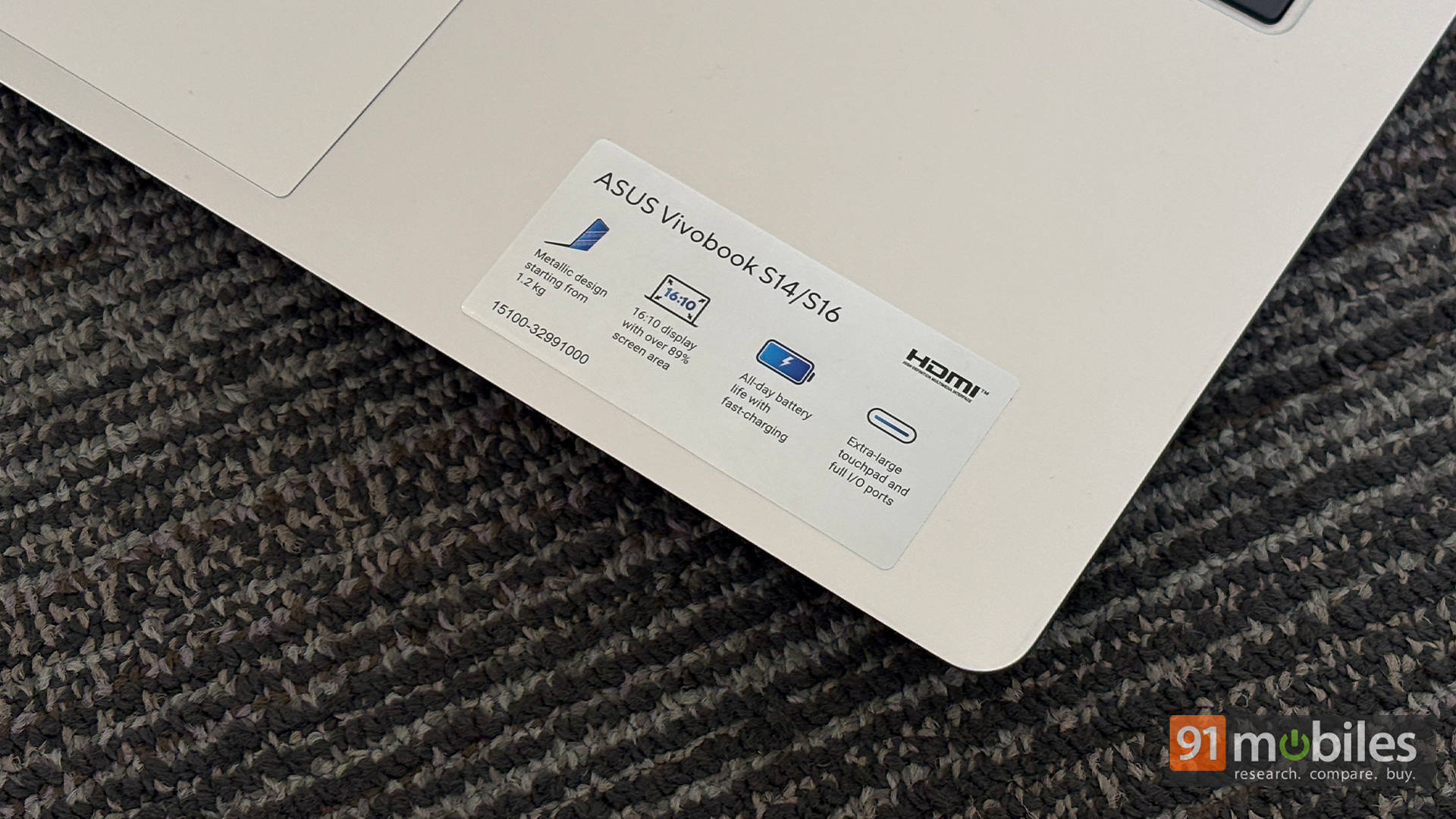
At around Rs. 1.20 lakhs, this isn't necessarily the best value laptop money can buy. There are older machines that could offer better displays, graphics, or an overall stronger package for similar money. But those looking specifically for a newer Intel Series 3 processor may find the Vivobook S16 a sensible option without stepping into considerably more expensive territory.
Editor's Rating: 7.5 / 10
Pros:
- Premium, sturdy metal construction
- Smooth 144Hz display refresh rate
- Excellent, responsive oversized touchpad
- Good everyday performance and battery life
Cons:
- Underwhelming 1200p display quality
- Cramped keyboard with shallow feedback
- Average speakers lack volume