Smartphone OEMs like Apple really tried to make compact phones work until a few years ago, but they just couldn’t deliver a product that was small and handy, yet also offered the best hardware. The two aspects just didn’t coalesce. So, brands started making phones bigger, packing larger displays, bigger batteries, and all the best features without being constrained by size. 6.8-inch phones became the norm. But 2025 saw the return of good compact phones, and it is one technology trend I am very much excited about.
Before diving in, it’s worth redefining what “compact” means today. A few years ago, compact meant a screen size of 6 inches or less. Now, with slimmer bezels and more efficient designs, the definition has shifted. In 2025, a phone with a 6.2–6.3-inch display can feel just as pocketable as a 5.8- or 6-inch phone from the past.
Table of Contents
iPhone 17: big changes can come in a smaller package
Ask anyone today and they’ll tell you this is the most complete base iPhone Apple has made in years. For the longest time, choosing the smaller iPhone meant settling for a 60Hz display, weaker cameras, or missing features reserved for the Pro models. With the iPhone 17, that narrative finally changed.
Apple has given the iPhone 17 genuinely pro-grade hardware: a 120Hz ProMotion display, an upgraded 48MP ultra-wide camera, and a new 18MP front camera with Centre Stage, a feature I fully expect other brands to borrow in 2026. And the best part? All of this comes in a device that’s still wonderfully compact.
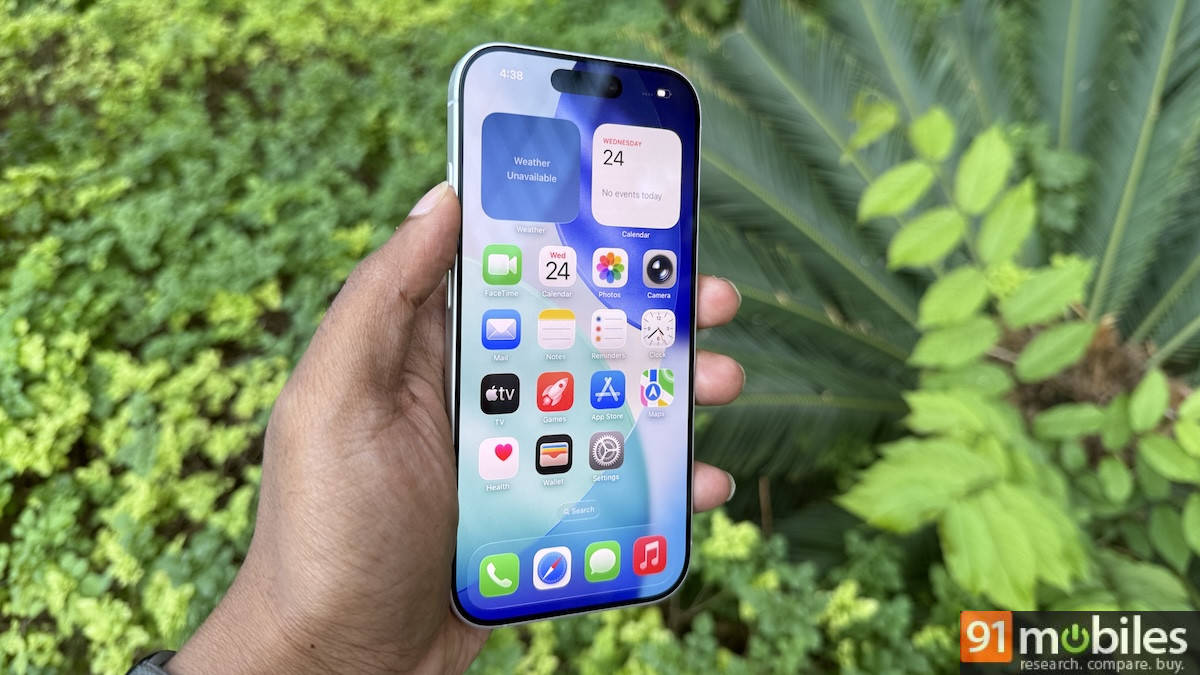
The iPhone 17 is light, easy to use one-handed, and incredibly pocketable. Apple even increased the screen size from 6.1 inches to 6.3 inches without making the phone bigger, simply by shaving down the bezels. I’ve been using it as my daily driver since launch, and its size is what keeps pulling me back after testing larger, heavier phones like the Vivo X300 Pro or OnePlus 15. At just 177 grams, this is one of the few phones you can comfortably hold for long periods without fatigue.
Apple has given the iPhone 17 genuinely pro-grade hardware. And the best part? All of this comes in a device that’s still wonderfully compact.
What makes the iPhone 17 the best iPhone in the current lineup is that Apple has made fewer compromises this time around. Not only do you get a better display and camera system, but the battery life has improved as well, promising a full day’s usage before needing to plug it in. Sure, it’s not a two-day battery life like some of the bigger phones this year, such as the OnePlus 15, but if you’re comfortable with the idea of charging the phone before sleeping or overnight, the battery life is a small price to pay for an otherwise terrific compact phone. It also helps that Apple bumped up the charging speed, so you don’t have to wait as long for a top-up.
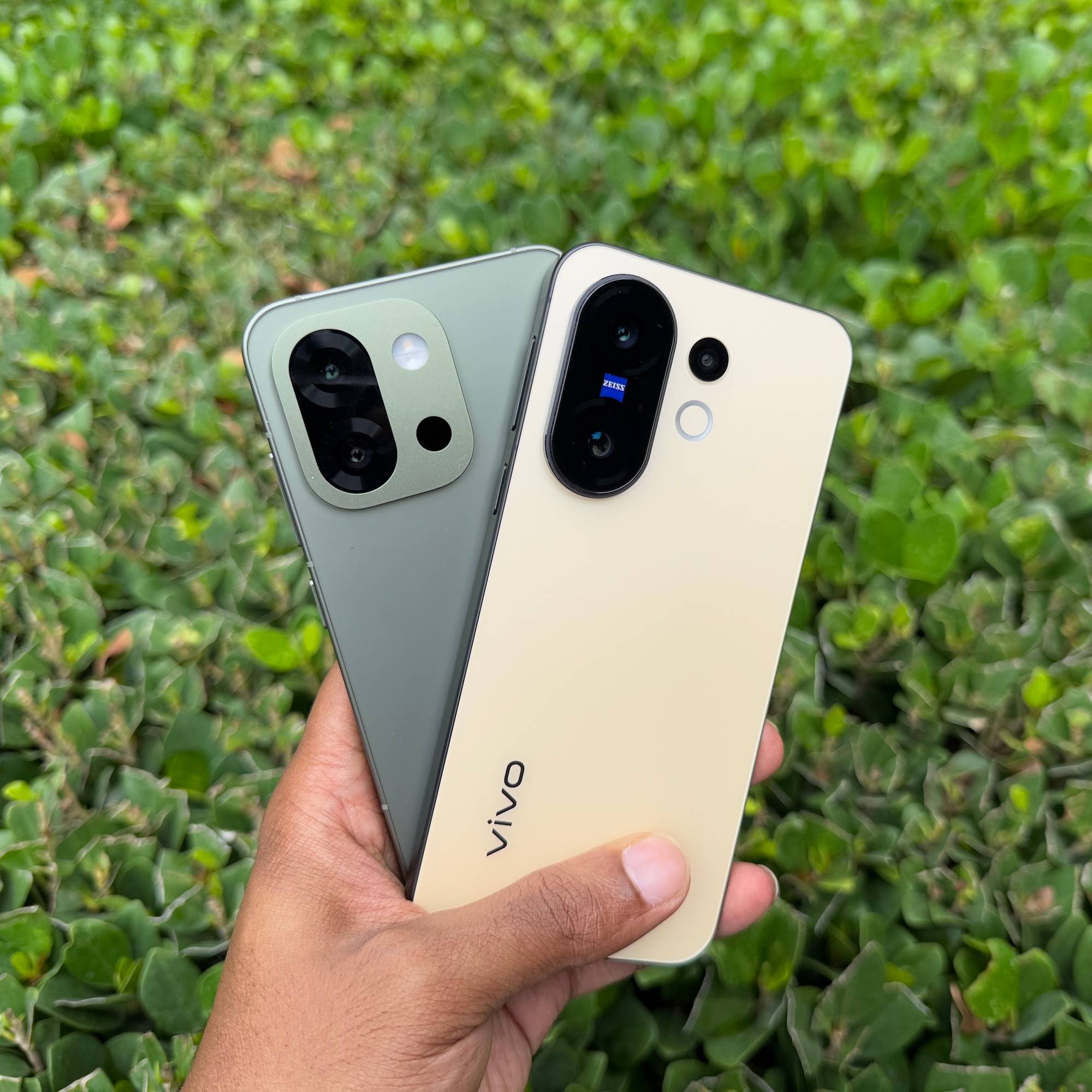
Vivo 200 FE and X300: Compact Vivo phones that changed the game
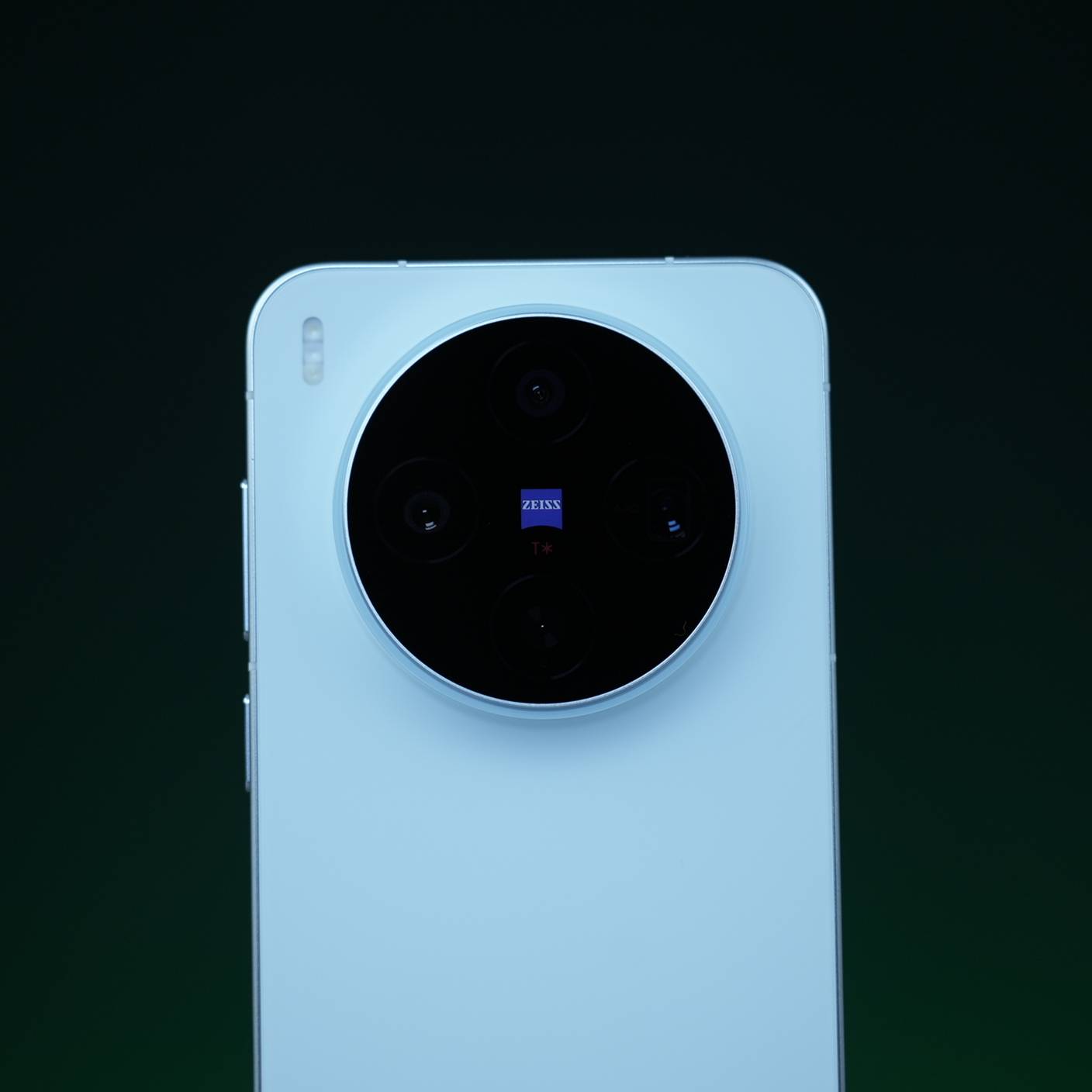
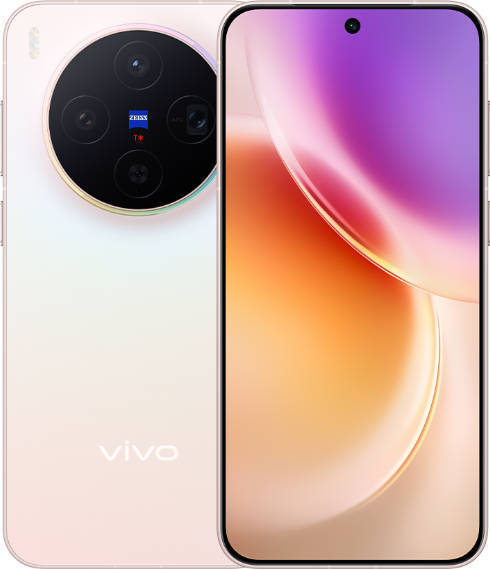
On the Android side of things, Vivo seems to have had a good year. While the X200 Pro and X300 Pro were deservedly praised as the best camera flagships of the year, it was the X200 FE and X300 that proved compact phones are back with a vengeance. The X200 FE was the first of the new wave of compact phones from Vivo, delivering a great set of top-tier features, including a stellar ZEISS-backed camera system that included a 50MP periscope lens and a large 6,500mAh battery, the latter being something unheard of in a compact phone just a year ago.
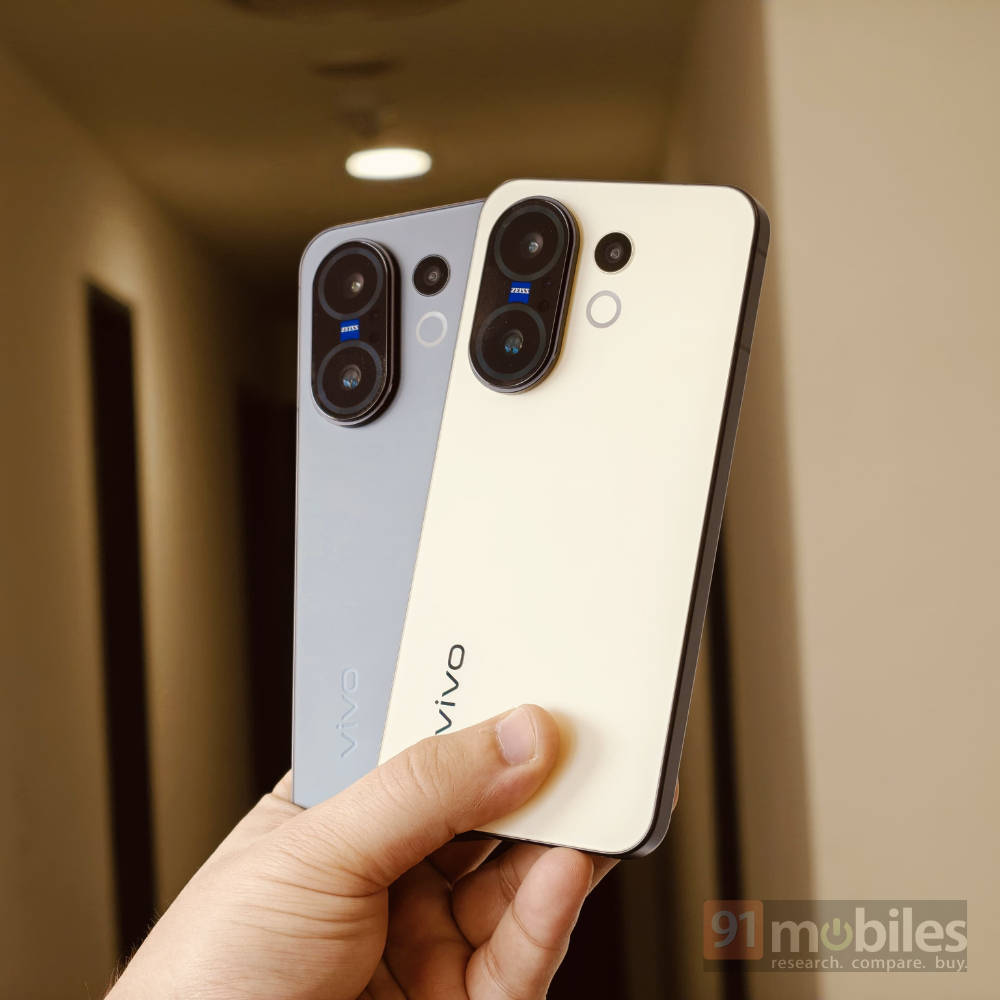
The Vivo X200 FE was not just a light and compact phone with an appealing design, but Vivo also made sure this form factor checked the durability box. Featuring IP68 and IP69 ratings for dust- and water-resistance, the X200 FE made a strong case for being the compact phone of the year for most people.
But Vivo then went ahead and released the Vivo X300.
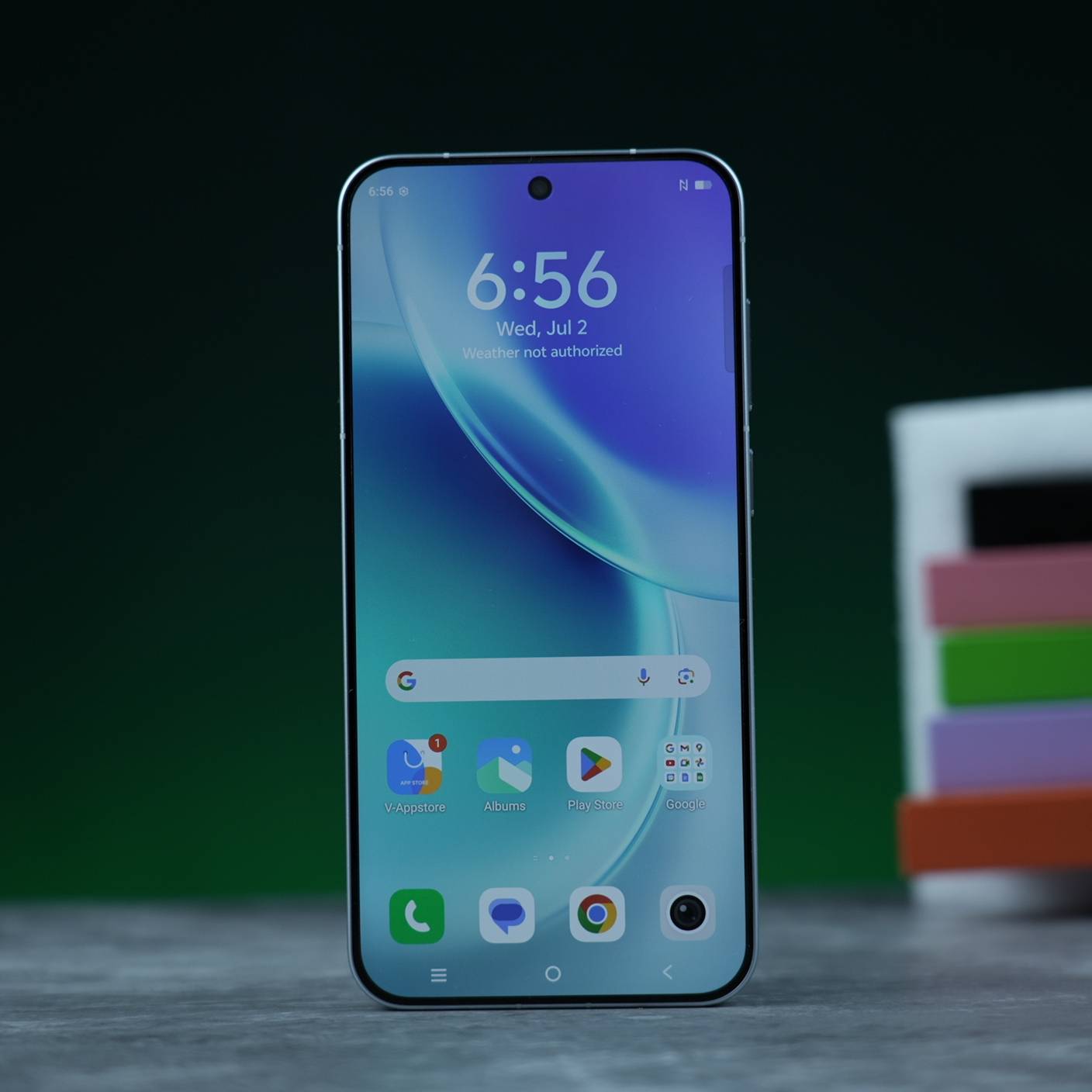
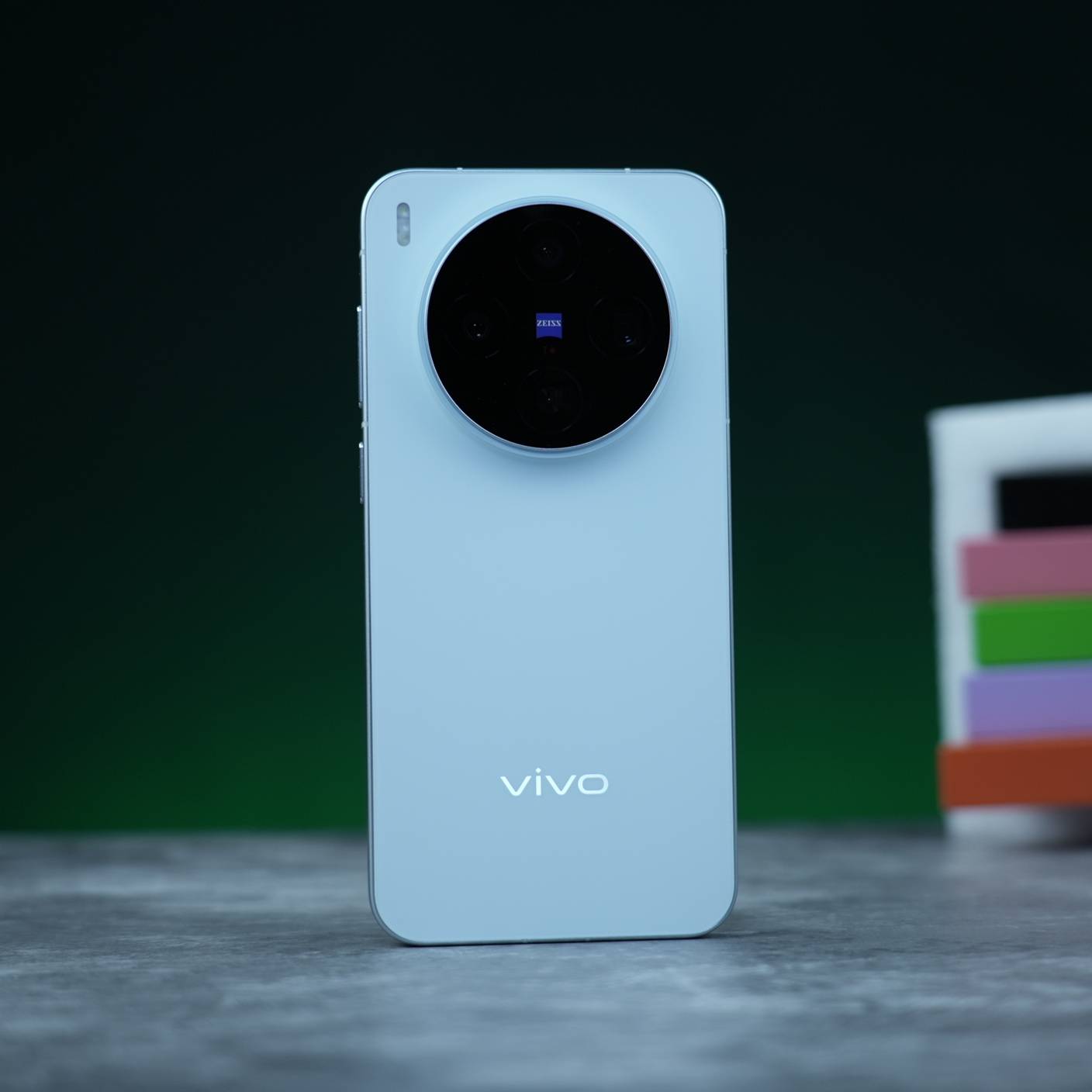
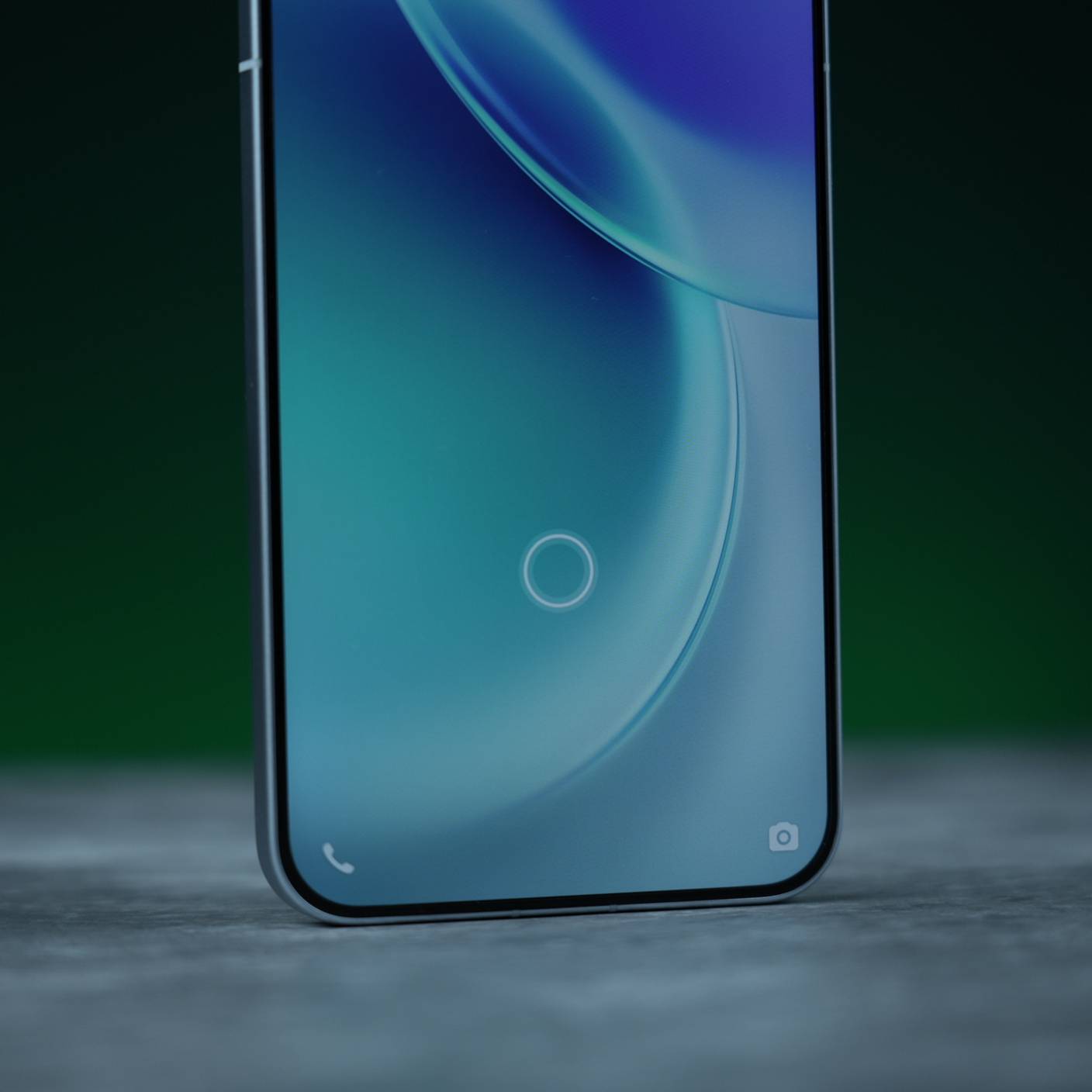
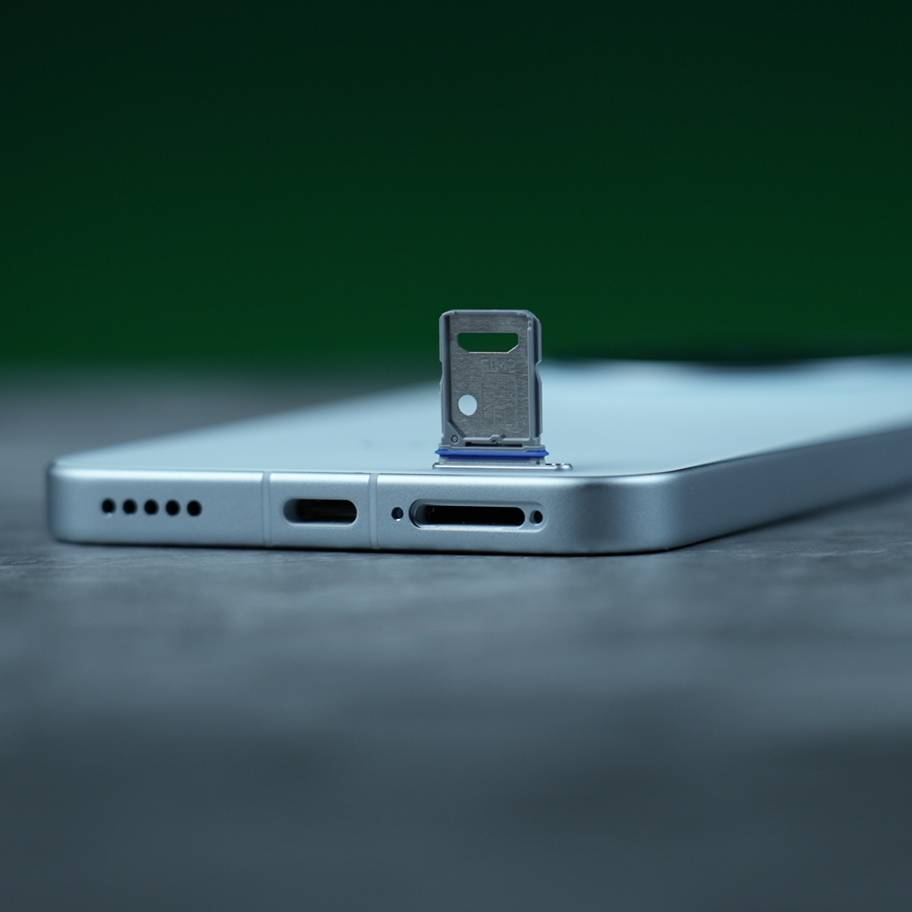
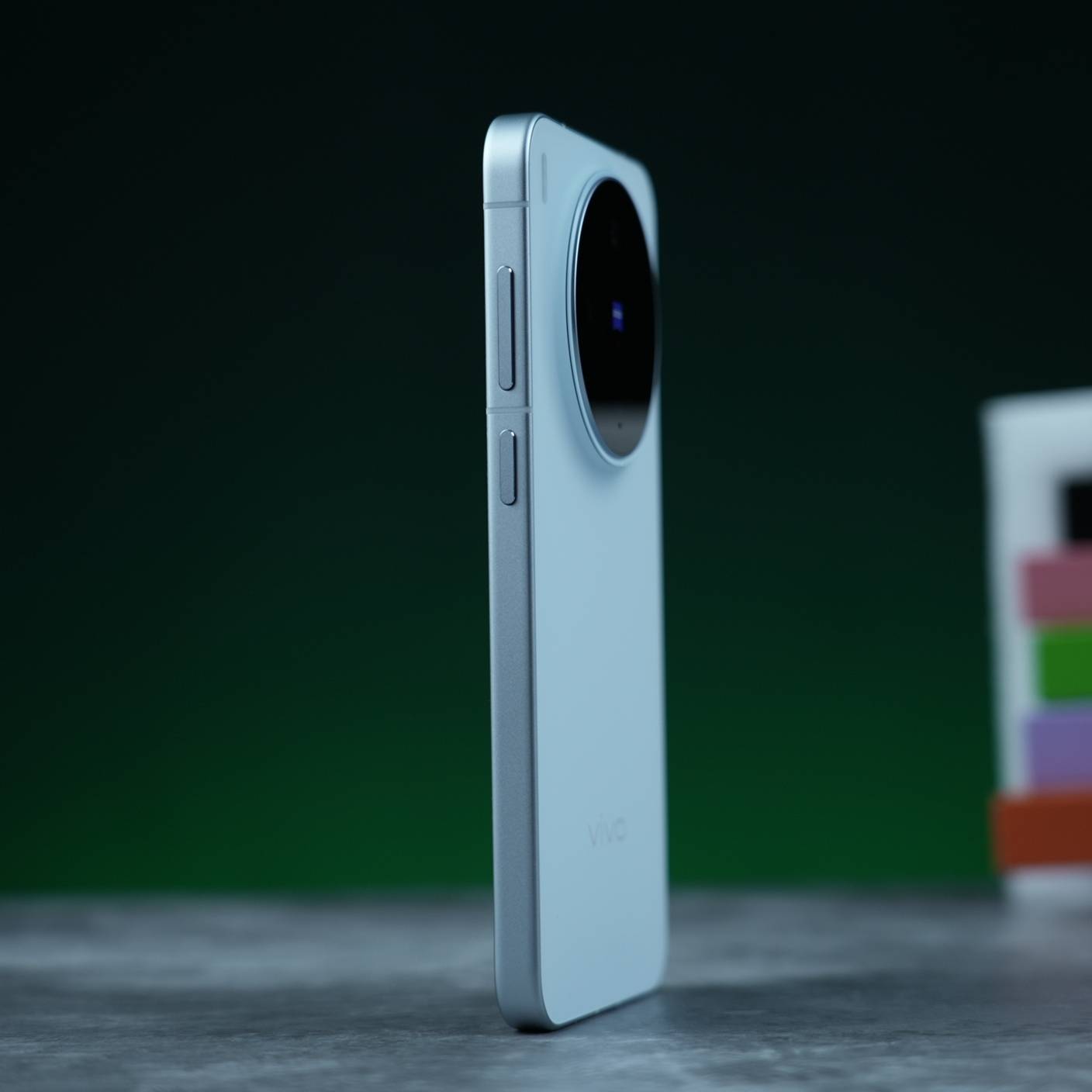
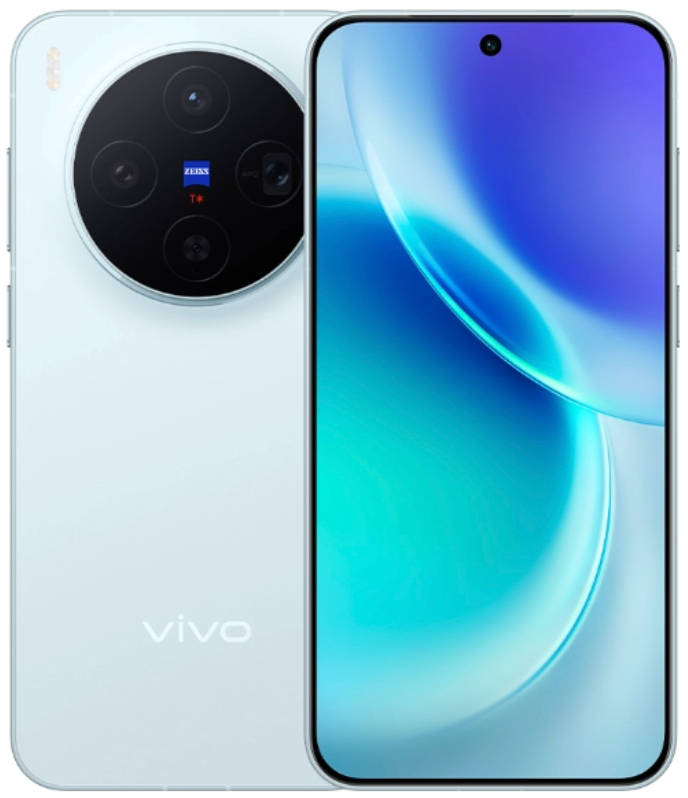
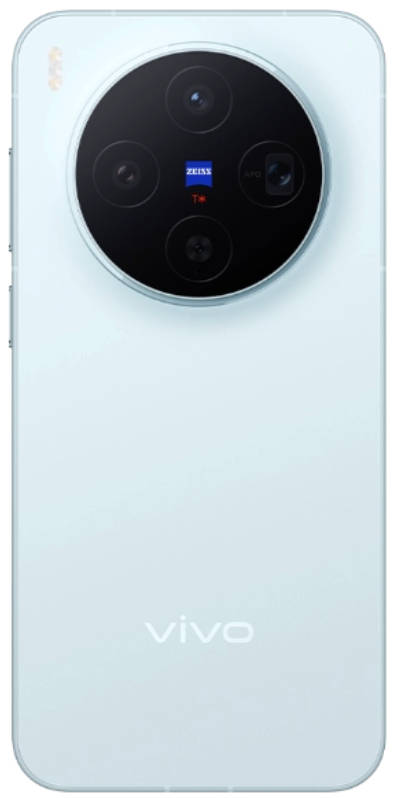
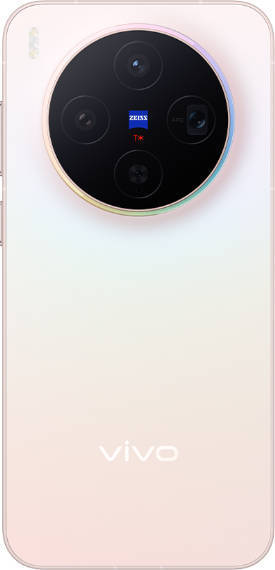
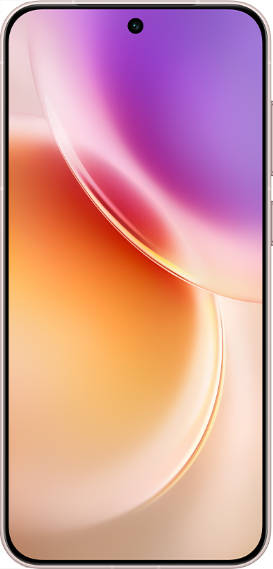
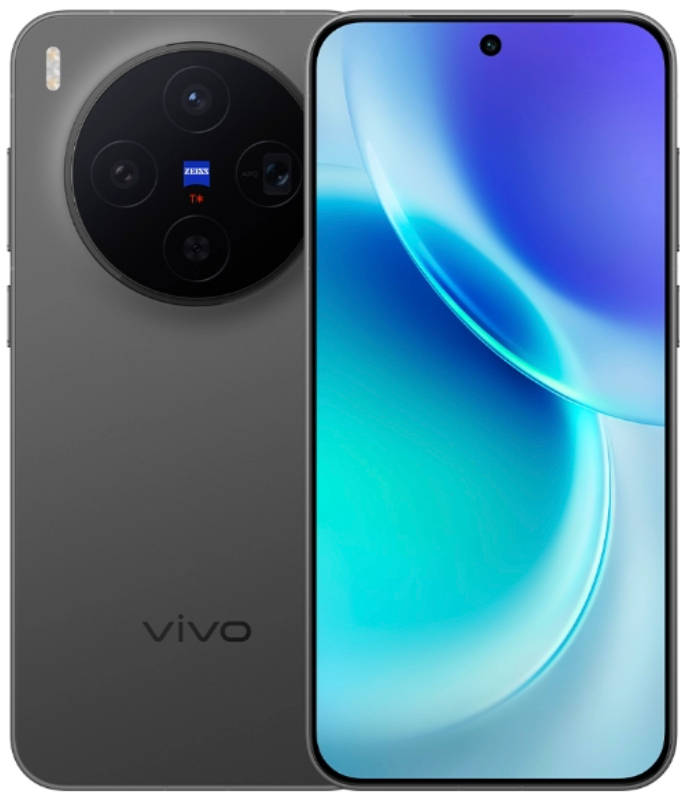
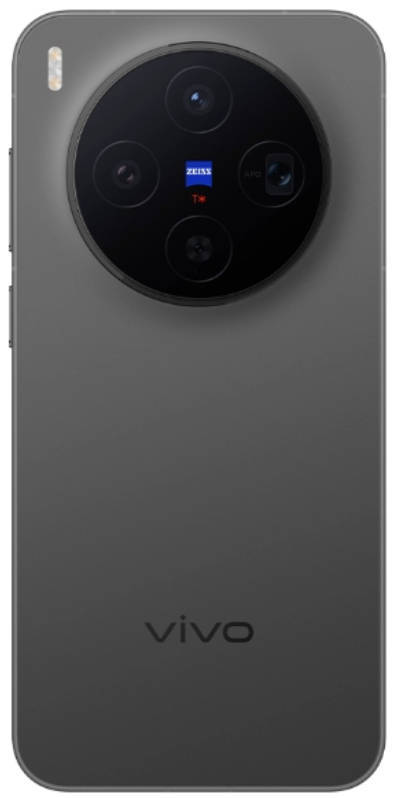
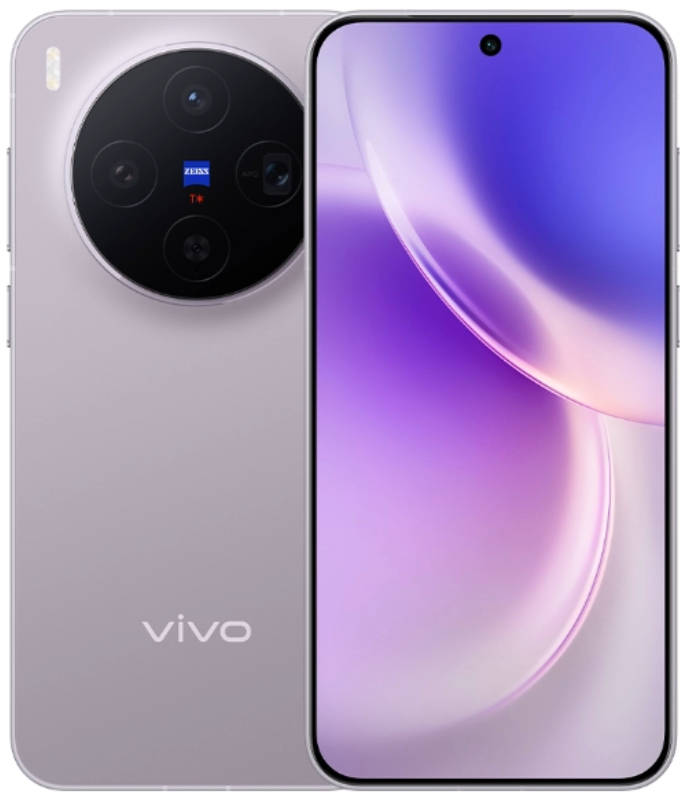
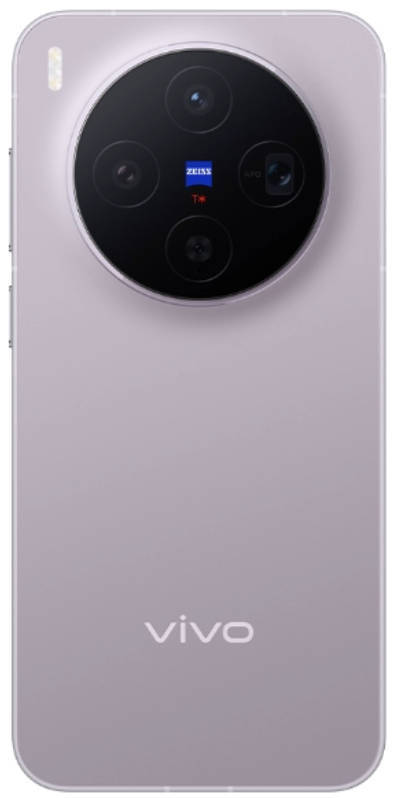
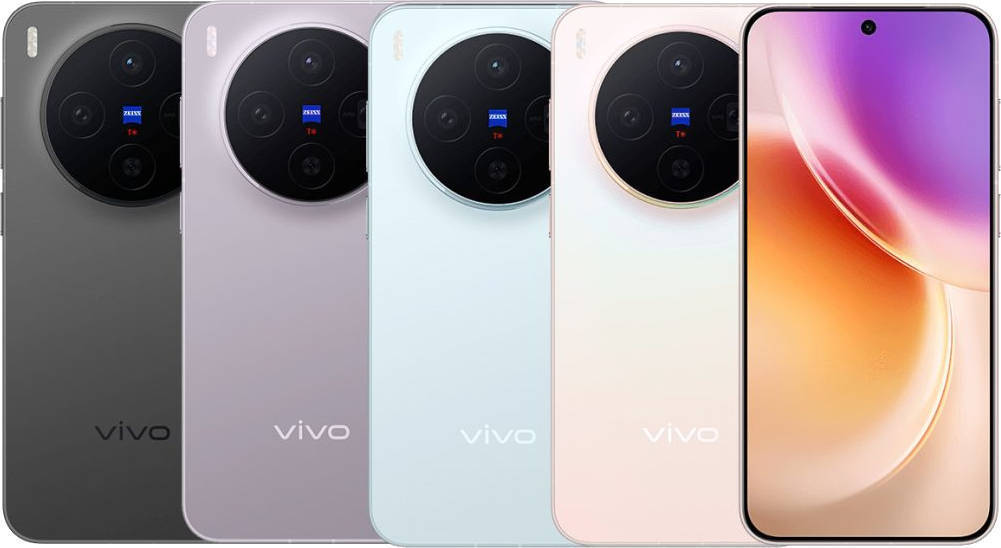
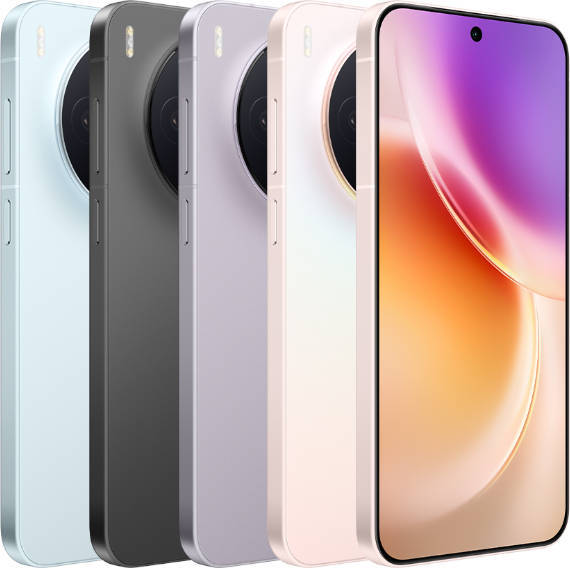
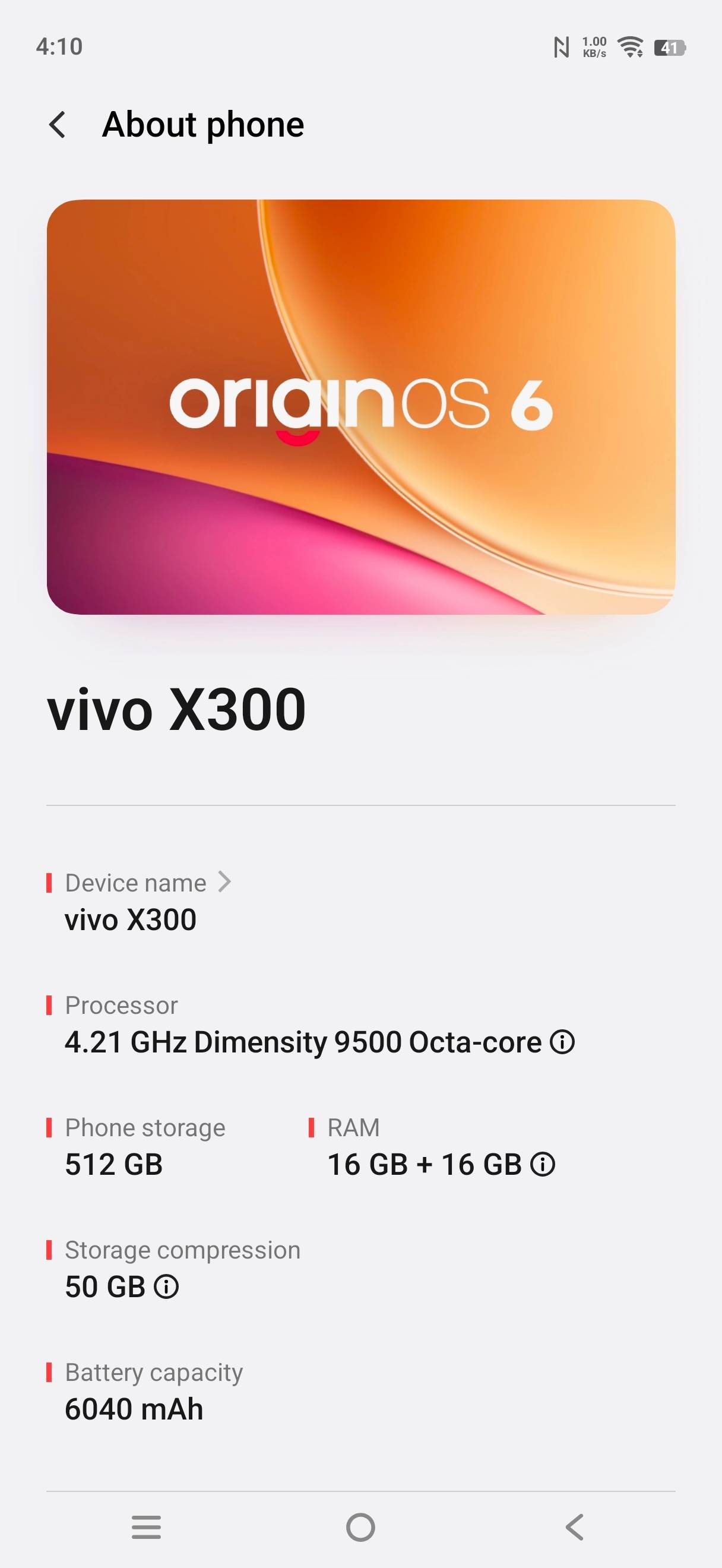
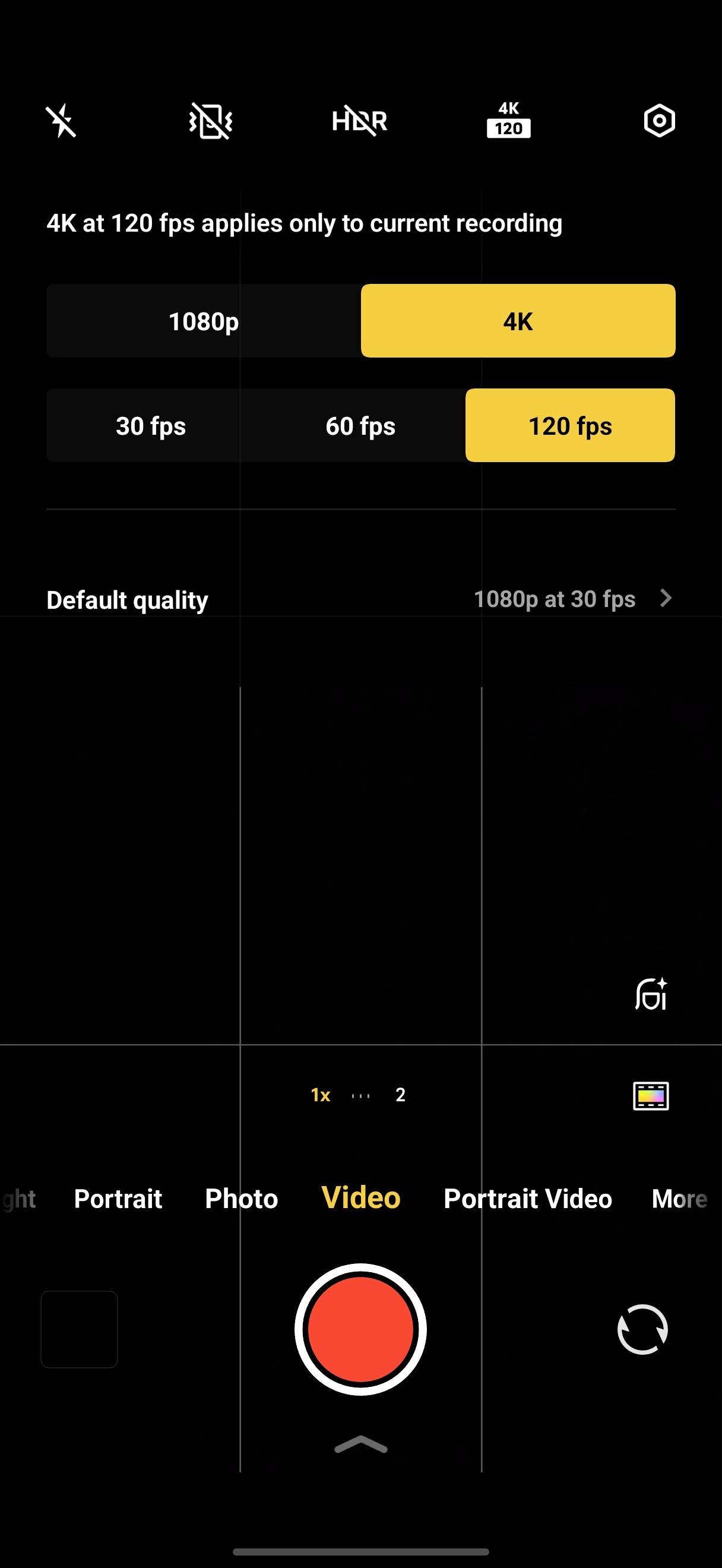
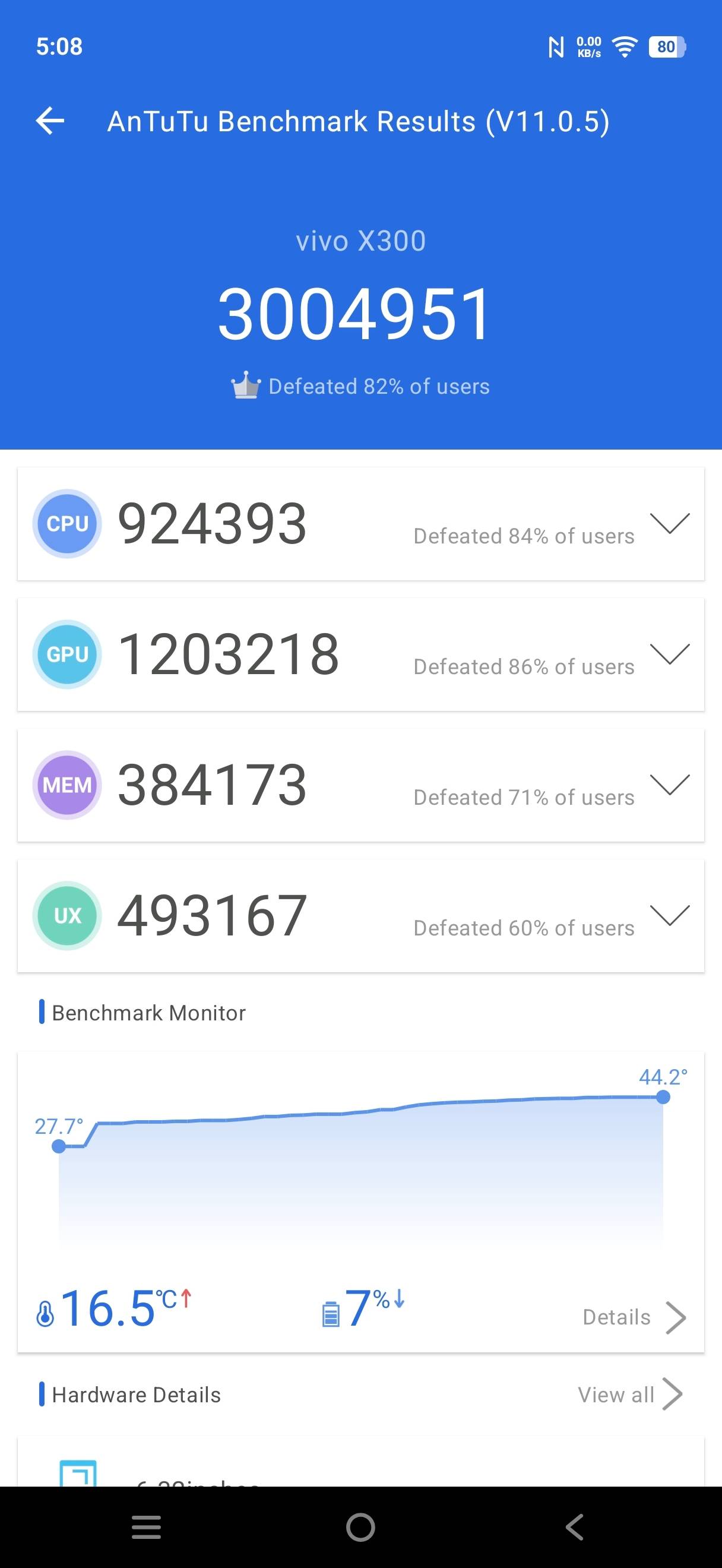
If we are talking about that one true compact flagship smartphone that people should buy in 2025 going into 2026, it has to be the Vivo X300. The company’s latest flagship device checks practically all the boxes for a flagship phone, with almost no compromises, all within the confines of a small, pocketable size. It boasts a stellar camera setup, a flagship MediaTek Dimensity 9500 chipset, a much-improved OriginOS software experience, and solid battery life, all while weighing a modest 190 grams. This is the phone to buy or recommend to friends and family if they’re on the lookout for a small and lightweight phone.
The X200 FE made a strong case for being the compact phone of the year for most people. But Vivo then went ahead and released the X300.
Honorary mention
OnePlus deserves an honorary mention for getting the ball rolling with the OnePlus 13s. It reminded users that compact phones still had a place, even if Vivo and Apple ultimately perfected the formula in 2025. It was the phone that made me fall in love with compact phones all over again, delivering a wonderfully compact and premium design, a top-tier Snapdragon 8 Elite chipset, and a large 5,860mAh battery that lasts a full day with ease. But OnePlus did slightly compromise on the camera system, which Vivo managed to perfect to a great extent with the X200 FE and the X300. Still, OnePlus was clearly on the right track, and I’m excited to see what the brand does in this space in 2026.
So, while OnePlus rekindled the spark, it was Apple and Vivo that turned compact phones into one of 2025’s biggest success stories. Both brands proved that small phones no longer need to be compromised phones, and that might be the most exciting shift heading into 2026.
vivo X300 Images