The sub-Rs 55,000 segment has the Vivo V70 Elite (review) taking on the OnePlus 13s (review). The latter, which recently saw a price drop, starts at Rs 50,999, while the Vivo Elite smartphone has been launched at Rs 51,999 for its base variant. Both smartphones boast similar designs, Snapdragon chipsets, a telephoto camera, and fast LPDDR5X RAM, among other things.
Despite the similarities, these smartphones cater to very different audiences. I explore that, and more, in this Vivo V70 Elite and OnePlus 13s comparison, so read on.
Table of Contents
Starting with the design
The Vivo V70 Elite and OnePlus 13s are almost identical in design. Both feature flat edges, rounded corners, and a square camera deco. There is aluminium framing on both phones for a premium in-hand feel, and a matte finish on the back to keep fingerprints and smudges at bay. However, for adventurists, the Vivo V70 Elite is more durable, with an IP68/IP69 rating for water and dust resistance.
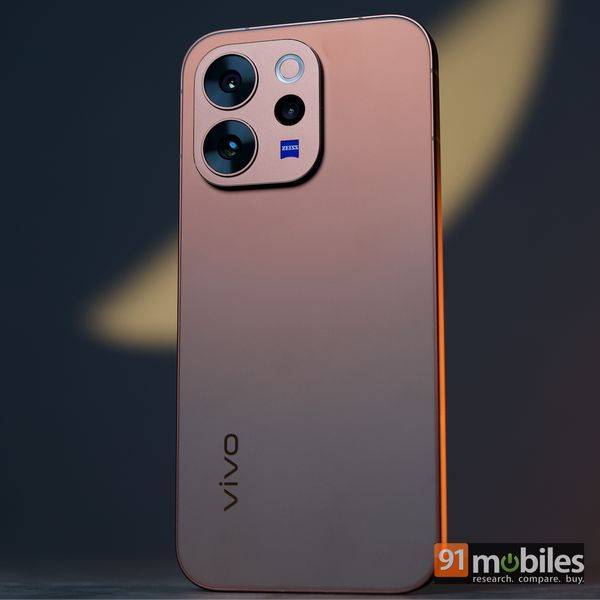
The OnePlus 13s, on the other hand, is only IP65-rated, which means it can protect the phone only against minor water splashes. I haven’t tested the drop durability of these smartphones, nor would I recommend doing so, as neither device comes with the latest generation of toughened glass. Both OEMs ship their devices with a case for added protection; however, the OnePlus 13s includes a case that matches the phone’s colour, while the Vivo V70 Elite comes with a simple, transparent case that slightly dilutes its look.
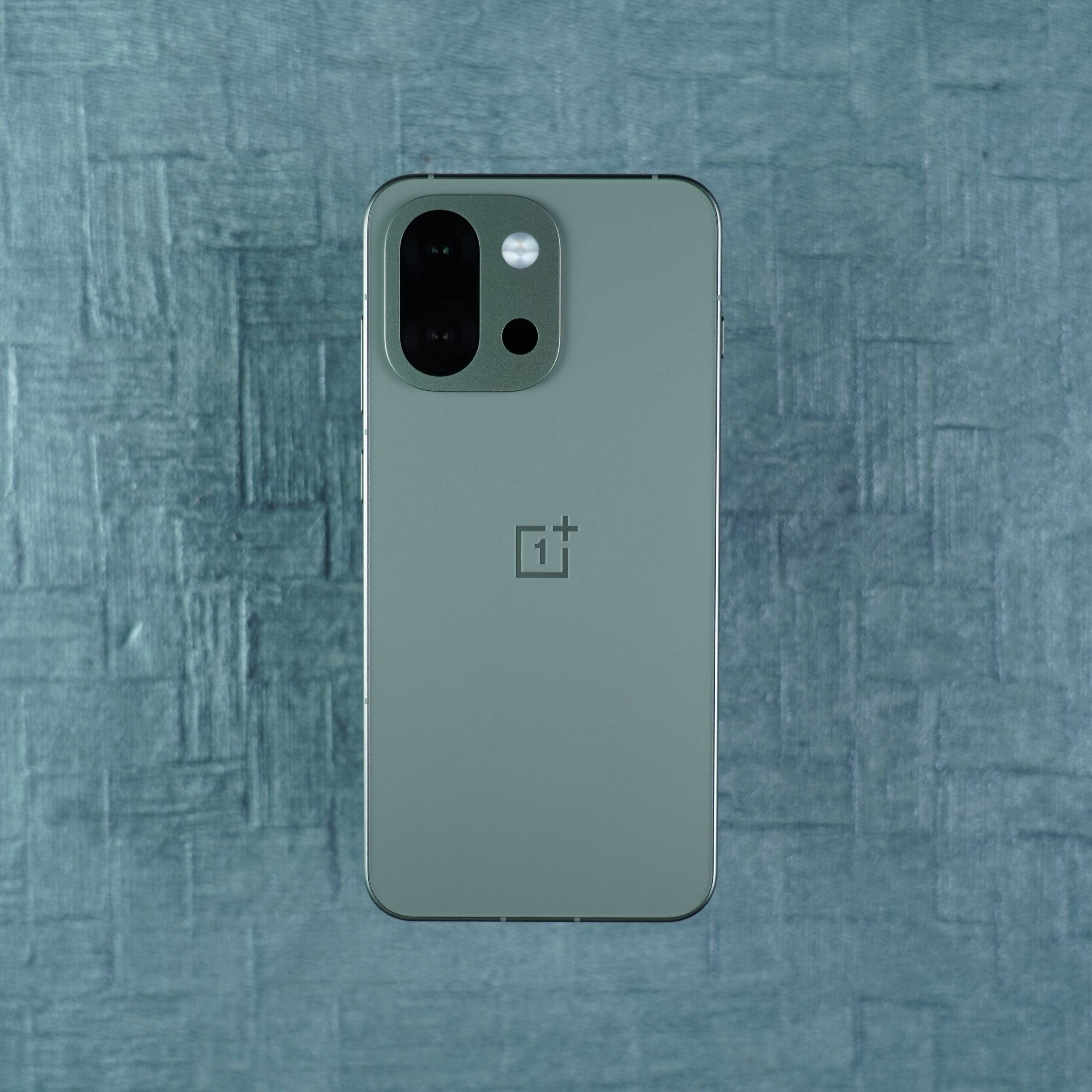
While both smartphones are comfortable to hold and carry, thanks to their slim profiles and lightweight form factors, the OnePlus 13s is more handy. This can be attributed to its 6.32-inch display and 185 grams of weight. In contrast, the Vivo V70 Elite sports a 6.59-inch display that isn’t particularly tall and weighs 194 grams. That said, the Vivo smartphone is slightly slimmer, measuring just 7.59mm in thickness instead of 8.2mm.
Identical display, but one is more power efficient
| Smartphone | Display | Peak Brightness |
| vivo V70 Elite | 6.59 inches - AMOLED | 5000 nits |
| OnePlus 13s | 6.32 inches - ProXDR LTPO | 1600 nits |
Apart from size, the display parameters of the Vivo V70 Elite and the OnePlus 13s are almost identical. Both are of the AMOLED variety, with 100 percent 10-bit colour depth, 1.5k resolution, 460 pixels per inch (ppi), up to 120Hz refresh rate, centred punch-hole, and razor-thin bezels. The colour reproduction is pretty much the same – well-saturated with deep blacks and punchy. Users have the option to customise the colour profile, per their taste, within the settings menu.
However, the Vivo V70 Elite is brighter, with a high brightness mode of 1,800 nits, compared to the OnePlus 13s’ 1,600 nits HBM. There is a notable difference in ourdoors, where you will find the Vivo smartphone a tad bit brighter and more legible than its counterpart. As for the 120Hz refresh rate support, it remains consistent across the UI and supported apps, including games.
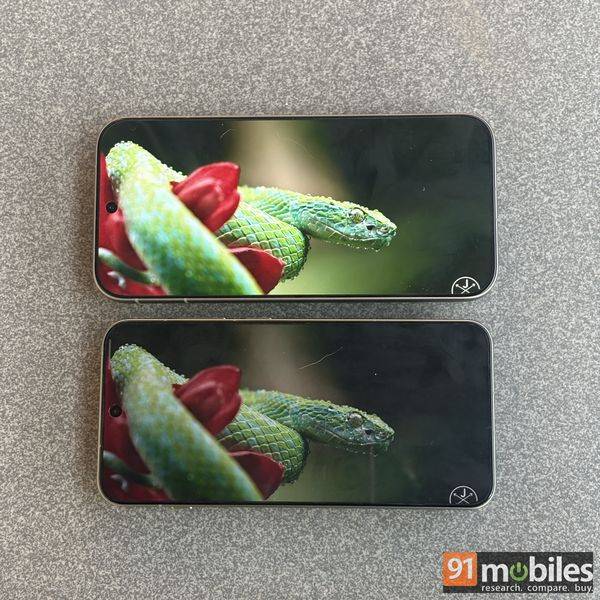
That said, on the OnePlus 13s, the refresh rate can drop to as low as 1Hz when the display is idle to conserve battery, thanks to LTPO. On the Vivo V70 Elite, the lowest it drops to is 60Hz. Apart from this hardware-level difference, there is no noticeable change in how smoothly these phones handle graphics and animations. Both are on par. But is the OnePlus 13s more power-efficient? Jump to the battery section to find out.
Versatile camera setup vs no nonsense
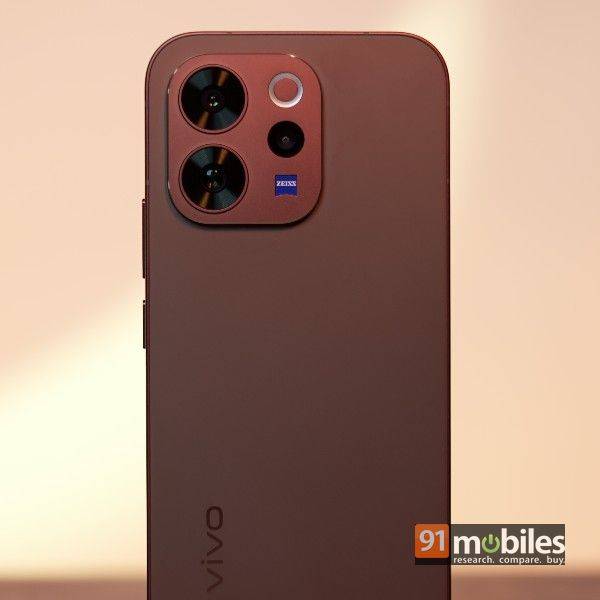
In optics, the Vivo V70 Elite camera setup looks more promising with a ZEISS 50MP OIS Sony sensor, a ZEISS 8MP ultrawide lens, and a ZEISS 50MP 3x OIS telephoto sensor. The front camera is a 50MP ZEISS unit for selfies and video calling. Apart from this, the handset offers a variety of modes and filters to enhance the looks of the images, alongside AI Visual that changes the background to different seasons, regions, and more. Vivo has also added new Festival filters, called AI Floral and AI Holi, which add flower petals and colours to your images, respectively.



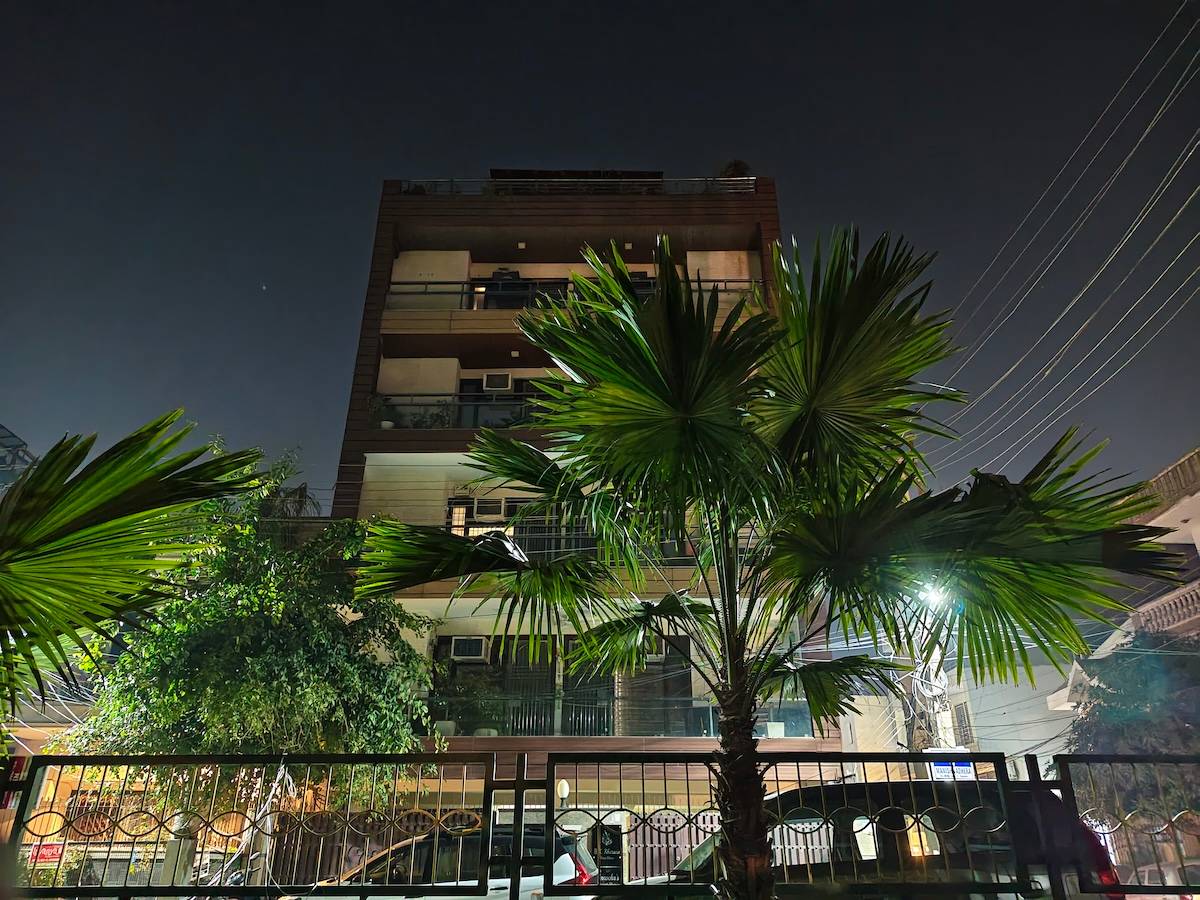
In the real world, all 50MP smartphone cameras do well to deliver vibrant, crisp images without looking excessively artificial or processed. The details might be soft in a few places, but the handles highlight and shadows confidently, and even maintain impressive noise control in low light. In portraits, while users can choose different focal points for a natural-looking bokeh effect, edge detection could use some improvement. The 8MP ultrawide lens, while handy for capturing images with a wide perspective, remains the weakest link in the setup. The details go for a toss, and the dynamic range appears underwhelming.

The OnePlus 13s omits the 8MP ultrawide lens from its camera setup altogether. The handset, instead, ships with a dual-rear camera setup, comprising a 50MP OIS primary sensor and a 50MP 2x telephoto lens with no OIS. The front camera is a 32MP sensor for selfies and video calling. The smartphone also lacks the variety of colour filters, modes, focal points, and AI Visuals that Vivo offers. It’s a relatively straightforward camera setup, something that the casual photographers will appreciate.



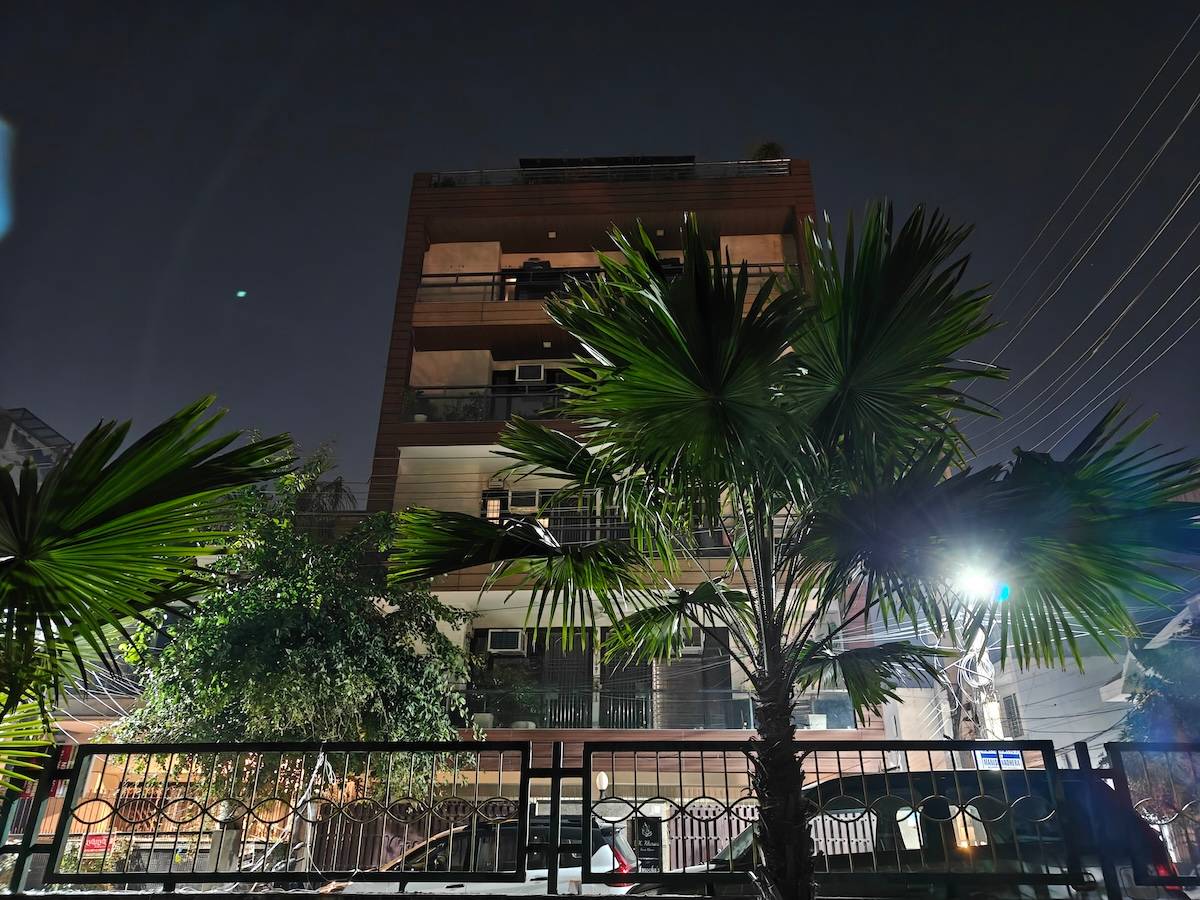
The camera settings of the OnePlus smartphone lean towards a warm tone and good dynamic range – better than the V70 Elite in some scenarios. However, it won’t be an ideal choice for portraits and selfies if those are a priority for you. The bokeh effect appears slightly artificial, even though the facial details and edge detection are on point, and the selfies may appear overprocessed with boosted details.
Snapdragon 8-series chipsets


Interestingly, both smartphones are powered by Qualcomm’s Snapdragon 8-series chipset, paired with up to 12GB LPDDR5X RAM, under the hood. But that’s where the similarities end. The Vivo V70 Elite is powered by an older, sub-flagship Snapdragon 8s Gen 3 SoC and comes with up to 256GB UFS 4.1 storage, whereas the OnePlus 13s rocks the newer flagship Snapdragon 8 Elite chipset, aided by up to 512GB UFS 4.0 storage. The data transfer speeds won’t be drastically different between the two phones, but the OnePlus 13s will be relatively faster at getting the job done.
I tested both phones side by side by launching apps, switching between tasks, and editing 4K videos. The OnePlus 13s felt consistently more fluid, no matter what I threw at it. While both devices handle multitasking well with several apps running in the background, the OnePlus smartphone edges out its counterpart with faster video rendering times and quicker consecutive photo capture. This could be attributed to the Snapdragon 8 Elite chipset, which is miles ahead of the Snapdragon 8s Gen 3, even in synthetic benchmark scores.
The Vivo V70 Elite, on the other hand, occasionally feels slower when processing images, especially during rapid shooting sessions. Having said that, the Vivo V70 Elite has been optimised well to handle everyday usage with ease. The handset can even run BGMI and Call of Duty: Mobile with a similar frame rate to the OnePlus 13s, while being more thermally efficient. It is worth noting that neither smartphone is primarily designed for serious gaming. Both are better suited to casual use. However, if you want a device that can comfortably handle heavier workloads alongside daily tasks, the OnePlus smartphone is the better choice.
Similar software experience
The Vivo V70 Elite greets you with Android 16-based OriginOS 6, whereas the OnePlus 13s runs with OxygenOS 15 layered on Android 15 out of the box. The Android 16-based OxygenOS 16 is available on the OnePlus smartphone via OTA update. This ensures a near-identical experience and feature set across both smartphones, with dynamic lock-screen wallpapers, fluid animations, and customisable widgets, among other things. Irrespective of that, the OxygenOS 16 interface looks relatively cleaner with fewer pre-installed apps, whereas the OriginOS 6 on the Vivo V70 Elite appears more mature with thoughtful additions such as an option to choose between fast and normal charging from the lock screen itself.
Both smartphones promise 4 major OS upgrades and six years of security updates. But since the Vivo V70 Elite is a recent offering and runs the latest version out of the box, it will remain relevant for a longer period – at least until 2032.
6,500mAh battery vs 5,850mAh
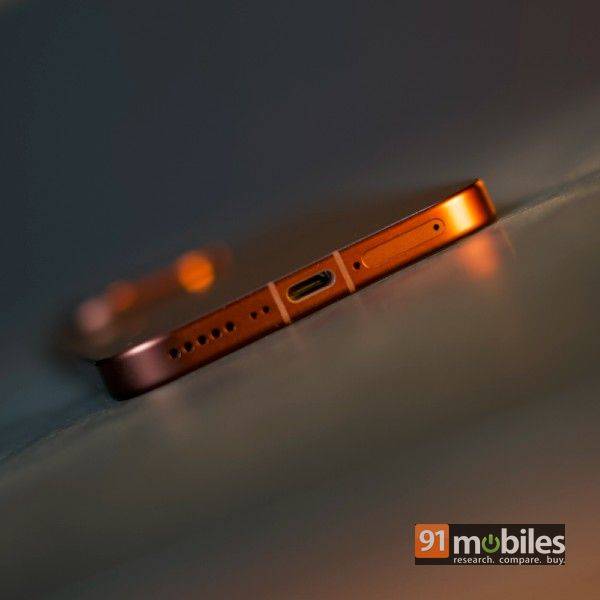
Besides the battery capacity, there is also a difference in battery technology between the two smartphones. The OnePlus 13s boasts a 5,850mAh lithium-ion battery, whereas the V70 Elite houses a larger 6,500mAh silicon-carbon battery. Our PCMark battery test, along with internal testing that includes 60 minutes each of gaming and YouTube video streaming, favours the Vivo V70 Elite. The handset scored 18 hours and 19 minutes in the benchmark test and consumed just 9 percent battery during the usage test.
In contrast, the OnePlus 13s achieved 16 hours and 39 minutes of runtime in the PCMark battery test. During the gaming and video streaming tests, its battery drained by 12 percent. These differences, however, are marginal. In real-world use, you will find that both smartphones offer nearly identical battery efficiency. The relatively smaller display size and LTPO panel technology on the OnePlus 13s appear to contribute to its competitive performance.
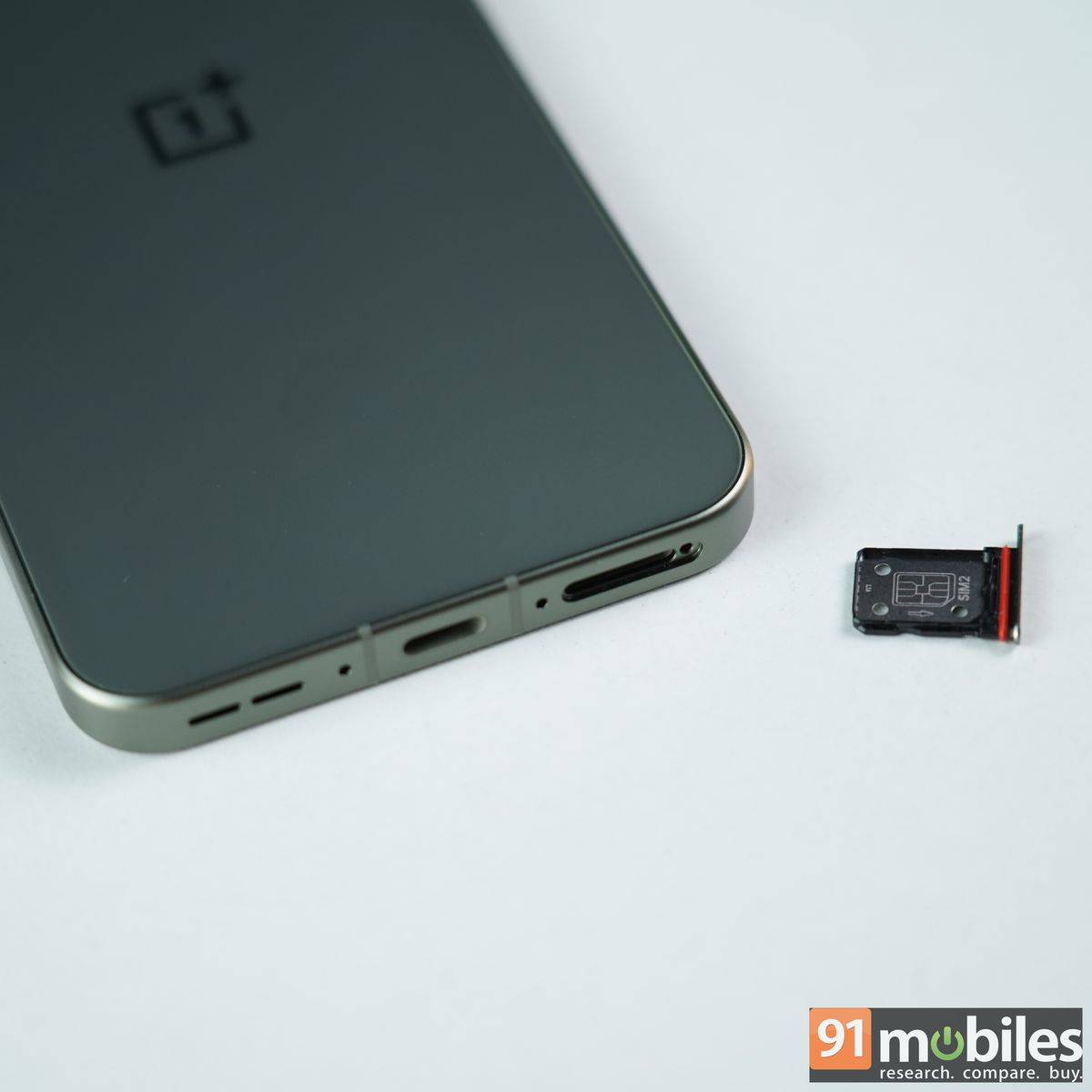
Both handsets can last a full day with moderate to heavy usage. When it comes to charging, they take roughly 40 minutes to go from 20 per cent to 100 per cent. The compatible chargers, 90W for the Vivo V70 Elite and 80W for the OnePlus 13s, are included in the box.
Verdict
The Vivo V70 Elite is positioned as the more rounded all-day companion with an emphasis on photography, whereas the OnePlus 13s is for those who care about outright performance and compact ergonomics.
| Smartphone | Why you should buy |
| Vivo V70 Elite | Battery life, brighter display, camera versatility, and more robust ingress protection. |
| OnePlus 13s | Performance, power-efficient display, smooth heavy workloads, and a more compact form factor. |