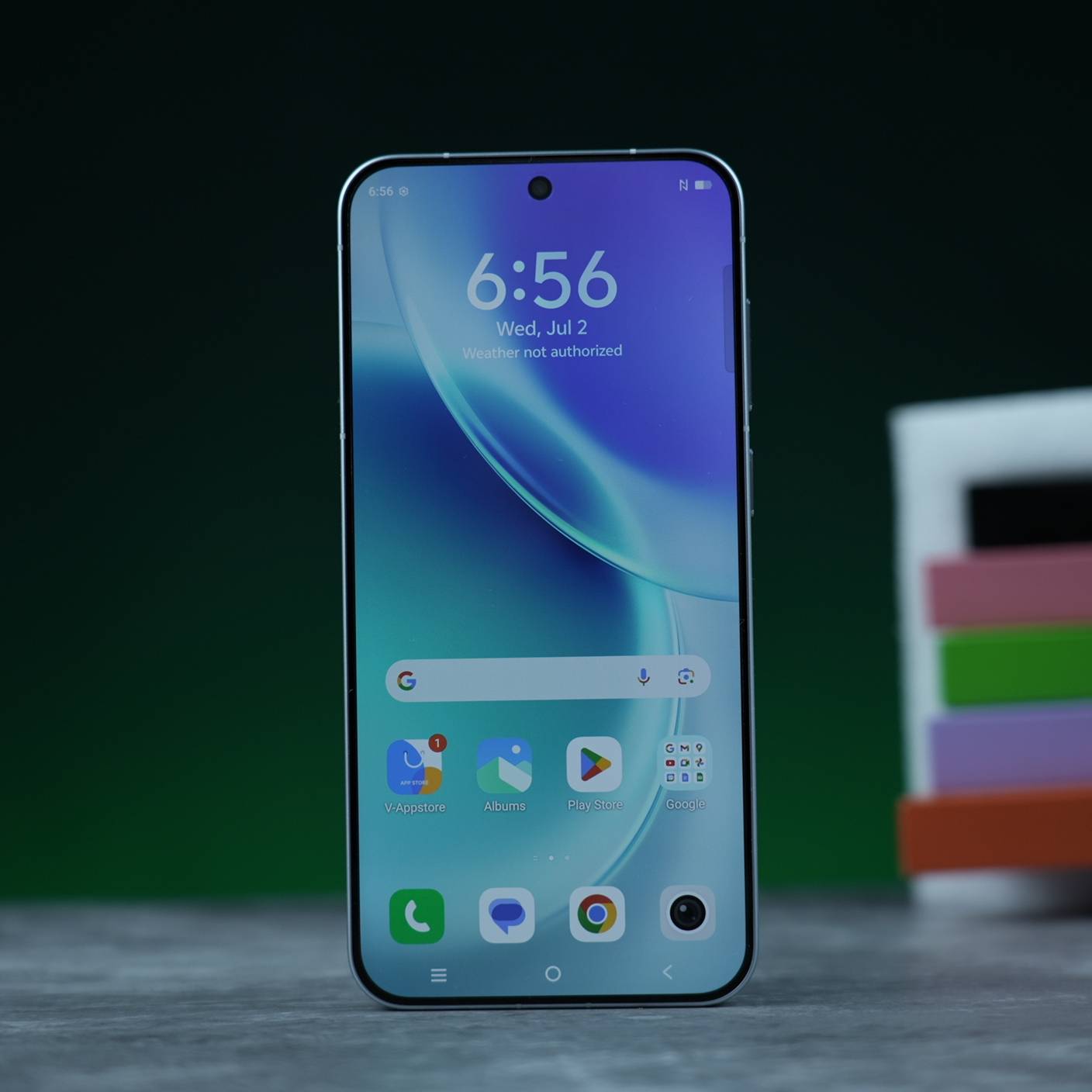
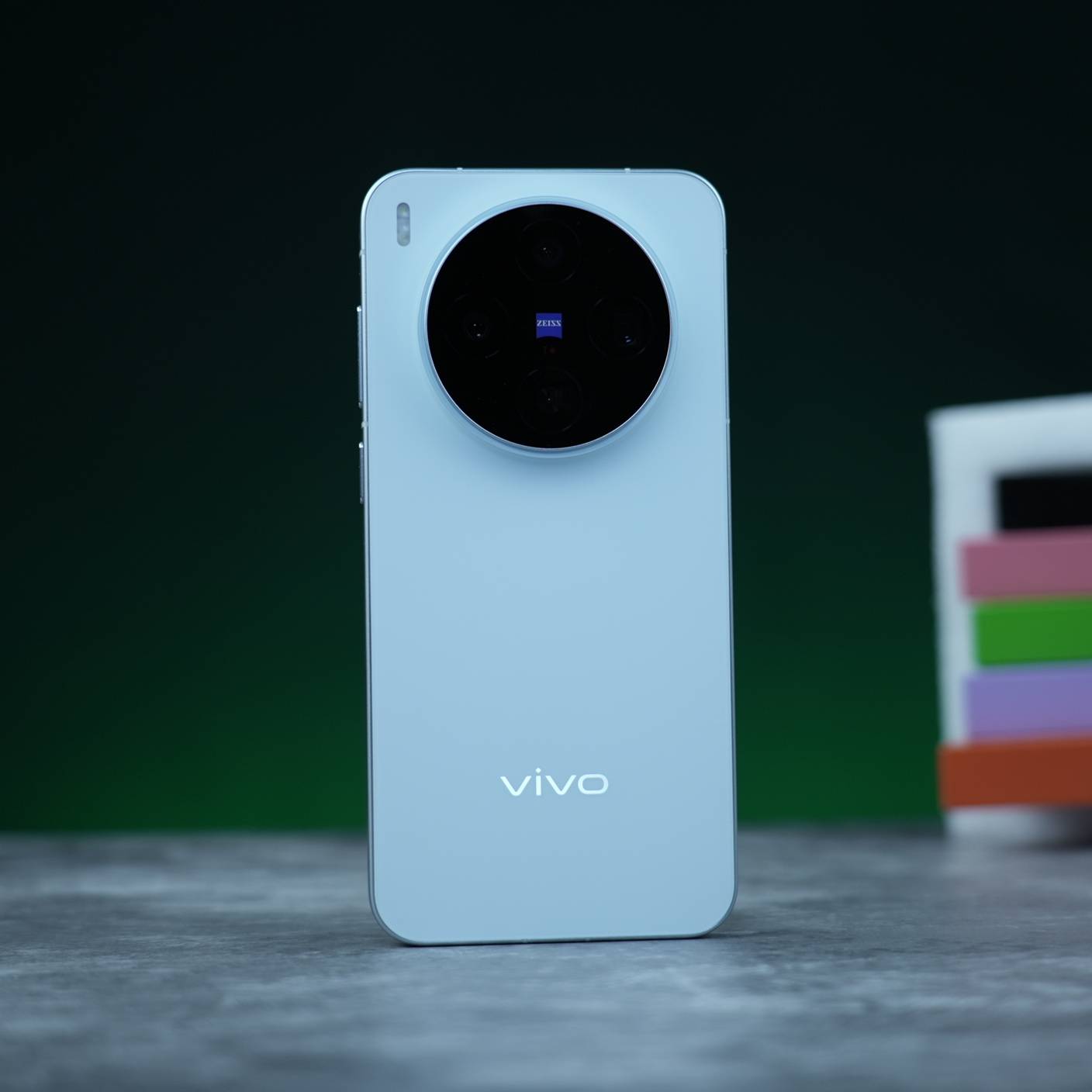
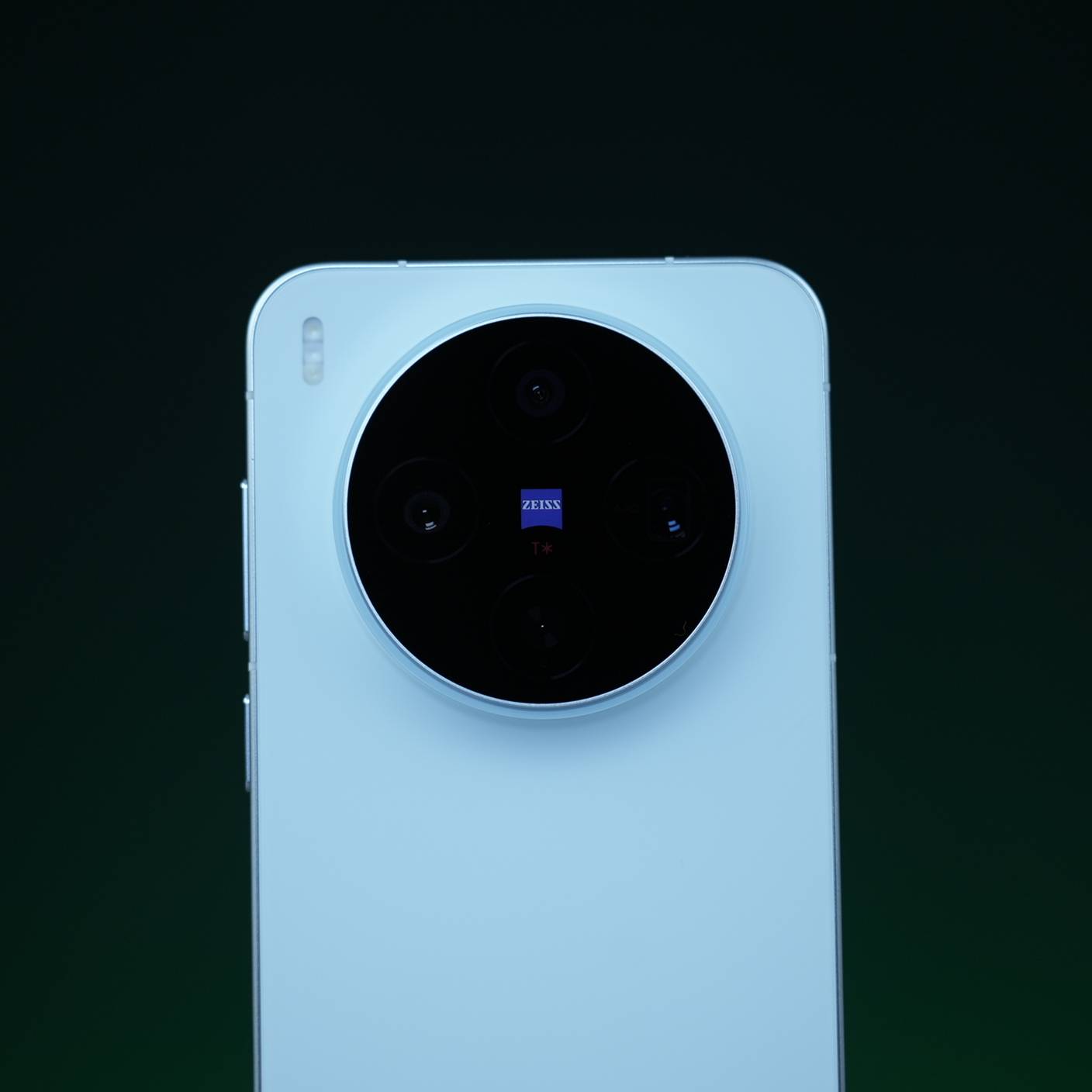
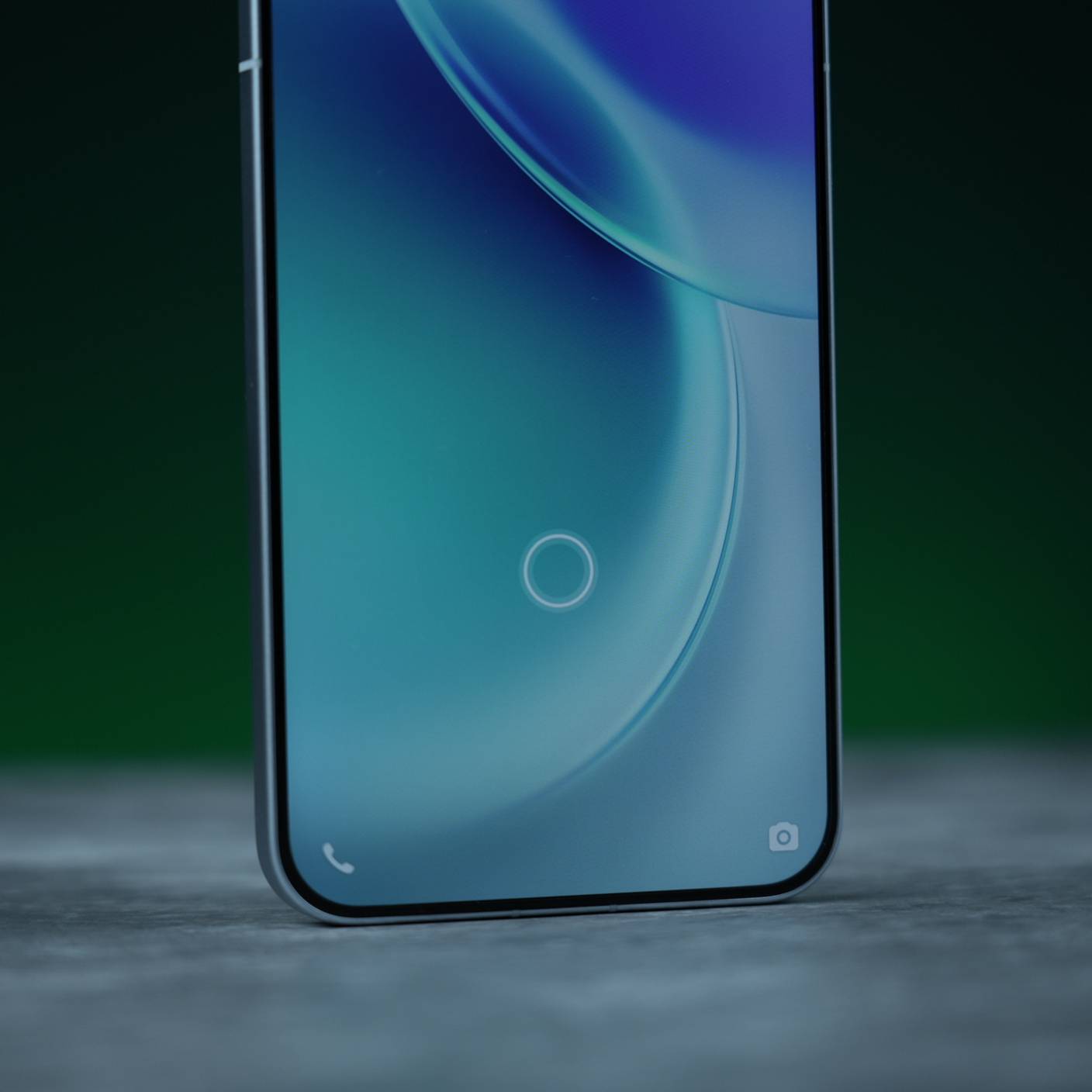
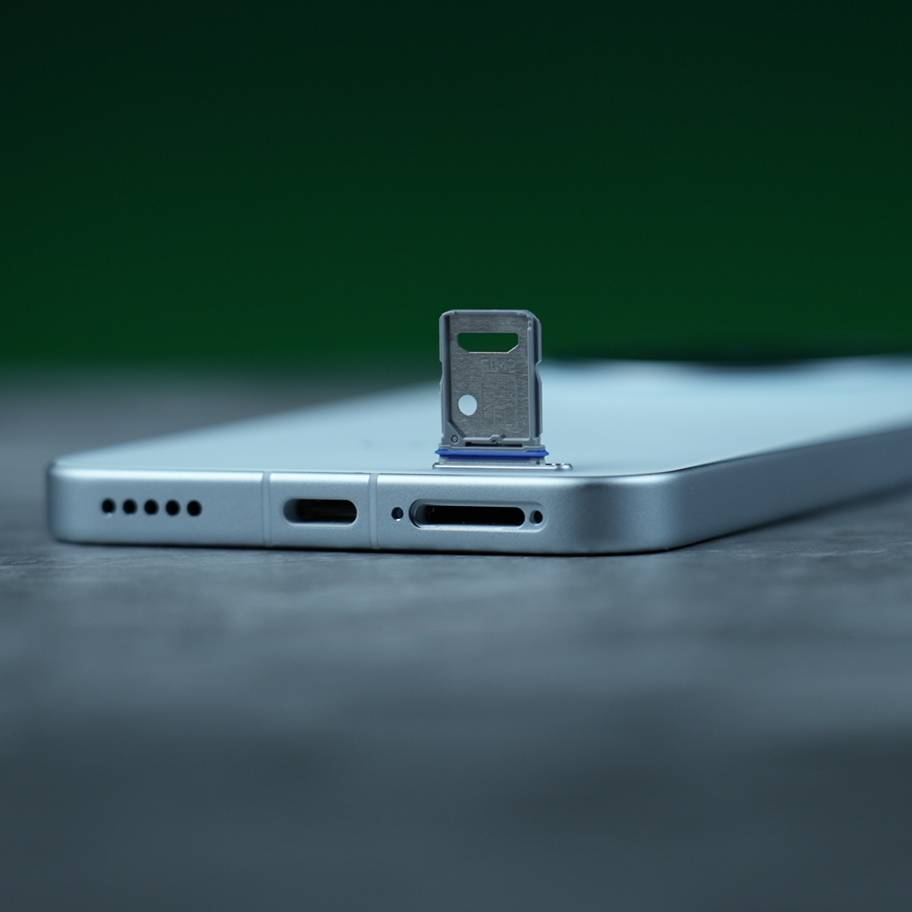
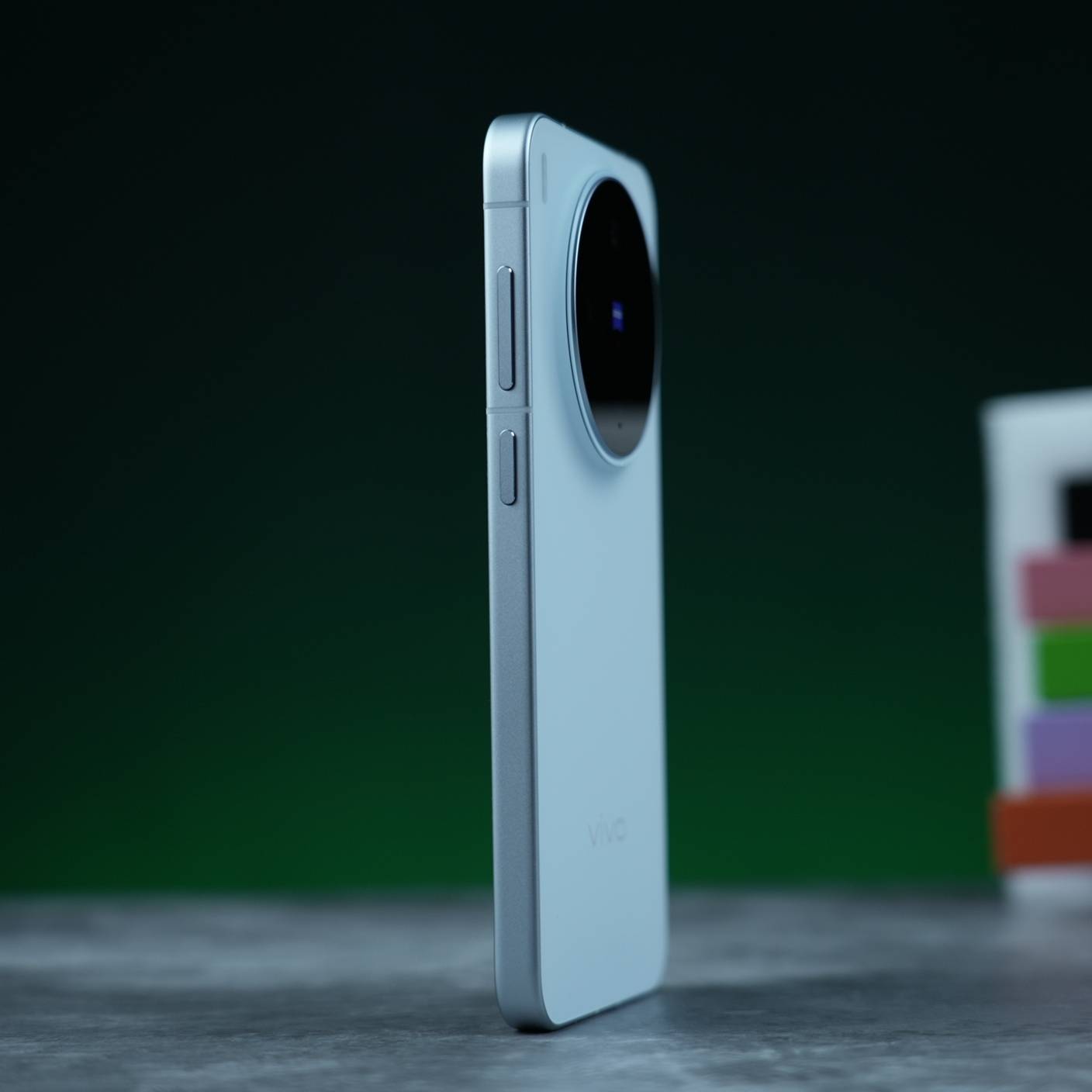
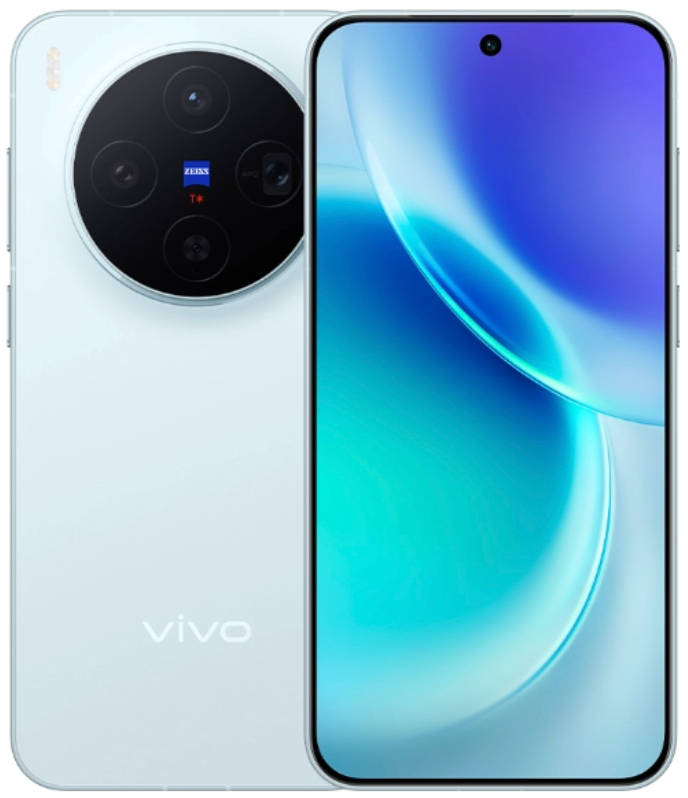
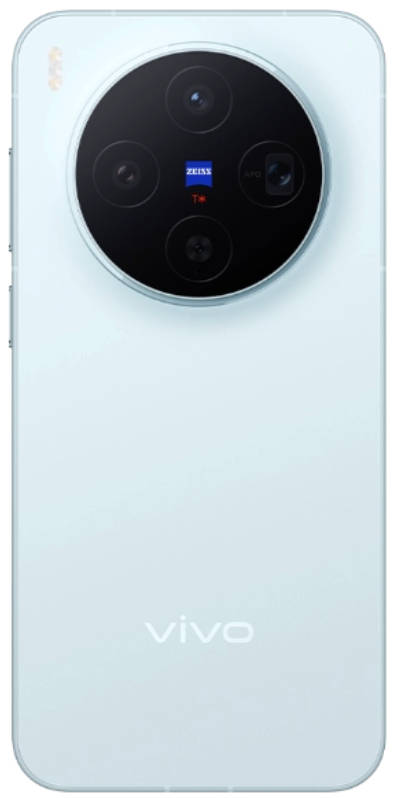
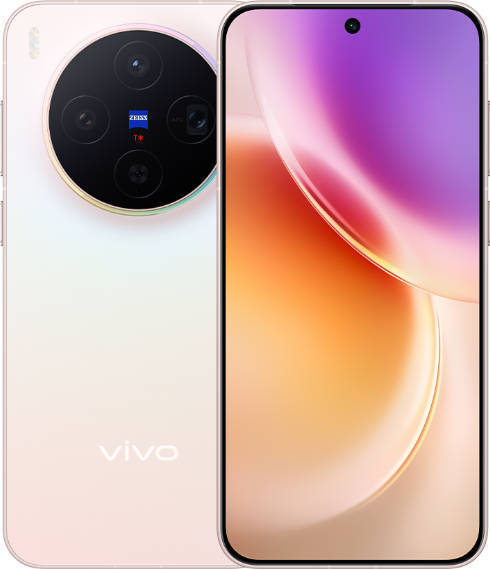
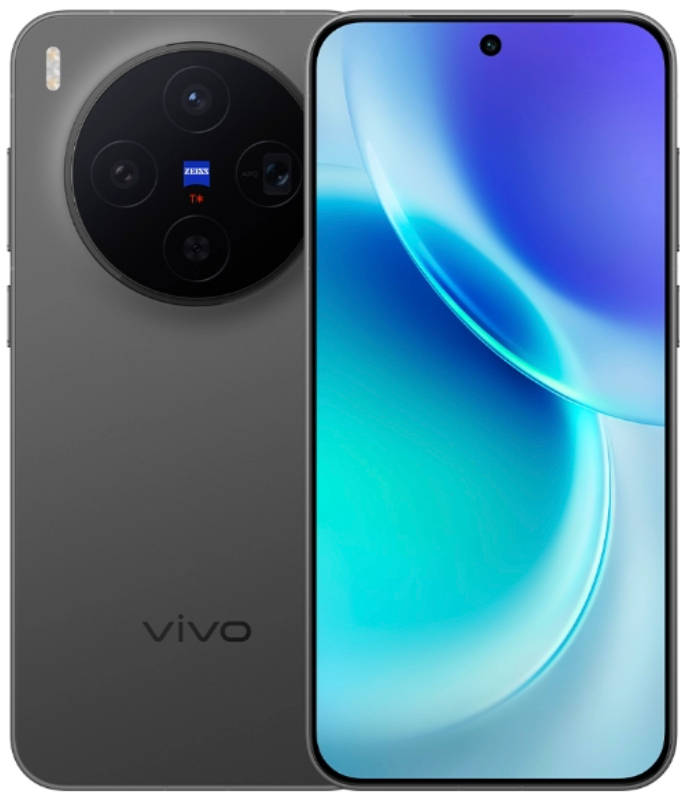
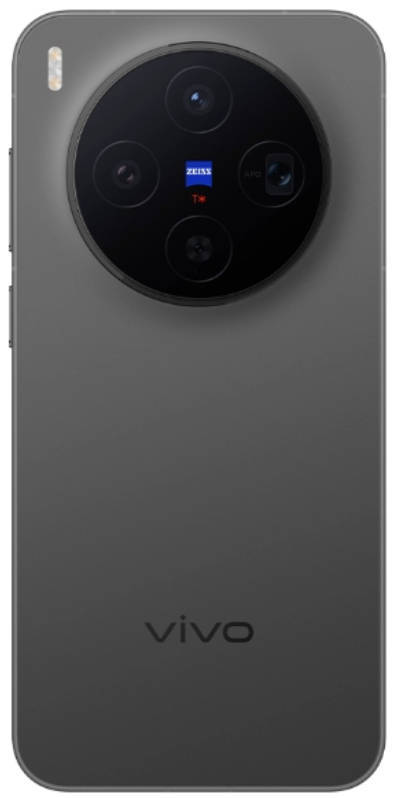
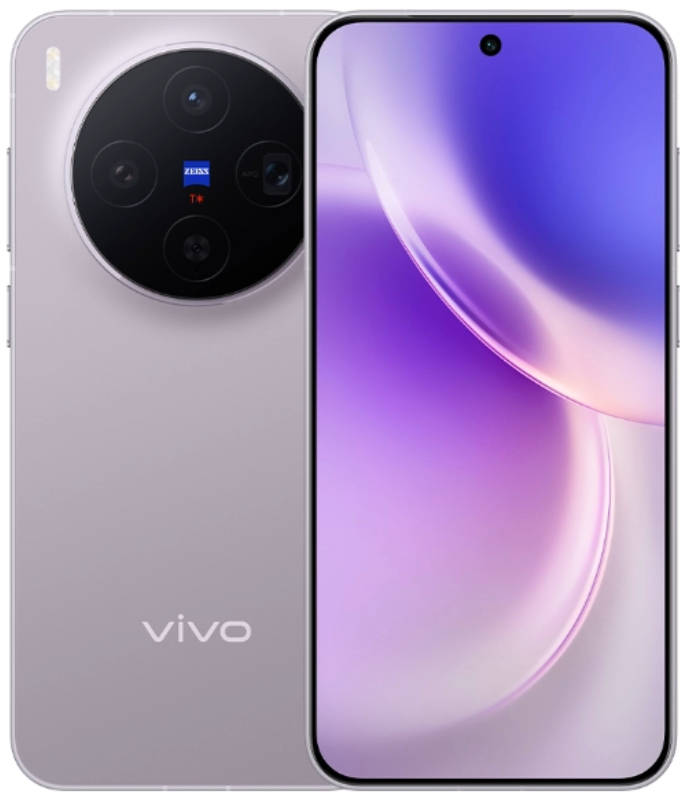
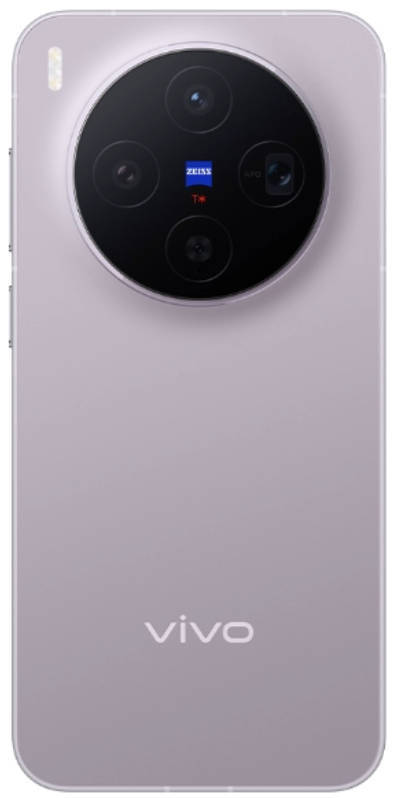
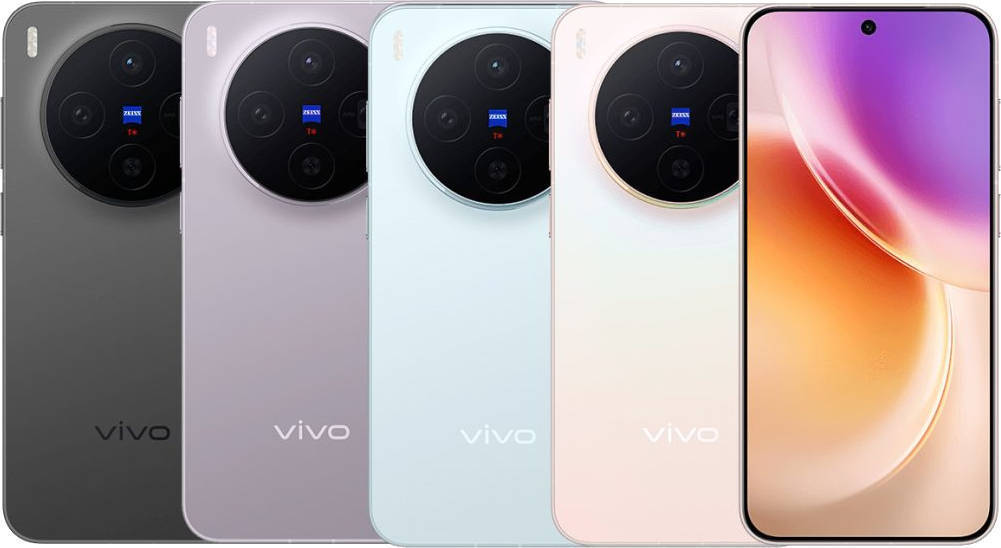
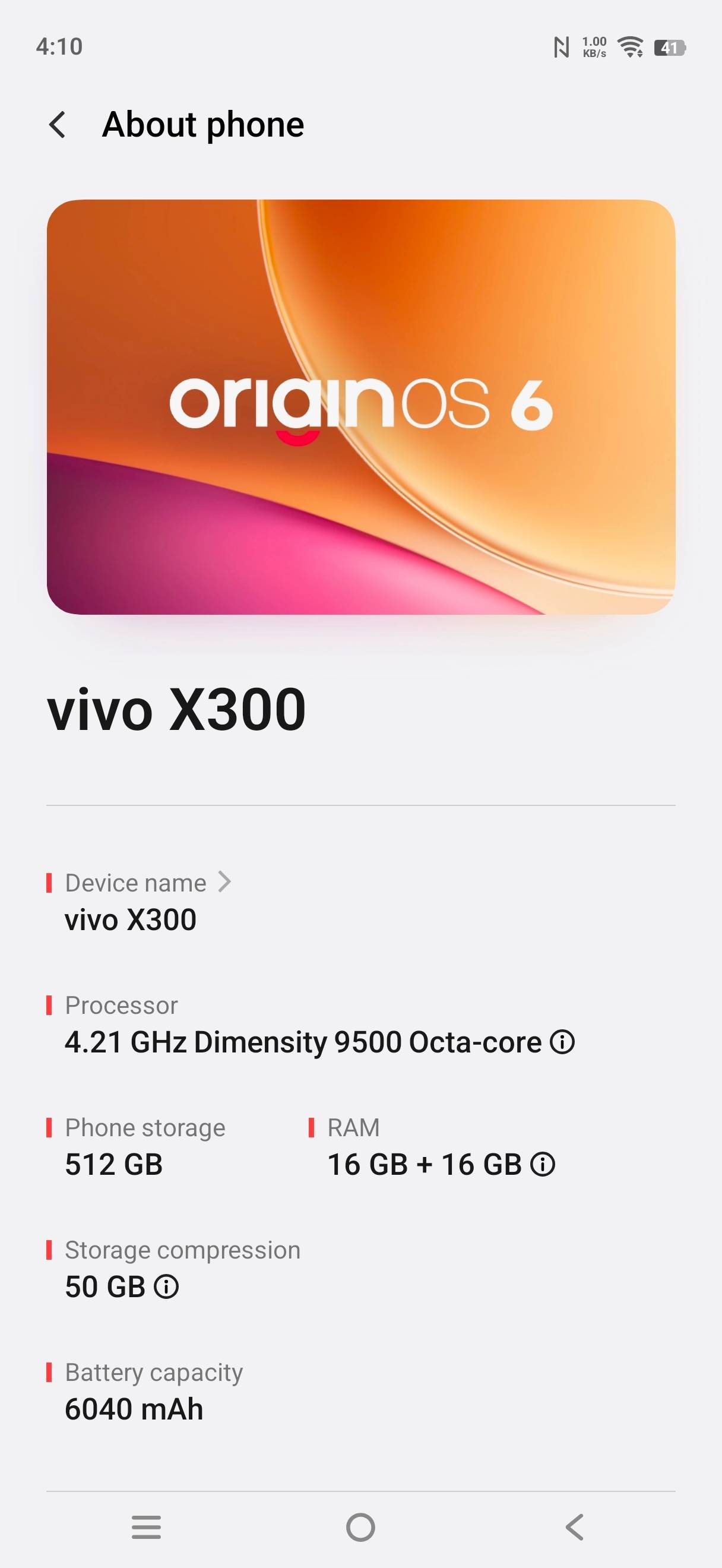
The Vivo X300 (review) undoubtedly garnered a lot of attention since its launch, thanks to its loaded camera setup, improved battery life, upgraded processor, and complete design revamp, all packed into a compact form factor. In my review, I called it the best compact flagship of 2025 and possibly 2026. With statements that bold, it only makes sense to put it against rivals that have earned similar praise. One such phone is the new OPPO Find X9 (review).
This comparison comes at a time when the industry is pushing for better zooming capabilities and more AI computational processing in their camera systems. Both brands have also doubled down on these trends, leveraging partnerships with imaging giants such as ZEISS and Hasselblad to fine-tune their colour science.
At their core, both these phones share several similarities, focusing on powerful cameras, good battery life, and the same MediaTek Dimensity 9500 chipset. Comparing how these two capable camera phones perform should prove interesting, and that’s exactly what this article will focus on. I’ve taken several photos on each phone under identical conditions to evaluate their camera performance in a head-to-head test. Let’s get started:
Vivo X300 vs OPPO Find X9 camera setup at a glance:
| Vivo X300 | OPPO Find X9 | |
| Primary | 200MP (OIS) | 50MP (OIS) |
| Ultrawide | 50MP AF | 50MP AF |
| Telephoto | 50MP (OIS) | 50MP (OIS) |
| Selfie | 50MP AF | 32MP |
Daylight
In this daylight shot, the OPPO Find X9 delivers better colour accuracy closer to the real world. It handles the warm tones of the pavement and the building naturally, but the image suffers from oversharpening and visible noise when you crop in. The Vivo X300 prefers a contrast-forward approach with deeper colours.


You can see this in the sky, where it appears punchier, and in the darker shadows around the trees. It sacrifices some dynamic range, making the photo feel more stylised compared to the flatter but realistic profile on the Find X9.
Ultrawide
When switching to the ultrawide camera, the differences become even more pronounced. The OPPO Find X9 again maintains a more natural colour palette, particularly in the foliage and sky, but struggles slightly with soft corners and a lot of noise in the shadows.


The Vivo X300 continues its high-contrast approach, delivering a much sharper image across the frame with better details towards the edges. However, this comes at the cost of the sky looking a bit unnatural and the red tones of the building appearing oversaturated compared to the actual scene.
Portrait
In portraits, the OPPO Find X9 preserves more natural skin tones and warmth but struggles with edge detection around the hair, leaving some artefacts. It also keeps more texture in the fabric but loses detail in the shadows.


The Vivo X300 brightens the face significantly and makes the skin a little smoother, making the subject look more polished but less natural. However, Vivo’s background blur is more aggressive, and the separation around the subject is better. I still prefer the OPPO’s shot here since it does a better job with the subject, which is the core focus in a portrait shot.
Selfies
When it comes to selfies, the Vivo X300 is the clear winner. It captures skin tones with far more accuracy, keeping the complexion looking natural and authentic. You also get much better definition in the hair and fabric textures. The OPPO Find X9 disappoints here, as it brightens the skin tone a bit too much for my liking and leaves the image looking flat.


Low light (night mode on)
In low-light conditions, the OPPO Find X9 manages exposure well, keeping the scene bright without blowing out the highlights in the windows. However, it struggles with noise in the darker areas and the sky. The Vivo X300 delivers a cleaner overall image, with less noise and sharper architectural details. It maintains a more balanced exposure while ensuring the light sources don’t flare up, making it the better of the two for low-light photography.


3x zoom
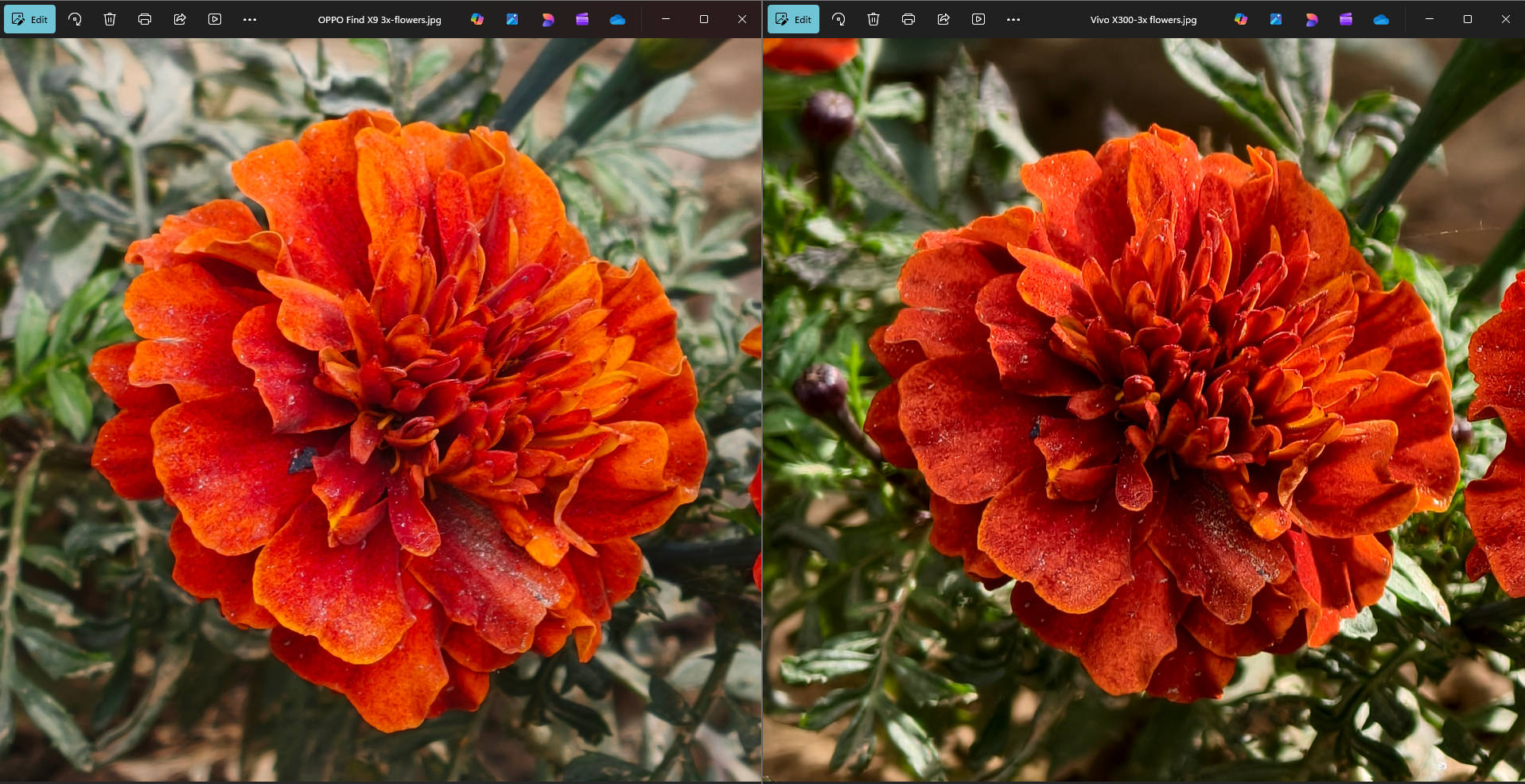
Using the 3x telephoto zoom for macro-style shots reveals some interesting results for both phones. The OPPO Find X9 handles the red marigold with impressive colour accuracy, preserving the distinct shades without oversaturating them. However, it struggles with focus distance, requiring multiple attempts to lock onto the subject.


The Vivo X300 has a much shorter focusing distance, making it much easier to get the shot in one go. It also captures the purple flower with better clarity and vibrancy, showing off its strength in handling cooler tones more effectively. Overall, the OPPO’s picture falls a little flat since it overexposes the shadows compared to the Vivo X300.
10x zoom


At 10x zoom, both phones rely on hybrid digital zoom since neither has a dedicated periscope lens of that length. The OPPO Find X9 has decent text legibility on the building signage, but the overall image appears softer with less defined edges. The Vivo X300 has better post-processing, sharpening the lines and boosting contrast to make the text pop more.

20x zoom
With both phones set to 20x zoom, it exposes the limitations of their digital crop, but there’s a clear winner in the end. The OPPO Find X9 starts to fall apart, with significant noise and a watercolour-like effect smearing the text details. The sign looks soft and lacks definition.


The Vivo X300 handles this much better. Its aggressive sharpening actually helps here by making the text readable and defining the edges of the building. The result is a more usable image that, while not perfect, retains far more information than its competitor.

Table of Contents
Verdict
| Category | Winner |
| Daylight | OPPO Find X9 |
| Ultrawide | Vivo X300 |
| Portrait | OPPO Find X9 |
| Selfies | Vivo X300 |
| Low light | Vivo X300 |
| 3x zoom | Vivo X300 |
| 10x zoom | Vivo X300 |
| 20x zoom | Vivo X300 |
After putting both phones through their paces, the result is quite clear. While the OPPO Find X9 is competitive with superior colour accuracy and more natural skin tones in portraits, it often struggles with consistency in other areas. It wins 2 out of 8 rounds, proving to be a good choice for users who prefer realistic colours over punchy, more stylised images.
The Vivo X300, however, is the decisive winner here, taking 6 out of 8 rounds. It offers much more versatility, delivering better selfies, sharper low-light shots, and significantly more usable zoom at 3x, 10x, and 20x. Its shorter focusing distance and sharper ultrawide shots further cement its strengths. If you want a camera system that is more reliable across a wider variety of scenarios, the Vivo X300 is the one to pick.
vivo X300 Images