You don’t need to spend over a lakh to get a genuinely good camera phone. The sub-Rs 80,000 segment now offers several smartphones with excellent camera systems that can go toe-to-toe with pricier flagships. We reviewed seven such devices this year, from OPPO, Vivo, OnePlus, iQOO, Realme, Google, and Nothing, and put their cameras head-to-head across a wide range of real-world scenarios. Here’s a recap of their camera performance, where each excelled or fell short, and ultimately, which one emerged as the best camera smartphone under Rs 80,000.
Note: These smartphones are strictly priced between Rs 70,000 and Rs 80,000, without offers.
| Smartphones | Starting price |
| Vivo X300 | Rs 75,999 |
| OPPO Find X9 | Rs 74,999 |
| OnePlus 15 | Rs 72,999 |
| iQOO 15 | Rs 72,999 |
| Realme GT8 Pro | Rs 72,999 |
| Nothing Phone (3) | Rs 79,999 |
| Google Pixel 10 | Rs 79,999 |
Table of Contents
Vivo X300
Camera rating: 8.6 / 10
Camera specs
- Main camera: 200MP Samsung ISOCELL HPB, OIS
- Telephoto camera: 50MP SonyIMX 602 with 3x optical zoom, OIS
- Ultrawide camera: 50MP Samsung ISOCELL JN1
- Front camera: 50MP




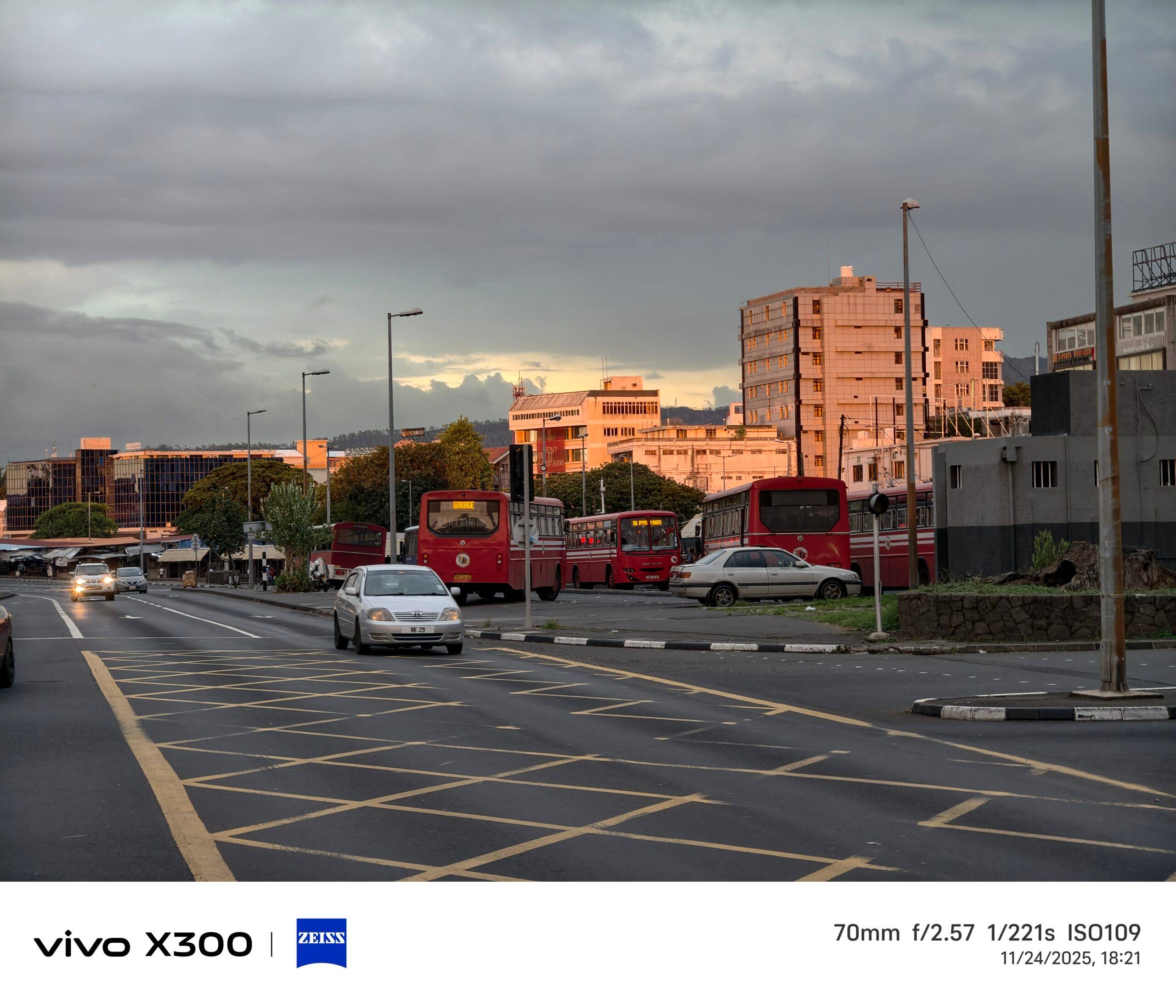
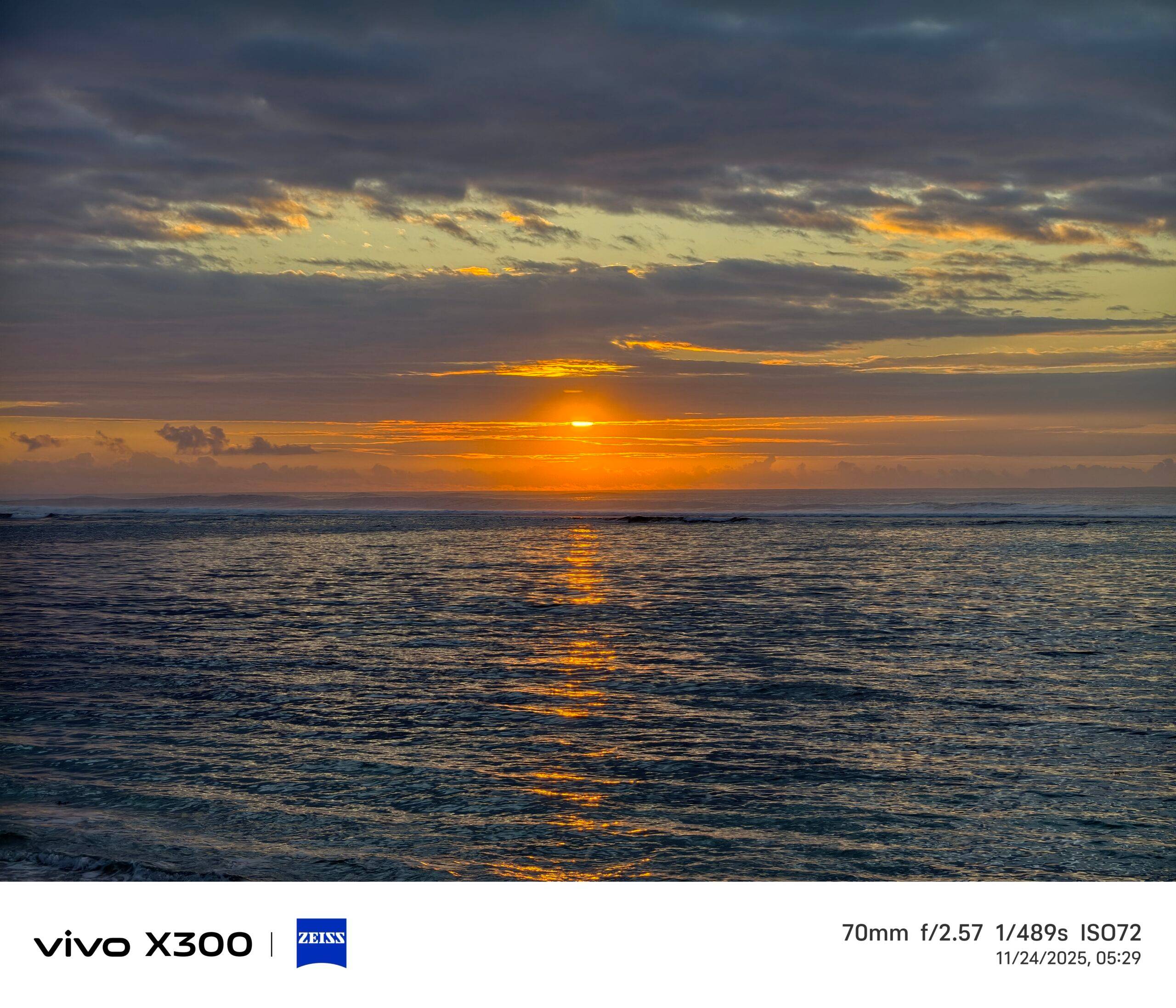
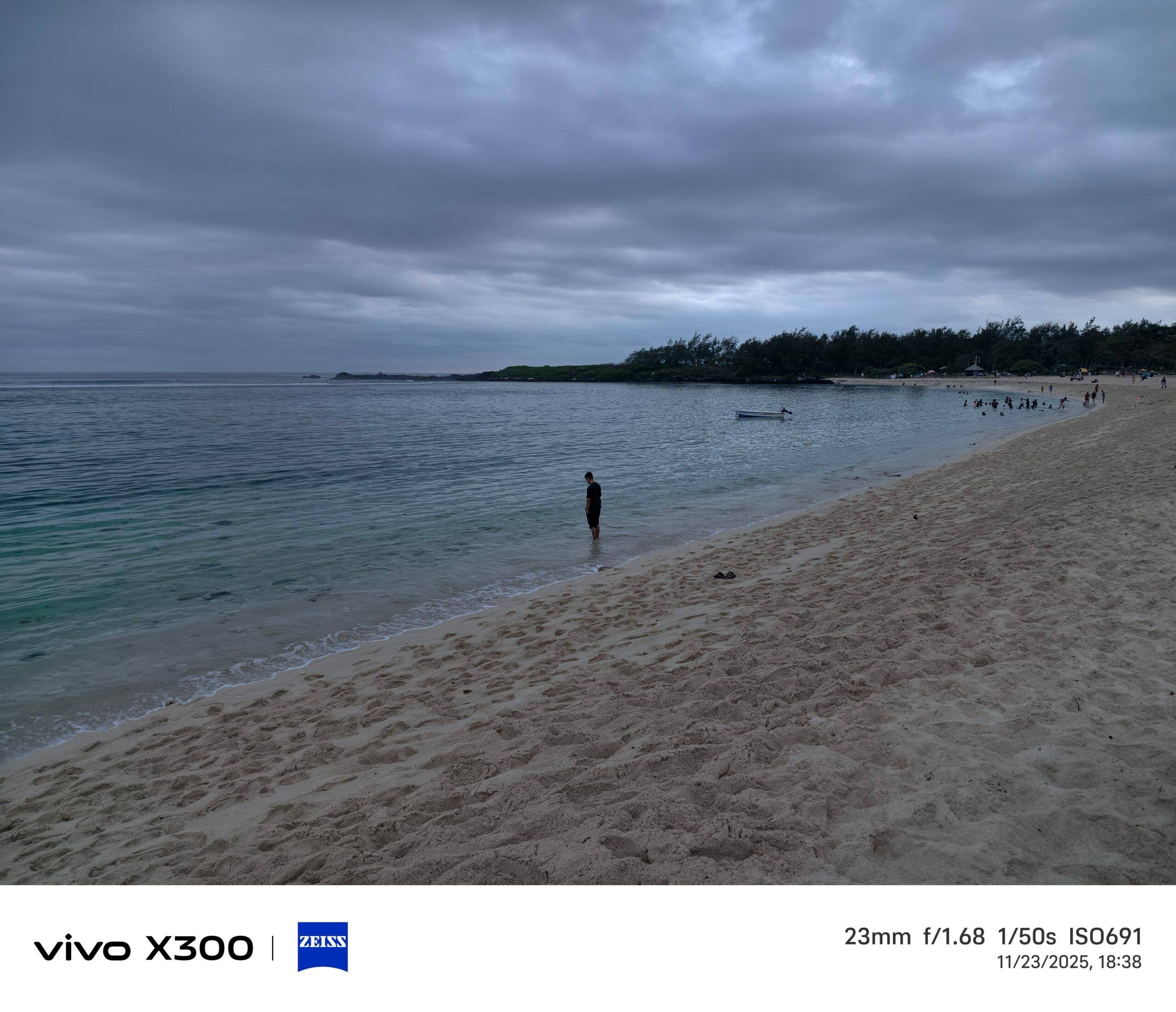


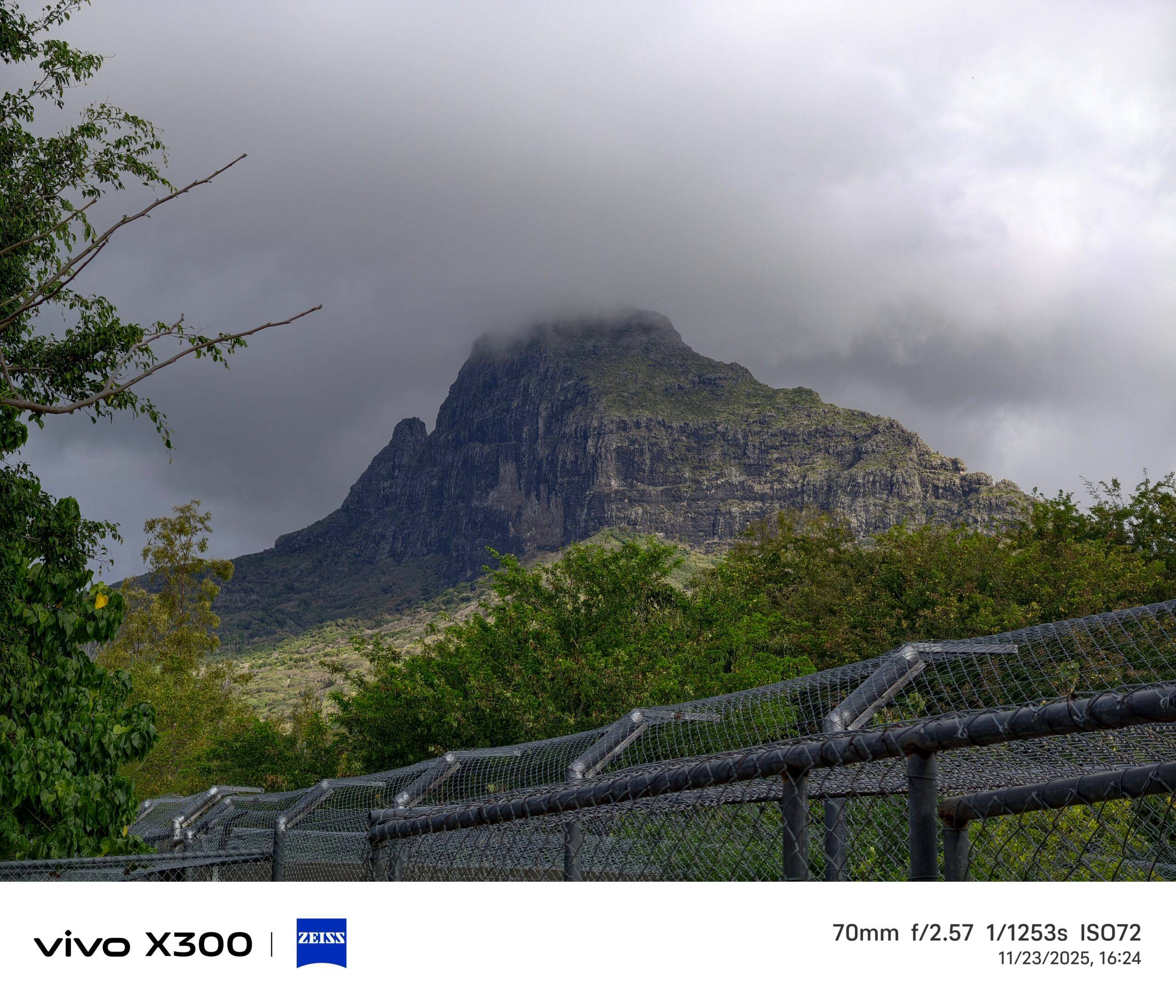


As observed in our Vivo X300 review, the X300 delivers a consistently refined camera experience that leans towards detail, contrast, and clean processing across its camera sensors. Its main lens is capable of capturing crisp images with rich colours and strong contrast, highlighting those fine details within the frame while keeping noise level down, in a well-lit environment.
The ultrawide lens, meanwhile, feels less consistent than the main sensor, with minor edge distortion and softer corners. Nevertheless, the lens still offers a wider perspective and strong foreground emphasis. The 3.5x telephoto lens is where the clear strength of the Vivo X300 lies. It produces polished, premium-looking portraits with clean subject separation and smooth background blur, even if skin tones are sometimes rendered a touch lighter than natural.
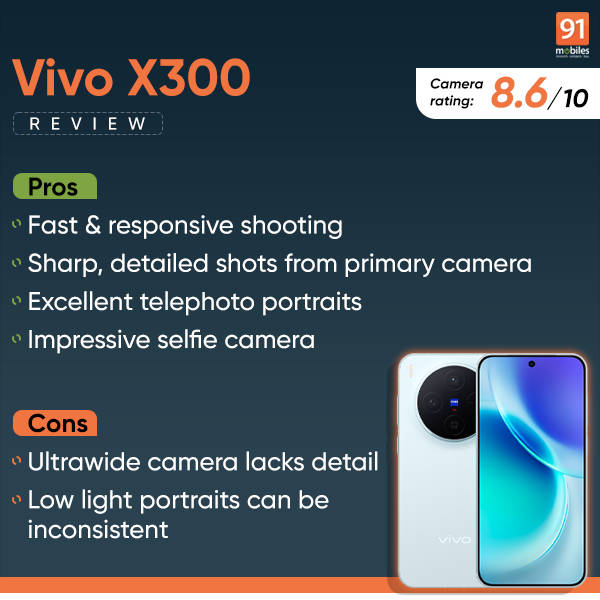
When it comes to the selfie camera, the Vivo X300 focuses on accuracy rather than flair, with neutral, true-to-life skin tones and balanced colour that avoids excessive warmth or saturation. In low light, the Vivo X300 prioritises cleanliness and detail over aggressive brightening, with sharp textures, controlled colours, and few artefacts, especially in Night Mode.
The Vivo X300 excels in nearly every department. The handset offers fast and reliable shooting with rich detail. Telephoto portraits are a standout feature, along with excellent selfie performance. However, its ultra-high-resolution and ultrawide modes can be inconsistent at times.
OPPO Find X9
Camera rating: 8.4 / 10
Camera specs
- Main camera: 50MP Sony LYT808, OIS
- Telephoto camera: 50MP Sony LYT600 with 3x optical zoom, OIS
- Ultrawide camera: 50MP
- Front camera: 32MP











The OPPO Find X9 (review) delivers a balanced and dependable camera experience, with its strengths showing most clearly in dynamic range, exposure consistency, and ultra-wide photography. In daylight, its primary camera is reliable, though images carry a slight bluish tint and fall behind rivals in fine detail and colour consistency. Portraits captured from its telephoto lens are detailed, with accurate colours, but skin smoothing can appear a bit heavy, and edge detection isn’t class-leading.
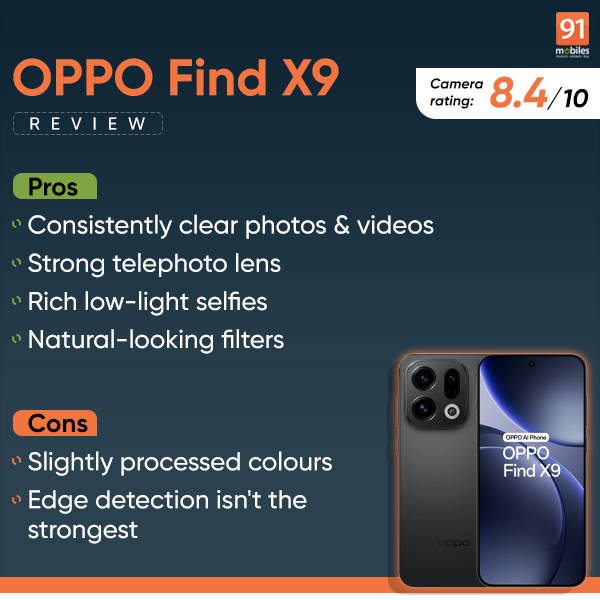
Where the Find X9 stands out is in its versatility. The ultrawide camera is a clear highlight, offering better colour accuracy, stronger detail retention, and improved distortion control. When the sun goes down, the handset’s camera performance is consistent across the frame, even if colour rendering isn’t always perfectly natural. Night mode further elevates results, significantly improving detail and noise control, though it can oversaturate colours at times.
In real-life moments, like concerts, nights out, and quick snaps, the OPPO Find X9 delivers clear, dependable results when you actually need them.
OnePlus 15
Camera rating: 8.4 / 10
Camera specs
- Main camera: 50MP Sony IMX906, OIS
- Telephoto camera: 50MP S5KJN5 with 3.5x optical zoom, OIS
- Ultrawide camera: 50MP OV50D
- Front camera: 32MP Sony IMX709













The OnePlus 15 (review) marks the brand’s first smartphone with its in-house DetailMax Engine. The result: sharp, vibrant photos suitable for social media, with fast shutter speeds and reliable cameras, in daylight with both primary and selfie cameras. The 50MP telephoto lens at 3.5x zoom handles portraits well, offering better edge detection than some competitors.
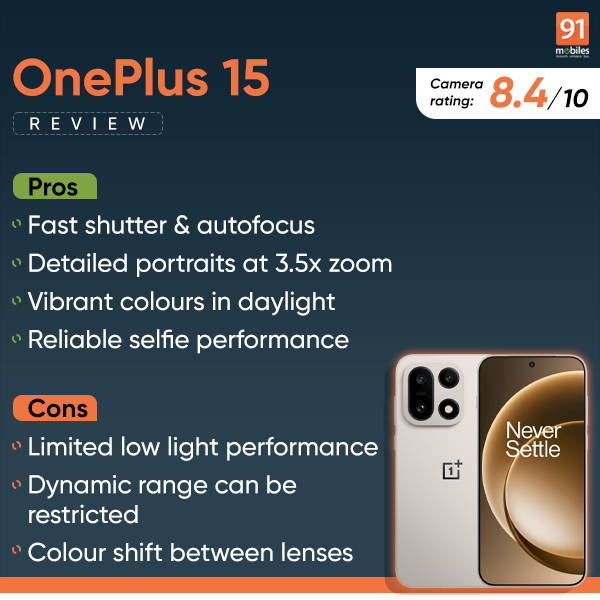
Be that as it may, the low-light camera performance of the smartphone is on the weaker side. This is due to its small sensors, which let in less light, producing relatively darker and less detailed photos. The handset also captures images in long exposure with night mode, even in moderately lit scenes, causing slight delays. Furthermore, switching between main and telephoto lenses also results in noticeable colour shifts.
The OnePlus 15 is a solid point-and-shoot camera phone if all you’re concerned about is capturing quick and reliable photos to share on social media.
iQOO 13
Camera rating: 8.3 / 10
Camera specs
- Main camera: 50MP Sony IMX921, with OIS
- Telephoto camera: 50MP Sony IMX882 with 3x optical zoom, OIS
- Ultrawide camera: 50MP Samsung ISOCELL JN1
- Front camera: 32MP
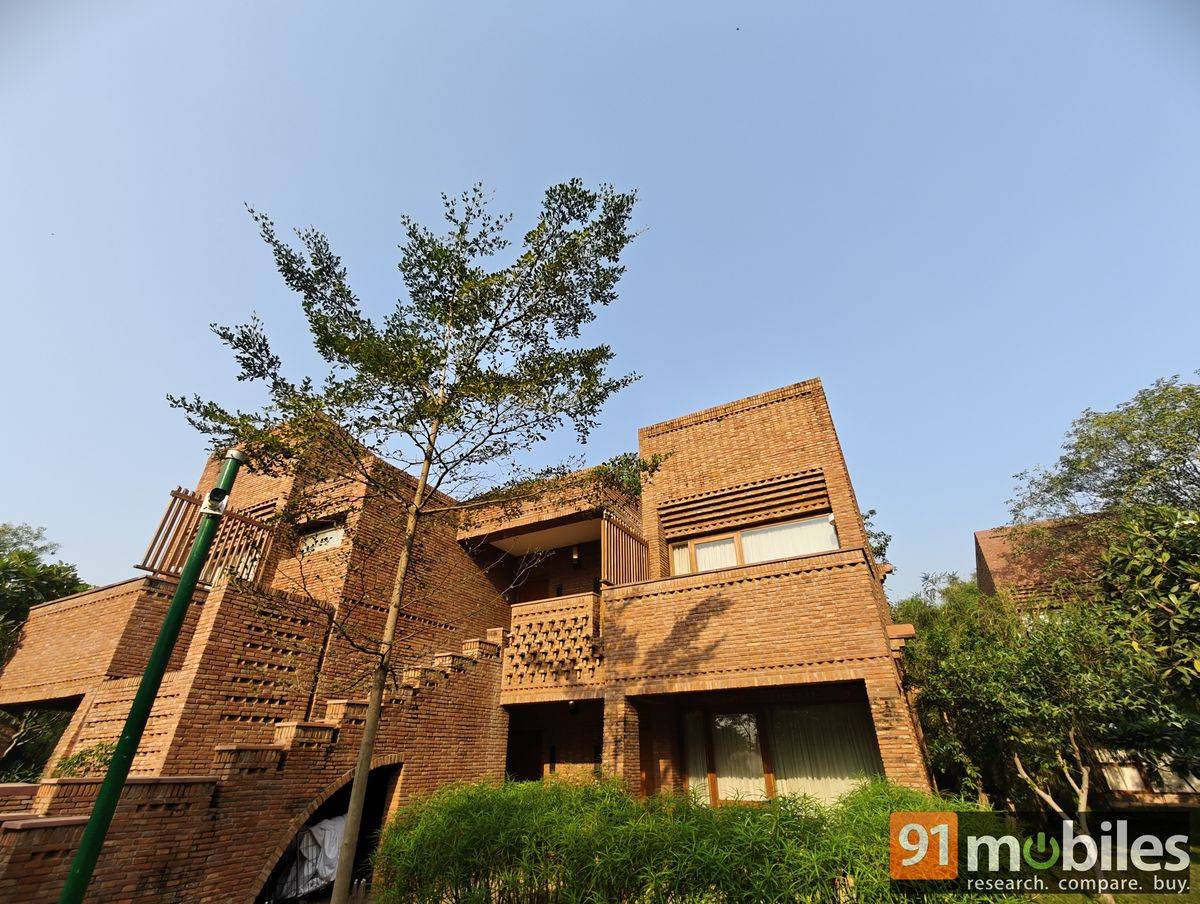


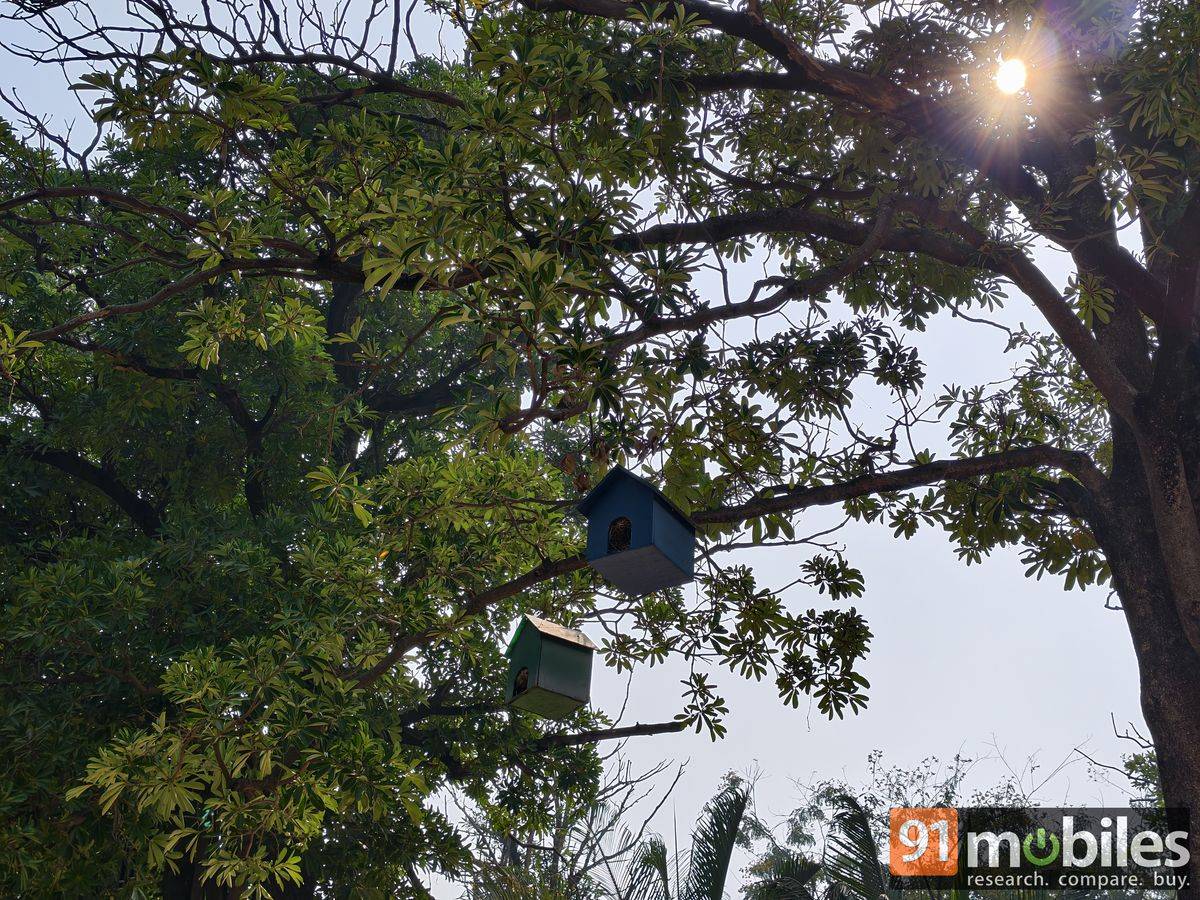





The iQOO 15 (review) prioritises eye-catching results over strict accuracy. Its images generally have cooler tones, brighter exposure, and punchier contrast, which makes them appealing for social media, even if fine details aren’t always as refined as the OnePlus 15.
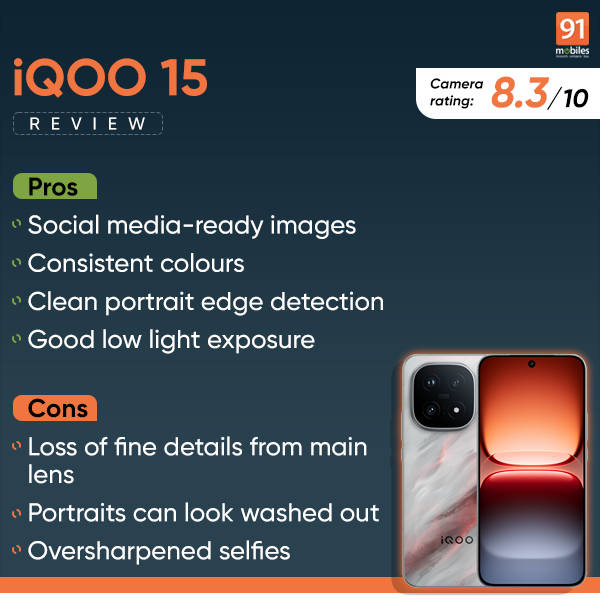
The handset’s main camera delivers vibrant, high-contrast shots with brighter exposure. Details might appear slightly soft, but photos look lively and share-ready. The same colour science extends to its ultrawide lens, which also does well to control exposure and deliver good dynamic range. While sharpness lags behind, the handset preserves small elements well and avoids excessive distortion.
Portrait photography on the smartphone, with its telephoto lens, looks a bit washed out yet manages to stand out with stronger perceived detail, cleaner edge detection, and a more natural bokeh effect. In low light, the setup excels at exposure and flare control, but struggles with noise handling and fine detail. Speaking of the front camera, its selfies can appear slightly sharp, with aggressive sharpening, which boosts detail.
The iQOO 15 stands out for its vibrant, visually pleasing images with strong exposure and dynamic range, prioritising colour pop over absolute detail. That said, the selfie and periscope cameras still struggle with natural skin tones and over-sharpening.
Realme GT8 Pro
Camera rating: 8.4 / 10
Camera specs
- Main camera: 50MP Sony IMX906, OIS
- Telephoto camera: 200MP Samsung ISOCELL HP5 with 3x optical zoom, OIS
- Ultrawide camera: 50MP OmniVision OV50D
- Front camera: 32MP











The Realme GT 8 Pro (review) offers a versatile camera setup with a mix of strengths and minor inconsistencies. Like the 200MP telephoto lens is the standout, delivering sharp, detailed, and vibrant shots across most conditions, including low light. However, the 50MP ultrawide lens, which performs well in daylight with minimal distortion, suffers in low light with softer subjects.
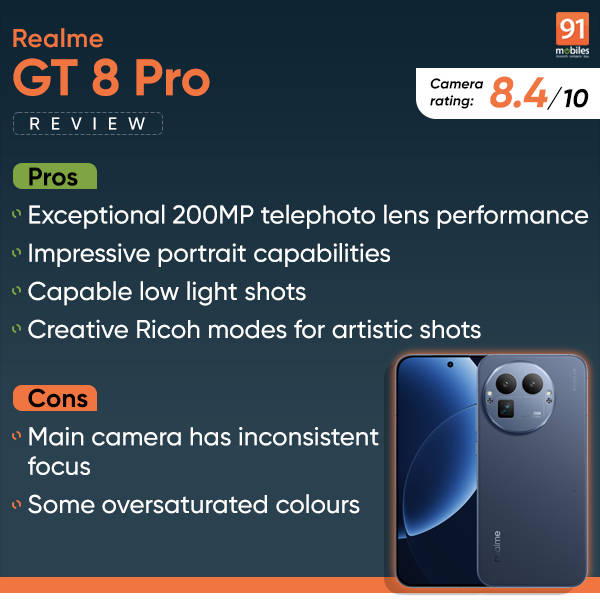
The 32MP front camera captures bright, detailed selfies with natural skin tones in well-lit environments. Moving on, the smartphone’s Ricoh-inspired modes add creative options, from vibrant Positive to dramatic B&W High Contrast, though their utility is situational.
Noted by our in-house reviewer, the GT 8 Pro outshines the OnePlus 15 in portraits and low-light scenarios, offering richer colours and superior detail.
The Realme GT 8 Pro turns its telephoto lens into a true workhorse, capturing crisp, vibrant shots while giving portraits and low-light scenes an edge that few in its class can match.
Nothing Phone (3)
Camera rating: 8.2 / 10
Camera specs
- Main camera: 50MP OmniVision OV50H, OIS
- Telephoto camera: 50MP Samsung ISOCELL JN5 with 3x optical zoom, OIS
- Ultrawide camera: 50MP Samsung ISOCELL JN1
- Front camera: 50MP Samsung ISOCELL JN1


Despite its hefty price tag, the Nothing Phone (3) (review) delivers impressive results for a mainstream device, particularly in daylight. The main camera delivers vibrant colours with a good dynamic range, and the portraits benefit from sharp edge detection. Moving on, macro shots at 3x zoom work well on still subjects.
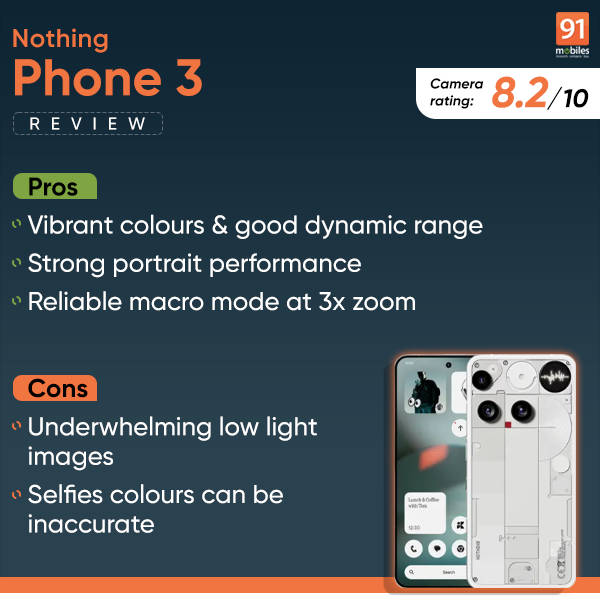
There are creative filters on offer as well, like the B&W Film, Retro, Soft Focus, and Lenticular, to further enhance the photography experience. However, the handset often produces brighter images, sacrificing some shadow detail and sharpness.
The Nothing Phone (3) delivers bright, punchy photos that impress at first glance, but a closer look reveals its struggle with fine detail and low-light clarity.
Google Pixel 10
Camera rating: 8 / 10
Camera specs
- Main camera: 48MP, OIS
- Telephoto camera: 10.8MP with 5x optical zoom, OIS
- Ultrawide camera: 13MP
- Front camera: 10.5MP









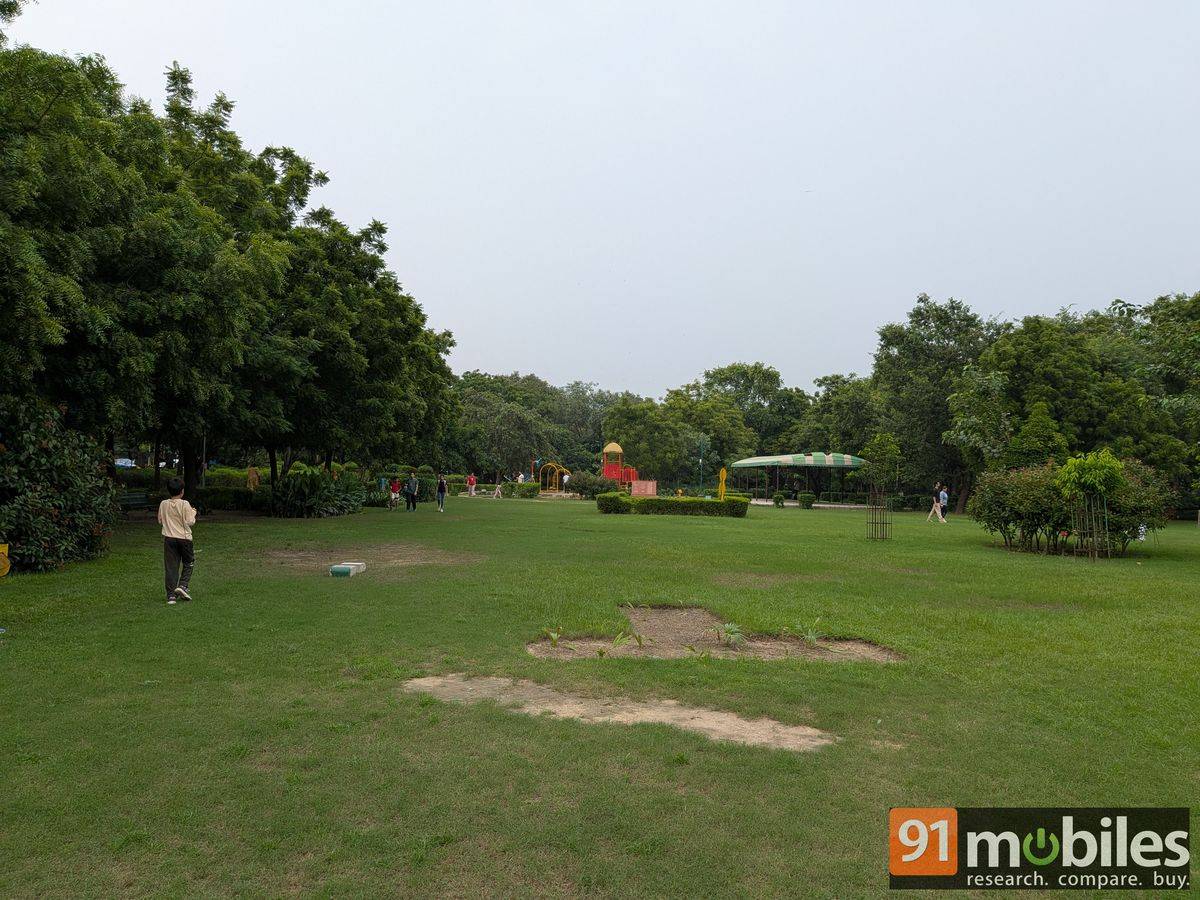








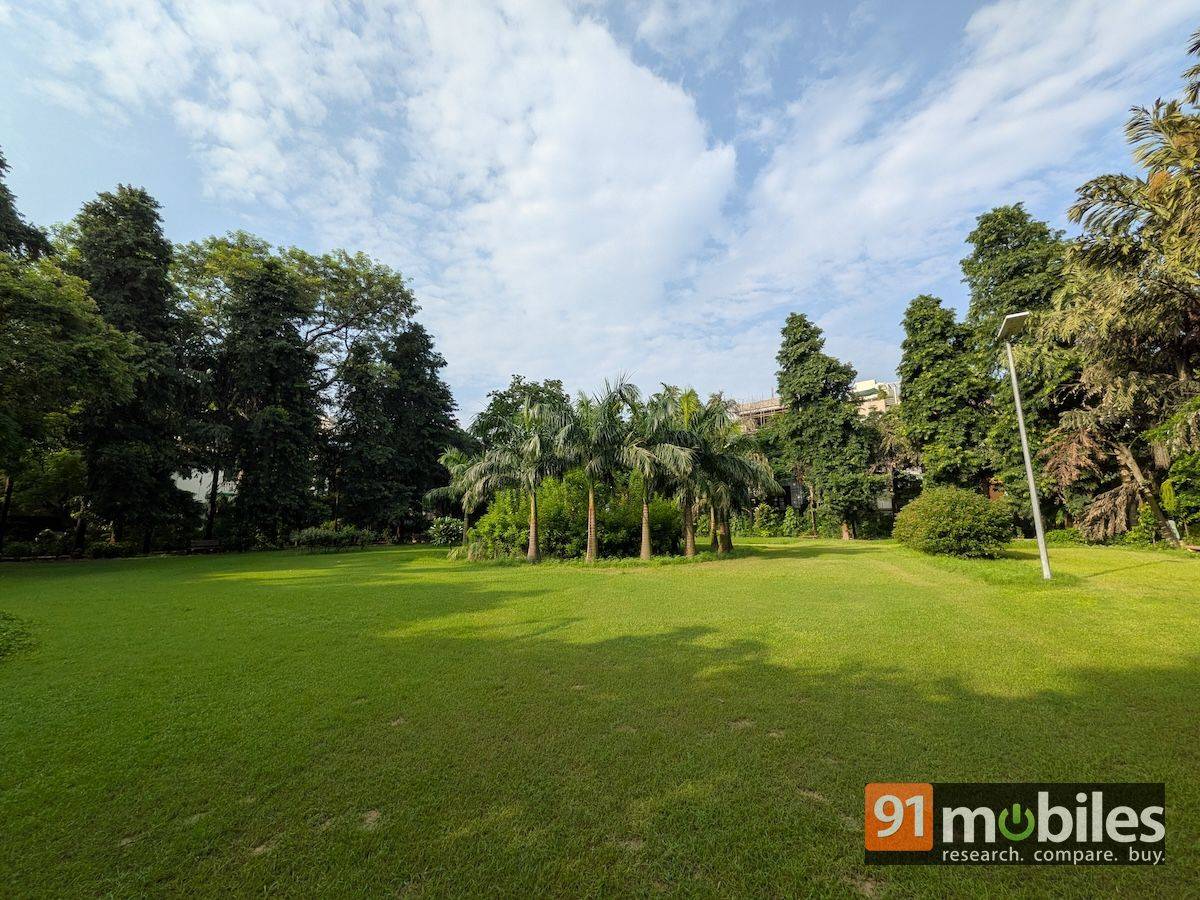
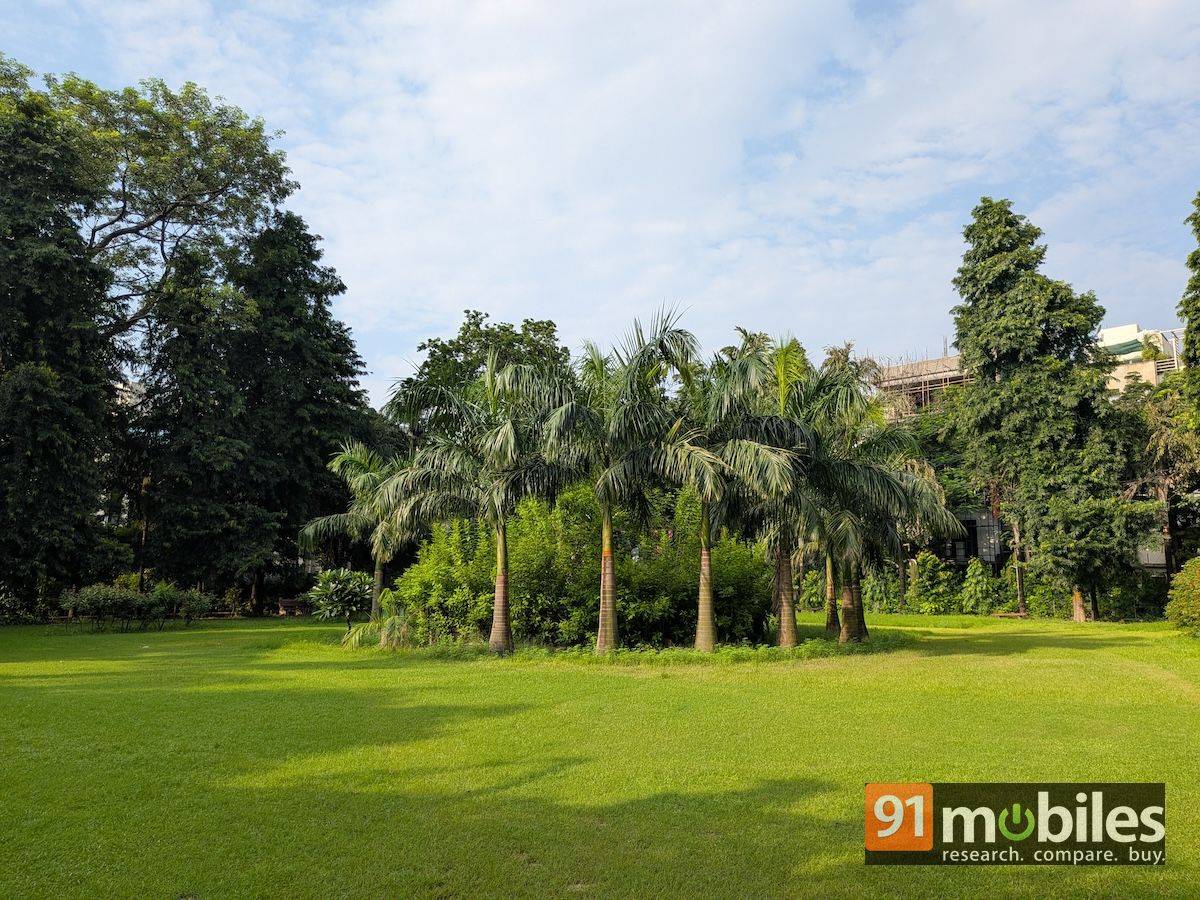
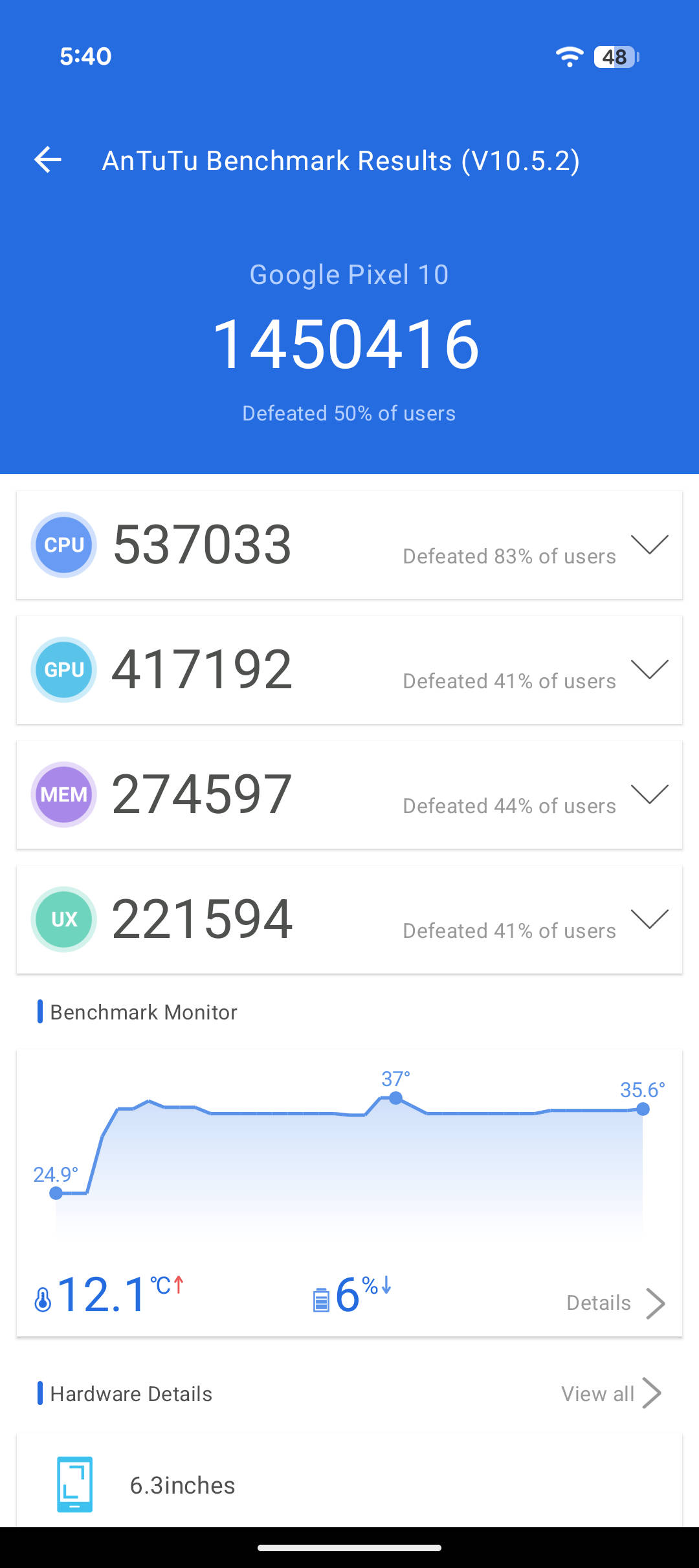
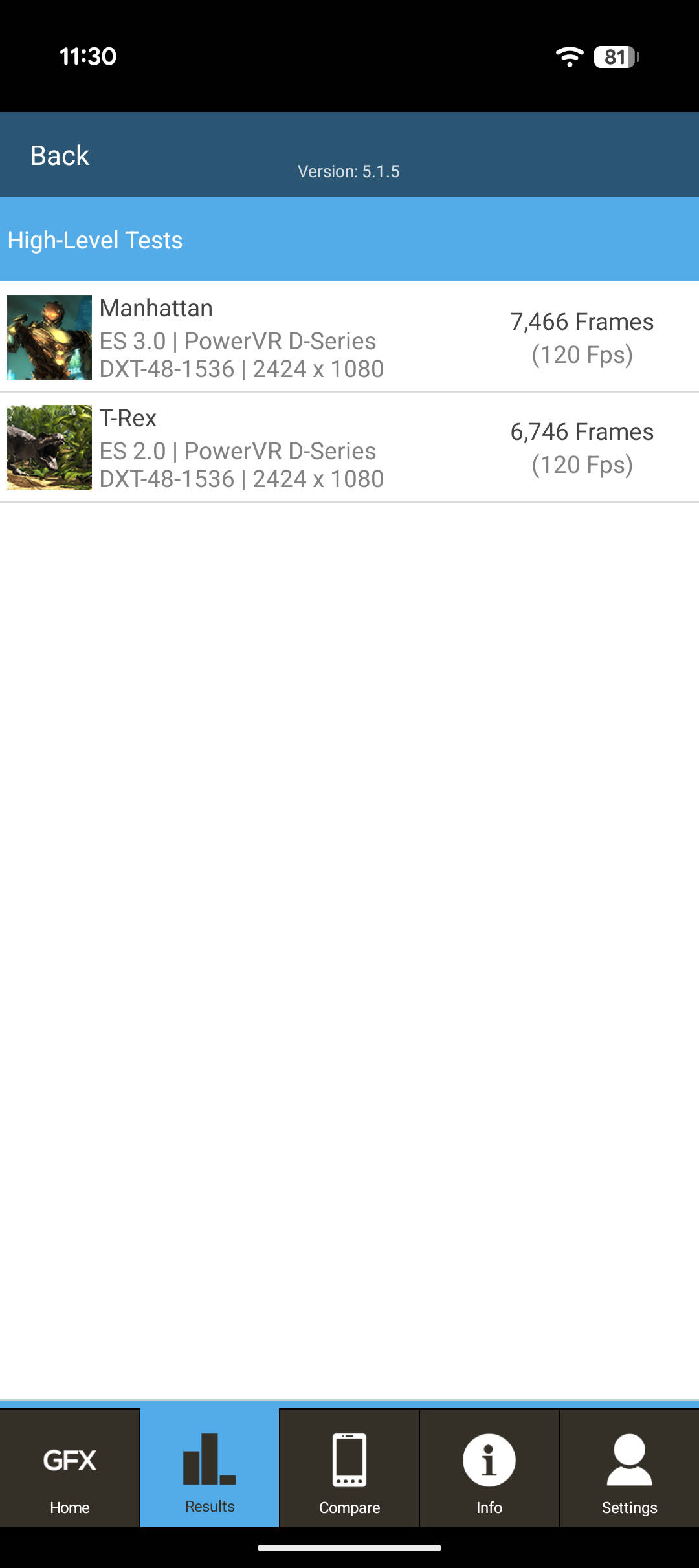
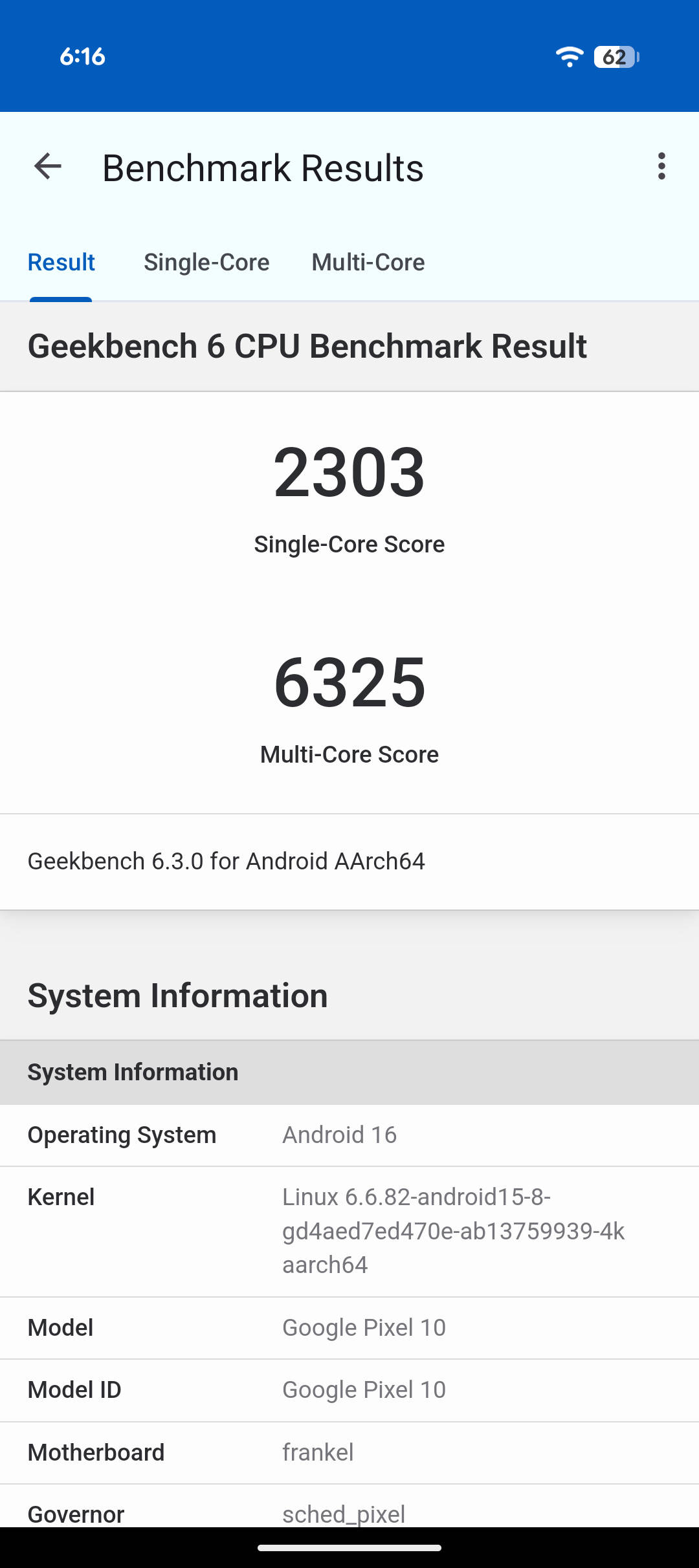
Last but not least is the Google Pixel 10 (review). Priced just under Rs 79,999, the handset ticks an essential box by finally introducing a telephoto lens. Despite this long-awaited addition, the overall experience falls short in multiple areas, leaving the Pixel 10 trailing its rivals and firmly at the bottom of the segment.
The Google smartphone remains a capable camera phone, offering punchy, contrast-rich shots with vibrant colours that appeal to social media users. However, the phone’s image processing leans towards oversaturation and oversharpening, which affects natural colour reproduction and fine details. While daylight photos are visually striking at first glance, closer inspection reveals a loss of details. This could be due to its smaller sensor size compared to its predecessor, the Pixel 9.

Moving on, portraits, once a standout feature for Google, now struggle with subject separation and realistic skin tones. Ultrawide and low-light performance lag behind competitors, though the camera maintains consistency in colour across all lenses. The front camera captures detailed selfies but tends to look less natural due to aggressive sharpening.
The Pixel 10 delivers eye-catching photos, but at the cost of natural tones and fine detail. It’s a perfect camera smartphone for those who prefer flair over fidelity.
Verdict
| Summary | Winner |
| Most well-rounded camera smartphone | Vivo X300 |
| Balance camera smartphone | OPPO Find X9 |
| Good zoom & low light photography | Realme GT8 Pro |
| Dependable, everyday camera phone | OnePlus 15 |
| Social media-ready photos | iQOO 15 |
| Playful, stylish photos | Nothing Phone (3) |
| Punchy & contrast-rich photos | Google Pixel 10 |
While all smartphones on this list offer the same level of camera versatility, each handles images differently and caters to different shooting styles. The Vivo X300 emerges as the most well-rounded camera smartphone, combining consistency, strong telephoto portraits, reliable low-light performance, and excellent selfies.
Not far behind is the OPPO Find X9, which impresses with its dependable real-world performance and standout ultrawide camera, making it a great choice for travel and everyday photography. The Realme GT8 Pro, on the other hand, punches above its weight with an outstanding telephoto camera that excels in portraits and low light, while the OnePlus 15 and iQOO 15 appeal to users who prioritise fast, punchy, social-media-ready images over strict accuracy.
The Nothing Phone (3) and Google Pixel 10 are the most expensive smartphones in the lot. While the former offers pleasing daylight images, the Google Pixel 10 should appeal to users looking for punchy and contrast-rich shots.
Google Pixel 10 Images