Review Summary
Expert Rating
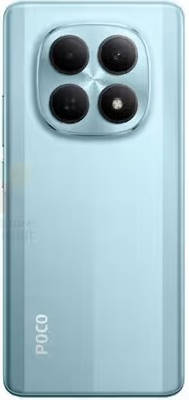
POCO kicked off 2026 with the launch of its M-series phone, called POCO M8. The handset is priced from Rs 18,999, which doesn’t make it as affordable as its predecessor, the POCO M7, but it still draws attention. The POCO M8 is touted as the slimmest and lightest smartphone in the segment. Additionally, it packs a 120Hz AMOLED display, a Snapdragon 6 Gen 3 SoC, a dual-rear camera setup, and a larger battery than its predecessor.
Do these specifications justify the POCO M8’s price increase? Read this review as I break it down for you.
Table of Contents
Verdict
The POCO M8 is easy to recommend if design, display quality, and longevity matter most to you. If gaming performance or camera quality is your top priority, there are better-value options available at this price.
Slim, lightweight, surprisingly premium design
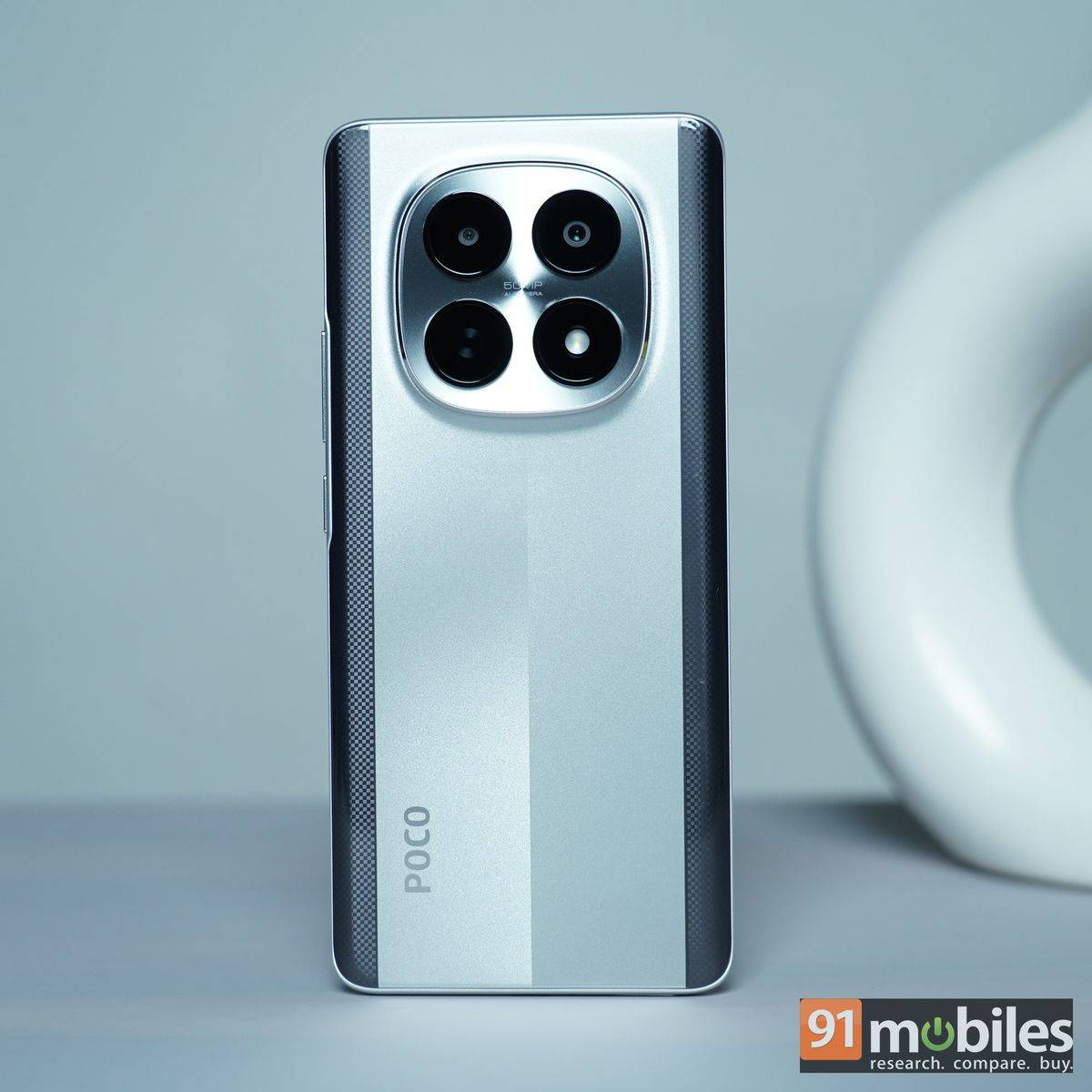
The POCO M8 signals a clear shift in the brand’s design philosophy. It moves away from POCO’s familiar visual identity in favour of a sleeker, more refined aesthetic that feels decidedly premium in the hand. While the frame is plastic, the phone still manages to deliver a surprisingly plush in-hand feel that doesn’t come across as cheap. More importantly, the smartphone weighs 178 grams and measures just 7.35mm in thickness, ensuring comfortable use for prolonged use.
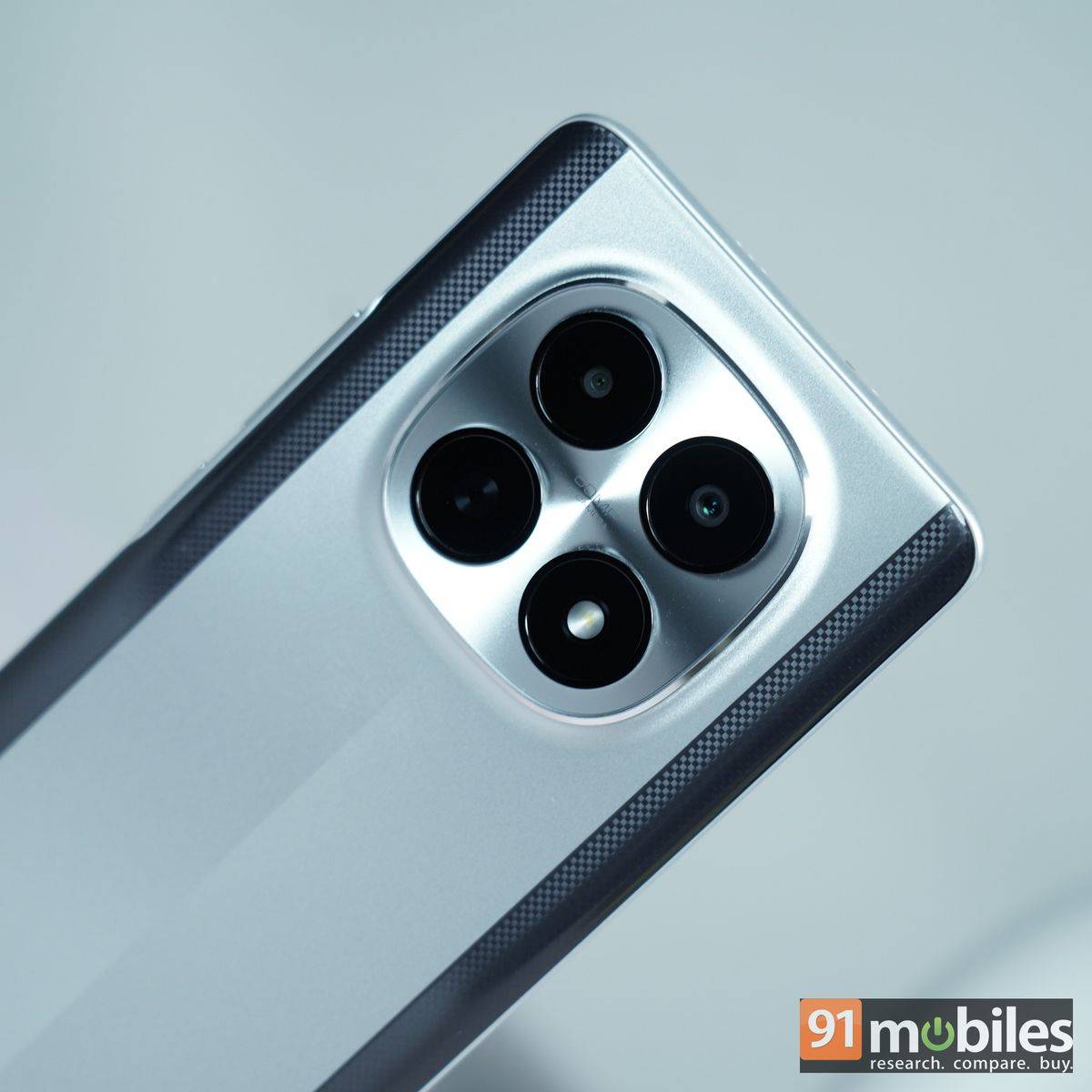
Around the back, the M8 features a dual-tone rear panel across all colour options: Carbon Black, Frost Silver, and Glacier Blue. However, the effect is most pronounced on the Frost Silver unit we received for review. At first glance, the contrast can feel slightly unconventional, but it quickly grows on you, with the silver centre neatly sandwiched between carbon black accents along the edges.
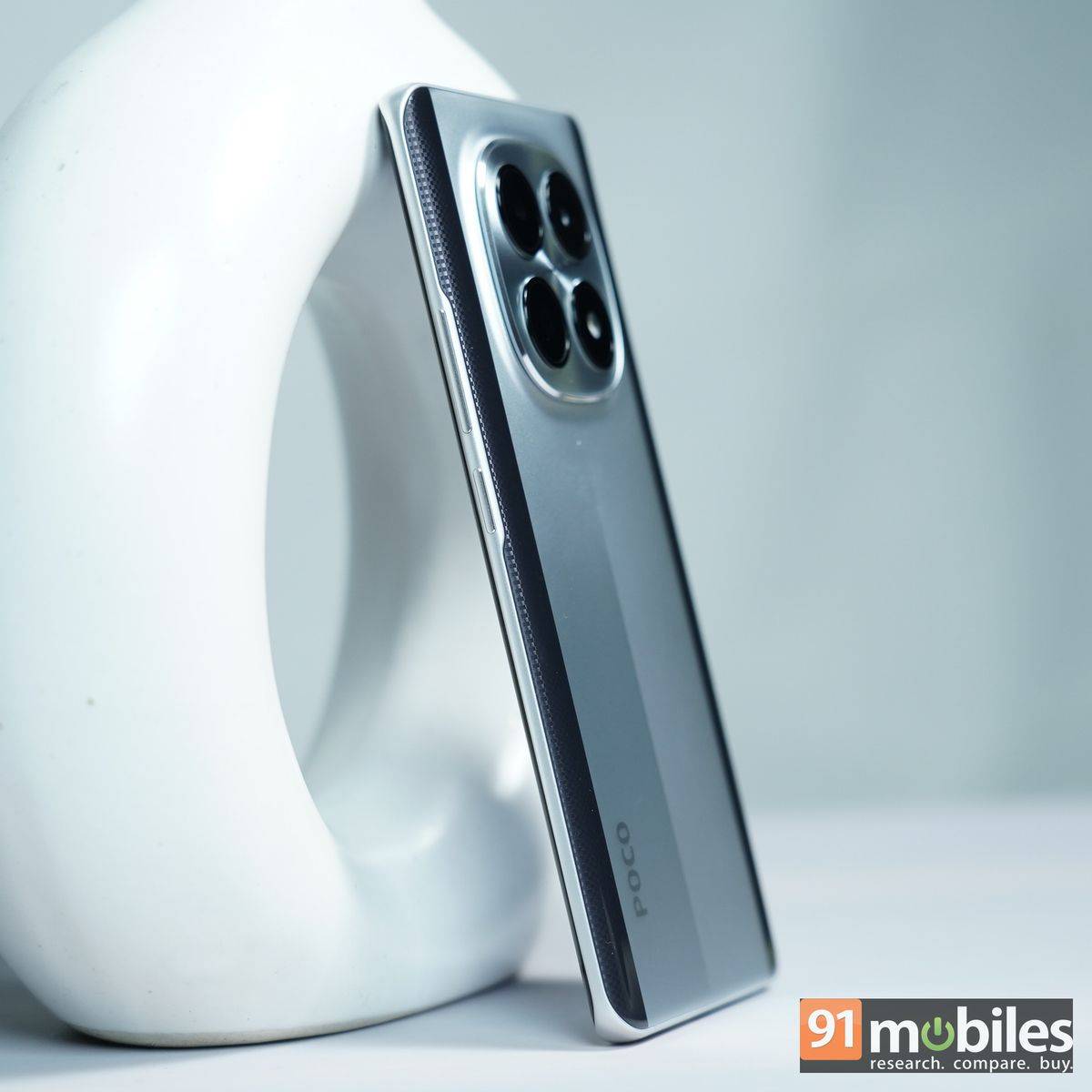
Adding to the visual appeal is a subtle line running across the rear panel, which creates a mild 3D effect as light hits it at different angles. At the centre, there is a square-shaped camera deco, which seamlessly blends with the back panel with matching colour, curved corners, and gently sloped edges. This design avoids the awkward obstruction that can happen while holding the device. The square module also helps the device lie flat on a table, keeping it stable and making typing noticeably more comfortable.
Steady mid-range performance
At the heart of the POCO M8 is Qualcomm’s Snapdragon 6 Gen 3 SoC, paired with up to 8GB of RAM and 256GB of user-expandable storage. In everyday use, performance is broadly in line with what you’d expect from other smartphones in this segment. The only chipset that clearly pulls ahead is MediaTek’s Dimensity 7400 Ultra, found in the Realme P4X (review).

On paper, the MediaTek option offers higher clock speeds and faster memory support, giving it an edge in performance-intensive workloads such as gaming and sustained multitasking. The Snapdragon 6 Gen 3, however, focuses more on balanced efficiency, delivering stable performance, good thermal control, and reliable mid-range capability for daily use.
That was precisely my experience while using the POCO M8. The handset performed well for everyday activities, with no lag or stutter while opening or closing apps, browsing, streaming, or using social media. Multi-tasking also remained pretty respectable for the price. The M8 can keep a handful of apps open in the background for a seamless experience; however, switching between them is fluid due to the drop in display refresh rate due to the workload.
And if you have a habit of leaving plenty of apps running in the background, it may slow down your smartphone. It is best to keep the number of apps limited and close those you are no longer using. As for gaming, the POCO M8 delivers a serviceable experience. It can handle graphically demanding titles such as BGMI and Call of Duty: Mobile, but only in short bursts. During 30-minute gaming sessions for each title, the handset’s temperature rose by around 11 degrees Celsius. This was recorded at low graphics and frame-rate settings, so keen gamers would be wise to keep their expectations in check.
Immersive curved AMOLED display
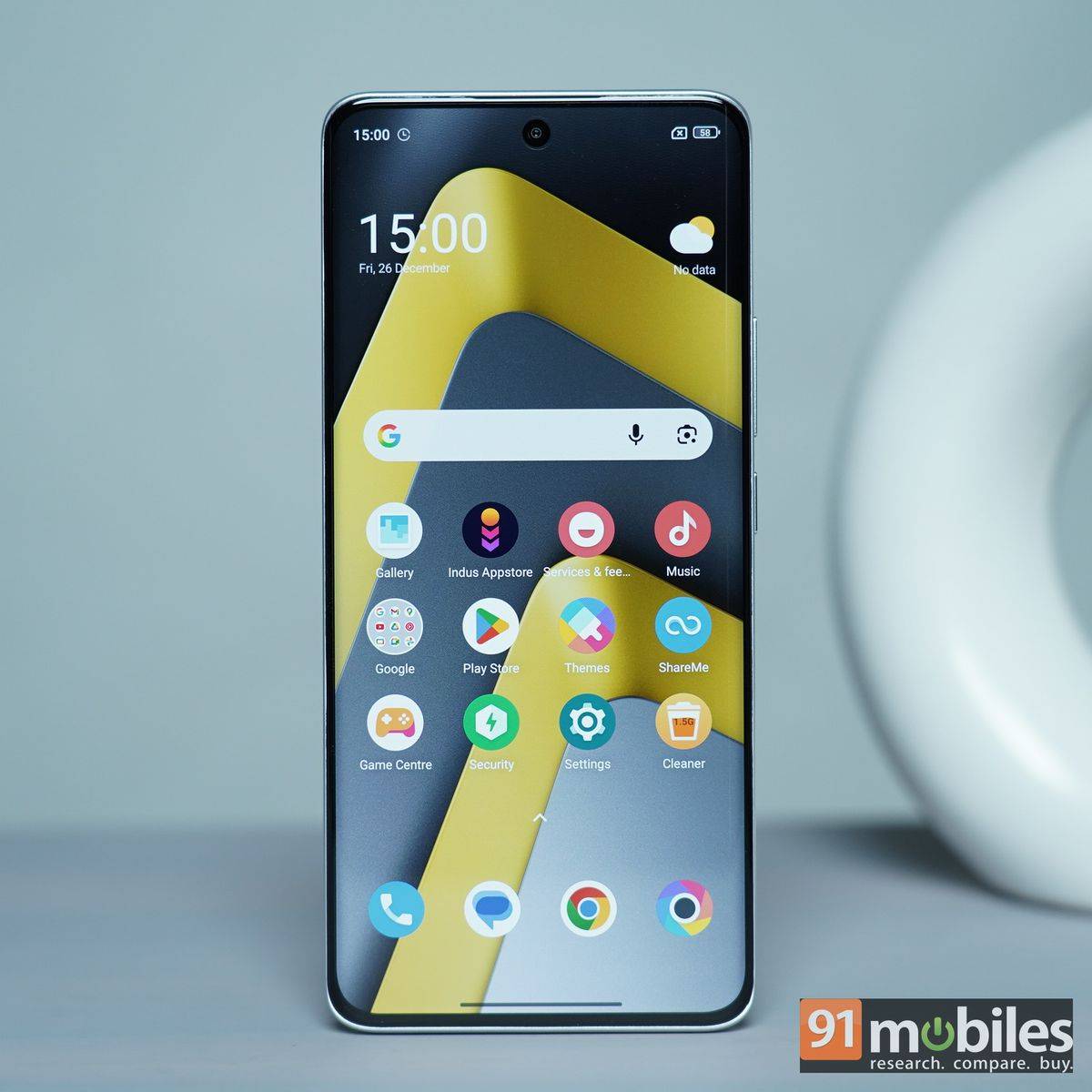
The POCO M8 boasts a curved 6.77-inch AMOLED display with FHD+ resolution (2392 × 1080p), a 120Hz refresh rate, and peak brightness of 3,200 nits. The display delivers sharp and detailed visuals, with rich contrast and well-balanced saturation. The colour profile is Vivid by default, but users can customise it in the settings menu to make it more personalised.
The bezels remain slim all around, ensuring an immersive experience, and despite the curved edges, I didn’t encounter any accidental touches during everyday use. The brightness level is pretty impressive for the price, making the M8’s display legible even in sunny conditions.
Battery life that gets you through the day
The POCO M8 packs a 5,520mAh battery, which, while not the largest in its segment, is still respectable. More importantly, it appears well optimised, clocking an impressive 18 hours of runtime in our PCMark battery test. The phone also showed solid endurance in our one-hour YouTube streaming and gaming tests, with an average battery drain of just 6 percent.
For regular, everyday use, the POCO M8’s battery holds up well and comfortably lasts beyond a full day. However, heavier usage, such as extended gaming, navigation, and intensive multitasking within the same day, will require a quick top-up before the day is over. For the top-ups, the POCO M8 supports 45W charging, which can juice up the device in under an hour.
Feature-rich software, with excellent support
The POCO M8 comes pre-loaded with HyperOS 2, layered atop Android 15 instead of Android 16. Be that as it may, the company has promised 4 major OS upgrades and 6 years of security updates for the smartphone, so the latest version might be on its way. The software support is way beyond the standard 2+3 years of support in the segment.
In its current form, the POCO M8’s interface looks slightly more cluttered than that of other smartphones. This could be attributed to a significant 63 apps pre-installed, including 21 third-party, one of the highest counts I’ve seen among its contemporaries. Many of these apps can be uninstalled, allowing users to tidy up the experience to some extent.
In other respects, the software feels mature, with smooth, fluid animation. There are also a bunch of customisation options, but they are not as dynamic as those in the latest Android skins.
Cameras
To give you some context, we compared the POCO M8 results with those of the Moto G96.
Daylight


The POCO M8’s primary camera not only has a smaller field of view than the Moto G96’s, but also struggles to retain details and colour accuracy. The POCO smartphone leans towards a warmer tone, giving images a yellowish tint and compromising contrast. The Moto G96’s image appears much more natural, with ample details visible both in the highlighted and shadowy areas.
Portrait


Relying on a dedicated depth sensor gives the POCO M8 a clear advantage in edge detection and produces a more natural-looking bokeh. That said, it doesn’t capture fine details as sharply as the Motorola handset, which also pulls ahead with skin tones that look more accurate and true to life.
Selfie


The POCO M8 front camera does slightly better with skin tones; however, it doesn’t get it as accurate as the Moto G96. The latter also delivers superior facial detailing and background exposure. The POCO smartphone, on the other hand, may struggle with exposure, but does decently well with facial details.
Low light (night mode)

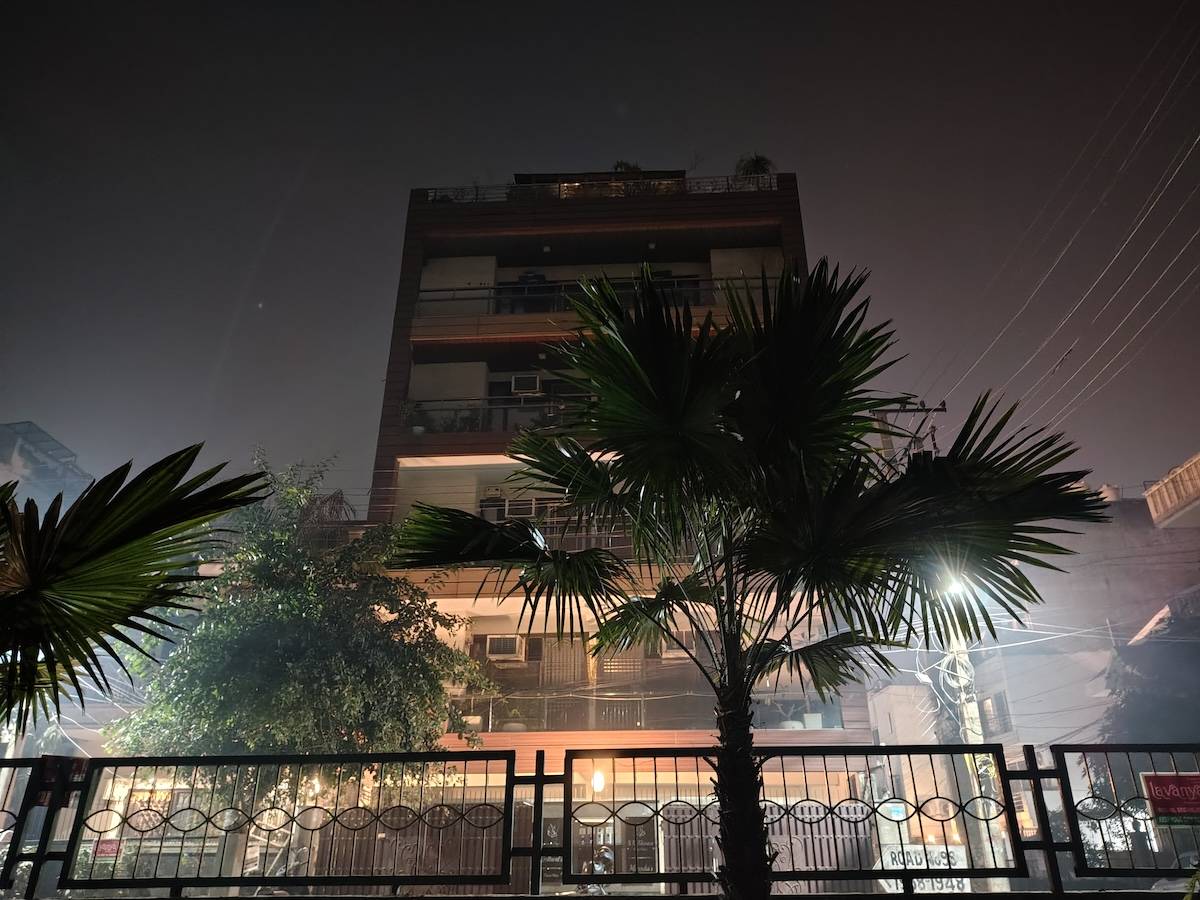
Even with night mode, the POCO M8 produces much grainier images than its counterpart. The handset even struggles to control the exposure and light flare. When it comes to keeping images closer to reality, the Moto G96 comes out on top.
Overall, the POCO M8 cameras are serviceable but fall short in colour accuracy, detail, and low light. It remains a decent camera choice for users who value simple point-and-shoot performance, and nothing more than that.
Final verdict
The POCO M8 is not the only smartphone to receive a price hike. All the recent smartphones have, and upcoming launches are expected to follow the same trend. That said, POCO has justified the higher price as much as possible by offering a more premium design, an enhanced display experience, a larger battery, and improved performance over its predecessor.
However, when stacked against its rivals, the POCO M8 may fall short for gamers and camera enthusiasts. Its performance is perfectly adequate for everyday use, but power users may find the Realme P4x to be a more compelling option in the same segment. On the camera front, the Moto G96 not only offers greater versatility but also delivers consistently better results across different lighting conditions than the POCO M8.
What works strongly in the M8’s favour is the overall experience. The curved AMOLED display is a clear highlight, offering excellent brightness, smoothness, and immersion for the price. Battery life is reliable, charging is fast enough to be convenient, and long-term software support is genuinely impressive for a mid-range phone. If these factors appeal to you, the POCO M8 is worth considering.
Editor’s rating: 8.1/10
Reasons to buy
- Slim and lightweight design with a premium in-hand feel.
- Excellent curved AMOLED display with 120Hz refresh rate.
- Reliable all-day battery life with fast 45W charging.
Reasons not to buy
- Cameras lag behind key competitors, especially in low light.
- Heavily cluttered software experience out of the box.