
iQOO Neo 10
+ Compare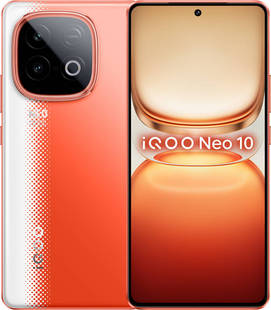












-
Design23

-
Rear Camera15

-
Front Camera4

-
360° View
![360° View]()
-
UI Screenshot17
![UI Screenshot]()
-
Videos3
![Videos]()



Key Specs
Performance
-
Qualcomm Snapdragon 8s Gen 4 -
Octa core (3.2 GHz, Single Core + 3 GHz, Tri core + 2.8 GHz, Dual core + 2.02 GHz, Dual core) -
8 GB / 12 GB / 16 GB RAM, LPDDR5X Ultra
Display
-
6.78 inches (17.22 cm); AMOLED -
1260x2800 px (FHD+) -
144 Hz Refresh Rate -
Bezel-less with punch-hole display
Rear Camera
-
Dual Camera Setup - 50 MP Wide Angle Primary Camera
- 8 MP Ultra-Wide Angle Camera
-
LED Flash -
4k @60 fps Video Recording
Front Camera
-
32 MP Wide Angle Lens -
4k @60 fps Video Recording
Battery
-
7000 mAh, Silicon Carbon -
120W Flash Charging; USB Type-C port
General
-
SIM1: Nano, SIM2: Nano -
5G Supported -
128 GB / 256 GB / 512 GB internal storage, Non Expandable -
Dust Resistant, Water Resistant
iQOO Neo 10 Prices in India
 Flipkart
iQOO Neo 10 Compare Camera Samples








































iQOO Neo 10 Expert Review Summary

Expert Rating:
![Abhik Sengupta]()
Verdict
The iQOO Neo 10 testifies that iQOO is moving beyond just being a gaming-focused brand. While its core strength still lies in raw performance thanks to the new Snapdragon 8s Gen 4, it also offers capable cameras, solid battery life, and a noticeably improved user interface. That said, iQOO still needs to reduce the number of native apps pre-installed. I would have also appreciated a few more colour options.
Pros
- Solid performance
- Punchy display
- Decent cameras
- Speedy charging
Cons
- No telephoto camera
- Pre-installed apps
Design and display
+
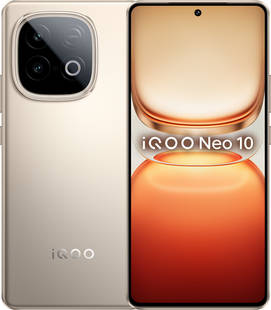
Much like the iQOO Neo 10R and last year's iQOO Neo 9 Pro (review), iQOO's latest offering doesn't bring significant design changes. The company continues to offer limited colour options, with each variant presenting a distinct aesthetic. The Inferno Red option, which I reviewed, is the flashier of the two, featuring a bright finish and racing-inspired accents on the back. Personally, I prefer the Titanium Chrome variant for its more refined and elegant appeal. That said, a white colour option would have looked excellent with this design.The phone features a polycarbonate build, but it feels sturdy and fairly premium. It weighs 199 grams, which is quite impressive given the massive 7,000mAh battery inside.Aside from the limited colour choices, there's little to complain about with the iQOO Neo 10. Whether it's durability or everyday ergonomics, it follows the familiar design language that iQOO typically uses for its Neo lineup. Users upgrading from a more compact device may find it a bit large at first, but I appreciate its taller build, especially for reading.Hardcore gamers will also love the expansive 6.78-inch AMOLED display with a 144Hz refresh rate. In day-to-day usage, I didn't often notice it reaching the peak refresh rate, but for gaming, the experience was exceptionally smooth. When it comes to watching content on YouTube or OTT platforms, the display delivers a vibrant and immersive viewing experience.In our lab tests, the phone achieved a peak brightness of 1,550 nits with HDR support, placing it among the top performers in its segment. The stereo speakers are also adequately loud, rounding out the multimedia experience. Whether you're into gaming, reading, or binge-watching content, the iQOO Neo 10 is sure to impress.
Read More
Cameras
+
Unlike most rivals in the segment, iQOO takes a safe and modest approach with its camera setup. The iQOO Neo 10 features dedicated wide and ultra-wide cameras, but skips a telephoto lens, a norm in smartphones priced above Rs 25,000. To compensate, iQOO labels its 50MP main sensor as a "portrait camera." It's paired with an 8MP "wide" lens. On the front, there's a 32MP selfie camera capable of recording videos at 4K 60fps.The camera performance is consistent with iQOO's typical output - a blend of its in-house 'NICE' image algorithm and Vivo's colour science. Photos generally feature natural tones with minimal noise across various lighting conditions, and both wide and ultra-wide shots produce fairly consistent results.However, detail retention can be a mixed bag. The software sometimes softens parts of the image to suppress noise, which can result in a slight loss of sharpness. Portrait shots, while visually appealing, can occasionally fall short of accurate skin tones.Overall, the proprietary colour tuning does a good job of delivering social media-ready photos. I also appreciate the 4K 60fps video recording on both the front and rear cameras, though stabilisation could use some improvement.I also compared Neo 10's camera performance against the Vivo V50 and Realme GT 7. Here's a detailed analysis:DaylightIn daylight, iQOO's image appears close to natural, though it boosts the greens for a more dramatic effect. The Realme GT 7 produces a similar photo, but the green areas are less pronounced. Both smartphones capture comparable background details.The Vivo V50's image is visibly brighter and equally picturesque, with detail levels on par. However, iQOO's shot may appear more aesthetically pleasing due to its colour tuning.Ultra-wideThe iQOO Neo 10 does a good job of maintaining colour consistency with its primary camera, though the level of detail is average. Realme's ultra-wide image shows slightly different colour science but preserves more fine details.Vivo's ultra-wide shot stands out with the best overall detail and colour balance. However, like the other two, it struggles with corner distortion.PortraitAs noted earlier, iQOO tends to boost skin tones, which is clearly visible in its portrait output. Realme takes a more natural approach, and it also does a better job of retaining facial details.Once again, Vivo delivers the most balanced output in terms of colour accuracy, edge detection, and facial detail. Its adjustable aperture adds depth to the background blur, making the bokeh richer than the competition.SelfieiQOO's selfie appears brighter, while Realme sticks to a more natural tone.Vivo offers a more thoughtful default focal length, capturing a wider background without compromising the subject's placement. It also provides better colours and finer details.Low light (Night Mode)In a low-light indoor shot, iQOO handles brightness decently, but again over-emphasises green spots. Realme's image is the closest to reality and shows minimal shakiness.Vivo's photo is comparable to Realme's in clarity but introduces a yellowish tint across the frame, which might not appeal to everyone.
Read More
Performance and software
+
As mentioned, performance remains a core focus across iQOO devices, and the Neo 10 is no exception. It is the first smartphone in India to feature Qualcomm's Snapdragon 8s Gen 4 SoC, the successor to the Snapdragon 8s Gen 3 that powers the Neo 10R. The Neo 10 is available in multiple storage configurations, with the top-end variant offering 16GB LPDDR5x Ultra RAM and 512GB UFS 4.1 storage (Rs 40,999), a first in this price segment. However, due to system files and pre-installed apps, users have about 470GB of usable storage, which is still ample for storing thousands of photos, notes, apps, and other media.When it comes to raw power, the iQOO Neo 10 is easily among the most powerful smartphones under Rs 40,000. It topped our AnTuTu and Geekbench (single and multi-core) tests, and gaming performance was consistently smooth. In our 90-minute gaming test, which included titles such as BGMI, Call of Duty Mobile, and Real Racing 3, the Neo 10 ranked among the top three performers. Based on lab results, Realme GT 7T and Vivo V50 (review) narrowly outperformed it in BGMI average FPS under HDR graphics and Ultra FPS settings (39.1 and 39.2, respectively). The Neo 10 clocked an average of 37.3 FPS after 30 minutes of continuous playtime.For everyday tasks, the iQOO Neo 10 handled animations, app switching, and multitasking effortlessly. However, the Funtouch OS might seem a little tricky for those unfamiliar with this Android skin. iQOO deserves credit for reducing third-party pre-installed apps to just four. However, its Android skin is far from the cleanest; instead, we get over 50 pre-installed system tools.Users can also access certain AI features, primarily related to the camera.
Read More
Battery and charging
+
iQOO is going big on batteries this year - quite literally!The latest iQOO Neo 10 includes a massive 7,000mAh battery, made more compact using silicon carbide technology, which helps reduce size without compromising capacity. What's equally impressive is that despite the large battery, iQOO continues to offer 120W fast charging support with the charger included in the box.With all settings maxed out, the iQOO Neo 10 easily lasted a day during my review. With moderate use, which included a few hours of social media and reading, about an hour of calls, and some light camera activity, I was able to stretch the battery life to around 1.5 days.Charging is the most impressive part. With the bundled charger, the phone went from 20 to 100 percent in under 30 minutes.
Read More
Read full Review

Verdict
The iQOO Neo 10 testifies that iQOO is moving beyond just being a gaming-focused brand. While its core strength still lies in raw performance thanks to the new Snapdragon 8s Gen 4, it also offers capable cameras, solid battery life, and a noticeably improved user interface. That said, iQOO still needs to reduce the number of native apps pre-installed. I would have also appreciated a few more colour options.
- Solid performance
- Punchy display
- Decent cameras
- Speedy charging
Pros
- No telephoto camera
- Pre-installed apps
Cons
Design and display
+Much like the iQOO Neo 10R and last year's iQOO Neo 9 Pro (review), iQOO's latest offering doesn't bring significant design changes. The company continues to offer limited colour options, with each variant presenting a distinct aesthetic. The Inferno Red option, which I reviewed, is the flashier of the two, featuring a bright finish and racing-inspired accents on the back. Personally, I prefer the Titanium Chrome variant for its more refined and elegant appeal. That said, a white colour option would have looked excellent with this design.The phone features a polycarbonate build, but it feels sturdy and fairly premium. It weighs 199 grams, which is quite impressive given the massive 7,000mAh battery inside.Aside from the limited colour choices, there's little to complain about with the iQOO Neo 10. Whether it's durability or everyday ergonomics, it follows the familiar design language that iQOO typically uses for its Neo lineup. Users upgrading from a more compact device may find it a bit large at first, but I appreciate its taller build, especially for reading.Hardcore gamers will also love the expansive 6.78-inch AMOLED display with a 144Hz refresh rate. In day-to-day usage, I didn't often notice it reaching the peak refresh rate, but for gaming, the experience was exceptionally smooth. When it comes to watching content on YouTube or OTT platforms, the display delivers a vibrant and immersive viewing experience.In our lab tests, the phone achieved a peak brightness of 1,550 nits with HDR support, placing it among the top performers in its segment. The stereo speakers are also adequately loud, rounding out the multimedia experience. Whether you're into gaming, reading, or binge-watching content, the iQOO Neo 10 is sure to impress.
Read MoreCameras
+Unlike most rivals in the segment, iQOO takes a safe and modest approach with its camera setup. The iQOO Neo 10 features dedicated wide and ultra-wide cameras, but skips a telephoto lens, a norm in smartphones priced above Rs 25,000. To compensate, iQOO labels its 50MP main sensor as a "portrait camera." It's paired with an 8MP "wide" lens. On the front, there's a 32MP selfie camera capable of recording videos at 4K 60fps.The camera performance is consistent with iQOO's typical output - a blend of its in-house 'NICE' image algorithm and Vivo's colour science. Photos generally feature natural tones with minimal noise across various lighting conditions, and both wide and ultra-wide shots produce fairly consistent results.However, detail retention can be a mixed bag. The software sometimes softens parts of the image to suppress noise, which can result in a slight loss of sharpness. Portrait shots, while visually appealing, can occasionally fall short of accurate skin tones.Overall, the proprietary colour tuning does a good job of delivering social media-ready photos. I also appreciate the 4K 60fps video recording on both the front and rear cameras, though stabilisation could use some improvement.I also compared Neo 10's camera performance against the Vivo V50 and Realme GT 7. Here's a detailed analysis:DaylightIn daylight, iQOO's image appears close to natural, though it boosts the greens for a more dramatic effect. The Realme GT 7 produces a similar photo, but the green areas are less pronounced. Both smartphones capture comparable background details.The Vivo V50's image is visibly brighter and equally picturesque, with detail levels on par. However, iQOO's shot may appear more aesthetically pleasing due to its colour tuning.Ultra-wideThe iQOO Neo 10 does a good job of maintaining colour consistency with its primary camera, though the level of detail is average. Realme's ultra-wide image shows slightly different colour science but preserves more fine details.Vivo's ultra-wide shot stands out with the best overall detail and colour balance. However, like the other two, it struggles with corner distortion.PortraitAs noted earlier, iQOO tends to boost skin tones, which is clearly visible in its portrait output. Realme takes a more natural approach, and it also does a better job of retaining facial details.Once again, Vivo delivers the most balanced output in terms of colour accuracy, edge detection, and facial detail. Its adjustable aperture adds depth to the background blur, making the bokeh richer than the competition.SelfieiQOO's selfie appears brighter, while Realme sticks to a more natural tone.Vivo offers a more thoughtful default focal length, capturing a wider background without compromising the subject's placement. It also provides better colours and finer details.Low light (Night Mode)In a low-light indoor shot, iQOO handles brightness decently, but again over-emphasises green spots. Realme's image is the closest to reality and shows minimal shakiness.Vivo's photo is comparable to Realme's in clarity but introduces a yellowish tint across the frame, which might not appeal to everyone.
Read MorePerformance and software
+As mentioned, performance remains a core focus across iQOO devices, and the Neo 10 is no exception. It is the first smartphone in India to feature Qualcomm's Snapdragon 8s Gen 4 SoC, the successor to the Snapdragon 8s Gen 3 that powers the Neo 10R. The Neo 10 is available in multiple storage configurations, with the top-end variant offering 16GB LPDDR5x Ultra RAM and 512GB UFS 4.1 storage (Rs 40,999), a first in this price segment. However, due to system files and pre-installed apps, users have about 470GB of usable storage, which is still ample for storing thousands of photos, notes, apps, and other media.When it comes to raw power, the iQOO Neo 10 is easily among the most powerful smartphones under Rs 40,000. It topped our AnTuTu and Geekbench (single and multi-core) tests, and gaming performance was consistently smooth. In our 90-minute gaming test, which included titles such as BGMI, Call of Duty Mobile, and Real Racing 3, the Neo 10 ranked among the top three performers. Based on lab results, Realme GT 7T and Vivo V50 (review) narrowly outperformed it in BGMI average FPS under HDR graphics and Ultra FPS settings (39.1 and 39.2, respectively). The Neo 10 clocked an average of 37.3 FPS after 30 minutes of continuous playtime.For everyday tasks, the iQOO Neo 10 handled animations, app switching, and multitasking effortlessly. However, the Funtouch OS might seem a little tricky for those unfamiliar with this Android skin. iQOO deserves credit for reducing third-party pre-installed apps to just four. However, its Android skin is far from the cleanest; instead, we get over 50 pre-installed system tools.Users can also access certain AI features, primarily related to the camera.
Read MoreBattery and charging
+iQOO is going big on batteries this year - quite literally!The latest iQOO Neo 10 includes a massive 7,000mAh battery, made more compact using silicon carbide technology, which helps reduce size without compromising capacity. What's equally impressive is that despite the large battery, iQOO continues to offer 120W fast charging support with the charger included in the box.With all settings maxed out, the iQOO Neo 10 easily lasted a day during my review. With moderate use, which included a few hours of social media and reading, about an hour of calls, and some light camera activity, I was able to stretch the battery life to around 1.5 days.Charging is the most impressive part. With the bundled charger, the phone went from 20 to 100 percent in under 30 minutes.
Read MoreCompetitors For iQOO Neo 10
View Alternatives









Popular Comparisons
 iQOO Neo 10
 OnePlus Nord 6
iQOO Neo 10
OnePlus Nord 6
iQOO Neo 10
 iQOO 15R
iQOO Neo 10
iQOO 15R
iQOO Neo 10
 iQOO Neo 10R
iQOO Neo 10
iQOO Neo 10R
iQOO Neo 10
 Motorola Edge 70 Pro 5G
iQOO Neo 10
Motorola Edge 70 Pro 5G
iQOO Neo 10
 POCO F7
iQOO Neo 10
POCO F7
iQOO Neo 10
 iQOO Z11 5G




iQOO Neo 10 Specifications
General |
|
|---|---|
| Launch Date | May 26, 2025 (Official) |
| Operating System | Android v15 |
| OS Updates | 3 Years |
| Security Updates | 4 Years |
| Custom UI | Funtouch OS |
Performance
(Very Good)
|
||||||
|---|---|---|---|---|---|---|
| Chipset | Qualcomm Snapdragon 8s Gen 4 View Details | |||||
| Processor | Octa core (3.2 GHz, Single core, Cortex X4 + 3 GHz, Tri core, Cortex A720 + 2.8 GHz, Dual core, Cortex A720 + 2.02 GHz, Dual core, Cortex A720) | |||||
| Architecture | 64 bit | |||||
| Fabrication | 4 nm | |||||
| Graphics (GPU) | Adreno 825 | |||||
| RAM | 8 GB / 12 GB / 16 GB | |||||
| RAM Type | LPDDR5X Ultra | |||||
| Cooling Technology | Vapor Chamber | |||||
|
Gaming Test Results

* after 30 mins of gaming
|
||||||
Benchmark Screenshots
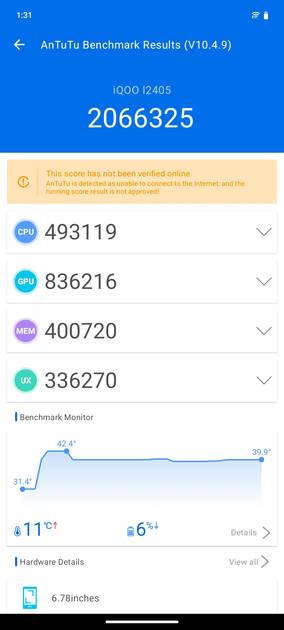
AnTuTu Benchmark
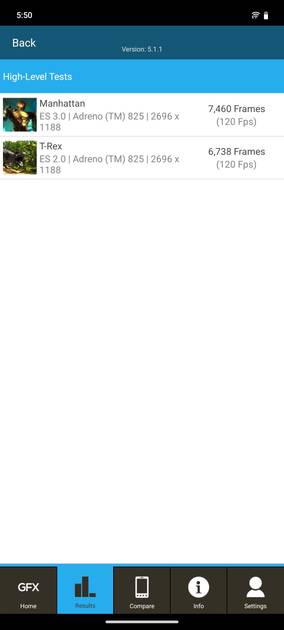
Graphics Benchmark
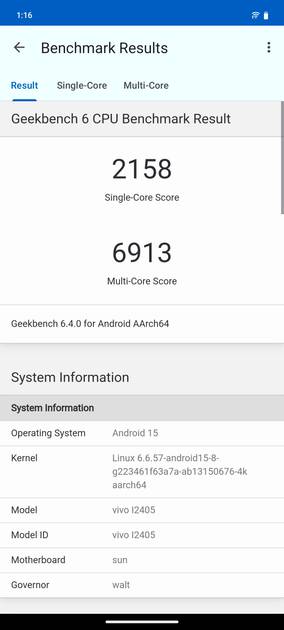
Geekbench6 Benchmark
|


Display
(Best In Class)
|
|
|---|---|
| Display Type | AMOLED |
| Screen Size | 6.78 inches (17.22 cm) |
| Resolution | 1260x2800 px (FHD+) |
| Peak Brightness | 5500 nits |
| HBM Brightness | 2000 nits |
| PWM Dimming | 4320 Hz |
| Refresh Rate | 144 Hz |
| Touch Sampling Rate | 360 Hz |
| Aspect Ratio | 20:9 |
| Pixel Density | 453 ppi |
| Screen to Body Ratio (calculated) | 89.34 % |
| Screen Protection | Yes |
| Bezel-less Display | Yes with punch-hole display |
| HDR 10 / HDR+ Support | Yes |
UI Screenshots

Lock Screen

Home Screen

Screen With Widgets

Dialer Screen

App Drawer

Notification Panel
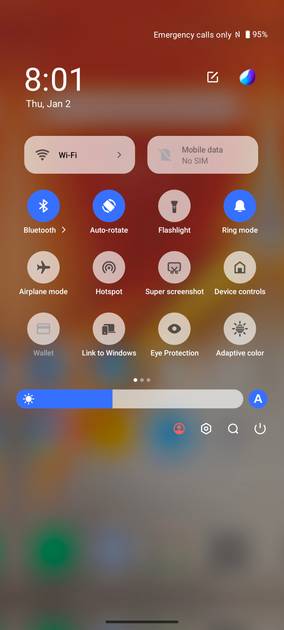
Quick Settings Panel

Settings Screen
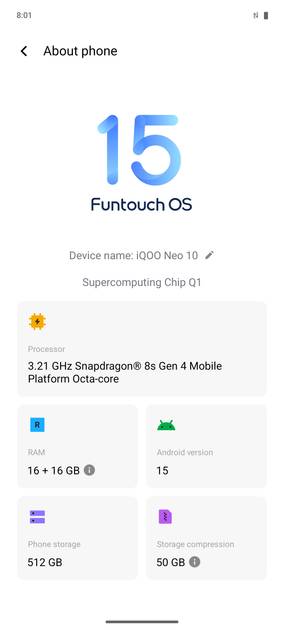
OS Version
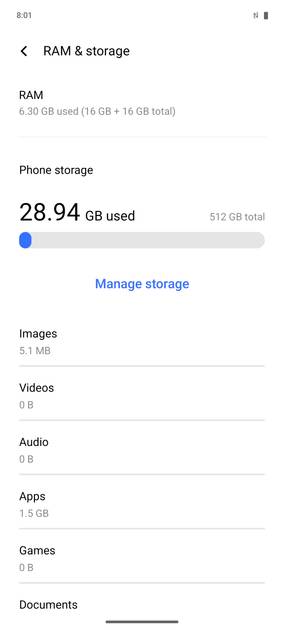
Storage
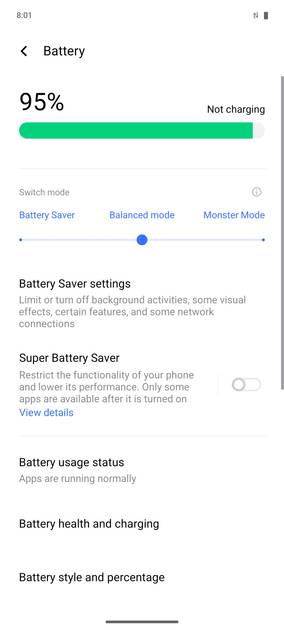
Battery

Camera On
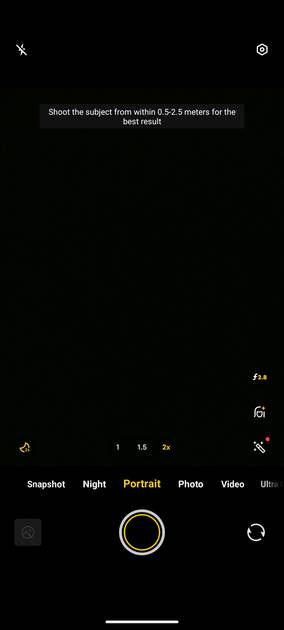
Camera Options
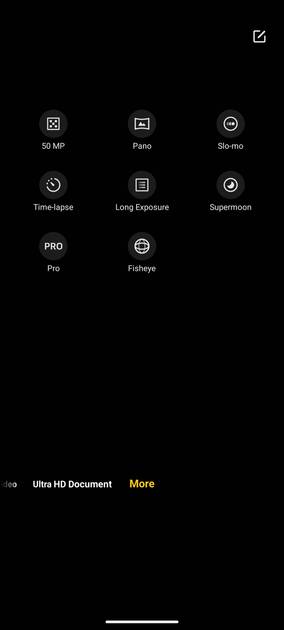
Camera Modes
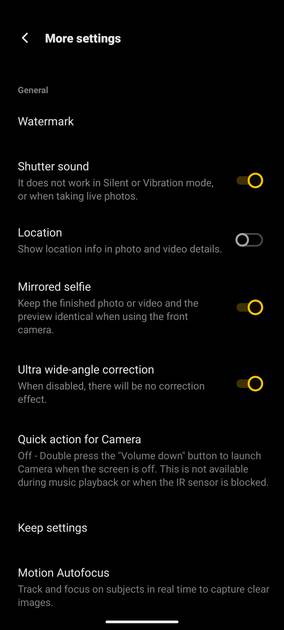
Camera Settings
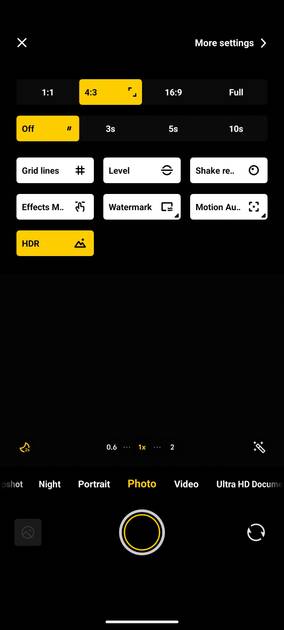
Picture Size Options

Video Size Options
|
Design |
|
|---|---|
| Height | 163.72 mm |
| Width | 75.88 mm |
| Thickness | 8.09 mm |
| Weight | 206 grams |
| Build Material | Back: Plastic |
| Water Resistance | Yes, Splash proof, IP65 |
| Ruggedness | Dust proof |
|
Click to View

|
Rear Camera
(Very Good)
|
|||||||||||||||||||||
|---|---|---|---|---|---|---|---|---|---|---|---|---|---|---|---|---|---|---|---|---|---|
| Resolution | |||||||||||||||||||||
|
|||||||||||||||||||||
| Autofocus | Yes, Omni-directional Phase Detection Autofocus | ||||||||||||||||||||
| OIS | Yes | ||||||||||||||||||||
| Flash | Yes, LED Flash | ||||||||||||||||||||
| Image Resolution | 8150 x 6150 Pixels | ||||||||||||||||||||
| Settings | Exposure compensation, ISO control | ||||||||||||||||||||
| Shooting Modes |
Continuous Shooting High Dynamic Range mode (HDR) SuperMoon |
||||||||||||||||||||
| Camera Features |
Digital Zoom Auto Flash Face detection Touch to focus |
||||||||||||||||||||
| Video Recording | 4k @60 fps | ||||||||||||||||||||
Rear Camera Samples

Daylight / HDR Auto

Wide Angle

Max Zoom Supported

Long Shot 10X

Long Shot 5X

Long Shot 3X

Long Shot 1X

High Res

Portrait Shot

Night Mode OFF

Night Mode ON

Close Up

Low Light

Low Light With Flash

Colour Variance
|
Front Camera
(Excellent)
|
||||||||
|---|---|---|---|---|---|---|---|---|
| Resolution | ||||||||
|
||||||||
| Video Recording | 4k @60 fps | |||||||
Front Camera Samples

Selfie

Selfie Portrait

Selfie Low Light

Selfie Low Light With Flash
|
Battery
(Very Good)
|
||||
|---|---|---|---|---|
| Capacity | 7000 mAh | |||
| Battery Type | Silicon Carbon | |||
| Quick Charging | Yes, 120W Flash Charging, 50% in 19 minutes | |||
| Reverse Charging | Yes | |||
|
Battery Test Results
|
Storage |
|
|---|---|
| Internal Storage | 128 GB / 256 GB / 512 GB |
| Storage Type | UFS 3.1 |
| Expandable Storage | No |
Network & Connectivity |
|
|---|---|
| SIM Slot(s) | Dual SIM |
| SIM Type | SIM1: Nano, SIM2: Nano |
| Network Support | 5G, 4G |
| VoLTE | Yes |
| SIM 1 |
5G bands, 4G bands
Expand
|
| SIM 2 |
5G bands, 4G bands
Expand
|
| SAR Value | Head: 0.913 W/kg, Body: 0.658 W/kg |
| Wi-Fi | Yes, Wi-Fi 7 (802.11 a/b/g/n/ac/be/ax) 5GHz |
| Wi-Fi Features | Mobile Hotspot |
| Bluetooth | Yes, v5.4 |
| GPS | Yes with A-GPS, Glonass |
| NFC | Yes |
Multimedia |
|
|---|---|
| Stereo Speakers | Yes |
| Audio Jack | USB Type-C |
Sensors |
|
|---|---|
| Fingerprint Sensor | Yes |
| Fingerprint Sensor Position | On-screen |
| Fingerprint Sensor Type | Optical |
| Other Sensors | Light sensor, Proximity sensor, Accelerometer, Compass, Gyroscope |
Recent Stories




iQOO Neo 10 User Reviews
iQOO Neo 10 Key Highlights
| Processor | Qualcomm Snapdragon 8s Gen 4 |
| RAM & Storage | 8 GB RAM + 128 GB 8 GB RAM + 256 GB 12 GB RAM + 256 GB 16 GB RAM + 512 GB |
| Display | 6.78", 1260 x 2800 Resolution |
| Rear Camera | 50 MP + 8 MP |
| Front Camera | 32 MP |
| Battery | 7000 mAh |






























iQOO Neo 10 Price In India
| Product Name | Store | Price |
|---|---|---|
| iQOO Neo 10 (8 GB + 128 GB) | Flipkart | ₹32,990 |
| iQOO Neo 10 (8 GB + 256 GB) | Amazon | ₹43,999 |
| iQOO Neo 10 (8 GB + 256 GB) | Flipkart | ₹45,990 |
| iQOO Neo 10 (12 GB + 256 GB) | Flipkart | ₹52,999 |
| iQOO Neo 10 (16 GB + 512 GB) | Flipkart | ₹45,110 |
Popular Links
- All Upcoming Phones
- Upcoming iQOO Phones
- vivo V80 5G
- Lava Virat Curve 5G
- OPPO F35 Pro
- Xiaomi Redmi Note 17 Pro Max 5G
- OPPO F35
- Samsung Mobiles
- Motorola Mobiles
- vivo Mobiles
- OPPO Mobiles
- Tecno Mobiles
- realme Mobiles
- Xiaomi Mobiles