Review Summary
Expert Rating
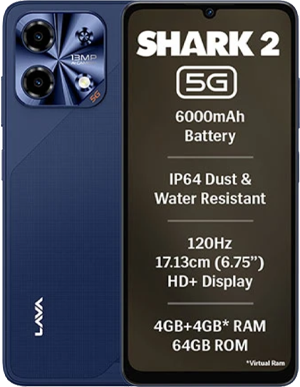
The Shark 2 5G is the Lava’s answer to the recent new 5G releases under Rs 15,000. Launched at Rs 11,999 for the 4GB RAM and 64GB storage, the Shark 2 5G takes on the Ai+ Nova 2 5G and HMD Vibe 2 5G by offering one of the most aggressive prices in a segment heavily hit by rising memory costs. While this has led to newer phones coming with noticeably inferior hardware compared to last year’s models, are Lava’s core strengths, such as offering clean software and free home service, enough to beat the competition? Find out in this detailed review where I used the Shark 2 5G for over a week
Table of Contents
Quick verdict
The Lava Shark 2 5G is a strong option under Rs 15,000, offering an appealing gaming-inspired back design, a decent display, clean software, and excellent battery life for daily use. However, its cameras fall short of the competition, and charging speeds feel underwhelming.
Design: flaunts gaming-inspired accents
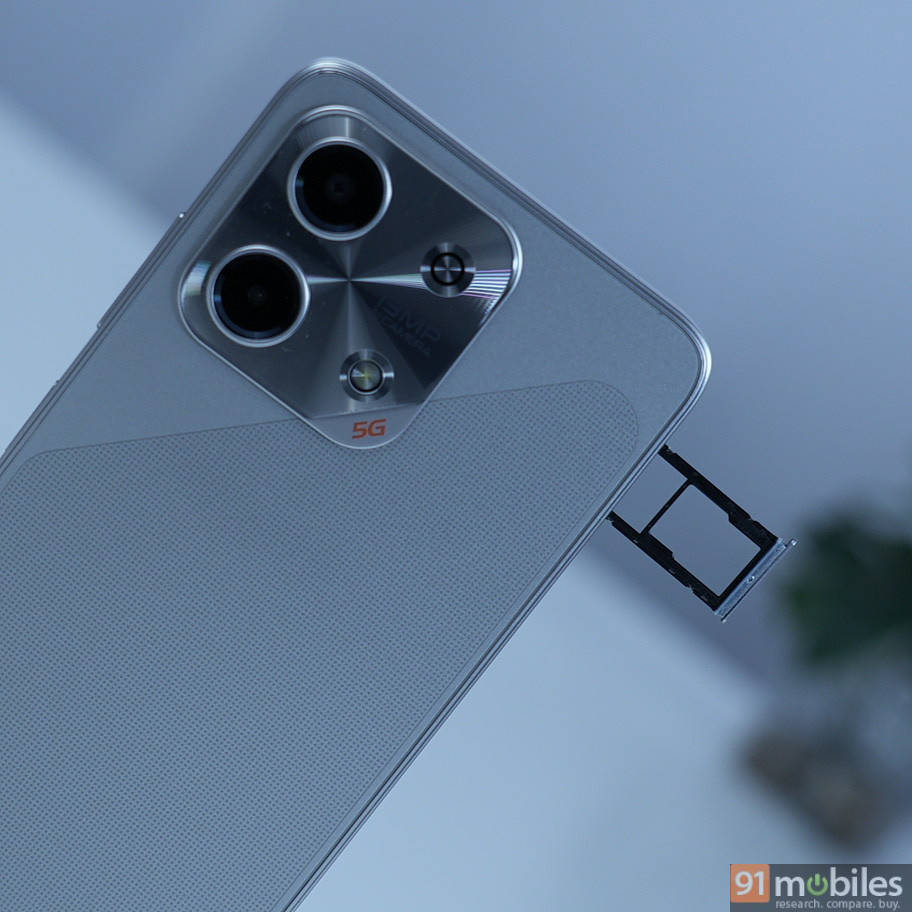
The Lava Shark 2 5G sports a boxy polycarbonate build with a glossy rear panel. For a distinct appeal, Lava has integrated several intricate elements into the panel, including a large mesh-like portion, an orange triangle in the bottom-right corner, and a reflective camera module. When all the elements are combined, they give the phone a gaming-inspired accent.
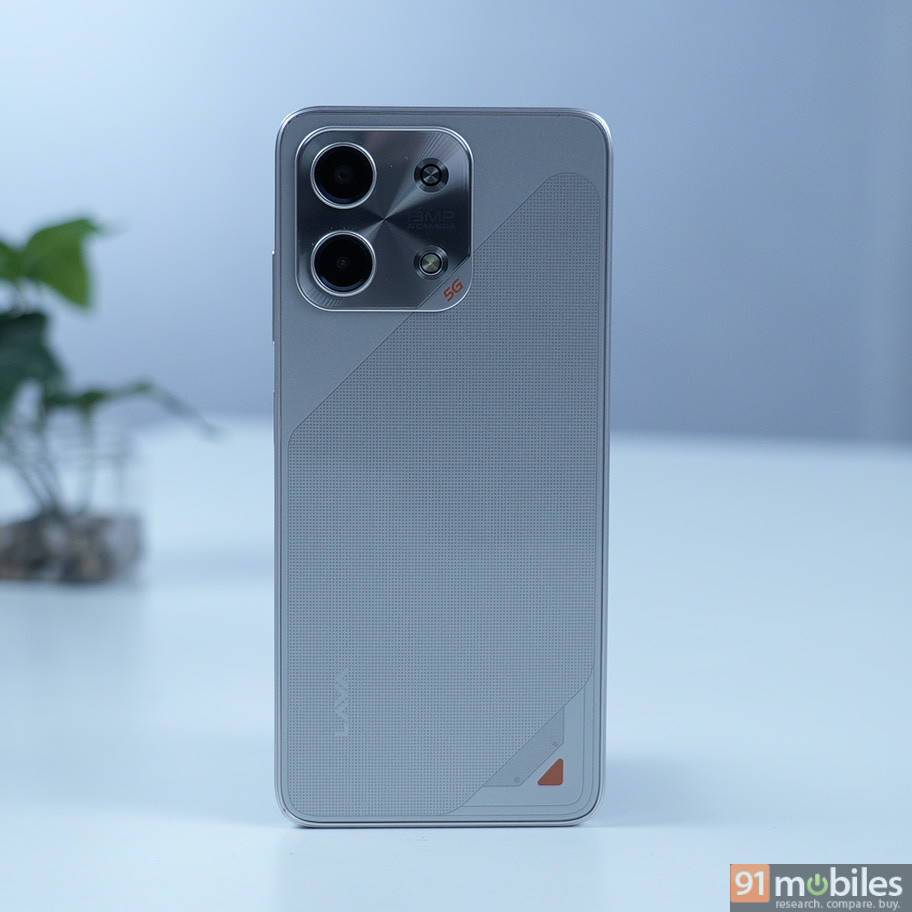
| Smartphone | Thickness | Weight | IP Rating |
| Lava Shark 2 5G | 8.75 mm | 210 grams | NA |
| Ai+ Nova 2 5G | NA | NA | IP64 |
| HMD Vibe 2 5G | 8.6 mm | 210 grams | IP64 |
| realme C83 5G | NA | 212 grams | IP64 |
Display: serviceable panel for everyday use
Next up is the display. Just as when I thought the viewing experience would be average, given the 720p resolution, the hardware onboard allows the Shark 2 5G to play YouTube videos at up to 4K quality. Even though the video isn’t rendered in 4K, selecting a higher resolution delivers a higher bitrate, resulting in sharper details. However, beyond YouTube, the detail levels on OTT apps may not be as impressive.
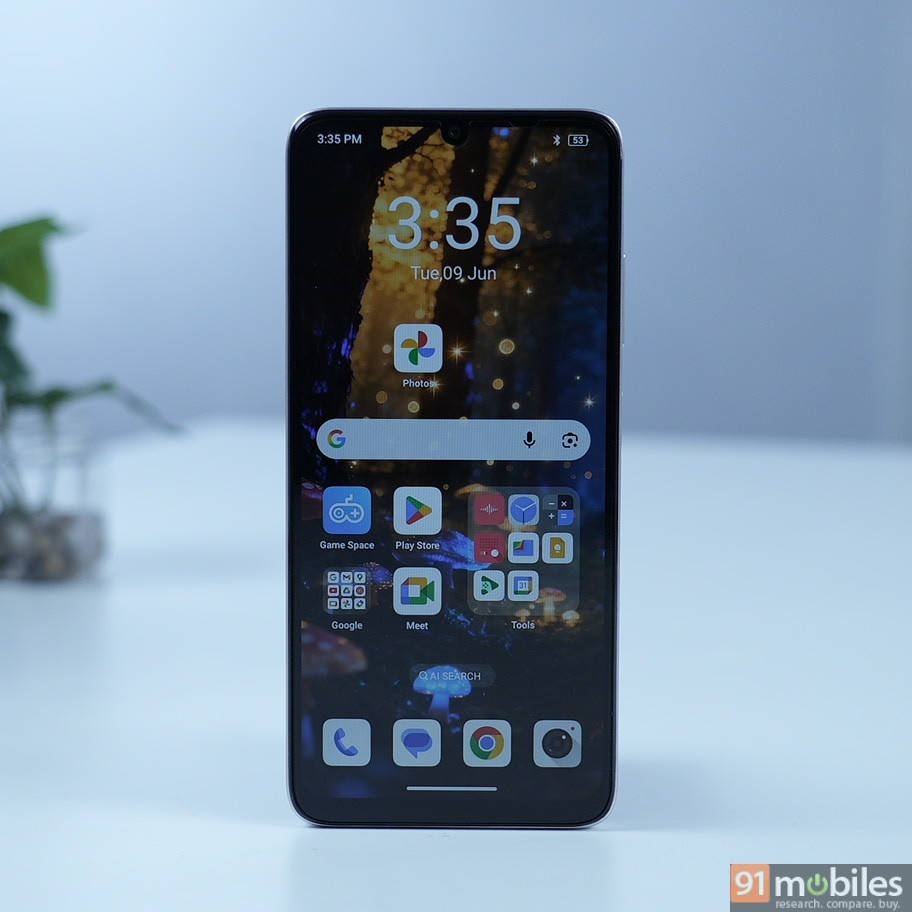
Although the phone came with a pre-installed screen protector, I removed it on day one. Even after using the phone without it, the display remains completely free of scratches and scuffs, mainly because I always keep it in a pocket without any other items like coins, keys, or a wallet. Lastly, just like other budget phones, the screen gets sufficiently bright indoors, while outside, viewing the screen becomes challenging, especially under sunlight.
| Smartphone | Display | Peak Brightness |
| Lava Shark 2 5G | 6.75 inches - LCD | NA |
| Ai+ Nova 2 5G | 6.75 inches - IPS LCD | NA |
| HMD Vibe 2 5G | 6.75 inches - IPS LCD | NA |
| realme C83 5G | 6.7 inches - LCD | NA |
Performance: needs slight improvement
The Unisoc T8200 powers the Lava Shark 2 5G, providing it enough performance prowess for handling basic to medium-level tasks. The phone comes in a single storage configuration of 4GB LPDDR4X RAM and 64GB UFS 2.2 storage. In benchmark tests such as AnTuTu and Geekbench, the phone delivers scores similar to other Unisoc T8200-powered devices and slightly behind the Dimensity 6300.


While the phone initially handled basic tasks smoothly, such as chatting on WhatsApp and scrolling through Instagram Reels, occasional stutters started appearing as soon as I installed and used more apps, such as running Google Health and Realme Link in the background. If you’re someone who resorts to basic phone use, the Lava Shark 2 5G should be able to keep up, but beyond that, the performance may feel sluggish.
Moving on, I tried playing Call of Duty: Mobile’s Multiplayer mode on the Lava Shark 2 5G. For the initial few minutes, the handset delivered consistently high frame rates, but noticeable stutters cropped up after a couple of matches. Since the processor is 5G enabled, I had no issues browsing social media, web pages, or YouTube videos on mobile data, since it delivered reliable internet speeds.
Battery and charging: strong backup, slow top-up speeds
The Lava Shark 2 5G runs on a fairly sized 6,000mAh battery, which is particularly more optimised than the same cell found on the HMD Vibe 2, per our in-house tests. Just like every other device that comes in for review, we put the Shark 2 5G through the PCMark Battery drain test, which mimics real-world use cases, such as browsing webpages, playing and editing videos, opening documents, and more. In the test, the device clocked 13 hours of runtime.
When carrying out light workflows on the Lava Shark 2 5G, the handset delivered a screen on time of five hours over a course of three days, with 17 percent battery remaining. During this period, the usage included WhatsApp chatting, doomscrolling on Instagram, playing YouTube videos, checking stats on Google Health, and playing a few matches of CODM. As for heavy use cases, the phone should easily last a full working day from morning to night, given my experience with the device.
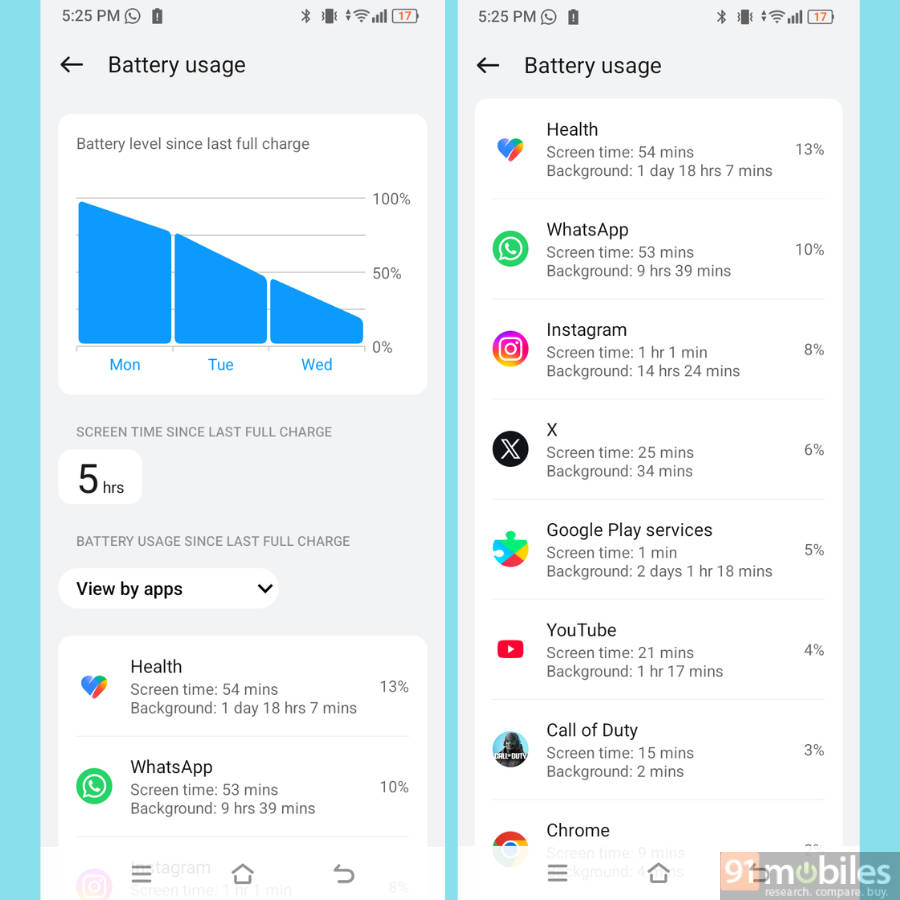
Coming to charging, the device took a sluggish 3 hours and 14 minutes to go from 20 to 100 percent. This is relatively slow, especially when compared to many phones with larger batteries that charge noticeably faster.
| Smartphone | Battery Capacity | Charging Support | Charging time (20% to 100% ) |
| Lava Shark 2 5G | 6000 mAh | NA | NA |
| HMD Vibe 2 5G | 6000 mAh | NA | 2h 17m 9s |
| realme C83 5G | 7000 mAh | NA | 2h 32m |
Camera: outputs modest results
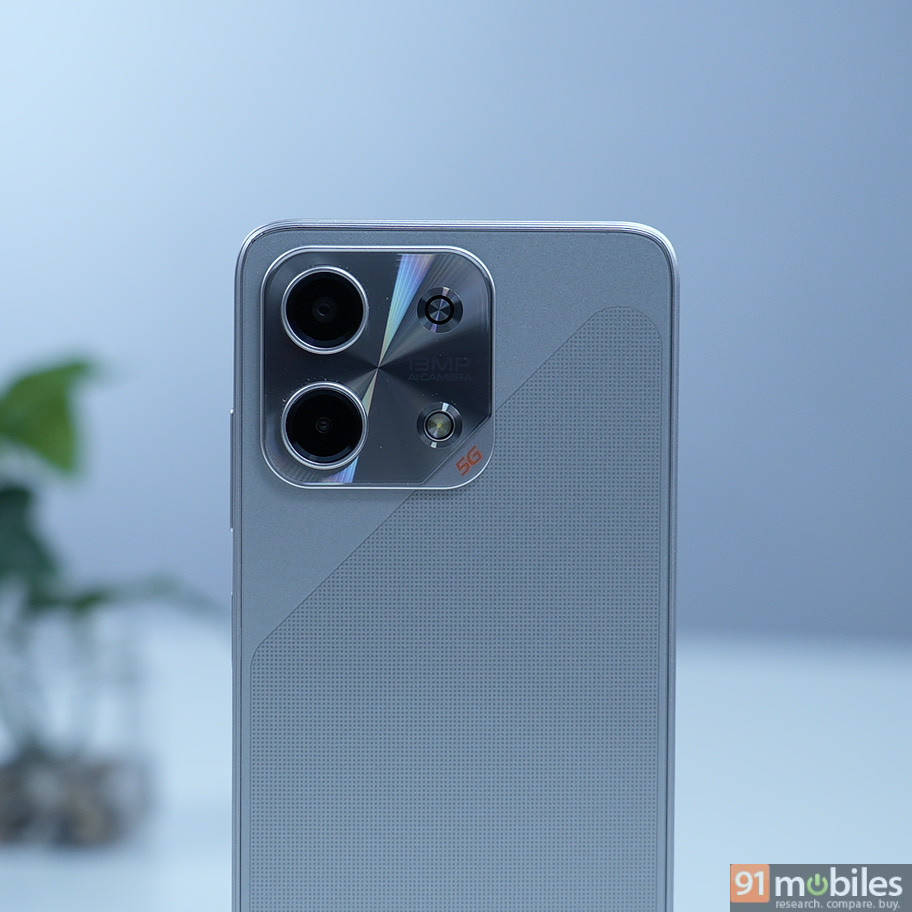
Even though the camera module displays two lenses, the Shark 2 5G houses a single 13MP main camera, while the U-shape notch within the display carries a 5MP selfie shooter. Given that it’s a budget smartphone, one can expect modest camera outputs with a bare minimum of processing.
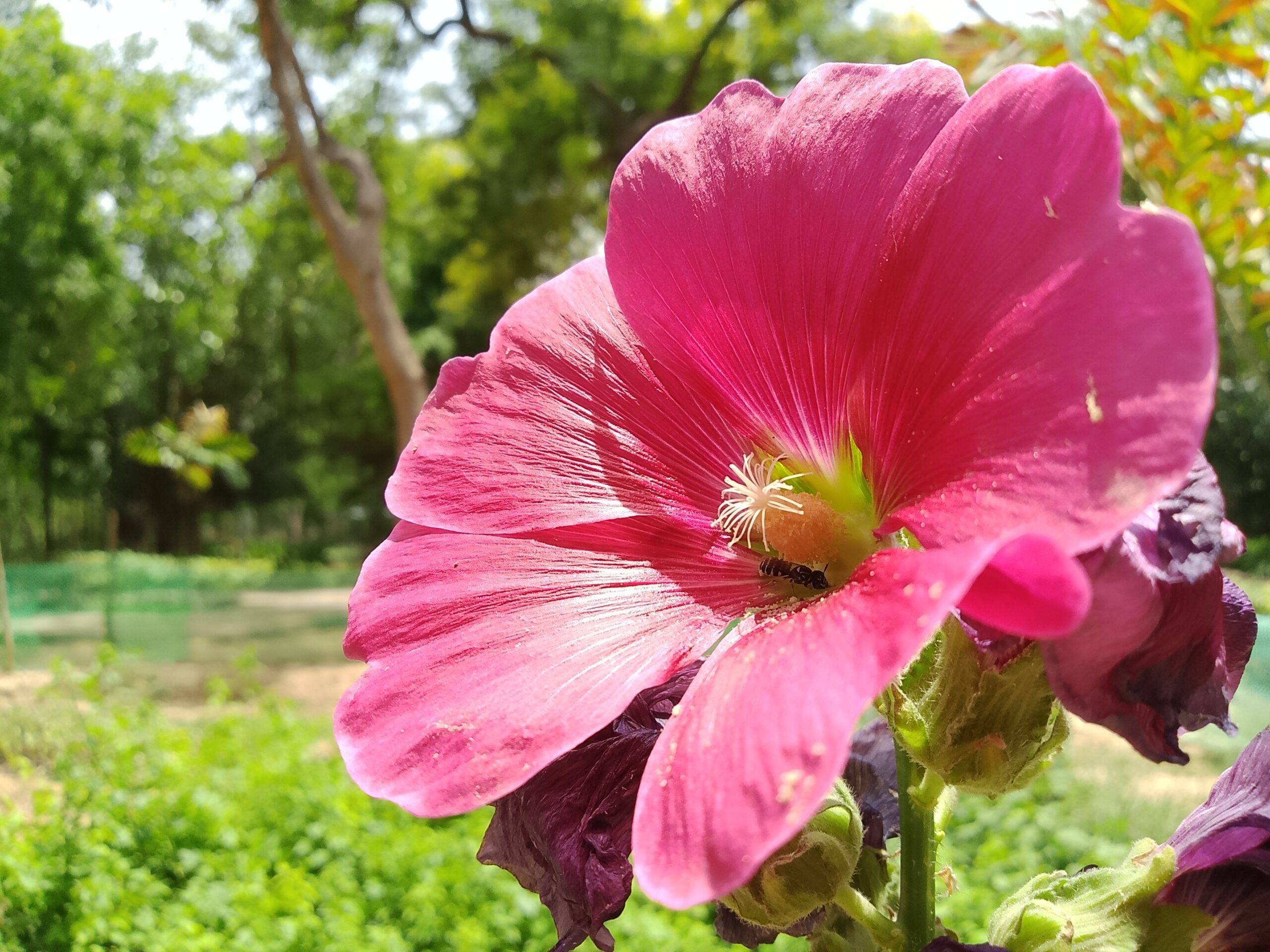
At night, the images turn out soft and blurry, even if you capture the shots with steady hands. On the other hand, the highlight control of light sources is average, which is to be expected given the phone’s price.
Now, let’s see how the cameras of the Lava Shark 2 5G fare against the HMD Vibe 2:
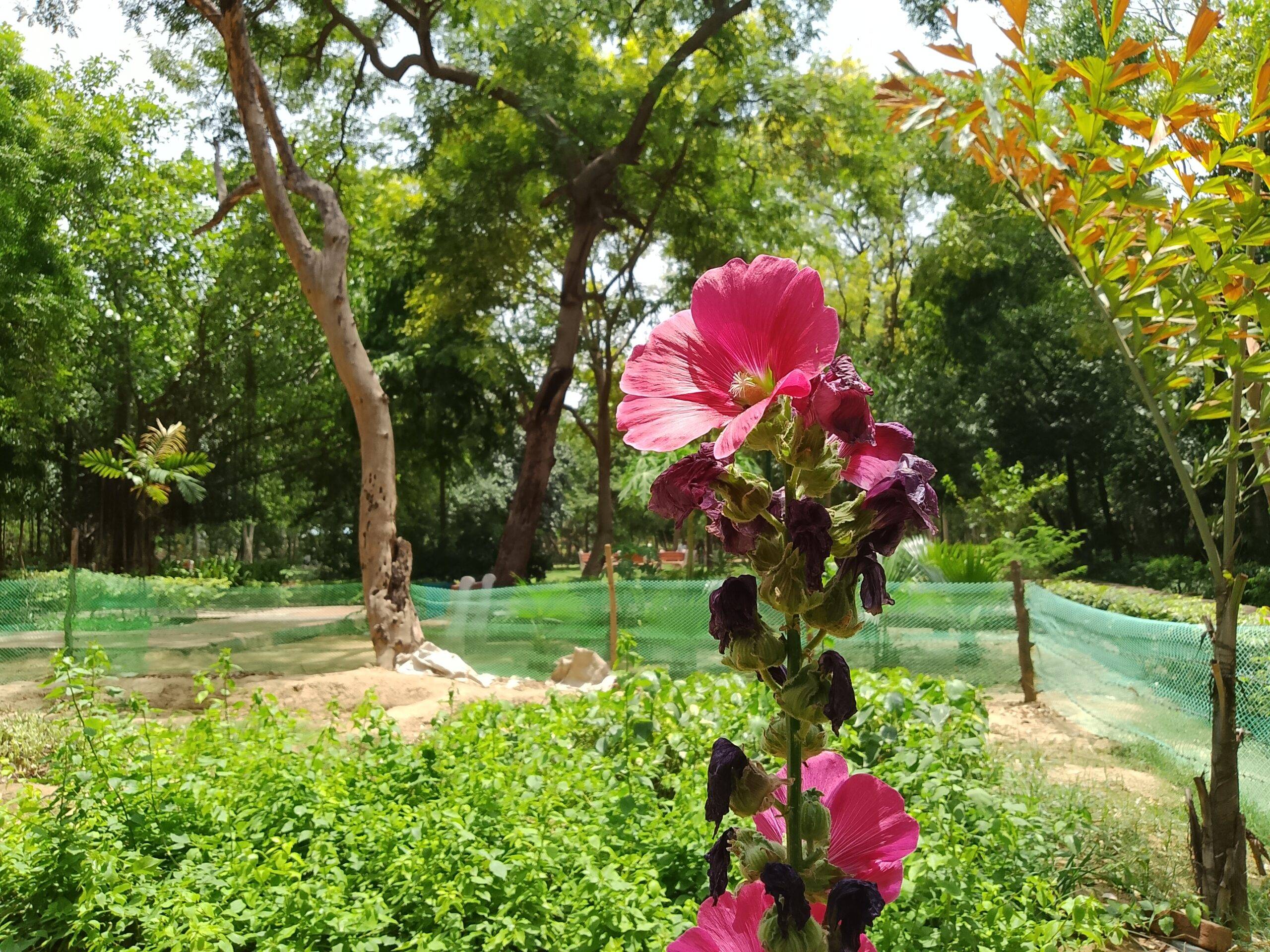
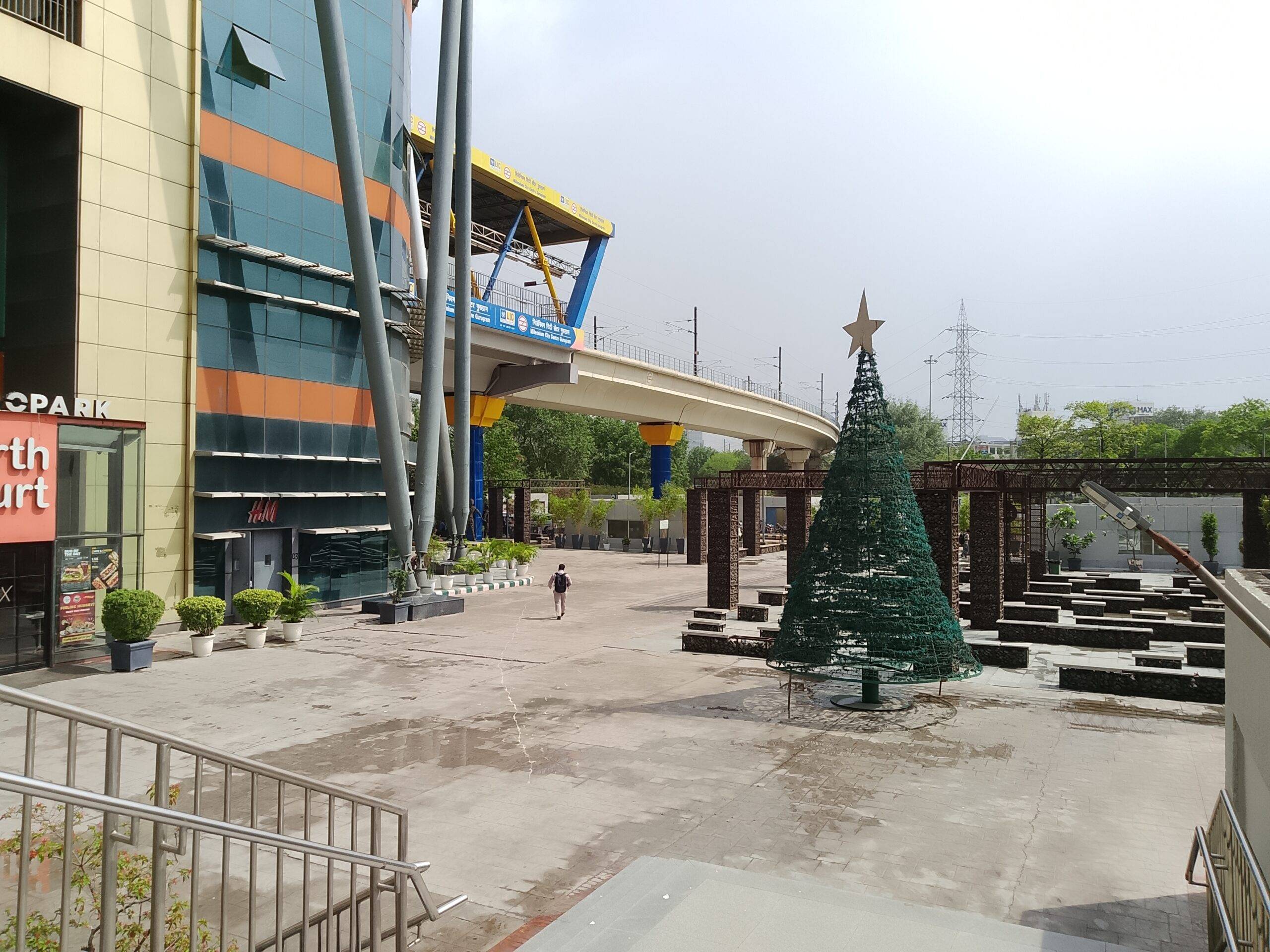
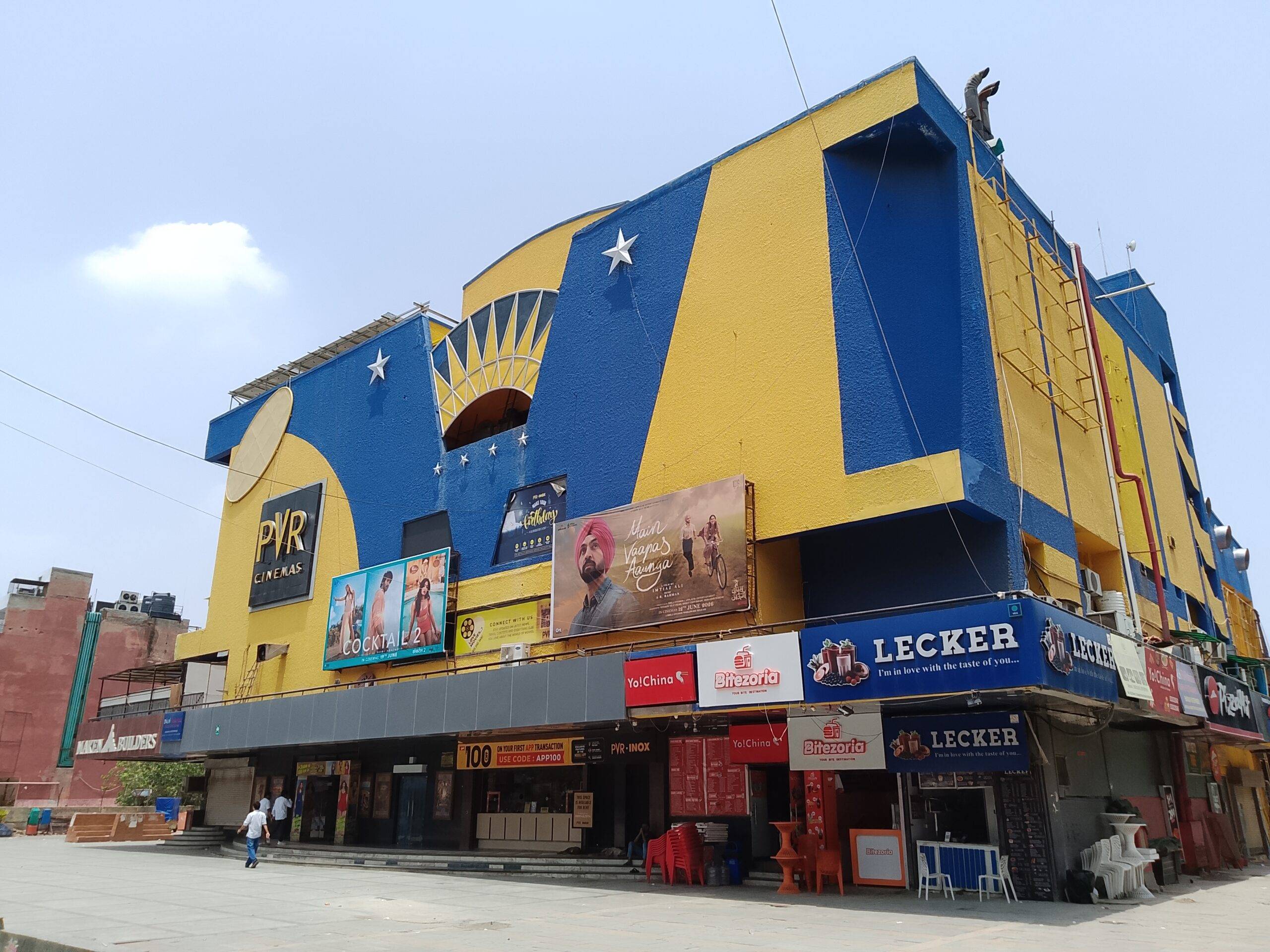
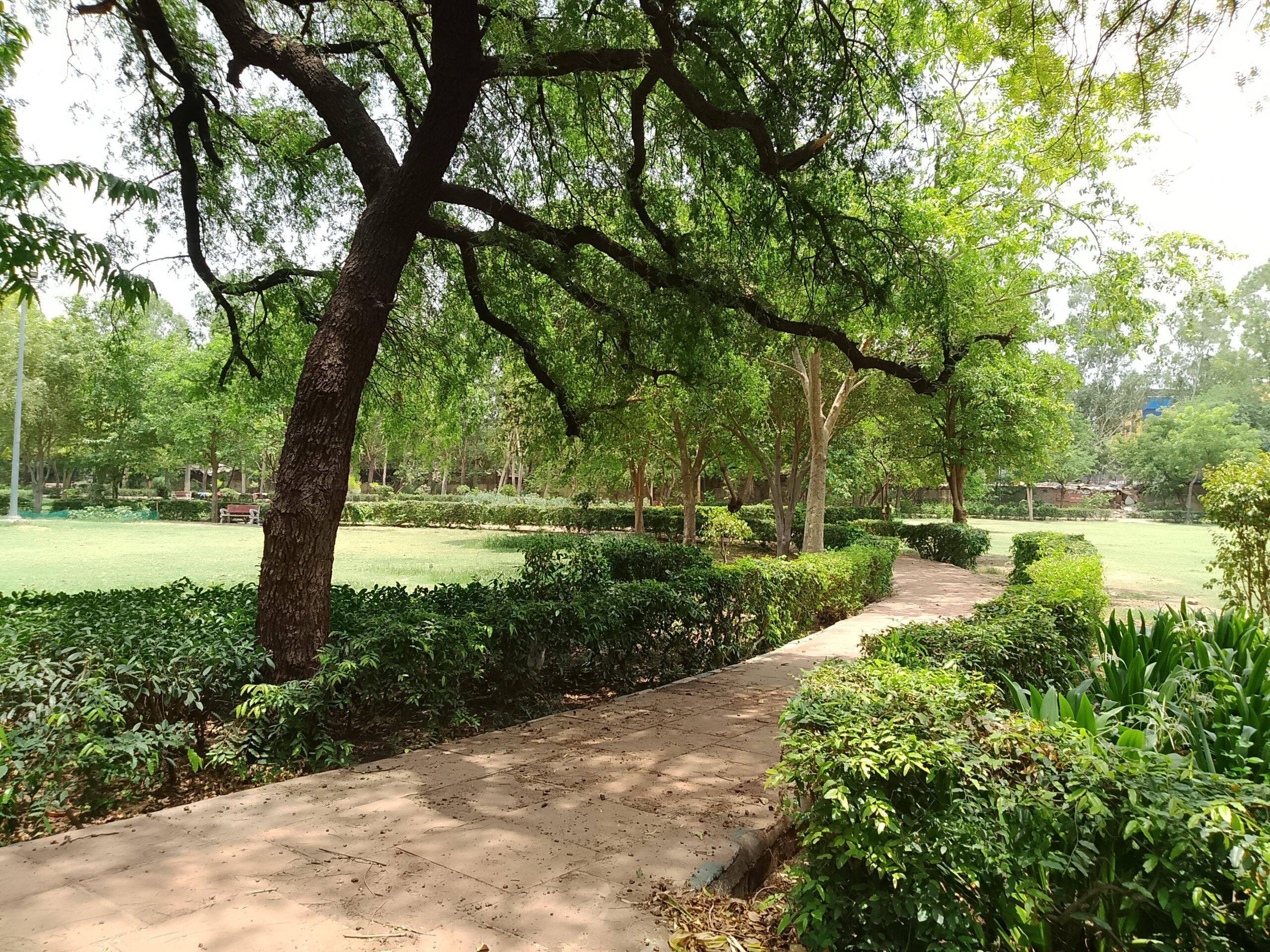
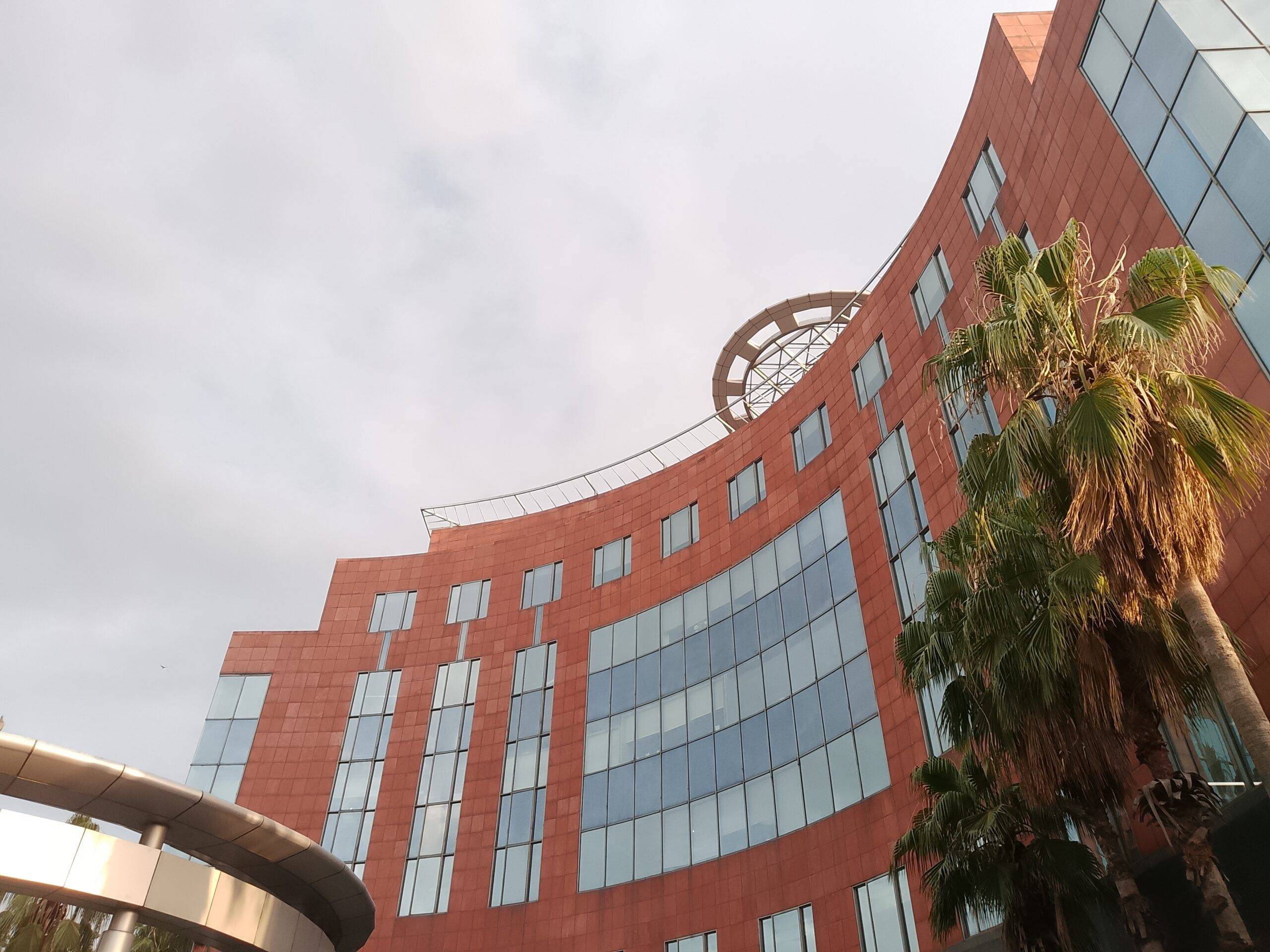
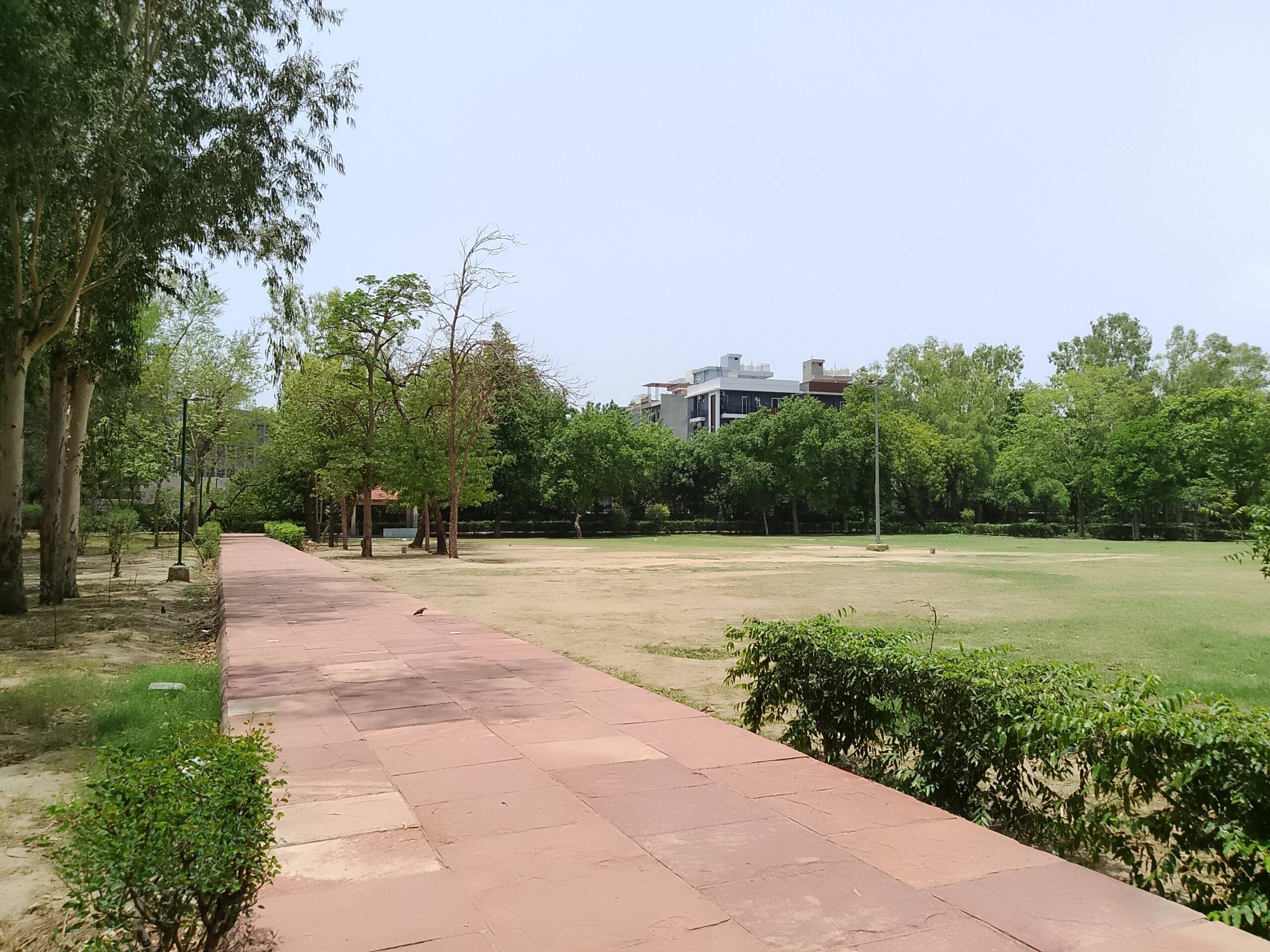
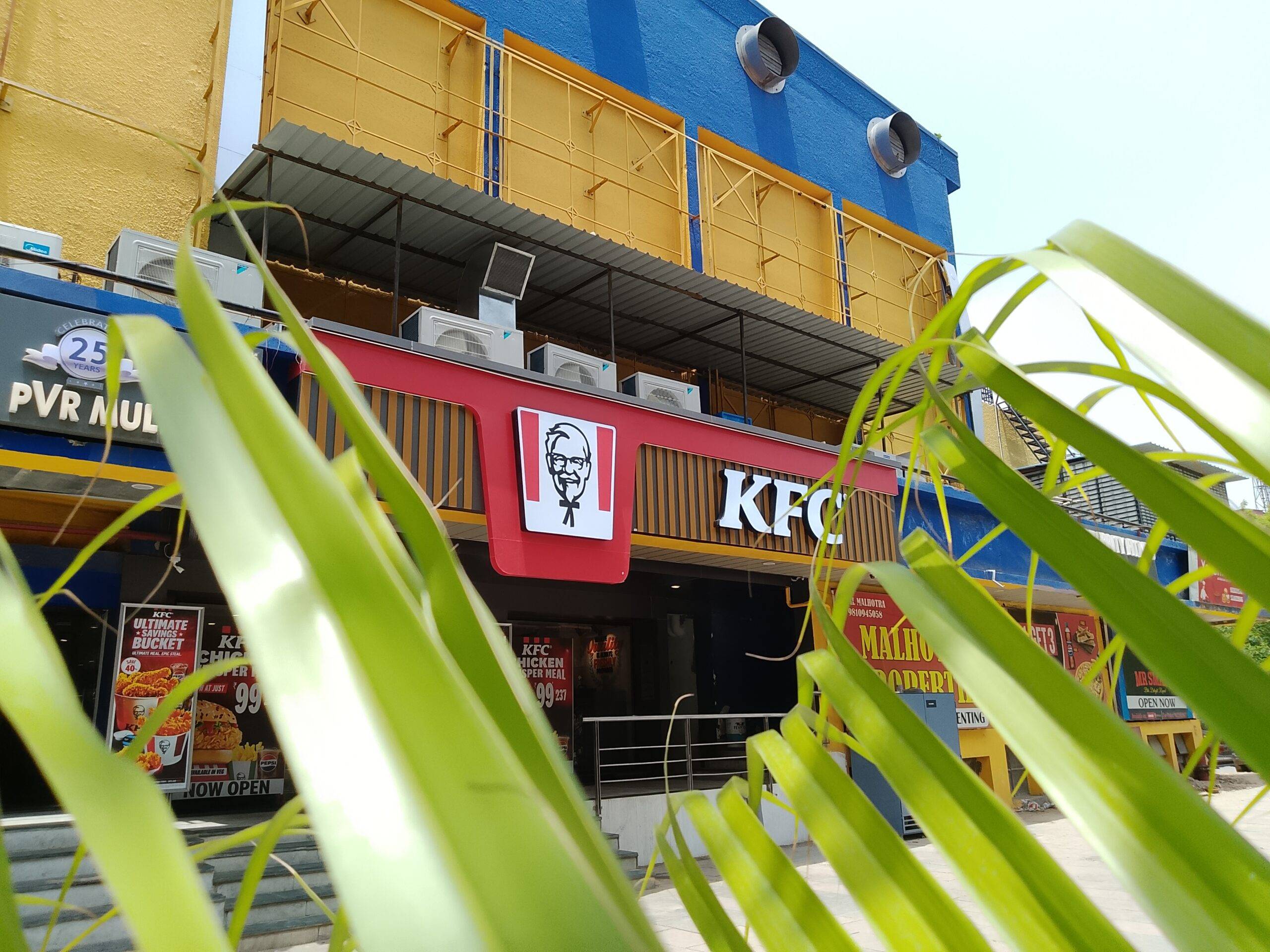
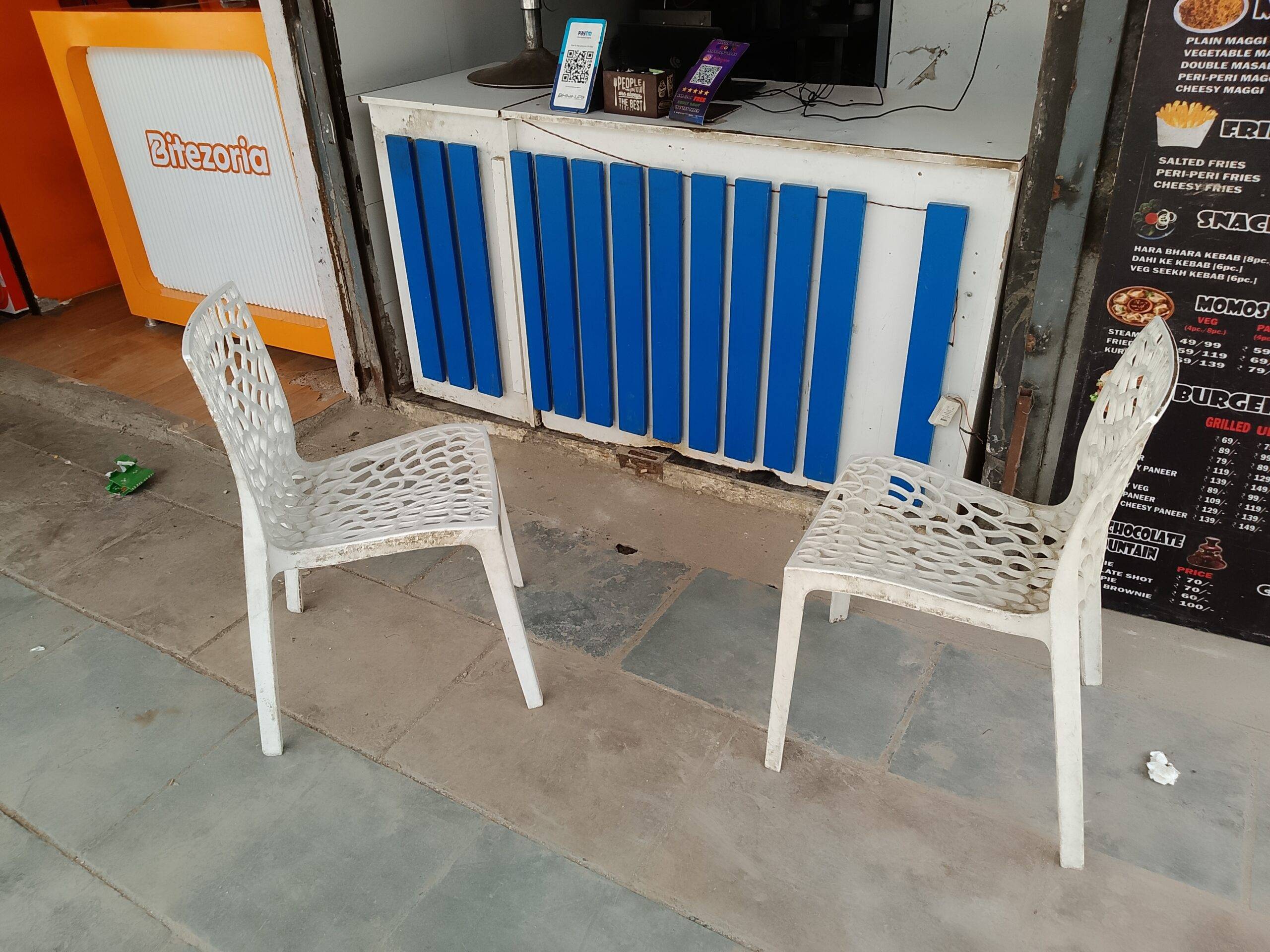
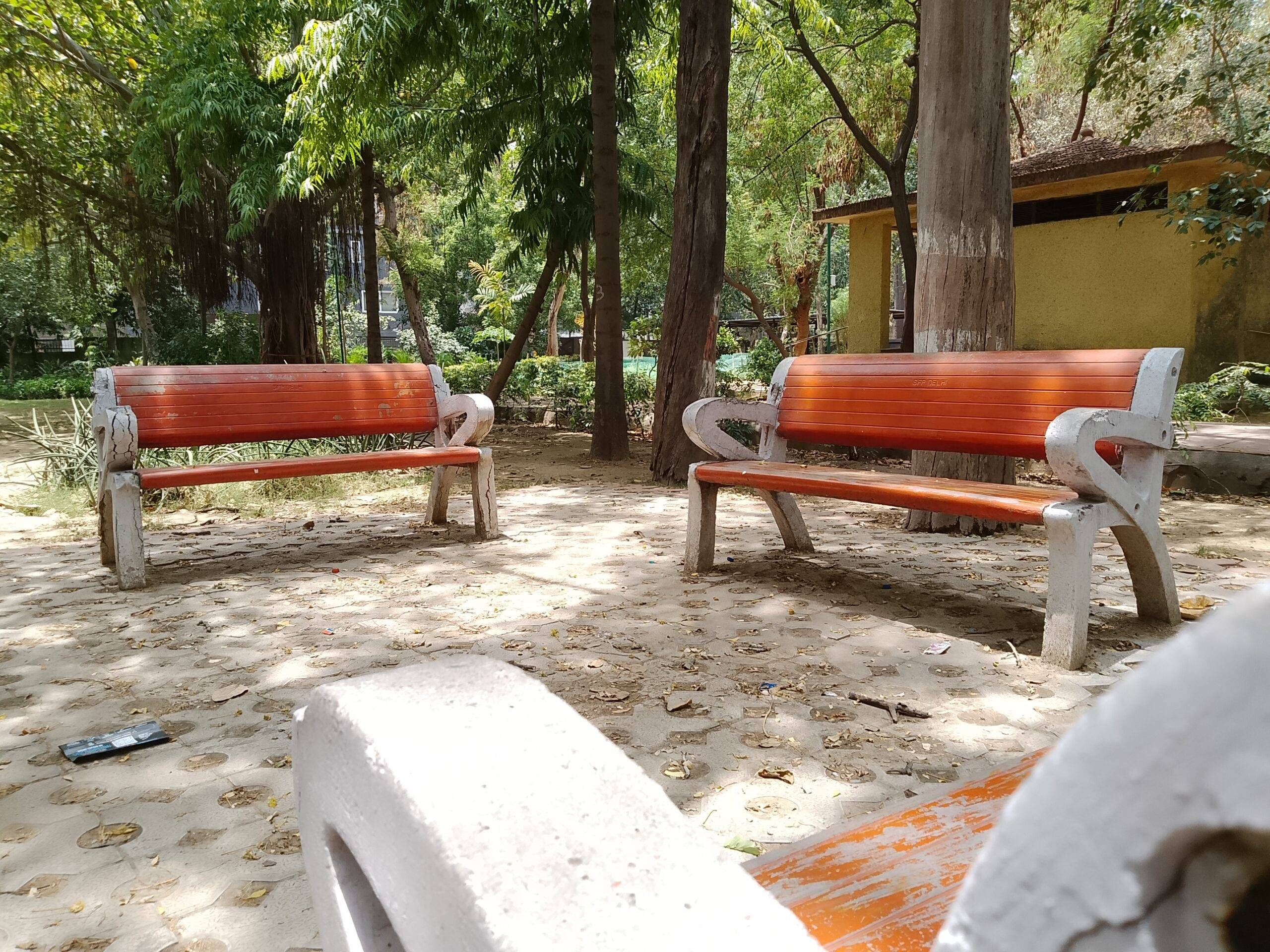
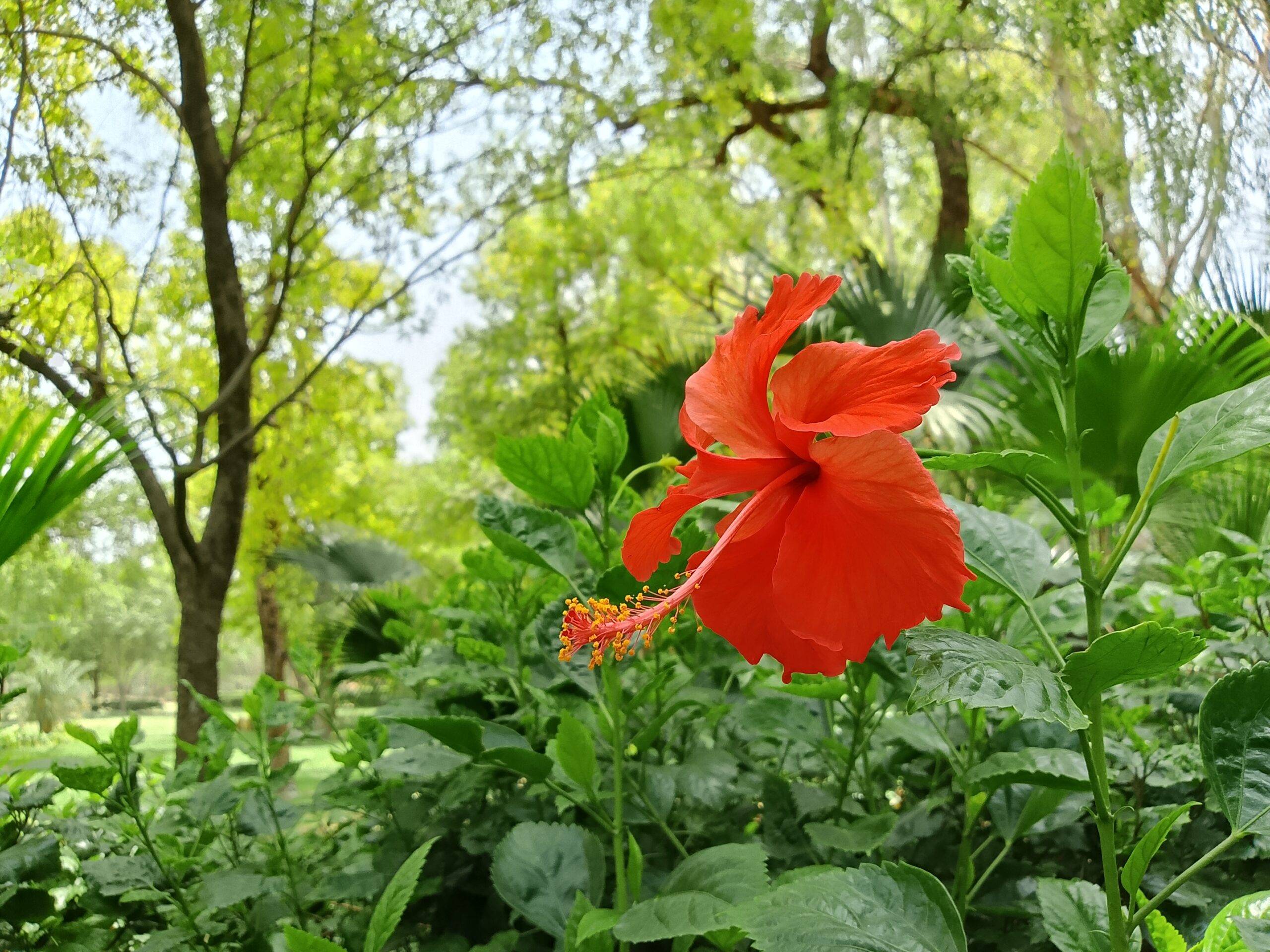


Daylight
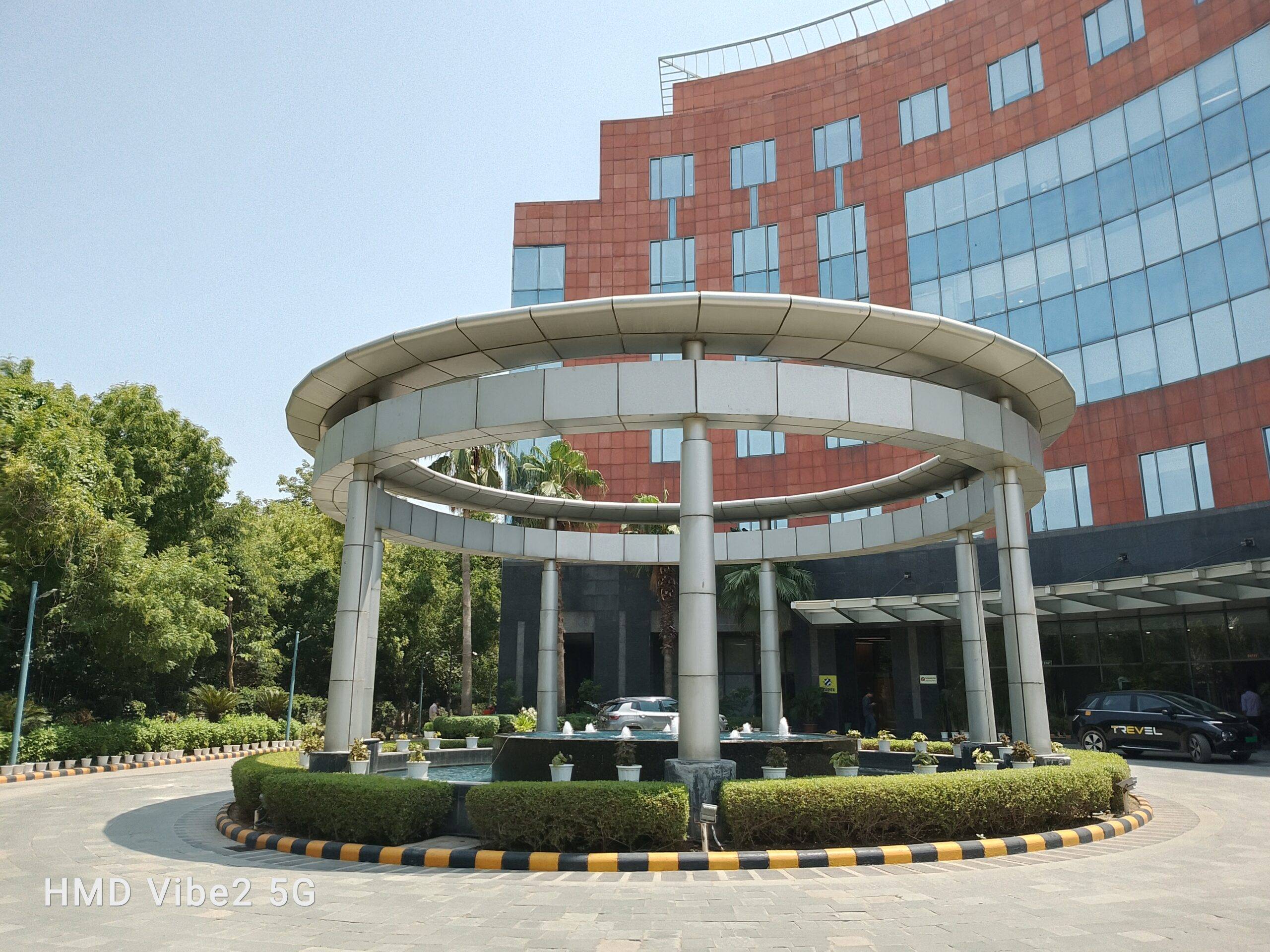
Right off the bat, it’s evident that the HMD Vibe 2 delivered a more realistic shot of the scene, with superior dynamic range over the Lava Shark 2 5G. In detail, too, the HMD handset does a better job; however, if you prefer vibrant results, the Shark 2 may appeal to you more.
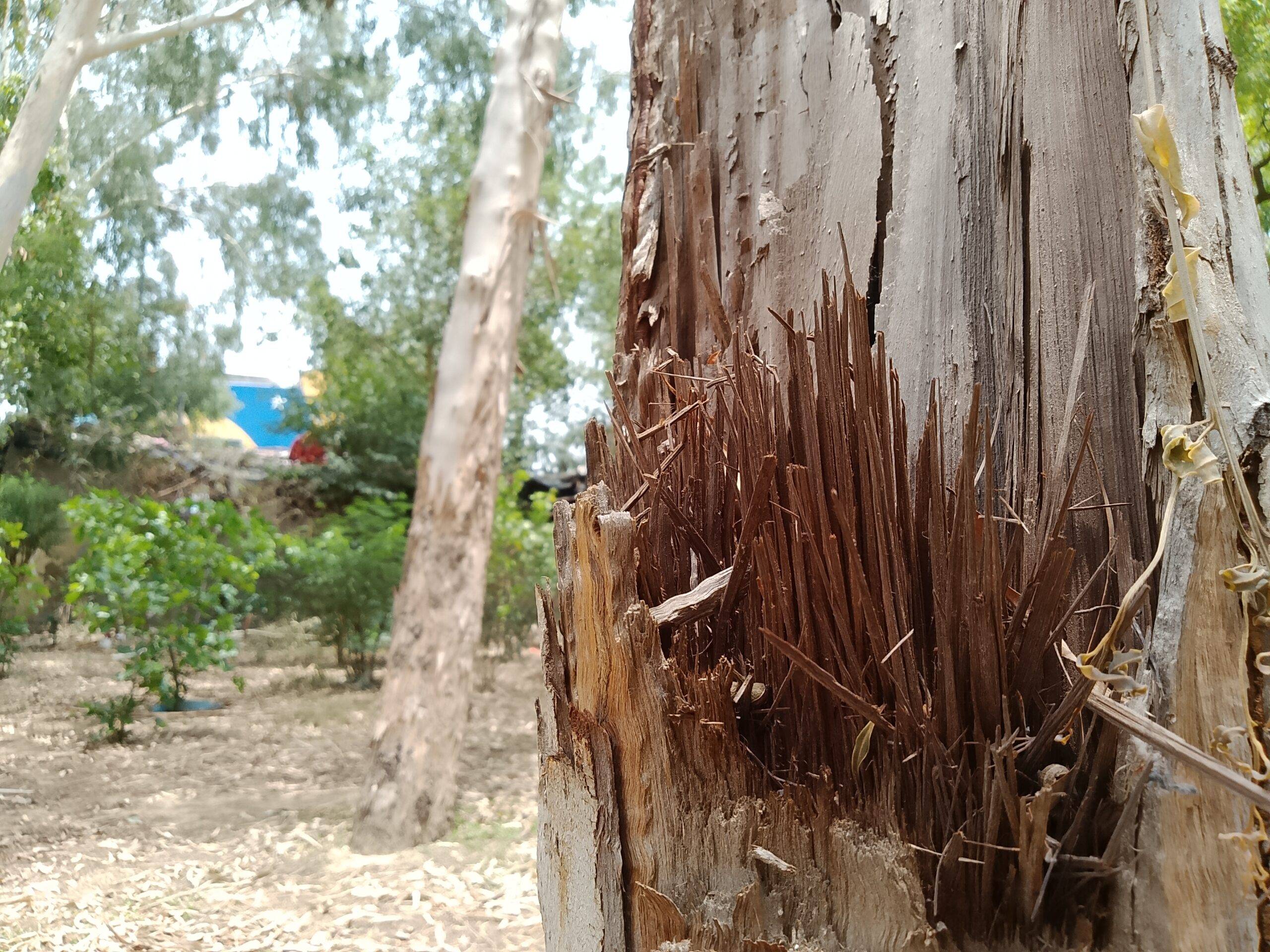
Portrait
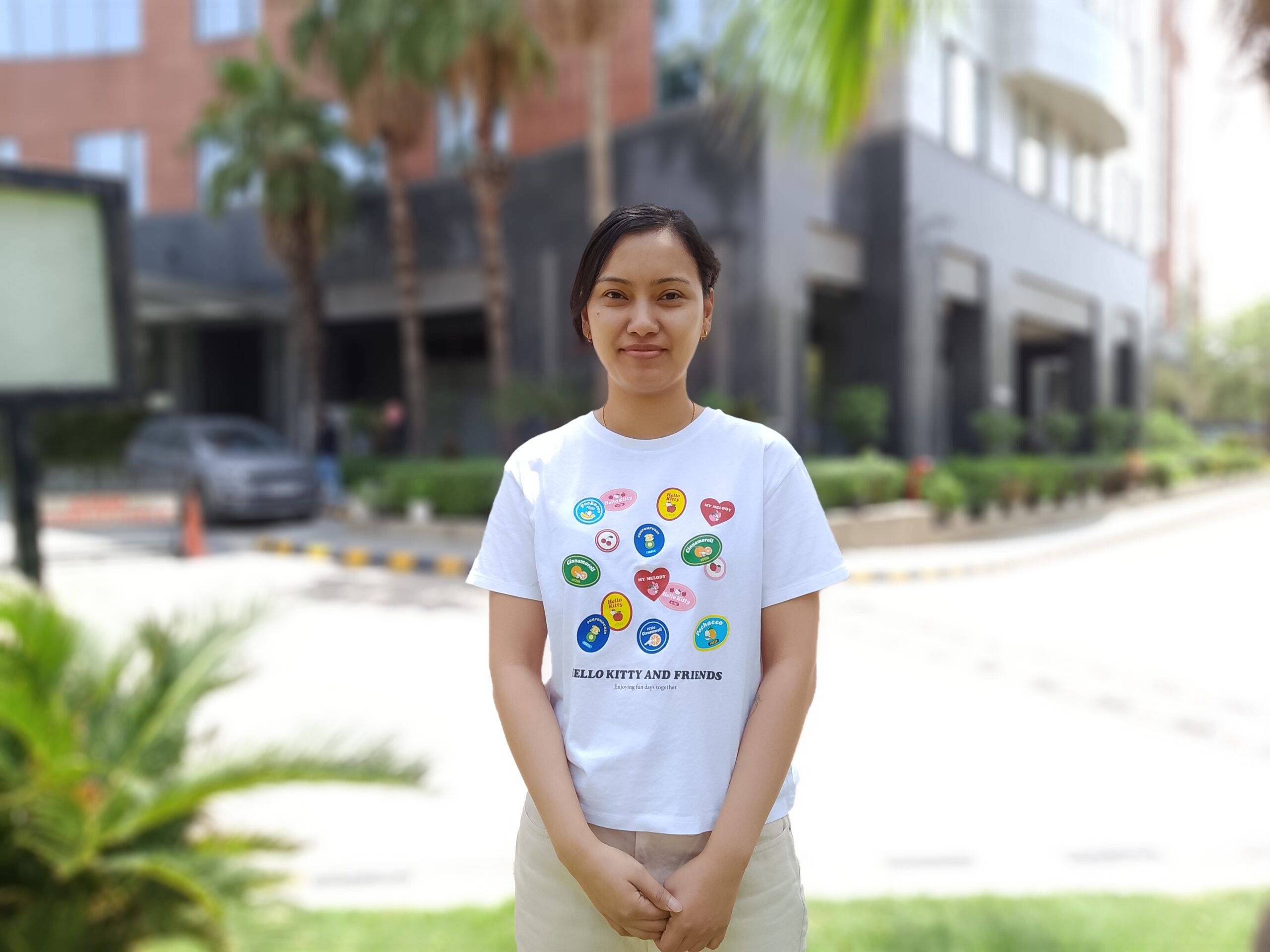
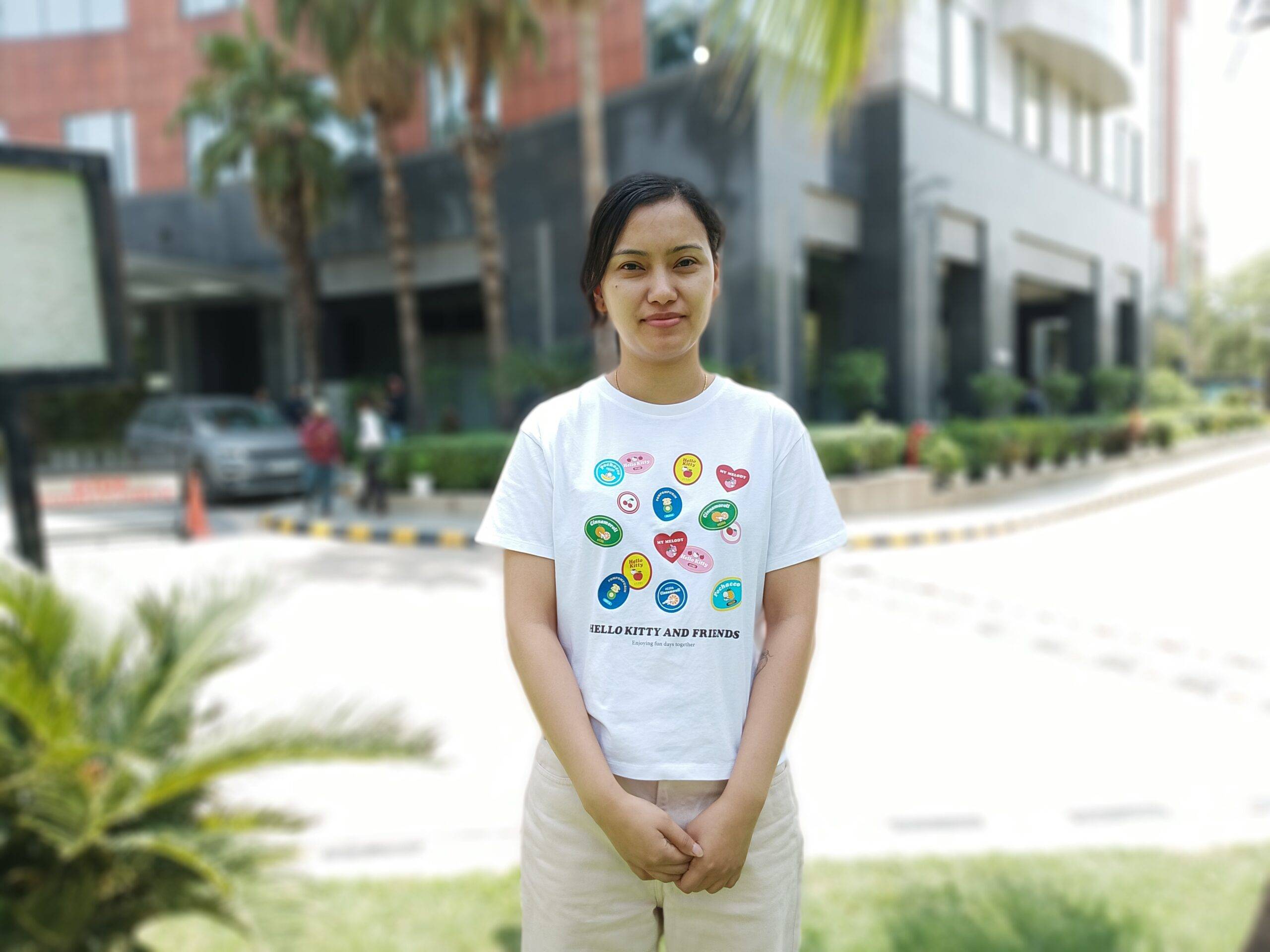
The Lava Shark 2 5G turns the result in its favour in portrait by capturing near-accurate and appealing tones and colours. Even though the highlight control is inferior to the HMD Vibe 2, it doesn’t add a greenish tint to the overall image and also preserves the details around the subject’s edges.
Selfie
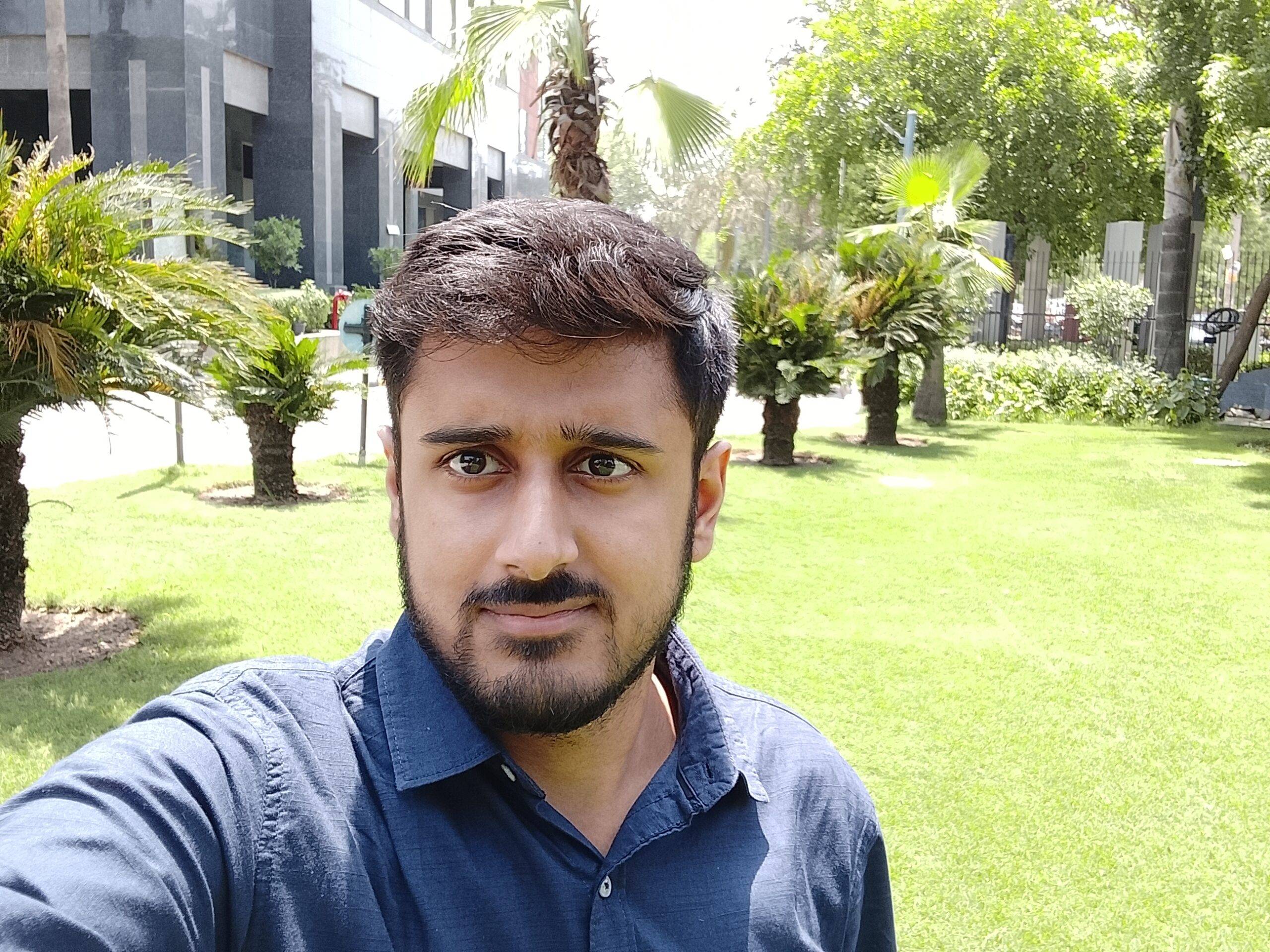
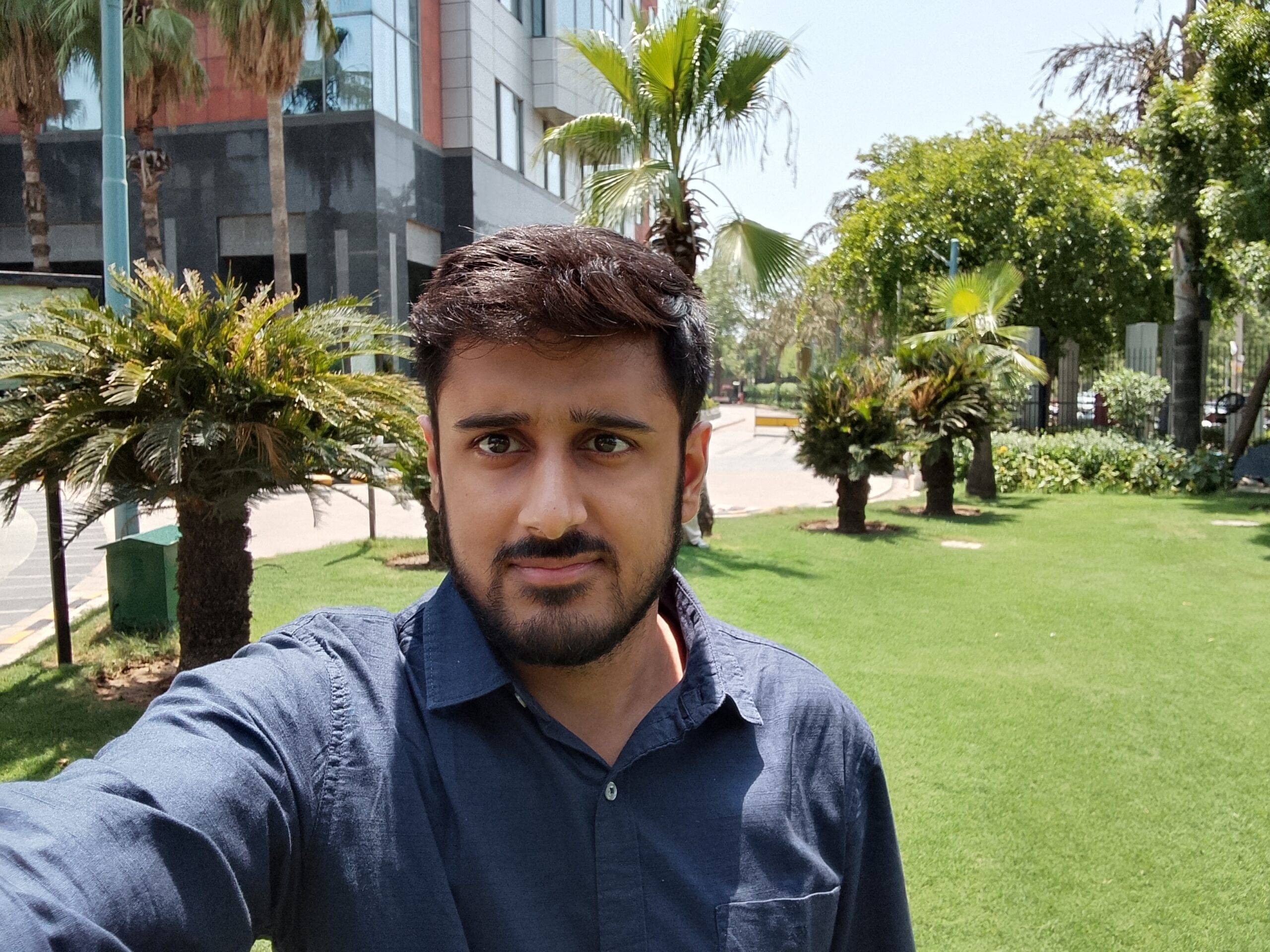
In selfies, the HMD Vibe 2 produces more natural skin tones while delivering better contrast and clarity in both face and background. It’s also less overexposed than Shark 2 5G’s image.
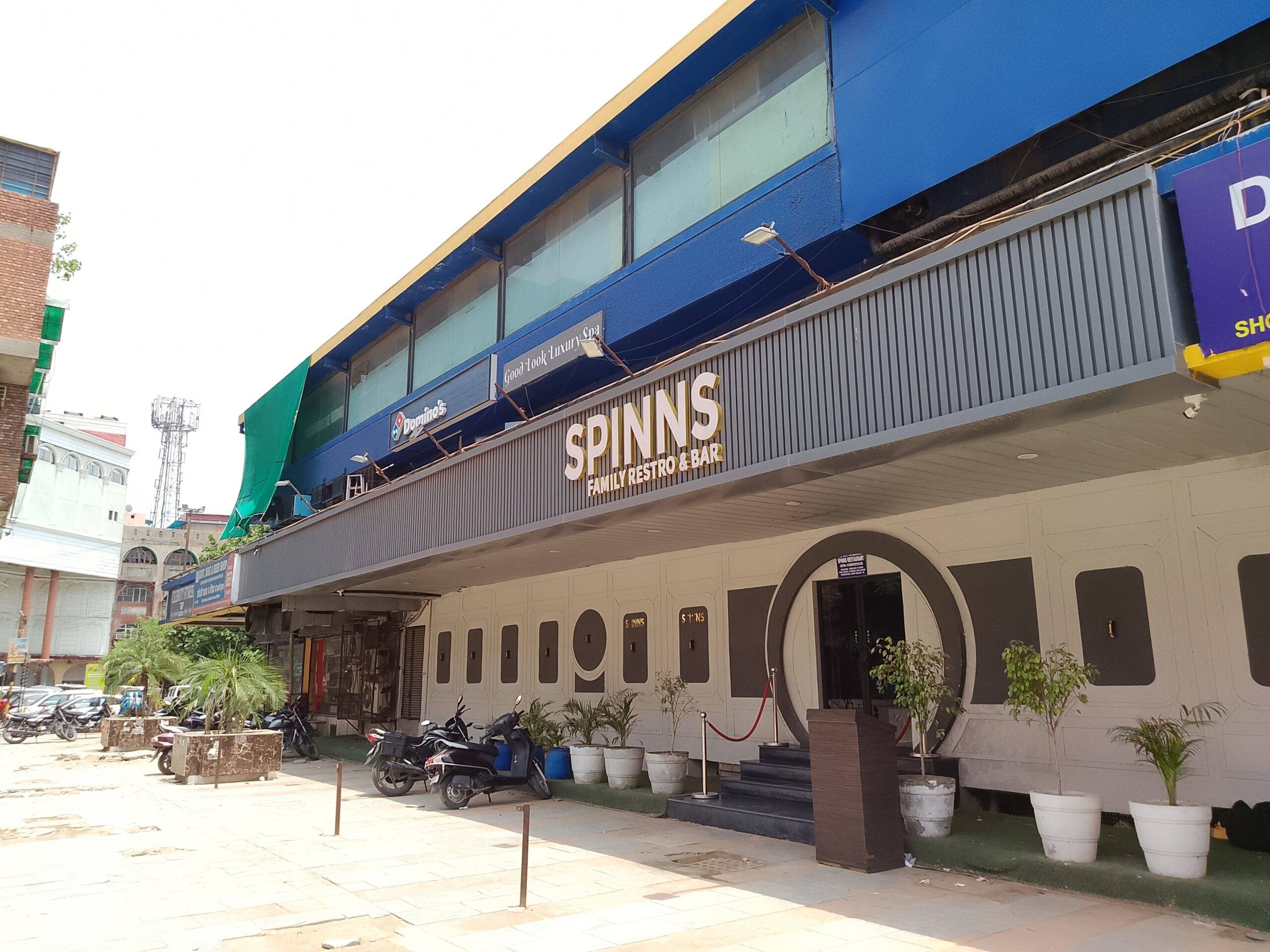
Night mode
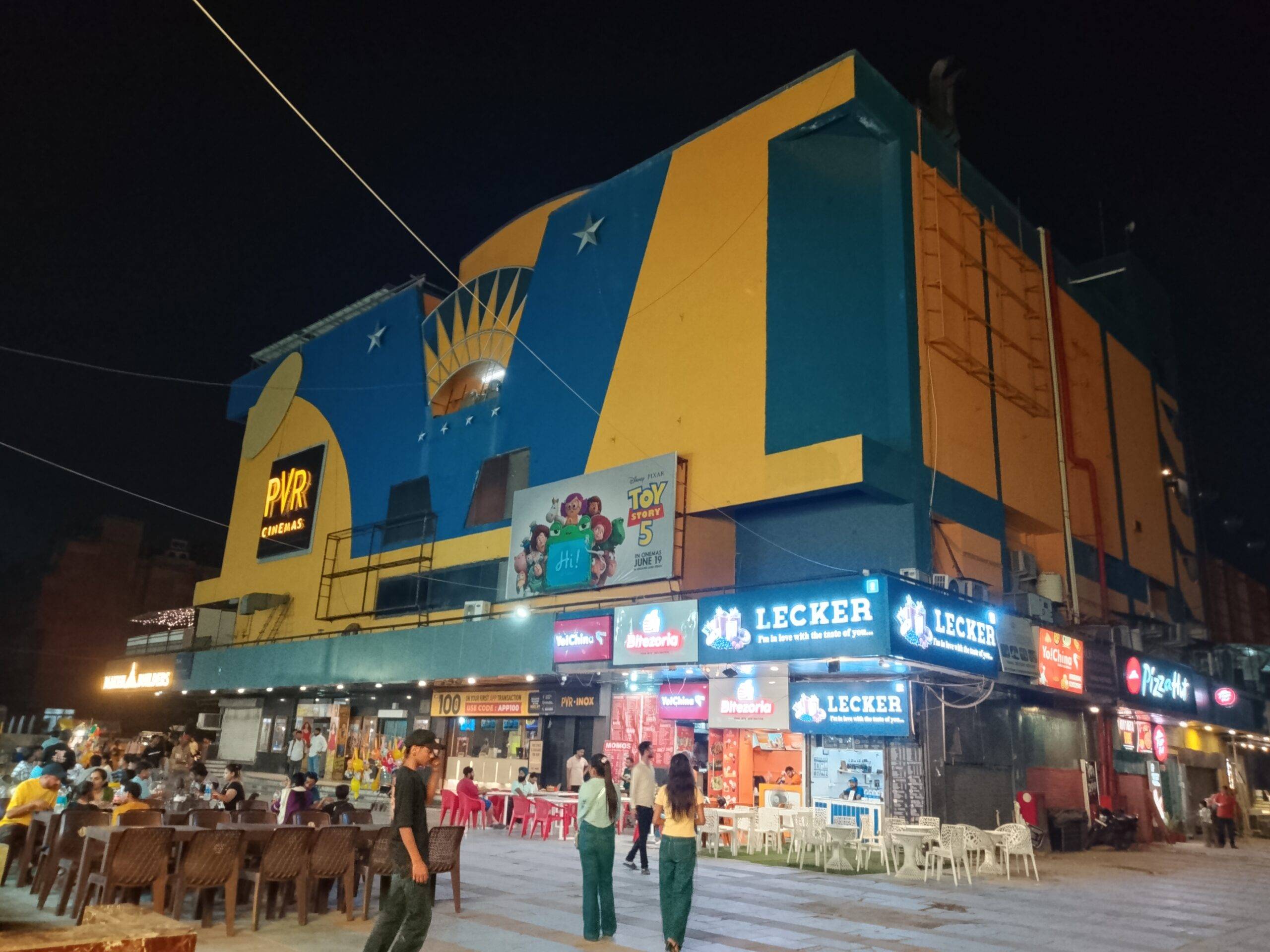
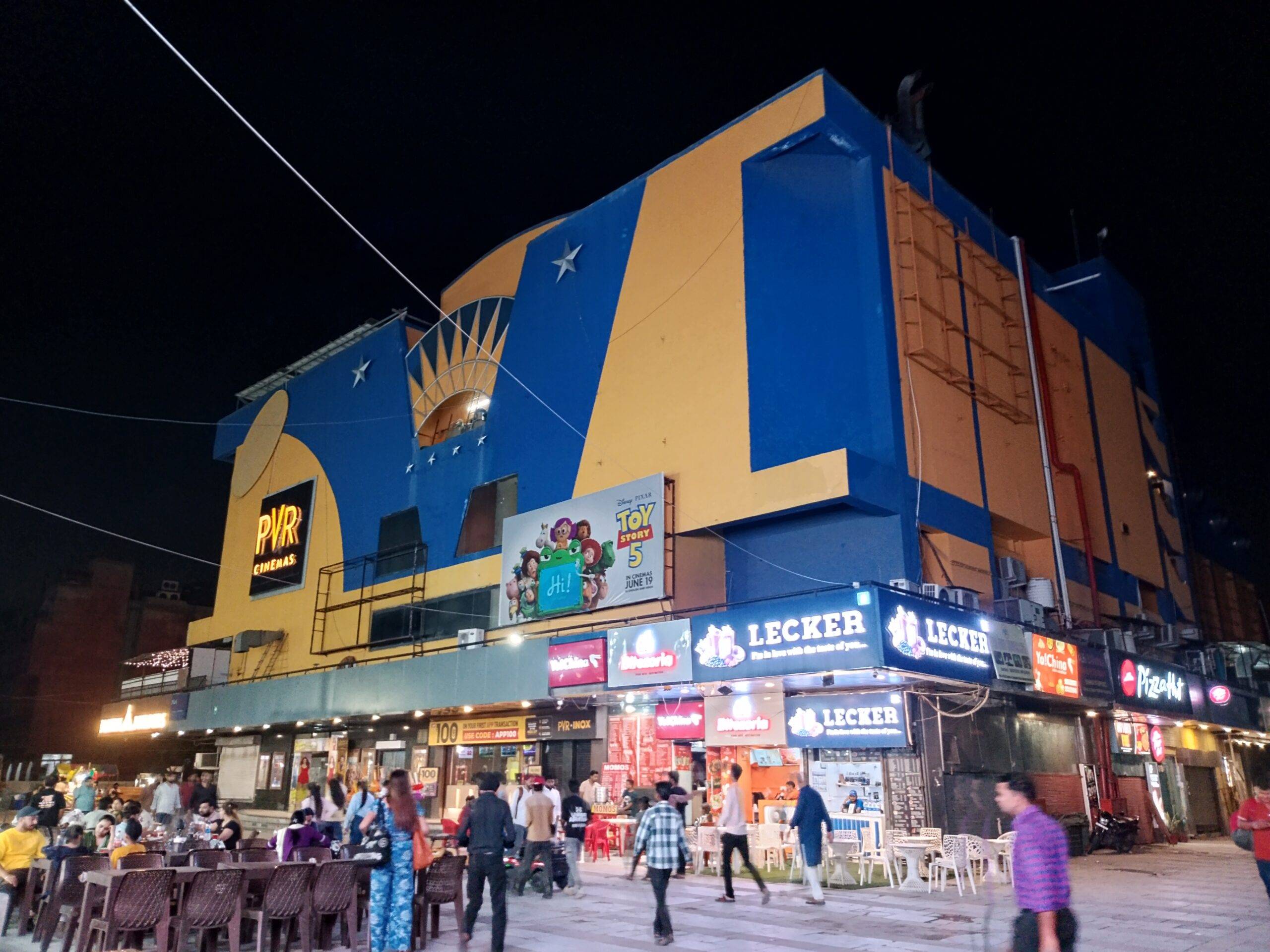
While at first glance both images may seem on par, the HMD Vibe 2’s shot preserves better clarity when zoomed in. It’s also advantageous in highlight control and colour accuracy.
Software: departure from stock Android
Unlike previous Lava releases from last year, I could easily identify that the smartphone doesn’t sport a stock Android-like user interface. Instead, the software was more in line with the likes of HMD Vibe 2 and Ai+ Nova 2. For instance, the quick settings panel houses vertical sliders for adjusting media volume and brightness, along with two big rectangular toggles beside them.
If it were running stock Android, it would have featured pill-shaped toggles like those on Pixel UI or Hello UI with a horizontal brightness slider. Similarly, the Settings app lays out small colourful menu icons, which are not seen on stock Android skins based on Android 16.
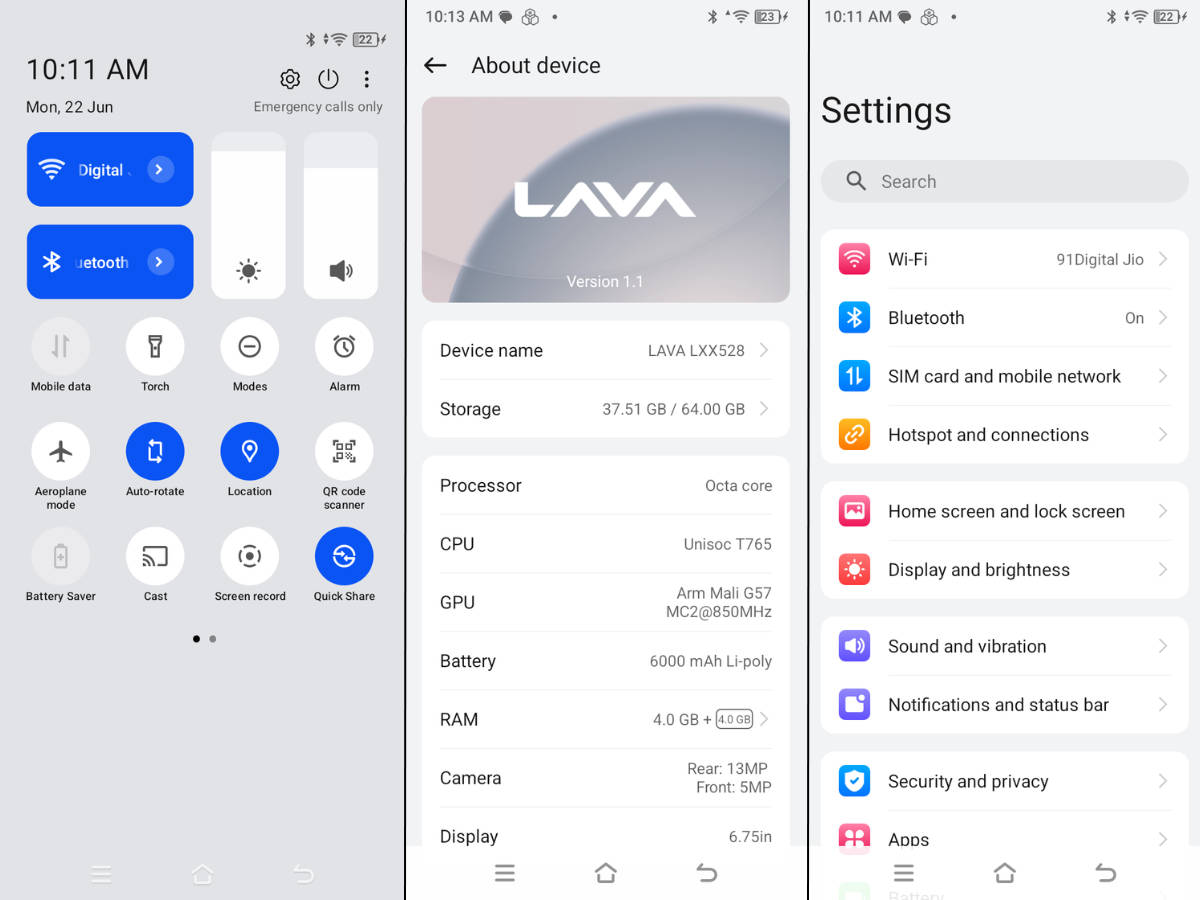
On the positive note, the software continues to be devoid of third-party applications, theme stores, and marketplaces out of the box. However, you do get apps like Clean Assistant, Game Space, and Phone Clone, which were not present on older Lava smartphones. While there’s no information on the number of major Android upgrades the Shark 2 5G is set to receive, the phone will get two years of security patches.
| Smartphone | Software Support |
| Lava Shark 2 5G | NA |
| HMD Vibe 2 5G | 2 Year Security Updates |
| realme C83 5G | 1 Year OS Updates + 2 Year Security Updates |
Final verdict: Is the Lava Shark 2 5G worth your money for Rs 11,999?
The Shark 2 5G’s closest competitor, HMD Vibe 2 5G, is selling at Rs 12,999 on Flipkart. The Lava Shark 2 5G, meanwhile, with its Rs 11,999 sticker price (unless the gap widens due to price hikes), delivers an identical display, software, battery, and performance experience.
Meaning, you get a decent display for watching videos and browsing, a processor that’s good enough for engaging in basic to medium-level tasks, and strong battery life that’ll last at least one working day. While I would have preferred a stock Android experience to maintain distinction, the Shark 2’s software experience is similar to the Vibe 2, with minimal third-party apps out of the box. On the other hand, if cameras somewhat matter to you under Rs 15,000, the HMD smartphone tends to produce better primary and selfie camera results over the Shark 2 5G.
As for the Lava Shark 2 5G, it remains a competitively priced smartphone that remains a reliable companion for the most part, except for the cameras.
Editor’s rating: 7.9/10
Reasons to buy the Lava Shark 2 5G
- Good-looking gaming-inspired design.
- Display delivers a decent content viewing experience for the price.
- Fairly clean software devoid of theme stores and app marketplaces.
- Offers enough battery endurance for a full working day.
Reasons to skip the Lava Shark 2 5G
- Takes almost three hours for a full charge.
- Cameras aren’t on par with the competition.