Review Summary
Expert Rating
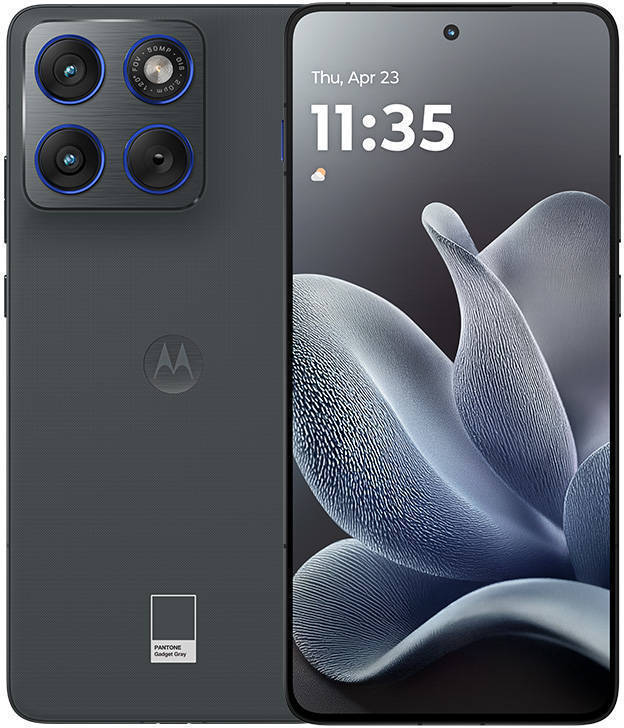
A smartphone’s thinness has always been a defining focus when it comes to design. In 2025, silicone-carbon-based batteries helped push the industry forward, allowing phones to pack batteries larger than 6,000mAh, without gaining much thickness. The new Motorola Edge 70 represents that progress and combines a super-thin profile while maintaining a substantial battery. It achieves all that while not being exorbitantly priced and without significant compromises.
Samsung and Apple chased the same idea earlier this year with the Galaxy S25 Edge (review) and iPhone Air (review). Both looked stunning and were incredibly thin but had premium prices and a shortened battery life, which were signs of clear compromise. The Motorola Edge 70, in contrast, seems to have nailed the brief while offering a rather respectable set of specifications and features. But beyond the comfortable and unique form factor, does it make sense as a viable alternative to a regular smartphone for an actual consumer? That is what I’ll try to answer in this in-depth review of the Motorola Edge 70.
Table of Contents
Incredibly thin with a durable foundation
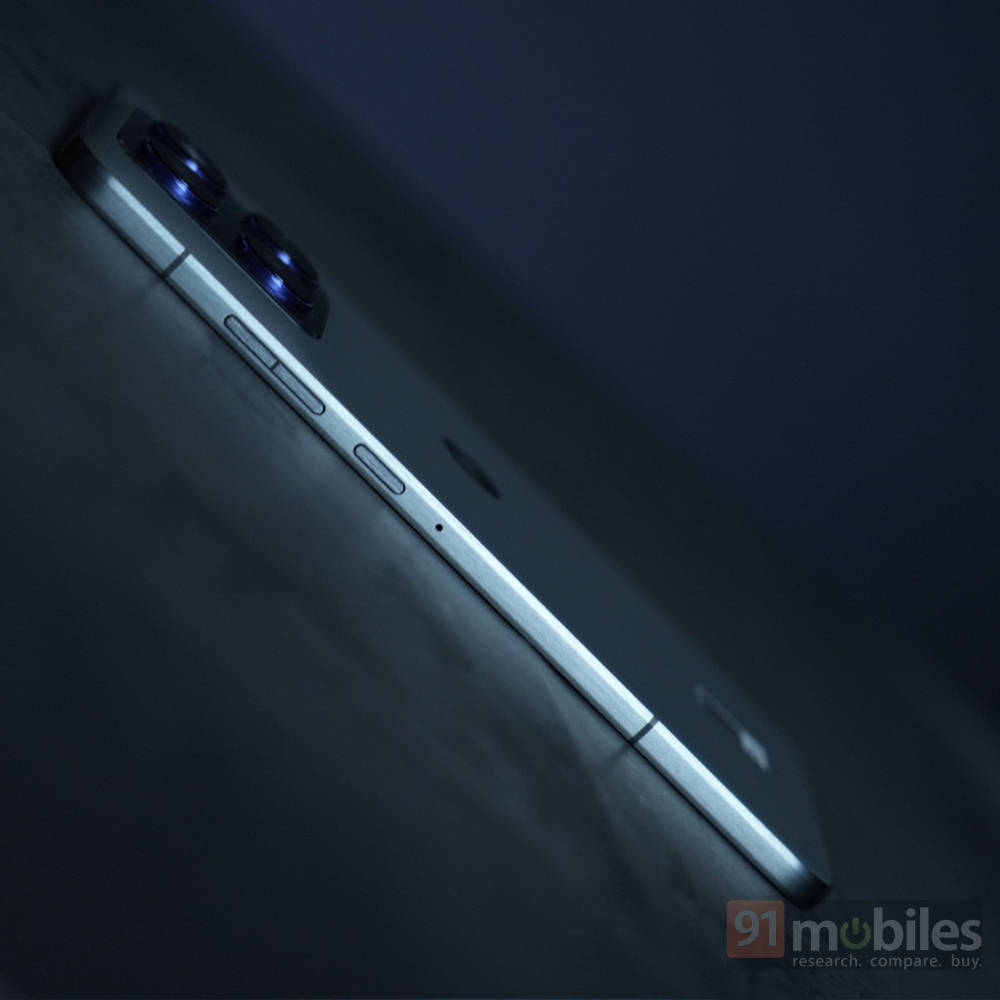
Let’s start with the key attraction of the Motorola Edge 70: its design. The phone is exceptionally thin at just 5.99mm, which puts it only slightly above the iPhone 17 Air’s 5.64mm and the Galaxy S25 Edge’s 5.8mm. While it is a hair thicker, it weighs only 159 grams, making it lighter than both the iPhone Air and the Galaxy S25 Edge.
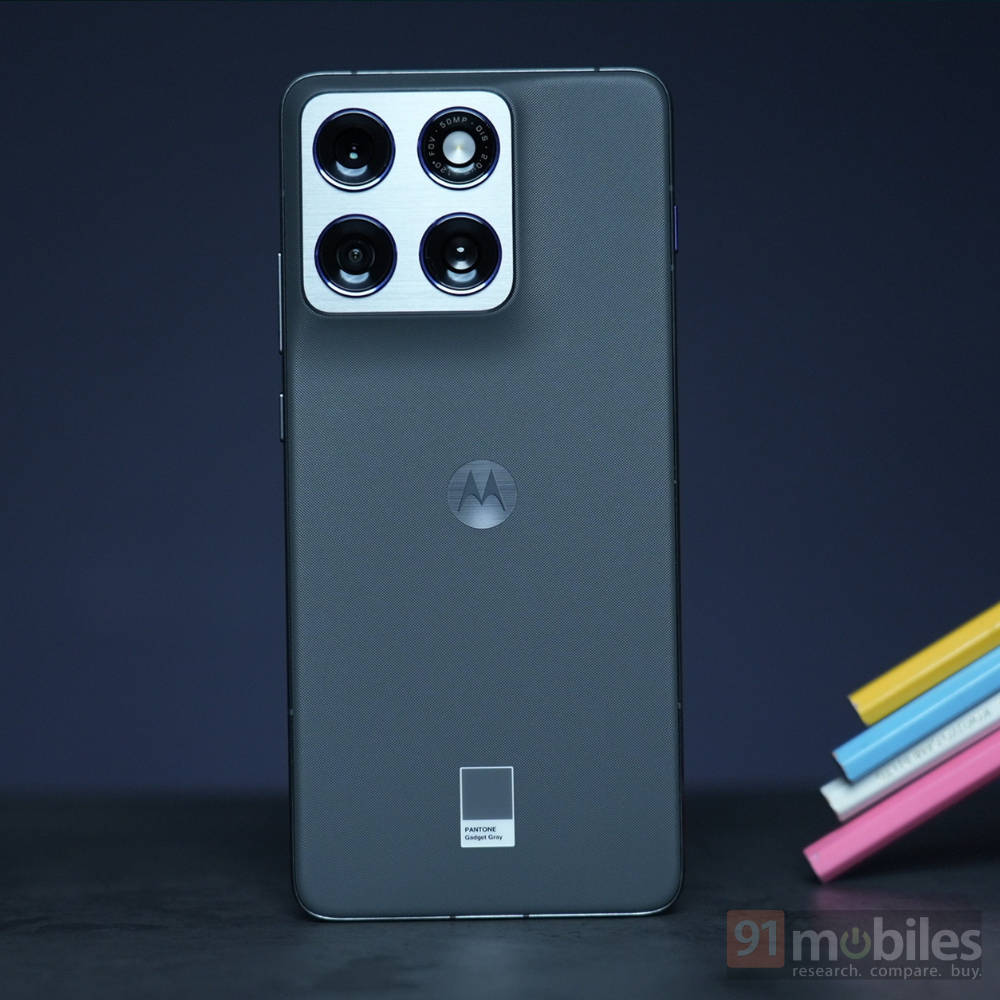
I compared it side by side with the iPhone Air, and it indeed feels much lighter, mainly because the iPhone’s glass back adds some additional heft. The Edge 70 uses an aluminium frame and a silicone back with a fabric-like texture that offers good grip and resists smudges and fingerprints, which is always welcome.
| Smartphone | Thickness | Weight | IP Rating |
| Motorola Edge 70 | 5.99 mm | 159 grams | IP68 +IP69 |
| OnePlus Nord 5 | 8.1 mm | 211 grams | IP65 |
| Apple iPhone Air | 5.64 mm | 165 grams | IP68 |
| Samsung Galaxy S25 Edge | 5.8 mm | 163 grams | IP68 |
The device is also fully water and dust-resistant with IP68 and IP69 ratings, so you can rest assured it is well protected. It is MIL-STD-810H certified, too, and while that is mostly a marketing term, it still indicates a decent level of durability and resistance to rough use.
The design itself feels familiar if you have used a Motorola device before. I got the Gadget Grey colourway, which has a subtle, deep hue and a square camera module in the top left corner. The camera island sits as a slightly raised metal sheet with four camera rings, each with a blue accent that matches the AI key on the left. I am not a big fan of these accents, admittedly, since they do not blend harmoniously with the rest of the design for me.
The front features a flat display with symmetrical bezels, which I like. All in all, it is a quirky design that will likely appeal to many users, especially those who prefer something a bit different, even if I personally lean toward more subtle aesthetics.
Decent battery life and charging speed
For a device this thin, Motorola has managed to fit a 5,000mAh cell, larger than both the iPhone Air and the Galaxy S25 Edge. The brand also trumps both phones by including a 68W PD fast charger in the box, which I always appreciate. There is also support for 15W wireless charging. With the surge in battery capacities we have seen in 2025, a 5,000mAh battery may sound modest, but remember that just a couple of years ago, this was the standard size and was more than sufficient for a full day of use. The flagship Galaxy S25 Ultra, iPhone 17 Pro Max and Pixel 10 Pro XL all still use a similar capacity.



The Edge 70 proves that point. Its PCMark battery benchmark score is just over 11 hours, not far behind many 6,000mAh devices. Battery optimisation is excellent, and you can expect around 6 hours of screen time with 5G enabled. Even for gaming, the backup is pretty solid with an average drop of about 7 percent for every 30 minutes of play. Overall, while it may not lead the pack in battery capacity, the compromise for that sleek design does not show here. The phone comfortably lasts a day for most users.
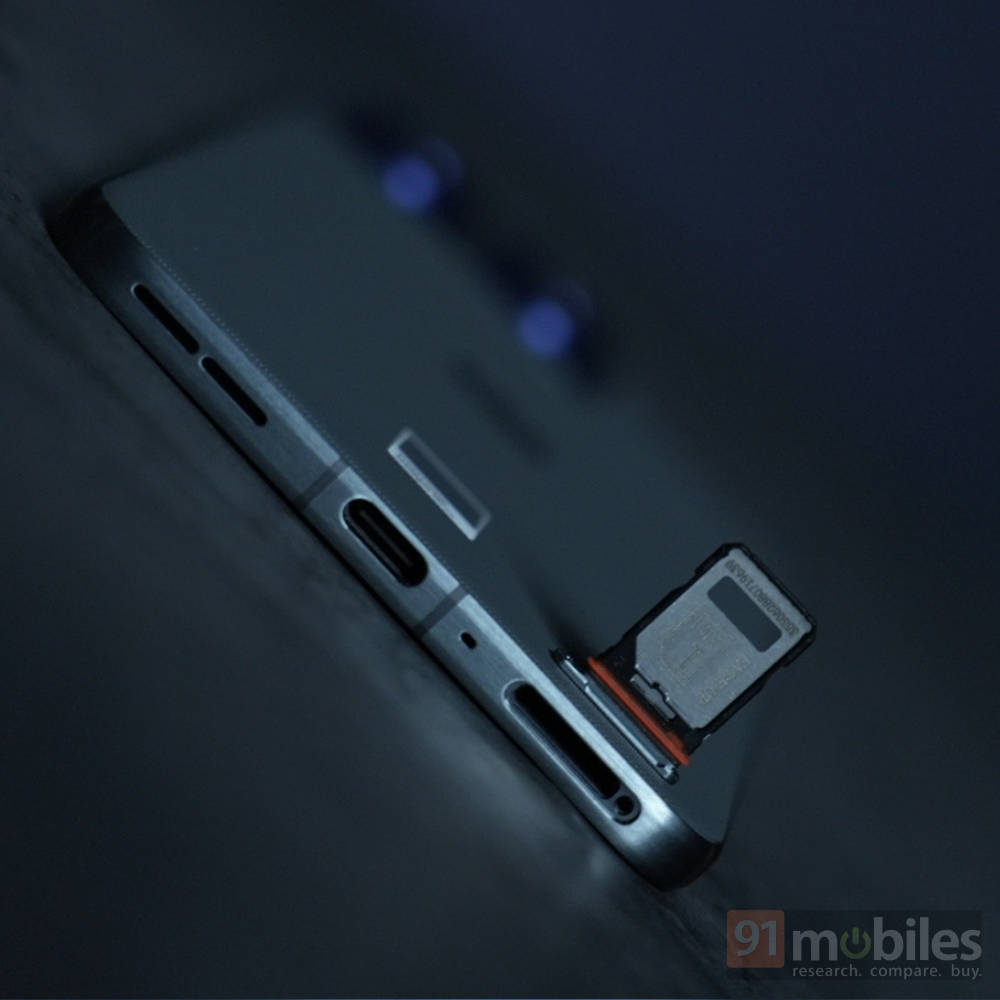
And even if you do manage to drain the battery, the 68W charger gets you back up quickly. It takes just 44 minutes to recharge from 20 to 100 percent, which, while not class-leading, is still well under an hour and perfectly convenient. Motorola has successfully avoided one of the biggest pitfalls of ultra-slim smartphones.
A vibrant display but flat audio
The Motorola Edge 70 features a 6.7-inch pOLED flat display with a 1.5K (2712 x 1220p) resolution, a 120Hz refresh rate, full DCI-P3 coverage, and a claimed peak brightness of 4,500 nits. You’ll need to switch the display profile to Natural from the default Vivid in the settings to see the colour accuracy of the Pantone-certified display.
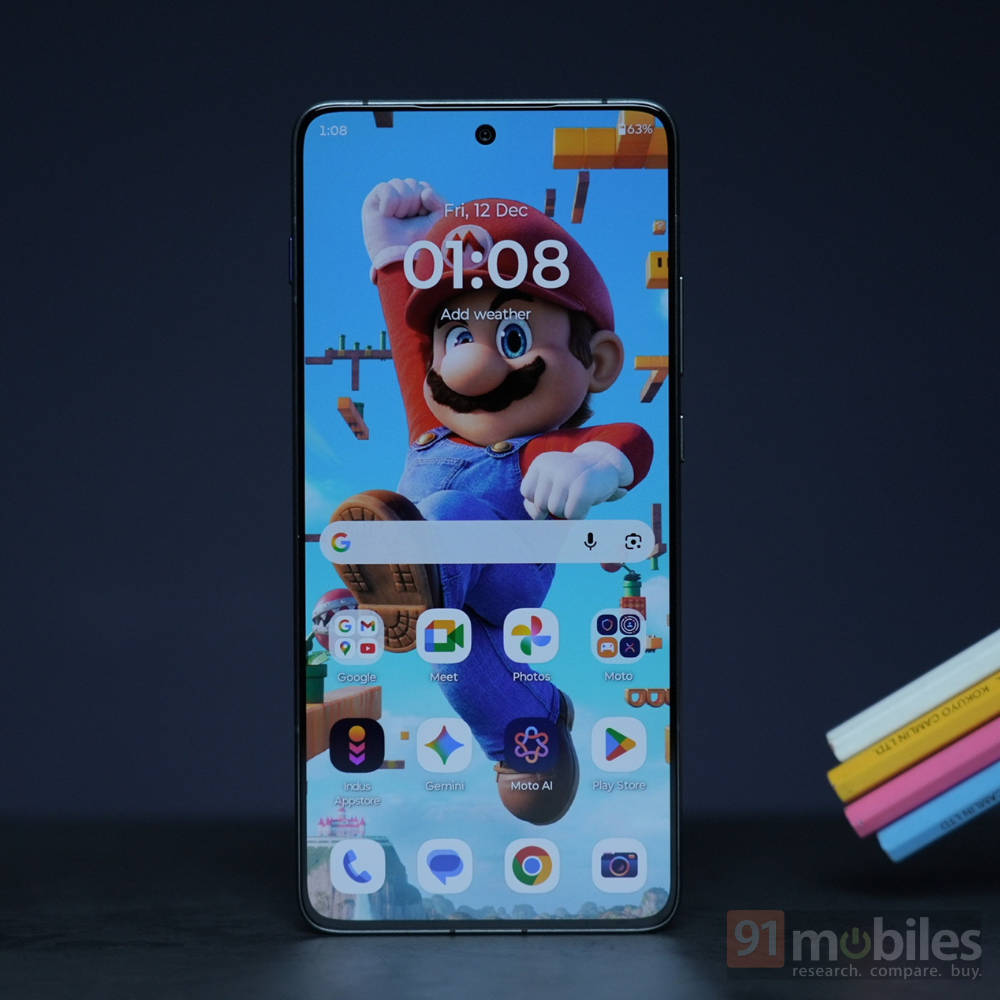
The colours look really punchy and bright, with deep blacks, both indoors and outdoors. HDR10+ support across OTT apps and the high brightness mode help when viewing content in direct sunlight. In our lab tests, the screen peaked at 665 nits, substantially lower than the segment average of 892 nits, but I had no trouble using it outdoors.
| Smartphone | Display | Peak Brightness |
| Motorola Edge 70 | 6.7 inches - AMOLED | 4500 nits |
| OnePlus Nord 5 | 6.83 inches - Swift AMOLED | 1800 nits |
| vivo V60e | 6.77 inches - AMOLED (Curved Display) | 1600 nits |
The speakers are another aspect I feel a little disappointed with. The stereo speaker setup is fairly loud and supports Dolby Atmos, like most Motorola phones, but its audio output isn’t great. The mids and vocals don’t come through clearly, the highs are okay, and the bass is a bit abysmal. The resulting sound is relatively flat and unappealing.
The volume balance is also a little off, as the volume level drops sharply at 50 per cent and sounds much lower than it should. So, watching content is a bit of a mixed bag and is best enjoyed with Bluetooth earbuds or headphones.
A mostly satisfactory camera system
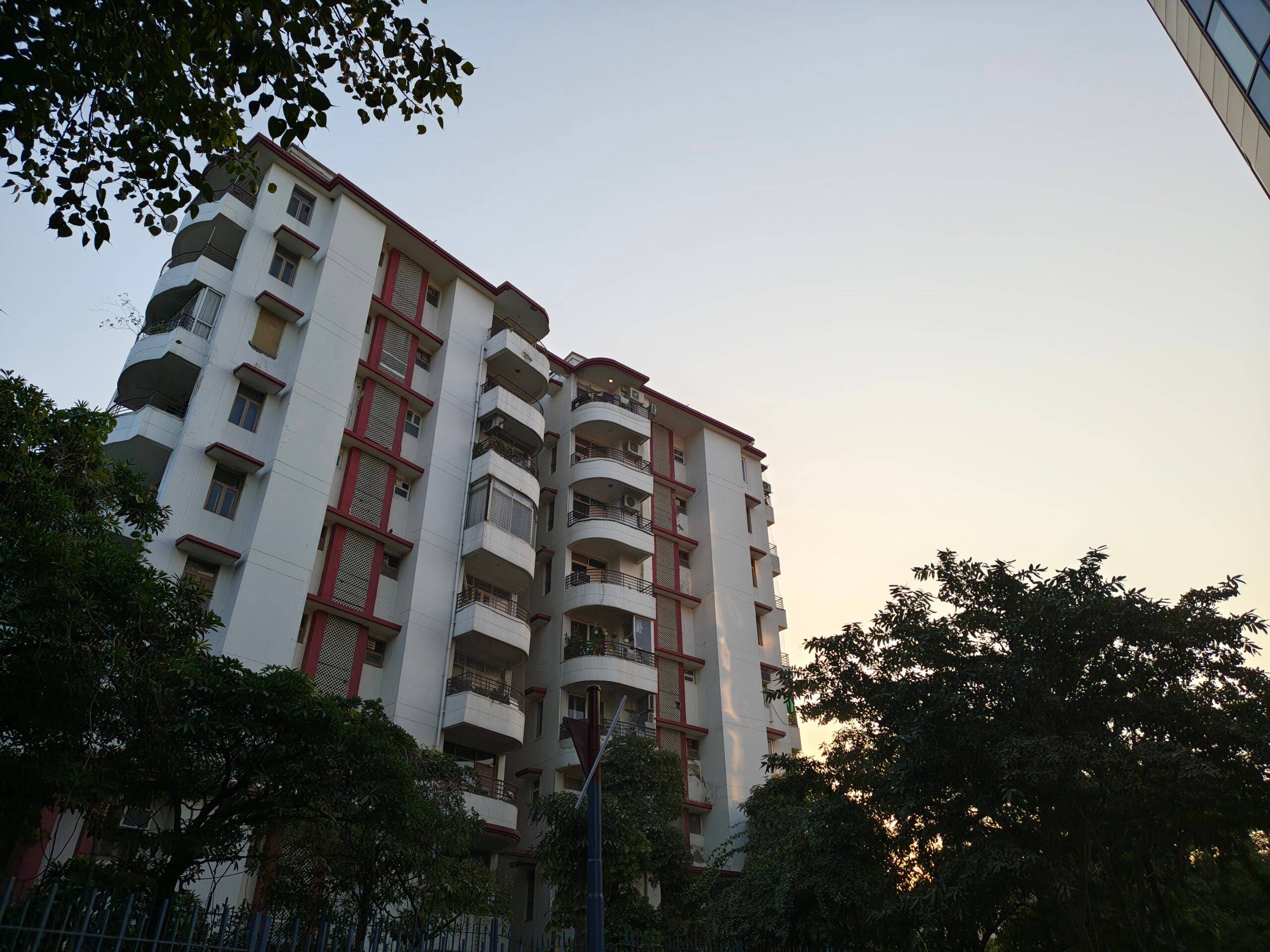
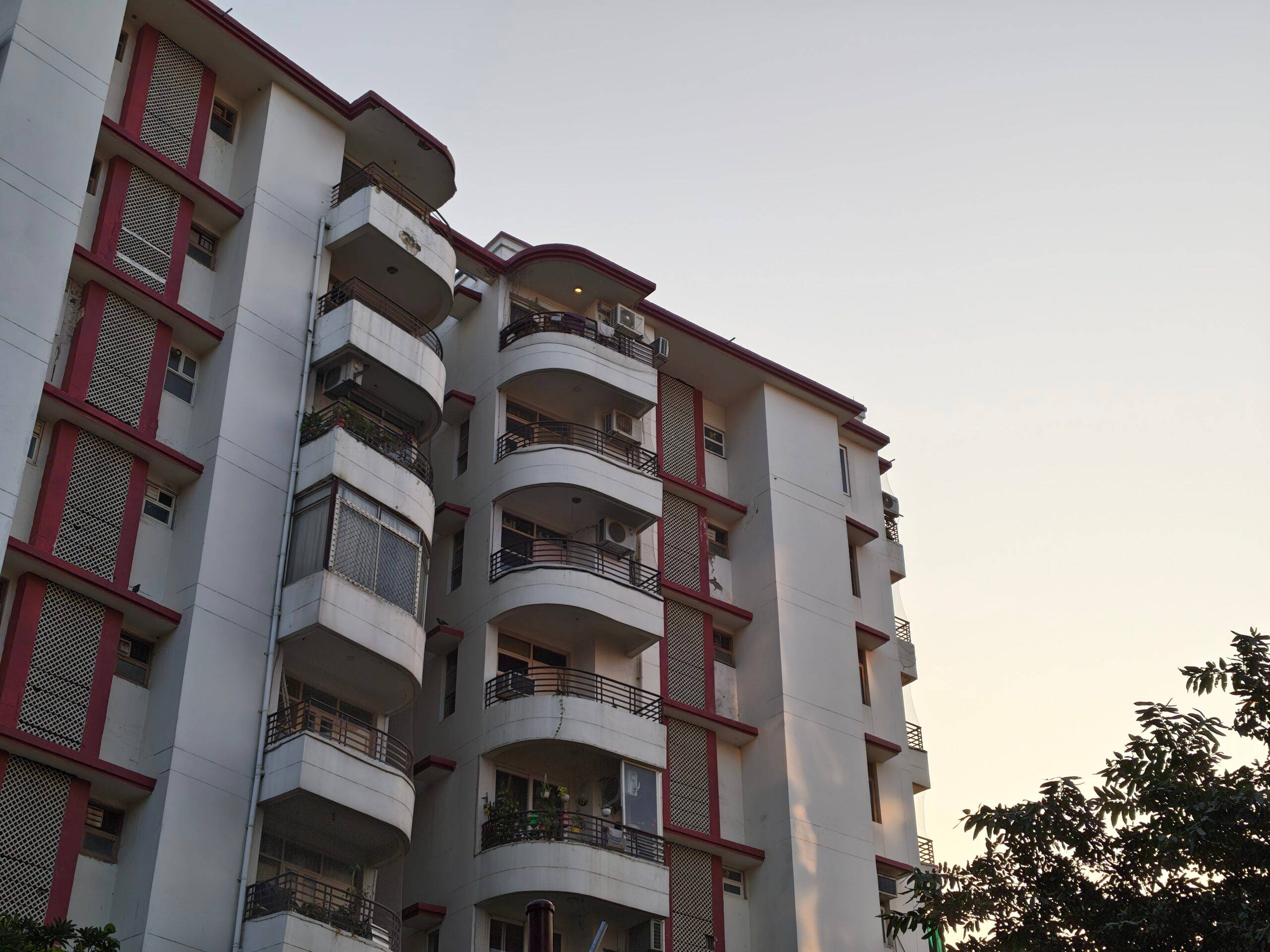
The Motorola Edge 70’s camera setup is clearly built around its 50MP primary, rather than versatility. In the absence of a telephoto lens, the primary sensor does most of the heavy lifting, and, to its credit, it delivers. Daylight shots look pleasing, with slightly punchy colours and contrast that stay just short of overcooked, while low-light images retain good detail, show limited noise, and handle bright signboards and ambient lighting with confidence.
The 50MP ultrawide holds up well in the daytime too, with minimal colour shift when switching lenses, though its night performance drops noticeably with softer textures and visible grain in shadows.
The 50MP selfie camera is one of the highlights of this system. It excels in good lighting, capturing crisp facial detail, realistic skin tones and a solid dynamic range that keeps skies and backgrounds in check. In dimmer conditions, selfies do lose some bite as textures soften and colour accuracy wavers a bit, but the results stay comfortably usable for social media.











Video, meanwhile, has some flaws. Both front and rear cameras can shoot at up to 4K at 60fps, with generally good stabilisation, but the footage can sometimes be slightly choppy. It feels more like a software quirk than a hardware limitation and is something that should ideally be ironed out with future OTA updates.
To gauge its camera performance, I compared the Motorola Edge 70 against the OnePlus Nord 5 (review), which also lacks a telephoto lens. Check it out below:
Daylight
In daylight, both phones deliver sharp, detailed shots. The OnePlus Nord has a brighter, slightly punchier look with higher contrast, which makes the red building facade and greenery pop but also nudges colours away from the actual scene. The Motorola Edge 70 keeps things a bit more restrained and true-to-life, with slightly better texture in the foliage and more controlled highlights in the sky and windows. Overall, the Moto’s balance of detail, colour accuracy, and dynamic range gives it a win in this scene.


Ultrawide
In the ultrawide samples, the OnePlus Nord 5 offers a slightly wider-looking field of view and a brighter overall exposure, but makes the corners slightly soft, and the perspective stretched. The Motorola Edge 70 keeps lines straighter and controls distortion better while also preserving more detail in the pavement and foliage. Colours are also a touch more consistent with the main camera on the Edge 70.


Portrait
For portraits, the OnePlus Nord 5 produces a slightly brighter shot with close-to-accurate skin tones, but the subject’s face and hoodie look a bit softer, and the background blur is more subtle. The Motorola Edge 70, on the other hand, delivers better facial details and clothing, with a smoother, more natural bokeh. Edge detection is also cleaner around the hair and shoulders, giving the Moto a clear advantage for portrait shots from the primary camera.


Selfie
In selfies, the Motorola Edge 70 clearly delivers a more natural look. The Nord 5 adds a red tint, which appears more appealing at a glance, but also makes skin lose some finer detail. The Moto keeps exposure more controlled with truer-to-life colours and better facial features and hair. Background detail and dynamic range are also slightly superior on the Edge 70.

Low light (night mode)
With night mode enabled, the OnePlus Nord 5 produces the more dramatic, contrasty shot, with deeper shadows and more pronounced highlights that give the scene extra visual impact. However, this also brings visible noise in darker areas and some clipped highlights around light sources. The Motorola Edge 70 opts for a slightly brighter, more evenly exposed image with cleaner textures on the building, foliage and pavement, along with better-controlled flares.

Reliable day-to-day performance and snappy software
The Motorola Edge 70 features the Snapdragon 7 Gen 4 SoC paired with 8GB of LPDDR5X RAM and 256GB of UFS 3.1 storage. It is not the best performer in its price segment, but for general day-to-day use, multitasking, and even some demanding games, the phone performs reliably. This device is more suited for regular users rather than power users who want top-tier performance output.
Even so, in benchmarks and performance tests, the phone does not fall too far behind its competition. Gaming performance is quite solid too. It can comfortably run titles like BGMI at a steady 120fps on the low graphics preset. Thermal performance is well managed, with the temperature rising by around 4.5 degrees Celsius after an hour of gameplay, which is quite reasonable.

The Motorola Edge 70 runs Hello UI based on Android 16 straight out of the box. Motorola’s software typically stays close to stock Android. However, it was a bit surprising to find a couple of third-party games included this time.
Apart from that, the interface is clean, responsive, and offers plenty of customisation options. The device will receive three years of OS updates and four years of security patches, which is decent long-term support. The Edge 60 series also had a good track record of delivering timely updates, so I hope Motorola maintains that with the Edge 70 as well.
Moto AI
There isn’t much new to talk about in terms of AI features, as the Motorola Edge 70 carries over the same Moto AI set as the Edge 60 series. They work as expected and add useful touches to the overall experience. Here is a quick look at what each feature does.
| Smartphone | Pre-Installed Apps | Software Support |
| Motorola Edge 70 | 40 | 3 Years OS Updates + 4 Years Security Updates |
| vivo V60e | 54 | 3 Years OS Updates + 5 Years Security Updates |
| OnePlus Nord 5 | 50 | 4 Year OS Updates + 6 Year Security Updates |
Catch Me Up provides summaries of missed notifications, while Pay Attention can transcribe and summarise live conversations in real time. Next Move offers contextual suggestions based on your usage habits, and Remember This lets you save and tag useful pieces of information with simple voice prompts. All these functions are tied to the dedicated AI key, though it cannot be remapped, which would have been a handy option.
With AI Signature Style, you can select your preferred photo styles and apply them automatically to your shots. This feature could be especially helpful for content creators who want a consistent aesthetic without spending too much time on colour grading. Other available tools include AI Snapshot for capturing fast-paced scenes, AI Group Shot for keeping multiple people in focus, AI Adaptive Stabilisation for steadying moving subjects, and AI Air Gestures, which allow hands-free control of your device to take images and videos.
Final Verdict
The Motorola Edge 70 is priced at Rs 29,999 and comes in a single 8GB + 256GB variant. For the price, it is an excellent choice for users who value comfort and design above all. Its exceptionally slim and lightweight build makes it the most ergonomic phone in its segment. In addition to that, you get a vibrant display, one-day battery life, fast charging, and capable cameras, and the Edge 70 fits perfectly as a lifestyle-focused smartphone for everyday users. All that being said, it is not perfect. The speakers’ sound is flat and disappointing, and the video output can be inconsistent at times.
There is a caveat here: if performance, endurance, and overall value matter more to you, there are better alternatives. The OnePlus Nord 5 (review) delivers stronger performance, a better display and speakers, and similar camera results with superior battery life. Even Motorola’s own Edge 60 Pro (review) offers more for the same price, with a bigger 6000mAh battery, faster charging, a more powerful Dimensity 8350 processor, and a telephoto camera, all without being significantly bulkier than the Edge 70.
The Motorola Edge 70 is best suited to those who prioritise comfort, style, and a balanced device rather than raw performance or the absolute best value for money.
Editor’s Rating: 8.3/10
Reasons to buy:
- The Motorola Edge 70 is exceptionally slim and lightweight, which makes it very comfortable to hold and use for long durations
- The cameras perform satisfactorily for everyday shooting and social media use and deliver good results in most scenarios
- The phone comfortably offers one full day of battery life on a single charge for typical users
- Overall performance is decent, handling daily tasks, multitasking, and gaming without major issues
Reasons not to buy:
- Video recording can occasionally turn out choppy, which affects the overall videography experience.
- The stereo speakers are quite poor, with flat audio that brings down the multimedia experience