
Samsung Galaxy S25 Edge
+ Compare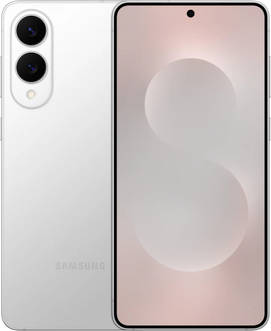
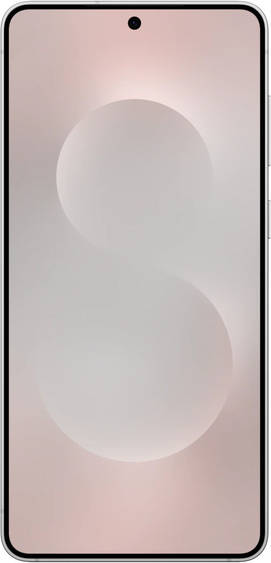
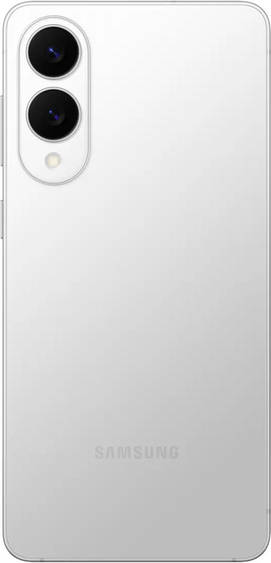


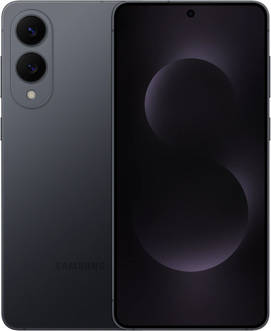


-
Design19

-
Rear Camera15

-
Front Camera4

-
360° View
![360° View]()
-
UI Screenshot17
![UI Screenshot]()
-
Videos1
![Videos]()



Key Specs
Performance
-
Qualcomm Snapdragon 8 Elite -
Octa core (4.47 GHz, Dual Core + 3.5 GHz, Hexa Core) -
12 GB RAM, LPDDR5X
Display
-
6.7 inches (17.02 cm); Dynamic AMOLED 2x -
1440x3120 px (QHD+) -
120 Hz Refresh Rate -
Gorilla Glass Protection -
Bezel-less with punch-hole display
Rear Camera
-
Dual Camera Setup - 200 MP (upto 10x Digital Zoom, upto 2x Optical Zoom) Wide Angle Primary Camera
- 12 MP Ultra-Wide Angle Camera
-
LED Flash -
8k @30 fps Video Recording
Front Camera
-
12 MP Wide Angle Lens -
4k @60 fps Video Recording
Battery
-
3900 mAh, Li-ion -
25W Fast Charging; USB Type-C port
General
-
SIM1: Nano, SIM2: eSIM -
5G Supported -
256 GB / 512 GB internal storage, Non Expandable -
Dust Resistant, Water Resistant
Samsung Galaxy S25 Edge Prices in India
 Amazon
Samsung Galaxy S25 Edge Compare Camera Samples
































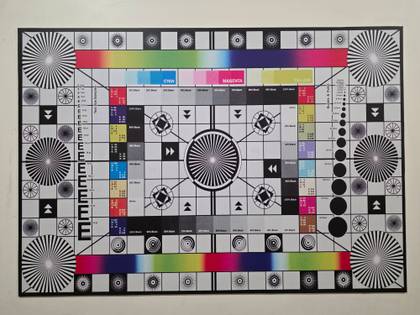
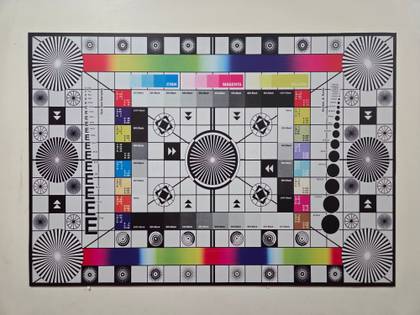
Samsung Galaxy S25 Edge Expert Review Summary

Expert Rating:
![Ashish Kumar]()
Verdict
The Galaxy S25 Edge, though positioned between the S25 Plus and Ultra, successfully sets itself apart and stands out by appealing to users who want a slim design without compromising on performance or premium features. It offers solid battery life, and Samsung's optimisation is evident. However, its slower charging and lack of a telephoto lens may deter some buyers.
Pros
- Ultra-slim & lightweight
- Stunning display
- Capable cameras & AI features
- Excellent performance
Cons
- Lacks telephoto camera
- Slow charging speeds
Design and display
+
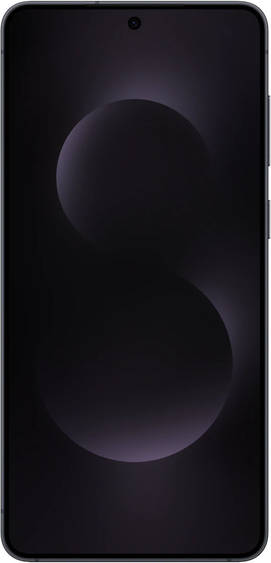
The design is the highlight of the Samsung Galaxy S25 Edge. Despite boasting the same length and height as the S25 Plus, the latest entrant in the S-series smartphone is ultra-thin, measuring just 5.8mm in thickness. If you have been tracking the latest smartphones, especially in the premium segment, you will realise how thin that is. To give you a perspective, a pencil is thicker than the S25 Edge without the camera bump. Although not as significant as the Xiaomi 15 Ultra, the bump adds a few millimetres to the overall thickness of the smartphone.
Read More
Cameras
+
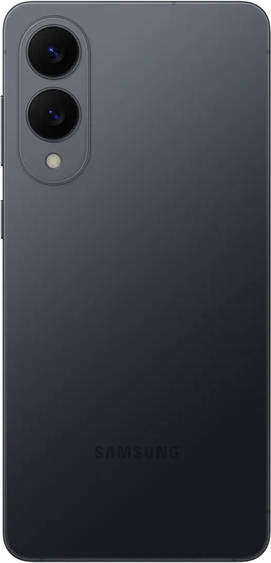
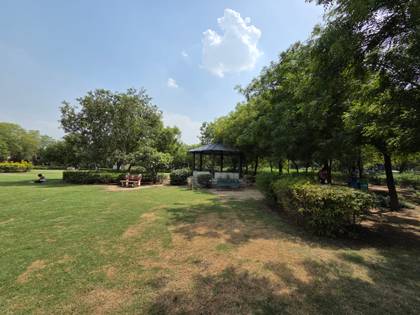
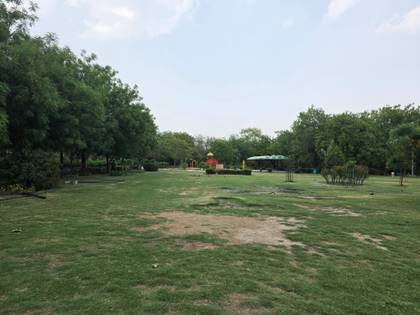
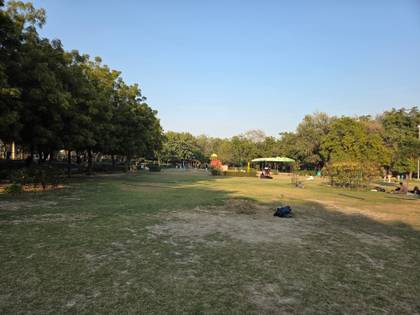
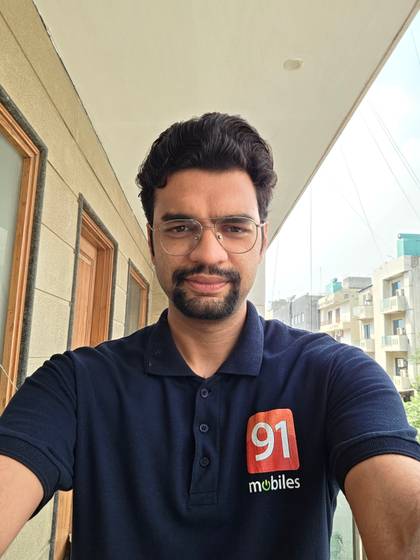
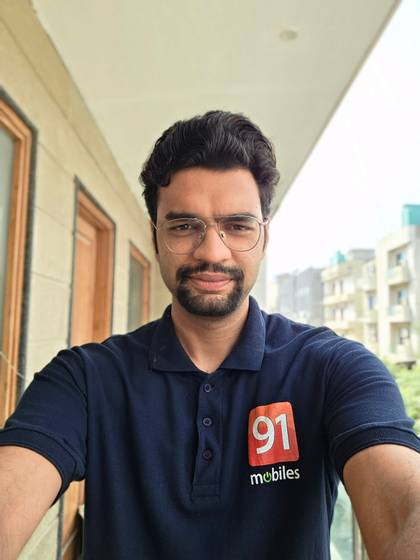
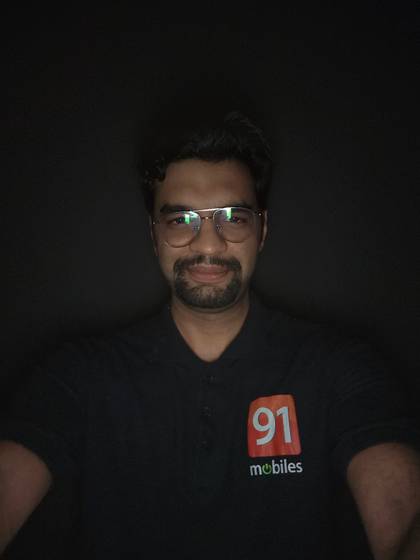
The Samsung Galaxy S25 Edge features a dual rear camera setup, comprising a 200MP primary sensor and a 12MP ultra-wide lens. It lacks the coveted telephoto lens, which has become a usual sight in the premium segment. But, I guess that's the trade-off you can expect from a slim smartphone. To compensate, Samsung equips the primary camera with a 2x "optical-quality" zoom, promising lossless image capture even at a distance. The smartphone sports a 12MP shooter in the punch-hole setup for selfies and video calling. While the front camera maxes out at UHD resolution at 60fps, the rear camera offers support for 8K resolution at 30fps for videos.The quality remains typical of Samsung, offering punchy and vibrant colours, with crisp details. While the overall tonality tends to lean slightly cool, the camera still delivers a scene representation that stays largely true to life. It's worth noting that, by default, the smartphone compresses the 200MP images down to 12MP, thanks to pixel-binning that groups pixels together to pull in more light. As a result, while the dynamic range looks commendable, the handset doesn't quite capture the finer details in shadowy areas as impressively as, say, the Xiaomi 15 Ultra.The 12MP ultra-wide and selfie cameras are the same as those found on other S25 models and produce impressive images. The ultra-wide lens performs in line with the primary sensor, maintaining consistent colour science and a decent level of detail, while offering a wider field of view. The 12MP front camera, on the other hand, may not always render skin tones accurately, but it still has its strengths. Selfies come out sharp, with good background separation and vibrant colours that make them pop.To give you a better perspective on the Samsung Galaxy S25 Edge's camera performance, here's a comparison with the similarly priced Xiaomi 15 Ultra:DaylightIt's quite evident from the camera samples (above), the Xiaomi 15 Ultra captures images with warm tones. The handset sports a 50MP primary sensor, backed by Leica, which delivers impressive details even around areas that aren't very well-lit. However, the colours might not be accurate and look as punchy and vibrant as the Samsung Galaxy S25 Edge. The Samsung smartphone also excels with the dynamic range, preserving those shadows even though details appear underwhelming in those areas.Ultra-wideBoth smartphones maintain consistent colour science between their primary and ultra-wide cameras. The Samsung Galaxy S25 Edge leans towards a more contrast-heavy rendering, while the Xiaomi 15 Ultra produces brighter images, at times undermining those shadows. Naturally, you will find more details on the Xiaomi smartphone, despite a bit of smoothing around the edges. The Samsung Galaxy S25 Edge images appear grainy once zoomed in, but deliver a near-accurate representation of the scene.Portrait (2x zoom)Despite the dedicated telephoto lens, the Xiaomi 15 Ultra defaults to the 2x in-sensor zoom of the primary camera for portraits. The Samsung Galaxy S25 Edge does the same thing, but the results are drastically different.The Samsung portrait appears slightly more balanced, offering a natural bokeh effect and near-accurate edge detection. It also handles skin tones well, delivering results that look closer to reality. That said, facial details aren't as crisp as those captured by the Xiaomi 15 Ultra, which also does a commendable job of separating the subject from the background. However, Xiaomi tends to overexpose images, causing them to stray from an accurate representation of the scene. The portraits (above) were taken on a gloomy, rainy evening, yet the Xiaomi 15 Ultra made it look bright and sunny.It is worth noting that while the Xiaomi 15 Ultra allows you to switch to its dedicated telephoto lens for portraits, ensuring no loss in quality, the Samsung Galaxy S25 Edge begins to lose sharpness once you go beyond 2x zoom.SelfieThe Samsung Galaxy S25 Edge captures notably more pleasing selfies compared to its counterpart, delivering near-accurate skin tones and respectable facial detail. It also handles background exposure and clothing textures more effectively. On the other hand, the Xiaomi 15 Ultra may appeal more to users who prioritise sharp detail in their selfies over lifelike colours and realistic skin tones.Low-lightBoth smartphones perform similarly in low-light conditions. However, the Xiaomi 15 Ultra delivers a more accurate depiction of the sky and captures finer details. While there is some graininess, it's noticeably less pronounced than on the Samsung S25 Edge, which stands out with its vibrant, punchy colours and well-controlled light flare.Low-light (night mode)With the night mode enabled, which is by default, the Samsung Galaxy S25 Edge outperforms the Xiaomi 15 Ultra. While Xiaomi produces an image with greater detail, it's marred by a greyish hue that detracts from an accurate representation of the scene. The long exposure also distorts elements such as the string light on the second floor of the building, noticeable in the Samsung image. Although the Galaxy S25 Edge image may show some grain when zoomed in, it offers a truer depiction of the scene overall that looks appealing owing to its contrasty appeal.
Read More
Performance and software
+
Under the hood, the Samsung Galaxy S25 Edge runs on the customised Snapdragon 8 Elite chipset, a flagship-class processor shared across the S25 series. This enhanced version of the chip is overclocked for even better performance and is paired with 12GB of RAM, along with storage options of 256GB or 512GB. This powerful combination translates into top-tier performance both in benchmarks and everyday use. The S25 Edge delivered an impressive AnTuTu score exceeding 26 lakh, the highest we've recorded among premium smartphones. On Geekbench, it continued to impress with a single-core score of 2,223 and a multi-core result of 8,012, reflecting its responsiveness and capability across tasks.In real-world tests, too, I didn't come across the smartphone slowing down or stuttering to anything thrown at it, including high-end games such as BGMI, Call of Duty: Mobile, and Real Racing 3, during the course of this review. Samsung has incorporated a 'redesigned' vapour chamber cooling system, which is thinner but wider, to keep the device running cool even during intense situations. However, our lab results reveal the smartphone is not as thermally efficient as the S25 Plus. The S25 Edge registered an average increase of 7 degrees Celsius after playing all three games for 30 minutes each. The Samsung Galaxy S25 Plus, on the other hand, heated by roughly 5 degrees for a similar duration of the games in identical settings.Be that as it may, the Samsung Galaxy S25 Edge coolly handled regular activities thrown at it, including Galaxy AI features. The phone comes with a host of AI features, which are similar to the other Galaxy S25 models. You can jump to any of our Galaxy S25, Galaxy S25 Plus, and Galaxy S25 Ultra reviews to read more about them in detail. In essence, the features, such as object remover, Now Brief, Writing assist, Call assist, Interpreter Generative Edits, and more, work as advertised and better than most other AI tools out there. Moreover, the smartphone didn't get hot even after using these AI tools back to back for prolonged usage.Software-wise, the Samsung Galaxy S25 Edge runs Android 15-based OneUI 7 out of the box. The handset will receive up to seven years of major software and security updates. There isn't anything specific that is exclusive to the smartphone. The overall experience remains the same as its siblings, with typical OneUI design, with a suite of Microsoft and Google's apps pre-installed. The smartphone also features Samsung's Pay, DeX support, and Knox security, among other things.
Read More
Battery and charging
+
The Samsung Galaxy S25 Edge packs a 3,900mAh battery, which is understandably low given the ultra-slim design. However, the smartphone seems optimised to deliver decent battery life on regular usage. On the PCMark battery test, which simulates a series of activities until the battery drops to 20 percent from 100 percent, the S25 Edge scored 10 hours and 50 minutes. This is lower than the competitors', but respectable for the battery capacity. Impressively, the smartphone battery consumption while streaming YouTube video for 30 minutes with 50 percent brightness and volume levels is on par with other flagships within the segment.That said, the 7 percent average battery drop on the smartphone during our gaming test limits its usage for similar extensive activities such as navigation and AI. For heavy users who frequently game, rely on maps, or plan to make extensive use of Galaxy AI to streamline daily tasks, a midday top-up will likely be necessary to get through a full day. The device supports 25W PD wired charging, and with a compatible charger (sold separately), it takes around an hour to charge from 20 percent to 100 percent. The smartphone also comes with a 15W wireless charging solution.
Read More
Read full Review

Verdict
The Galaxy S25 Edge, though positioned between the S25 Plus and Ultra, successfully sets itself apart and stands out by appealing to users who want a slim design without compromising on performance or premium features. It offers solid battery life, and Samsung's optimisation is evident. However, its slower charging and lack of a telephoto lens may deter some buyers.
- Ultra-slim & lightweight
- Stunning display
- Capable cameras & AI features
- Excellent performance
Pros
- Lacks telephoto camera
- Slow charging speeds
Cons
Design and display
+The design is the highlight of the Samsung Galaxy S25 Edge. Despite boasting the same length and height as the S25 Plus, the latest entrant in the S-series smartphone is ultra-thin, measuring just 5.8mm in thickness. If you have been tracking the latest smartphones, especially in the premium segment, you will realise how thin that is. To give you a perspective, a pencil is thicker than the S25 Edge without the camera bump. Although not as significant as the Xiaomi 15 Ultra, the bump adds a few millimetres to the overall thickness of the smartphone.
Read MoreCameras
+The Samsung Galaxy S25 Edge features a dual rear camera setup, comprising a 200MP primary sensor and a 12MP ultra-wide lens. It lacks the coveted telephoto lens, which has become a usual sight in the premium segment. But, I guess that's the trade-off you can expect from a slim smartphone. To compensate, Samsung equips the primary camera with a 2x "optical-quality" zoom, promising lossless image capture even at a distance. The smartphone sports a 12MP shooter in the punch-hole setup for selfies and video calling. While the front camera maxes out at UHD resolution at 60fps, the rear camera offers support for 8K resolution at 30fps for videos.The quality remains typical of Samsung, offering punchy and vibrant colours, with crisp details. While the overall tonality tends to lean slightly cool, the camera still delivers a scene representation that stays largely true to life. It's worth noting that, by default, the smartphone compresses the 200MP images down to 12MP, thanks to pixel-binning that groups pixels together to pull in more light. As a result, while the dynamic range looks commendable, the handset doesn't quite capture the finer details in shadowy areas as impressively as, say, the Xiaomi 15 Ultra.The 12MP ultra-wide and selfie cameras are the same as those found on other S25 models and produce impressive images. The ultra-wide lens performs in line with the primary sensor, maintaining consistent colour science and a decent level of detail, while offering a wider field of view. The 12MP front camera, on the other hand, may not always render skin tones accurately, but it still has its strengths. Selfies come out sharp, with good background separation and vibrant colours that make them pop.To give you a better perspective on the Samsung Galaxy S25 Edge's camera performance, here's a comparison with the similarly priced Xiaomi 15 Ultra:DaylightIt's quite evident from the camera samples (above), the Xiaomi 15 Ultra captures images with warm tones. The handset sports a 50MP primary sensor, backed by Leica, which delivers impressive details even around areas that aren't very well-lit. However, the colours might not be accurate and look as punchy and vibrant as the Samsung Galaxy S25 Edge. The Samsung smartphone also excels with the dynamic range, preserving those shadows even though details appear underwhelming in those areas.Ultra-wideBoth smartphones maintain consistent colour science between their primary and ultra-wide cameras. The Samsung Galaxy S25 Edge leans towards a more contrast-heavy rendering, while the Xiaomi 15 Ultra produces brighter images, at times undermining those shadows. Naturally, you will find more details on the Xiaomi smartphone, despite a bit of smoothing around the edges. The Samsung Galaxy S25 Edge images appear grainy once zoomed in, but deliver a near-accurate representation of the scene.Portrait (2x zoom)Despite the dedicated telephoto lens, the Xiaomi 15 Ultra defaults to the 2x in-sensor zoom of the primary camera for portraits. The Samsung Galaxy S25 Edge does the same thing, but the results are drastically different.The Samsung portrait appears slightly more balanced, offering a natural bokeh effect and near-accurate edge detection. It also handles skin tones well, delivering results that look closer to reality. That said, facial details aren't as crisp as those captured by the Xiaomi 15 Ultra, which also does a commendable job of separating the subject from the background. However, Xiaomi tends to overexpose images, causing them to stray from an accurate representation of the scene. The portraits (above) were taken on a gloomy, rainy evening, yet the Xiaomi 15 Ultra made it look bright and sunny.It is worth noting that while the Xiaomi 15 Ultra allows you to switch to its dedicated telephoto lens for portraits, ensuring no loss in quality, the Samsung Galaxy S25 Edge begins to lose sharpness once you go beyond 2x zoom.SelfieThe Samsung Galaxy S25 Edge captures notably more pleasing selfies compared to its counterpart, delivering near-accurate skin tones and respectable facial detail. It also handles background exposure and clothing textures more effectively. On the other hand, the Xiaomi 15 Ultra may appeal more to users who prioritise sharp detail in their selfies over lifelike colours and realistic skin tones.Low-lightBoth smartphones perform similarly in low-light conditions. However, the Xiaomi 15 Ultra delivers a more accurate depiction of the sky and captures finer details. While there is some graininess, it's noticeably less pronounced than on the Samsung S25 Edge, which stands out with its vibrant, punchy colours and well-controlled light flare.Low-light (night mode)With the night mode enabled, which is by default, the Samsung Galaxy S25 Edge outperforms the Xiaomi 15 Ultra. While Xiaomi produces an image with greater detail, it's marred by a greyish hue that detracts from an accurate representation of the scene. The long exposure also distorts elements such as the string light on the second floor of the building, noticeable in the Samsung image. Although the Galaxy S25 Edge image may show some grain when zoomed in, it offers a truer depiction of the scene overall that looks appealing owing to its contrasty appeal.
Read MorePerformance and software
+Under the hood, the Samsung Galaxy S25 Edge runs on the customised Snapdragon 8 Elite chipset, a flagship-class processor shared across the S25 series. This enhanced version of the chip is overclocked for even better performance and is paired with 12GB of RAM, along with storage options of 256GB or 512GB. This powerful combination translates into top-tier performance both in benchmarks and everyday use. The S25 Edge delivered an impressive AnTuTu score exceeding 26 lakh, the highest we've recorded among premium smartphones. On Geekbench, it continued to impress with a single-core score of 2,223 and a multi-core result of 8,012, reflecting its responsiveness and capability across tasks.In real-world tests, too, I didn't come across the smartphone slowing down or stuttering to anything thrown at it, including high-end games such as BGMI, Call of Duty: Mobile, and Real Racing 3, during the course of this review. Samsung has incorporated a 'redesigned' vapour chamber cooling system, which is thinner but wider, to keep the device running cool even during intense situations. However, our lab results reveal the smartphone is not as thermally efficient as the S25 Plus. The S25 Edge registered an average increase of 7 degrees Celsius after playing all three games for 30 minutes each. The Samsung Galaxy S25 Plus, on the other hand, heated by roughly 5 degrees for a similar duration of the games in identical settings.Be that as it may, the Samsung Galaxy S25 Edge coolly handled regular activities thrown at it, including Galaxy AI features. The phone comes with a host of AI features, which are similar to the other Galaxy S25 models. You can jump to any of our Galaxy S25, Galaxy S25 Plus, and Galaxy S25 Ultra reviews to read more about them in detail. In essence, the features, such as object remover, Now Brief, Writing assist, Call assist, Interpreter Generative Edits, and more, work as advertised and better than most other AI tools out there. Moreover, the smartphone didn't get hot even after using these AI tools back to back for prolonged usage.Software-wise, the Samsung Galaxy S25 Edge runs Android 15-based OneUI 7 out of the box. The handset will receive up to seven years of major software and security updates. There isn't anything specific that is exclusive to the smartphone. The overall experience remains the same as its siblings, with typical OneUI design, with a suite of Microsoft and Google's apps pre-installed. The smartphone also features Samsung's Pay, DeX support, and Knox security, among other things.
Read MoreBattery and charging
+The Samsung Galaxy S25 Edge packs a 3,900mAh battery, which is understandably low given the ultra-slim design. However, the smartphone seems optimised to deliver decent battery life on regular usage. On the PCMark battery test, which simulates a series of activities until the battery drops to 20 percent from 100 percent, the S25 Edge scored 10 hours and 50 minutes. This is lower than the competitors', but respectable for the battery capacity. Impressively, the smartphone battery consumption while streaming YouTube video for 30 minutes with 50 percent brightness and volume levels is on par with other flagships within the segment.That said, the 7 percent average battery drop on the smartphone during our gaming test limits its usage for similar extensive activities such as navigation and AI. For heavy users who frequently game, rely on maps, or plan to make extensive use of Galaxy AI to streamline daily tasks, a midday top-up will likely be necessary to get through a full day. The device supports 25W PD wired charging, and with a compatible charger (sold separately), it takes around an hour to charge from 20 percent to 100 percent. The smartphone also comes with a 15W wireless charging solution.
Read MoreCompetitors For Samsung Galaxy S25 Edge
View Alternatives
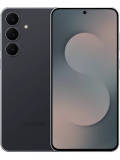


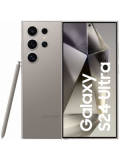



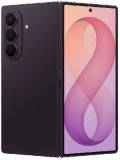
Popular Comparisons
 Samsung Galaxy S25 Edge
 Samsung Galaxy S25
 Edge
Samsung Galaxy S25
Samsung Galaxy S25 Edge
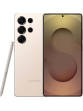 Samsung Galaxy S25 Ultra
Samsung Galaxy S25 Edge
Samsung Galaxy S25 Ultra
Samsung Galaxy S25 Edge
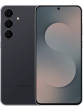 Samsung Galaxy S25 FE
Samsung Galaxy S25 Edge
Samsung Galaxy S25 FE
Samsung Galaxy S25 Edge
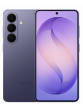 Samsung Galaxy S26
Samsung Galaxy S25 Edge
Samsung Galaxy S26
Samsung Galaxy S25 Edge
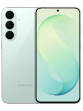 Samsung Galaxy S26 FE
Samsung Galaxy S25 Edge
Samsung Galaxy S26 FE
Samsung Galaxy S25 Edge
 Samsung Galaxy S25 Plus



Samsung Galaxy S25 Edge Specifications
General |
|
|---|---|
| Launch Date | May 13, 2025 (Official) |
| Operating System | Android v15 |
| OS Updates | 7 Years |
| Security Updates | 7 Years |
| Custom UI | Samsung One UI |
Performance
(Excellent)
|
||||
|---|---|---|---|---|
| Chipset | Qualcomm Snapdragon 8 Elite View Details | |||
| Processor | Octa core (4.47 GHz, Dual core, Oryon + 3.5 GHz, Hexa Core, Oryon) | |||
| Architecture | 64 bit | |||
| Fabrication | 3 nm | |||
| Graphics (GPU) | Adreno 830 | |||
| RAM | 12 GB | |||
| RAM Type | LPDDR5X | |||
|
Gaming Test Results

* after 30 mins of gaming
|
||||
Benchmark Screenshots
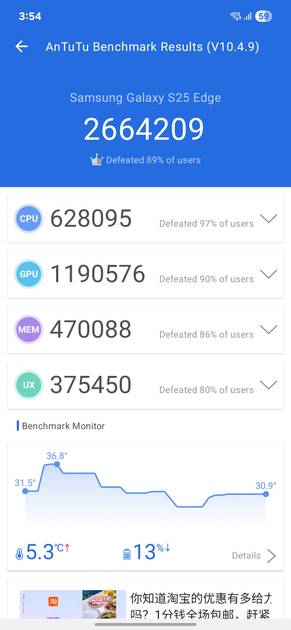
AnTuTu Benchmark
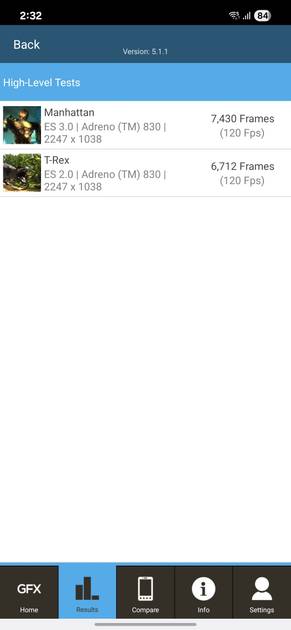
Graphics Benchmark
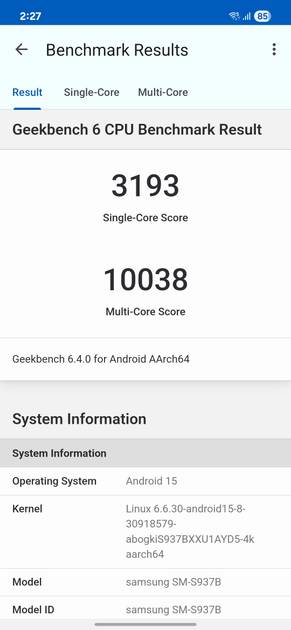
Geekbench6 Benchmark
|


Display
(Excellent)
|
|
|---|---|
| Display Type | Dynamic AMOLED 2x |
| Screen Size | 6.7 inches (17.02 cm) |
| Resolution | 1440x3120 px (QHD+) |
| Refresh Rate | 120 Hz |
| Aspect Ratio | 19.5:9 |
| Pixel Density | 513 ppi |
| Screen to Body Ratio (calculated) | 91.94 % |
| Screen Protection | Corning Gorilla Glass Ceramic 2 |
| Bezel-less Display | Yes with punch-hole display |
UI Screenshots
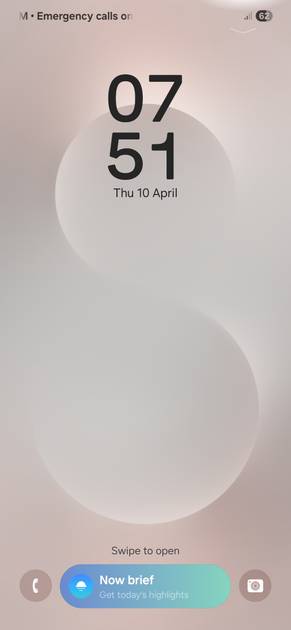
Lock Screen

Home Screen

Screen With Widgets

Dialer Screen
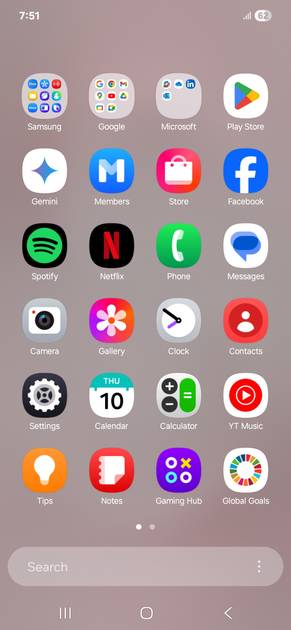
App Drawer

Notification Panel
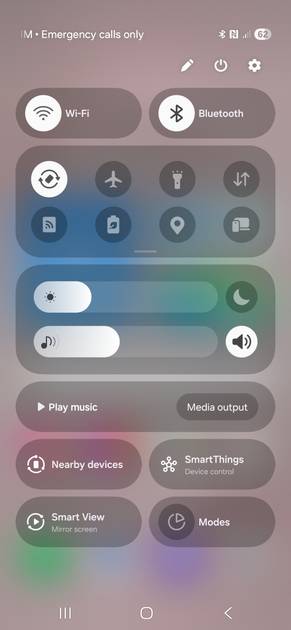
Quick Settings Panel
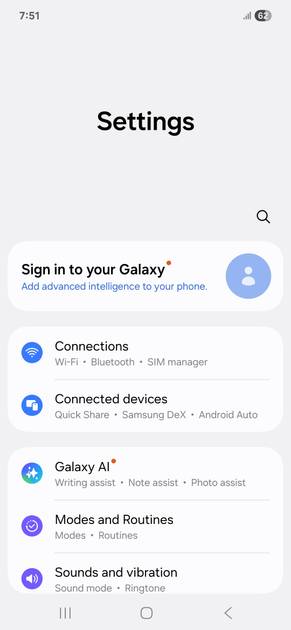
Settings Screen
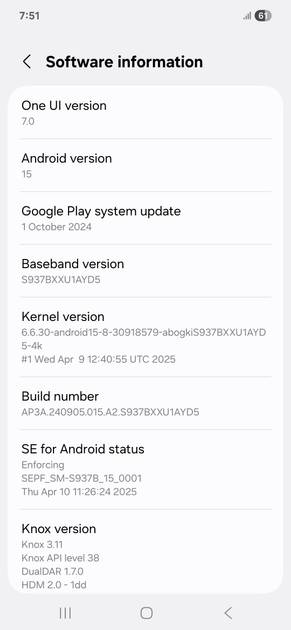
OS Version
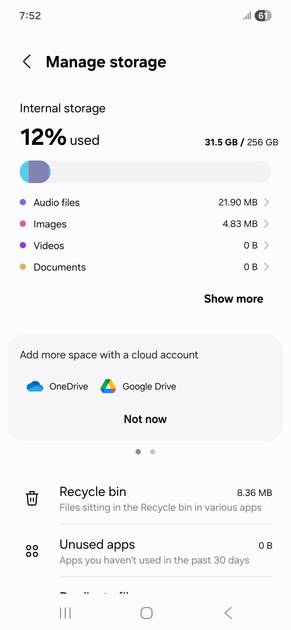
Storage
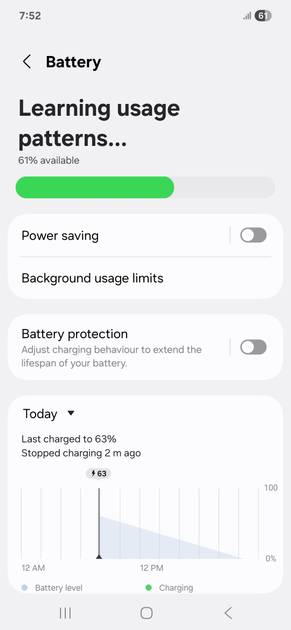
Battery
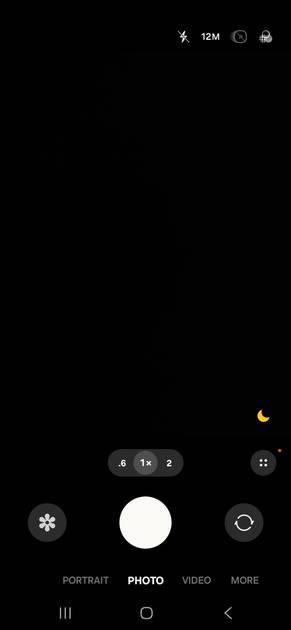
Camera On
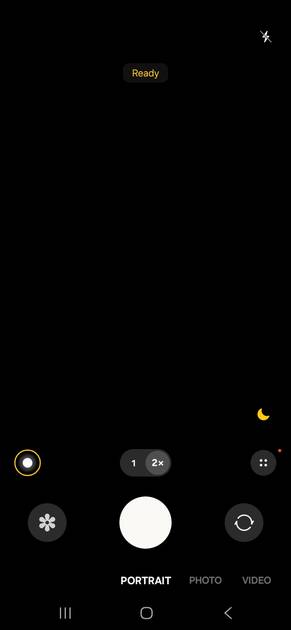
Camera Options

Camera Modes
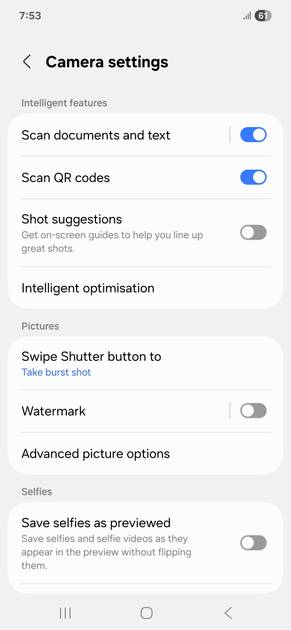
Camera Settings
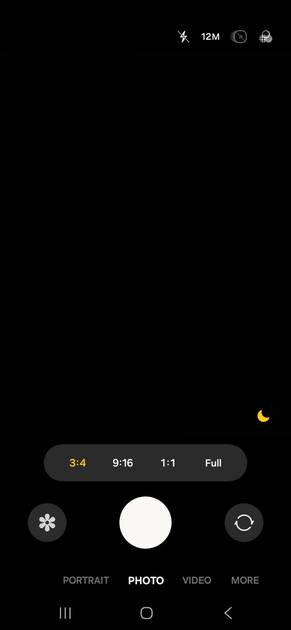
Picture Size Options
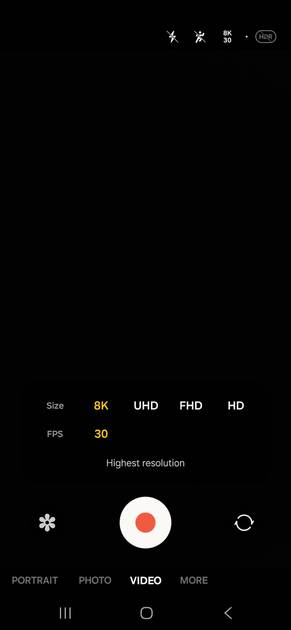
Video Size Options
|
Design |
|
|---|---|
| Height | 158.2 mm |
| Width | 75.6 mm |
| Thickness | 5.8 mm |
| Weight | 163 grams |
| Build Material | Back: Gorilla Glass Victus 2 |
| Water Resistance | Yes, Water resistant, IP68 |
| Ruggedness | Dust proof |
|
Click to View

|
Rear Camera
(Excellent)
|
||||||||||||||||||
|---|---|---|---|---|---|---|---|---|---|---|---|---|---|---|---|---|---|---|
| Resolution | ||||||||||||||||||
|
||||||||||||||||||
| Autofocus | Yes | |||||||||||||||||
| OIS | Yes | |||||||||||||||||
| Flash | Yes, LED Flash | |||||||||||||||||
| Image Resolution | 16000 x 12500 Pixels | |||||||||||||||||
| Settings | Exposure compensation, ISO control | |||||||||||||||||
| Shooting Modes |
Continuous Shooting High Dynamic Range mode (HDR) |
|||||||||||||||||
| Camera Features |
10 x Digital Zoom 2 x Optical Zoom Auto Flash Face detection Touch to focus |
|||||||||||||||||
| Video Recording |
8k @30 fps 4k @120 fps Full HD @240 fps |
|||||||||||||||||
| Video Recording Features |
Dual Video Recording Slow Motion Bokeh portrait video Video Pro Mode |
|||||||||||||||||
Rear Camera Samples

Daylight / HDR Auto

Wide Angle

Max Zoom Supported 10x

Long Shot 10X

Long Shot 5X

Long Shot 3X
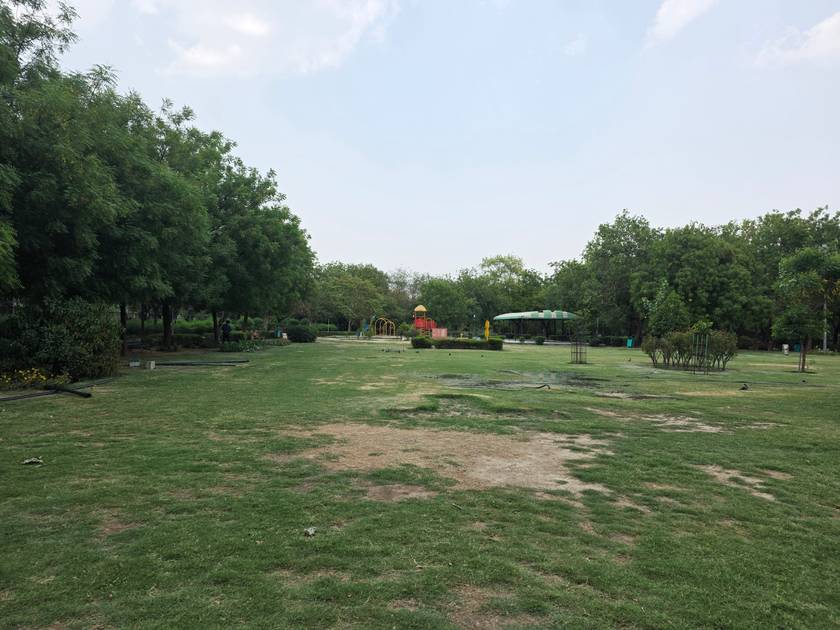
Long Shot 1X

High Res

Portrait Shot

Night Mode OFF

Night Mode ON

Close Up

Low Light
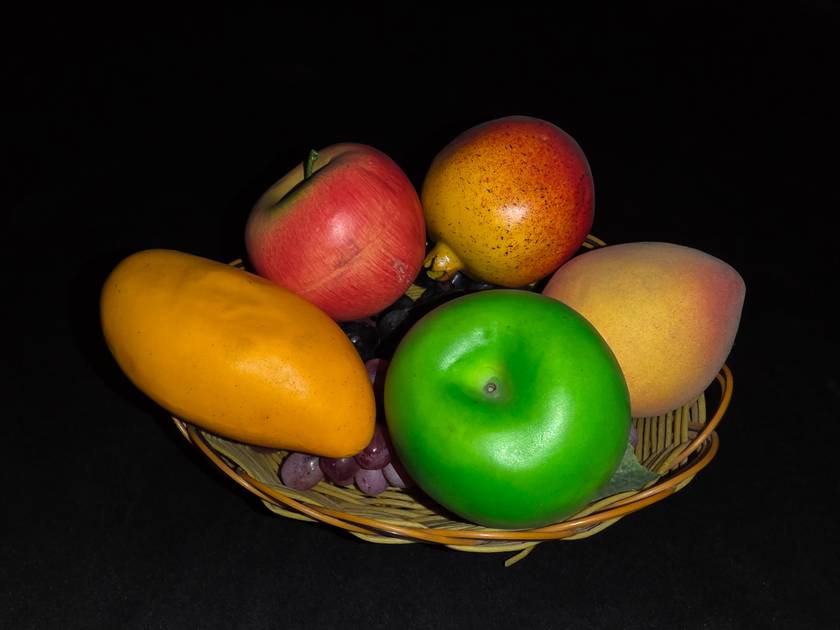
Low Light With Flash
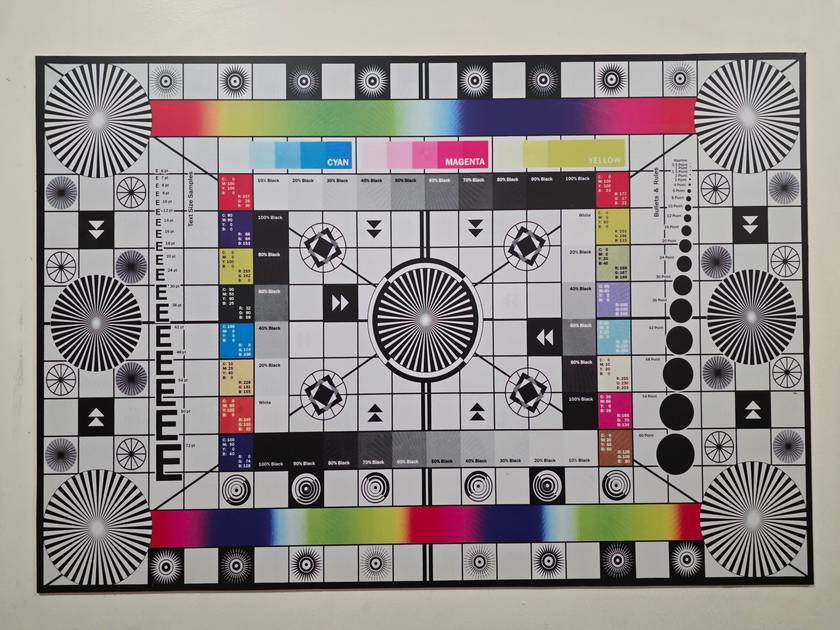
Colour Variance
|
Front Camera
(Excellent)
|
||||||||
|---|---|---|---|---|---|---|---|---|
| Resolution | ||||||||
|
||||||||
| Autofocus | Yes | |||||||
| Camera Features | Fixed Focus | |||||||
| Video Recording | 4k @60 fps | |||||||
Front Camera Samples
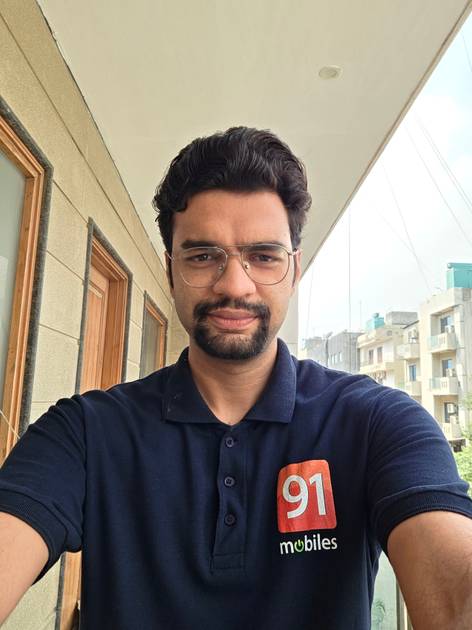
Selfie
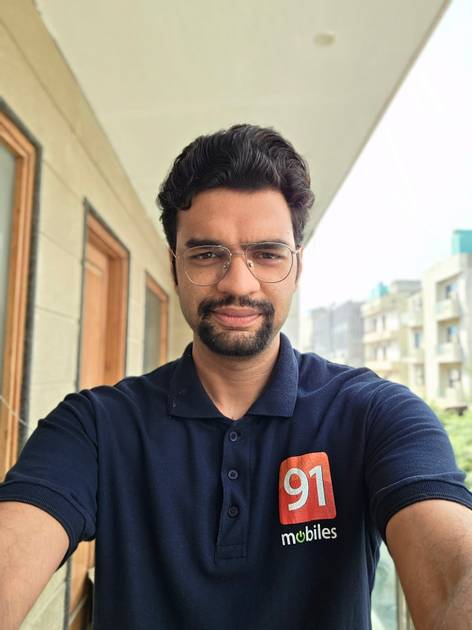
Selfie Portrait

Selfie Low Light

Selfie Low Light With Flash
|
Battery
(Very Good)
|
||||
|---|---|---|---|---|
| Capacity | 3900 mAh | |||
| Battery Type | Li-ion | |||
| Quick Charging | Yes, 25W Fast Charging, 55% in 30 minutes | |||
| Wireless Charging | Yes, 15W Wireless Charging | |||
| Wireless Reverse Charging | Yes, 4.5W Wireless Reverse Charging | |||
|
Battery Test Results
|
Storage |
|
|---|---|
| Internal Storage | 256 GB / 512 GB |
| Storage Type | UFS 4.0 |
| Expandable Storage | No |
Network & Connectivity |
|
|---|---|
| SIM Slot(s) | Dual SIM |
| SIM Type | SIM1: Nano, SIM2: eSIM |
| Network Support | 5G, 4G |
| VoLTE | Yes |
| SIM 1 |
5G bands, 4G bands
Expand
|
| SIM 2 |
5G bands, 4G bands
Expand
|
| Wi-Fi | Yes, Wi-Fi 7 (802.11 a/b/g/n/ac/be/ax) 5GHz, MIMO |
| Wi-Fi Features | Wi-Fi Direct, Mobile Hotspot |
| Bluetooth | Yes, v5.4 |
| GPS | Yes with A-GPS, Glonass |
| NFC | Yes |
Multimedia |
|
|---|---|
| Stereo Speakers | Yes |
| Audio Jack | USB Type-C |
Sensors |
|
|---|---|
| Fingerprint Sensor | Yes |
| Fingerprint Sensor Position | On-screen |
| Fingerprint Sensor Type | Ultrasonic |
| Other Sensors | Light sensor, Proximity sensor, Accelerometer, Barometer, Compass, Gyroscope |
Recent Stories

Samsung Galaxy S25 Edge User Reviews
Samsung Galaxy S25 Edge Key Highlights
| Processor | Qualcomm Snapdragon 8 Elite |
| RAM & Storage | 12 GB RAM + 256 GB 12 GB RAM + 512 GB |
| Display | 6.7", 1440 x 3120 Resolution |
| Rear Camera | 200 MP + 12 MP |
| Front Camera | 12 MP |
| Battery | 3900 mAh |



























Samsung Galaxy S25 Edge Price In India
| Product Name | Store | Price |
|---|---|---|
| Samsung Galaxy S25 Edge (12 GB + 256 GB) | Amazon | ₹65,900 |
| Samsung Galaxy S25 Edge (12 GB + 256 GB) | Flipkart | ₹69,999 |
| Samsung Galaxy S25 Edge (12 GB + 512 GB) | Amazon | ₹68,000 |
| Samsung Galaxy S25 Edge (12 GB + 512 GB) | Flipkart | ₹81,999 |
Popular Links
- All Upcoming Phones
- Upcoming Samsung Phones
- Samsung phones under 10k
- Samsung phones under 20k
- vivo V80 5G
- OPPO K14 Plus 5G
- Xiaomi Redmi Note 17 Pro 5G
- Lava Virat Curve 5G
- OPPO F35 Pro
- Samsung Mobiles
- Motorola Mobiles
- vivo Mobiles
- OPPO Mobiles
- Tecno Mobiles
- realme Mobiles
- Xiaomi Mobiles