Nothing kicked off its 2026 campaign with the launch of two new mid-range smartphones, called the Phone (4a) (review) and the Phone (4a) Pro (review). While they both share similar DNA, there are huge differences between the two, including a Rs 9,000 price gap, design, and performance. This is slightly unusual in the smartphone landscape, where brands typically keep models within the same generation largely identical, reserving only minor upgrades for the top-end variant.
Hence, I thought I’d share my experience with the Nothing Phone (4a) and Phone (4a) Pro after using them as my daily drivers. The differences feel more nuanced than the spec sheet suggests. If you can’t decide between the two even after going through our detailed specs-based comparison of the Phone (4a) series, this should help cut through the noise. Here’s a practical, real-world breakdown of the two new Nothing smartphones.
Phone (4a) Pro feels better; Phone (4a) has more character
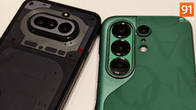
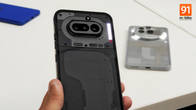
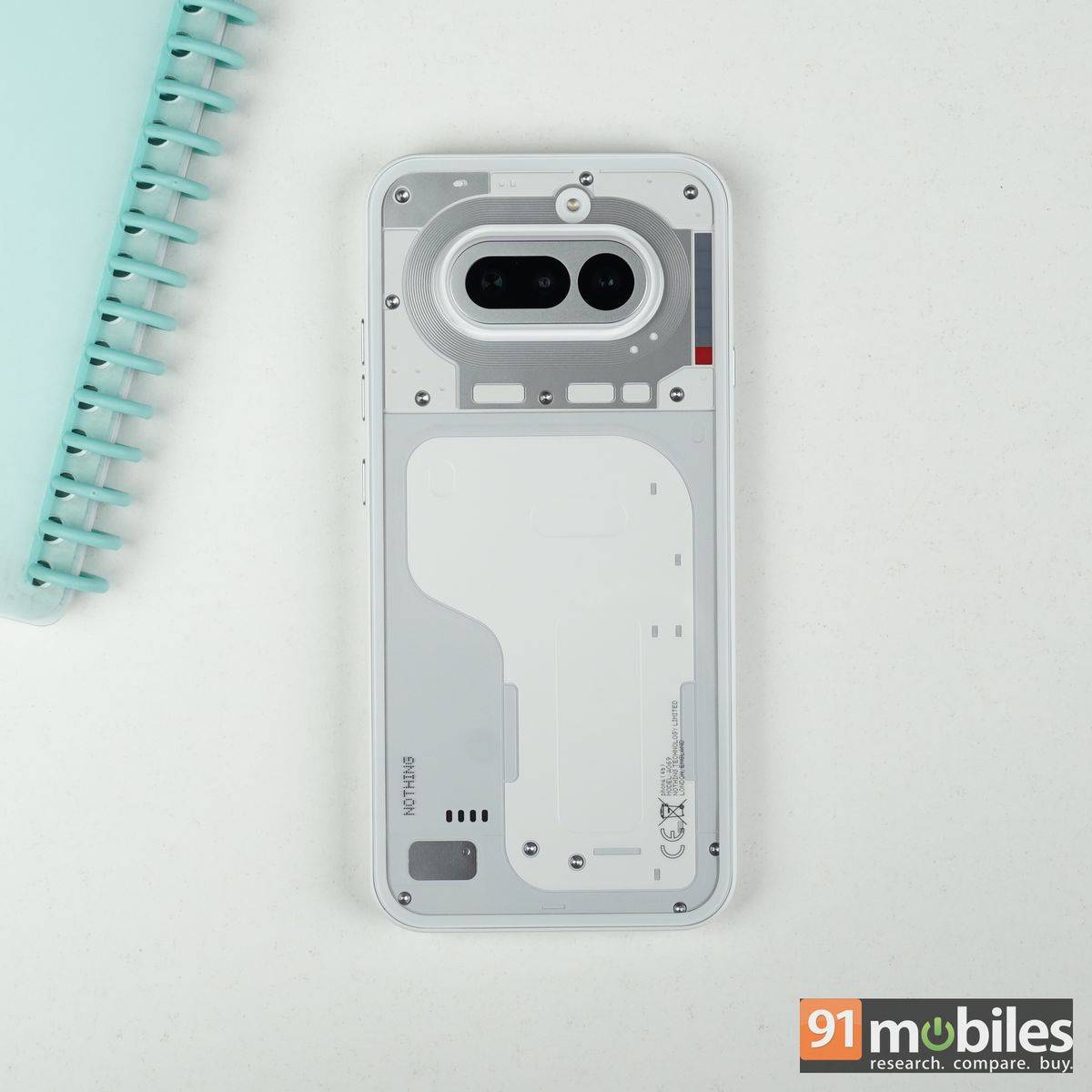
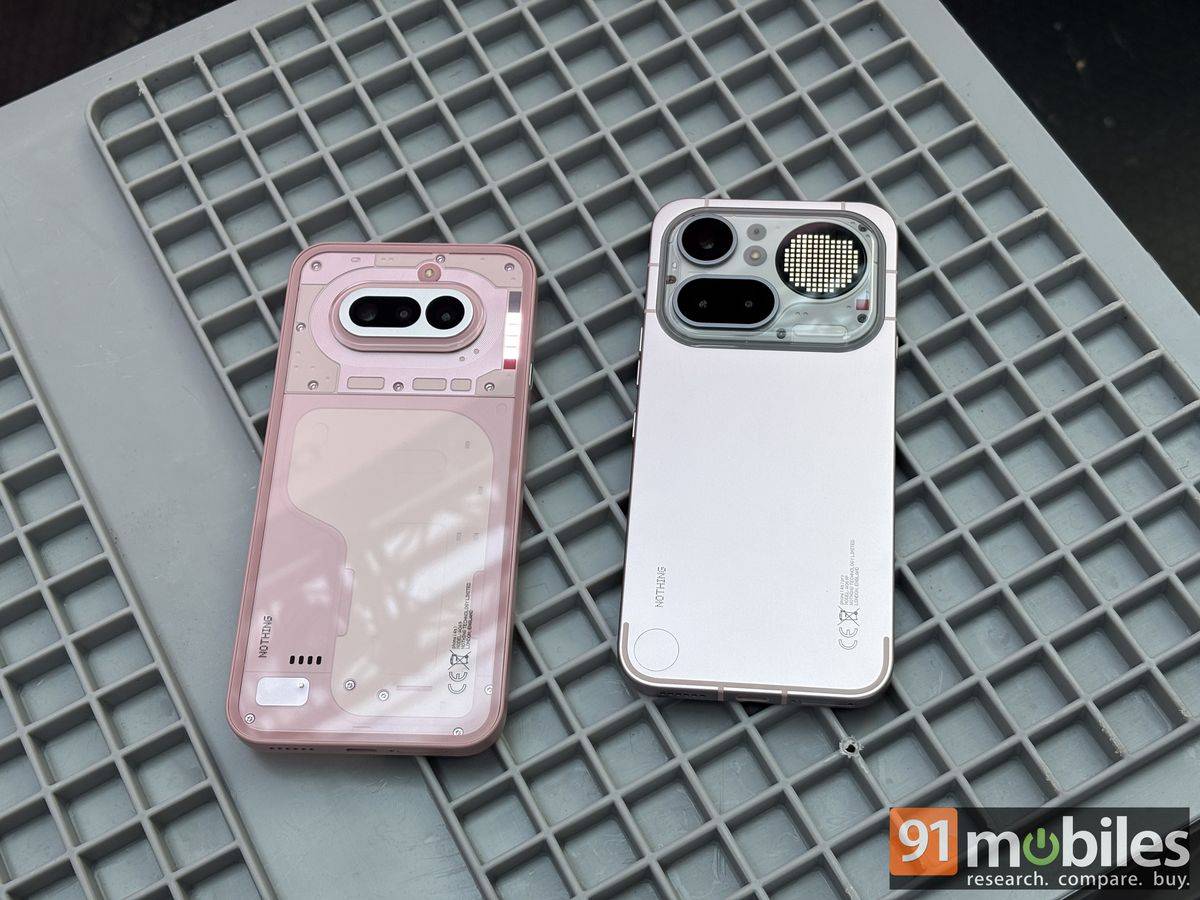
Not only do the two smartphones look different, but they also offer different in-hand feels. The Phone (4a) continues with Nothing’s signature transparent design and a new Glyph Bar. While the phone may feel less premium due to its plastic frame and glossy glass back, the overall aesthetic is playful and more expressive than that of its elder sibling.
Speaking of the Phone (4a) Pro, it feels more comfortable to live with. Its metal chassis provides a plush in-hand feel and solid build. Even though it is marginally larger and heavier than the Phone (4a), I found it comfortable to use for the most part. Furthermore, the transparent element has been toned down to just the camera plateau, lending it a clean and more premium look.
Phone (4a) is playful and more expressive, while Phone (4a) Pro feels more comfortable to live with.
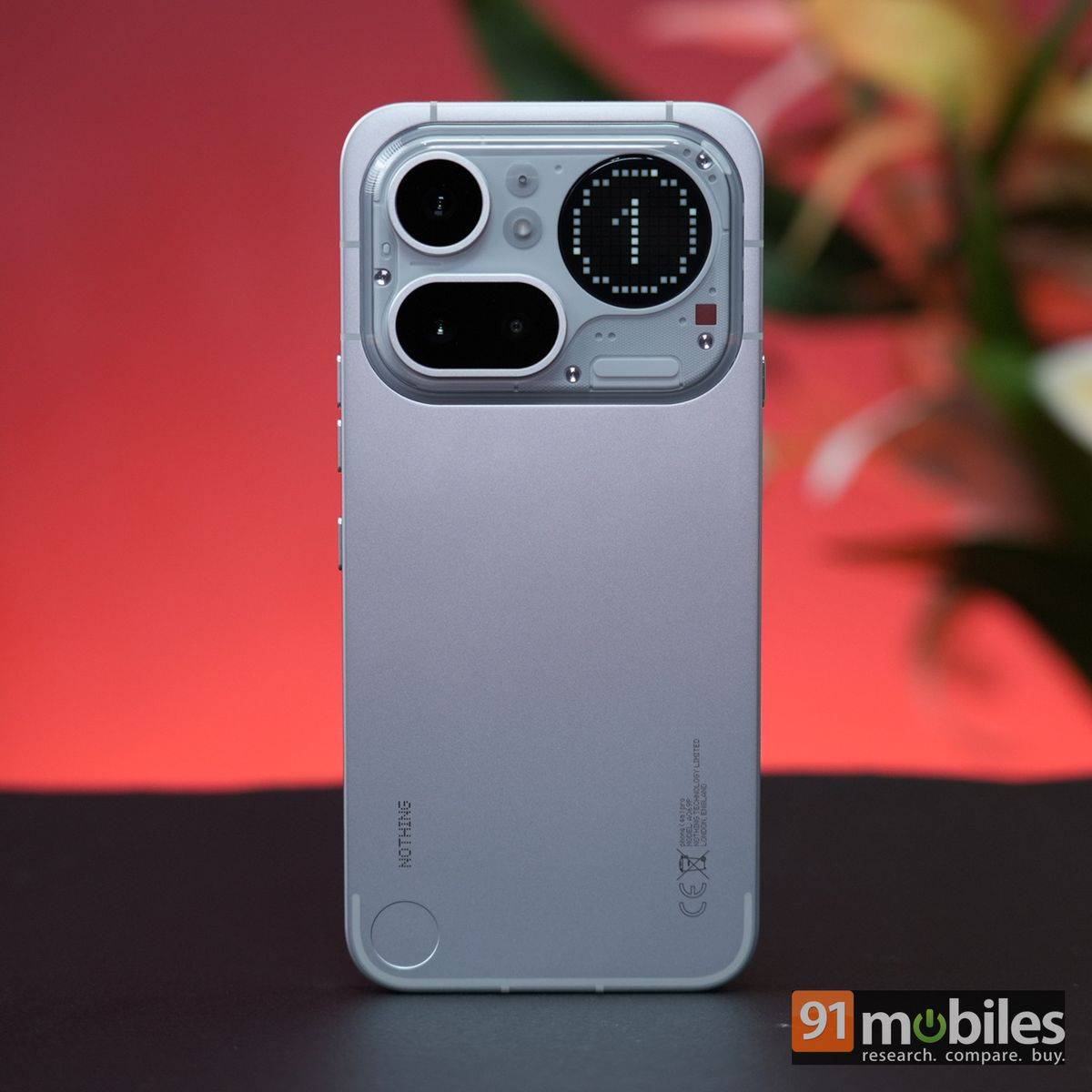
Both smartphones trail in durability compared to other options in the segment. But the Nothing Phone (4a) Pro, with its IP65 rating for protection against low-pressure jets, is slightly more durable than the standard Phone (4a), which is only protected against minor splashes of water with an IP64 rating.
If design matters beyond just looks, the Pro clearly has the edge. However, it keeps things relatively understated with just three colour options: Black (my personal favourite), Silver, and Pink. Notably, its Pink variant looks less vibrant than the Phone (4a)’s pink, which is a looker. You can also grab the Phone (4a) in White, Black, and Blue colours.
Design: Glyph Bar is sharp, but Glyph Matrix is more dynamic
Both smartphones feature the Glyph Interface, but differ notably in execution. The Nothing Phone (4a) introduces a new Glyph Bar, comprising six white LED segments and a single red indicator stacked vertically. The Phone (4a) Pro, on the other hand, opts for a Glyph Matrix display, reminiscent of the flagship, but larger and with slightly limited functionality.
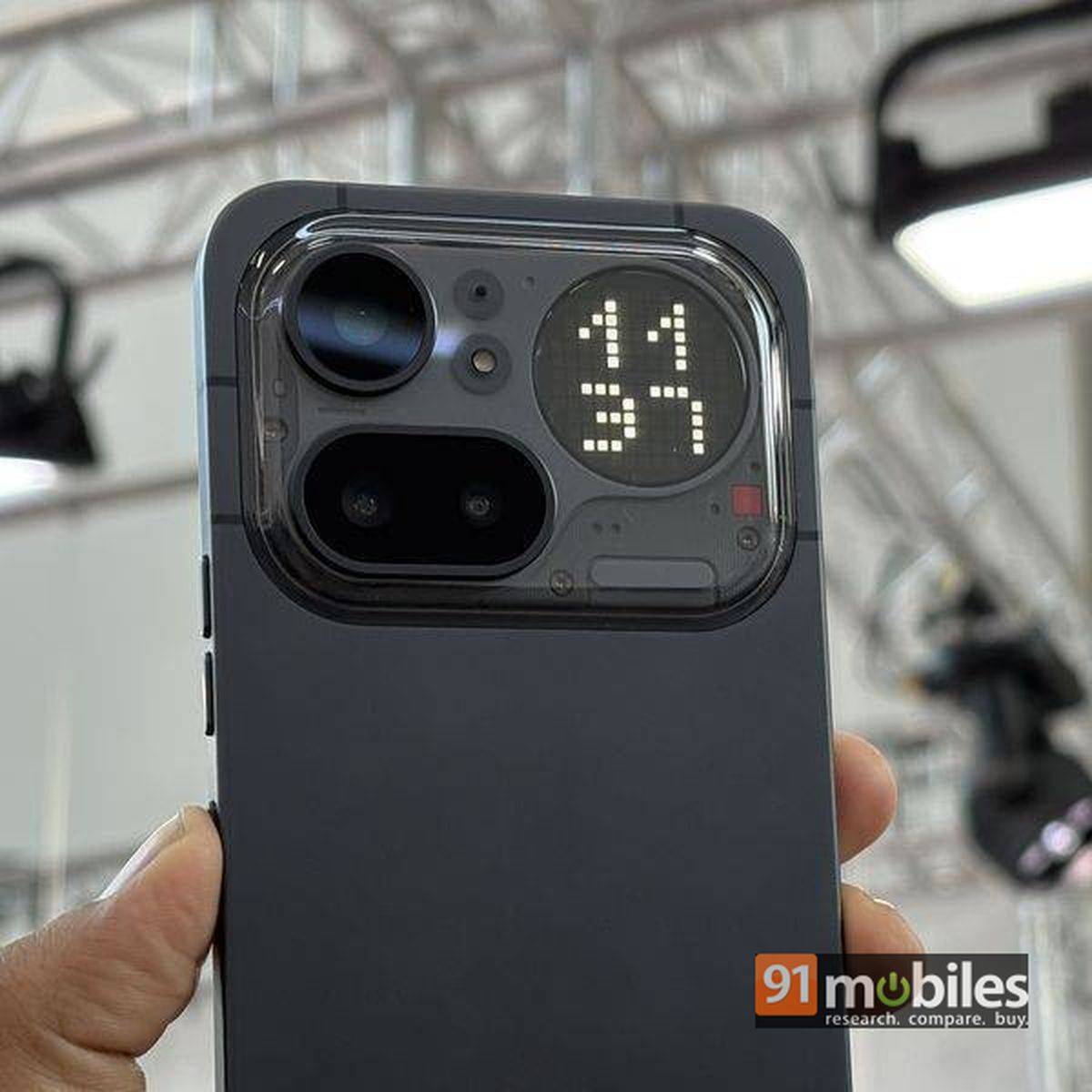
However, the Glyph Matrix is the more feature-rich of the two. It can handle a wider range of functions, such as rolling a dice, flipping a coin, doubling up as a digital clock, showing charging status, and even displaying pixelated emojis for notifications, among other things. That said, the Glyph Matrix has a noticeable learning curve and, in our experience, a few rough edges. We couldn’t get some of the third-party features to work reliably, and we couldn’t use the display as a camera viewfinder due to its lack of sharpness.
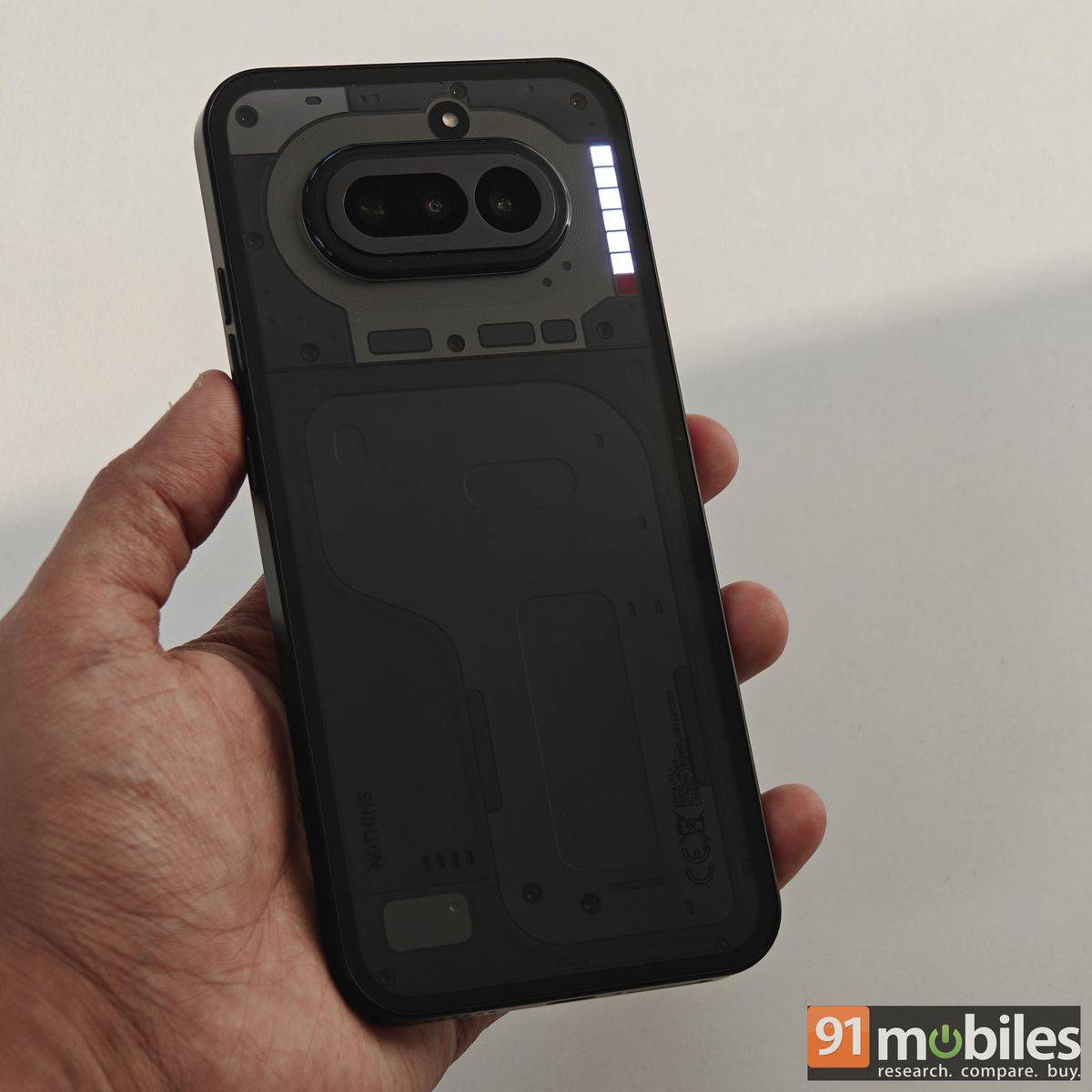
The Glyph Bar on the Phone (4a), meanwhile, appears sharper, thanks to multiple LEDs packed into each segment that minimise light bleed and improve legibility. It handles the essentials well, call alerts, notifications, timers, progress indicators, video recording alerts, and Essential Space, but the lack of meaningful customisation limits its overall utility.
In practice, neither implementation feels substantially more useful in everyday use, serving more as a visual differentiator than a practical feature.
Display: Largely similar multimedia experience
There are minor differences in the display of both smartphones. The Phone (4a) features a 6.78-inch 1.5K AMOLED display with a 120Hz refresh rate, HDR10+ support, and 4,500 nits of peak brightness, making it easier to read under direct sunlight. It delivers sharp visuals, vibrant colours (via the default ‘Alive’ profile), and good contrast, with an option to switch to a more natural colour tone.
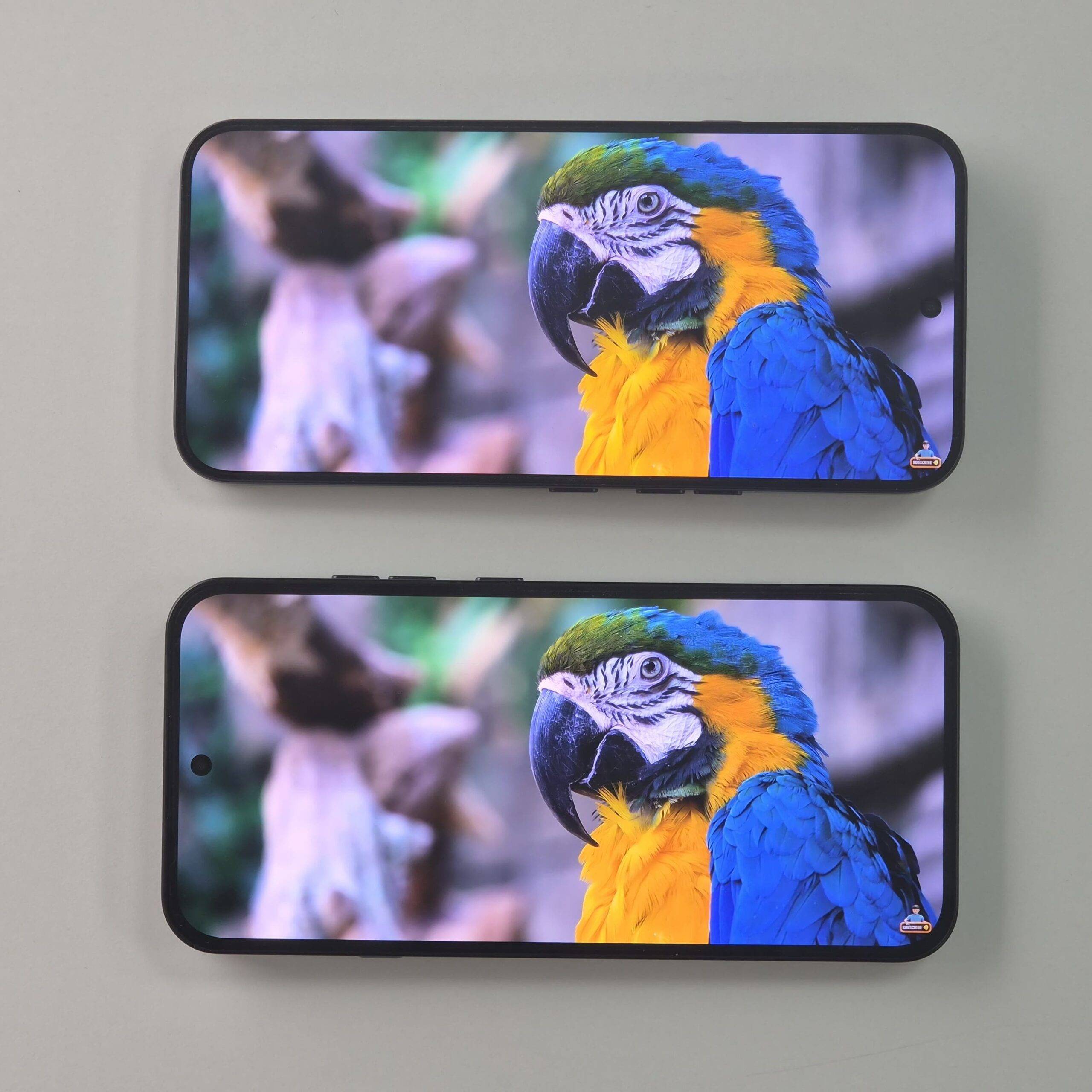
The Phone (4a) Pro, meanwhile, gets a slightly larger 6.83-inch AMOLED panel, relatively thinner bezels, a 1.5K resolution, a higher peak brightness of 5,000 nits, HDR10+ support, and a claimed 144Hz refresh rate. However, it seems the 144Hz refresh rate is not optimised for most system apps and across the UI. The display remained capped at 120Hz despite manually selecting ‘High’ refresh rate in the settings.
As a result, the graphics and animations on the Phone (4a) Pro are on par with those on the Phone (4a). The similarities also extend to the visual experience, with punchy colours, good viewing angles, and solid HDR performance across streaming platforms. Apart from this, both smartphones feature stereo speakers with a sound profile that leans towards the highs. The Phone (4a) Pro is noticeably louder and even maintains better clarity at higher volumes.
While it gives a slight advantage to the Pro model, the experience remains largely comparable.
Performance: Feels more refined on the Phone (4a) Pro
Instead of chasing raw performance, both smartphones focus on everyday use and practicality. They both rock Qualcomm’s mid-range Snapdragon chipset – Snapdragon 7s Gen 4 on the Phone (4a), whereas the Phone (4a) Pro comes with the Snapdragon 7 Gen 4 SoC ticking at its core. Despite the two smartphones showing only a small difference in synthetic benchmark performance, the Phone (4a) Pro feels more refined.


Not only does the smartphone manage everyday tasks with ease, but it also handles multitasking, gaming, and other demanding activities better than the Phone (4a). The credit for a large part of this goes to the Phone (4a) Pro’s thermal efficiency. Thanks to its large 5,300 mm2 vapour chamber cooling system, the handset ran cooler and maintained consistency better than the standard model during extended gaming sessions.
That said, for routine usage, both smartphones deliver a comparable experience. They are backed by up to 12GB of LPDD5X RAM and up to 256GB UFS 3.1 non-expandable storage, which delivers decent data transfer speeds.
Cameras: Phone (4a) Pro has the edge
The Nothing Phone (4a) Pro and Phone (4a) both ship with identical camera specifications: a 50MP+8MP+50MP triple-rear camera and a 32MP selfie camera. That said, the primary camera on the Phone (4a) Pro is a 1/1.56-inch Sony-made sensor, while the Phone (4a) sports a 1/1.57-inch Samsung-made sensor.


There is only a marginal difference in sensor size, but the Phone (4a) Pro captures noticeably sharper images with good detail retention and exposure around shadowy areas. The Phone (4a) image, on the other hand, remains slightly grainy with underwhelming dynamic range. Interestingly, both smartphones rely on TrueLens Engine 4 to process images, but there is still a difference in how the colours are managed.
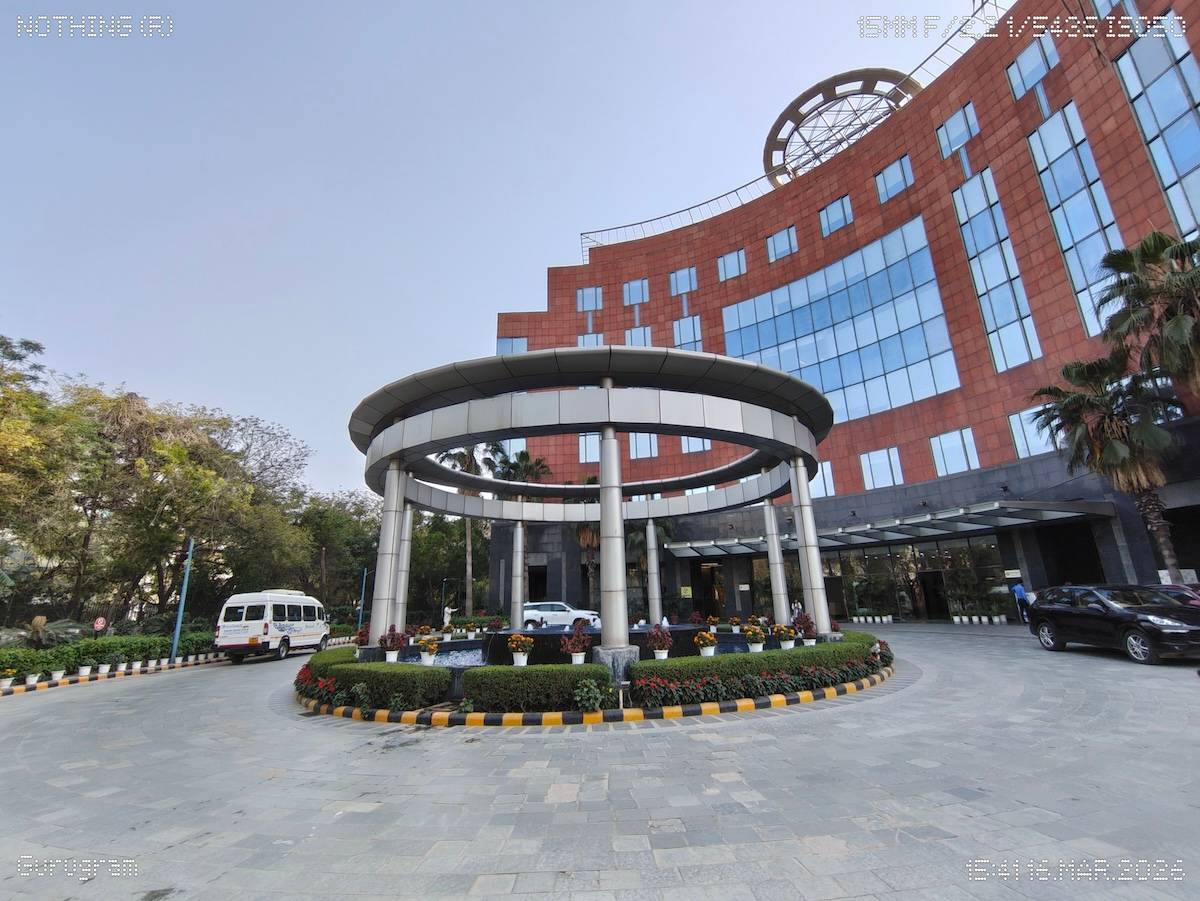
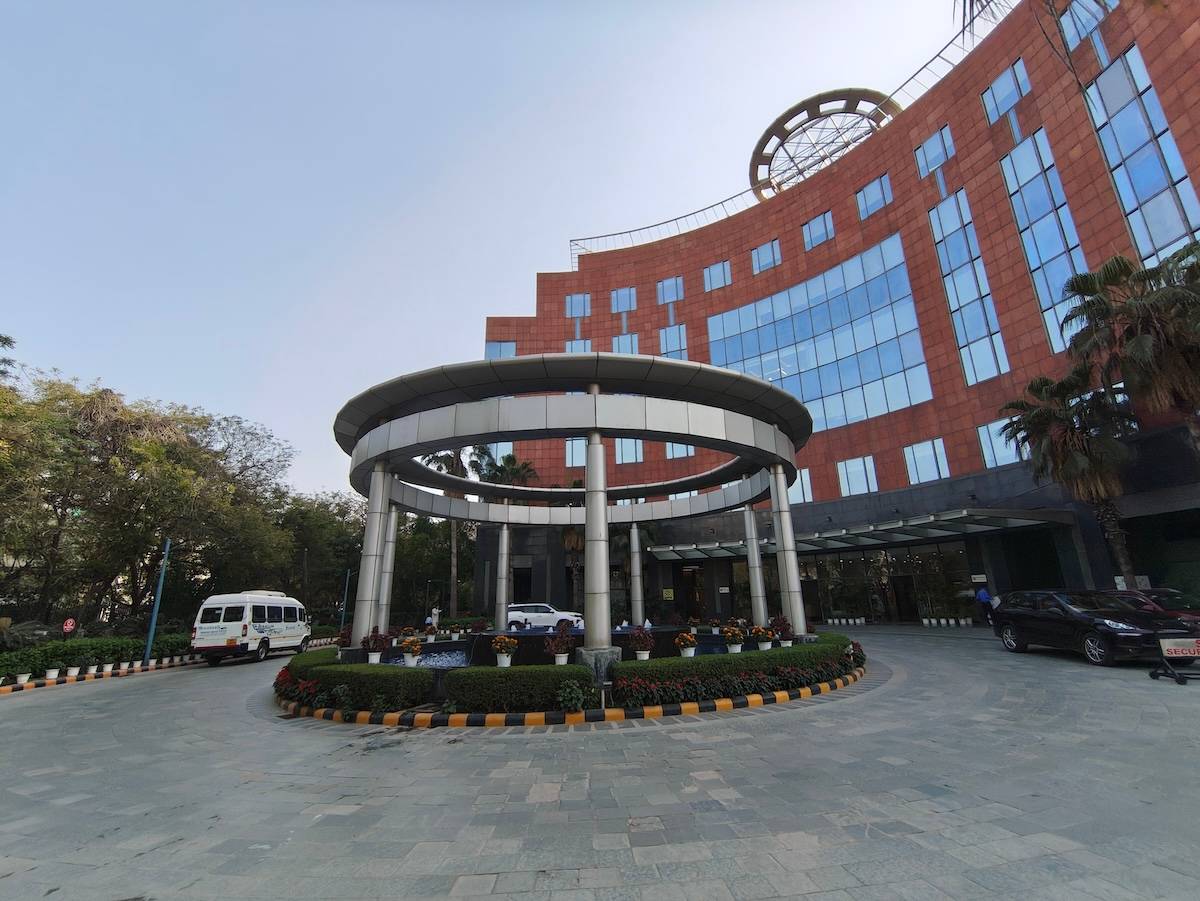
The Phone (4a) Pro tends to favour slightly oversaturated colours with a cooler tone, whereas the Phone (4a) delivers a more natural look. However, HDR processing remains inconsistent on both smartphones.


Beyond the primary sensor, the Phone (4a) Pro stands out with a more capable telephoto setup, a 50MP OIS-enabled 1/2.75-inch JN5 tetraprism lens that stretches up to 140x zoom, compared to 70x on the Phone (4a). As a result, telephoto shots from the Pro appear noticeably sharper and more detailed, whether at its native 3.5x optical zoom or higher. Both handsets also support 7x lossless zoom for macro-style shots, but stability is a concern, and the higher zoom levels require AI processing to enhance images, which can make them look more polished, albeit less true to life.
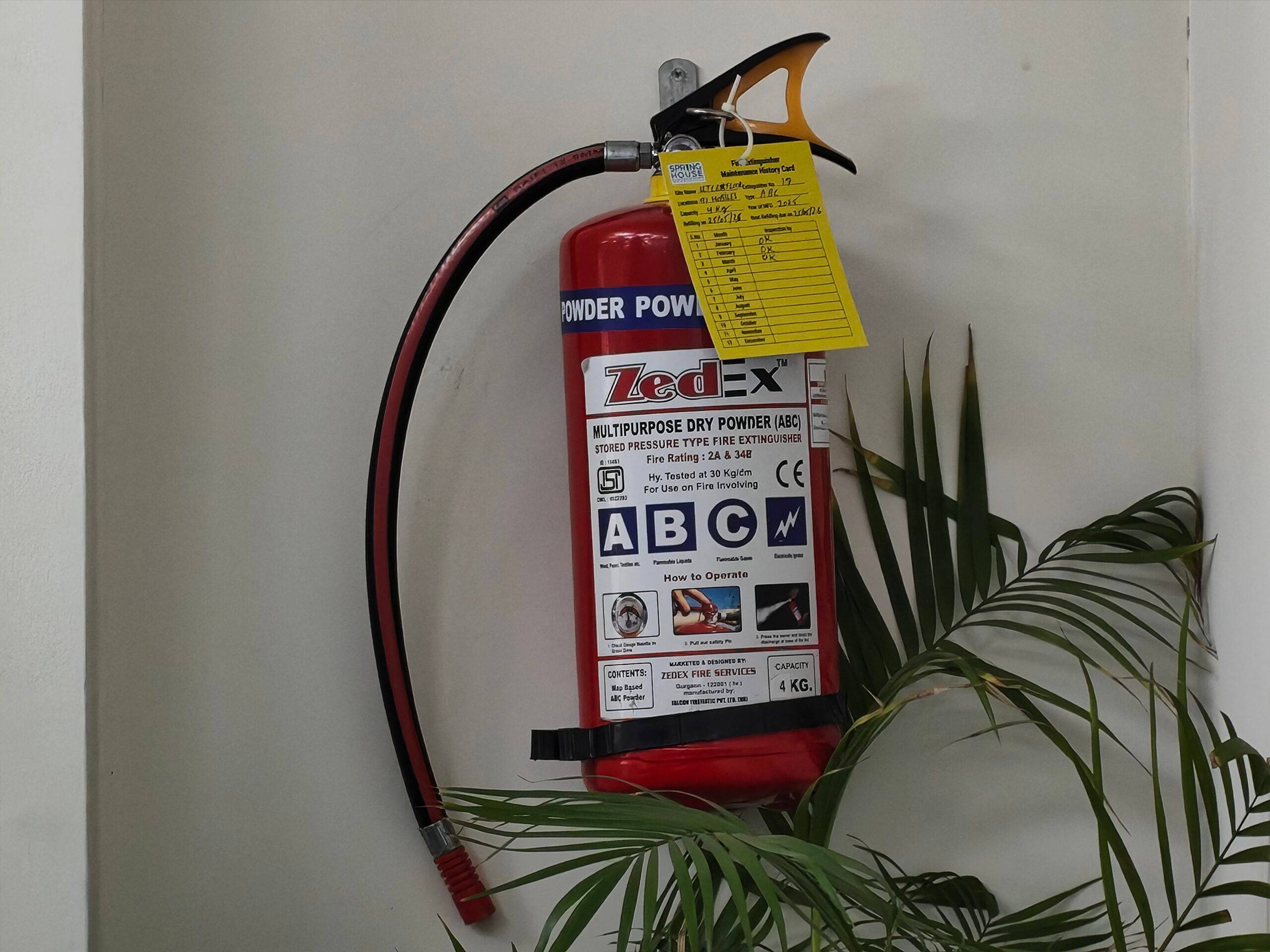
The ultrawide and selfie cameras remain identical across the Phone (4a) series, but colour tuning differs. The Phone (4a) delivers more natural-looking ultrawide shots, while the Pro model handles skin tones better on the front camera. Both phones also offer a range of presets, letting you experiment with different colour profiles and shooting styles. For video, both devices support recording up to 4K resolution at 30 fps.
Battery life: more or less the same on both phones
Both smartphones ship with a 5,400mAh battery and support 50W fast charging. The handset takes a similar amount of time (around an hour) to charge from nothing, using a compatible PD charger, which needs to be purchased separately. The PCMark battery test score reveals the Phone (4a) is more efficient than its elder sibling, but in real-world usage, the ‘Pro’ feels more optimised, not significantly though.
The Phone (4a) Pro provided anywhere between 5 and 6 hours of screen time with moderate to heavy usage, which is better than the Phone (4a)’s 5 hours. Compared to rivals with silicon-carbon batteries, both phones fall slightly behind in overall endurance.
Software: no real difference here
The Nothing Phone (4a) and Phone (4a) Pro are evenly matched on the software front, with the only notable difference being the additional Glyph Matrix features on the Pro. Both smartphones run Nothing OS 4.1 based on Android 16 out of the box and come with a promise of four major OS upgrades and six years of security updates, ensuring long-term software support.
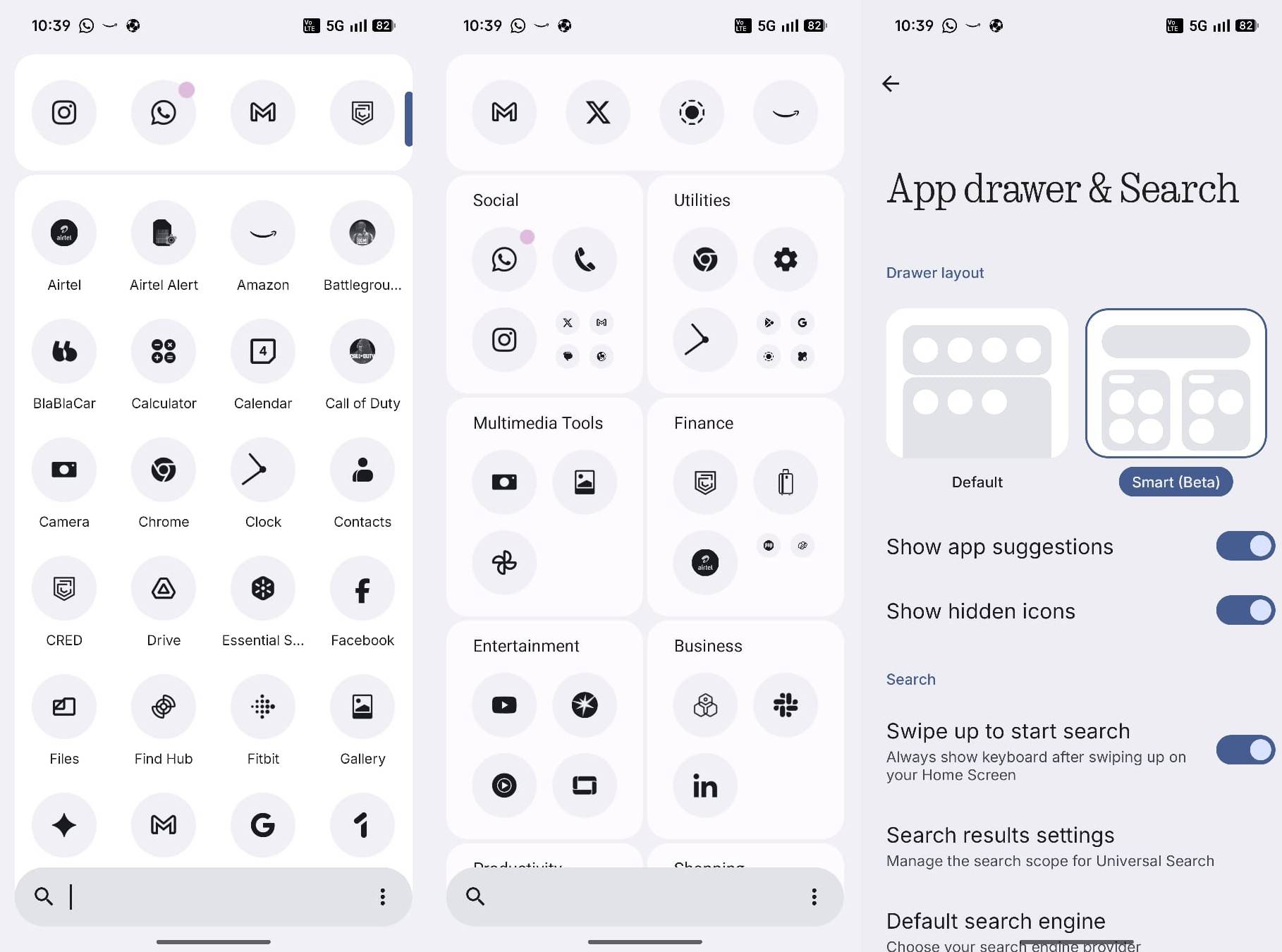
The user interface remains closer to stock Android, with the optional Nothing’s signature black-and-white theme, smooth animations, and thoughtful features such as the Essential Space. The latter can be triggered using a dedicated physical key, called the Essential Key, positioned on the left edge of both smartphones. The feature lets you store screenshots, notes, voice memos, and other information in one place. Using AI, it then organises and summarises this content, making it easier to retrieve when needed.
Verdict: Which Phone (4a) model should you buy?
The Nothing Phone (4a) retails in India starting at Rs 31,999, and for that asking price, it delivers a more expressive design, an equally capable display and battery life to its elder sibling, and a reliable day-to-day experience with close-to-natural colour tuning from its cameras.
The Nothing Phone (4a) Pro, which costs Rs 39,999, feels like a more complete package. The phone boasts a slightly superior build, performs more consistently under load, and pulls ahead in areas that matter over time – thermal efficiency, a more impressive camera system, and overall refinement.
Even though the Phone (4a) Pro is less flashy, it is easier to live with. However, if you value personality and want to save some money, the Phone (4a) won’t disappoint.