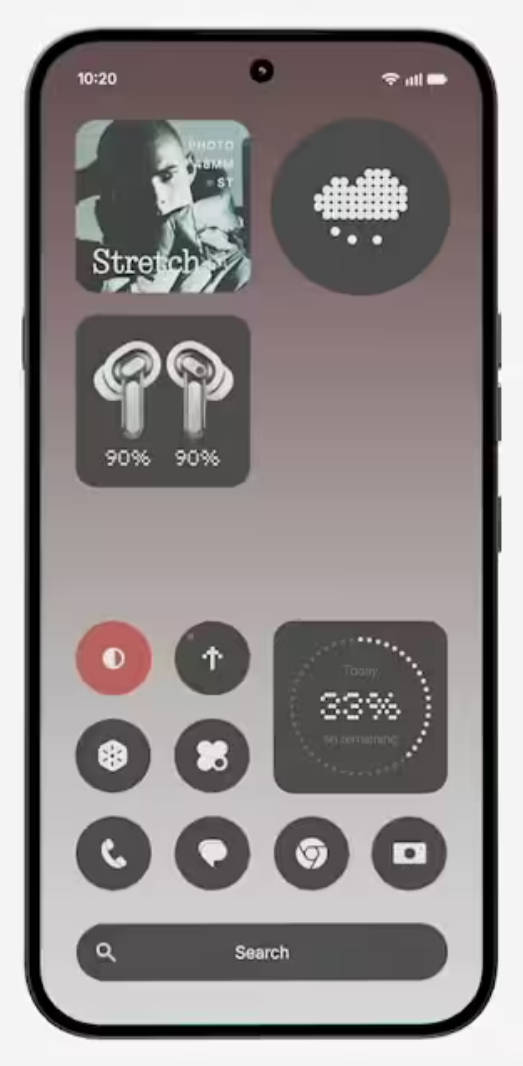
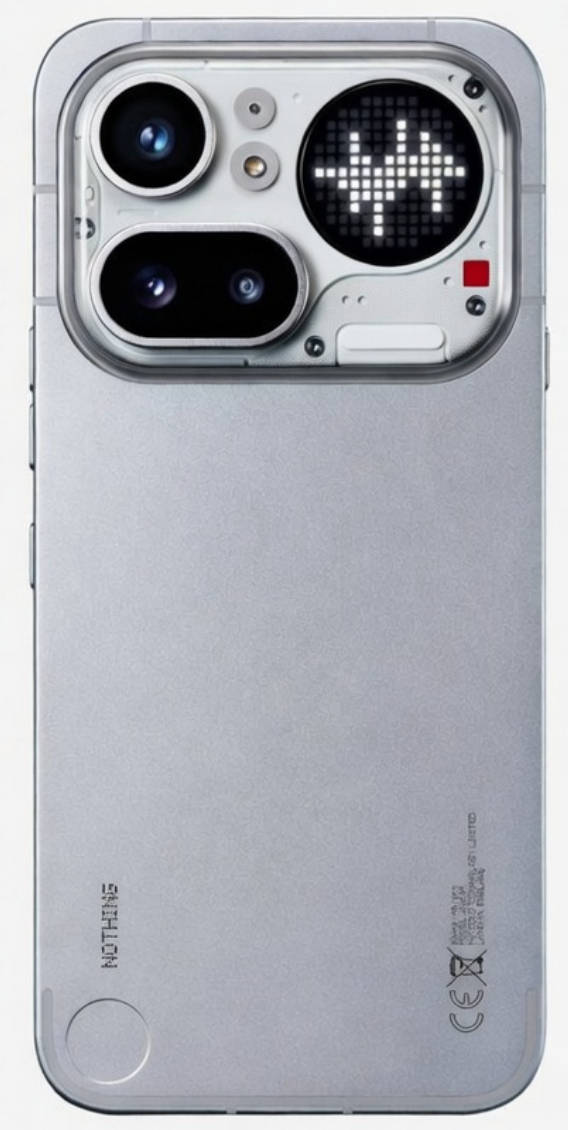
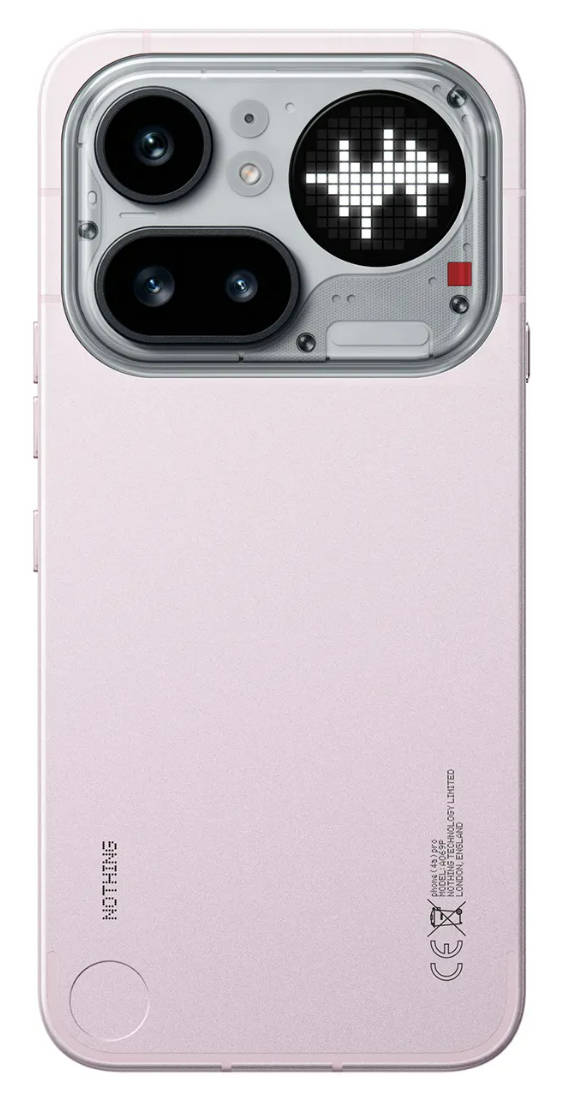
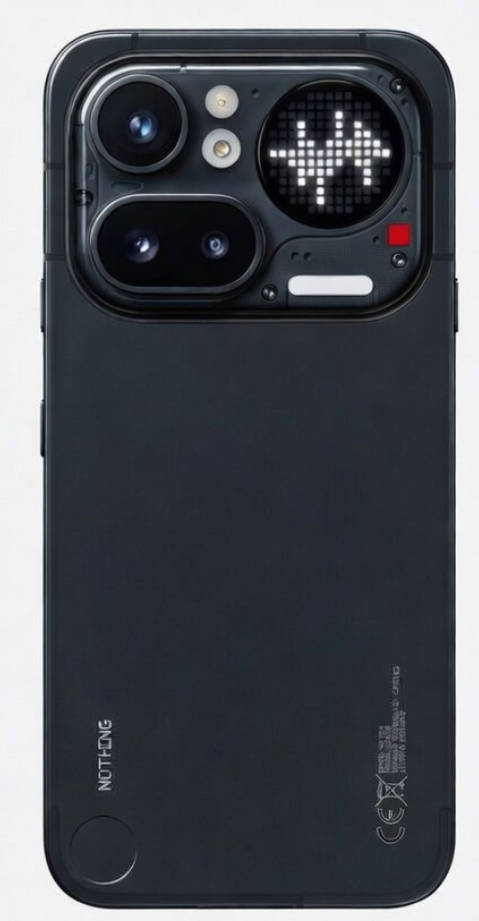
The Nothing Phone (4a) and Phone (4a) Pro are the talk of the town for not only sporting a distinct design and build, even compared to their predecessors, but also for flaunting multiple colours, including pink for the first time. On the specifications front, both handsets are graced with hardware upgrades across the board, with the Phone (4a) Pro getting an improved Snapdragon chipset, a stronger and more rigid build over the standard Phone (4a). As for differences and similarities in other areas, this article explores those in detail so you can decide which handset to opt for when these smartphones go on sale starting March 13th.
Table of Contents
Pricing, storage and colour options
Compared to their predeccsors, the Nothing Phone (4a) and Phone (4a) Pro see a price increase of Rs 7,000 and Rs 10,000, respectively. In an X post shared earlier by Carl Pei, Founder and CEO of Nothing, he stated that a surge in price was inevitable due to the majority of the RAM and memory supply being taken up by large organisations operating in the AI sector, leaving others to procure components at dramatically higher costs.
| Variants | Nothing Phone (4a) | Nothing Phone (4a) Pro |
| 8GB + 128GB | Rs 31,999 | Rs 39,999 |
| 8GB + 256GB | Rs 34,999 | Rs 42,999 |
| 12GB + 256GB | Rs 38,999 | Rs 45,999 |
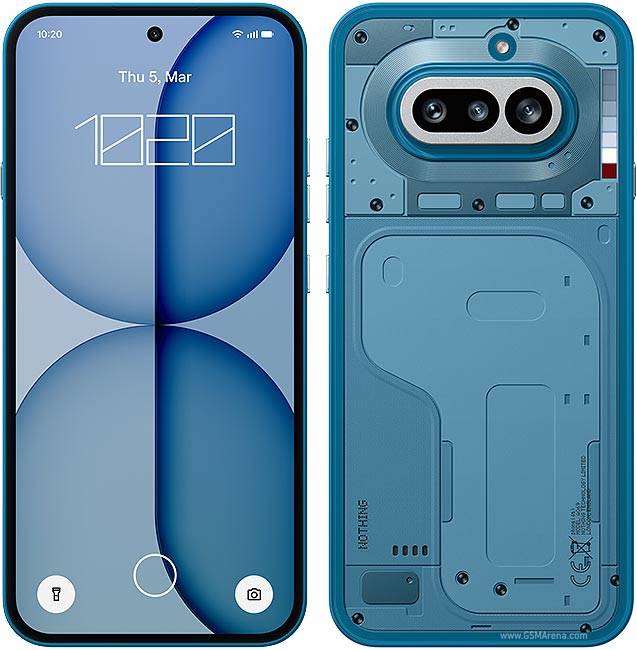
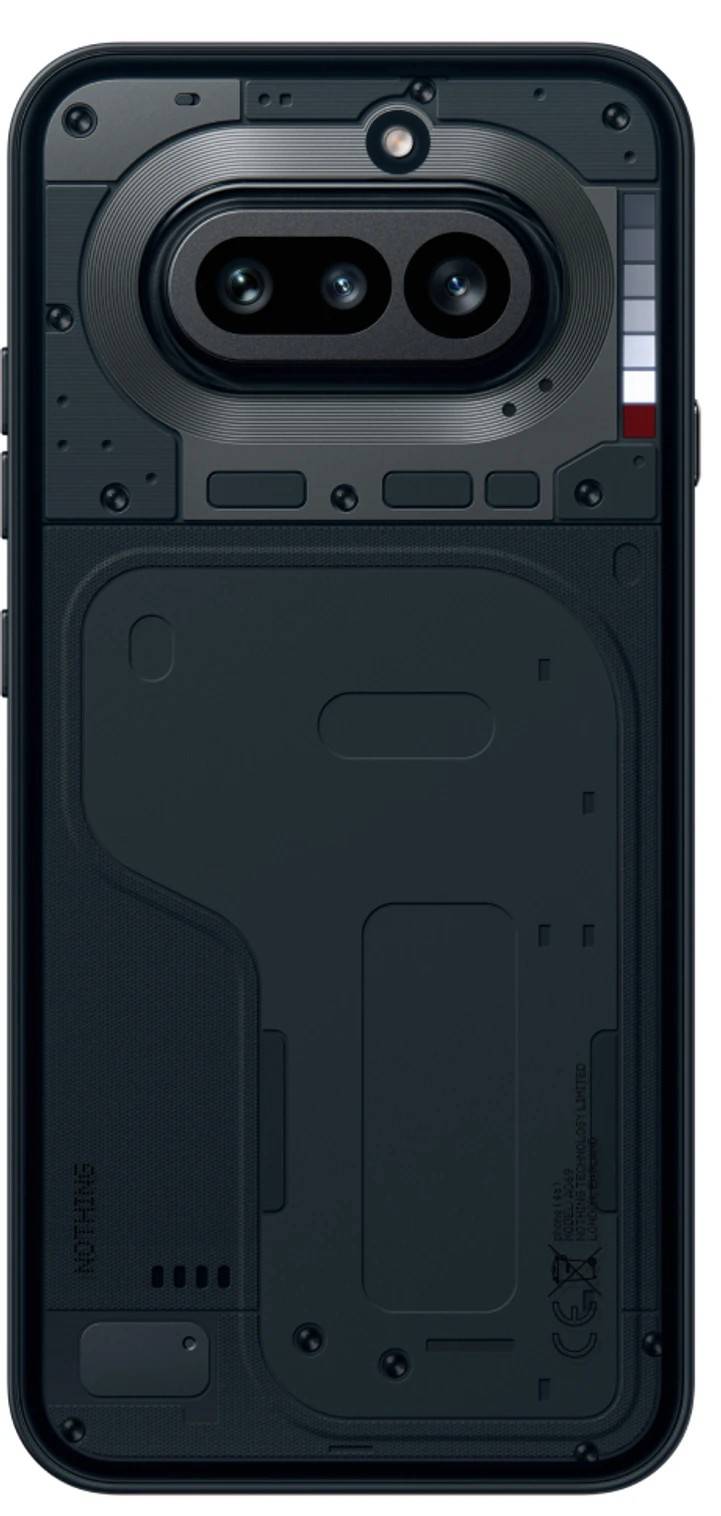
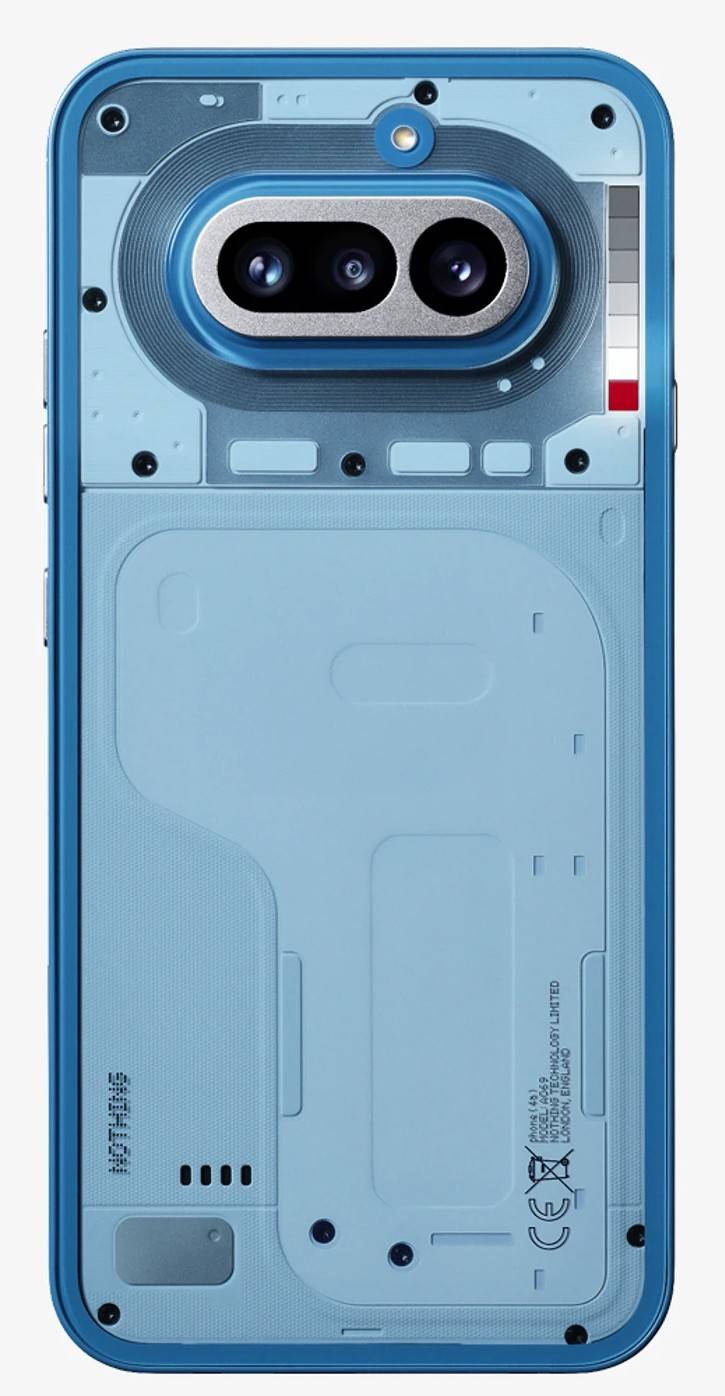
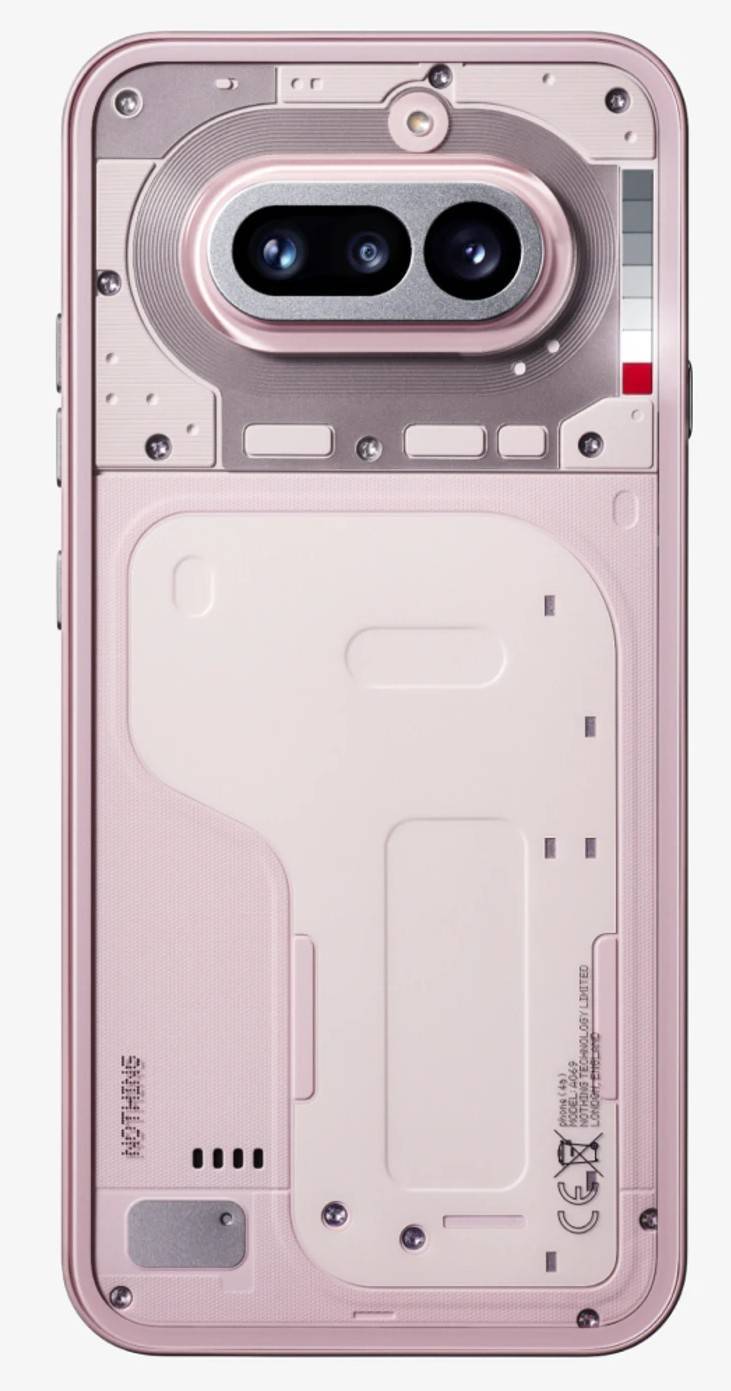
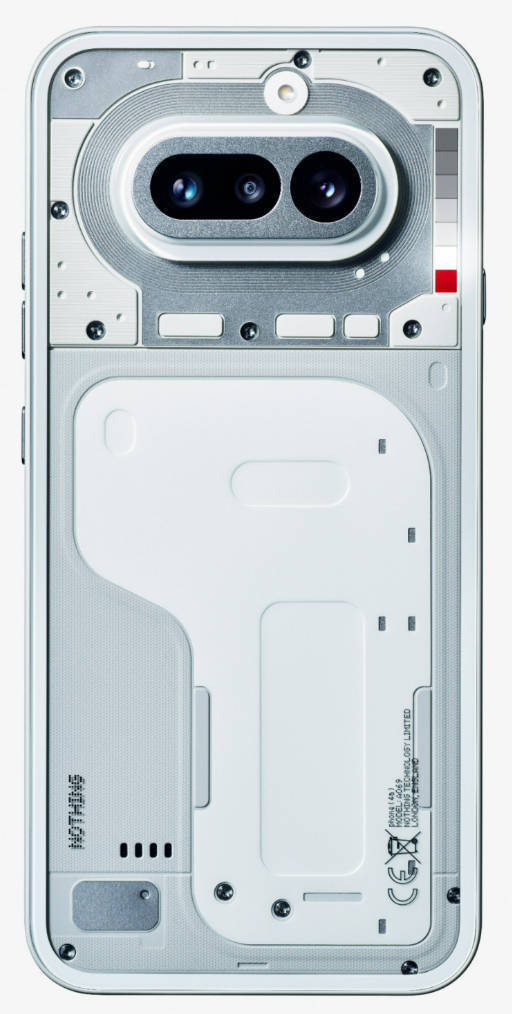
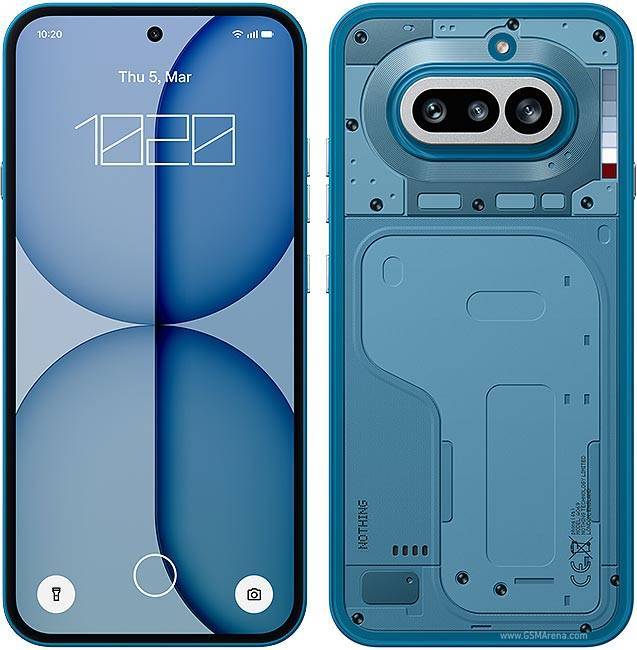
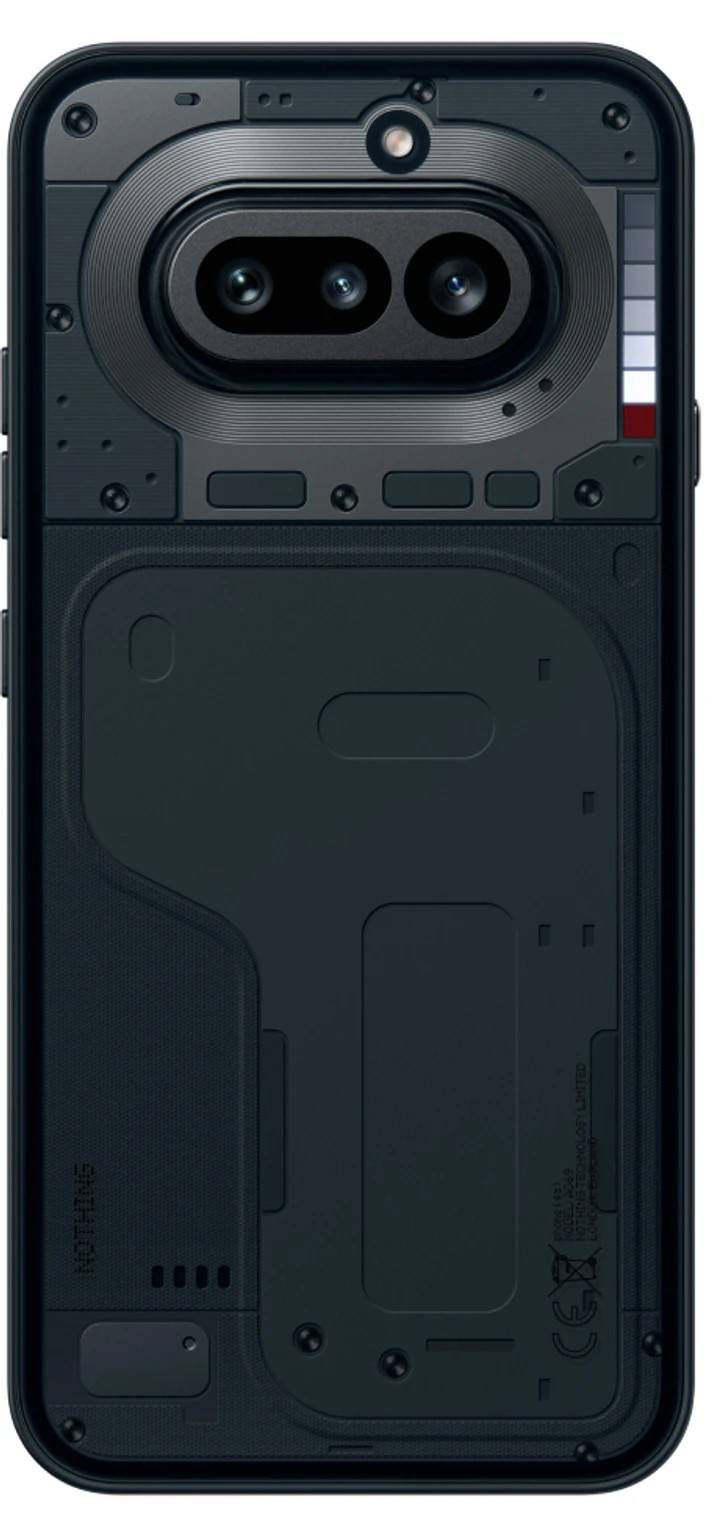
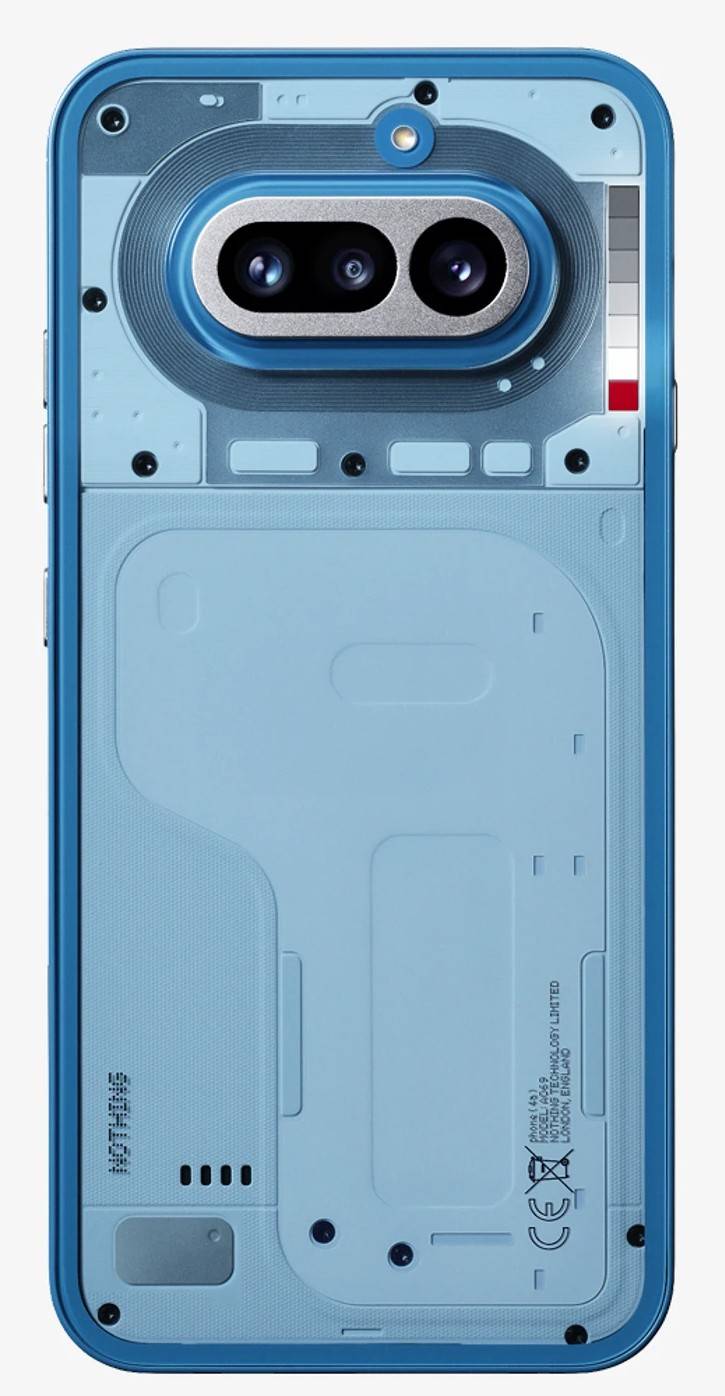
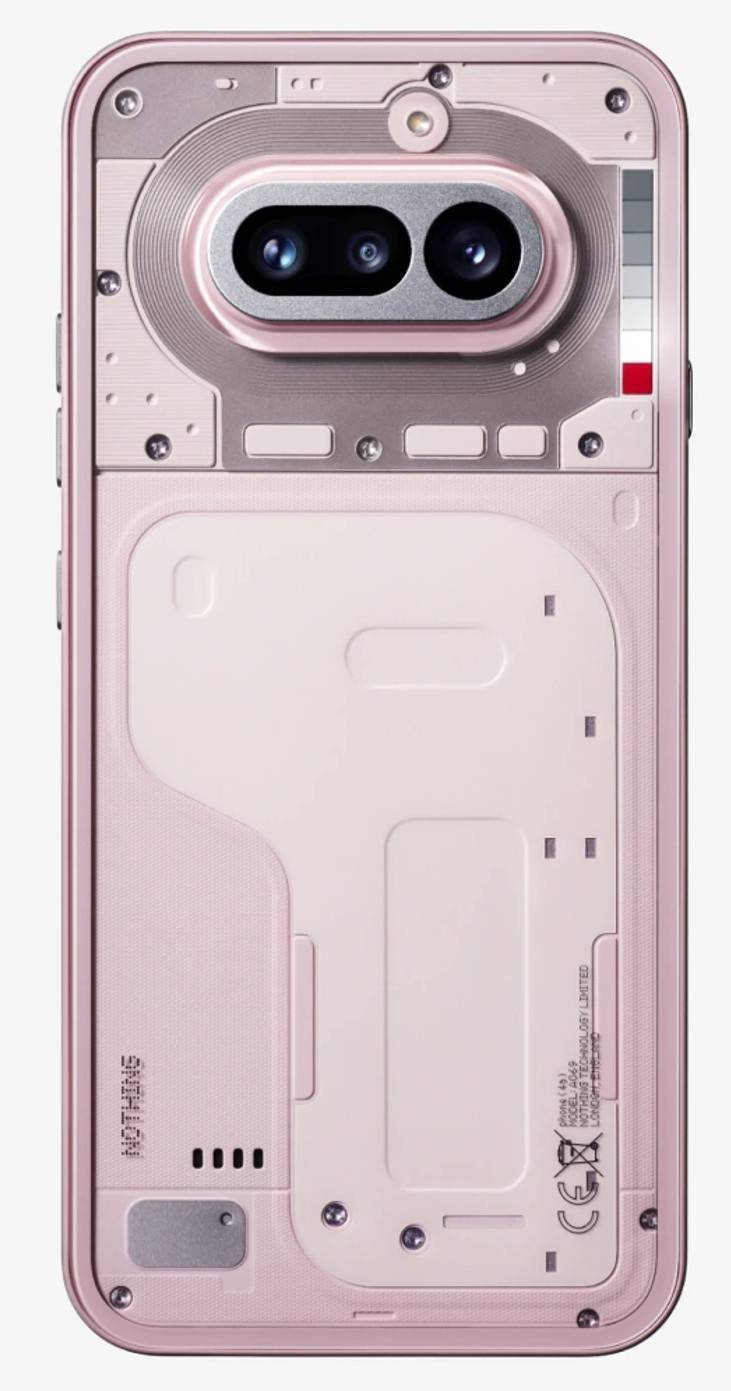
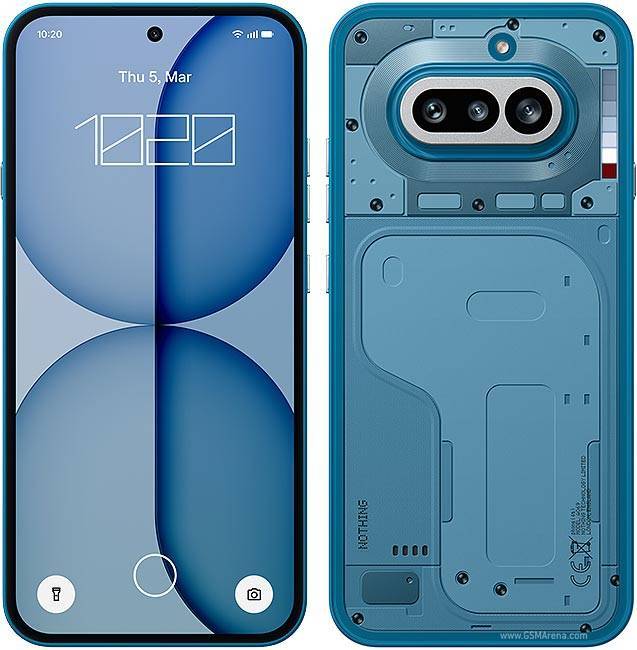
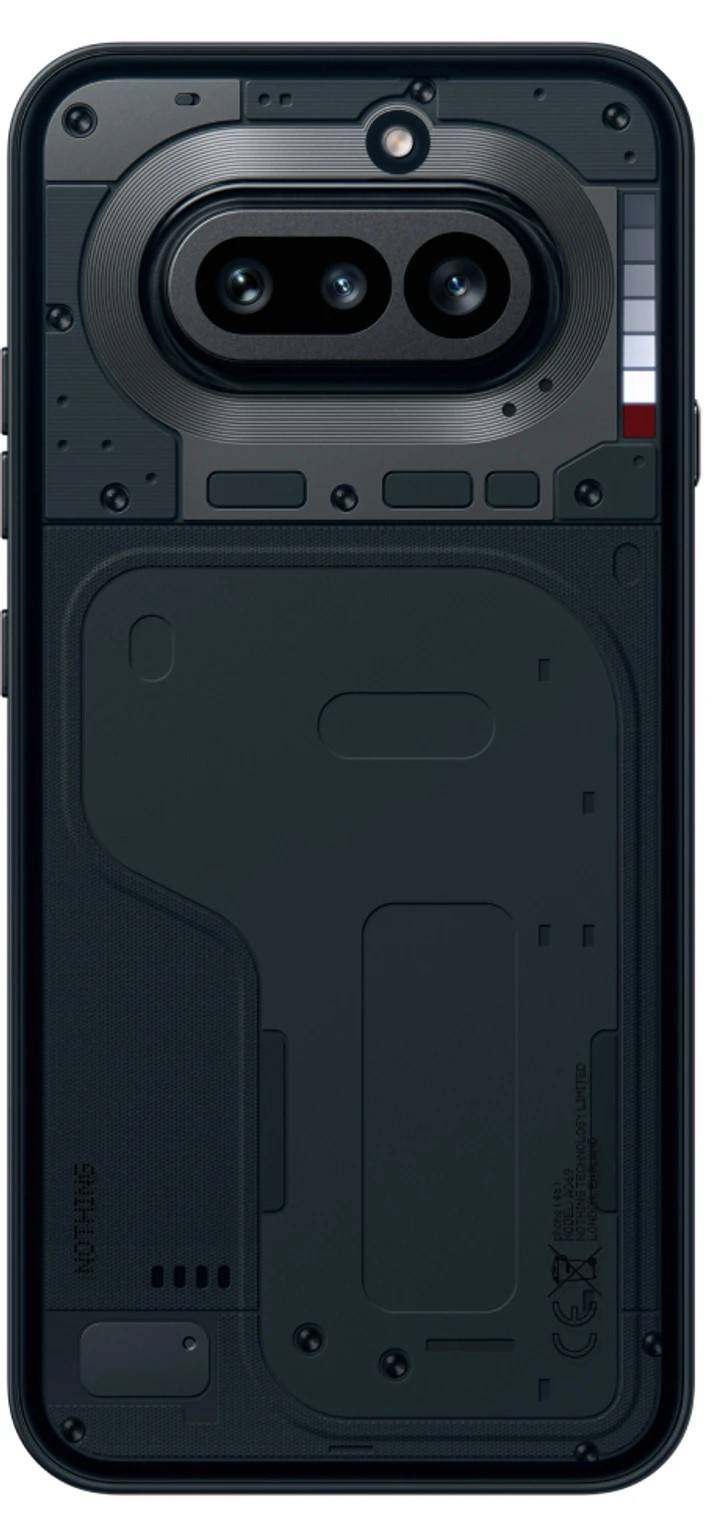
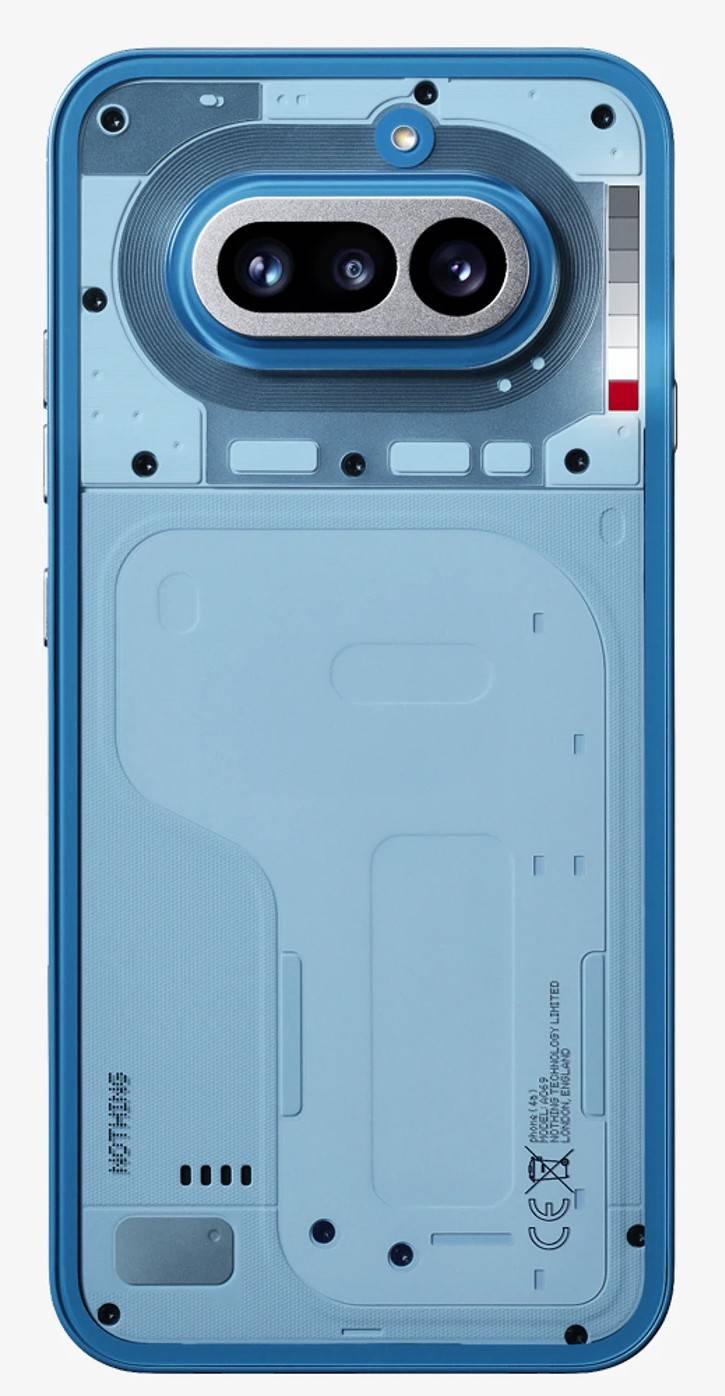
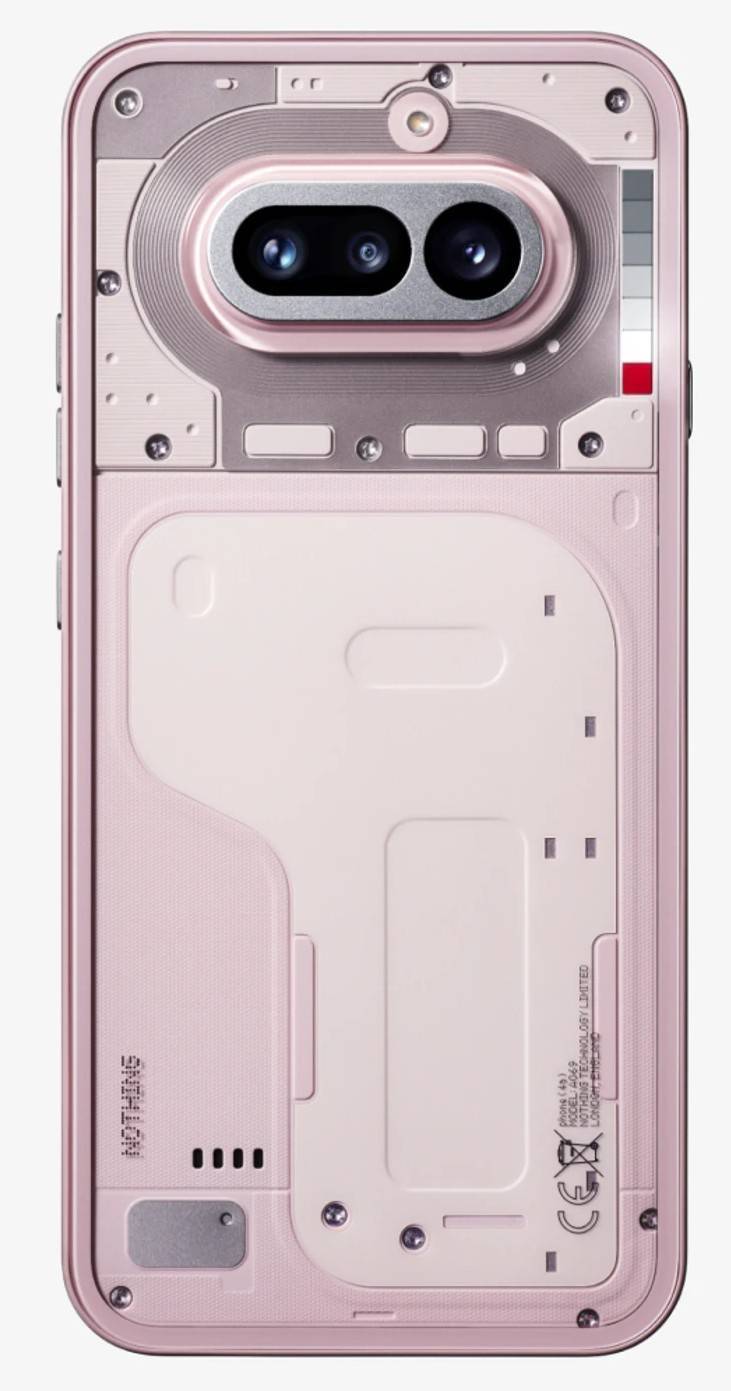
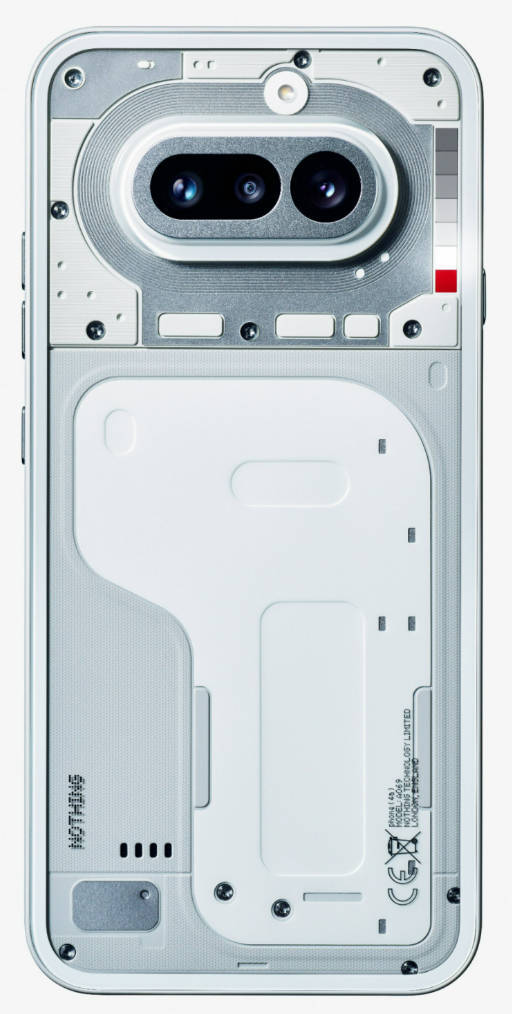
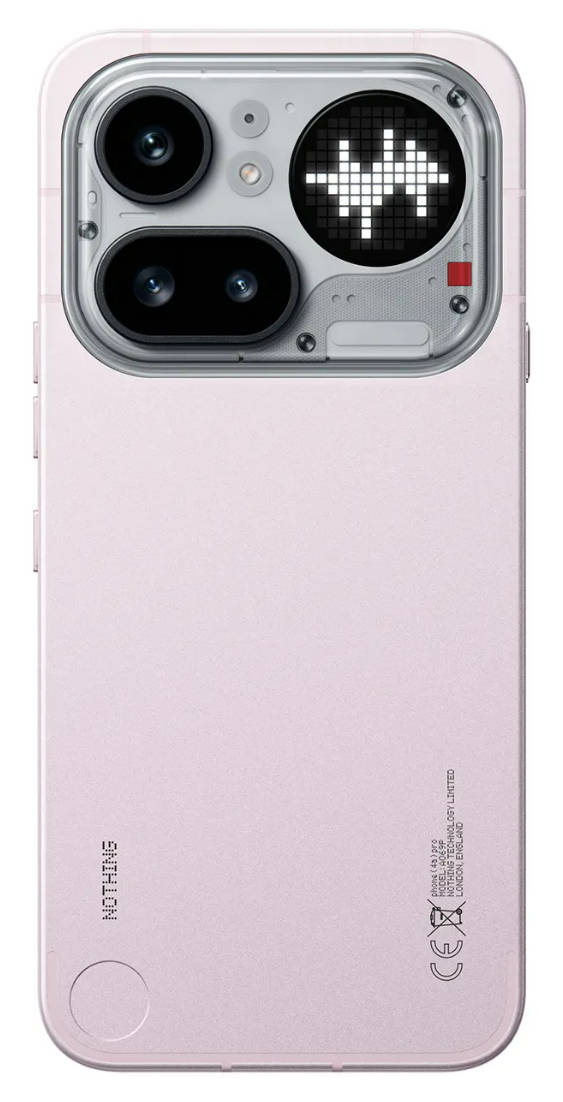
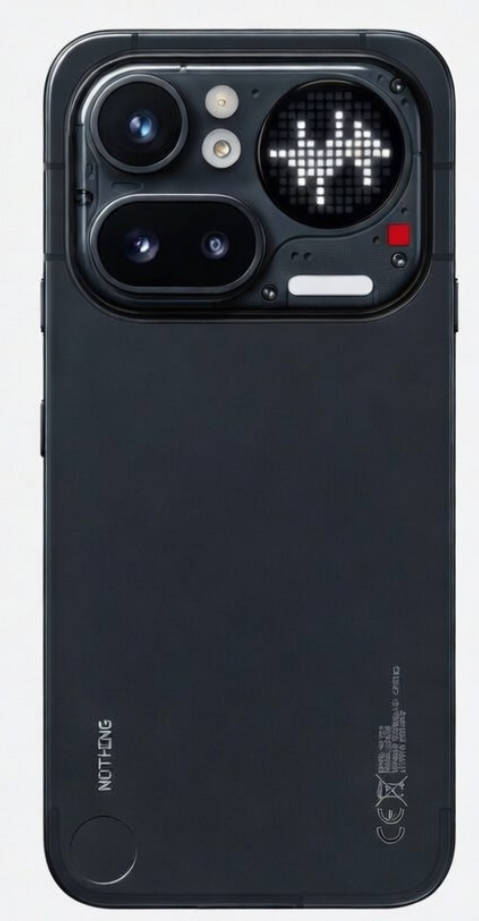
Coming to the colour options, Nothing is treating its fans and buyers to three or more colour shades at launch for the first time, for both the Nothing Phone (4a) and Phone (4a) Pro. The vanilla Phone (4a) comes in white, black, blue, and pink, while the ‘Pro’ variants will be available in black, silver, and pink.
Unsurprisingly peculiar designs
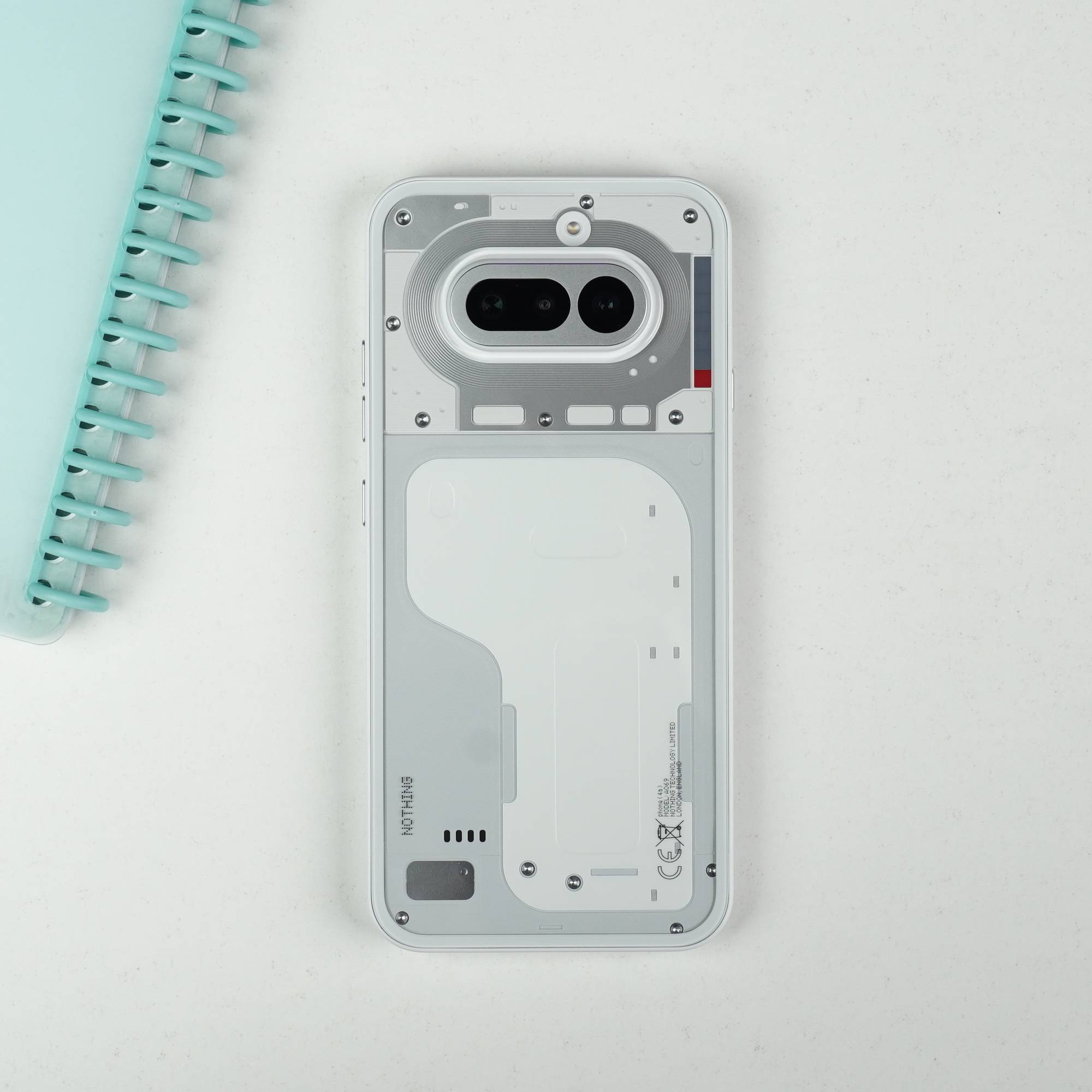
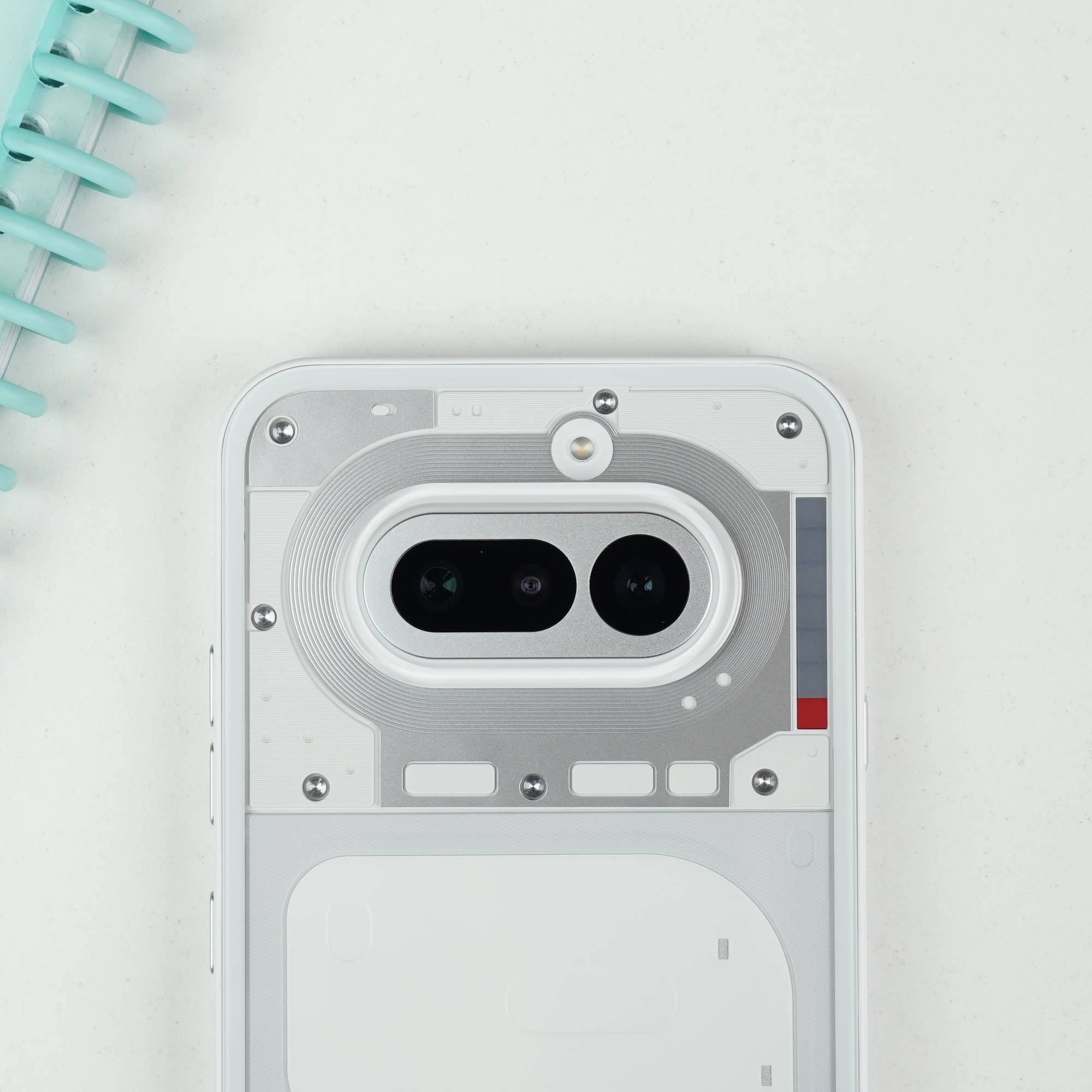
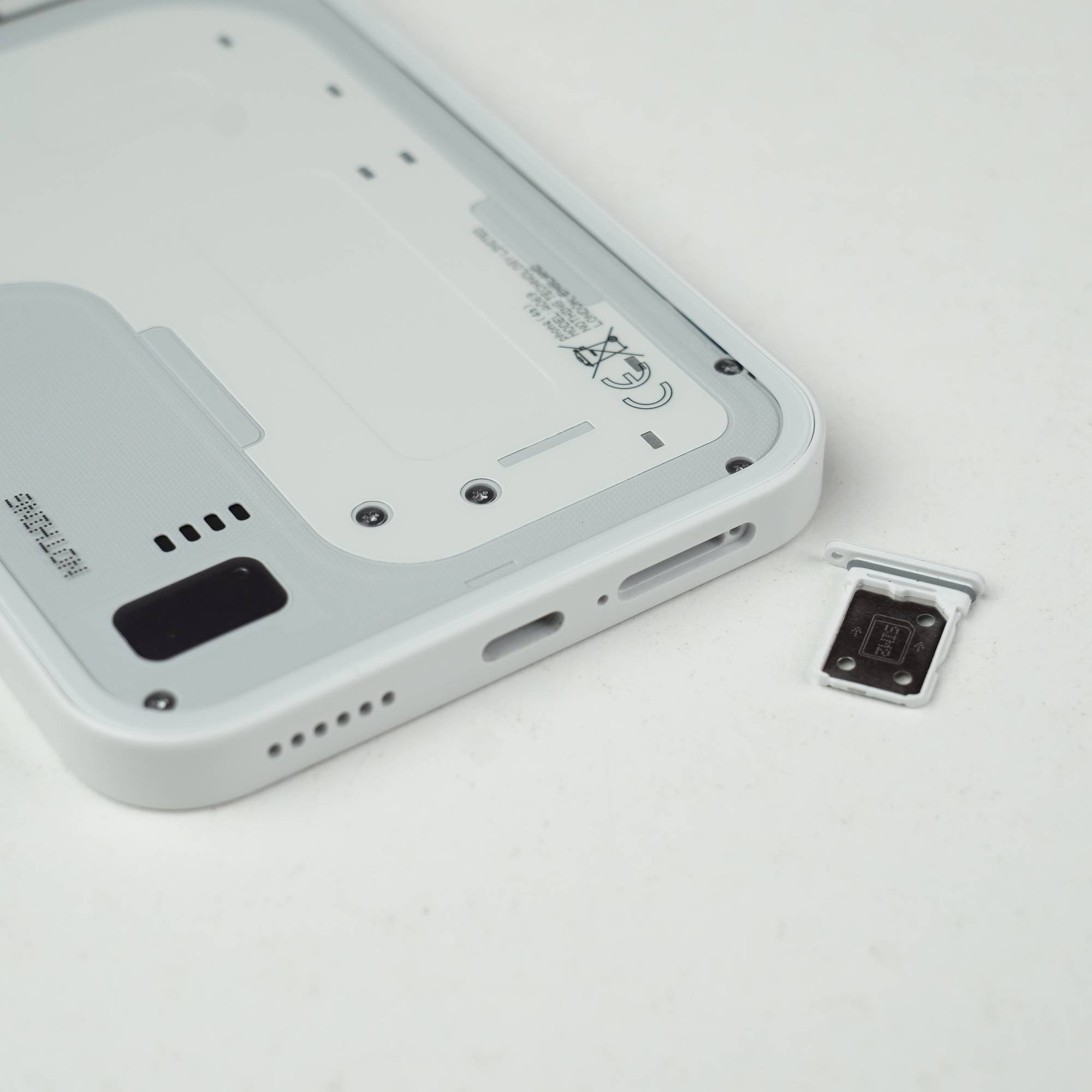
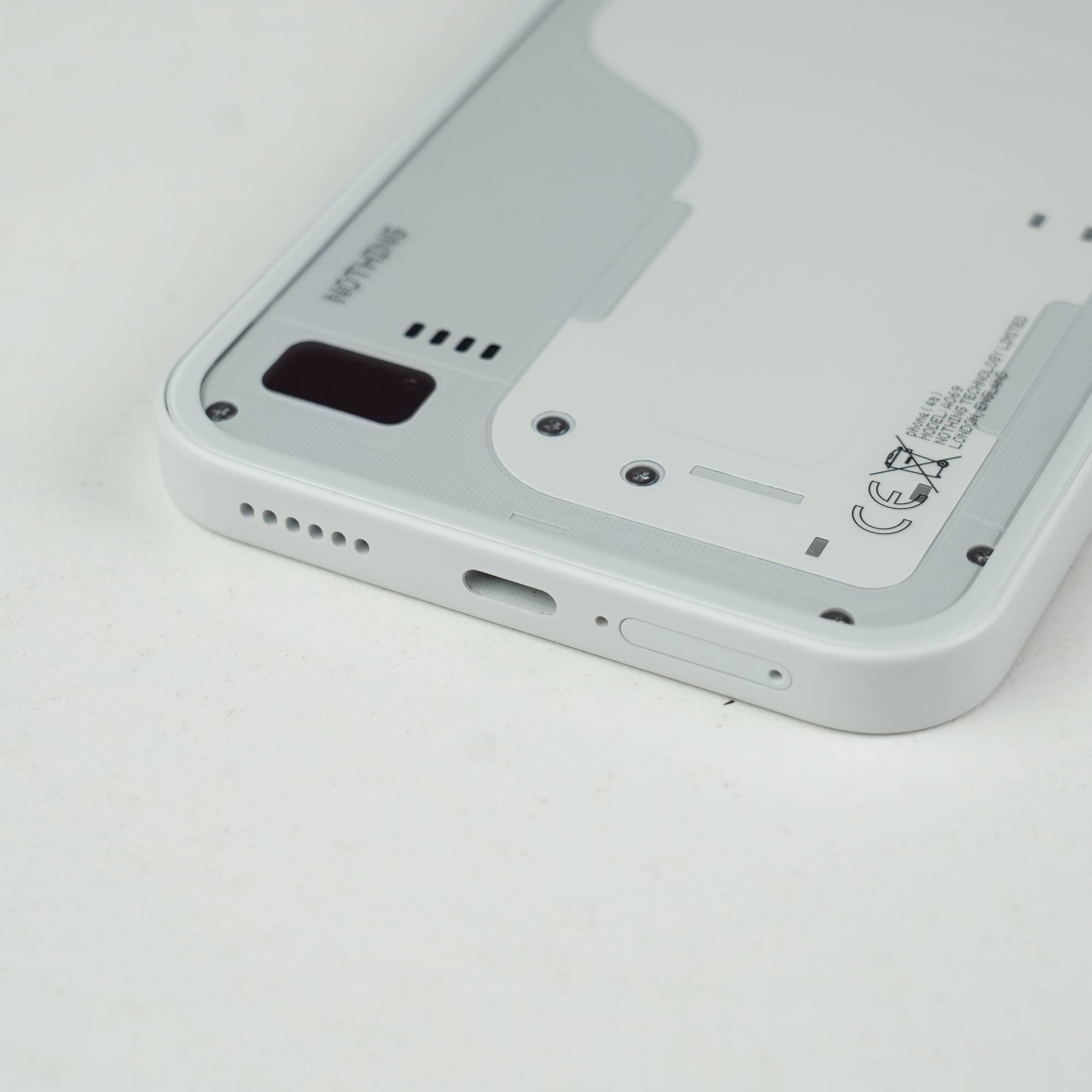
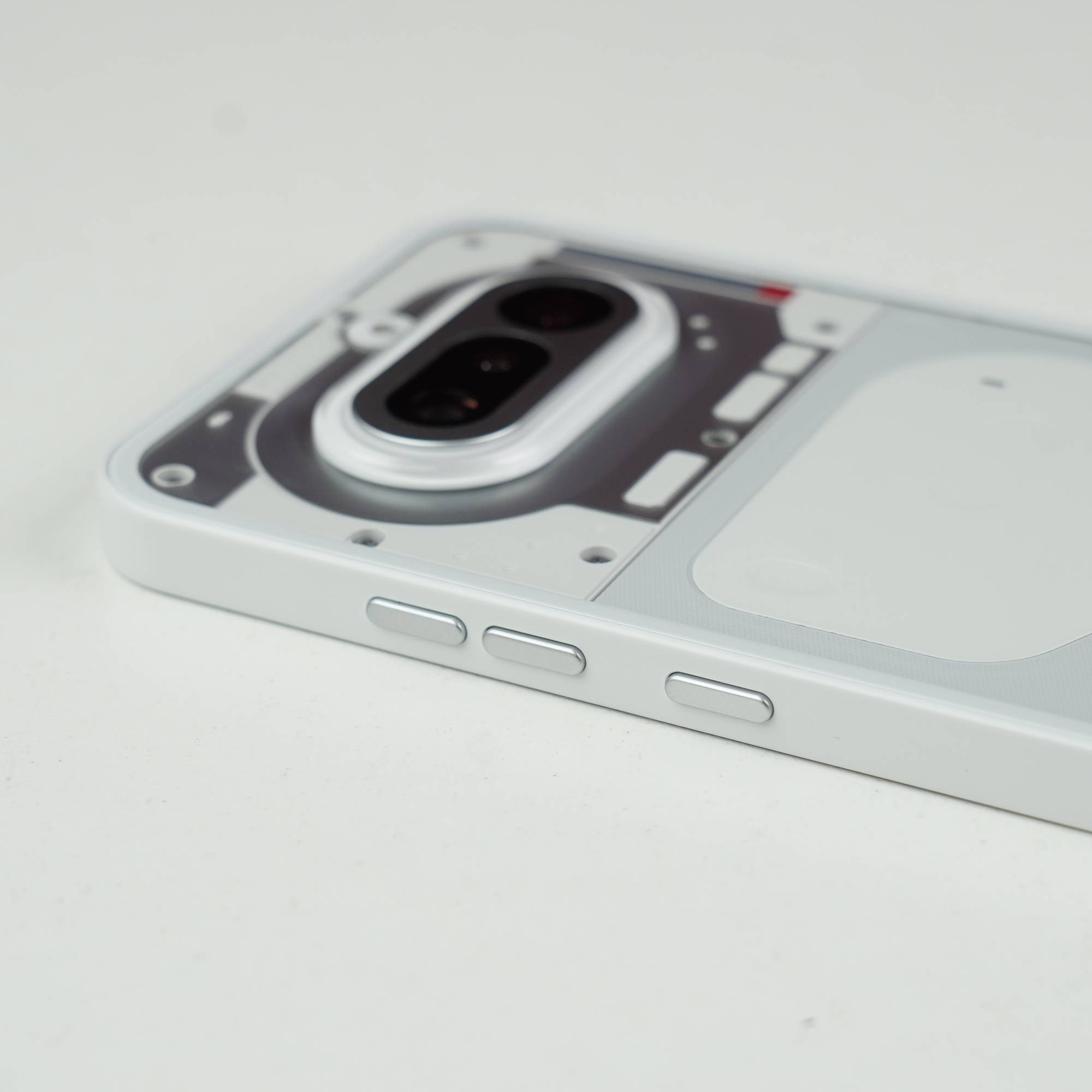
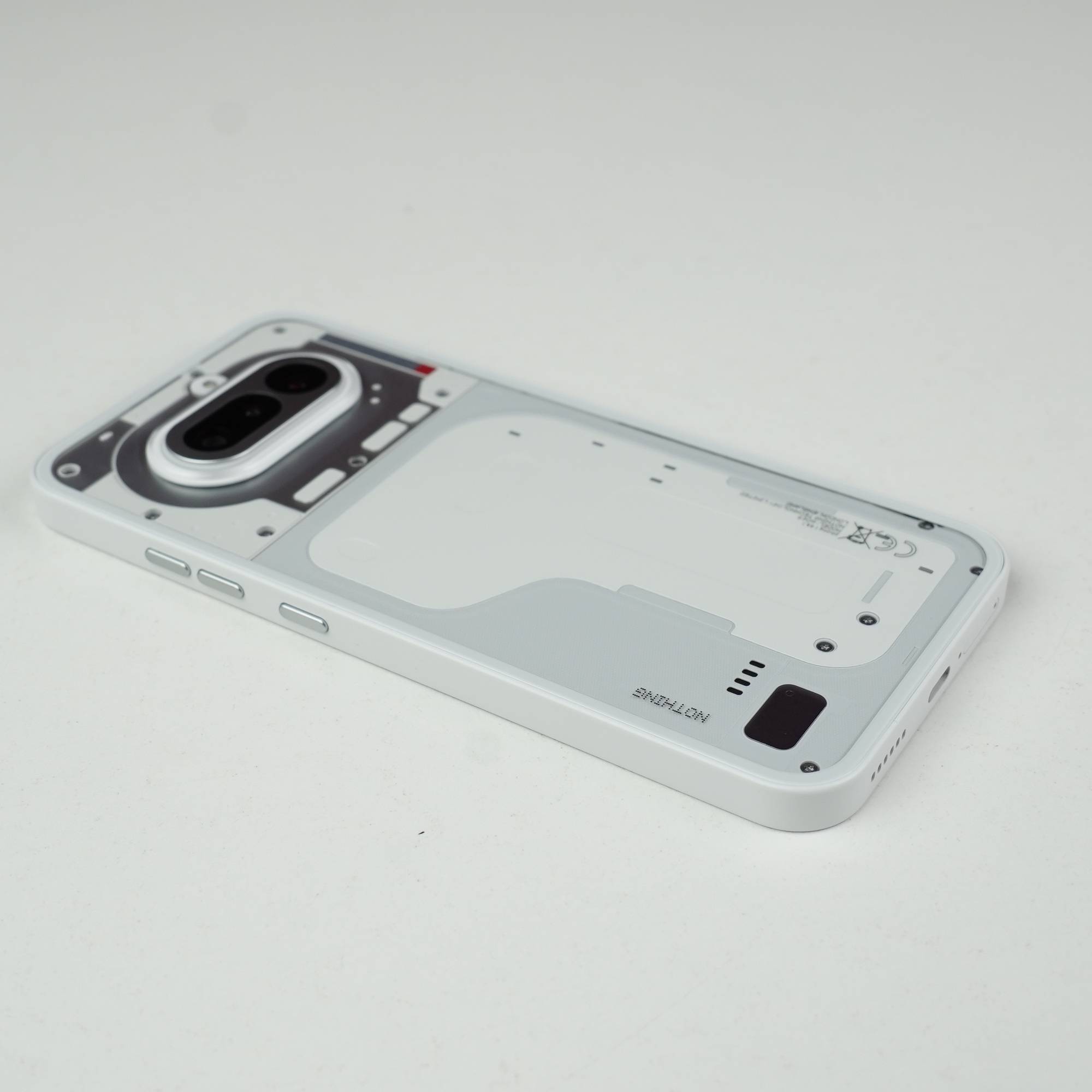
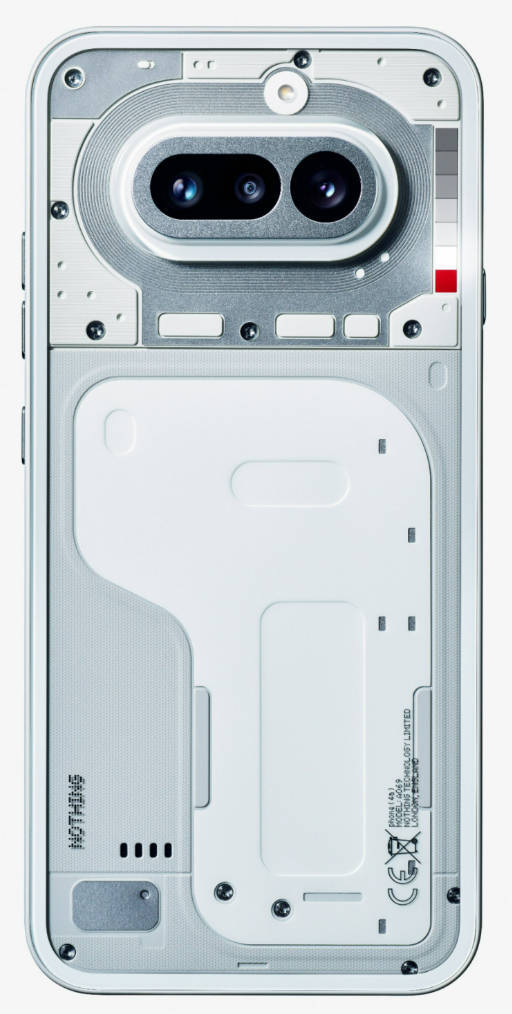
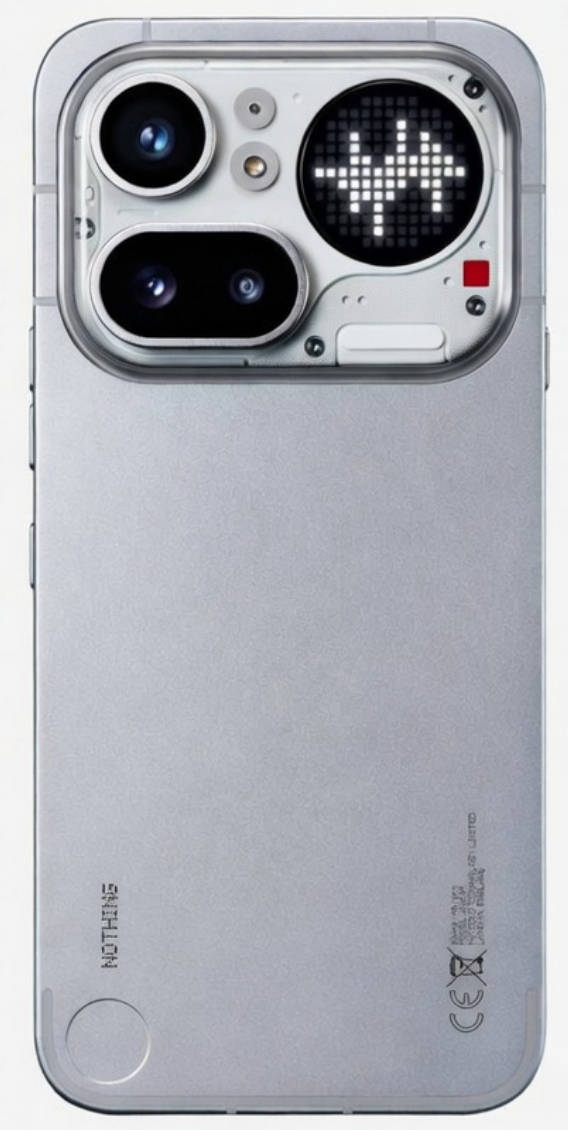
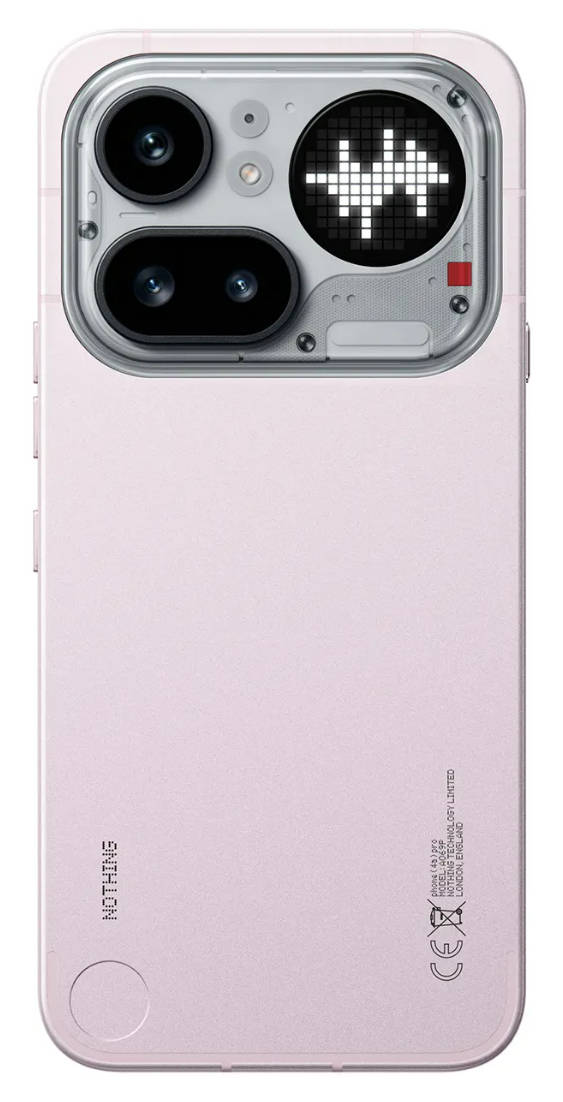
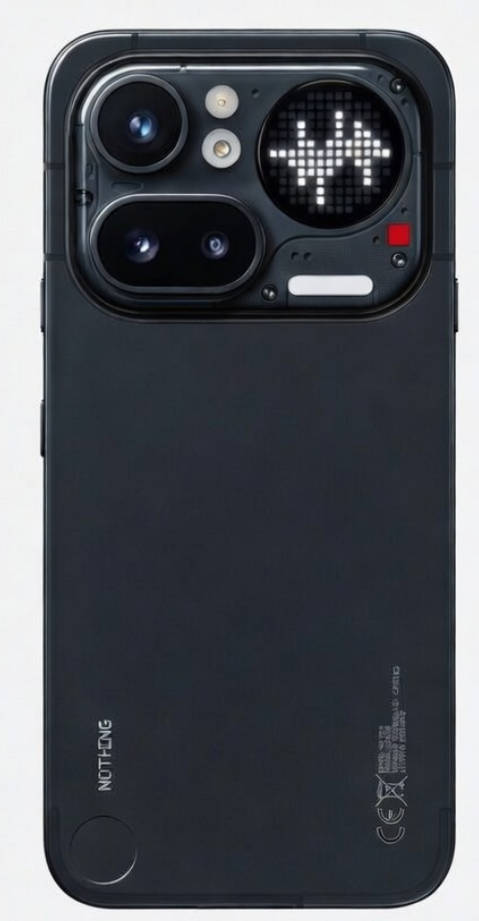
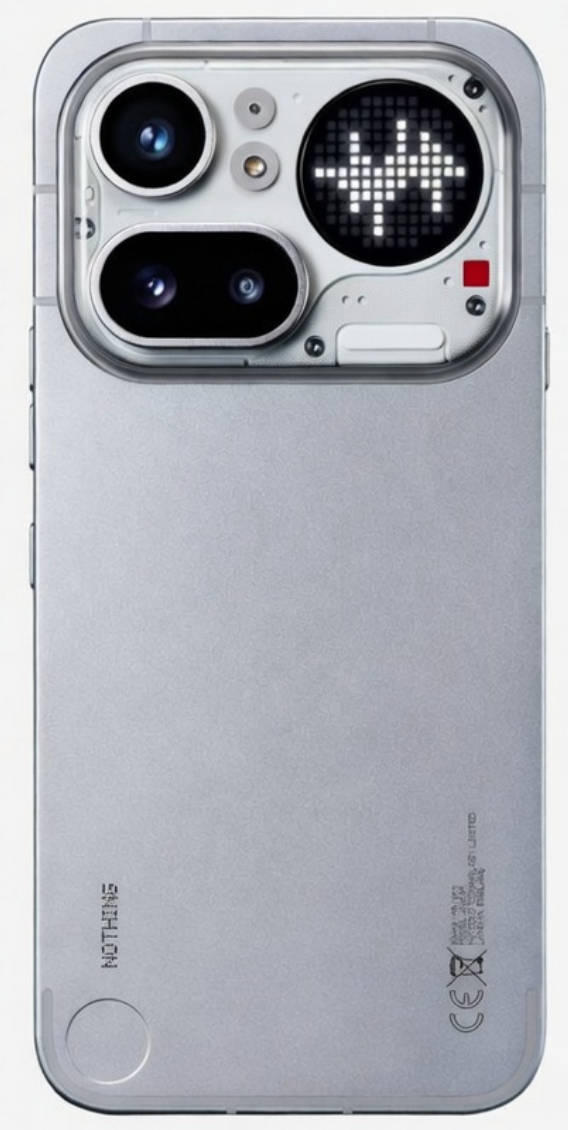
Following up on the colour options with the design and appearance, both smartphones stand out from the crowd by sporting Nothing’s signature transparent and see-through look, though on the Phone (4a) Pro, this is largely limited to the back panel’s top portion. Unlike any previously released Nothing-branded smartphone, the Phone (4a) Pro gets an aluminian unibody design, while the Phone (4a)’s rear panel exposes the inner layering comprising screws, compartments, and metal portions.
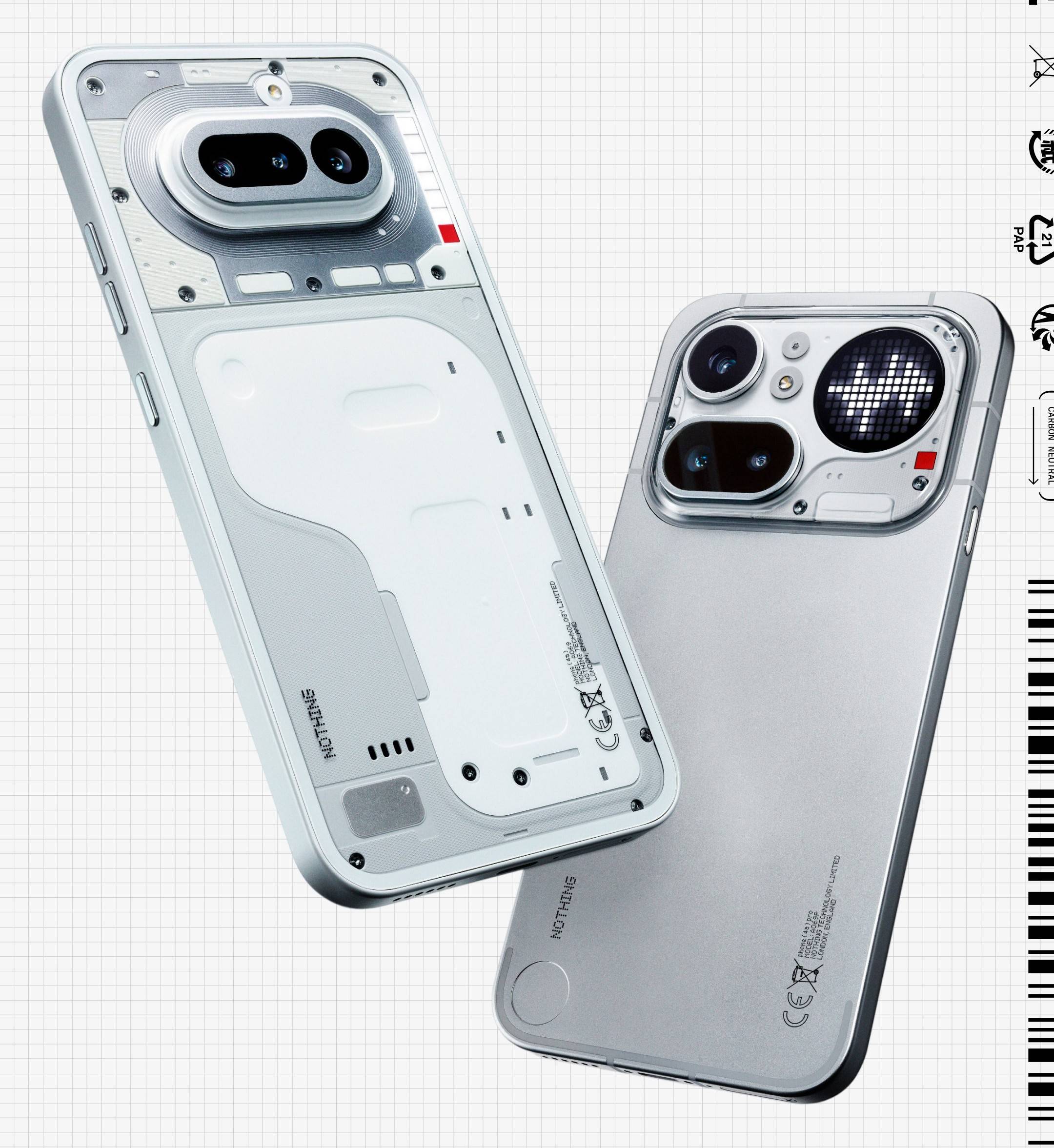
Now, addressing the key design highlight, the Phone (4a) ditches the rounded Glyph interface found on the Phone (3a) series in favour of a Glyph Bar. It’s a vertical strip of six LEDs and 63 mini-LEDs, along with the red recording LED, a first for the A series. On the other hand, the Phone (4a) Pro takes cues from the flagship Phone (3) and houses the Glyph Matrix module within a large camera plateau. That said, the Phone (4a) Pro is the first-ever Nothing smartphone to sport a unibody aluminium build.
Better resolution displays
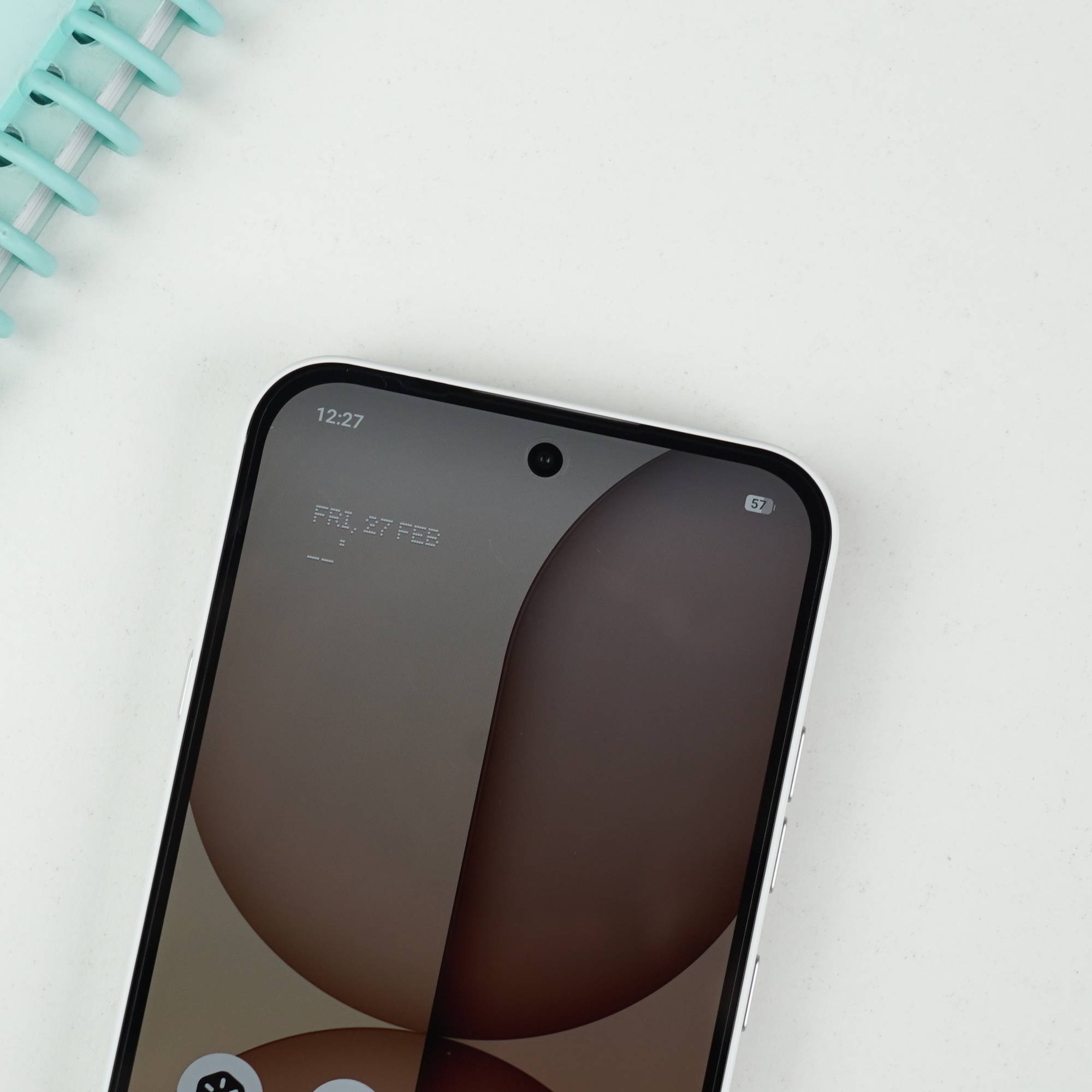
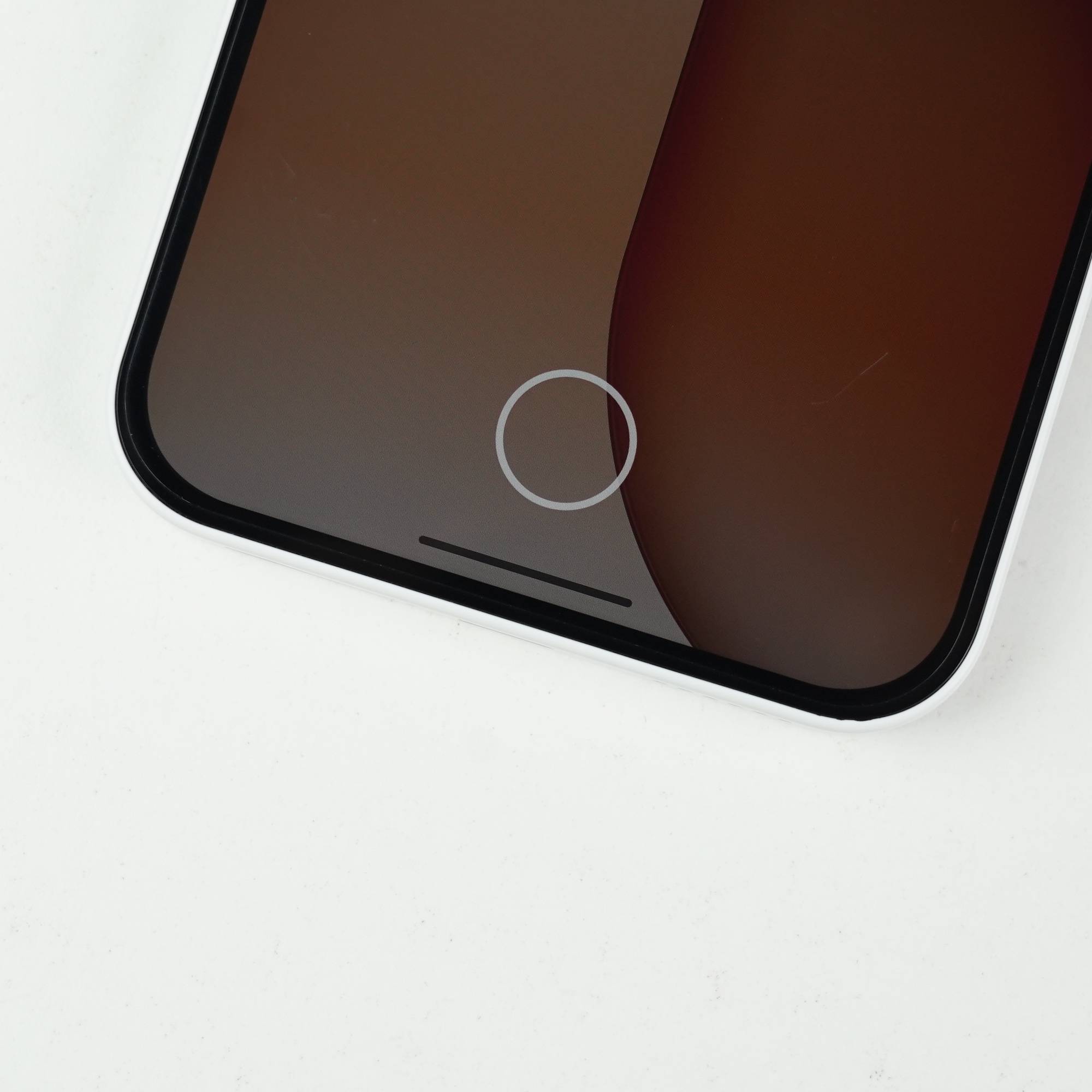
Unlike the Phone (3a) series, which featured the same 1080p display panels, the Phone (4a) series sports 1.5K-resolution displays, though with slightly varied sizes. The Phone (4a)’s 10-bit AMOLED display measures 6.78-inches and gets up to 120Hz refresh rate, 4,500 nits peak brightness, whereas the Phone (4a) Pro flaunts a slightly bigger 6.83-inch AMOLED panel with up to 144Hz refresh rate and 5,000 nits peak brightness.
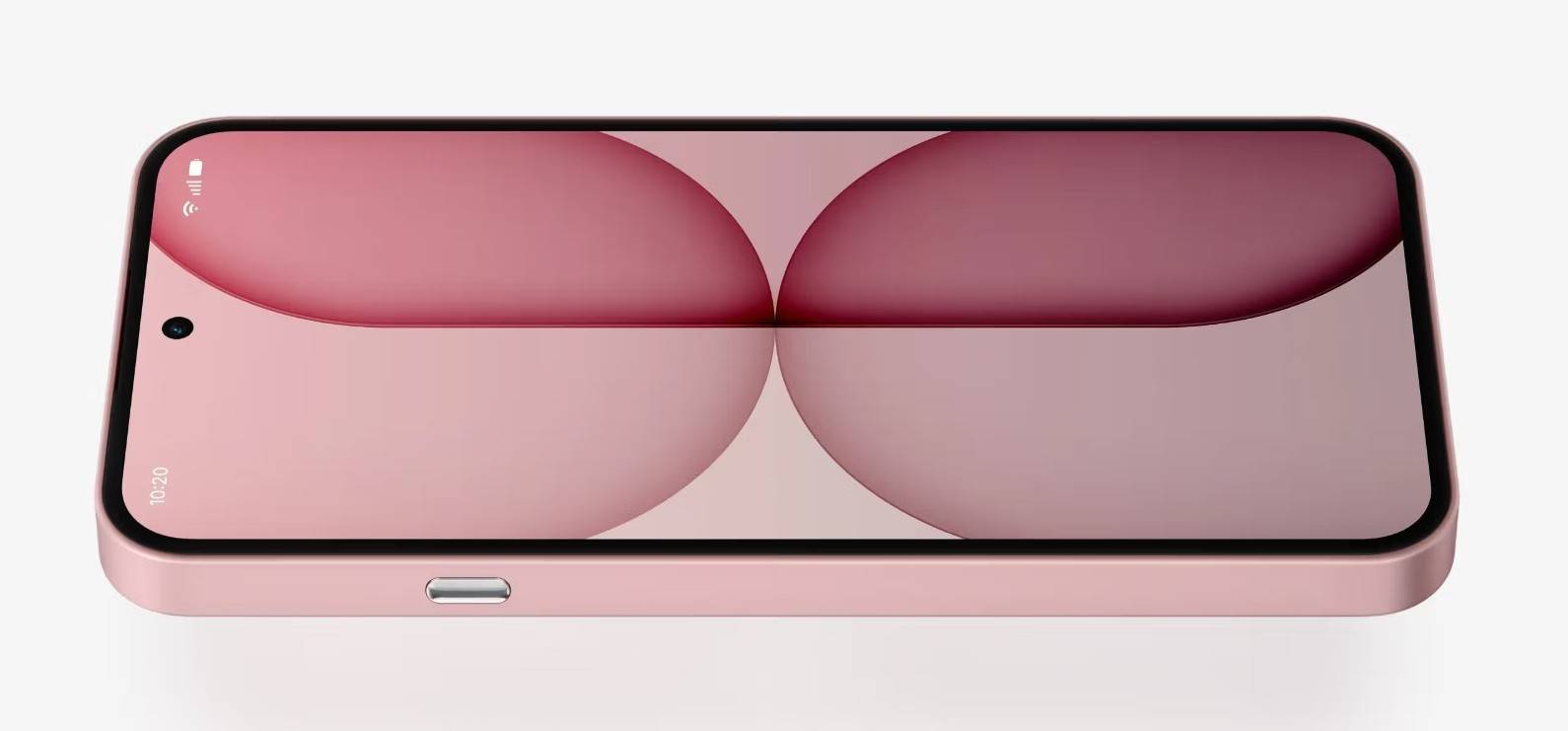
To justify its ‘Pro’ moniker, the Phone (4a) Pro has narrower bezels than the (4a). As for other similarities, both offer 1,600 nits of outdoor brightness, 800 nits of typical brightness, a PWM frequency of 2160Hz, and Corning Gorilla Glass 7i protection.
A similar set of cameras
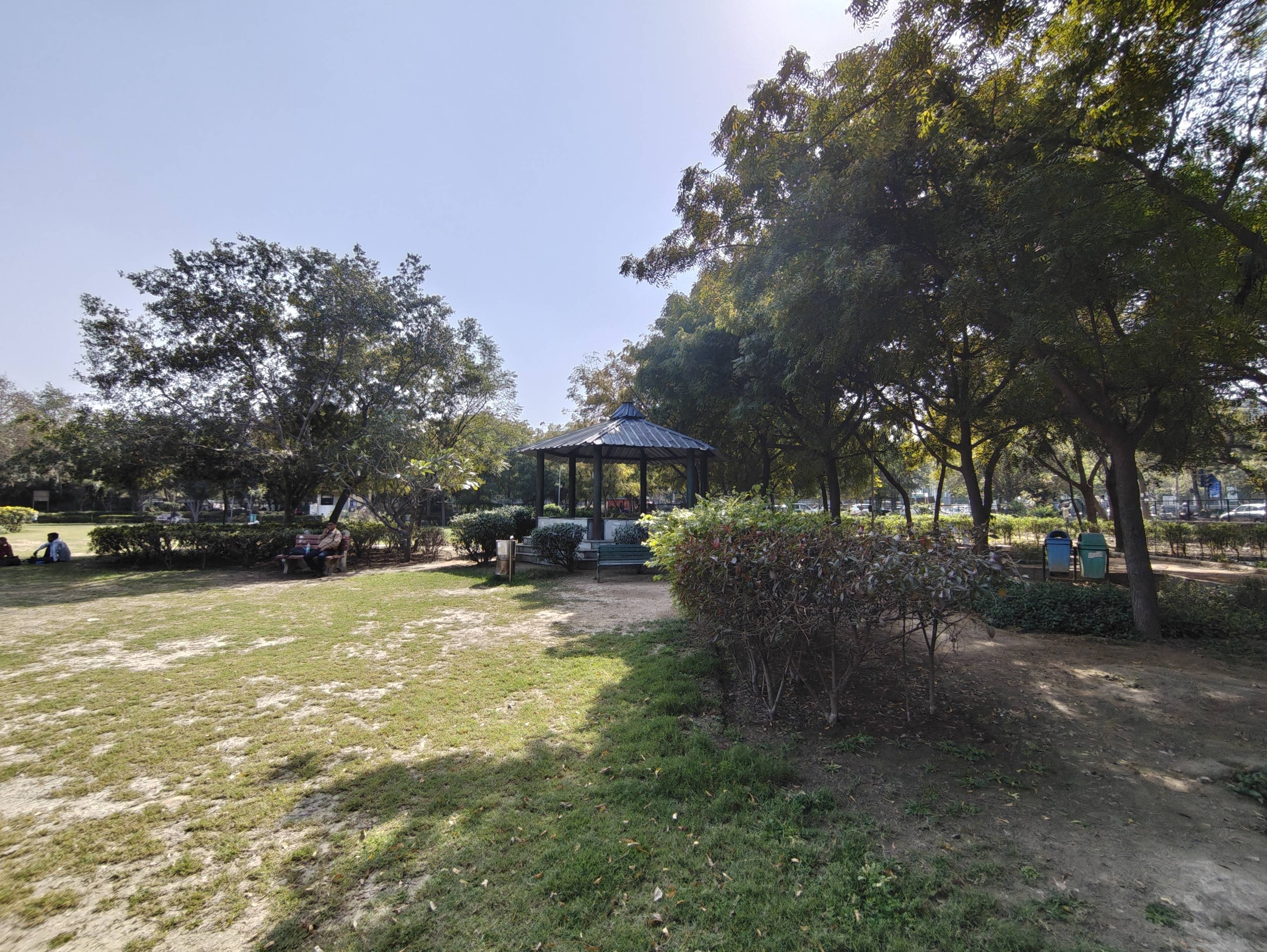
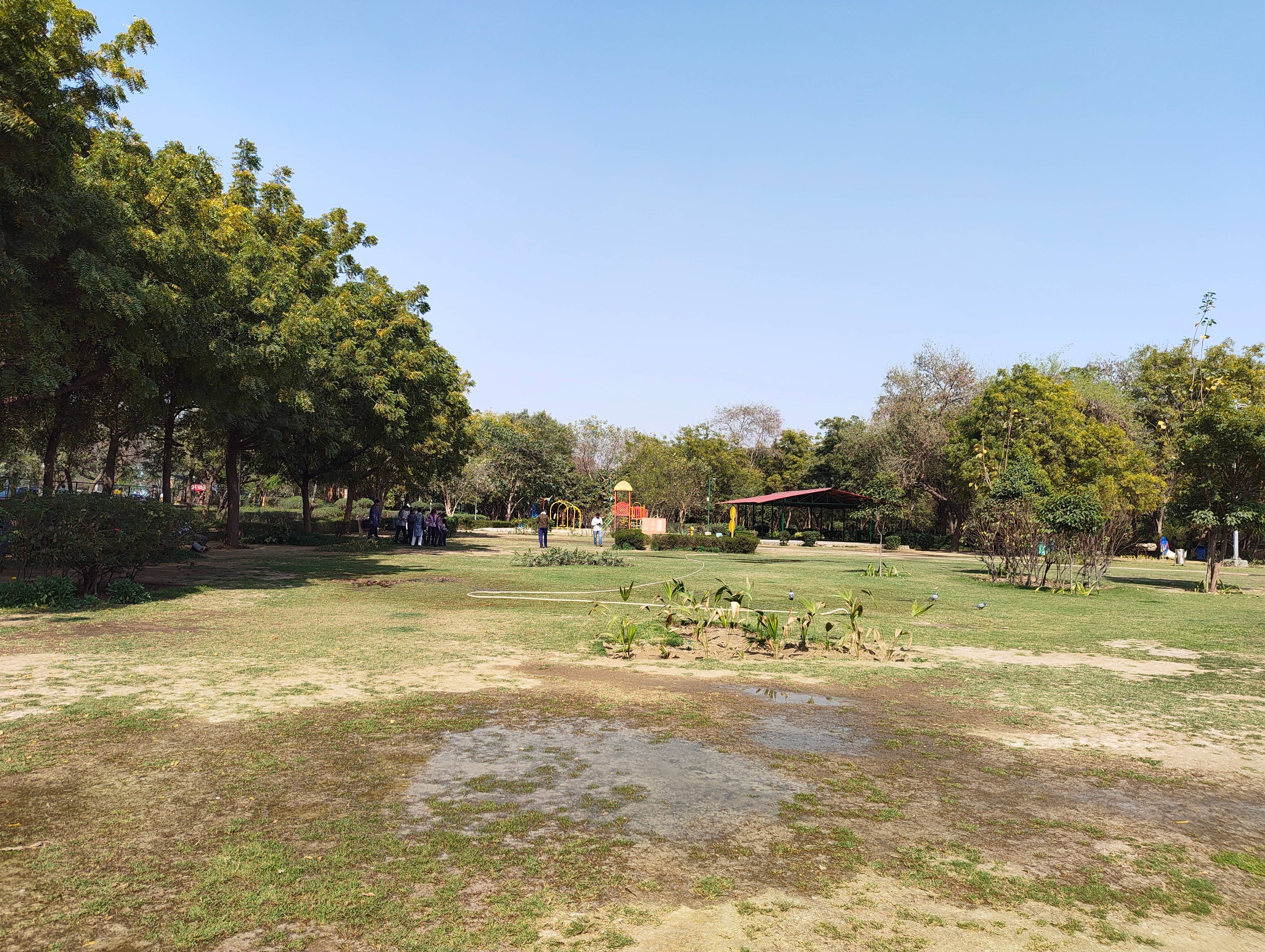
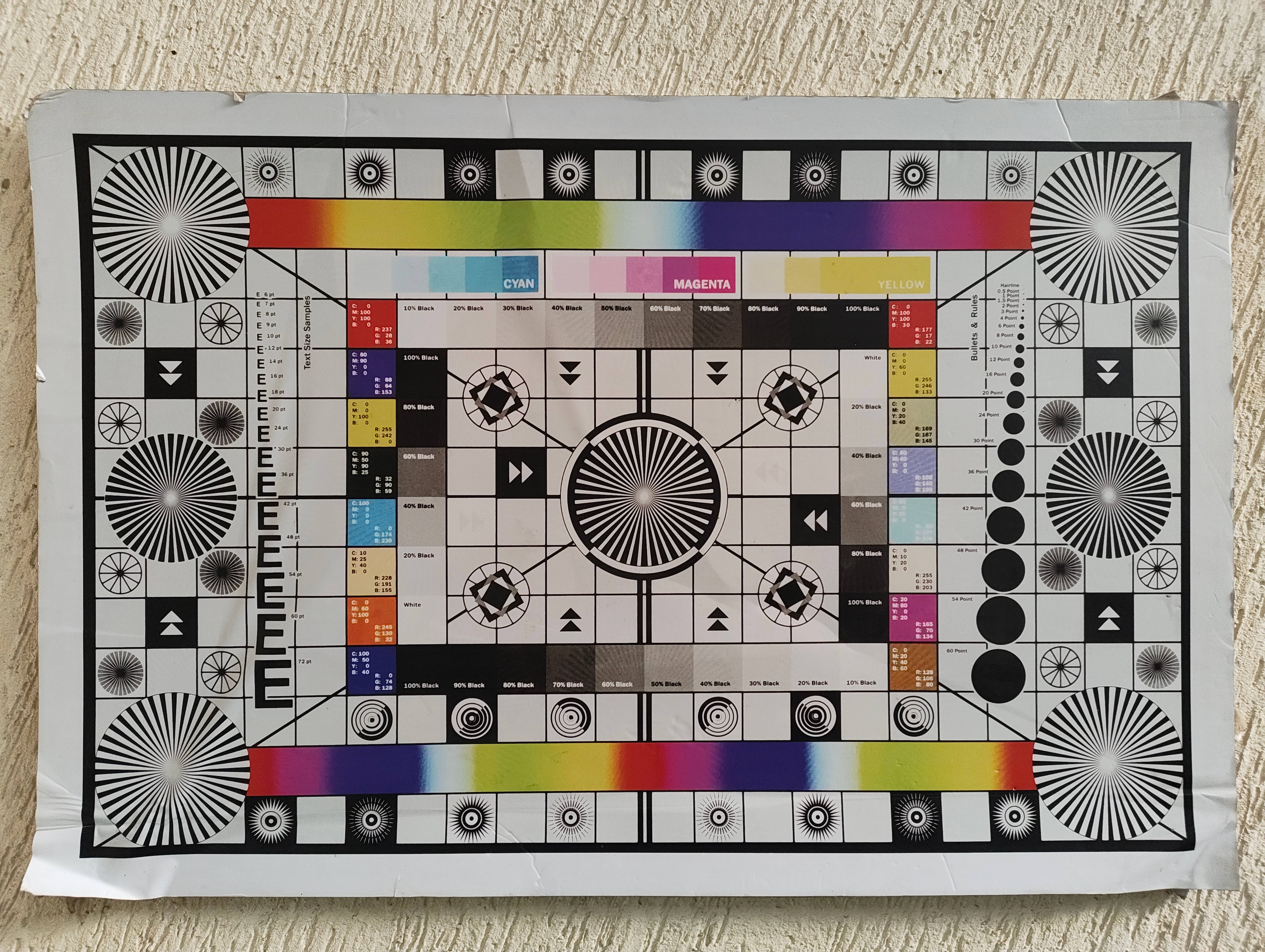
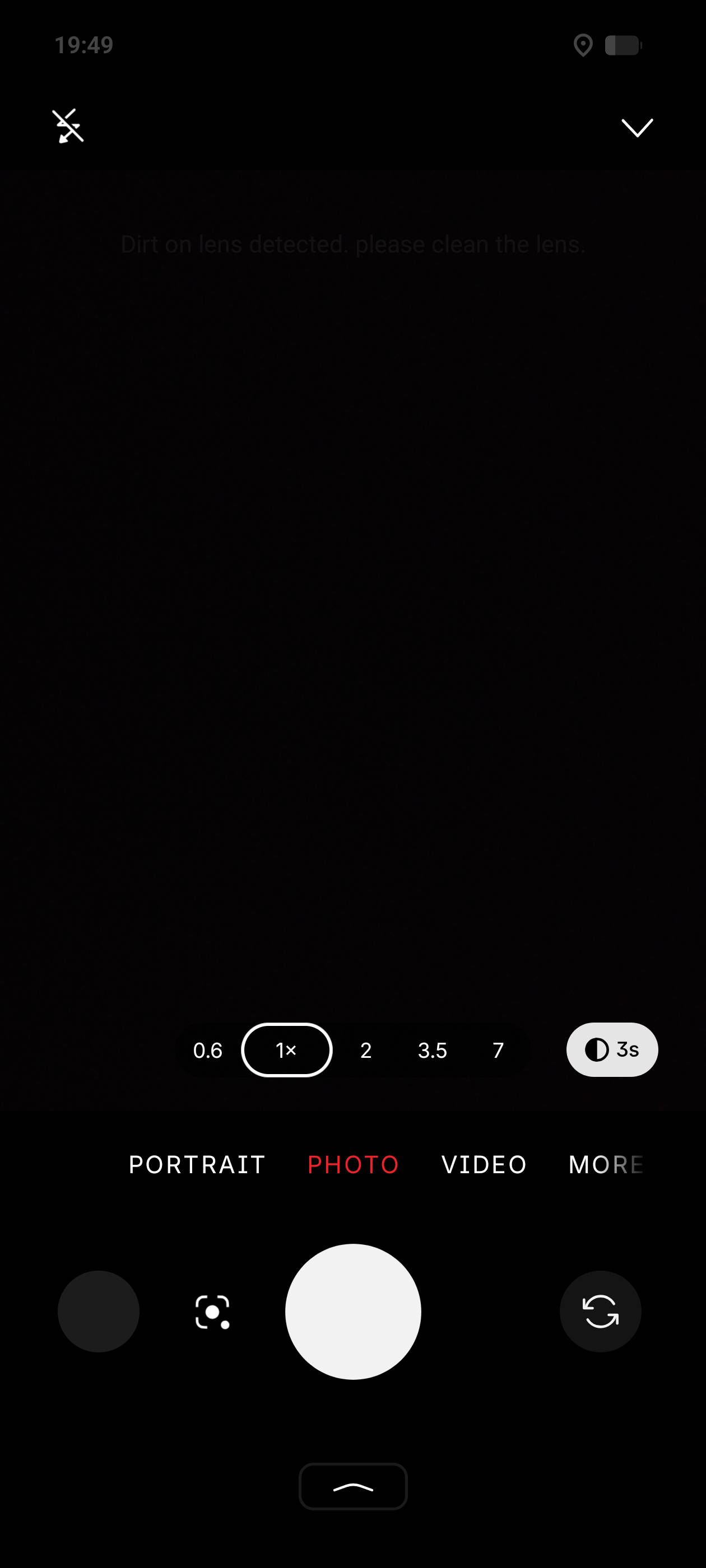
Seeing the camera setup on offer on both smartphones, it’s evident that Nothing is prioritising photography enthusiasts and hobbyists. Both Phone (4a) and Phone (4a) Pro get a 50MP primary camera with OIS, though the (4a) gets the 1/1.57-inch Samsung GN9 sensor, while the (4a) Pro features a 1/1.56-inch Sony LYT700C sensor, a 50MP OIS-enabled 1/2.75-inch JN5 tetraprism periscope with 3.5x optical zoom (and 7x in-sensor zoom), and an 8MP ultrawide camera with 120-degree field of view.
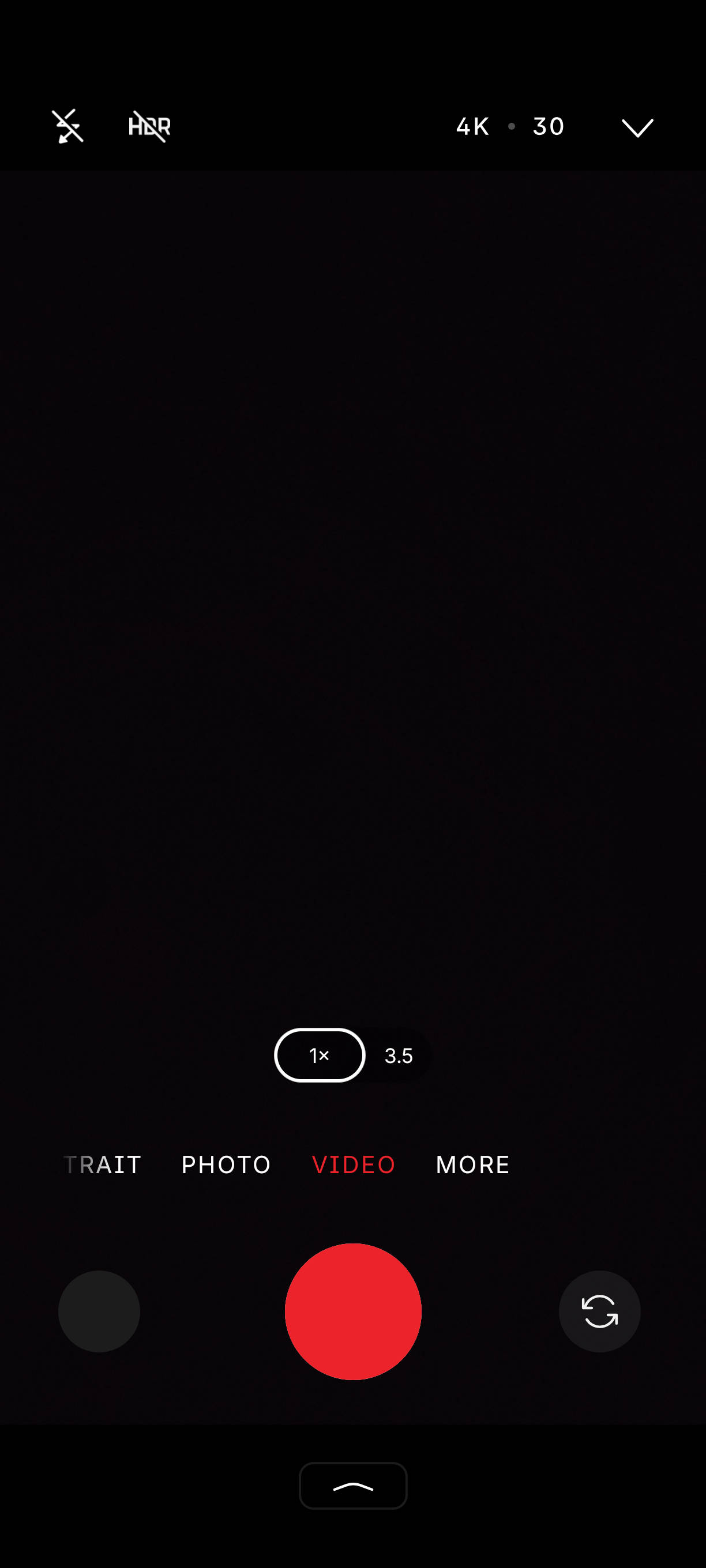
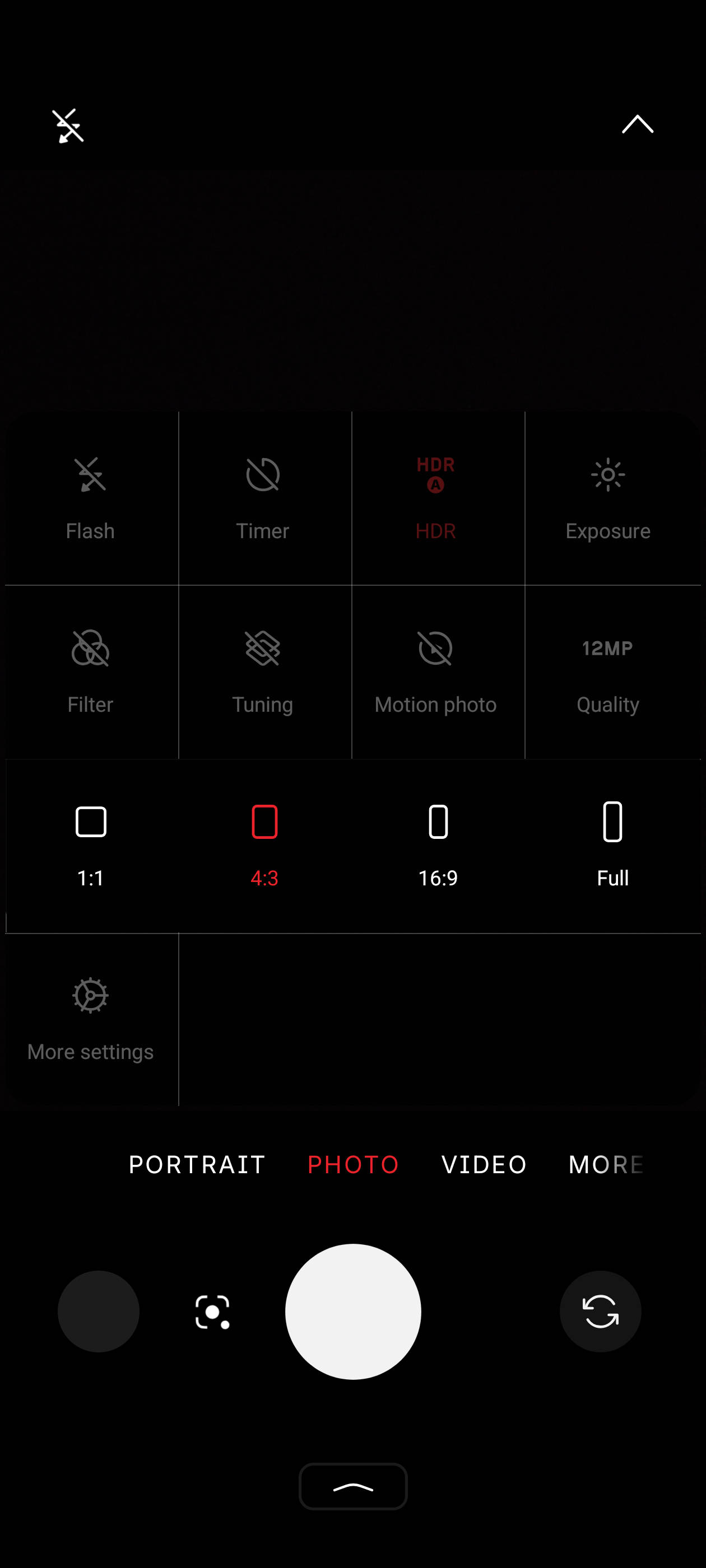
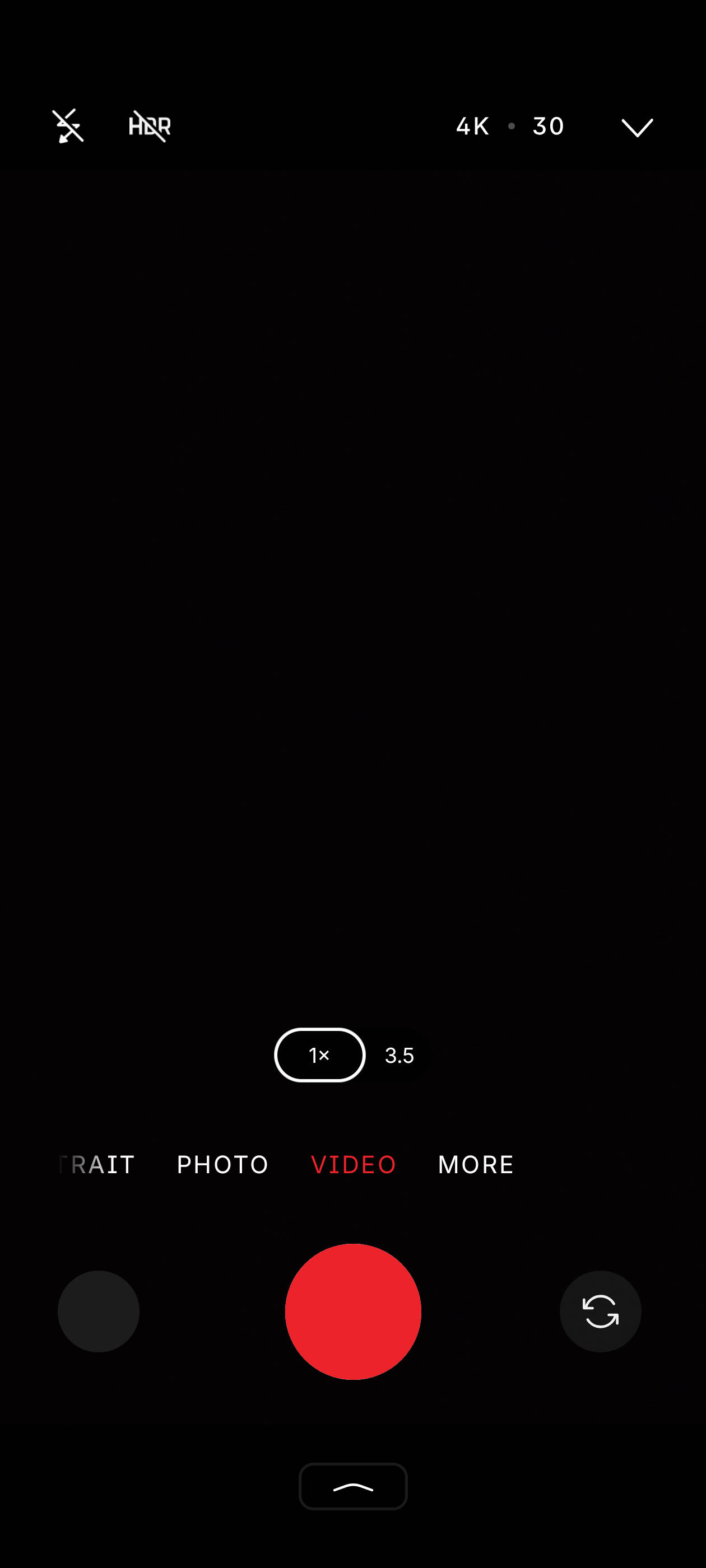
What separates the two in terms of optics is the digital zoom capabilities, where the (4a) is limited to 70x digital zoom, while the (4a) Pro can go up to 140x. At extremely high zoom levels, both smartphones uplift the details using AI, as indicated in the launch event. Users can record videos in up to 4K resolution at 30FPS using these smartphones.
Upfront, both handsets get a 1/ 3.44-inch 32MP selfie shooter. With Nothing’s proprietary camera system, called TrueLens Engine 4, onboard, even the standard Phone (4a) should suffice for casual to advanced photography, considering the hardware is nearly identical to that of the Phone (4a) Pro. However, since the ‘Pro’ phone features a tad better chipset, the Snapdragon 7 Gen 4, it could take advantage of the processor’s advanced ISP in delivering better results in challenging situations, such as low-light.
Powered by Snapdragon processors
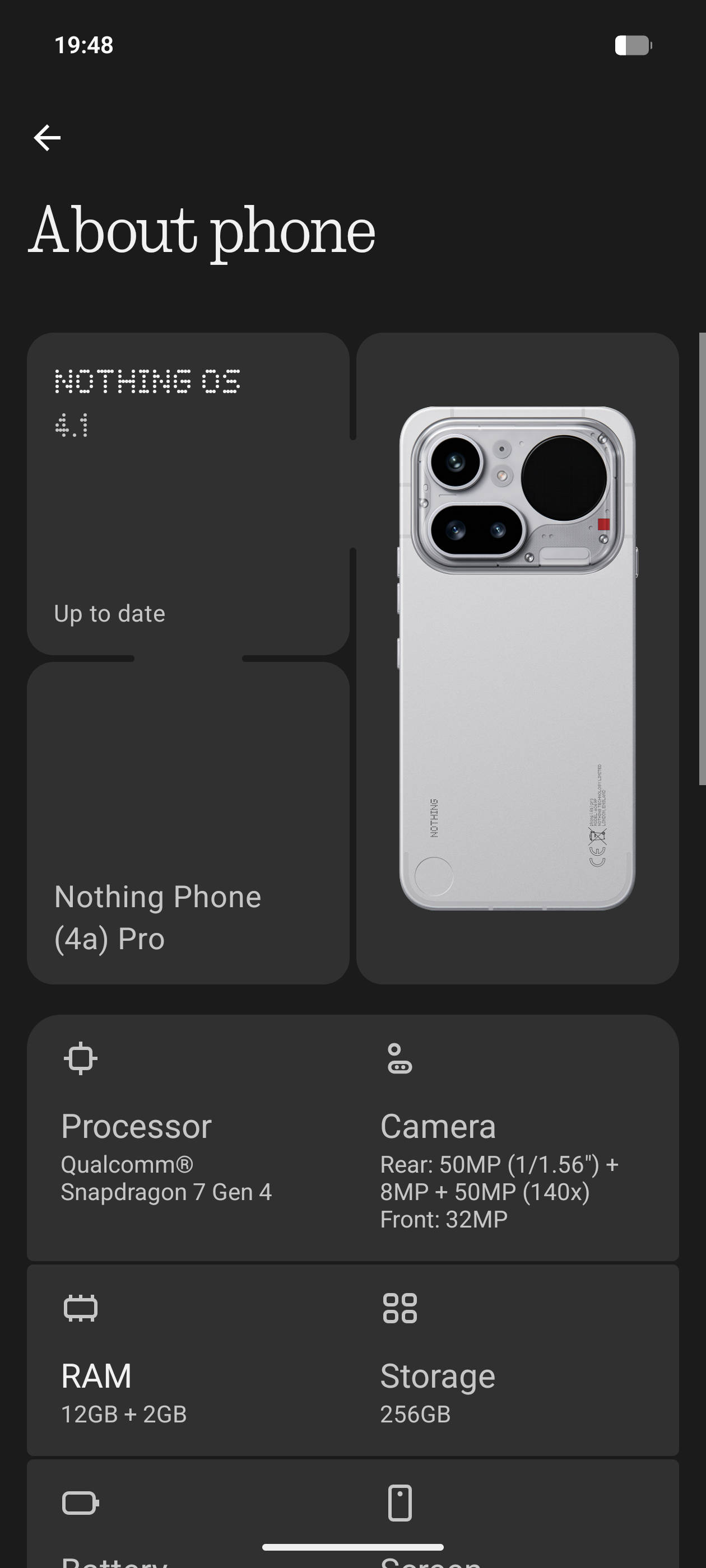
Apart from the design, one aspect that sets Nothing’s latest Phone (4a) series apart is the processors, with the standard model featuring the Snapdragon 7s Gen 4 and the Pro boasting the more powerful Snapdragon 7 Gen 4 for better performance. While both of these are octa-core processors, the Snapdragon 7s Gen 4 tops out at 2.7GHz, while the Snapdragon 7 Gen 4 gets a slightly more powerful 2.8GHz CPU. With the increased pricing, Nothing has bundled UFS 3.1 this time around, which should ensure smooth-flowing performance in the long run.

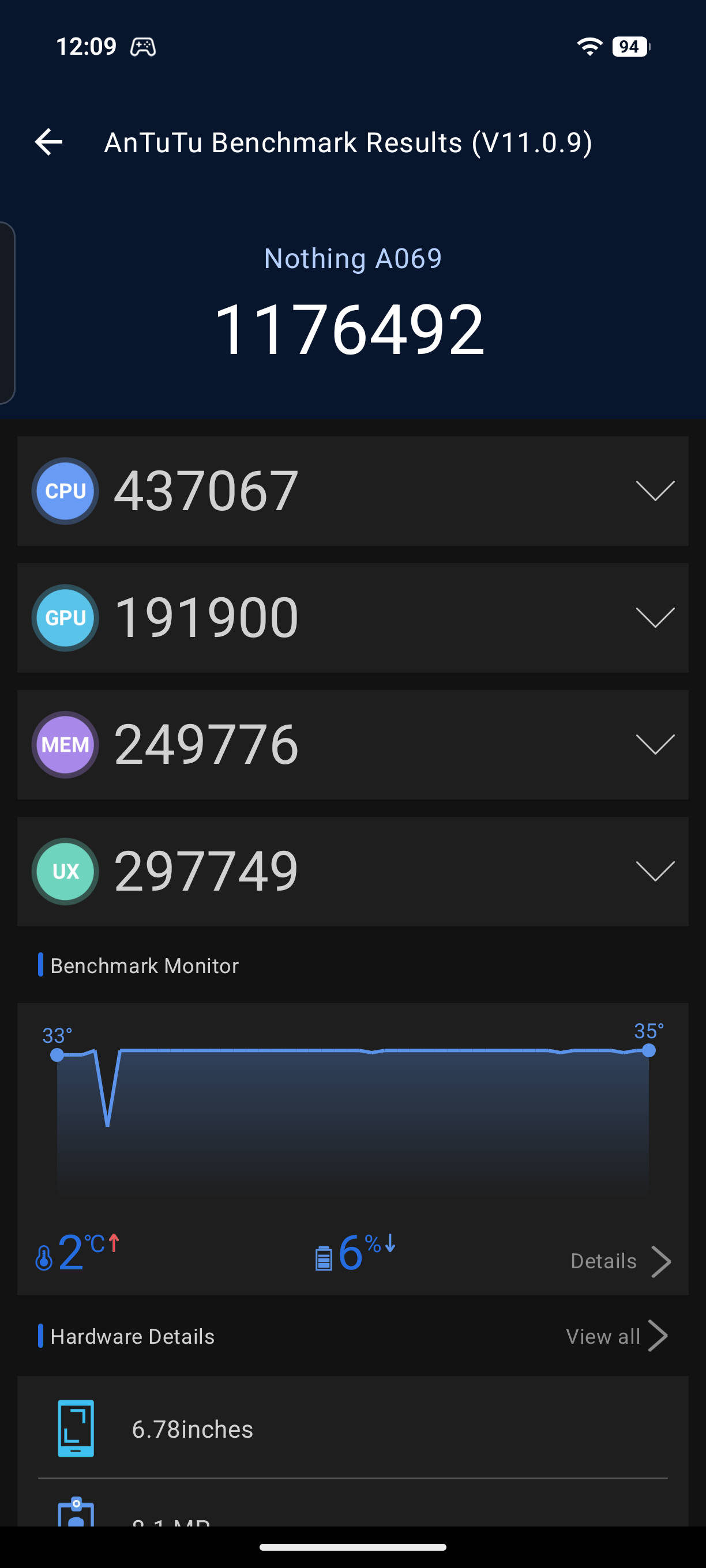
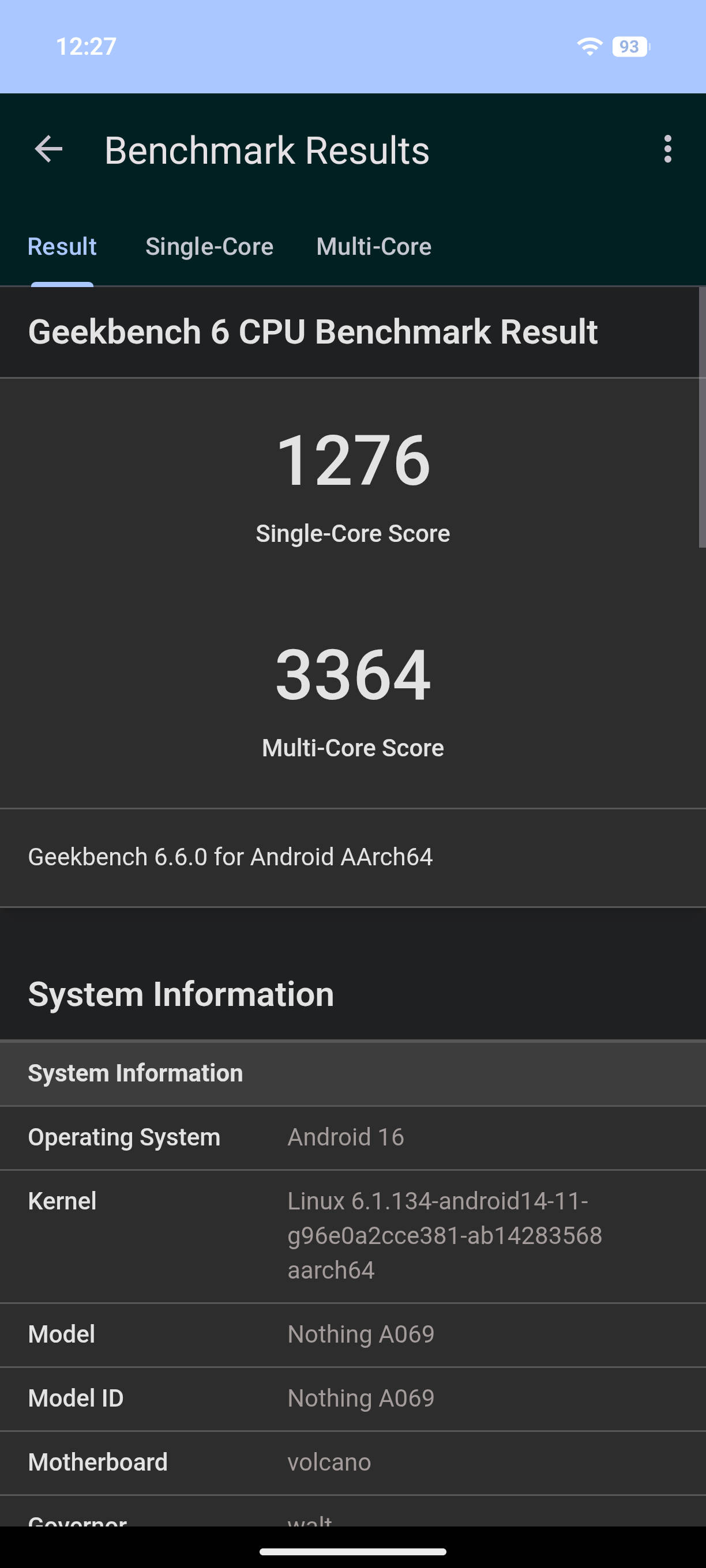
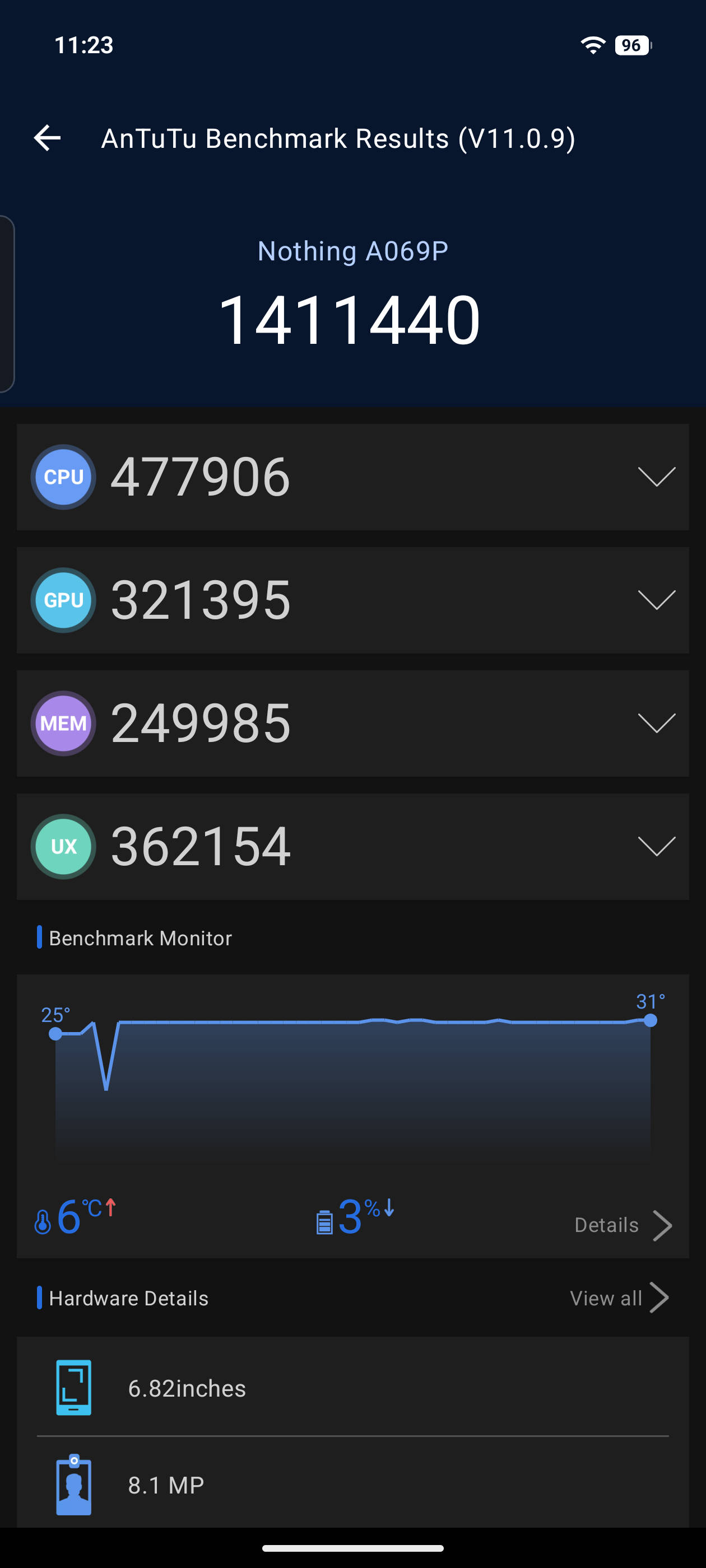
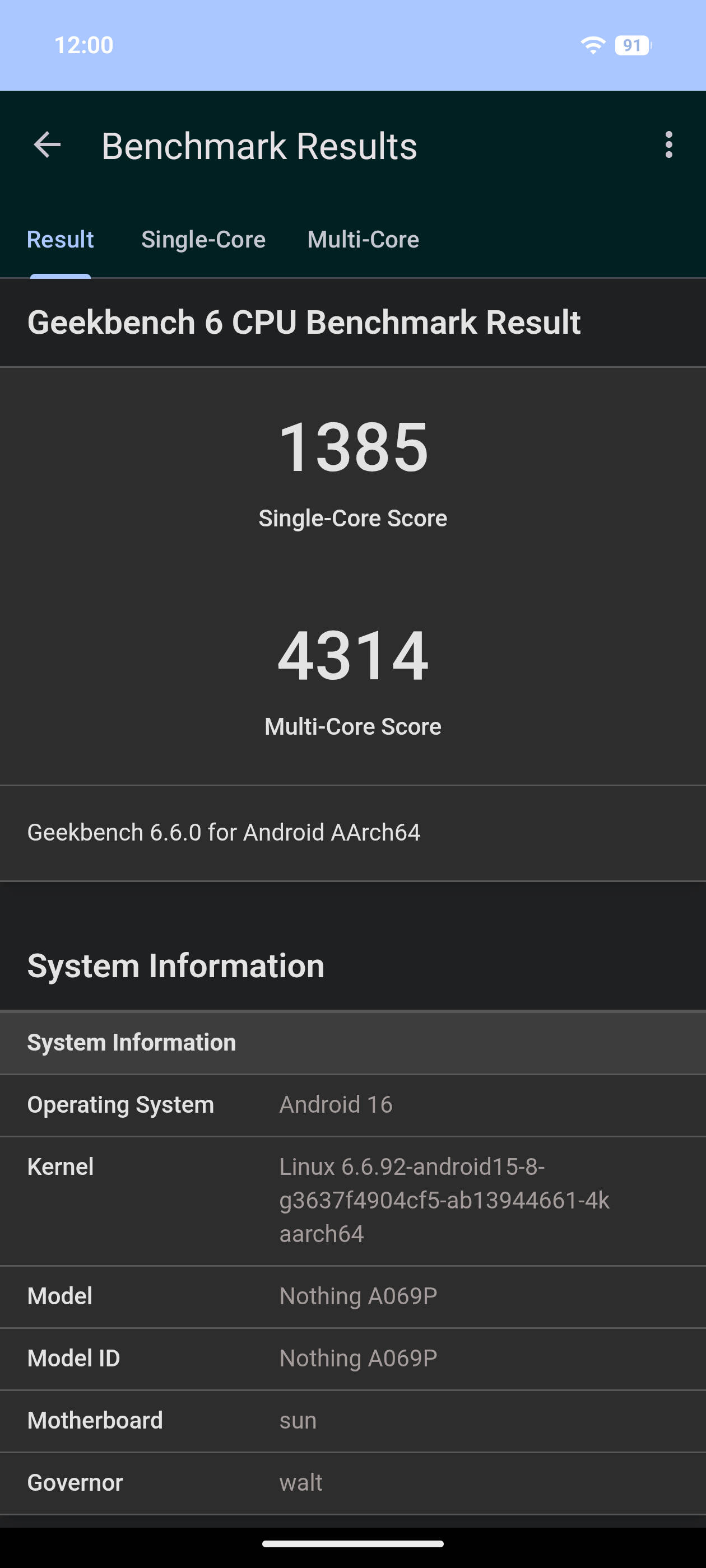
While we’re yet to test how the Phone (4a) Pro’s Snapdragon 7 Gen 4 fares in benchmarks, the newly released Vivo V70 with the same chipset scored 14,37,195 in our in-house AnTuTu test, so the (4a) Pro should deliver scores around the same ballpark. On the other hand, the Phone (4a) fetched scores of 11,76,492 on the same benchmark app, which isn’t too far off from its ‘Pro’ sibling. Taking into consideration our previous hands-on with phones rocking these chipsets, both should offer a reliable experience with no major stutters or lag during daily use.

Nothing Phone (4a) vs Phone (3a): What's new and what's changed?

Reasons to buy the Nothing Phone (4a) and reasons to skip it

Nothing Phone (4a) Pro first impressions: bold design shift
Bump in battery capacities
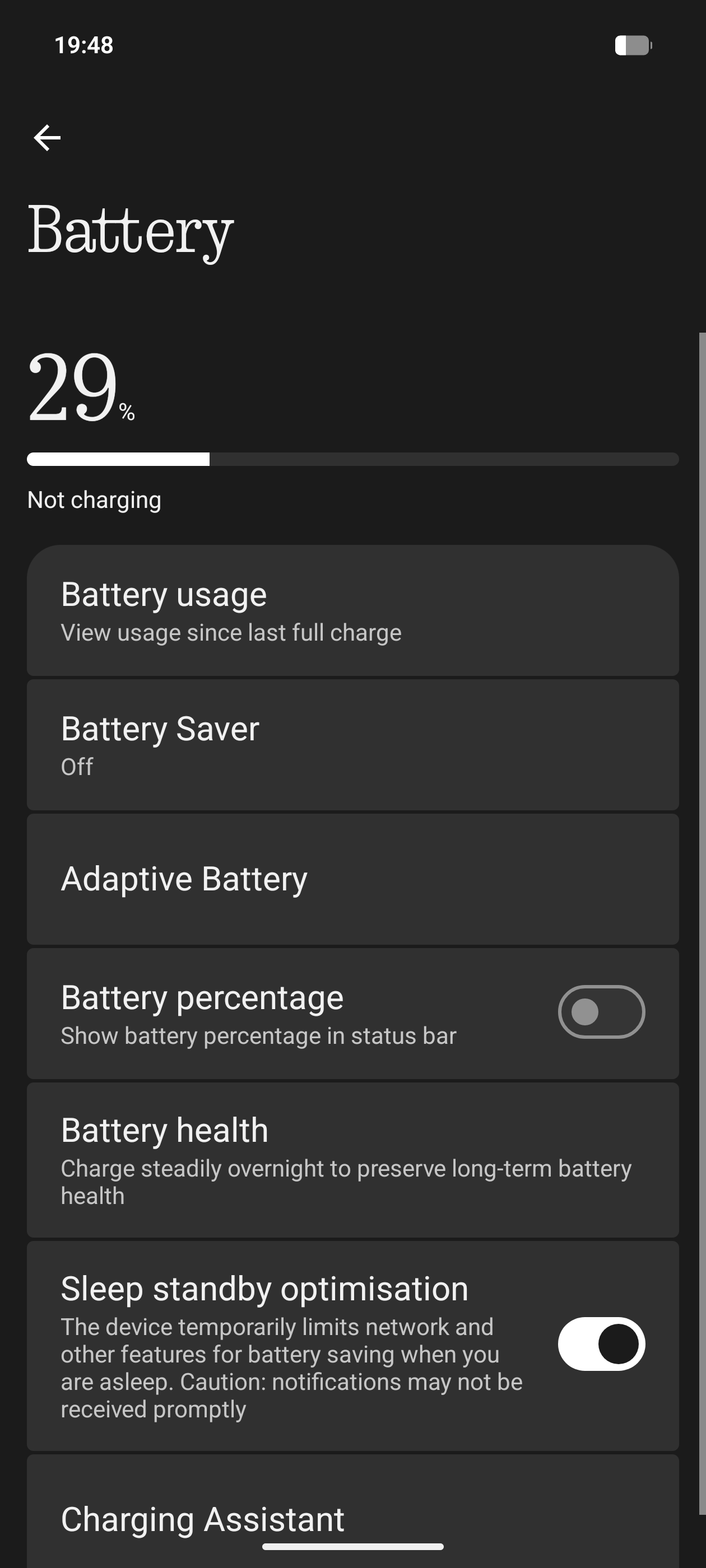
Nothing has bumped up the battery capacities on the Phone (4a) series, but the jump isn’t as significant as some other brands, with competition now offering cells in the range of 7,000mAh. Both Phone (4a) and Phone (4a) Pro carry a 5,400mAh battery, up from 5,000mAh found on the Phone (3a) series. Considering the 5,000mAh batteries on Nothing’s 2025 midrange smartphones, including the CMF Phone 2 Pro (long-term review), delivered a day or more worth of endurance, the (4a) series should offer good battery backup for most use cases.
Even though both phones miss out on a charger in the box, these devices are capable of charging at up to 50W speeds using compatible chargers, such as Nothing’s own standalone 65W GaN charger.
Some similarities worth knowing
IP64 ratings – Unlike many smartphones priced Rs 30,000 and above, which are IP68/69 certified, the Nothing Phone (4a) series features an IP64 rating.
Bundled TPU case – Much like the Nothing Phone (3) and CMF Phone 2 Pro, Nothing is providing a transparent TPU case in the box with the Phone (4a) series.
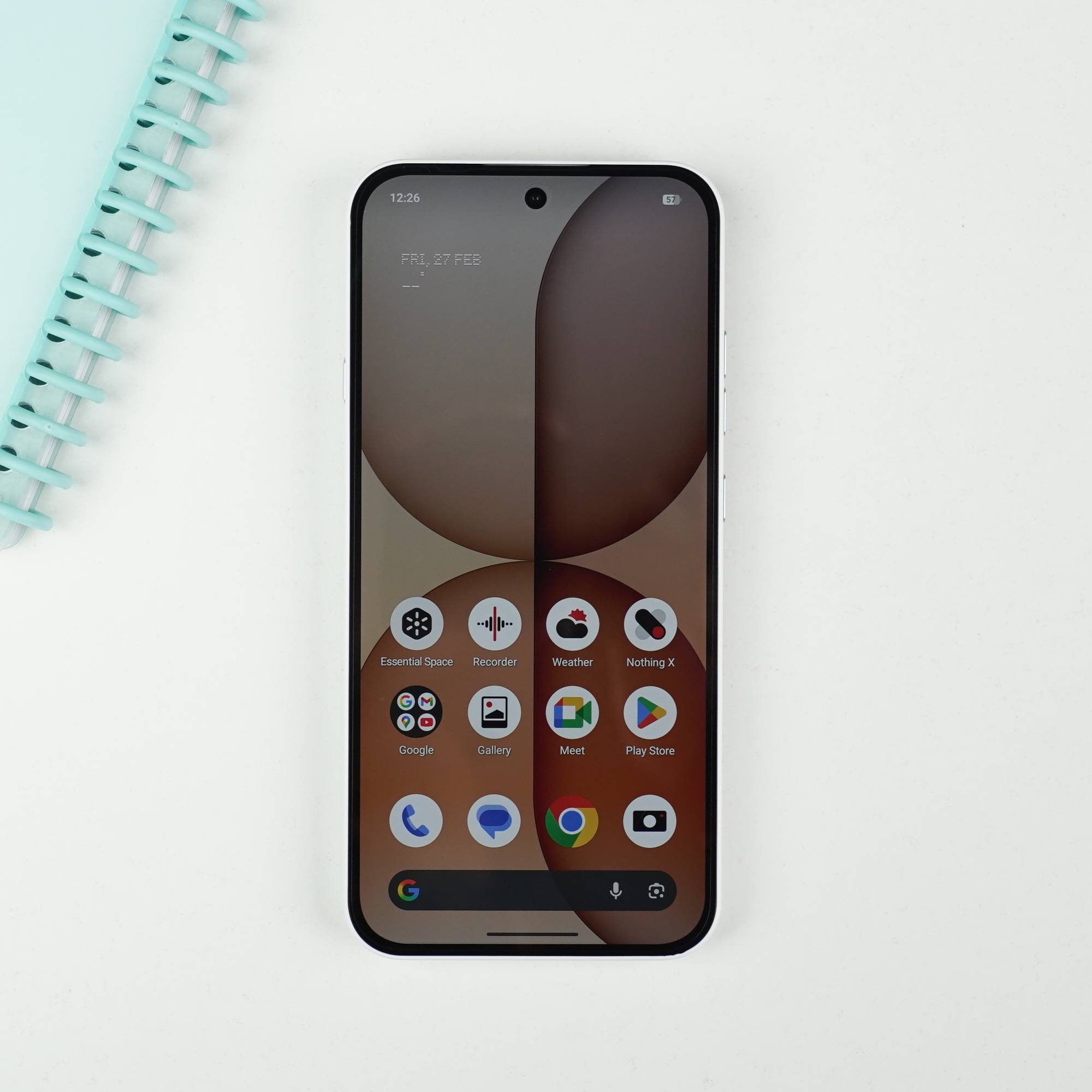
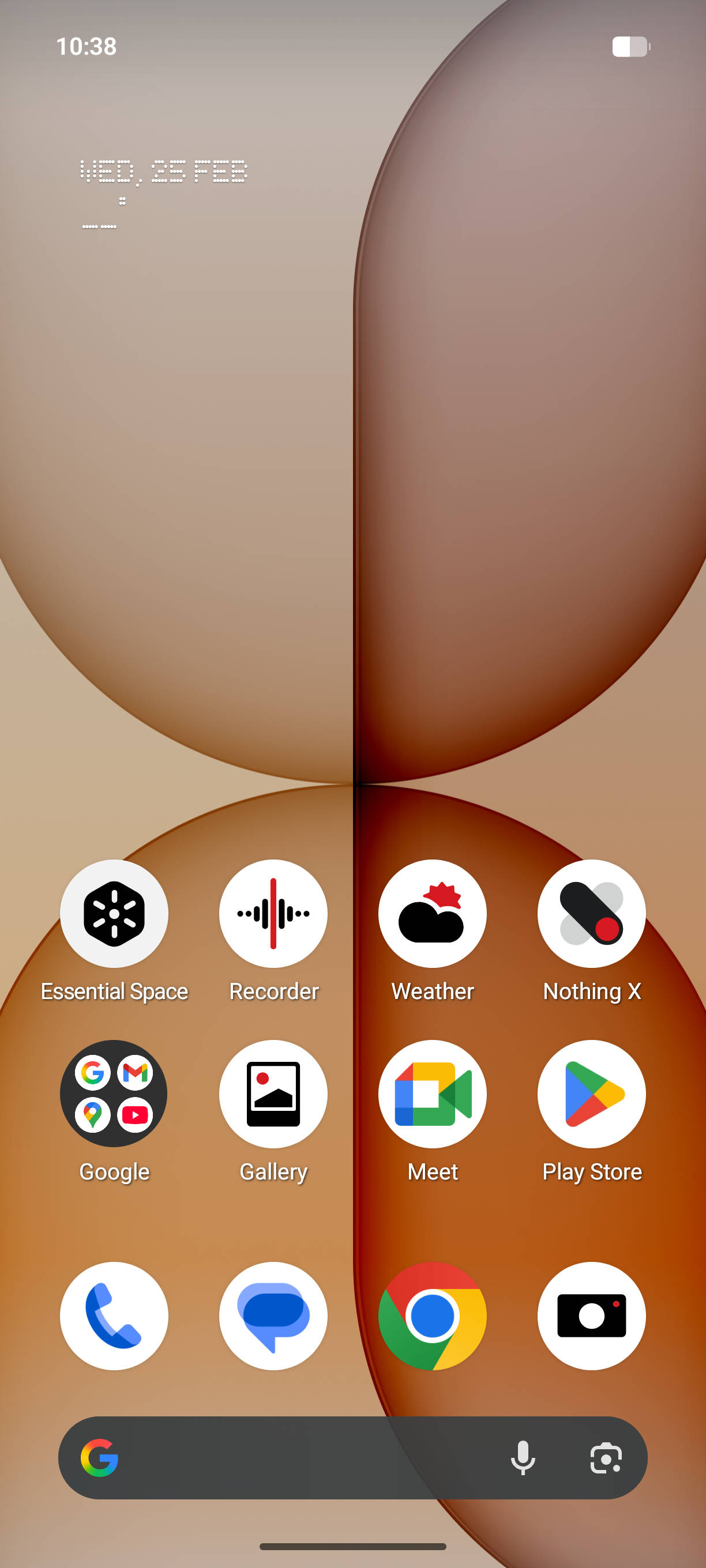
Revamped button position – The Essential Space continues to make its presence on the Phone (4a) series, but it now sits on the left sideframe instead of the right. As a result, the volume buttons have been repositioned to the right side.
If you’re okay spending Rs 39,999 or above for the Nothing Phone (4a) Pro, it gets you a premium unibody metal design, a much more intuitive Glyph Matrix interface that acts as a rear display to showcase notifications and run tools, including the ones made by developers and the Nothing community, and narrower display bezels.
For a much lesser price of Rs 31,999, the Phone (4a) gets you a nearly identical camera setup, the signature transparent look from Nothing, and a unique take on Glyph LEDs in the form of a Glyph Bar.
Nothing Phone 4a 8GB RAM Images





































Nothing Phone 4a 256GB Images


Nothing Phone 4a 12GB RAM Images


Nothing Phone 4a Pro Images



































Nothing Phone 4a Pro 256GB Images


Nothing Phone 4a Pro 12GB RAM Images