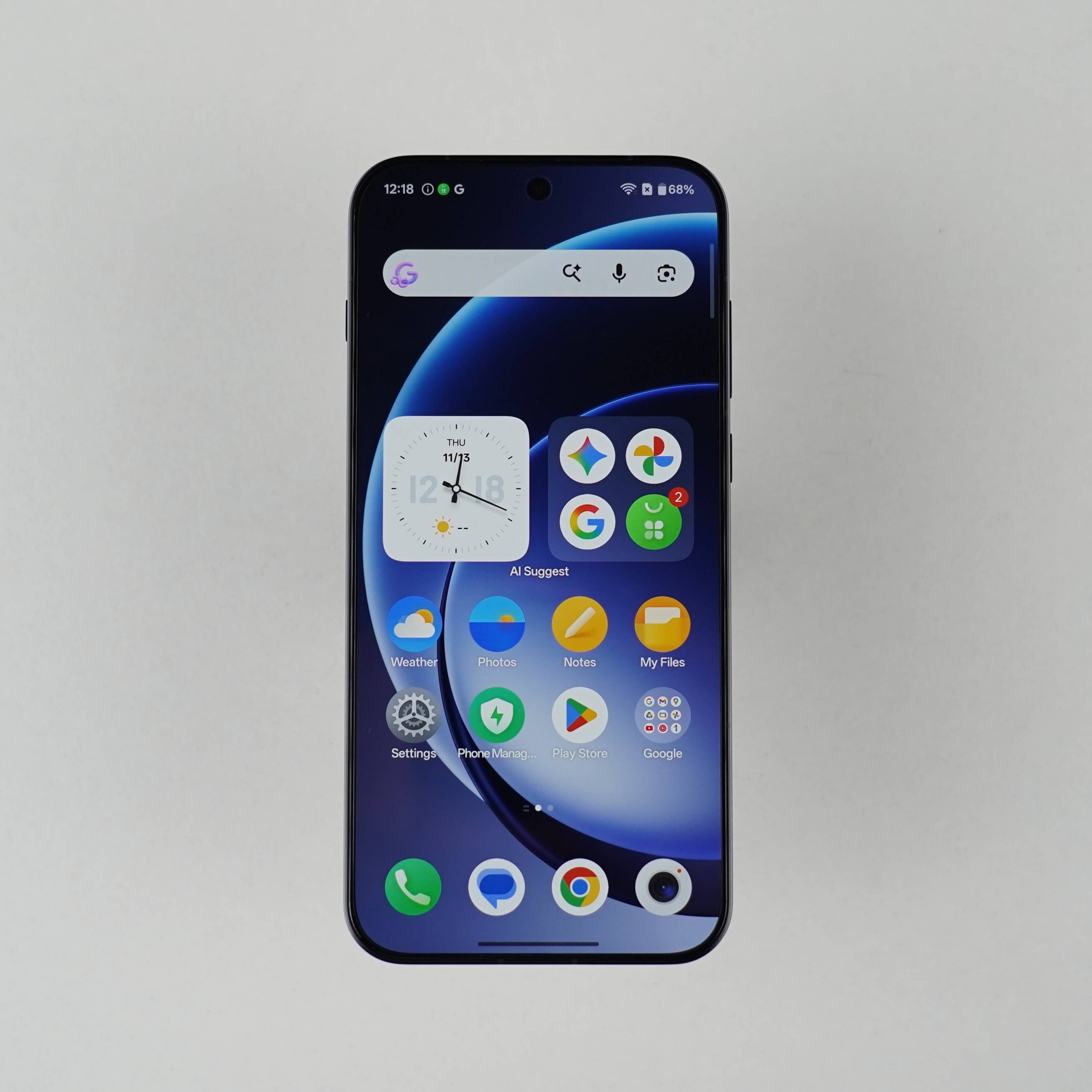
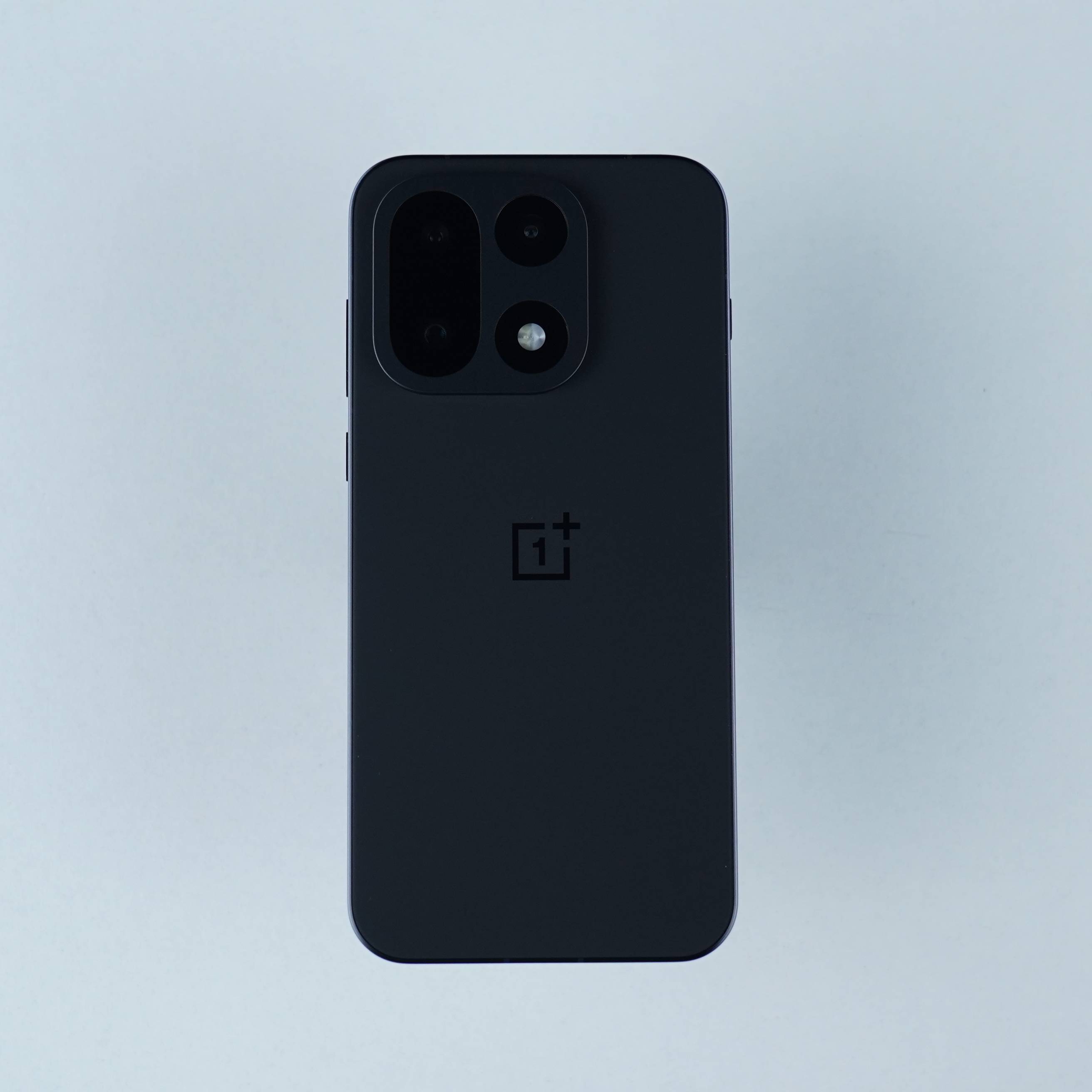
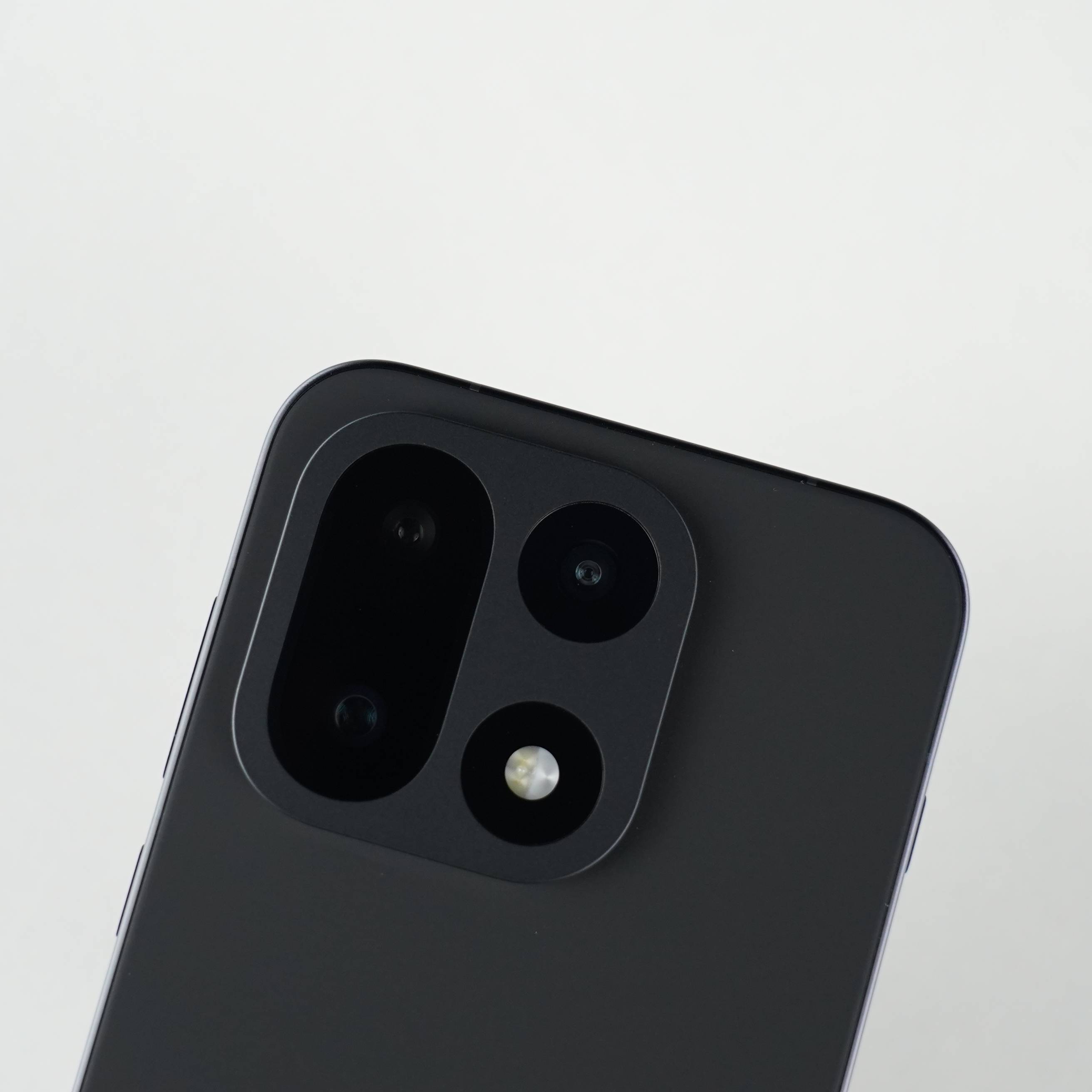
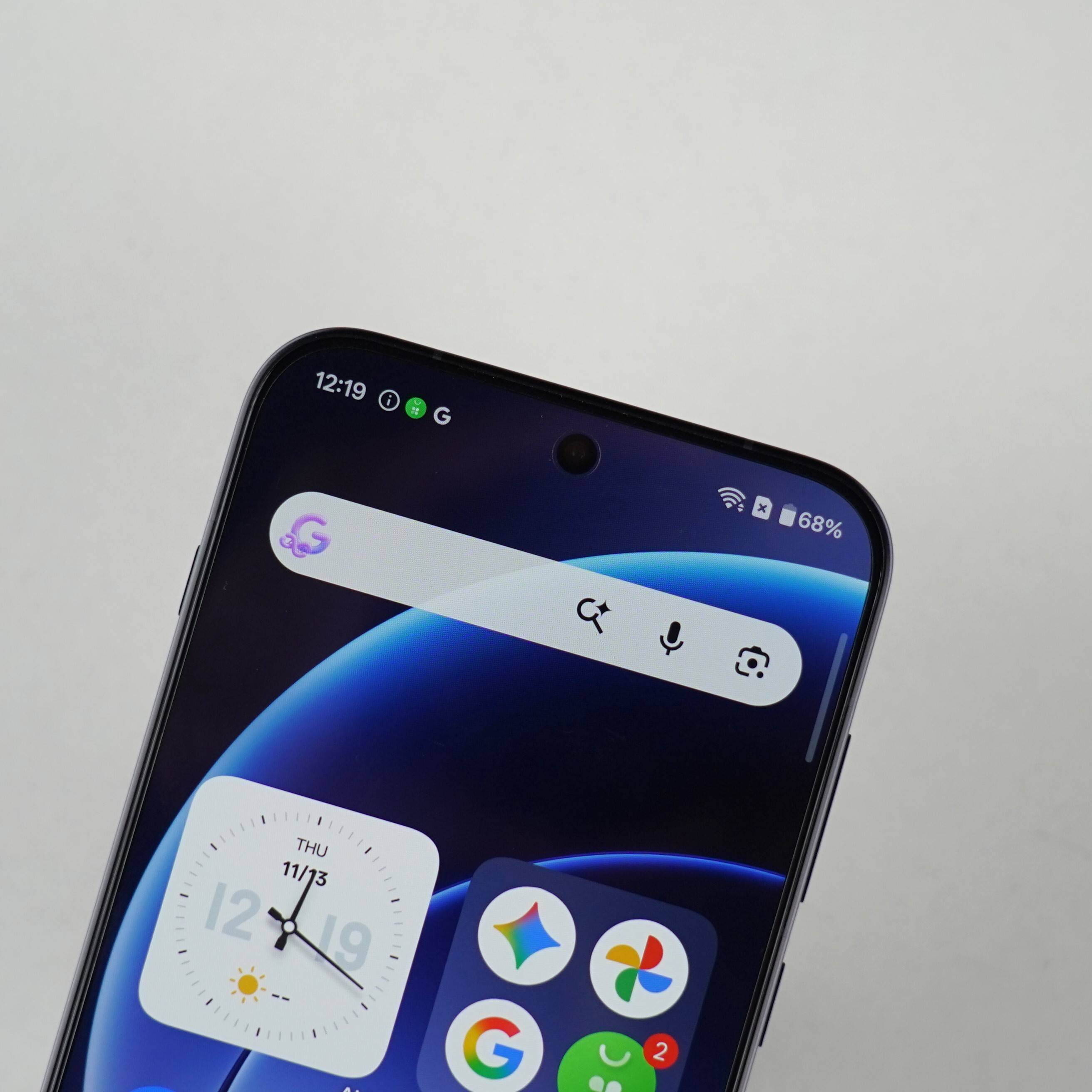
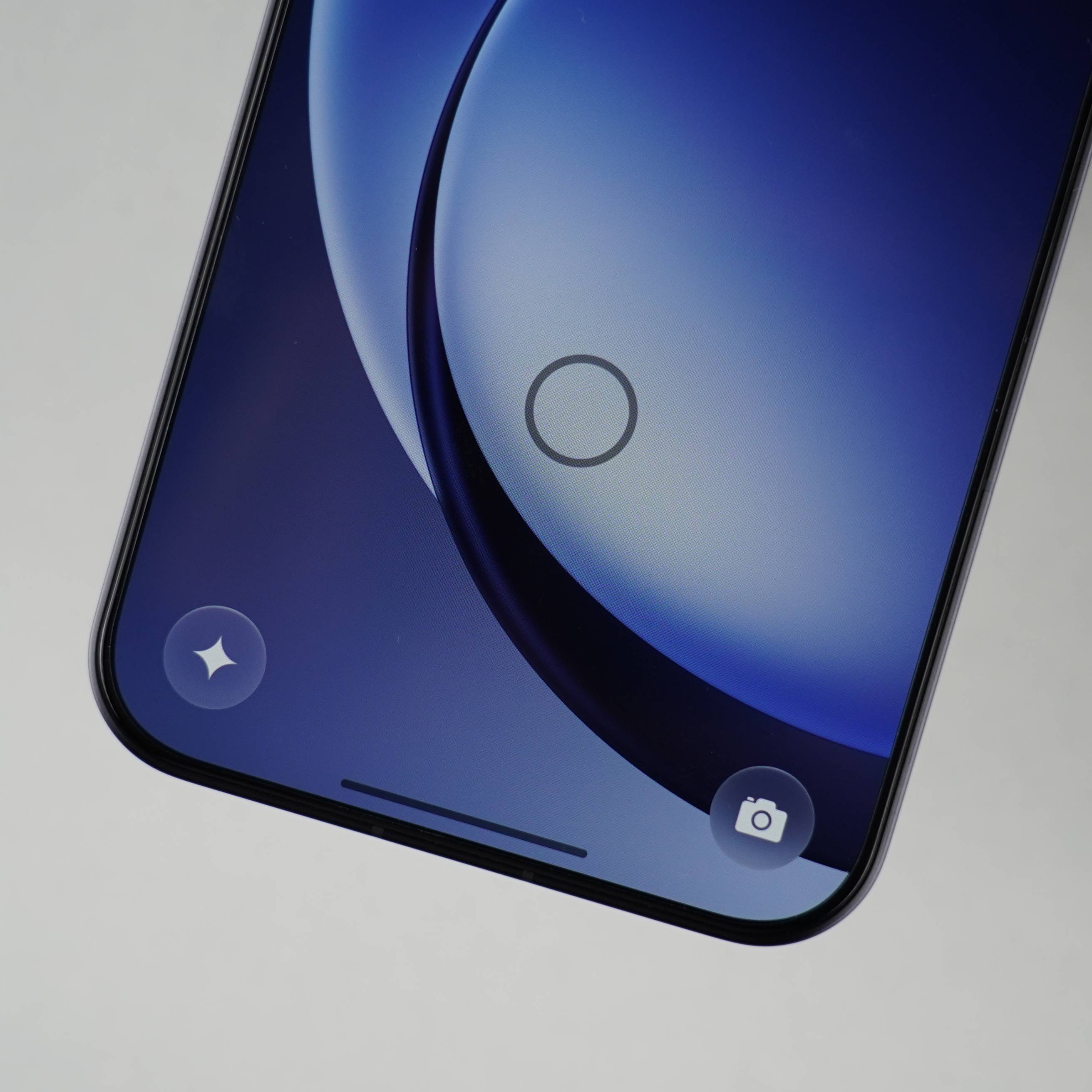
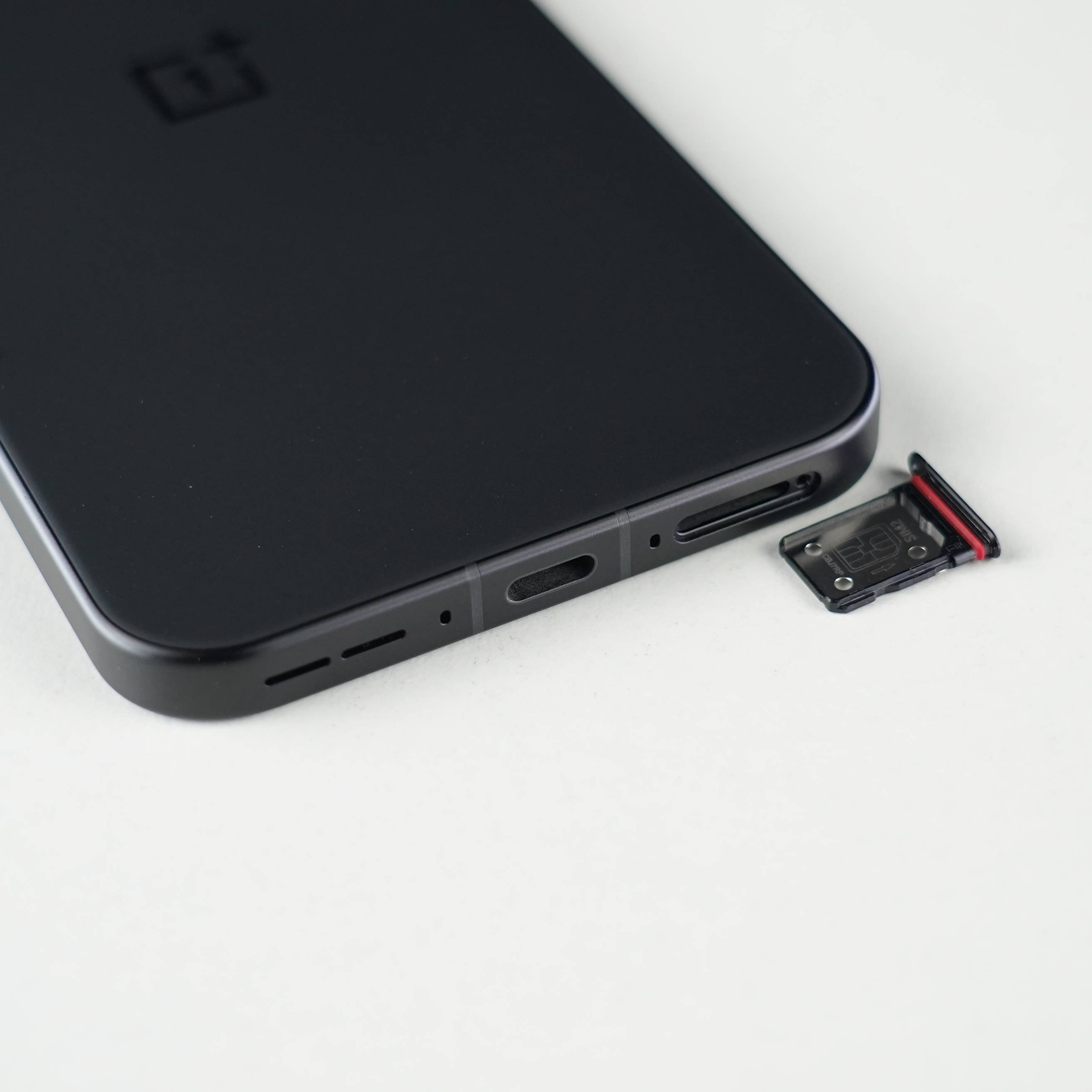
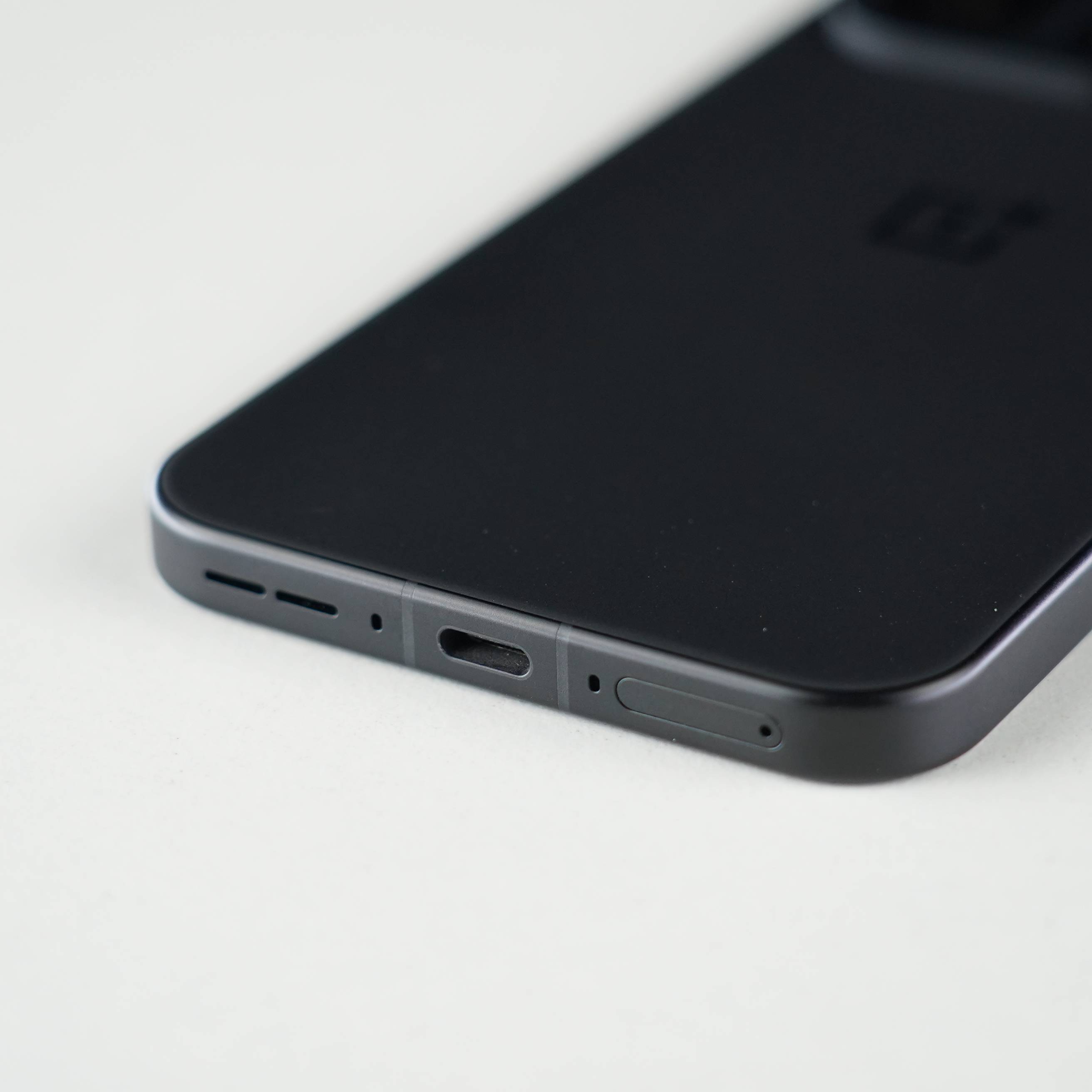
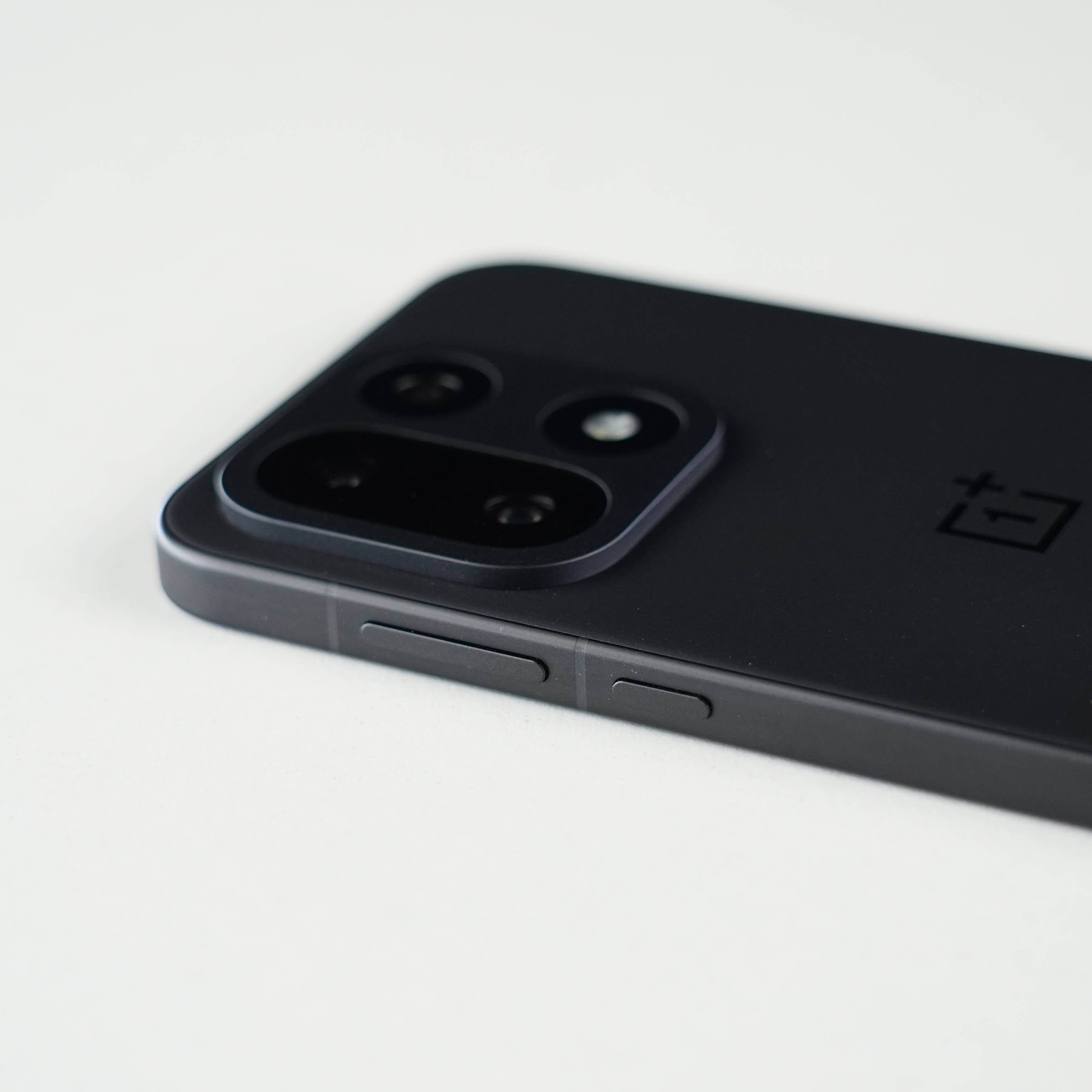
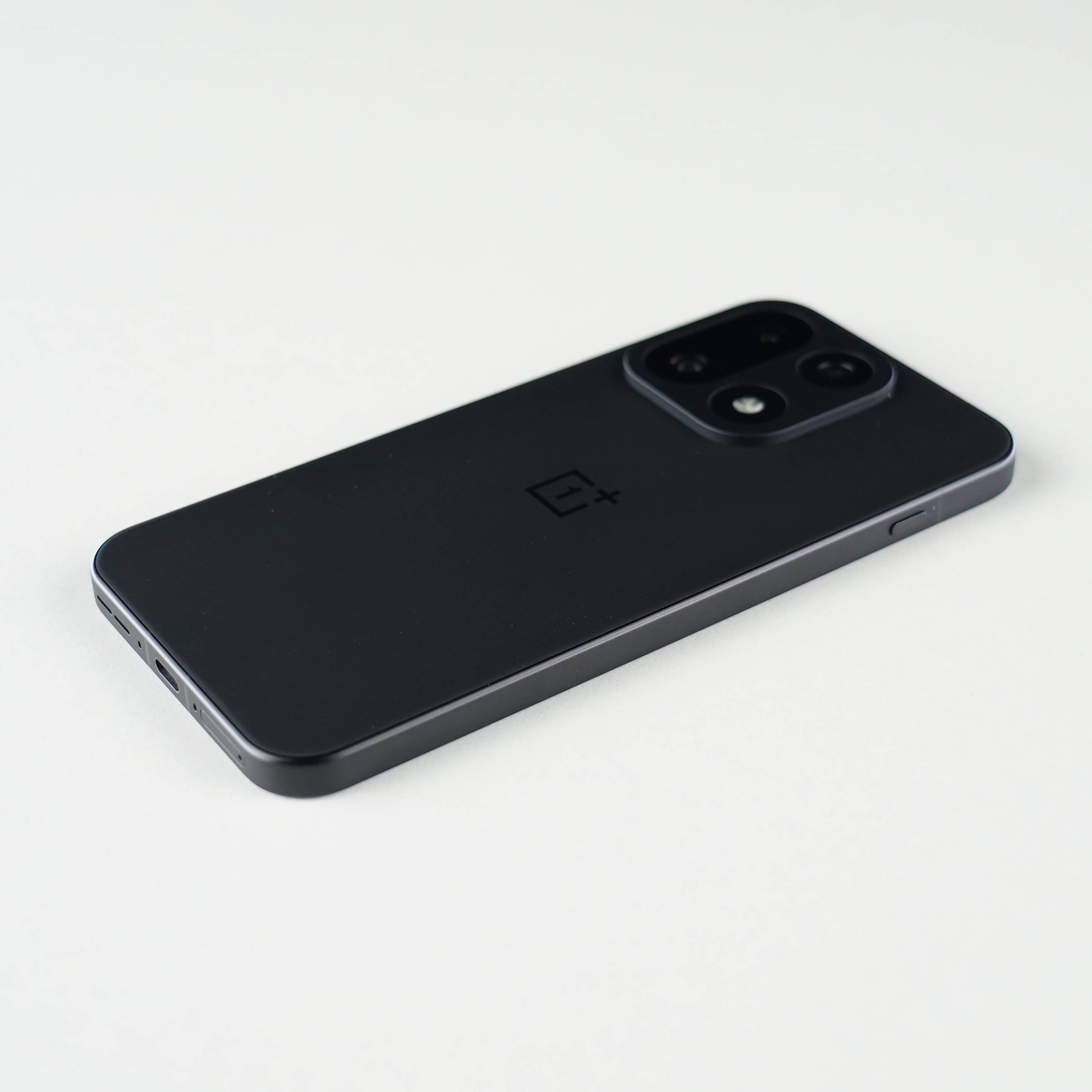
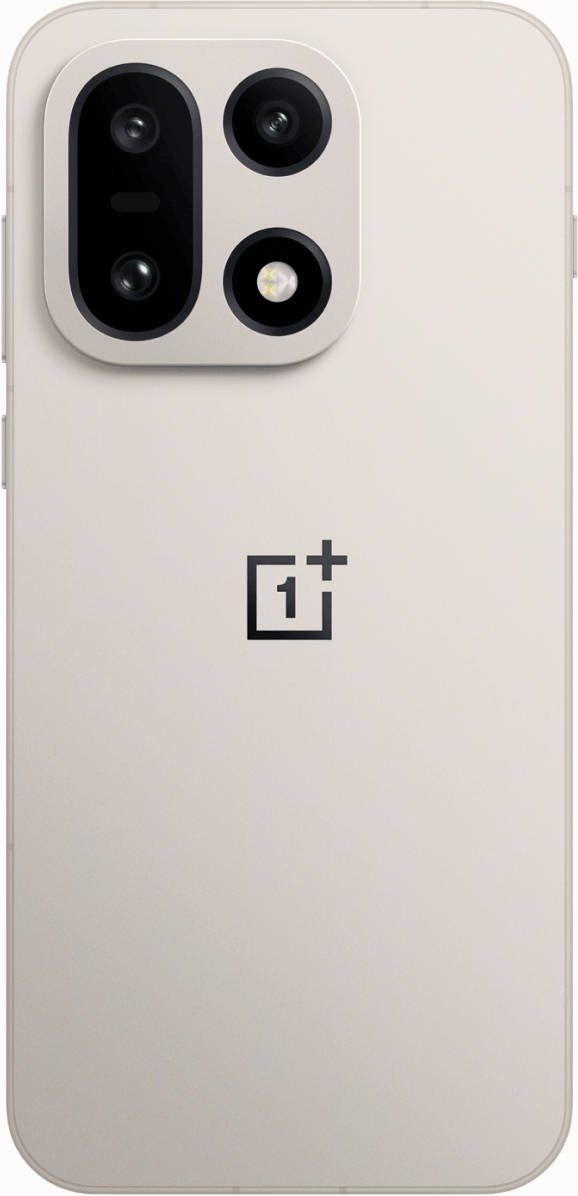
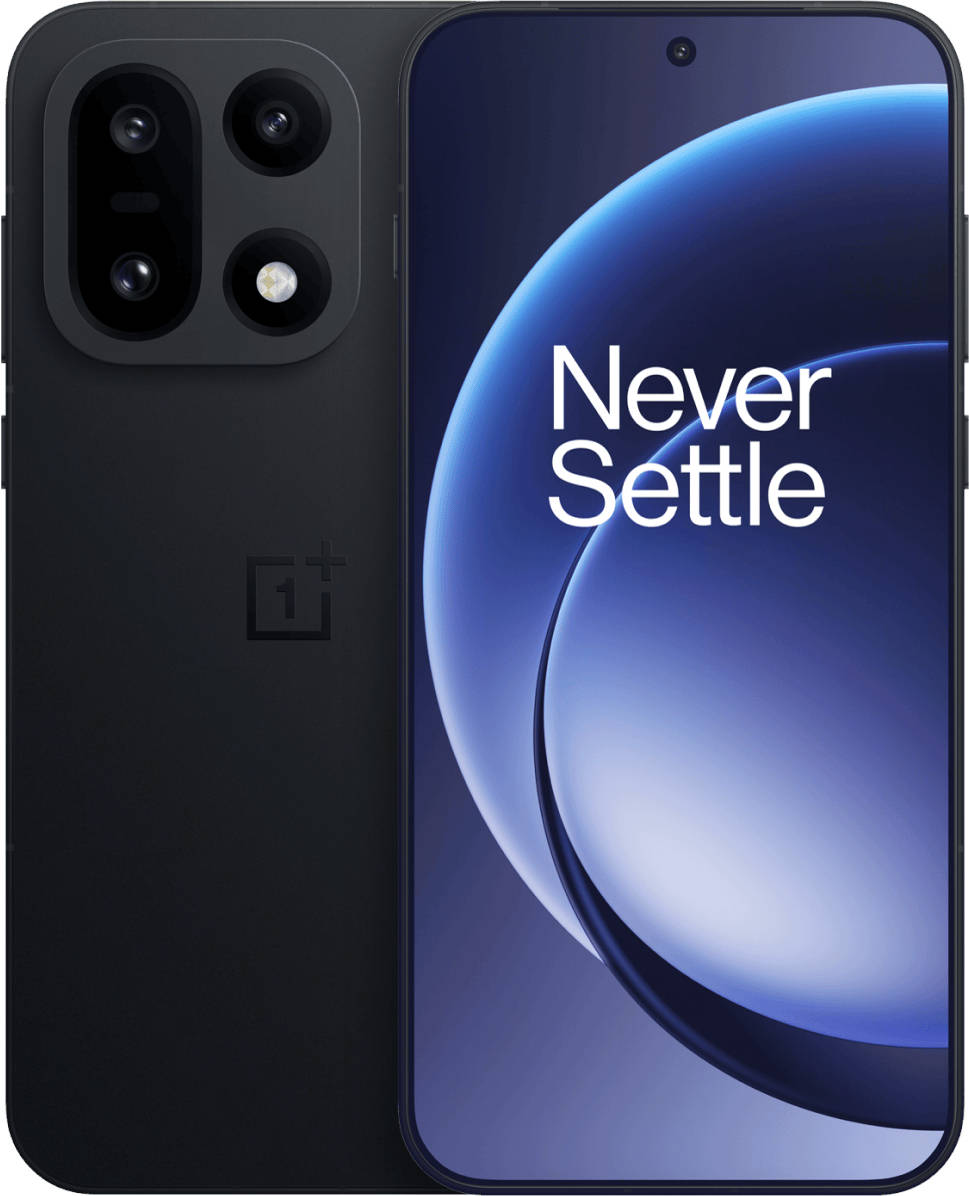
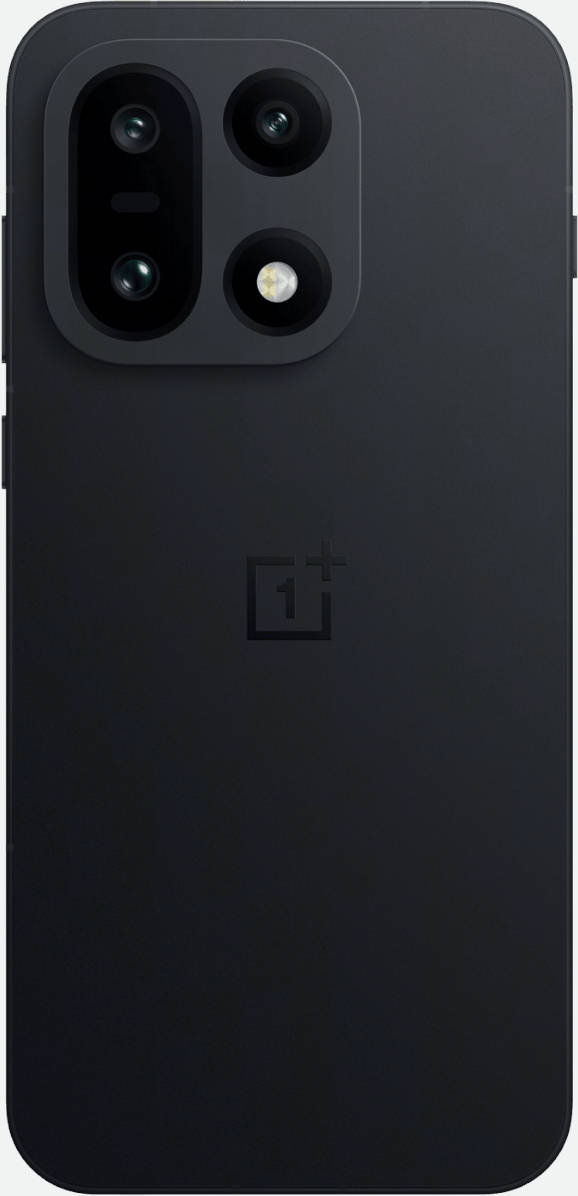
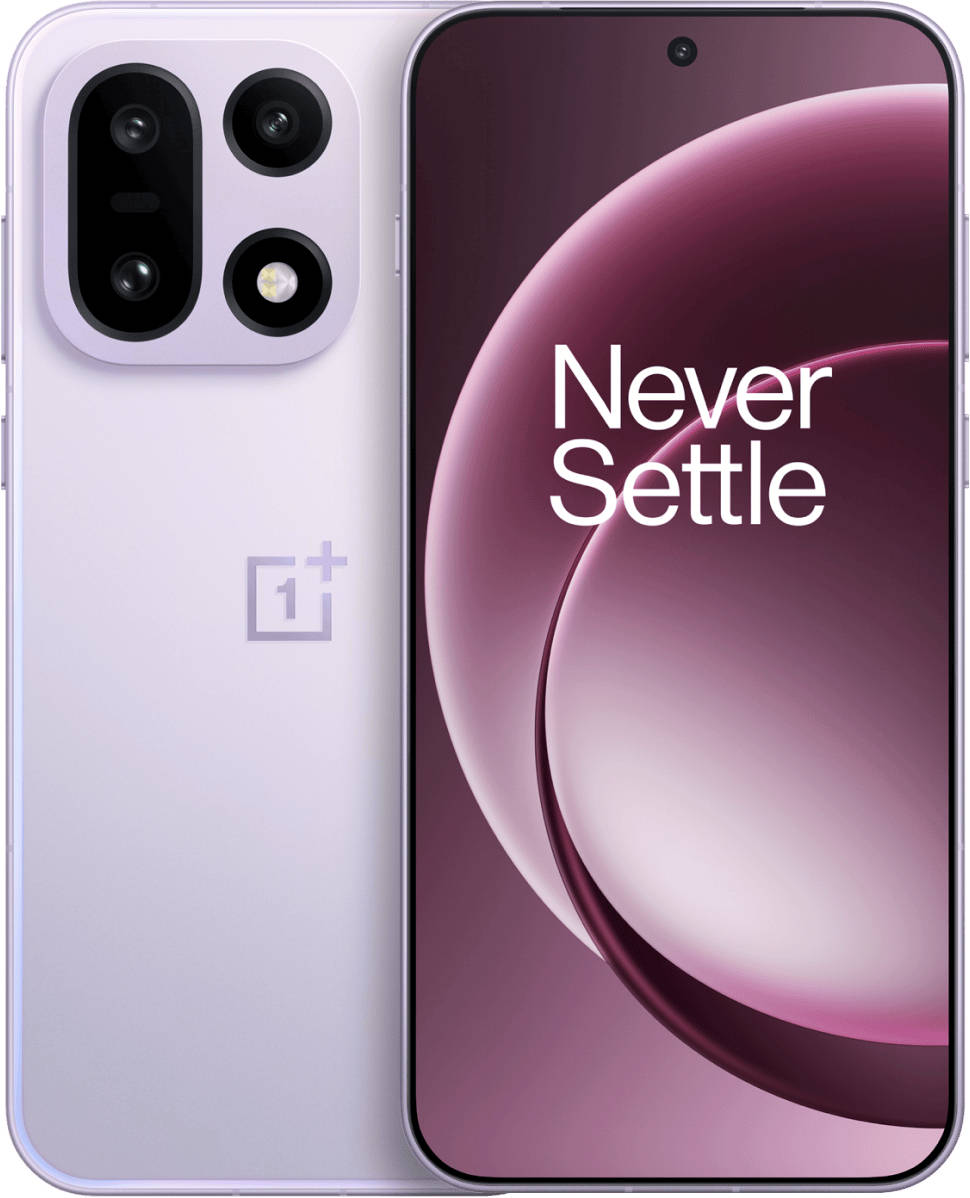
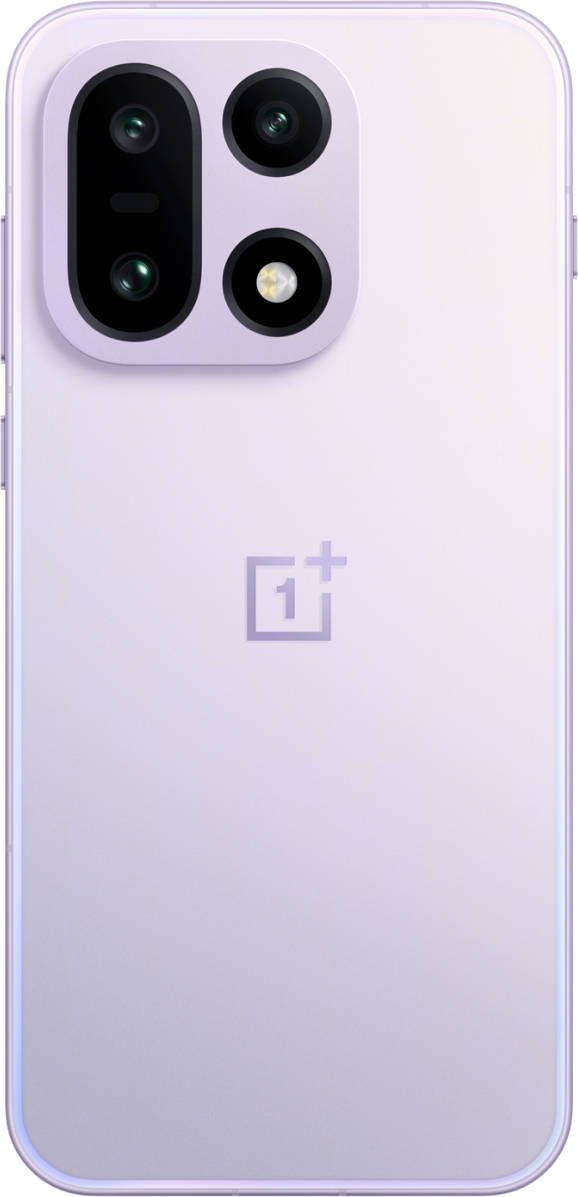
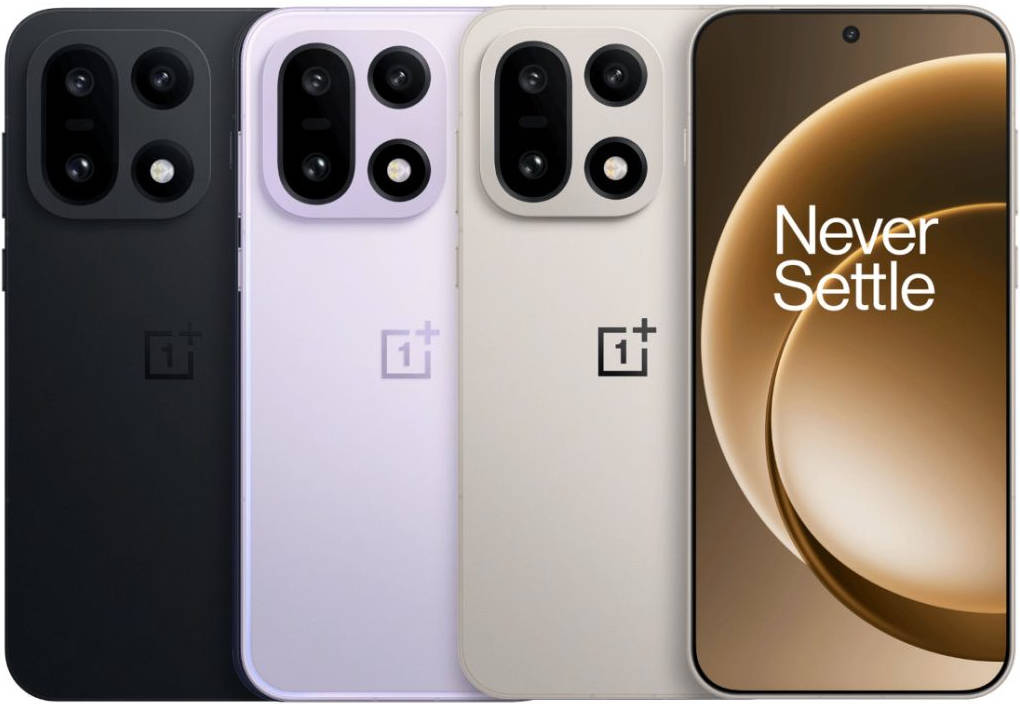
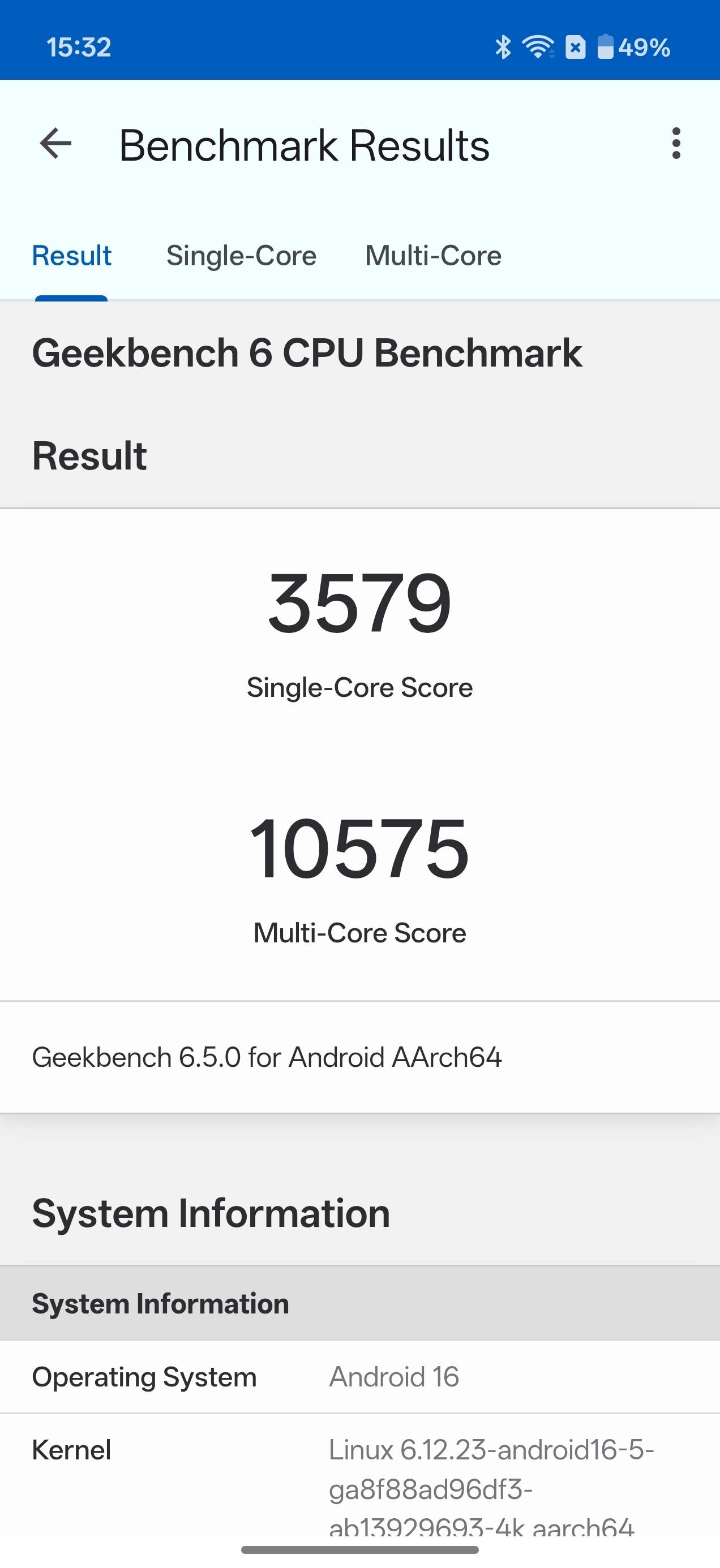
OnePlus positioned the OnePlus 15 as its most gaming-focused flagship yet, and it certainly has the hardware and software to justify that label. A 165Hz display, native 165fps support in select titles, a dedicated touch-response chip, and new gaming optimisations all make it look like a phone built around speed and competitive advantage. And after reviewing it, there’s no denying that the OnePlus 15 is one of the most capable gaming phones you can buy right now.
However, after more than a week of real-world usage, outside benchmarks and controlled testing, it became increasingly clear that the feature that actually changes the experience isn’t gaming. It’s the battery.
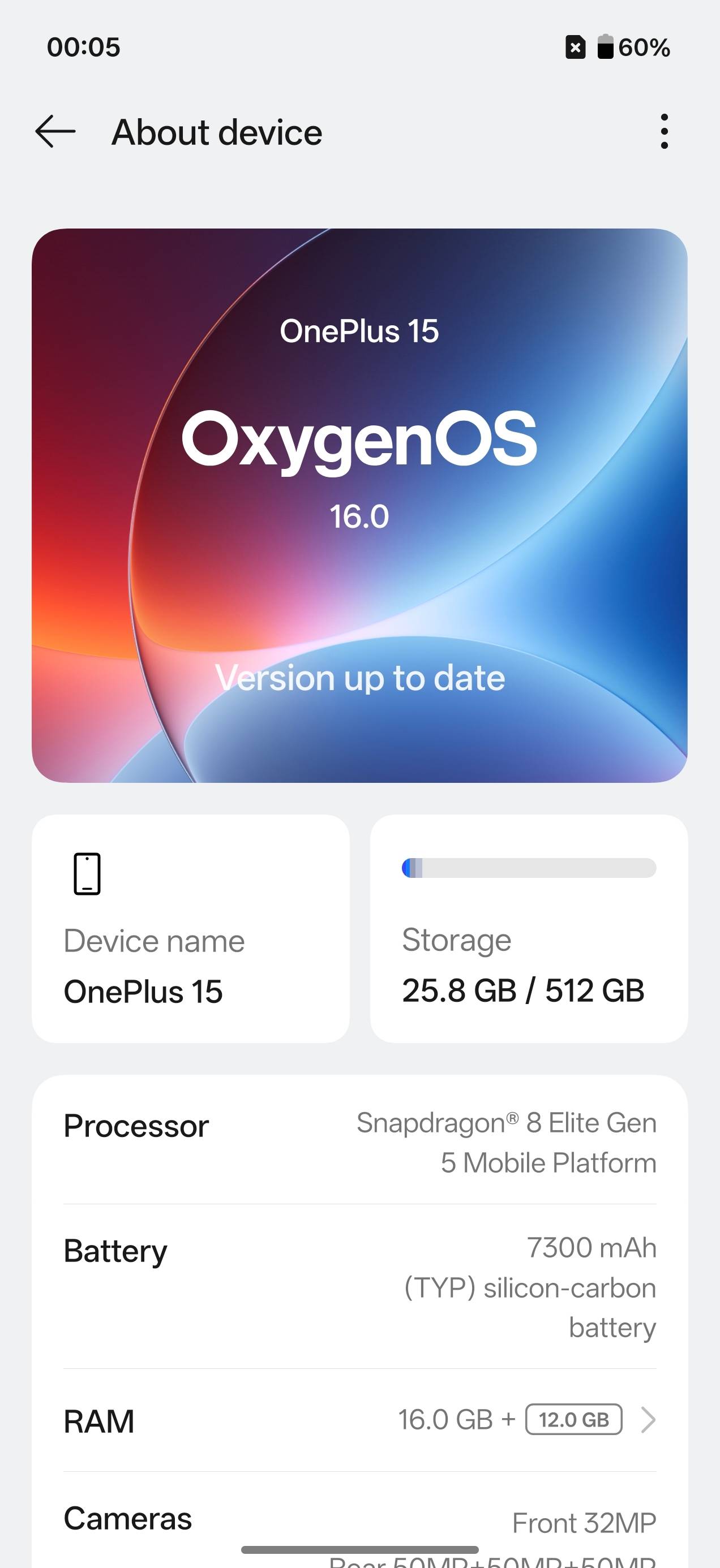
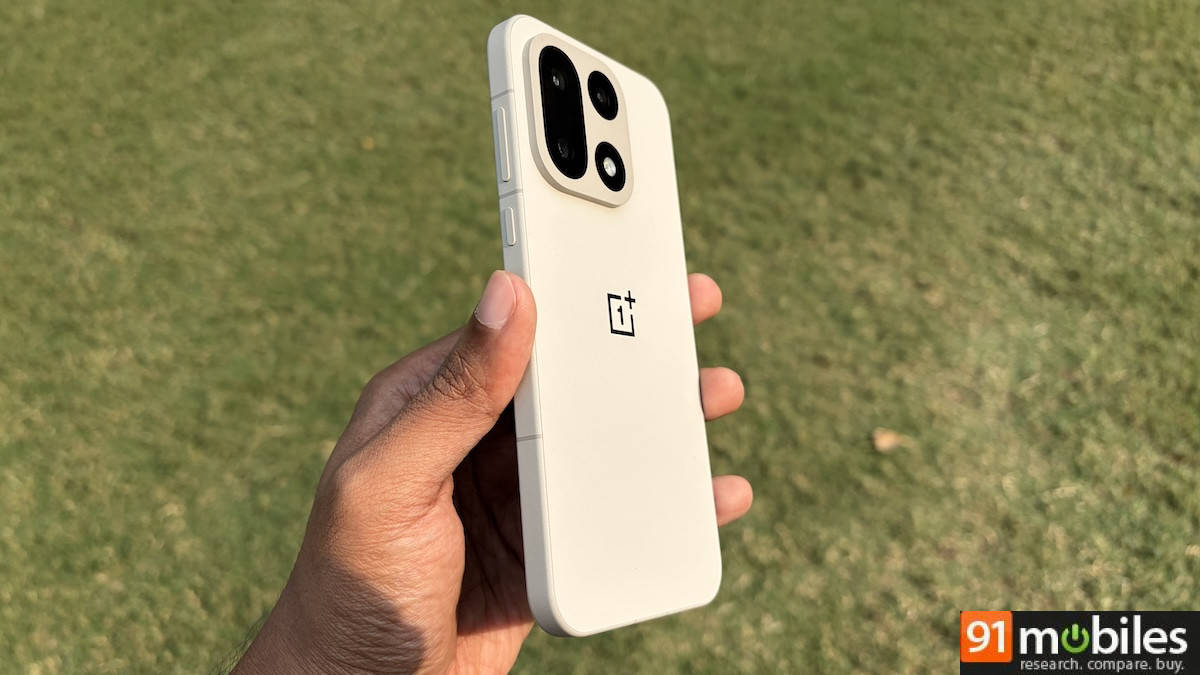
The OnePlus 15 ships with a 7,300mAh battery, which is unusually large for a premium flagship that is not marketed as a rugged or ultra-max endurance device. Most high-end smartphones operate within a 5,000mAh to 6,000mAh sweet spot, balancing battery life with slimness, weight, and thermal management. The OnePlus 15 breaks that pattern while still maintaining an 8.1mm profile, which is slimmer than last year’s OnePlus 13 that shipped with a much smaller 6,000mAh battery, and a manageable 215g weight. You notice the larger battery when you use it, not when you hold it.
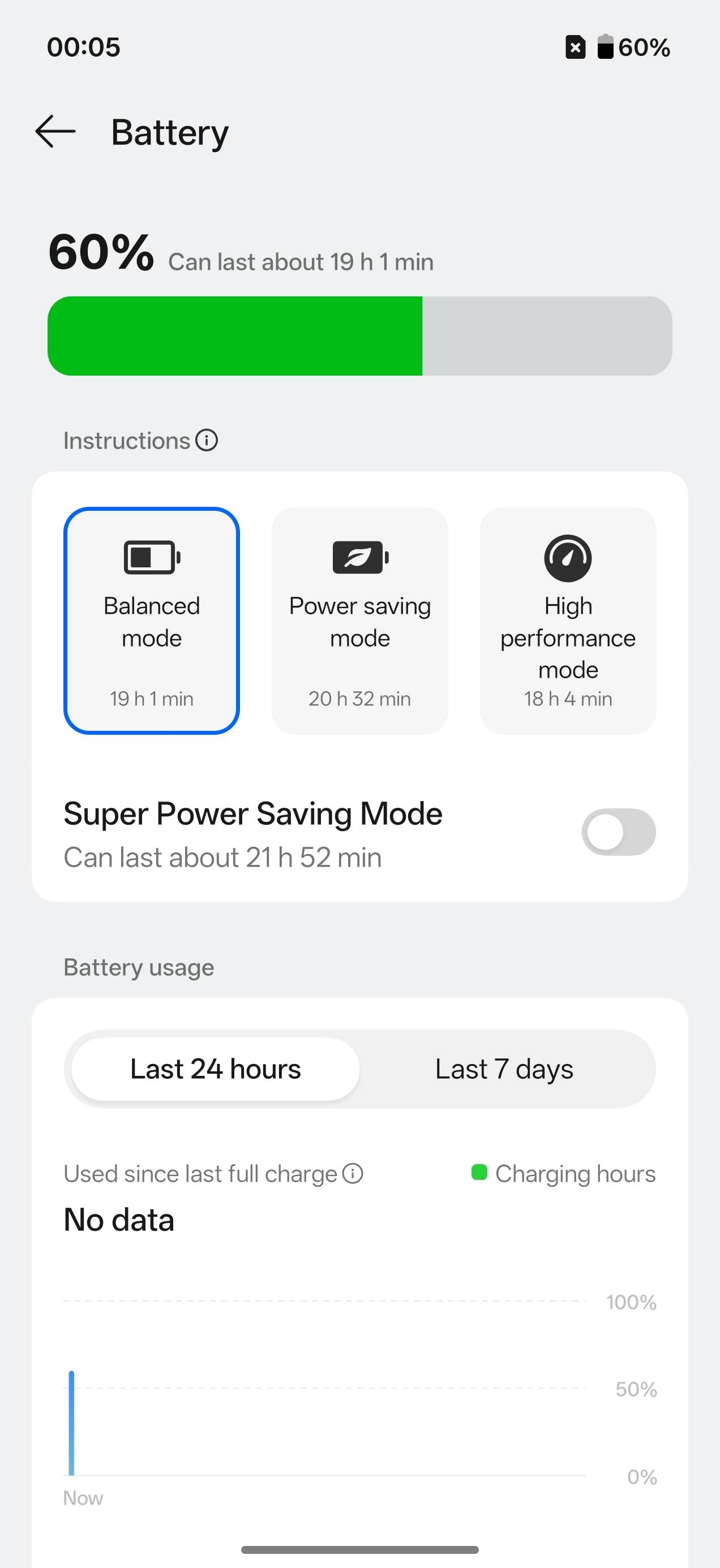
In typical mixed usage – messaging, video streaming, browsing, location services, light gaming, and photography – the OnePlus 15 consistently ended the day with 40–50% in the tank. Not many flagships can do that while running a top-tier display and chipset. In fact, on most days, it stretched well into mid-day on the second day, without triggering battery anxiety.



Even in stress tests, it held its ground. In PCMark’s battery benchmarking, it clocked over 17 hours, outperforming every flagship device tested this year, except the upcoming OPPO Find X9 Pro, which still did not surpass it.
There were days I was trying to push the battery hard, and it pushed right back.
There’s a different kind of comfort that comes with using a phone that doesn’t require any form of battery management: no low power mode toggles, no brightness compromises, no charger anxiety, and no mental calculation of “Do I have enough battery for the next few hours?” The last time I remember feeling this level of battery confidence was with certain mid-range phones built around efficiency rather than top-tier performance. The difference here is that the OnePlus 15 delivers that endurance alongside flagship-class performance.
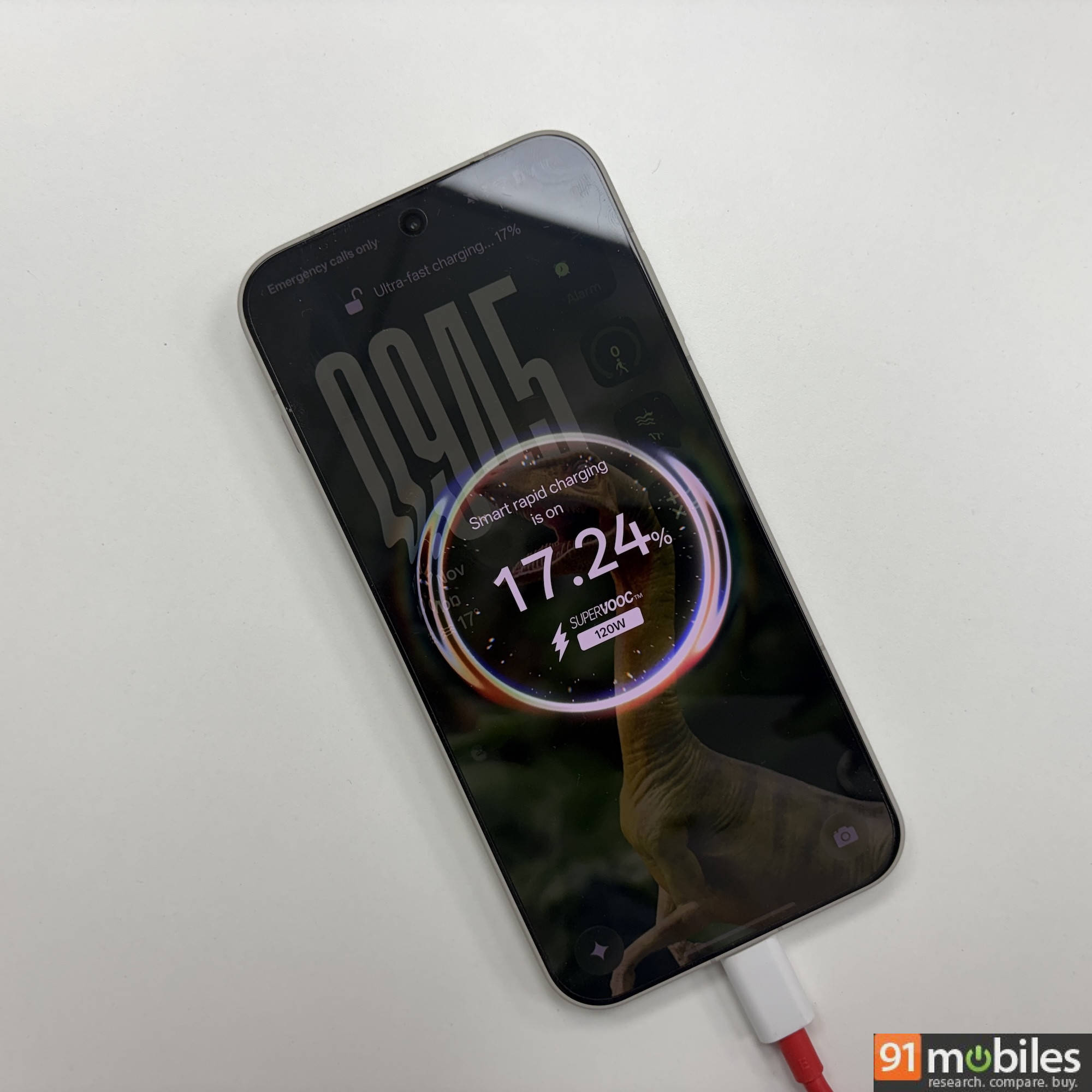
To put this into perspective, here are the charging times for the OnePlus 15 and a few other flagships, based on our in-house charging tests:
Phone | Battery Capacity | Charging Speed | Charge Time (20-100%) |
OnePlus 15 | 7,300mAh | 120W | 30 mins |
OnePlus 13 | 6,000mAh | 100W | 27 mins |
OPPO Find X9 Pro | 7,500mAh | 80W | 73 mins |
Samsung S25 Ultra | 5,000mAh | 45W | 44 mins |
iPhone 17 Pro Max | 4,832mAh | 40W | 77 mins |
Flagship smartphone development has reached a point where displays, chipsets, and cameras have marginal year-on-year improvements and are more than adequate for most buyers. Performance anxiety has been replaced by battery anxiety, which makes strong endurance more valuable today than a slight bump in CPU scores or gaming effects. The OnePlus 15 approaches the idea of a flagship differently, where longevity becomes part of the feature set rather than an afterthought or a trade-off.
It’s easy to be impressed by native 165fps gameplay. It’s the kind of specification that looks great in headlines and YouTube thumbnails. Battery endurance doesn’t enjoy the same spotlight because it isn’t a momentary wow factor; it’s a silent, persistent convenience. And sometimes, that ends up being far more impactful than the feature a brand chooses to market most heavily.
The OnePlus 15 is a “Fast & Smooth” phone positioned as a performance and gaming powerhouse, and that title is well-deserved. But if you live with the phone beyond the spec sheet, it’s the battery that shapes the experience more than anything else. And this is the one feature that really impressed me to the point that it spoiled me. It is a device that raises expectations from upcoming flagships to deliver a similar, if not better, battery endurance if they claim a 7,000mAh+ battery.
Of course, the OnePlus 15 isn’t perfect. It nails performance and battery life, but falls short of matching the top-tier camera flagships. So the choice becomes a matter of priorities: do you value all-day endurance and gaming fluidity, or cutting-edge photography? For anyone who constantly lives on the battery percentage screen, the OnePlus 15 is the most convincing battery-first flagship right now.
OnePlus 15 Images