The iQOO 15 launched in India today as the latest flagship smartphone powered by the Snapdragon 8 Elite Gen 5 chipset. The smartphone also comes with a 7,000mAh battery, the largest cooling system, 50MP triple cameras, and a 144Hz display. Staying true to its legacy, the iQOO 15 has all that’s required for a performance-focused smartphone. It is, however, much expensive this time with a starting price of Rs 72,999, the same as the OnePlus 15. Both phones also carry the same chipset, so here’s a comparison between the two to see where each phone stands, and which one would be the better pick for you.
Table of Contents
Customisable or minimalist design
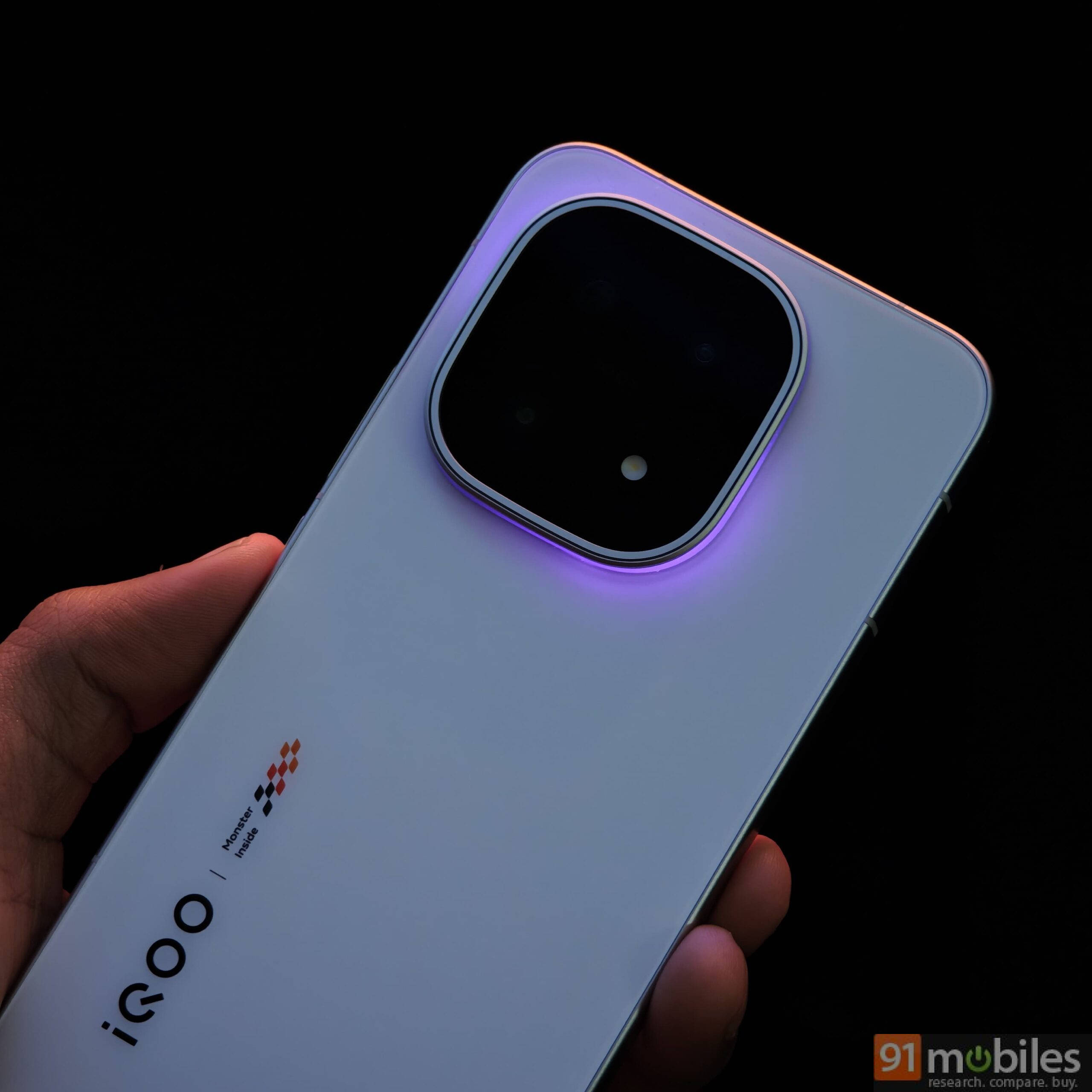
The iQOO 15 (review) comes in a sleek and premium design with a square-shaped camera module on the top-left corner. It has flat edges for a more ergonomic feel, which should help while gaming. The smartphone also offers a fair bit of customisation with its Monster Halo light that glows around the camera ring. It lights up for notifications, calls, music, charging, NFC, Power-on, NFC, and more. You can also customise it with different colours and lighting effects. The Monster Halo light doesn’t feel gimmicky and adds a slight bit of uniqueness, which some may appreciate.
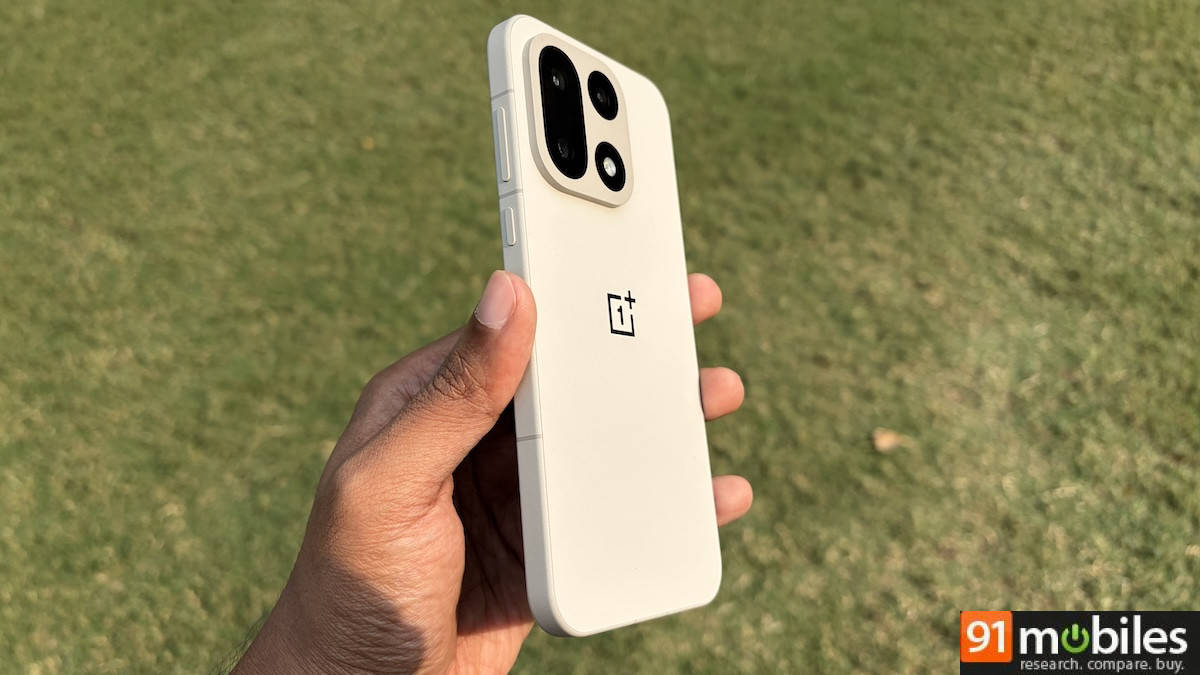
OnePlus 15 (review), on the other hand, has a more minimalist approach with its small camera module as opposed to the circular design we’re used to seeing on OnePlus flagships. This isn’t to say the design is bad, but it’s more for people who appreciate a minimalist design. The OnePlus 15 might also feel slightly more compact than the iQOO 15, since it features a smaller 6.78-inch display than the latter’s 6.85-inch screen. In terms of durability, the OnePlus 15 is slightly stronger with four IP ratings up to IP69K, making it highly resistant to dust and water.
Display: peak brightness vs peak refresh rate
The iQOO 15 features a large 6.85-inch Samsung 2K M14 Lead OLED display, the first non-polarised panel of its kind, offering higher brightness, lower power consumption, and better longevity than conventional OLEDs. With a 144Hz refresh rate and a peak brightness of 6,000 nits, it shines in everyday use and HDR-heavy content. Streaming shows packed with dark scenes and sharp highlights is a delight on the iQOO 15 as it handles the dynamic range beautifully, delivering precise detail and vivid colour throughout. Sunlight legibility is also excellent, leaving no room for complaints.
In comparison, the OnePlus 15 has a 6.78-inch LTPO AMOLED display with a lower 1.5K resolution and 3,600 nits peak brightness. It, however, has a 165Hz refresh rate supporting 165fps gaming for popular titles, so that’s one advantage for the OnePlus flagship. The flat body makes it easier to grip the device and reduce accidental touches on the display, both of which are important when playing games. However, it’s important to note that the 165Hz only kicks in when gaming, while regular usage dynamically switches between 1-120Hz.The display looks crisp and vibrant, and delivers plenty of brightness under sunlight, and the ability to dim as low as one nit.
Same chip, different strengths
Both phones are powered by Qualcomm’s fastest mobile chipset, the Snapdragon 8 Elite Gen 5. With the iQOO 15, you get the largest 8,000mm2 cooling system in a smartphone in India. It’s also equipped with a self-developed SuperComputing Chip Q3, which is said to bring PC-grade visual enhancements to mobile gaming. The smartphone is also capable of achieving 144fps gaming. In our tests, we were able to achieve 144fps in COD: Mobile and BGMI. However, in BGMI, the frame rate dropped once it hit 144fps, and would generally hover at 90fps.
Otherwise, the smartphone is more than capable of handling anything you throw at it. And, you can also push it to its limits with heavy and intensive tasks.


Gaming is a major highlight on the OnePlus 15 as it gets dedicated technology this time with new Gaming Technology features, including OP Gaming Core, Performance Tri-Chip, and FPS Max. The smartphone is also capable of achieving 165fps in select games, which it does, as claimed. Similar to the iQOO 15, the OnePlus 15 is also a top performer for regular and heavy usage. However, the former did score higher in the AnTuTu benchmark, suggesting it’s slightly better if you’re very serious about raw performance.
Cameras: similar specs, different results
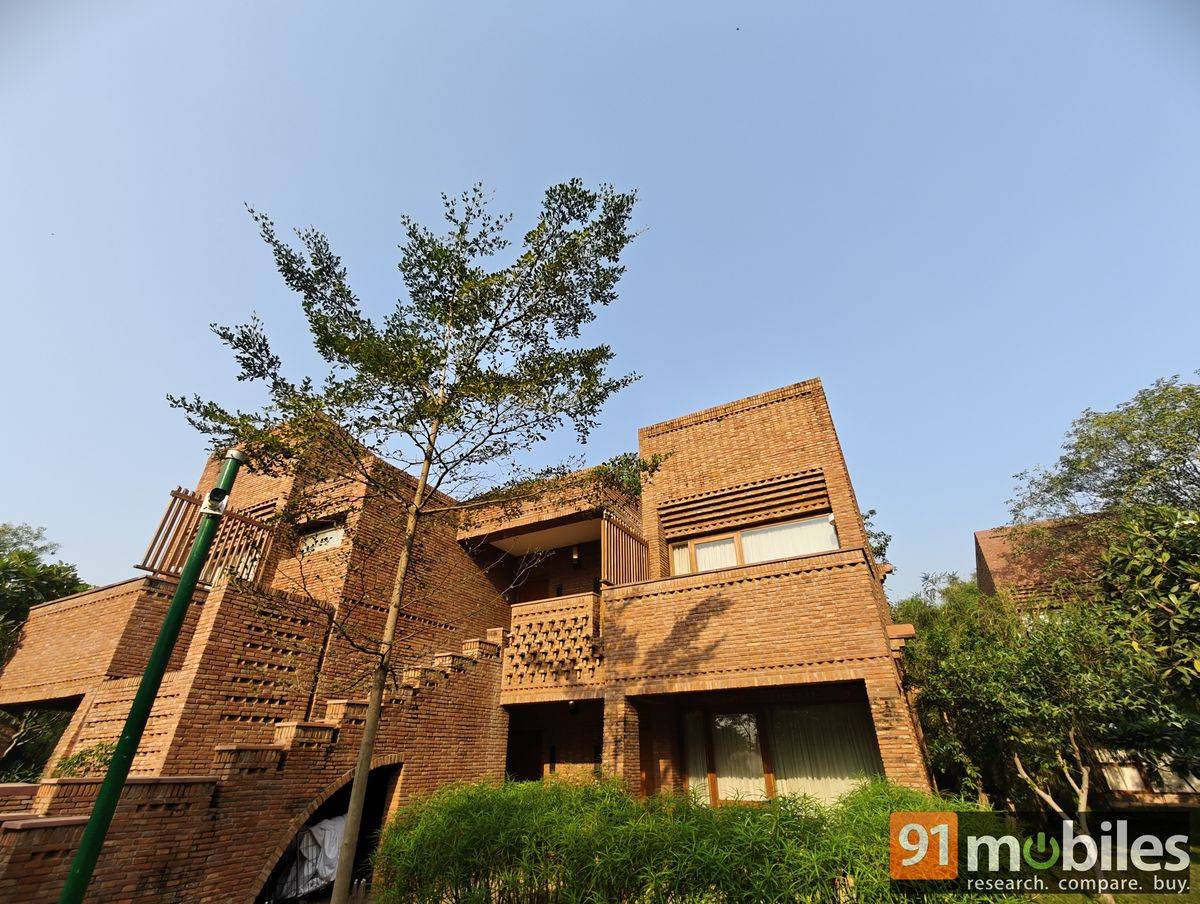
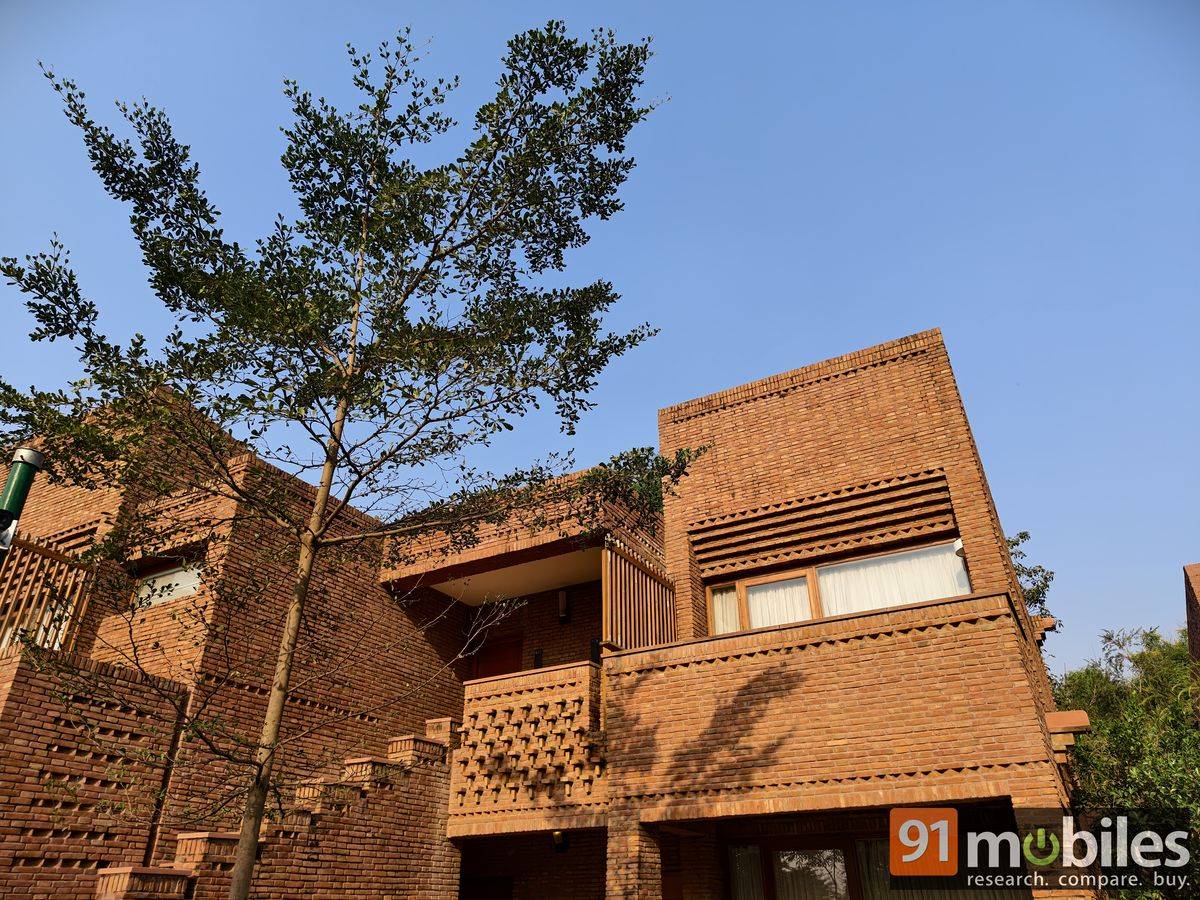
The iQOO 15 features a 50MP triple-camera setup at the back. The setup is a 50MP primary sensor, a 50MP ultra-wide camera and a 50MP OIS periscope telephoto lens with 3x optical zoom. For selfies, you get a 32MP front camera on the iQOO 15. In our review, we found that the iQOO 15 boosts colours, making the images look more visually appealing. It’s not the best at retaining details, but it does maintain good exposure and dynamic range, delivering vibrant photos. Selfies aren’t great on the iQOO 15, though, with most of them appearing with soft colours and oversharpened details.
Check out some of the iQOO 15 camera samples to get a better idea.
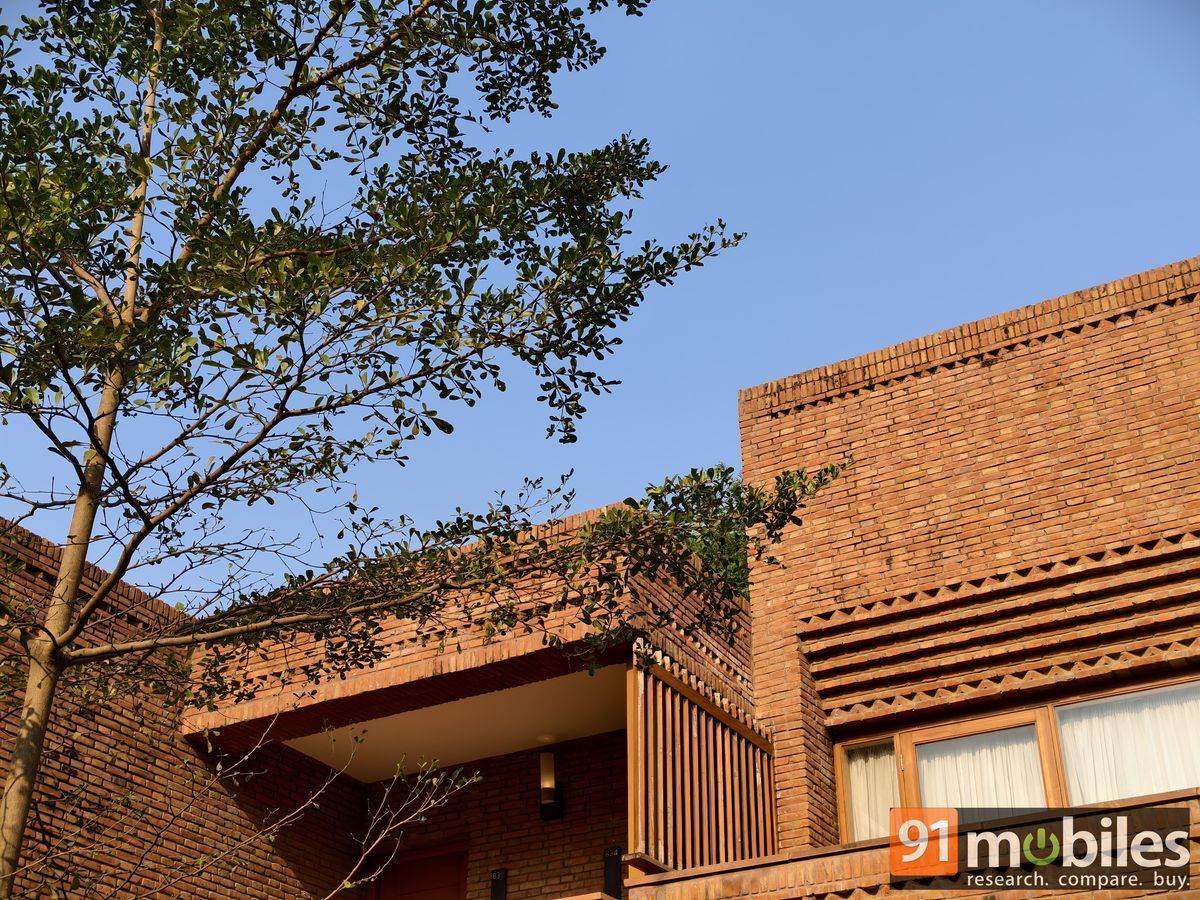
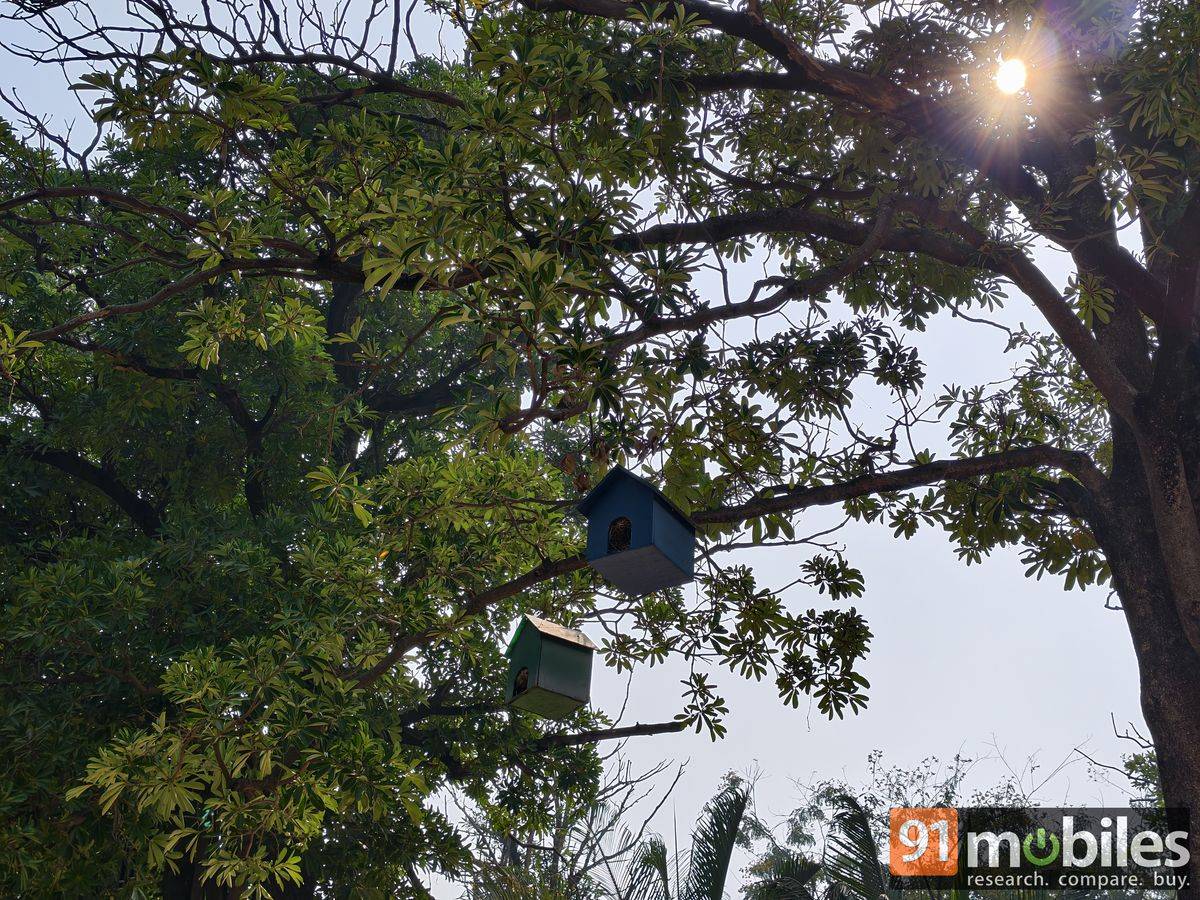















The OnePlus 15 also has a similar camera setup, but with 3.5x optical zoom, making it a marginally better option for distant shots. We’ve tested the OnePlus 15’s cameras and found them to be versatile and fast, delivering social-media-ready results. The smartphone is good for daylight and 3.5x portraits, and the quick shutter makes it easy for point-and-shoot. Its low-light performance isn’t great, though, as the OnePlus 15 offers a darker, more dramatic look, but often with softer, dimmer frames.













Battery: both go the distance
All the new Android flagships take battery performance to the next level with capacities of 7,000mAh or higher. The iQOO 15 has a 7,000mAh battery, while the OnePlus 15 boasts a slightly bigger 7,300mAh unit. Both phones come with 100W fast charging support, with the iQOO 15 offering 40W wireless charging, and the OnePlus 15 offering 50W.
Despite the marginal difference, both phones showed a similar performance in our in-house tests, with their batteries dropping around the same amount after streaming YouTube and playing games such as BGMI, Call of Duty: Mobile, and Real Racing 3. In real-world performance, the iQOO 15 comfortably lasts an entire day and more between charges. The OnePlus 15, on the other hand, can easily go through more than a day. The difference would be minimal, but if you had to pick the ultimate winner, then it would be the OnePlus 15.
OxygenOS 16 vs OriginOS 6
iQOO’s software hasn’t been praised, but that changes with the iQOO 15, as it ships with OriginOS 6, replacing Funtouch OS. The new software is fluid with several quality-of-life improvements and customisation. You also get useful AI features such as AI Reflection Remover, AI Image Expander, AI Erase, and AI Colour Adjustment. In comparison, OxygenOS 16 leans more heavily into AI with a dedicated MindSpace hub that intelligently captures and collects your content in one place. You also get several customisation features and a transparent-like effect in certain aspects of the UI.
In terms of software support, the iQOO 15 is longer with 5 years of OS upgrades and 7 years of security updates. OnePlus 15 offers 4 OS upgrades and 6 years of security updates.
Summing up
The iQOO 15 and OnePlus 15 share the same starting price of Rs 72,999, the same chipset, and similar camera hardware, making them nearly identical in the core specs. The real differences come down to user priorities. The iQOO 15 offers a brighter and more immersive display, excellent heat management, decent all-around cameras, and longer software support, making it a strong choice for multimedia consumption and sustained performance. The OnePlus 15, meanwhile, stands out with its superior gaming experience, longer battery life, cleaner and more intuitive UI, and slightly better telephoto performance. Ultimately, both are powerful flagships, and your pick depends on whether you value peak brightness and thermal efficiency or gaming-centric features and battery endurance.