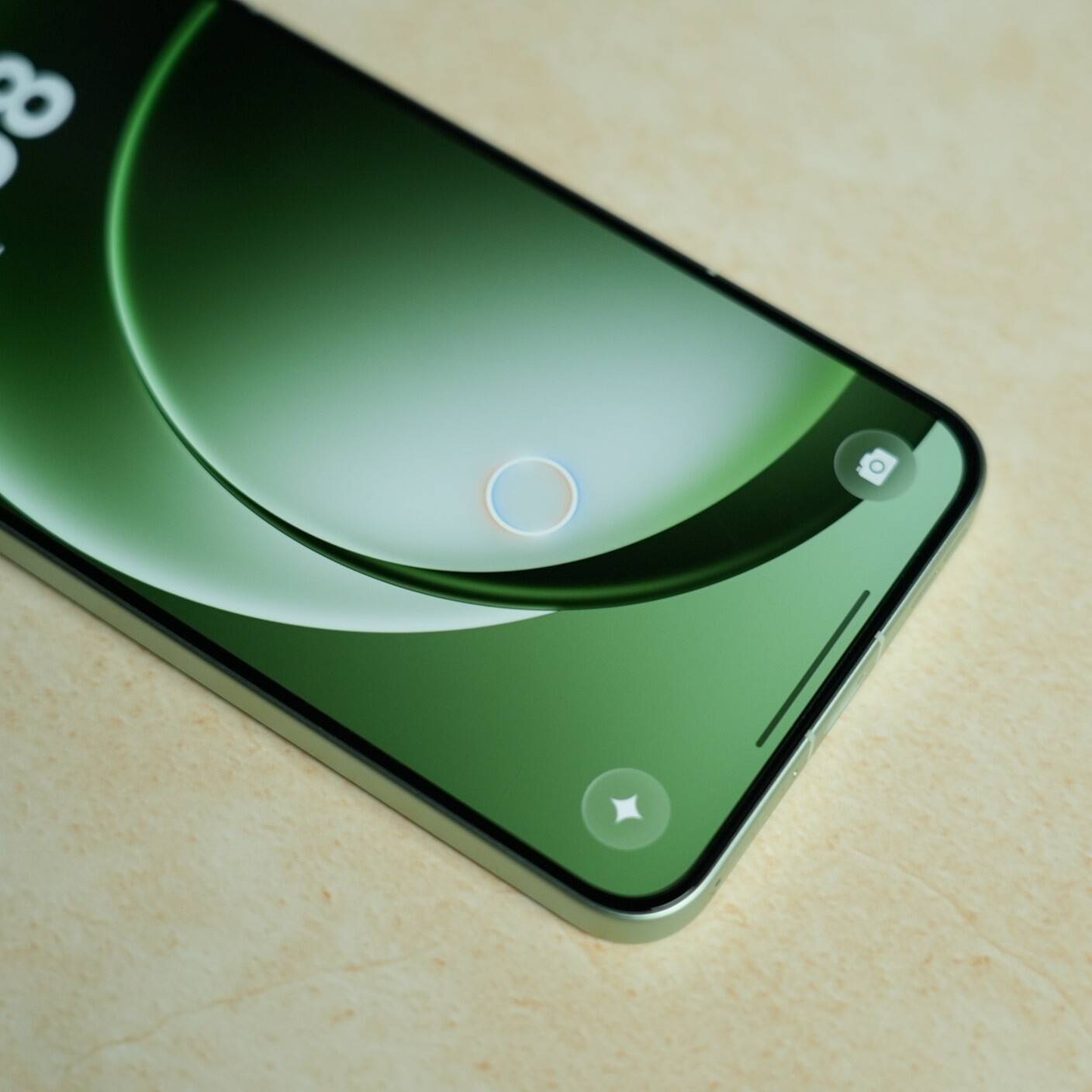
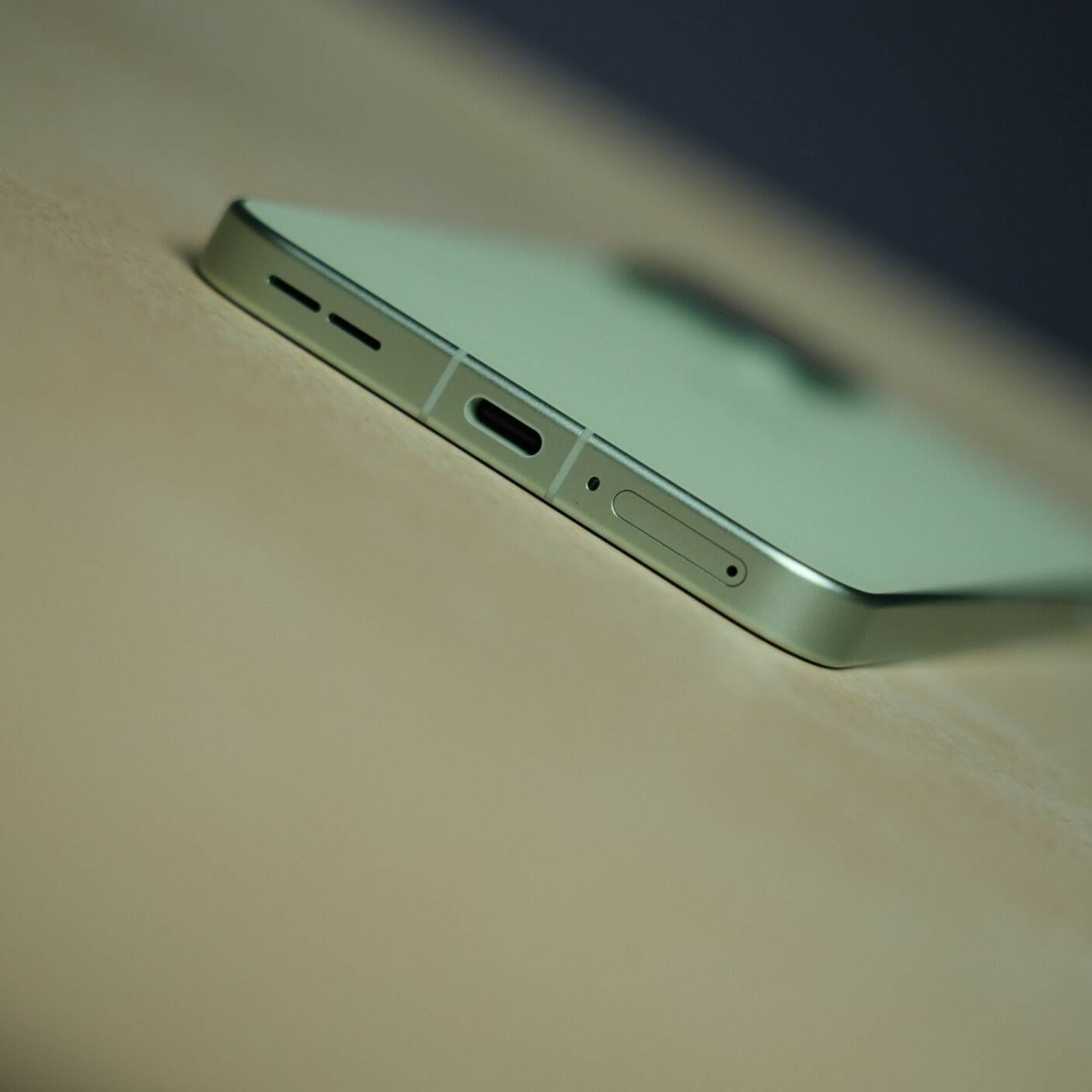
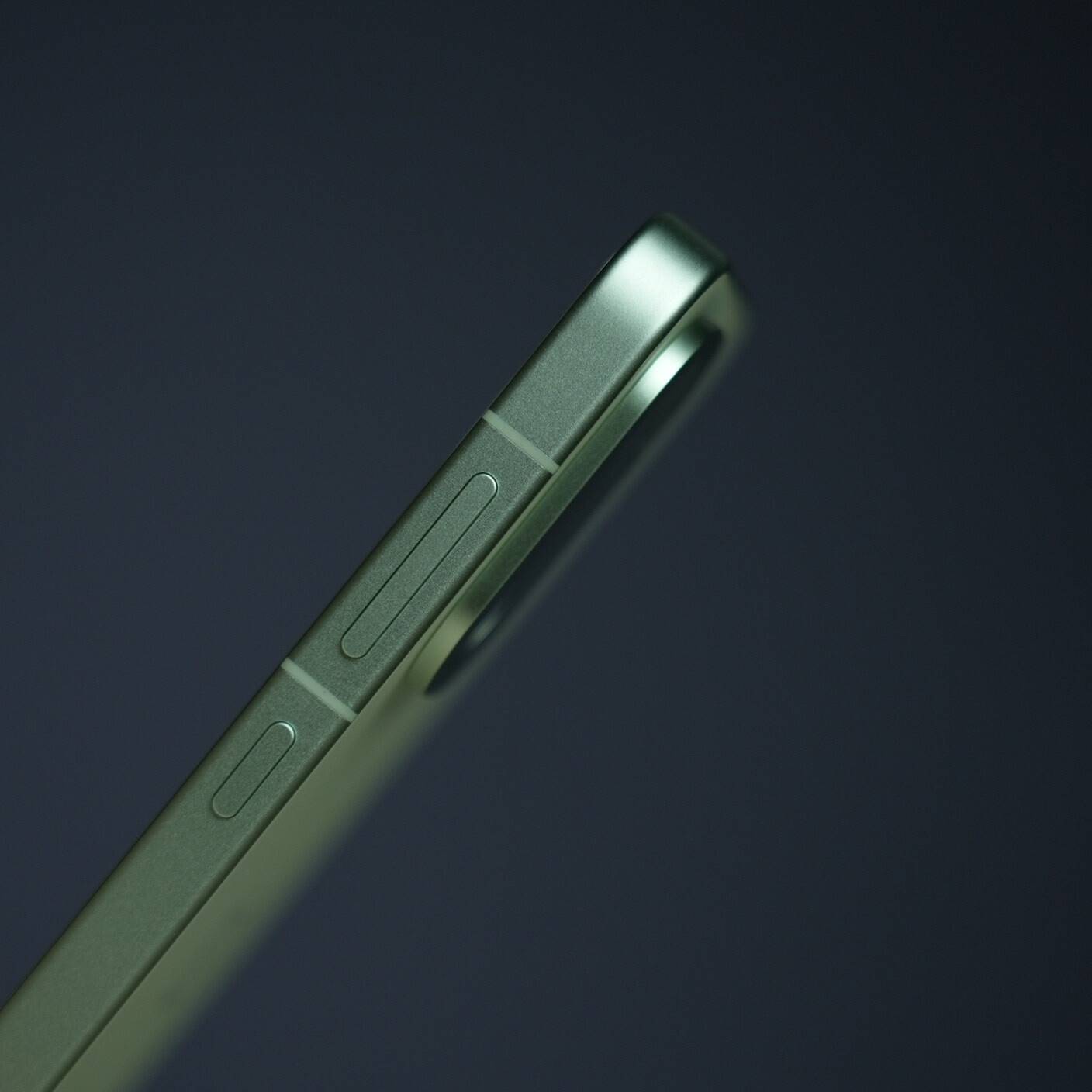
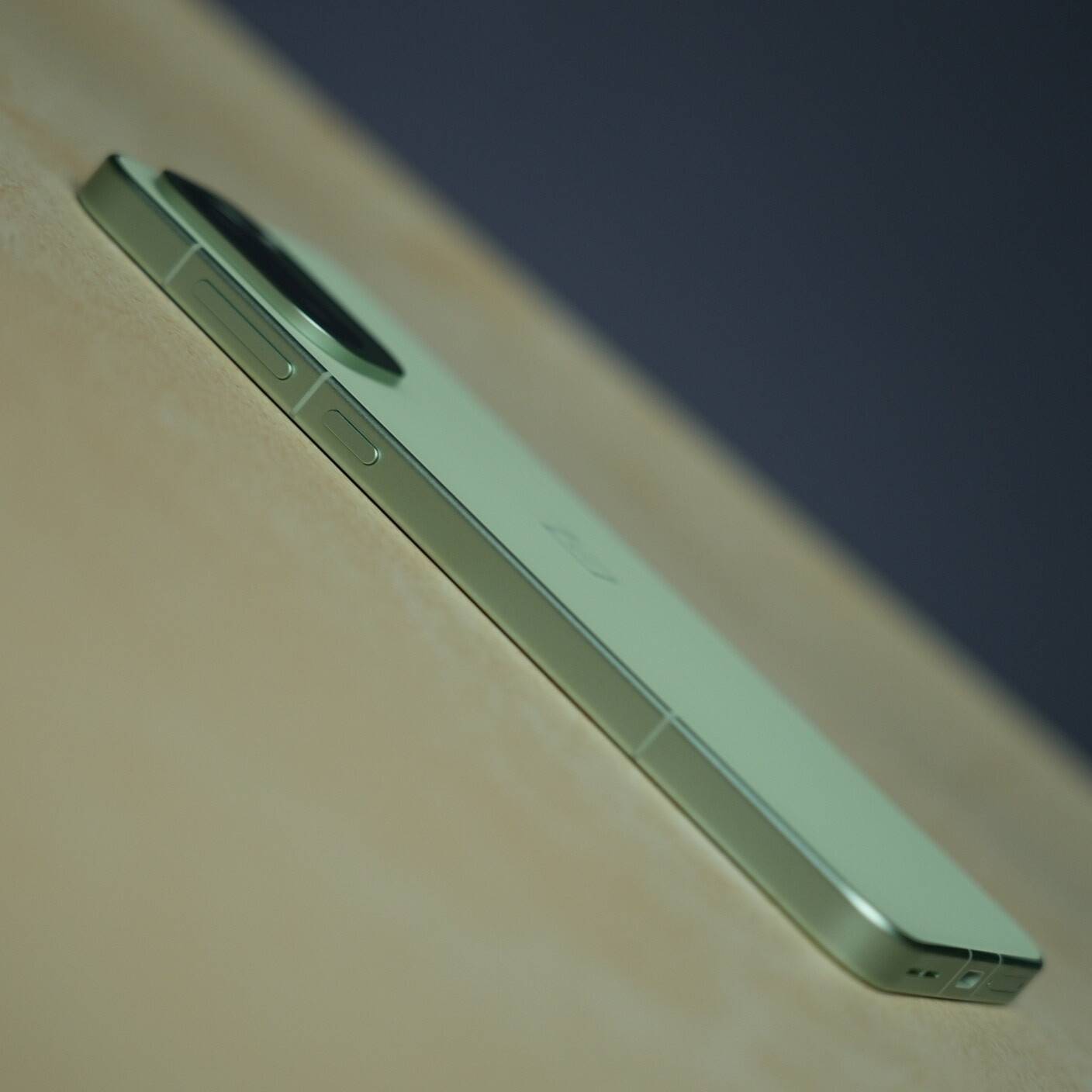
After teasing the handset at the OnePlus 15 launch event in November, the OnePlus 15R has now officially debuted in India. The smartphone starts at Rs 47,999, marking a noticeable price hike over its predecessor, the OnePlus 13R. While OnePlus has introduced several meaningful upgrades to help justify the higher asking price, it has also made a few compromises that may give some buyers pause. After spending time with the device, here’s a closer look at what works in the OnePlus 15R’s favour, and where it falls short.
Table of Contents
Reasons to buy the OnePlus 15R
Flagship-level performance & thermally efficient
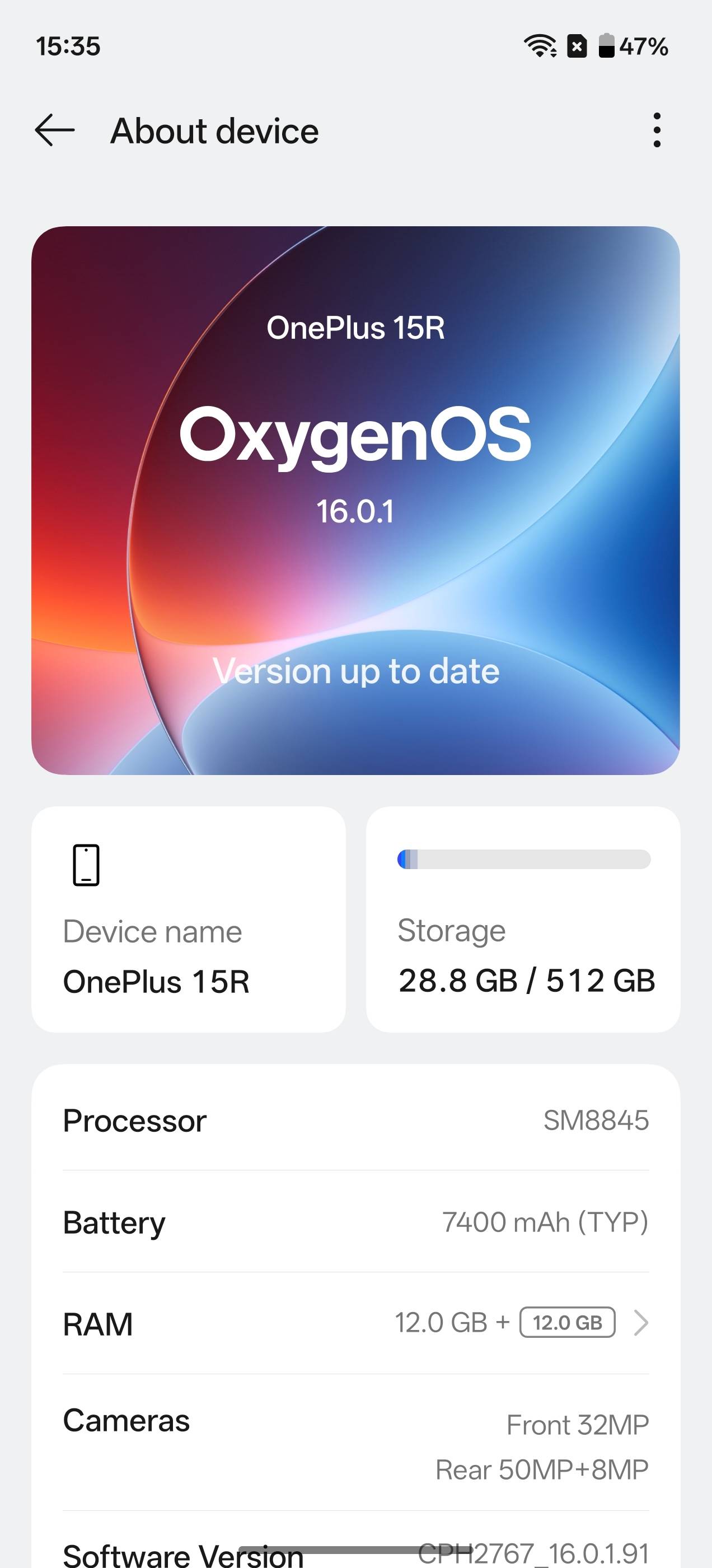
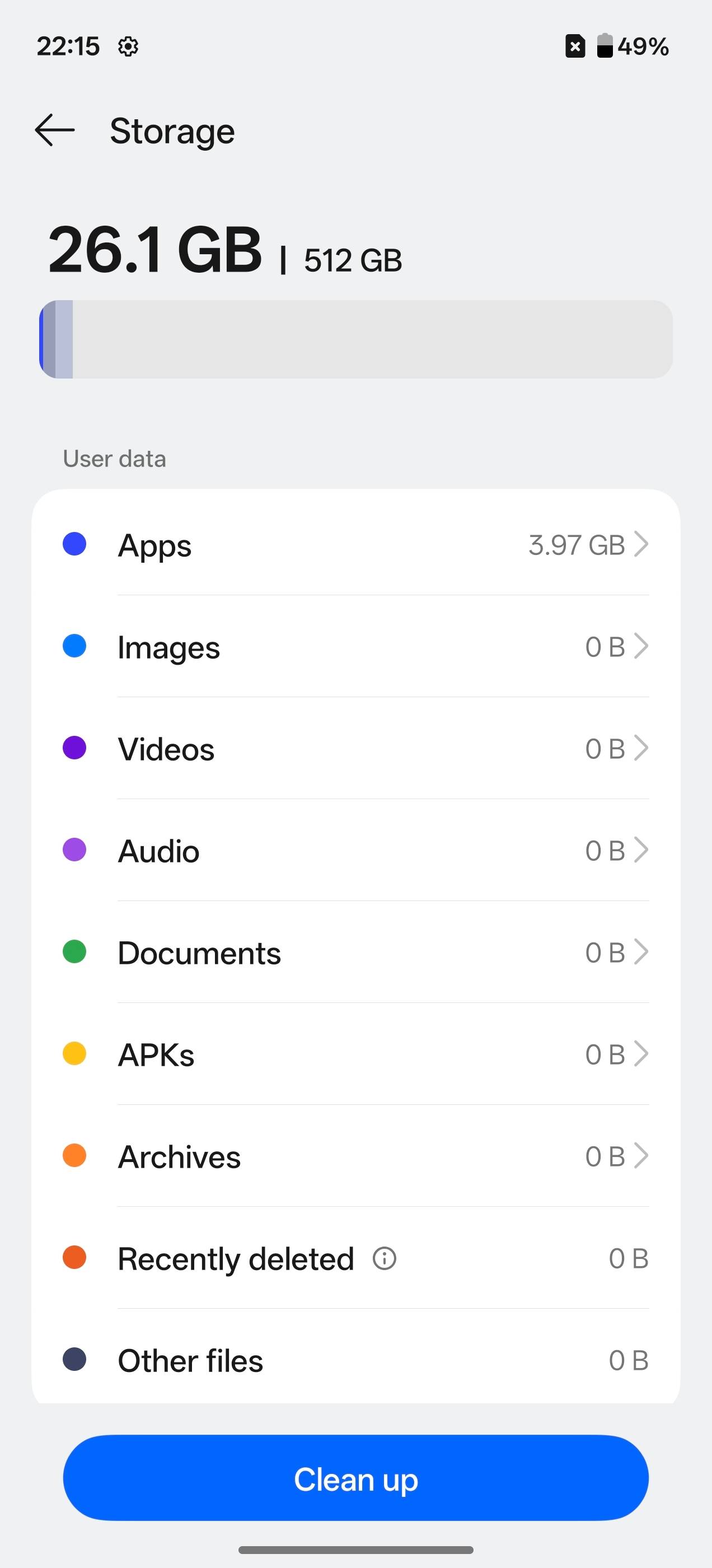
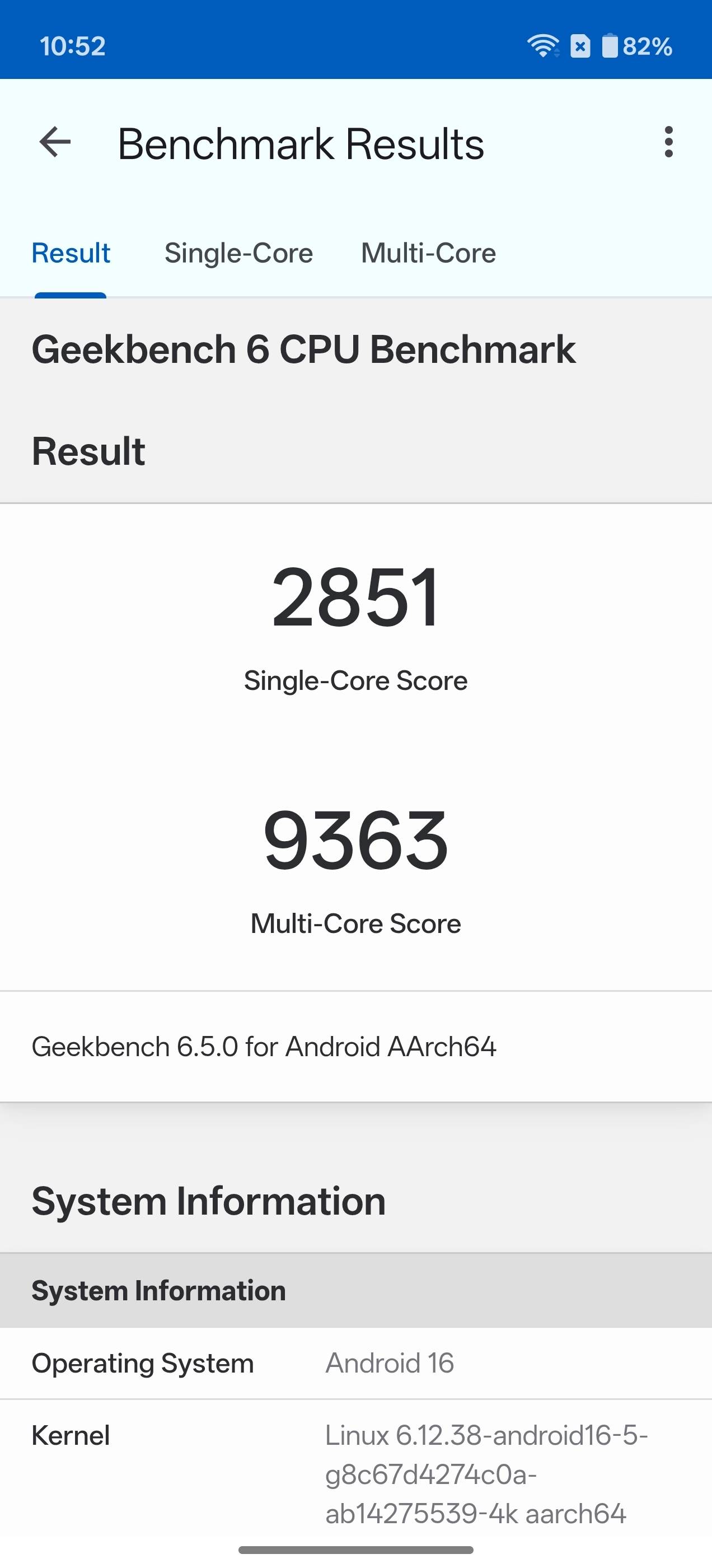
The OnePlus 15R is powered by the latest Qualcomm Snapdragon 8 Gen 5 SoC, paired with 12GB LPDDR5X Ultra RAM and up to 512GB UFS 4.1 storage. As observed in our review, this sub-flagship chipset brings significant gains over its predecessor, as well as other smartphones in the segment. In fact, the OnePlus 15R’s Geekbench single-core and multi-core scores are similar to those of the more expensive OnePlus 15 (review), powered by the Snapdragon 8 Elite Gen 5.



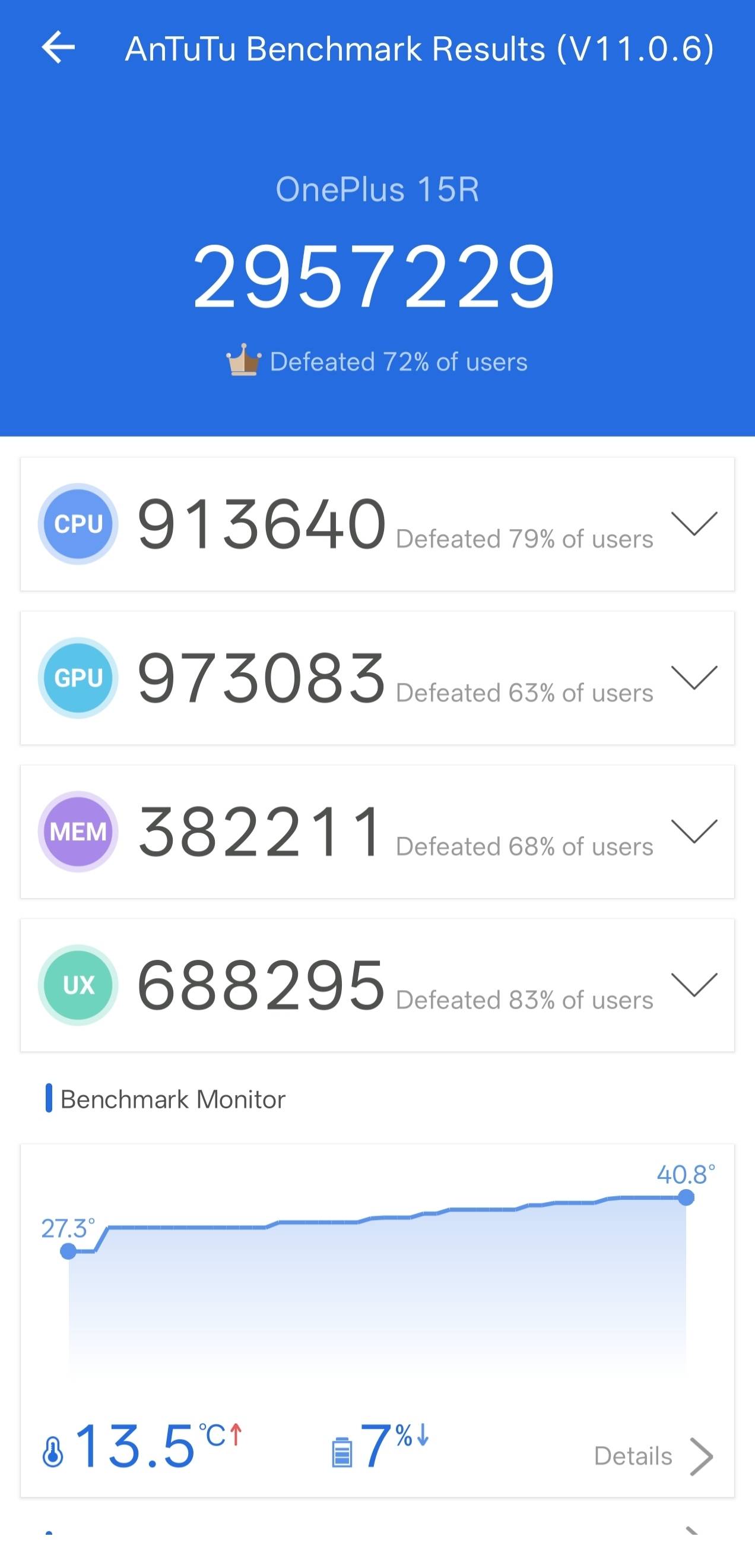
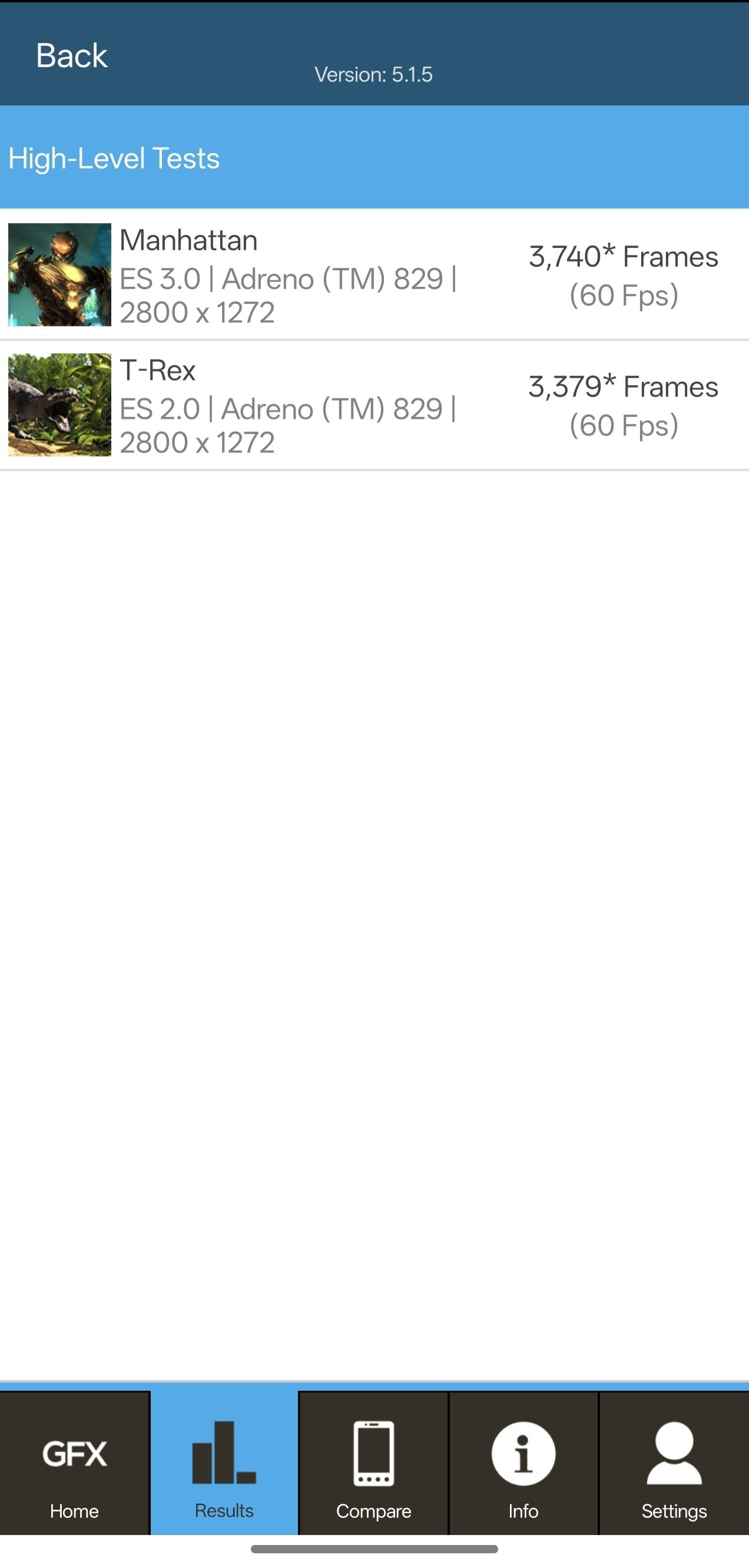
It may not match the AnTuTu performance of its elder sibling, but the handset feels smooth and responsive for everyday tasks, multitasking, and more. The phone also delivers flagship-grade performance for graphically demanding tasks such as gaming. We tested the device with our usual titles, BGMI, Call of Duty: Mobile, and Real Racing 3. Not only did the smartphone deliver better frame rates than the rivals in the segment, but it also outshone others with superior thermals. Its advanced cooling system keeps temperatures impressively low, with minimal heat build-up even during extended gaming sessions.
Outstanding battery life
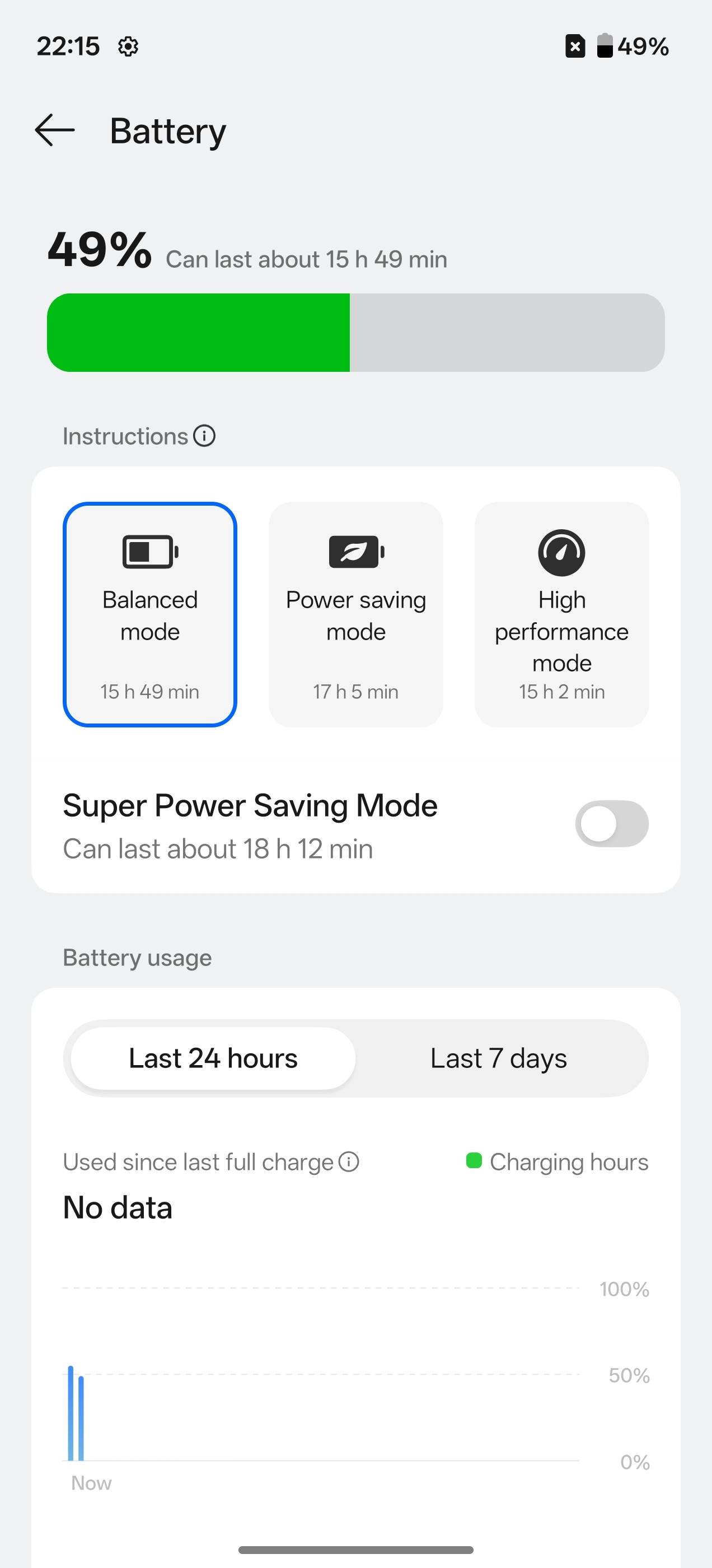
The OnePlus 15R packs a massive 7,400mAh battery, which is the biggest ever in the segment. The handset delivers excellent endurance both in synthetic benchmark and real-world tests. In fact, the OnePlus 15R’s PCMark battery test scores are higher than those of its elder sibling OnePlus 15. As for regular usage, a single charge can last well into the next day.

Power drain remains minimal during streaming and gaming, and even with heavy mixed usage, there’s ample charge left by day’s end. Charging this device doesn’t feel like a task, either. With the 80W SuperVOOC solution, the handset takes roughly 50 minutes to juice up from 20 to 100 percent. The charger is provided in the box, which is a bonus too, if you wish to buy this smartphone.
Excellent AMOLED display
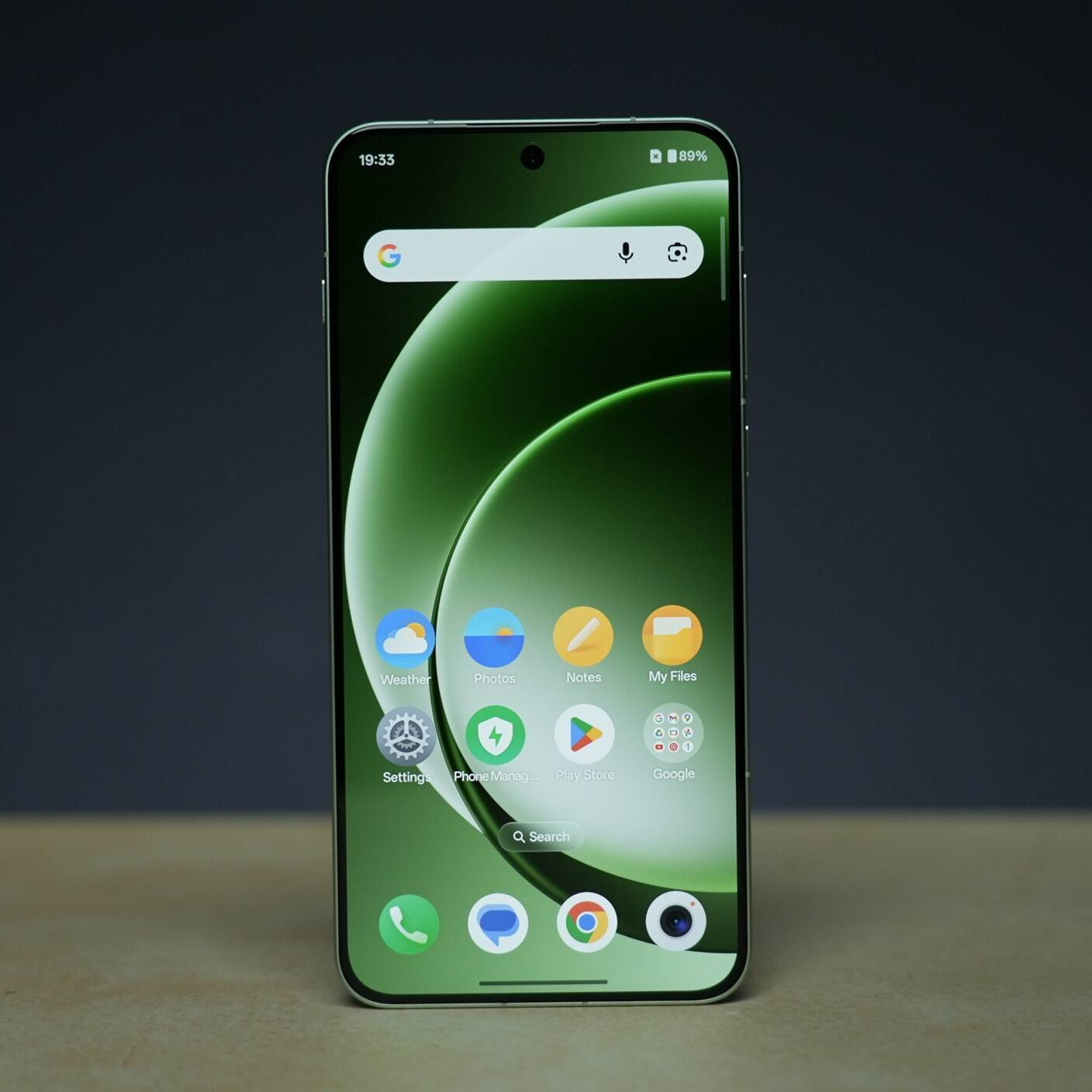
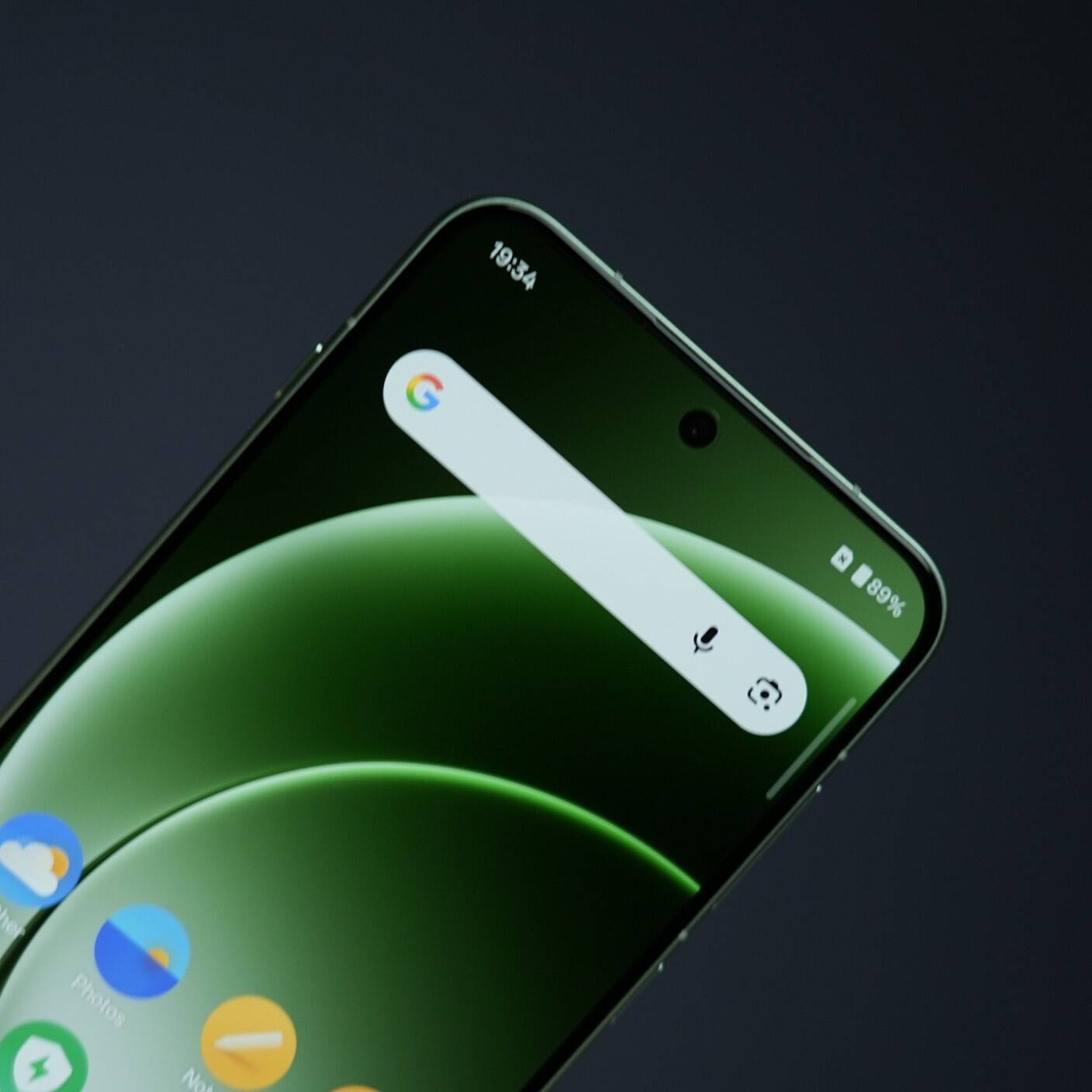
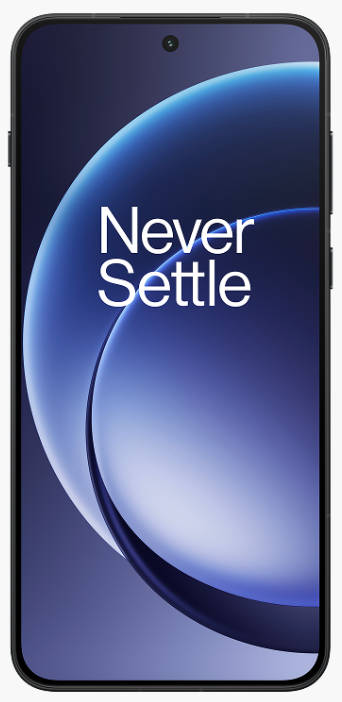
The OnePlus 15R offers a slightly bigger 6.83-inch display and an LTPS panel instead of an LTPO. That’s the only noticeable difference between this and the more expensive OnePlus 15 smartphone. The OnePlus 15R’s LTPS display might not be as dynamic with refresh rate and power-efficient as the LTPO panel, but it still offers the high 165Hz refresh rate, 1.5K resolution, HDR10+ support, 3,200Hz touch sampling rate, and excellent brightness for visibility under direct sunlight.
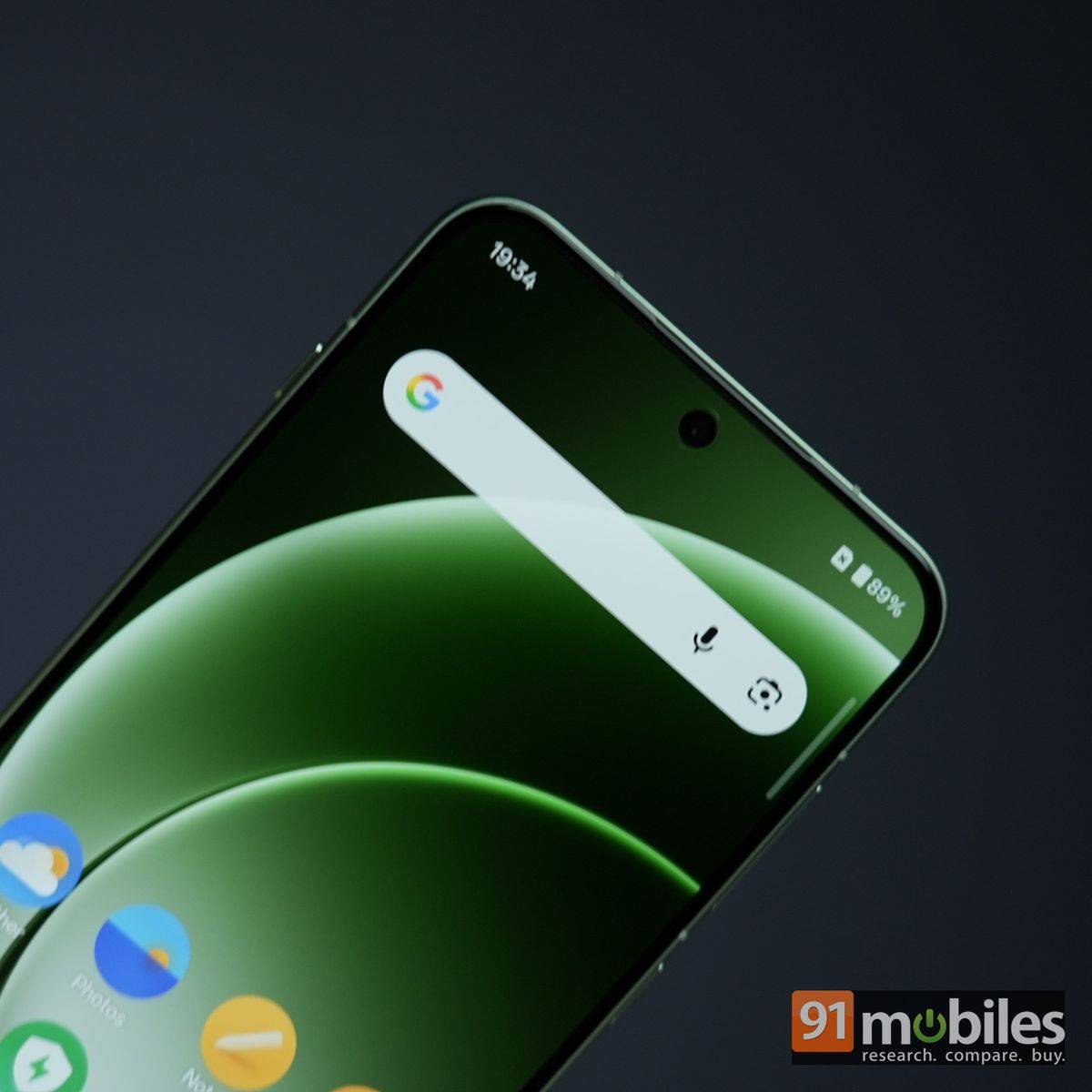
All this contributes to an excellent viewing experience both indoors and outdoors. Moreover, the razor-thin bezels ensure there is minimal distraction when consuming content. Moreover, the colours look punchy and vibrant, with a top-notch contrast ratio and viewing angles. Users have the option to customise the colours for a more personalised experience. It’s worth noting that the maximum refresh rate only triggers while gaming, and that too for selective titles. For most native apps and UI, the refresh rate hovers between 90Hz and 120Hz, which is fine.
Polished software, long-term support
Binding everything together is OxygenOS16, layered atop Android 16. The software feels smooth, stable, and largely bug-free, reinforcing its reputation as one of the better Android skins available. The interface borrows subtle visual cues from iOS, including glass-like effects and dynamic wallpapers, which should ease the transition for iPhone users. At the same time, it offers extensive customisation options, from flexible layouts and resizable icons to a highly personalised lock screen with widgets, animations, depth effects, and a full-screen always-on display.
Moreover, the handset is promised four years of major OS updates and six years of security patches, matching the flagship OnePlus 15 and exceeding most rivals in its class.
Reasons not to buy the OnePlus 15R
Sub-par low light photography




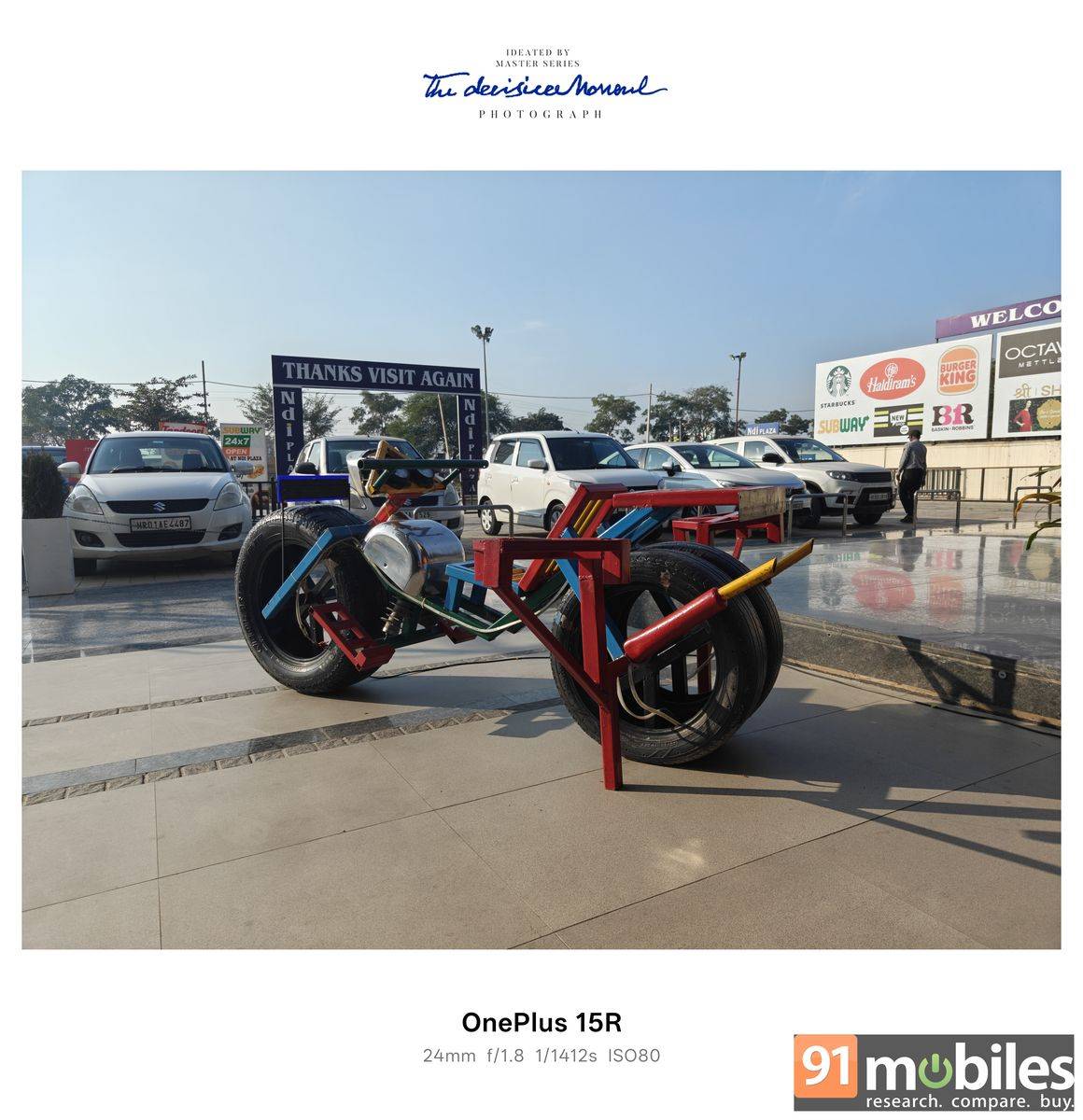





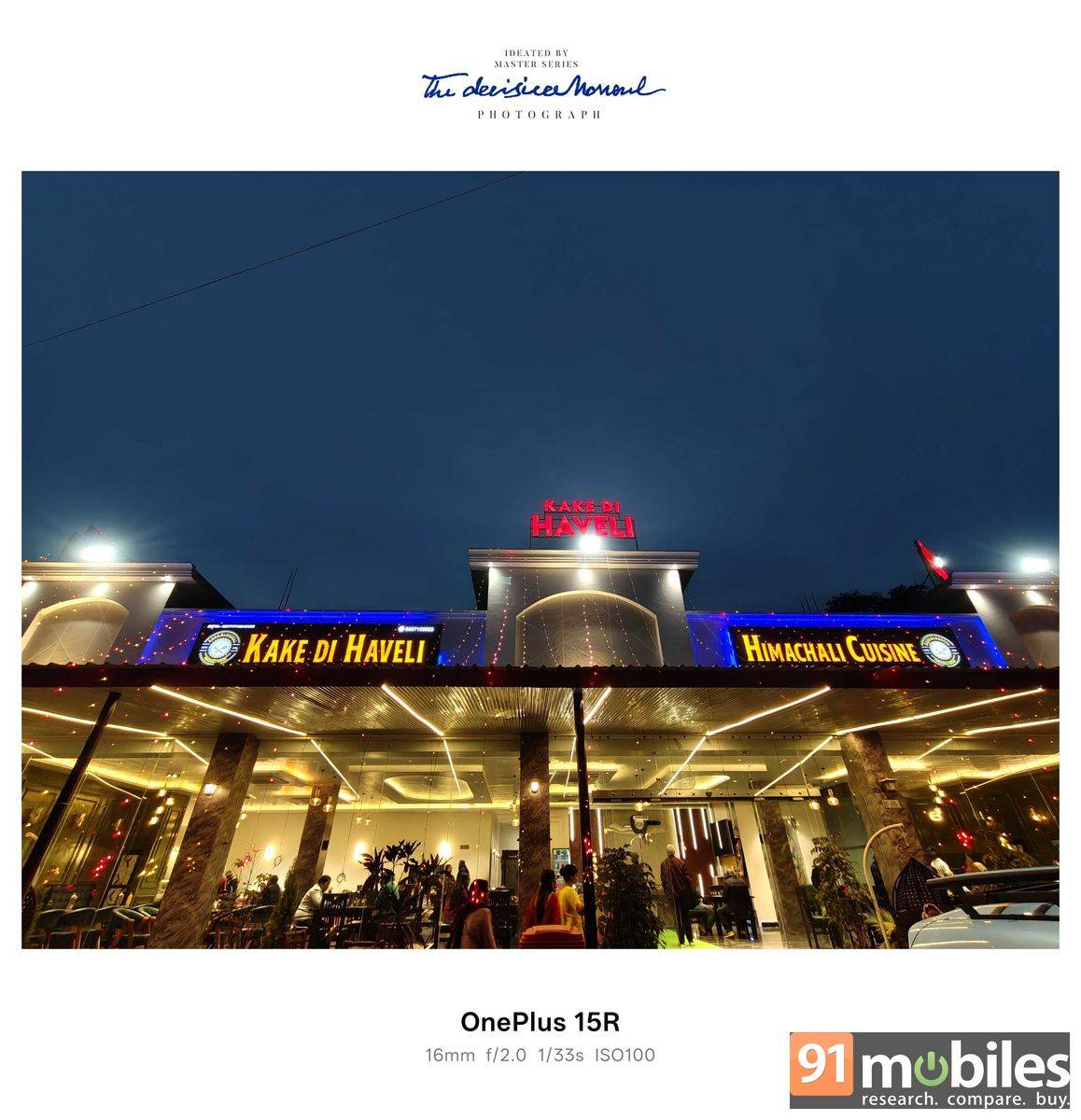

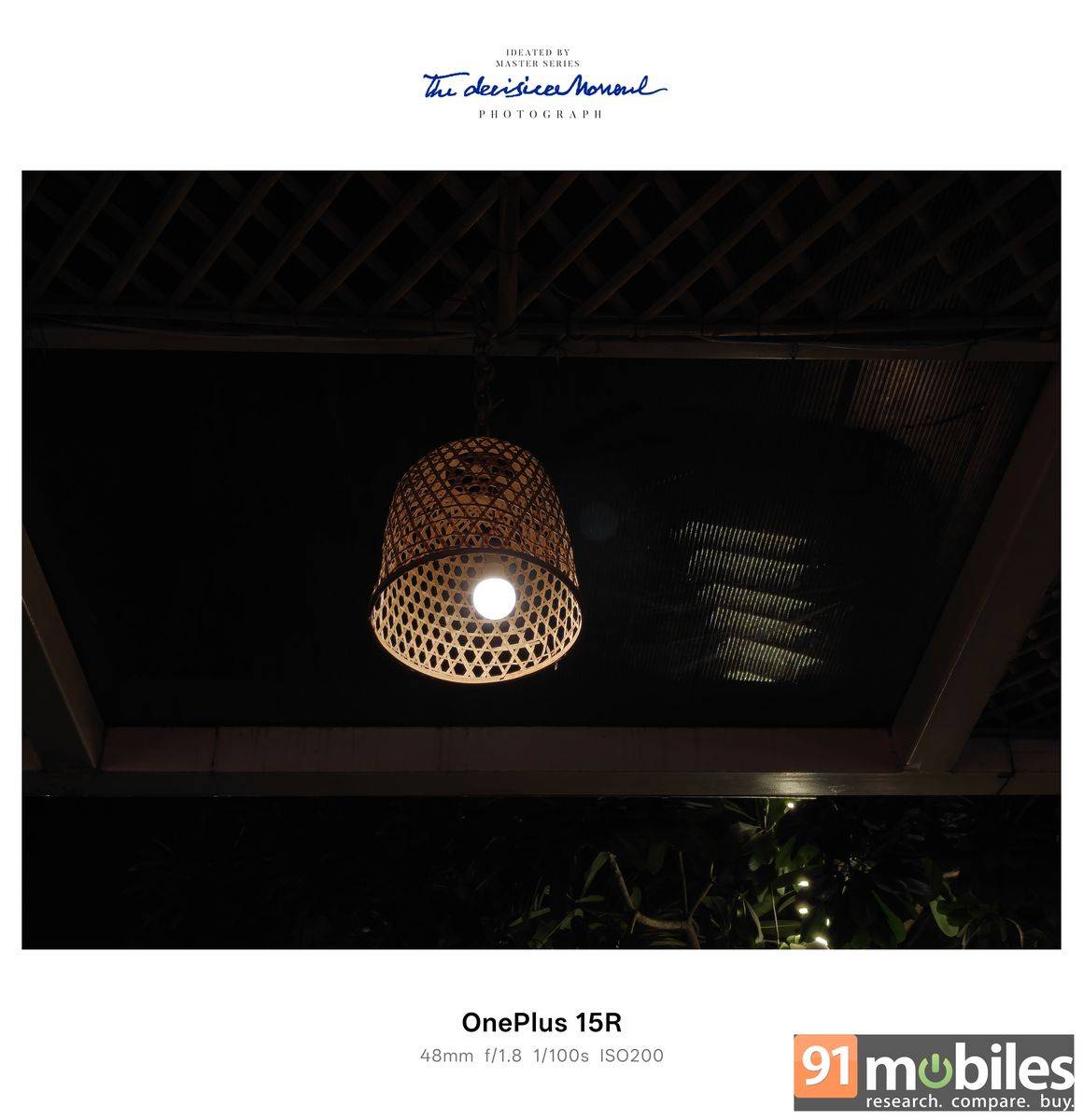


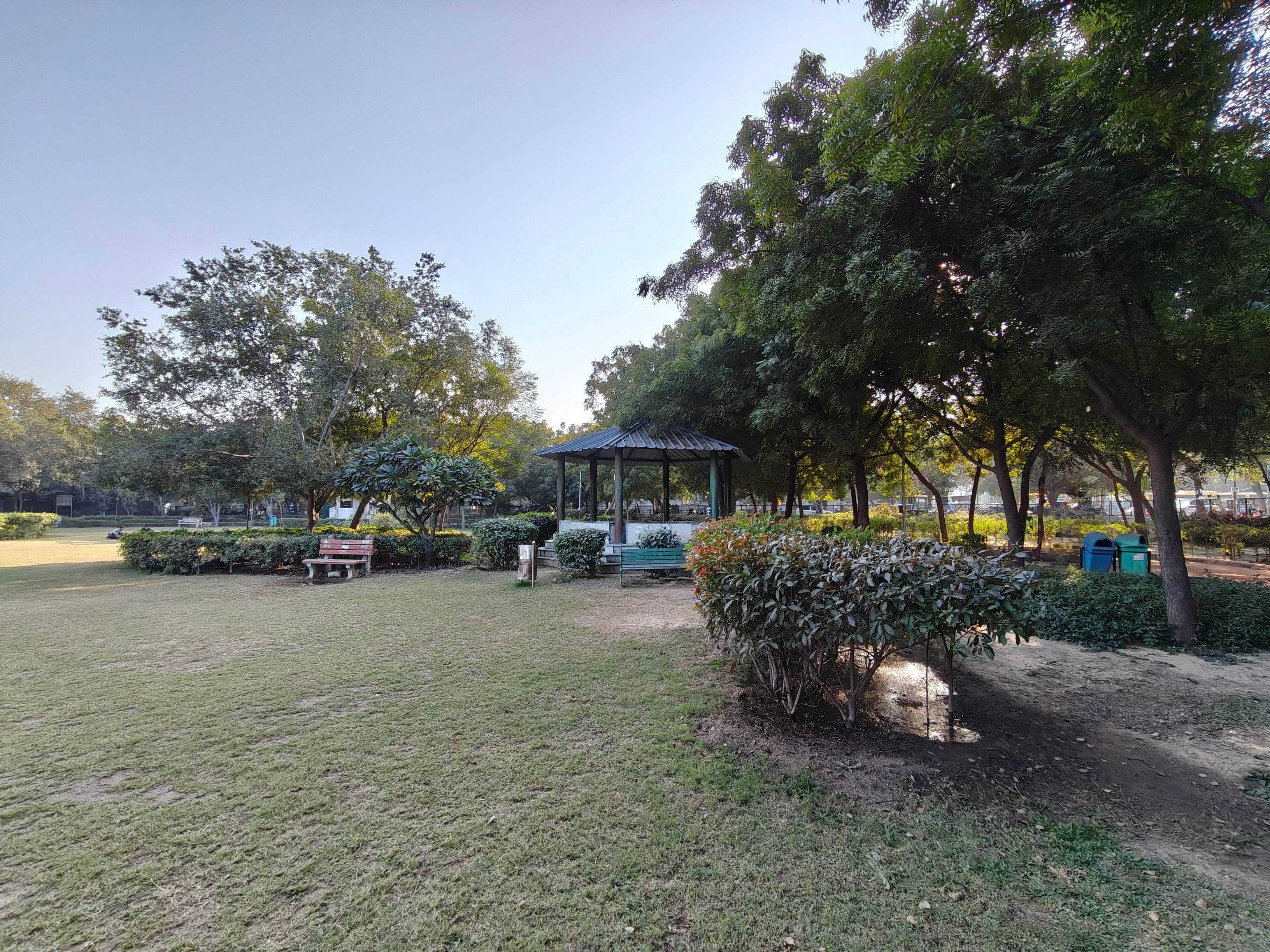
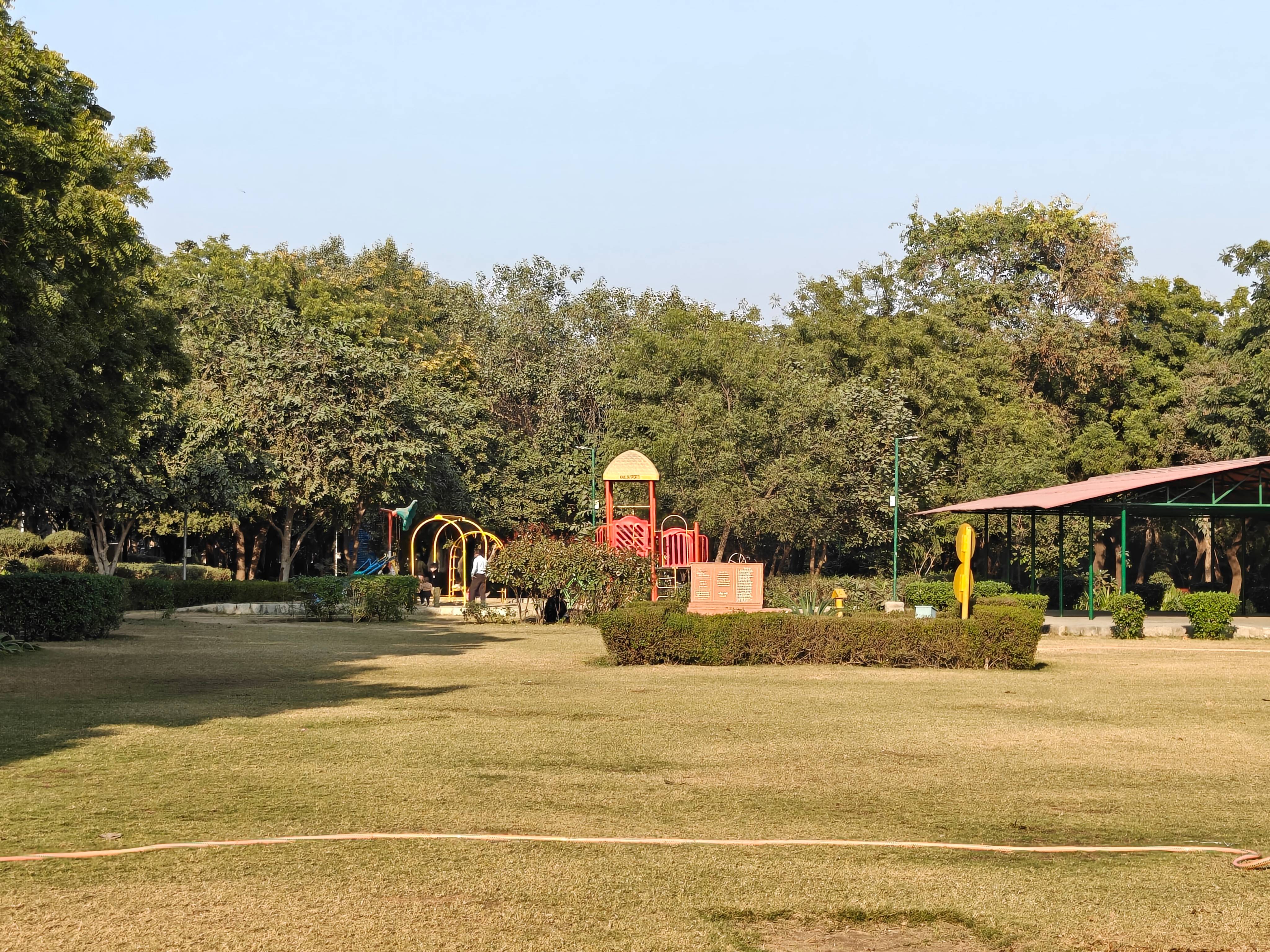
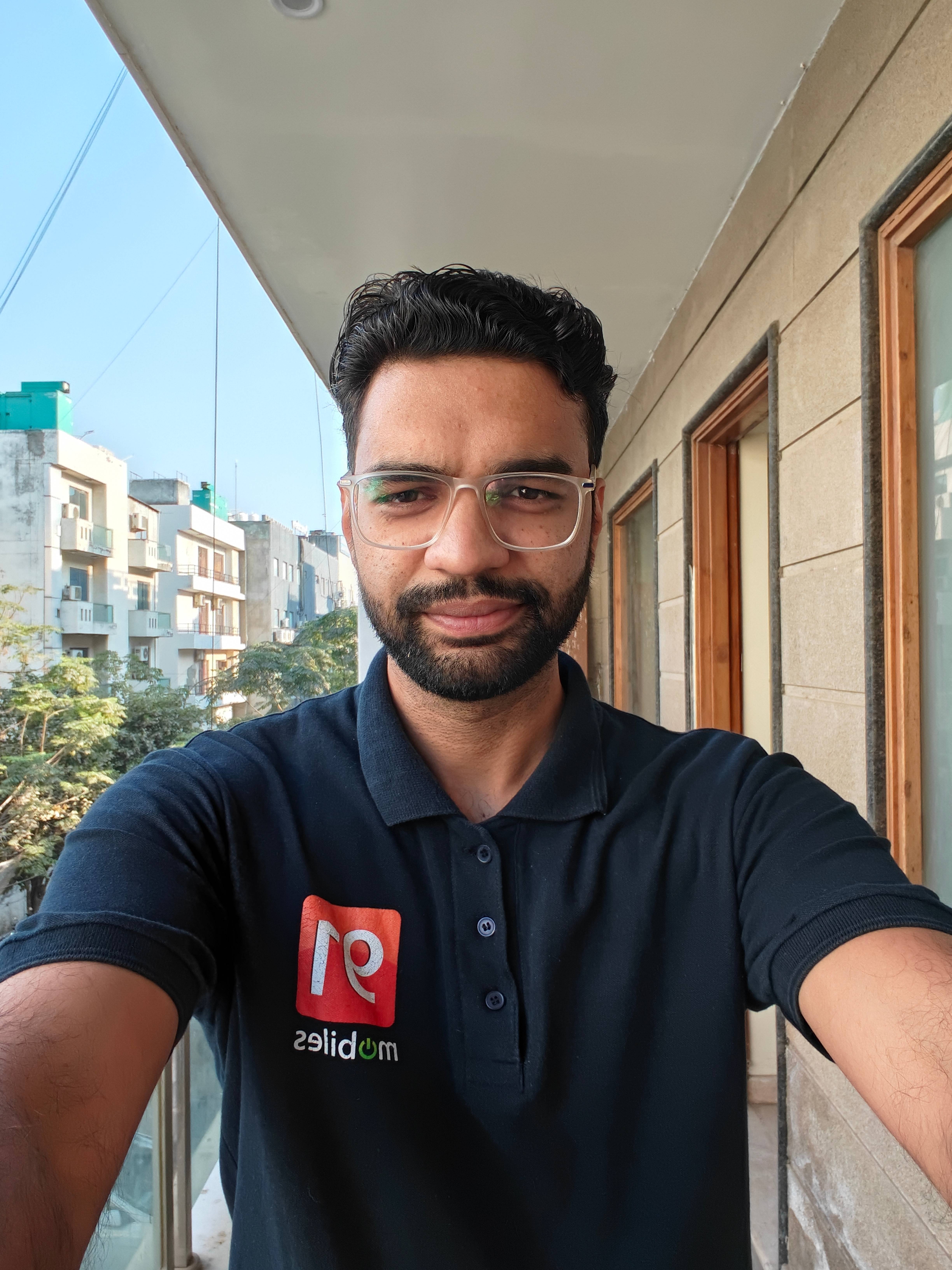
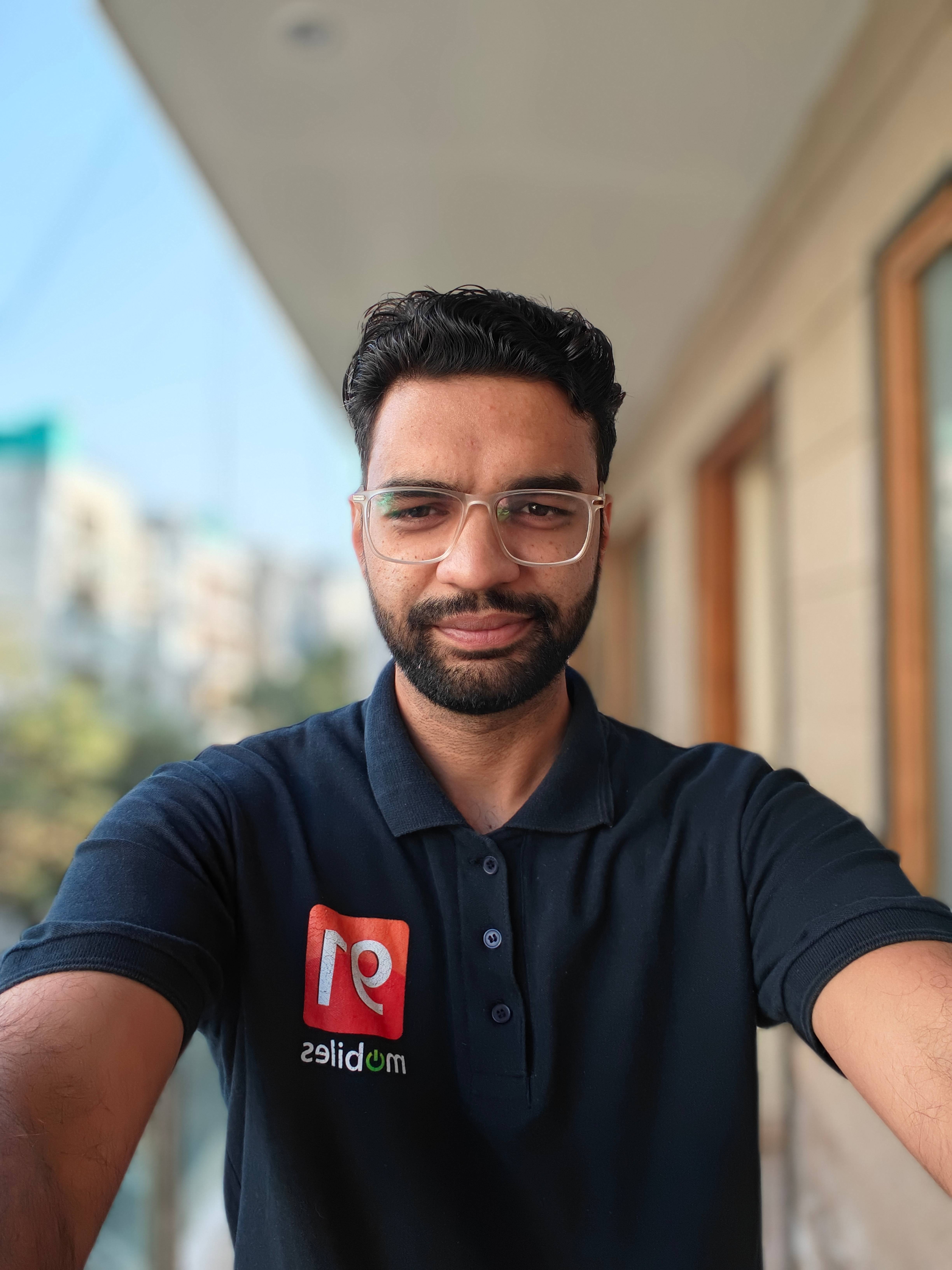
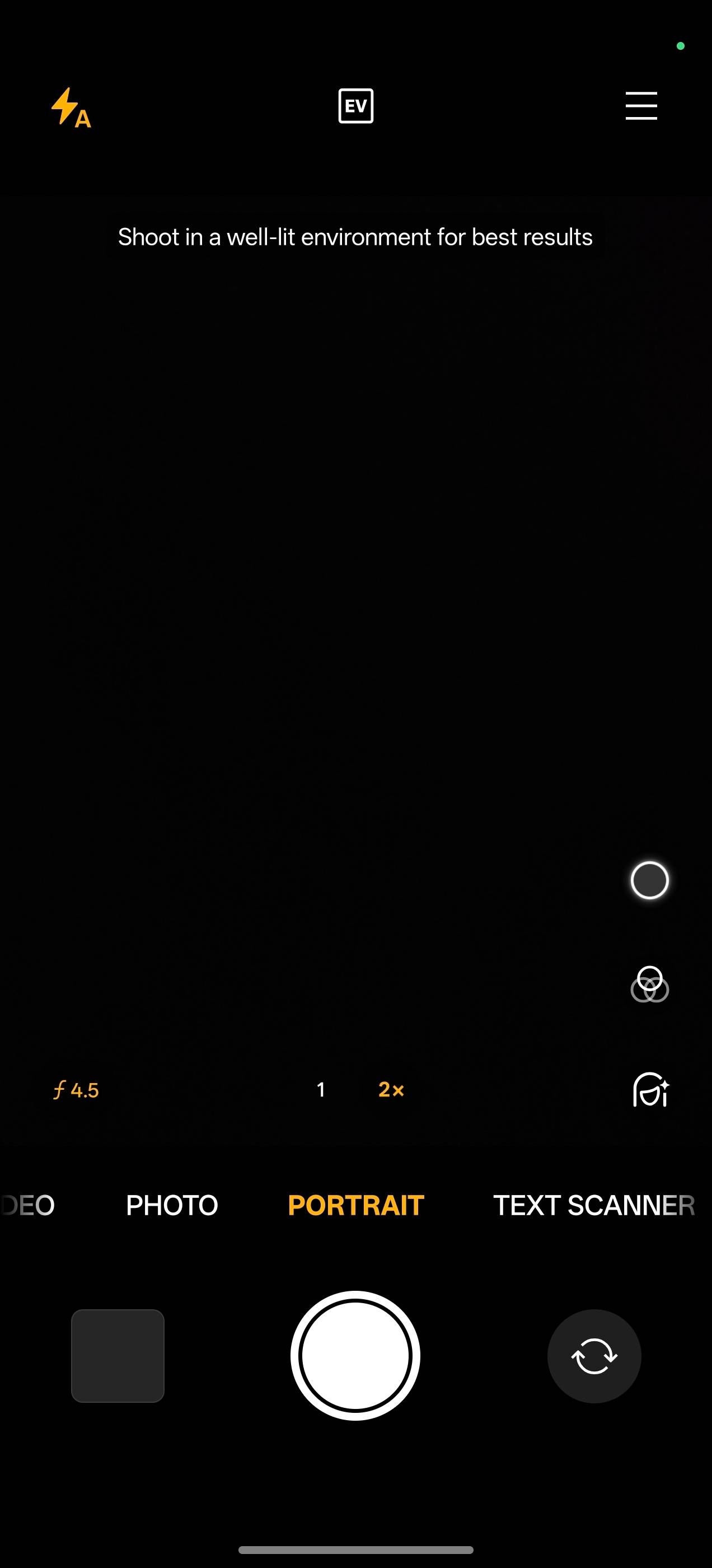
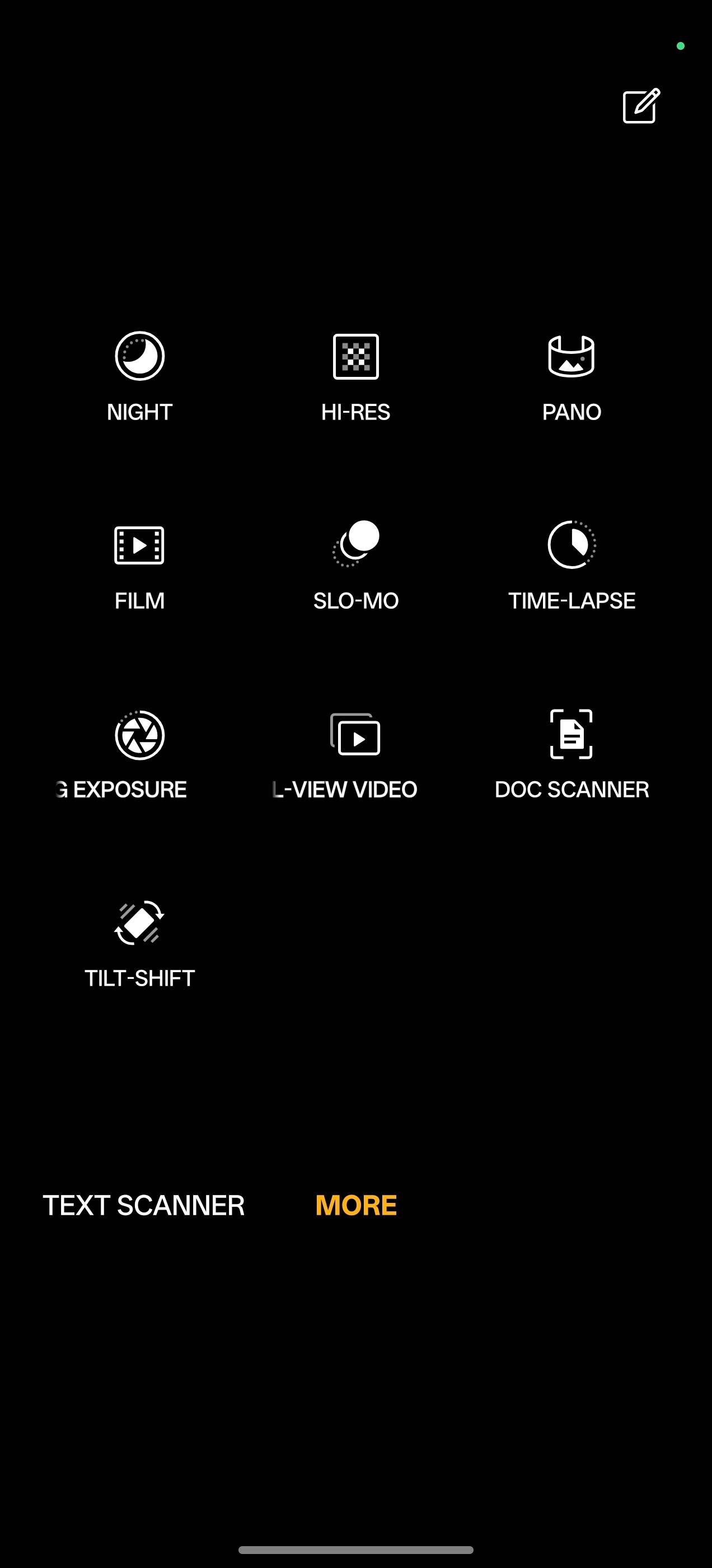
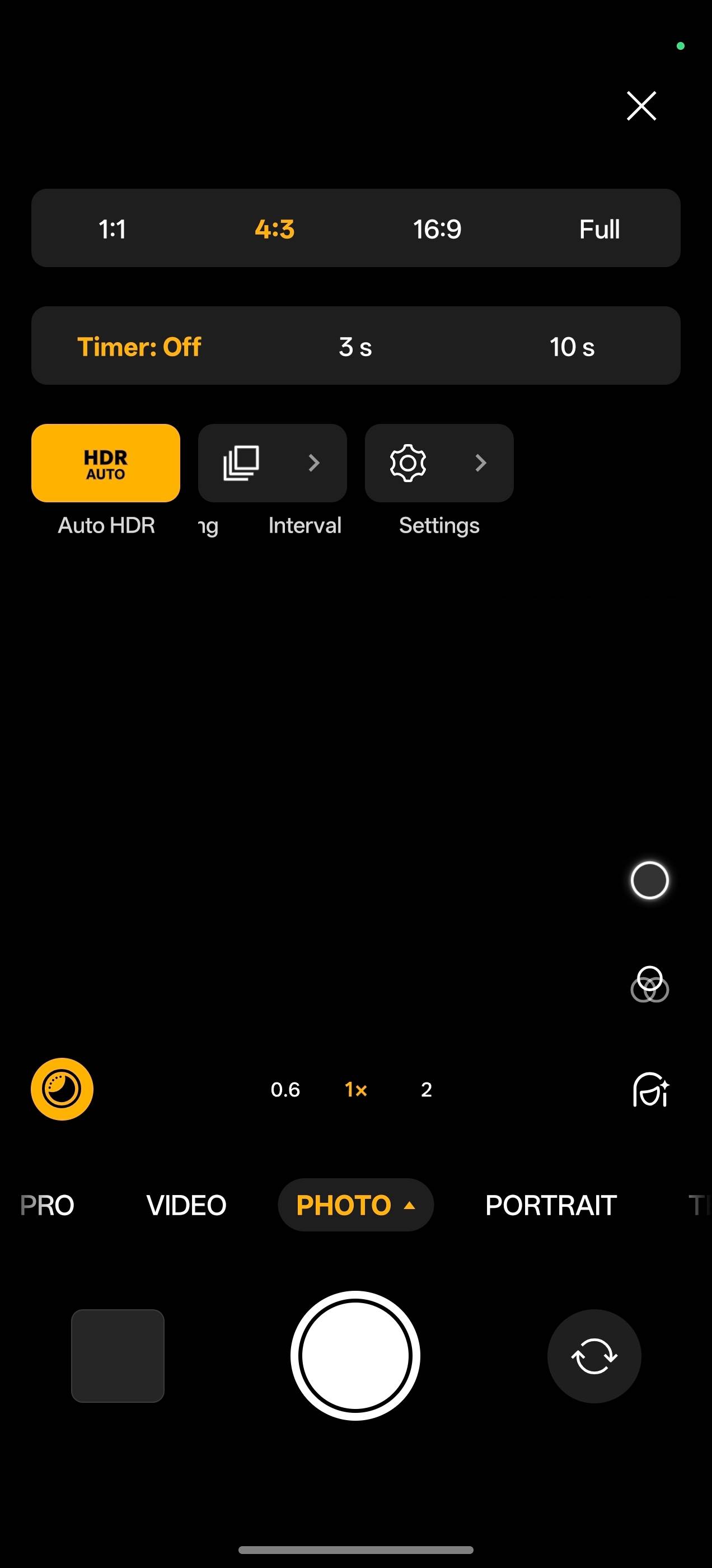
The OnePlus 15R sports a dual rear camera setup, comprising a 50MP Sony IMX906 primary sensor and an 8MP front camera sensor. There is no telephoto lens this time around, but that doesn’t mean it can’t capture good portraits. In bright, sunny environments, the OnePlus 15R camera performance is on par with that of the more versatile and advanced camera phone, OPPO Reno14 Pro. Moreover, its 32MP front camera can output better selfies than the OPPO smartphone.
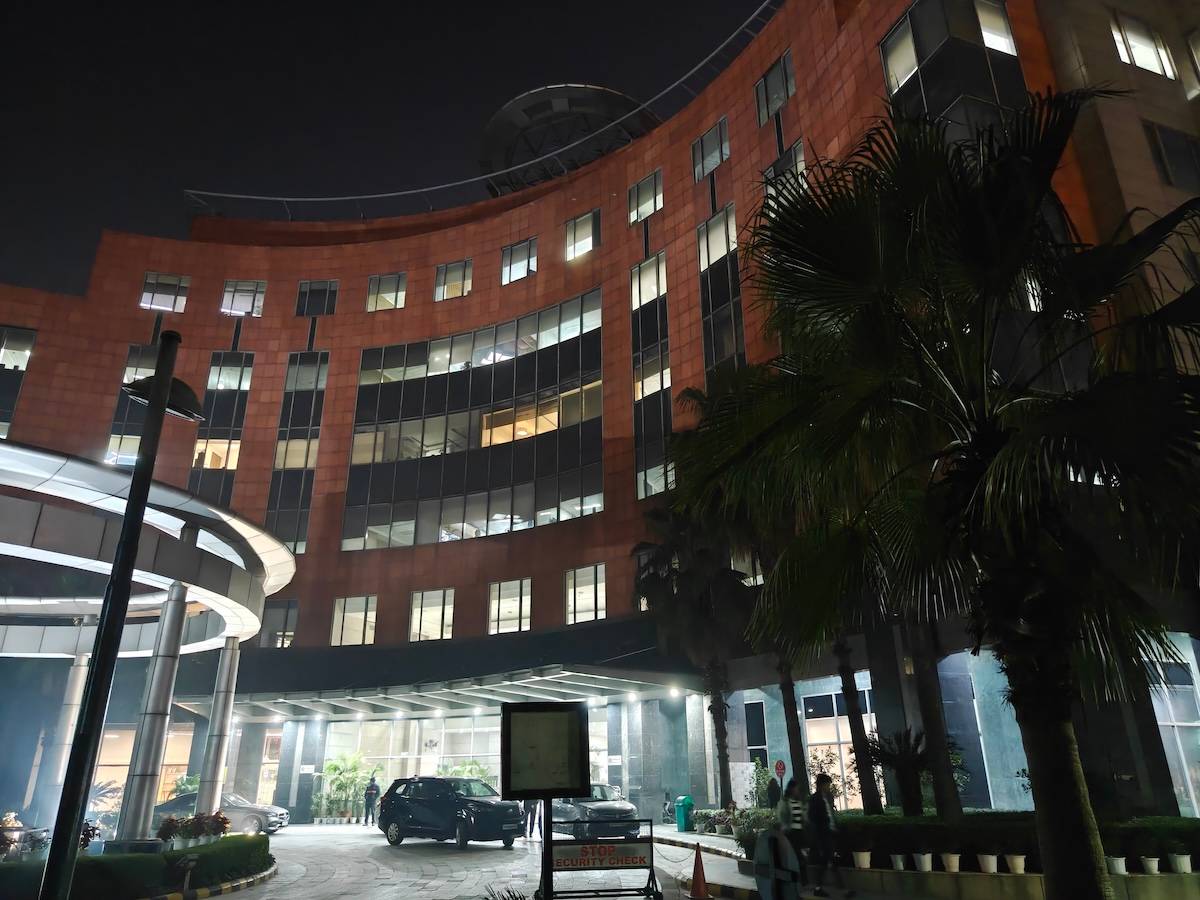
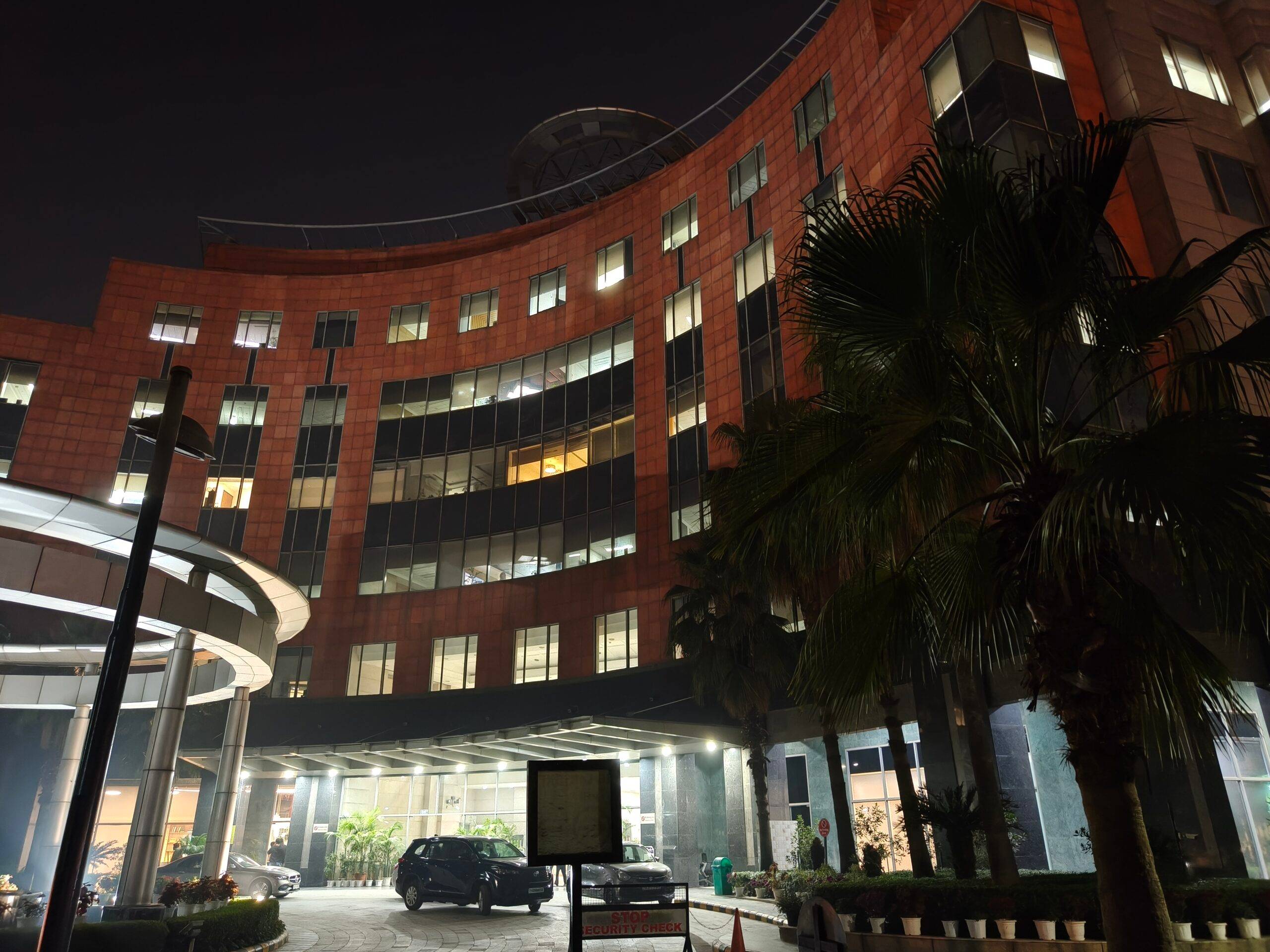
However, when it comes to low light shots, the OnePlus 15R lags behind. It struggles to control exposure, highlight details, and maintain realism both with and without night mode.
Conservative design
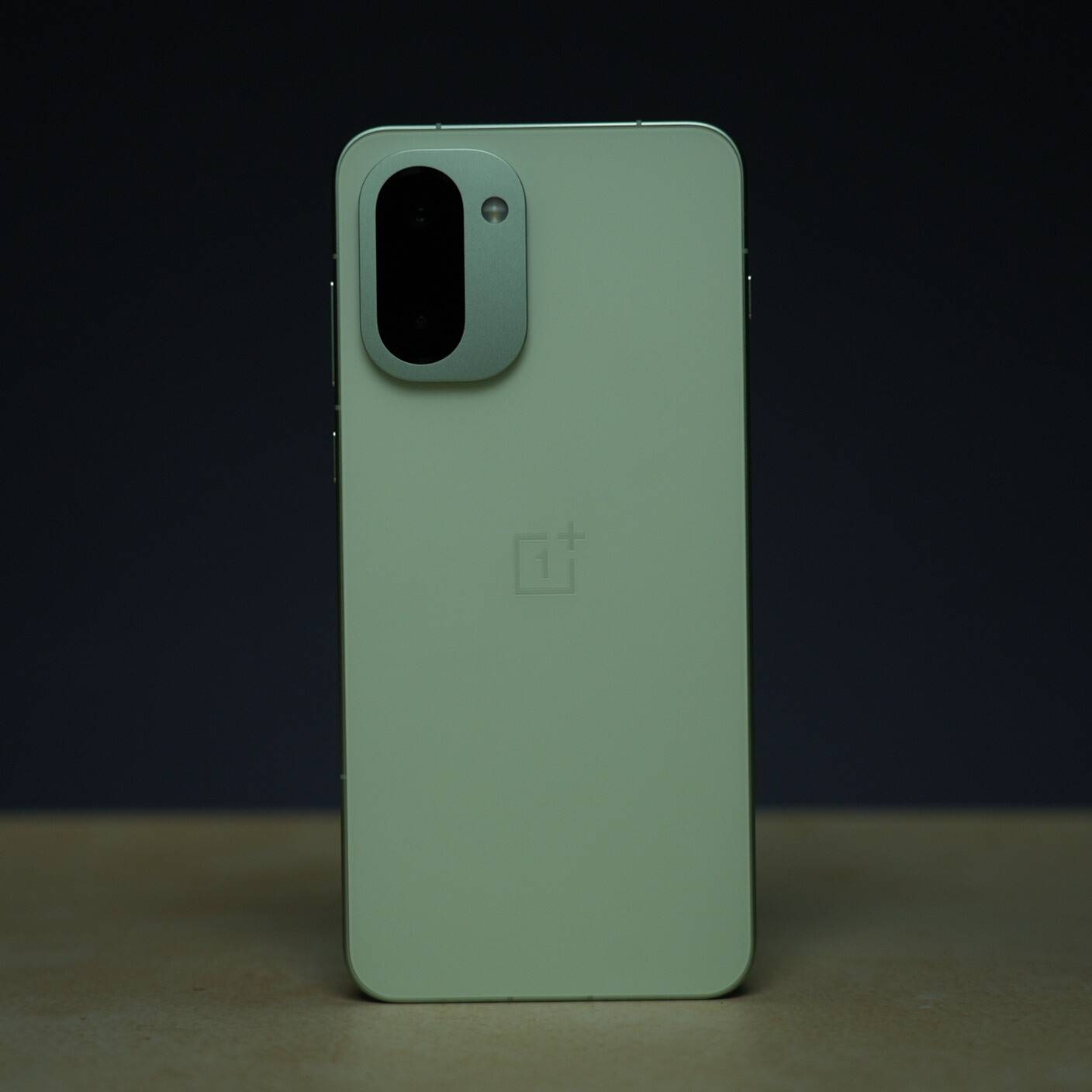
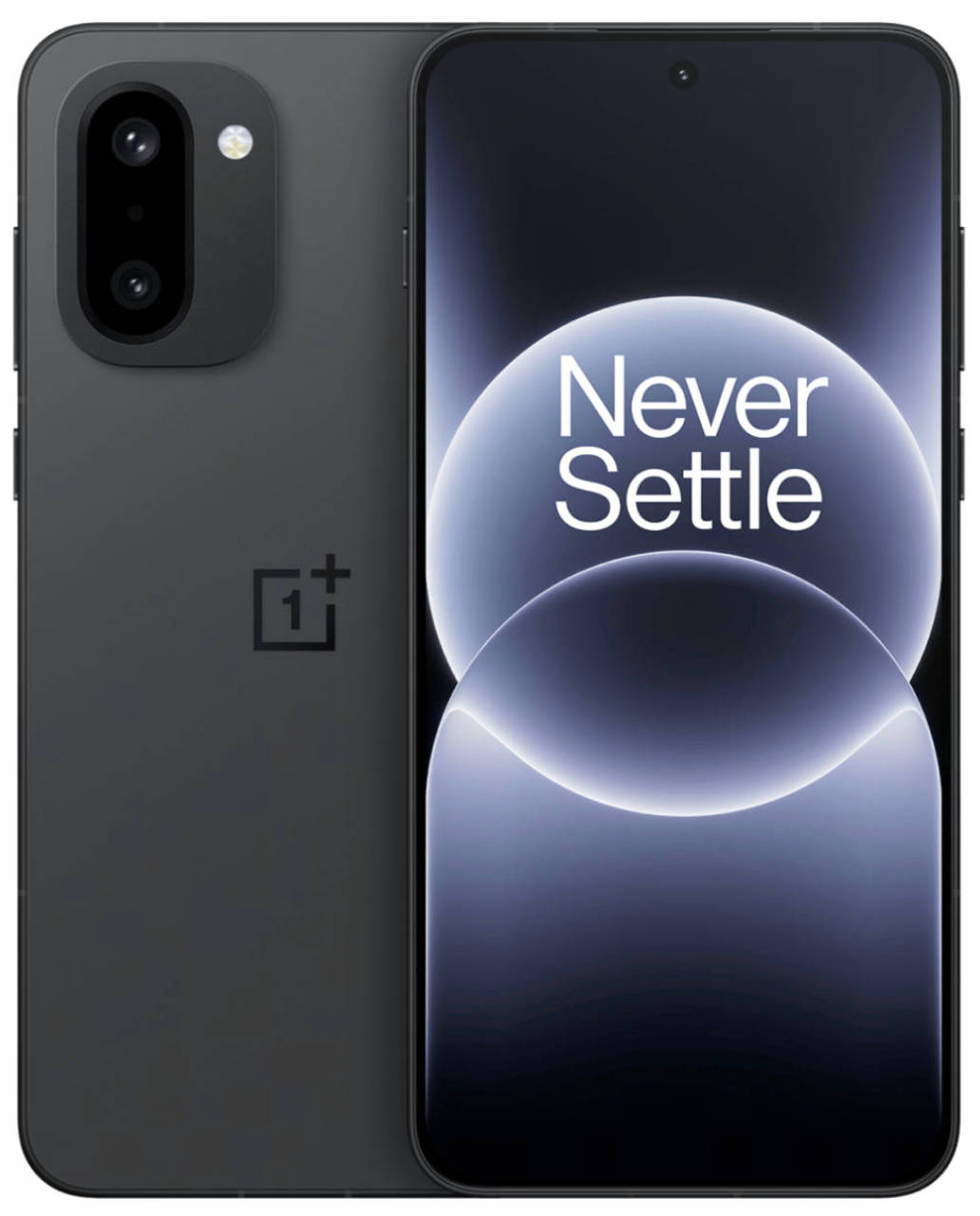
The OnePlus 15R design is built on the same platform as the OnePlus 15. The handset boasts aluminium framing, glass back, and IP66, IP68, IP69, and IP69K ratings for water and dust resistance. The handset can withstand daily wear and tear, including exposure to high-pressure and high-temperature water jets, as well as submersion in up to 1.5 metres of water for 30 minutes.


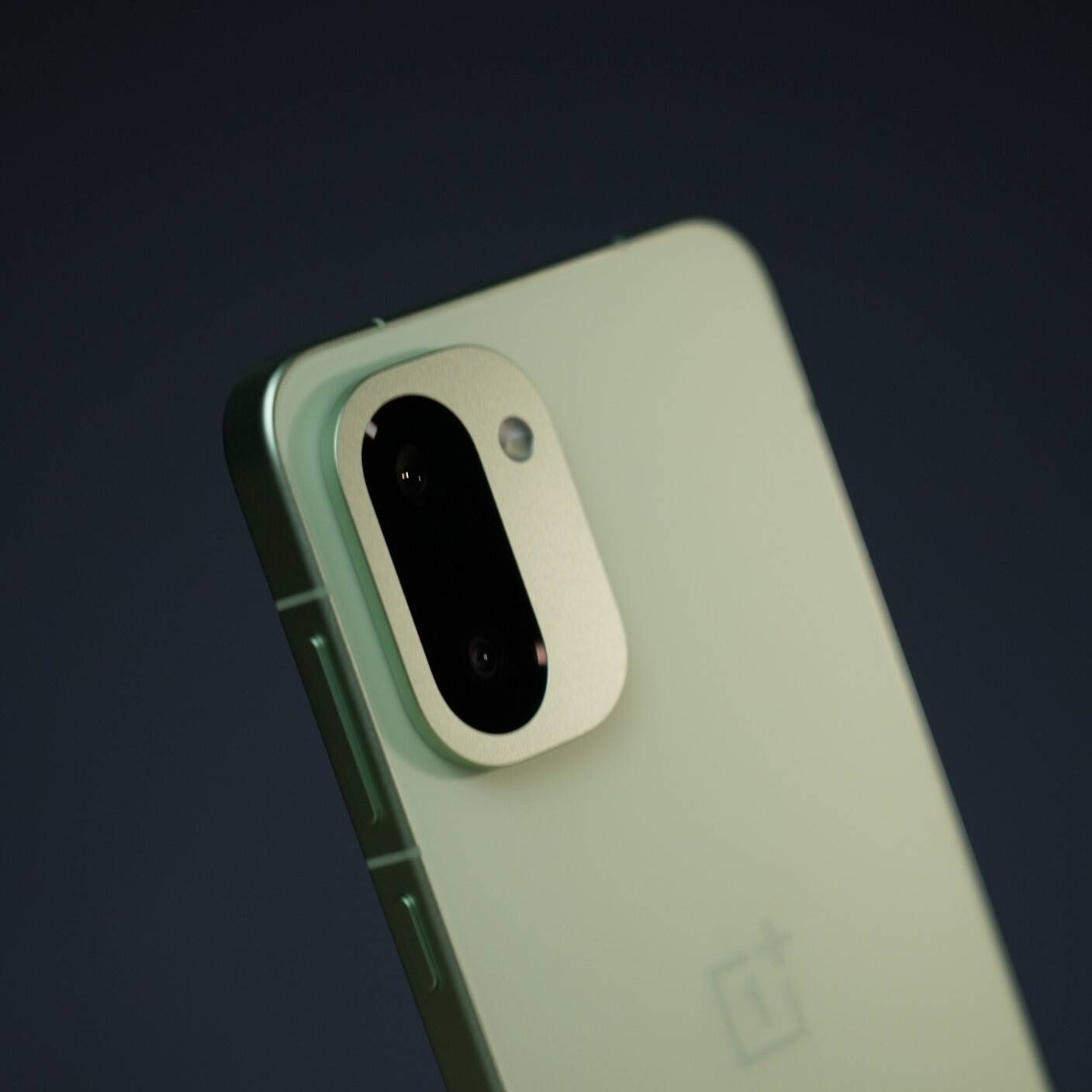
However, the OnePlus 15R is unlikely to win hearts on design alone. Its overall aesthetic, including the clean but understated camera module, feels relatively plain when placed alongside the OPPO Reno14 Pro. OPPO’s device, with its velvety glass back and subtle pattern that shimmers under light, delivers a more striking and premium visual appeal by comparison.
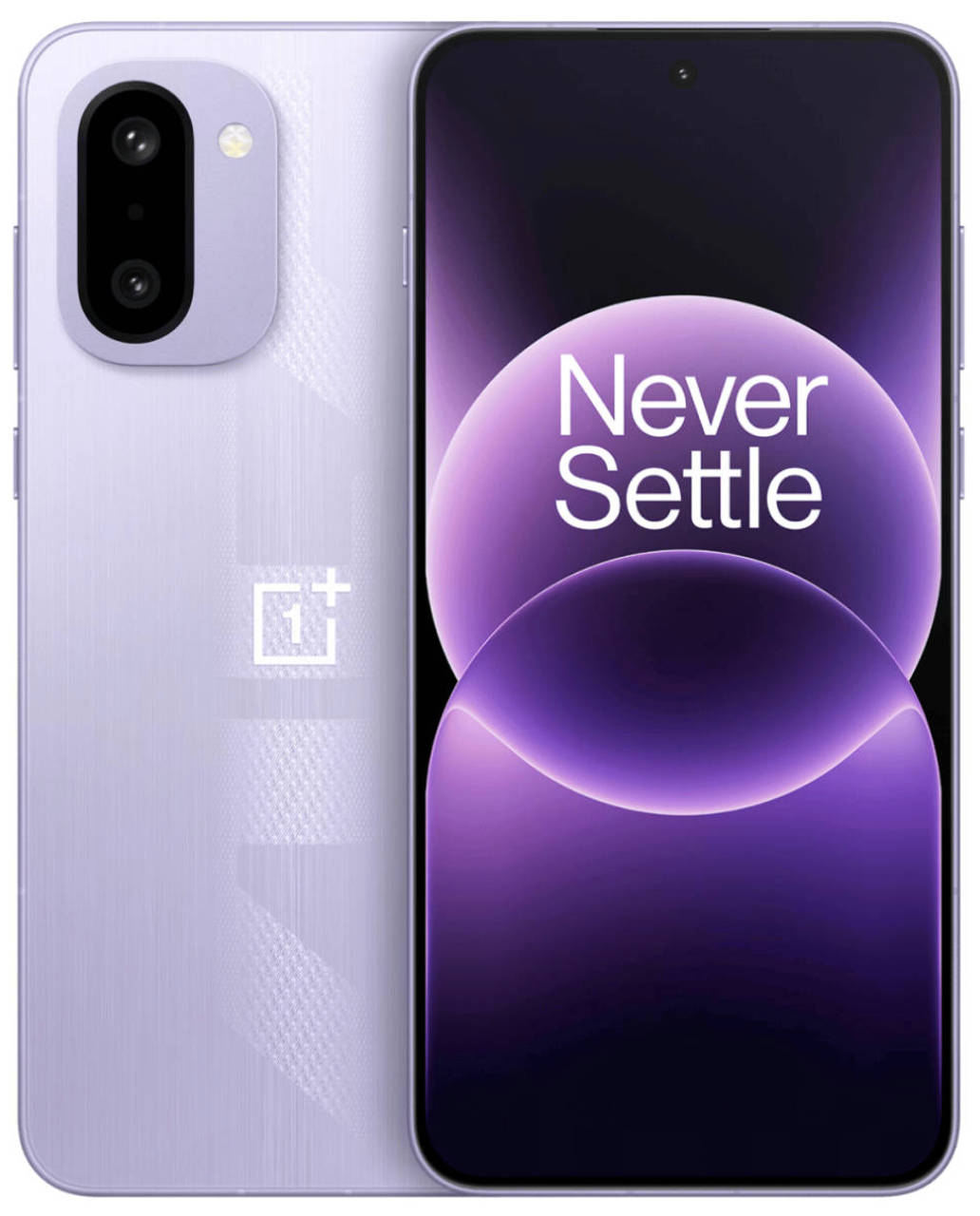
The OnePlus 15R’s Electric Violet colour variant may have a pattern on the back panel, but it doesn’t look as swanky as the Reno14 Pro’s.
Efficiency drops at the 165fps
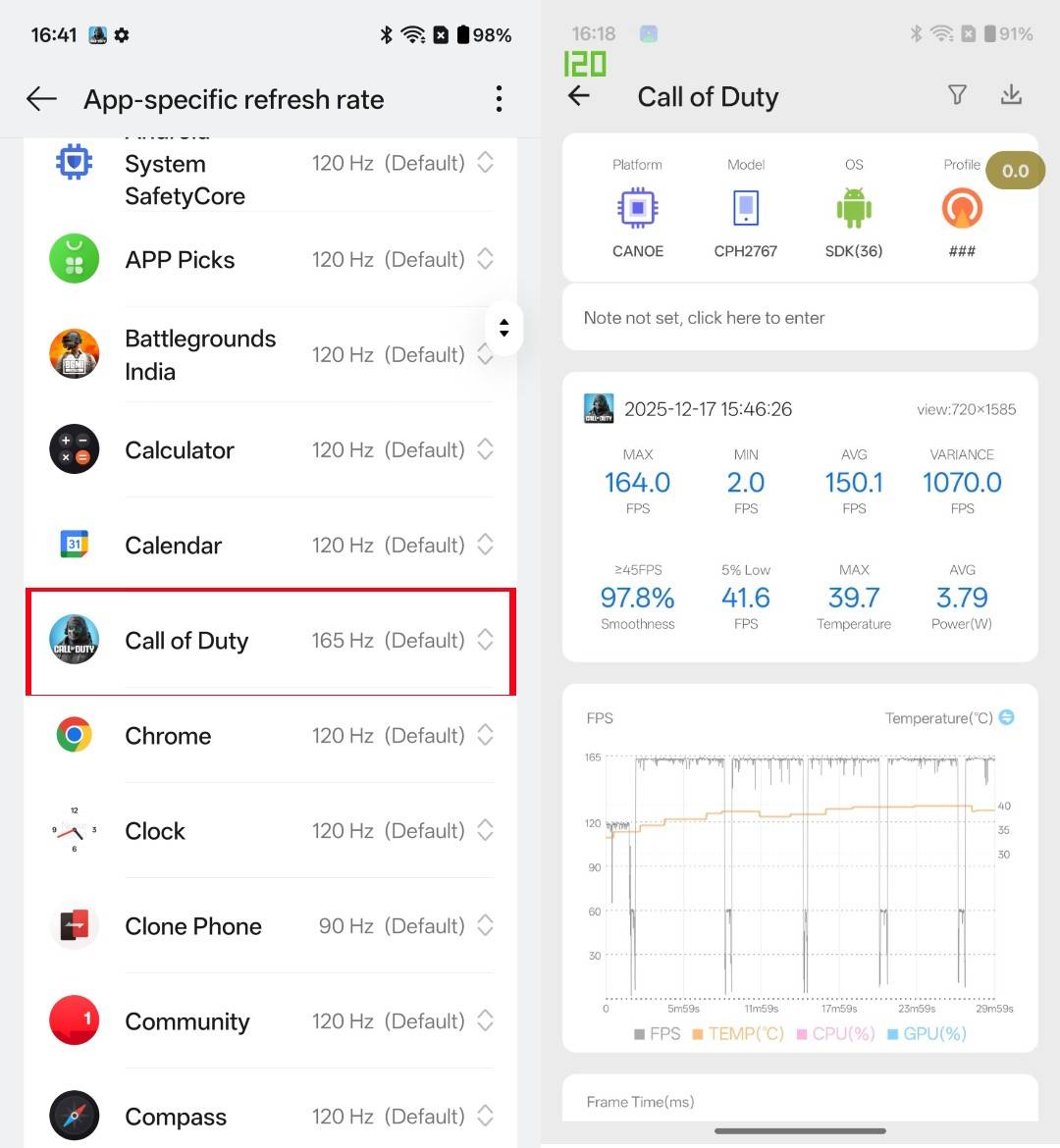
While the OnePlus 15R does support gaming at up to 165fps, its thermal and power efficiency take a noticeable hit at this refresh rate. After 30 minutes of playing the only supported title at the time of writing, Call of Duty: Mobile, the phone’s temperature rose by 9 degrees Celsius, while the battery level dropped by 7 percent. These numbers may seem acceptable over short sessions, but during extended gameplay at 165fps, the strain becomes evident. If high-frame-rate gaming is a priority, the standard OnePlus 15 remains the better pick.
Additionally, unlike its more powerful sibling, BGMI on the OnePlus 15R is capped at 120fps, further limiting its appeal for serious gamers.
OnePlus 15R Images