


Review Summary
Expert Rating
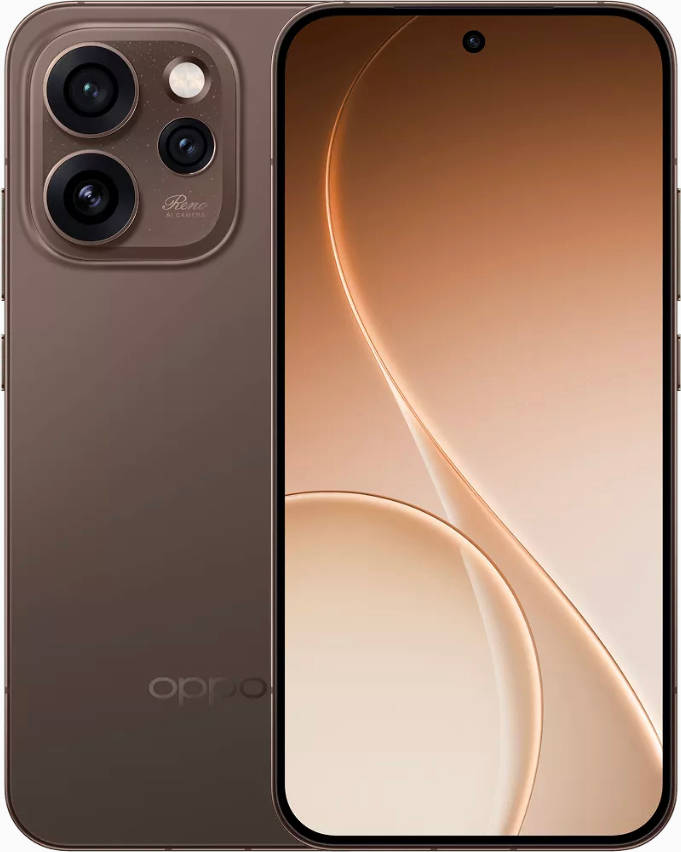
If 2025 was about the re-emergence of compact phones, 2026 will likely see them become mainstream. Vivo and OnePlus (and Apple, to some extent, with the base iPhone 17) introduced some terrific compact phones in India last year, such as the Vivo X200 FE, X300, and OnePlus 13s. OPPO has now kick-started 2026 with the Reno 15 Pro Mini, the brand’s first compact Reno phone. This is easily the most exciting phone in the Reno 15 series, but does it come close to what the Vivo and OnePlus phones offered?
Table of Contents
Verdict
The OPPO Reno 15 Pro Mini is a solid compact flagship experience, featuring a chipset that might not belong in this segment but is optimised in a way that it proves its worth, a versatile set of cameras, an impressive display, and a wonderful in-hand experience.
Compact goodness and a bright, bright display
The Reno 15 Pro Mini is built around a 6.32-inch AMOLED display, framed by ultra-thin 1.6mm bezels on the narrowest side. OPPO claims a 93.35 percent screen-to-body ratio, which is impressive for a phone this size. In hand, the compact footprint is immediately noticeable, especially if you are coming from a typical 6.7-inch or larger flagship.

The Reno 15 Pro Mini is available in Glacier White and Cocoa Brown. Glacier White, which we received for review, uses OPPO’s Glacier Glow Glass with a ceramic-like texture, while Cocoa Brown leans into a matte, understated aesthetic inspired by tea and coffee tones.
Durability is a clear focus this year. The phone features OPPO’s All-Round Armour Body, which combines Sponge Bionic Cushioning, an aluminium frame, and Corning Gorilla Glass 7i. It is also certified for IP66, IP68, and IP69 water and dust resistance, making it one of the more rugged compact phones available. Support for Splash Touch and Glove Touch further reinforces its all-weather usability.
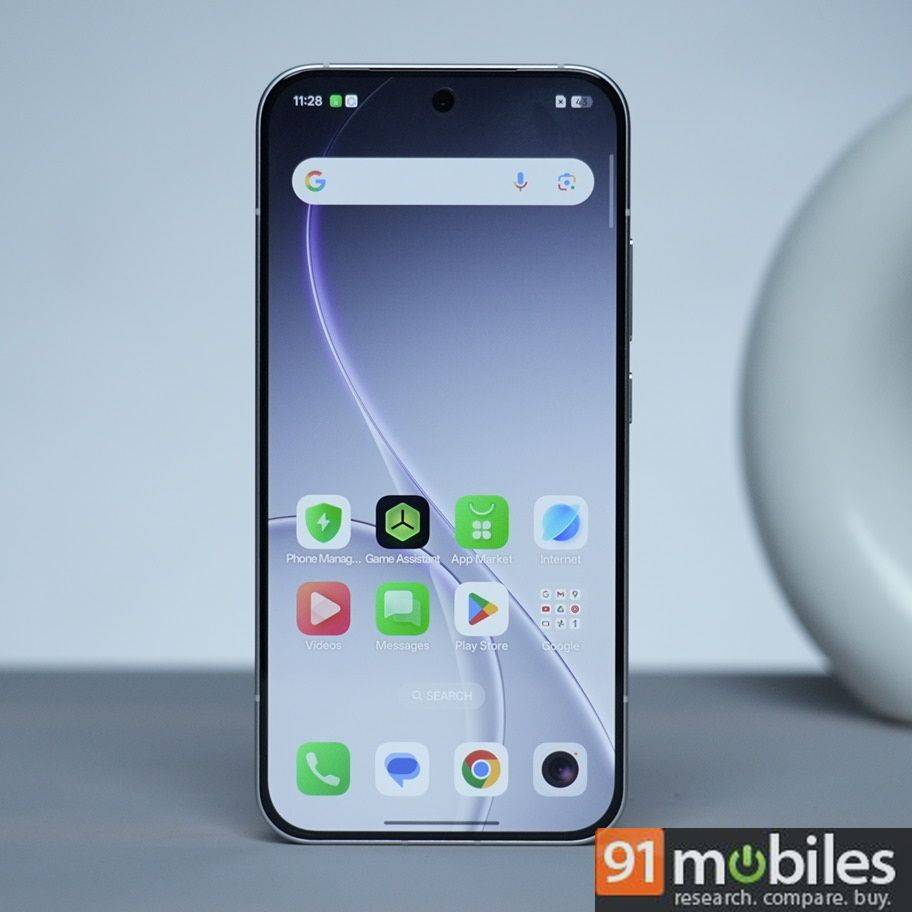
Brightness figures are strong, with 600 nits typical, 1,800 nits in high brightness mode, and a claimed 3,600 nits of local peak brightness for HDR content. The display is protected by Gorilla Glass 7i and supports both Splash Touch and Glove Touch.
The display experience was largely impressive, with streaming apps supporting crisp, bright HDR and HDR10+ content. Brightness levels were not a problem, but the highly reflective screen does make it difficult to view the display in sunny outdoor conditions.
Impressive cameras in most scenarios
The cameras on the OPPO Reno 15 Pro Mini are definitely a step up from previous models. The main camera is a 200MP Samsung HP5 sensor with OIS alongside a 50MP ultra-wide lens and a 50MP JN5 telephoto lens with 3.5x optical zoom and OIS. Over at the front is another 50MP JN5 sensor. All in all, you get a solid, versatile camera system on paper. But how well do the cameras actually perform?
In short, the Reno 15 Pro Mini captures pleasing photos in daylight across cameras, with the telephoto lens standing out with bright, crisp close-up portraits at 3.5x. Low-light performance is decent, but you do notice occasional drops in detail compared to photos taken at other times of day.






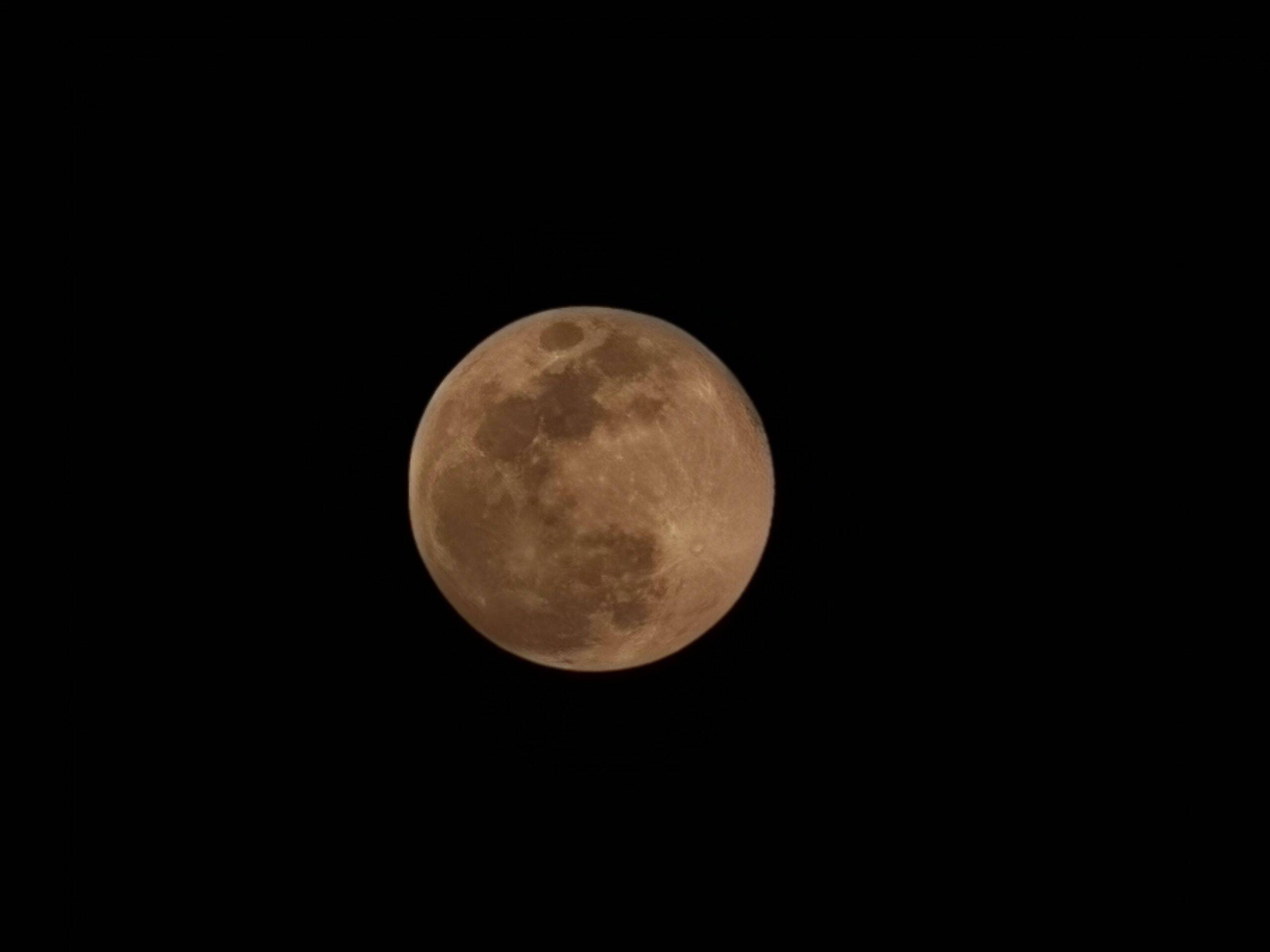










Below is a side-by-side comparison between the Reno 15 Pro Mini and the OnePlus 13s.
Daylight
In the default 12MP pixel-binned mode, the Reno 15 Pro Mini captures almost identical daylight shots as the OnePlus 13s, with bright and contrasty photos on both. Both devices also capture near-identical levels of detail when zooming in. Both devices also have a Hi-Res mode, where the Reno 15 Pro Mini would offer greater detail when capturing 200MP stills compared to the OnePlus 13s at 50MP.


What sets the OPPO Reno 15 Pro Mini apart is its ultra-wide lens, which is missing on the OnePlus 13s.
Portait
Portraits are clearly the Reno 15 Pro Mini’s forte. The phone captures crisp portraits at 3.5x (85mm) with pleasing skin tones, good edge detection (as evidenced by the retention of hair strands around the ears), and a pleasing background blur. The OnePlus 13s, on the other hand, captures fixed 2x (47mm) portraits, which means you don’t have the same freedom in framing your subject as the Reno 15 Pro Mini does.


Low-light
The Reno 15 Pro Mini isn’t the best low-light camera phone I have experienced in this segment, but it did capture slightly better photos than the OnePlus 13s. For one, the Reno 15 Pro Mini doesn’t blow out the sky and retains the darker elements better than the OnePlus 13s. The OPPO phone also retained the warmth of the ambient lights better than the OnePlus device, which leaned towards overexposure.


Selfie
Despite the Reno 15 Pro Mini using a higher resolution 50MP sensor, its selfies were almost as sharp as the ones taken by the OnePlus 13s’ 32MP sensor. Morever, I was leaning slightly more towards the OnePlus 13s’ selfies as colours looked deeper, exposure levels more balanced, and generally more appealing to me.


Optimised performance, middling software experience
Performance is where the Reno 15 Pro Mini will face the most divided fans. Given that the phone is priced around Rs 60,000, it will naturally be compared to other compact rivals like the Vivo X200 FE and the OnePlus 13s, both of which are priced lower and feature better processors in the MediaTek Dimensity 9300 Plus and the Snapdragon 8 Elite, respectively. The Reno 15 Pro Mini, on the other hand, uses the MediaTek Dimensity 8450, which is the same chip found inside last year’s Reno 14 Pro.
That said, OPPO seems to have optimised the chip for the Reno 15 Pro Mini, as the device scored impressively in synthetic benchmarks. In our AnTuTu test, the Reno 15 Pro Mini scored over 2 million, compared to the 1.6 million recorded by the Reno 14 Pro and the 1.9 million scored by the Vivo X200 FE. The Snapdragon 8 Elite-powered OnePlus 13s remains the fastest compact phone under Rs 60,000 at the moment, scoring over 2.5 million.




In day-to-day use, the Reno 15 Pro Mini’s performance is perfectly dependable. It doesn’t feel blisteringly fast like the OnePlus 13s, but it’s not a slow phone either. Animations on the Reno 15 Pro Mini are smooth and fluid, but apps took a second longer to open than they did on the OnePlus phone. I didn’t encounter random app crashes and was able to multitask with relative ease.
And if you thought the Dimensity 8450 chipset doesn’t handle gaming as well as the more powerful processors, you’ll be quite surprised to know that it does and how. As I mentioned earlier, OPPO seems to have optimised the chipset well here, not just in regular usage but gaming as well. It delivered consistently smooth frames when playing Call of Duty and BGMI, and battery drain was lower than that on the OnePlus 13s, pointing towards good thermal efficiency.
It’s clear that if you’re looking for the absolute best performance, the OnePlus 13s, or even the older iQOO 13 and Realme GT 7 Pro, will satisfy you the most. However, the Reno 15 Pro Mini delivers consistent and reliable performance, even for heavy gamers.
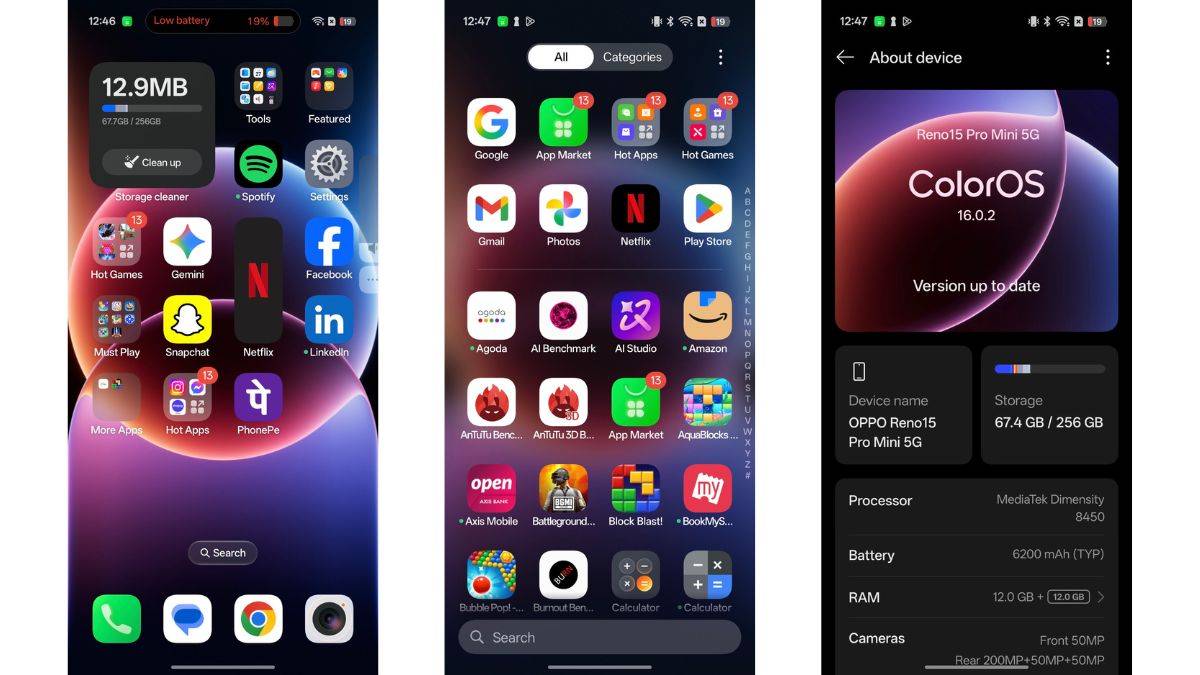
Coming to the software, I have mixed feelings. On the one hand, ColorOS 16 looks great. It’s fluid, animations are smooth, and there are genuinely useful additions like the new Flux Home Screen, which lets you long-press folders or icons and resize them vertically, horizontally, or into larger square tiles. You also get a suite of AI-powered tools such as AI Super Toolbox and Smart Sidebar, which surface relevant actions based on on-screen context. These bring features like translation, transcription, summaries, writing assistance, and call-related tools within quick reach.
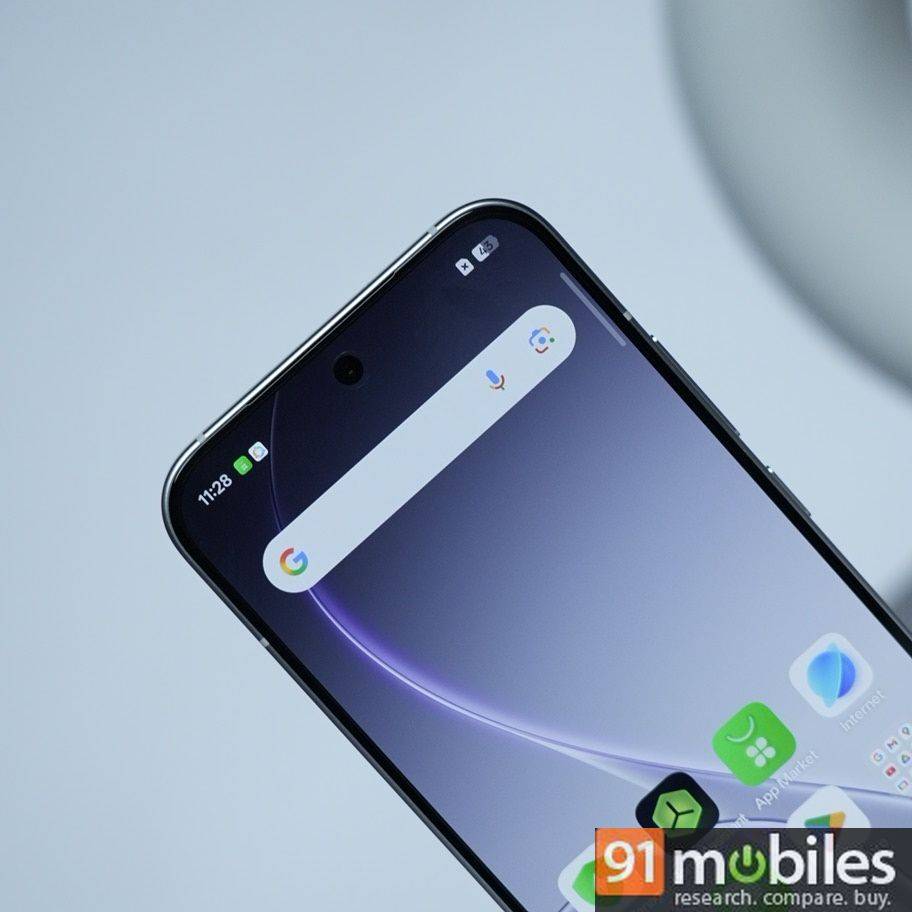
On the other hand, ColorOS 16 feels heavily cluttered out of the box. There are around 73 pre-installed apps, including Snapchat, PhonePe, Agoda, and several games tucked into folders like Must Play, many of which you’ll likely uninstall. On top of that, folders such as Hot Apps and Hot Games constantly push more app recommendations, adding to the visual clutter. And while ColorOS 16 is practically identical to OxygenOS in design and behaviour, OnePlus phones still offer a noticeably cleaner, less intrusive software experience overall.
Reliable all-day battery life
One area compact phones struggled with in the past was battery life, as brands were unable to fit large batteries due to technological limitations. This is no longer a problem in 2026, as brands can use the silicon-carbon route to fit a denser battery without increasing size, which is what the Reno 15 Pro Mini does. It features a 6,200mAh battery, an impressive capacity for a phone this small. It’s bigger than the one inside the OnePlus 13s but smaller than the one used by Vivo on the X200 FE.
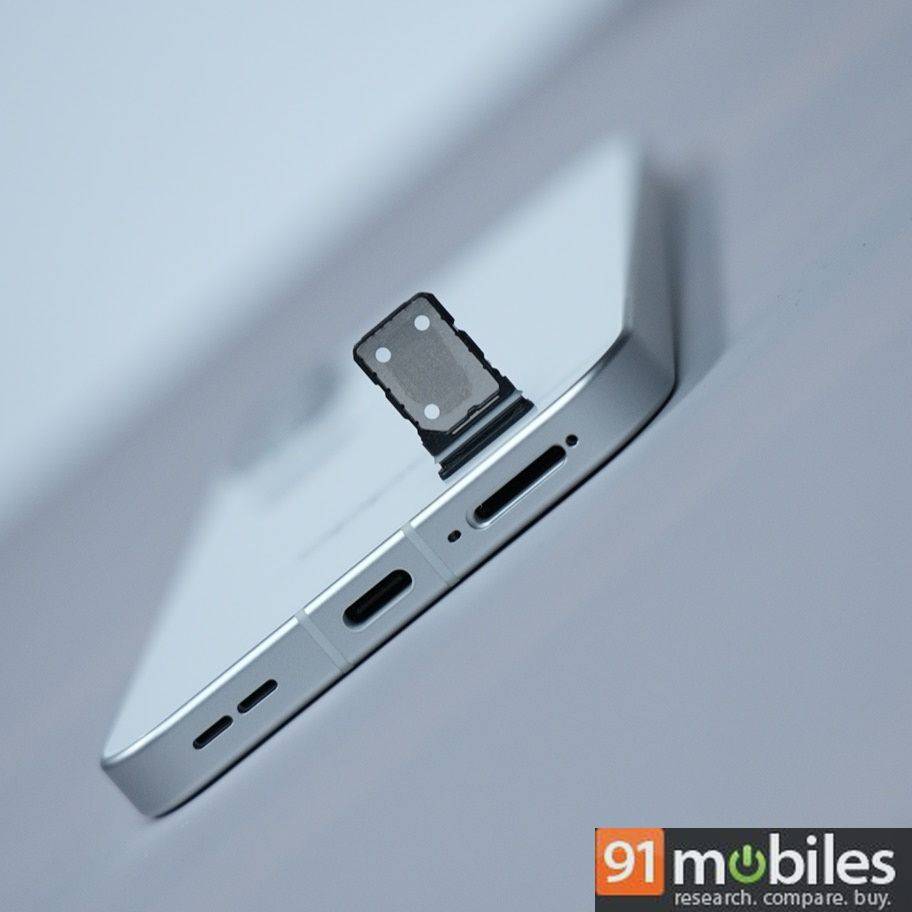
The OPPO Reno 15 Pro Mini charges at up to 80W using a bundled SuperVOOC charger in the box. It took roughly 54 minutes to charge the device from 20 to 100 percent, which isn’t slow per se, but it isn’t fast considering the OnePlus 13s takes only 42 minutes to charge on a similar 80W charger.
Final verdict
The OPPO Reno 15 Pro Mini is OPPO’s most confident attempt at a compact flagship yet. It nails the fundamentals that matter in this form factor: a genuinely compact and premium design, a bright and sharp display, reliable cameras with a strong telephoto lens, and battery life that no longer feels like a compromise simply because the phone is smaller.
At around Rs 60,000, it sits in a fiercely competitive compact segment where rivals like the OnePlus 13s (review) and Vivo X200 FE (review) offer more powerful chipsets at lower prices. And if you’re not particularly looking for a compact phone, you have the Motorola Signature (review) and the newly-launched Vivo X200T worth considering. While OPPO’s optimisation of the Dimensity 8450 is impressive and good enough for demanding users and gamers alike, it doesn’t deliver the same “flagship muscle” feel as some of the above-mentioned alternatives.
ColorOS 16, too, is a mixed bag. It’s fluid, feature-rich, and packed with genuinely useful AI tools, but the cluttered out-of-the-box experience and aggressive app suggestions detract from what is otherwise a polished software foundation. The long-term update promise does soften that blow, especially for buyers who plan to hold onto their phones for years.
If you value compact ergonomics, a premium in-hand feel, dependable performance, and a versatile camera system over raw benchmark supremacy, the Reno 15 Pro Mini makes a strong case for itself. It may not be the outright fastest compact phone in its class, but it is one of the most well-rounded and comfortable ones to live with.
Editor’s rating: 8.2/10
Pros:
- Compact, premium in-hand feel
- Bright, sharp AMOLED display
- Reliable all-day battery life
- Long software update promise
Cons:
- Processor is weaker than its rivals
- Cluttered software out of the box
- Charging is slower than competitors
 | vs |  |
| vs |  |