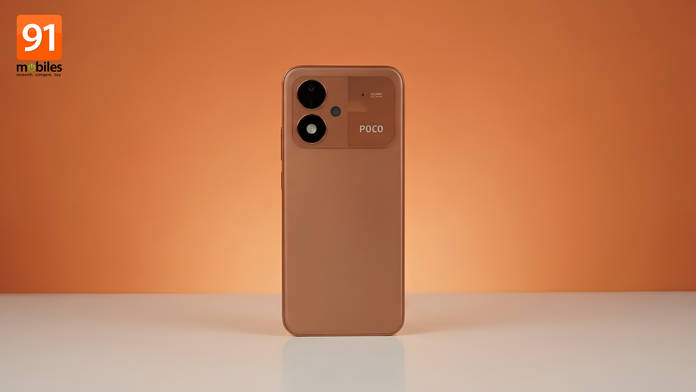
The new POCO M8 Power seems to be designed around one clear idea: make a phone that lasts. The company is pushing the 8,000mAh battery front and centre, pairing it with a tall OLED display and simple, practical hardware and a straightforward design. I’ve just spent some time unboxing the phone and getting a first feel for the software, display, and overall build.
In this first impressions piece, I’ll walk you through what’s in the box, how the phone looks and feels in hand, and what the initial experience is like. The phone is officially set to launch on August 4th in India.
Design
The POCO M8 Pro comes in a familiar POCO design language, with a large, protruding camera deco that immediately tells you what brand it belongs to. The rear panel curves gently into the frame, and the matte finish does a good job of keeping smudges and fingerprints at bay, which is handy on a phone this size.
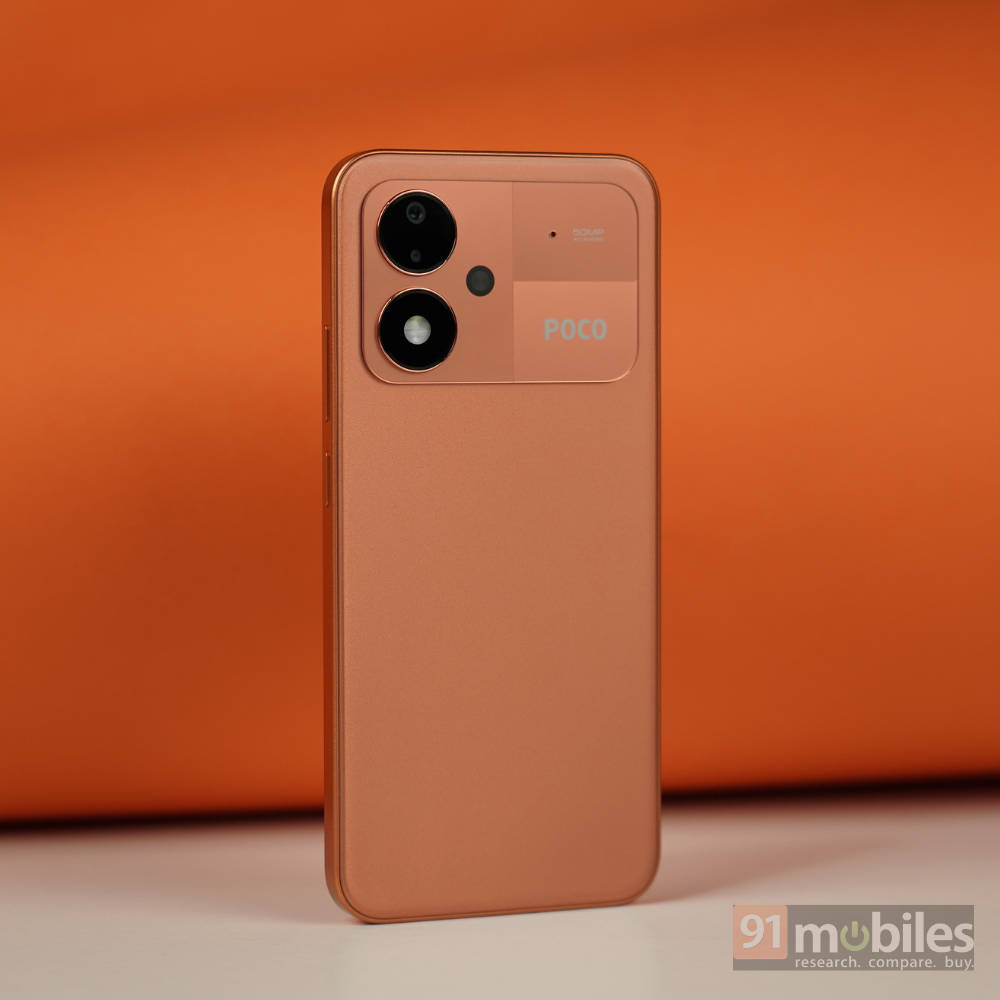
On paper, the 225g weight sounds hefty, but the in-hand feel is surprisingly comfortable thanks to excellent weight distribution. It is a very tall device, so you need some time to get used to the height, especially if you have smaller hands. At the front you have Gorilla Glass 7i, which should add a reasonable level of protection for the display. Overall, it feels like a chunky, confident smartphone that stands out.
Up front, you get a 6.9-inch FHD+ AMOLED display that complements the phone’s size well. Colours are punchy out of the box, and brightness levels are good enough that you can comfortably read and scroll outdoors without squinting, helped by POCO’s Sunlight Display tuning and the 1800 nits peak brightness.
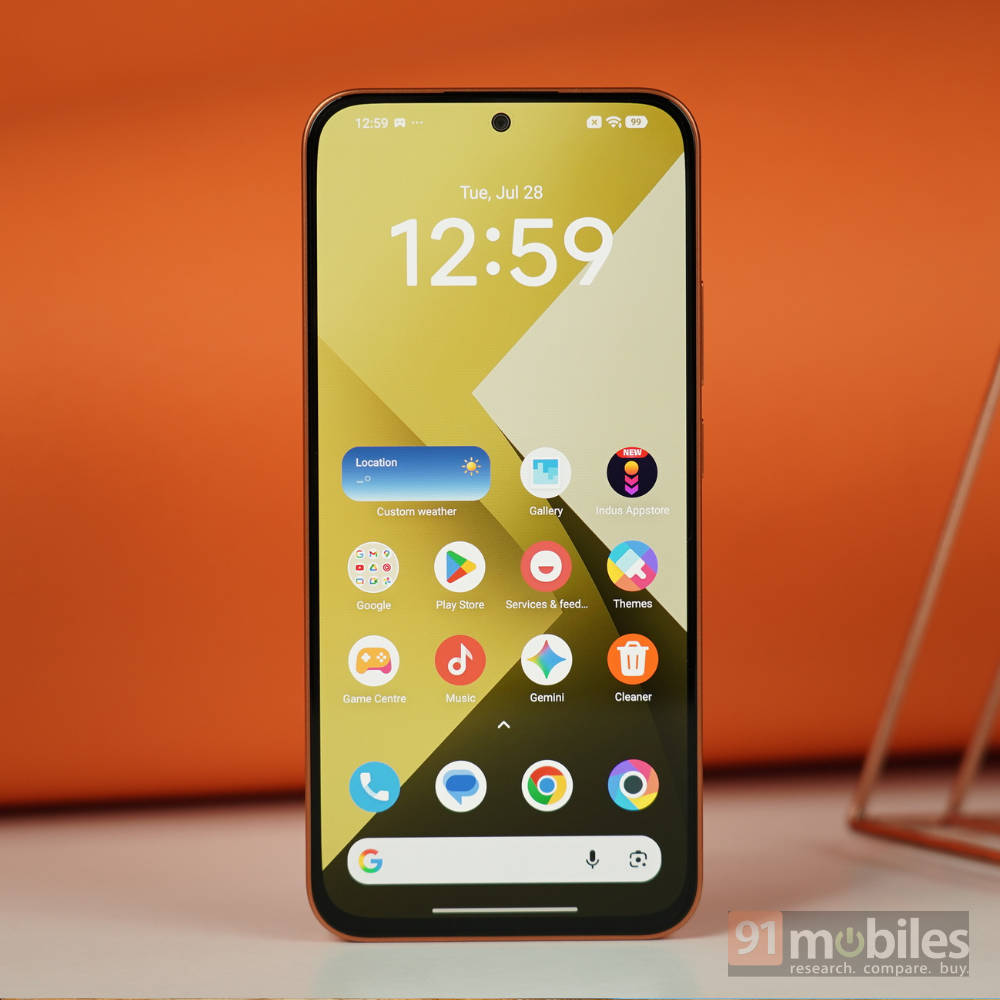
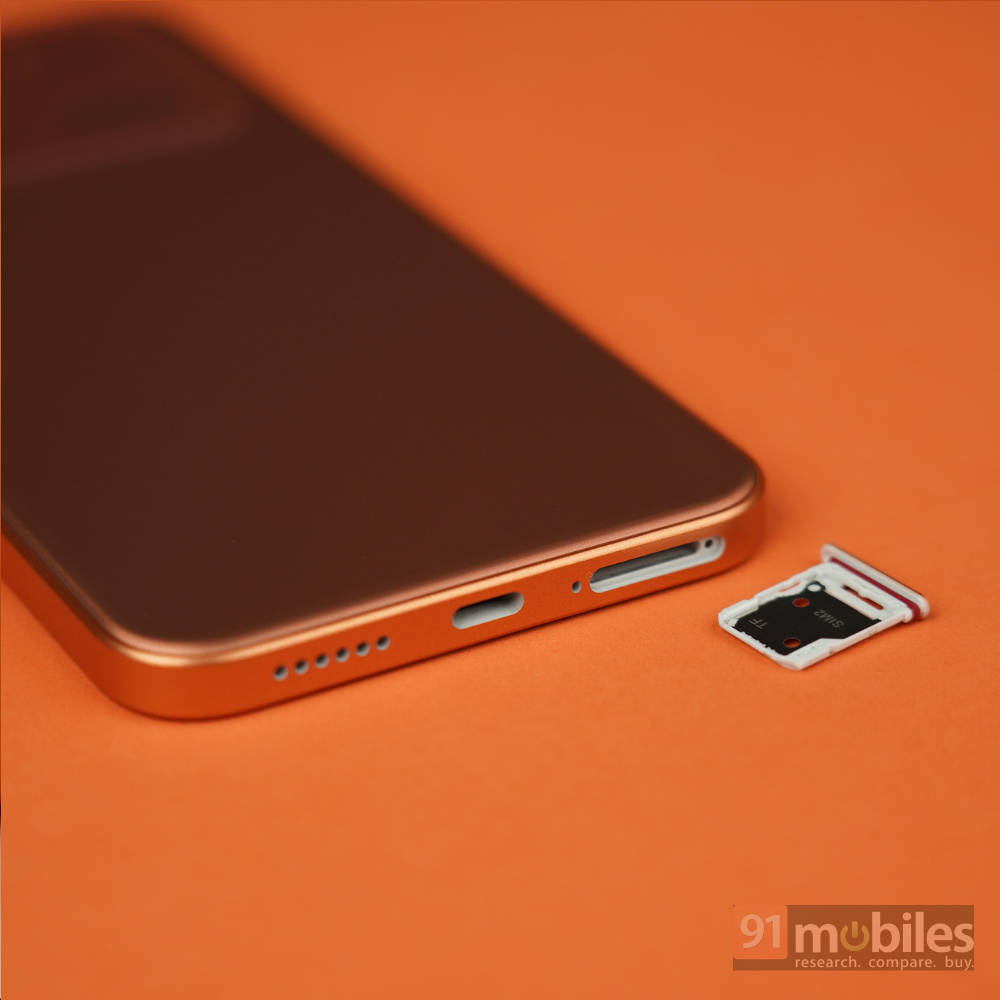
The panel refreshes at 120Hz so scrolling and swipes feel responsive, and casual gaming benefits from the fast touch response. The phone features a single bottom-firing speaker for audio, which obviously will lack the depth and stereo separation that you get from dual speakers. However, it should be fine for a casual listening experience.
Specs at a glance
The POCO M8 Pro runs on the 4th Gen Snapdragon 4 Mobile Platform built on a 4nm process, paired with up to 8GB of LPDDR4X RAM and UFS 2.2 storage, and that combo aims to deliver a consistent output. In day-to-day use, the phone should hold up well, offering smooth app launches, social media scrolling, and routine multitasking.
| Specs | Details |
| Design | 8.4mm, 225 grams |
| Processor | Snpadragon 4 Gen 4 |
| Memory | Up to 8GB LPDDR4X |
| Storage | UFS 2.2 standard |
| Battery | 8,000mAh Si-C cell |
| Charging | 45W wired, 22.5W reverse wired |
| Cameras | 50MP rear, 8MP front |
The hardware on offer should be sufficient for most people who want a phone for calls, chats, reels, and some casual gaming at lower graphical settings. I’ll have more to say on sustained performance and thermals once we’ve put it through a full set of benchmarks and longer gaming sessions.
On the software side, the POCO M8 Pro ships with Xiaomi HyperOS 3 based on Android 16, and Xiaomi is promising up to four years of Android updates and six years of security patches, which is very reassuring in terms of longevity. Out of the box, it feels like a reasonably snappy Android skin that should stay usable for several years.
On the camera front, the POCO M8 Power keeps things simple, with a single 50MP rear sensor and an 8MP selfie camera, both capped at 1080p video. It’s a sparse setup by modern mid-range standards, but it does feel like a deliberate choice to keep the overall cost in check.
Final thoughts
POCO built the M8 Power around endurance and practicality. The handset packs a huge 8,000mAh battery, a tall OLED display, and a modest Snapdragon 4 Gen 4 chipset inside a bold, recognisable design. The camera setup is simple, and the specifications are a little more controlled to keep costs in check. Whether this balance actually pays off in real-world use is something we’ll explore in our full review once we’ve tested its gaming, camera, battery, and overall performance in detail, so stay tuned for that.
For now, if battery life is your absolute top priority and you’re considering a budget phone, this initial look suggests the M8 Power could be a strong contender.