Review Summary
Expert Rating
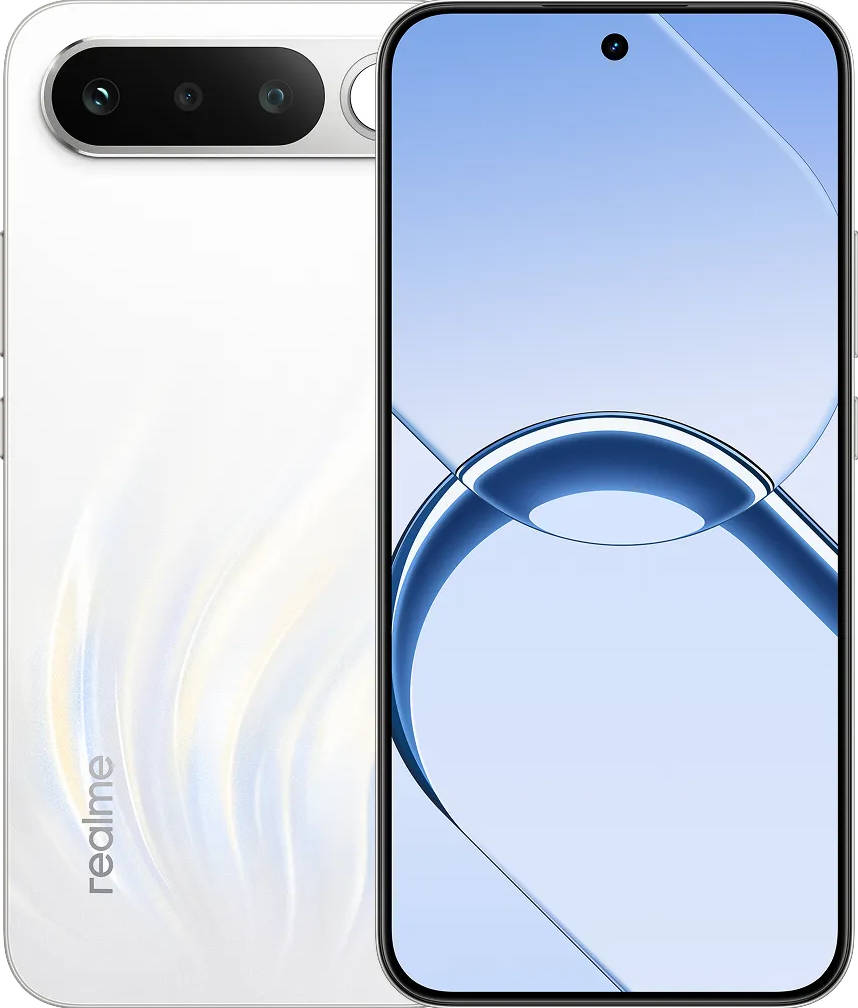
The Realme 16 is the latest launch in the brand’s number-series lineup, following the 16 Pro series launch back in January. The new Realme 16 changes a lot of things compared to its predecessor, the Realme 15. Given the ongoing price hikes, the Realme 16 no longer hits the same aggressive value sweet spot the lineup is known for. In fact, it arrives with a few notable compromises—something that’s becoming increasingly common across 2026 launches. Key trade-offs include a less powerful processor variant, the removal of the ultrawide camera, and a slower charging speed, among others.
In this review, I’ll share my thoughts on the phone’s day-to-day usage experience, its camera performance, battery life and other key aspects and share my opinion on whether the device is worth its price.
Table of Contents
Verdict
The Realme 16 5G gets the fundamentals right, with an impressive display, excellent battery life, and a slim, comfortable build that is hard to fault. The selfie camera is also a clear highlight at this price. But the camera system’s lack of OIS and an ultrawide, combined with performance that shows its ceiling under pressure and 60W charging, means it falls short for users who want more than just the basics.
Slim, light, and built to impress
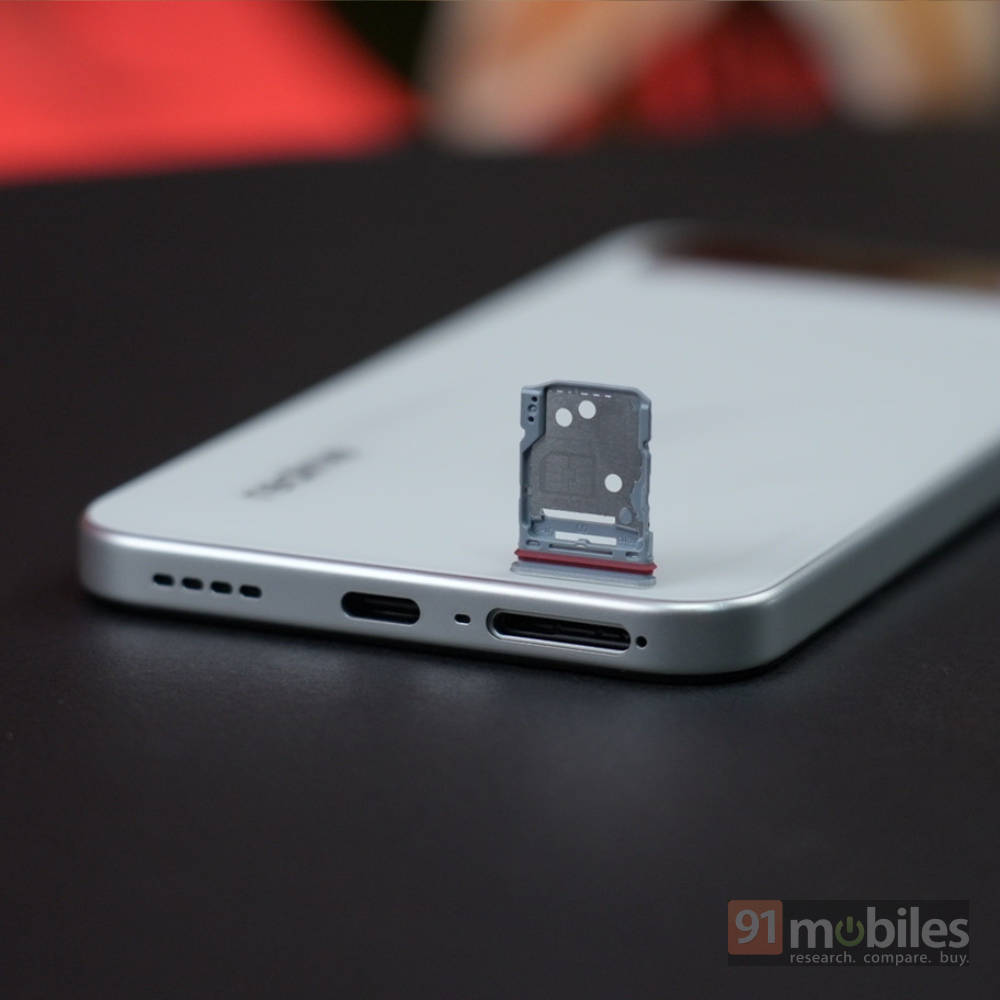
The Realme 16 5G’s new design sits at just 8.1mm thin and weighs 183g, which is impressively light considering it packs a 7,000mAh battery inside. The weight distribution is well-balanced, and single-handed use over long sessions feels pretty comfortable without any fatigue. The 6.57-inch form factor hits a sweet spot for most users, as it avoids the unwieldy feel of larger 6.8-inch flagships while still offering enough screen space that compact 6.3-inch devices can’t match.

When it comes to colour choices, both options have their own appeal. The Air White looks classy and carries a premium feel, while resisting smudges and fingerprints surprisingly well for everyday use. Those who prefer something more understated will find the Air Black a decent, no-fuss option. Both colourways are protected by Dragontrail Star D+ glass up front, with IP66, IP68, and IP69 ratings keeping it safe from water and dust.
| Smartphone | Thickness | Weight | IP Rating |
| realme 16 | 8.10 mm | 183 grams | NA |
| Xiaomi Redmi Note 15 Pro | 7.78 mm | 210.6 grams | IP68 +IP66 +IP69K +IP69 |
| Nothing Phone 4a | 8.5 mm | 205 grams | IP64 |
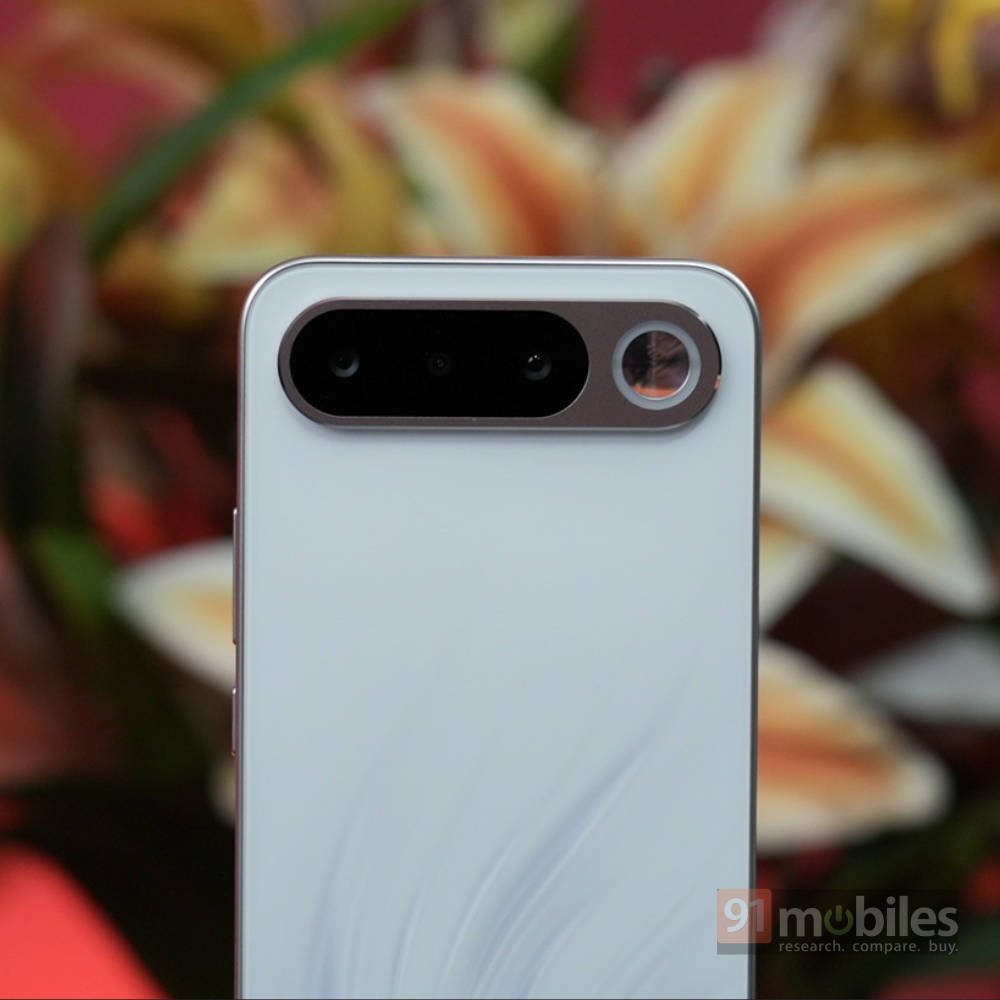
The camera bar design is also one of the phone’s most distinctive features. You get a dual-camera setup alongside the dedicated ‘Selfie Mirror’ – a small convex lens that lets you use the rear cameras for self-portraits by previewing your frame without needing to flip the phone. It works well for solo shots, though fitting a second person into the curved pane can result in slight cropping at the edges, which I feel is a minor limitation worth keeping in mind for group selfies.
Capable cameras, but with a few caveats
The Realme 16 5G carries a dual rear camera setup led by a 50MP Sony IMX852 sensor with an f/1.8 aperture, backed by a 2MP depth sensor. Up front, there is a 50MP selfie camera, and as covered in the design section, the rear-mounted Selfie Mirror adds a practical twist for self-portraits using the main camera. The segment’s first Camera Bar layout also makes the setup look far more premium than what is typically expected at this price. That said, the system is a slight downgrade compared to its predecessor, owing to its lack of OIS in the primary lens and no ultrawide lens aboard.
The 50MP Sony IMX852 sensor does a good job in daylight, producing well-exposed images with good dynamic range and colours that are slightly saturated but look great for everyday use. The front camera is pretty excellent, delivering sharp and accurate selfies that look great. Portrait mode gets colour and detail right, though edge detection around hair and finer details can be hit or miss.

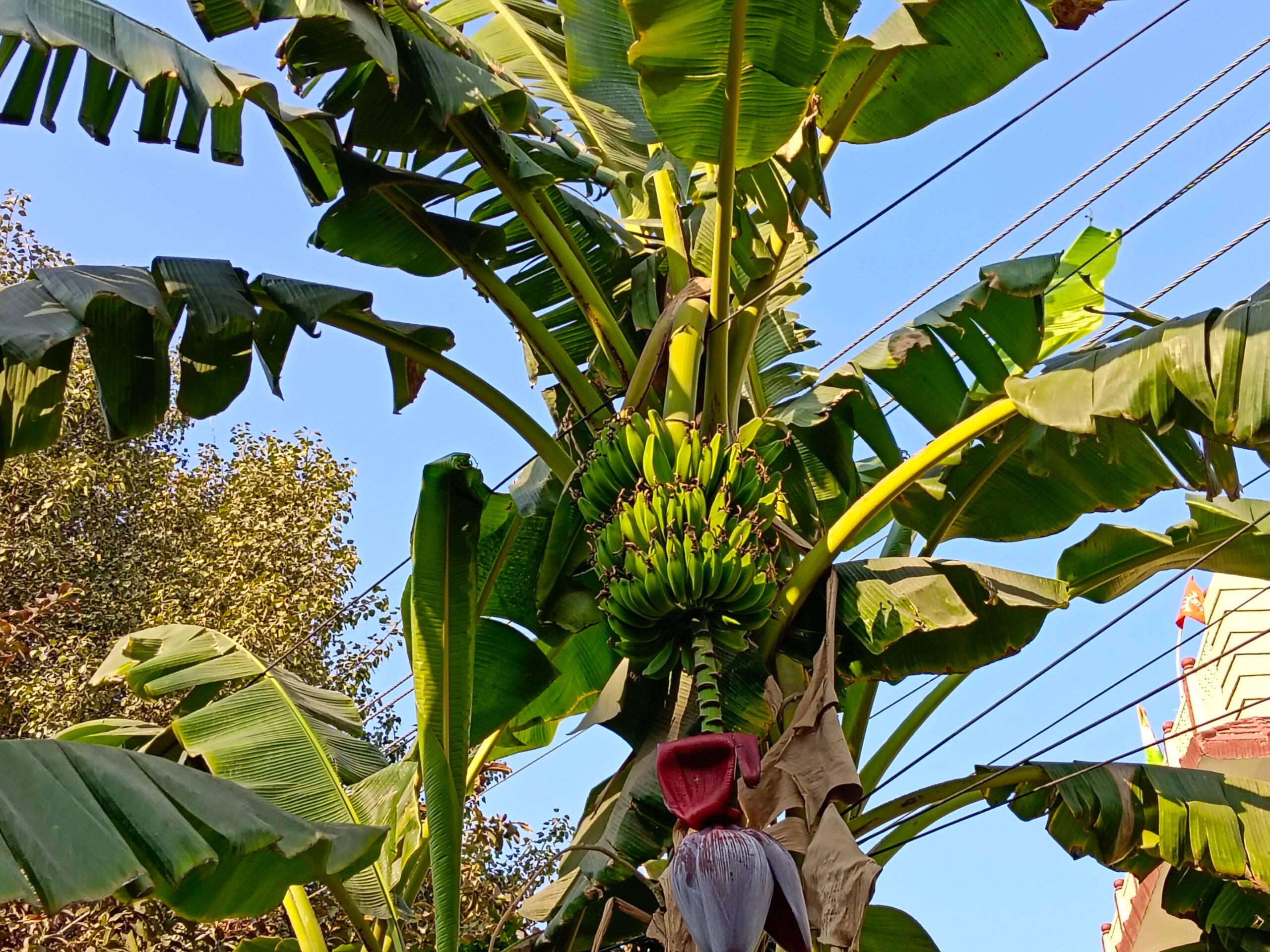


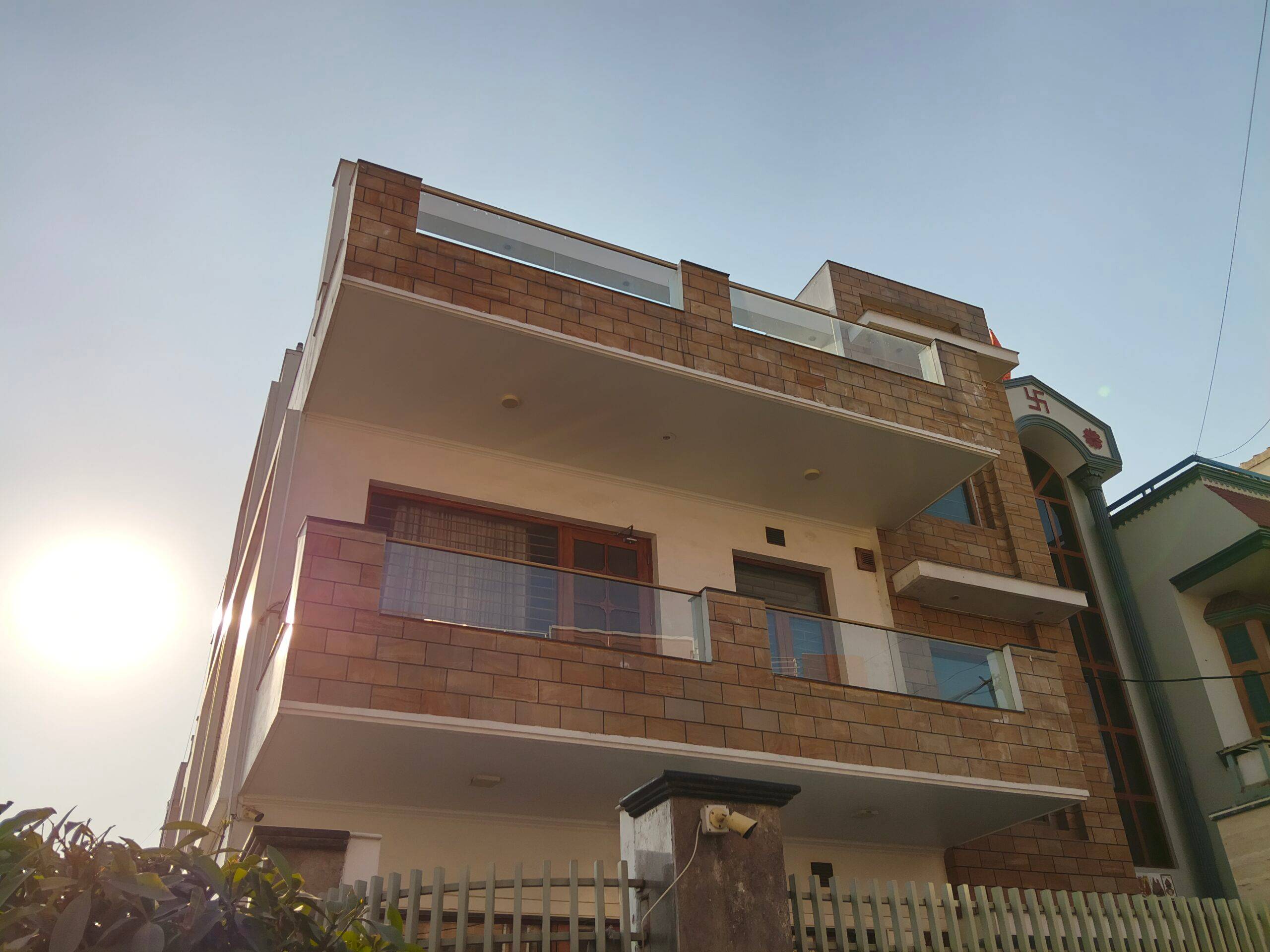
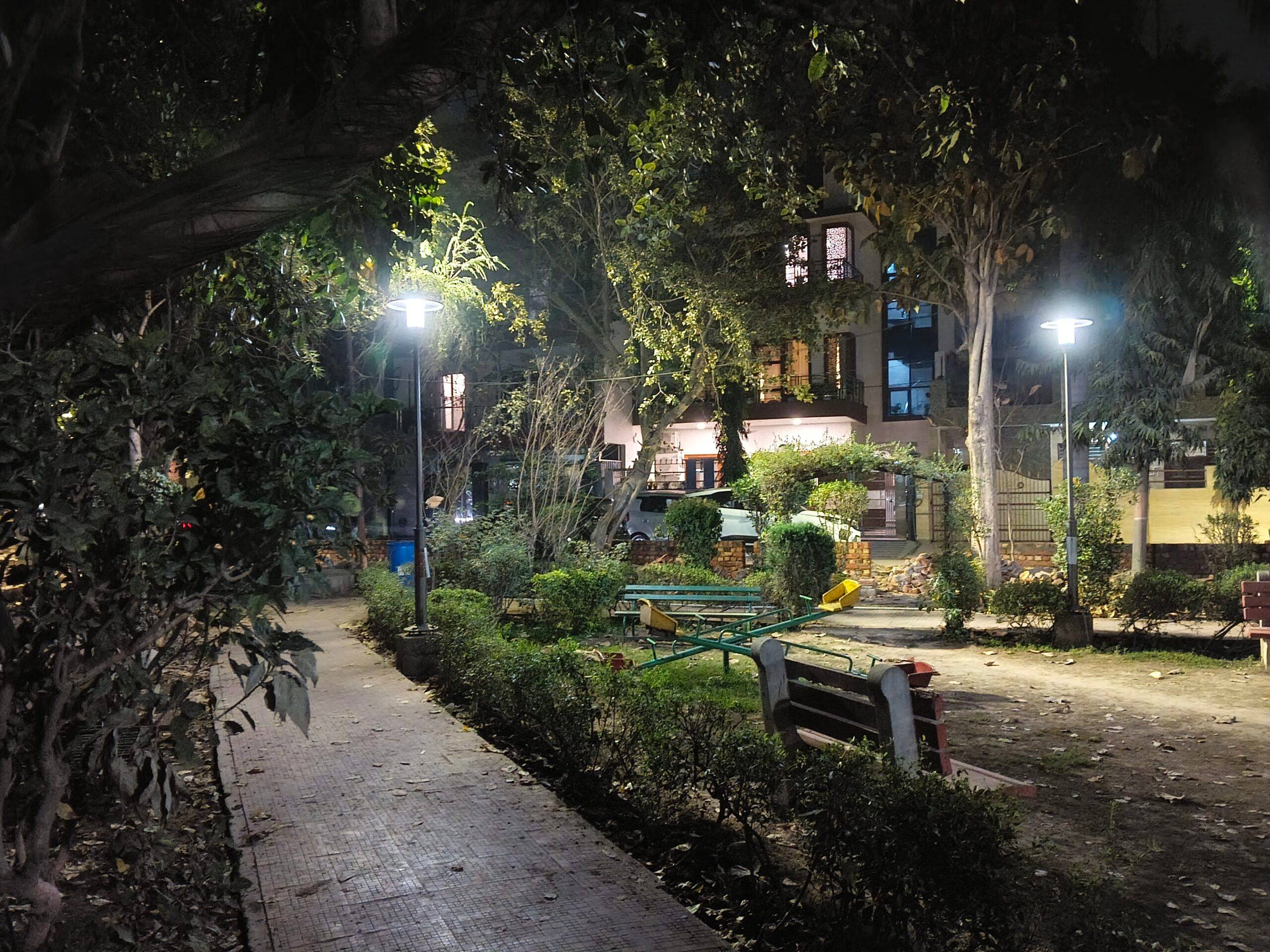



Low light is where things get a little tricky. Night mode results are decent, but the absence of OIS means you will need a steady hand to get the best out of it in dim conditions. The lack of an ultrawide also limits the usage, and the secondary 2MP depth sensor adds little practical value. For day-to-day shooting, the Realme 16 5G does well, but it is not the phone to pick if you shoot in different conditions often.
Here’s a comparison I did of the Realme 16 against the Redmi Note 15 Pro (review) to see how they perform in different lighting scenarios:
Daylight
The Redmi Note 15 Pro has the advantage when it comes to detail and colour accuracy, producing a sharper and more true-to-life image compared to the Realme 16 5G. Colours are broadly close between the two, though the Redmi renders reds more accurately. Where the Realme 16 5G pulls ahead is dynamic range, with better highlights in the sky and shadows that hold up better in tricky lighting.


Portrait
The Realme 16 5G has the edge in colour accuracy here, producing more natural skin tones and better overall detail on the subject compared to the Redmi Note 15 Pro. Edge detection, however, is where the Redmi is ahead, with cleaner subject separation and more accurate bokeh around the hair and glasses.


Selfie
The Realme 16 5G takes a clear lead here. Colours are more accurate, skin tones look more natural, and the subject detail is noticeably sharper and better defined. The Redmi Note 15 Pro’s output looks comparatively flat, with the subject lacking the clarity and vibrancy that the Realme delivers.


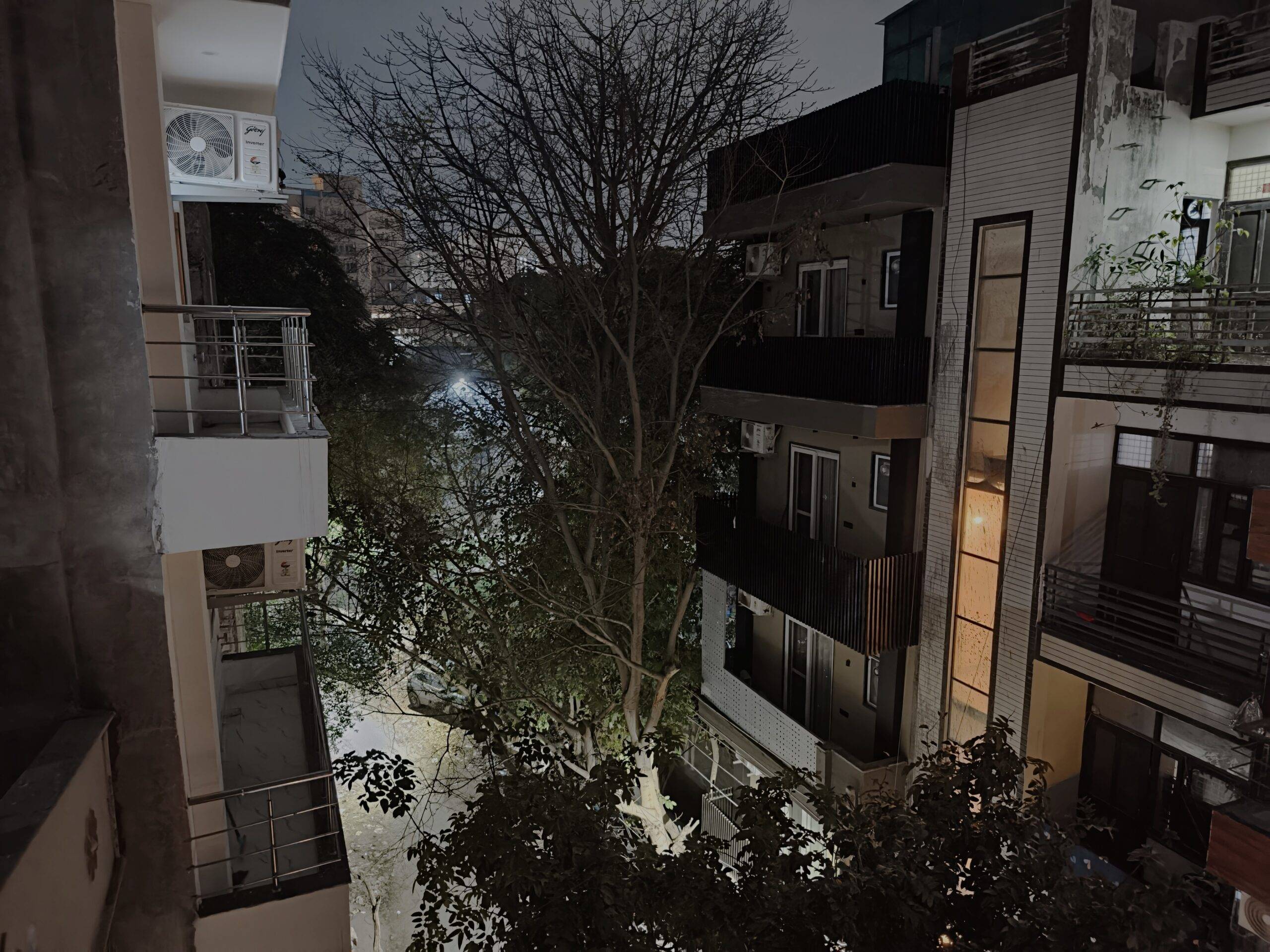
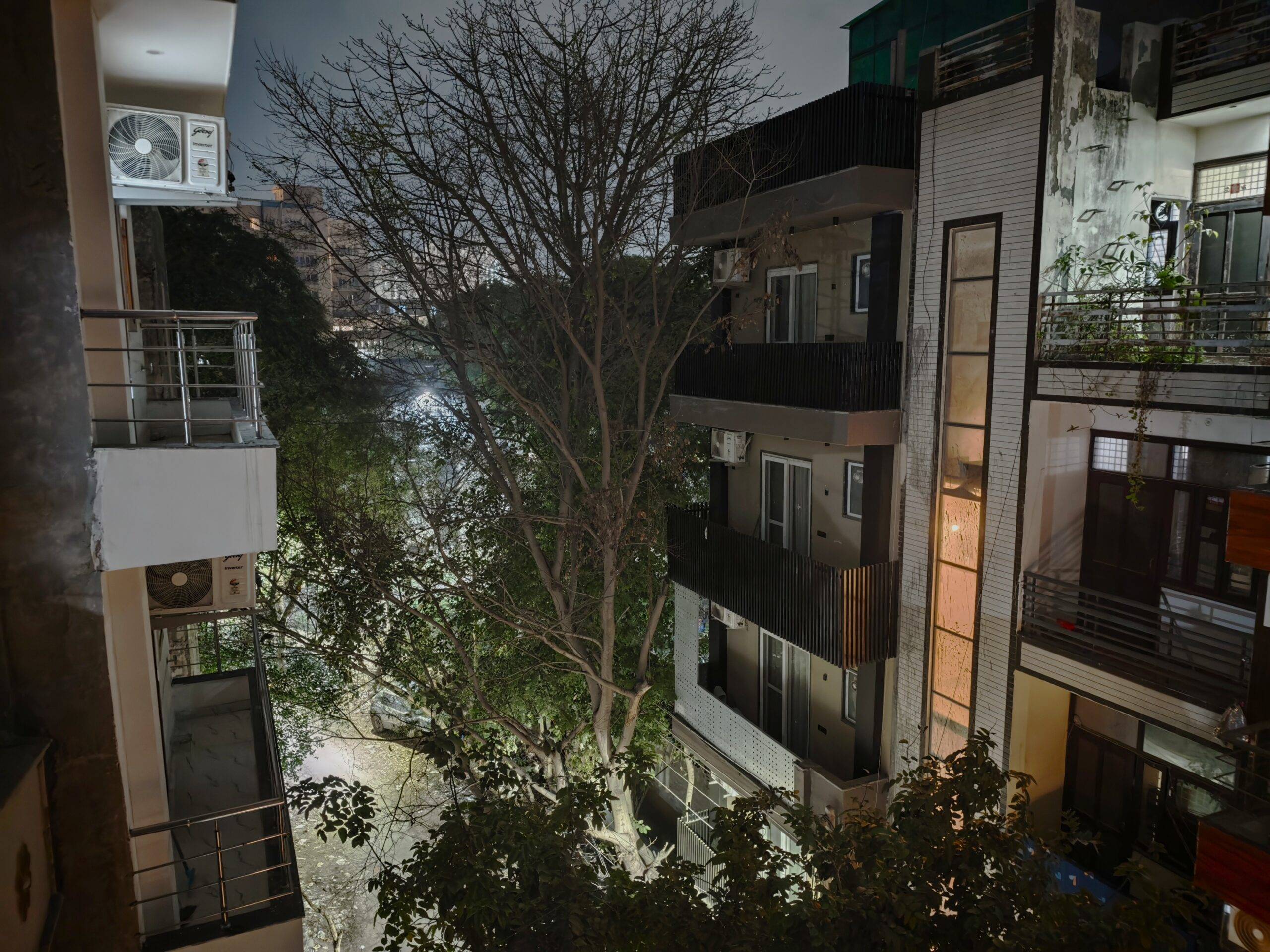
Low light (night mode)
The Redmi Note 15 Pro produces a brighter and better-exposed image overall, with more detail coming through in the tree branches and building textures. The Realme 16 5G’s output is slightly darker and cooler in tone, with the shadowed areas showing a softer details.
Easy on the eyes, easy on the ears
The Realme 16 5G sports a 6.57-inch Full HD+ AMOLED panel running at 120Hz, and it makes a great first impression. Colours are vibrant, viewing angles are wide, and the display holds up decently outdoors with peak brightness rated at 4,200 nits. The panel remains very legible, even under direct sunlight. The panel also supports 2,160Hz PWM dimming and renders 1.07 billion colours, so even long screen-on sessions are easy on the eyes.
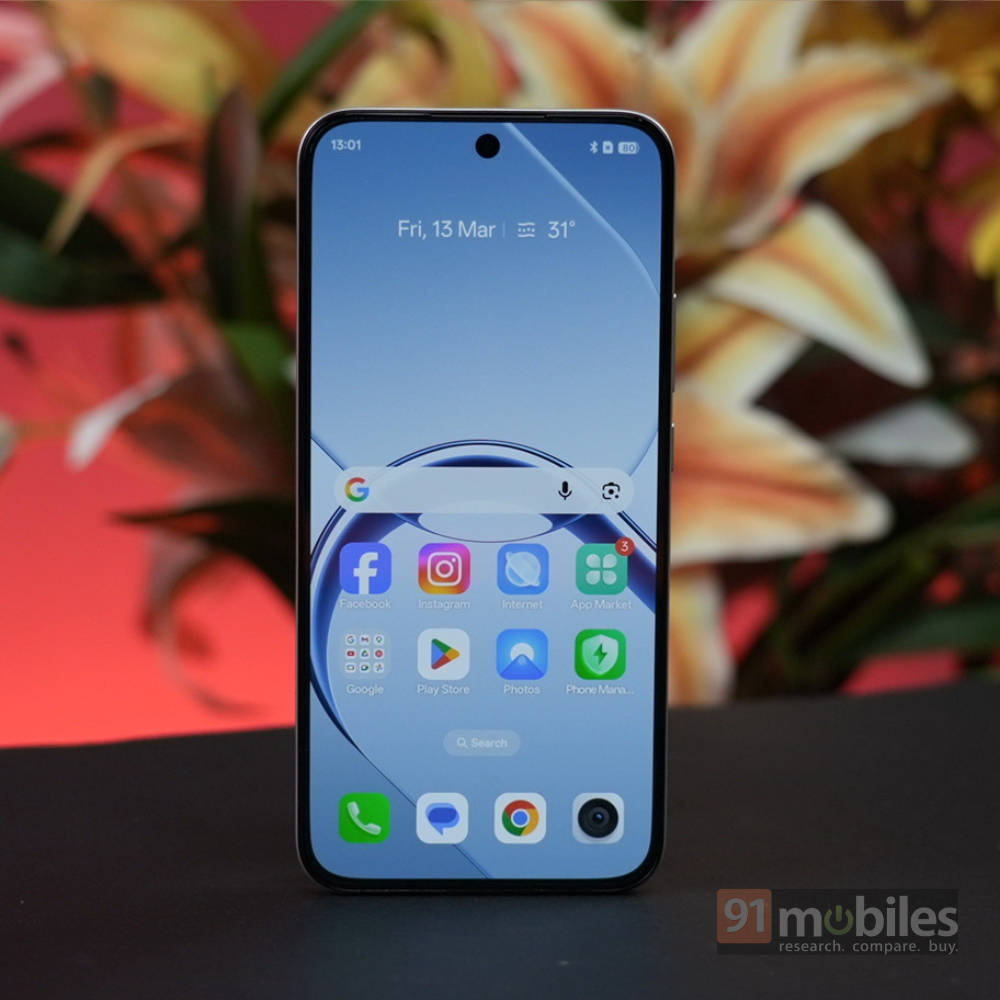
On the content side, there are a few caveats worth noting. HDR certification on platforms like Netflix is still missing, and YouTube caps playback at 1440p. However, on a 6.57-inch screen with FHD+ resolution, that limitation is not really apparent. The output is still sharp and detailed enough for most use cases. The display is protected by Dragontrail Star D+ glass, which adds a layer of peace of mind for everyday use.
| Smartphone | Display | Peak Brightness |
| realme 16 | 6.57 inches - Flexible AMOLED | 4200 nits |
| Xiaomi Redmi Note 15 Pro | 6.83 inches - AMOLED | 3200 nits |
| Nothing Phone 4a | 6.78 inches - Flexible AMOLED | 4500 nits |
The dual stereo speakers complement the multimedia experience quite well. Volume output is good, and there’s even a 300 percent boost mode available, though it tends to distort the audio, so keeping things at 90 percent or below is my recommendation. Overall, the Realme 16 5G delivers a well-rounded visual and audio package that punches above its price point.
Powerful enough for everyday use
The Realme 16 5G is powered by the MediaTek Dimensity 6400 Turbo paired with a Mali-G57 MC2 GPU, and for day-to-day use, it holds up well enough. App launches, social media scrolling, and general multitasking on the 8GB RAM variant stay smooth, but push the device with heavier tasks like sustained multitasking, large file exports, or intensive apps running simultaneously, and you’ll start to notice some lag creeping in.



In benchmarks, the numbers tell a straightforward story. The Realme 16 is a step behind its rivals in key benchmarks we tested. But gaming performance, however, is a more pleasant surprise.
Titles like PUBG Mobile, Fortnite, and Valorant Mobile run comfortably at medium graphical presets with stable frame rates and no significant stuttering. Over an hour of gaming, the average temperature increase stays at just 5.5 degrees Celsius, meaning the device remains comfortable to hold throughout longer sessions without throttling becoming a problem.
Good software, shorter support
The Realme 16 5G runs Realme UI 7.0 based on Android 15, and the experience is stable and polished for the most part. Animations and haptic feedback feel well-tuned, and the new Misty Glass Design adds a sense of depth to the interface that gives it a more premium feel. The gallery app also comes with a capable video editor built in, which is handy for quick edits on the go.
The phone ships with a fair number of pre-installed apps out of the box, which can make the initial setup feel a little cluttered. Most of them can be uninstalled, though, so it is more of a minor annoyance than a dealbreaker. On the software support front, Realme promises three years of OS updates and four years of security patches, which is decent but behind some rivals in the segment, which are now offering up to five years of OS support.
Battery easily lasts all day, and then some
The 7,000mAh battery is easily the Realme 16 5G’s strongest suit. In PCMark’s battery benchmark, it clocked in at 14.5 hours, which is a decent result for a mid-range device. Real-world usage is equally reassuring, with a full day of regular use, leaving around 30 percent in the tank, with roughly 6 hours of screen-on time logged. Most users can comfortably go a day or more on a single charge without any problems.
On the charging side, the phone supports 60W wired fast charging, which keeps top-up times reasonable. The handset takes around 70 minutes for the device to recharge from 20-100 percent, which isn’t bad for a battery this large. There is also reverse-wired charging support, so the phone can double as a power bank in a pinch.
| Smartphone | Battery Capacity | Charging Support | Charging time (20% to 100% ) |
| realme 16 | 7000 mAh | 60W Fast Charging | 1h 11m |
| Xiaomi Redmi Note 15 Pro | 6580 mAh | 45W Fast Charging | 58m |
| Nothing Phone 4a | 5400 mAh | 50W Quick Charging v4.0 | 1h 11m |
The one caveat is that 60W charging, while adequate, does feel like a slight missed opportunity at this price point, where rivals offer faster speeds. But given how you’d need to reach for the charger only once a day, it is hard to hold that against the phone.
Final verdict
Starting at Rs 31,999 for the 8 GB+128 GB variant, the Realme 16 5G is a phone that nails the fundamentals. The battery life is pretty excellent, the display is bright and vibrant, and the selfie camera delivers some beautiful results. The slim build, comfortable form factor, and good IP ratings round off a well-put-together package for everyday use.
But for users who want an experience beyond the bare basics, there is stuff left to be desired. The camera system lacks OIS and an ultrawide, which limits how versatile the setup really is. Performance is smooth enough for daily tasks, but it does show its limits when pushed harder. And 60W charging, while adequate, feels like a missed opportunity when rivals at a similar price are offering faster charging support. Taken together, these gaps are hard to ignore at the Realme 16 5G’s new asking price.
The Nothing Phone 4a (review), for instance, brings a more powerful Snapdragon 7s Gen 4 processor and a far more flexible camera setup with ultrawide and telephoto lenses. Likewise, the Redmi Note 15 Pro (review) pairs a better Dimensity 7400 Ultra chipset with a higher-resolution main camera and an ultrawide, making it feel like a more rounded option overall.
But, if long battery life, a great display, form factor, and great selfies are your priorities, the Realme 16 5G still makes a reasonable case for itself.
Editor’s Rating: 8.1/10
Reasons to buy:
- Bright, vibrant AMOLED display that remains legible outdoors
- Slim and lightweight build despite the large battery
- Excellent day-to-day battery life
- Good selfie camera for the price
Reasons not to buy:
- No ultrawide lens, no OIS on the primary camera
- Performance could have been better