


As part of its smart wearables push, Realme recently debuted the Realme Watch S5, alongside the Realme 16T (review) and Buds Air8 Pro. The new smartwatch retails for Rs 7,999 and places heavy emphasis on its bright, large display, strong battery endurance, and support for a slew of sports modes. Having used the watch daily for two weeks straight, I have a few thoughts on how Realme’s latest smartwatch fares across multiple key aspects.
Table of Contents
Design: lightweight and subtle
The Realme Watch S5 follows the ‘S’ series’s tradition of using rounded dials and an AMOLED display. Encased in an aluminium alloy body with Panda Glass protection on the display, the watch weighs just 49.63g with the strap included. In comparison, the similarly priced CMF Watch 3 Pro (review) comes at 51g, making the Watch S5 a tad lighter, not only on paper but also on the wrist.
Speaking of which, even after wearing and using the watch for 10 to 12 hours, the rubberised silica gel straps don’t cause any discomfort or skin itching. However, sweat certainly accumulates under the back case when engaging in intensive activities, such as weight lifting or cardio sessions. With 5ATM water resistance on board, the watch is durable enough to withstand rain, surface-level swimming, and sweat.
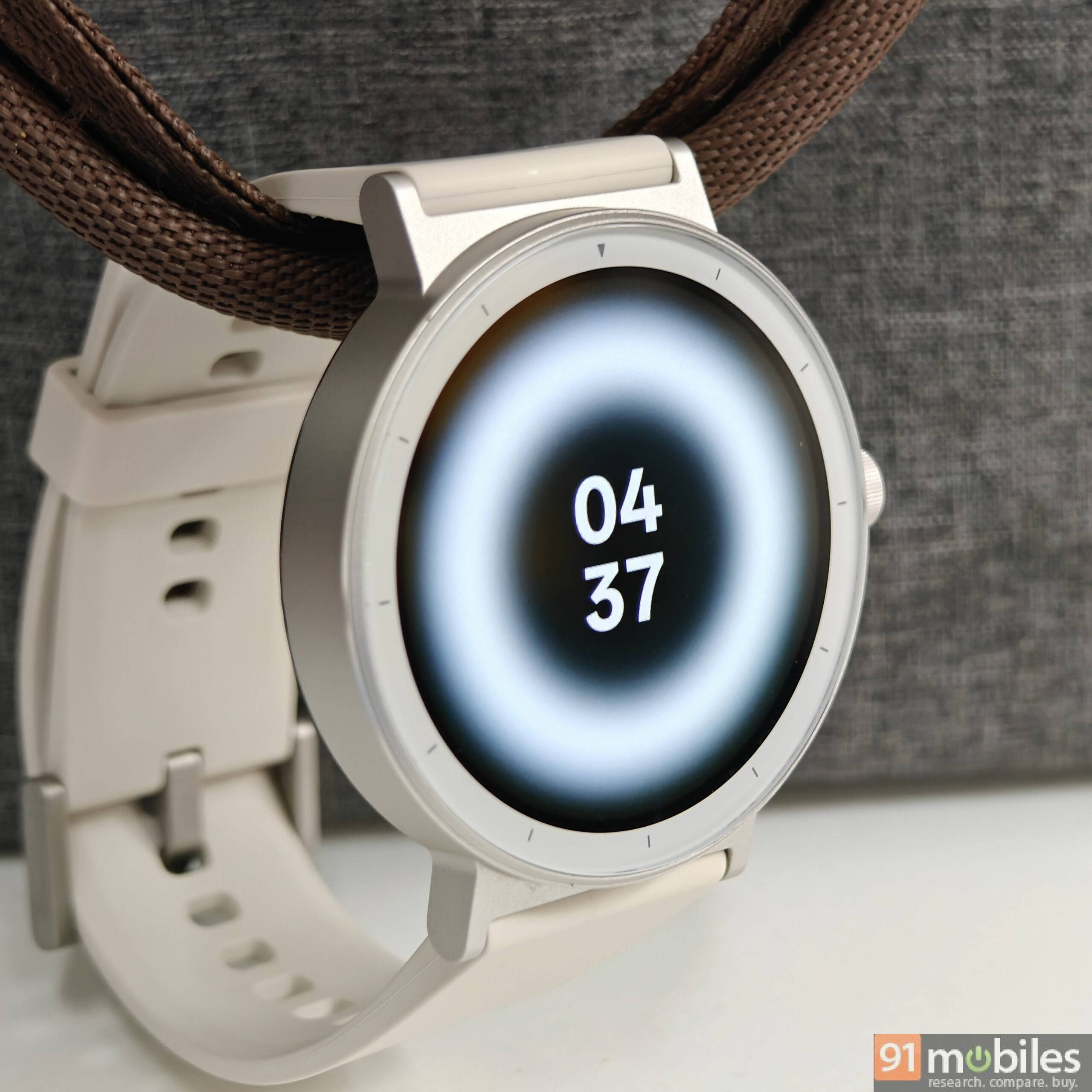
Coming to the colourways on offer, while I’d have preferred to daily drive the Rock Grey variant of the Realme Watch S5, I quickly got used to the Sand White colour within a few days. This is particularly because of how it can be styled and worn with a light-coloured top wear and white shoes for a cohesive and clean look.
Display: bright and vivid output
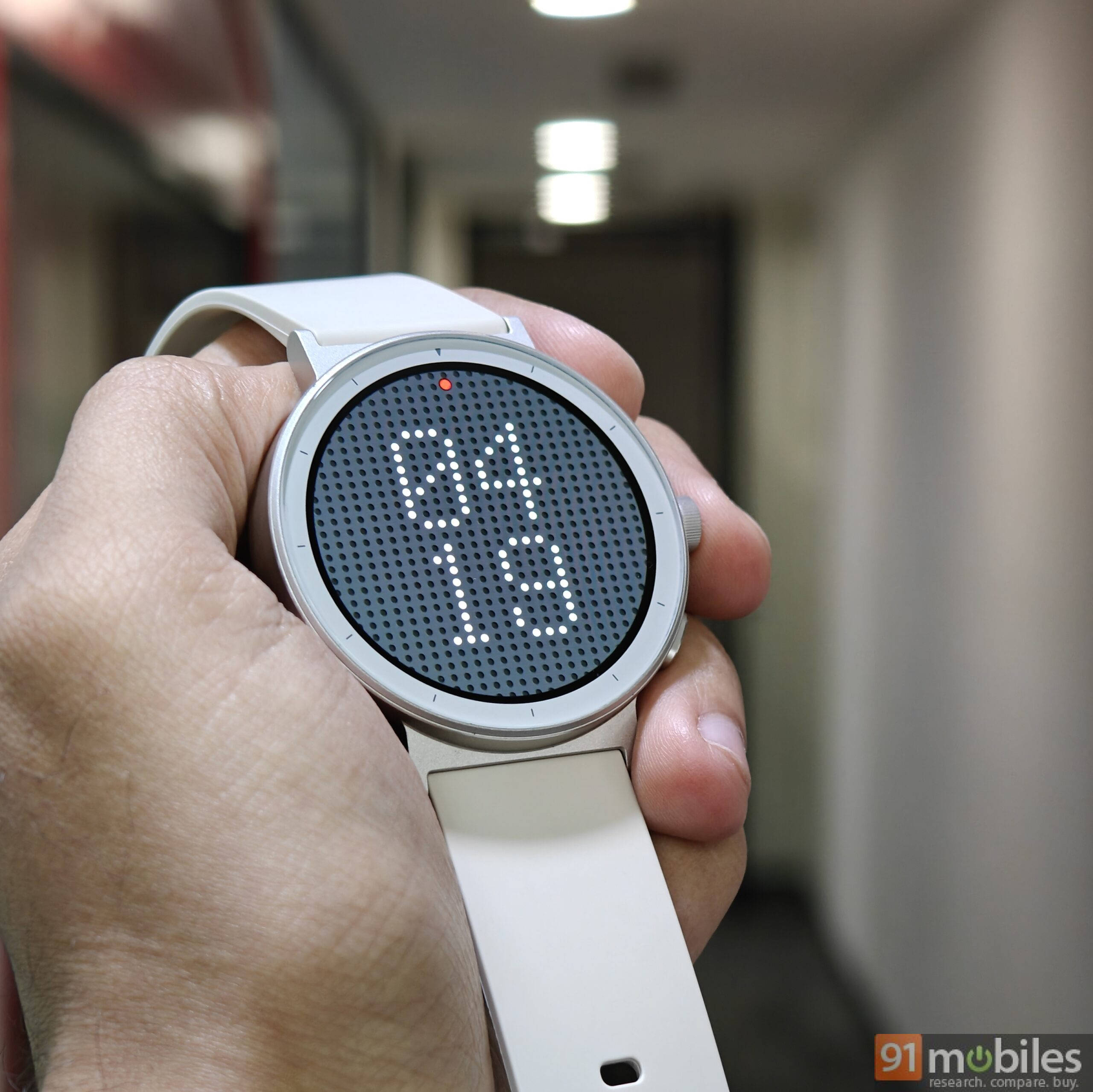
The Realme Watch S5 features a 1.43-inch AMOLED display with a 466 x 466 resolution and 302 PPI pixel density. During regular use, the elements in the interface, like icons, time, health monitoring charts, and others, look vivid thanks to the deep blacks and contrasty nature of the AMOLED panel. Furthermore, for a display this small, I found the level of detail to be more than adequate, unless you’re pixel-peeping.
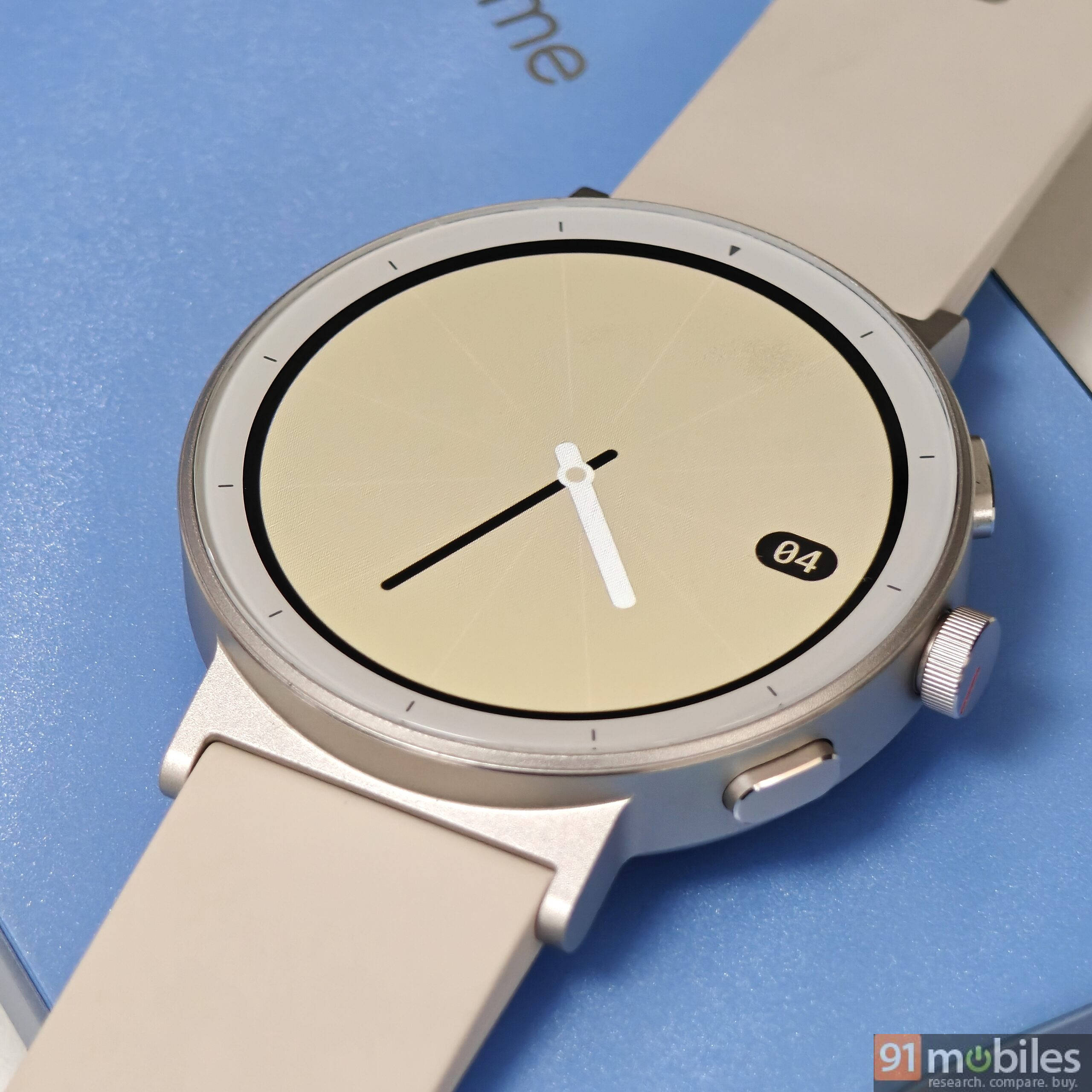
The display offers a peak brightness of 1,000 nits. While indoors, the panel offers sufficient legibility even at around 50 percent brightness, the watch manages to keep up in bright sunny days as well, when the brightness is cranked up to 100 percent. Just like other smartwatches in the segment priced above Rs 5,000, the Realme Watch S5 gains a 60Hz refresh rate for smooth scrolling. During my hands-on, I didn’t encounter any lag or jitter while navigating the UI.
Moving on, protecting the display from scratches and scuffs is a major concern for many long-term users. The Realme Watch S5 uses Panda Glass, the same protective layer found on many budget and mid-range smartphones. Even after heavy use, my unit’s display remains in pristine condition with no visible scratches or scuffs.
User interface and features: fully loaded
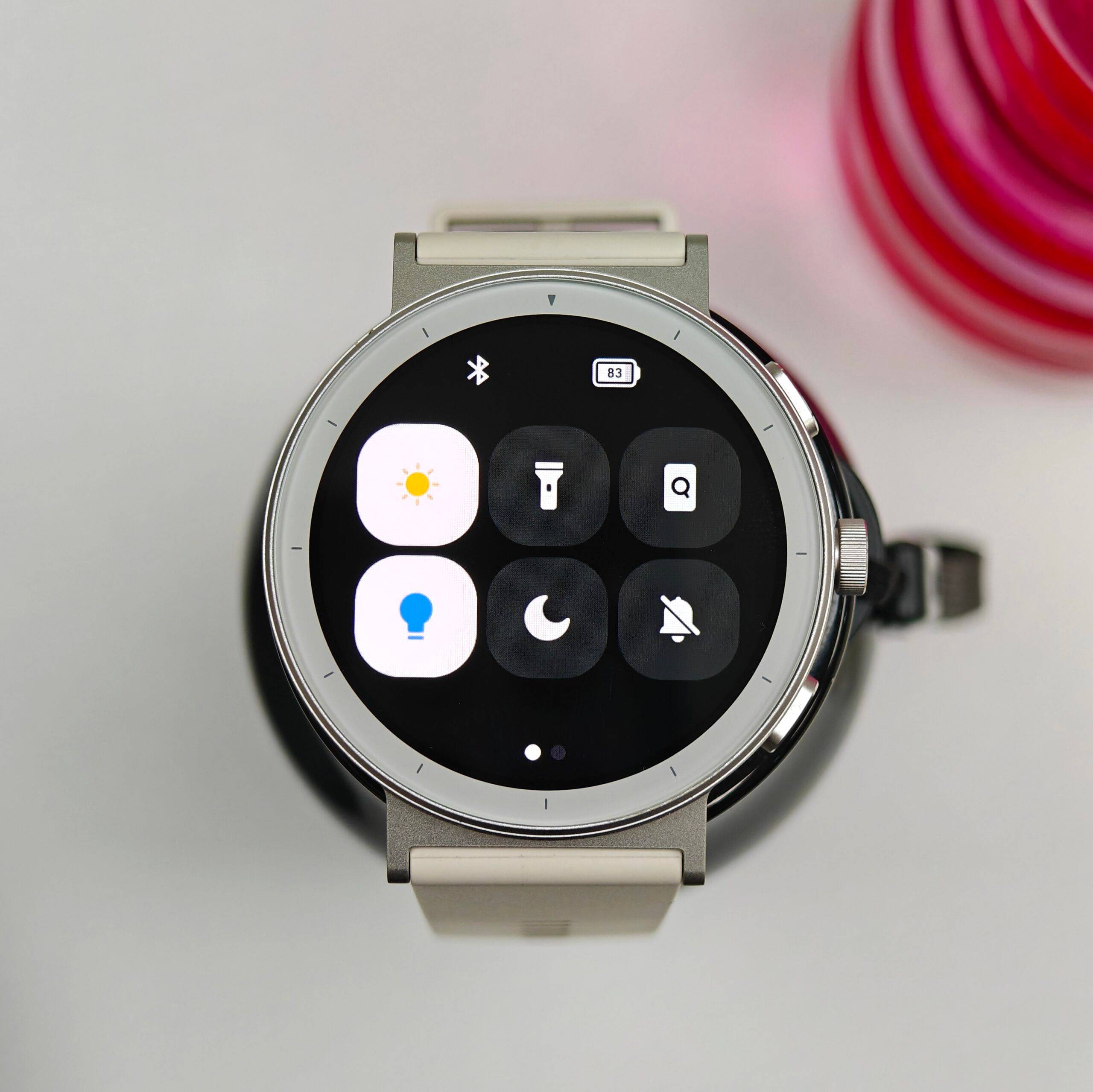
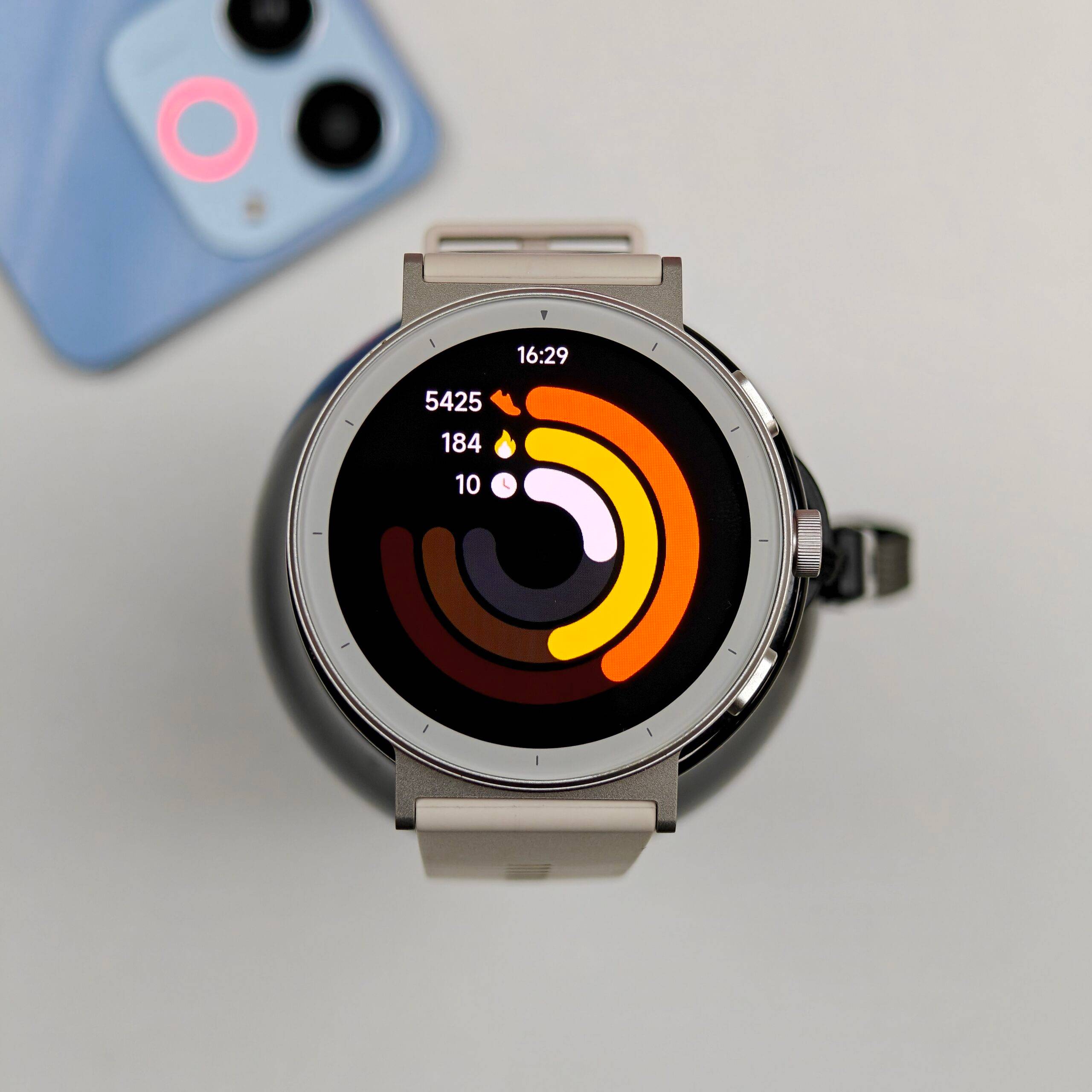
As is the case with most Realme smartwatches released in the past, navigating features and menus is straightforward. Swiping down from the main screen summons the quick controls, such as the brightness switcher, DND mode, Find My Phone, battery saver mode, and other toggles. By default, the left side pane reveals the step and calories tracker, while the right pane features some key widgets, like weather, music player, events, alarm, stopwatch, and others. Both panels are highly customisable and user-friendly, letting you easily rearrange, add, or remove menus.
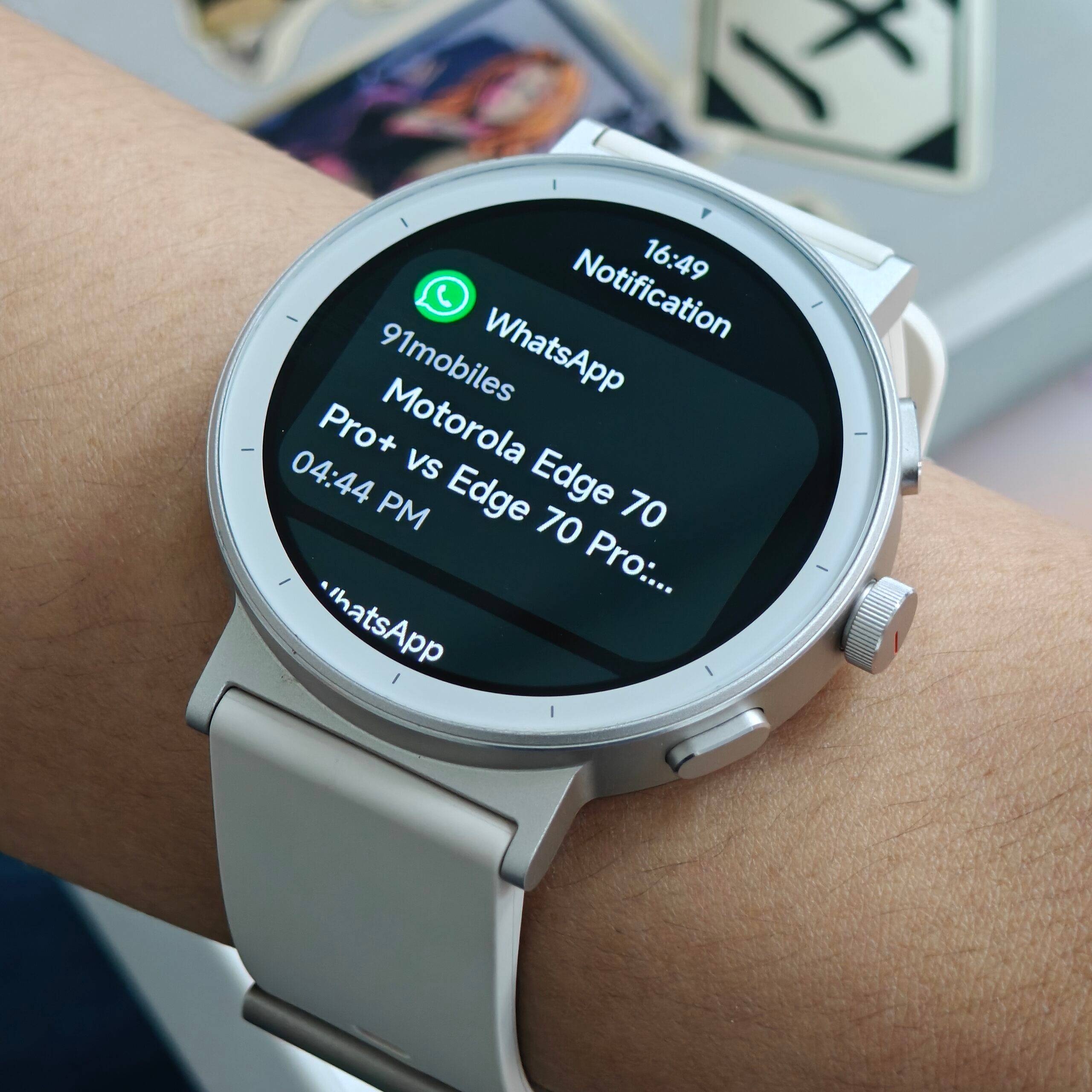
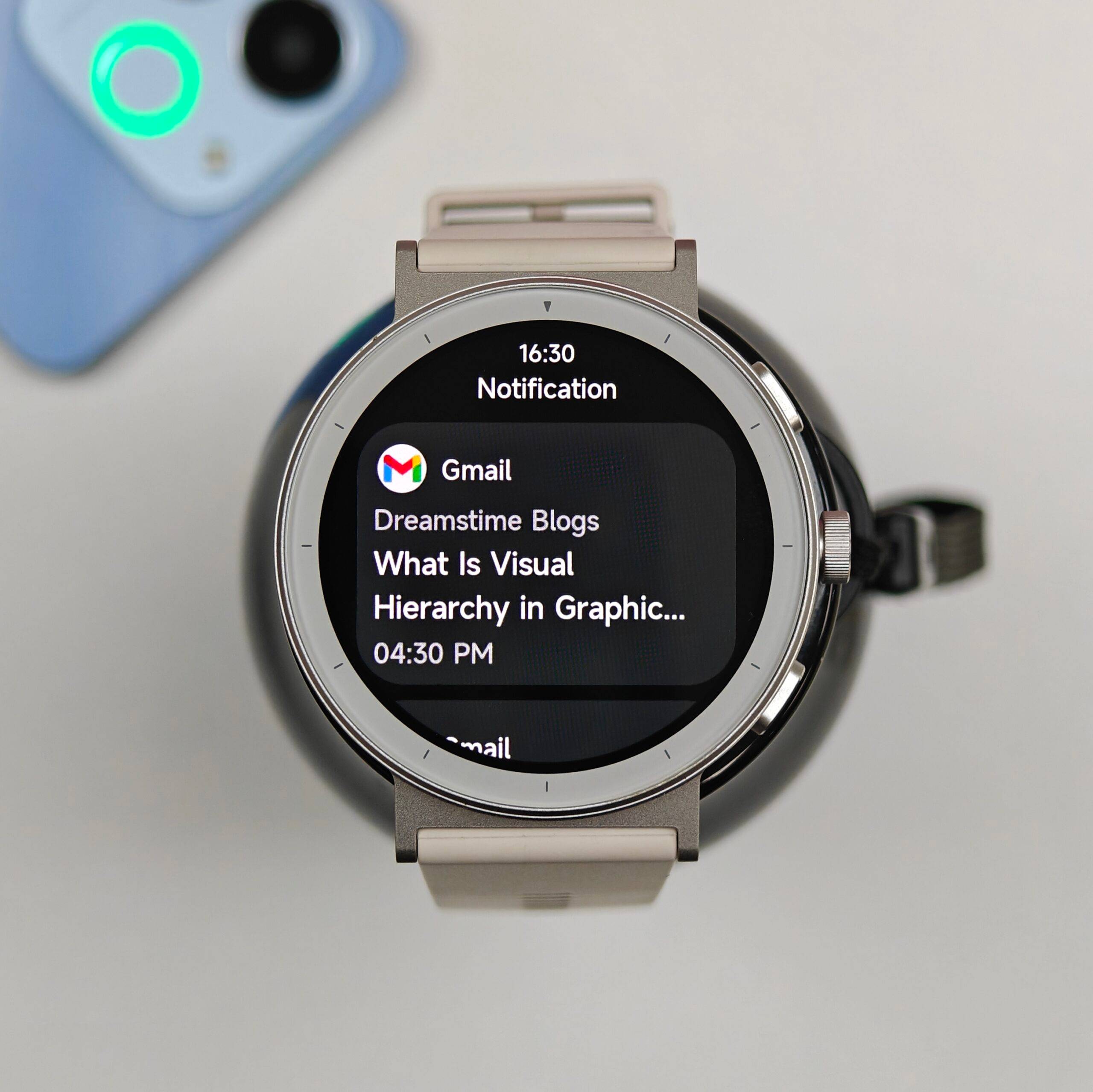
The bottom swipe-up gesture shows all your notifications received on your smartphone. For notifications from chat-based apps like WhatsApp, the watch even offers predefined quick reply options for you to respond to messages directly from the watch. Swiping left from any screen takes you back, while tapping the digital crown instantly exits you from a menu or app.
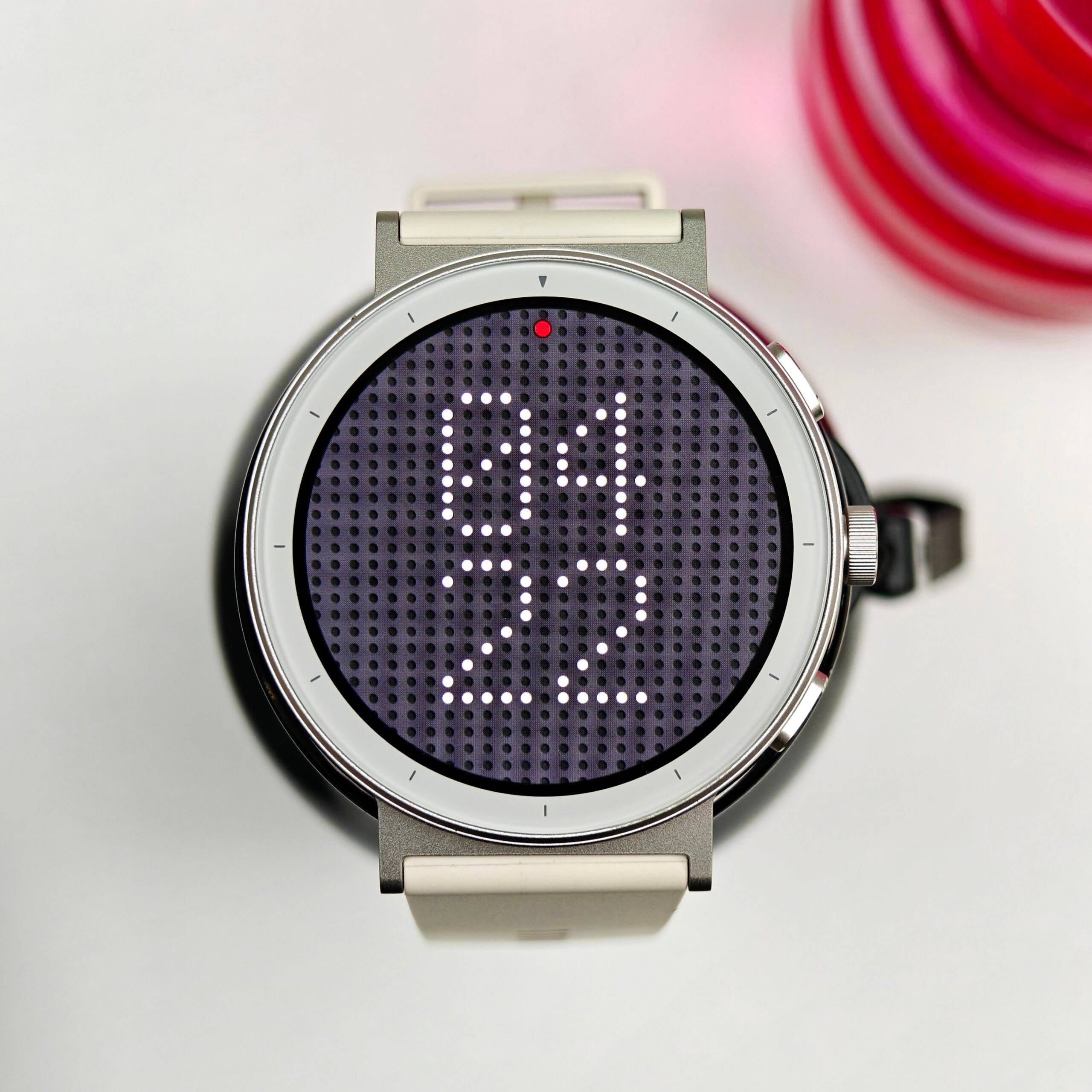
Speaking of customisation, the Realme Watch S5 lets you rearrange menu positions and offers hundreds of watch faces to choose from. Most of them also support Always On Display (AOD). Personally, I found myself sticking with the default watch faces, as I preferred their subtle and well-designed aesthetics.
The watch also comes equipped with all the basic apps and functions you’d expect, such as a calculator, a calendar, camera control, Bluetooth calling, and even internal music playback, which uses its 200MB of storage to save music locally. Since the watch runs on basic proprietary software, you are limited to the pre-defined set of applications, unlike WearOS-based watches.
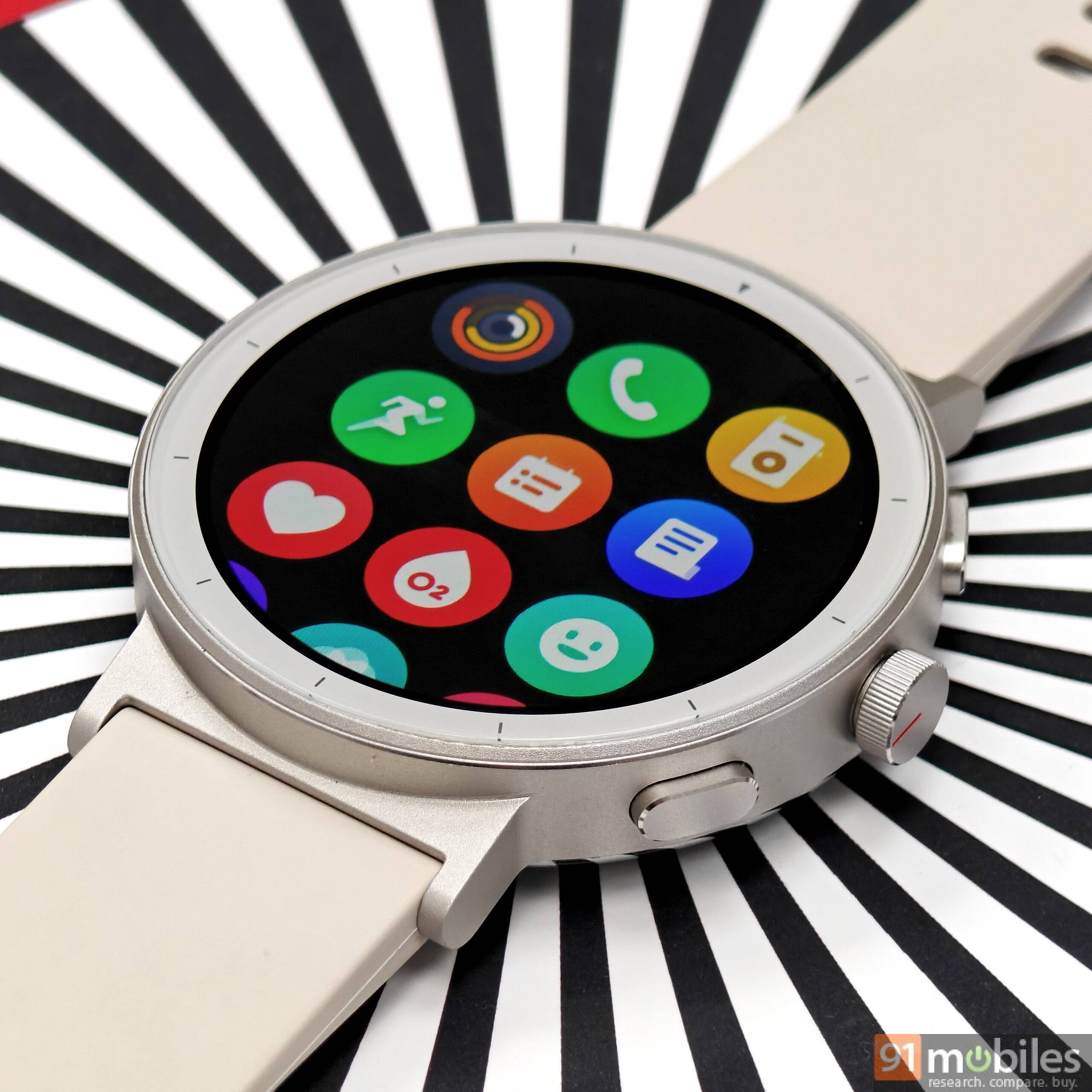
Coming to some peculiar aspects of the software, even though the main clock is set to 12-hour format, the time display in the watch’s menus and apps shows in 24-hour format. Apart from that, if you have multiple pending WhatsApp notifications, at times, older chat notifications are delivered to the watch instead of the new message.
Fitness tracking and monitoring: lots of stuff on offer
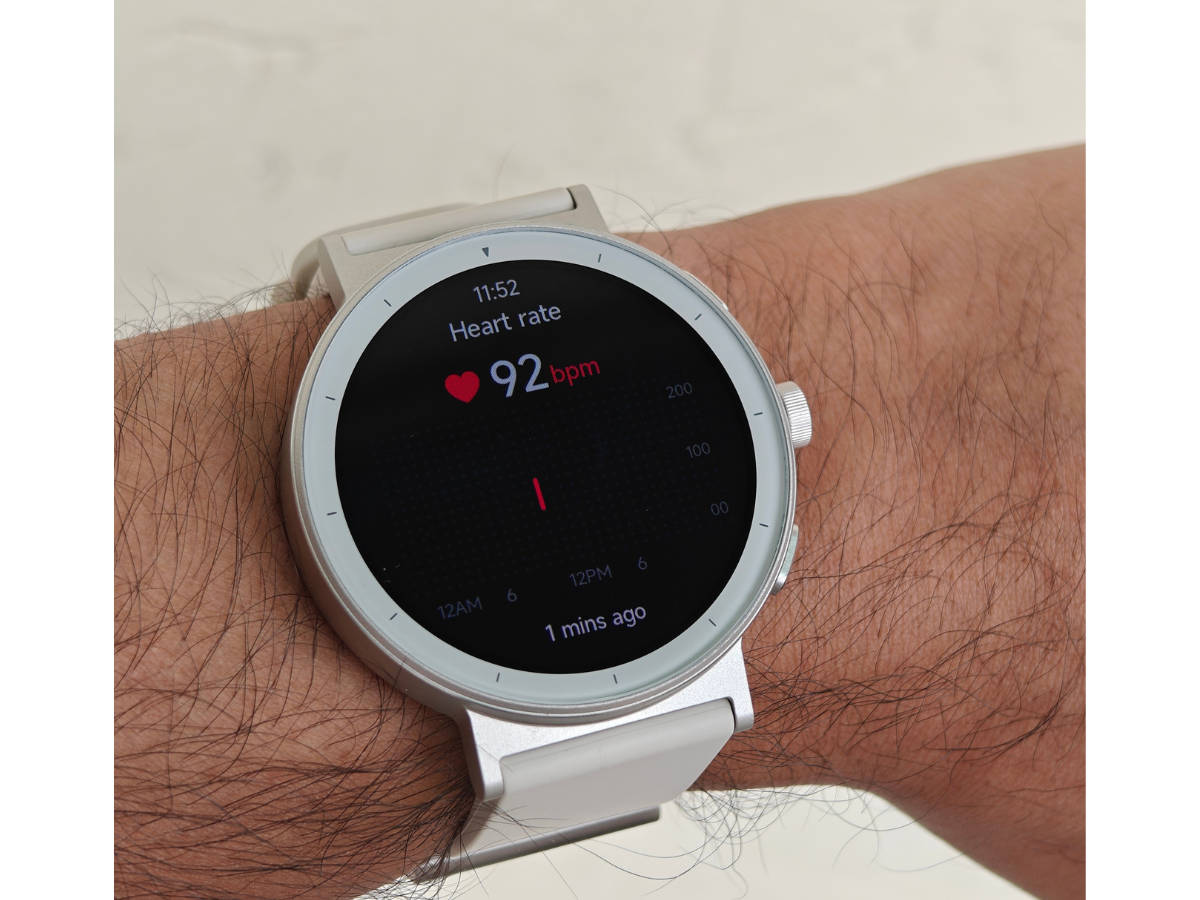
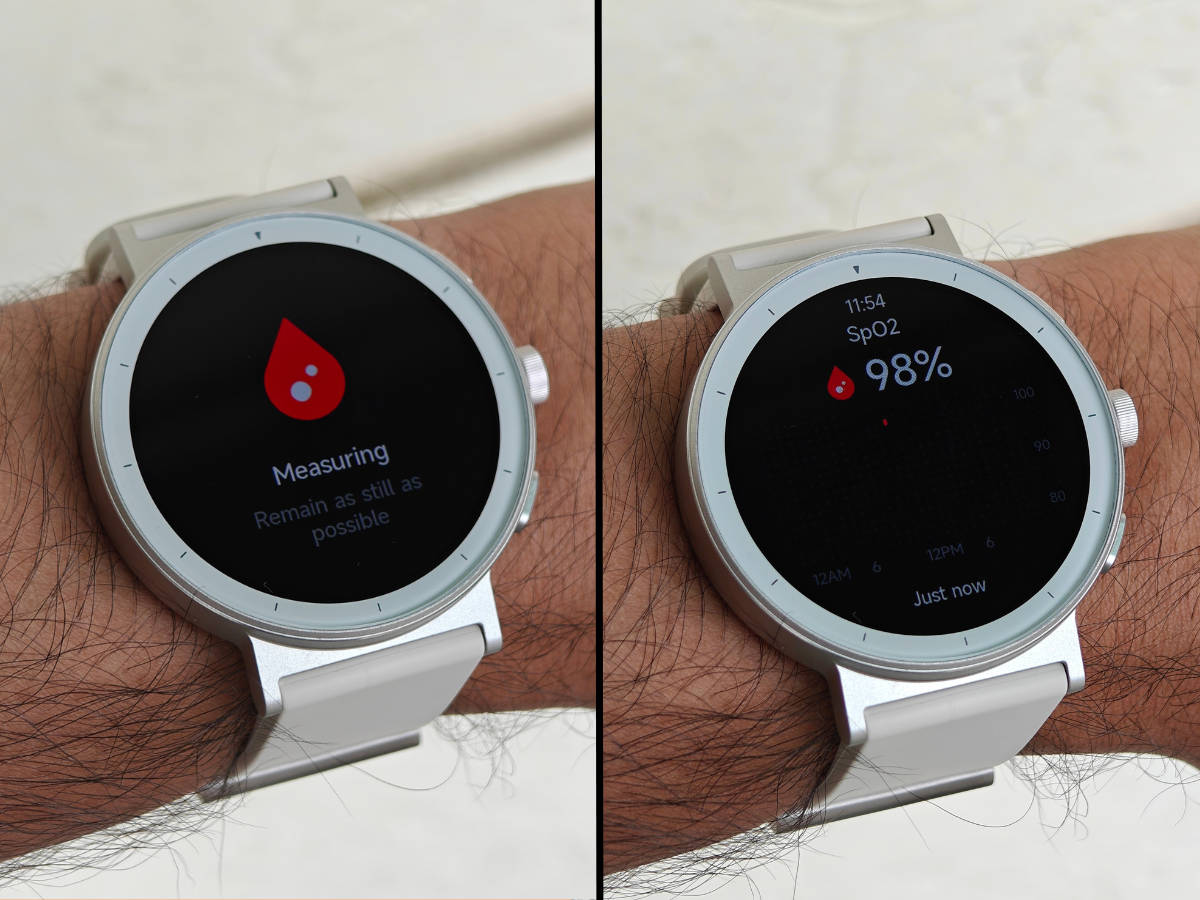
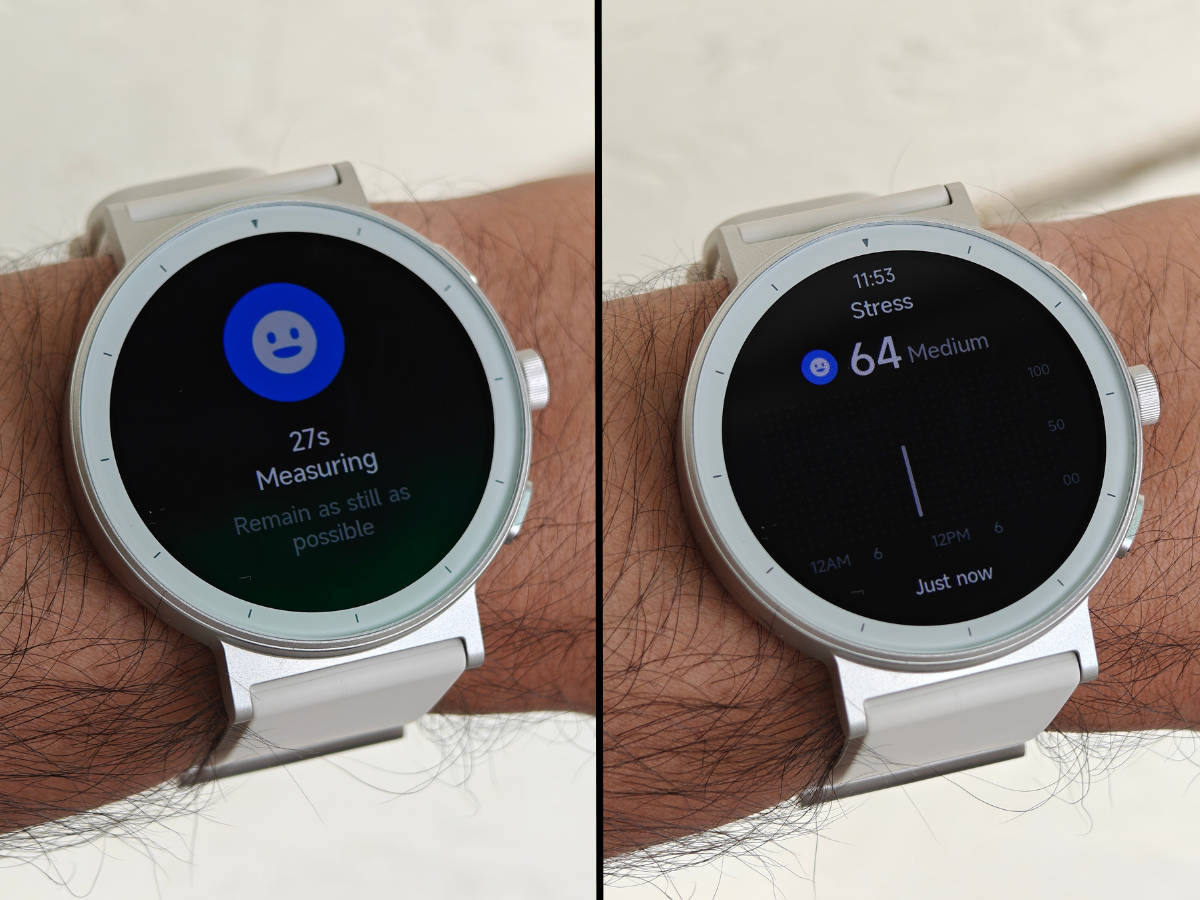
Coming to one of the most crucial aspects of the Realme Watch S5, the device supports heart rate tracking, blood oxygen (SpO2) tracking, sleep tracking, women’s health tracking, noise monitoring and even stress measurement.
To assess the watch’s heart rate tracking capabilities and accuracy, I compared it with the Fitbit Versa 2. After a few seconds of measurement, the Realme Watch S5 recorded 93 BPM, while the Fitbit Versa 2 showed 94 BPM, demonstrating strong heart rate accuracy. Similarly, the Watch S5 can measure the stress levels by outputting a score between 0 and 100. The lower the score, the lower your stress level.
While I didn’t get the chance to test the sleep tracking functionality, I did use the watch for outdoor walks and workouts. Since the Watch S5 comes with GPS, it can precisely track your route, along with other metrics such as walking pace, calories burned during a walk/run, and the total duration of the activity. This is one of the aspects that separates the watch from its sub-Rs 5,000 counterparts, which usually miss out on GPS.
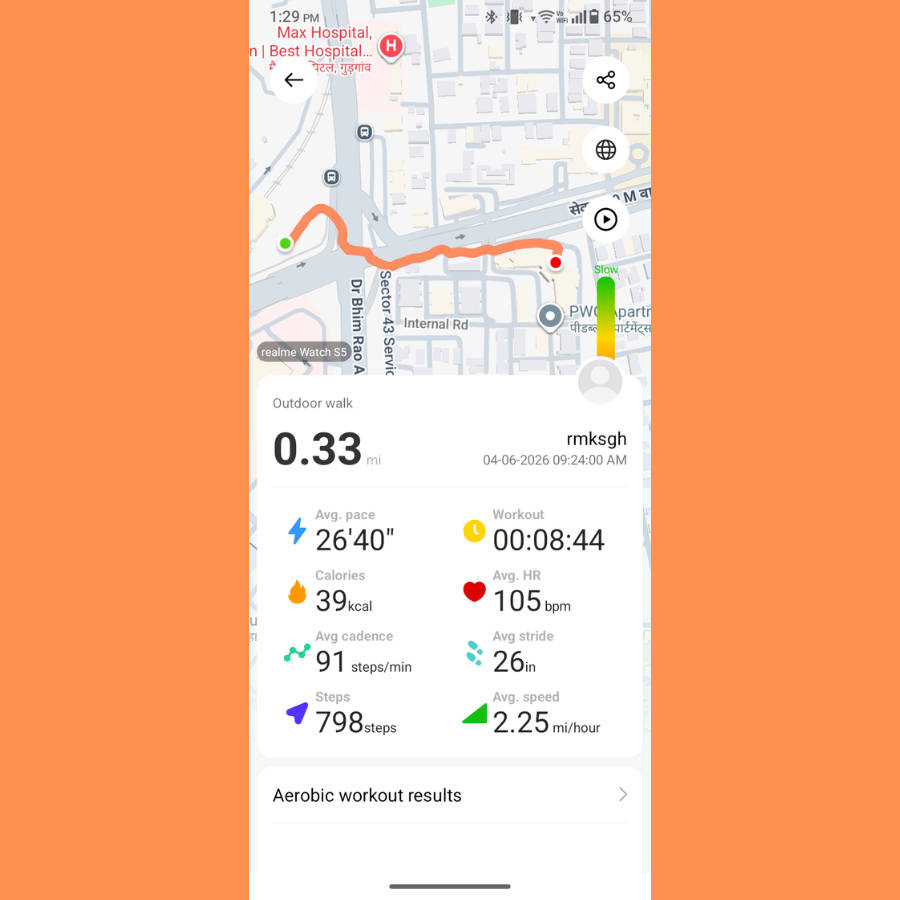
Among the hundreds of sports modes, gym-goers or powerlifters can select the ‘Functional strength training mode’ to get an overview of how their workout fared over a specific duration. Since it tracks the data in real-time, the watch delivers metrics like average and maximum heart rate, calories burned, the level of intensity achieved, and, of course, the total duration of the workout. These metrics can be particularly useful for those who want to closely monitor their gym performance and adjust their calorie intake based on their long-term fitness goals.
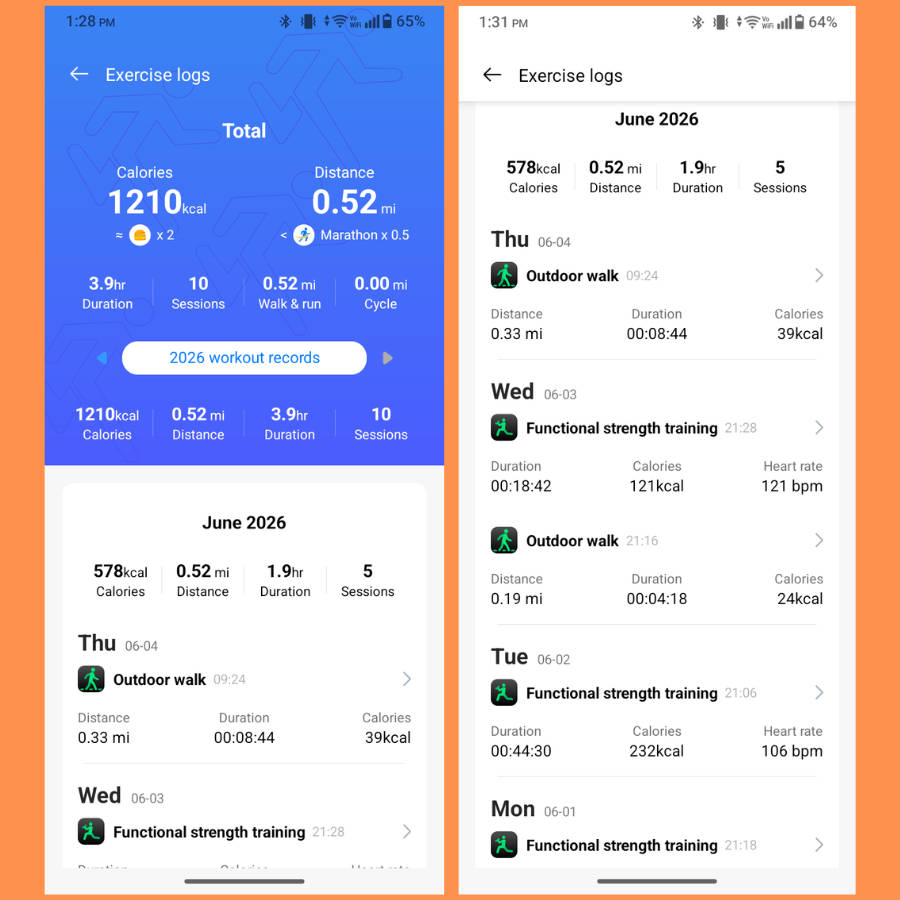
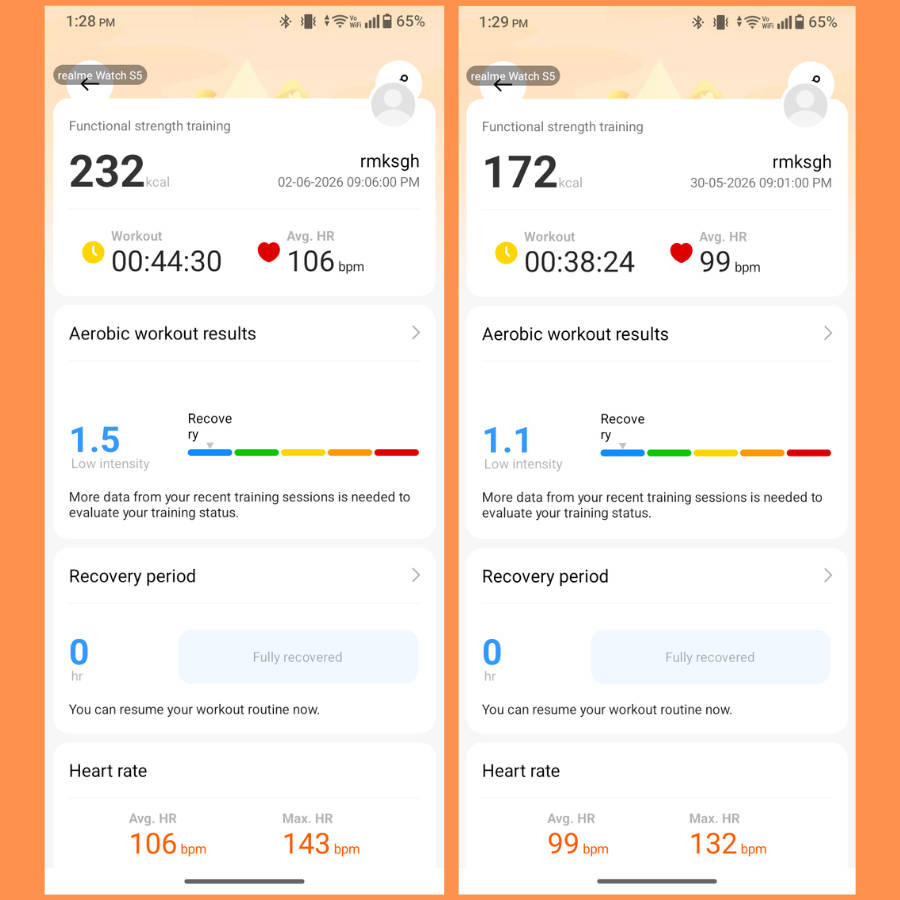
During my workout sessions, I found the tracking UI on the watch to be straightforward and concise, meaning it only shows the information that is required during exercises, such as heart rate (BPM) in real-time, burned calories, and the aerobic training effect level. The full-fledged data of the outdoor walk/runs, strength training, and other activities can be accessed from the “Health” tab of the Realme Link app, which organises the sessions by date and even offers a comprehensive stats overview for the year.
App controls: Realme Link does the job well
The Realme Link is the sole all-in-one hub to control the Realme Watch S5. Once you log in to the app and grant the necessary permissions, such as location, contacts, notifications, SMS, and others, you can access tons of health and workout statistics after performing physical activities.
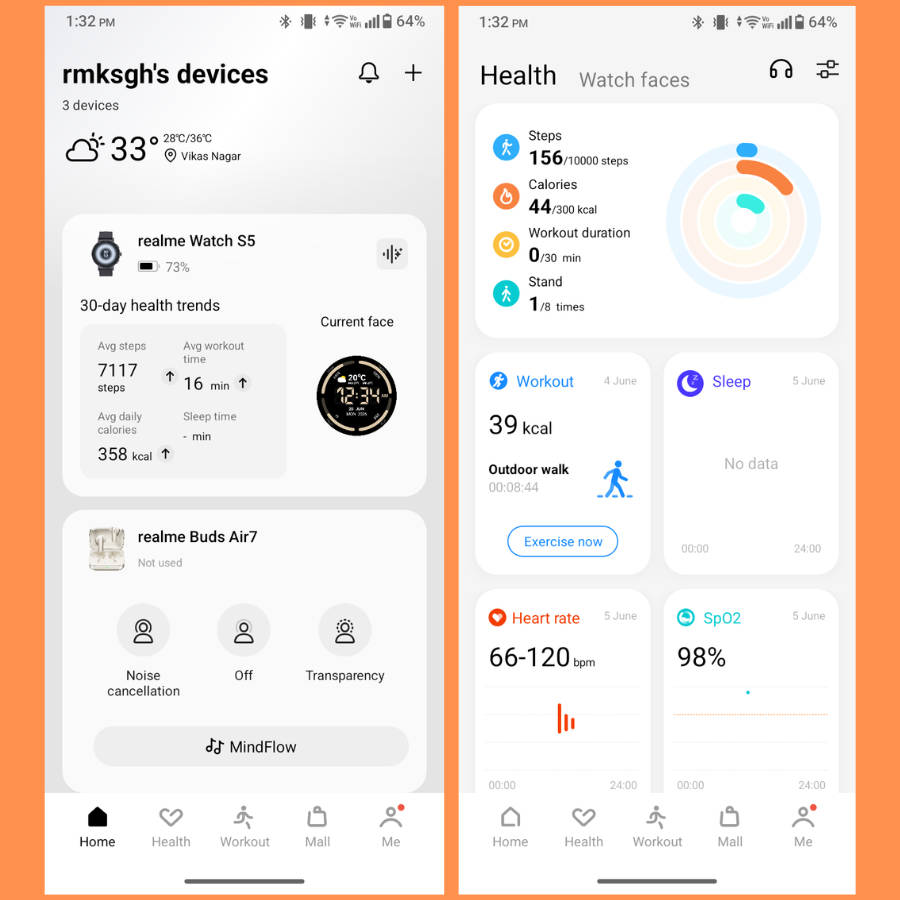
Apart from that, while most of the basic settings on the watch can be altered from the watch itself, the Realme Link app offers advanced controls for an enhanced experience. These include setting health reminders, adding or removing workout modes from the watch, downloading third-party apps, which aren’t many to begin with, and more.
Battery and charging: charge once, live worry-free
The Realme Watch S5 comes with a 460mAh battery, and the company claims it can last 16 days in standard mode and 20 days in light smart mode. Without having turned on the power saver mode or other battery-saving measures, the watch lasted me two whole weeks on full charge. I unplugged the watch from the charger on May 19th at around 10 AM, and plugged it back in on June 2nd when the battery had dropped to 7 percent.
During my two-week usage period, I kept AOD enabled throughout the day (it automatically turned off at night via the scheduler), while the watch remained connected to my phone via Bluetooth. Also, as noted above, the watch was also used during workout and walking sessions, constantly receiving and viewing phone notifications, and playing around with the customisation options.
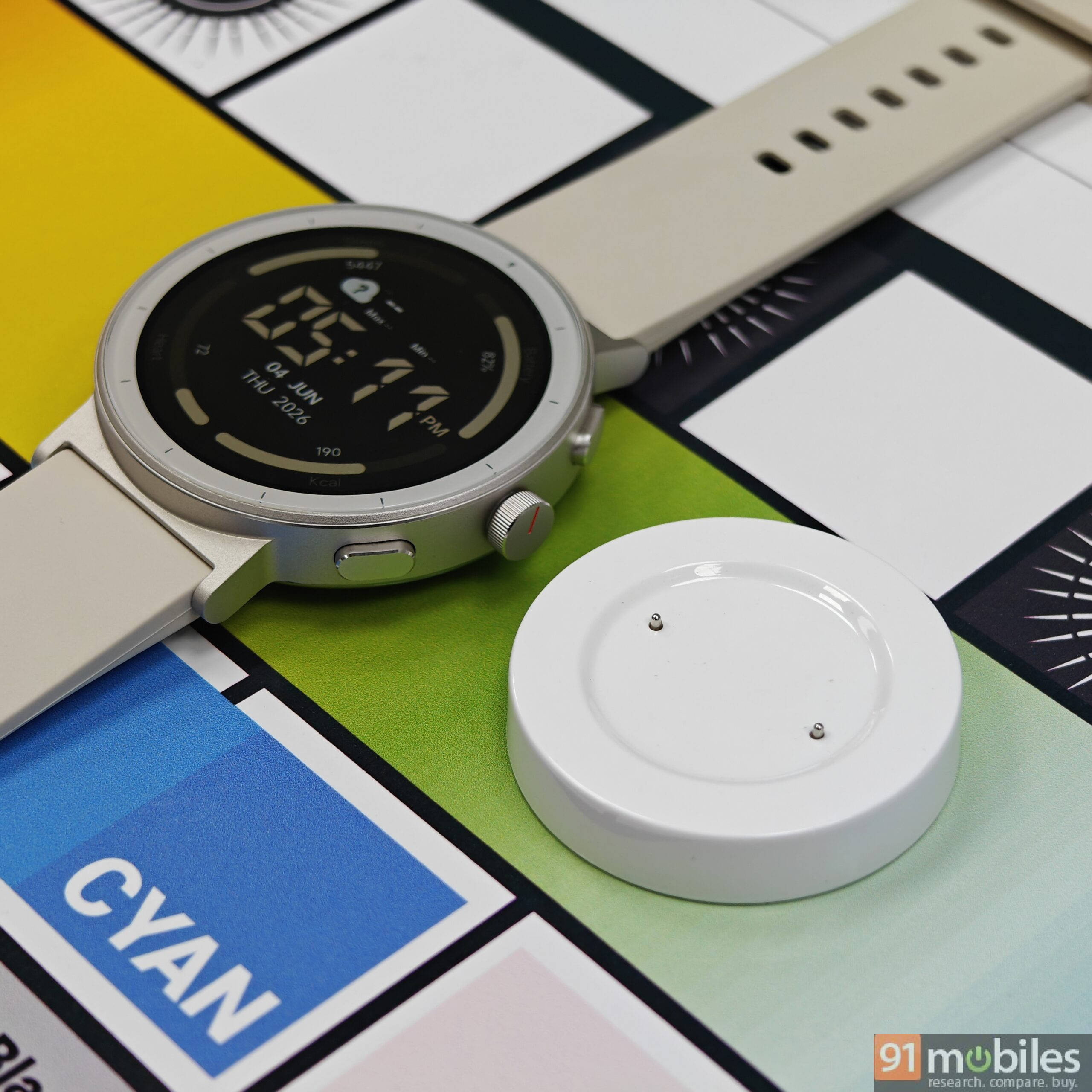
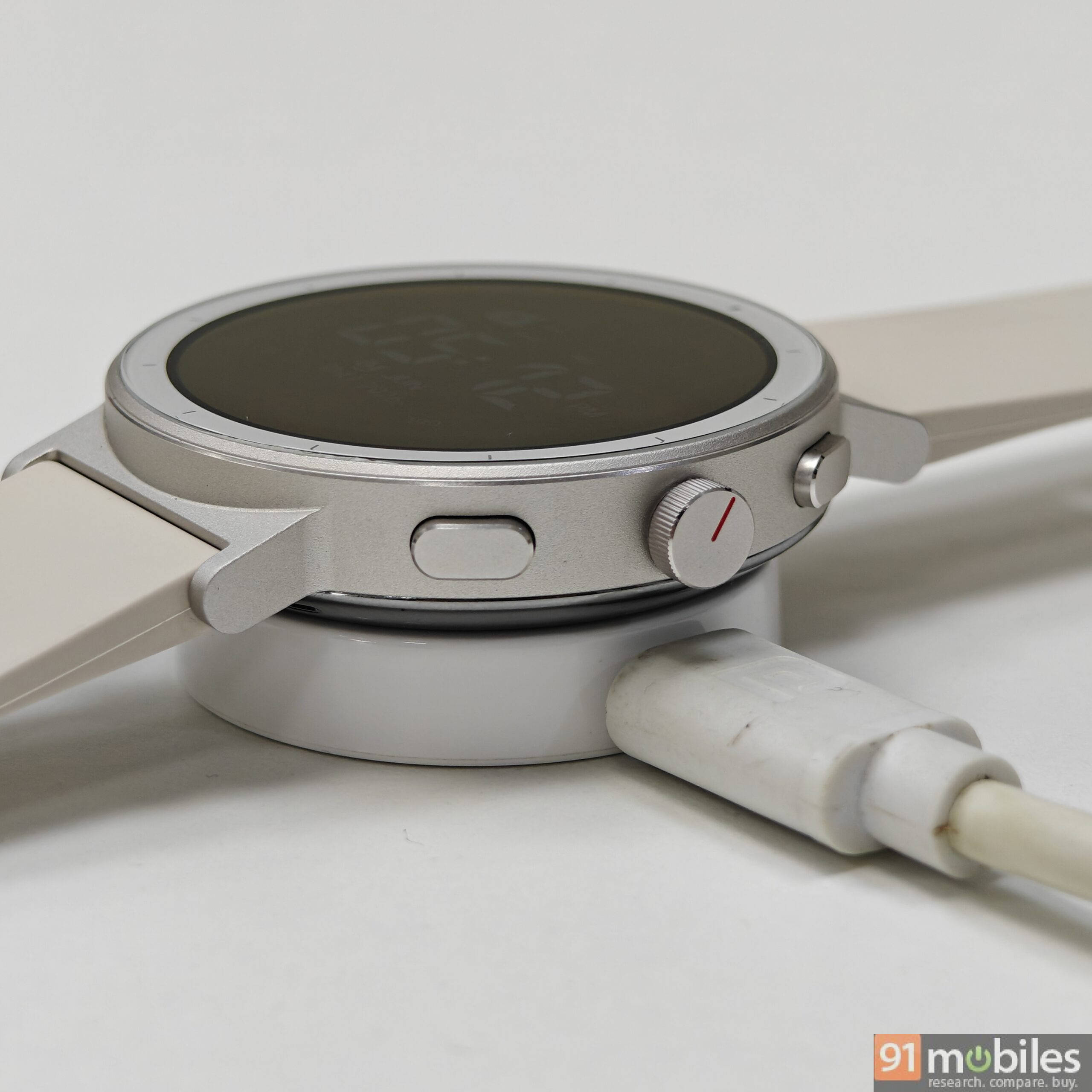
For charging, the Realme Watch S5 comes bundled with a charging puck that has pogo pins and attaches to the base of the watch magnetically. It’s also worth noting that since the retail box doesn’t include a Type-C cable, users will have to rely on their own cables for charging purposes.
Verdict
With the Realme Watch S5, the company has come up with a smartwatch that delivers on most fronts. The key competition comes from the CMF Watch 3 Pro, which features a more cohesive interface, a more refined companion app, and tighter haptics.
That said, thanks to its lightweight aluminium alloy dial, scratch-resistant AMOLED display, tactile side buttons, and comfortable straps, the Realme Watch S5 is thoughtfully designed and looks premium as well.
The watch is well-suited for those willing to keep a tab on key health metrics, as the Realme Watch S5 is loaded with a myriad of fitness features and trackers for all kinds of exercises and activities. While the heart rate (BPM) accuracy is just as good as that of smartwatches priced a tier above, the strength training and outdoor walk modes in particular impressed with the amount of detailed stats they record and present in a clear, concise manner. Combine all this with a battery that easily lasts over 14 days on a single charge, Realme has ticked all the basics.
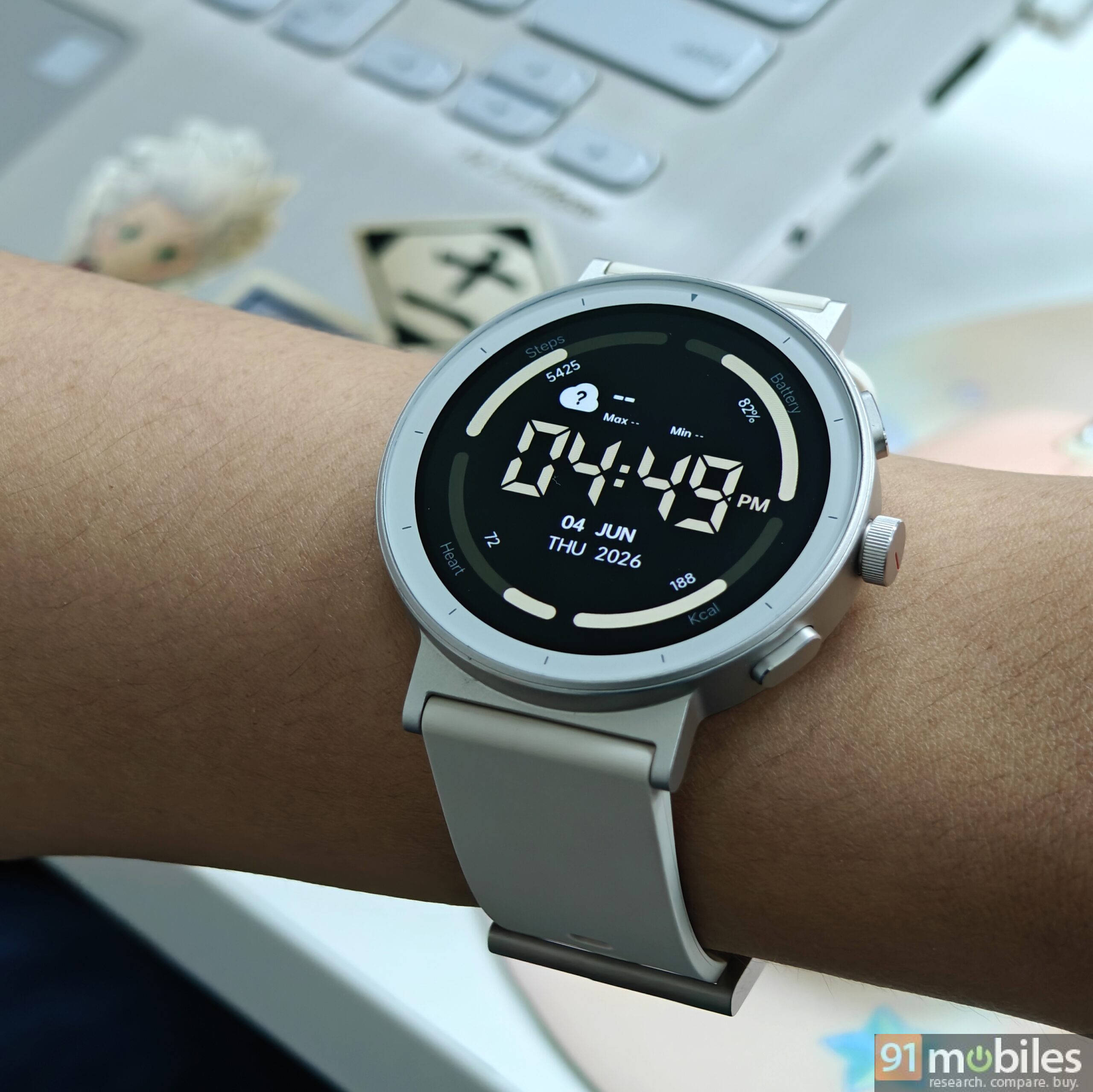
Overall, for Rs 7,999, the Realme Watch S5 has nailed the basics, making it a great choice if you value a lightweight smartwatch with top-notch battery life, offering a bunch of workout and exercise modes.
Editor’s rating: 7.9 / 10
Pros
- Bright and vivid AMOLED display
- Elegantly designed and lightweight
- Exceptional battery life
- Accurate tracking with loads of workout modes
Cons
- Software requires polish and refinement
- Haptic feedback could’ve been stronger