The Redmi Note series has built its reputation in India on being the phone you recommend when someone wants a lot of phone for a low price. This year, however, has been tough not just for Xiaomi but for all brands to promise the kind of value proposition they could until last year, given the ongoing memory crisis. But Xiaomi believes the Redmi Note 17 Pro and Note 17 Pro Max have a few USPs that can stand out, even with a starting price of Rs 36,999. I used the Redmi Note 17 Pro briefly, and here are my first impressions.
The Redmi Note 17 Pro carries the same TÜV SÜD 5-Star Titan Quality certification as the Pro Max, along with SGS Premium 5-Star certification for 3-metre drops onto granite, and IP66, IP68, IP69, and IP69K ratings tested to 2 metres of water immersion for 72 hours. Corning Gorilla Glass Victus 2 also protects the front panel. The phone will be available in three colourways: Cloud Blue, Purple Vibe and Stealth Black.
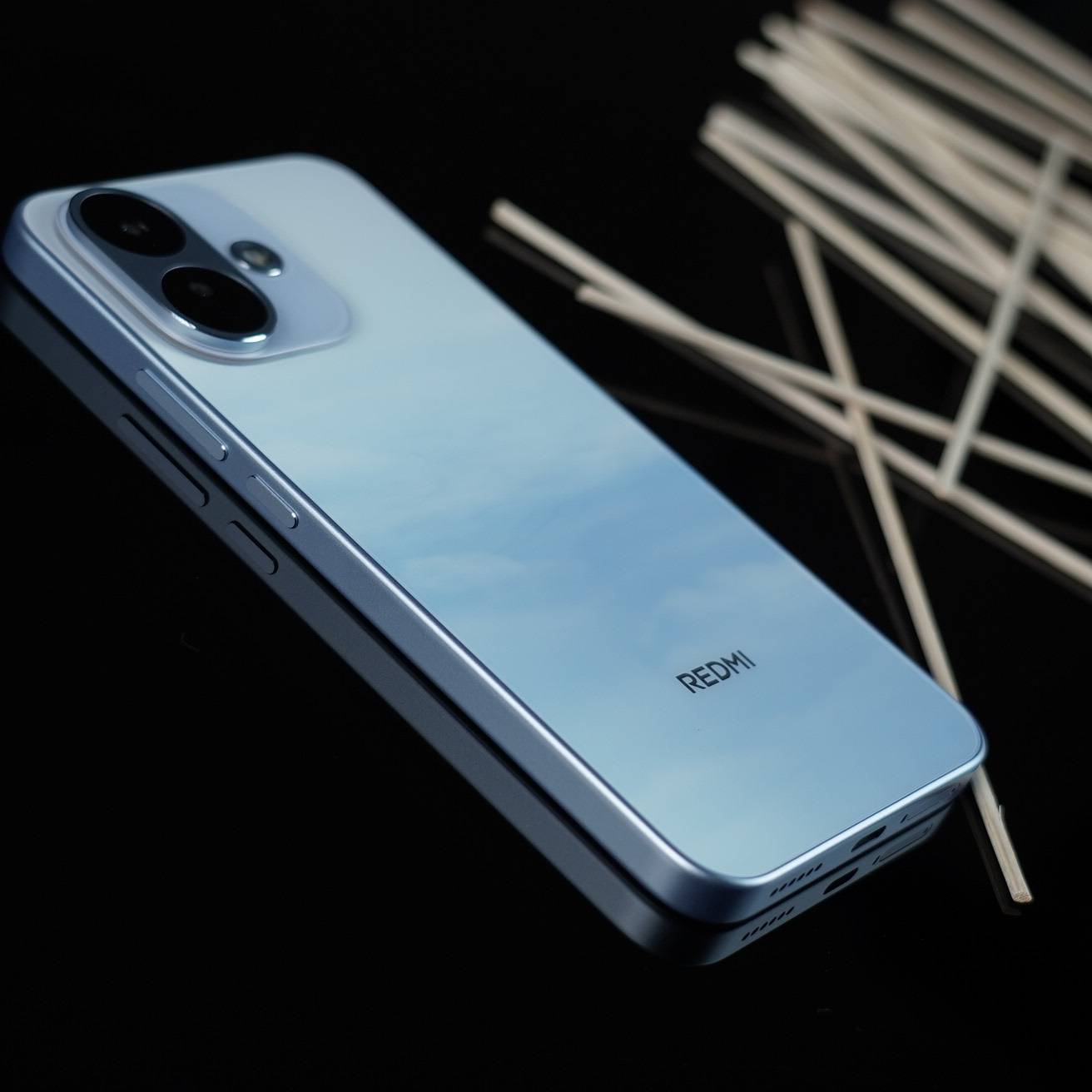
The one area where the Pro visibly trades down is the chipset. Instead of the Pro Max’s Snapdragon 6 Gen 5, the Redmi Note 17 Pro runs on the Snapdragon 6s Gen 4, an efficient 4nm octa-core chip that Xiaomi is pairing with 8GB of RAM across 128GB and 256GB storage options. The higher-storage variant gets UFS 3.1, while the lower one steps down to UFS 2.2, paired with LPDDR4X memory. None of this will compete with a proper flagship chip, but Xiaomi is positioning it as tuned for smooth everyday use across gaming, streaming, and video calls rather than chasing benchmark numbers. My brief time with the Redmi Note 17 Pro showed a decent out-of-the-box experience, though it didn’t feel as snappy and fluid as I would have hoped from a Rs 37,000 phone.
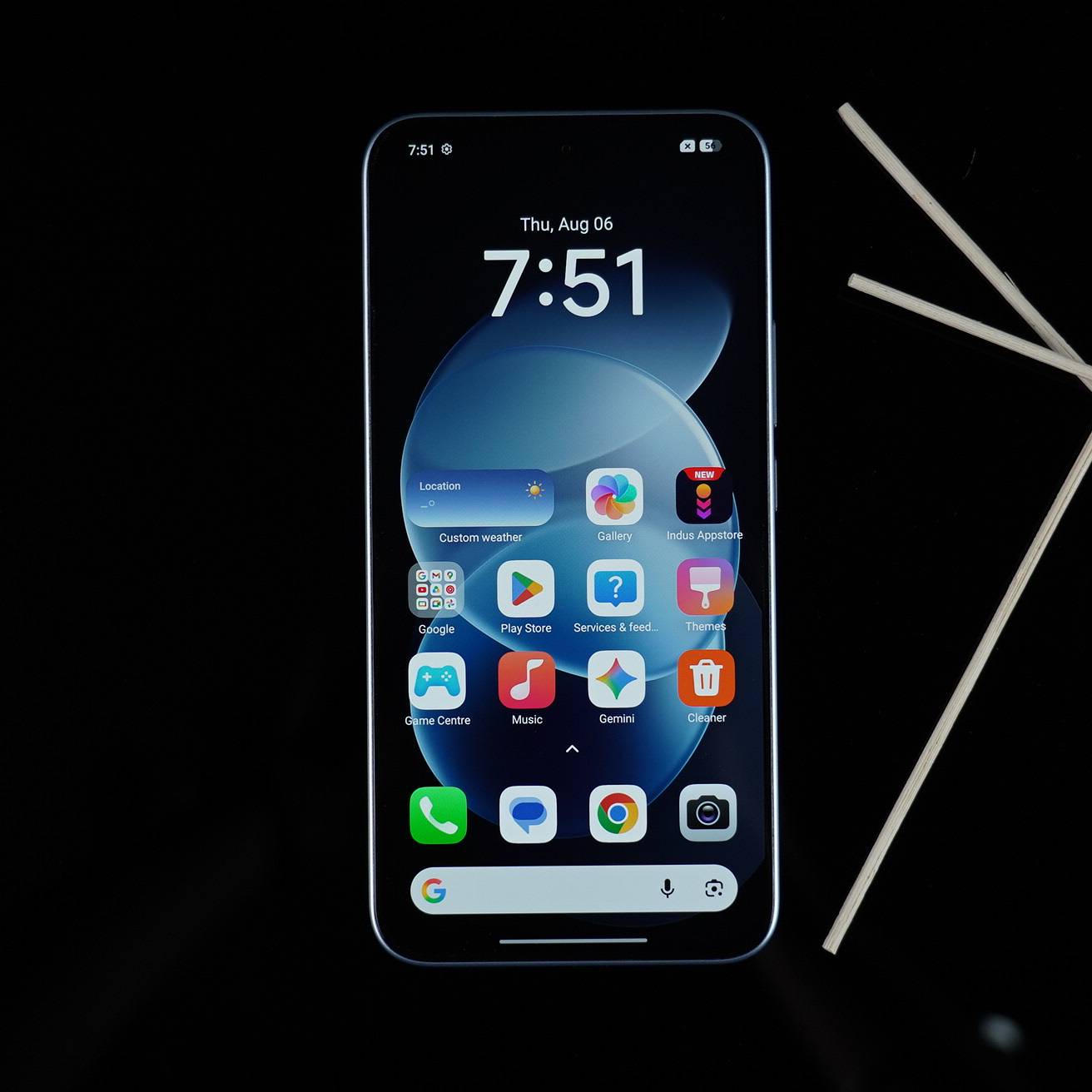
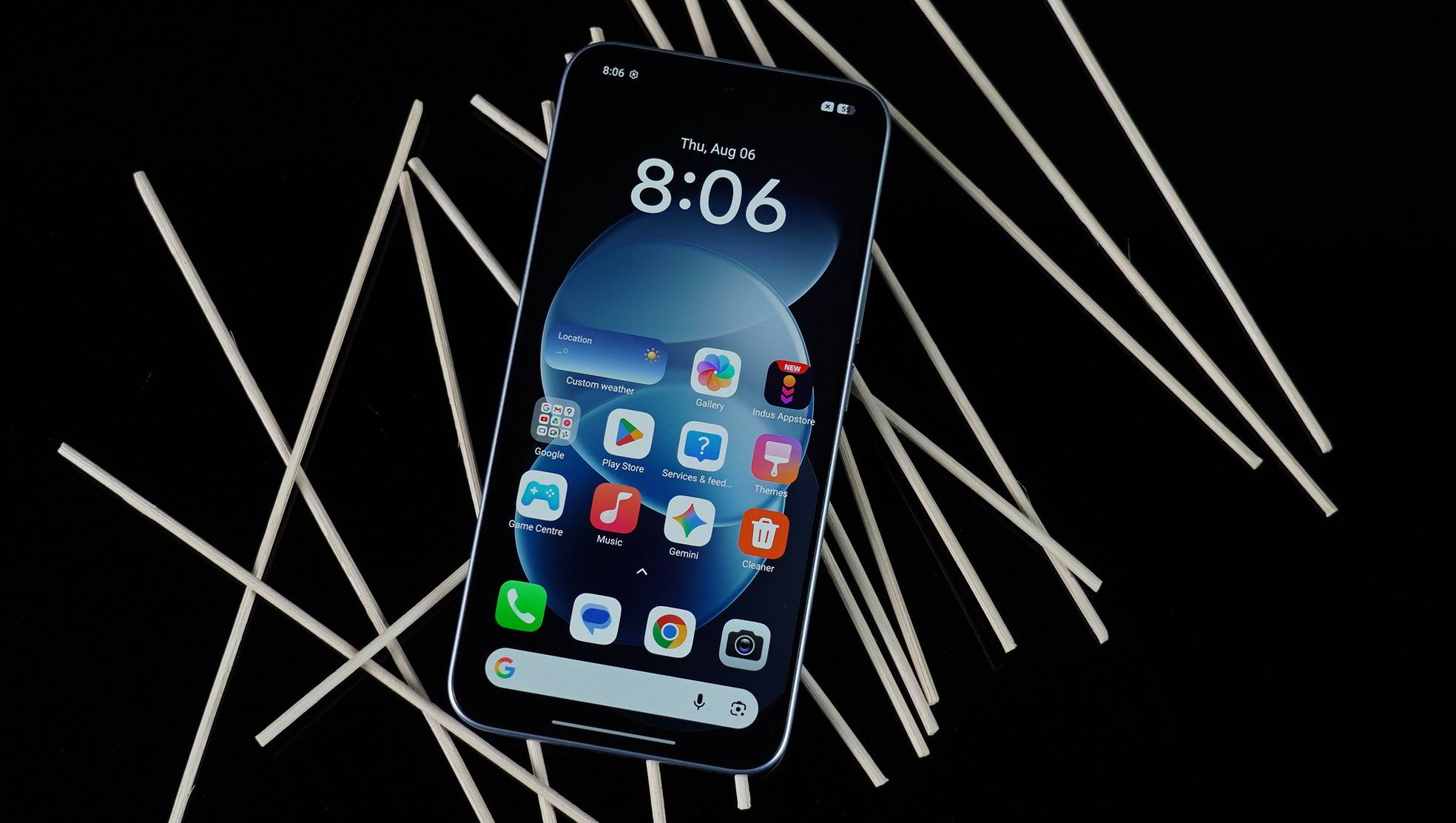
The Redmi Note 17 Pro ships with Android 16 and HyperOS 3, and Xiaomi is promising four years of OS updates and six years of security patches, support that’s meant to run until 2032. That’s a genuinely long commitment for this segment, where three OS updates and four years of security patches is still more common. The software also brings Xiaomi’s HyperAI suite on-device, including an AI interpreter for offline translation, live speech transcription, and an AI writing assistant, along with kilometre-level offline messaging for situations with no network coverage.
Xiaomi is also including a two-year warranty, one free screen replacement, and battery replacement coverage if health drops below 80 percent within two years, which is a solid ownership package on top of the update promise.
The rear camera setup is unchanged from the Pro Max: a 50MP main sensor with OIS at f/1.8, paired with an 8MP ultra-wide. Xiaomi’s portrait processing includes High Dynamic Portrait for backlit scenes and a dedicated Night Portrait mode, and video tops out at 4K 30fps with OIS and EIS stabilisation on the rear. The same AI Creativity Suite from the Pro Max is here too, covering glare removal, reflection removal, object erasing, and AI-assisted frame expansion, along with an underwater shooting mode for casual use in shallow freshwater.
While a telephoto lens would have been nice to see on a phone over Rs 35,000, this is, unfortunately, the norm this year. Stay tuned for my full review where I’ll talk about the Redmi Note 17 Pro’s camera performance in detail.
Battery is where both the Note 17 Pro phones stand out. The Redmi Note 17 Pro gets a 9,000mAh silicon-carbon battery while the Pro Max offers a massive 10,000mAh cell. This should mean two days of battery on a single charge on both devices, with the Pro Max likely to deliver marginally better endurance. Charging tops out at 67W on the Redmi Note 17 Pro instead of 100W, which Xiaomi says takes the phone from empty to full in around 80 minutes.
Xiaomi’s own claims put this at over 3.5 days of light use on a single charge, translating to figures like 112 hours of music playback or 25 hours of watching reels. The same TÜV SÜD battery certification from the Pro Max carries over too, rated to hold 80 percent capacity past 1,600 charge cycles.
On paper, the Redmi Note 17 Pro looks like it’s making very few compromises against its more expensive sibling, keeping the display, main camera, durability certification, and software promise identical while stepping down on battery capacity, charging speed, and raw chip performance. Whether that translates into a genuinely strong value proposition depends entirely on where Xiaomi prices it, which hasn’t been announced yet at the time of writing.