Review Summary
Expert Rating

Xiaomi doesn’t usually let the standard Redmi Note Pro be the headline act; that job goes to the Pro Max this time. But after using the Redmi Note 17 Pro for about a week now, it’s turned out to be the more interesting phone of the two, mostly because of its more approachable pricing at Rs 36,999 and, second, its PCMark battery result, which beats every other phone we tested in this price bracket, including the POCO X8 Power’s larger cell. It sets out what it was designed to do, so let’s talk about it.
Table of Contents
Verdict
Like most phones this year, the Note 17 Pro couldn’t escape the memory chip crisis, so sub-Rs 30,000 pricing was never on the cards. What it does deliver is a genuinely stellar battery and a sharp AMOLED display, enough to make it worth considering if you’re upgrading from an older Redmi Note, though Note 15 Pro owners can safely skip it. For raw performance under Rs 40,000, the POCO X8 Power, Vivo T5, and iQOO Z11 are the better picks, but the Note 17 Pro counters with class-leading battery life, Pro Max-grade durability, and a software update promise that beats some rivals.
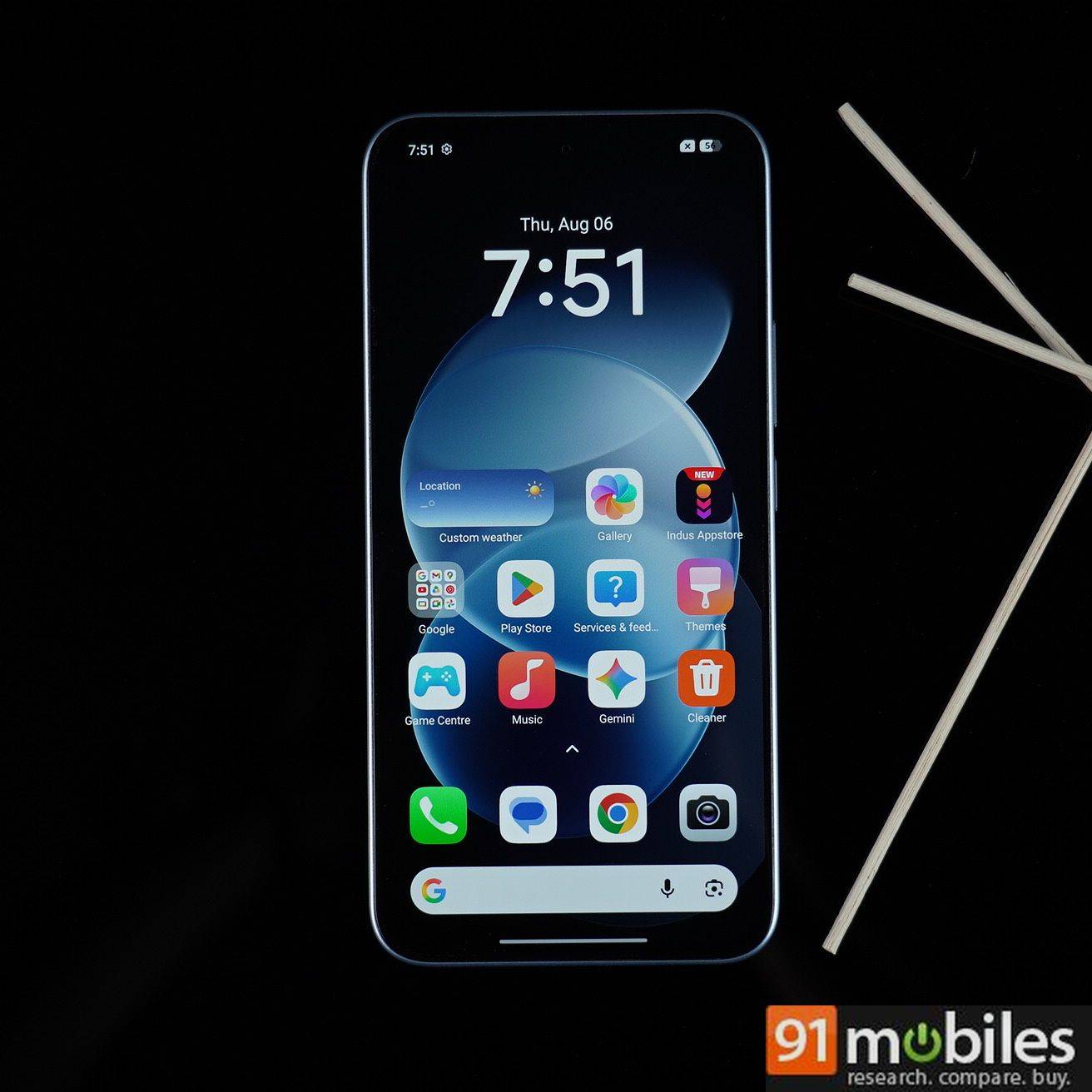
Design and display: impressive inside and out
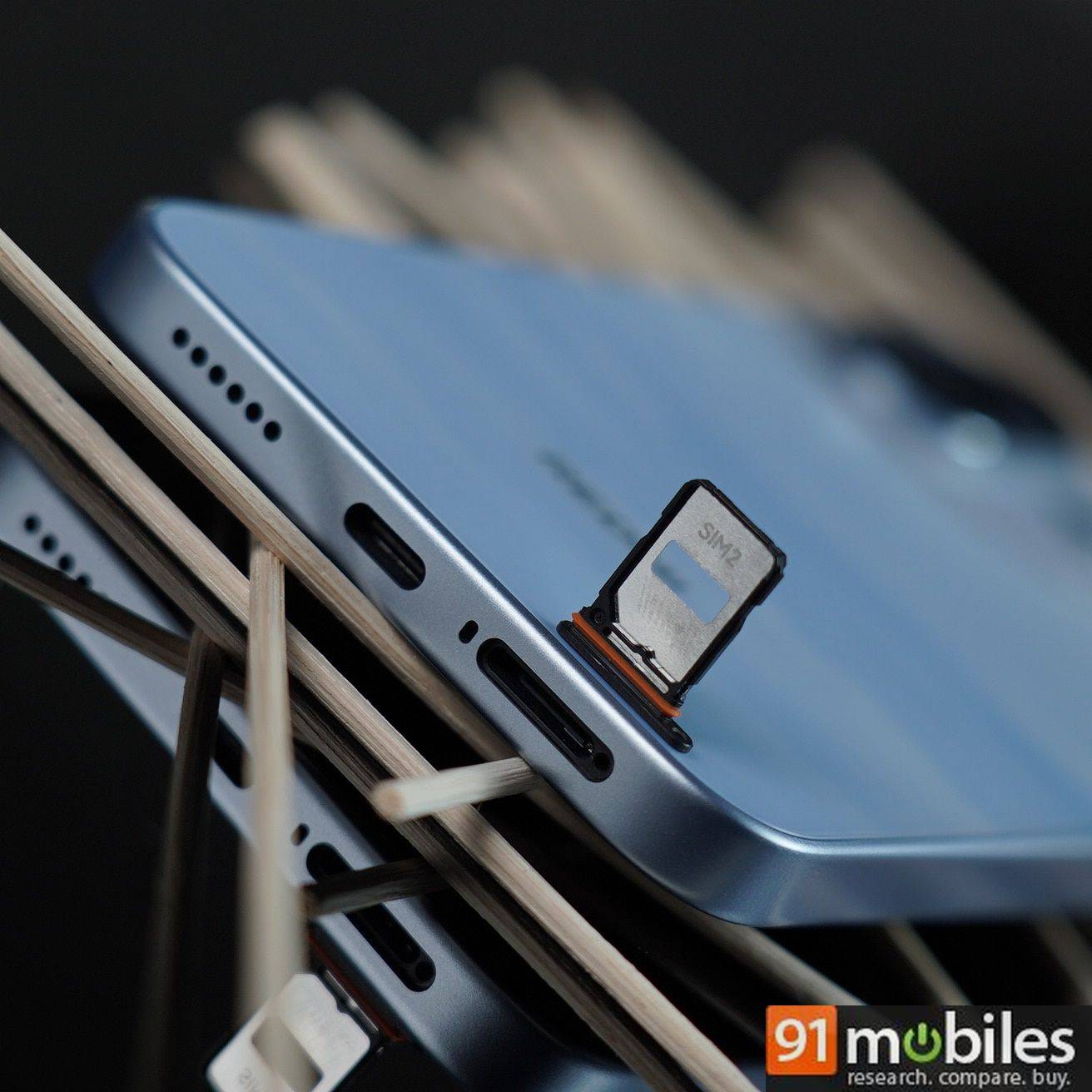
The Note 17 Pro weighs 226g and carries IP66, IP68, IP69, and IP69K certification, protection against dust, immersion, and high-pressure water jets that is a rare sight even in this price segment. It’s not the lightest phone in its class; the Vivo T5 undercuts it by nearly 30 grams, but that weight buys genuine peace of mind, as it feels solid in the hand. That said, at 226 grams, it may cause wrist fatigue for those who prefer one-handed use. Xiaomi has carried the same durability certification over from the pricier Pro Max, which is nice to see.

Performance and software: chooses longevity over speed
The Snapdragon 6s Gen 4 powers the Note 17 Pro. It’s a reliable processor, but not the fastest in its price bracket. In our testing, it posted an AnTuTu score of 949,300 and Geekbench scores of 889 single-core and 2,691 multi-core, numbers that trail the POCO X8 Power (by a small margin), OnePlus Nord CE6 and the Vivo T5 (by a big margin). If you’re chasing raw horsepower, you might want to look at the OnePlus, Vivo, and POCO phones instead of the Redmi Note 17 Pro.




What’s more encouraging is how the chip behaves once you push it for a while. Our burnout test, which measures how much performance a phone retains under prolonged stress, had the Note 17 Pro holding onto 67.3 percent of its peak output, ahead of the POCO X8 Power and Vivo T5 and just behind the OnePlus Nord CE6. That’s the kind of result that should translate to steadier frame rates in a long gaming session, rather than a phone that looks fast for the first five minutes and then tapers off. A separate CPU throttle test showed 31 percent under sustained heavy load, which was better than all its rivals.
Gaming frame-rate capture didn’t run cleanly on our review unit during testing, so I can’t speak to exact average FPS in Call of Duty or BGMI, but nothing about day-to-day use suggested the phone was struggling to keep up.
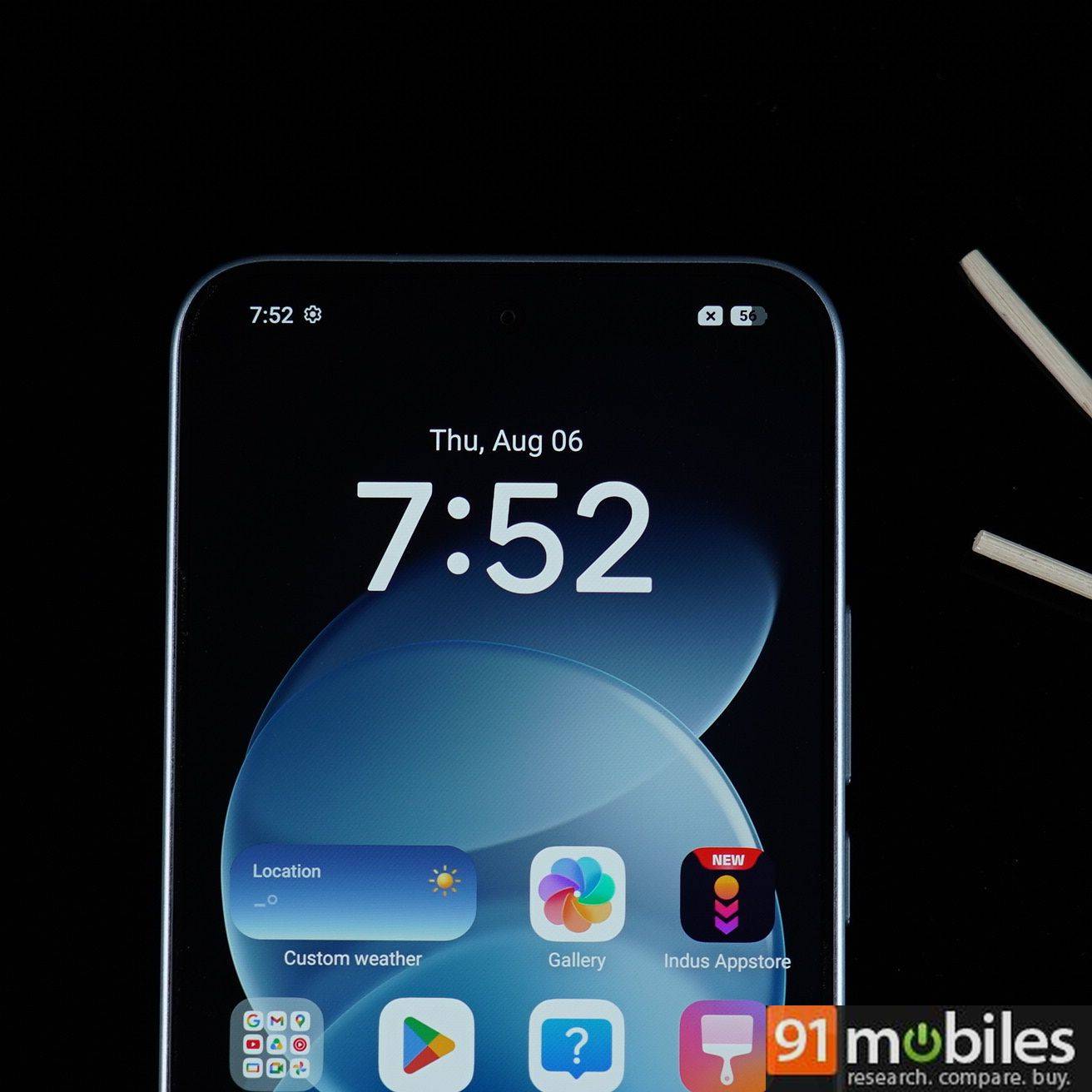
Overall, the Snapdragon 6s Gen 4 powering the Redmi Note 17 Pro isn’t the fastest chipset under Rs 40,000, but Xiaomi has optimised it well to deliver better sustained performance than rivals. Moreover, its 4+6 years software support promise is admirable and should allow you to keep the phone for a long time, provided the chipset holds up well.
Battery: best endurance in its class
This is where the Note 17 Pro actually stands out. The 9,000mAh silicon-carbon battery ran for 21 hours and 55 minutes in our overnight PCMark test, the best result we recorded this year for a phone under Rs 40,000. It even pulled ahead of the POCO X8 Power’s 10,000mAh battery at 20 hours 45 minutes despite that phone’s larger cell, and comfortably beat the Vivo T5’s 14 hours 42 minutes. A 60-minute YouTube streaming test backs this up at a smaller scale, just a 4 percent battery drop, essentially matching the POCO and beating the Vivo T5’s 5 percent. In practice, that means a phone that comfortably lasts two days before you need to reach for the charger.
That’s good because charging is the one place this advantage comes with a trade-off. The Note 17 Pro’s 67W wired charging took 96 minutes to go from 20 to 100 percent in our testing, noticeably behind the POCO X8 Power’s 100W charging at 79 minutes for a similar top-up. Neither phone offers wireless charging.
Cameras
The Redmi Note 17 Pro gets the same 50MP main and 8MP ultrawide rear camera setup as its pricier sibling. The difference lies in the front camera, with the Note 17 Pro getting a 16MP sensor and the Pro Max getting a higher-resolution 32MP sensor. The primary camera performs well enough in daylight, capturing pleasing stills with good colour reproduction and detail. The ultrawide and front camera deliver passable photos, nothing more.


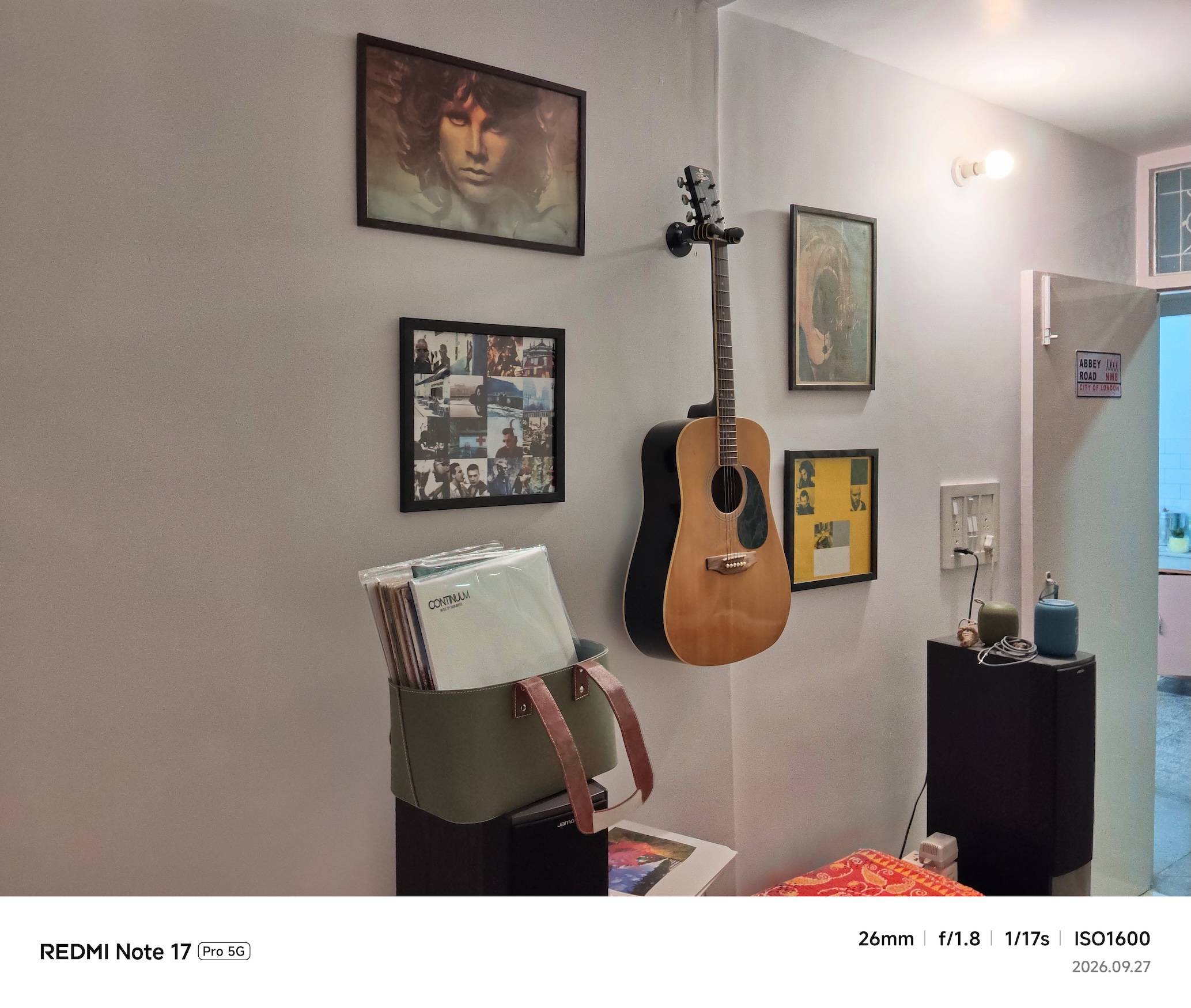


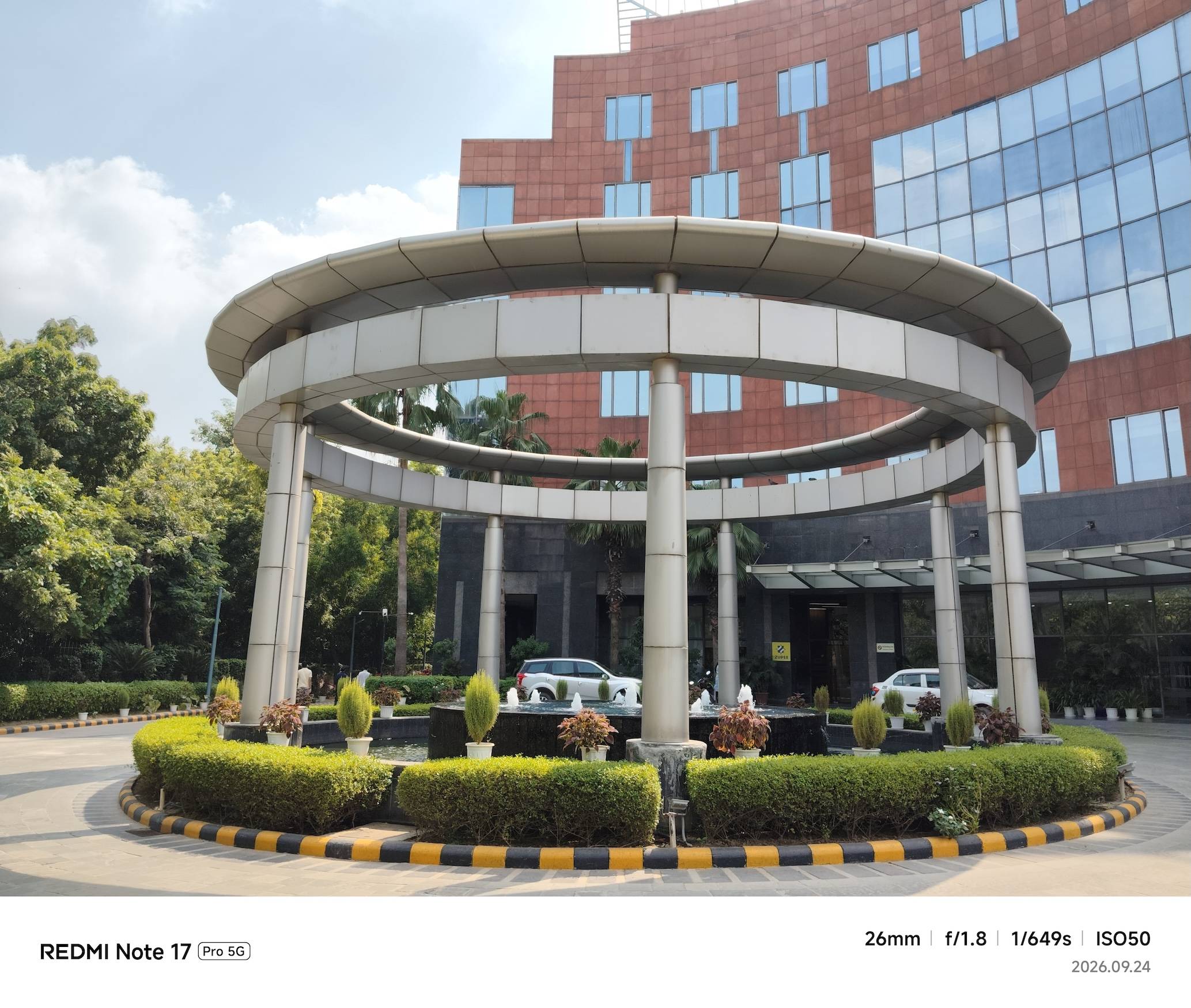



To show how the Redmi Note 17 Pro fares, I compared it with the Realme P4s, which features an identical camera system.
Daylight
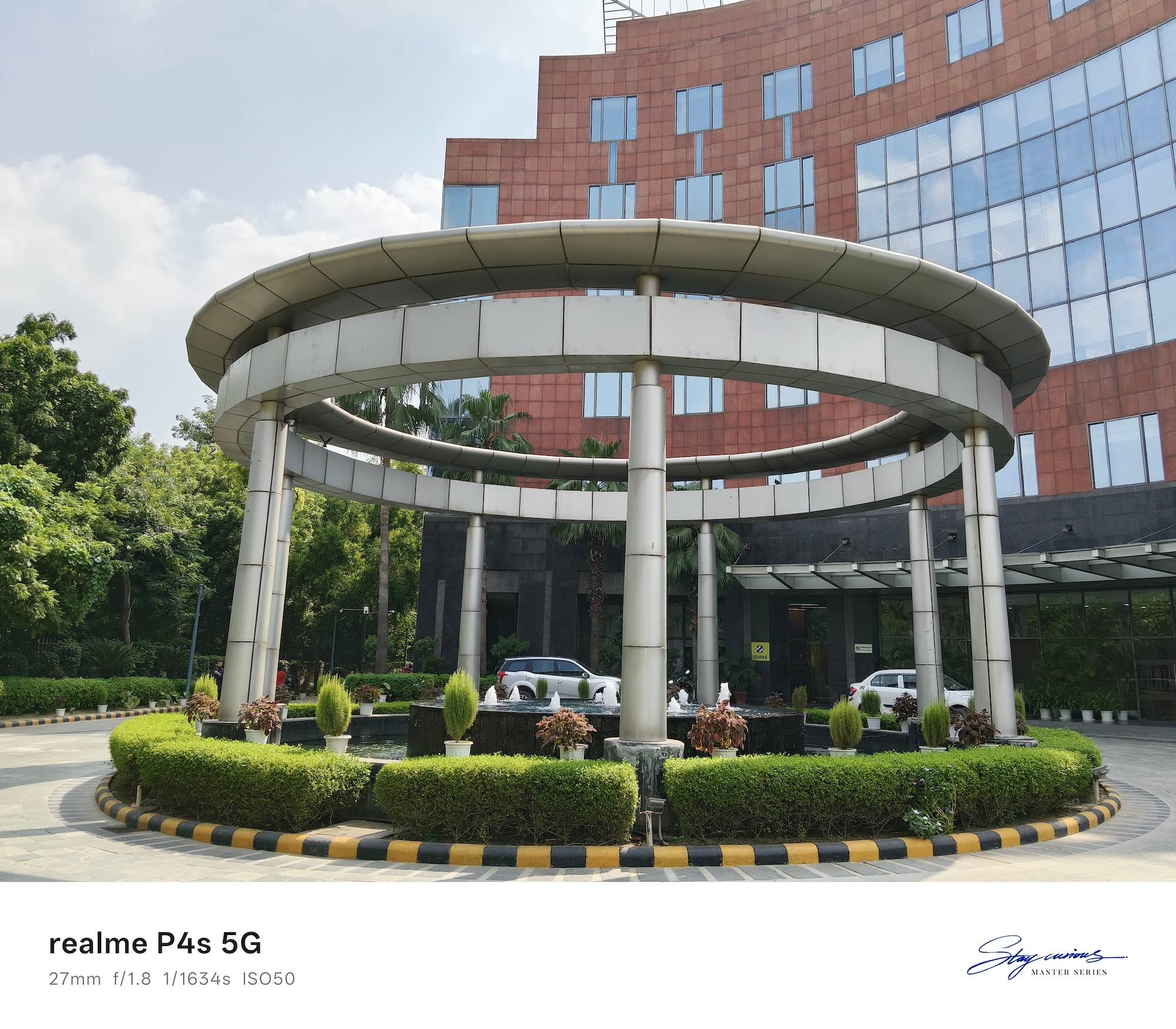
In daylight scenes, the Redmi Note 17 Pro captures slightly better dynamic range, and it leans toward a warmer tone. The Realme P4s delivers punchier colours and marginally better sharpness when zooming in. I prefer the Redmi phone’s more natural colour output compared to Realme here.
Ultrawide
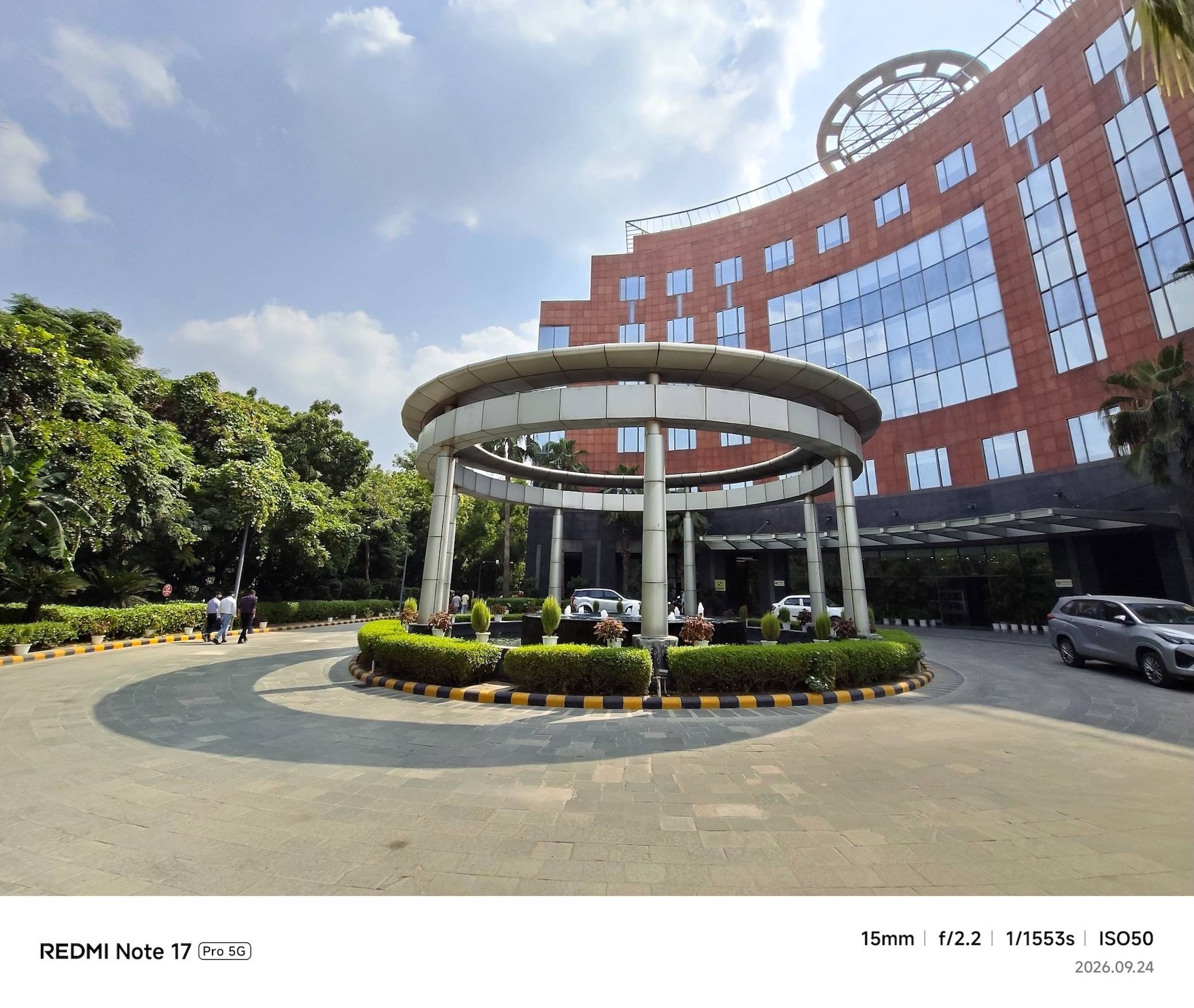
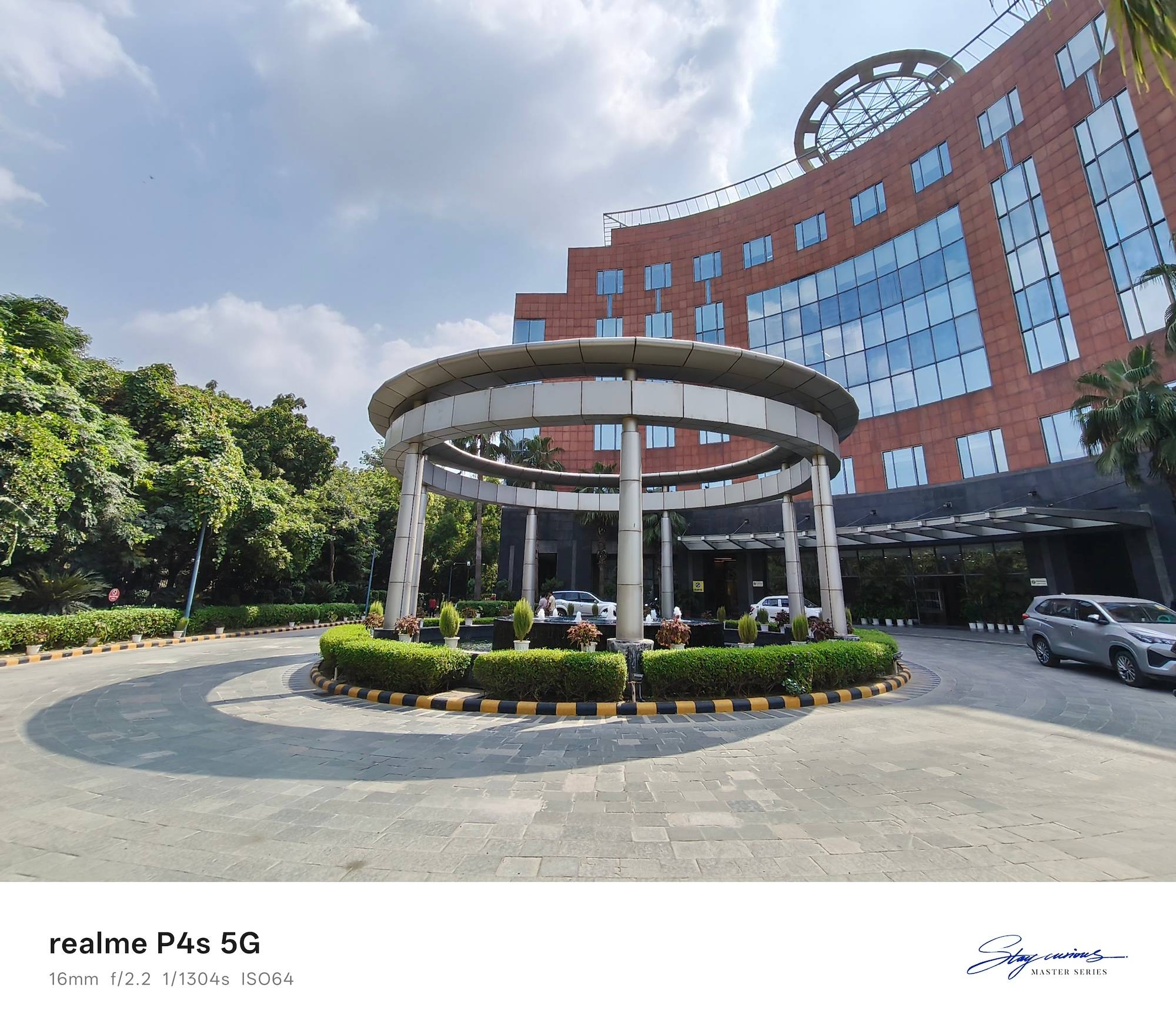
What the Redmi phone does well is offer consistency in colours when switching between the main and ultrawide cameras. And while you can only expect so much from an 8MP sensor, the Redmi Note 17 Pro retains better clarity, especially in the leaves of the trees on the left, compared to the Realme phone when zooming in.
Portrait


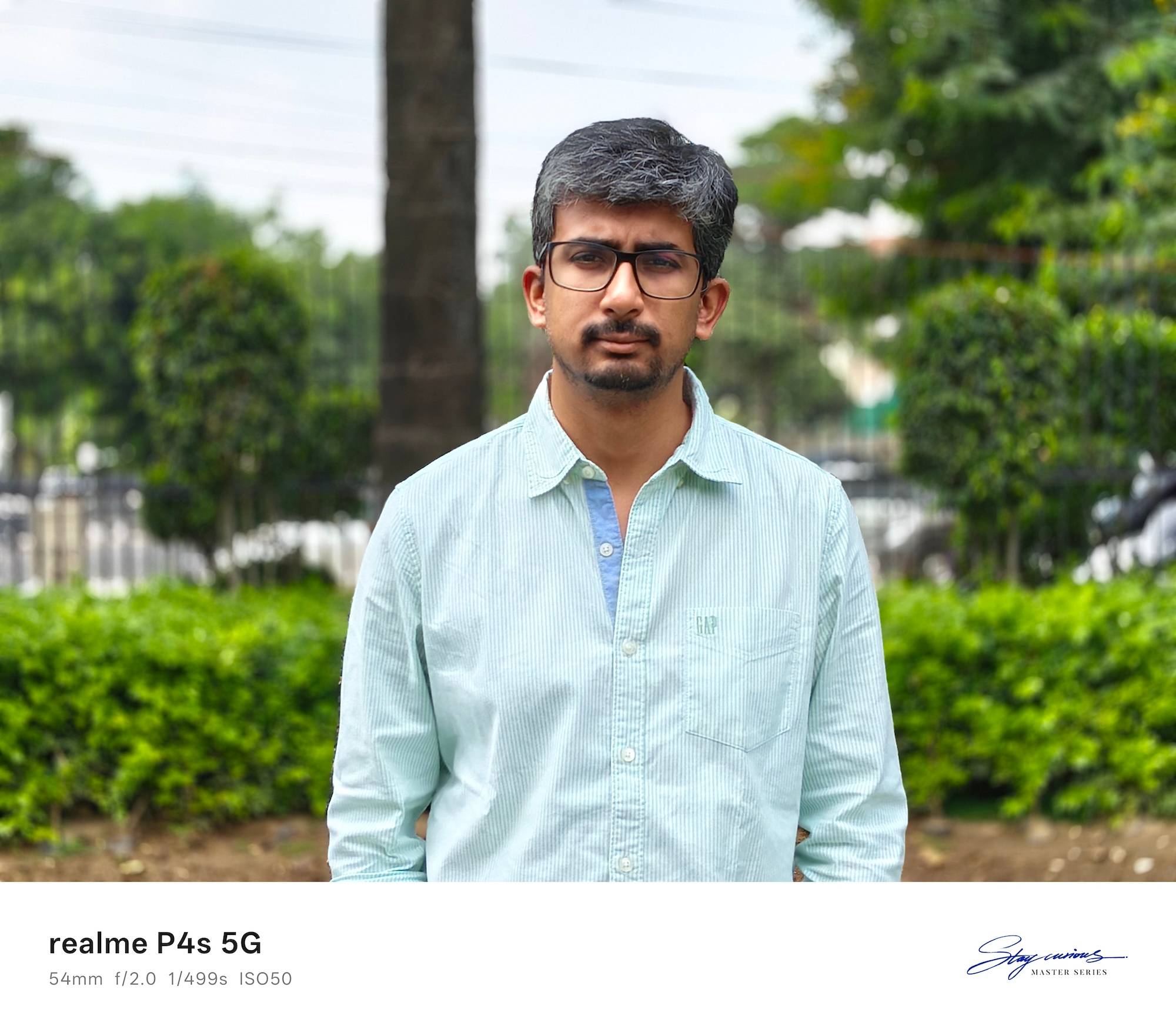
The Redmi Note 17 Pro delivered surprisingly better portrait results than the Realme phone, in both 1x and 2x crop. In 1x, the Realme phone’s portrait shot looked soft and almost like a water-colour painting, whereas the Redmi phone retained better sharpness throughout and good subject separation.
Low-light
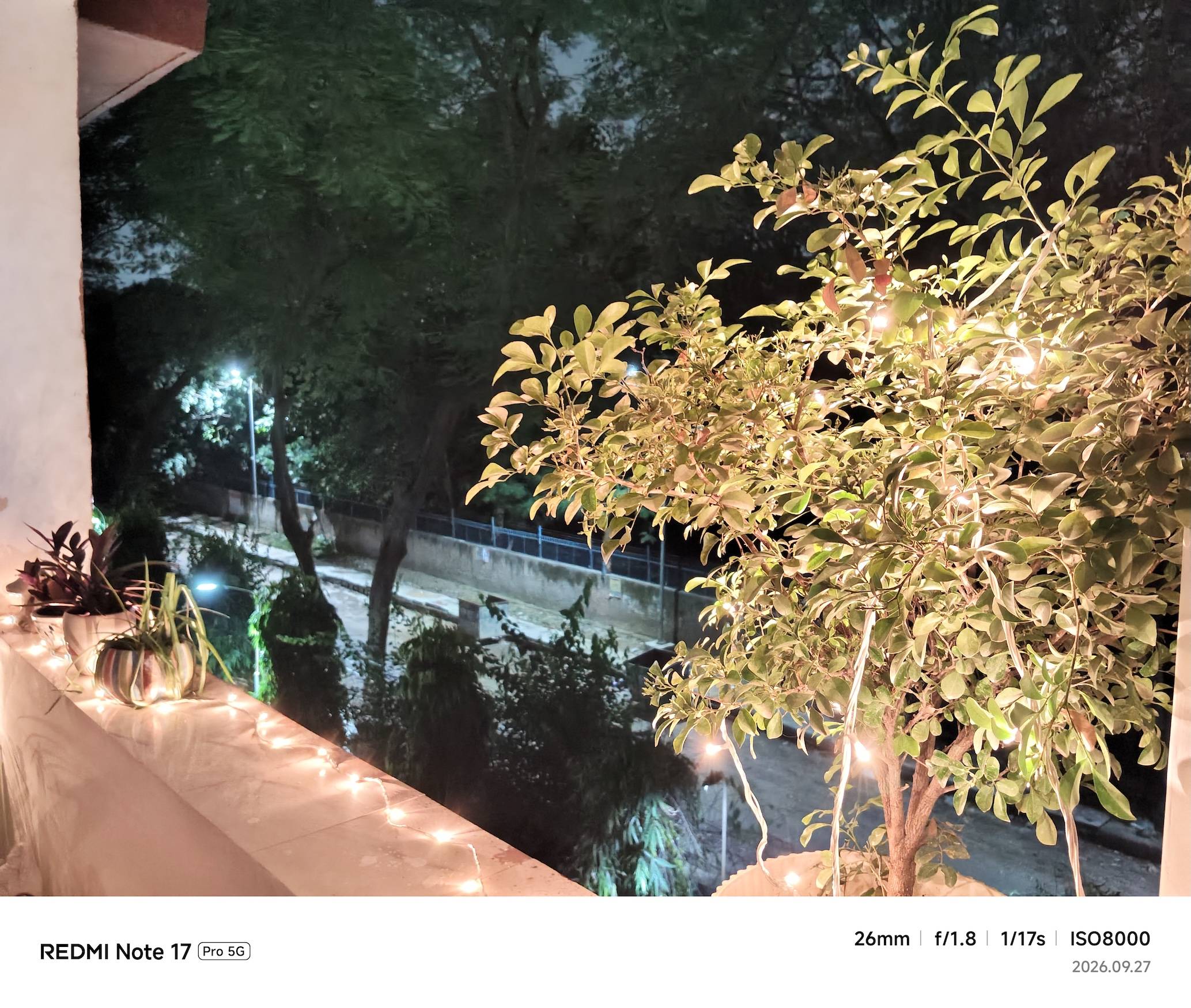
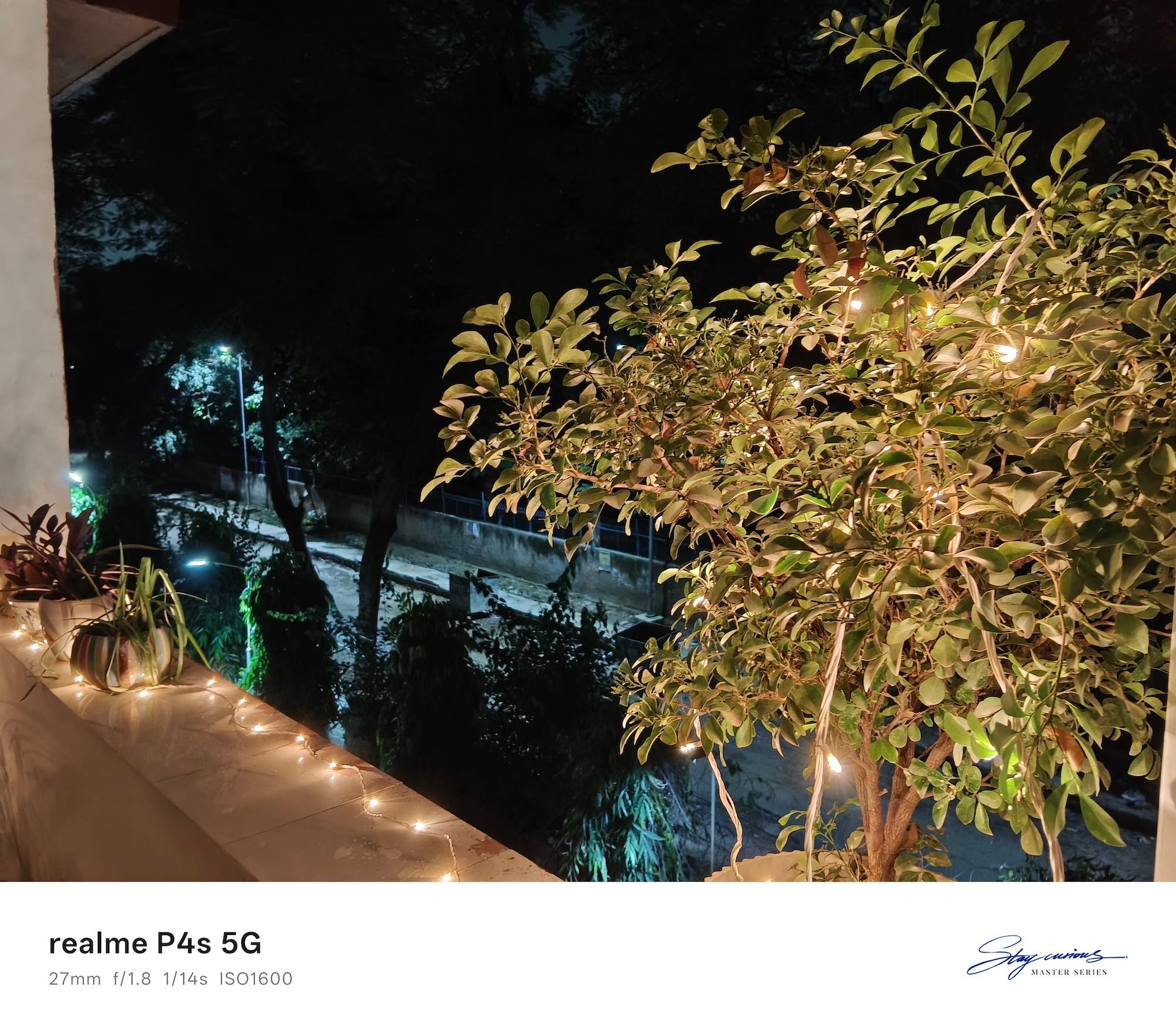
Low-light is where things get interesting. The Realme P4s performed better than the Redmi Note 17 Pro in my test. In the image above, you can see the Note 17 Pro’s main camera letting in a lot more light and blowing out the image, which sacrifices the shadows and overall mood of the scene. The Realme P4s does a much better job of capturing the warmth of the fairy lights and controlling the light to keep the darker areas dark while maintaining the exposure and colour of the leaves in the foreground.
Selfie


In selfies again, both the Realme and Redmi phones deliver almost the same level of sharpness. The choice comes down to which colour profile you like more. The Realme P4s leans towards a more saturated look, punching up the colours, while the Redmi Note 17 Pro chooses realistic colours, which can sometimes look dull in comparison.
It’s clear that the Redmi Note 17 Pro isn’t a camera-first phone. Both the Redmi models, in fact, lack a dedicated telephoto lens, which feels like a real miss, especially on the Pro Max variant given its price. But the reality, at least in the sub-Rs 40,000 segment, is that most phones that have come out this year offer a similar 50MP+8MP setup, with some exceptions being the Motorola Edge 70 Pro (review) with its 50MP rear and front cameras and Tecno Camon 50 Ultra (review), which offers a telephoto lens. With that 50MP+8MP setup, the Redmi Note 17 Pro does a decent job in daylight, but it still leaves you wanting more.
Final verdict: should you buy the Redmi Note 17 Pro?
Like many phones launched this year, the Redmi Note 17 Pro is a victim of the ongoing memory chip crisis, so it doesn’t get the sub-Rs 30,000 pricing potential buyers might have hoped for. Still, I think it makes more sense than its Pro Max sibling priced at Rs 50,000. The Redmi Note 17 Pro delivers on what it sets out to do: offer a stellar battery backup and an impressive AMOLED display. If these are your main criteria, the Redmi Note 17 Pro will not disappoint. I wouldn’t recommend that Redmi Note 15 Pro users upgrade to the Note 17 Pro, but older Redmi Note users should consider this device for its segment-leading battery life.
If you’re looking for a high-performance phone under Rs 40,000, the POCO X8 Power, Vivo T5 and iQOO Z11 are better options out there. However, the Note 17 Pro wins in battery life and a durability rating that matches the more expensive Pro Max. It also gets a software update promise that beats Vivo’s. All of this adds up to a reliable, all-round smartphone.
Editor’s rating: 8/10
Pros:
- Stellar two-day battery life despite not having the largest capacity in the segment
- Better sustained performance than its rivals
- Solid durability with IP66/68/69/69K certifications
- Four years of OS updates and six years of security patches
Cons:
- Not the fastest chipset in the segment
- Slower to charge than some rivals, such as the POCO X8 Power
- 120Hz refresh rate when rivals like Vivo T5 and iQOO Z11 offer 144Hz panels
 | vs |  |
| vs |  |