


Review Summary
Expert Rating
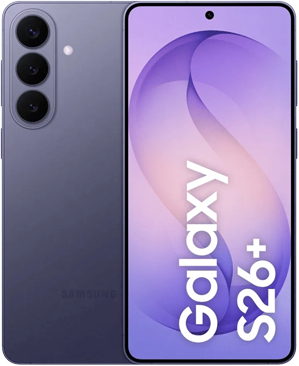
At this year’s S series launch, the Samsung Galaxy S26 Ultra stole the spotlight with its privacy display and Horizon Lock camera feature. Unfortunately, those headline upgrades didn’t make their way to the more mainstream Samsung Galaxy S26 and Samsung Galaxy S26+. Instead, Samsung has played it safe, with minor improvements in performance over its predecessors. While that may not excite recent upgraders, these devices still warrant attention, particularly for those coming from the Galaxy S24 or older.
In this piece, we turn our focus to the Samsung Galaxy S26+. It may not look dramatically different from the standard S26 at first glance, but its Rs 1,19,990 price tag puts the handset in the same category as the Vivo X300 Pro (review), OPPO X9 Pro (review), and Google Pixel 10 Pro XL (review). So, how well does the Samsung Galaxy S26+ hold its ground? Let’s find out.
Table of Contents
Short verdict
The Samsung Galaxy S26+ delivers dependable flagship performance, a refined software experience, and a display that remains among the best in its class. With a bit more emphasis on areas like camera versatility, battery capacity, and faster charging, it could have stood out as an even more compelling choice in the premium segment.
Flagship performance
Starting with the real upgrade from its predecessor, i.e. performance. The Samsung Galaxy S26+ is powered by the latest in-house Exynos 2600 SoC, which is somewhat equivalent to the Qualcomm Snapdragon 8 Gen Elite 5 SoC. The Qualcomm chipset boasts superior clock speeds, but the Exynos 2600 SoC is built on smaller 2nm transistors and a couple of additional cores. It is backed by 12GB of LPDDR5X RAM and 512GB UFS 4.0 storage.


The hardware helps the smartphone get close to MediaTek Dimensity 9500- and Snapdragon 8 Elite Gen 5-powered phones, such as Vivo X300 Pro, Xiaomi 17 Ultra, and OPPO Find X9 Pro, if not outperform them on AnTuTu, Geekbench, and other synthetic tests. As for its closest arch-rivals, the iPhone 17 Plus and Google Pixel 10 Pro XL, the S26+ appears more advanced in benchmark numbers.
While I didn’t test the Samsung Galaxy S26+ side by side with its rivals, it handled everyday tasks effortlessly, managing everything thrown at it. However, I feel the thermal efficiency could have been better. During prolonged usage, or even while using Android Auto, the handset tends to get noticeably warm. This could also explain its 23.4 percent score in the Burnout CPU throttle test.
That’s not to say the Galaxy S26+ struggles with demanding workloads. The handset handled graphically intensive games like BGMI and Call of Duty: Mobile with ease, delivering frame rates on par with its competitors, even though its thermals ran comparatively warmer. That said, gaming is not its core expertise.
The smartphone aims to enhance the experience of professionals, photographers, and content creators with premium features and AI, and on that front, there’s very little to fault it for. Samsung’s GalaxyAI is in sync and works efficiently on the device without any hiccups, even after prolonged usage.
Polished AI and UI
The Samsung Galaxy S26+ boots Android 16 layered atop One UI 8.5 out of the box. We’ve already covered One UI 8 in detail, so you can refer to that for a closer look at the new features and changes. As for exclusivity, there isn’t a particularly extensive list. Most of the features on the S26+ on other eligible One UI 8.5 devices, which have started receiving the update.
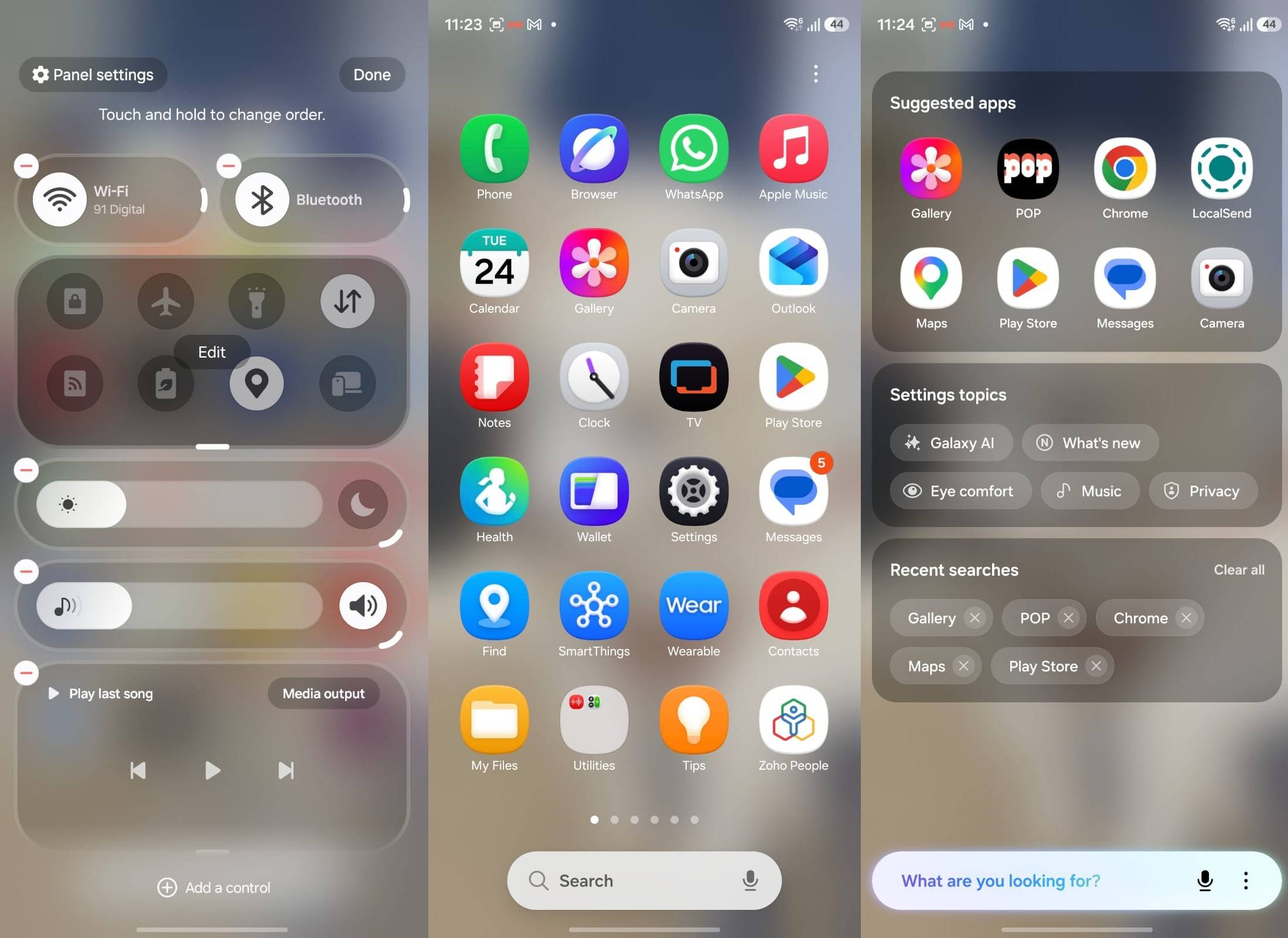
The latest custom Android skin doesn’t bring a major overhaul to the smartphone’s UI, which still feels familiar, smooth, and easy to use. Instead, the changes are mostly incremental, such as a more customisable Quick Panel that lets users tweak the icon size and layout. There’s also a modern floating tab bar with a frosted-glass aesthetic in apps like Gallery, alongside subtle 3D icon effects that add a bit of visual depth. Additionally, there is enhanced theft protection and smarter UI elements, such as the clock and weather widgets, that dynamically reposition to avoid obstructing key content.
The Samsung Galaxy S26+ continues to offer seven years of software support, keeping it relevant until 2033 with the latest Android and security updates.
Regarding AI features, the Samsung Galaxy S26+ offers advanced Photo Assist, which edits photos more seamlessly than before. The results are genuinely impressive, and you may have already seen videos online showcasing just how capable Samsung’s AI photo editing tools are compared to Apple’s.
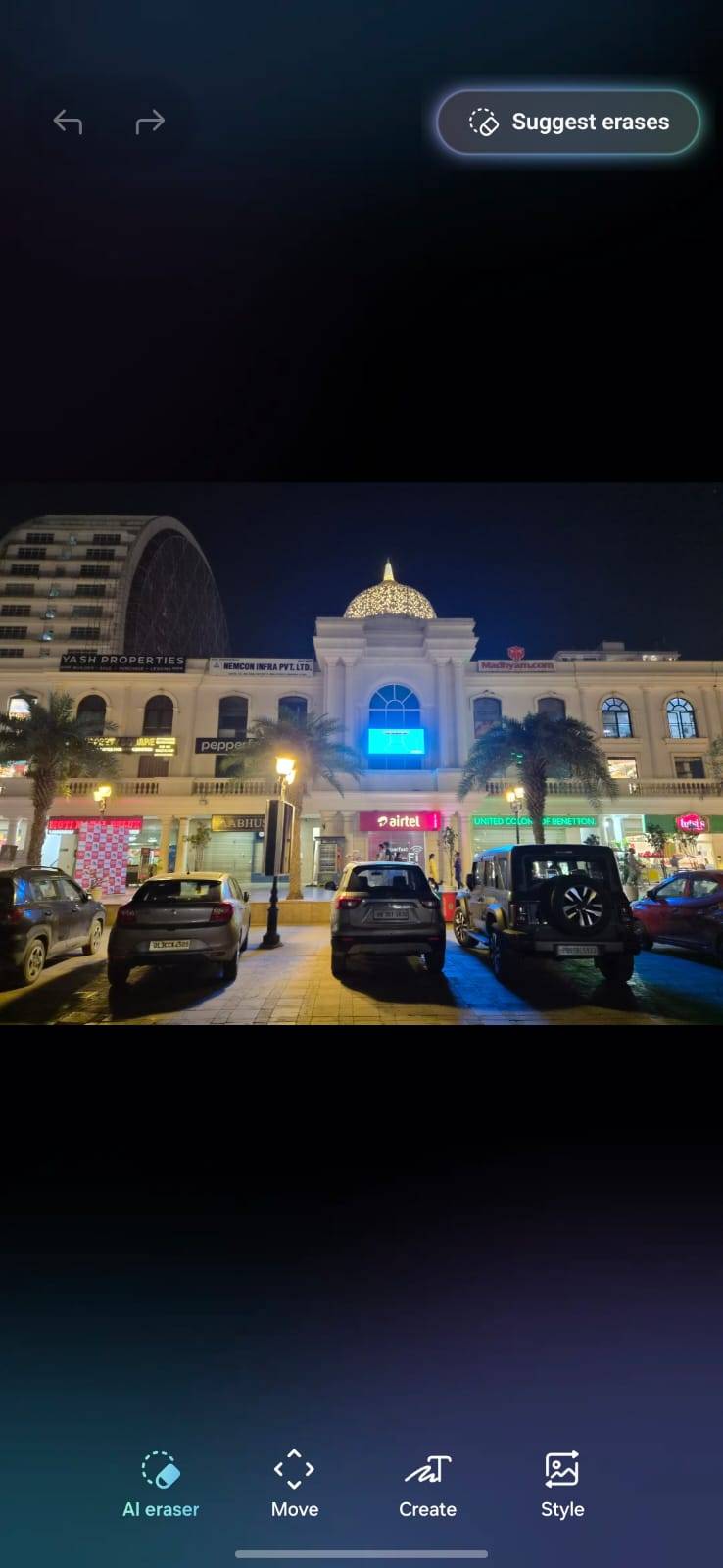
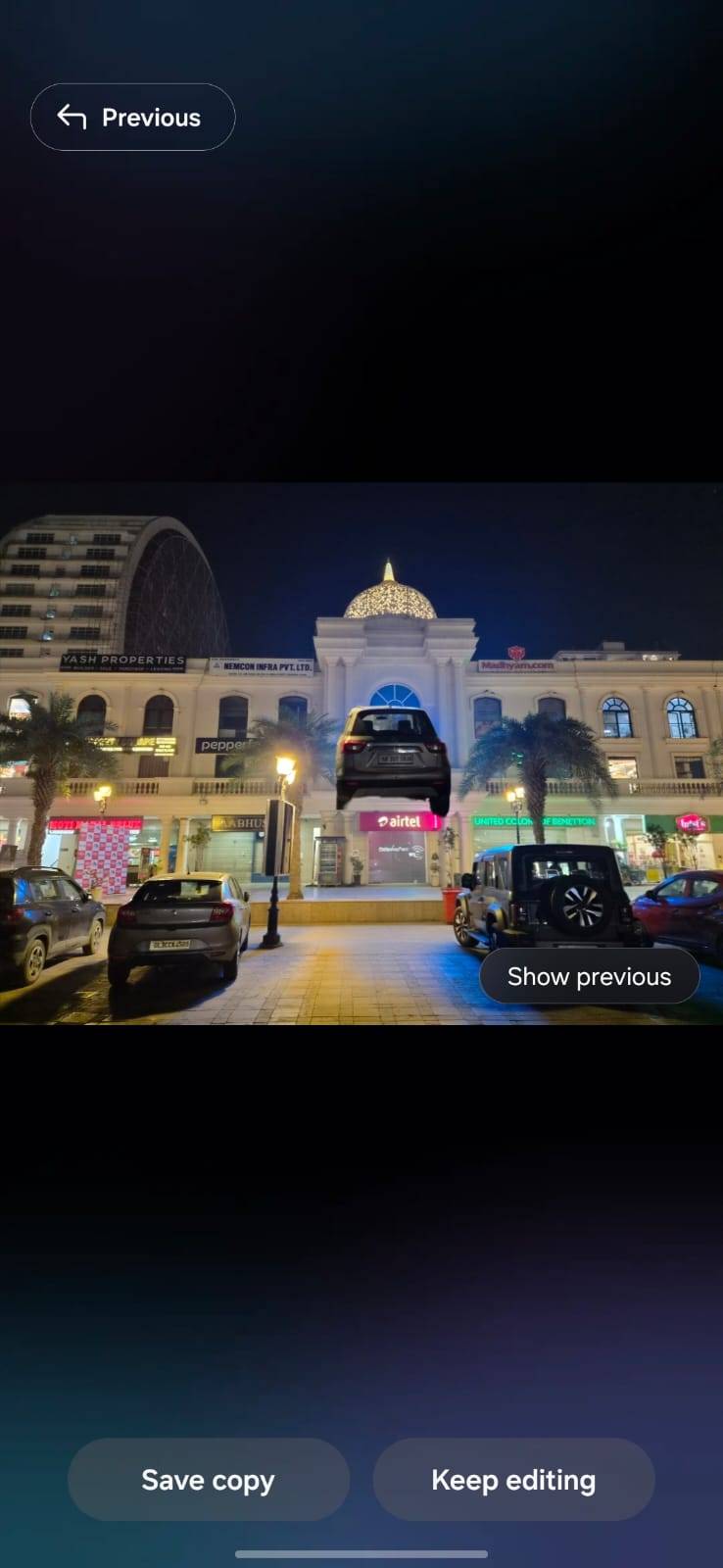
The edited images look remarkably natural, with better shadow handling, even in tricky low-light scenarios. Additionally, the tool now supports edits via text prompts, allowing you to completely transform images by adjusting the ambience, changing a subject’s clothing, or adding new elements to the scene. With a few more tweaks, the tool can achieve perfection.
Apart from this, users can take advantage of features like Audio Eraser, which works across YouTube, Netflix, and other streaming platforms to enhance voices in media. Circle to Search has also been improved, letting you search everything within an image rather than just a single element. Then there’s Now Brief, which provides a more detailed summary of your day across apps (with the necessary permissions).
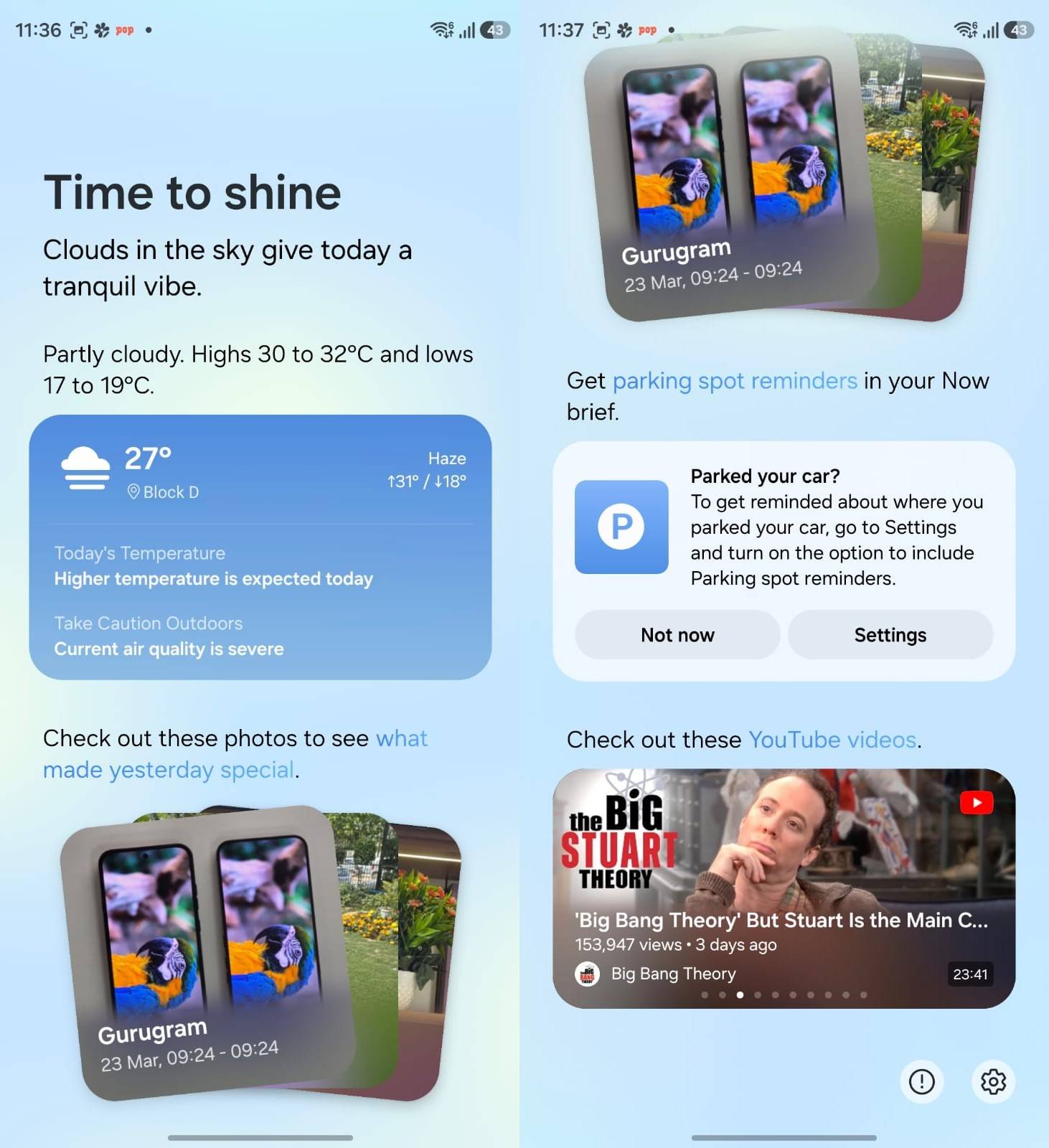
Samsung has also introduced Now Nudge, a feature that suggests relevant information based on what’s on your screen. I didn’t find many use cases for it, but if you plan a lot, it can come in handy. The feature delivers contextual suggestions by analysing your messages and conversations. For instance, prompting you to open the calendar when a date is mentioned or suggesting you book a reservation for the place, among other actions.
The AI-powered assistant, Bixby, has also received notable improvements, with a more integrated approach. Like Google Gemini, it can navigate system settings and even troubleshoot issues via voice commands. Bixby can also perform web searches and surface live information directly within the interface.
Polished, premium… and a bit wobbly
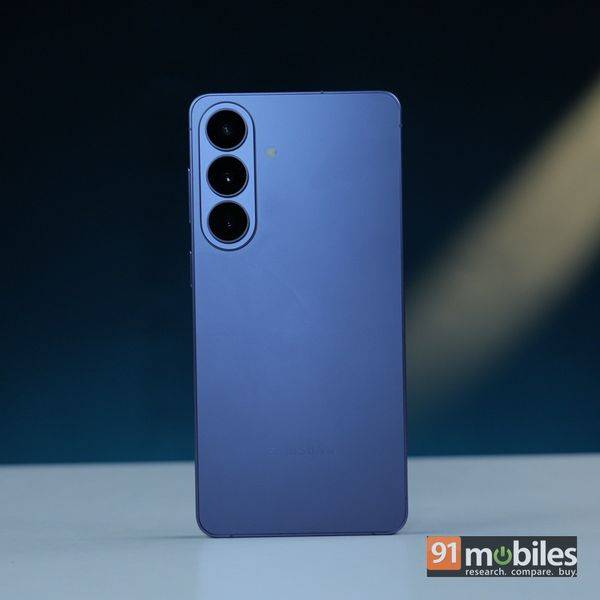
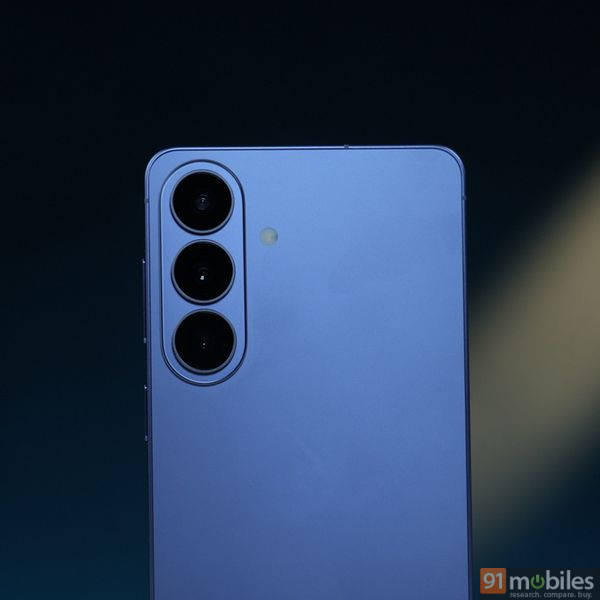
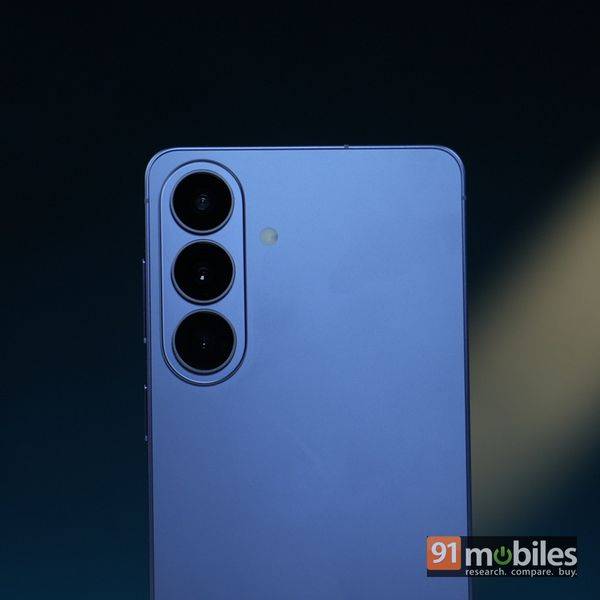
The Samsung Galaxy S26+ swaps the individual camera rings, first introduced in 2023, for a new pill-shaped camera module. That said, this tweak doesn’t really alter the phone’s overall character. It still feels familiar, retaining the matte glass back and flat-edged aluminium frame. The corners, however, aren’t as rounded as I’d prefer. Even so, at just 7.3mm thick, the handset remains comfortable to hold, without digging into your palm when you’re stretching to reach those far corners.
All that said, you’ll still want to slap on a case, not just to protect the phone from the occasional drop, but also to deal with the noticeable wobble, only to an extent. You would need a thick case to completely ward off the wobbliness. The new camera module protrudes quite a bit, and, combined with the raised lenses, it prevents the phone from sitting flat on a surface. As a result, even a light tap can send the phone rocking back and forth, so forget about typing or using it on a desk.
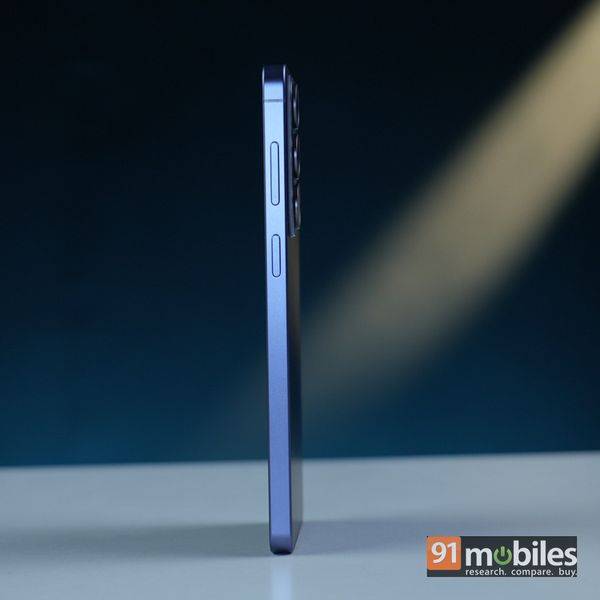
The Galaxy S26+ comes in Cobalt Violet, Sky Blue, Black, and White colour options. We received the handset in Cobalt Violet colourway for review, and it looks very polished, exuding a premium vibe. The handset measures 190 grams, making it lighter and more comfortable to carry than its rivals.
The S26+ carries an IP68 rating for water and dust resistance, alongside Corning Gorilla Glass Victus 2 protection on both the front and back. While it may not match some rivals that also offer an IP69 rating, the Samsung phone should handle everyday drops and accidental knocks more confidently.
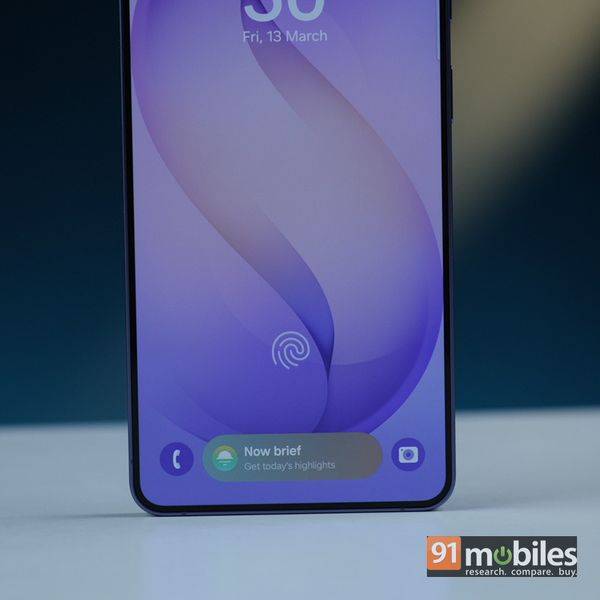
At the bottom, you’ll find a USB 4.0 Type-C port for charging and fast data transfers. For security, the smartphone features the highly acclaimed ultrasonic fingerprint scanner, which unlocks the phone quickly and with impressive accuracy.
Near-perfect display
The Samsung Galaxy S26+ sports a Dynamic AMOLED 2x LTPO display with QHD+ resolution, a centred punch-hole, razor-thin bezels, a 100 percent DCI-P3 colour gamut, up to a 120Hz refresh rate, HDR10+ support, and 2,600 nits of peak brightness. As impressive as these specs may sound, they are the same as those on the Samsung Galaxy S25 Plus. While the brightness remains sufficient across different scenarios, I wish Samsung had upgraded it to match other contemporaries in the segment, which now peak at around 4,500 nits.
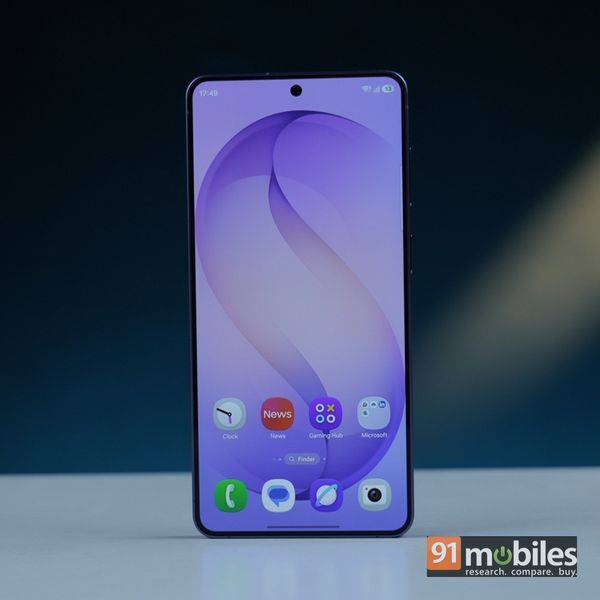
Other than that, there’s plenty to like here. The display remained punchy, vibrant, and smooth throughout my review, during which I consistently streamed movies and TV shows on YouTube, Netflix, and JioHostar, and even played games casually.
Familiar camera tuning, but strong competition
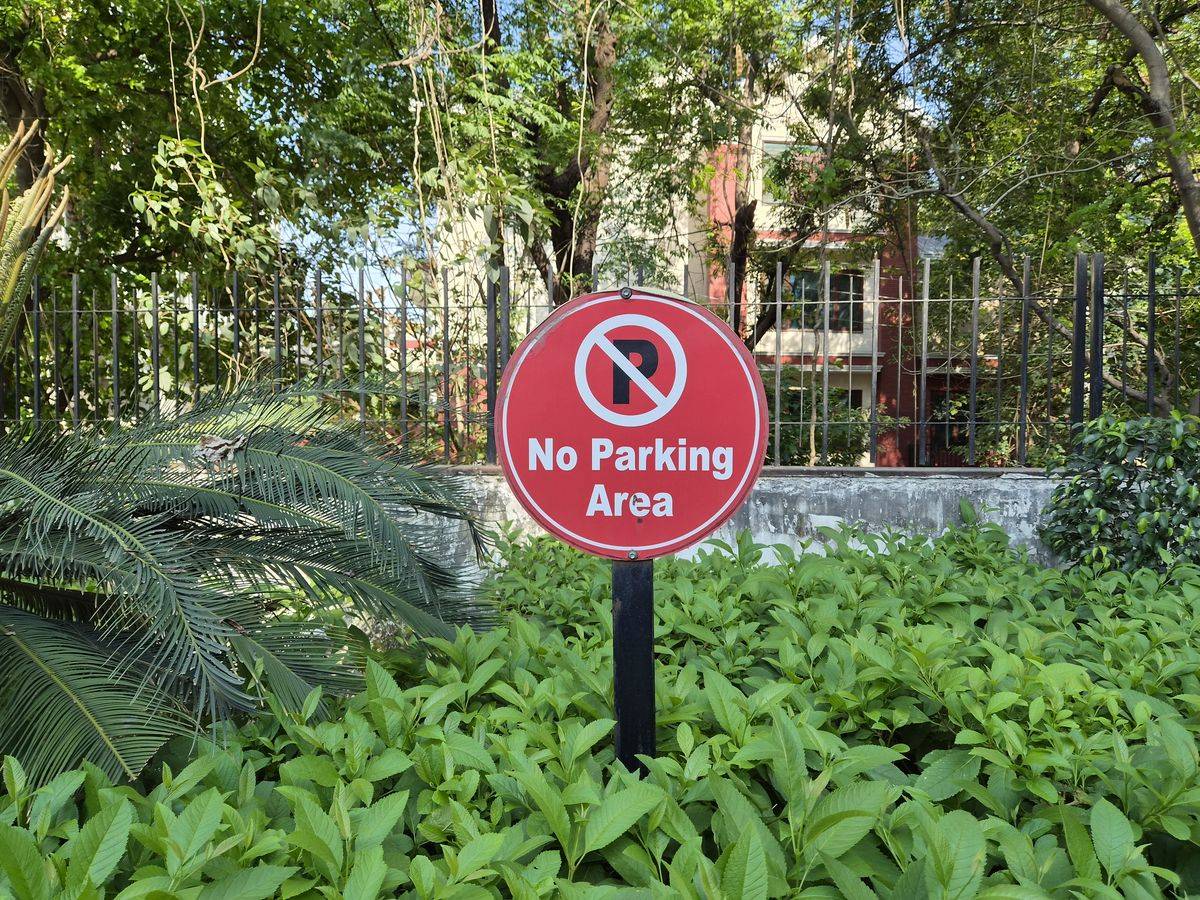
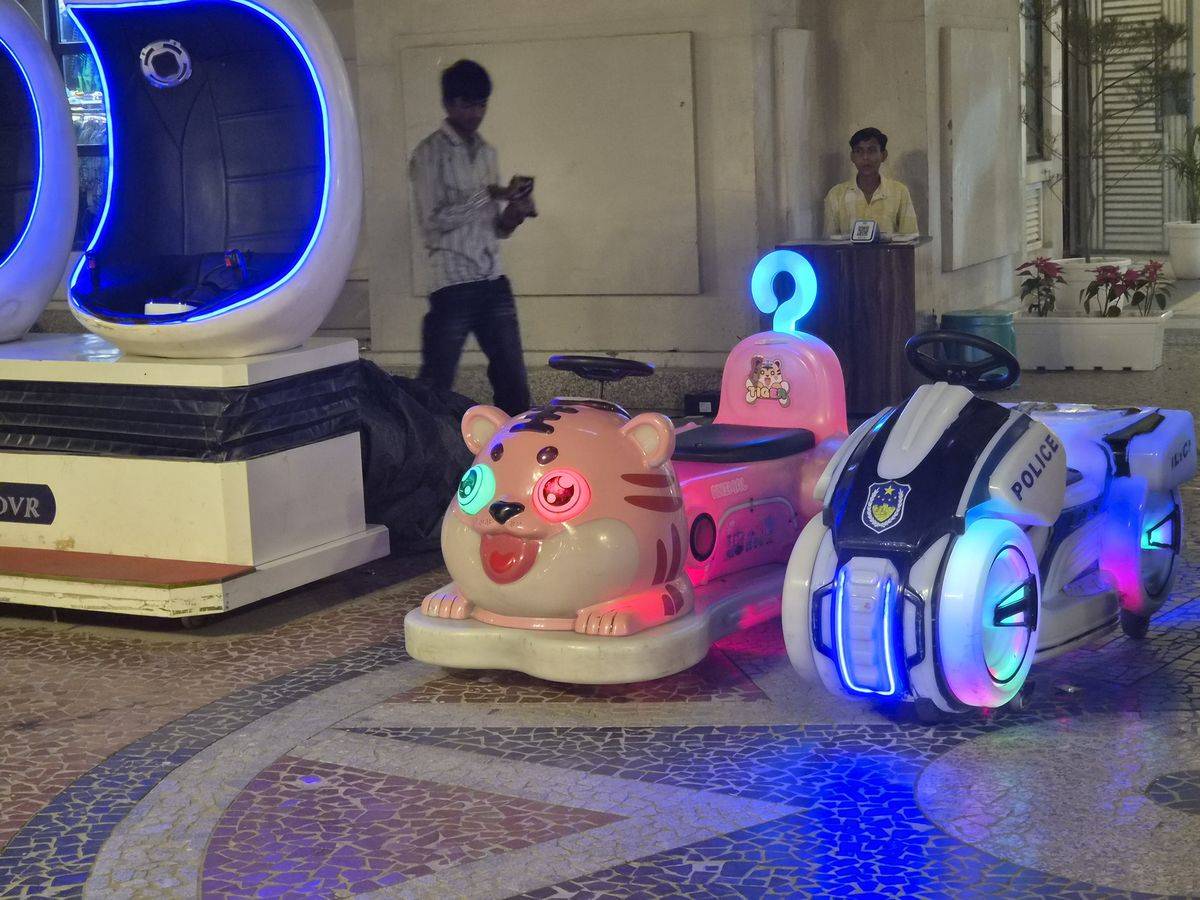
The Samsung Galaxy S26+ camera setup remains the same as its predecessor. The handset sports a triple-camera setup, comprising a 50MP f/1.8 OIS primary sensor, a 10MP OIS 3x telephoto lens, and a 12MP f/2.2 120-degree FOV ultrawide unit. The front camera is a 12MP f/2.2 sensor for selfies and video calling in the punch-hole setup. The phone offers up to 8K video recording at 30 fps from its rear cameras, while the front camera supports 4K video at 60 fps.

























































Unchanged battery life
The similarity between the Samsung Galaxy S26+ and S25+ extends to the battery as well. The latest S-series model packs a 4,900mAh cell, paired with up to 45W wired fast charging and 20W wireless charging. On paper, those figures lag behind several rivals, many of which now push towards 7,000mAh capacities using newer silicon-carbon battery technology, along with significantly faster wired charging speeds that can reach up to 90W.
However, it seems Samsung has done well to optimise the battery life to match the endurance level of its rivals – at least on the PCMark battery test. The S26+ scores 16 hours and 46 minutes on the synthetic benchmark test, which is on par with the Vivo X300 Pro and OPPO X9 Pro. The video streaming and gaming tests, on the other hand, had a slightly higher consumption during our internal tests, with the battery dropping by 24 percent overall.
All that doesn’t mean the Samsung Galaxy S26+ won’t last a full day. The 4,900mAh battery is built to handle system apps, and some Galaxy AI features last all day and then some. With regular use, one can expect the smartphone to last an entire day between charges. I was getting approximately 5 hours of screen time while browsing, streaming, multitasking, navigating, editing photos, and casual gaming. Slightly extensive usage, like shooting a 4K video and then editing it, might require a quick charge.
Speaking of charging, as with Samsung smartphones, one will have to purchase a compatible PD charger separately. The one we used with a maximum output of over 45W took about an hour to juice up the device from 20 to 100 percent. While respectable, the charging speeds are relatively on the slower side. Moreover, it seems Samsung has missed a trick by not adopting Qi2 wireless charging, which would have conveniently and efficiently enabled charging the S26+ via a magnetic dock.
Final verdict
The Samsung Galaxy S26+, much like its rivals in this segment, isn’t a true all-rounder. It shines in certain areas, but there are a few aspects where it falls short.
- Starting with the drawbacks, the phone offers a capable and reliable camera system that performs well across most scenarios. But, it loses its edge when compared against the more camera-focused flagships, especially the Vivo X300 Pro.
- The S26+ could have also taken its battery life from good to the best. While it comfortably delivers a full day of usage, it doesn’t quite match the endurance levels set by competitors, which leverage newer silicon-carbon battery technology alongside faster charging speeds.
- With better heat management, the S26+ could have positioned itself as a more appealing choice for power users.
Despite these considerations, the Galaxy S26+ remains a dependable flagship, especially for those invested in Samsung’s ecosystem or upgrading from devices like the Samsung Galaxy S24 or older.
- The Exynos 2600 SoC under the hood delivers consistent and capable performance, even outpacing rivals such as the Google Pixel 10 Pro XL and iPhone 17 Plus in certain benchmarks, ensuring a smooth day-to-day experience.
- Beyond raw performance, Samsung’s long-term software commitment and suite of AI features add meaningful value. These not only extend the device’s longevity but also enhance everyday usability, making the overall experience more intuitive and productive.
- Finally, the display remains a standout. While it may miss out on some of the more specialised features seen on the Samsung Galaxy S26 Ultra, the S26+ still offers an excellent AMOLED panel with vibrant colours, sharp visuals, and a fluid refresh rate—reinforcing Samsung’s reputation for top-tier viewing experiences.
Editor’s rating: 8.5/10
Reasons to buy
- Smooth and reliable flagship performance
- Excellent AMOLED display with vibrant colours and fluid refresh rate
- Clean, polished One UI experience with useful AI features
- Premium design with solid build quality.
Reasons not to buy
- Extensive use can trigger thermals, which may lead to performance throttling.
- Charging this requires an additional charger if you don’t have a compatible 45W brick.