The Samsung Galaxy Z Fold7’s successor sure has some big shoes to fill


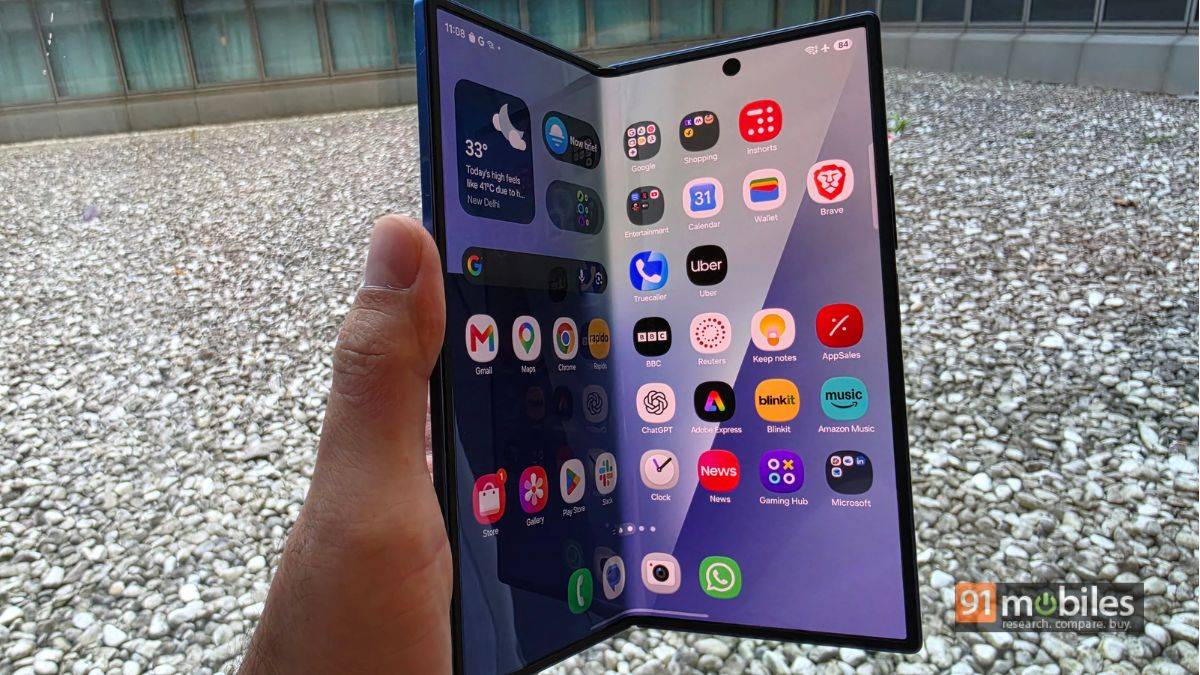
When foldables first appeared on the scene, I used to get goose pimples each time I picked up one. Touted by one and all as the future of smartphones at the time, these devices have evolved significantly since then. The first name that really comes to mind when talking about foldable smartphones is Samsung, because let’s face it — no other brand has focused so intently on this segment, especially from an India perspective. With each new model, Samsung brought improvements and tweaks. Sometimes big, sometimes small, but each change was meaningful, designed to improve the user experience. Tweaking, polishing, changing, improving, enhancing, cleaning, modifying, and then polishing again, to a point where I think it delivered a foldable that comes across as a really compelling device, one that I can really use as my daily driver. I’m referring to the Galaxy Z Fold7 (review), a foldable that shows how far this segment has come.


Table of Contents
The engineering
I remember how durability used to be a concern with foldables, but I’d say that despite their shortcomings, those early devices were engineering marvels. Sure, they were bulky and needed to be handled with kid gloves, but the tech that went into them was quite amazing. Fast forward to today, and thanks to some solid behind-the-scenes work, the Galaxy Z Fold7 comes across as a really mature device that’s ready to take on the rigours of daily use. The hinge and the folding screen are a couple of the aspects that have really defined the progress for foldables, I think, along with the chassis, and Samsung seems to have worked hard to show noticeable improvements with each successive iteration in all of these.

The Z Fold7’s Armor FlexHinge for example, is thinner and lighter than before, uses a new multi-rail structure that reduces the crease and helps make the phone more durable too. The cover display uses Gorilla Glass Ceramic 2, while the frame and hinge utilise Advanced Armor Aluminium for added strength. When it comes to the chassis, the Z Fold7 is 8.9mm thick when folded, and a mere 4.2mm when open — that’s super svelte. And at 215 grams, the weight is quite manageable too. And all of these things aid usability… by making the phone easier to wield, and adding to peace of mind. That’s the real benefit of all that engineering.

I said this in my review, and I’ll say it again now. The Z Fold7’s beauty is that it feels like a regular phone when folded, and that means there’s none of that bulk usually associated with foldables. And when you need a bigger window into your stuff, all you need to do is to unfold it.
The softer side

While I am referring to the software as the softer side, it doesn’t mean it doesn’t have an important role to play in the bigger scheme of things. Quite the opposite, in fact. There are just too many things and features to talk about here, but I’ll keep things simple. First, the base — One UI. While it does come with a fair share of preloaded apps, the simple and intuitive interface and the customisability work in its favour. There are special features that make use of the large screen and help with multitasking. For example, you can drag and drop content in Multi Window mode. Then there’s the AI goodness Samsung has infused, upping the ante with each new refresh. Samsung phones are usually the first ones to get new AI goodies from Google, and features like Circle to Search, Gemini Live, etc, have proved to be quite useful. I find Now Brief quite useful, as it keeps surfacing useful info throughout the day.
The core

A true flagship should offer flagship specs, and there are no nasty surprises in this regard. The Z Fold7 is a loaded one in this aspect, and it expectedly gets the most high-end SoC from Qualcomm, the Snapdragon 8 Elite Gen 5. A device that focuses on productivity can’t afford slowdowns, whether one is using multiple apps together, juggling between work emails and long documents, running AI workloads, or getting some leisure time with streaming apps, and the chipset delivers smooth performance throughout. The battery life might not be its strongest suit, but the Galaxy Z Fold7 can last about a day with light usage. Foldables aren’t known for their camera, but the Z Fold7 doesn’t really disappoint in that department.
To sum it up

With the ultimate aim of having a single device being able to do it all, a book-style foldable’s magic lies in what you can do with it when it’s folded and when it’s open. The Galaxy Z Fold7’s dual personality works in its favour, as it delivers on both sides. When closed, it’s a regular, albeit powerful flagship that works for most use cases. And unfolding it opens a larger window into your apps, allowing you to work and play on a larger display that treads on tablet territory. Features like DeX even aim to displace laptops, but that’s a story for another day. In my own usage, I find the Galaxy Z Fold7 a solid companion while commuting, to be able to read or edit large documents on the go, and even at night when I read some news or articles before I head to slumberland.
The Z Fold7 is still a solid foldable phone, if you’re looking to buy one right now. But with its successor just around the corner, you might want to wait and see what’s on offer before pulling the trigger. I can’t wait to see what Samsung does next. And with another model with a new form factor expected, the foldable smartphone space continues to generate waves. Tomorrow is a new day.