


Review Summary
Expert Rating
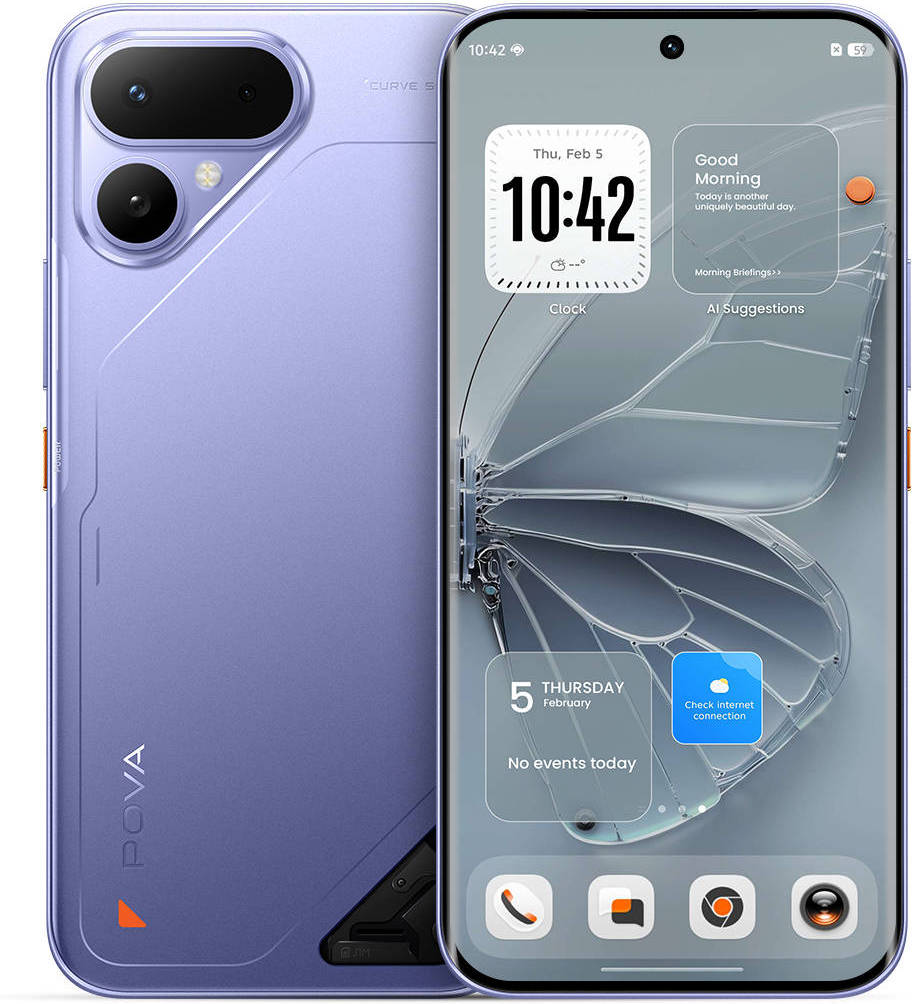
Bigger batteries seem to be the rage in 2026, and the new Tecno POVA Curve 2 looks like a direct result of that trend. The phone’s key pillars include a massive 8,000mAh battery, a super-thin 7.42mm profile, and strong network connectivity. It also sits within a very competitive price bracket, starting at Rs 27,999 for the base 8GB + 128GB variant. That puts it up against some tough contenders, most notably the Realme P4 Power (review), which packs an even bigger battery.
In this review, I’ll cover the phone’s day-to-day performance and whether it delivers enough value at its price point.
Table of Contents
Exceptionally thin, quirky design
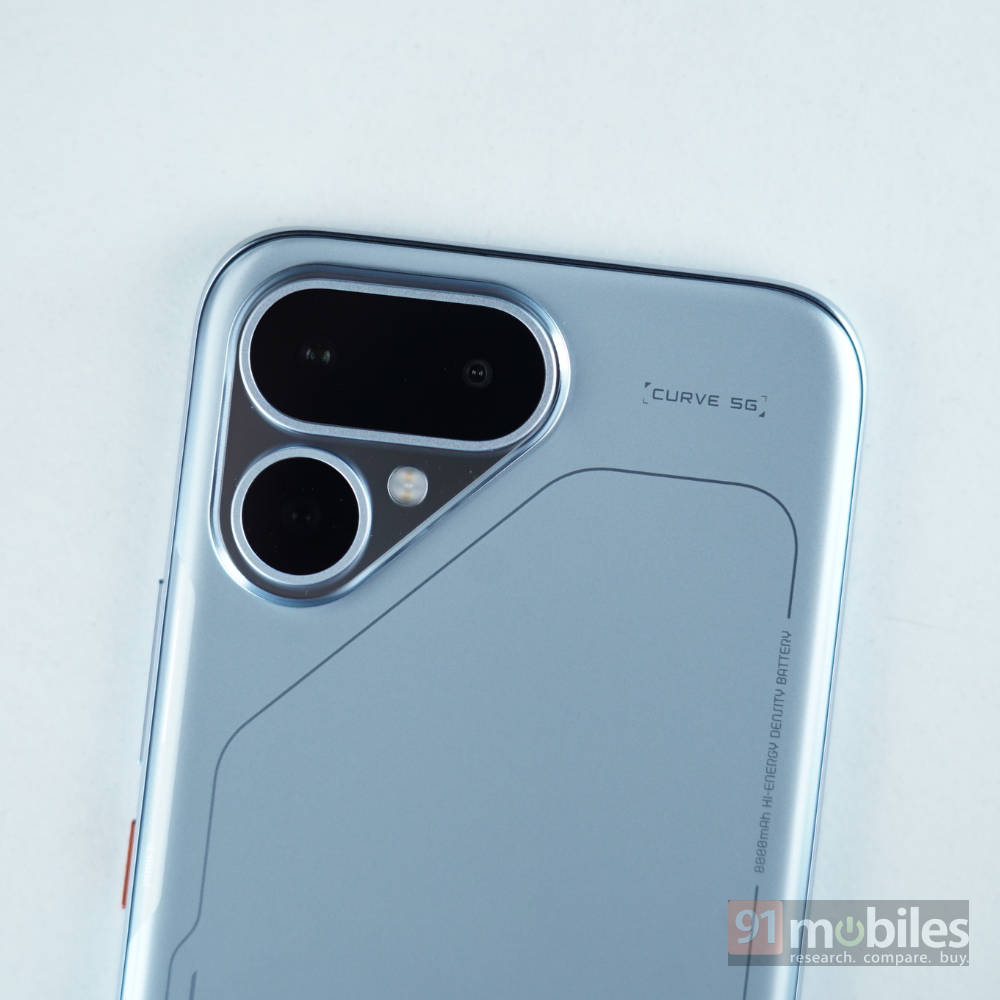
I’ve always loved Tecno’s design philosophy, and the POVA series continues to substantiate that with every new release. The POVA Curve 2 has an incredible build for a phone packing such a large battery. Its curved panels and corners make it extremely comfortable to hold, and at 195 grams, the balance is spot on, adding to the overall comfort.
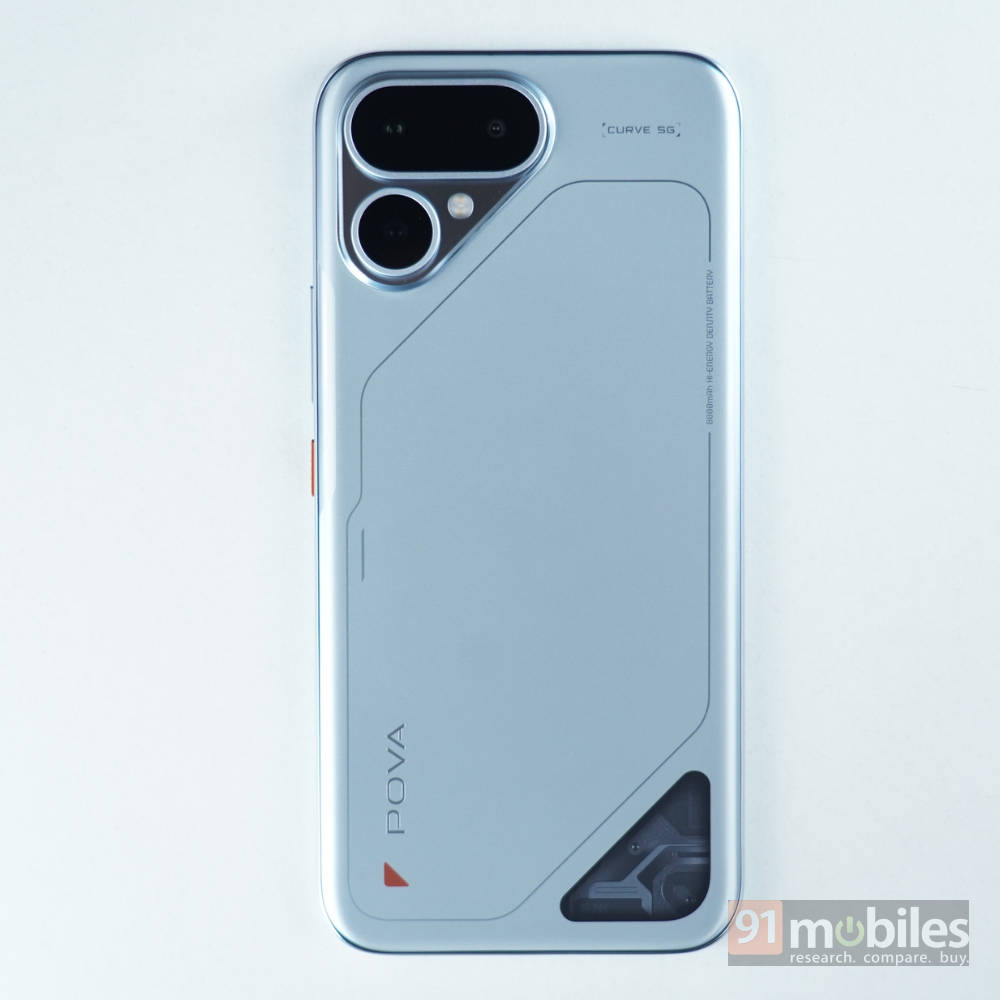
The rear panel has a matte finish and a distinct starship-inspired vibe. The camera island is a triangular housing on the left side of the device, which stands out in a sea of square and rectangular camera modules. Towards the bottom-right sits an etched image of the SIM tray, while an outline runs around the perimeter of the rear panel to highlight the battery dimensions.
| Smartphone | Thickness | Weight | IP Rating |
| Tecno Pova Curve 2 | 7.42 mm | 195 grams | IP64 |
| realme P4 Power | 9.08 mm | 219 grams | IP68 |
| Xiaomi Redmi Note 15 Pro | 7.78 mm | 210.6 grams | IP68 +IP66 +IP69K +IP69 |
The phone comes in three colour variants: Mystic Purple, Melting Silver and Storm Titanium. I got the Silver variant for review, which I personally like a lot. The device carries an IP64 dust and water resistance rating, which is somewhat on the lower end for the segment, given that IP68 and IP69 ratings have become pretty commonplace now.
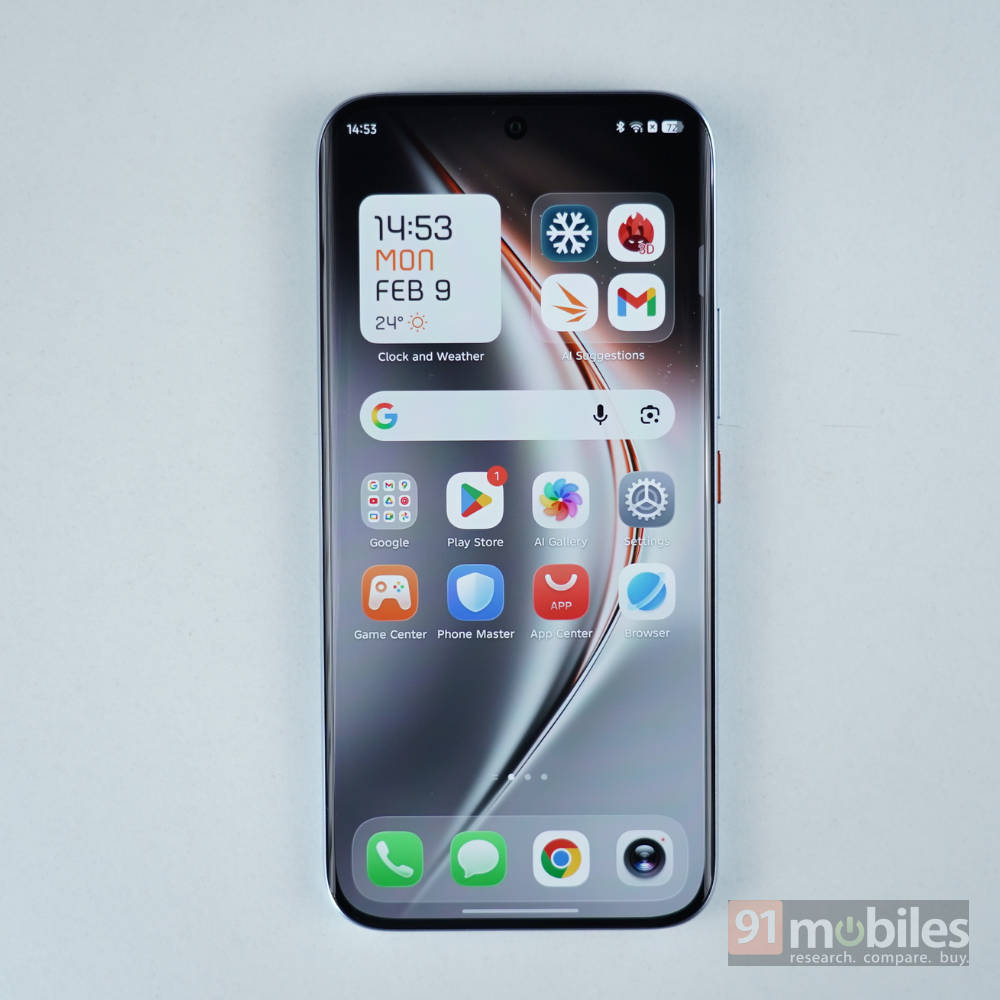
Up front, you get a 6.78-inch curved AMOLED panel with a 144Hz refresh rate and a peak brightness of 4,500 nits. The display offers an immersive viewing experience thanks to its curved nature, with bright, vibrant visuals and excellent viewing angles.
The overall multimedia experience is a bit lacklustre, due to the single mono speaker at the bottom. The sound output is decently loud but feels dull and lacks depth, making headphones or earbuds somewhat of a necessity for content consumption. The panel is protected by Gorilla Glass 7i, which offers a decent level of protection against drops and damage.
Stellar battery life and decent charging speed
The key highlight of this device is its massive 8,000mAh cell, and it does live up to its potential. The phone easily lasts 2 days for me with an average SOT of 4 hours a day. Granted, the battery falls to the low 10s by the end of the second day, but still, that is a pretty impressive performance.



Quite surprisingly, its PCMark battery benchmark result wasn’t really good, and it is below even some phones with smaller capacities.
| Smartphone | Battery Capacity | Charging Support | Charging time (20% to 100% ) |
| Tecno Pova Curve 2 | 8000 mAh | 45W Fast Charging | 1h 5m |
| realme P4 Power | 10001 mAh | 80W Ultra Charging | 1h 20m |
| Xiaomi Redmi Note 15 Pro | 6580 mAh | 45W Fast Charging | 58m |
I expected the charging speed of the device to be a bit lower, given the size, but was pleasantly surprised. The bundled 45W charger takes this device from 20-100 percent in just about an hour, which is mighty impressive. The device performs fully on the battery front, and you can rest assured you’ll never run out of juice or be caught off guard.
Average performance for the price
The POVA Curve 2 is powered by the MediaTek Dimensity 7100 paired with 8GB of RAM and up to 256GB of storage. It gets the job done for casual, everyday use. Browsing, social media, and light multitasking all run fine, but push the phone a little harder, and the cracks start to show. There are some micro-stutters in day-to-day use, and the phone can feel a little sluggish overall, which is hard to ignore at this price point.
The benchmark numbers reflect this fairly accurately. The Realme P4 Power and several others in the segment pack more capable chipsets, and even the POVA Curve 2’s own predecessor, the POVA Curve 5G (review), came with the more powerful Dimensity 7300.
Gaming performance, however, tells a different story. Despite the modest chipset, the POVA Curve 2 holds up quite well in popular titles. Both COD: Mobile and BGMI deliver smooth, enjoyable gameplay, and the average temperature rise stayed below 5 degrees over roughly an hour of testing, which is pretty impressive thermal management.
It seems Tecno has done a good job optimising the software for gaming, squeezing out more than what the raw specs would have you expect.
On the connectivity front, things look more promising. The phone supports 5G across 20 frequency bands, backed by Tecno’s Triple Chipset Signal Enhanced System that combines the G1 signal chipset, SEI Wi-Fi chipset, and the CPU to promise lower network latency and better upload speeds. Since NCR has great network coverage in general, I couldn’t really stress test this in any meaningful way.
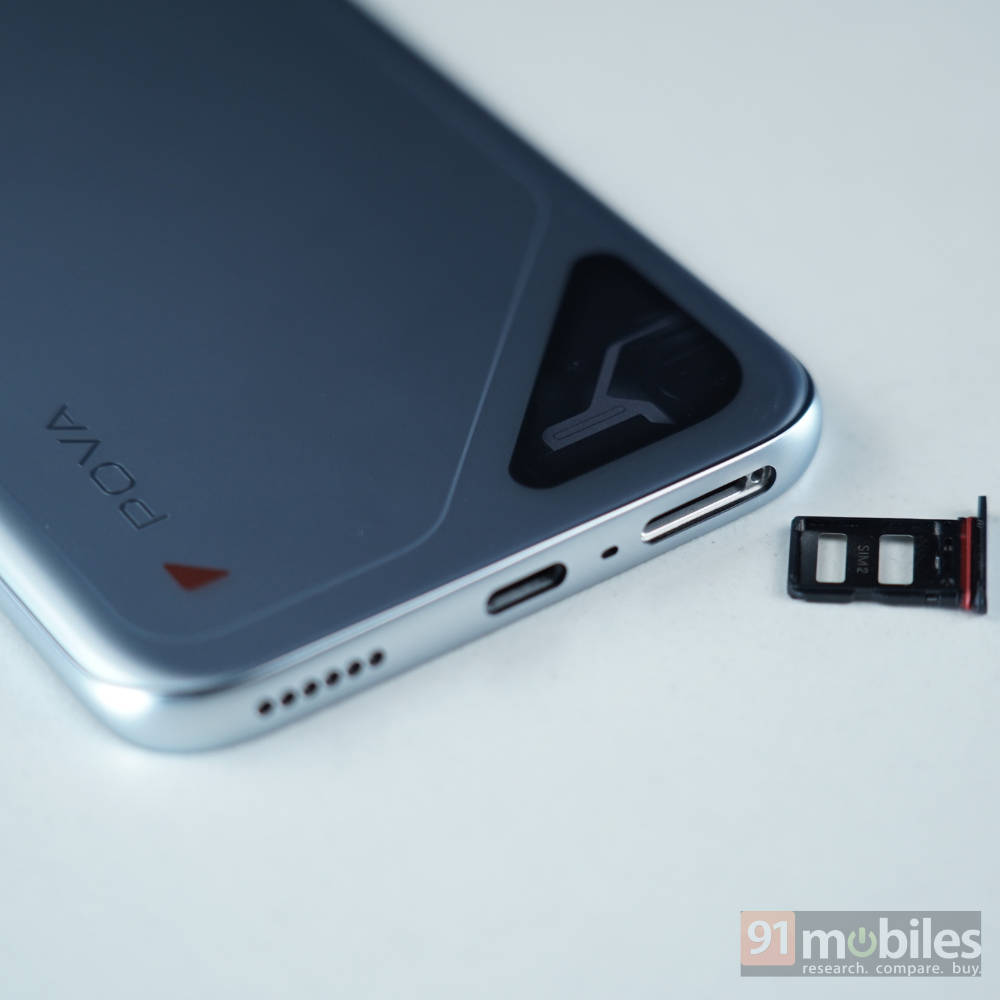
One feature worth calling out is FreeLink, which lets you make and receive calls up to 2km away with no network signal whatsoever. It is a pretty useful addition for remote areas or emergencies.
A middling camera setup
The Tecno POVA Curve 2’s camera system includes a 50MP sensor paired with an auxiliary lens and a 13MP selfie camera up front. Now, given the price point, the cameras are one of the phone’s weaker aspects. The primary camera lacks OIS support, and there’s no ultrawide lens either.
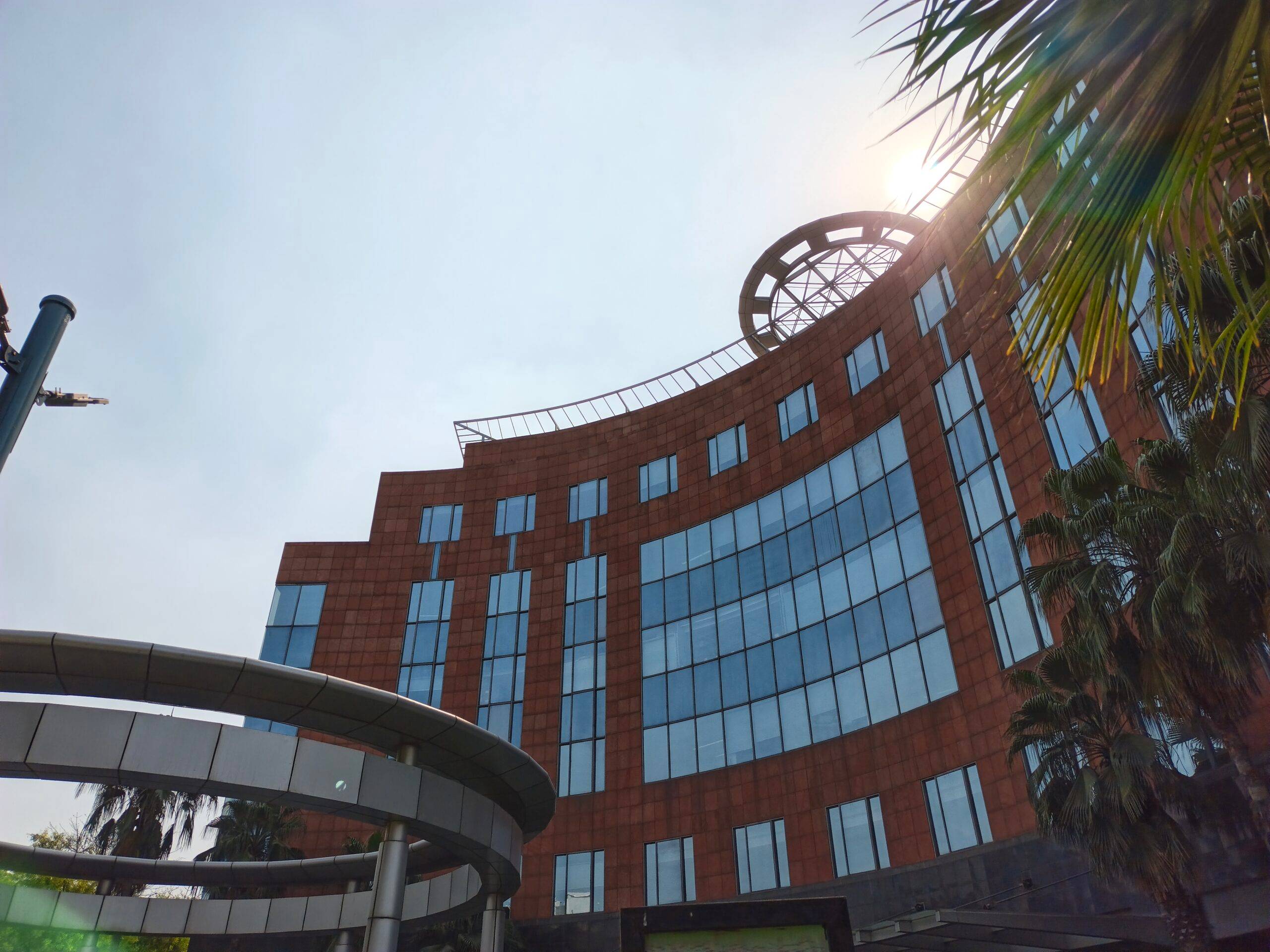
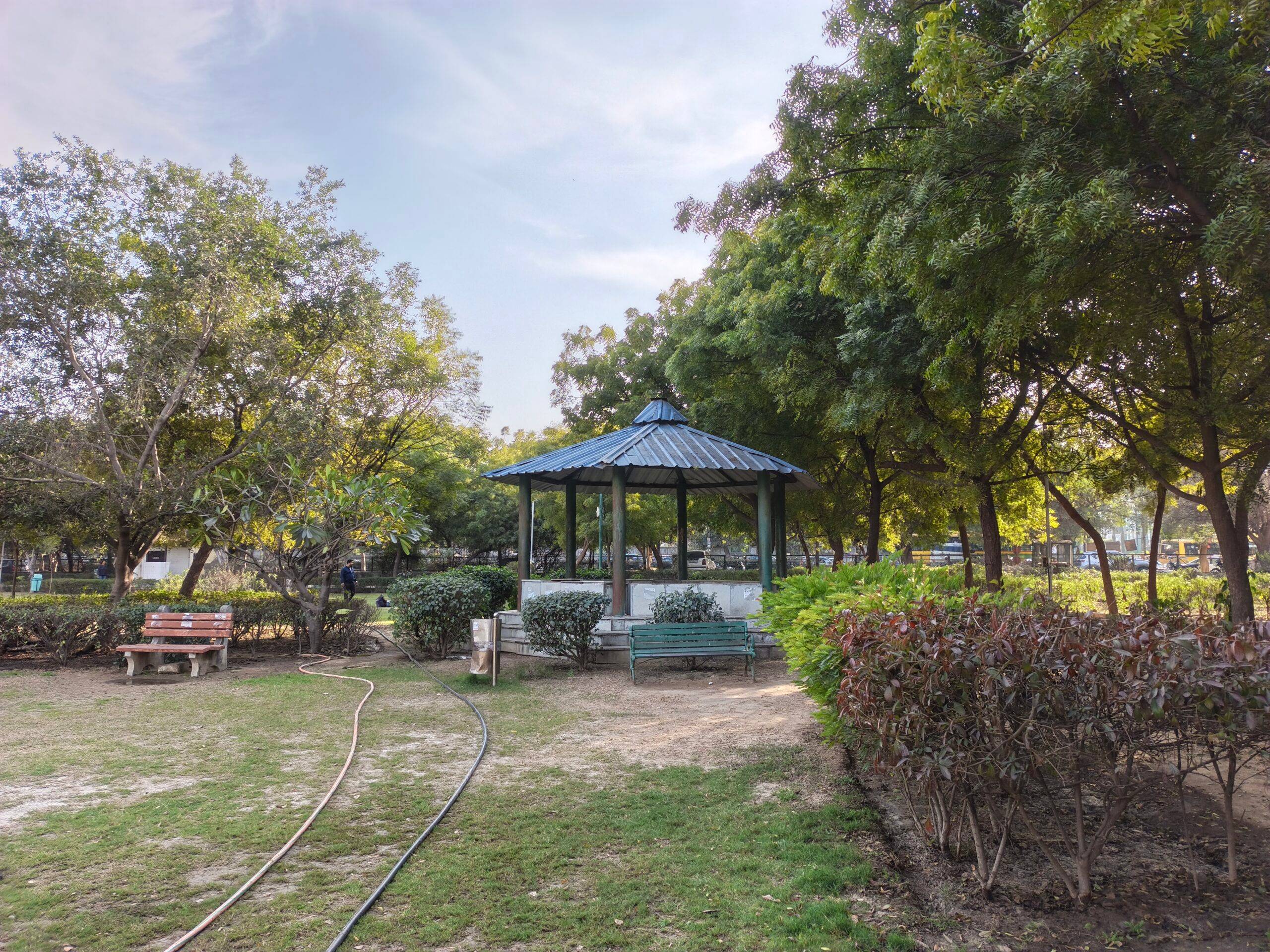
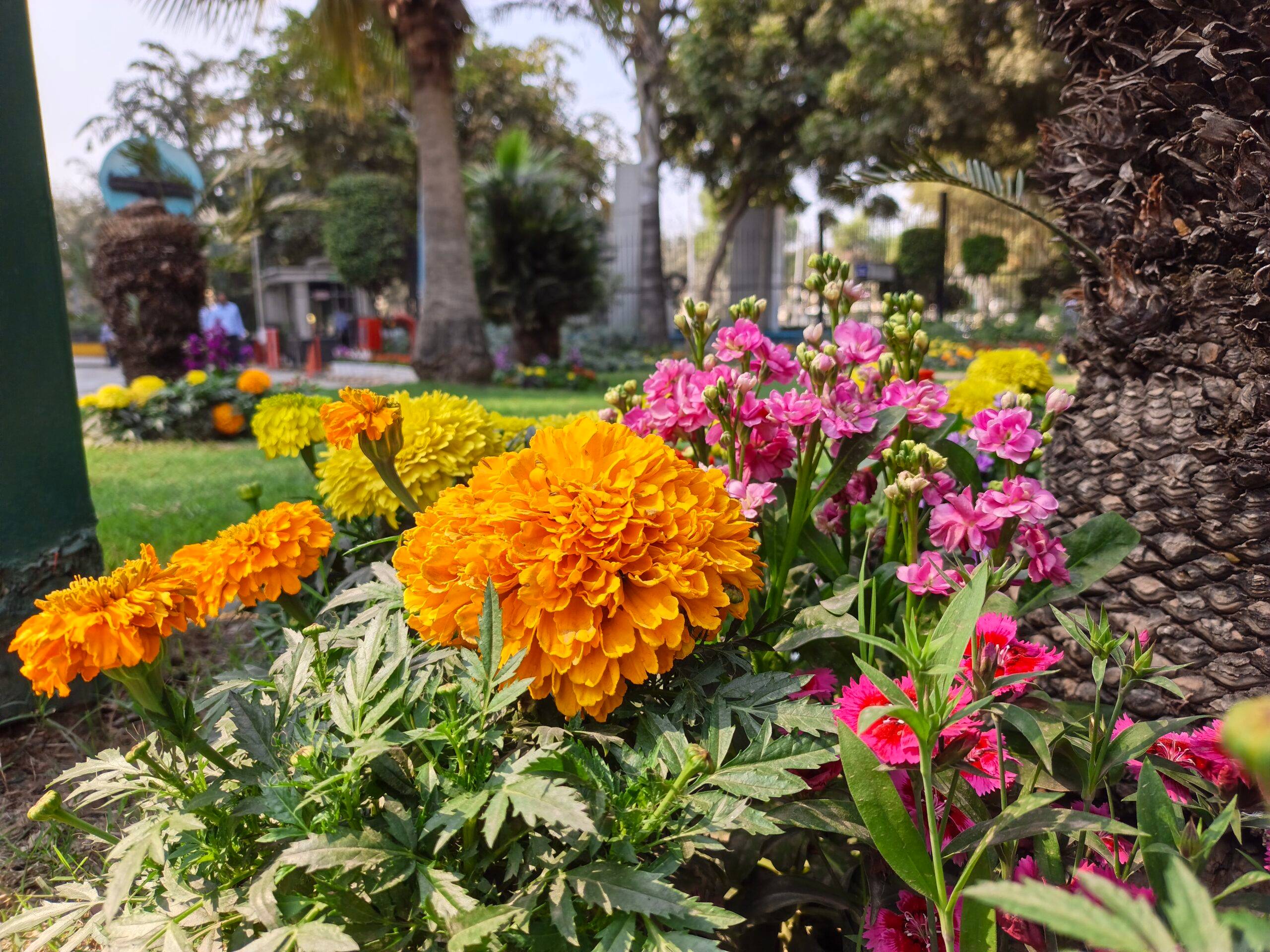
In daylight, the primary camera performs pretty well, actually, particularly when it comes to colours. The images are rendered quite naturally, and the hues are kept very close to the actual scene. However, in terms of detail level, the phone can sometimes soften the textures up. This problem is even more pronounced in low-light conditions, where the phone fails to properly secure the details.
The selfie lens performs pretty well overall in daylight. The colours are good, and the subject’s facial details are captured quite well in general. In low light, the selfie camera softens images and can often lose a ton of detail.

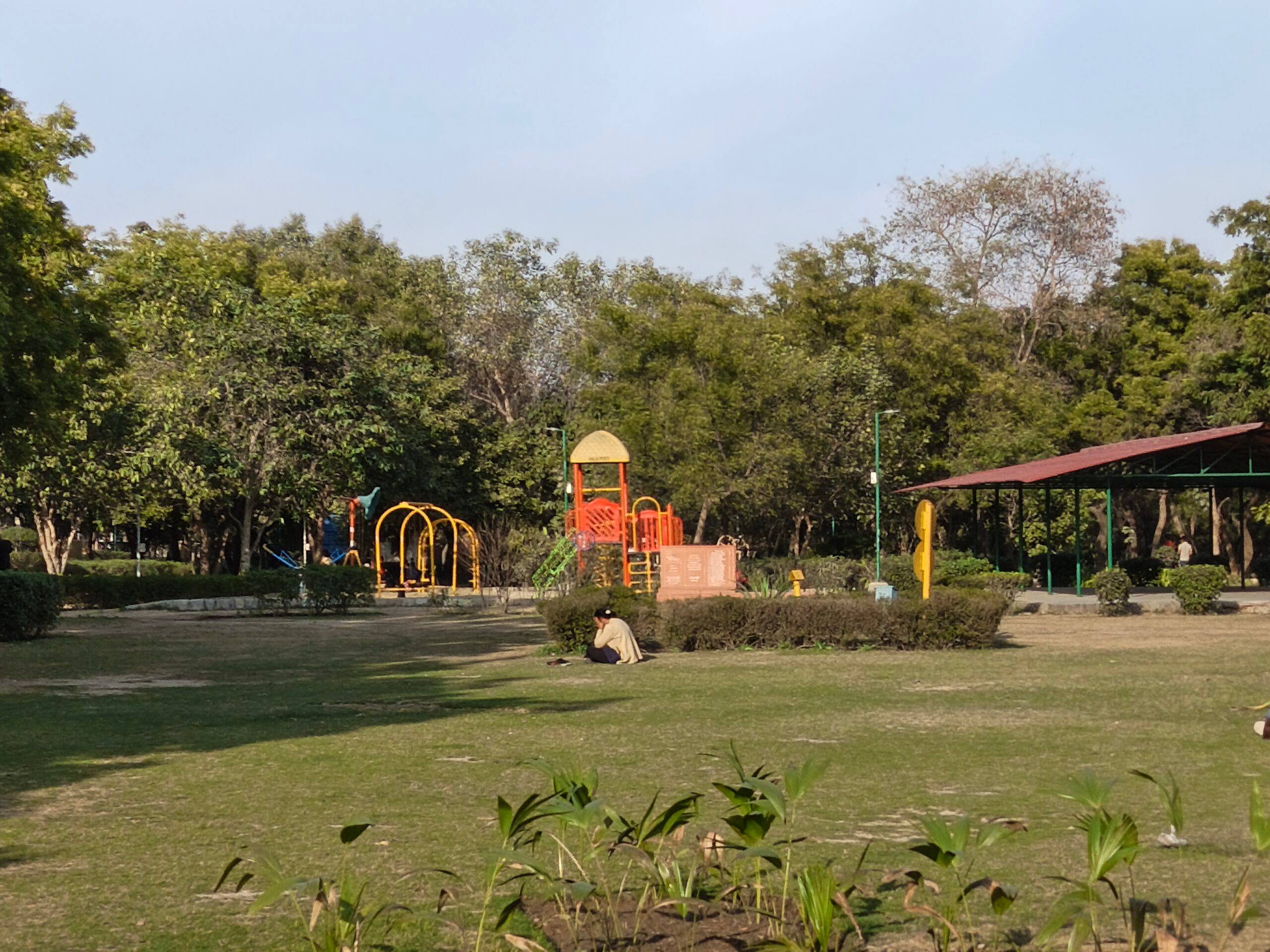
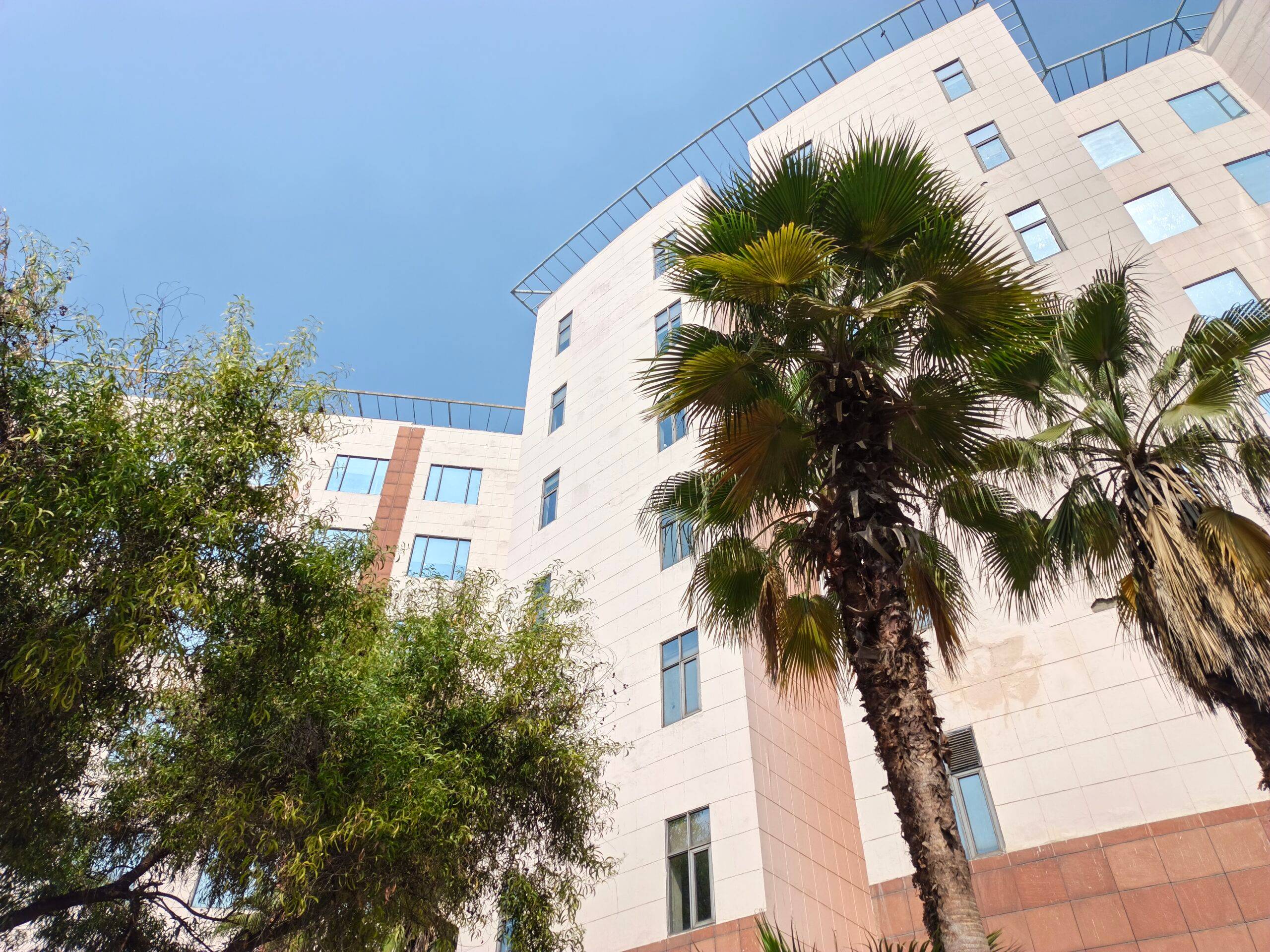
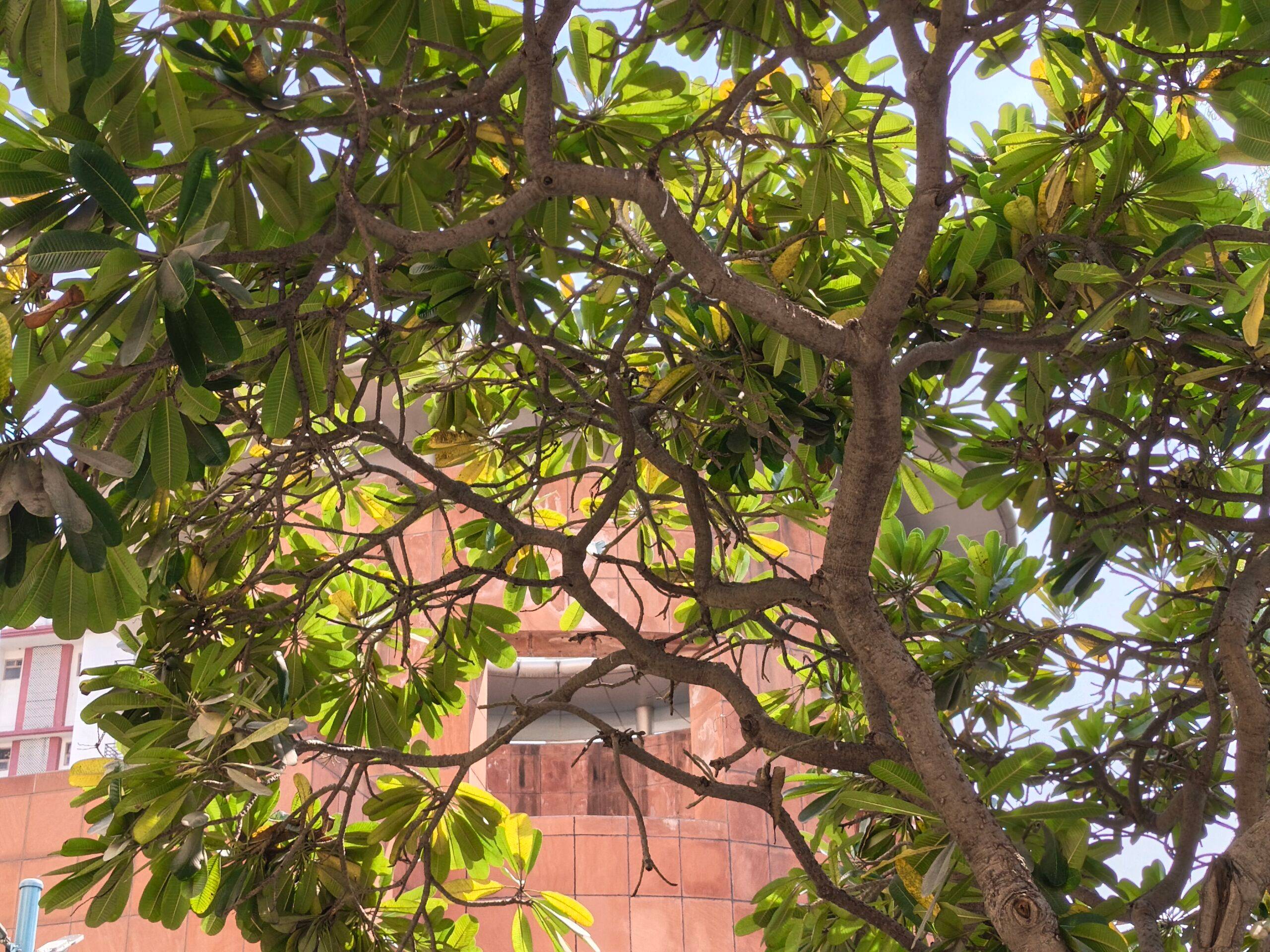
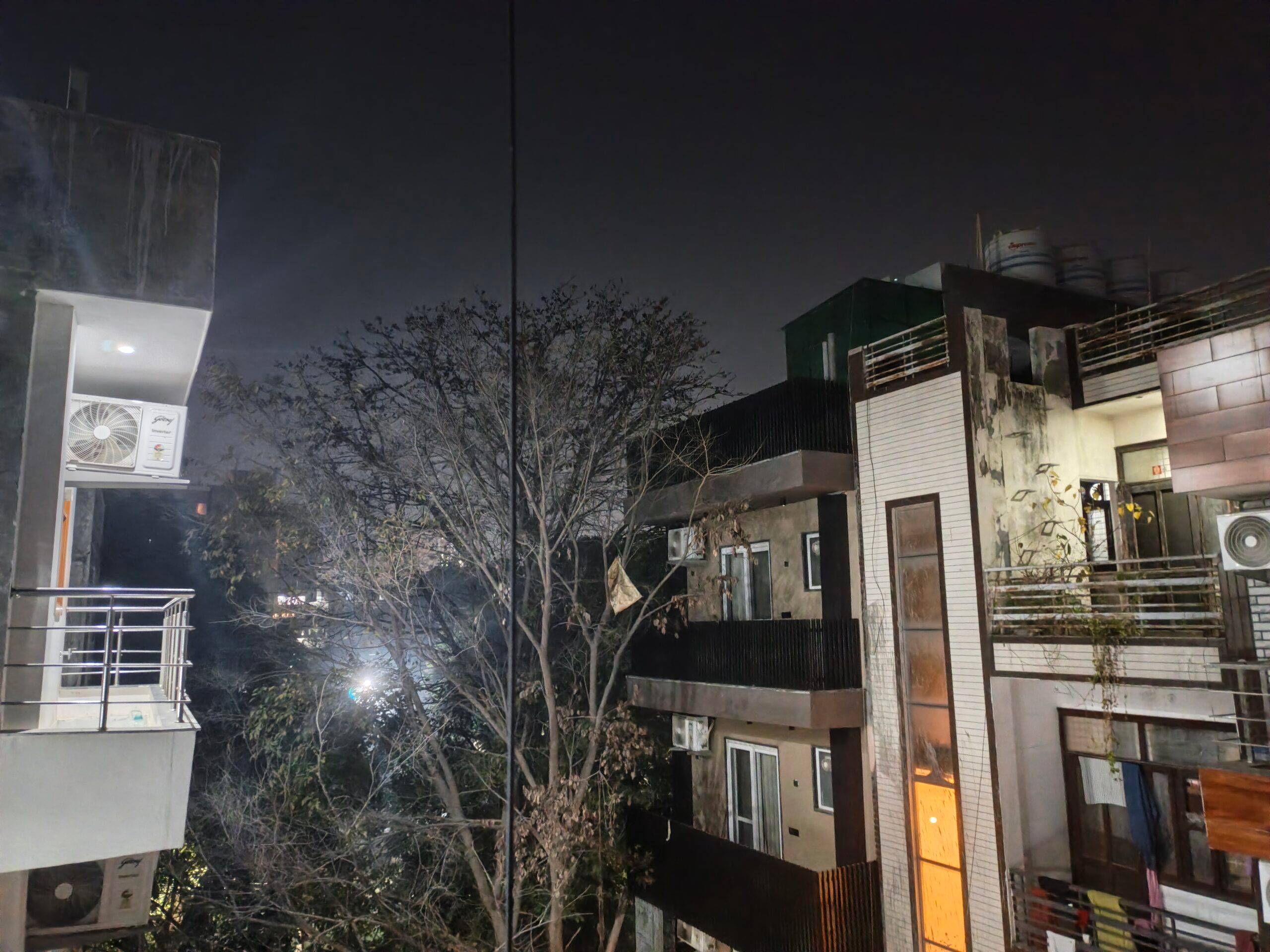
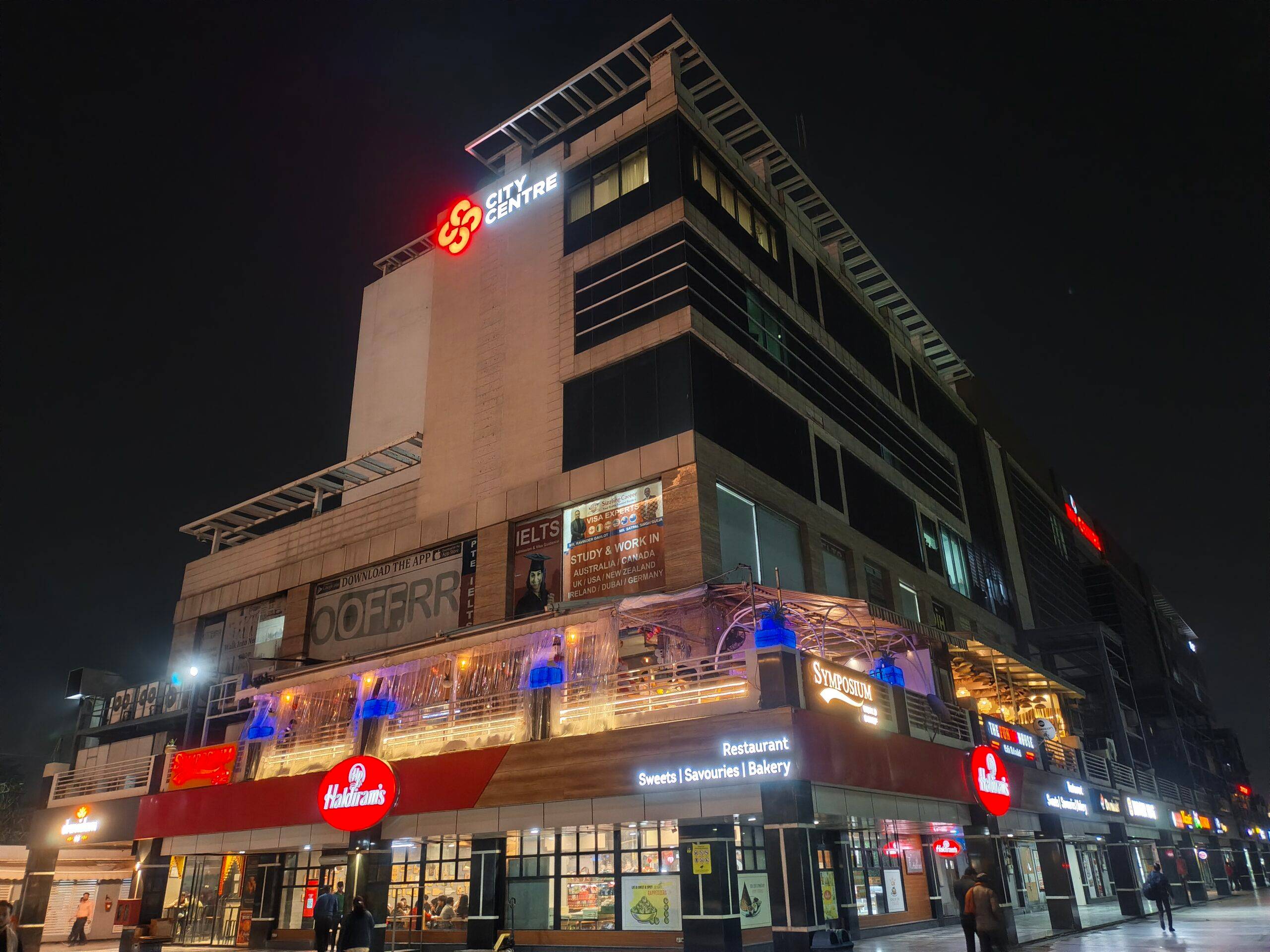


The phone’s video capabilities are capped at 2k30fps with both the front and rear cameras, which is again a step lower, given the price segment. Without OIS, the videos also come out a little shakier than usual and require ultra-steady mode, which helps alleviate the issue.
To give you a better idea of this phone’s camera capabilities, I compared it against the Realme P4 Power (review) directly. Check it out below:
Daylight
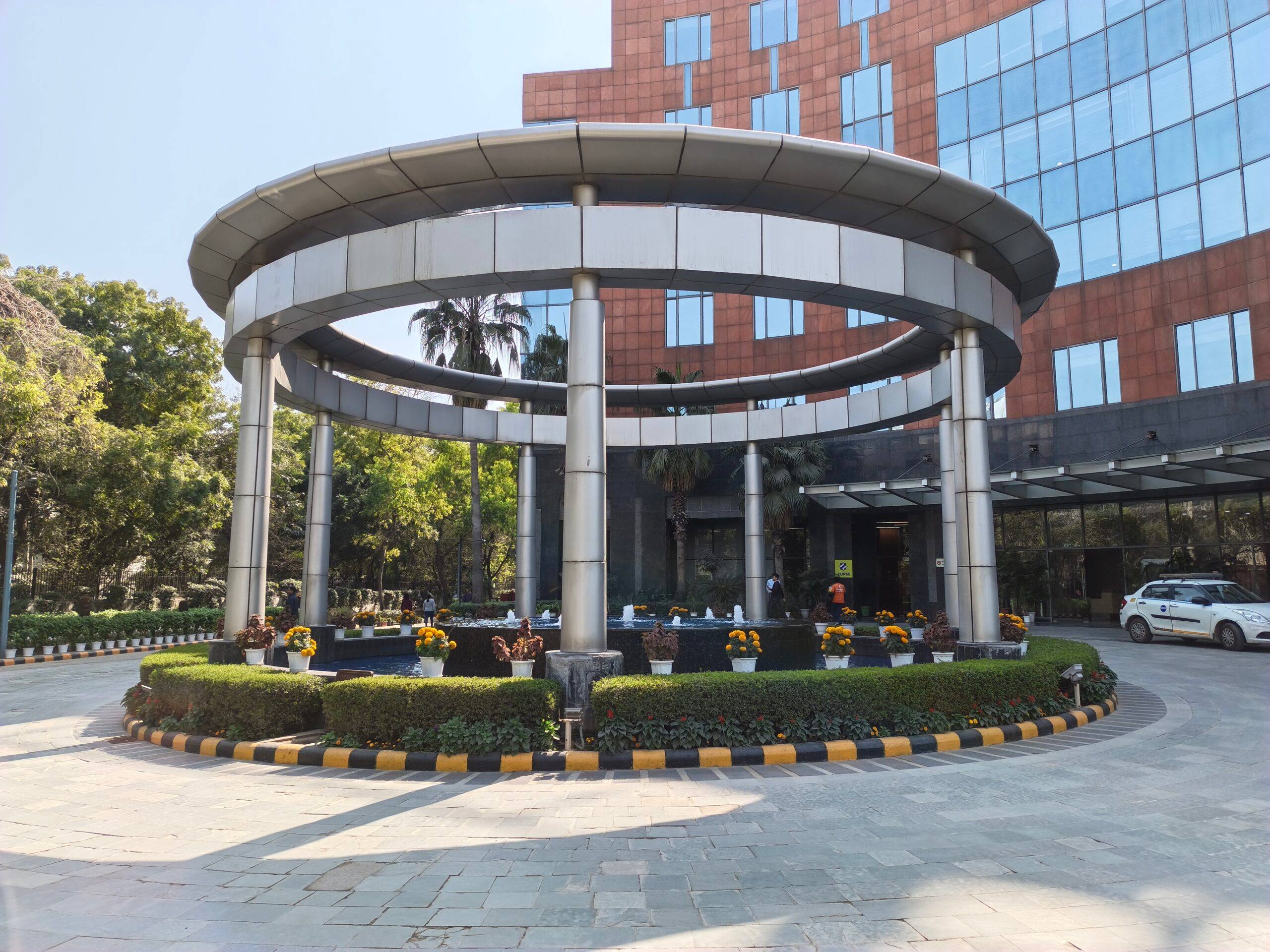
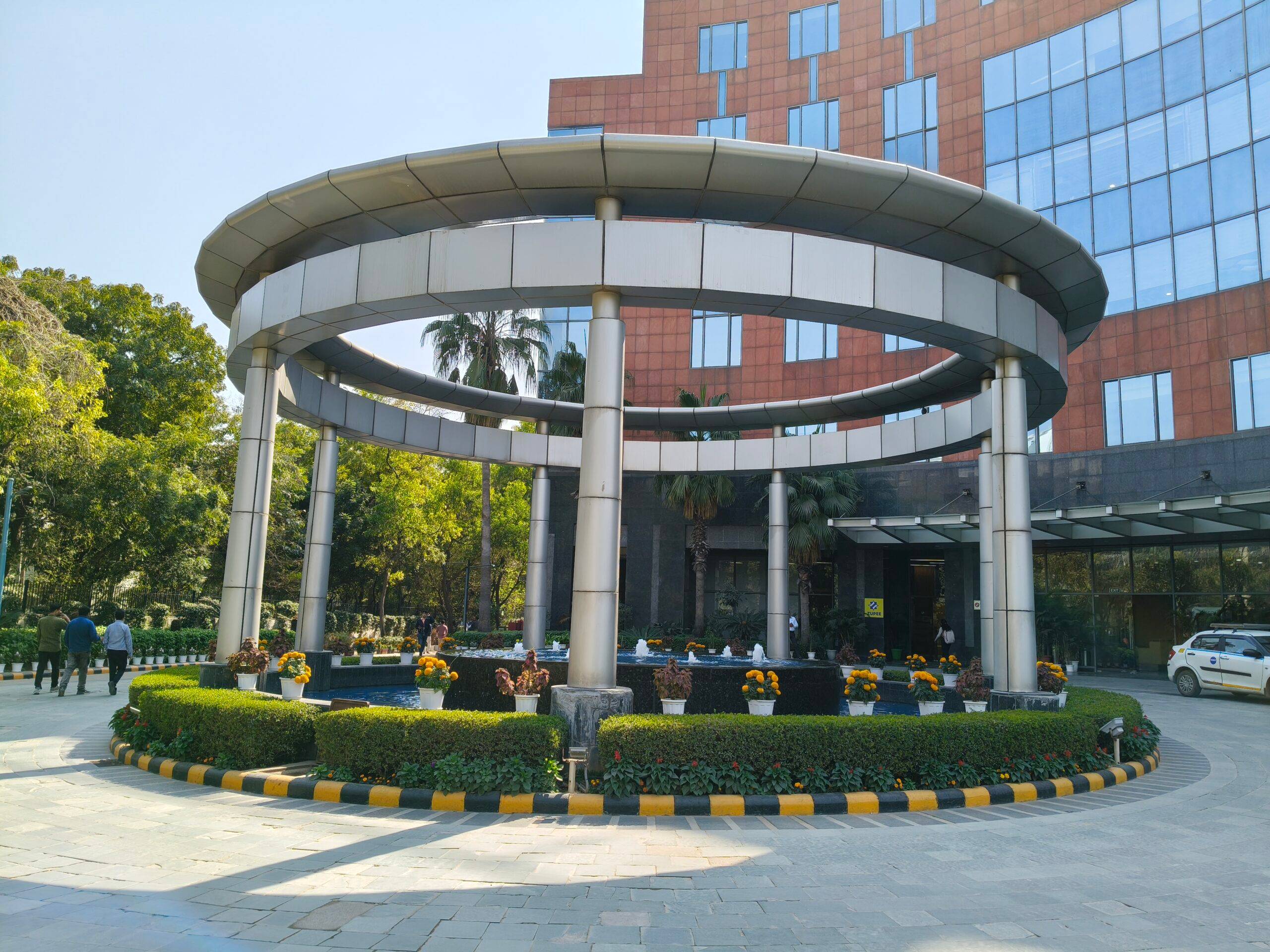
In daylight, the POVA Curve’s and P4 Power’s images look quite different at first glance. It all comes down to their colour science. The latter chooses to enhance the greens a lot more aggressively to give the image a vibrant look, while the Curve 2 keeps things closer to reality. In terms of details, the Realme P4 Power is a step ahead of its competitor.
Portrait
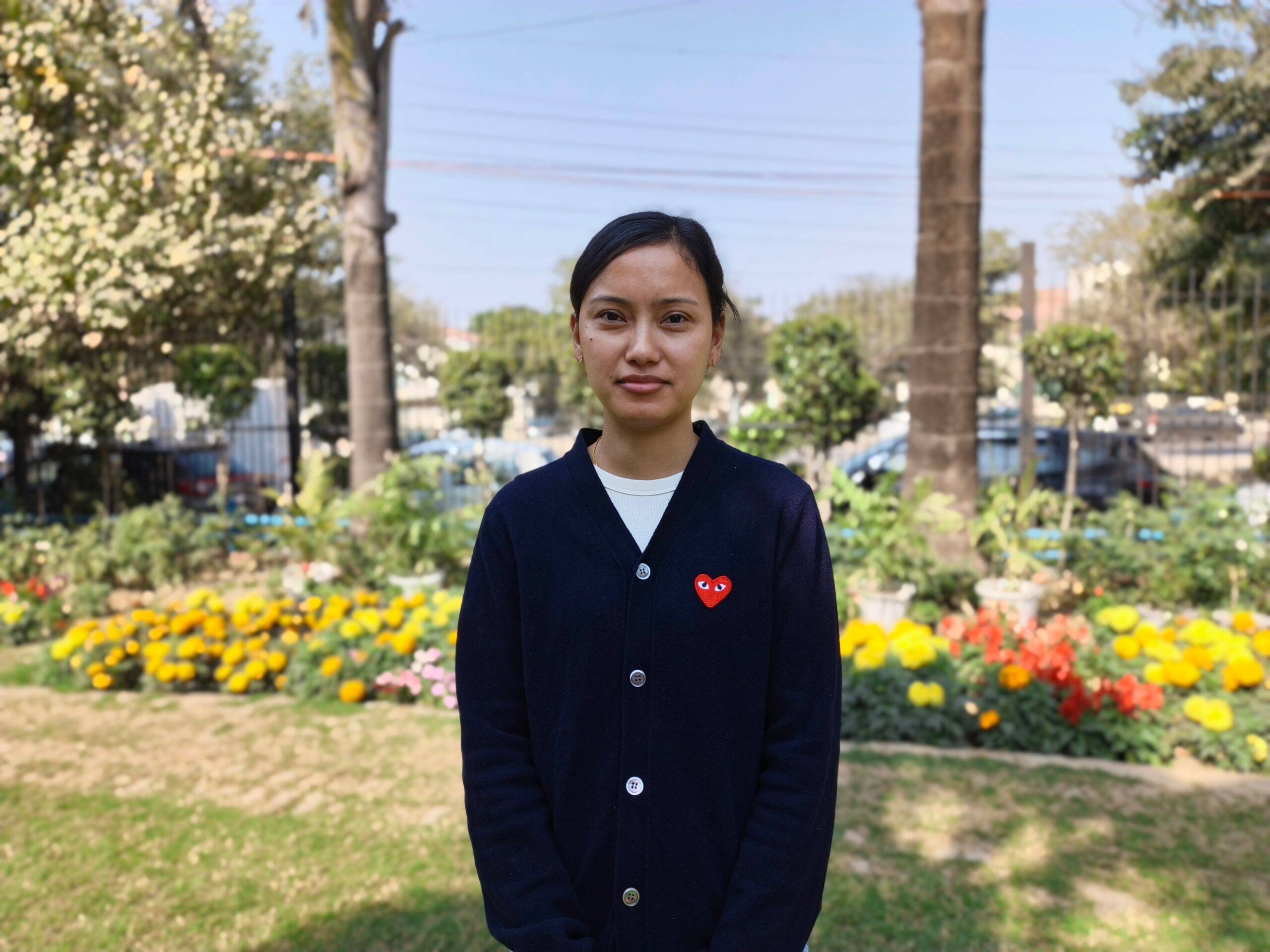
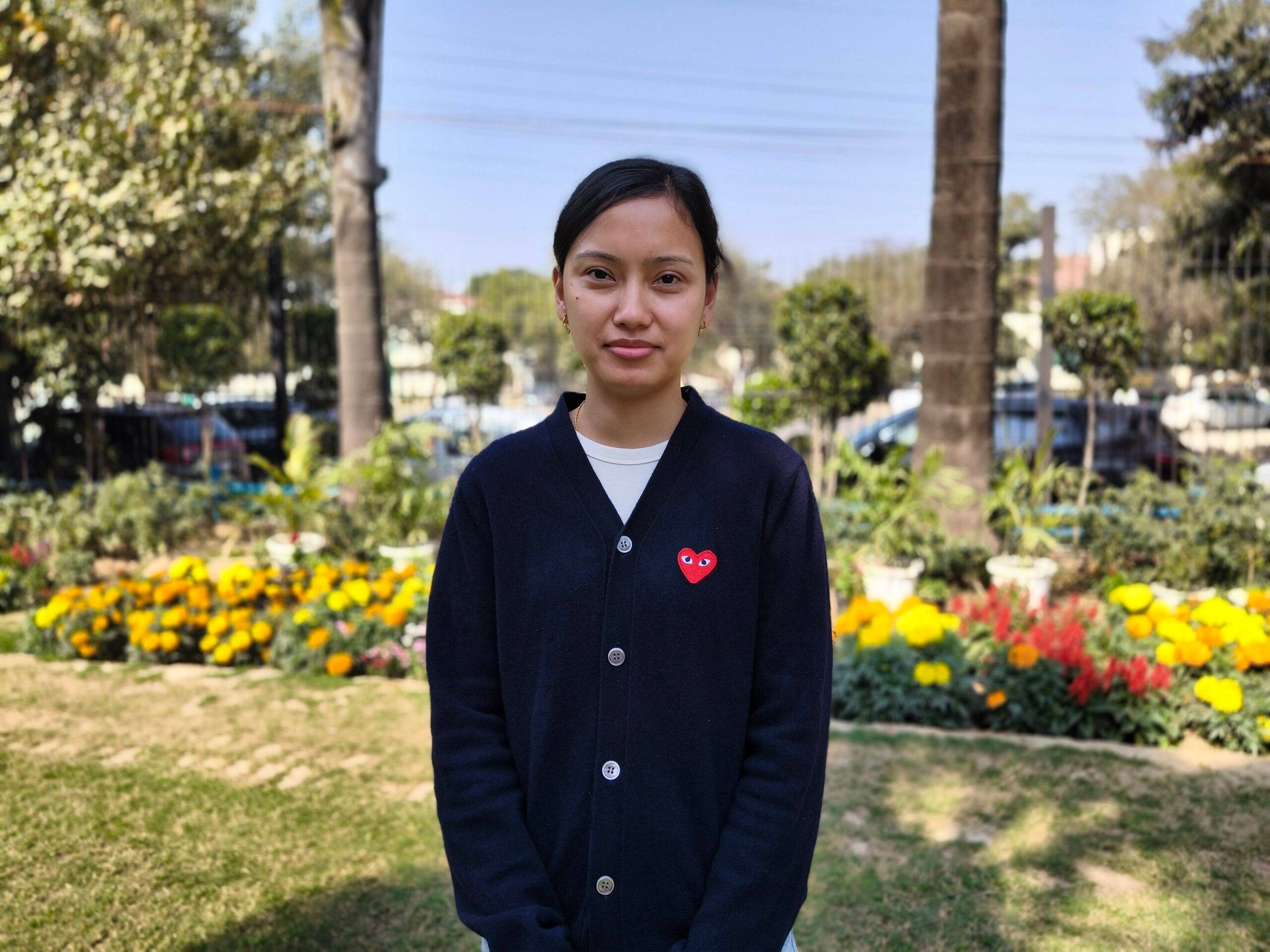
In portrait mode, both phones take a pretty different approach. The POVA Curve 2 does a better job with edge detection and keeps the colours looking natural and true to life, except the skin tone, which appears a bit more dull. The Realme P4 Power, on the other hand, brings out more facial detail, has better skin-colour accuracy and looks sharper overall.
Selfie
In selfies, the Realme P4 Power handles lens flare better and produces images with stronger contrast. The POVA Curve 2, however, can look a little flat in comparison. Where the Tecno does well in facial detail and colour accuracy. Skin tones look a lot more realistic, and the fine details on the face come through much better, which I think is arguably more important for a selfie camera.


Low light (night mode on)
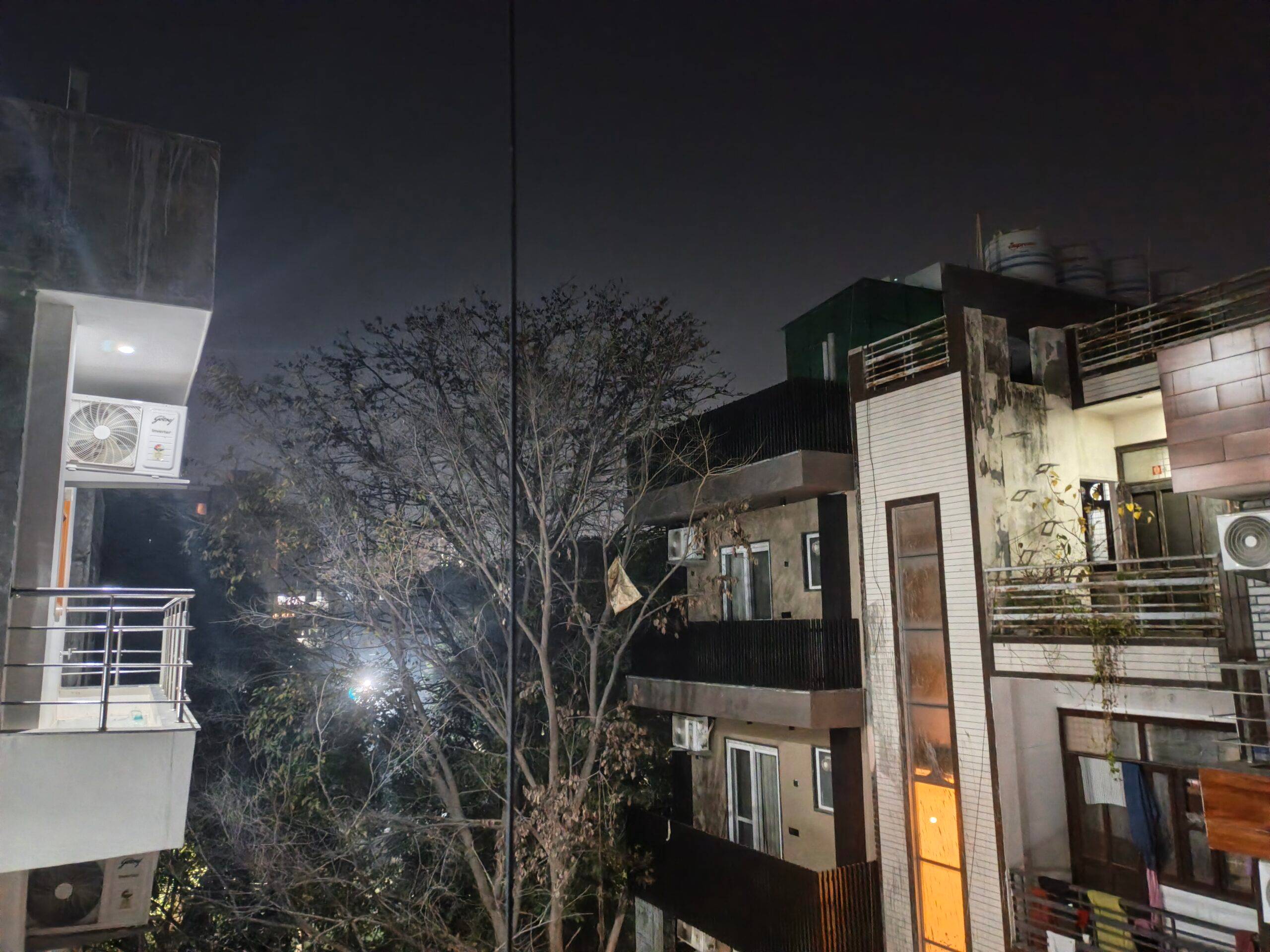
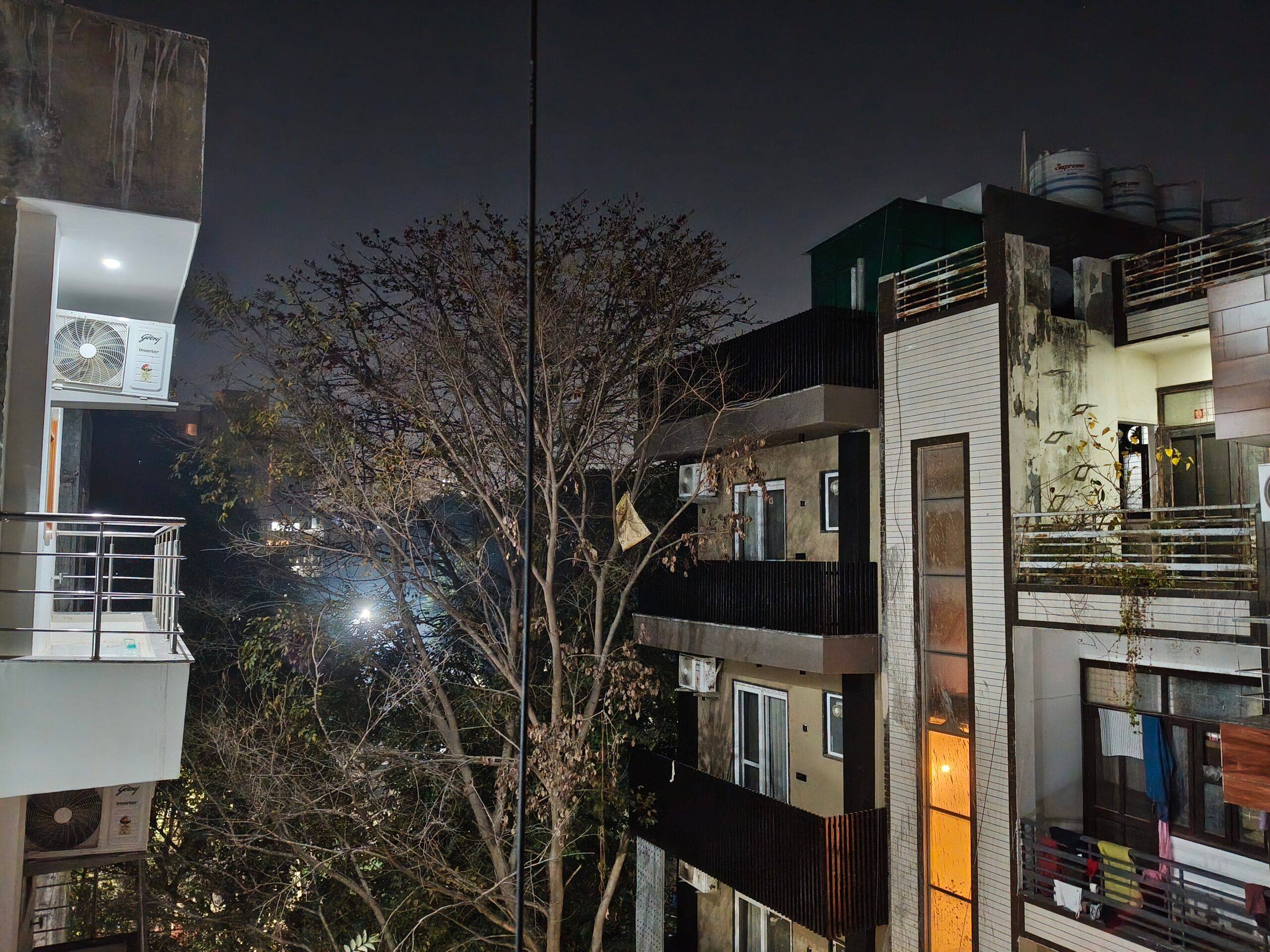
Night mode is the one area where the Realme P4 Power clearly comes out on top across the board. The image is brighter, the details are a lot sharper, and it does a much better job of pulling information out of the darker parts of the scene. The POVA Curve 2’s night shots, in comparison, look darker and lack the same level of detail and clarity. If you shoot a lot in low light, this is a clear win for the Realme.
HiOS deserves High praise
The POVA Curve 2 runs on HiOS, Tecno’s custom Android skin, which shares its roots with Infinix’s XOS. The software is clean, responsive, and fluid in day-to-day use. HiOS introduces a refreshed “Glow Space” design language that adds depth and transparency across key areas such as the quick settings panel, first-party apps, and call screens, giving the interface a modern, polished look.
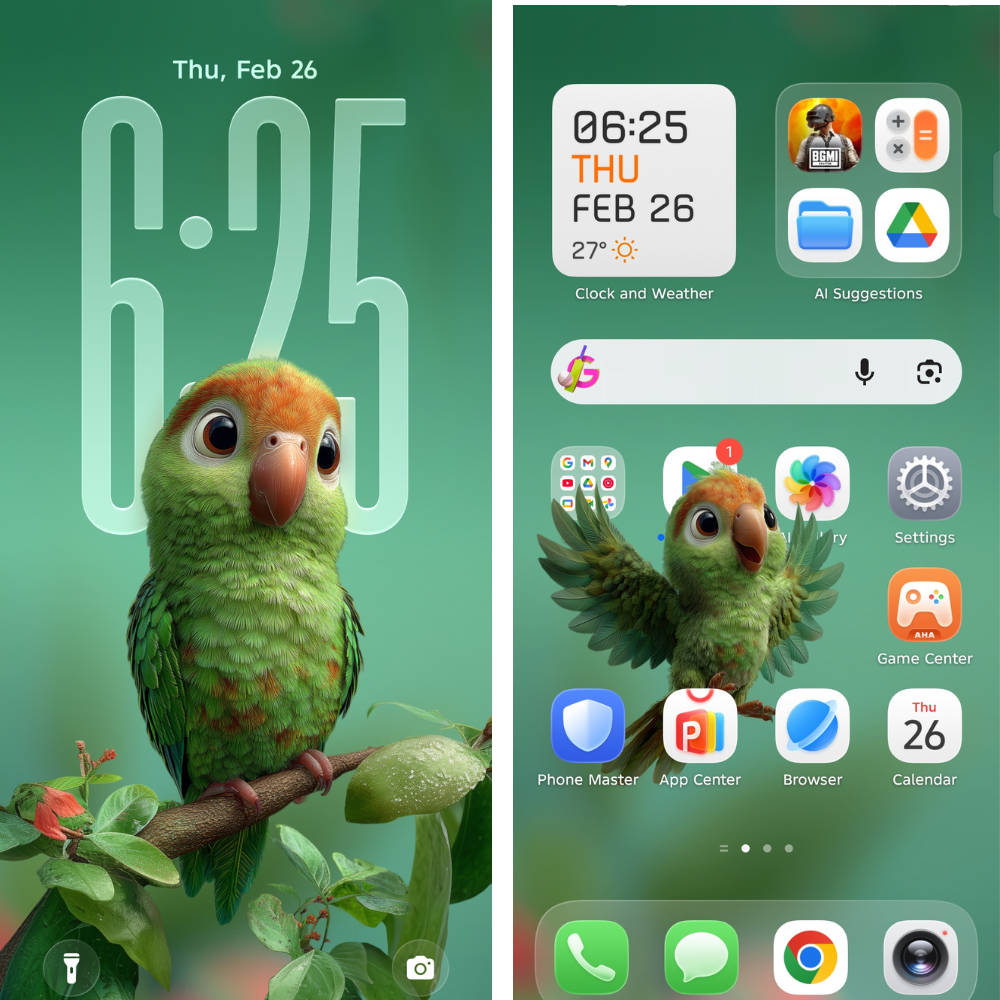
On the AI front, HiOS packs a good set of tools, including AI Flare Remover, AI Shadow Remover, and AI Reflection Remover in the Gallery app, along with an AI writing assistant that now supports voice input. There is also decent customisation on offer, with lockscreen clock styles, wallpaper depth effects, and an AI Theme Generator that adapts system colours based on a chosen image.
| Smartphone | Pre-Installed Apps | Software Support |
| Tecno Pova Curve 2 | 43 | 2 Year OS Updates + 3 Year Security Updates |
| realme P4 Power | 60 | 3 Years OS Updates + 4 Years Security Updates |
| Xiaomi Redmi Note 15 Pro | 64 | 4 Year OS Updates + 6 Year Security Updates |
It is not without its quirks, though. Some first-party apps are yet to adopt the new design language, which can feel a little inconsistent, and the quick settings panel lacks toggle repositioning options that some rival skins already offer. The device also ships with only 2 OS updates and 3 years of security patches, which sits a bit below the segment average. Overall, though, HiOS is a capable and feature-rich skin that does more than enough for the price point.
Verdict
The Tecno POVA Curve 2 has a very clear identity. It’s a phone built around two things: a massive battery and an incredibly slim profile. And it absolutely delivers on that. Two days of battery life all packed into a 7.42mm frame is a very impressive feat and something that will appeal to a very specific kind of buyer.
The problem is that once you look beyond those two highlights, some cracks start to appear. The mono speaker diminishes the multimedia experience, the cameras lack OIS and an ultrawide lens, and the low light performance could have been better. The software update promise sits below what most rivals offer at this price. As a proper all-round daily driver, there are many compromises that are a bit hard to overlook.
What makes it harder is that its most direct competitor, the Realme P4 Power (review), beats it in the one area the POVA Curve 2 was supposed to win: battery life. Although the P4 power is a lot chunkier and a lot heavier in comparison, which might put off regular users. If you are drawn to the POVA Curve 2 for its battery and design, it is still a great pick. But if you want a more complete package, the phone leaves a bit to be desired.
Editor’s Rating: 8.1/10
Reasons to buy:
- Exceptional battery life with roughly two full days of use and good charging speed
- Incredibly slim 7.42mm profile for a phone with an 8,000mAh battery
- Bright and vibrant curved AMOLED display with 144Hz refresh rate
- Smooth and highly customisable OS
Reasons not to buy:
- No OIS on the main camera and no ultrawide camera
- Performance could have been better
- Comes with a mono speaker
 | vs |  |