


Review Summary
Expert Rating
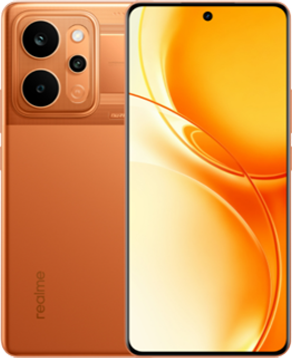
A 10,000mAh battery is usually what you’d expect from a power bank, something you carry while travelling or on days when you know your phone won’t last. Fast forward to 2026, and that same capacity now fits inside a commercial smartphone in India. Enter the Realme P4 Power, a device that packs a mammoth 10,001mAh battery and goes all in on eliminating battery anxiety. Realme is known to be a frontrunner in the large battery trend, with most of its new phones offering at least 7,000mAh. So it’s not entirely surprising that the brand has pushed things further by introducing 10,001mAh.
To truly test the Realme P4 Power’s endurance, I used it as my primary device for several days, sticking closely to my regular daily routine, including calls, messaging, browsing, streaming, and the usual work-related usage. With that real-world testing done, let’s take a deep dive into the Realme P4 Power’s battery performance and everything else the phone brings to the table in this detailed review.
Table of Contents
Verdict
The Realme P4 Power is a powerhouse for battery life, delivering over two days of use, while offering solid performance, a smooth 144Hz display, and decent cameras. It’s a niche device for heavy users who prioritise endurance, but its weight and camera limitations may not appeal to everyone.
10,001mAh battery: overkill or necessary?
The Realme P4 Power grabbed attention the moment it was announced, largely because of its massive 10,001mAh battery. That figure stands out even more at a time when 7,000mAh batteries are only just becoming common on smartphones. Naturally, the big question is how much real-world usage a battery this large can actually deliver.
To find out, we used the Realme P4 Power like a regular daily phone, without putting it through any extreme stress tests. The only benchmark we ran was PCMark’s battery test, which simulates real-world tasks such as web browsing, video editing, and data processing. The phone lasted an impressive 21 hours and 8 minutes, making it the longest-running smartphone we’ve tested so far.



As a primary device, the Realme P4 Power comfortably lasted two full days without needing a charge. That might not sound extraordinary at first, but the usage was anything but light. The phone was on 5G for most of the time, the Always-On Display was enabled, the screen stayed active for long periods with the highest refresh rate, and it was used heavily for streaming music and shows. It even handled the download of nearly 40GB of game data. This is far more demanding than what most users would put their phones through on a typical day, which means lighter usage should easily stretch battery life beyond two days.
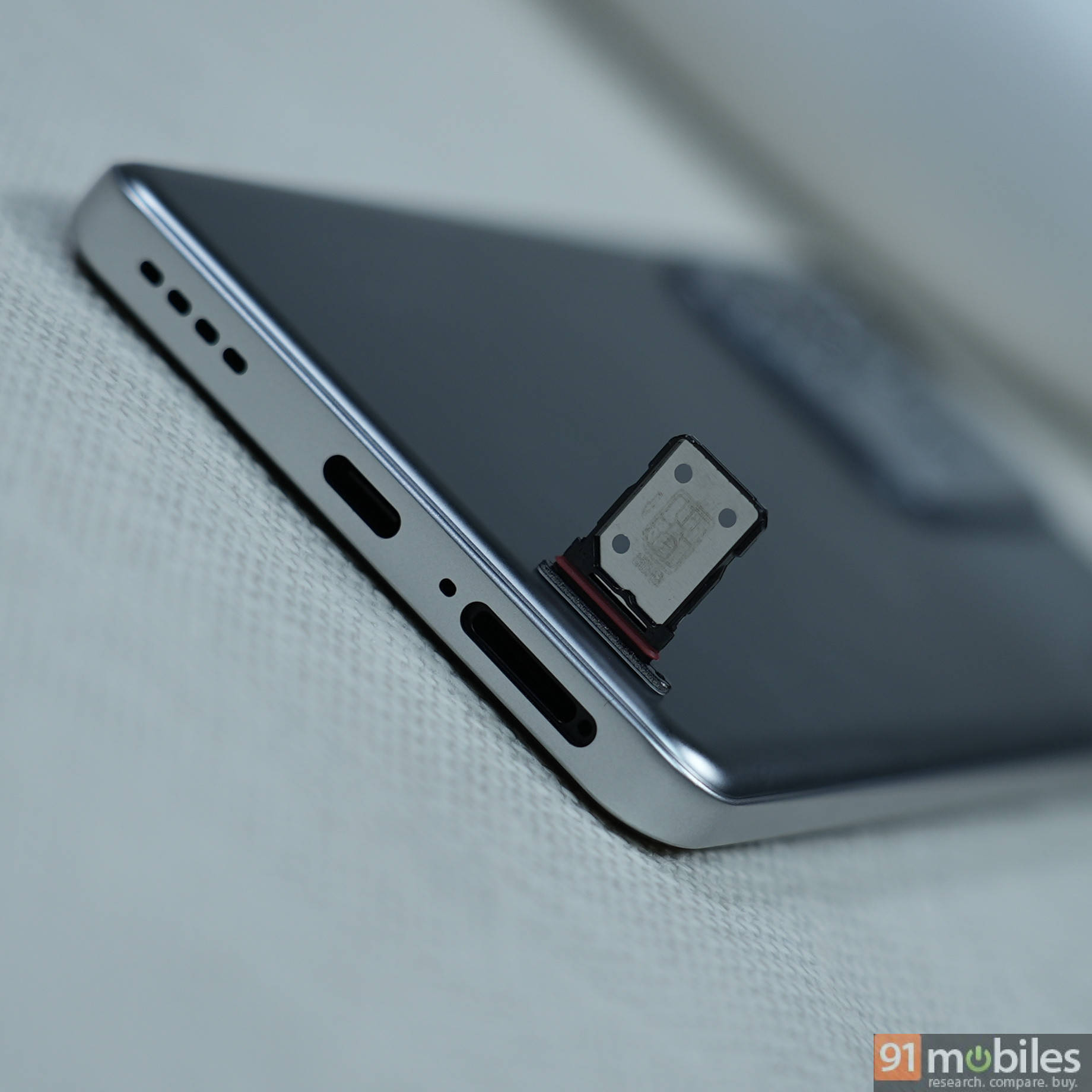
Since the phone is still new, it will also take some time to learn usage patterns and optimise battery performance. Even so, after two full days, the battery still had around 20 percent left. That’s enough to squeeze out a few more hours, especially with power-saving mode enabled, though you’d likely want to top it up before heading out again.
The smartphone also comes with 80W fast charging support, which takes around 80 minutes to charge from 20 to 100 percent. This is pretty decent considering the battery’s size. There’s bypass charging as well, so you can use the phone while charging without worrying about the performance of the device or the device getting affected. The Realme P4 Power also doubles as a power bank with 27W reverse charging support to top up other phones or accessories.
Is this the ultimate battery phone? Almost. But for users who spend a lot of time outdoors or away from power outlets and need their phone to run all day without battery anxiety, the Realme P4 Power makes a strong case for itself.
That said, battery life isn’t the only factor to consider. Housing such a large battery has implications for the phone’s design and, more importantly, its weight. Those aspects play a big role in day-to-day comfort, and they’re worth examining before deciding if the Realme P4 Power is the right fit. Let’s dive into those things.
Realme GT-like design that’s surprisingly not too bulky
The Realme P4 Power has a very Realme GT-like design, which it calls the ‘TransView Design’. You can get the phone in three colour options: TransOrange, TransSilver, and TransBlue. We had the TransSilver variant, which looks the most subtle out of the three. It’s a simple but cool design that doesn’t try to do too much, and may appeal more to younger people.
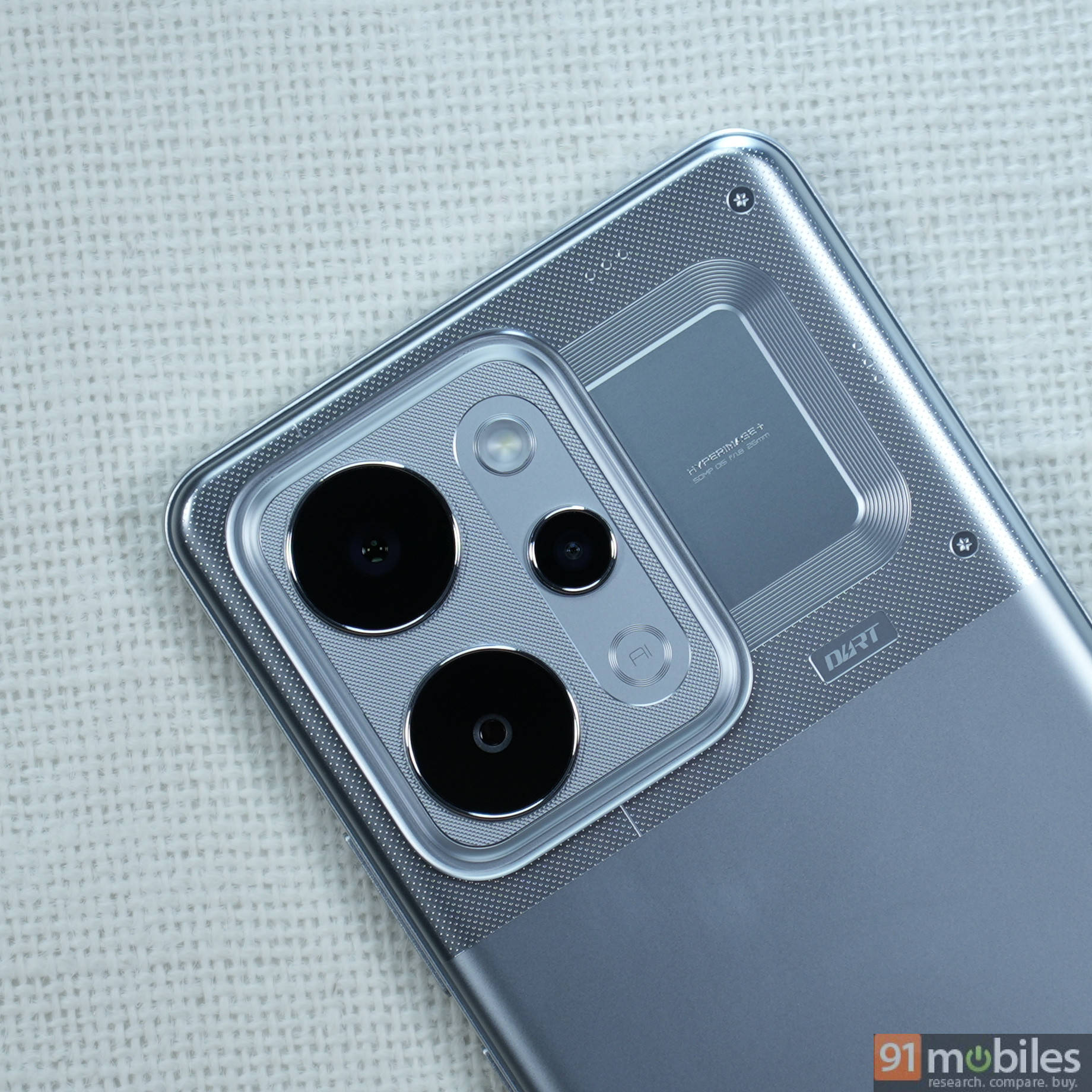
Coming to the bigger question, how much does it weigh? With a phone housing a 10,001mAh battery, you’d naturally expect it to be heavy and bulky. The Realme P4 Power manages to cut most of the weight out, keeping it decently sized at 219g, which is around the same as most phones in this segment. Is it bulky? Well, yes, but not too much to cause any discomfort while using it, even for long periods. The smartphone is also highly durable with IP66, IP68, and IP69 ratings for dust and water resistance, along with ArmorShellTM Protection and Corning Gorilla Glass on the front.
One downside is its single bottom-firing speaker. While it can get quite loud, the sound is one-directional and can easily get muffled if your hand covers it, leading to a noticeable drop in audio quality.
Its display is actually my favourite aspect
The Realme P4 Power comes with a large 6.8-inch 1.5K AMOLED HyperGlow 4D Curve+ display paired with a 144Hz refresh rate. On paper, this is the kind of screen you’d expect on a premium, performance-focused smartphone, even though it skips an LTPO panel. Personally, I’m a fan of curved displays, as they add to the phone’s visual appeal and make everyday browsing feel more immersive. The P4 Power’s display is genuinely pleasing to use, delivering a sharp, smooth, and fluid experience with colours that look vibrant and punchy. Whether I was casually scrolling, watching Netflix, or gaming, the screen consistently stood out as one of the phone’s strengths.
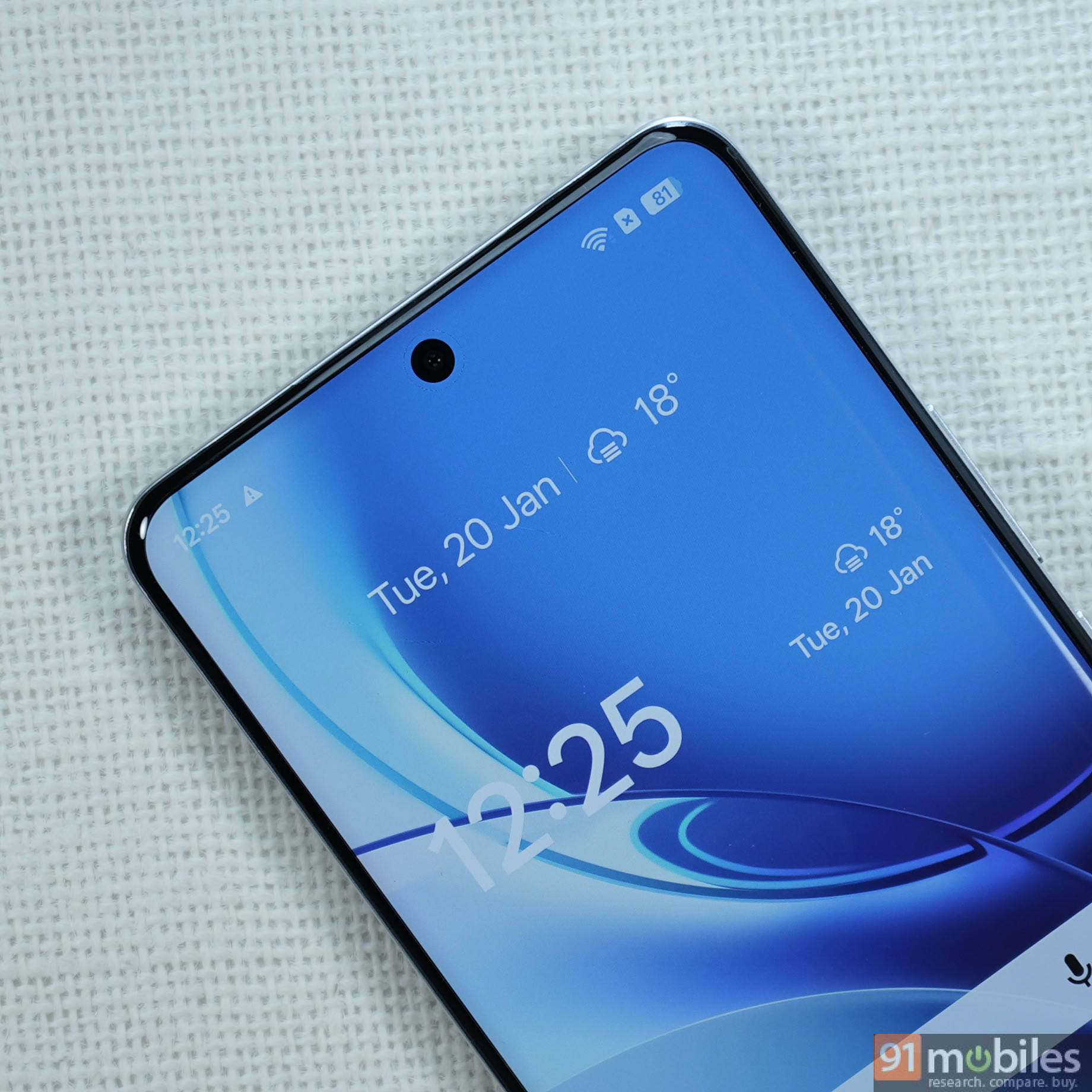
The 144Hz refresh rate does make scrolling feel smoother, but interestingly, only a handful of apps, such as Calculator, Compass, and Recorder, actually support the full 144Hz mode. In day-to-day use, you’re unlikely to miss much if you don’t keep it enabled all the time.
Curved displays can sometimes be problematic during gaming due to accidental touches, but thankfully, I didn’t run into any such issues here. Touch detection felt accurate throughout, making the overall display experience both enjoyable and reliable.
Performance: Almost perfect
The Realme P4 Power is powered by the MediaTek Dimensity 7400 Ultra chipset, paired with the company’s HyperVision+ AI chip. On paper and in benchmarks, it doesn’t top the charts in its segment, trailing some stronger performers like the Motorola Edge 70 and OPPO K13 Turbo. That said, its scores are still respectable and comfortably ahead of several phones priced in the same range.

In real-world use, the performance largely reflects those results. Day-to-day tasks are handled smoothly, and the phone rarely feels underpowered. We did encounter a few minor hiccups, such as the camera app occasionally getting stuck and certain apps taking longer than expected to load. These issues didn’t significantly impact the overall experience, but they’re worth noting.
Gaming is where the Realme P4 Power pleasantly surprised me. Graphic-heavy titles like Mobile Legends: Bang Bang ran smoothly and were genuinely enjoyable to play. The smartphone also maintained decent average FPS in popular titles like BGMI and COD Mobile. Even after an hour-long gaming session, the phone stayed cool to the touch. While the winter weather in Delhi may have helped, thermal performance should remain consistent even in warmer conditions, thanks to the phone’s large 13,743mm2 graphite cooling area designed for effective heat dissipation.
Overall, while the Realme P4 Power may not be the fastest phone in its class, it delivers reliable performance where it matters most, especially for extended gaming sessions.
Smooth, fluid software
The software experience on the Realme P4 Power has seen a significant upgrade, thanks to the smoother and more fluid Realme UI 7.0 based on Android 16. One of its highlights is the ‘Flux Engine’, which delivers ultra-realistic motion and seamless simultaneous animations, making interactions across the UI feel noticeably responsive. Scrolling through apps feels effortless, and the transitions are consistently smooth.
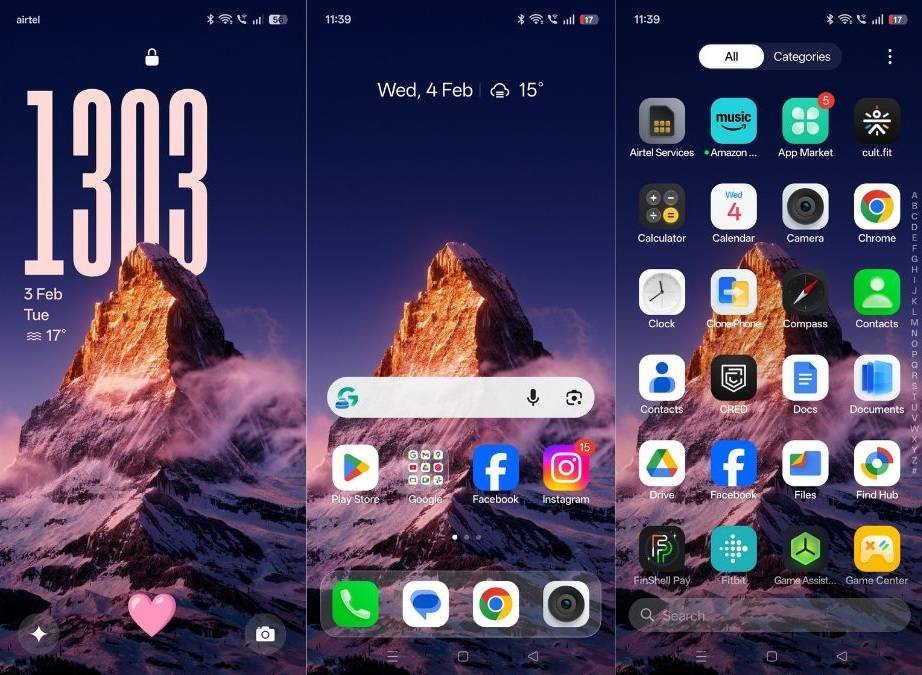
Realme also includes a ‘frosted glass’ effect that can be enabled from the settings, giving the interface a liquid, semi-transparent look like iOS 26. While visually striking, it may not appeal to everyone. Another standout feature is the customisable fingerprint animation, which lets you use almost any emoji as the animation, adding a fun personal touch.
The phone does come with around 60 pre-installed apps, one of the highest counts in its segment, but most of these can be removed if you prefer a cleaner interface. Overall, the software feels polished, fluid, and highly customisable, enhancing the day-to-day user experience.
Cameras: Natural colours vs punchy details
The Realme P4 Power features a dual rear camera setup consisting of a 50MP Sony primary sensor with OIS and an 8MP ultra-wide camera. On the front, it houses a 16MP selfie camera. The camera app comes packed with plenty of modes and AI-powered tools for users who like to experiment, including AI Landscape and Street modes, along with editing features such as AI Edit Genie 2.0, AI LightMe, and AI StyleMe.


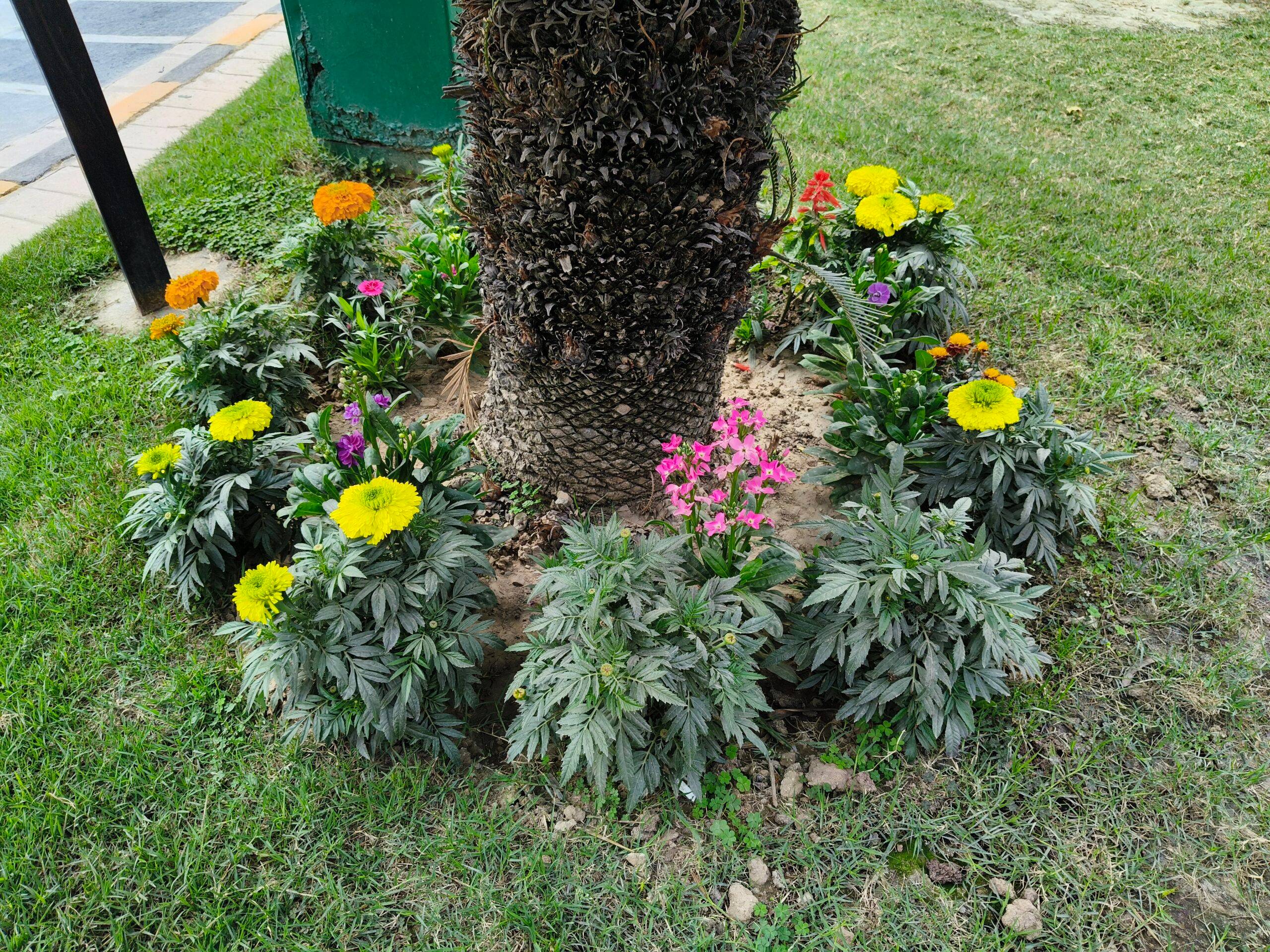
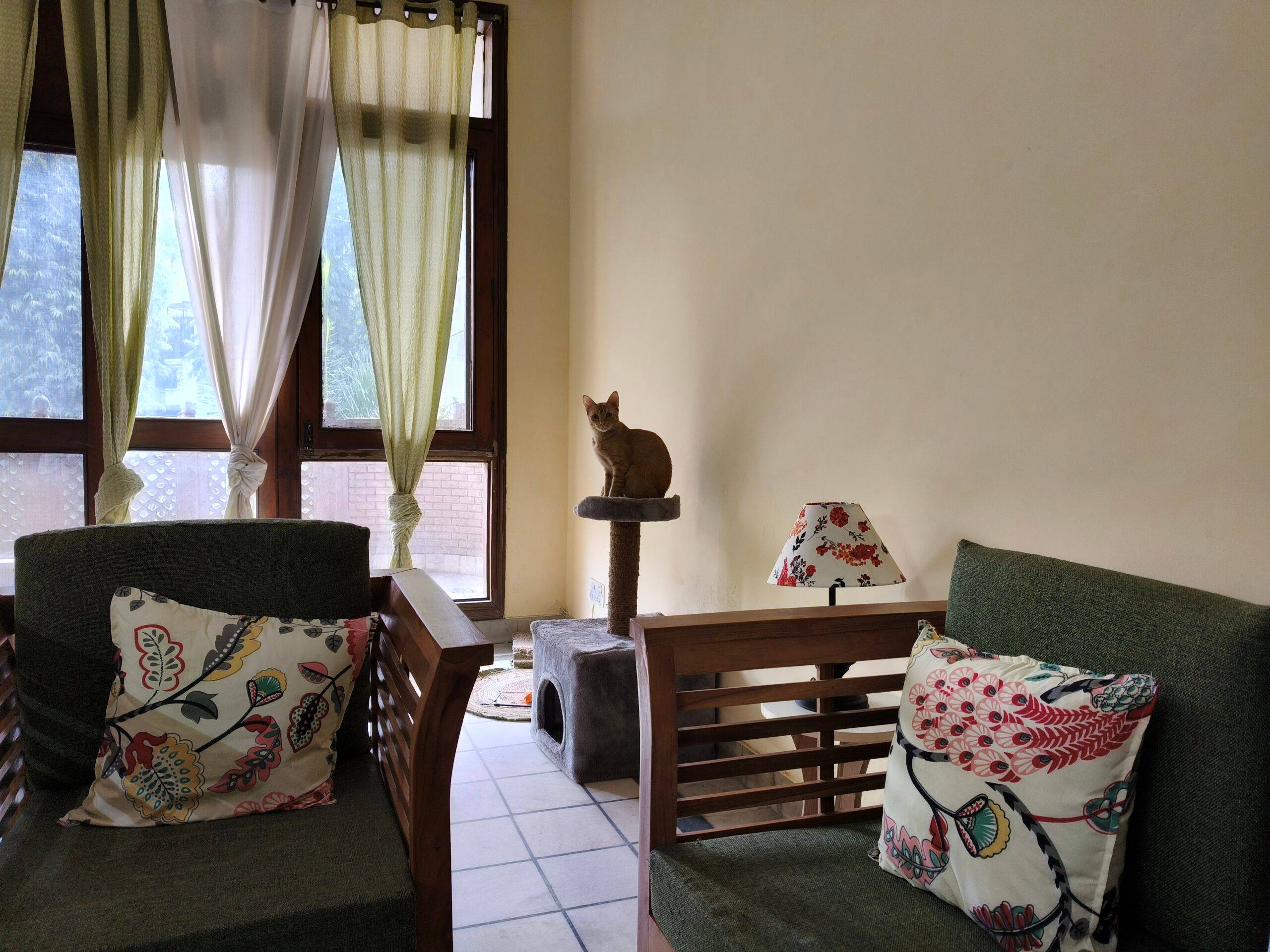


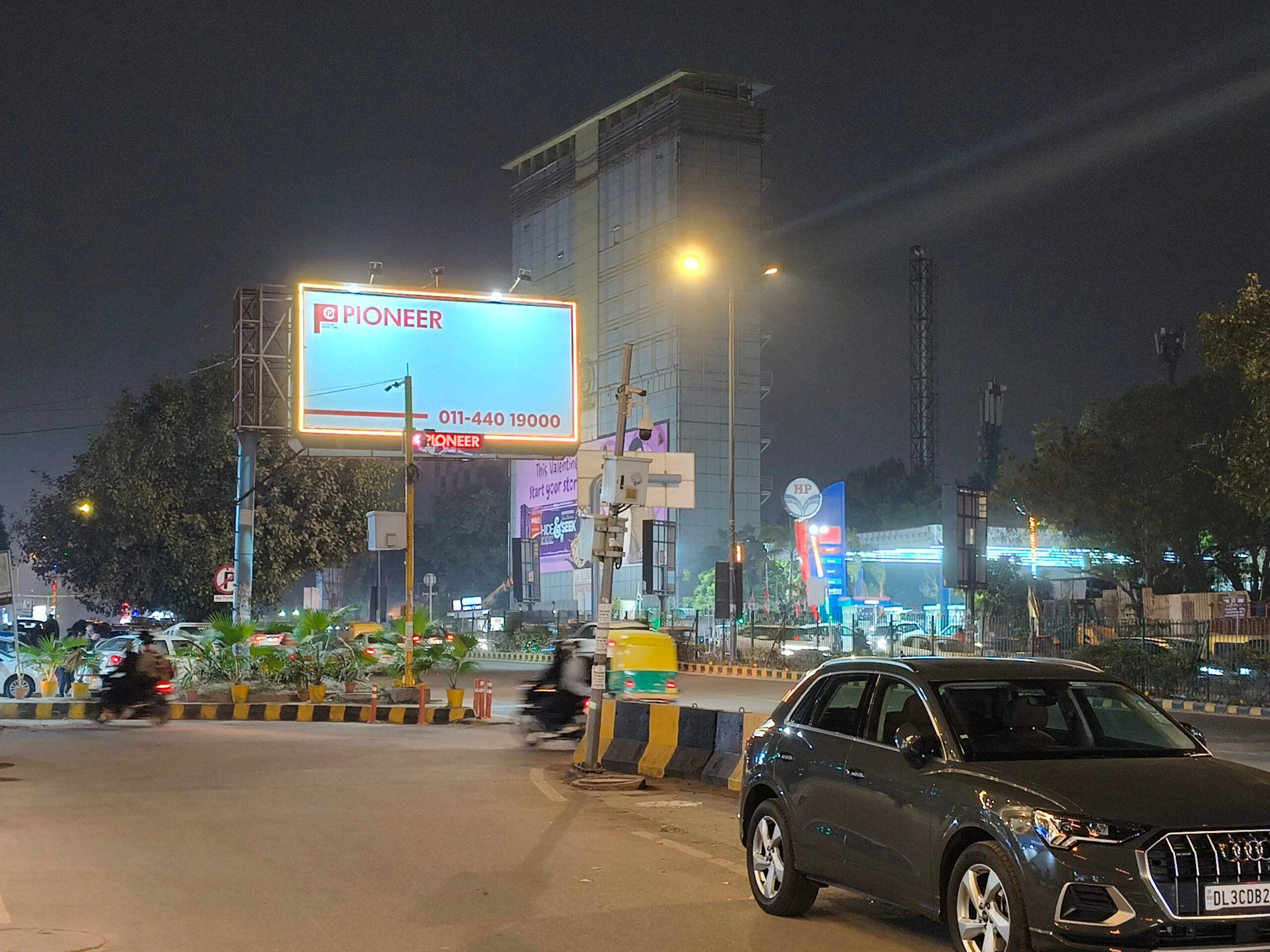

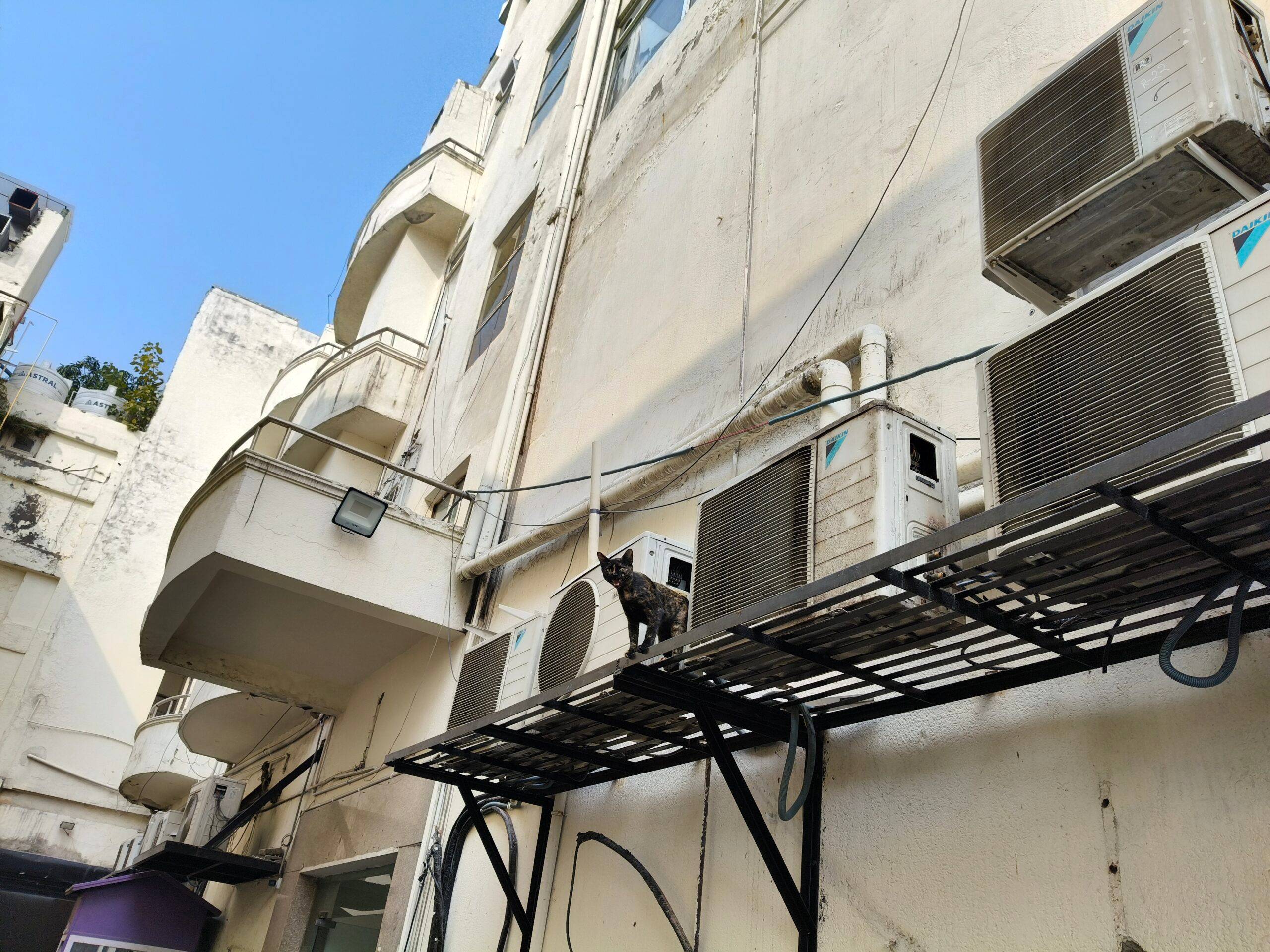


In terms of output, the Realme P4 Power delivers a decent camera experience overall, with post-processing playing a major role in shaping the final images. Photos generally look good enough for social media and everyday use, but the cameras aren’t the phone’s main selling point; it performs reliably in most common shooting scenarios.
To get a clearer picture of where it stands, we compared the Realme P4 Power’s camera performance against the Motorola Edge 70 (review) across different lighting conditions, which helps highlight its strengths and limitations in real-world use.
Daylight
In daylight conditions, both phones deliver very similar results, making it a close contest overall. However, the Realme P4 Power has a slight edge thanks to its better colour accuracy, more balanced contrast, and wider dynamic range. Colours appear crisp and vibrant without being pushed too far.


The Motorola Edge 70, on the other hand, prioritises detail. While it does capture slightly finer textures, its images lean towards stronger contrast, resulting in a punchier look that doesn’t always reflect accurate or natural colours.
Ultra-wide
When it comes to ultra-wide photography, the hardware difference is obvious on paper. The Realme P4 Power uses an 8MP ultra-wide camera, while the Motorola Edge 70 packs a much higher-resolution 50MP sensor. That alone sets certain expectations, but the real-world results are surprisingly close.


At first glance, images from the Realme P4 Power appear closer to reality, especially in terms of colour reproduction. Both phones deliver similar levels of detail and clarity. However, a closer look reveals where the limitations of the lower-resolution sensor show up. Distortion control and dynamic range are areas where the Realme P4 Power falls behind, as the Motorola Edge 70 does a better job of keeping subjects intact.
Overall, while the Motorola Edge 70 benefits from superior hardware, the Realme P4 Power manages to hold its own, delivering competitive ultra-wide shots with more natural colours but some trade-offs in dynamic range and distortion control.
Portrait
Neither phone offers a dedicated telephoto camera, but both still allow you to shoot portrait photos. In our experience, the Realme P4 Power tends to apply a warmer tone to subjects’ faces, which can look more pleasing to the eye. The Motorola Edge 70, however, delivers more accurate skin tones and colour reproduction.


Detail levels are largely similar on both phones, with no clear winner in this area. Edge detection, unfortunately, isn’t particularly strong on either device, but the Motorola Edge 70 handles background separation slightly better. Its bokeh effect looks more natural, while the Realme P4 Power shows more noticeable imperfections around edges, especially around hair and complex outlines.
Selfie
Selfies are where the two phones largely balance each other out. The Realme P4 Power delivers better colour accuracy and contrast, along with a touch of skin smoothening that selfie lovers are likely to appreciate. The Motorola Edge 70, meanwhile, captures slightly better detail and handles the background more effectively, retaining better dynamic range. As a result, its selfies tend to look more balanced overall.


Low-light
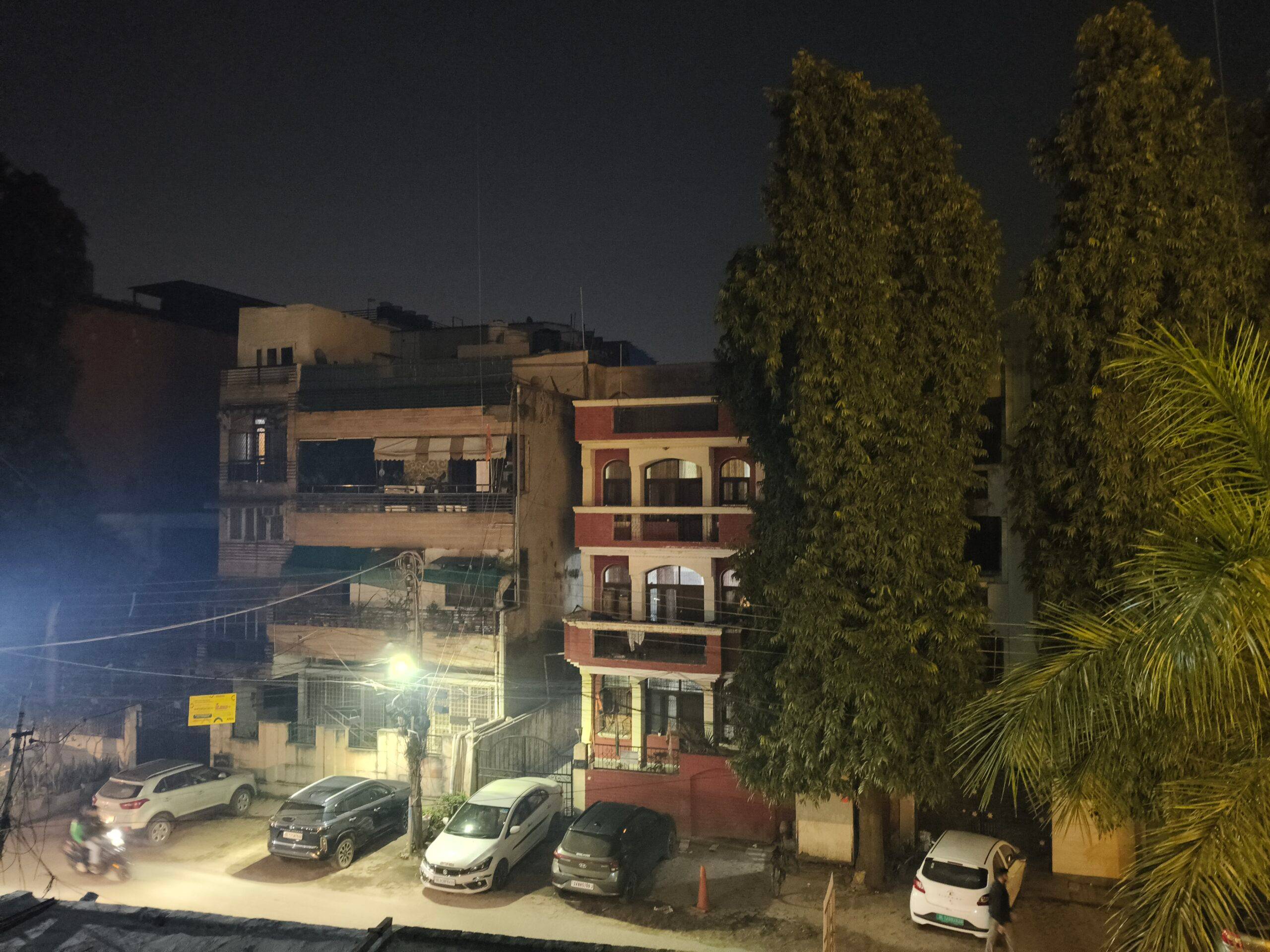
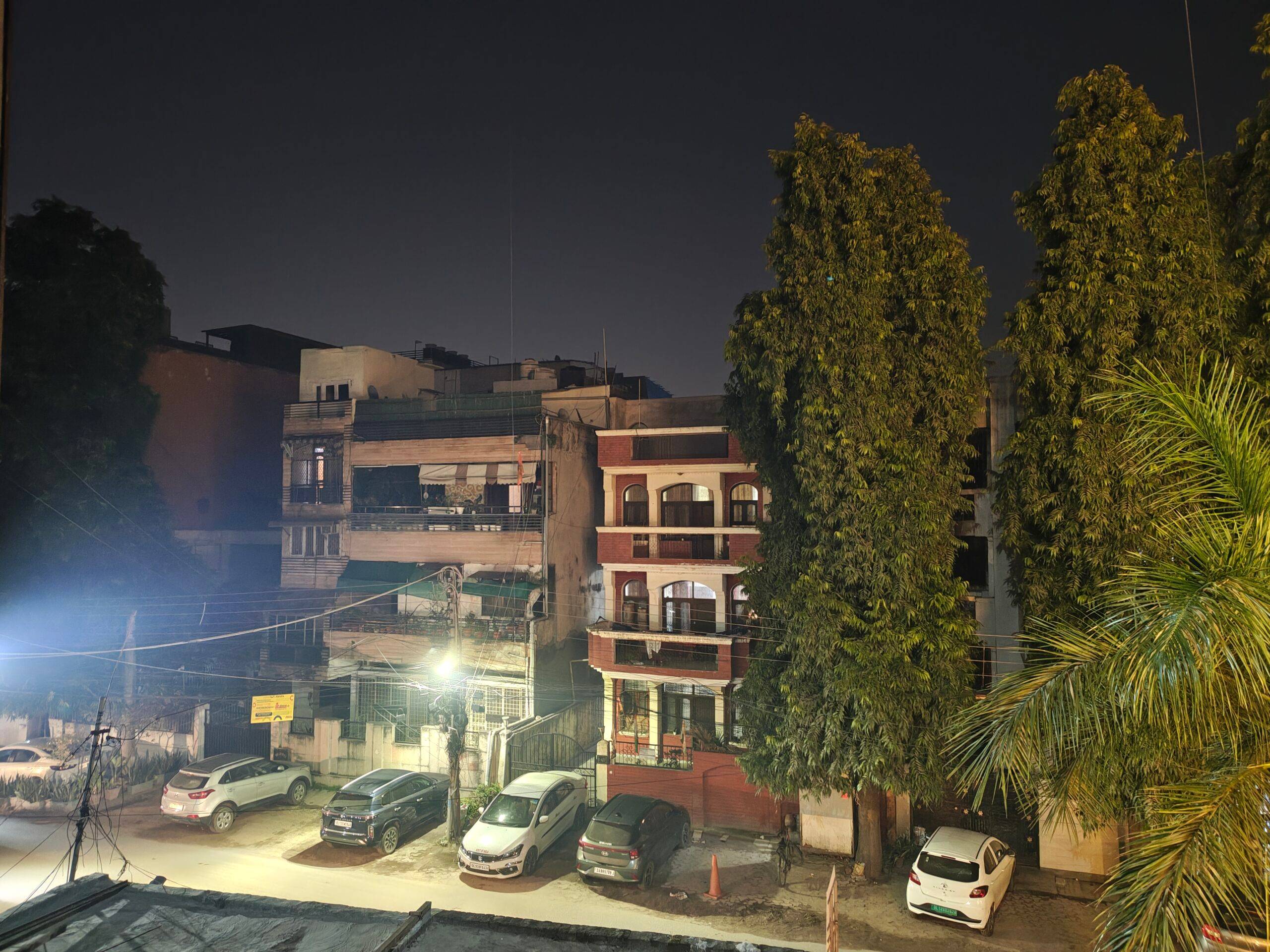
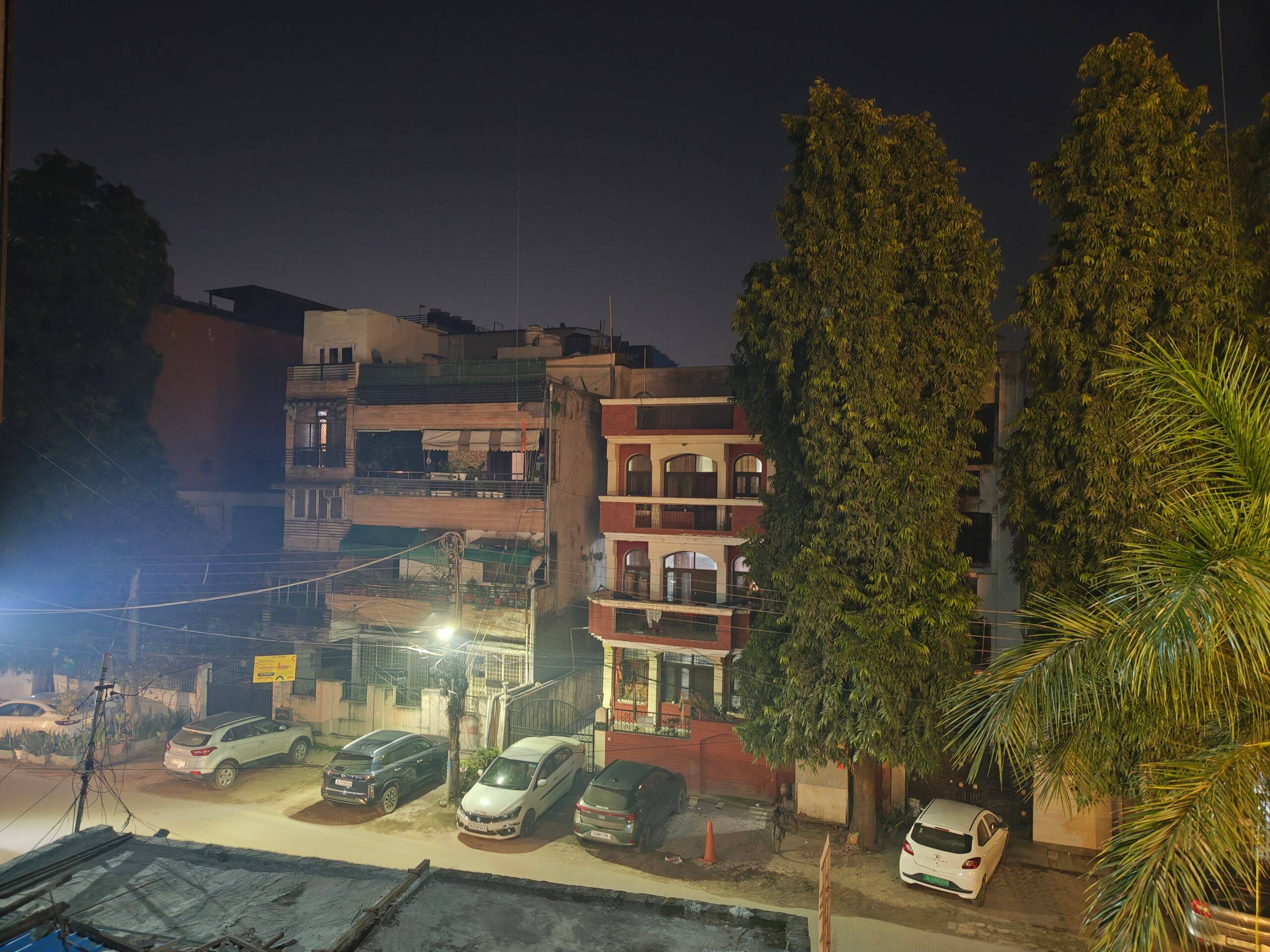
In low-light conditions, the Realme P4 Power manages to stay competitive by delivering more natural colours and a greater sense of realism. However, it struggles with exposure control and light flares, and there is noticeable noise along with some loss of fine detail in its low-light shots. The Motorola Edge 70, on the other hand, produces richer-looking colours, but this comes at the cost of realism.
Night mode
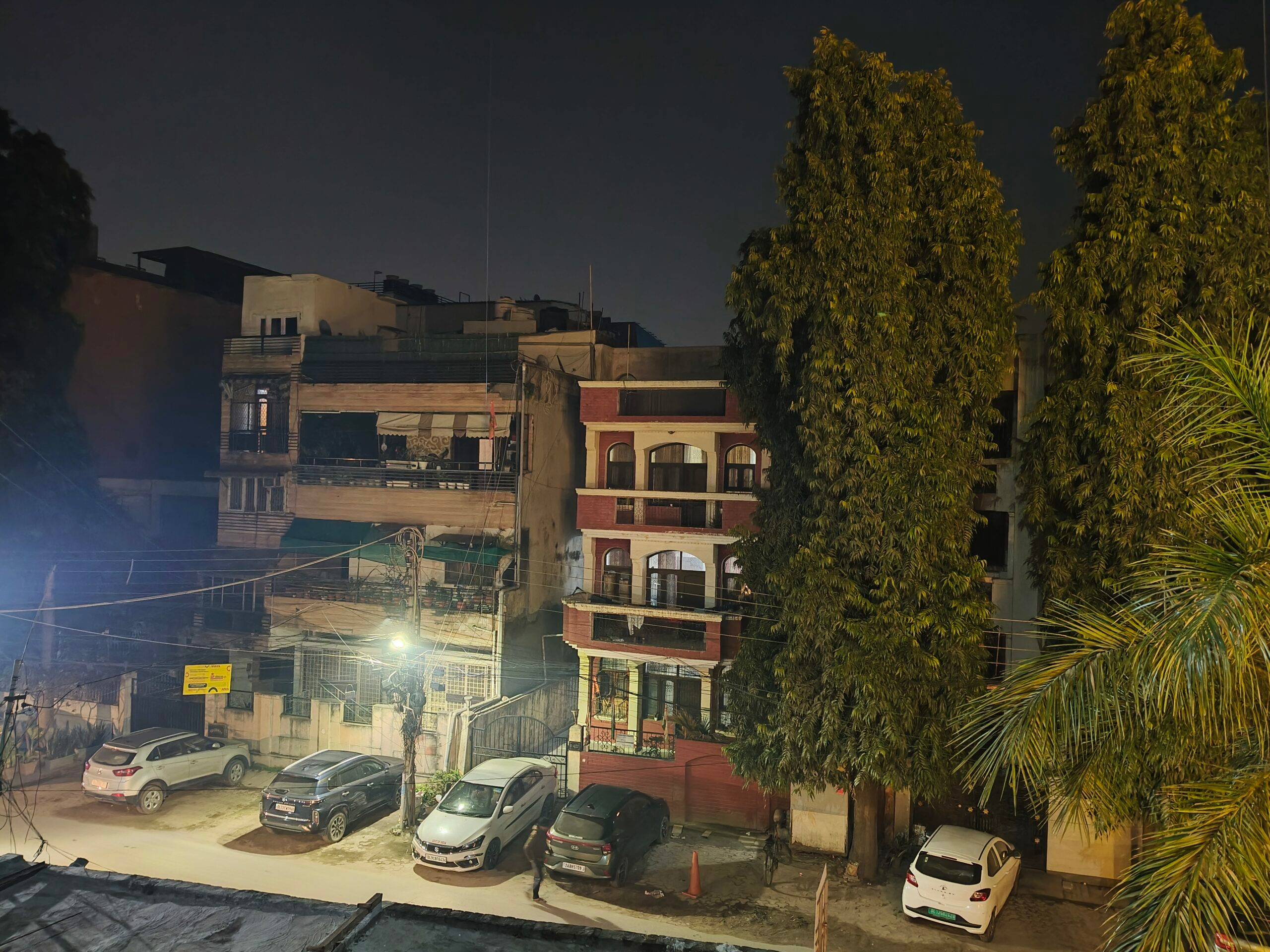
With Night Mode enabled, the Realme P4 Power noticeably improves its handling of light flares. It continues to hold an advantage in colour accuracy and realism, but detail retention remains a weak point. The resulting images often appear over-processed and smoothed out. From a distance, they may look crisp, but a closer look reveals that finer details aren’t captured as accurately.
Final verdict
The Realme P4 Power stands out for its massive 10,001mAh battery, which comfortably lasts over two days even with heavy use. The 6.8-inch 1.5K AMOLED display with a 144Hz refresh rate and smooth overall performance make it a dependable all-rounder, while Realme UI 7.0 adds fluid animations and useful customisation options. The cameras are decent, delivering natural colours in daylight and selfies, but they trail rivals like the Motorola Edge 70 in terms of detail and low-light performance.
If battery life is your top priority, the P4 Power is hard to beat. However, buyers looking for a slimmer design, better performance, and stronger cameras may find the Edge 70 (review) more appealing, while the OPPO K13 Turbo (review) caters better to gaming-focused users. That said, the Realme P4 Power undercuts both on price, which matters in a market where new smartphone launches are steadily becoming more expensive, and that alone could influence the buying decision.
Editor’s rating: 8.2/10
Reasons to buy:
- The Realme P4 Power’s 10,001mAh battery ensures you can go for two whole days and more without having to charge the device.
- The curved AMOLED panel offers a vibrant and immersive experience with rich colours.
- The Realme P4 Power may not be a top performer, but it’s sufficiently reliable for everyday tasks and heavy gaming.
- The handset is highly durable with three IP ratings up to IP69, ArmorShellTM Protection and Corning Gorilla Glass protection.
- The Realme P4 Power’s single bottom speaker is loud but can get covered when holding the phone sideways.
- The phone is also slightly bulky, which is fine considering its battery, but it may feel uncomfortable for some.
 | vs |  |
| vs |  |