Review Summary
Expert Rating
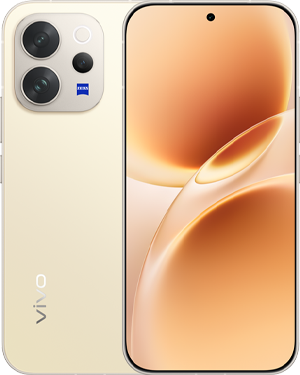
With the V70 series, Vivo has introduced a refreshed identity, complete with a new design language and noticeably higher pricing that pushes the lineup into more premium territory. Despite the shift, the series stays true to the V-series DNA: stylish aesthetics, feature-rich cameras, and dependable everyday performance.
The Vivo V70 is the more accessible model in the lineup, which also includes the Vivo V70 Elite, with a starting price of Rs 45,999. It positions itself as a premium experience without venturing into full-fledged flagship pricing. To help you decide whether it’s worth your money, here’s our detailed review of the Vivo V70.
Table of Contents
Verdict
The Vivo V70 offers a premium design, a vibrant display, reliable performance, capable cameras, and good battery life in a well-rounded package. It may not be the most powerful option in its class, but for users prioritising style and everyday usability, it is a strong choice.
Premium design meets practical comfort
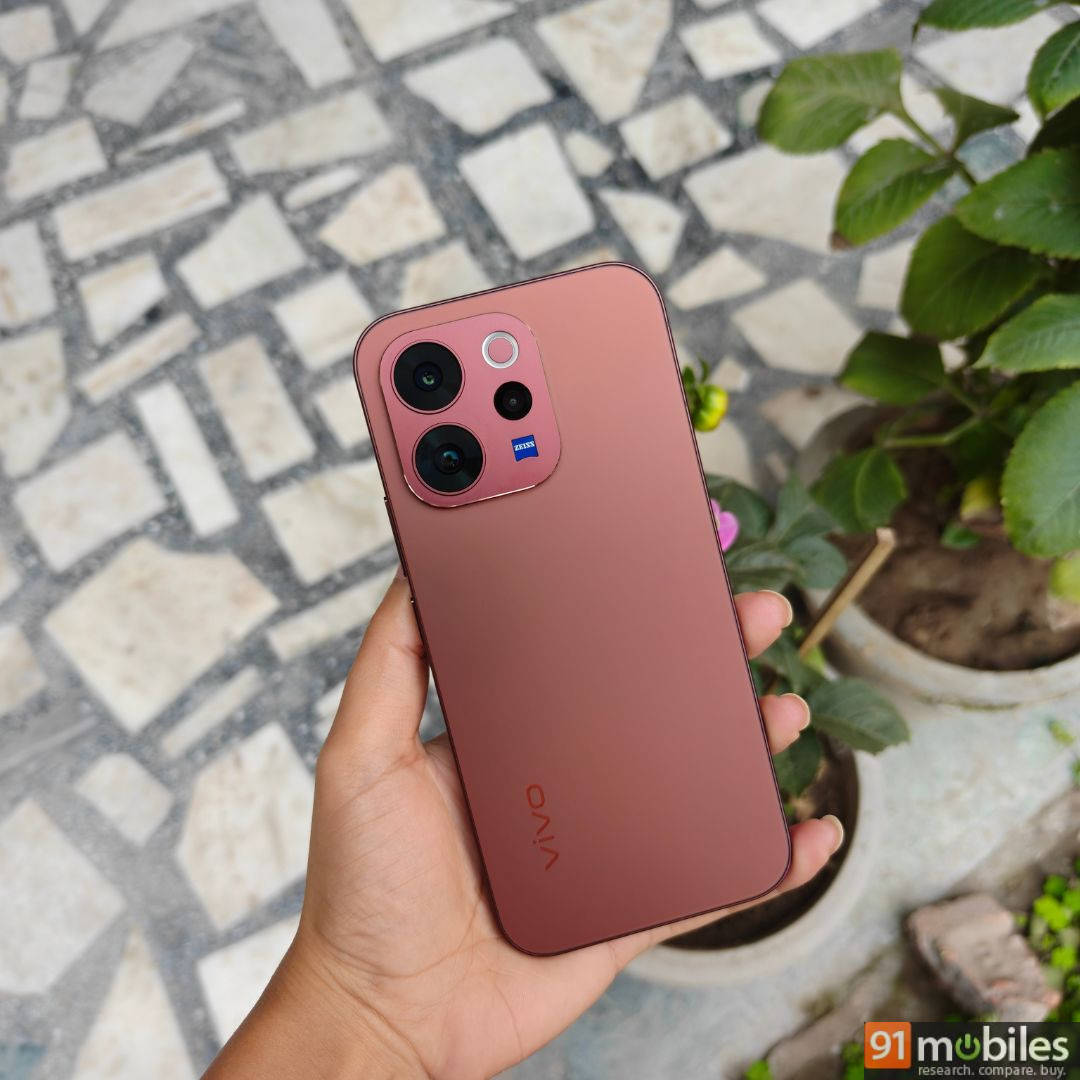
The first thing you notice about any new phone is how it looks and feels in the hand, and the Vivo V70 makes a strong first impression. With its 6.59-inch display, the phone strikes a comfortable balance between compact and immersive. The flat frame and edges enhance grip and give it a clean, modern aesthetic that feels distinctly premium.
Our review unit came in Passion Red, a shade that’s more refined than loud, yet eye-catching enough to stand out. It’s the kind of colour that draws compliments, and it certainly received some during my time with the device. The 6.59-inch screen size further adds to the appeal, offering ample viewing space while remaining easy to handle, making it ideal for users who want a large display without the bulk of an oversized phone.
Flagship-grade display
Beyond the design, the display itself is one of the V70’s strongest assets. Vivo’s decision to move to a flat panel feels like the right call. The 6.59-inch 1.5K AMOLED display supports a 120Hz refresh rate, HDR10+, and up to 5,000 nits of peak brightness. In everyday use, this translates to a crisp, vibrant, and well-balanced viewing experience.
While a 165Hz panel is the new benchmark in the segment, the practical difference in regular usage is minimal since most apps don’t take advantage of the higher refresh rate. The V70’s 120Hz implementation feels smooth and consistent, and the slim bezels further enhance immersion. The phone also gets plenty bright indoors and outdoors.
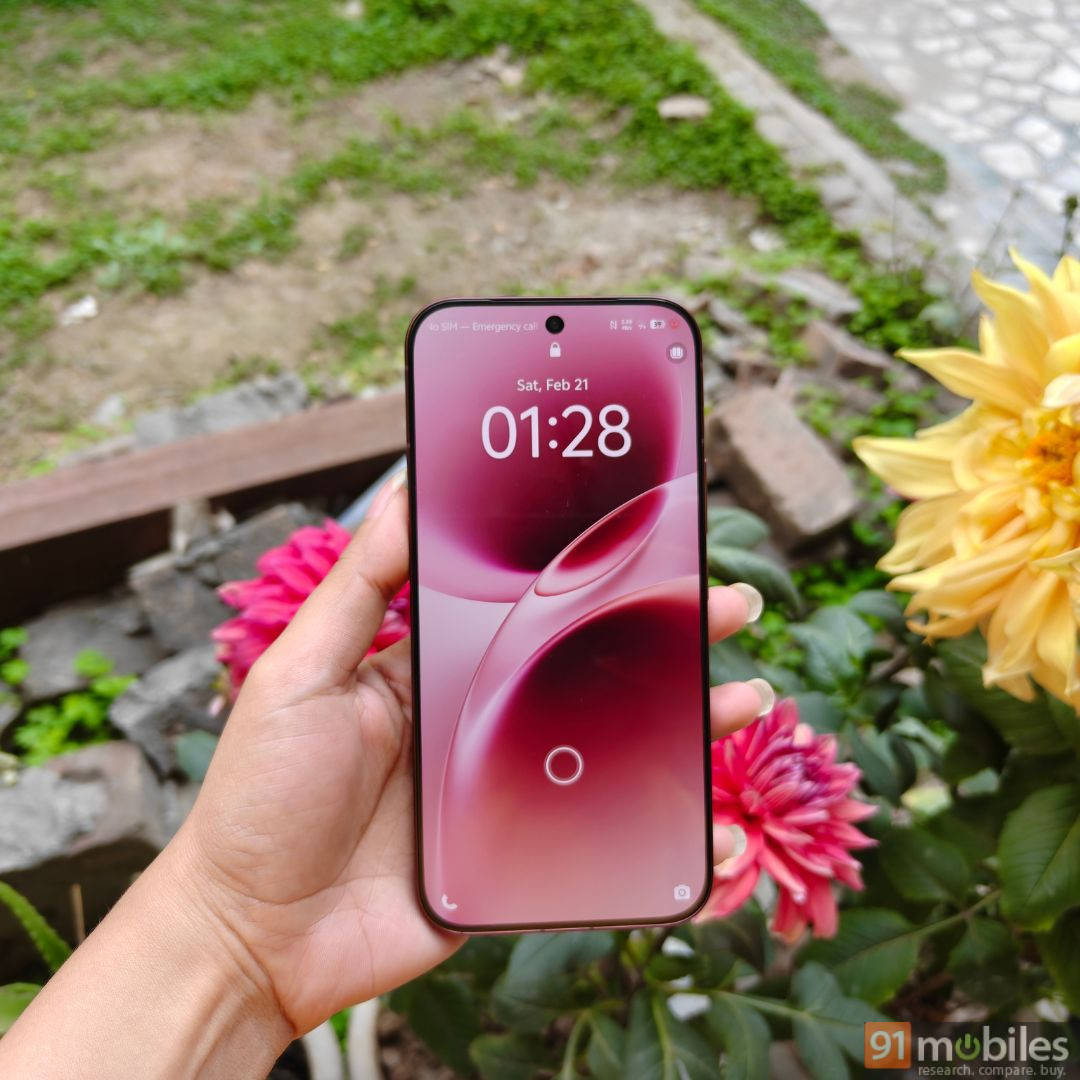
Overall, the Vivo V70’s design and display experience feel polished and flagship-like, reinforcing its premium positioning right from the first glance.
Feature-rich cameras
Cameras have always been central to Vivo’s V-series identity, especially with the inclusion of Zeiss optics, and the Vivo V70 continues that formula. It features a Zeiss-branded triple-camera setup comprising a 50MP primary sensor, a 50MP night telephoto lens with 3x optical and up to 10x digital zoom, and an 8MP ultra-wide camera. On the front, there’s a 92-degree 50MP selfie camera. It’s a flexible and well-rounded configuration, though it’s worth noting that the previous V60 offered a very similar setup.
In day-to-day use, the V70’s camera system proves reliable and versatile. The primary sensor delivers strong results in good lighting, with balanced colours and pleasing contrast. The 3x telephoto lens is useful for portraits and zoom shots, while the high-resolution front camera with its wide field of view makes it ideal for group selfies.




















Vivo also includes a range of photographic styles such as Vivid, Zeiss, Texture, and more. The default Vivid mode leans into punchy colours that work especially well for social media, though users can experiment with personalised styles depending on their preference. There are also AI-powered additions that allow you to insert themed backgrounds, weather effects, and festive elements like Holi-inspired overlays. While these features add a layer of fun and creativity, they can feel more gimmicky than essential in regular photography.
To better understand where the Vivo V70 stands in its segment, we compared its cameras with the Realme 16 Pro+ (review) across different shooting scenarios.
Daylight
Despite packing a capable 50MP primary sensor, the Vivo V70 trails the Realme 16 Pro+ in pure detail and sharpness. That’s not entirely surprising given the Realme’s 200MP main camera, which has an inherent advantage when it comes to resolving finer textures and retaining clarity, especially in well-lit conditions.


Vivo’s image processing also leans slightly towards added contrast, which can make colours pop but doesn’t always look entirely natural. That said, the results are still visually appealing and social media-friendly. In terms of dynamic range and exposure control, both phones perform reliably, though the Realme 16 Pro+ edges ahead with slightly better highlight retention and more balanced exposure.
Ultra-wide
Both devices use an 8MP ultra-wide sensor, and the similarity on paper largely translates to comparable real-world performance. The Vivo V70 manages to capture slightly better detail than the Realme 16 Pro+, though the difference isn’t dramatic. Colour consistency remains similar to what we observed in daylight shots from the primary camera, with Vivo maintaining its slightly contrast-heavy tuning. When it comes to distortion control and dynamic range, both phones perform almost identically, keeping edge stretching in check.


Portrait
Portrait shots from the Realme 16 Pro+ and Vivo V70 delivered some interesting contrasts. In one particular scene with fencing grills in the background, the Vivo V70 produced an unusual bokeh effect, with the blur rendering appearing almost sketch-like and unnatural. However, when we switched to a cleaner background, the portrait results looked normal.


In terms of colour science, the Realme 16 Pro+ captures more realistic skin tones, while the Vivo V70 tends to add a warmer tint. The warmer output isn’t necessarily unpleasant and may even appeal to some users. Edge detection, on the other hand, is slightly better on the Vivo V70, with cleaner subject separation. That said, the inconsistent bokeh rendering in certain scenarios brings the two phones closer overall, effectively putting them on a similar footing for portrait photography.
Selfies
Selfie performance follows a similar pattern. The Realme 16 Pro+ holds a slight edge in overall detail, skin tone accuracy, and dynamic range, delivering more consistent results across different lighting conditions. That said, the Vivo V70 does offer one notable advantage: its wider field of view. The broader framing makes it better suited for group selfies, allowing you to fit more people into the frame.


Low-light
In low-light conditions, the Realme 16 Pro+ clearly pulls ahead. It handles light sources more gracefully, with better flare control and more balanced exposure compared to the Vivo V70. While both phones manage noise reasonably well and retain a fair amount of detail for the segment, closer inspection reveals that the Realme preserves textures more effectively.


Colour reproduction also leans more natural on the Realme 16 Pro+, whereas the Vivo V70 continues its more contrast-heavy approach. The difference isn’t drastic at first glance, but when you zoom in and compare shots side by side, the Realme 16 Pro+ maintains a noticeable advantage in overall low-light rendering.
Night mode
With Night mode enabled, the Vivo V70 does improve its handling of light sources, showing better flare control compared to its standard low-light shots. However, both phones introduce a bit more visible noise in their Night mode images, likely due to the aggressive brightening and processing involved. Even then, the Realme 16 Pro+ manages to keep noise slightly better in check and retains marginally cleaner details.


Colour reproduction also sees an improvement on both devices in Night mode, with better balance and more pleasing tones overall. That said, the Realme continues to maintain a small but noticeable edge in overall refinement.
In summary, the Realme 16 Pro+ holds a noticeable advantage across most key camera metrics and is also priced lower than the Vivo V70, making it the more sensible pick if photography is your top priority. That said, the V70’s cameras are far from weak. They’re versatile, feature-rich, and more than capable for everyday photography, social media content, and the occasional creative experiment.
Dependable performance
Performance is handled by the Snapdragon 7 Gen 4 SoC on the Vivo V70. This is the same chipset that powers the V60. Although a capable mid-range chipset, you can still find faster chipsets in phones in a lower price segment. Be that as it may, the Vivo V70 isn’t positioned as a performance-focused phone and delivers just enough for regular to moderate usage. You’re not going to face any noticeable issues with the V70, be it normal usage like social media, streaming content, or even multitasking. Even in gaming, the phone offers a decent experience with good thermal controls.
If we consider benchmark numbers, then yes, the Vivo V70 does fall short among rivals. For example, the OnePlus 15R (review) with a faster Snapdragon 8 Gen 5 chipset offers much higher numbers for raw performance. However, the V70 is on par or slightly higher than its fellow Snapdragon 7 Gen 4 phones.



On the software front, the experience feels noticeably more polished this time, largely due to the introduction of OriginOS 6, a significant step up from Funtouch OS. Animations are smoother and more fluid, the interface feels cleaner, and features like customisable wallpapers add a layer of personalisation that enhances the overall usability. There’s also a neat “Flip Cards” wallpaper feature that adds a subtle live effect to your home screen. As you tilt the phone left or right, the wallpaper shifts colours dynamically, creating a sense of depth and movement. You can even generate this effect using your own videos, which adds a fun and personalised touch to the overall experience.
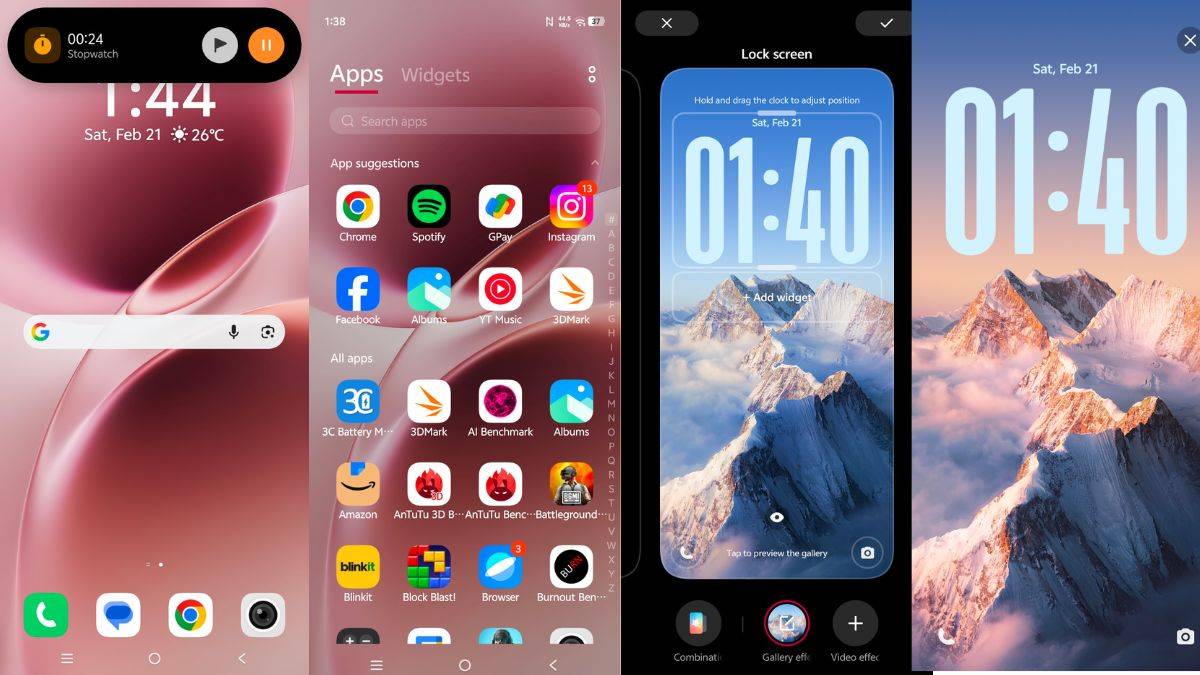
Vivo has also trimmed down the number of pre-installed apps compared to the V60. While the count still sits at around 50, which is undeniably high, it’s a noticeable improvement and comparatively lower than what some rival brands preload in this segment. Hopefully, Vivo will take note and reduce the number of pre-installed apps in future updates. The Vivo V70 is promised to receive four major OS upgrades and six years of security updates.
All-day battery life
Battery capacity remains unchanged at 6,500mAh on the Vivo V70, paired with 90W fast charging. While this is still a solid combination, it’s worth noting that several brands are now pushing 7,000mAh and larger batteries across segments, raising expectations around endurance. Even so, the V70 holds its ground, delivering a respectable 15 hours and 27 minutes in our in-house PCMark battery benchmark test.

In everyday usage, that translates to comfortably lasting a full day with moderate activity, including social media browsing, streaming content, navigation, and music playback. For most users, the battery life will feel reliable and consistent, with the added advantage of quick top-ups when needed. The handset takes roughly 40 minutes to go from 20 percent to 100 percent.
Final Verdict
The Vivo V70 is a well-balanced upper midrange smartphone that nails the essentials. Its premium flat-edge design and vibrant display give it a sleek, compact feel, making it comfortable to use without sacrificing screen quality. Performance is dependable for everyday tasks and casual gaming, though power users seeking maximum performance may want to consider alternatives like the OnePlus 15R (review), which starts at Rs 47,999.
The cameras are feature-rich and versatile enough for most scenarios, even if they don’t lead the segment in outright image quality. Battery life is solid and comfortably lasts a full day, rounding out a package that focuses on refinement rather than raw power. Overall, the V70 is ideal for users who value design, display quality, and reliability over peak performance.
Editor’s rating: 8.1/10
Reasons to buy
- The flat-edge frame and refined finish give the phone a sleek, flagship-like appearance that feels as good in hand as it looks.
- The 1.5K AMOLED panel delivers sharp visuals, excellent brightness, and smooth 120Hz performance, all enhanced by the practical and modern flat design.
- A versatile multi-camera setup with Zeiss tuning, multiple shooting modes, and features offers flexibility for everything from portraits to social media-ready shots.
- The dual stereo speakers produce clear, room-filling sound with good separation, making media consumption and gaming more immersive.
Reasons to skip
- The software experience could benefit from better optimisation and reduced clutter to feel truly premium.
- Low-light shots lack the level of detail, colour accuracy, and flare control seen in some competing devices in the segment.