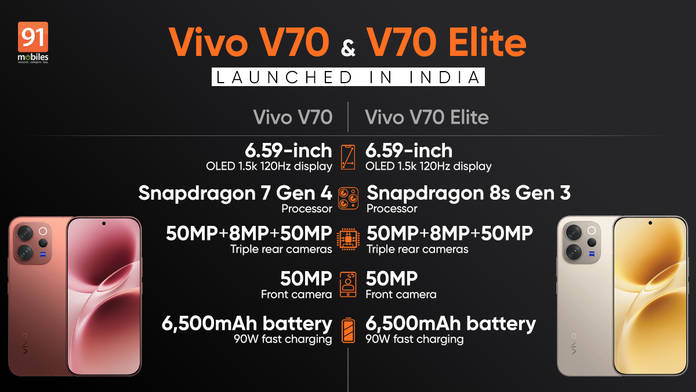
The Vivo V70 and the Vivo V70 Elite have officially been launched in India. These next-gen V-series offerings supersede Vivo V60 (review) in the company’s portfolio as mid-range camera and design-focused smartphones. Moreover, Vivo has refreshed its strategy with the series by offering an Elite smartphone in the lineup, which boasts a more promising chipset. That’s the only major difference between the base Vivo V70 and the Vivo V70 Elite smartphone. Both smartphones come with identical displays, cameras, batteries, charging speeds, and more.
Vivo V70 series price in India, availability
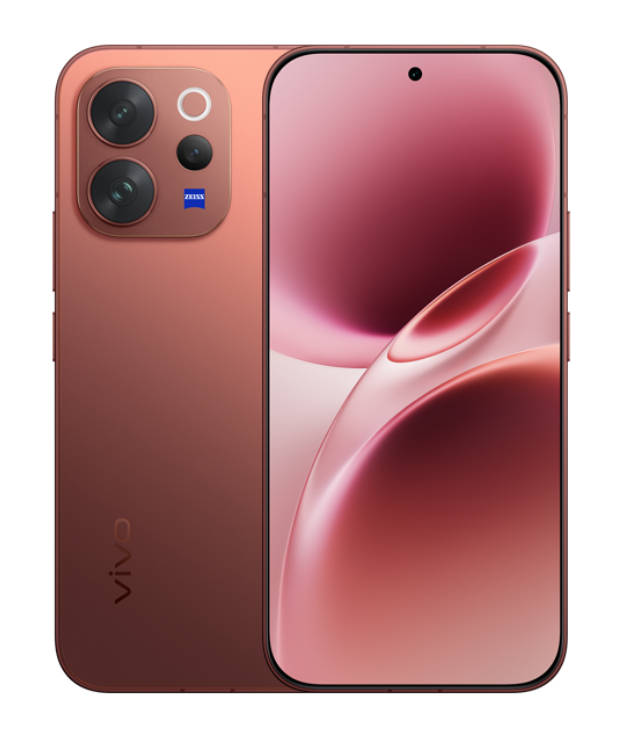
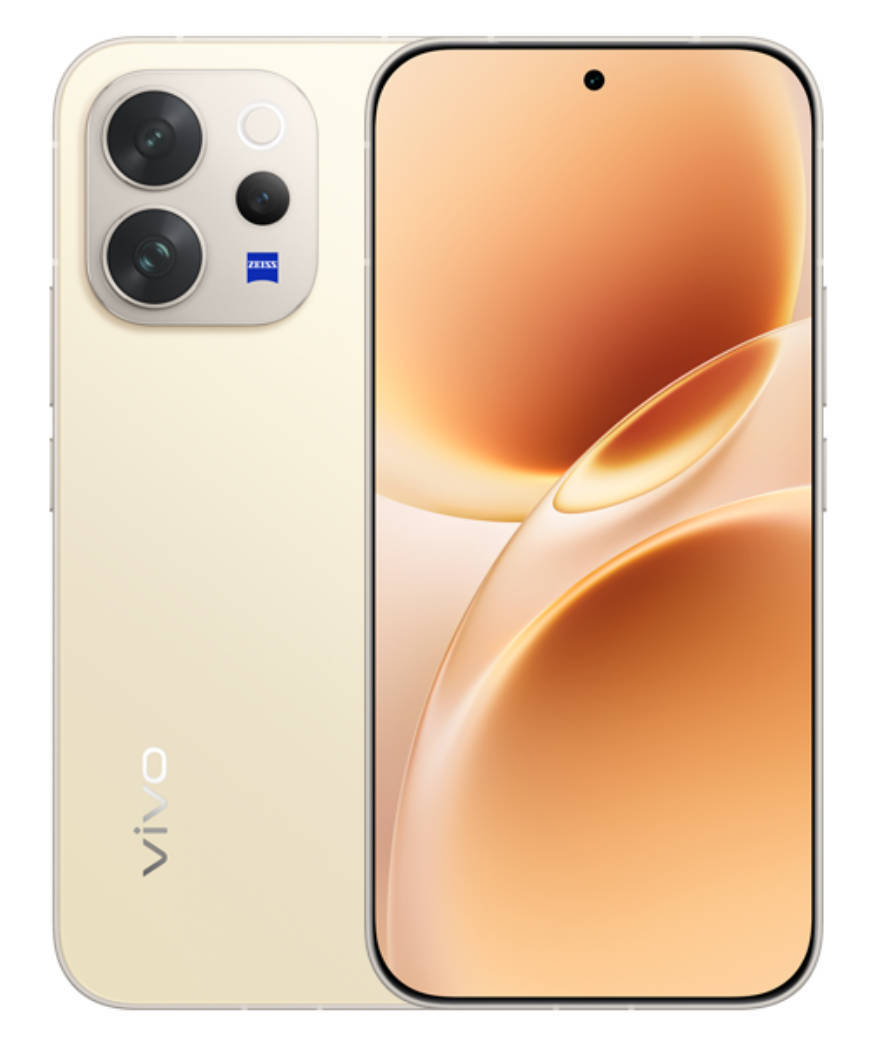
The Vivo V70 Elite might be worth buying for its promising cameras and slightly more powerful performance than its younger sibling. The handset has been priced in India at Rs 51,999 for the base 8GB RAM + 256GB storage. The Elite also comes in 12GB RAM + 256GB storage and 12GB RAM + 512GB storage configurations, priced at Rs 56,999 and Rs 61,999, respectively. The phone is available in Passion Red, Sand Beige, and Authentic Black colour options.
The Vivo V70, on the other hand, should appeal to users, prioritising a versatile, dependable camera setup and being content with relatively modest performance. The handset comes with a sticker price of Rs 45,999 for the base 8GB RAM + 256GB storage, while the top-end 12GB RAM + 256GB storage costs Rs 49,999. Passion Red and Lemon Yellow are the only two colour options of the smartphone.
Pre-booking for the V70 starts today, and the sale on February 26th via vivo.com, Amazon.in, Flipkart and offline stores.
If you are looking for a slightly more powerful smartphone in the segment, the OnePlus 15R (review) and Vivo’s own X200FE (review) are worth checking out in the respective segments. That said, the Vivo V70 series has an edge over the OnePlus offering with a more versatile camera setup, while the X200FE packs a slightly smaller battery.
Vivo V70 series specifications
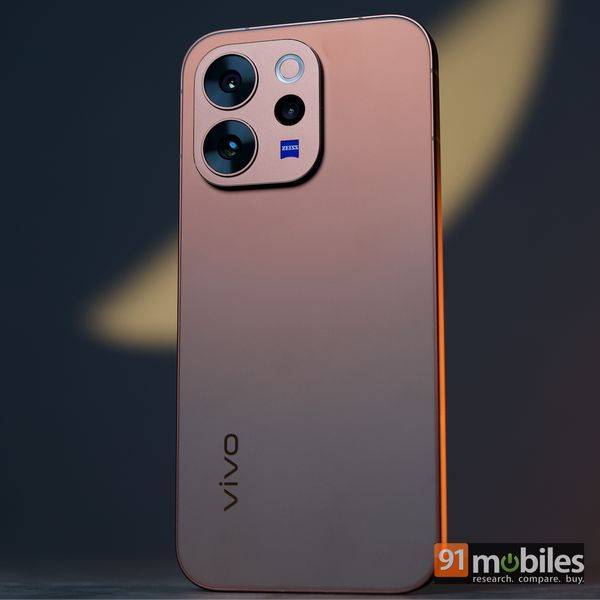
The Vivo V70 and V70 Elite boast flat edges and a square-shaped camera module. This should greatly enhance the ergonomics of the devices, providing a better in-hand feel than the curved screen design, while also making the smartphones similar to other contemporary smartphones. The handsets also sport rounded corners and an aerospace-grade aluminium frame to offer a premium look. Moving on, both devices are IP68 and IP69 rated, keeping them safe from dust and water.
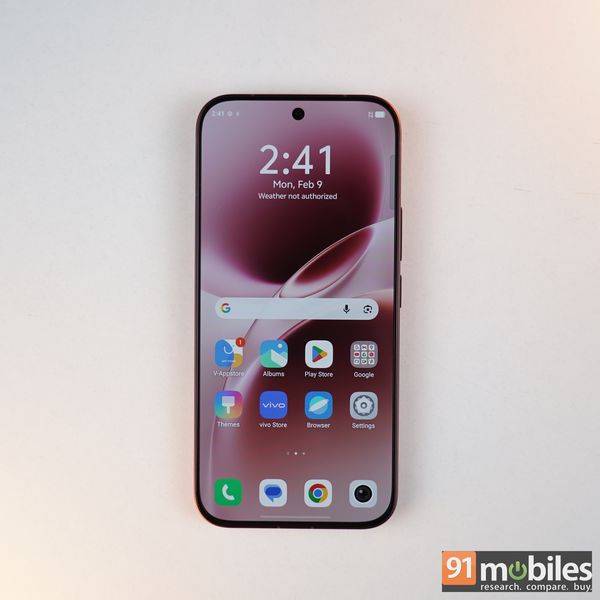
The Vivo V70 and V70 Elite sport a 6.59-inch OLED display with a 1.5K resolution, 120Hz refresh rate, and a claimed peak brightness of 5,000 nits. With a pixel density of 459ppi and support for 1.07 billion colours, Vivo says the panel delivers sharp text, punchy contrast, and vivid visuals. The 1.25mm slim bezels should lend an immersive viewing experience, while the high brightness figure is likely to aid outdoor visibility.
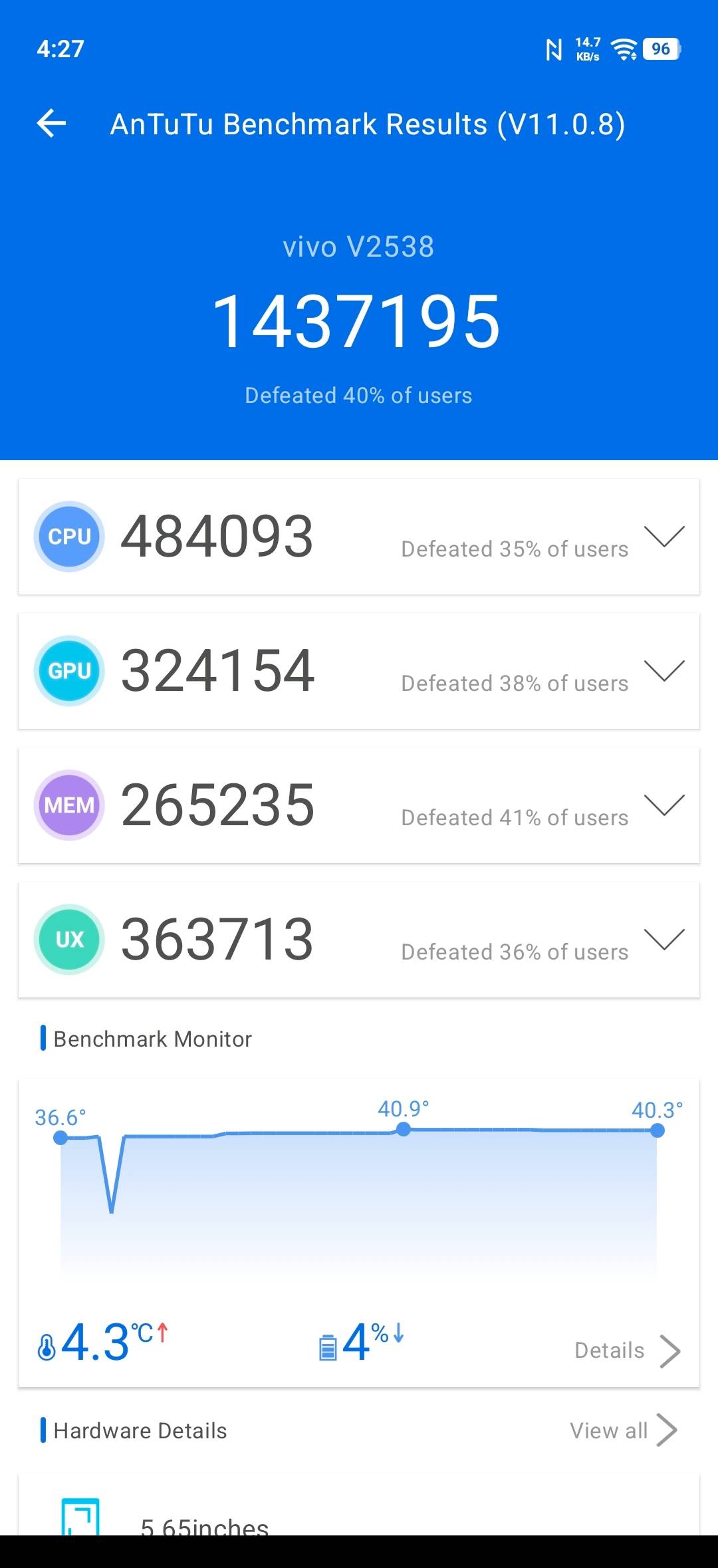
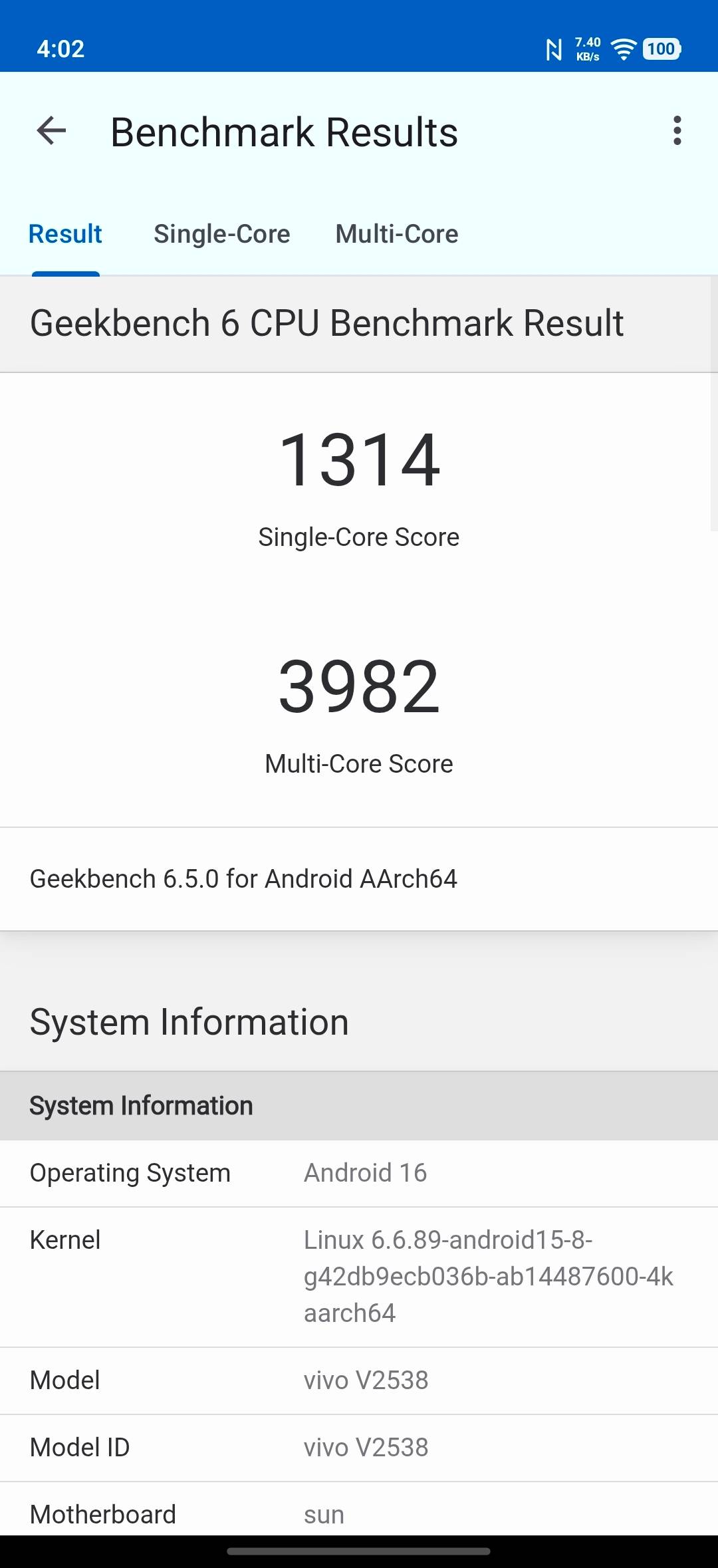
Under the hood, the Vivo V70 Elite is powered by Qualcomm’s Snapdragon 8s Gen 3 chipset, marking the first time a V-series device has featured a Snapdragon 8-series processor. The SoC is paired with LPDDR5X RAM and UFS 4.1 storage, promising faster app launches, shorter game load times, and smoother multitasking.
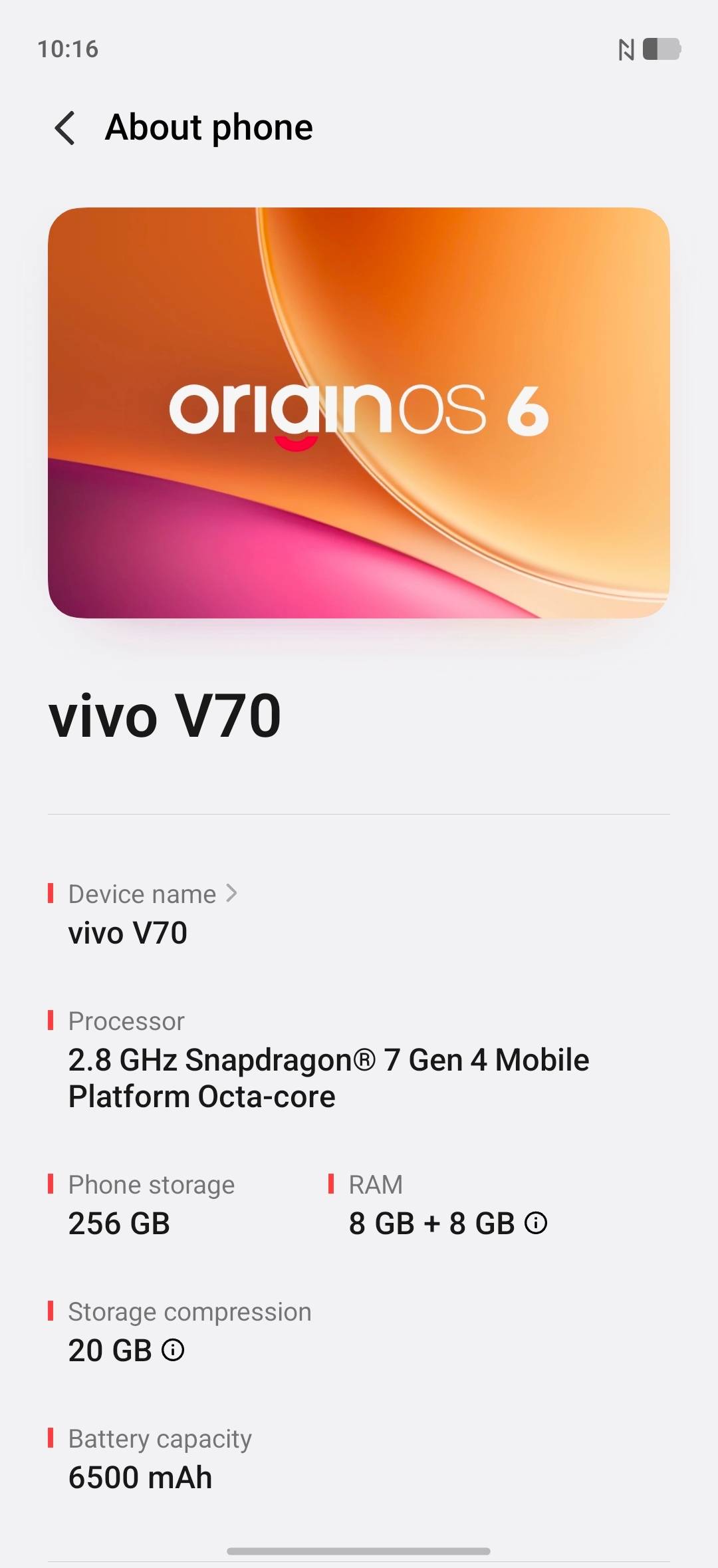
The standard Vivo V70, meanwhile, runs on the Snapdragon 7 Gen 4, which is the same chipset as its predecessor. While it may not represent a generational leap in raw performance, it should remain capable for daily tasks, social media use, and moderate gaming. Users seeking a more noticeable performance boost may find the Elite variant better suited to their needs.
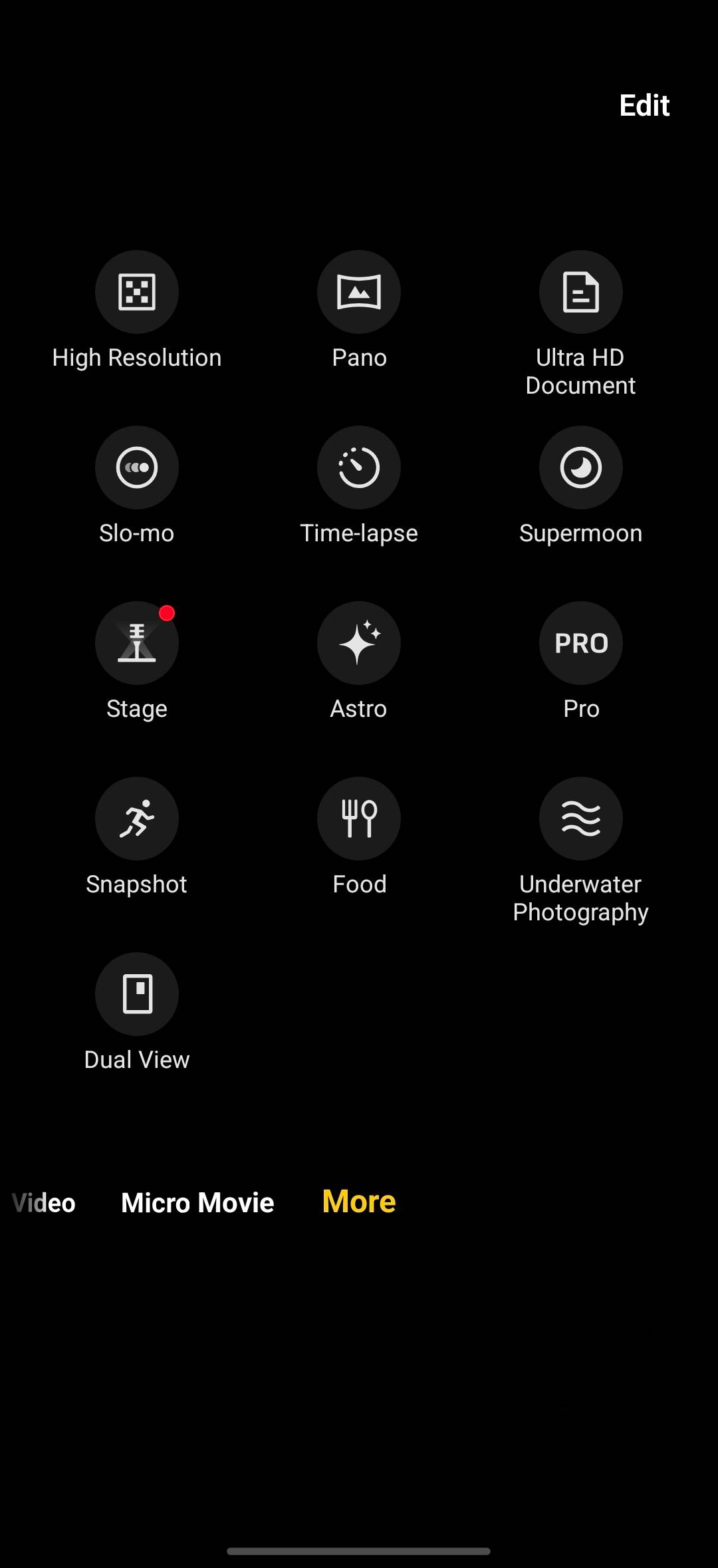
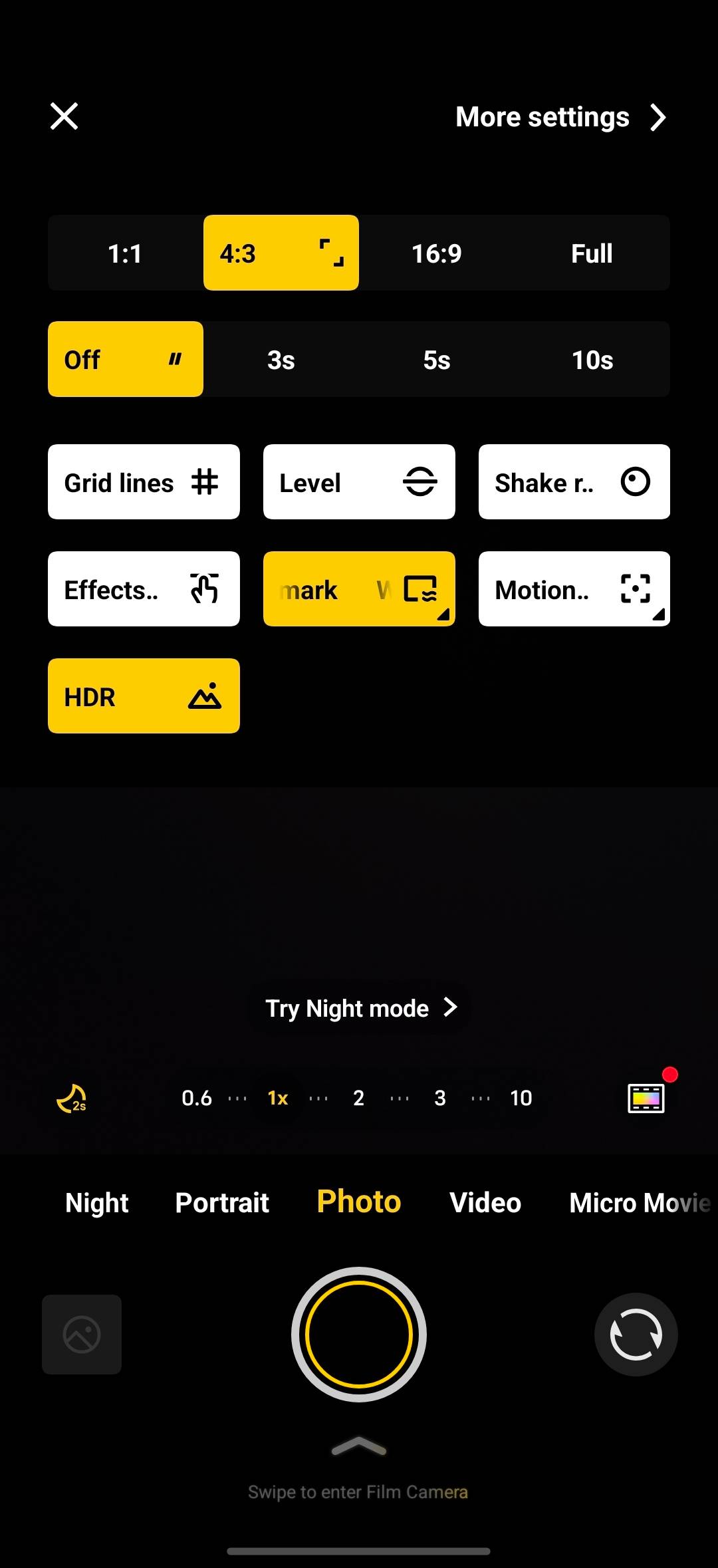
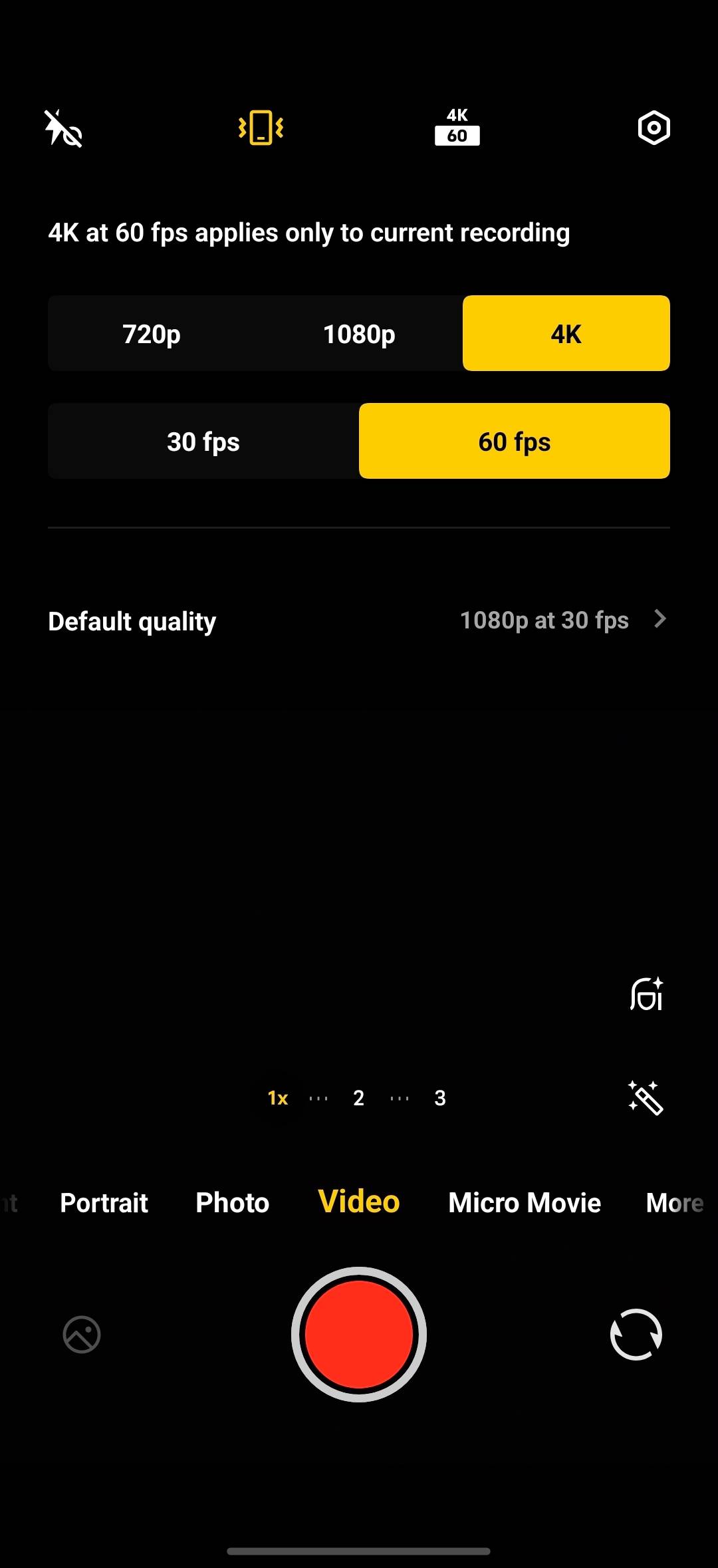
Both the Vivo V70 and V70 Elite share the same camera hardware. The setup includes a 50MP Zeiss Night Telephoto sensor (1.5cm), which Vivo claims is the largest in its segment, alongside a 50MP Zeiss OIS main sensor (1.6cm) and an 8MP Zeiss ultrawide lens. On the front, there is a 50MP Zeiss selfie camera with a 92-degree field of view. The system supports 4K 60fps video recording and introduces several AI-powered features such as AI Floral for petal shower effects, AI Weather Magic for stylised environmental portrait effects, and AI Holi Portrait for creative colour-themed imagery.
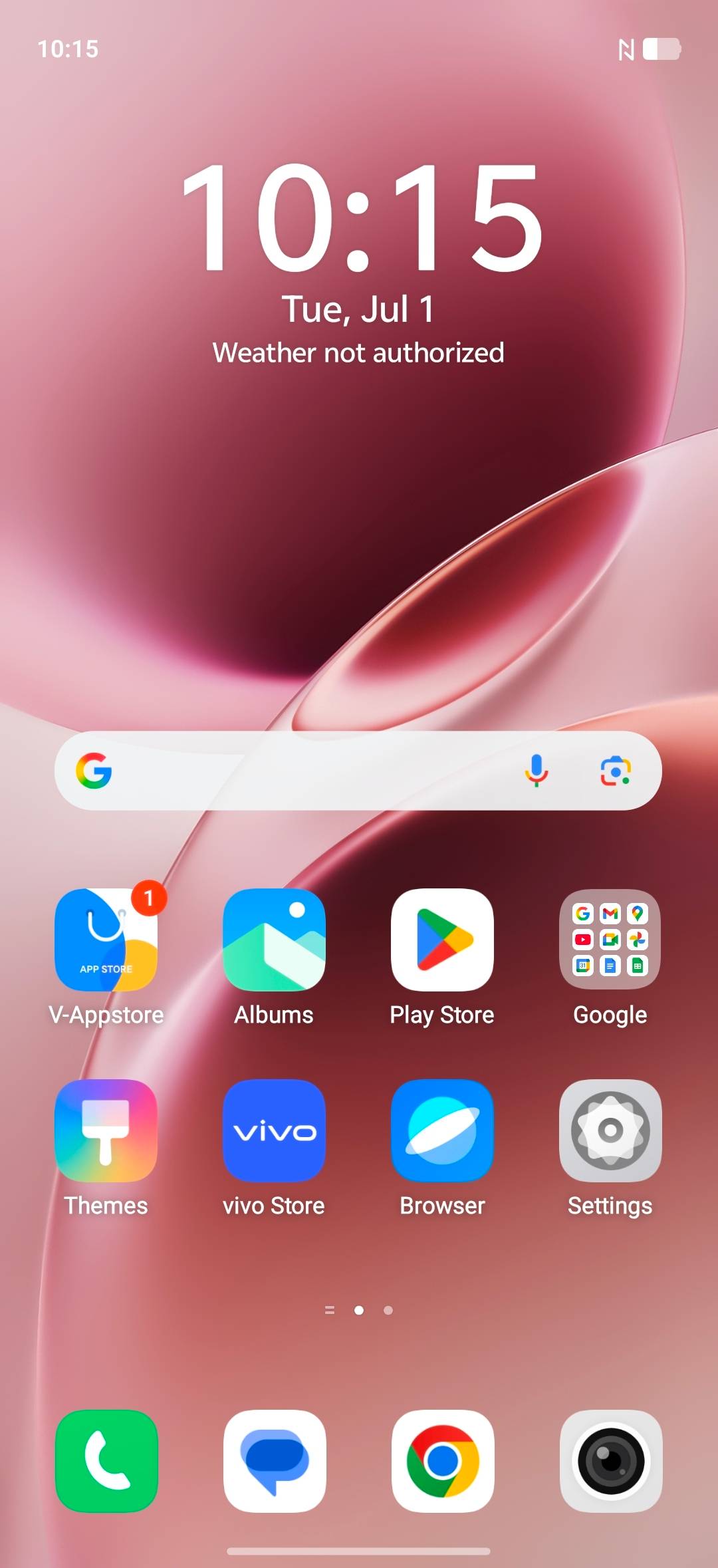
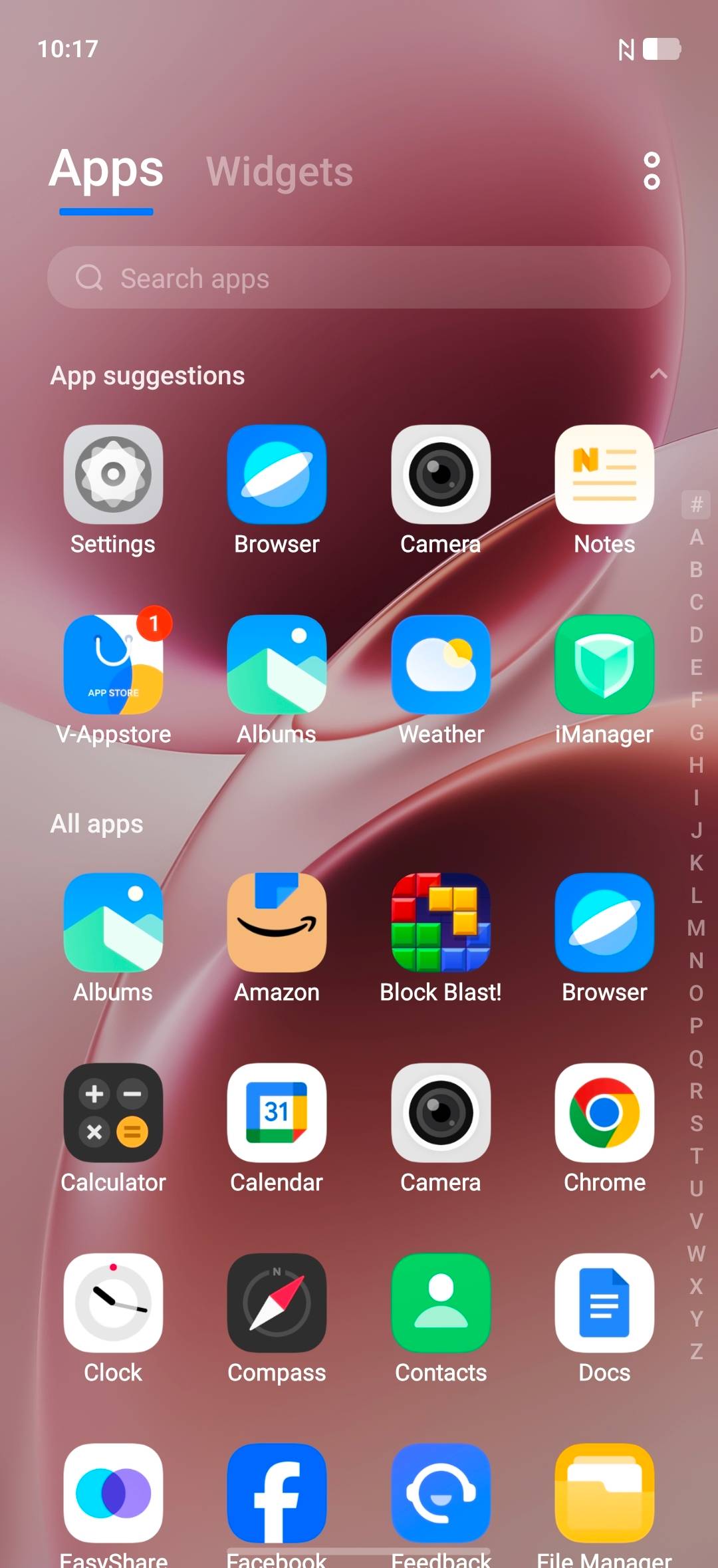
The Vivo V70 series runs Android 16-based OriginOS 6 out of the box. Vivo is also promising six years of software support, which significantly enhances the long-term value proposition.
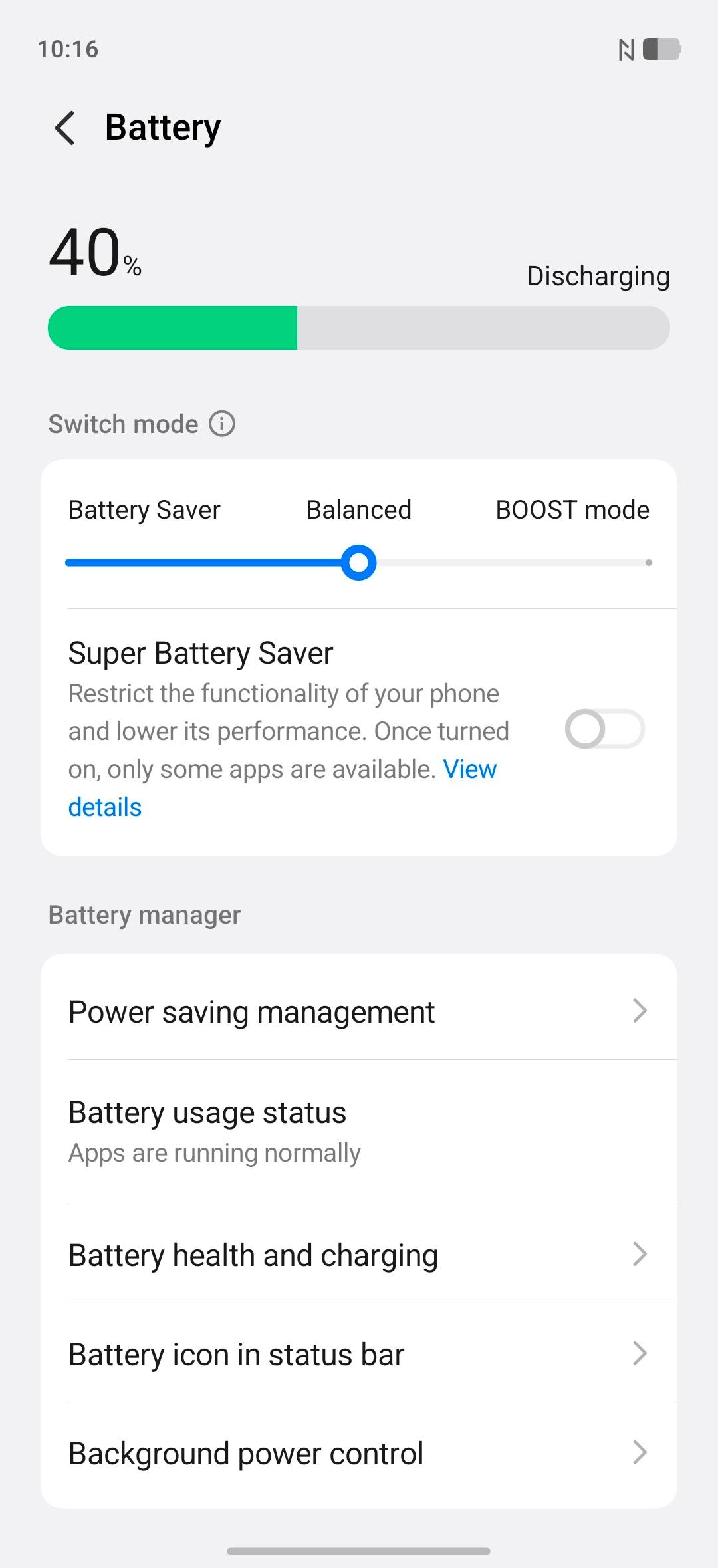
Powering the devices is a 6,500mAh battery with 90W FlashCharge support. According to Vivo, a full charge can deliver up to 11 hours of navigation, 40 hours of video playback, or six hours of 4K 60fps video recording. The phones also support bypass charging, allowing them to draw power directly from the charger during intensive tasks, a feature aimed at reducing heat build-up and maintaining stable performance while plugged in.
Other highlights include a 3D ultrasonic fingerprint scanner 2.0 for quicker and more secure unlocking and an X-axis linear motor aimed at improving haptic feedback during gaming.
vivo V70 Images