Review Summary
Expert Rating
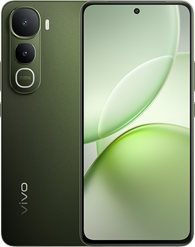
The Vivo Y400 is the latest entrant from the brand under the Y-series. Priced at Rs 21,999, it sits below the Vivo Y400 Pro (review) and, like most Vivo phones launched in the past, the Y400 places high emphasis on design and cameras. This midrange smartphone also bundles several AI features, which can be utilised in daily life to get help with writing and text summarisation, and quickly alter images to get the desired results.
With the Qualcomm Snapdragon 4 Gen 2 SoC and UFS 3.1 storage on board, the Vivo Y400 has a lot to prove when there are superior options available in the segment with relatively more powerful MediaTek Dimensity 8350 and Snapdragon 7s Gen 3 SoCs ticking at their core. So how well does it fare? Find out in this review where I daily drove the Vivo Y400 for a week to test its display, camera, performance, and battery.
Table of Contents
Verdict
The Vivo Y400 impresses with its slim, lightweight design, IP68/69 rating, vibrant AMOLED display, and strong nighttime photography. However, heavy tasks, gaming and multitasking aren’t its strong points, despite boasting UFS 3.1 storage. Also, the highlight control in daylight camera shots could’ve been better.
Sleek, sturdy & solid design
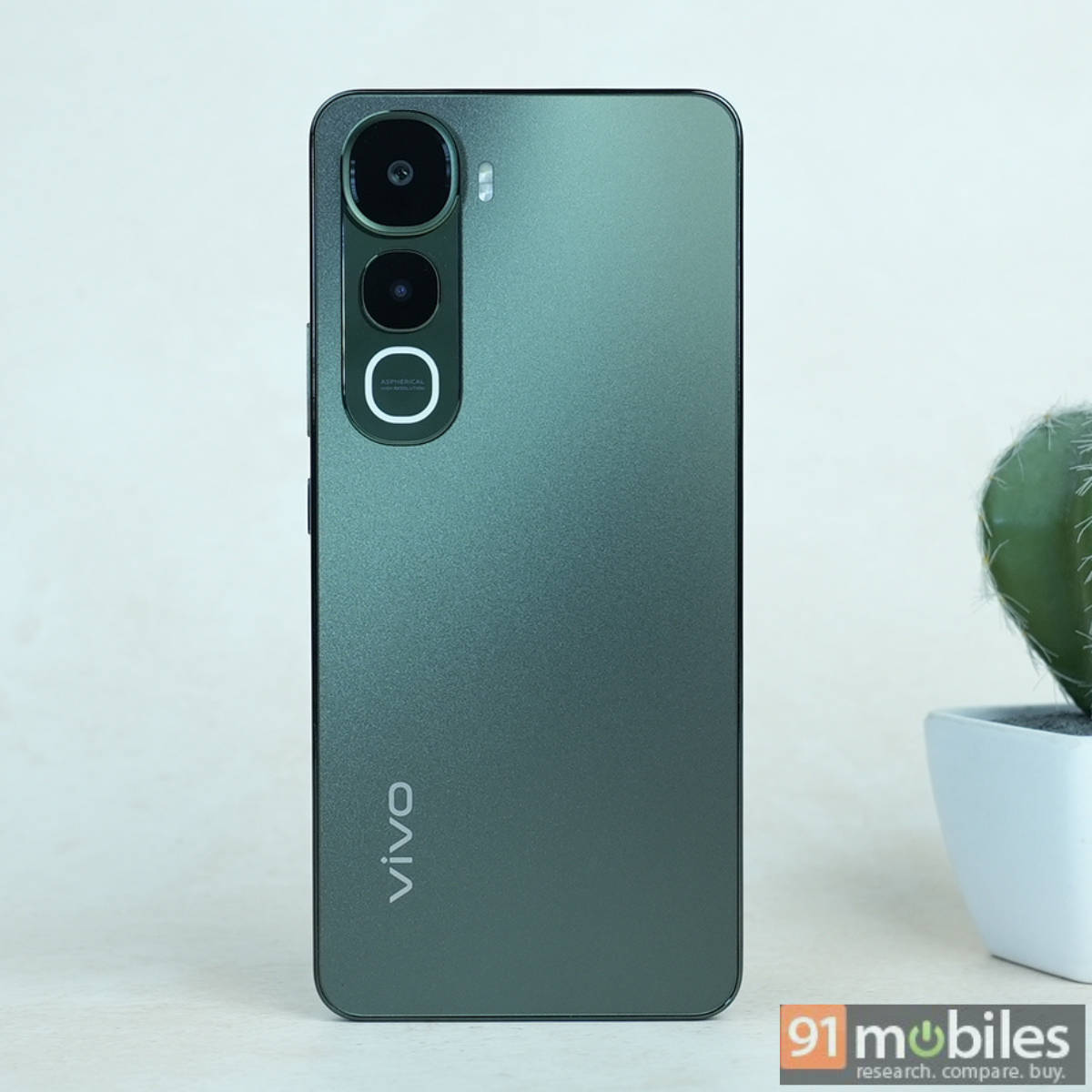
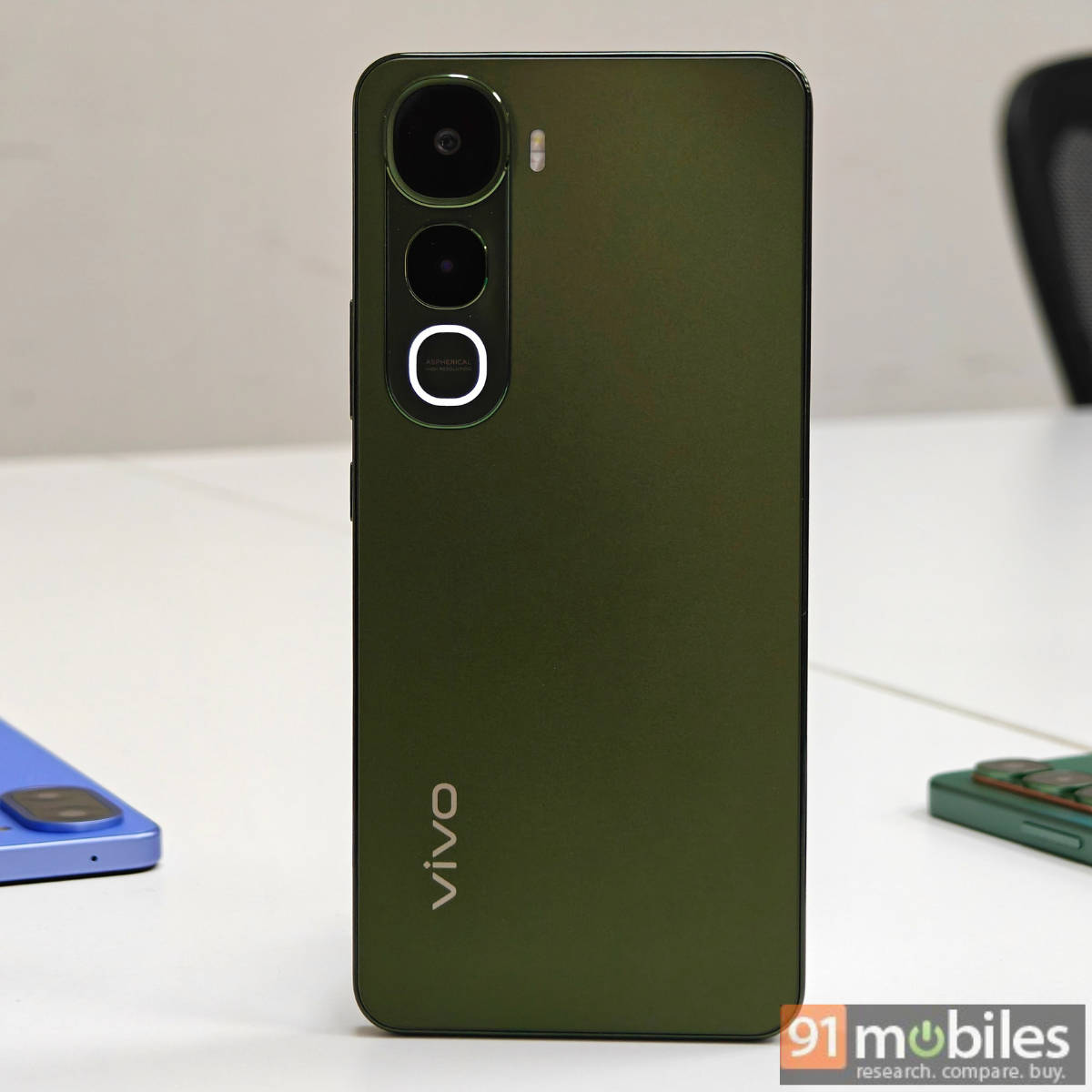
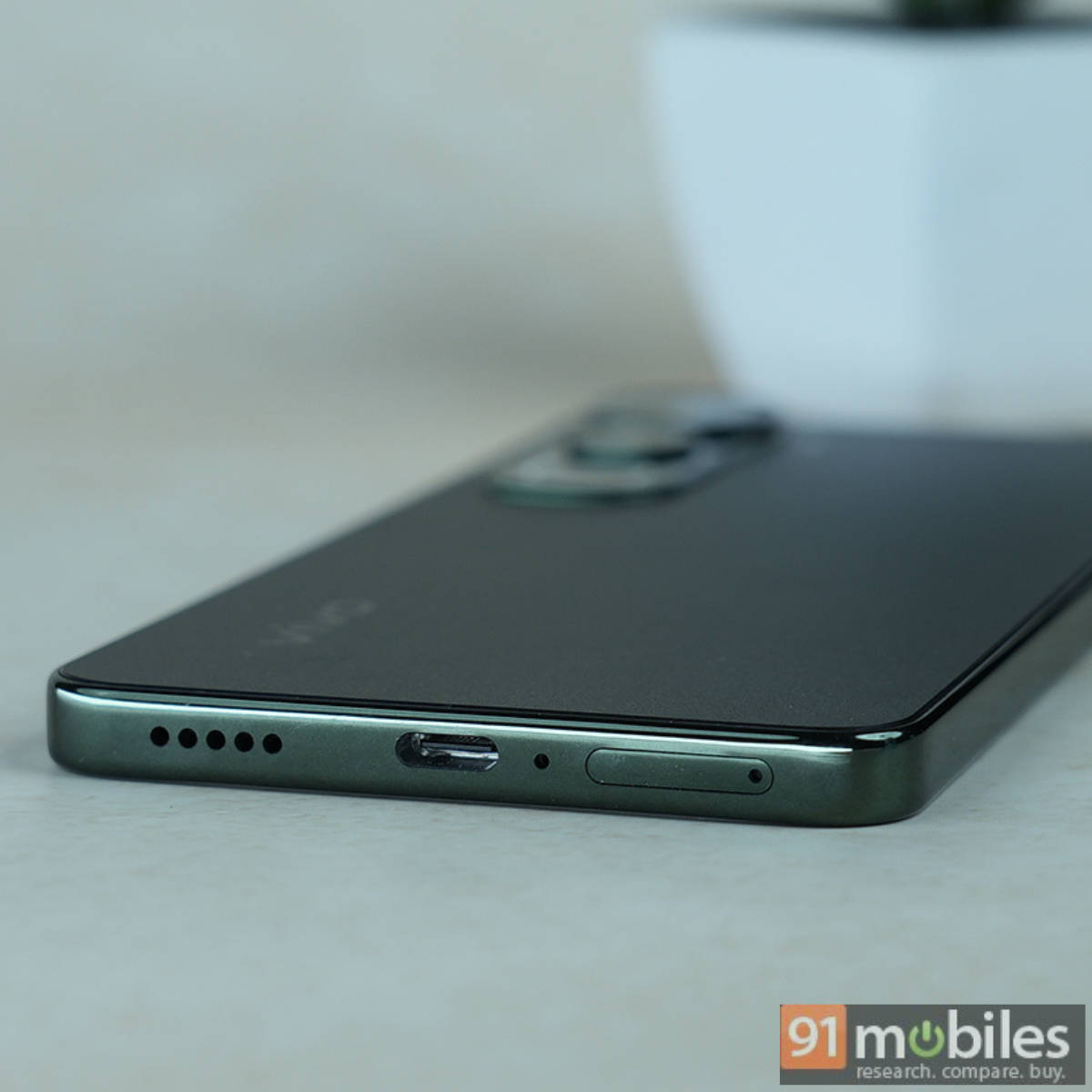
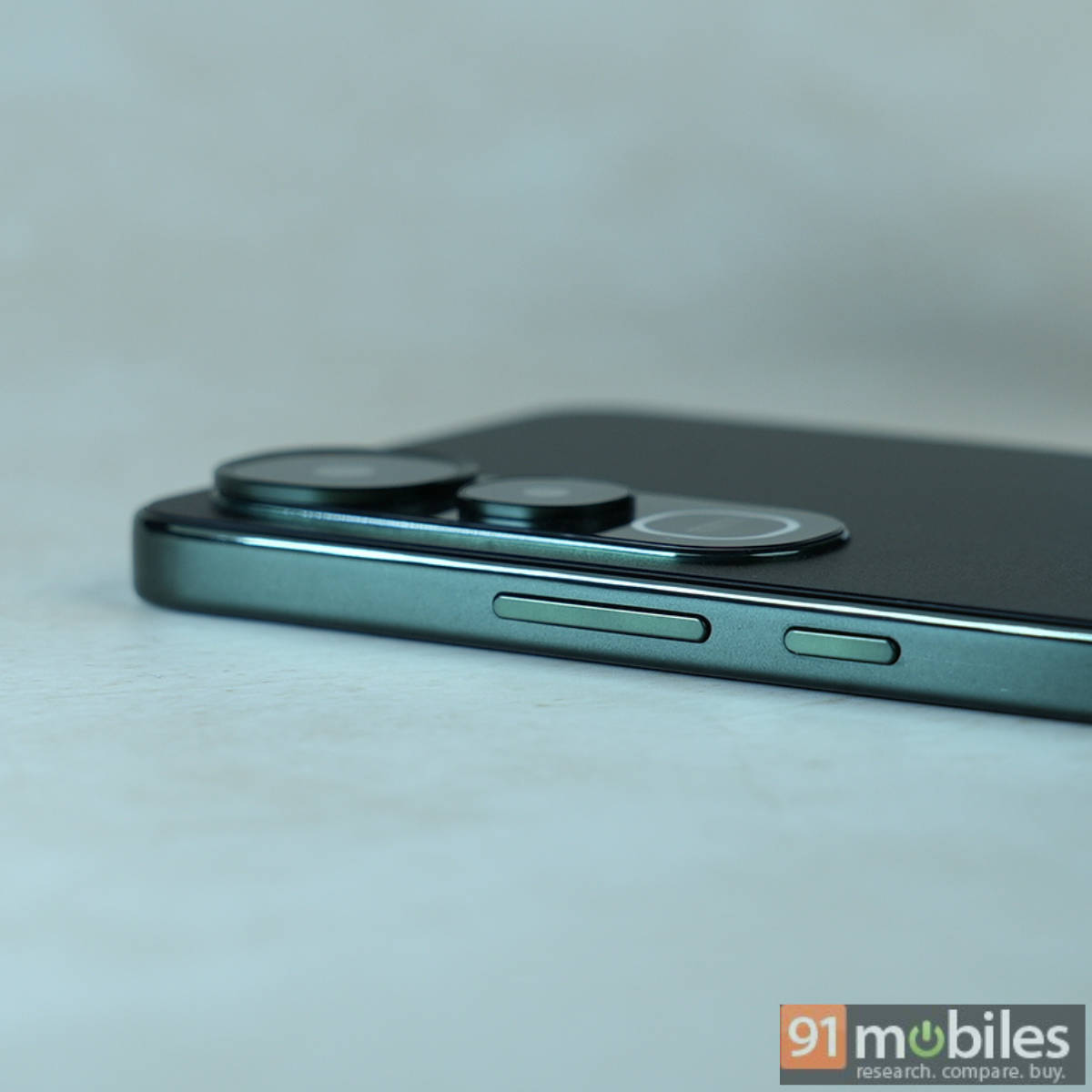
Right after picking up the Vivo Y400 for the first time, I found its build to be comfortable when holding it with one hand. The Olive Green colour variant, which we received for review, comes with 197 grams of weight, while the Glam White shade weighs 198 grams. The thickness of 7.9mm also contributes to the Vivo Y400’s sleekness. Compared to other phones in the Rs 20,000 and Rs 25,000 price bracket, like the Motorola Edge 60 Fusion and OnePlus Nord CE 5, the Vivo Y400 is thinner and features a flat plastic side frame that doesn’t dig into your palms.
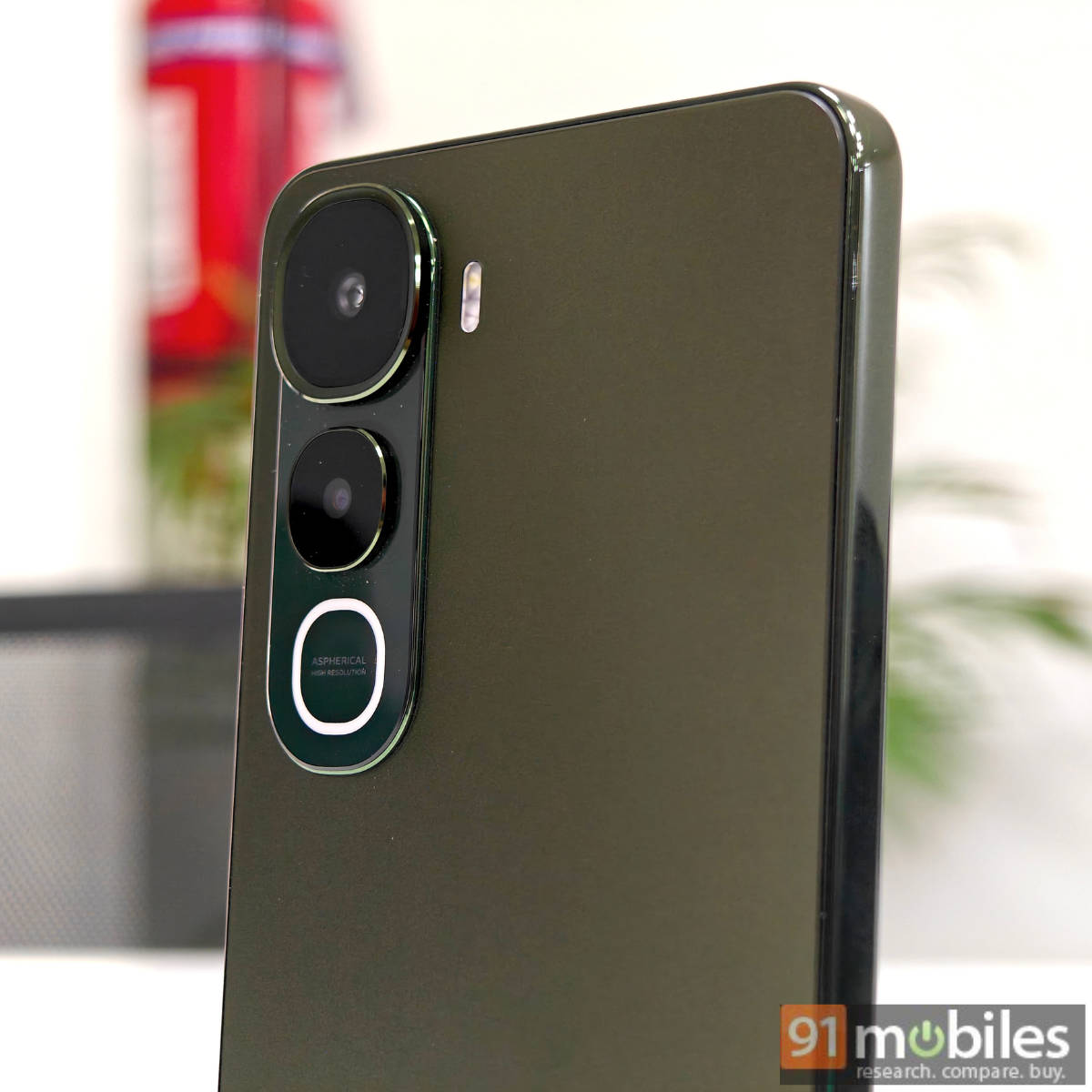
Speaking of the side frame, it is reflective and has a mirror finish that is highly prone to fingerprints and smudges. Thankfully, the Vivo Y400 comes bundled with a high-quality silicone cover that offers protection for the buttons, provides better grip, and helps in keeping the side frame clean. Moving to the back, the Olive Green colour shade gets a matte-textured gradient panel that glitters when light is shed directly over it. The top left corner is occupied by an elongated camera module along with an LED flashlight, while at the bottom sits the “vivo” branding.
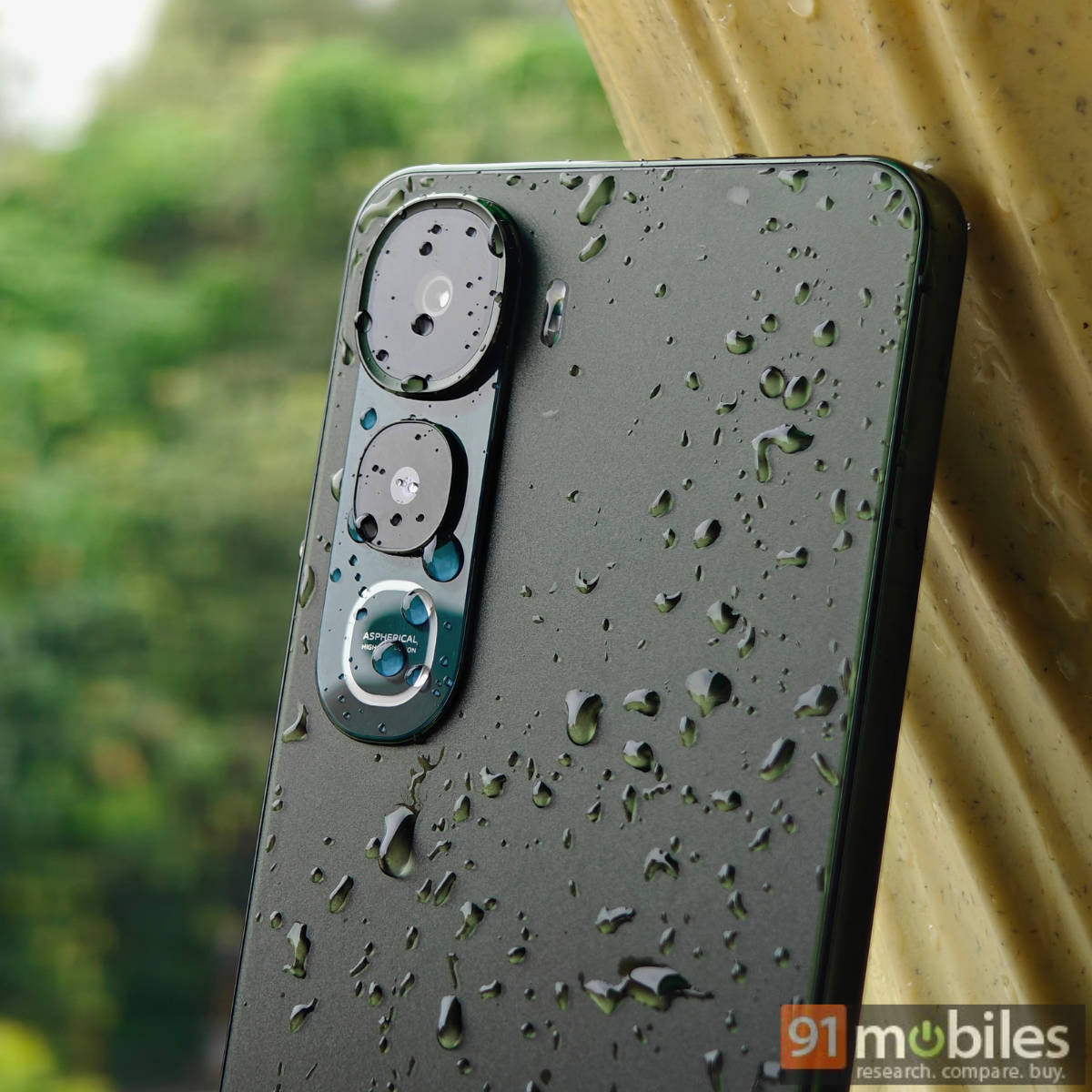
For added durability, the Vivo Y400 gets an IP68/69 rating, indicating strong protection against extreme water jet streams and submersions. Vivo further takes advantage of the IP rating by bundling the phone with a dedicated “Underwater Photography” mode. As the name suggests, the feature enables users to capture photos and record videos underwater. The smartphone is also military-grade MIL-STD-810H certified for protection against drops and accidental bumps on hard surfaces.
A flat AMOLED display that just works
Coming to the front, the Vivo Y400 sports a 6.67-inch FHD (2,400 × 1,080) flat AMOLED display with up to 120Hz refresh rate. This is an E4 panel, which we saw on flagship smartphones like the OnePlus 11 from a few years back. Furthermore, the display gets a pixel density of 394 ppi, P3 wide colour gamut, and up to 1,800 nits of peak brightness. While the panel is decently visible in indoor conditions, it struggles to keep up outdoors on bright sunny days, especially against the OnePlus Nord CE 5 and Motorola Edge 60 Fusion.
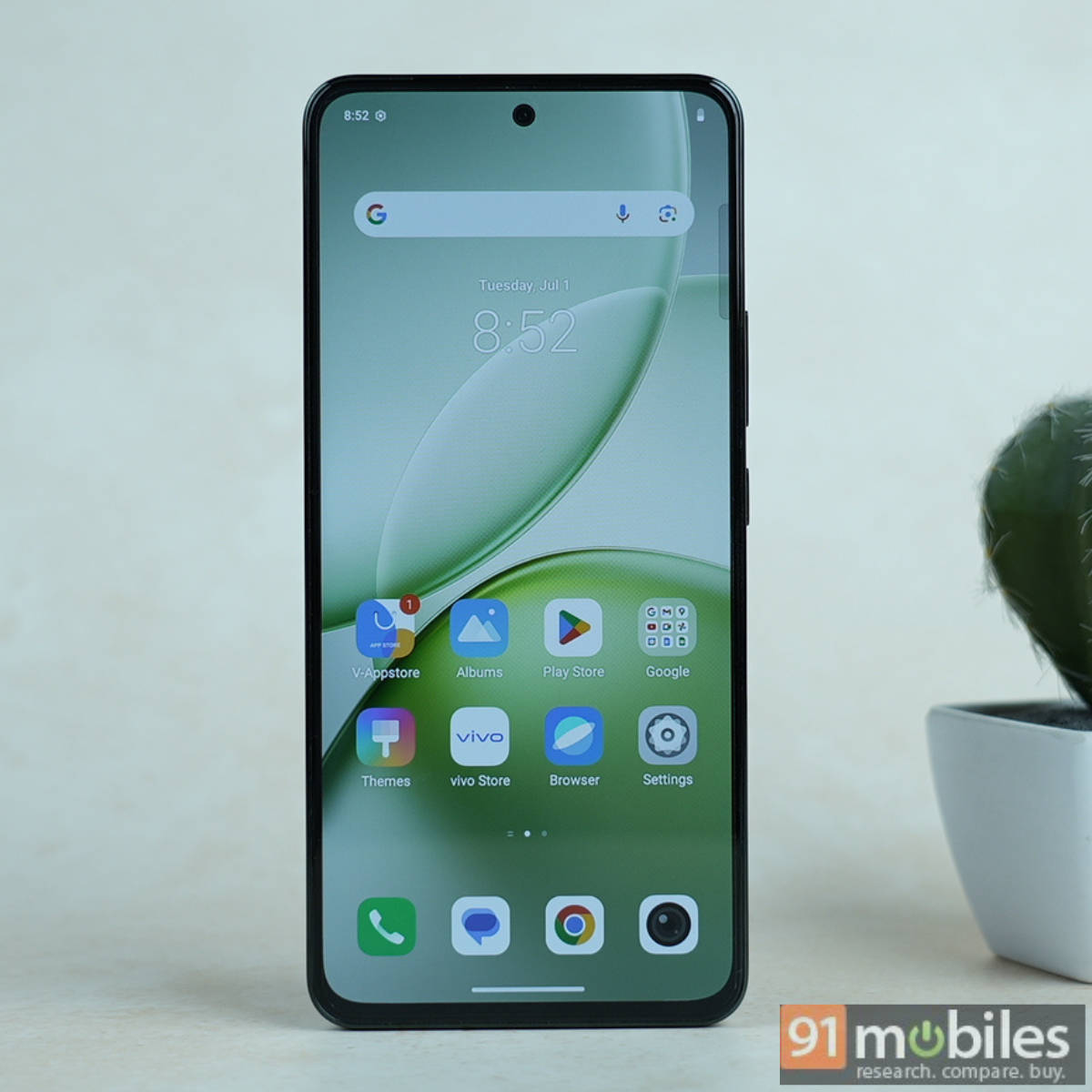
While we’ve seen many phones in the past with a 1080p panel and yet supporting 2K or 4K resolution playback on YouTube, the Vivo Y400 is restricted to just 1080p. This could be attributed to the hardware limitation of the Snapdragon 4 Gen 2 SoC. Even though YouTube videos don’t run at a higher resolution than the display’s native resolution, selecting a higher quality allows for streaming at a higher bit rate. The Vivo Y400 compensates for this by rocking a dedicated speaker at the top, which produces adequate and crisp sound.
Decent camera output, but not without flaws
The Vivo Y400 sports a 50MP Sony IMX852 main camera, which comes with a sensor size of 1/2.96-inches and an f/1.8 aperture. Aiding it is a 2MP bokeh camera along with a squarish-shaped ringed module called ‘Dynamic Light’. Sitting in the punch hole of the display is a 32MP selfie shooter. The Y400 is capable of recording videos in up to 1080p resolution at 30FPS, which is several tiers below the competition since phones like the OnePlus Nord CE 5 get 4K rear camera recording support.
While the rear camera of the Vivo Y400 produces shots with satisfactory details, it can struggle with highlight and exposure control in immensely bright daylight shots. Although this gives the images an unnatural look, it shouldn’t be an issue when the sunlight isn’t harsh. In indoor conditions with good lighting, the handset manages to control the highlights well and outputs decent tones with a slight emphasis on vibrant colours.
When clicking pictures in 2x digital crop in good lighting conditions, the details in the shots do take a hit, but the end result is still satisfactory, unless you pixel peep into the photos. The 32MP front camera clicks have good dynamic range, close to natural colour tones, and sufficient details. Coming to night photography, what I liked about Vivo Y400’s camera is that it doesn’t add a blue tint to the sky when taking pictures of open environments. The details in night shots have servicable details while the colours are mostly on-point.


In the pursuit to know how well the Vivo Y400 performs compared to its rivals, I pitted it against the OnePlus Nord CE 5 to see which handset clicks better images in the same scenarios:
Daylight
In the particular comparison below, it appears that the Vivo Y400 has added a blue tint to the image, which is specifically evident by the colour of the cloud in the background. As for details, the OnePlus Nord CE 5’s image is a tad sharper, likely due to the larger sensor size of 1/1.95 inches as opposed to the Vivo Y400’s 1/2.88 inches. Similarly, OnePlus’ image is well exposed in most areas.


Selfie
When it comes to selfies, the highlight and exposure control on the subject’s shirt and sky are completely off on the Vivo Y400’s image. Similarly, the colour of the grass appears dull and faded. On the other hand, while the OnePlus Nord CE 5 has added a high level of red hue to the face, it fares better than the Vivo Y400’s image, which has whitened the skin tones and also doesn’t have the same detail levels as the Nord CE 5.


Portrait
In portraits, the Vivo Y400 fails to properly render the colours of the background and the subject’s shirt. Fortunately, the skin colour and highlight control are on point on the Vivo smartphone compared to the Nord CE 5. However, the latter fares much better in highlight control and edge detection.


Low light
In night scenarios, shots from both images are on par, but if we specifically look for flaws, the Vivo Y400 doesn’t control the light fares and exposure as well as the OnePlus Nord CE 5. Similarly, the details and colours appear better on Nord CE 5.


Night mode
Upon enabling night mode on both handsets, the details and exposure control see an improvement on the Vivo Y400, just like the OnePlus Nord CE 5. The colour accuracy also comes close to the OnePlus shot.


Performance that is outclassed by rivals
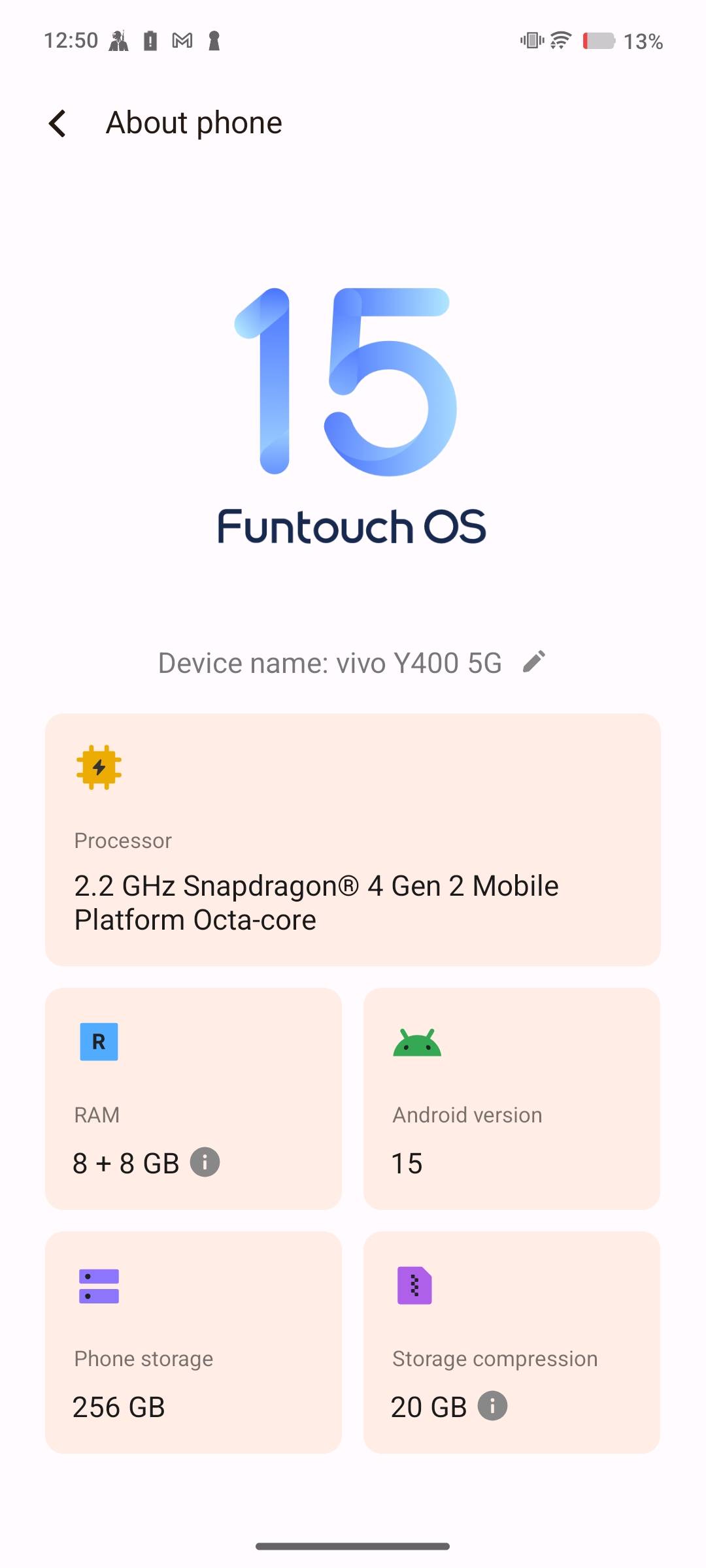
Running the show on the Vivo Y400 is the Qualcomm Snapdragon 4 Gen 2 processor. This is an octa-core chipset built on a 4nm fabrication process with up to 2.2GHz clock speed. While this is a tried and tested 5G processor, it pales in comparison to the chipsets found on competing phones like the OnePlus Nord CE 5 and Motorola Edge 60 Fusion, which get the MediaTek Dimensity 8350 Apex and Dimensity 7400 SoCs, respectively.



In terms of AnTuTu scores, the OnePlus Nord CE 5 fares better than the Vivo Y400, indicating better raw performance in high-intensity tasks such as games, multitasking, and photo / video editing. In day-to-day usage, the Vivo Y400 showed signs of stutter when launching apps or opening the notification panel when lots of apps are loaded into the memory. Similar to the OnePlus smartphone, the Vivo Y400 features UFS 3.1 storage speeds, but the performance doesn’t match up.
Functional software with AI niceties
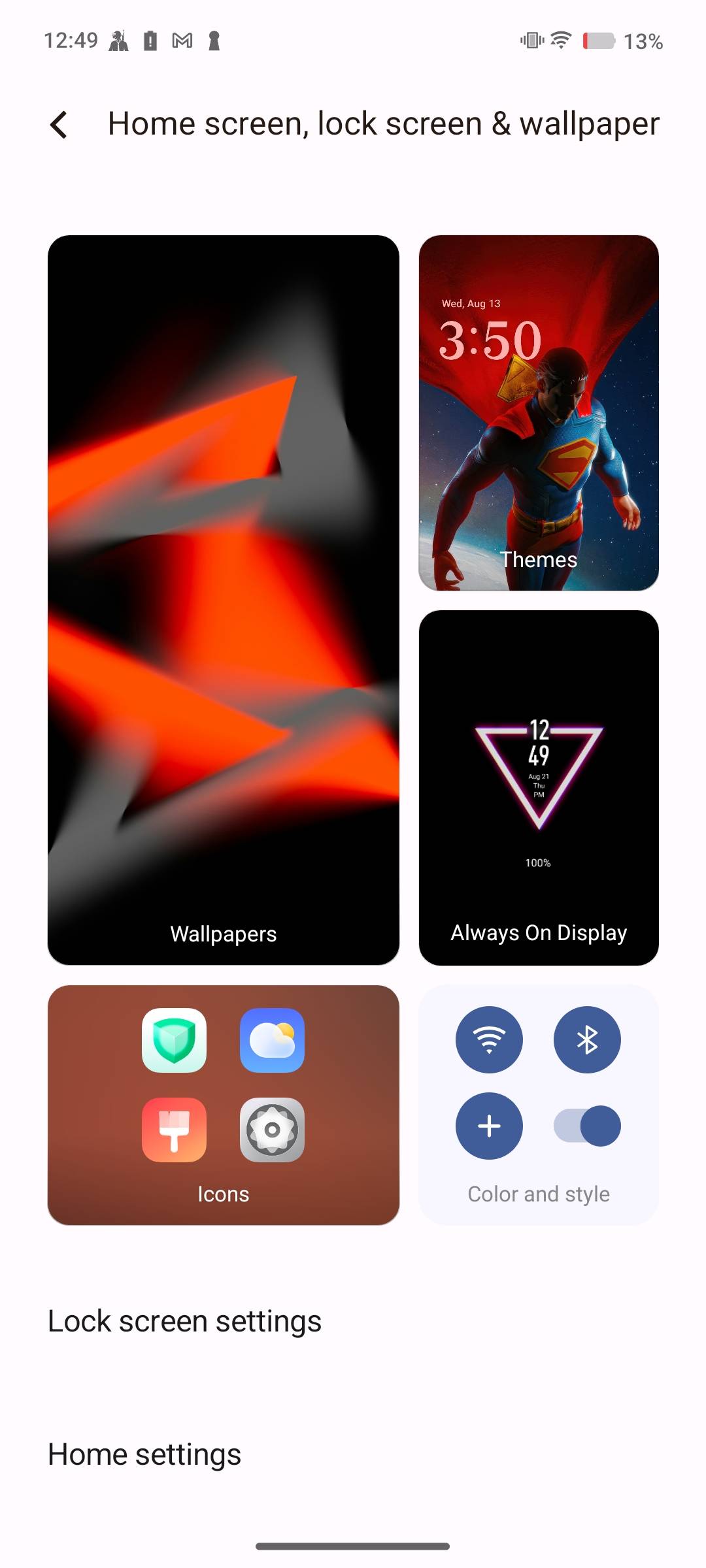
The Vivo Y400 runs on the Android 15-based Funtouch OS 15 custom software. It’s a functional software that offers numerous features and customisation options. The usual options like app clone, sidebar, a dedicated Ultra Game Mode, floating windows, split screen, a simple mode, and more nifty features that one would use in daily life. The handset also carries several pre-installed apps like Amazon, PhonePe, Truecaller, LinkedIn, Netflix, along with Vivo’s V-Appstore. In case you find these apps redundant, they can be uninstalled.
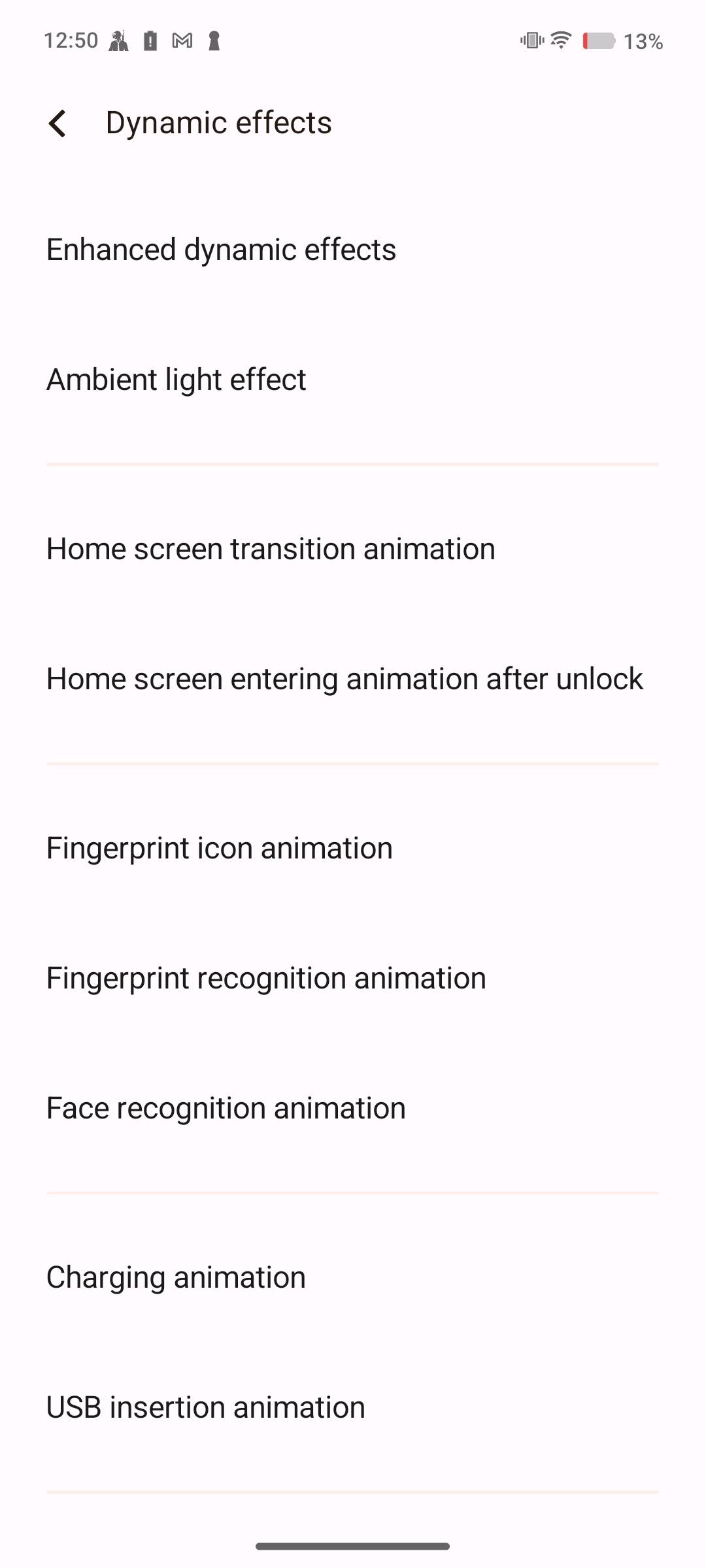
Vivo has also thrown in several AI features into the mix, including the popular Google Circle to Search. There’s AI Recorder, which can transcribe and summarise voice recordings, AI Note Assist, which I used for summarising huge chunks of text from an article, AI Screen Translation to instantly translate the on-screen content, and AI Document to automatically align images of documents neatly. In the gallery app, the Vivo Y400 offers a couple of AI features too, like AI Photo Enhance for improving details and colours in the image and AI Erase to get rid of unwanted subjects.
As for the software longevity, the Vivo Y400 is set to receive three major Android upgrades and four years of security patch updates. This is on par with phones in its price class, such as the Motorola Edge 60 Fusion and better than the iQOO Z10, which claims to offer just two OS upgrades. Per track record, Vivo has been swift in rolling out updates for its low-end devices, so hopefully the Vivo Y400 gets the same treatment going forward.
A large battery that tops up fairly quickly
A large 6,000mAh battery is responsible for powering up the Vivo Y400. While this is a larger capacity battery than the Vivo Y400 Pro, which boasts a 5,500mAh cell, it retains the same 90W FlashCharge support from its ‘Pro’ counterpart. Vivo claims the battery can be juiced up in 44 minutes, and in our testing, the Y400 took 43 minutes to charge from 20 to 100 percent, which is a nominal duration for a phone with such a large battery.
As for the battery endurance, when using the phone for watching YouTube videos, series on JioHotstar, web browsing, listening to music on Spotify, and some casual social media usage, the phone lasted an entire day with still some juice left in the tank. Considering the chipset on board, the phone doesn’t draw heavy loads of power, especially if you’re a light to moderate user.
Verdict: Should you buy the Vivo Y400 at Rs 21,999?
The Vivo Y400 at Rs 21,999 has lots of things going for it. Compared to its close rivals, such as the OnePlus Nord CE 5 (review) and Motorola Edge 60 Fusion (review), the Vivo Y400 leaves a bit to be desired in the performance department. Be it moderate to heavy gaming or day-to-day usage and multitasking, the Y400’s Snapdragon 4 Gen 2 chipset doesn’t really keep up with other phones in the price range despite its UFS 3.1 storage.
Daylight photography is also not a strong point in favour of the Vivo Y400, as the highlights can get washed out in 1x, portraits, and selfies, making bright scenes look less impressive. On the flip side, Nighttime camera performance is impressive, capturing clear and detailed shots, and so is the battery endurance. The display quality also falls in favour of Vivo Y400 as the panel produces vibrant colours that make the visuals pop.
Another positive takeaway of the Vivo Y400 is its slim and lightweight design, coupled with the IP68/69 rating and military grade certification, making it score high in the design department. So unless you want top-notch performance, the Vivo Y400 could be worth a look.

Editor’s rating: 7.6/10
Reasons to buy:
- A slim and durable design with an IP68/69 rating and military-grade (MIL-STD-810H) certification.
- The 1080p AMOLED panel produces vibrant colours, and the stereo speakers further enhance the experience.
- The camera gets the job done in night scenarios fairly well by producing realistic colours.
Reasons not to buy:
- The performance is weak, especially for the price, which severely affects the gaming performance.
- In daylight shots, the phone struggles with highlight and exposure control in bright situations.