
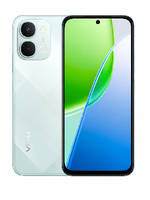
vivo Y400 Pro
+ Compare


-
Design30

-
Rear Camera14

-
Front Camera4

-
360° View
![360° View]()
-
UI Screenshot17
![UI Screenshot]()
-
Videos1
![Videos]()


Key Specs
Performance
-
MediaTek Dimensity 7300 -
Octa core (2.5 GHz, Quad Core + 2 GHz, Quad core) -
8 GB RAM, LPDDR4X
Display
-
6.77 inches (17.2 cm); AMOLED (Curved Display) -
1080x2392 px (FHD+) -
120 Hz Refresh Rate -
Bezel-less with punch-hole display
Rear Camera
-
Dual Camera Setup - 50 MP Wide Angle Primary Camera
- 2 MP Depth Camera
-
Dual-color LED Flash + Aura Light -
4k @30 fps Video Recording
Front Camera
-
32 MP Wide Angle Lens -
4k @30 fps Video Recording
Battery
-
5500 mAh, Li-ion -
90W Flash Charging; USB Type-C port
General
-
SIM1: Nano, SIM2: Nano -
5G Supported -
128 GB / 256 GB internal storage, Non Expandable -
Dust Resistant, Water Resistant
vivo Y400 Pro Prices in India
 Flipkart
vivo Y400 Pro Compare Camera Samples


vivo Y400 Pro Expert Review Summary

Expert Rating:
![G.S Vasan]()
Verdict
The Vivo Y400 Pro is a slim and stylish 5G phone with an immersive curved display, good battery life, and rapid charging. While the handset lacks an ultrawide lens, and the raw performance isn't class-leading, it offers decent camera output and stable day-to-day performance. The software is feature-rich, though parts of it can feel cluttered. Overall, the Vivo T400 Pro comes across as a reasonable option under Rs 25,000, if you can overlook the quirks.
Pros
- Sleek and ergonomic design
- Bright, immersive display
- Long battery life with fast charging
- Decent everyday performance
Cons
- No ultrawide camera
- Preloaded apps and UI clutter
In a nutshell
+
The Vivo Y400 Pro is a slim and stylish 5G phone with an immersive curved display, good battery life, and rapid charging. While the handset lacks an ultrawide lens, and the raw performance isn't class-leading, it offers decent camera output and stable day-to-day performance. The software is feature-rich, though parts of it can feel cluttered. Overall, the Vivo V400 Pro is a reasonable option under Rs 25,000 if you can overlook the niggles.
Read More
Slim build with a flashy touch
+
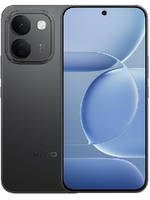
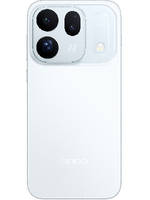
The Vivo Y400 Pro has an eye-catching design with a slim and curvy profile. The handset comes in three colour options, each with a slightly different thickness. Freestyle White, our review unit, is the slimmest at 7.44mm. Nebula Purple is 7.49mm, and Fest Gold is 7.72mm. So, if you want the slimmest one, pick the Freestyle White. The phone is also light at 182 grams, partly because of the polycarbonate back.The side frame and the rear camera rings have a shiny finish that adds to the overall look. There's also a small squircle glowing ring under the cameras called the Dynamic Light. You can customise it to light up for notifications, music playback, or charging status.The phone feels good to hold, thanks to the smooth, curved edges. That said, for those of you who don't like a curved display, something like the Nothing Phone (3a) would be more suited. And speaking of screen protection, Vivo hasn't mentioned what kind of glass it uses.Because of its slim form, I could easily reach the buttons on the right. The buttons are fairly clicky. There are no buttons, ports or slots on the left side. The top has a mic, and there's another mic at the bottom. The bottom also houses the SIM tray, USB-C port, and speaker grille. For stereo sound, the earpiece doubles up as the second speaker.The camera bump sticks out a little, but the device doesn't wobble much on flat surfaces. The bundled case evens out the bump and also offers a plug for the USB port to keep dust and water out. The phone is rated IP65, which means it can withstand low-pressure water, like splashes, but not full immersion. What's immersive, though, is the display.
Read More
Bright, curved display with smooth refresh rate
+
The Vivo Y400 Pro flaunts a 6.77-inch curved AMOLED display with FHD+ resolution, 388 PPI, up to 4,500 nits peak brightness, and a 120Hz refresh rate. You can set the display to refresh at the standard 60Hz or the higher 120Hz refresh rate. I used the Smart Switch mode, which automatically switches between the two refresh rates based on what you're doing, and the experience was smooth during scrolling and animations across the UI.The display is fairly big and has gentle curves on the sides. The curves offer a more immersive feeling, and I didn't face any ghost touches on these curves. The screen's thin bezels and the central punch hole don't take much screen real estate. The Y400 Pro's panel is bright both indoors and outdoors. The display offers a cooler tone compared to the warmer displays on the Motorola Edge 60 Fusion and Nothing Phone (3a). The detail and contrast are good, but the Motorola phone's higher resolution panel looks sharper.The Vivo phone supports Widevine L1, so you can stream higher-resolution content (up to FHD) on Netflix. I watched Squid Game Season 3 on it and noticed that the colours were fine. Still, it's a decent panel for media consumption. The sound from the stereo speakers (downward-firing speaker plus earpiece setup) is plenty loud for casual use.
Read More
Sharp images from cameras most of the time
+
The Vivo Y400 Pro features a 50MP main camera with PDAF (autofocus) and a 2MP depth sensor. The handset lacks the ultrawide camera that you get with both of its competitors, and a telephoto zoom lens, which is present on the Nothing Phone (3a). The front camera is a 32MP sensor for selfies and video calling. Feature-wise, you get interesting portrait filters, HDR, a 50MP mode, Ultra HD Document mode, slo-mo, time-lapse, Supermoon, Dual View, Food, panorama, portrait, Night and Pro mode. Coming to videos, the Vivo phone supports 4K at 30fps from both the rear and front cameras. In contrast, the Nothing Phone (3a) can only shoot 4K at 30fps from the rear.In good lighting conditions, the 50MP camera delivers sufficient detail, pleasing night mode shots, and decent portraits. However, in trickier situations, the handset struggles to recover shadow detail due to dynamic range compression. And as for videos, the 4K selfie video support is a plus.Let's now break down the camera performance across different aspects and compare the Vivo phone's results with those from the Nothing Phone (3a) for better context.DaylightThe Vivo phone is set to click on Vivid mode by default. However, for closer-to-nature shots, you can choose the Natural mode. Vivo Y400 Pro does a better job than the Nothing Phone (3a) in detail retention. Everything looks sharper on the Vivo shot. I didn't find any problem with the dynamic range either, as the shot decently presented shadows and highlights. If you look for it, you will find noise in the shadowy portions of the circular pergola (the central structure).PortraitThis phone lets you take bokeh shots at 1x, 1.5x, and 2x. The tone stays consistent across all three. The other two phones also support this feature, but the Nothing Phone (3a) only gives you two zoom levels, and its colours aren't consistent. So, Vivo does a better job here.Comparing the 1x portraits from the Vivo phone and the Nothing phone, we noticed both of them got my skin tone wrong. The Nothing portrait, albeit more exposed, was still closer to my wheatish complexion. The Vivo portrait has a reddish tint. The colour of the t-shirt is also boosted on the Vivo portrait.Vivo Y400 Pro does a decent job with edge detection, but it sometimes blurs parts of the subject. For example, the bottom of my T-shirt and the hair on my arms appear soft.Even detail retention is a mixed bag on both phones. The acne on my forehead looks oversharpened in the Vivo portrait, and the beard follicles are clearer in the portrait from the Nothing Phone (3a).You can get decent portraits from the Vivo phone at different focal depths, as long as there's enough distance between the subject and background. If you're not happy with the bokeh level or focus area, you can adjust them later in the Gallery app, too. SelfieThe skin tone and details are better on the Vivo Y400 Pro than on the Nothing phone. But the Vivo phone sometimes blurs parts of the subject. The dynamic range is better in the selfie from the Nothing Phone (3a), as seen in the shadow detail and the visibility of the clouds in the sky.Low light and night modeThe Vivo Y400 Pro offers a more controlled exposure with close to real colours, while the Nothing Phone (3a) tends to overexpose bright areas. This is noticeable even without zooming in. The Nothing phone does reveal more detail in some spots thanks to the extra light, but this also introduces noise elsewhere. The Vivo strikes a better balance.And if you want even better exposure and sharper details, the Night Mode on the Vivo phone does that well. But, it has more visible light flares. And by default, the sky in Night Mode has a blue tint, but you can turn that off in the camera settings.VideosIn the case of selfie videos, the 4K (30 fps) resolution gives Vivo an edge in detail retention. The camera also keeps the face well-lit and in focus. However, both Vivo and Nothing phones misjudge the skin tone. As for the rear camera footage from the Vivo, the colours were muted. The Vivo camera supports only gyro EIS, so it takes a moment to keep up with fast movements, but its autofocus works well when aiming at a subject.
Read More
Solid performance with efficient thermals
+
The Vivo Y400 Pro is powered by the MediaTek Dimensity 7300 SoC. This is a 4nm chip with four Cortex A78 performance cores running at a 2.5GHz clock speed, four Cortex A55 efficiency cores clocked at 2.0GHz frequency, and a Mali-G615 MC2 GPU with 1.0GHz clock speed. This is paired with 8GB LPDDR5 RAM and 128 or 256GB UFS 3.1 storage. These are better memory standards than what the Nothing Phone (3a) and Motorola Edge 60 Fusion offer. The phone doesn't feature a memory card slot, which the Edge 60 Fusion has. Meanwhile, here's how the phone fares against the above competitors on our in-house benchmark tests:While the Vivo Y400 Pro performs similarly to the Dimensity 7400-powered Motorola Edge 60 Fusion, the Snapdragon 7s Gen 3-powered Nothing Phone (3a) has a slight edge.In day-to-day use, I found the phone decently smooth while browsing the web, using social media apps, and regular scrolling and swiping across the UI. Moreover, the handset didn't have any problems loading apps from memory.You can expect a smooth experience in games, too. That includes casual and competitive FPS titles. In BGMI, you can play with HDR graphics + Ultra frames and in COD: Mobile, you can enjoy High graphics with Max FPS. The heat management is decent, and the battery drain is also in the acceptable range. In all these aspects, the handset fared well compared to its aforementioned rivals.
Read More
Feature-rich but slightly cluttered software
+
The Vivo Y400 Pro boots Android 15-based FuntouchOS 15. This platform is packed with features like Mini Screen Mode (for one-handed usability), Game sidebar (with shortcut settings), Esports modes, Game light and sound effects, 4D vibration, picture-in-picture mode for games, split screen mode, small-windowed mode, Global Search from the home screen, and multiple options to tweak UI elements, light and audio effects, charging speeds, and more.Even the built-in apps are feature-rich. But, there are quite a few pre-installed, more than what competitors offer. These may not suit everyone's taste. Take Jovi, for instance: it's a one-stop dashboard for app widgets and shortcuts. While useful, it may not appeal to all. Not everyone will like seeing app and game recommendations across the UI either, such as in Global Search, Jovi Home, and the V-App Store. I'm also not a fan of the auto-rotating lockscreen wallpaper feature called Lockscreen Poster. Thankfully, many of these elements can be removed or customised.There aren't many AI features here. But you get the Gemini AI, Circle to Search, and photo-editing tools like AI Photo Enhance and AI Erase 2.0. The Enhance feature brightens the image, and the Eraser is decent.Overall, the software is customisable and functional, but cluttered in parts. You can expect more features and changes in future updates. Vivo promises three years of Android updates and four years of security patches for this phone, which is fine for this segment.
Read More
Strong battery life with super-fast charging
+
Vivo boasts a 5,500mAh battery, which should comfortably last a full day with light to moderate use. In our battery drain tests, involving 30 minutes of YouTube, COD Mobile, Real Racing 3, and BGMI each, the phone showed a lower power draw than the competition during our gaming test. The Nothing Phone (3a) showed more efficiency in the YouTube playback test. Vivo Y400 Pro's PCMark battery test scores are solid too, but its optimisation could be better, especially considering the Nothing smartphone, with a 5,000mAh battery, lasts longer on this test.As for charging, the 90W wired adapter is bundled in the box and charges the phone quickly. The handset takes around half an hour to go from 20 to 100 percent, which is faster than the other two phones. Impressive.
Read More
Read full Review

Verdict
The Vivo Y400 Pro is a slim and stylish 5G phone with an immersive curved display, good battery life, and rapid charging. While the handset lacks an ultrawide lens, and the raw performance isn't class-leading, it offers decent camera output and stable day-to-day performance. The software is feature-rich, though parts of it can feel cluttered. Overall, the Vivo T400 Pro comes across as a reasonable option under Rs 25,000, if you can overlook the quirks.
- Sleek and ergonomic design
- Bright, immersive display
- Long battery life with fast charging
- Decent everyday performance
Pros
- No ultrawide camera
- Preloaded apps and UI clutter
Cons
In a nutshell
+The Vivo Y400 Pro is a slim and stylish 5G phone with an immersive curved display, good battery life, and rapid charging. While the handset lacks an ultrawide lens, and the raw performance isn't class-leading, it offers decent camera output and stable day-to-day performance. The software is feature-rich, though parts of it can feel cluttered. Overall, the Vivo V400 Pro is a reasonable option under Rs 25,000 if you can overlook the niggles.
Read MoreSlim build with a flashy touch
+The Vivo Y400 Pro has an eye-catching design with a slim and curvy profile. The handset comes in three colour options, each with a slightly different thickness. Freestyle White, our review unit, is the slimmest at 7.44mm. Nebula Purple is 7.49mm, and Fest Gold is 7.72mm. So, if you want the slimmest one, pick the Freestyle White. The phone is also light at 182 grams, partly because of the polycarbonate back.The side frame and the rear camera rings have a shiny finish that adds to the overall look. There's also a small squircle glowing ring under the cameras called the Dynamic Light. You can customise it to light up for notifications, music playback, or charging status.The phone feels good to hold, thanks to the smooth, curved edges. That said, for those of you who don't like a curved display, something like the Nothing Phone (3a) would be more suited. And speaking of screen protection, Vivo hasn't mentioned what kind of glass it uses.Because of its slim form, I could easily reach the buttons on the right. The buttons are fairly clicky. There are no buttons, ports or slots on the left side. The top has a mic, and there's another mic at the bottom. The bottom also houses the SIM tray, USB-C port, and speaker grille. For stereo sound, the earpiece doubles up as the second speaker.The camera bump sticks out a little, but the device doesn't wobble much on flat surfaces. The bundled case evens out the bump and also offers a plug for the USB port to keep dust and water out. The phone is rated IP65, which means it can withstand low-pressure water, like splashes, but not full immersion. What's immersive, though, is the display.
Read MoreBright, curved display with smooth refresh rate
+The Vivo Y400 Pro flaunts a 6.77-inch curved AMOLED display with FHD+ resolution, 388 PPI, up to 4,500 nits peak brightness, and a 120Hz refresh rate. You can set the display to refresh at the standard 60Hz or the higher 120Hz refresh rate. I used the Smart Switch mode, which automatically switches between the two refresh rates based on what you're doing, and the experience was smooth during scrolling and animations across the UI.The display is fairly big and has gentle curves on the sides. The curves offer a more immersive feeling, and I didn't face any ghost touches on these curves. The screen's thin bezels and the central punch hole don't take much screen real estate. The Y400 Pro's panel is bright both indoors and outdoors. The display offers a cooler tone compared to the warmer displays on the Motorola Edge 60 Fusion and Nothing Phone (3a). The detail and contrast are good, but the Motorola phone's higher resolution panel looks sharper.The Vivo phone supports Widevine L1, so you can stream higher-resolution content (up to FHD) on Netflix. I watched Squid Game Season 3 on it and noticed that the colours were fine. Still, it's a decent panel for media consumption. The sound from the stereo speakers (downward-firing speaker plus earpiece setup) is plenty loud for casual use.
Read MoreSharp images from cameras most of the time
+The Vivo Y400 Pro features a 50MP main camera with PDAF (autofocus) and a 2MP depth sensor. The handset lacks the ultrawide camera that you get with both of its competitors, and a telephoto zoom lens, which is present on the Nothing Phone (3a). The front camera is a 32MP sensor for selfies and video calling. Feature-wise, you get interesting portrait filters, HDR, a 50MP mode, Ultra HD Document mode, slo-mo, time-lapse, Supermoon, Dual View, Food, panorama, portrait, Night and Pro mode. Coming to videos, the Vivo phone supports 4K at 30fps from both the rear and front cameras. In contrast, the Nothing Phone (3a) can only shoot 4K at 30fps from the rear.In good lighting conditions, the 50MP camera delivers sufficient detail, pleasing night mode shots, and decent portraits. However, in trickier situations, the handset struggles to recover shadow detail due to dynamic range compression. And as for videos, the 4K selfie video support is a plus.Let's now break down the camera performance across different aspects and compare the Vivo phone's results with those from the Nothing Phone (3a) for better context.DaylightThe Vivo phone is set to click on Vivid mode by default. However, for closer-to-nature shots, you can choose the Natural mode. Vivo Y400 Pro does a better job than the Nothing Phone (3a) in detail retention. Everything looks sharper on the Vivo shot. I didn't find any problem with the dynamic range either, as the shot decently presented shadows and highlights. If you look for it, you will find noise in the shadowy portions of the circular pergola (the central structure).PortraitThis phone lets you take bokeh shots at 1x, 1.5x, and 2x. The tone stays consistent across all three. The other two phones also support this feature, but the Nothing Phone (3a) only gives you two zoom levels, and its colours aren't consistent. So, Vivo does a better job here.Comparing the 1x portraits from the Vivo phone and the Nothing phone, we noticed both of them got my skin tone wrong. The Nothing portrait, albeit more exposed, was still closer to my wheatish complexion. The Vivo portrait has a reddish tint. The colour of the t-shirt is also boosted on the Vivo portrait.Vivo Y400 Pro does a decent job with edge detection, but it sometimes blurs parts of the subject. For example, the bottom of my T-shirt and the hair on my arms appear soft.Even detail retention is a mixed bag on both phones. The acne on my forehead looks oversharpened in the Vivo portrait, and the beard follicles are clearer in the portrait from the Nothing Phone (3a).You can get decent portraits from the Vivo phone at different focal depths, as long as there's enough distance between the subject and background. If you're not happy with the bokeh level or focus area, you can adjust them later in the Gallery app, too. SelfieThe skin tone and details are better on the Vivo Y400 Pro than on the Nothing phone. But the Vivo phone sometimes blurs parts of the subject. The dynamic range is better in the selfie from the Nothing Phone (3a), as seen in the shadow detail and the visibility of the clouds in the sky.Low light and night modeThe Vivo Y400 Pro offers a more controlled exposure with close to real colours, while the Nothing Phone (3a) tends to overexpose bright areas. This is noticeable even without zooming in. The Nothing phone does reveal more detail in some spots thanks to the extra light, but this also introduces noise elsewhere. The Vivo strikes a better balance.And if you want even better exposure and sharper details, the Night Mode on the Vivo phone does that well. But, it has more visible light flares. And by default, the sky in Night Mode has a blue tint, but you can turn that off in the camera settings.VideosIn the case of selfie videos, the 4K (30 fps) resolution gives Vivo an edge in detail retention. The camera also keeps the face well-lit and in focus. However, both Vivo and Nothing phones misjudge the skin tone. As for the rear camera footage from the Vivo, the colours were muted. The Vivo camera supports only gyro EIS, so it takes a moment to keep up with fast movements, but its autofocus works well when aiming at a subject.
Read MoreSolid performance with efficient thermals
+The Vivo Y400 Pro is powered by the MediaTek Dimensity 7300 SoC. This is a 4nm chip with four Cortex A78 performance cores running at a 2.5GHz clock speed, four Cortex A55 efficiency cores clocked at 2.0GHz frequency, and a Mali-G615 MC2 GPU with 1.0GHz clock speed. This is paired with 8GB LPDDR5 RAM and 128 or 256GB UFS 3.1 storage. These are better memory standards than what the Nothing Phone (3a) and Motorola Edge 60 Fusion offer. The phone doesn't feature a memory card slot, which the Edge 60 Fusion has. Meanwhile, here's how the phone fares against the above competitors on our in-house benchmark tests:While the Vivo Y400 Pro performs similarly to the Dimensity 7400-powered Motorola Edge 60 Fusion, the Snapdragon 7s Gen 3-powered Nothing Phone (3a) has a slight edge.In day-to-day use, I found the phone decently smooth while browsing the web, using social media apps, and regular scrolling and swiping across the UI. Moreover, the handset didn't have any problems loading apps from memory.You can expect a smooth experience in games, too. That includes casual and competitive FPS titles. In BGMI, you can play with HDR graphics + Ultra frames and in COD: Mobile, you can enjoy High graphics with Max FPS. The heat management is decent, and the battery drain is also in the acceptable range. In all these aspects, the handset fared well compared to its aforementioned rivals.
Read MoreFeature-rich but slightly cluttered software
+The Vivo Y400 Pro boots Android 15-based FuntouchOS 15. This platform is packed with features like Mini Screen Mode (for one-handed usability), Game sidebar (with shortcut settings), Esports modes, Game light and sound effects, 4D vibration, picture-in-picture mode for games, split screen mode, small-windowed mode, Global Search from the home screen, and multiple options to tweak UI elements, light and audio effects, charging speeds, and more.Even the built-in apps are feature-rich. But, there are quite a few pre-installed, more than what competitors offer. These may not suit everyone's taste. Take Jovi, for instance: it's a one-stop dashboard for app widgets and shortcuts. While useful, it may not appeal to all. Not everyone will like seeing app and game recommendations across the UI either, such as in Global Search, Jovi Home, and the V-App Store. I'm also not a fan of the auto-rotating lockscreen wallpaper feature called Lockscreen Poster. Thankfully, many of these elements can be removed or customised.There aren't many AI features here. But you get the Gemini AI, Circle to Search, and photo-editing tools like AI Photo Enhance and AI Erase 2.0. The Enhance feature brightens the image, and the Eraser is decent.Overall, the software is customisable and functional, but cluttered in parts. You can expect more features and changes in future updates. Vivo promises three years of Android updates and four years of security patches for this phone, which is fine for this segment.
Read MoreStrong battery life with super-fast charging
+Vivo boasts a 5,500mAh battery, which should comfortably last a full day with light to moderate use. In our battery drain tests, involving 30 minutes of YouTube, COD Mobile, Real Racing 3, and BGMI each, the phone showed a lower power draw than the competition during our gaming test. The Nothing Phone (3a) showed more efficiency in the YouTube playback test. Vivo Y400 Pro's PCMark battery test scores are solid too, but its optimisation could be better, especially considering the Nothing smartphone, with a 5,000mAh battery, lasts longer on this test.As for charging, the 90W wired adapter is bundled in the box and charges the phone quickly. The handset takes around half an hour to go from 20 to 100 percent, which is faster than the other two phones. Impressive.
Read MoreCompetitors For vivo Y400 Pro
View Alternatives


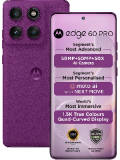
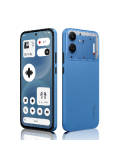
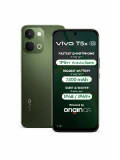

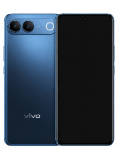


Popular Comparisons
 vivo Y400 Pro
 vivo Y400
 Pro
 vivo S2 5G
vivo Y400 Pro
 vivo V50
vivo Y400 Pro
 Motorola Edge 70 Fusion
vivo Y400 Pro
 vivo T4 Pro
vivo Y400 Pro
 vivo T4R


vivo Y400 Pro Specifications
General |
|
|---|---|
| Launch Date | June 20, 2025 (Official) |
| Operating System | Android v15 |
| Custom UI | Funtouch OS |
Performance
(Very Good)
|
||||
|---|---|---|---|---|
| Chipset | MediaTek Dimensity 7300 View Details | |||
| Processor | Octa core (2.5 GHz, Quad core, Cortex A78 + 2 GHz, Quad core, Cortex A55) | |||
| Architecture | 64 bit | |||
| Fabrication | 4 nm | |||
| Graphics (GPU) | Mali-G615 MC2 | |||
| RAM | 8 GB | |||
| RAM Type | LPDDR4X | |||
|
Gaming Test Results

* after 30 mins of gaming
|
||||
Benchmark Screenshots

AnTuTu Benchmark

Graphics Benchmark

Geekbench6 Benchmark
|

Display
(Excellent)
|
|
|---|---|
| Display Type | AMOLED (Curved Display) |
| Screen Size | 6.77 inches (17.2 cm) |
| Resolution | 1080x2392 px (FHD+) |
| Peak Brightness | 4500 nits |
| HBM Brightness | 1300 nits |
| Refresh Rate | 120 Hz |
| Touch Sampling Rate | 300 Hz |
| Aspect Ratio | 20:9 |
| Pixel Density | 388 ppi |
| Screen to Body Ratio (calculated) | 90.12 % |
| Bezel-less Display | Yes with punch-hole display |
| HDR 10 / HDR+ Support | Yes |
UI Screenshots

Lock Screen

Home Screen

Screen With Widgets

Dialer Screen

App Drawer

Notification Panel

Quick Settings Panel

Settings Screen

OS Version

Storage

Battery

Camera On

Camera Options

Camera Modes

Camera Settings

Picture Size Options

Video Size Options
|
Design |
|
|---|---|
| Height | 163.72 mm |
| Width | 75 mm |
| Thickness | 7.49 mm |
| Weight | 182 grams |
| Build Material | Back: Plastic |
| Water Resistance | Yes, Splash proof, IP65 |
| Ruggedness | Dust proof |
|
Click to View

|
Rear Camera
(Very Good)
|
|||||||||||||||||||||
|---|---|---|---|---|---|---|---|---|---|---|---|---|---|---|---|---|---|---|---|---|---|
| Resolution | |||||||||||||||||||||
|
|||||||||||||||||||||
| Autofocus | Yes | ||||||||||||||||||||
| OIS | Yes | ||||||||||||||||||||
| Flash | Yes, Dual-color LED Flash + Aura Light | ||||||||||||||||||||
| Image Resolution | 8150 x 6150 Pixels | ||||||||||||||||||||
| Settings | Exposure compensation, ISO control | ||||||||||||||||||||
| Shooting Modes |
Continuous Shooting High Dynamic Range mode (HDR) Film Camera SuperMoon |
||||||||||||||||||||
| Camera Features |
Digital Zoom Auto Flash Face detection Touch to focus |
||||||||||||||||||||
| Video Recording |
4k @30 fps Full HD @30 fps |
||||||||||||||||||||
| Video Recording Features | Dual Video Recording | ||||||||||||||||||||
Rear Camera Samples

Daylight / HDR Auto

Max Zoom Supported

Long Shot 10X

Long Shot 5X

Long Shot 3X

Long Shot 1X

High Res

Portrait Shot

Night Mode OFF

Night Mode ON

Close Up

Low Light

Low Light With Flash

Colour Variance
|
Front Camera
(Very Good)
|
||||||||
|---|---|---|---|---|---|---|---|---|
| Resolution | ||||||||
|
||||||||
| Video Recording |
4k @30 fps Full HD @30 fps |
|||||||
Front Camera Samples

Selfie

Selfie Portrait

Selfie Low Light

Selfie Low Light With Flash
|
Battery
(Very Good)
|
||||
|---|---|---|---|---|
| Capacity | 5500 mAh | |||
| Battery Type | Li-ion | |||
| Quick Charging | Yes, 90W Flash Charging, 50% in 19 minutes | |||
| Reverse Charging | Yes, 6W Reverse Charging | |||
|
Battery Test Results
|
Storage |
|
|---|---|
| Internal Storage | 128 GB / 256 GB |
| Storage Type | UFS 3.1 |
| Expandable Storage | No |
Network & Connectivity |
|
|---|---|
| SIM Slot(s) | Dual SIM |
| SIM Type | SIM1: Nano, SIM2: Nano |
| Network Support | 5G, 4G |
| VoLTE | Yes |
| SIM 1 |
5G bands, 4G bands
Expand
|
| SIM 2 |
5G bands, 4G bands
Expand
|
| SAR Value | Head: 0.895 W/kg, Body: 0.847 W/kg |
| Wi-Fi | Yes, Wi-Fi 5 (802.11 a/b/g/n/ac) 5GHz |
| Wi-Fi Features | Mobile Hotspot |
| Bluetooth | Yes, v5.4 |
| GPS | Yes with A-GPS, Glonass |
| NFC | No |
| IR Blaster | Yes |
Multimedia |
|
|---|---|
| Stereo Speakers | Yes |
| Audio Jack | USB Type-C |
Sensors |
|
|---|---|
| Fingerprint Sensor | Yes |
| Fingerprint Sensor Position | On-screen |
| Fingerprint Sensor Type | Optical |
| Other Sensors | Light sensor, Proximity sensor, Accelerometer, Compass, Gyroscope |
Recent Stories

vivo Y400 Pro User Reviews
vivo Y400 Pro Key Highlights
| Processor | MediaTek Dimensity 7300 |
| RAM & Storage | 8 GB RAM + 128 GB 8 GB RAM + 256 GB |
| Display | 6.77", 1080 x 2392 Resolution |
| Rear Camera | 50 MP + 2 MP |
| Front Camera | 32 MP |
| Battery | 5500 mAh |

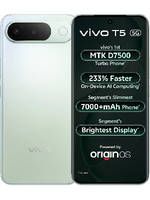

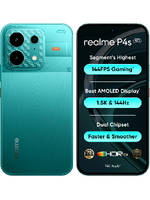




vivo Y400 Pro Price In India
| Product Name | Store | Price |
|---|---|---|
| vivo Y400 Pro (8 GB + 128 GB) | Flipkart | ₹25,991 |
| vivo Y400 Pro (8 GB + 256 GB) | Flipkart | ₹27,991 |
Popular Links
- All Upcoming Phones
- Upcoming vivo Phones
- vivo phones under 10k
- vivo phones under 20k
- Samsung Galaxy F70 5G
- OPPO Find X10
- OPPO Find X10 Pro Max
- Infinix GT 50 Pro
- Nothing Phone 4a
- Samsung Mobiles
- Motorola Mobiles
- vivo Mobiles
- OPPO Mobiles
- Tecno Mobiles
- realme Mobiles
- OnePlus Mobiles