Review Summary
Expert Rating
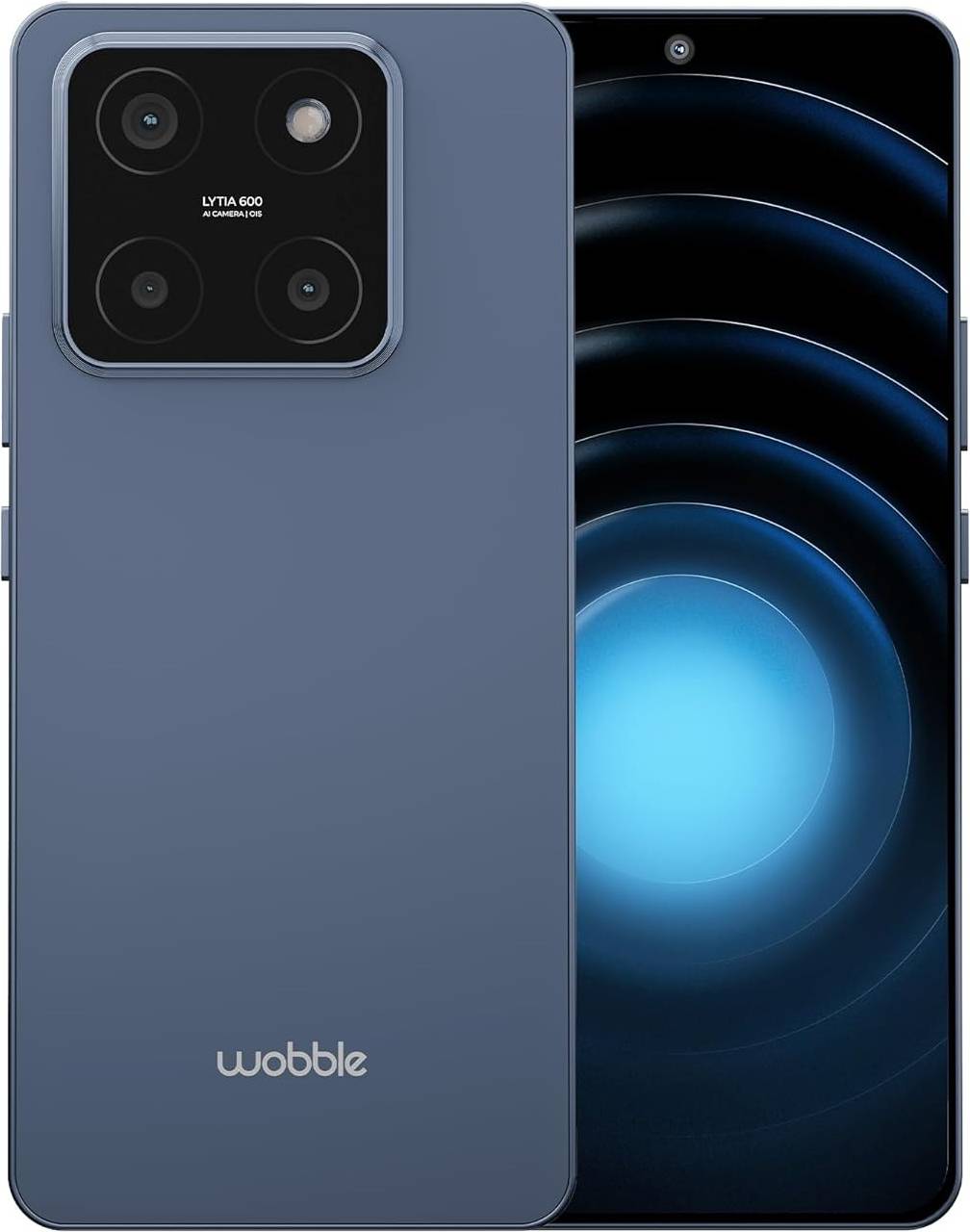
Wobble is not a name you’d typically associate with smartphones. The homegrown brand, owned by Indkal Technologies, the same company behind the resurrection of Acer smartphones in India, has spent most of its existence in the television space. The Wobble One is its first step into the smartphone segment, and it is quite an ambitious one at that, promising a premium design, professional-grade cameras and a clean software experience from the get-go.
The phone originally launched in November 2025 at a starting price of Rs 22,000, but by the time it reached store shelves this month, that price had climbed to Rs 26,999. If that sounds familiar, it should. The global memory shortage has been pushing prices up across the segment, and the Wobble One is no exception. At its new price, it now competes with more established names.
In this review, I’ll walk you through what the Wobble One is like to live with day-to-day, whether its cameras live up to the promise, and whether it compares to the competition at its current asking price.
Table of Contents
It wobbles, quite literally
The Wobble One takes clear design inspiration from the Xiaomi 15 (review), with a square camera module that sits prominently on the rear panel. And while the overall aesthetic is clean and premium-looking at first glance, that camera module protrudes quite significantly from the back. The result is something the brand probably did not intend to highlight quite so literally in the name: place the Wobble One flat on a table, and yes, it wobbles.
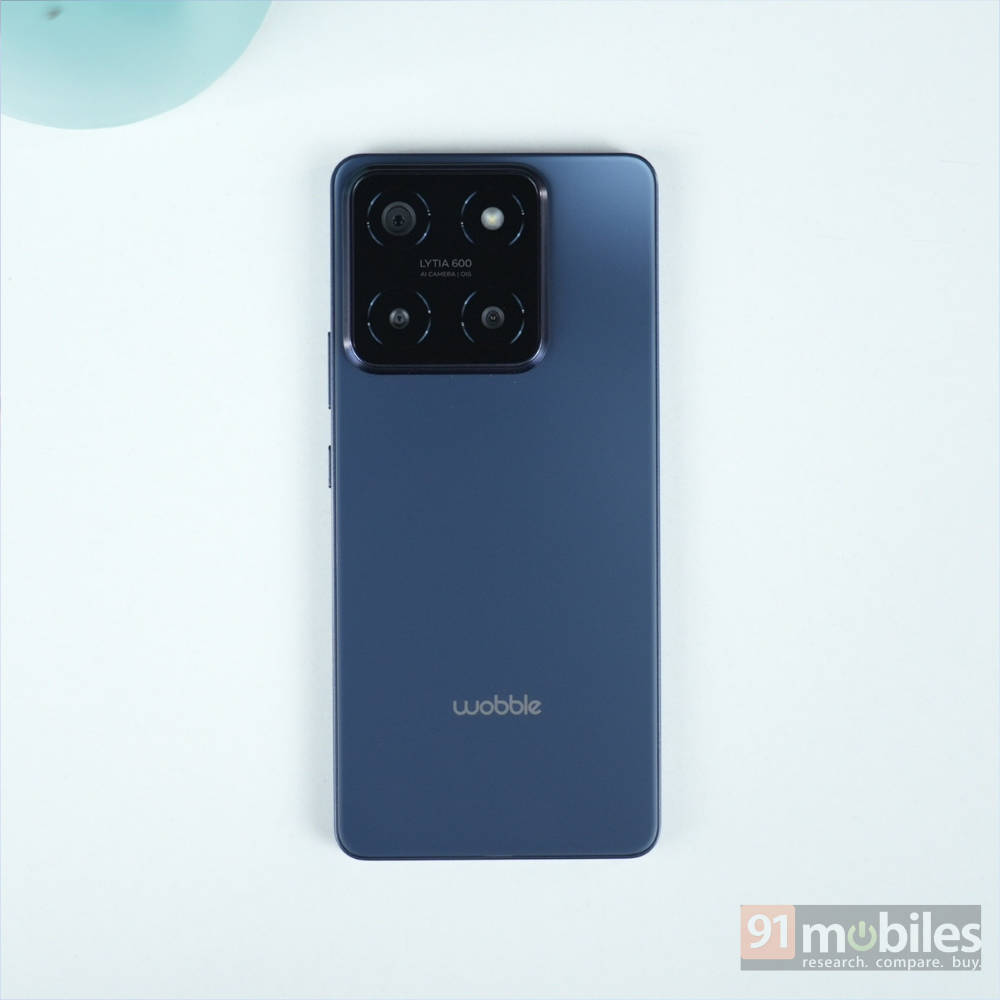
The glass back has a lovely velvety feel in hand, which is genuinely premium for this price point. The aluminium alloy frame complements that, and at 200 grams across a relatively slim 7.8mm profile, it sits comfortably in the hand. The flip side of that glass back, however, is that it is quite slippery. A case will practically be mandatory for most users.
| Smartphone | Thickness | Weight | IP Rating |
| Wobble One | 7.95 mm | 195 grams | NA |
| Motorola Edge 70 Fusion | 7.99 mm | 193 grams | IP68 +IP69 |
| OnePlus Nord CE 5 5G | 8.17 mm | 199 grams | IP65 |
I am a fan of the overall design. It looks the part, feels well-built and manages to carry premium character into the sub-Rs 30,000 space, which is not something every brand gets right on the first try. And for the cherry on top, the Wobble One also packs a 3.5mm headphone jack, which is increasingly rare at any price. One thing to note is that Wobble has not shared any official IP rating for the device, so it is best to keep it away from water and moisture.
Bright, vibrant display that’s easy to like
The Wobble One sports a 6.67-inch FHD+ AMOLED panel with a 120Hz refresh rate, and it is a pretty good screen. It gets quite bright, handles direct sunlight reasonably well, and has excellent viewing angles, so content looks good from pretty much any position you hold the phone. Colours are punchy and well-saturated, making everything from social media scrolling to video streaming a very pleasant experience.
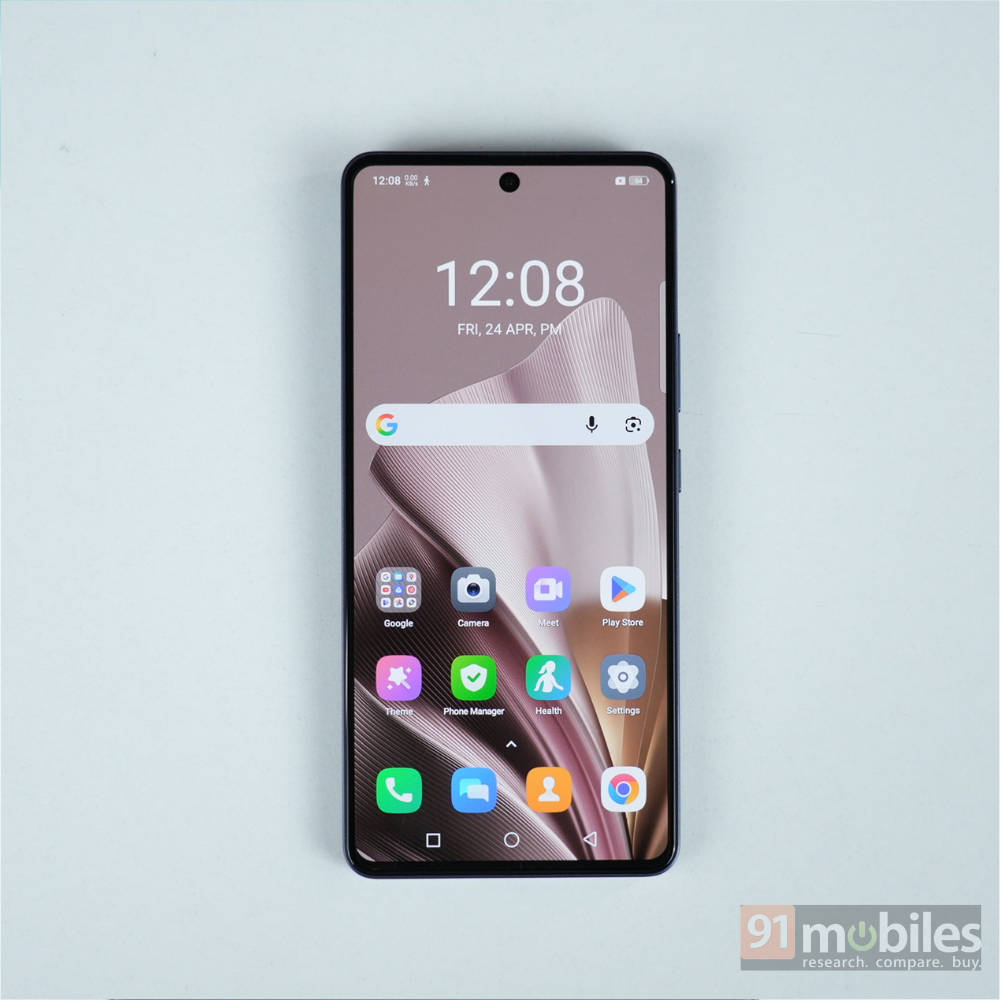
One of the more notable additions here is Dolby Vision support, which you don’t often see at this price point. YouTube takes full advantage of it with HDR playback, Netflix, however, does not support HDR on the Wobble One. Although the phone is Widevine L1 certified, you still get FHD playback across OTT apps, which is the baseline you would expect.
| Smartphone | Display | Peak Brightness |
| Wobble One | 6.67 inches - AMOLED | NA |
| Motorola Edge 70 Fusion | 6.8 inches - Extreme AMOLED | 5200 nits |
| OnePlus Nord CE 5 5G | 6.77 inches - AMOLED | 1430 nits |
The 120Hz refresh rate keeps scrolling and animations smooth throughout, and while it is not the 144Hz panel some rivals offer, the difference in day-to-day usage is marginal at best.
Now let’s talk about the speakers, because there is a potential issue worth discussing. The stereo output sounds full and reasonably loud, but the balance between the two speakers is off. The bottom-firing speaker does the heavy lifting and accounts for most of the audio output, while the top speaker barely pulls its weight. The result is an audio experience that feels a little lopsided, particularly when you are holding the phone in landscape for gaming or videos. Not a dealbreaker, but worth knowing going in if you use your speakers a lot.
The battery life is not impressive
Going in, I had my expectations measured on the battery front. A 5,000mAh cell in a segment where most phones carry at least 6,000mAh to 7,000mAh is already starting from behind, and the Wobble One does not do enough to make up that deficit in real-world usage.
| Smartphone | Battery Capacity | Charging Support | Charging time (20% to 100% ) |
| Wobble One | 5000 mAh | NA | 1h 44m |
| Motorola Edge 70 Fusion | 7000 mAh | 68W Turbo Power Charging | 49m |
| OnePlus Nord CE 5 5G | 7100 mAh | 80W Super VOOC Charging | 47m |
In our gaming tests, the phone dropped an average of 8 percent per hour, and even during YouTube streaming, it shed 7 percent over an hour of playback. The segment average sits closer to 5 percent during gaming and about 4 percent for streaming, so the Wobble One falls short in both aspects. Our PCMark battery benchmark result came in at just under 10 hours, which is also on the lower end for this price bracket.

In day-to-day use, most users who keep the brightness up and use the phone actively will squeeze out around 5-5.5 hours of screen-on time before needing to reach for a charger. That is simply not enough for a full day of moderate-to-heavy use, and it is hard to overlook at this price point, where battery life is one of the key things buyers look for.
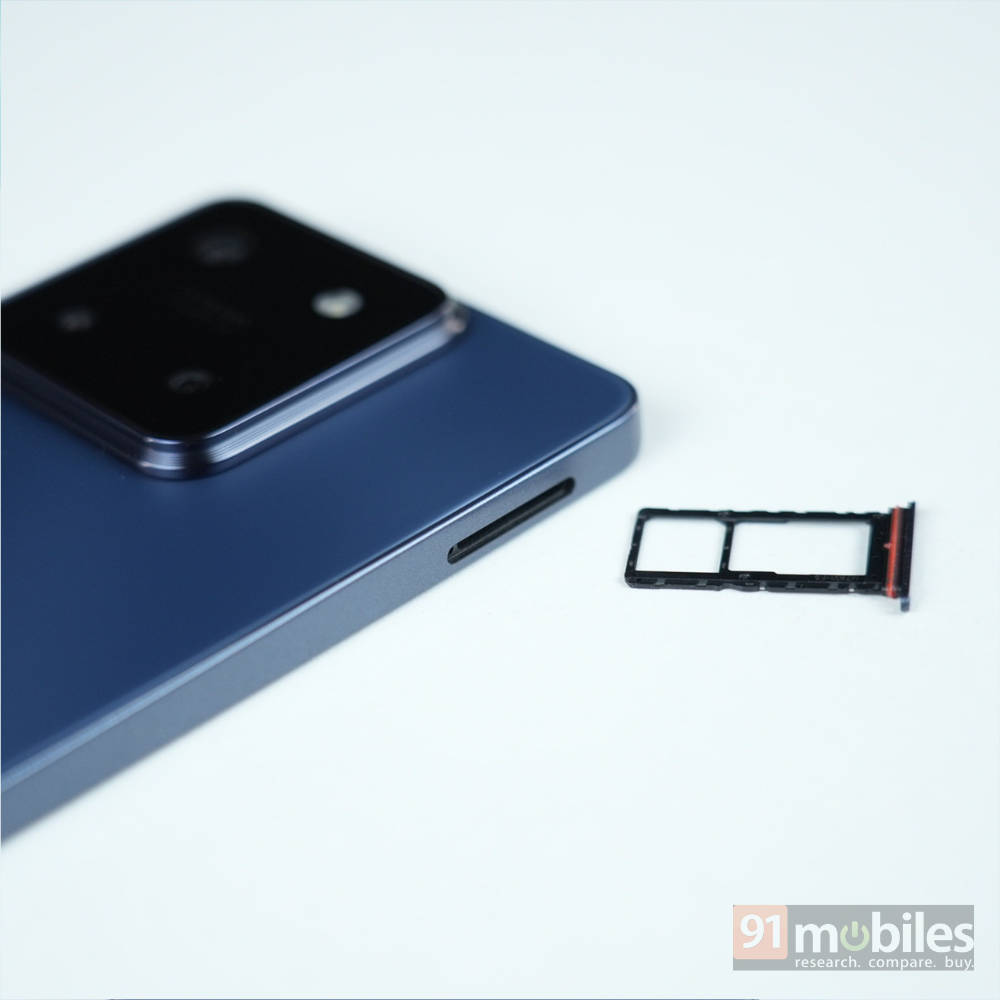
Talking about charging speed, it does take around 100 minutes to recharge from 20 to 100 percent, which is pretty long for this segment. The good thing is you get a high-quality 33W paired charger with a corded cable, which should help improve its longevity.
Natural, warm cameras that struggle in the dark
The Wobble One’s primary 50MP Sony LYTIA 600 camera delivers decent results in good lighting. The colour profile is warm and natural, without the oversaturated look that many phones at this price tend to default to. Images look lifelike and close to what the eye actually sees, with consistent detail and sharpness across the frame in daylight, though not as much as I’d like. With OIS support, you can expect stable 1080p video in good lighting


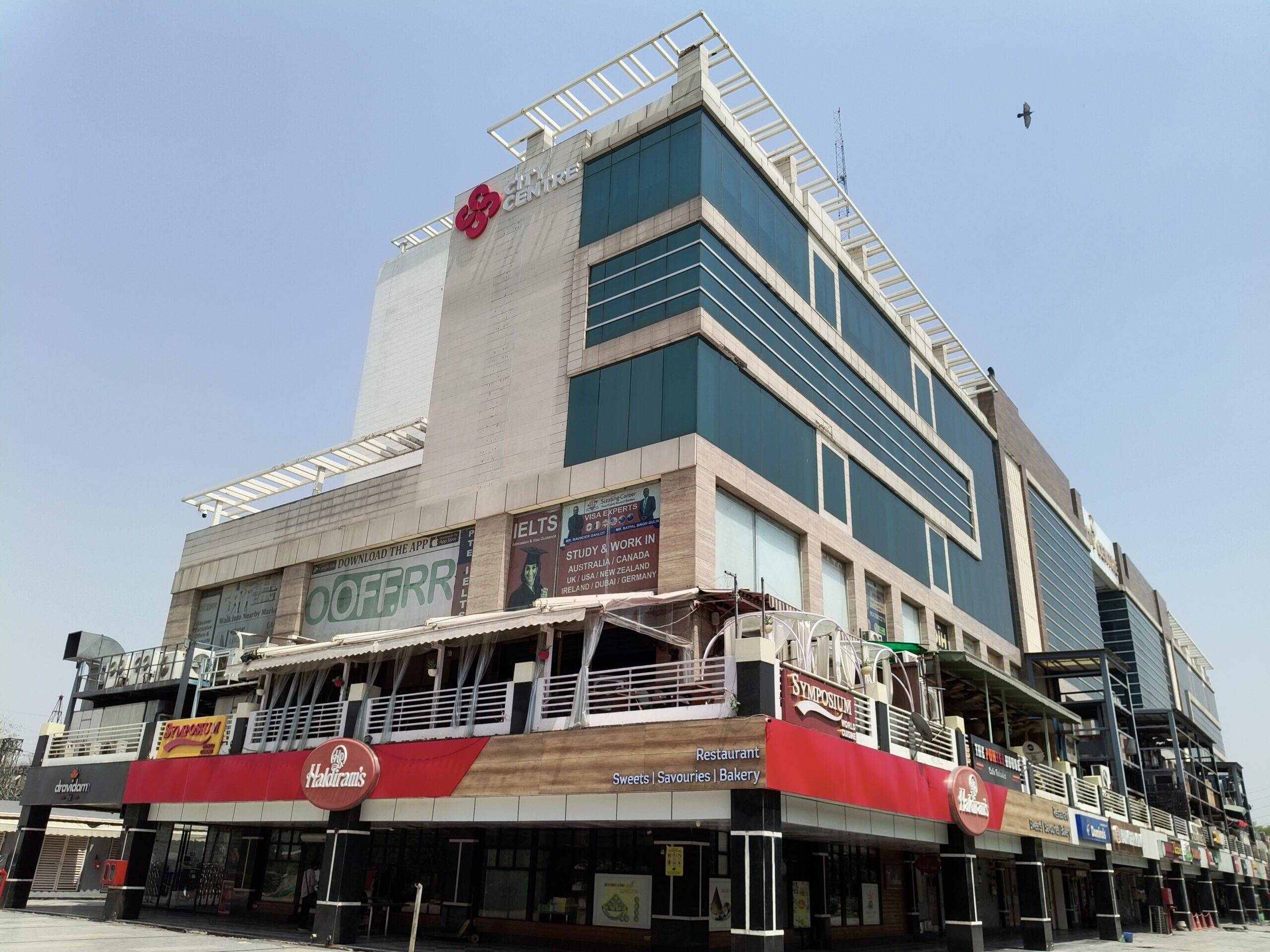

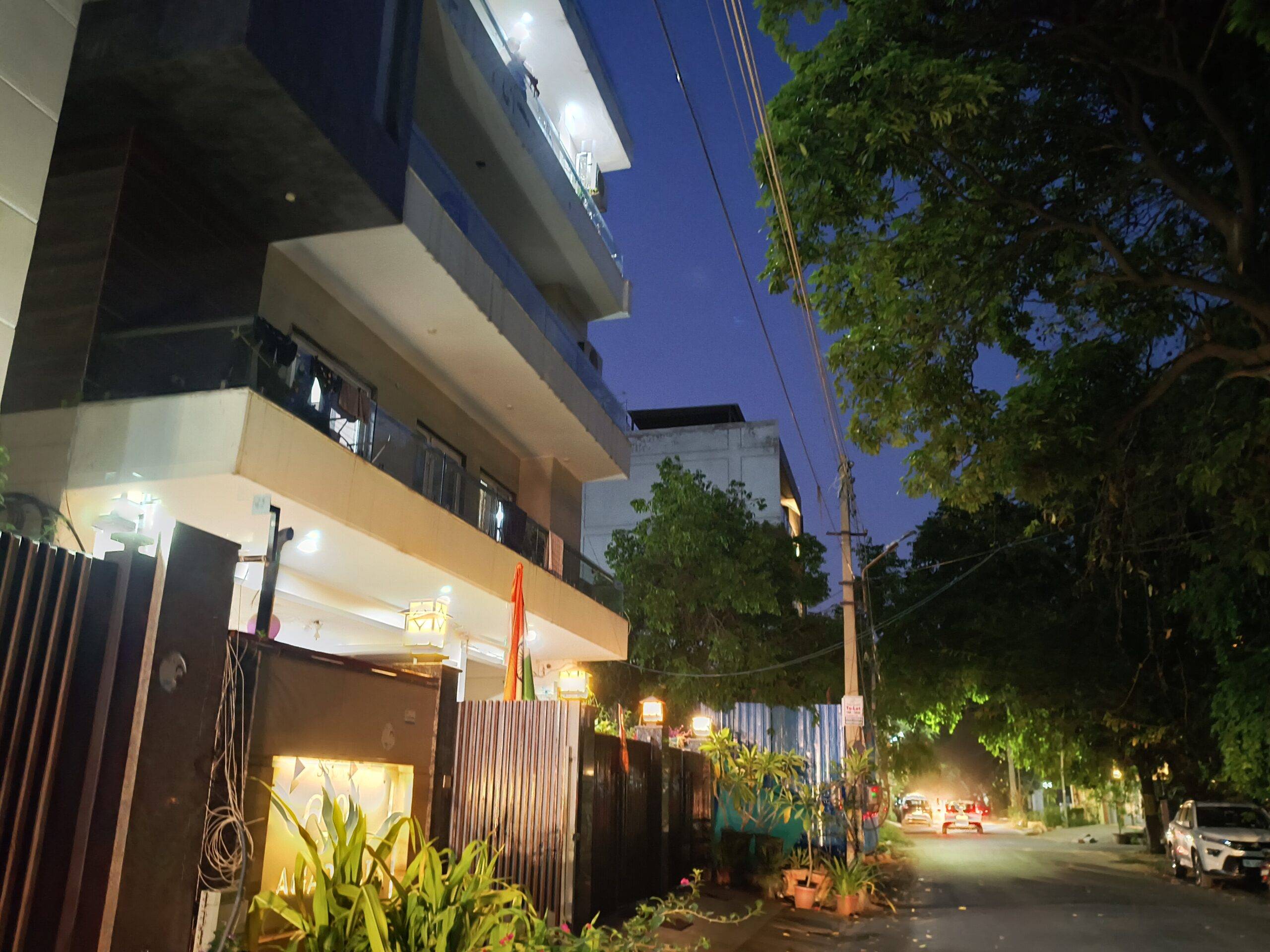

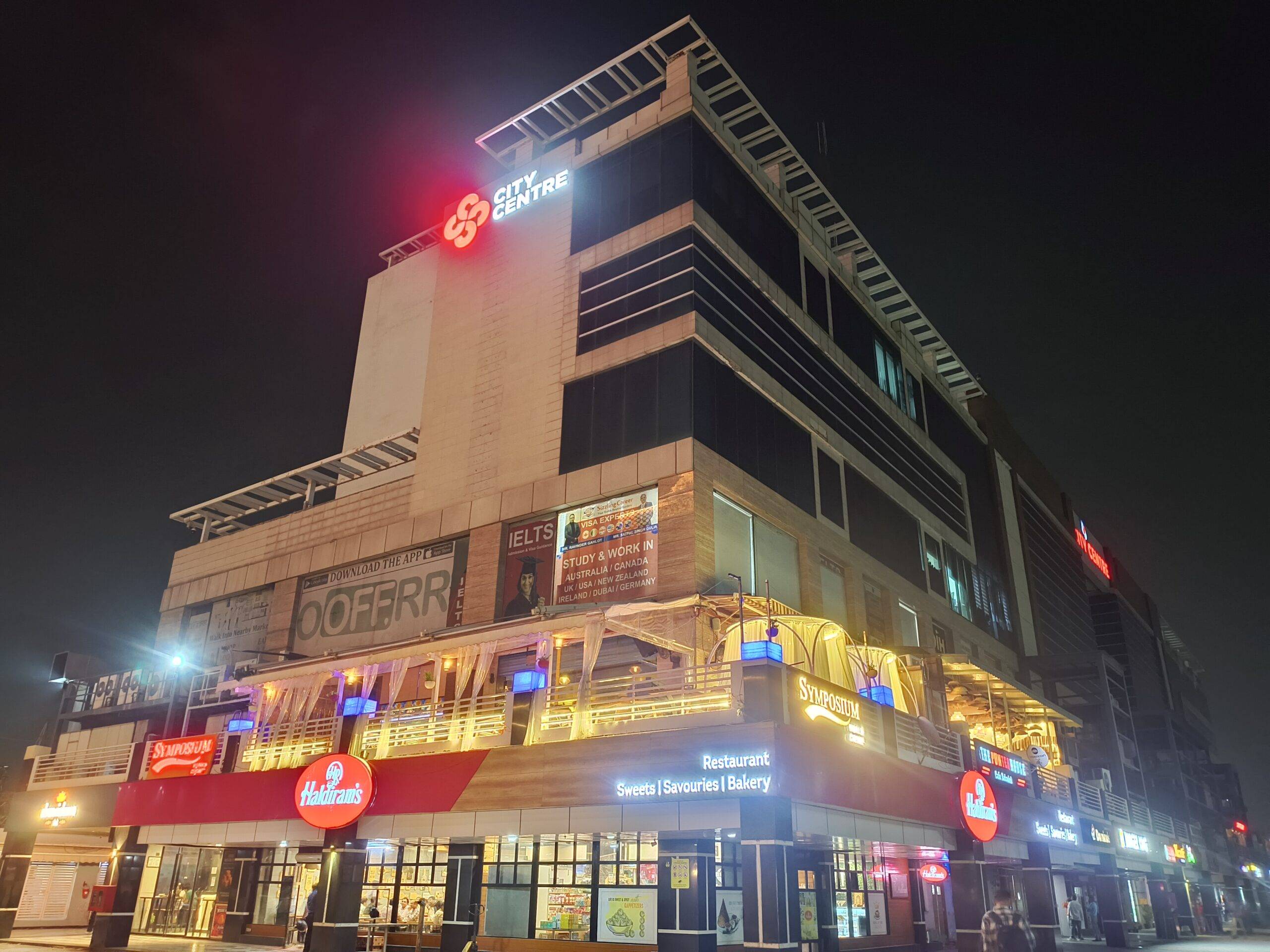


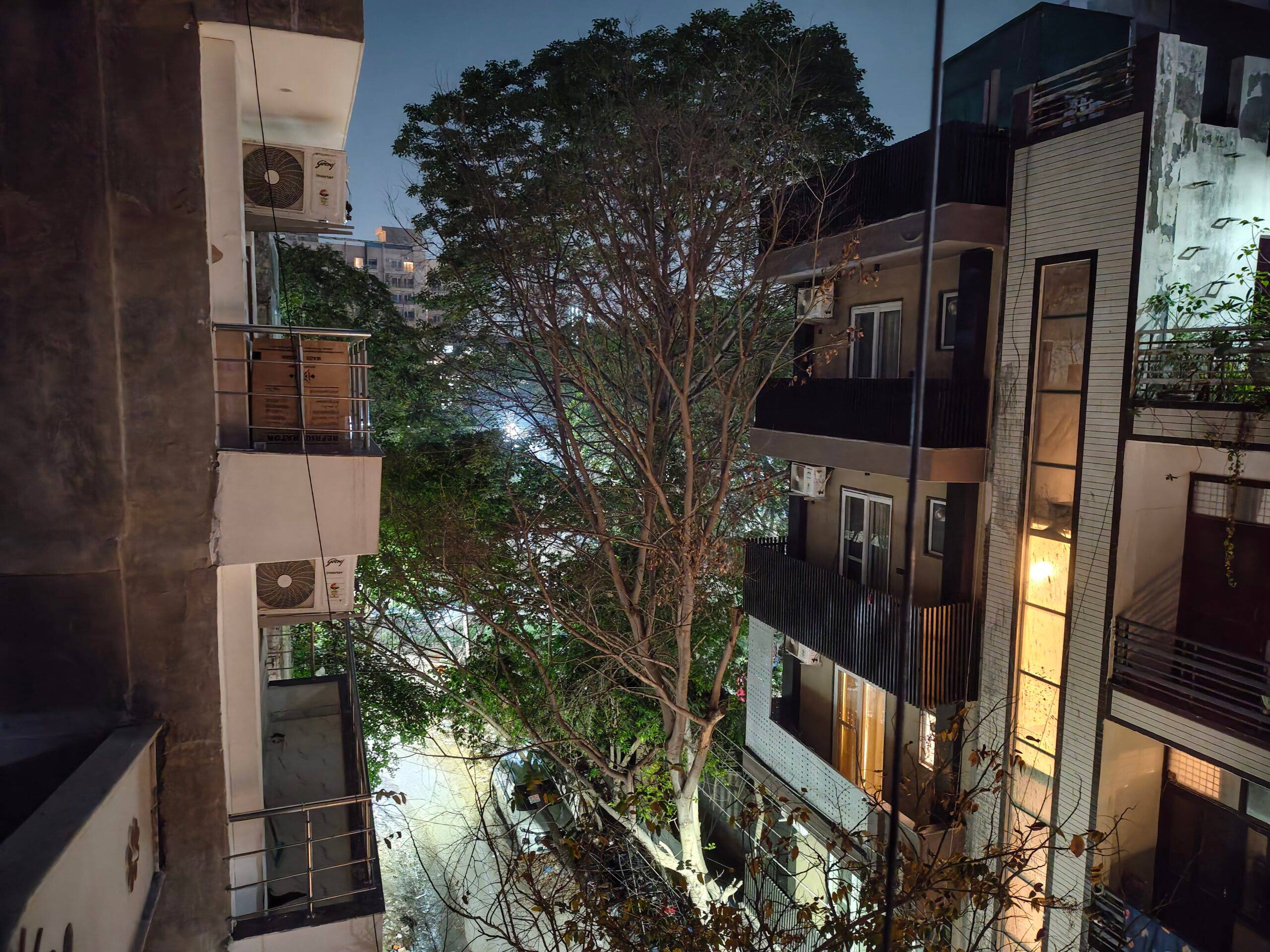
Low light is where the camera shows its limitations. Colours are still warm and look somewhat natural, but detail levels are pretty abysmal, and it becomes difficult to make out finer elements in a scene. Lens flares are also a recurring issue, with light sources that tend to bloom and introduce a slight haze to images shot in their vicinity. It is something you will likely notice in evening or indoor conditions.
The 8MP ultrawide covers the basics for wide-angle shots, and the 2MP macro is fairly limited in its practical use. The 50MP selfie camera performs well in daylight, with good skin tone accuracy and sharp facial detail. Overall, the camera system is a reasonable first effort for a brand entering the smartphone space, though low-light performance leaves room for improvement.
Another slight issue is that the camera lag is quite apparent here throughout my usage. The app takes quite a bit to snap shots, change modes, etc., which can be frustrating for users. I compared the phone’s camera against the Motorola Edge 70 Fusion (review) to give you a better idea of its performance. Check it out below:
Daylight
In regular daylight scenarios, the Moto Edge 70 Fusion delivers slightly better results than the Wobble One in sky detail and colour neutrality. In other aspects, for example, colour reproduction, the Wobble One does a lot better with a warmer, more inviting colour palette that makes images look lifelike.


Ultrawide
In ultrawide shots, the Moto Edge 70 Fusion captures a wider field of view and renders colours in a more vibrant tone. The Wobble One’s ultrawide output is warmer and slightly more distorted at the edges, with distortion more visible around the frame. Detail levels are broadly similar between the two, but the Moto is ahead overall with better sky retention and more natural vegetation colours.


Portrait
When it comes to portrait shots, the Motorola Edge 70 Fusion manages colours better, with warmer and more natural-looking skin tones compared to the Wobble One, which makes the subject appear reddish. Edge detection is fairly evenly matched on both phones, but the Wobble One’s background blur looks more natural overall.


Selfie
The Moto Edge 70 Fusion is decisively ahead of the Wobble One in selfies. The Moto handles sunlight on the face much more naturally, retaining good skin detail and dynamic range even in challenging lighting. The Wobble One, in the same conditions, introduces a reddish tint to the skin tones that makes the output look a little dull in comparison.

Low light
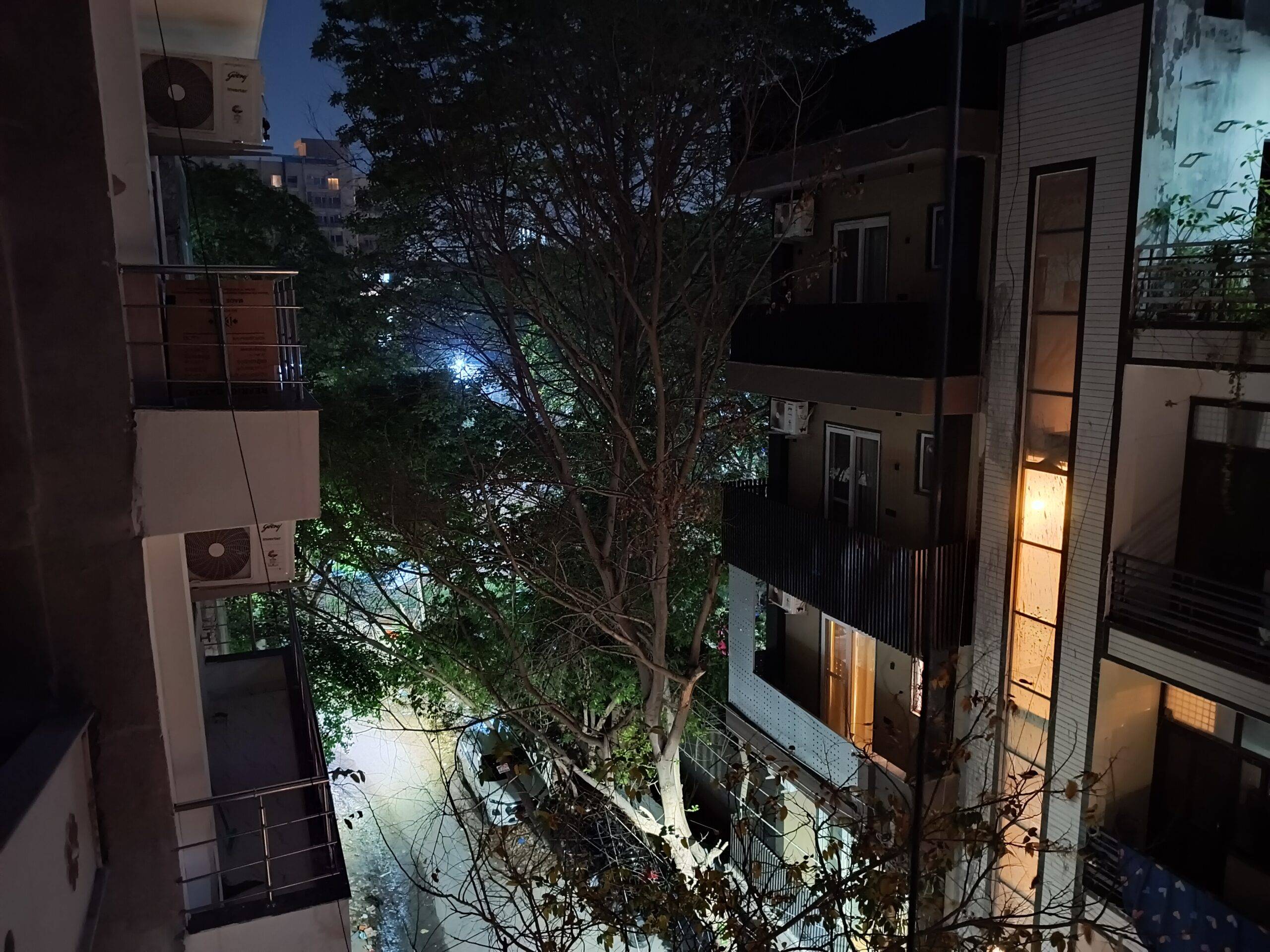
In low light conditions, the Moto Edge 70 Fusion is the clear winner. It exposes the scene better, pulling out more detail in the building, trees and surroundings while keeping the overall image bright and usable. The Wobble One’s output is a lot darker, albeit more realistic, and the lens flare issue is on full display here, with the light source blooming into a large hazy patch that distracts from the rest of the image.
Clean software, middling performance
The Wobble One runs on the MediaTek Dimensity 7400 with up to 12GB RAM and 256GB storage, and it sits right in the middle of the pack at this price point. Phones like the Moto Edge 70 Fusion and OnePlus Nord CE5 are ahead in benchmarks, so if raw performance is your top priority, that is worth keeping in mind. In day-to-day use, though, the phone feels smooth and responsive, and the clean, stock Android-like OS helps a lot here, since it does not unnecessarily eat into resources.
Sustained performance is pretty good too, with the device maintaining about 73 percent of its peak output under prolonged stress. You won’t run into sudden performance drops mid-session, which is good.
Gaming is decent for casual players, but there is no 120fps support on BGMI or CoD: Mobile, so you are stuck at 90fps framerate caps on both titles. Temperatures climb around 6 degrees Celsius on average over an hour of gaming, which is manageable but on the warmer side for the price.
The Wobble One runs on a very clean, stock Android-like experience based on Android 15. That works in its favour for the most part and it brings a lot of elements inspired from ColorOS in terms of UI. The interface is smooth, clutter-free and easy to navigate, and the AI feature set is pretty decent. You get Wobble’s suite of AI tools and other useful stuff like Gemini, Circle to Search and AI enhancements in Google Photos.
Where it falls short is in terms of personal flair. There are very few customisation options, and the OS lacks the adaptive features you’d find in more established skins like OriginOS or ColorOS. It feels functional, but a little bare. There are also some minor bugs worth flagging. Screenshot previews linger on screen longer than usual, and the volume slider occasionally glitches during use.
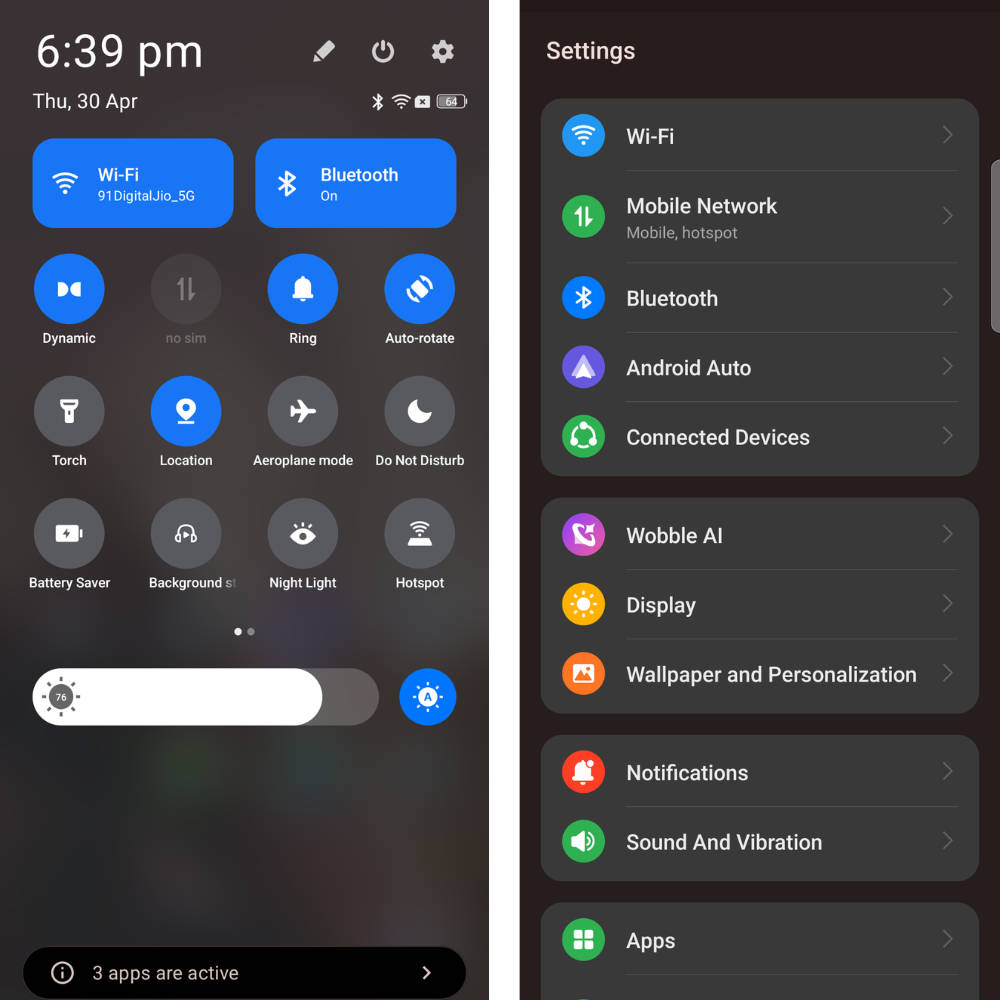
Nothing deal-breaking, but quirks that are worth a mention. The display colour settings are also a bit of a surprise. Choosing anything other than the Adaptive or Natural modes adds a visible red tint to the screen, which throws off colour accuracy in a way that is hard to ignore.
Regarding software support, Wobble has not yet made any official commitments regarding OS updates or security patch duration, which is something to keep in mind for a long-term purchase, as you’re already running a year behind on Android 15.
Final Verdict
The Wobble One is priced starting at Rs 26,999 for the 8GB+128GB base variant, rising to Rs 29,999 for the 8GB+256GB variant, and Rs 32,999 for the 12GB+256GB variant. For a brand making its smartphone debut, it does a good number of things right. The design is premium and well-built, the display is bright and immersive, and the clean software experience with AI tools makes for a smooth day-to-day ride. That is a good foundation for a first attempt.
Where it struggles, however, is harder to overlook. The battery life is below average for this price bracket, and the cameras are unimpressive in low light. The lack of any committed software support policy is also a concern for buyers looking at this as a long-term device.
Compared to the Motorola Edge 70 Fusion (review) and the OnePlus Nord CE5 (review), the Wobble One simply isn’t as competitive, which isn’t entirely surprising. Both Motorola and OnePlus have spent years refining their camera systems, software experience and overall product quality, and that experience shows. Even though Wobble competes with these brands in terms of hardware being offered, it is not there yet, but the potential is visible.
The Wobble One is a promising start, but with early growing pains across cameras, battery and software, and no clear update policy to fall back on, it is difficult to recommend over the competition at its current price. Give it a generation or two, and Wobble could be a name worth watching closely.
Editor’s Rating: 8/10
Reasons to buy
- Premium, comfortable design
- Satisfactory daylight cameras
- Big, bright display
- Clean OS experience
Reasons not to buy
- Poor battery life
- Cameras struggle at night
- Some software issues