The Xiaomi 17 Ultra is one of the most capable flagship phones of 2026, but it’s not without its trade-offs. Buying it largely comes down to two things: whether the cameras justify the price, and whether you can live with a phone that is big, heavy, and expensive in a market full of strong alternatives. For most photography enthusiasts and power users, the answer is likely yes. For everyone else, it’s worth thinking through.
If you want a deep dive into the Xiaomi 17 Ultra, you can check out my review here. If you’re pressed for time, here’s a quick breakdown of why you should buy and skip the phone.
Reasons to buy the Xiaomi 17 Ultra
One of the best camera systems on a smartphone right now
The biggest reason to consider the Xiaomi 17 Ultra is the cameras. The 1-inch main sensor with Leica optics captures exceptional detail in both daylight and low light, with colours that are accurate without being boring and vivid without being pumped. The real standout, though, is the continuous zoom telephoto that covers the entire 75–100mm range with a single lens, delivering consistent colour, sharpness, and background blur throughout without ever switching lenses. Portraits shot at 75mm and 100mm look crisp, detailed, and natural, almost mimicing a mirrorless camera.
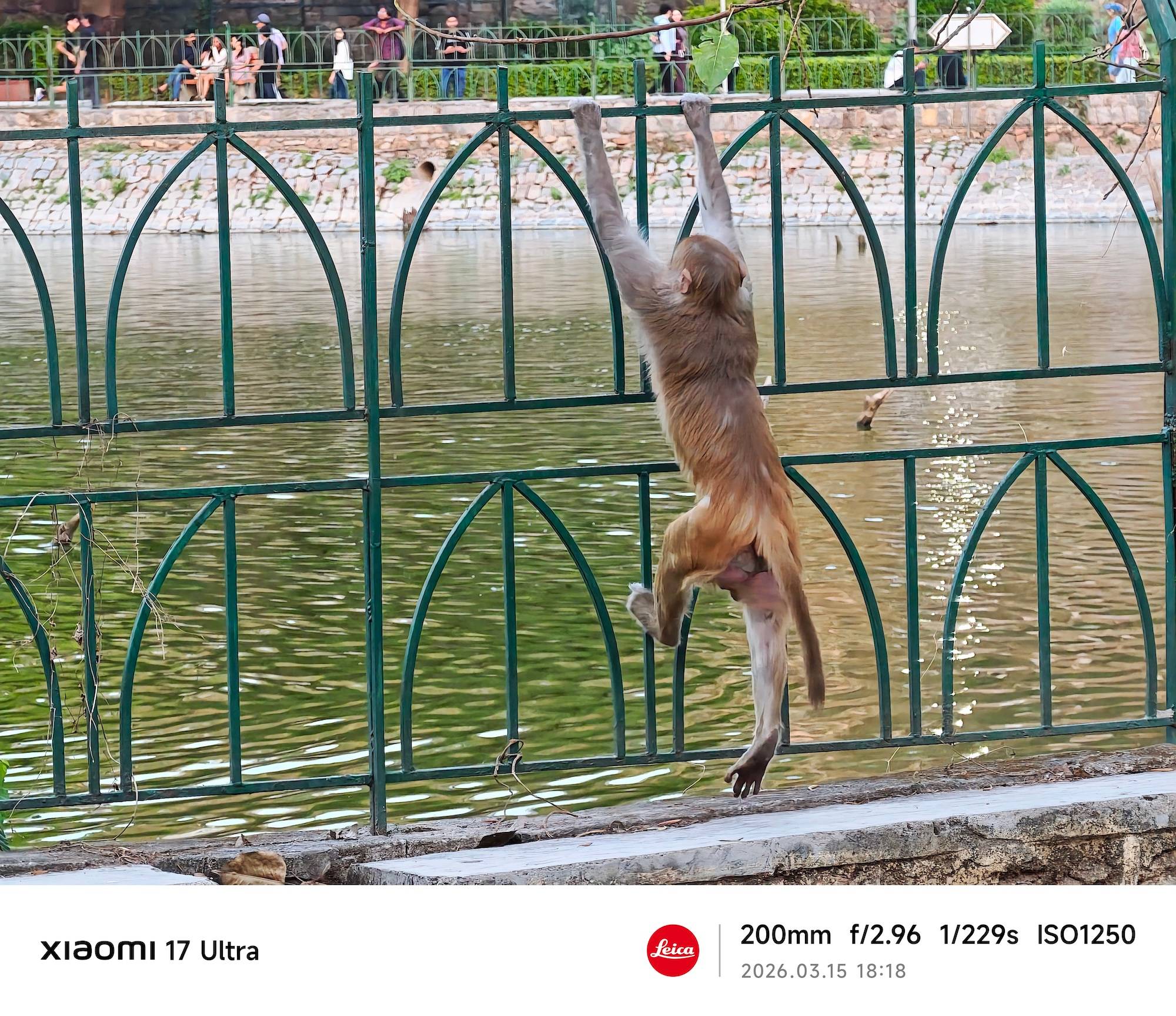












LOFIC technology on the 1-inch sensor further separates the 17 Ultra from the competition in challenging scenes. A beach fire performance at night — fire against complete darkness — produced a single-frame shot with the performer’s face, the sand, the palm trees, and distant boat lights all simultaneously resolved. For users who want their photos to look like the moments they captured rather than AI-generated interpretations of them, the 17 Ultra is the most compelling argument available right now.








Battery life that matches its ambitions
The cameras get all the attention, but the battery is the 17 Ultra’s quiet overachiever. The 6,000mAh cell — larger than its predecessor’s 5,410mAh unit — lasted 15 hours and 31 minutes in the PCMark battery test, only slightly behind rivals with larger batteries. In real-world use, the phone comfortably lasts a day and a half with moderate use. I shot tons of photos on the Xiaomi 17 Ultra, opening the camera almost every ten minutes, and was left with around 50 percent battery by evening. That’s not a number you see often from a flagship camera phone under heavy use.


Charging is equally well-handled. The 100W HyperCharge brick in the box takes the phone from 20 to 100 percent in around 48 minutes, and 50W wireless charging means you have a cable-free option for everyday top-ups.
A display worthy of the photos you’ll take
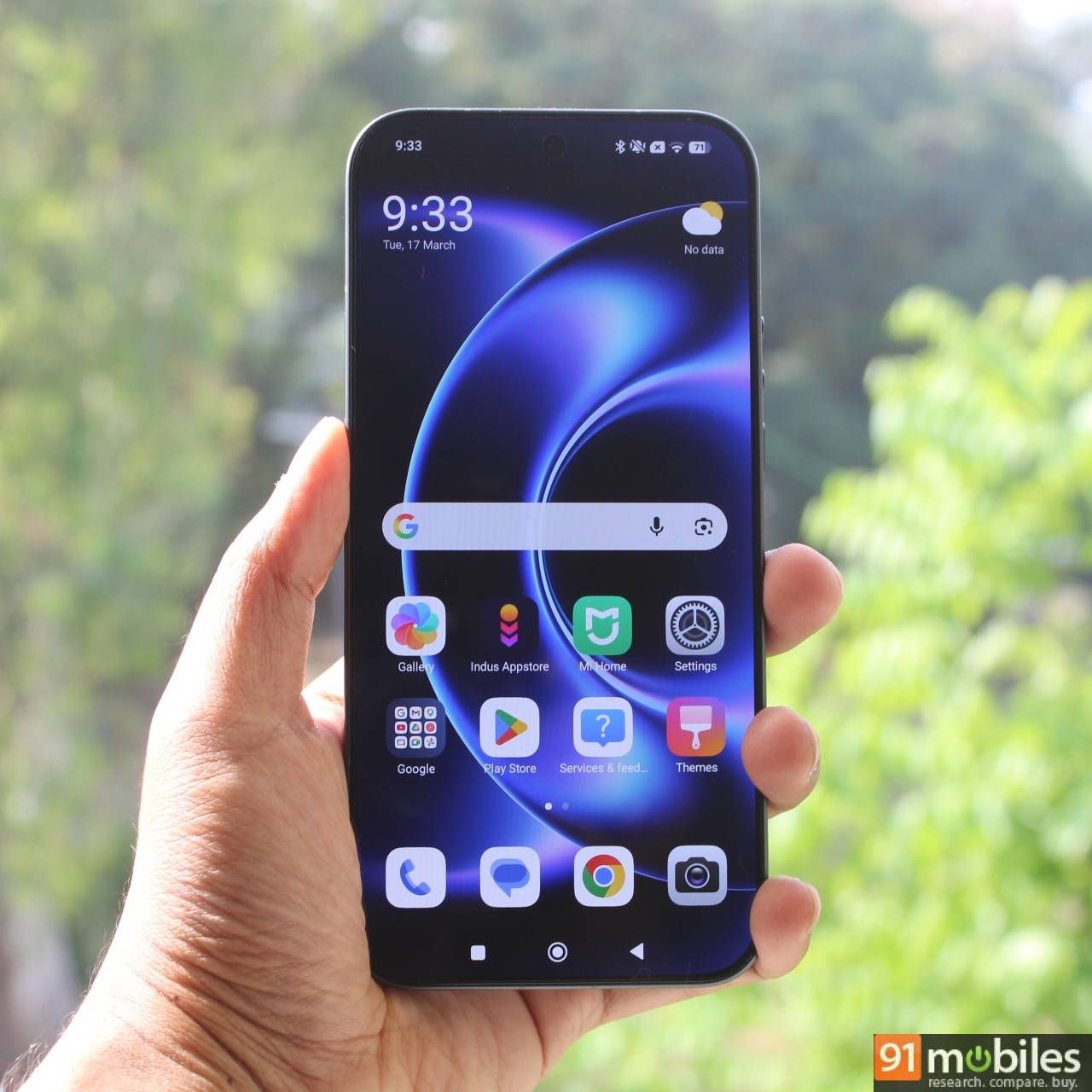
The 6.9-inch 120Hz LTPO HyperRGB OLED display is a fitting companion for a phone built around photography. It’s bright, reaching up to 3,500 nits, so reviewing shots in harsh sunlight is never a problem. Colours are accurate, the panel is crisp, and the fluid HyperOS animations make everyday use feel polished. A larger screen also means more real estate for reviewing and editing photos directly on the device, which, given the camera system on offer, you’ll be doing often.
Performance that never gets in the way
The Snapdragon 8 Elite Gen 5 is the fastest chip available on an Android phone right now, and the Xiaomi 17 Ultra makes full use of it. AnTuTu scores north of 3.6 million, apps open instantly, multitasking is seamless, and HyperOS’s animations make the whole experience feel cohesive and premium. The phone never throttled or slowed down during my time with it, whether I was shooting photos, editing them, or switching between demanding apps. It’s the kind of performance that simply stays out of your way.
Reasons to skip the Xiaomi 17 Ultra
It’s expensive, and the competition is fierce
At Rs 1,39,999, the Xiaomi 17 Ultra has received a noticeable price hike over its predecessor. At this price, you’re also looking at the Samsung Galaxy S26 Ultra and the iPhone 17 Pro. The Galaxy S26 Ultra offers longer software support, a more user-friendly UI, Samsung’s mature AI ecosystem, and the strength of the Samsung brand. The iPhone 17 Pro brings iOS, Apple’s tightly integrated ecosystem, and a camera system that competes in the same conversation. The Xiaomi 17 Ultra has the hardware to hold its own against both, but the decision isn’t as clear-cut as the spec sheet might suggest.
Heavy and bulky for daily carry
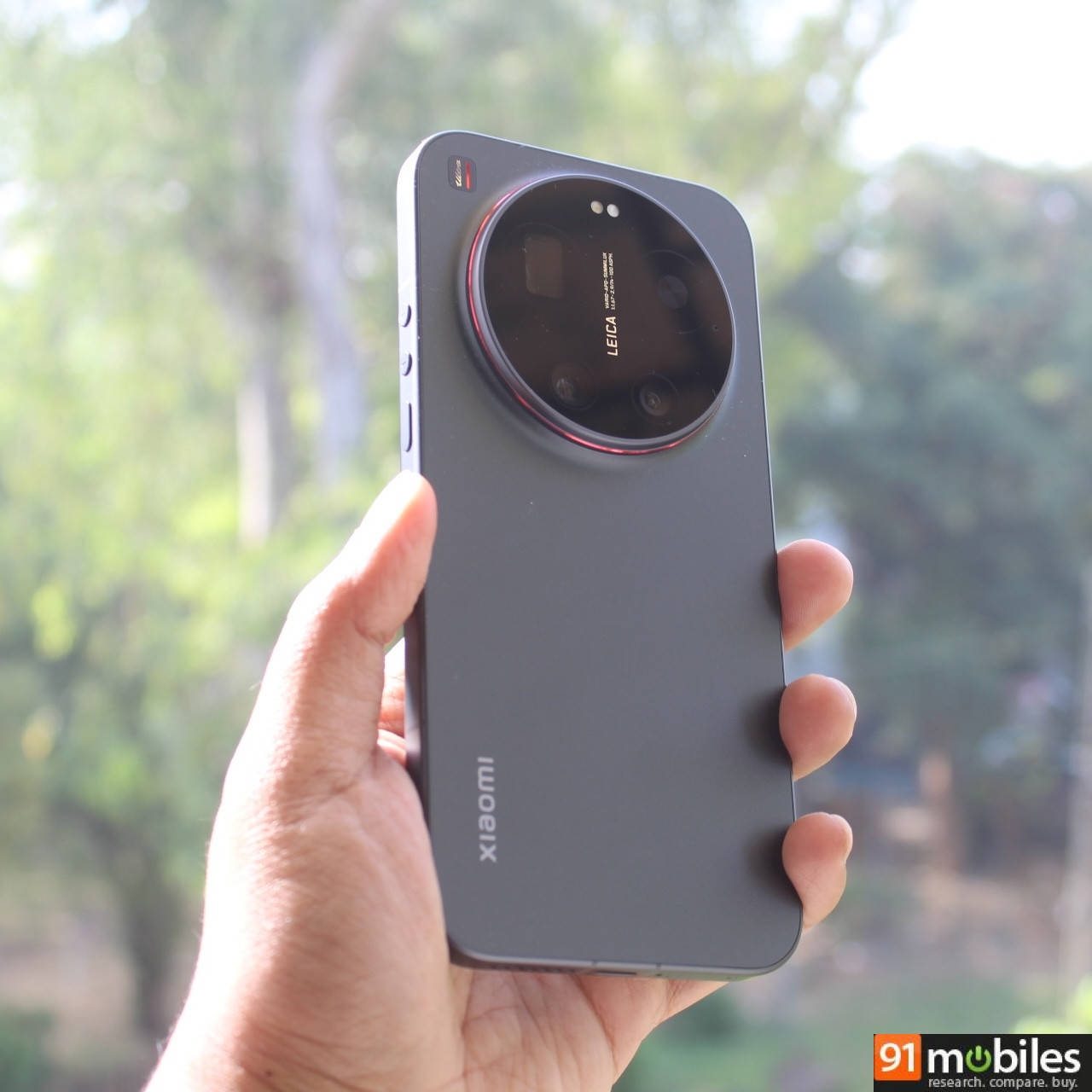
The Xiaomi 17 Ultra is a big phone, and you will feel that. At 218 grams, it’s heavier than most rivals, and the large circular camera module, while a design signature, adds to the sense of bulk. Extended one-handed use is tiring, and the phone feels uncomfortable in a jeans pocket. The optional Photography Kit Pro, while genuinely useful for serious shooting, adds further thickness and weight that makes it impractical for anything beyond dedicated camera sessions.
Software support trails the best in the segment
Xiaomi is promising five years of major OS upgrades and six years of security updates, which is decent, but behind the seven years of both that Google and Samsung offer on their flagship phones. If long-term software longevity is a priority, the Galaxy S26 Ultra or Pixel 10 Pro XL or even the iPhone 17 Pro make a stronger case. For a phone at this price, the gap is hard to ignore.
Conclusion
The Xiaomi 17 Ultra is the phone to buy if you want the best camera hardware available on a smartphone right now, a battery that genuinely lasts, and performance that never flinches. It’s an uncompromising package built around a clear philosophy — hardware over AI, authenticity over polish — and it delivers on that promise convincingly.
However, if you’re not a dedicated photography enthusiast, the price is hard to justify when the Galaxy S26 Ultra and iPhone 17 Pro offer equally compelling all-round experiences with better software support. The Xiaomi 17 Ultra isn’t trying to be the most well-rounded flagship; it’s trying to be the best camera phone. And for the right buyer, it is exactly that.