


Review Summary
Expert Rating
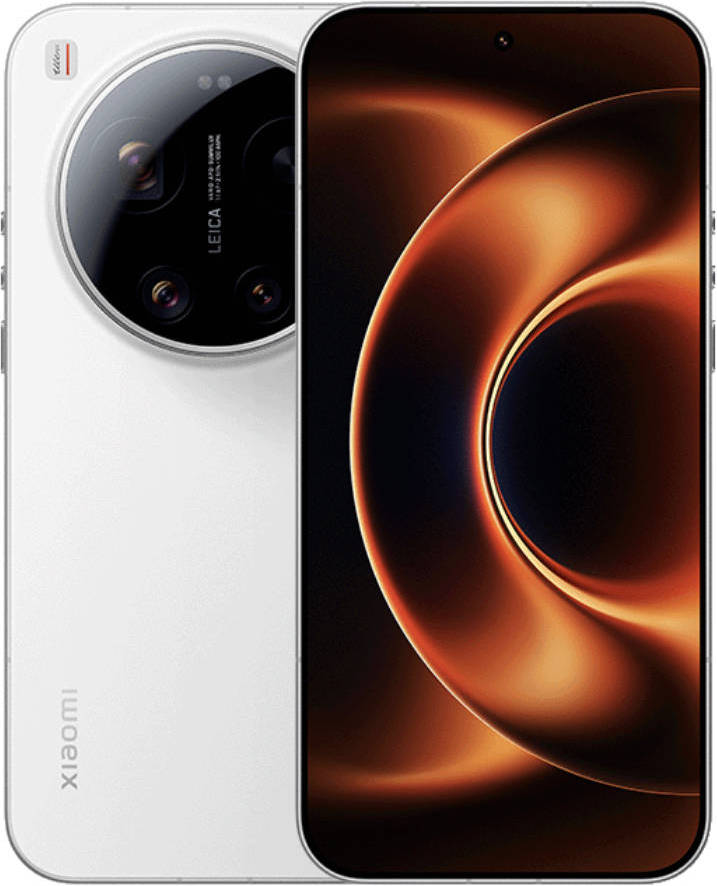
The Xiaomi 17 Ultra is not a phone that hides what it’s about. The large circular camera module on the back, the Leica branding, and the three distinct lenses all tell you exactly what you’re getting before you’ve even turned it on. This is a camera-first flagship in every sense, and Xiaomi has built it around a simple argument: rather than papering over a mediocre sensor with clever software, build a sensor and optical system so good that the software barely needs to get involved.
I’ve had two separate experiences with the Xiaomi 17 Ultra — a hands-on with the Chinese unit last month and a recent camera deep dive with the Indian unit on Vietnam’s Phu Quoc island, where I captured over 500 photos. After using the Indian unit extensively, here’s my full review.
Table of Contents
Design: A camera phone that looks like one
From a distance, the Xiaomi 17 Ultra looks familiar. Much like the Xiaomi 15 Ultra before it, the large circular camera module dominates the rear. It has a red accent around the camera ring, which looks great on the Black variant we received. With each generation, though, Xiaomi has dialled back the curvature around the edges, and the 17 Ultra is now completely flat — front, back, and frame. Flat flagships are very much in trend right now, and Xiaomi is squarely on that trend.
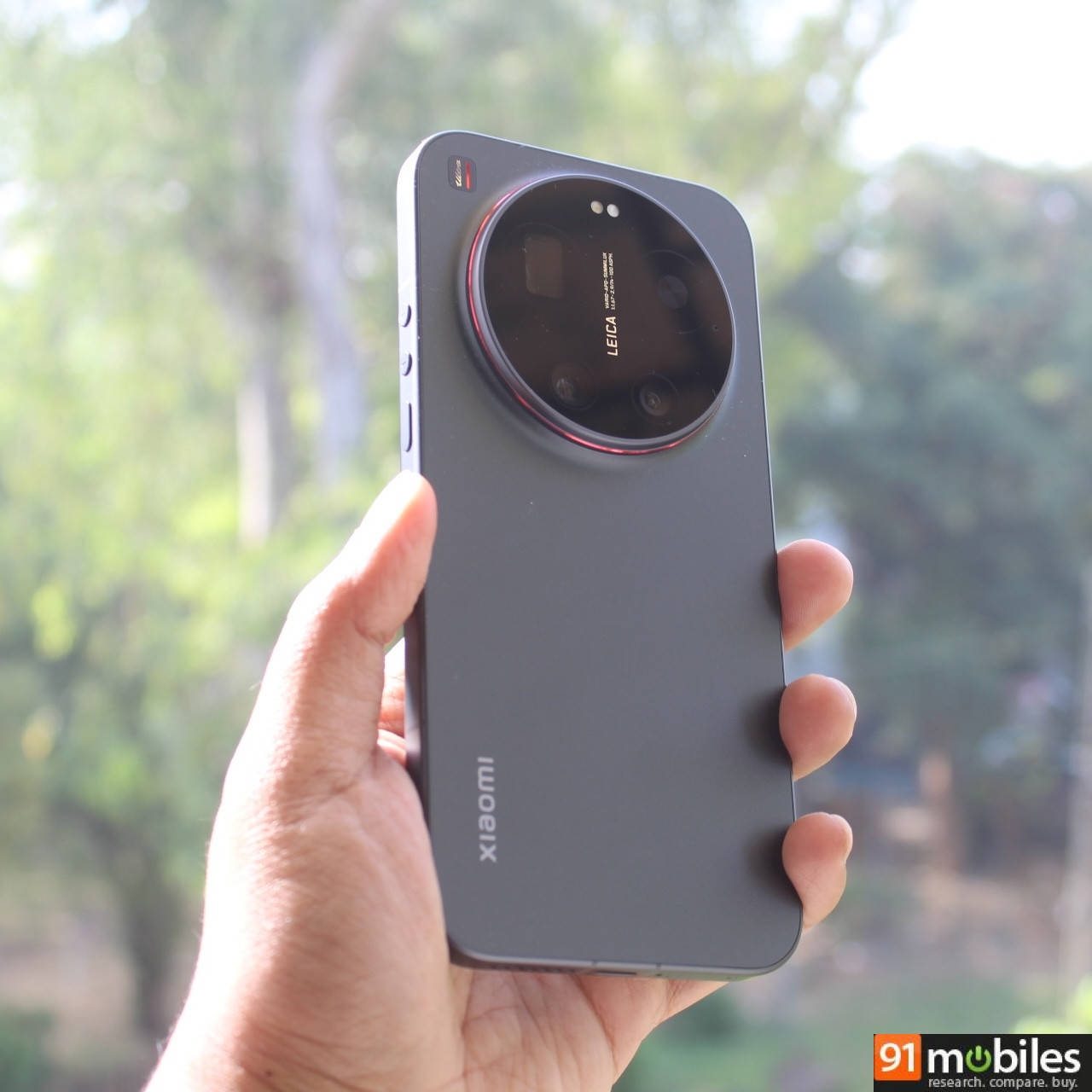
This is a big, solid phone. Despite carrying a significantly larger 6,000mAh battery than the Xiaomi 15 Ultra’s 5,410mAh unit, Xiaomi has managed to reduce the weight from 226 grams to 218 grams and, more impressively, trim the thickness from 9.35 mm to around 8.29 mm. It is still a heavy phone, and you will feel that weight during extended use. By slightly increasing the dimensions and trimming the bezels, the screen size has grown from 6.73 inches to 6.9 inches. In practice, this means a gorgeous, large canvas for watching HDR10+ and Dolby Vision content, scrolling through pages, or reviewing the photos you just shot.
The display itself is a 120Hz LTPO HyperRGB OLED panel that feels buttery-smooth when paired with HyperOS’s fluid animations. It’s bright, crisp, and colour-accurate, a fitting companion for a phone that’s as much about reviewing photos as it is about taking them. The display’s brightness levels (up to 3,500 nits) are plenty for comfortable viewing in harsh sunlight, and there has been a lot of that in both Vietnam and Delhi.
Cameras: when the hardware doesn’t need AI help
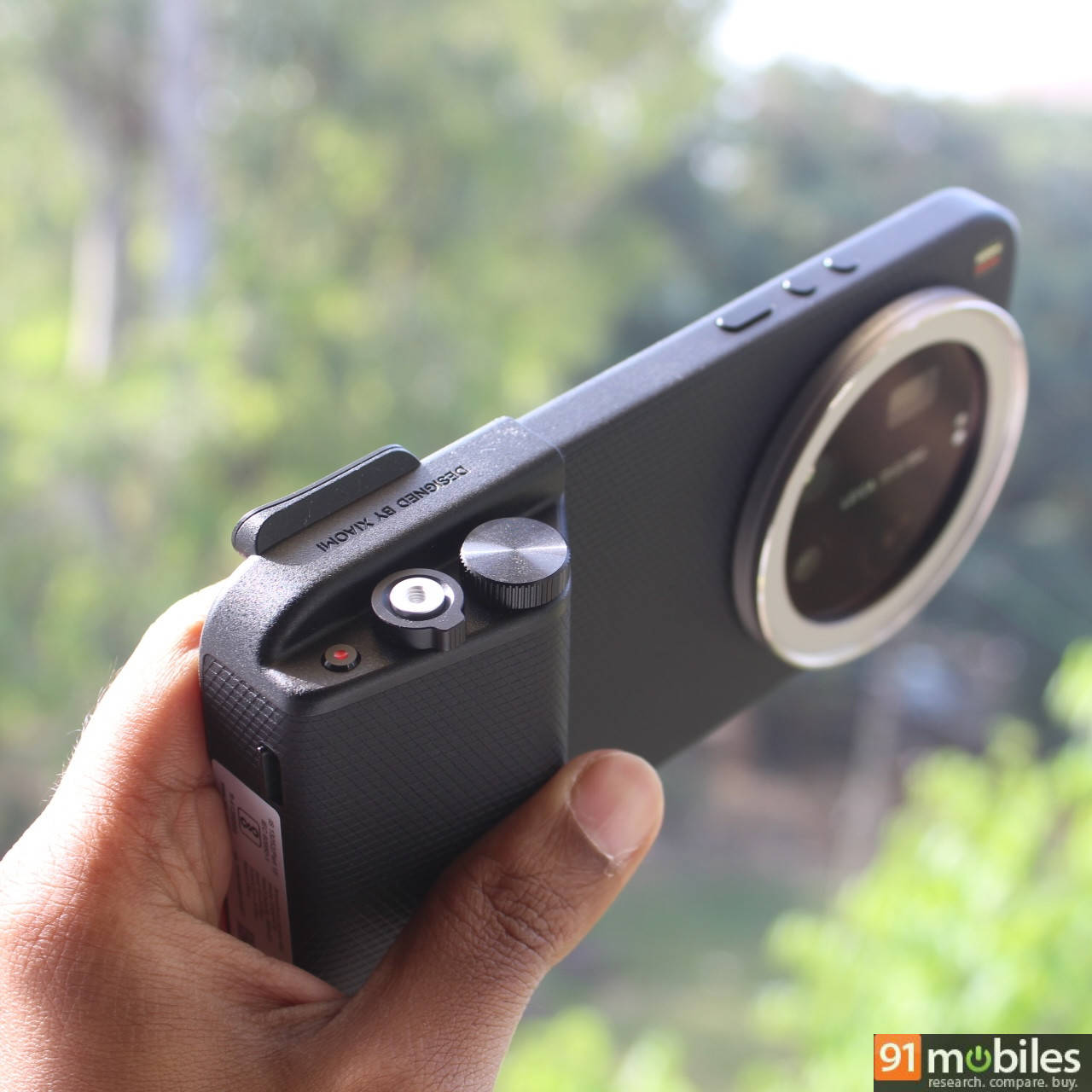
If you’re buying the Xiaomi 17 Ultra, you’re buying it for its cameras. You get three distinct lenses: a 50MP 1-inch main sensor at 23mm with Leica optics, a 50MP 14mm ultrawide, and a 200MP telephoto spanning 75mm to 100mm with continuous optical zoom. That last one is where it gets really interesting.
The older dual-telephoto approach always had a quality cliff where your phone silently switched between lenses — one for 3x, another for 5x, and a no-man’s-land in between where neither was ideal. Xiaomi’s new single module handles the entire 75–100mm range continuously, and it shows. Across my 500-odd photos in Vietnam, I moved through 75mm, 90mm, and 100mm without ever thinking about which lens I was on — colour, sharpness, and background blur all consistent throughout. One caveat: zooming beyond the optical range, where the phone crops into the 200MP sensor, does produce slightly softer detail. The pixel count keeps it usable, but it’s the one seam in an otherwise seamless system.








The selfie camera has also been meaningfully upgraded, from a 32MP fixed-focus unit to a 50MP sensor with autofocus. Detail levels are high, close-up selfies are particularly sharp, and edge detection in good lighting is better than the Vivo X300 Pro’s — though the Xiaomi brightens the face slightly more, which can tip into overexposure. The X300 Pro delivered more balanced skin tones in that regard.
Daylight
As a point-and-shoot in daylight, the 17 Ultra is exceptional. The 1-inch sensor captures impressive detail without looking artificially sharpened, colours are lively yet natural, white balance is consistently accurate, and noise is practically non-existent. The autofocus is snappy — crisp, stutter-free shots of moving subjects are the norm.
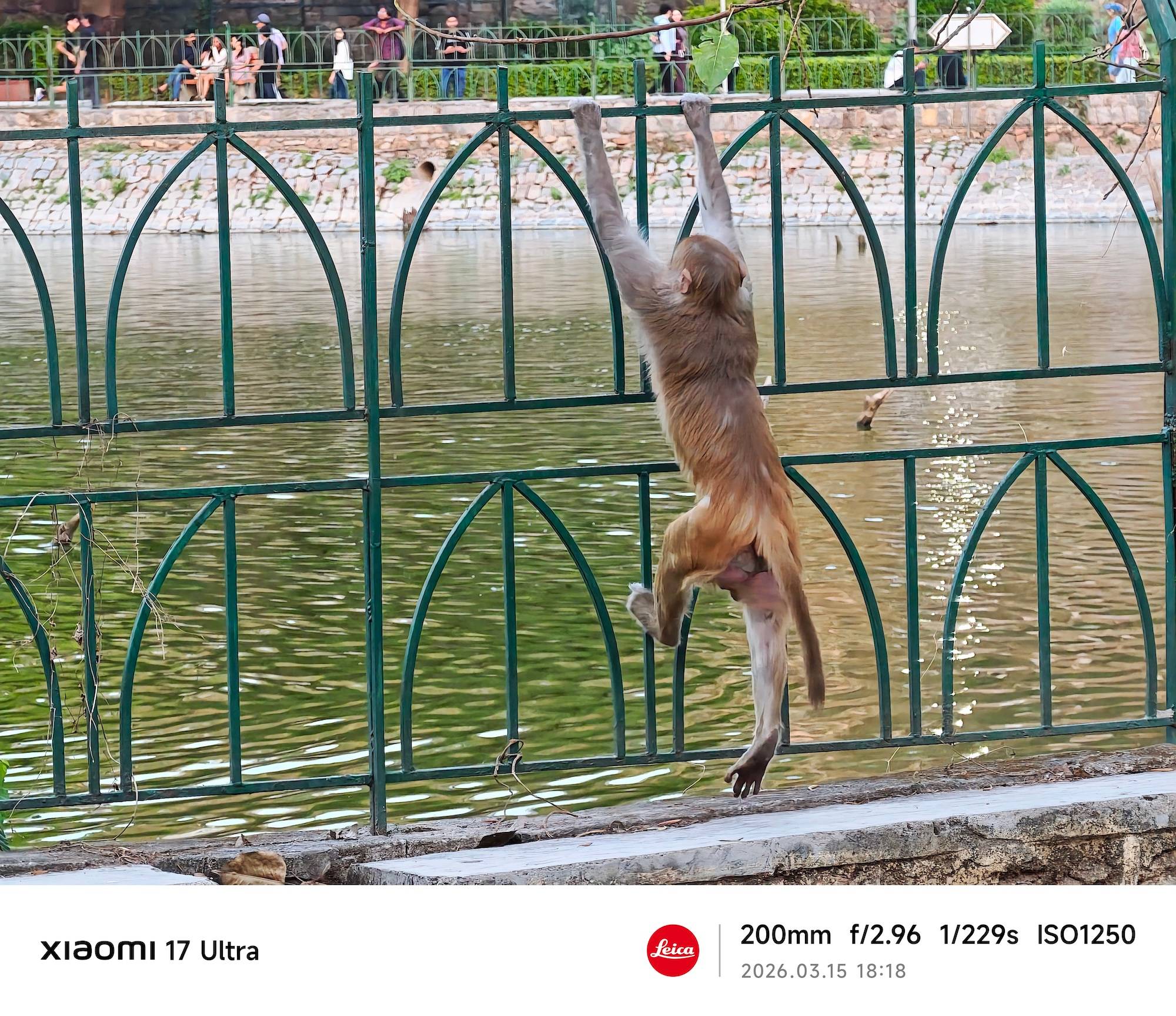
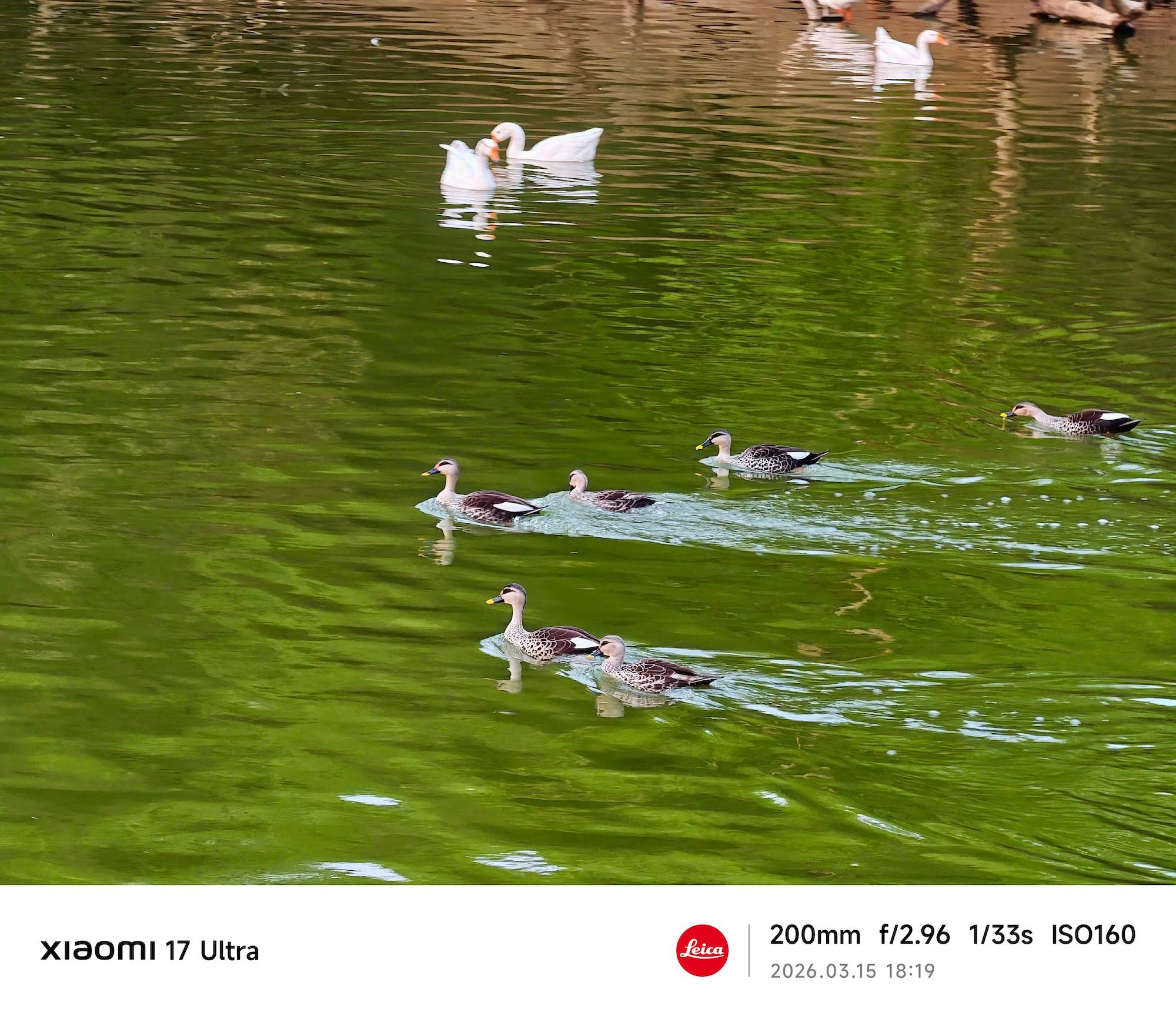









One consistent quirk: in scenes with multiple subjects at different distances, the phone occasionally locks on the second-closest subject rather than the closest. In one-on-one shooting, it rarely matters, but in group shots or busy street scenes, I found myself re-tapping more than I’d like.
The dynamic range is very wide, though in high-contrast scenes, the processing can slightly flatten contrast. The Vivo X300 Pro handled those specific scenarios more true-to-life. For the vast majority of daylight shots, though, the 17 Ultra is as good as anything available this year.


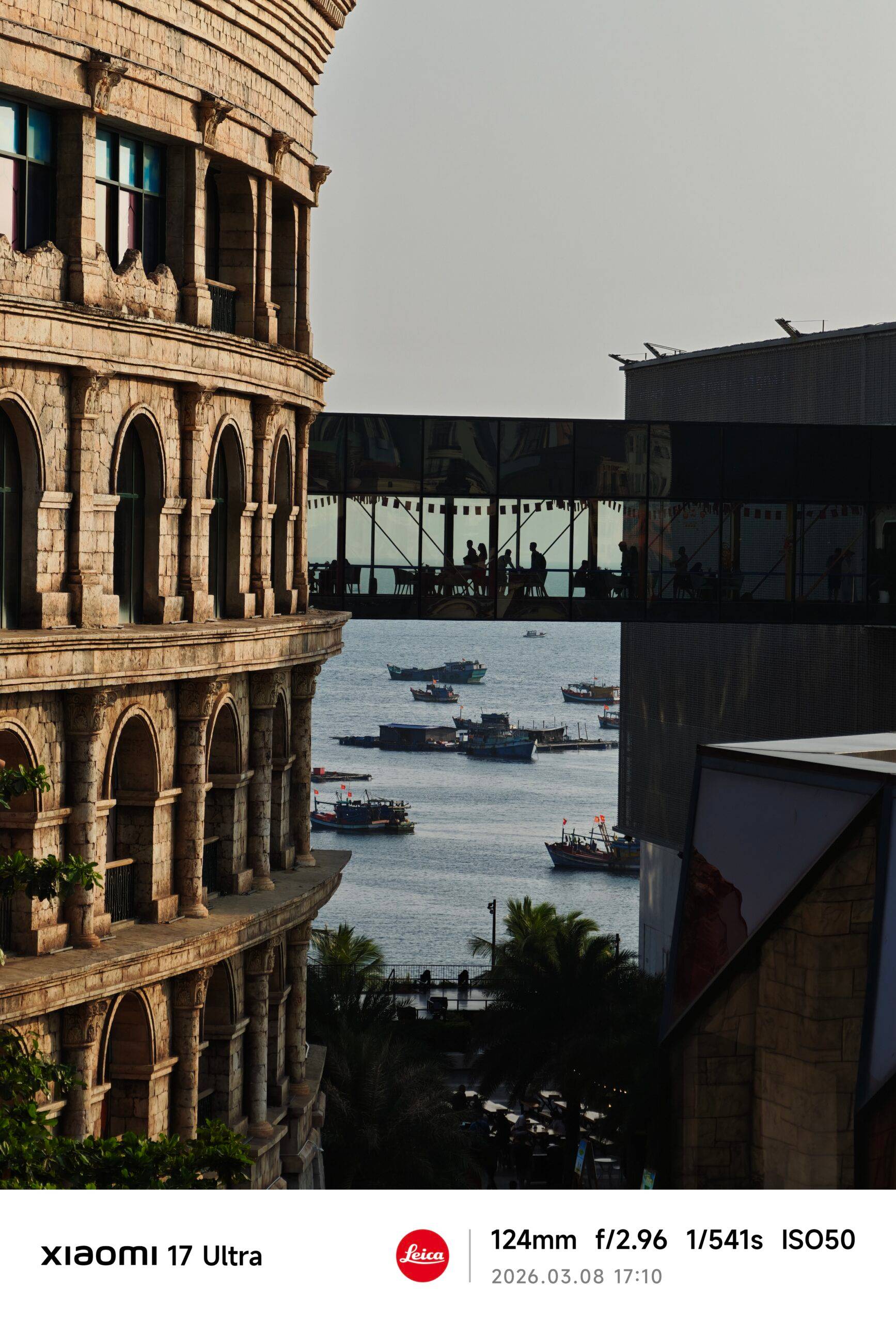
The telephoto is where it earns its price tag. At 75mm it effortlessly replaces a dedicated 3x camera, with outstanding detail, accurate colour, and excellent dynamic range. At 100mm quality remains just as high. The portraits I shot at this focal length don’t look like phone portraits; they look like shots from a mirrorless camera that happens to fit in a pocket. The optical bokeh is real: a fast lens and a large sensor creating genuine depth of field, not an algorithm guessing at a silhouette.

If you ask me which phone between the Xiaomi 17 Ultra and Vivo X300 Pro captures better portraits, the answer isn’t simple. I liked the X300 Pro’s contrast-heavy photos compared to the 17 Ultra’s bright, slightly overexposed images. However, the Xiaomi flagship delivered a crisper shot, which was noticeable when zoomed in.


The ultrawide performs above expectations despite unchanged hardware — sharper than before, with solid dynamic range. The X300 Pro’s colour tuning is more accurate here, though.
Low light
Low-light photography is where the 17 Ultra truly excels, and where LOFIC (Lateral Overflow Integration Capacitor) becomes more than just a fancy marketing term. Traditional smartphone cameras handle high-contrast scenes by stacking multiple frames, which works, but introduces motion blur, unnatural halos, and an overall processed quality your brain picks up even when your eyes can’t articulate why. LOFIC captures the wider tonal range in a single shot instead, making the camera behave like a witness rather than an editor.
Also read: I used the Xiaomi 17 Ultra in Vietnam, and its cameras made me hate AI photography
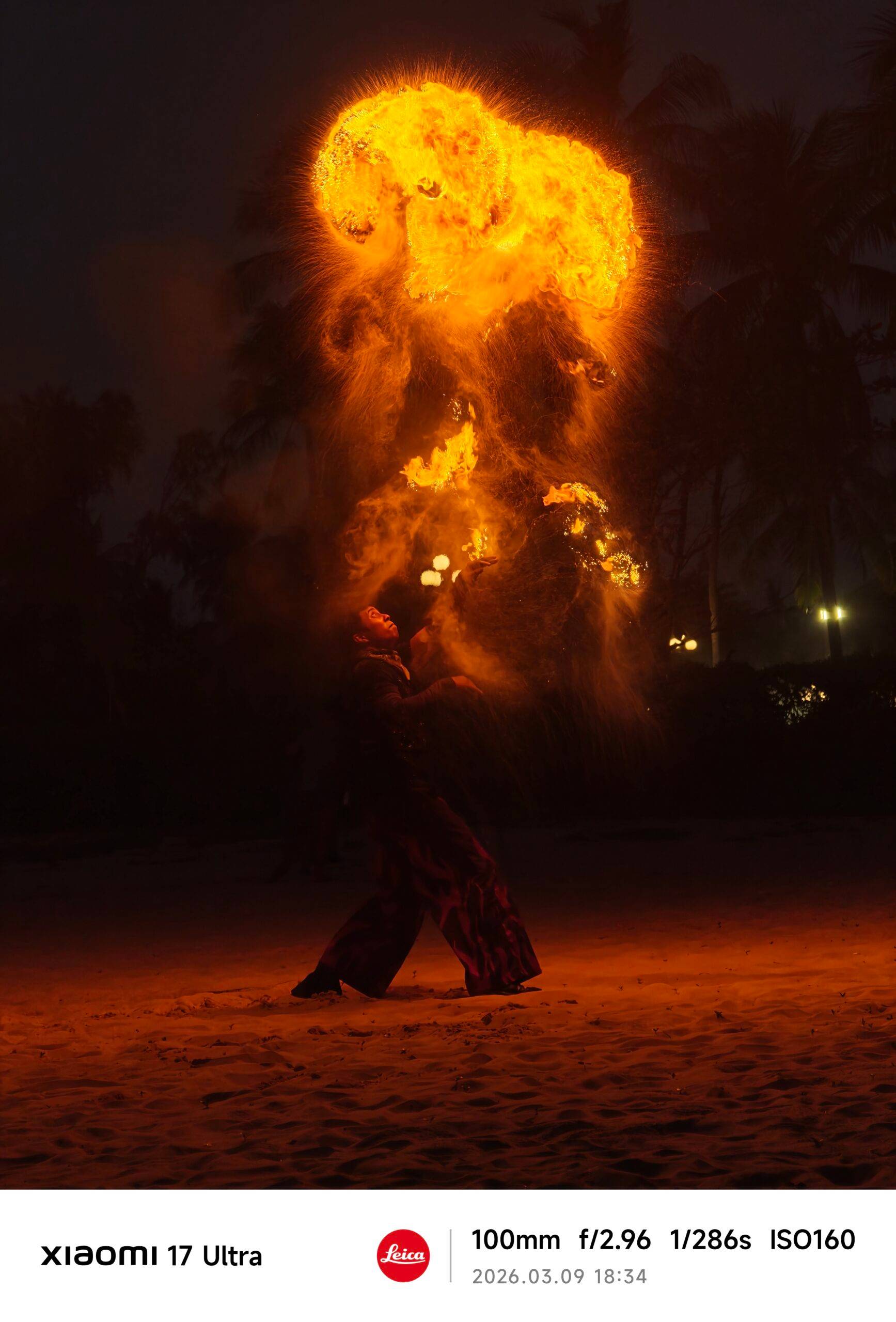
I didn’t fully understand what that meant until a beach fire show on the last evening in Phu Quoc. Three performers, open flame, fire rings, fireballs in the air — the kind of scene that makes most cameras fall apart. Either the fire blows out to white, or the camera tries to balance it and produces muddy grey noise everywhere.
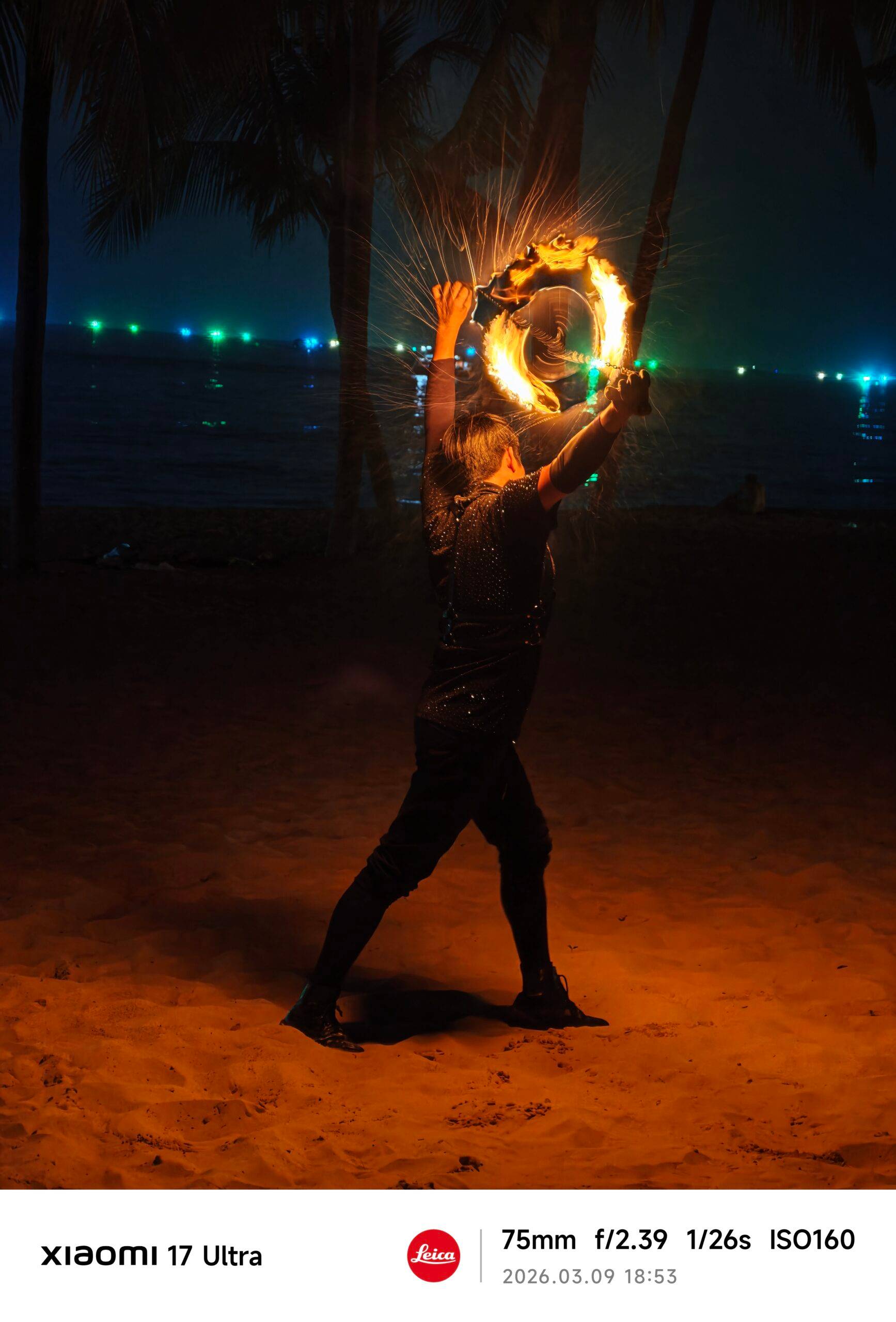
The 17 Ultra, at 75mm and 100mm with ISO between 160 and 250, did neither. In one shot: a performer spinning a fire ring, his face lit by the flames, palm trees behind him, distant boat lights on the water, and the sand texture beneath his feet — all simultaneously, all with detail. No ghosting, no frame-blending. One moment, captured as one moment.
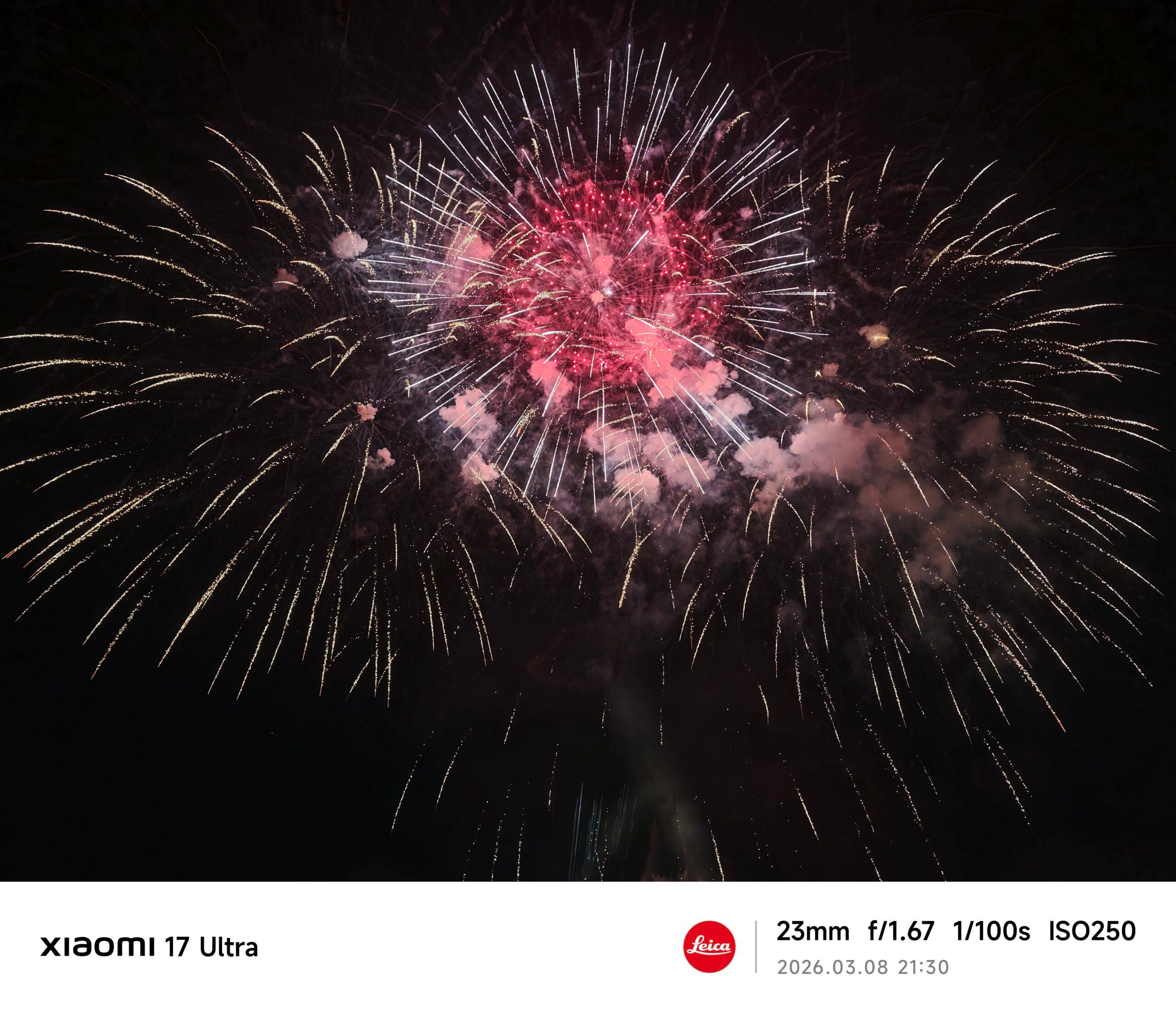
The Leica tuning here is doing actual work, not just lending its name. Colours are accurate without being boring, vivid without being pumped — some shots came out so clean I didn’t touch them in post. The Venice-style canal buildings in Phu Quoc: bright reds, yellows, blues, rendered faithfully. Not enhanced. Just honest.


The base image also gives excellent raw material when you do want to push it. A set of beach umbrella shots, with the HSL sliders manually adjusted, came out punchy without tipping into Instagram-filter territory — because you’re choosing a photographic intent, not correcting for a mediocre sensor. The Leica Monochrome B&W shots of the street performers are among my personal favourites from the week: tonal gradation smooth from bright whites to darker skin tones, highlights detailed, shadows separated.

Performance and software: The phone part of the camera phone
The Xiaomi 17 Ultra is powered by Qualcomm’s flagship Snapdragon 8 Elite Gen 5 — a 3nm octa-core processor capable of reaching peak speeds of up to 4.61GHz. It delivers outstanding results in synthetic benchmarks like AnTuTu, where it scored over 3.6 million, ahead of almost every other top-tier flagship in its price range, barring the Samsung Galaxy S26 Ultra, which scored over 3.9 million with the same chipset (but optimised for Galaxy phones). Similar scores can also be found on Geekbench, as shown below.


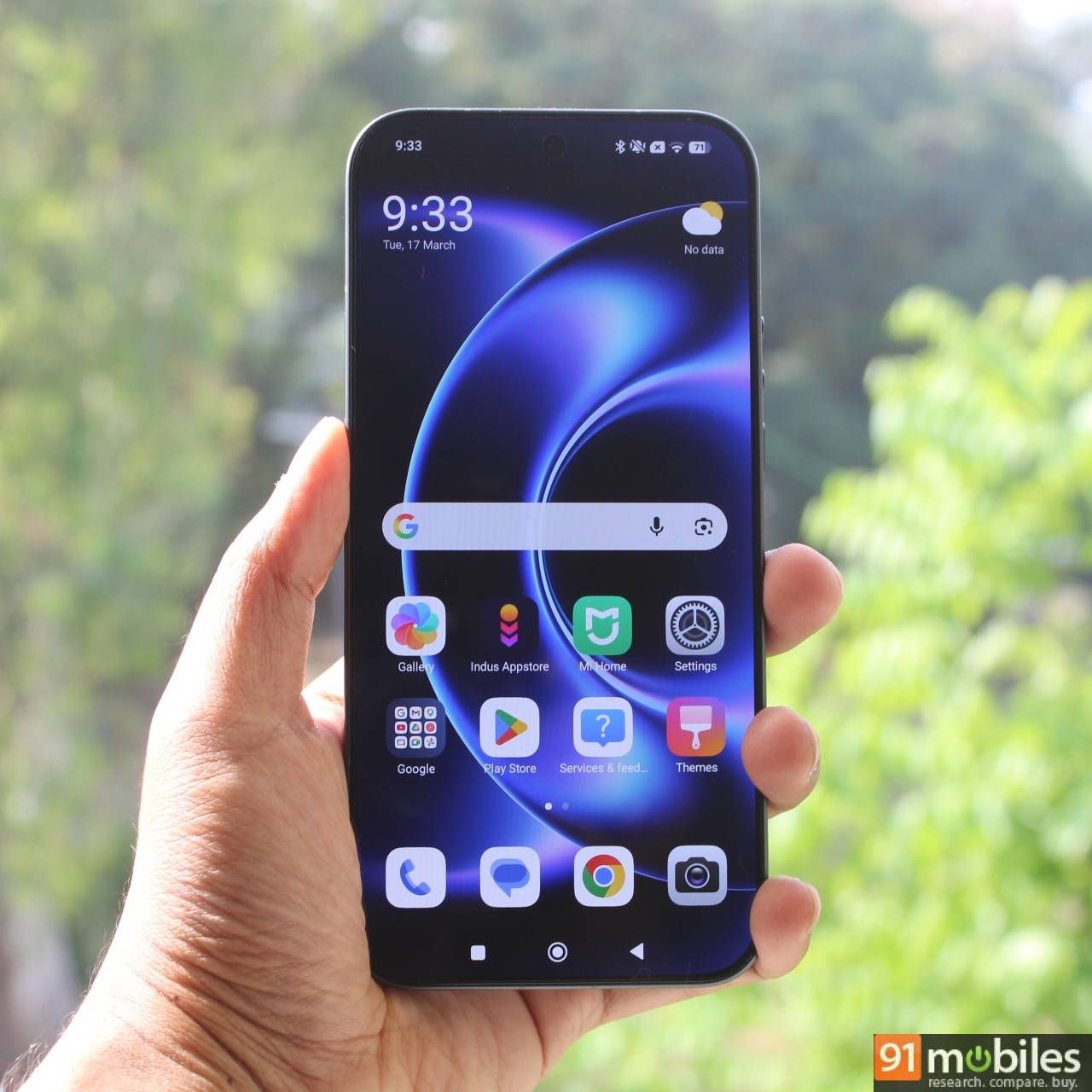
In daily use, the phone feels incredibly fast and fluid. Apps open instantly, switching between them is seamless, and HyperOS’s animations make the whole experience feel polished and premium. HyperOS continues to be one of the cleaner Android skins available. Floating windows, multi-tasking features, and the general UI are well-optimised for a large-screen flagship experience.
Battery: No mid-day battery anxiety here
Battery capacity has taken a significant step up, from 5,410mAh on the Xiaomi 15 Ultra to 6,000mAh on the Indian unit of the 17 Ultra. In real-world use, the battery life is excellent. The phone comfortably lasted a full day of heavy use and stretched to a day and a half on moderate use.
This is also reflected in the PCMark benchmark test, where the Xiaomi 17 Ultra Indian unit lasted 15 hours and 31 minutes from 100 to 20 percent. To recall, the Chinese variant with the bigger 6,800mAh battery scored around 17 hours, so the test seems to be on point. The Xiaomi 17 Ultra is slightly behind the likes of the Vivo X300 Pro and OPPO Find X9 Pro, both of which have bigger batteries and scored 16 hours in our PCMark test.
I shot tons of photos and videos during my trip to Phu Quoc, opening the camera app almost every 10 minutes throughout the day to capture moments in stills or video. Even under harsh heat, the phone didn’t get really warm. I was left with around 50 percent by the end of the day. Suffice it to say it left me mighty impressed.
While the flagship supports 90W fast charging, you get a 100W HyperCharge brick in the box. In our testing, it took around 48 minutes to go from 20 to 100 percent. Wireless charging at 50W is also supported, a meaningful addition for everyday convenience.
Final verdict: Best camera phone if you can afford it
The Xiaomi 17 Ultra makes its priorities clear from the moment you pick it up, and it delivers on them convincingly. The 1-inch main sensor, the continuous zoom telephoto, and LOFIC technology combine to produce a camera system that is among the best available on a smartphone right now — and arguably the best for users who want their photos to look like the moments they captured rather than AI-generated interpretations of them.
Beyond the cameras, the upgrades are meaningful across the board. The 6.9-inch flat AMOLED display is gorgeous, the Snapdragon 8 Elite Gen 5 handles everything you throw at it without breaking a sweat, and the 6,000mAh battery with 90W charging means you won’t be hunting for a cable by mid-afternoon. HyperOS feels polished and fast, and the software upgrade policy, while not best-in-class, is still decent.
Priced at Rs 1,39,999 (dropping to Rs 1,29,999 with offers), the Xiaomi 17 Ultra sits at the very top of Xiaomi’s smartphone lineup. It has also received a noticeable price hike over its predecessor. This is somewhat expected given the ongoing component shortage, but it may still disappoint many buyers. At this price, you also have the Galaxy S26 Ultra, which offers longer software support, a cleaner and more user-friendly UI, Samsung’s suite of AI features, and, of course, the strength of Samsung’s brand. For a few thousand rupees less, there’s also the iPhone 17 Pro. The Xiaomi 17 Ultra will face stiff competition from these rival flagships, but it certainly has the hardware to hold its own.
Editor’s rating: 8.7 / 10
Pros:
- One of the best camera systems on a smartphone right now
- Large, bright, colour-accurate display
- Blazing fast performance
- Excellent battery life with fast charging
Cons:
- On the pricey side
- Heavy and bulky to use for long periods
- Software update policy trails rivals
 | vs |  |
| vs |  |