Xiaomi made its plans for the Redmi Note series pretty clear at the start of the year. The brand is going all-in on the Redmi lineup, and we’ve reviewed all three Redmi Note 15 models that have launched in India. When it comes to the company’s flagships, however, things are not all that clear. Reports indicate Xiaomi will launch the Xiaomi 17 and Xiaomi 17 Ultra in the country, but there has been no official confirmation yet. Meanwhile, these two phones, along with the Xiaomi 17 Pro and 17 Pro Max (the ones with a secondary display at the back), made their debut in China way back in September.
Xiaomi even provided us with the Chinese units of the Xiaomi 17 and 17 Pro to test a couple of months ago. We now have our hands on the Xiaomi 17 Ultra ahead of its global launch at MWC 2026 later this month. Still, there’s no official word on which of these models will be coming to India.
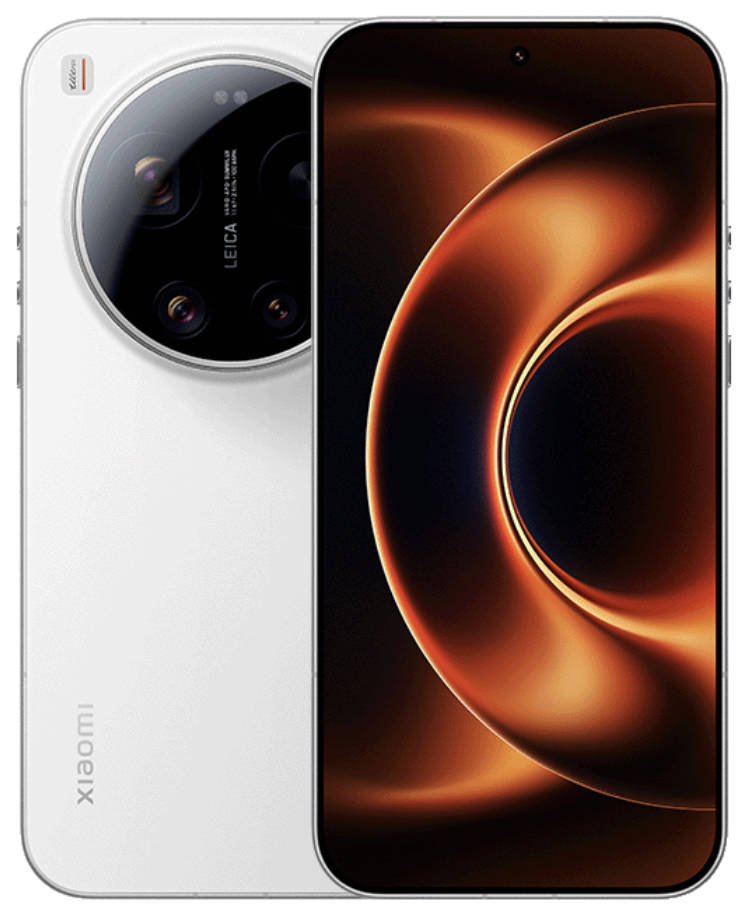
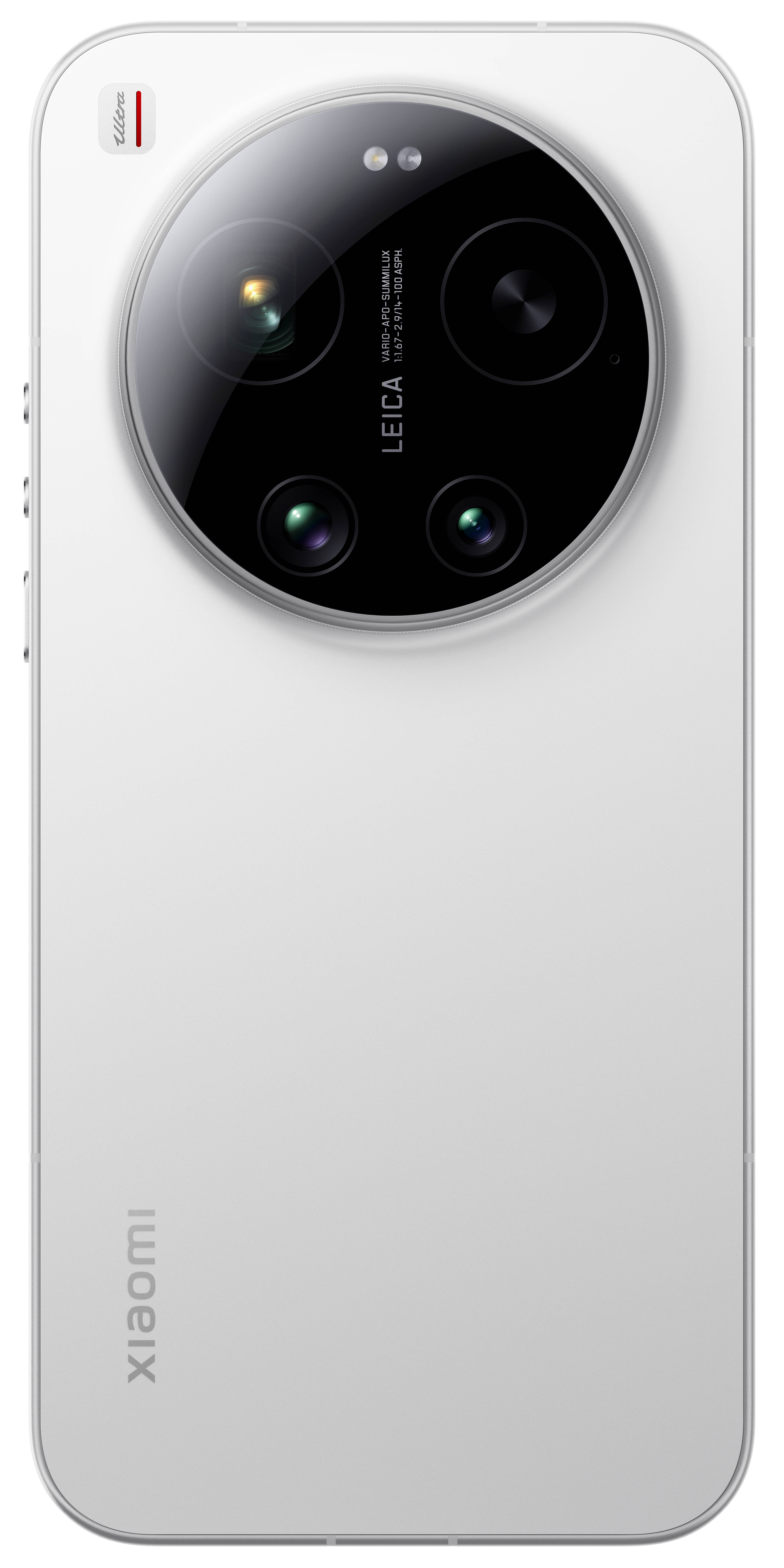
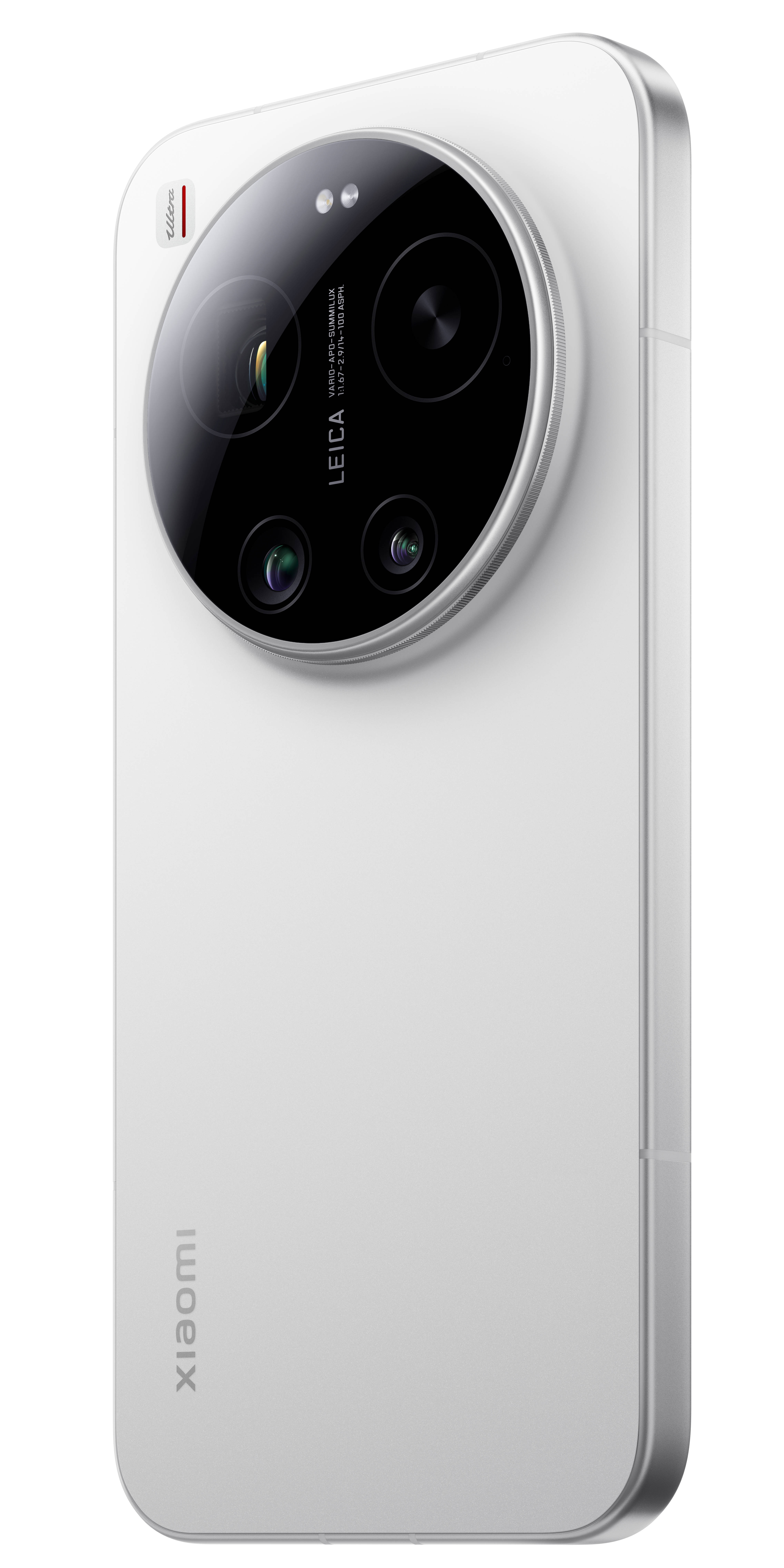
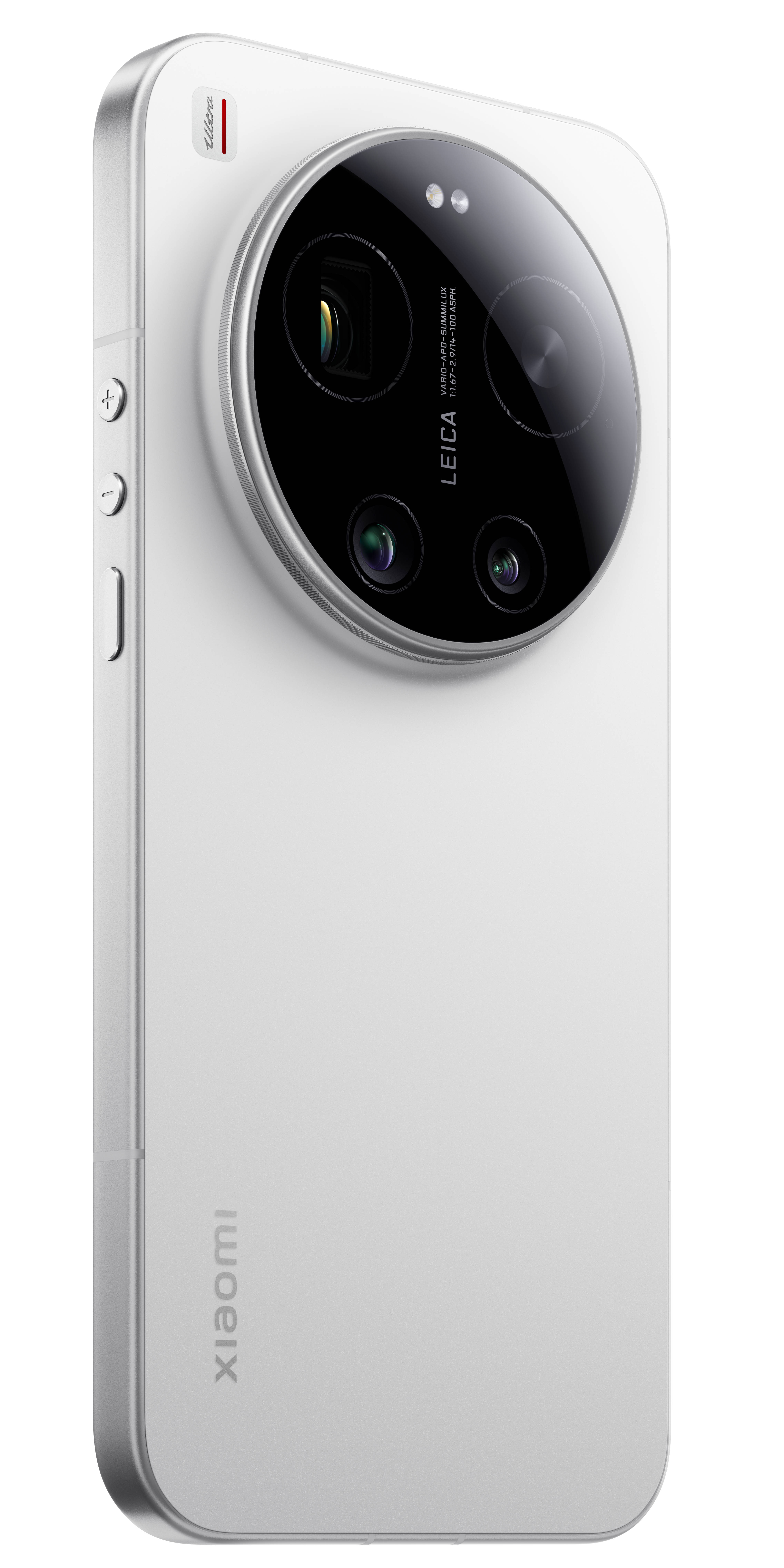
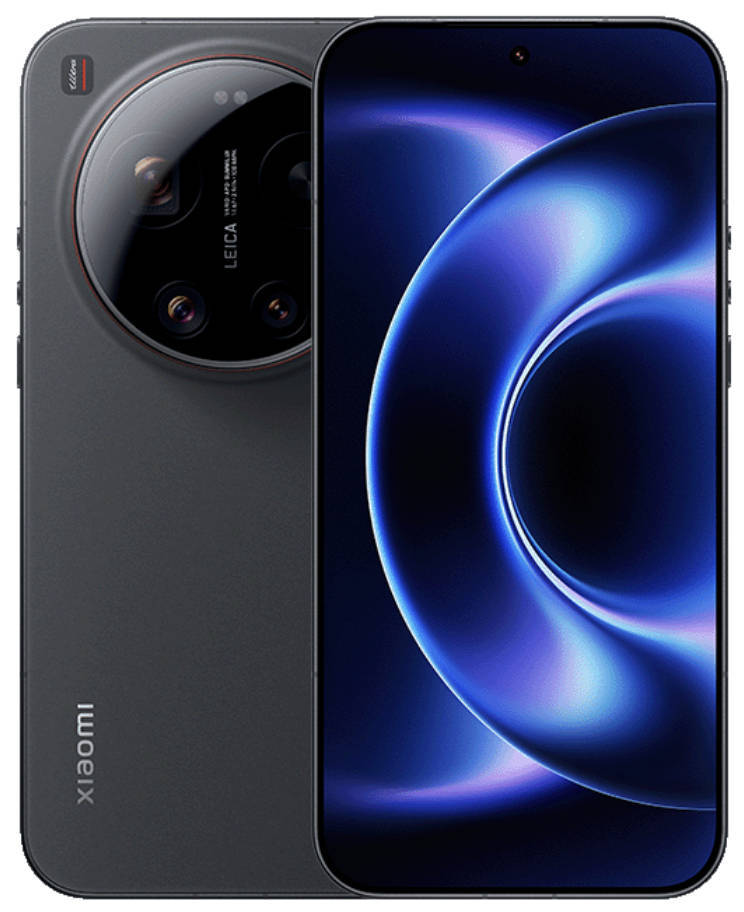
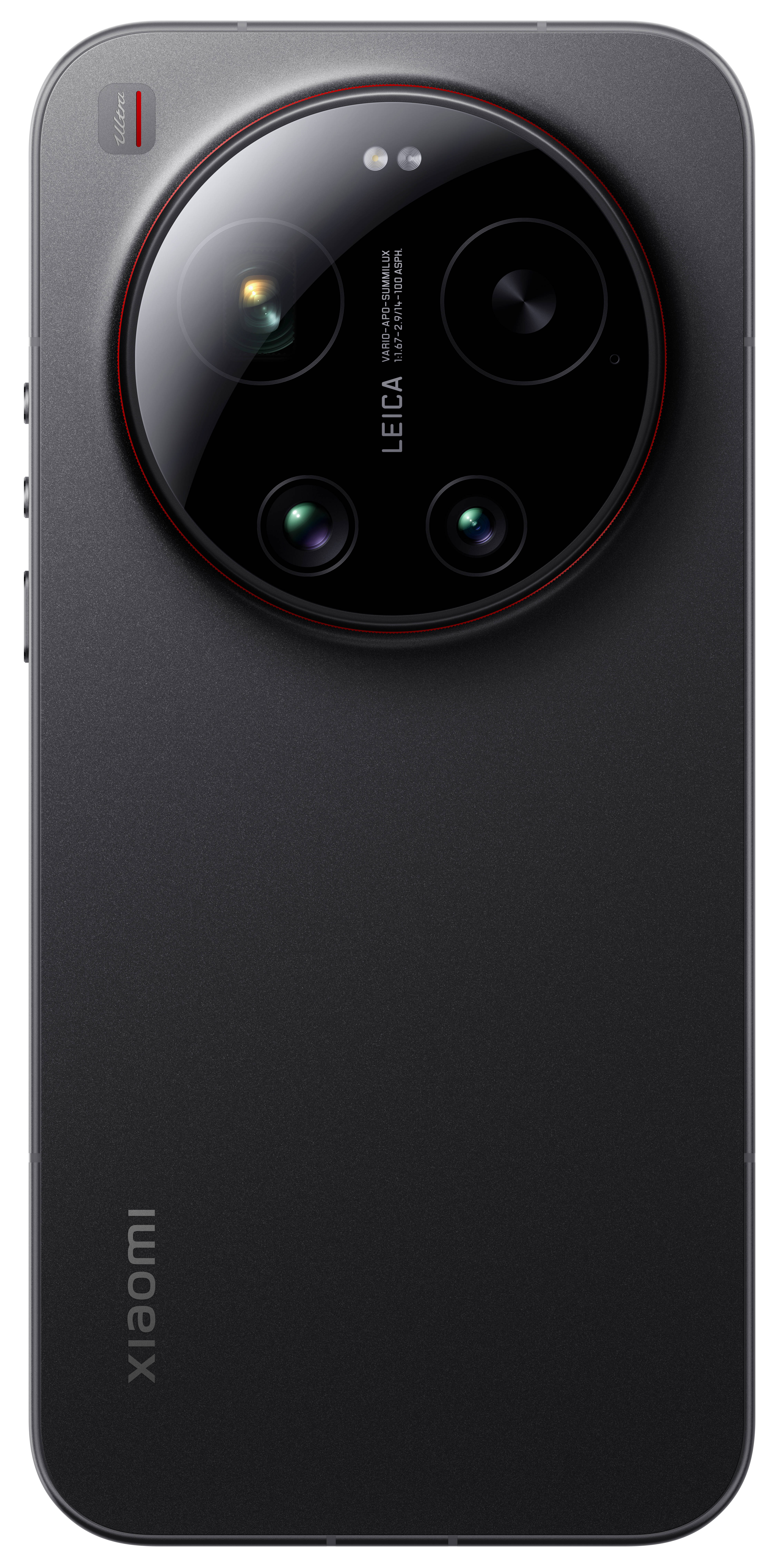
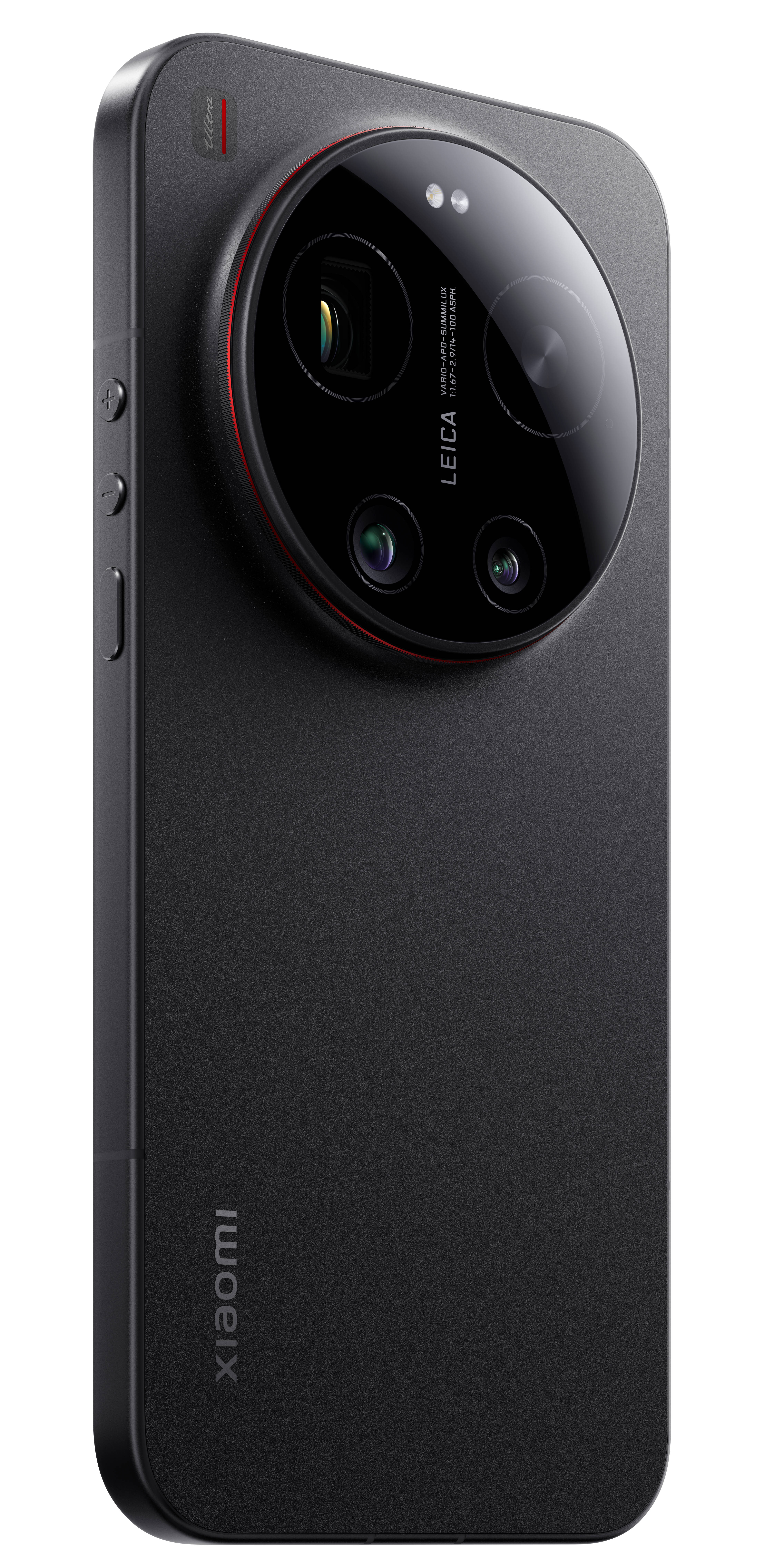
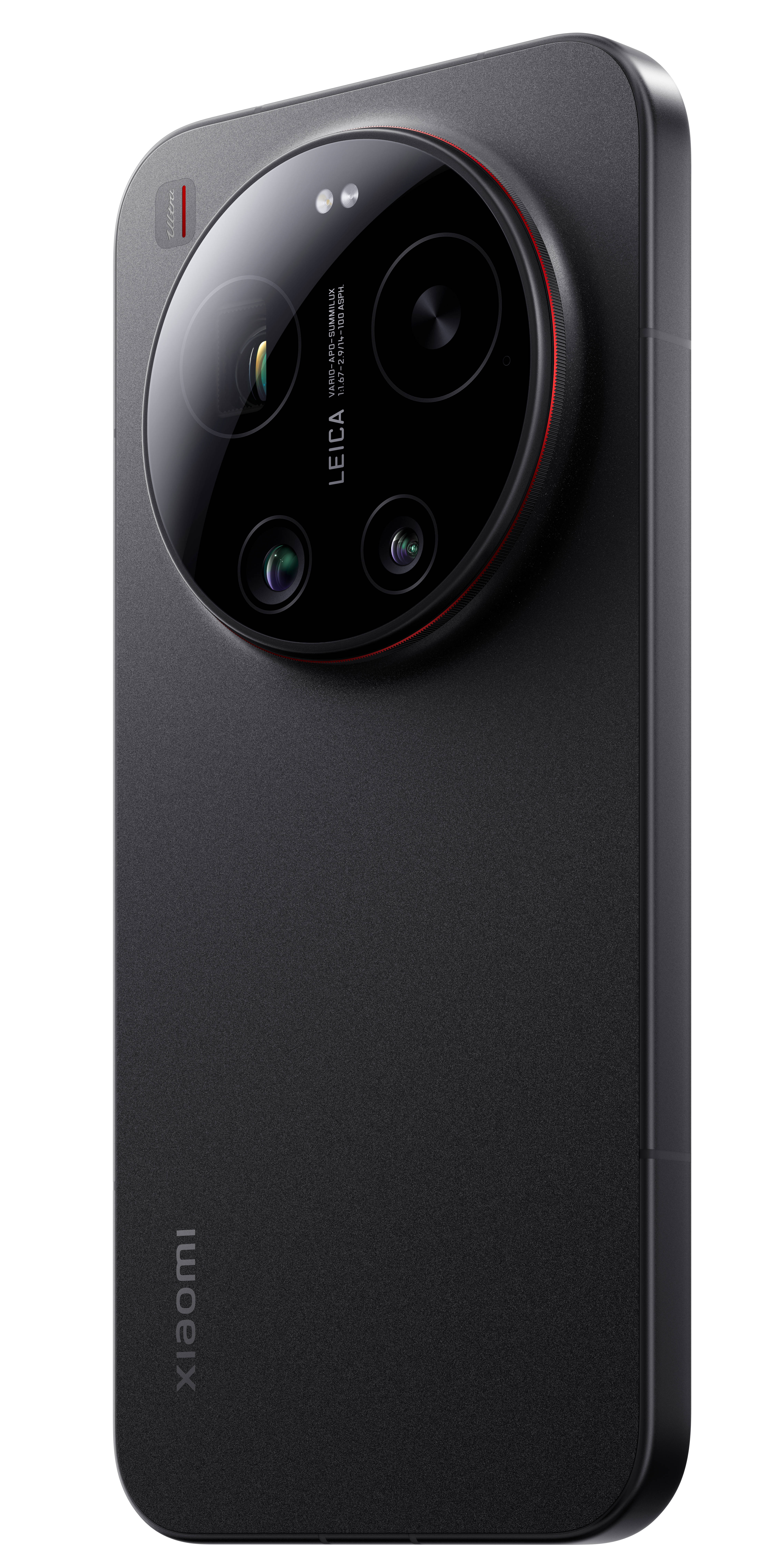
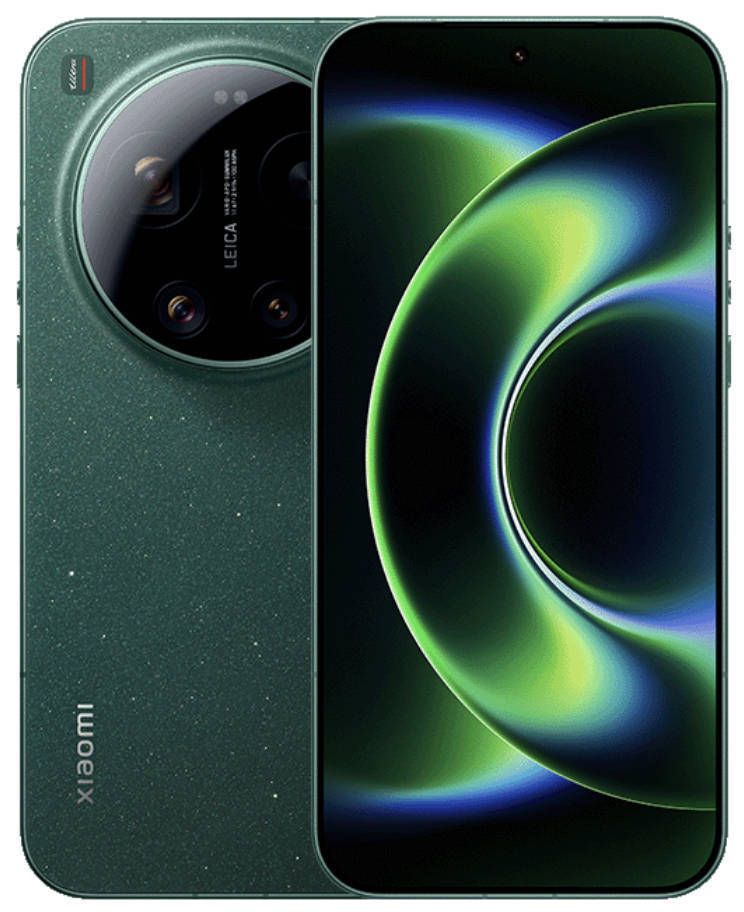
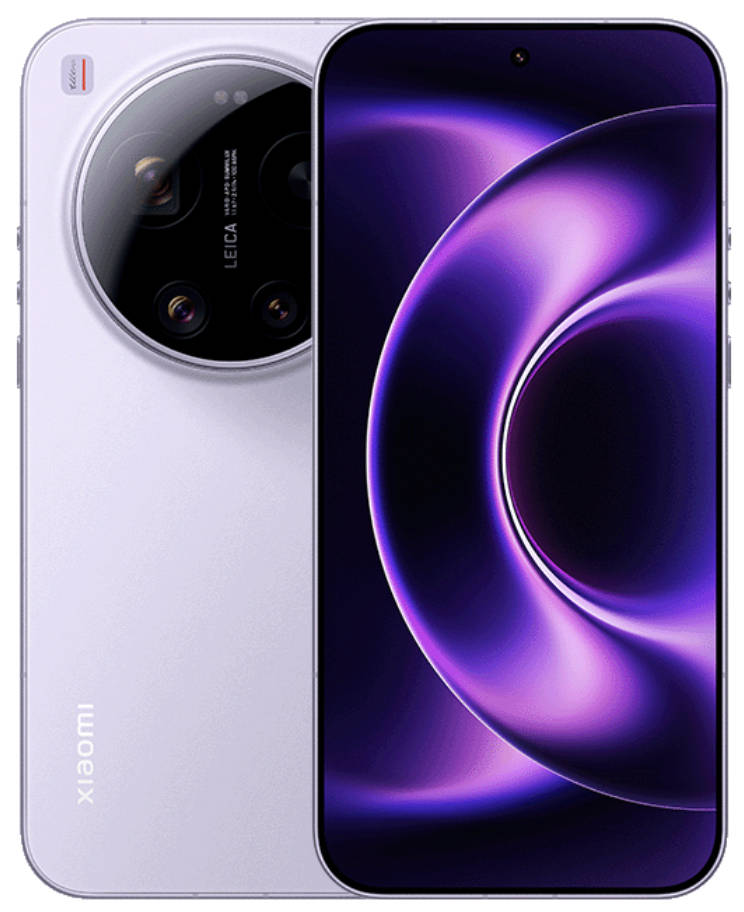
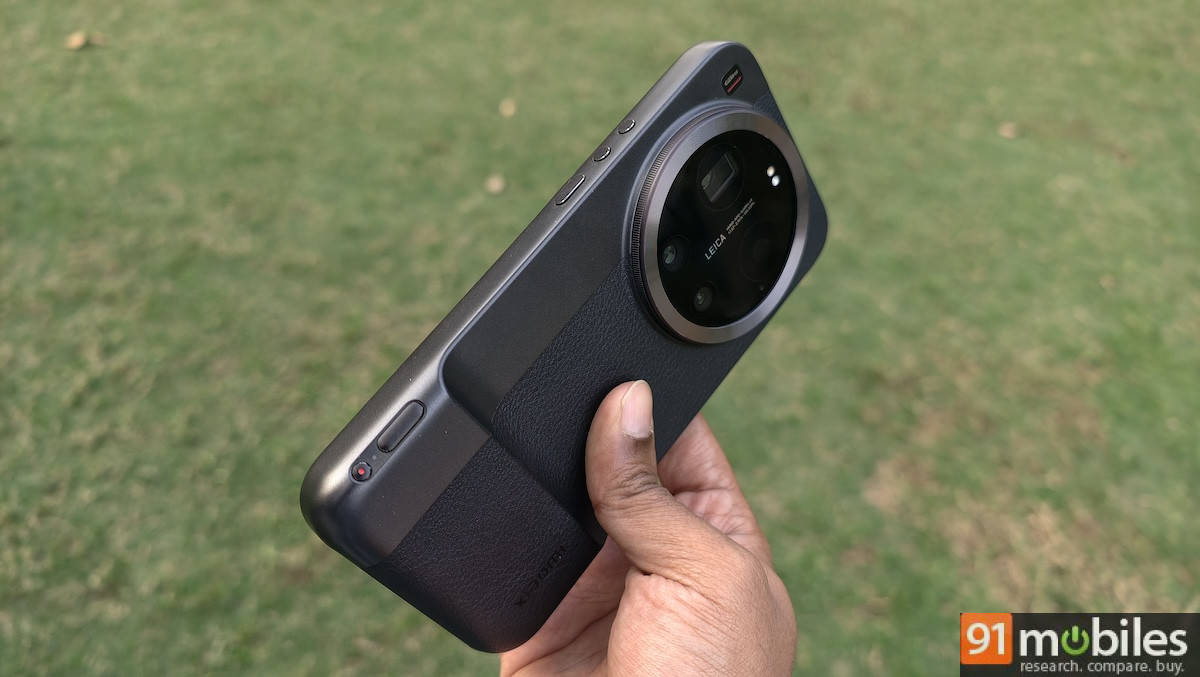
The Xiaomi 17 Ultra is the most expensive model in the lineup, yet it doesn’t include a secondary screen like the Xiaomi 17 Pro. This is because the Ultra is about the camera. And that’s what you see clearly: a big circular camera module with three camera sensors and the LEICA branding. This is undoubtedly a camera phone, and that’s what I’ll talk about first.
Below is an overview of the Xiaomi 17 Ultra, rather than a full-fledged review, as we received the Chinese unit, which has certain limitations.
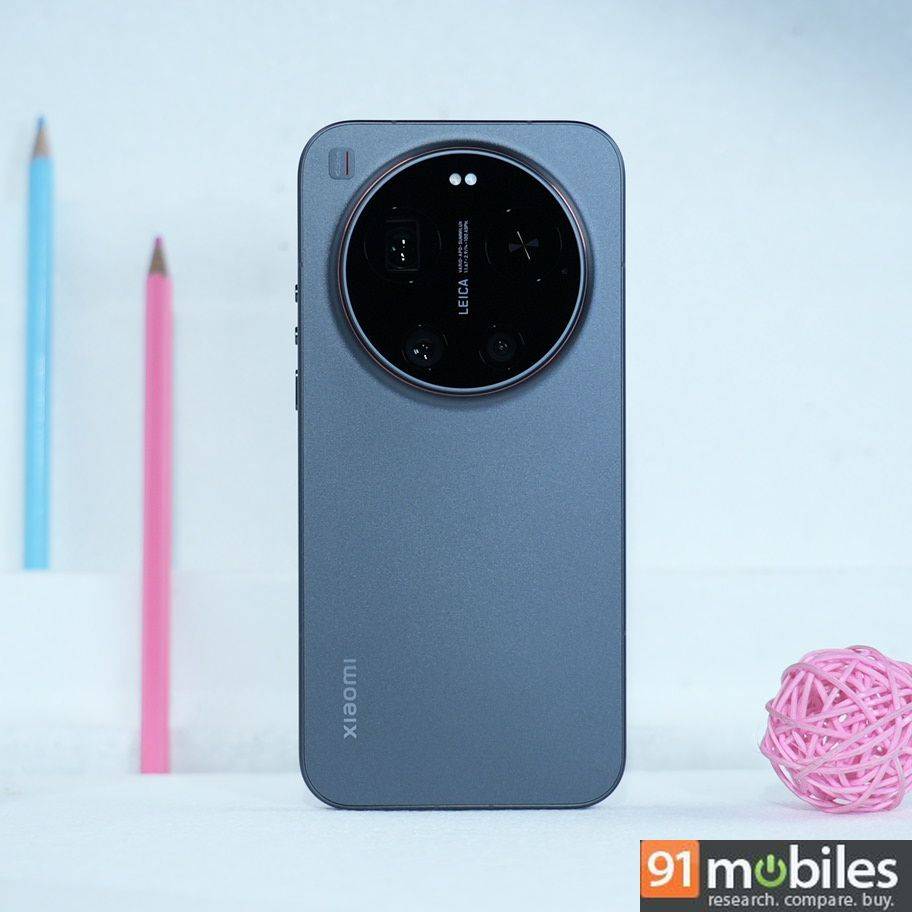 A camera that’s also a phone
The hardware
If you’re buying the Xiaomi 17 Ultra anywhere in the world (after its global launch), you’re buying it for its cameras. You get three distinct cameras: a 50MP 23mm Leica 1-inch sensor, a 50MP 14mm ultrawide lens, and a 200MP 75-100mm optical zoom telephoto camera.
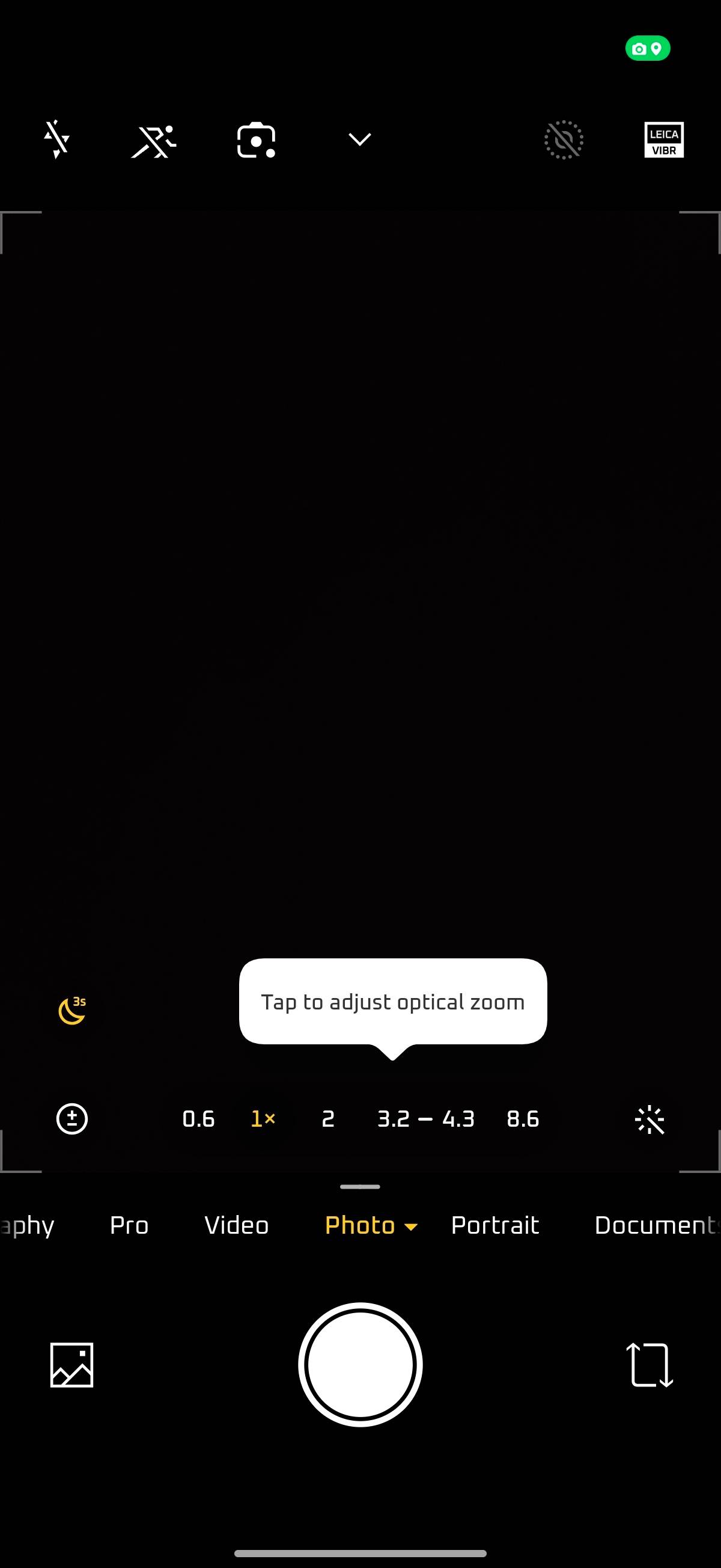
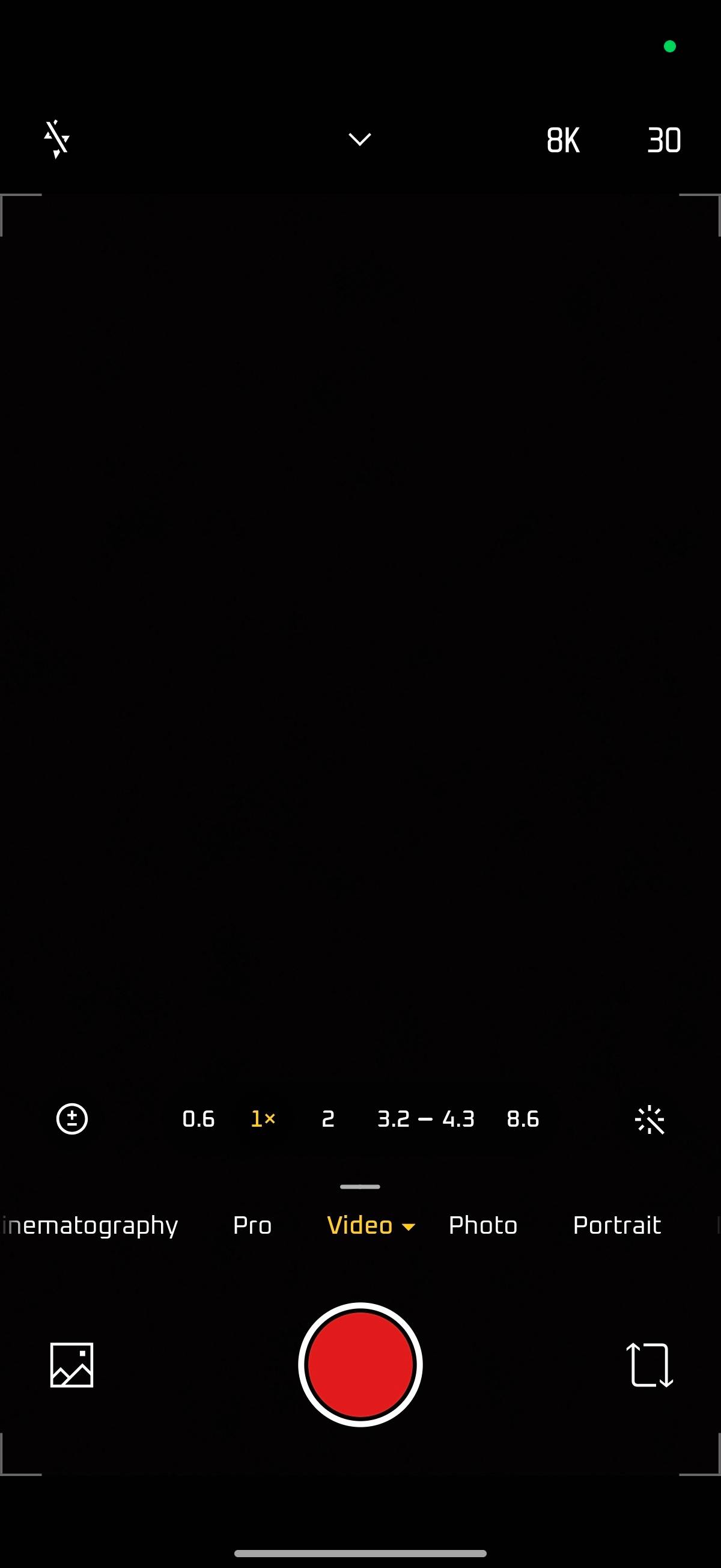
Unlike before, this single module now handles continuous optical zoom between 75mm and 100mm (roughly 3.2x to 4.3x), replacing the older dual-telephoto setup. The result is greater flexibility across that range without switching lenses. The trade-off? Minimum focusing distance is now 26cm, which isn’t as macro-friendly as the previous generation’s shorter tele lens.
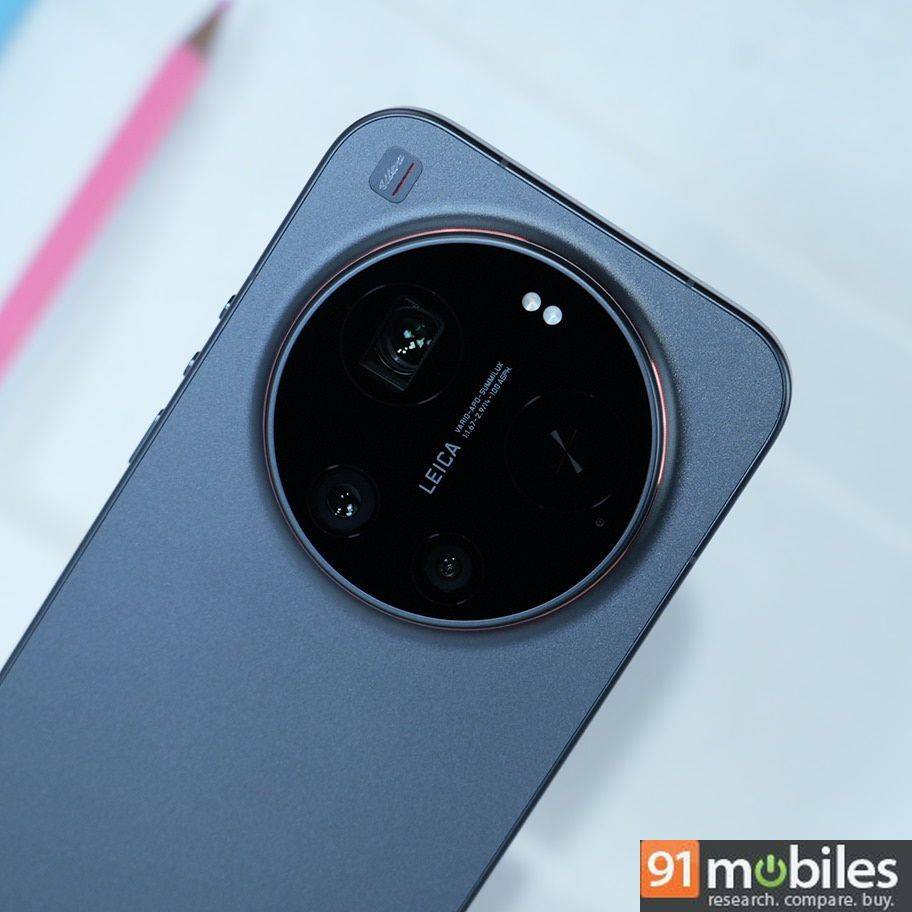
Daylight performance
Main camera
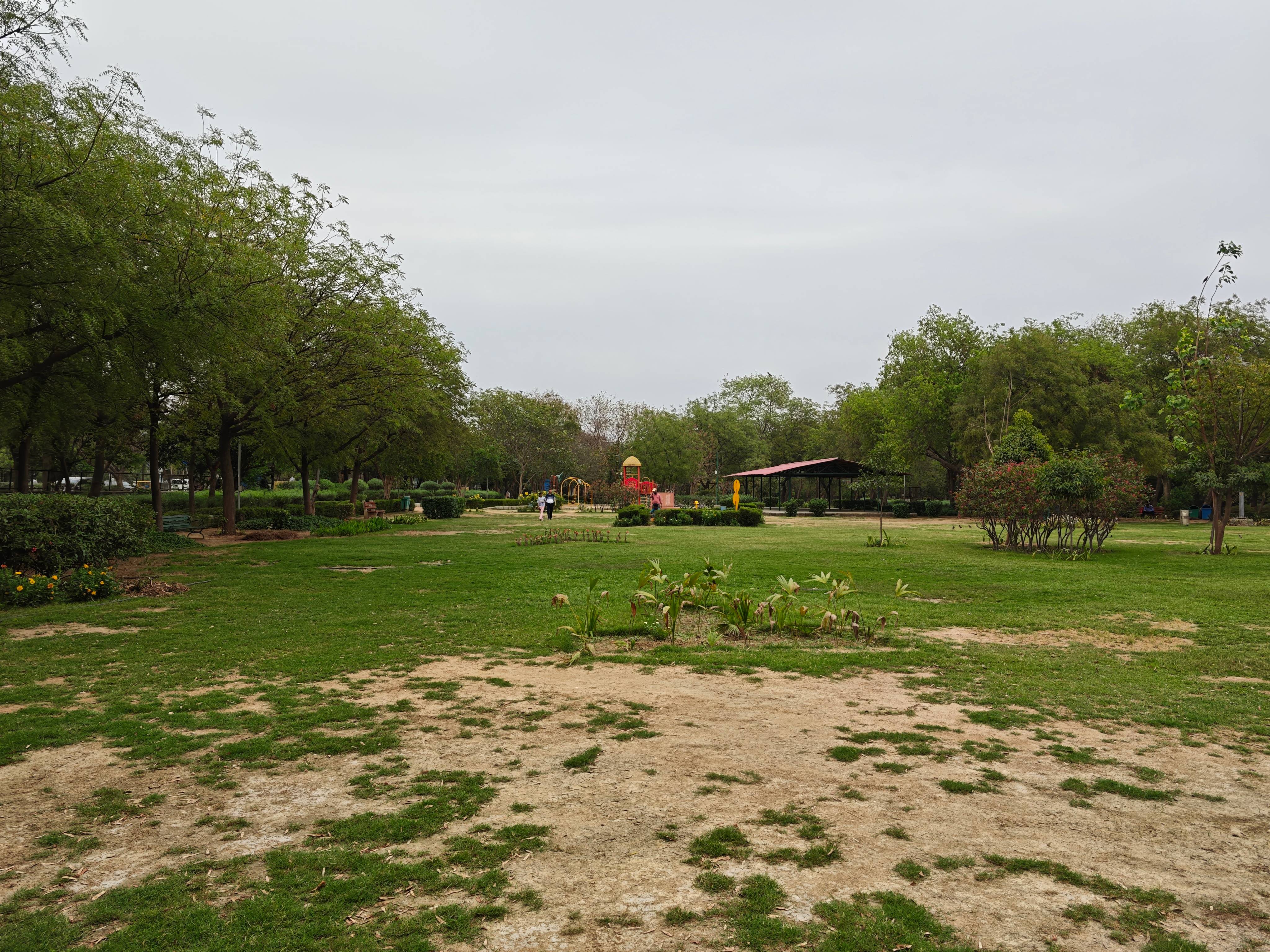
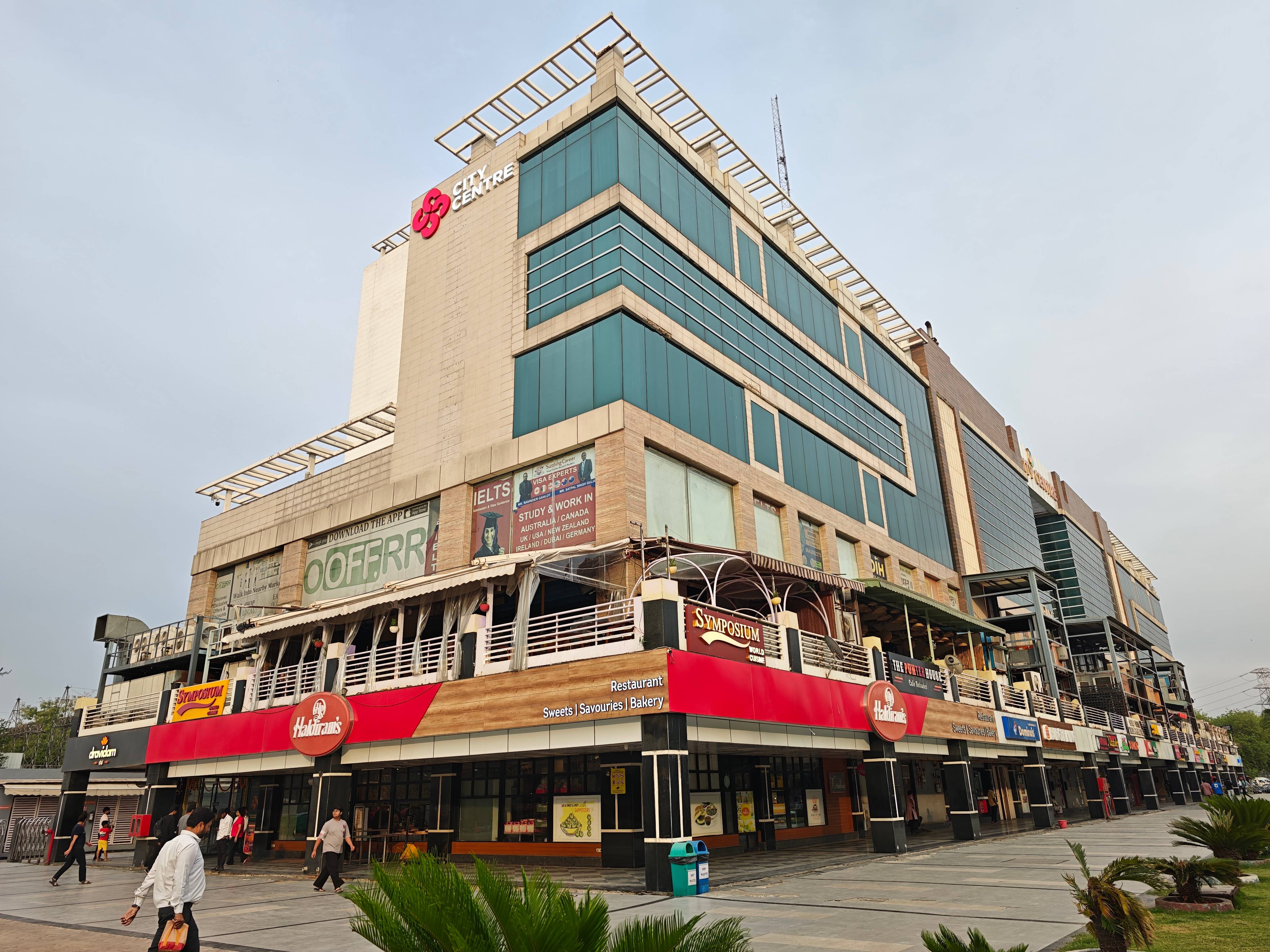
As a point-and-shoot camera, the Xiaomi 17 Ultra delivers in spades. The autofocus is snappy, allowing you to capture crisp and stutter-free stills of moving subjects, especially in daylight. The primary camera delivers bright-looking photos with saturated colours, fitting for direct social media sharing.
I had a lot of fun taking photos on the Xiaomi 17 Ultra. The 1-inch primary sensor delivers exceptional results. Detail levels are superb without looking artificially sharpened. Colours are lively yet natural, and white balance is consistently accurate. Noise is practically non-existent in good light.
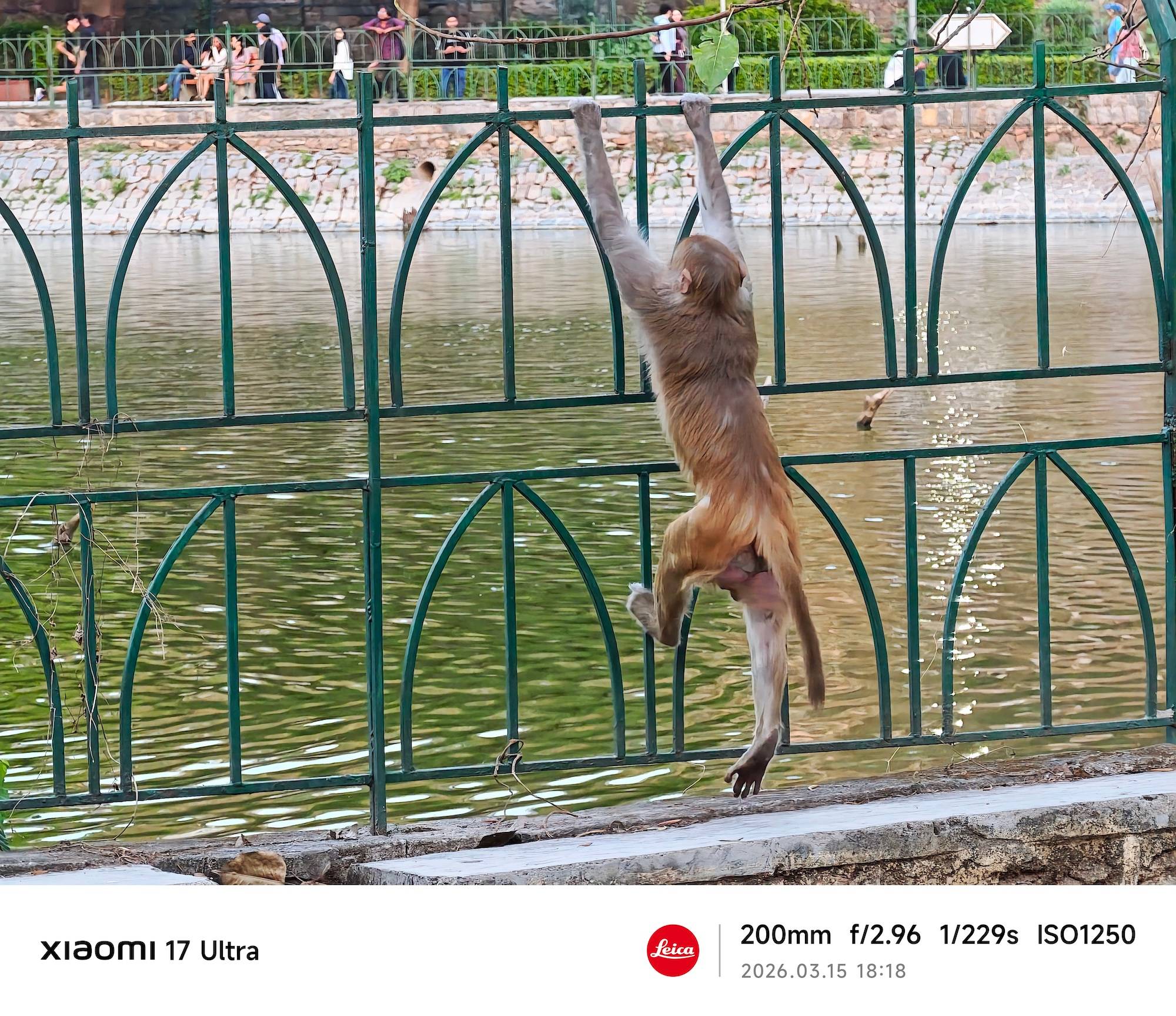
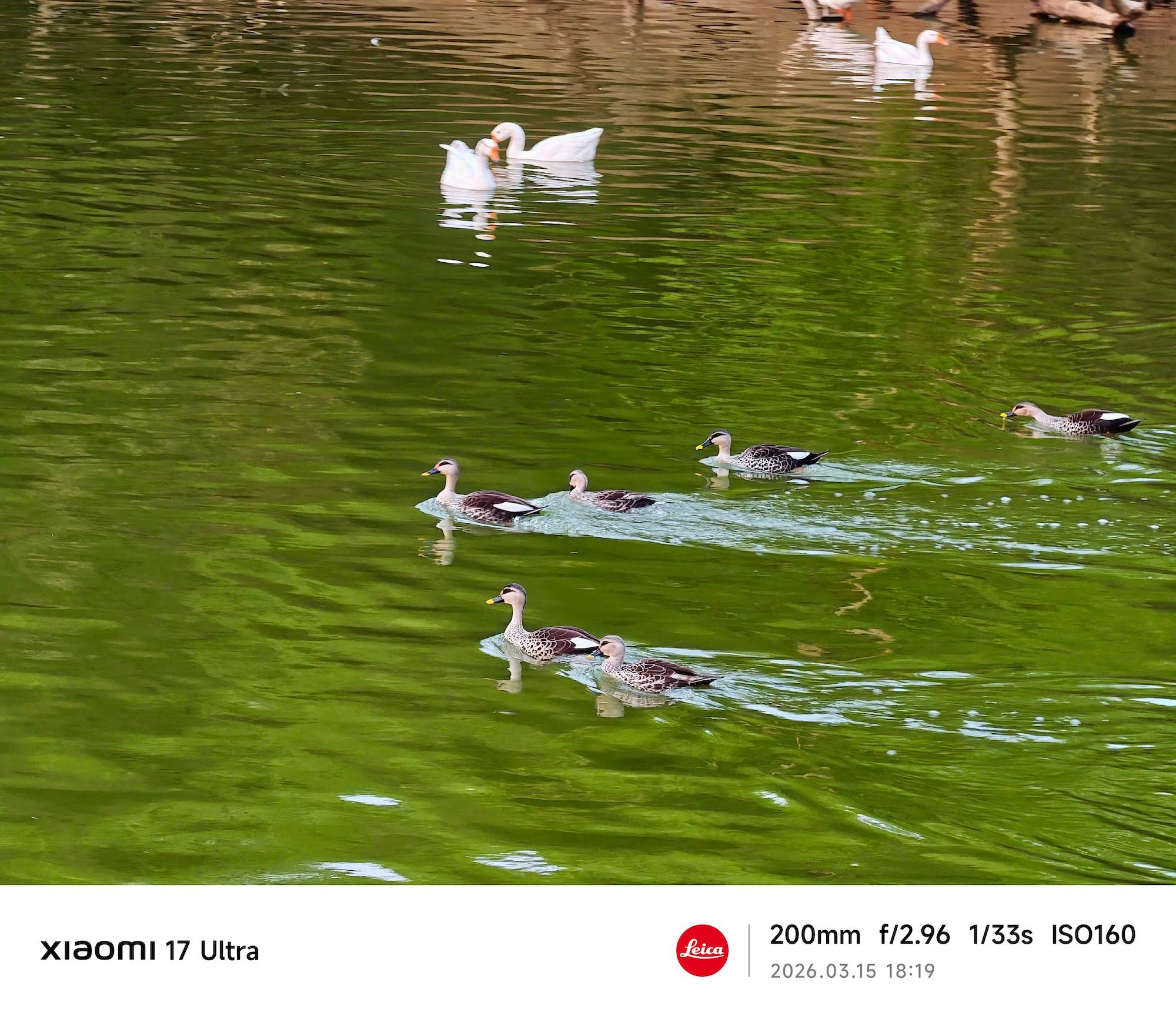











The dynamic range is very wide, though in high-contrast scenes, the processing can slightly flatten contrast. Here, I found the Vivo X300 Pro did a slightly better job with contrast and offered a more true-to-life output.
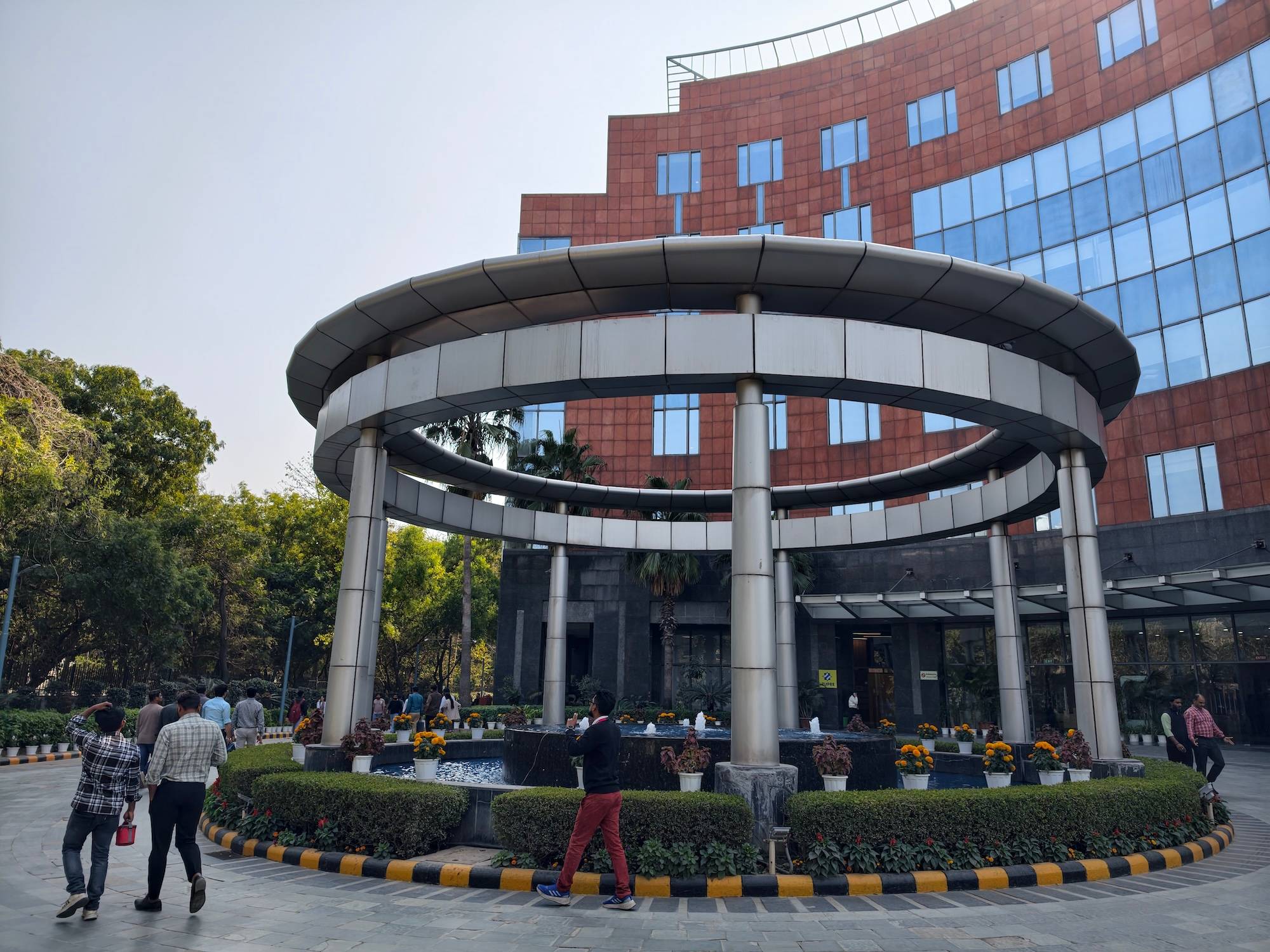
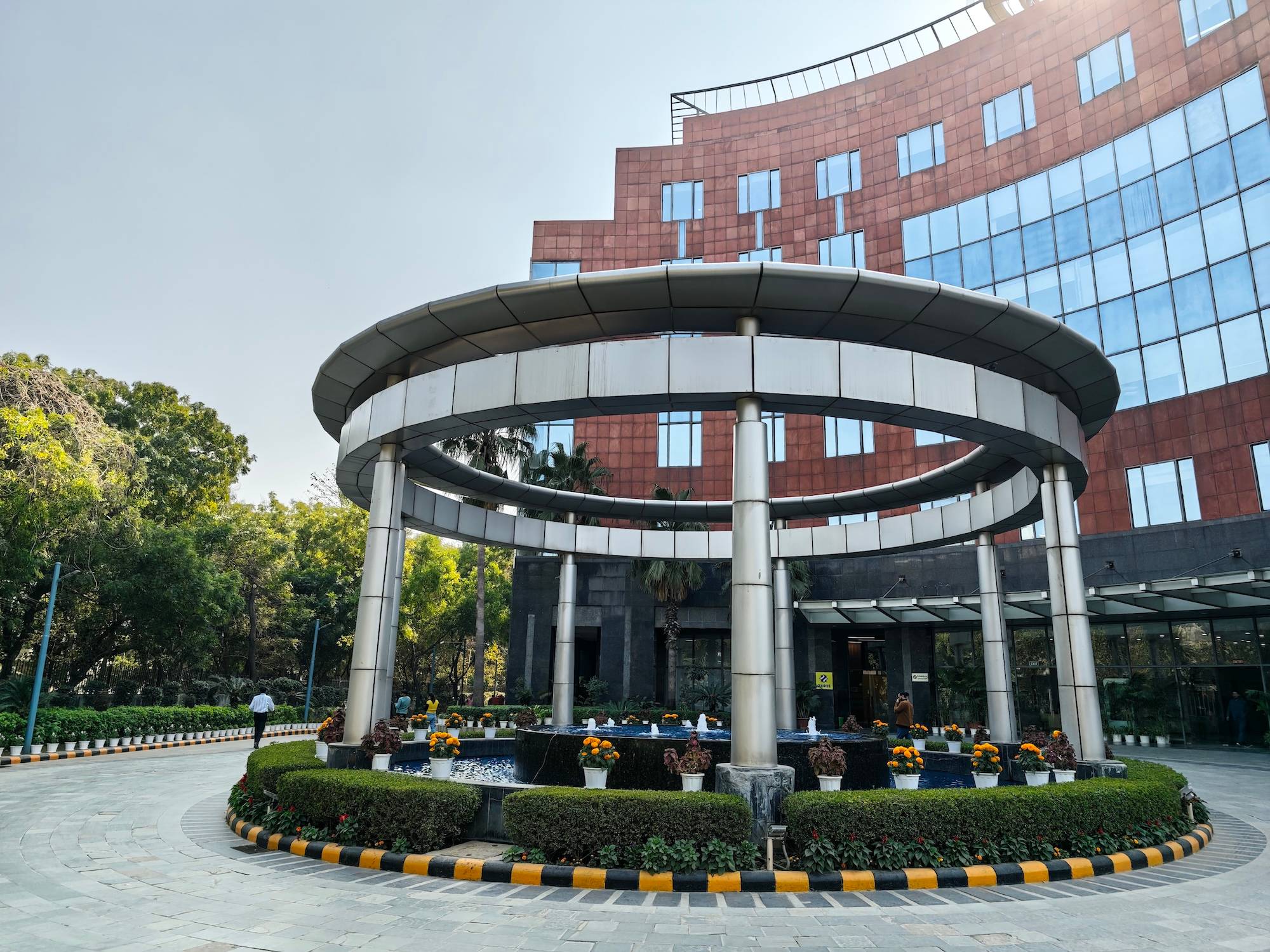
Low-light photography is where the 17 Ultra truly excels. Shots are sharp, detailed, and well-balanced without excessive noise reduction or oversharpening. Dynamic range is excellent, highlights are controlled, and colours remain accurate. Processing is aggressive in some bright highlight scenarios, but overall performance is top-tier.
This is one area where the Xiaomi 17 Ultra impressed me more than the Vivo X300 Pro. In the shot below, you can see the Xiaomi 17 Ultra handling an indoor scene with neon lights better than the X300 Pro, with controlled exposure, low noise, and impressive sharpness when zooming in.


Telephoto
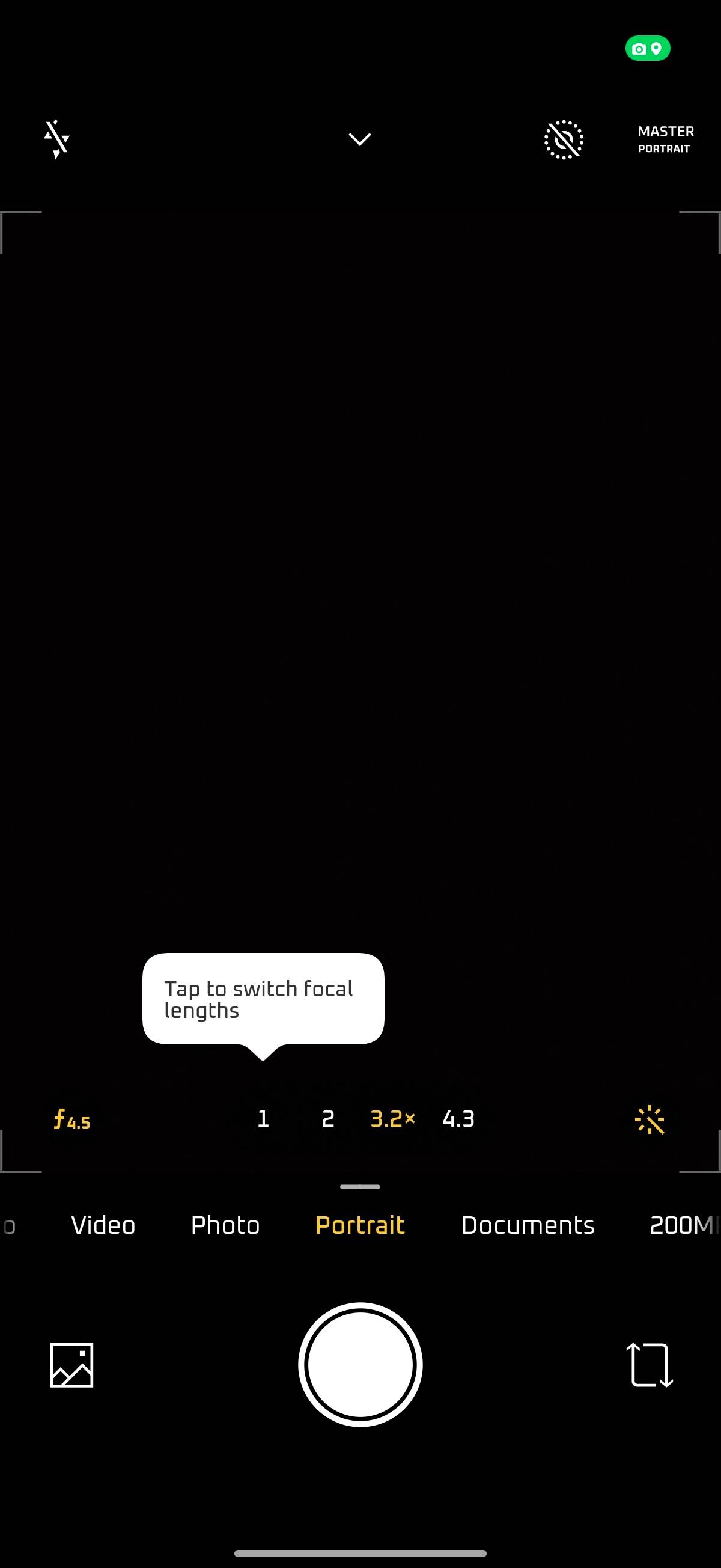
At 3.2x (75mm), the new telephoto effortlessly replaces the older dedicated 3x camera. Detail is outstanding, colours are accurate, and dynamic range remains excellent. The 75mm focal length works beautifully for portraits, delivering pleasing compression and strong subject separation without relying heavily on software blur.
There is a noticeable difference between portraits on the Xiaomi 17 Ultra and X300 Pro. I liked the X300 Pro’s contrast-heavy photos compared to the 17 Ultra’s overexposed images. However, the Xiaomi flagship delivered a crisper shot, which was noticeable when zoomed in.


50MP outputs from this sensor extract extra texture in well-lit scenes. The full 200MP mode, however, offers limited practical advantage over 50MP in real-world use. At 4.3x (100mm), quality remains consistently high. Portraits at this focal length are just as impressive, with tighter framing and stronger compression.
The telephoto continues to impress in low light, maintaining strong highlight retention and good shadow detail. Texture in well-lit areas remains crisp, and colour accuracy is reliable.
Ultrawide
Despite unchanged hardware, the ultrawide performs above expectations. Images are sharper, and the dynamic range is solid in daylight. But the X300 Pro’s colour tuning was more on point.
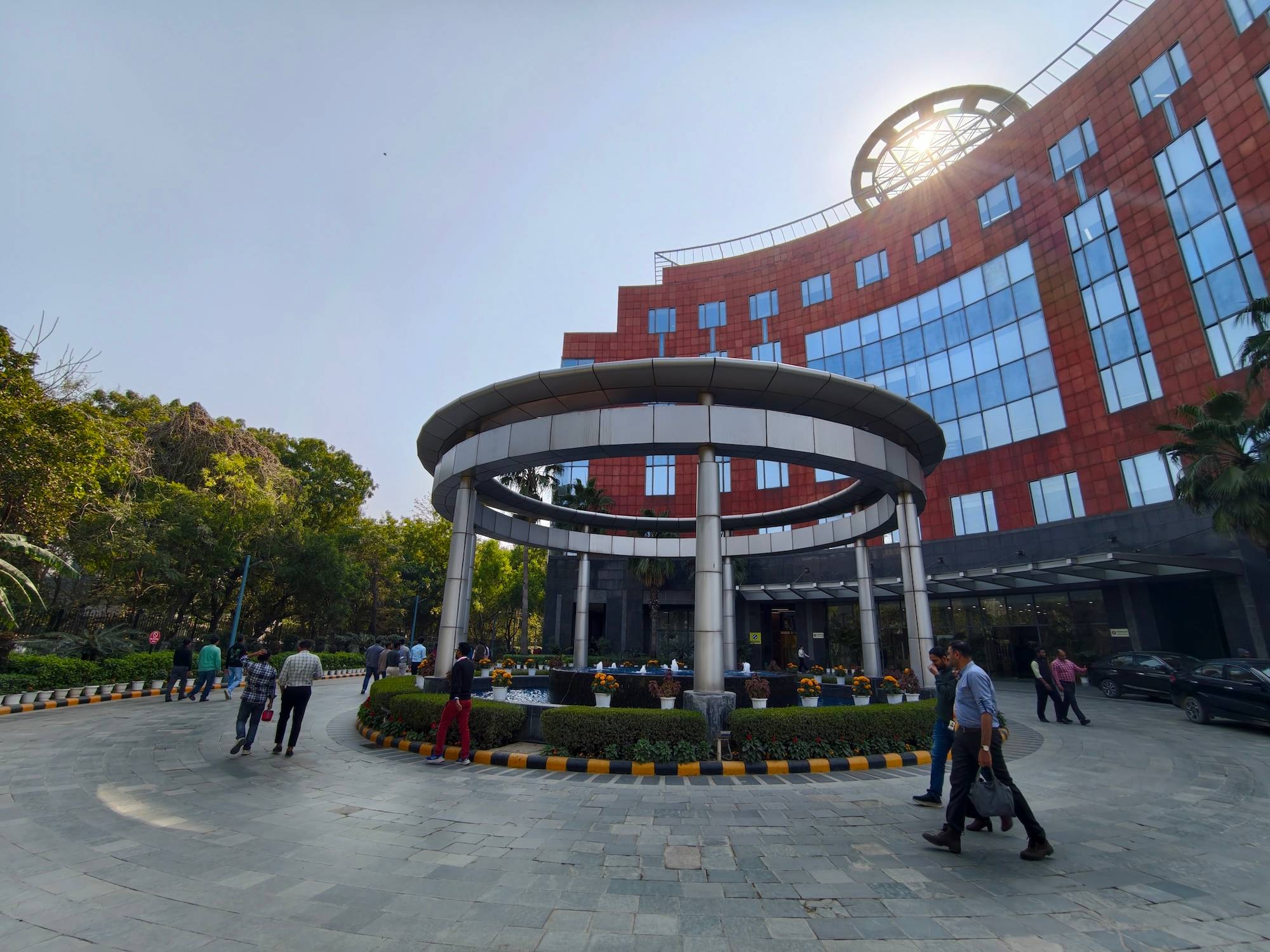
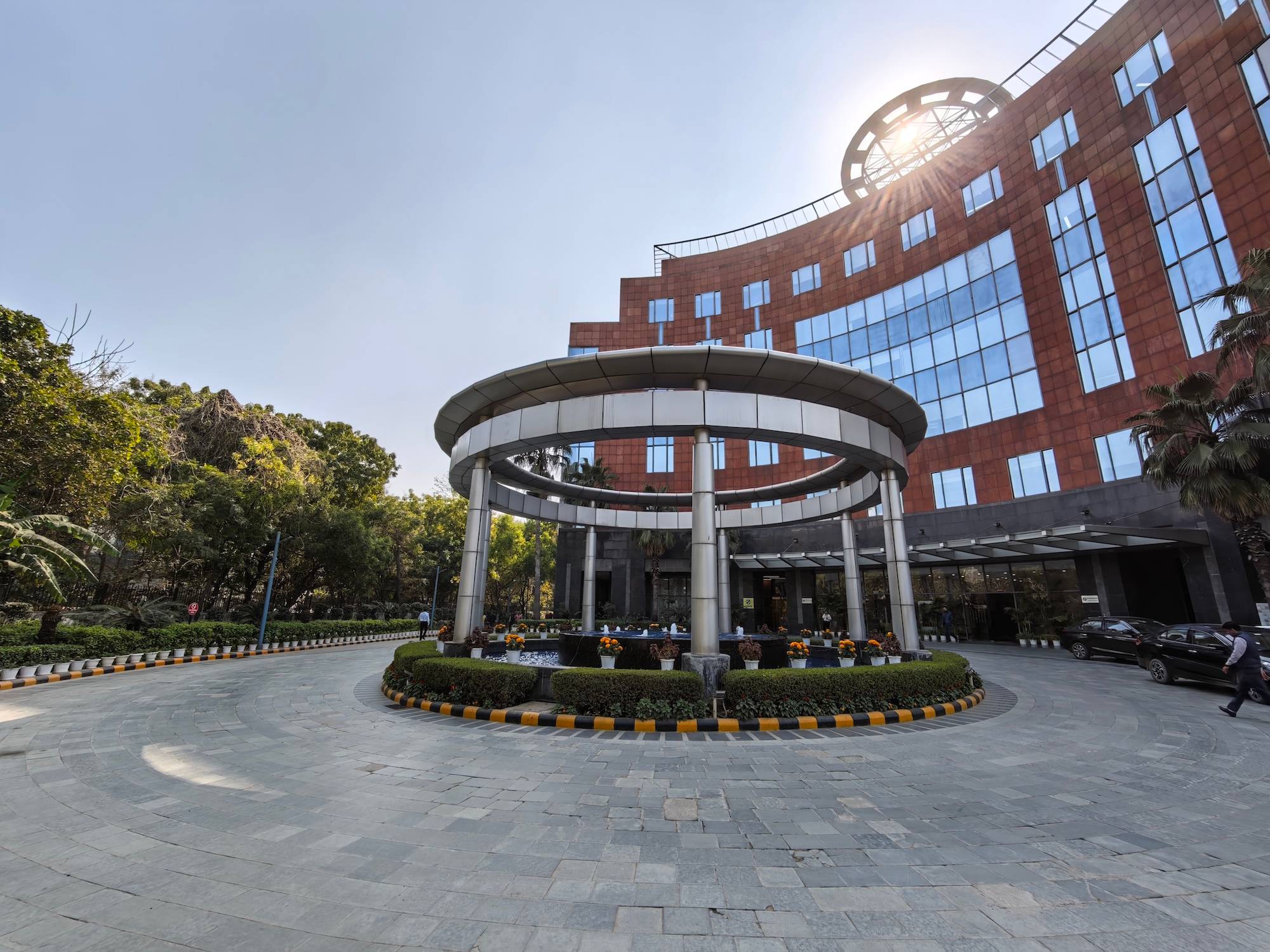
Low-light ultrawide shots are decent, but not the most exciting.
Selfies
The new 50MP autofocus selfie camera is a noticeable upgrade. Detail levels are high, and close-up selfies are particularly strong. I found the Xiaomi 17 Ultra’s selfies sharper and showed better edge detection in good lighting than the X300 Pro, whose edge detection was inconsistent. But the Xiaomi phone tends to brighten the face more than the X300 Pro, so the latter delivers a more balanced exposure with better skin tones.


Camera verdict
The Xiaomi 17 Ultra is arguably one of the best camera phones available right now. The 1-inch main sensor delivers class-leading results in both daylight and low light. The new continuous zoom telephoto adds flexibility while maintaining exceptional quality across its range. The ultrawide is better than most rivals in good light and dependable at night. The upgraded autofocus selfie camera is a welcome addition.
Photography kit
The standard Xiaomi 17 Ultra model we received for review also included a photography kit with a dual-tone black finish. It features a protrusion on one side to offer a comfortable grip. This protrusion also houses a small battery to help the case connect to the phone via Bluetooth. This allows you to use the dedicated camera-centric buttons on the right side of the case.
Design and display
From a distance, the Xiaomi 17 Ultra looks identical to its predecessor, the Xiaomi 15 Ultra, which in turn resembled the Xiaomi 14 Ultra. All three phones feature a familiar, large circular camera module on the back with Leica branding. With each generation, though, Xiaomi has reduced the curvature around the edges to the point that the Xiaomi 17 Ultra now features a flat front, back and frame. Flat flagships are very much in trend right now, and Xiaomi is up-to-date on that front.
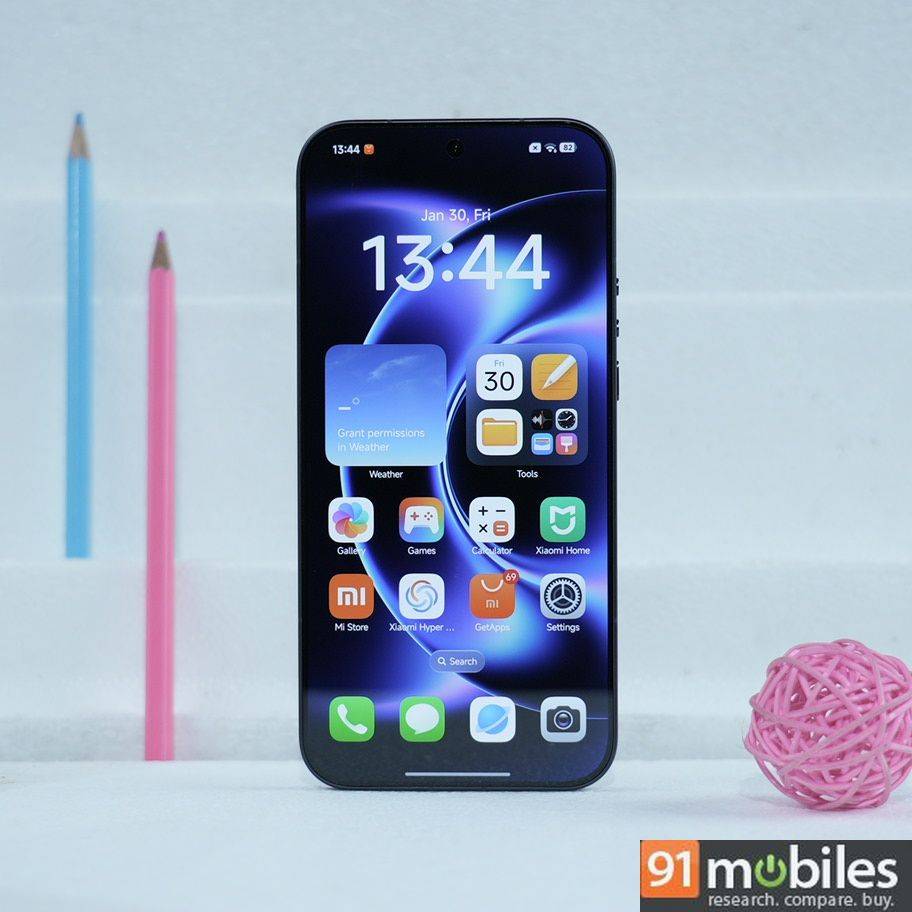
By slightly increasing the dimensions and reducing the bezels, the screen size has also increased from 6.73 inches to 6.9 inches. What this means is that you get a gorgeous, large screen for watching HDR10+ and Dolby Vision content and for comfortably scrolling through pages on websites or social media apps. It’s a bright and crisp 120Hz LTPO AMOLED display that feels buttery-smooth when paired with the fluid HyperOS UI.
Performance and software
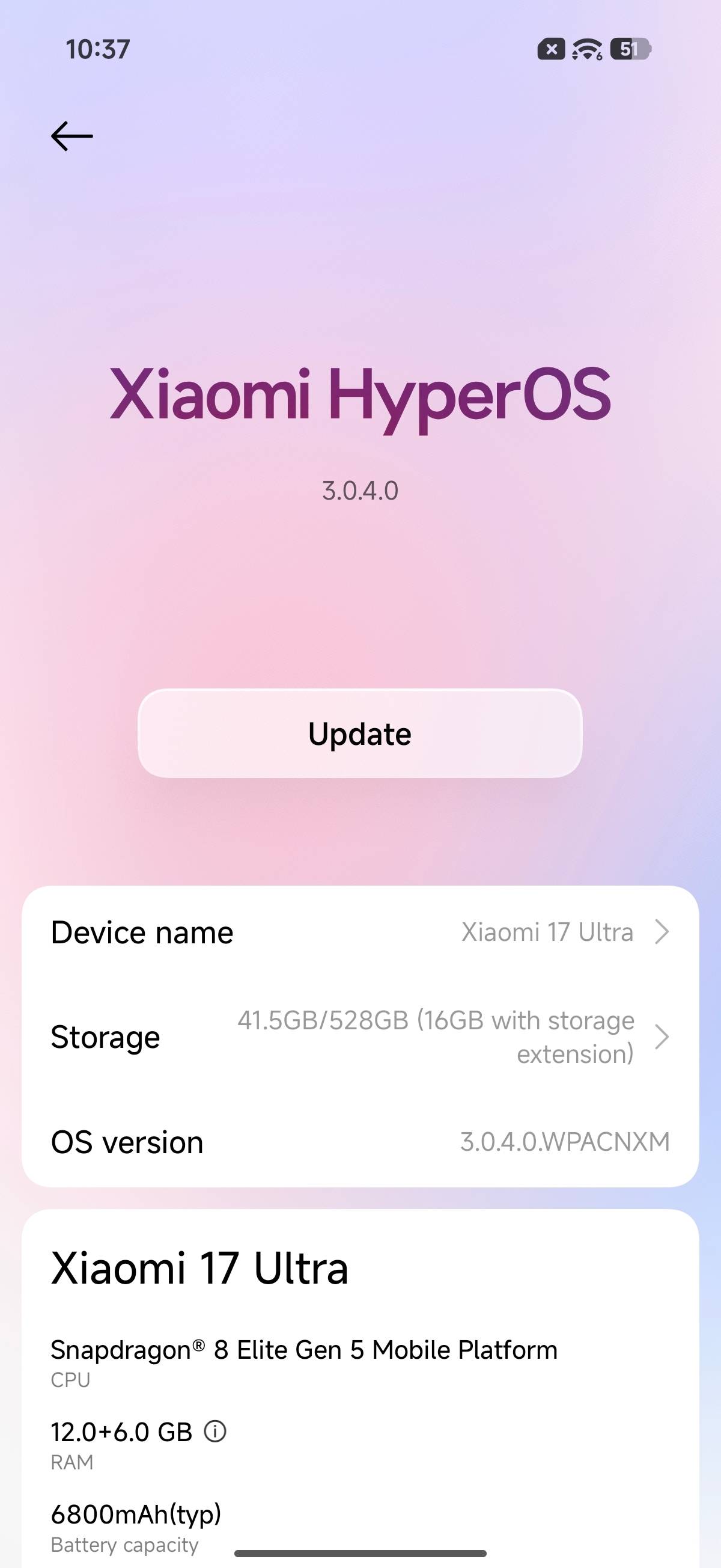
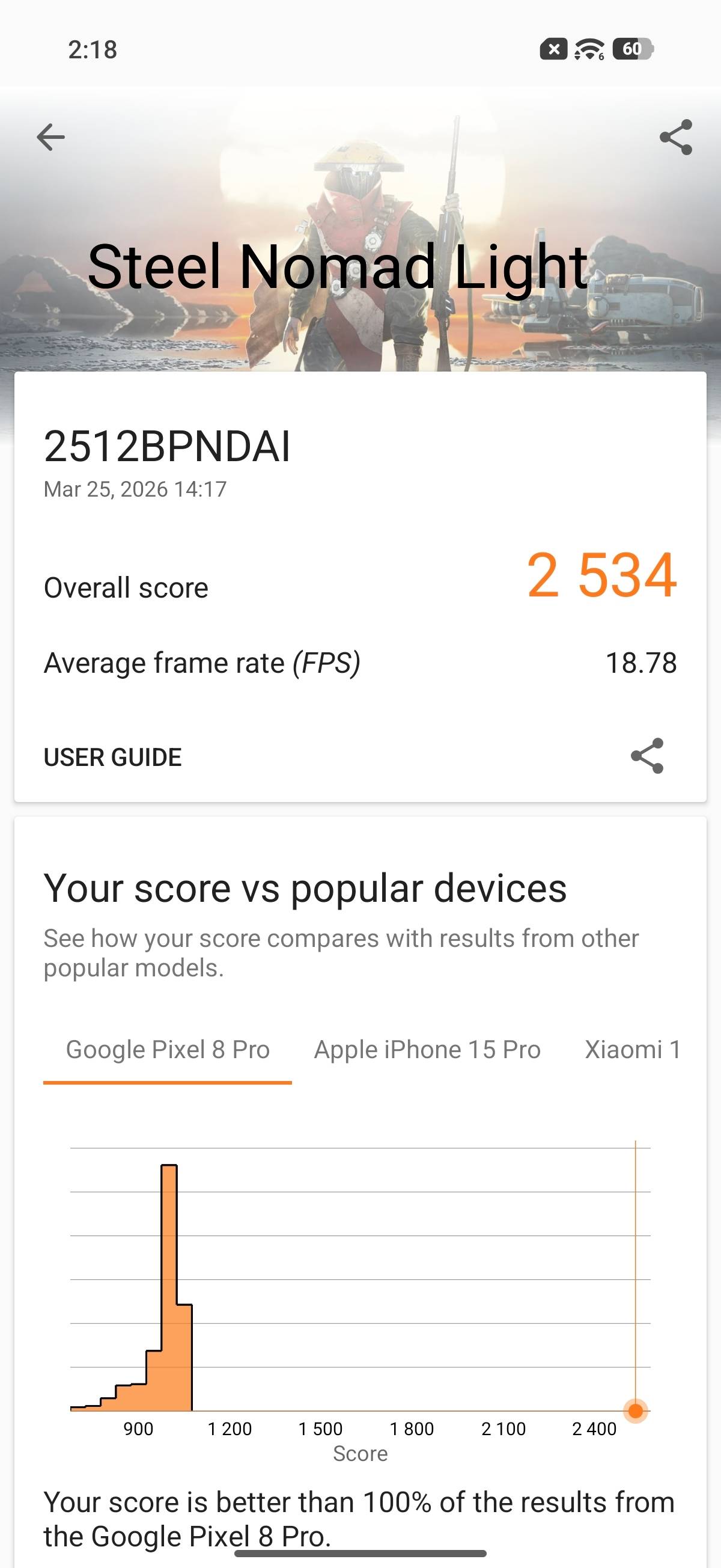
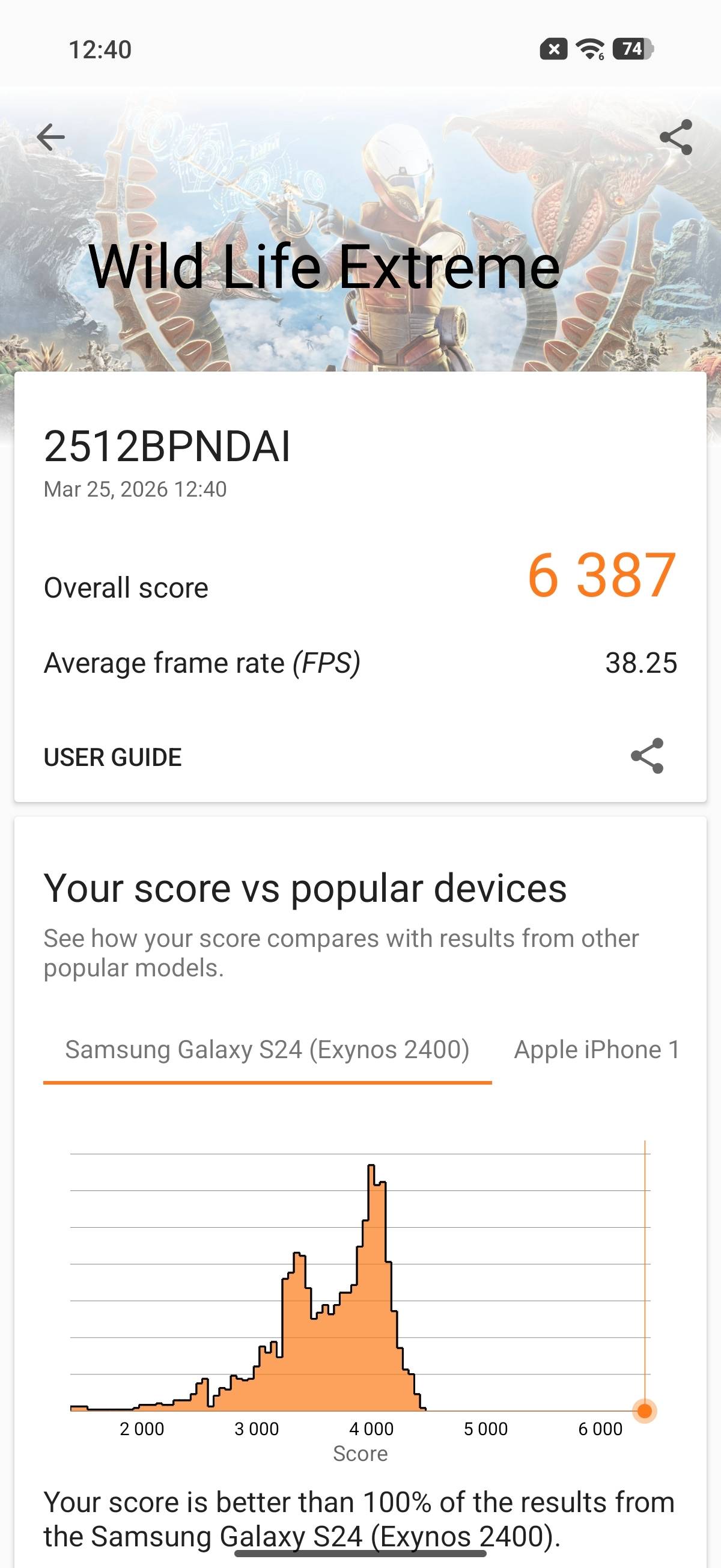
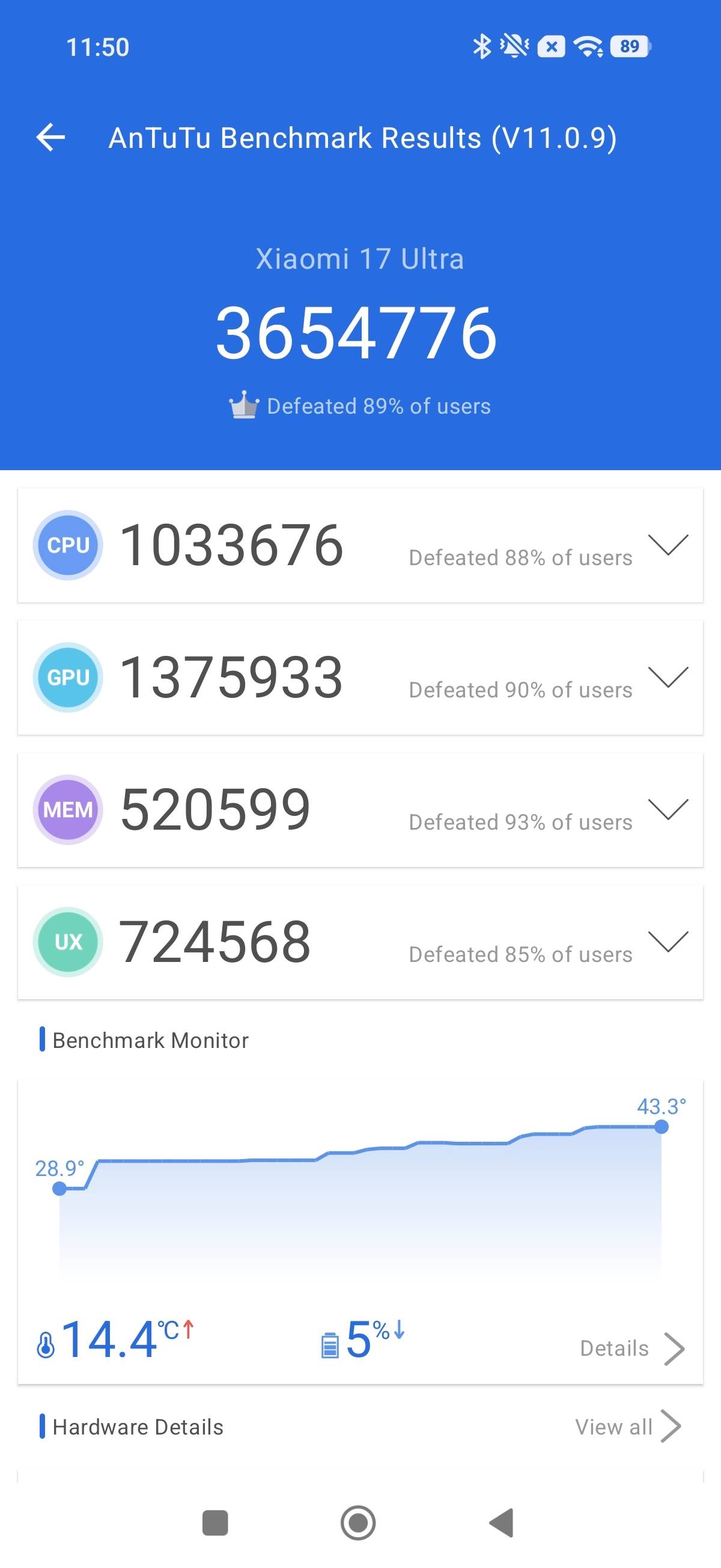
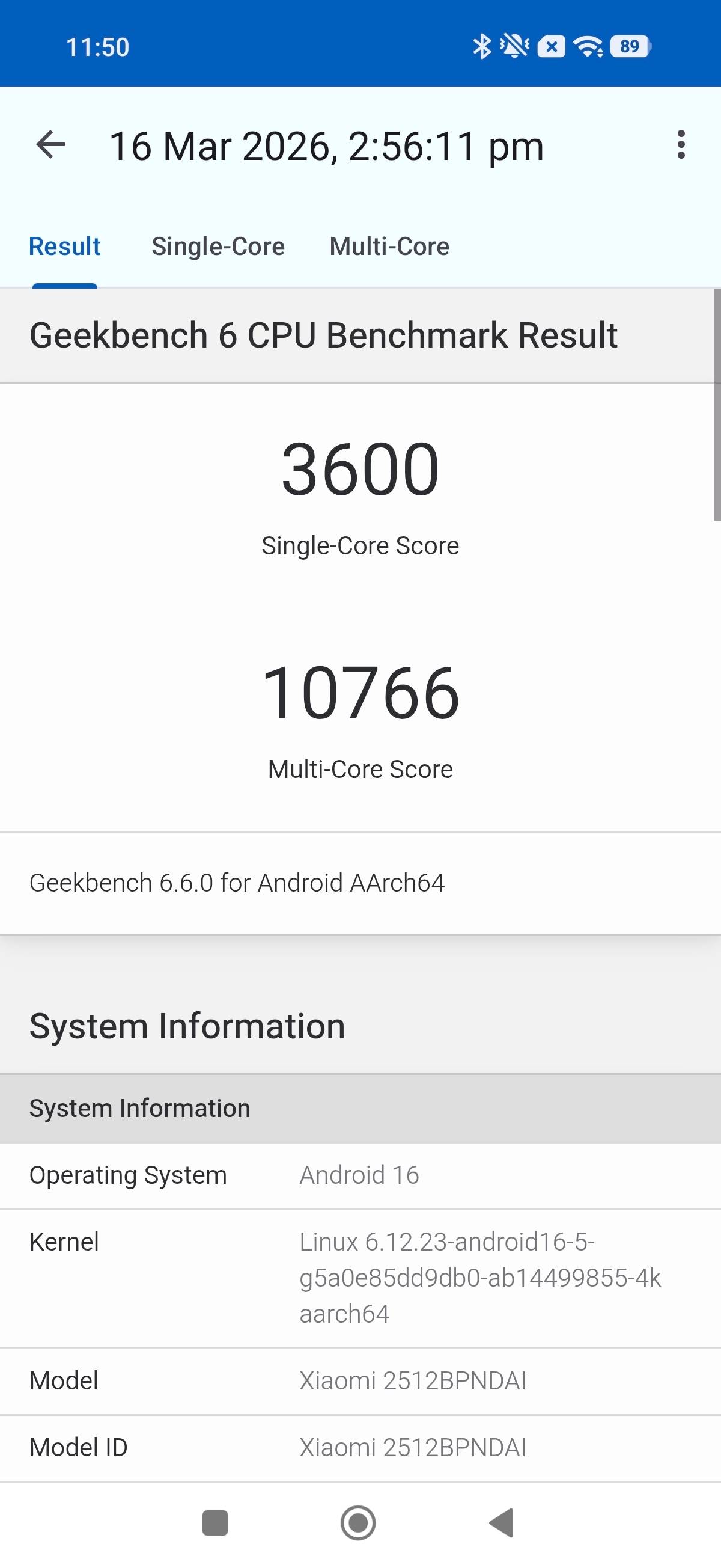
Powering the Xiaomi 17 Ultra is the flagship Snapdragon 8 Gen 5 chipset. This is a 3nm octa-core processor with 2x Oryon Gen 3 cores, capable of reaching peak speeds of up to 4.61 GHz. The chip claims to deliver up to 20 percent faster CPU and 23 percent better GPU performance over its predecessor. We were unable to run benchmarks like AnTuTu on this unit, but we know the chipset is capable of achieving scores over 3.5 million. On Geekbench, its single- and multi-core scores were on par with those of the OnePlus 15, iQOO 15, and Realme GT 8 Pro.





As this was a Chinese unit, there were some limitations to using the Xiaomi 17 Ultra as a full-fledged daily driver. There’s no Discover section, Android Auto, or voice activation for Google Assistant. You can, of course, install Google Play Store from Xiaomi’s GetApps, following which you can download other Google apps, Instagram, X, etc.
The Xiaomi 17 Ultra felt incredibly fast and fluid, thanks to a combination of a blazing-fast Snapdragon chip and smooth animations and transitions in HyperOS. Apps opened in a jiffy, and switching between the ones I typically use during the day felt smooth. Not once did I face any slowdown. However, because it was a Chinese unit, I couldn’t use it as my daily driver, so I couldn’t really put the phone through its paces as I would on a personal unit.
Battery
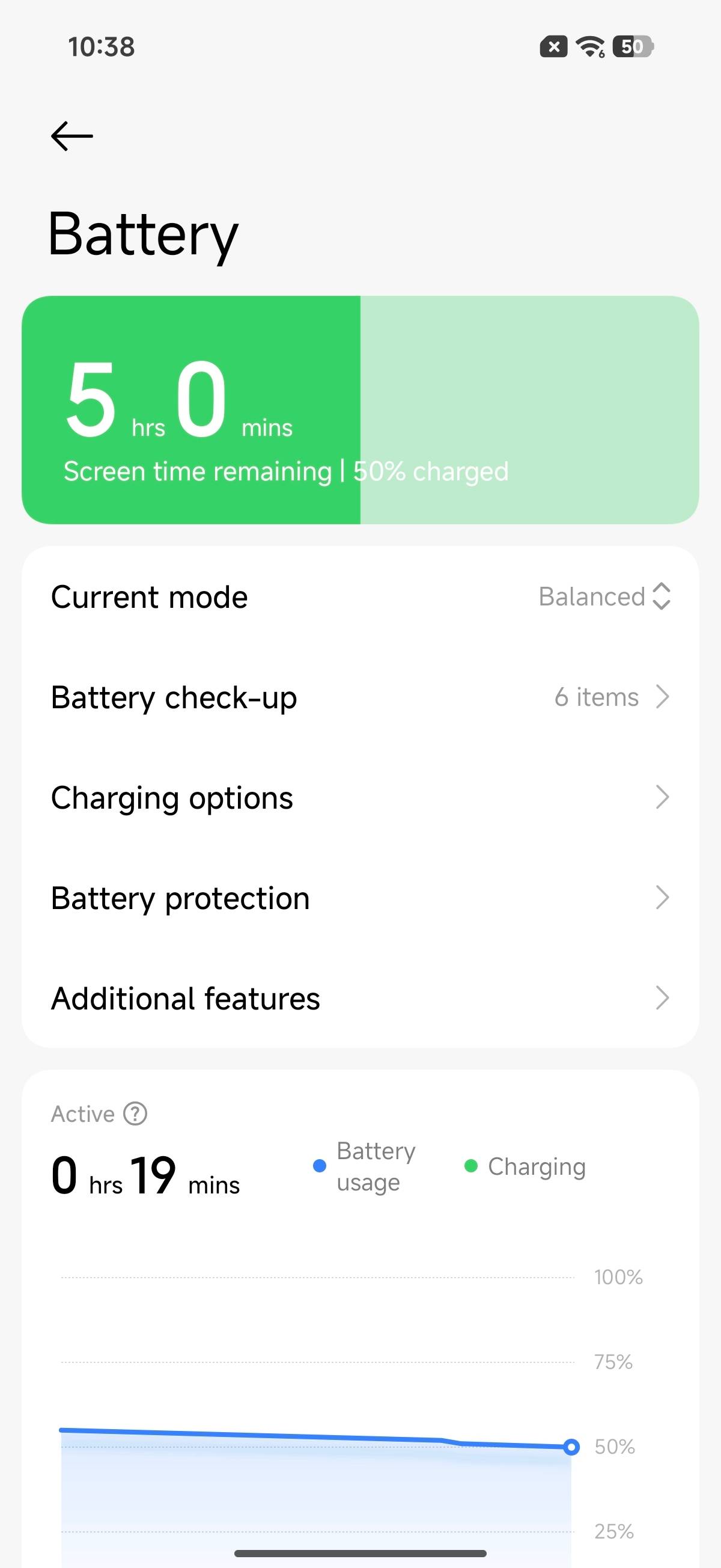
Battery capacity has increased significantly, from 5,410mAh on the Xiaomi 15 Ultra to 6,800mAh on the 17 Ultra. The difference was instantly noticeable when we ran the PCMark battery test, where the Xiaomi 17 Ultra managed to last 17 hours from 100 to 20 percent. For context, the Xiaomi 15 Ultra could only last 12 hours.
Final thoughts
The Xiaomi 17 Ultra makes one thing very clear: this is a camera-first flagship in every sense. From the 1-inch primary sensor to the new continuous optical zoom telephoto system, the phone is engineered around photography rather than just adding impressive specs for the sake of it. In both daylight and low light, it consistently delivers results that are among the best I’ve seen on a smartphone so far this year.
Beyond the cameras, the upgrades are meaningful. A larger 6.9-inch flat display, a massive 6,800mAh battery without added bulk, and the Snapdragon 8 Gen 5 chipset all make this a serious flagship package. The only caveat is that this Chinese unit has certain software limitations, so it’s hard to judge the full experience until the global version arrives.
If and when Xiaomi brings the 17 Ultra to India, it will likely sit at the very top of the company’s portfolio. And based on what I’ve seen so far, it would arrive not just as another Ultra-branded phone, but as one of the most capable camera-centric flagships available.
Xiaomi 17 Ultra Images