The Xiaomi 17 Ultra made me hate AI photos. I wasn’t a big fan of tweaking my photos using AI editing tools in the first place. There is a sense of personality in capturing imperfect photos. I am, after all, an incredibly average photographer! I know my photos aren’t artistic, and I’m quite happy with that. I don’t need an AI object eraser to remove people or objects, or (more recently) type and describe how I want my photo to look, and let AI do its thing. A lot of phones now offer several AI tools to help you create that “perfect” photo. So, imagine my surprise when Xiaomi said they don’t want to rely heavily on AI camera features, but rather deliver on true camera hardware to help capture perfect photos. After using the Xiaomi 17 Ultra’s cameras this week on Vietnam’s Phu Quoc island, capturing over 500 photos, I can safely say I agree with their vision.
Let me be clear about something first. Flagship phone cameras have never been better, and phones like the Vivo X300 Pro and OPPO Find X9 Pro are proof of that. But as cameras have improved, so has our reliance on AI to push them further — smooth skin, erased lampposts, skies swapped out for something more “dramatic.” It looks polished. It also, sometimes, looks a little manufactured.
Most flagships today offer these tools as an option. Xiaomi, at least on paper, has taken a more restrained road with the 17 Ultra. Their argument is simple: build a sensor and optical system good enough that the software barely needs to get involved. And I’m all for it. When I heard Anuj Sharma, Chief Marketing Officer at Xiaomi India, say, “AI is great for memes, but an AI image won’t create a core memory for you,” I found myself nodding along. Then I went to Phu Quoc to find out if the hardware could actually back that up.
“AI is great for memes. But an AI image won’t create a core memory for you.” — Anuj Sharma, Xiaomi
Table of Contents
Three cameras, one very clear favourite
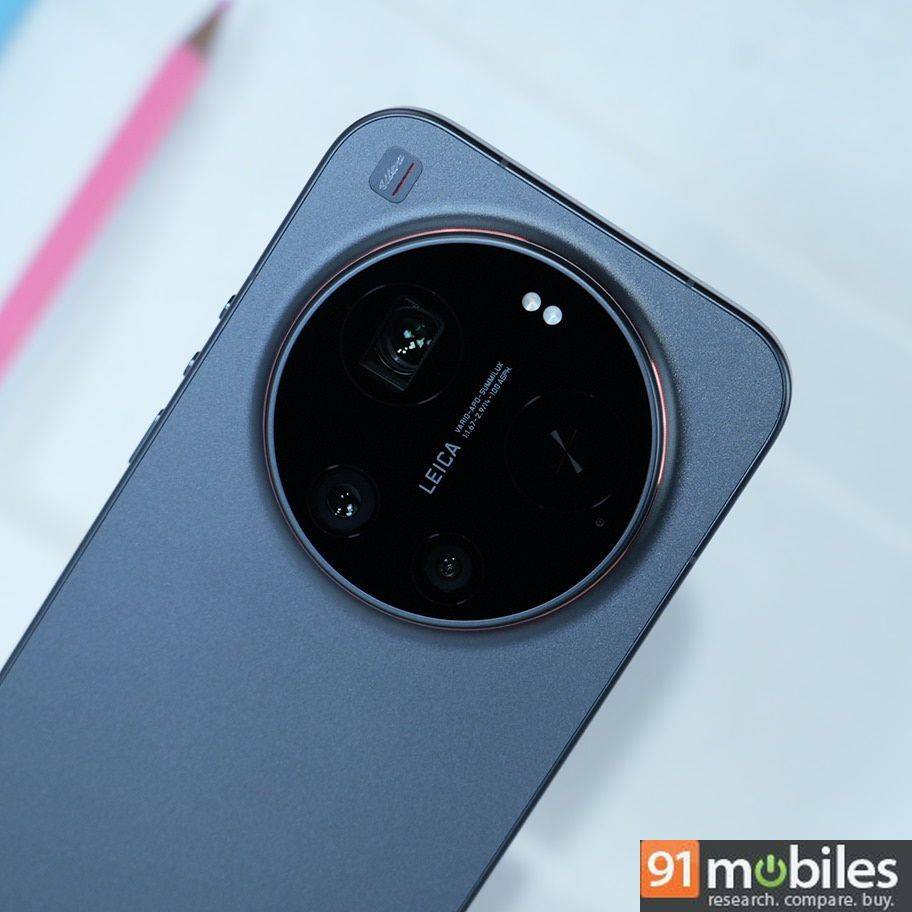
The 17 Ultra has three distinct cameras: a 50MP 1-inch main sensor at 23mm with Leica optics, a 50MP 14mm ultrawide, and a 200MP telephoto that spans 75mm to 100mm with continuous optical zoom. That last one is the interesting story. The older approach — two separate telephoto lenses for different ranges — always had a quality cliff where your phone silently switched between them. One lens for 3x, a different one for 5x, and a weird no-man’s-land in between where neither was ideal.
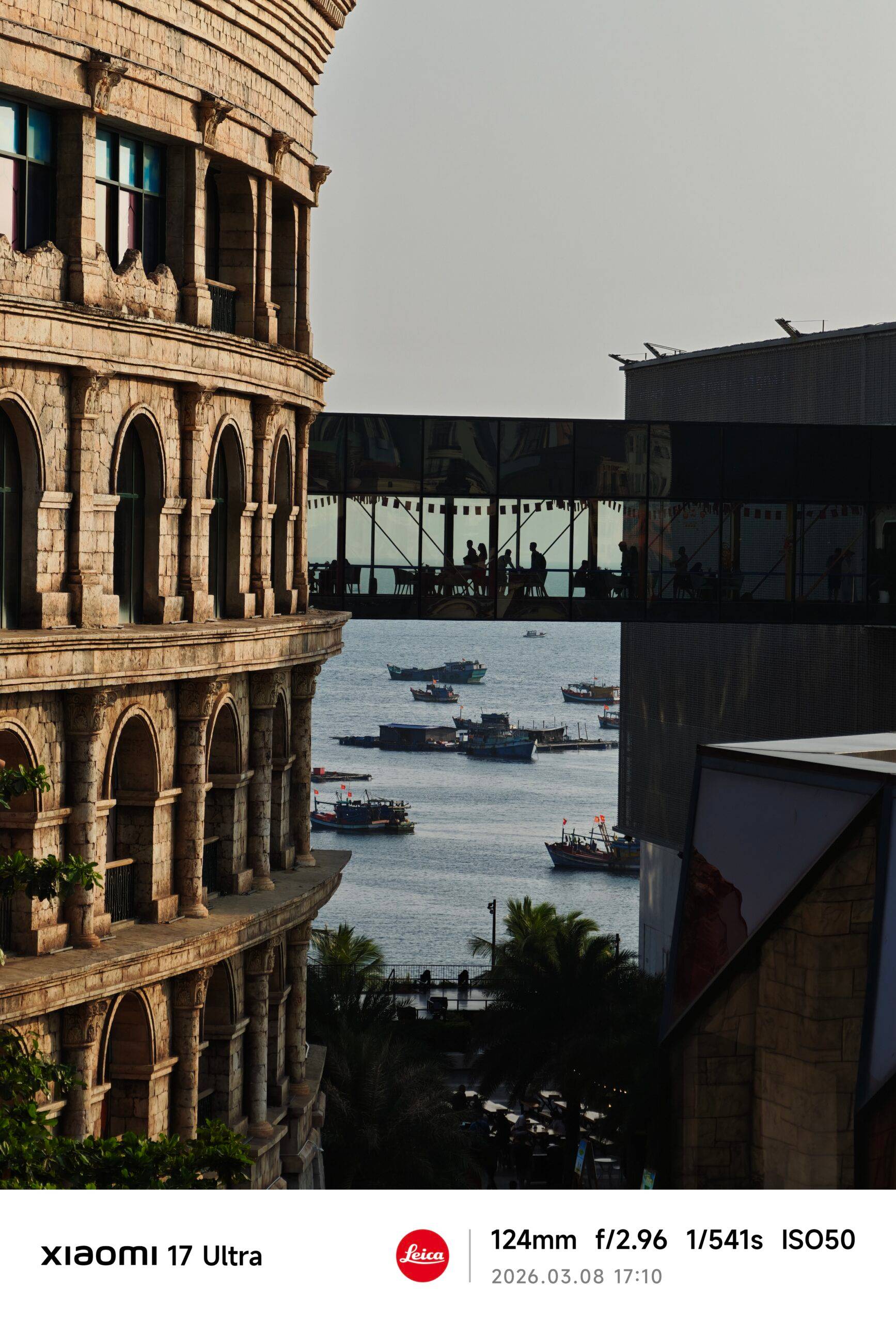

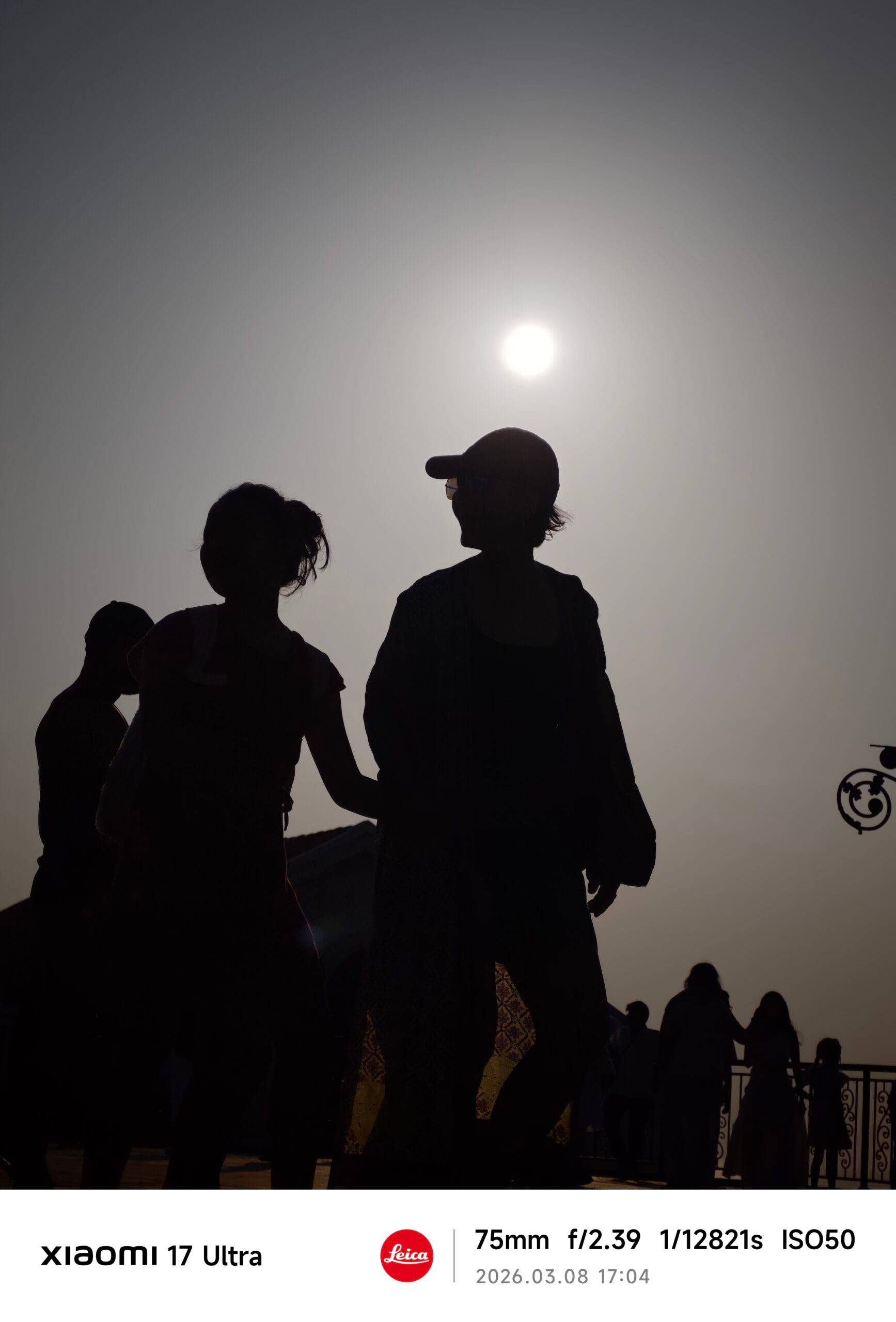





In practice, I shot predominantly with the telephoto lens. It’s where the camera feels most alive. Of the 30 samples I selected to share, 25 were on the telephoto. That’s not a bias I consciously chose; it’s just where the shots kept happening naturally.
What LOFIC actually looks like
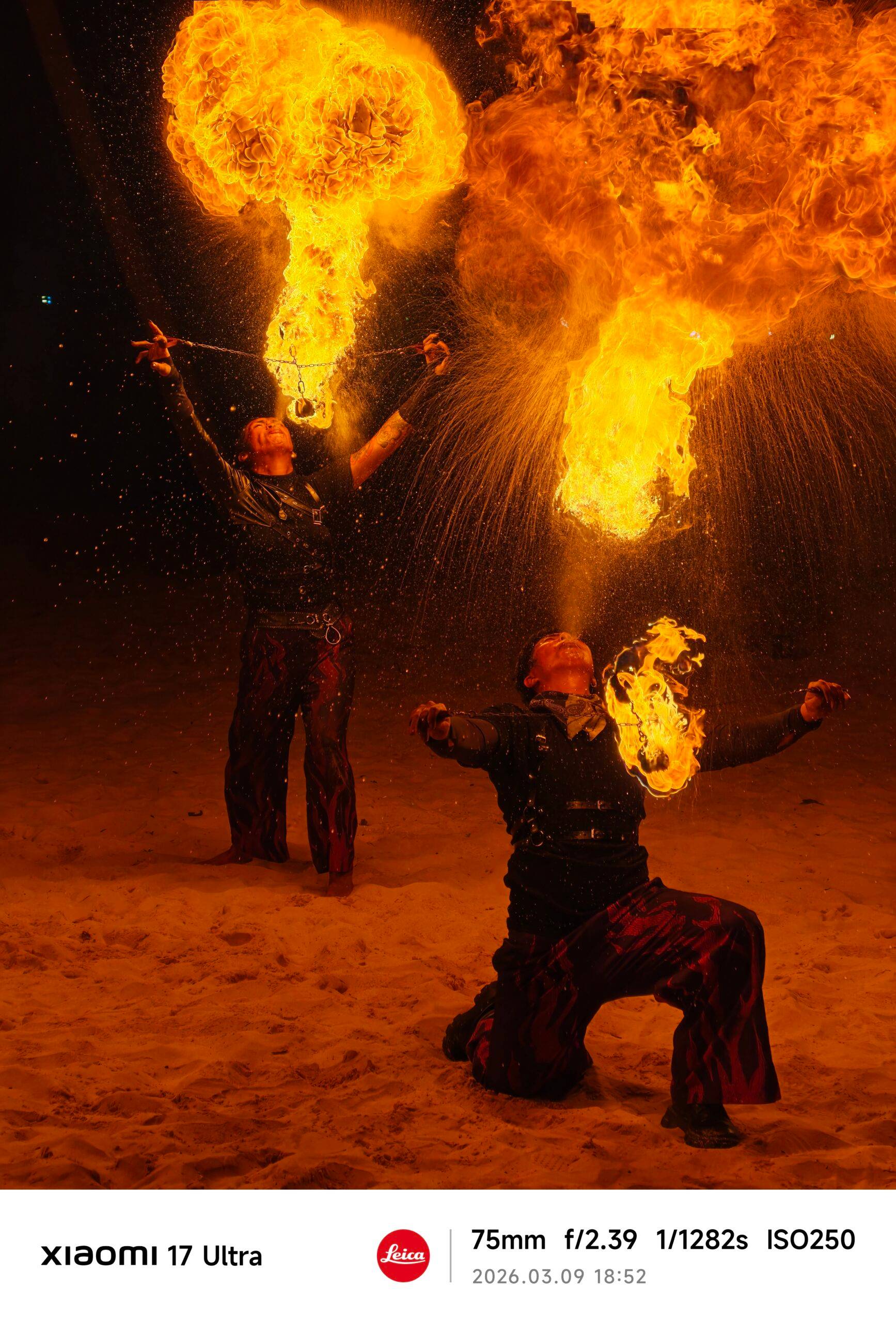
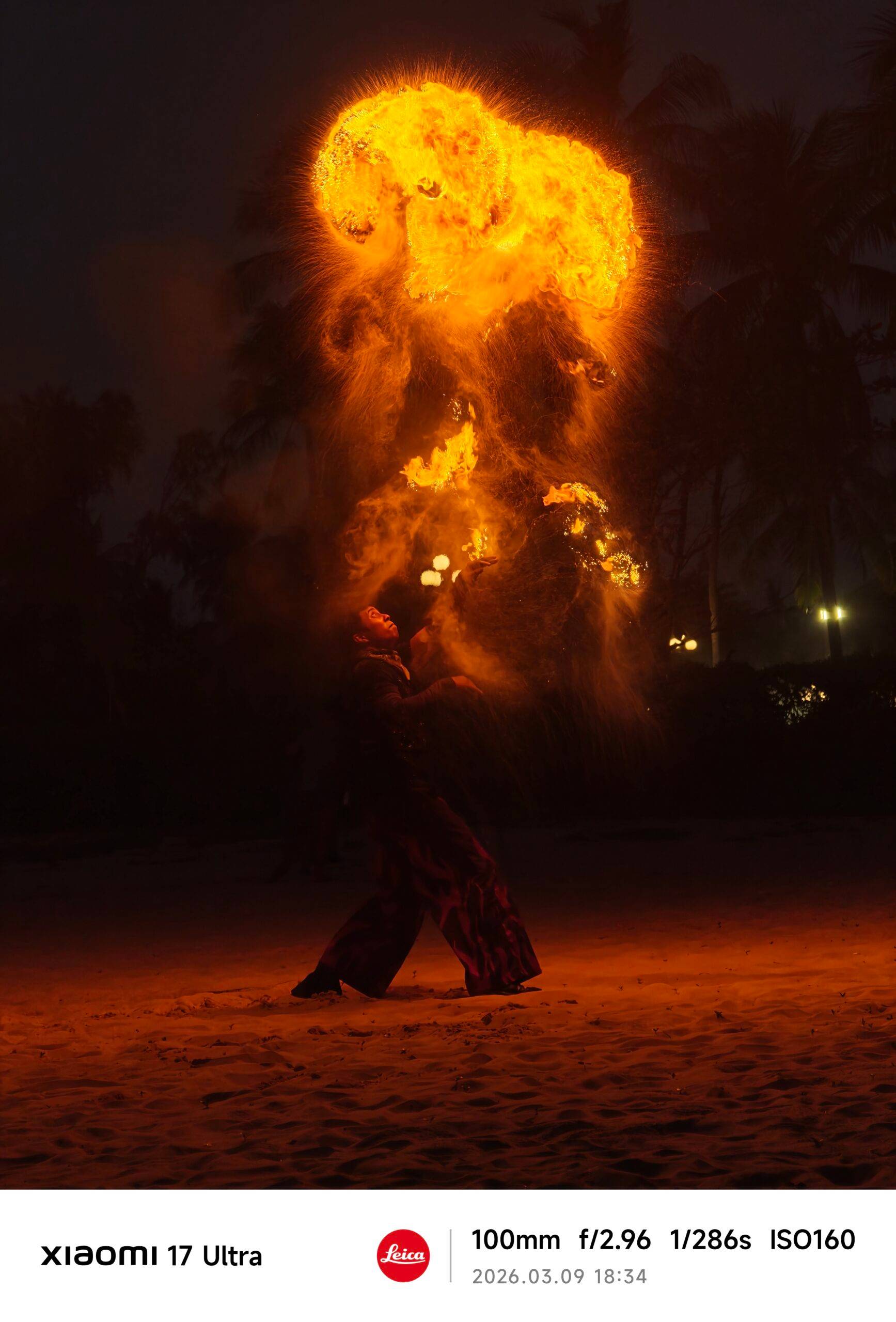
LOFIC stands for Lateral Overflow Integration Capacitor, which sounds like something a Star Trek engineer would invent. In real terms, it’s a rethink of how the 1-inch sensor handles extreme light — designed to capture a wider tonal range in a single shot, the way your eye takes in a scene without needing to blink twice and average the results. Traditional smartphone cameras deal with high-contrast scenes by stacking multiple frames together. The problem is motion blur, unnatural halos, and an overall processed quality that your brain picks up even if your eyes can’t quite articulate why. LOFIC skips all of that. I didn’t fully understand what that meant until the fire show.
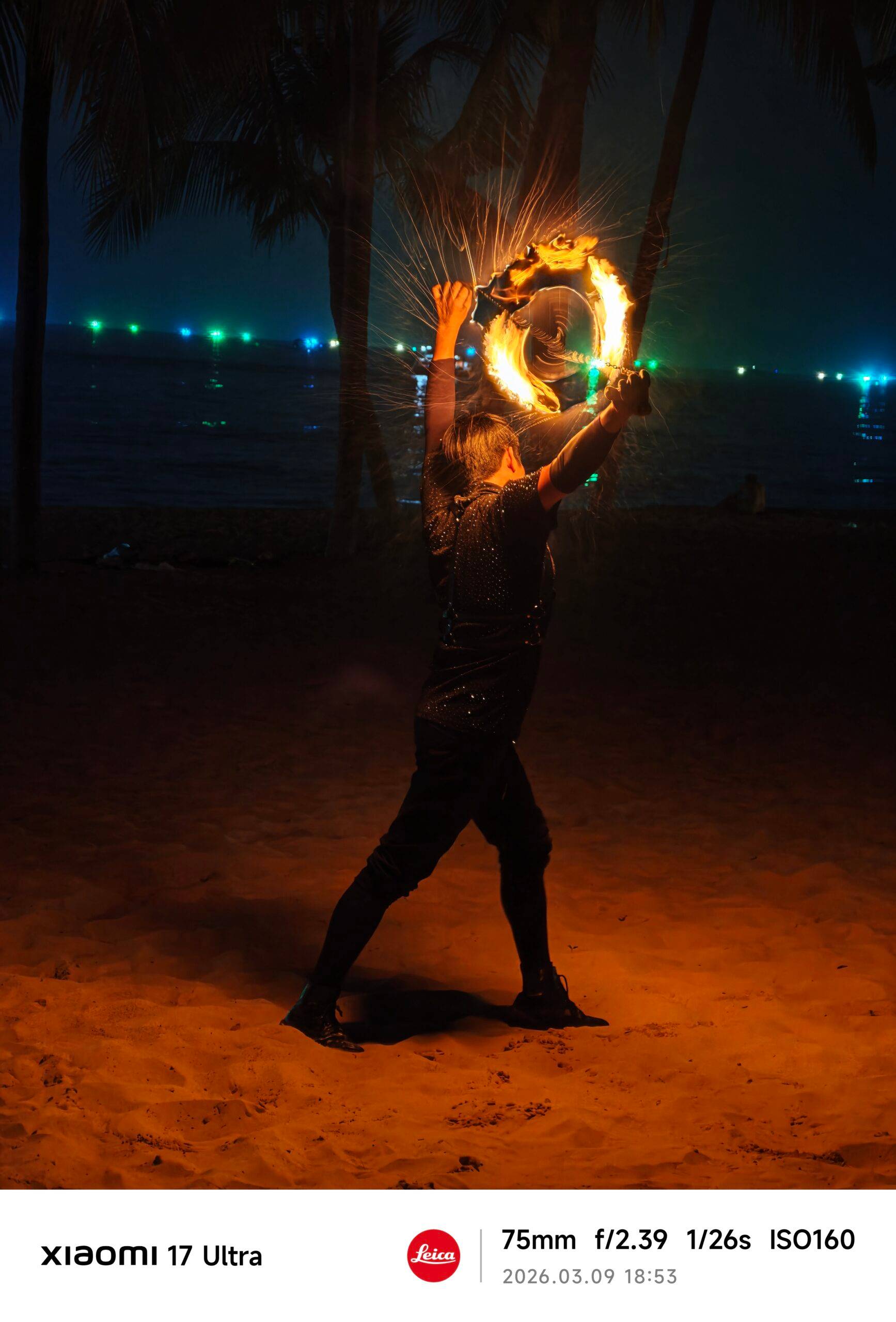
The 17 Ultra, shooting at 75mm and 100mm with ISO between 160 and 250, did neither. In one shot, a performer is spinning a fire ring while you can see his face lit by the flames, palm trees silhouetted behind him, distant boat lights twinkling across the water, and the texture of the sand beneath his feet — all simultaneously, all with detail. That’s not an HDR composite. There’s no ghosting, no frame-blending artefacts. The scene is one moment, captured as one moment. That’s LOFIC doing exactly what Xiaomi promised.
The fire ring, the performer’s face, the sand, the palm trees, the distant sea lights. One shot. One moment. No blending.
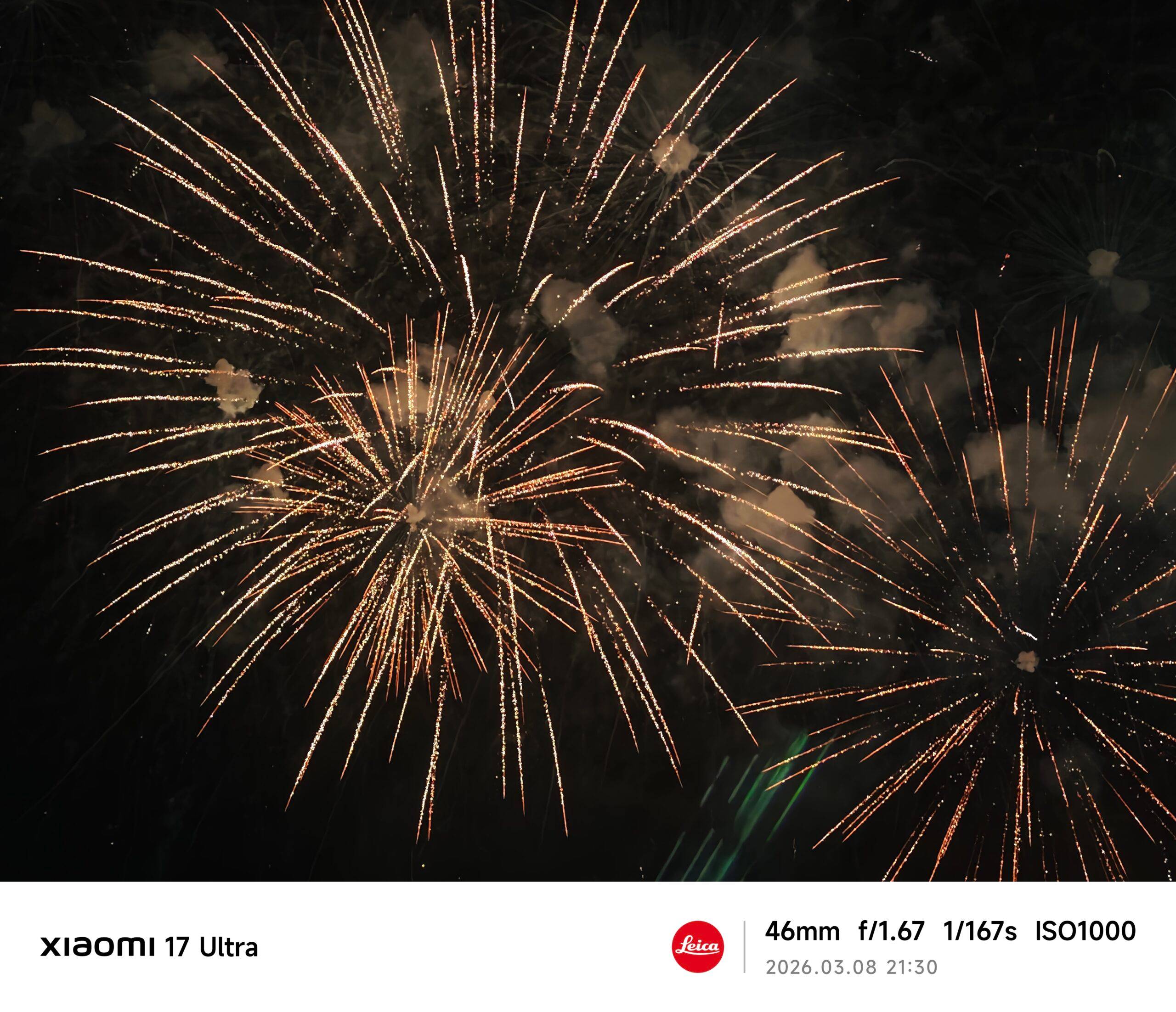
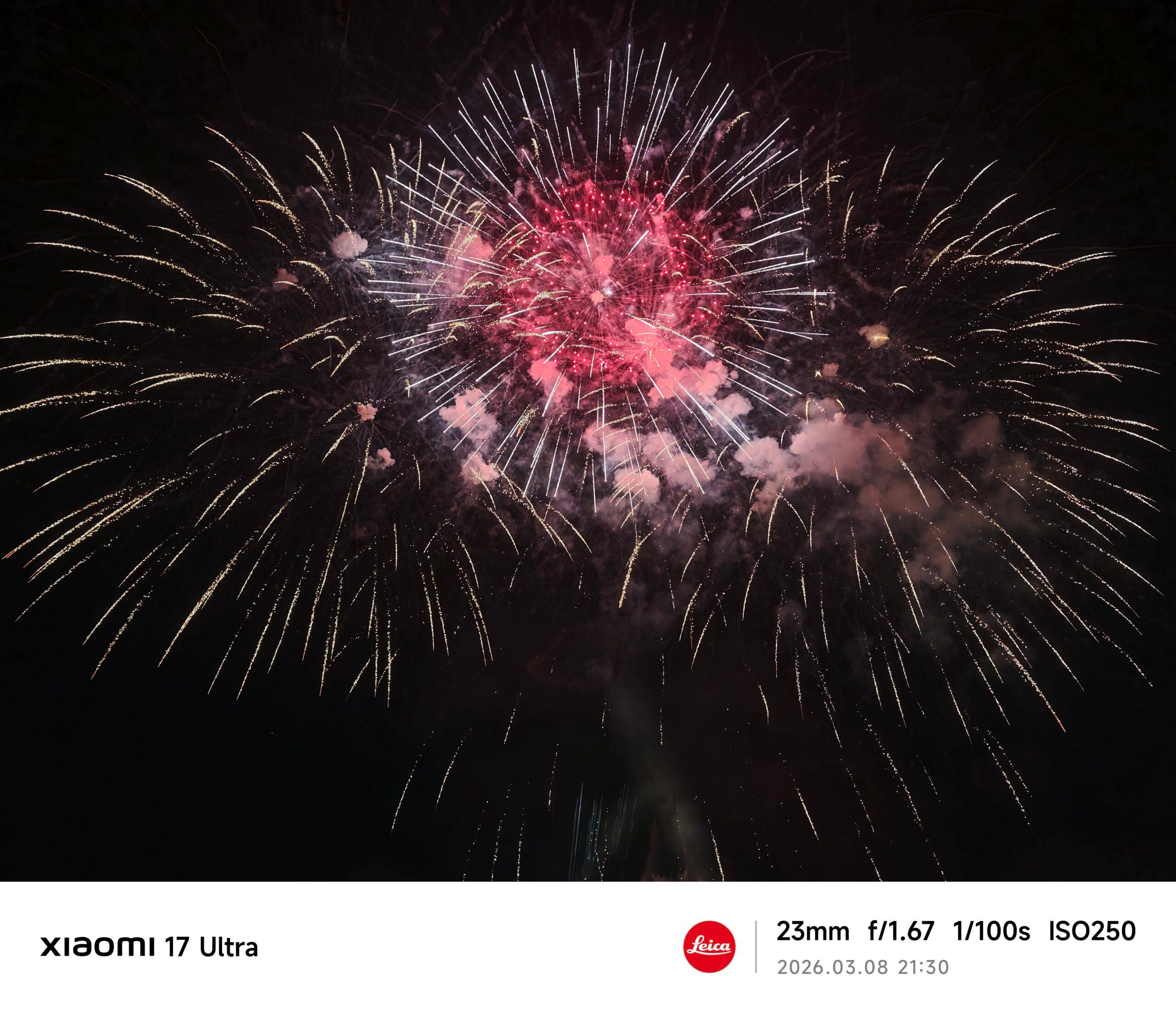
What makes it even more compelling is that LOFIC isn’t just working silently in the background. Xiaomi has built dedicated Scenes modes, like Fireworks and Flames, specifically powered by LOFIC. These aren’t AI modes that stack and blend frames after the fact. They’re hardware-level capture modes that let the sensor do what it was built for, in the exact situations most phones reach for software crutches.
Manual editing adds personality
Some photos naturally came out so good that I didn’t need to touch them in post. The Venice-style canal buildings in Phu Quoc’s entertainment district are colourful — bright reds, yellows, blues — and the camera renders them faithfully. Not enhanced. Not “optimised.” Just honest. The water reflections in those shots have a tonal smoothness that AI sharpening typically destroys.


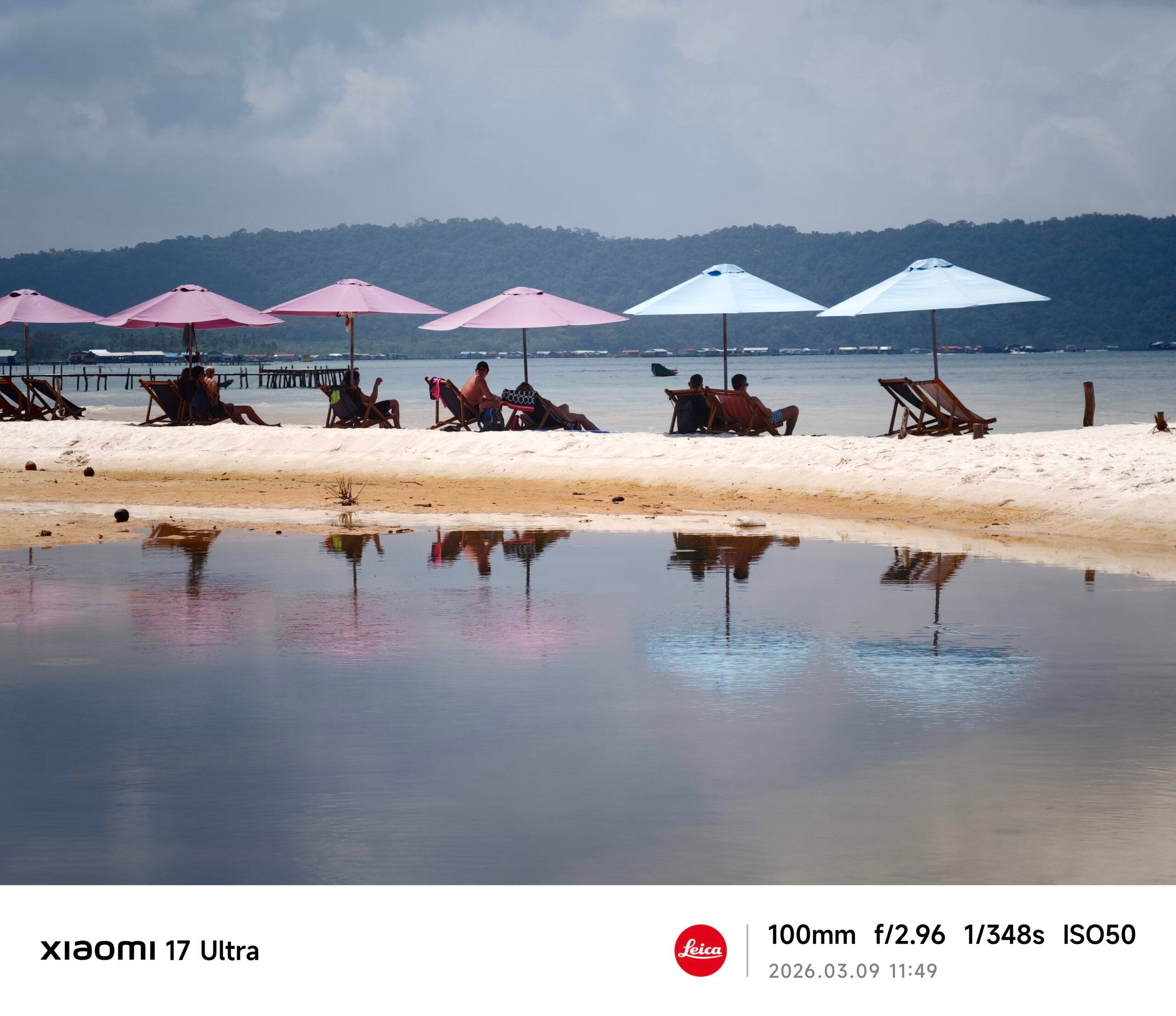
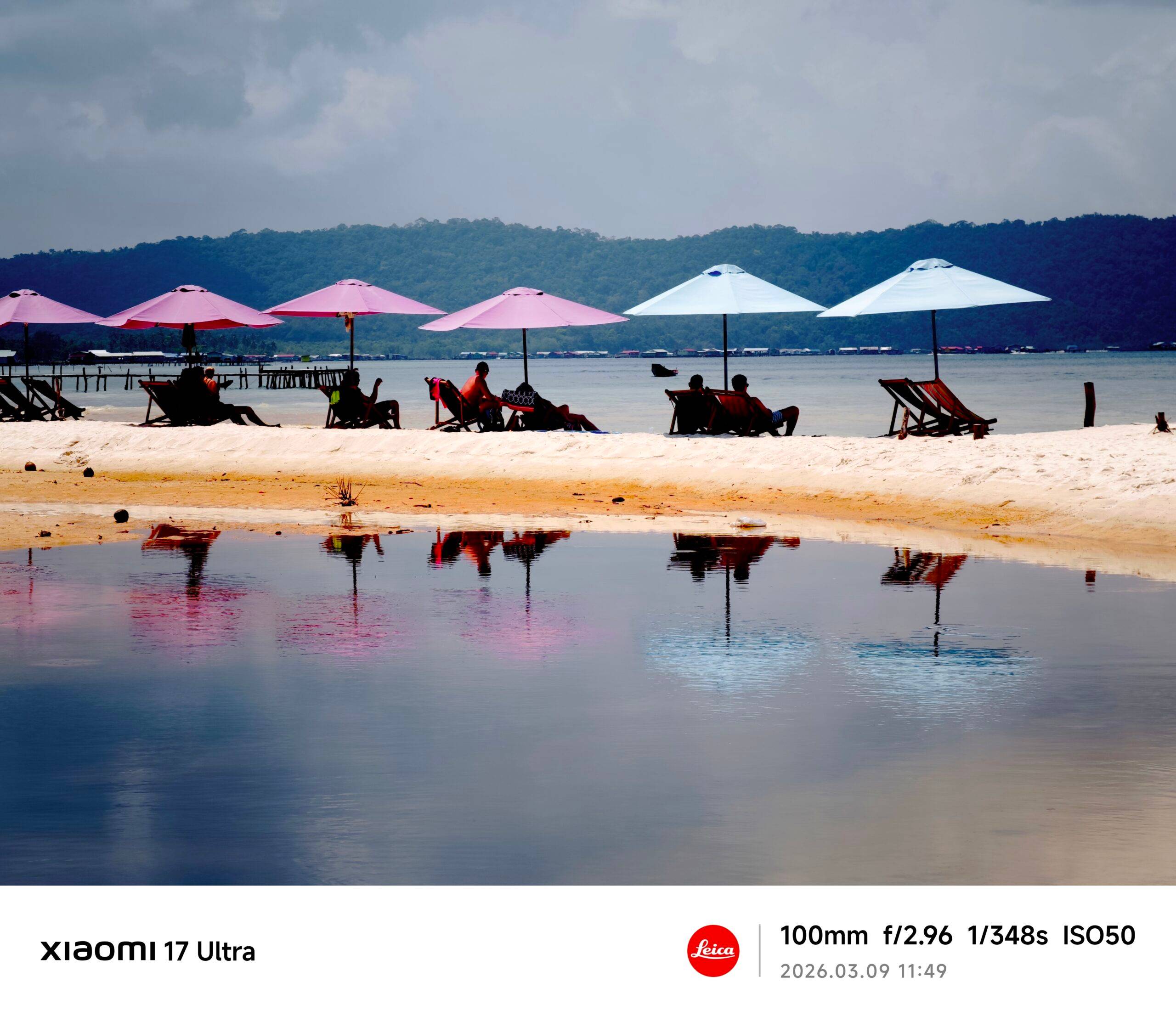
But then there are some photos where you might want to play around with the scene to give them more personality. Take the beach umbrella shots I captured, for example (shown below). The left side is the default capture: restrained, slightly muted, cinematic in a quiet way. The right side is edited manually using the HSL (Hue, Saturation, Lightness) sliders to pop the pink umbrellas and deepen the water reflections. Both are controlled. Neither tips into the Instagram-filter territory where the sky turns a shade of blue that doesn’t exist in nature. You’re choosing a photographic intent, not applying a corrective filter to compensate for a mediocre sensor.
Photos of a street performer at the outdoor event are among my favourites from the entire week. The quick shutter speed allowed me to capture crisp shots of the performer juggling his hats, and a quick filter edit to turn some of them black and white added a dramatic flair.


The photos you’ll actually keep
Here’s the thing about AI photo tools on phones. They are, in isolation, impressive. The sky replacement looks stunning. The erased lamppost is perfectly done on some phones. The astrophotography mode produces something that would be physically impossible with the hardware on the device. But look back at those photos in two years, and they’ll feel empty. They were never really there. The moment didn’t look like that.
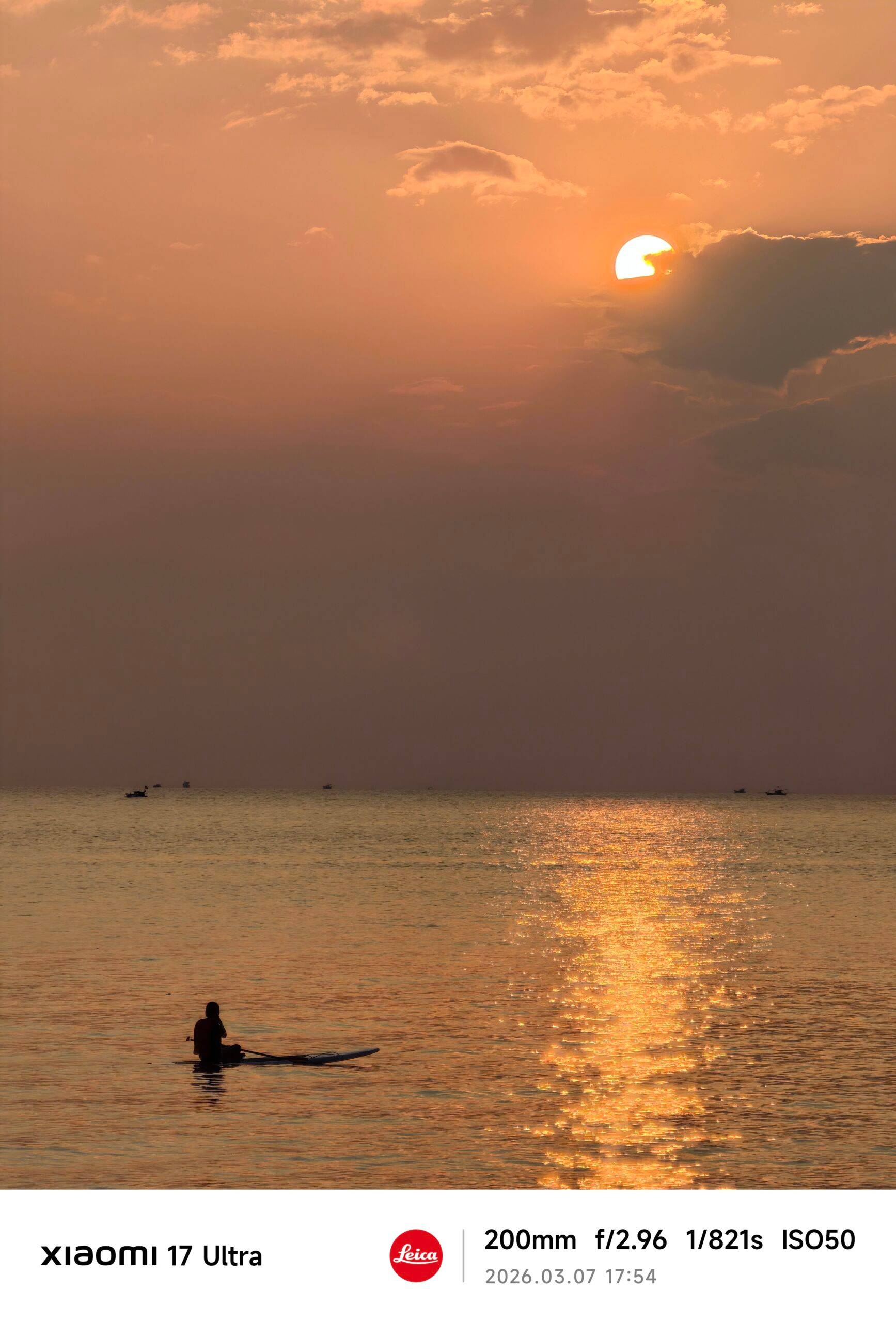
The photo looks exactly like how it felt standing on that beach at that moment.
Physics over AI any day
The 17 Ultra is a phone that makes you a better photographer by getting out of your way. The continuous zoom telephoto flows naturally between focal lengths, so you’re thinking about composition, not about which lens you’re on. The LOFIC sensor handles scenes that would make other phones give up — fire or fireworks against a dark sky, strong backlight, extreme dynamic range — without the frame-blending crutch. The Leica colour science is disciplined enough to trust without ever looking washed out or artificially boosted.
And crucially: the AI stays in its lane. It doesn’t second-guess your shot, it doesn’t replace your sky, it doesn’t erase the imperfections that make a photo feel lived-in.
After a week and 500 photos in Vietnam, it’s just what I experienced. The Xiaomi 17 Ultra reminded me that the best camera is the one that lets you be present in the moment, not the one that edits the moment after the fact.
Disclosure: The writer attended Xiaomi’s Behind the Lens event in Vietnam on Xiaomi India’s invitation.