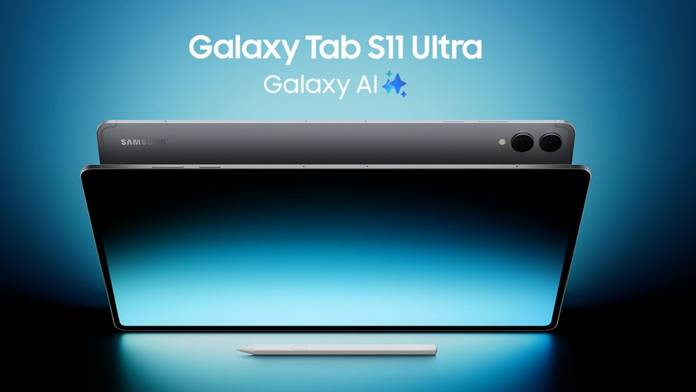
The tablet market is in the middle of a major shift, and most consumers have not fully registered it yet. Global shortages of DRAM and NAND flash memory, the same components that sit inside the storage and RAM of every modern computing device, have driven component costs to levels the industry has not seen in several years. Add in tighter OEM margins, a weaker rupee against the dollar, and broader supply chain adjustments across consumer electronics, and the result has been forecast by analysts for months: tablet prices are moving up, and in some segments they are moving up sharply.
If you have been on the fence and considering a tablet purchase, then the choice in the current market scenario is pretty clear. There is only one lineup that is offering, best-in-class hardware, the latest AI features and ecosystem superiority over others –Samsung Galaxy Tab S10 and S11 Series.
Table of Contents
Apple’s move: the price hikes on the record
Between December 2025 and July 2026, Apple revised prices upward across its entire iPad line-up in India. These are not routine annual adjustments. They represent unusually sharp revisions for the iPad range, particularly at the premium end.
The base iPad (11th Gen) with 128GB WiFi moved from ₹31,900 to ₹46,900, a jump of 47 percent. The iPad Air 11-inch (128GB) climbed from ₹61,900 to ₹86,900, up 40 percent. The 13-inch iPad Air went from ₹81,900 to ₹1,16,900, a 43 percent increase. At the premium end, the iPad Pro 11-inch (256GB WiFi) is now ₹1,36,900 against ₹96,900 previously, up 41 percent. And the iPad Pro 13-inch (256GB WiFi) has moved from ₹1,26,900 to ₹1,96,900, a 55 percent jump that lifts it comfortably into laptop-territory pricing. The pattern is clear. Every iPad segment has moved up by 40 to 55 percent inside seven months.
The Samsung value equation
At today’s prices, Samsung’s Galaxy Tab S line sits well below Apple’s iPad equivalents in every single segment. Not marginally. Substantially. In some pairings you are looking at roughly 50 to 60 percent of Apple’s asking price for a equivalent product offering. For example – the top of the line, flagship tab from Samsung, the Tab S11 Ultra is priced at ₹1,19,999. While it’s contemporary Apple iPad Pro 13-inch (256GB WiFi) is now priced at an absurd ₹1,96,900!
Below is a segment-by-segment breakdown. In each case the argument is the same: the Samsung offers a strong specifications package for its category and comes at a considerably lower price. If pricing across the industry does move up in the coming months, this gap narrows. Right now it is unusually wide, which means it is the perfect opportunity for you to grab a new Samsung tablet. This raises some critical questions that every buyer should ponder over, before making a purchase. With the high prices, is the iPad really worth buying? Do these high prices justify the value you are getting in the iPad?
The price gap at a glance
The table below sets out the direct like-for-like comparison across each segment, using storage-matched WiFi variants for both brands.
Tier | Samsung Model | Samsung Price | Apple Equivalent | Apple Price | Savings |
Entry (~11-inch) | Galaxy Tab S10 Lite (128GB WiFi) | ₹34,999 | iPad (11th Gen, 128GB WiFi) | ₹46,900 | ₹11,901 (25%) |
Mid-range (11-inch) | Galaxy Tab S10 FE (128GB WiFi) | ₹46,999 | iPad Air 11-inch (128GB WiFi) | ₹86,900 | ₹39,901 (46%) |
Mid-range (13-inch) | Galaxy Tab S10 FE+ (128GB WiFi) | ₹56,999 | iPad Air 13-inch (128GB WiFi) | ₹1,16,900 | ₹59,901 (51%) |
Premium (11-inch) | Galaxy Tab S11 (256GB WiFi) | ₹94,999 | iPad Pro 11-inch (256GB WiFi) | ₹1,36,900 | ₹41,901 (31%) |
Flagship (13-14-inch) | Galaxy Tab S11 Ultra (256GB WiFi) | ₹1,19,999 | iPad Pro 13-inch (256GB WiFi) | ₹1,96,900 | ₹76,901 (39%) |
The Galaxy Tab S11 is also available in a 128GB WiFi variant at ₹86,999 and a 128GB LTE variant at ₹1,00,999.
The entry point: Galaxy Tab S10 Lite (₹34,999)
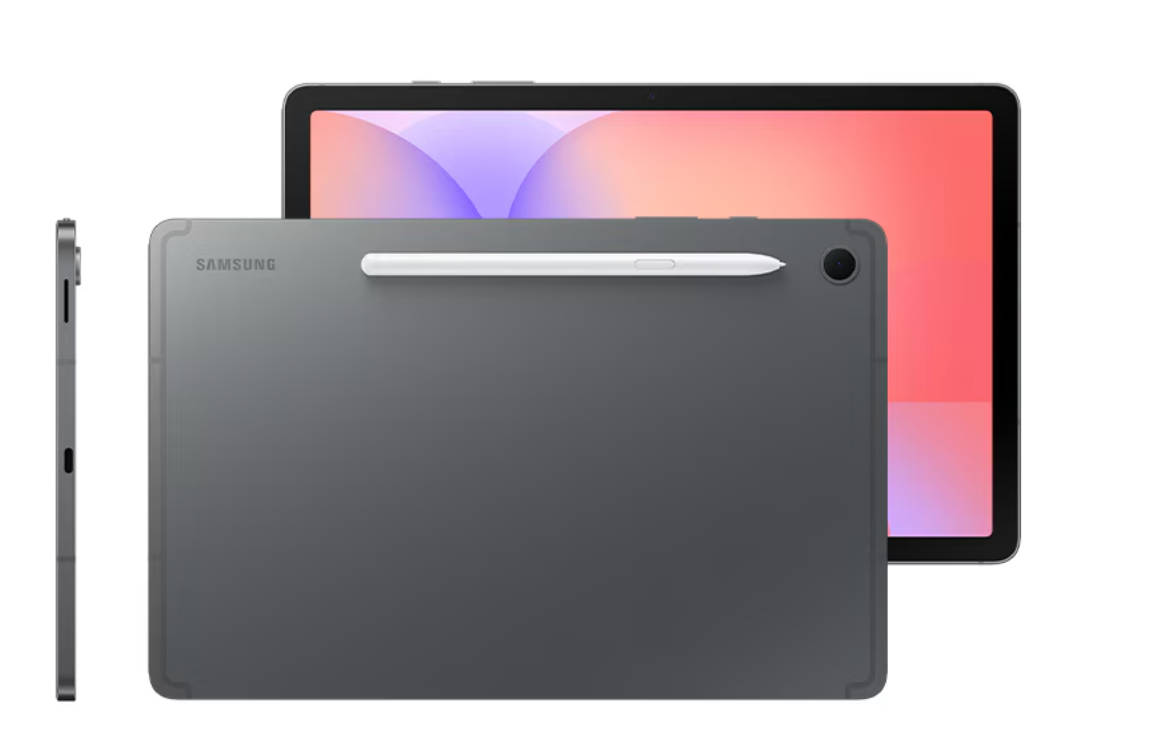
The Galaxy Tab S10 Lite is Samsung’s value for money proposition Tab S option, and it lines up directly against the standard iPad. At ₹34,999 for the 6GB RAM / 128GB WiFi variant, it comes in ₹11,900 below the iPad (11th Gen) at ₹46,900.
What you get:
- A large LCD display well suited to media, reading, and casual browsing
- S Pen included in the box (Apple sells the Pencil separately)
- Slim metal build with a clean, modern design
- microSD card slot for storage expansion, something no iPad offers
- Long-life battery capable of a full day of mixed use
For a first tablet, a student device, or a family media slate, the Tab S10 Lite covers the fundamentals of a modern tablet at a price that leaves room in the budget for a keyboard case or a cover. In a segment where the standard iPad has traditionally been the default recommendation, the price gap has now grown wide enough to make that default worth revisiting.
The mid-range sweet spot: Galaxy Tab S10 FE (₹46,999)
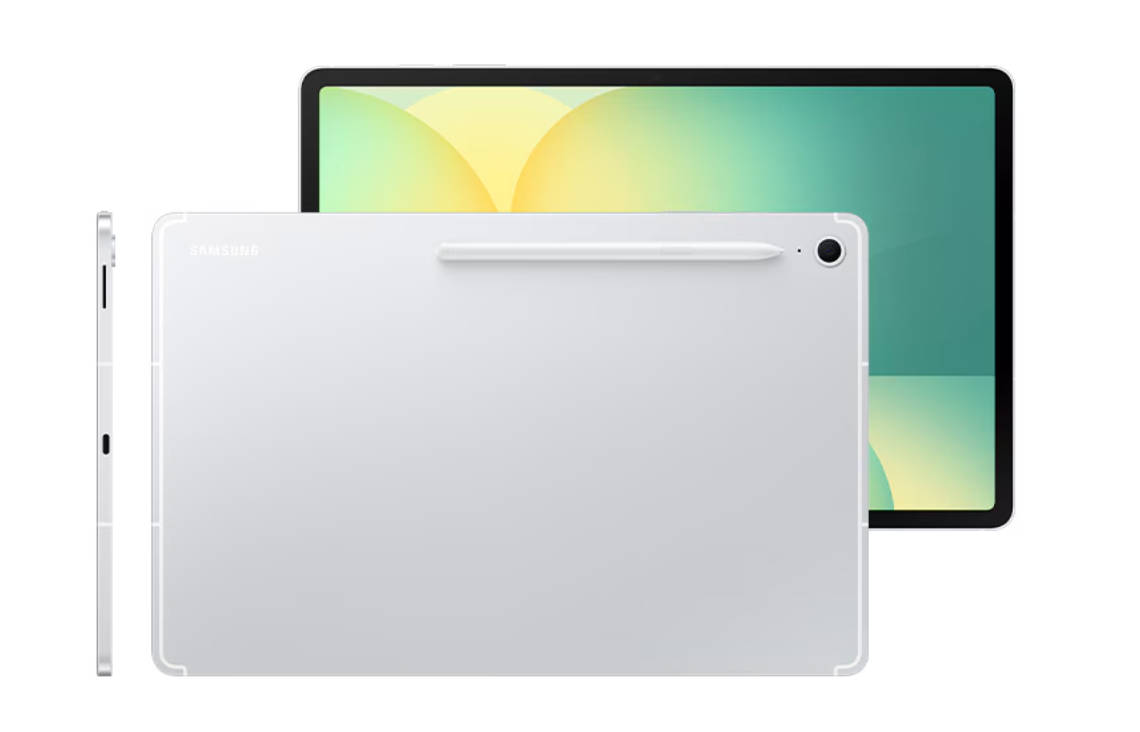
The Galaxy Tab S10 FE is where the value contrast begins to bite. Priced at ₹46,999, it goes up against the iPad Air 11-inch at ₹86,900. That is very nearly double the price for the Apple option.
What you get:
- 10.9-inch LCD display with a 90Hz refresh rate
- IP68 water and dust resistance, a rating the iPad Air still does not carry
- 8GB RAM with 128GB storage, expandable via microSD
- Efficient Exynos silicon tuned for balanced everyday performance and battery life
- Included S Pen
- All-day battery life
The FE does not attempt to be a flagship. What it does very well is deliver a durable, capable, S Pen-ready tablet for everyday productivity and media consumption at a price that undercuts Apple by roughly ₹40,000. For anyone using a tablet primarily for note-taking, reading, video, and light creative work, this is the segment sweet spot.
The 13-inch alternative: Galaxy Tab S10 FE+ (₹56,999)
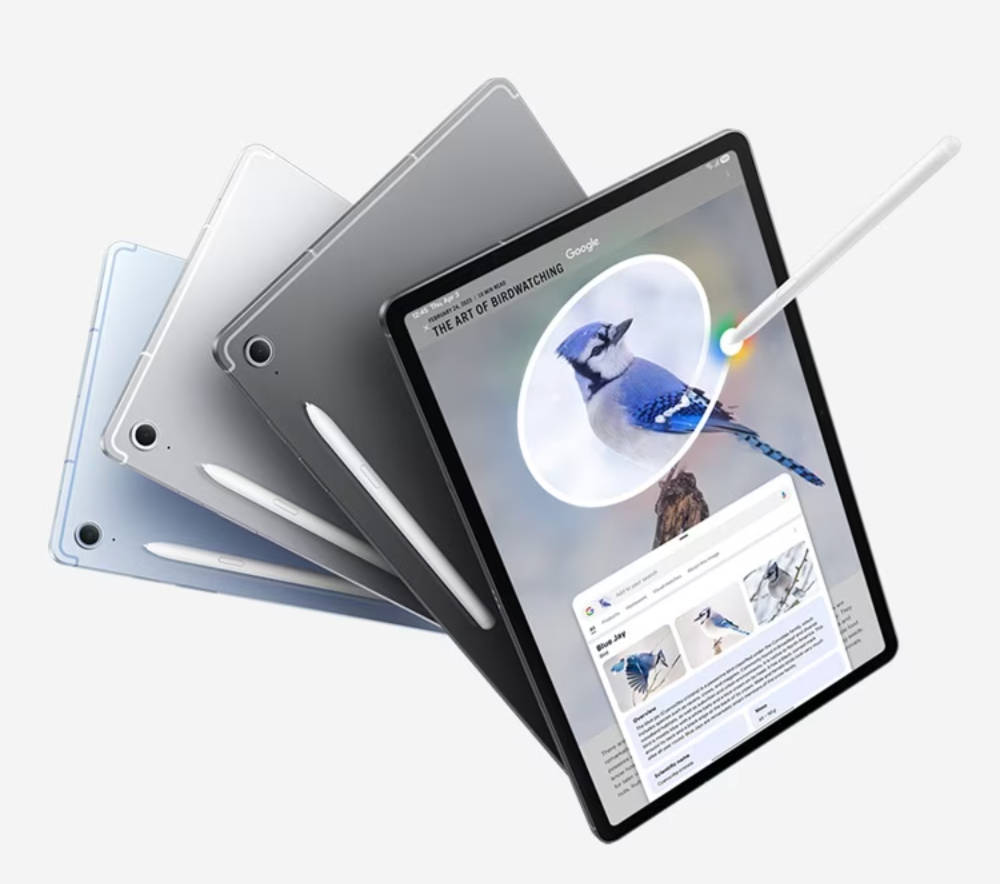
If you want a large-screen tablet without stepping up to flagship money, the Tab S10 FE+ makes a strong case. At ₹56,999 it delivers a 13-inch canvas against Apple’s 13-inch iPad Air at ₹1,16,900. That is a saving of nearly ₹60,000 for a comparable screen size.
What you get:
- 13.1-inch LCD display with a 90Hz refresh rate
- Substantial battery to power the larger panel through long sessions
- IP68 water and dust resistance
- 8GB RAM, 128GB storage, microSD support
- Included S Pen
- Slim large-format design ideal for split-screen productivity
The FE+ is aimed at the reader, the note-taker, the media watcher, and the occasional creator who wants the space of a big display without the flagship outlay. On a pure display-size-per-rupee basis, it is arguably the most striking value in the current tablet market.
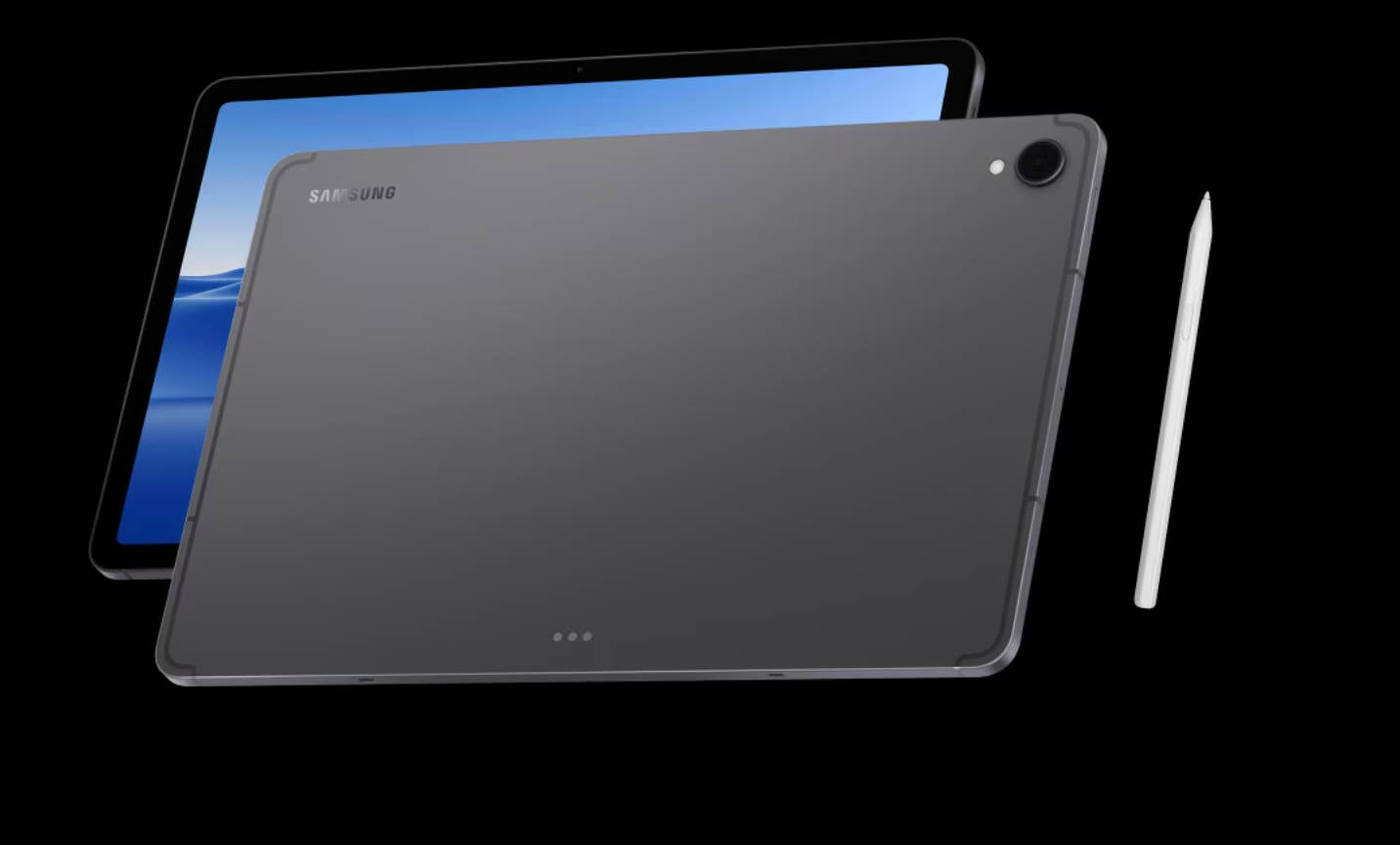
Premium territory: Galaxy Tab S11 (₹86,999 for 128GB, ₹94,999 for 256GB)
The Galaxy Tab S11 is where Samsung’s flagship story begins. The 128GB WiFi variant is priced at ₹86,999, and the 256GB variant at ₹94,999. Apple’s iPad Pro 11-inch (256GB) now sits at ₹1,36,900. The Samsung 256GB comes in roughly ₹42,000 cheaper for the same storage tier.
What you get:
- 11-inch Dynamic AMOLED 2X display with a 120Hz refresh rate
- Flagship-tier chipset paired with 12GB RAM, more memory than the comparable iPad Pro configuration
- IP68 rating
- Samsung DeX for desktop-style multi-window productivity
- S Pen included in the box, with no additional purchase required
- Fast charging and strong endurance
The Tab S11 is a serious content-creation and productivity tablet. The AMOLED panel gives it a clear advantage in colour depth and contrast for creative work, and DeX opens up genuine desktop-adjacent workflows that iPadOS still handles very differently. If your work involves colour-critical creative tasks, or if you want a tablet that leans into laptop-replacement territory, this is where the Samsung value story sharpens meaningfully.
The flagship canvas: Galaxy Tab S11 Ultra (₹1,19,999)
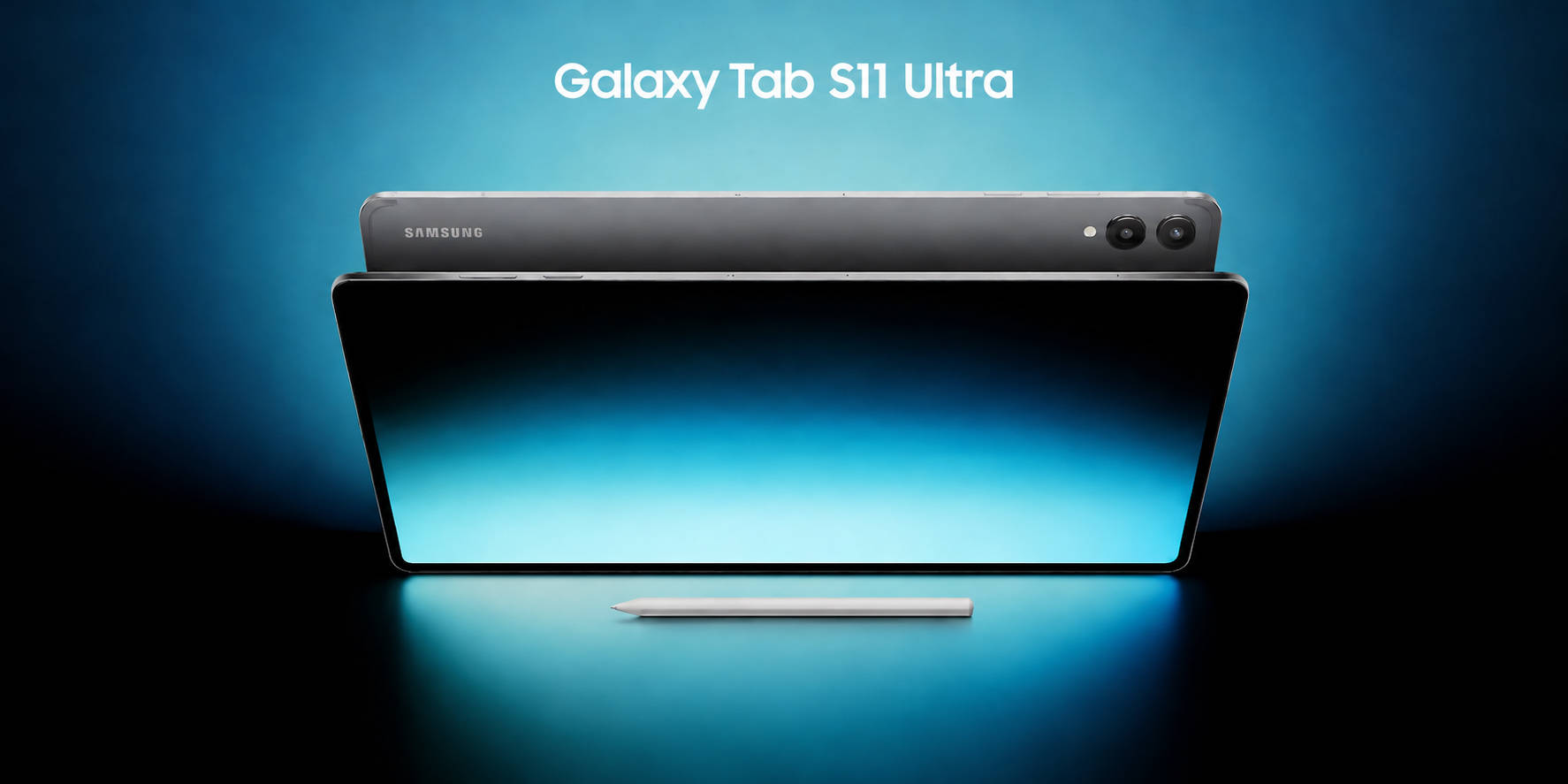
The Tab S11 Ultra is Samsung’s flagship of flagships, and the segment comparison here is arguably the most striking of the lot. At ₹1,19,999 for the 256GB WiFi variant, it lines up against the iPad Pro 13-inch (256GB) at ₹1,96,900. That is a difference of roughly ₹77,000, or the price of a mid-range tablet in itself.
What you get:
- 14.6-inch Dynamic AMOLED 2X display with a 120Hz refresh rate
- The largest premium tablet display on the market at this price point
- Anti-reflective panel finish for reduced glare in daylight and desk use
- Flagship silicon with 12GB RAM
- IP68 rating
- A very large battery capacity matched to the display
- Included S Pen with Bluetooth support
- Full DeX with support for external displays
This is the tablet aimed at designers, digital artists, animators, video editors, and mobile professionals who need a proper mobile creative surface. The panel size alone puts it in a category the iPad Pro 13-inch cannot match on a pure inches-per-rupee basis, and once you factor in the AMOLED technology and the ₹77,000 saving, the value delta is considerable.
The timing argument
The same memory market and cost pressures that pushed Apple to raise its iPad prices are affecting every OEM. Going ahead, prices across the tablet industry could stabilise, or they could move up further. Neither outcome is certain. What is certain is where the value equation sits right now. Across the Galaxy Tab S10 Lite, the Tab S10 FE, the Tab S10 FE+, the Tab S11, and the Tab S11 Ultra, Samsung is offering meaningfully more capable hardware at meaningfully lower prices than the closest Apple equivalent in every segment. Add to these the excellent EMI offers, the exchange offer, student offers and the best online deals, and the value proposition offered by Samsung Galaxy Tabs becomes a clear winner.
If a tablet purchase has been on your list for a while, the case for acting sooner rather than later is stronger than it has been in some time. And whichever segment you are shopping in, from the ₹35,000 entry point to the ₹1,20,000 flagship, the Galaxy Tab S range currently delivers the strongest specs-versus-price argument on the market.
This is a promotional post done as part of a brand collaboration.