At around Rs 2 lakh, you would expect a phone to have very few compromises. The Google Pixel 11 Pro Fold and Samsung Galaxy Z Fold8 Ultra come very close to that, but get there in very different ways. Samsung has focused on making its foldable thinner, lighter and more capable as a conventional flagship, with a 200MP camera, Snapdragon chip and faster wired charging. Google, meanwhile, has put its money behind Gemini and Tensor, with AI woven into everything from photography and multitasking to writing and accessibility. So, where exactly should your money go? We put the two greatest foldables in India currently head to head.
Table of Contents
Specs at a glance
| Specs | Google Pixel 11 Pro Fold | Samsung Galaxy Z Fold8 Ultra |
| Folded dimensions | 155.2 x 76 x 10.1 mm | 158.4 x 72.8 x 8.9 mm |
| Unfolded dimensions | 155.2 x 150.4 x 5 mm | 158.4 x 143.2 x 4.1 mm |
| Weight | 239 gms | 215 gms |
| Durability | IP68 | IP48 |
| Main display | 8-inch FHD+ Super Actua Flex OLED, 120Hz | 8-inch QXGA+ Dynamic AMOLED 2X, 120Hz |
| Cover display | 6.5-inch FHD+ Super Actua OLED, 120Hz | 6.5-inch FHD+ Dynamic AMOLED 2X, 120Hz |
| Peak brightness | 3,600 nits | 3,000 nits |
| Chipset | Google Tensor G6 | Snapdragon 8 Elite Gen 5 for Galaxy |
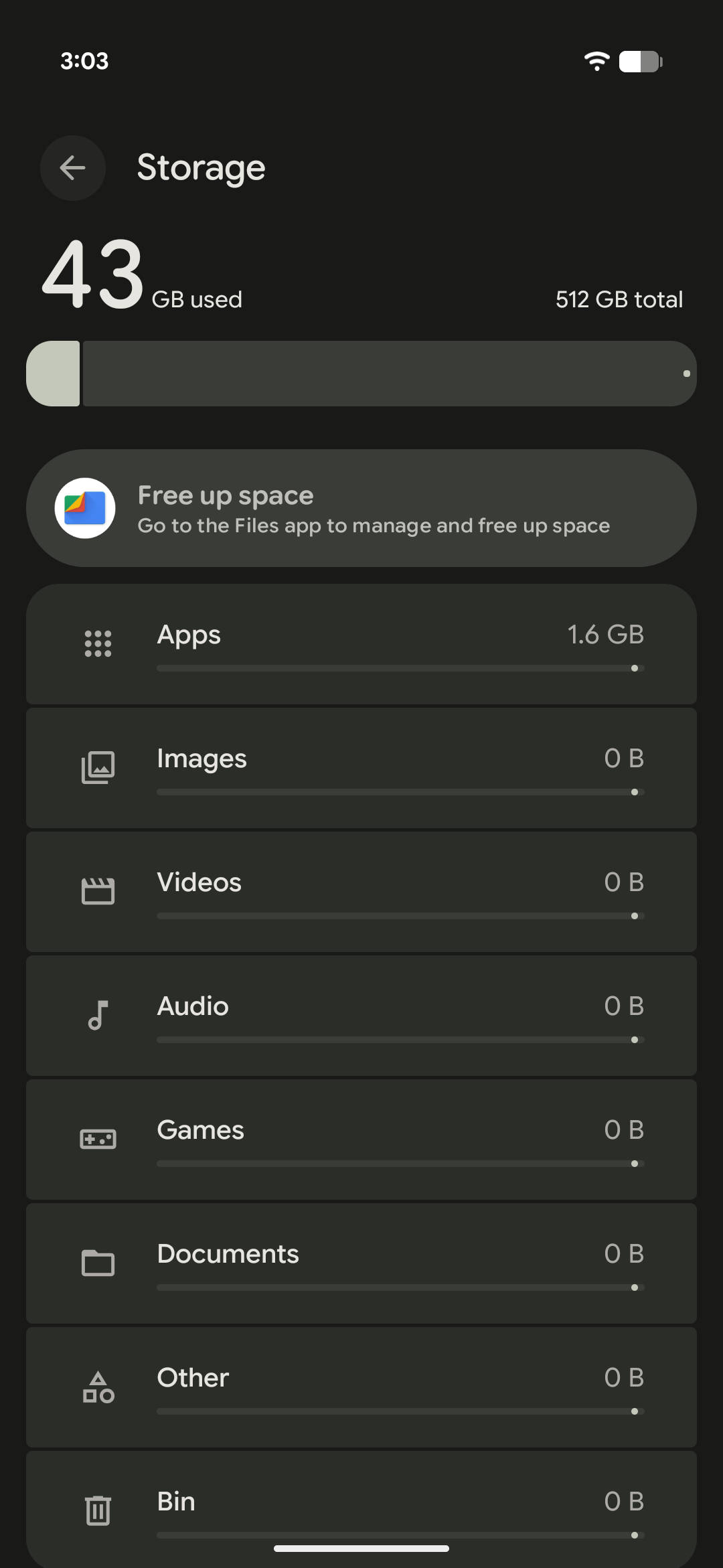
| RAM and storage | 16GB, 512GB/1TB (not in India) | 12GB/16GB, 256GB/512GB/1TB |
| Rear cameras | 48MP + 10.5MP + 10.8MP | 200MP + 50MP + 10MP |
| Front cameras | 10MP + 10MP | 10MP + 10MP |
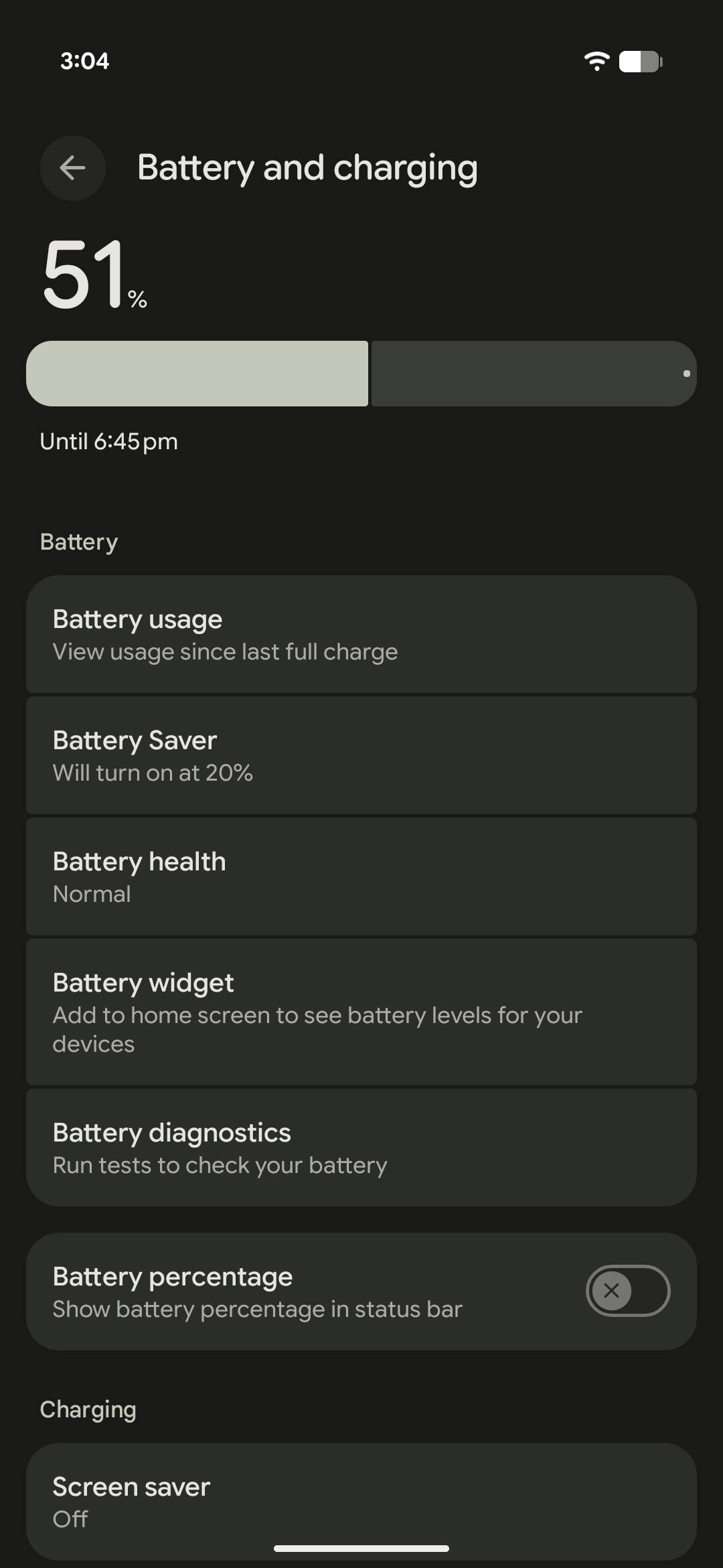
| Battery | 4,806mAh | 5,000mAh |
| Charging | 30W wired, 25W wireless | 45W wired, 20W wireless |
Google Pixel 11 Pro Fold vs Samsung Galaxy Z Fold8 Ultra: Price in India
The Google Pixel 11 Pro Fold has launched in India at Rs 1,86,999 for the 16GB RAM + 512GB storage configuration. Google is keeping things relatively simple in India, with the foldable offered in a single configuration at launch.
Samsung takes the more traditional flagship approach with three variants. The Galaxy Z Fold8 Ultra starts at Rs 1,99,999 for 12GB + 256GB variant, while the 12GB + 512GB version costs Rs 2,19,999. The top-end 16GB + 1TB model is priced at Rs 2,59,999.
| Variant | Google Pixel 11 Pro Fold | Samsung Galaxy Z Fold8 Ultra |
| 12GB + 256GB | NA | Rs 1,99,999 |
| 12GB + 512GB | NA | Rs 2,19,999 |
| 16GB + 512GB | Rs 1,86,999 | NA |
| 16GB + 1TB | NA | Rs 2,59,999 |
On the surface, Google has the better-value configuration. The Pixel costs Rs 13,000 less than Samsung’s base model while offering 16GB RAM and twice the storage. Compared with Samsung’s 12GB + 512GB variant, the difference grows to Rs 33,000. Samsung, however, gives buyers more choice, including a 1TB model.
Design
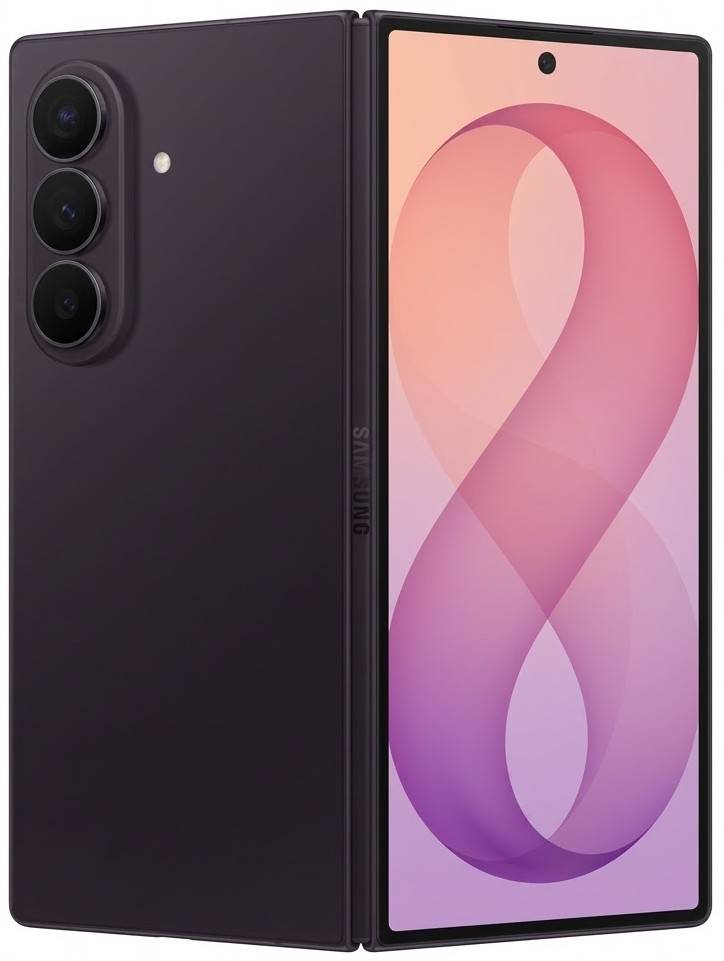
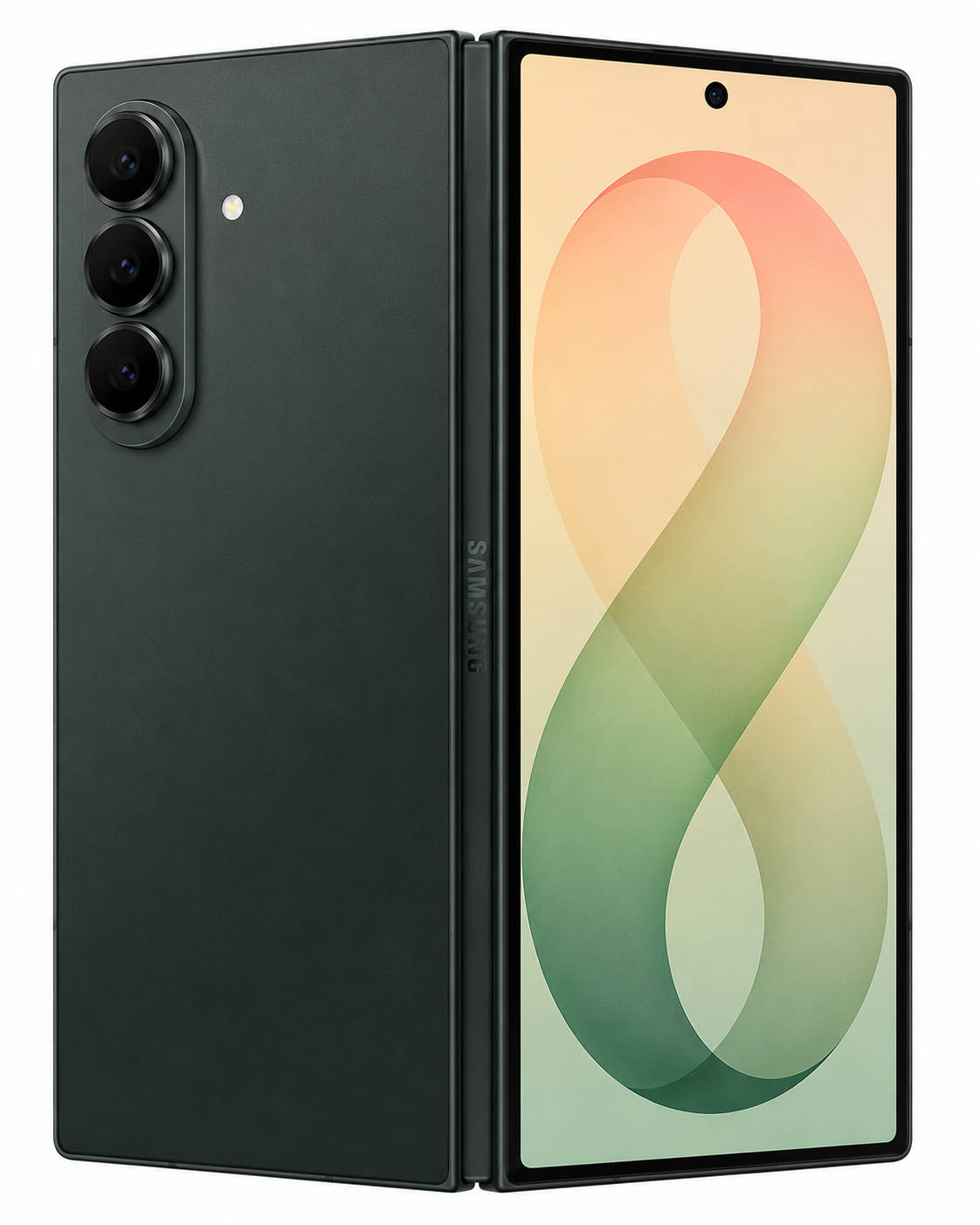
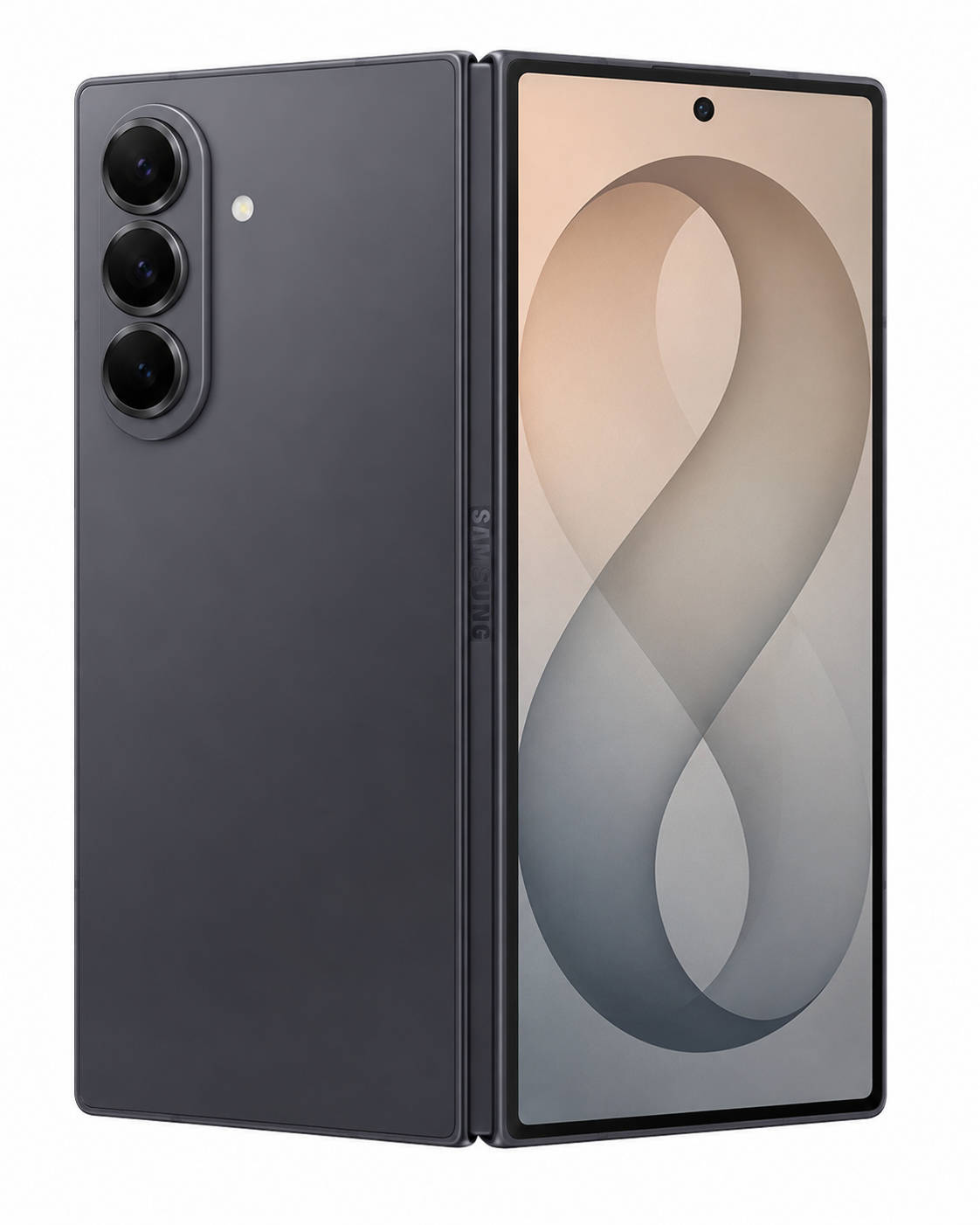
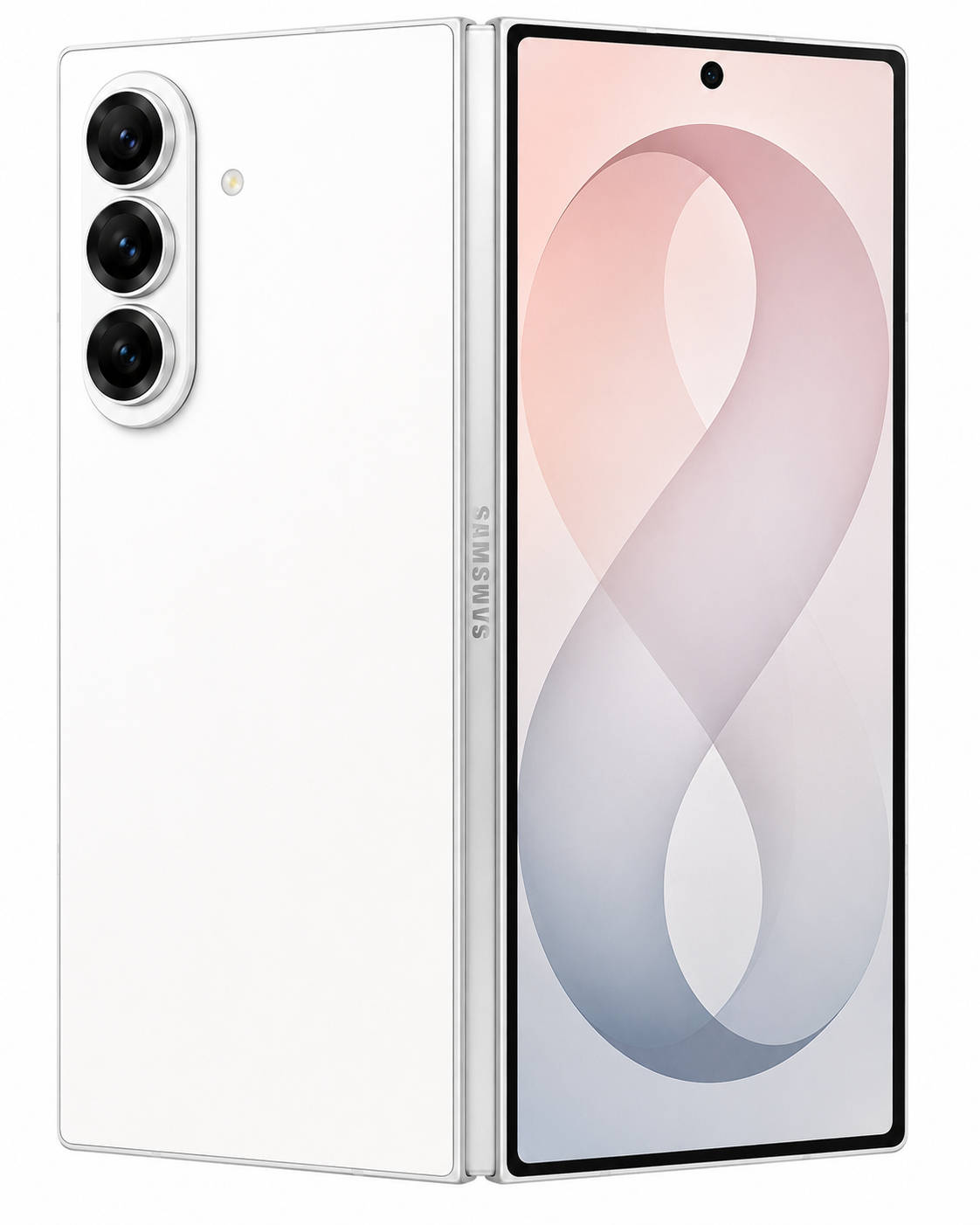
The Pixel 11 Pro Fold is available in Olive in India. Samsung offers Violet Shadow, Green Shadow, Graphite and Cream, with Green Shadow exclusive to the Samsung online store. The Pixel also has built-in magnets for Pixelsnap accessories, while Samsung’s design is more focused on keeping the hardware thin and light.
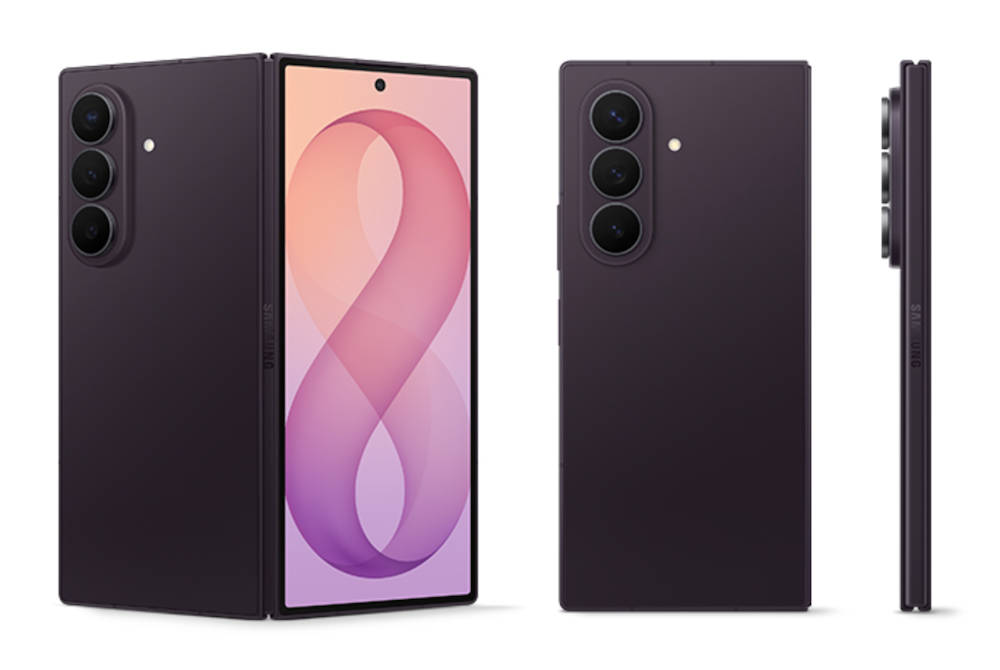
Samsung has clearly decided that a foldable this expensive should not feel like you’re carrying two phones taped together. The Galaxy Z Fold8 Ultra is 8.9 mm thick when folded, 4.1 mm when open and weighs 215 gms. Those numbers are impressive for a device that unfolds into an 8-inch screen. The Pixel 11 Pro Fold, meanwhile, is slimmer than its predecessor, but it doesn’t quite match Samsung. It measures 10.1 mm folded and 5 mm unfolded, while weighing 239 gms. That’s 24 gms more than the Galaxy and 1.2 mm thicker when closed.
Samsung also gets a Flex Titanium structure underneath the inner display, along with an upgraded Armor FlexHinge designed to improve durability and reduce crease visibility. The camera module protrudes from the rear and can cause a slight wobble on a flat surface, but that feels like a small price to pay for the phone’s otherwise impressively slim profile. Google’s design has its own advantages. The Pixel 11 Pro Fold gets flat sides, rounded corners, a glass-fibre rear panel and a redesigned camera bar. It also carries an IP68 rating, compared with IP48 on Samsung’s foldable.

There is no ambiguity here. If your priority is a foldable that feels as close as possible to a normal flagship in your pocket, Samsung wins. Google gets the nod for the higher dust and water resistance rating.
Display
Both phones give you an 8-inch screen when unfolded and a 6.5-inch screen when closed, so neither has a tiny cover display just to save space. The Pixel 11 Pro Fold uses an 8.0-inch LTPO OLED inner display with a 2152 x 2076-pixel resolution and a 1-120Hz adaptive refresh rate. Its 6.5-inch outer display is also LTPO OLED, with a 2342 x 1080-pixel resolution and the same 1-120Hz refresh rate. Both can reach 3,600 nits.
Samsung’s 8.0-inch QXGA+ Dynamic AMOLED 2X inner display has a higher 2256 x 2504-pixel resolution and supports a 120Hz adaptive refresh rate. The 6.5-inch cover screen has a 1080 x 2520-pixel resolution and also runs at up to 120Hz. Peak brightness is rated at 3,000 nits.
Samsung has the sharper inner display, while Google has the higher brightness rating. Neither looks like a compromise for a premium foldable, although Samsung’s higher resolution could matter if you spend a lot of time reading documents or working on the inner screen.
Performance and software
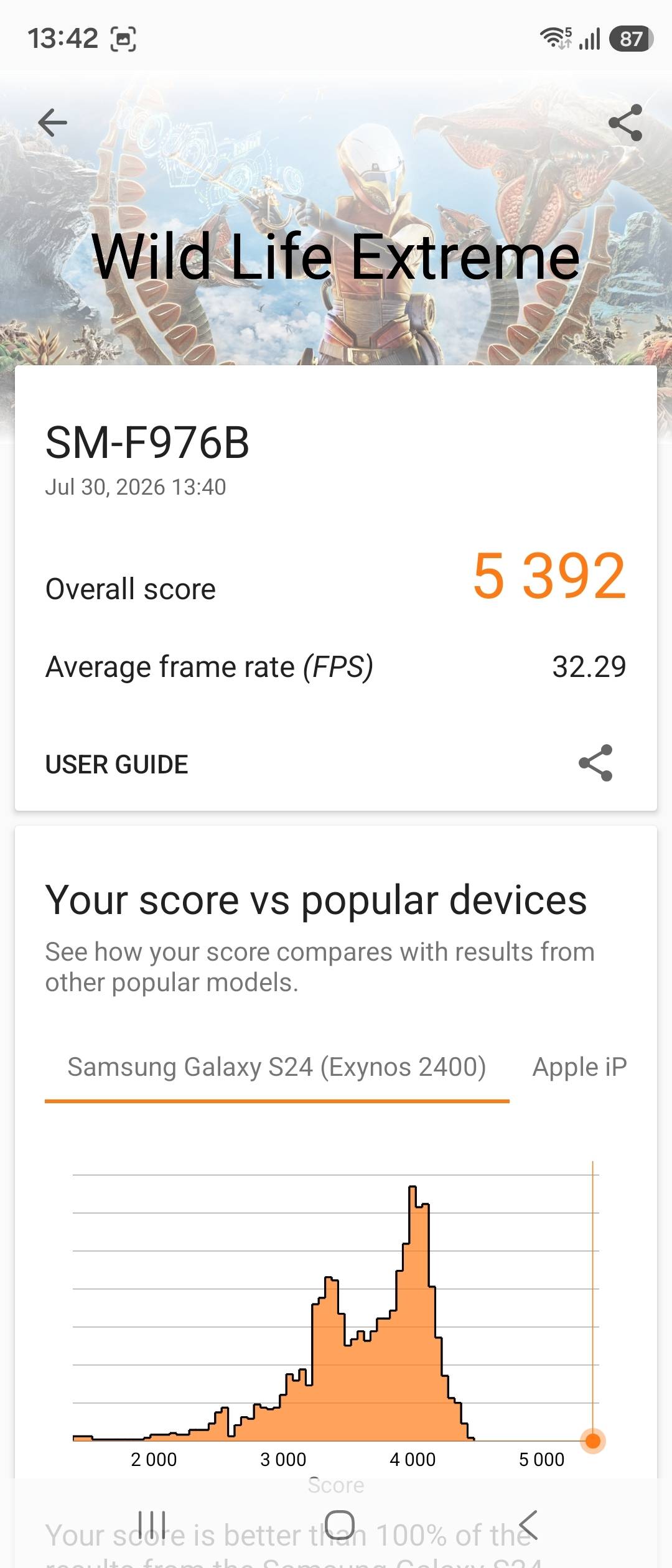
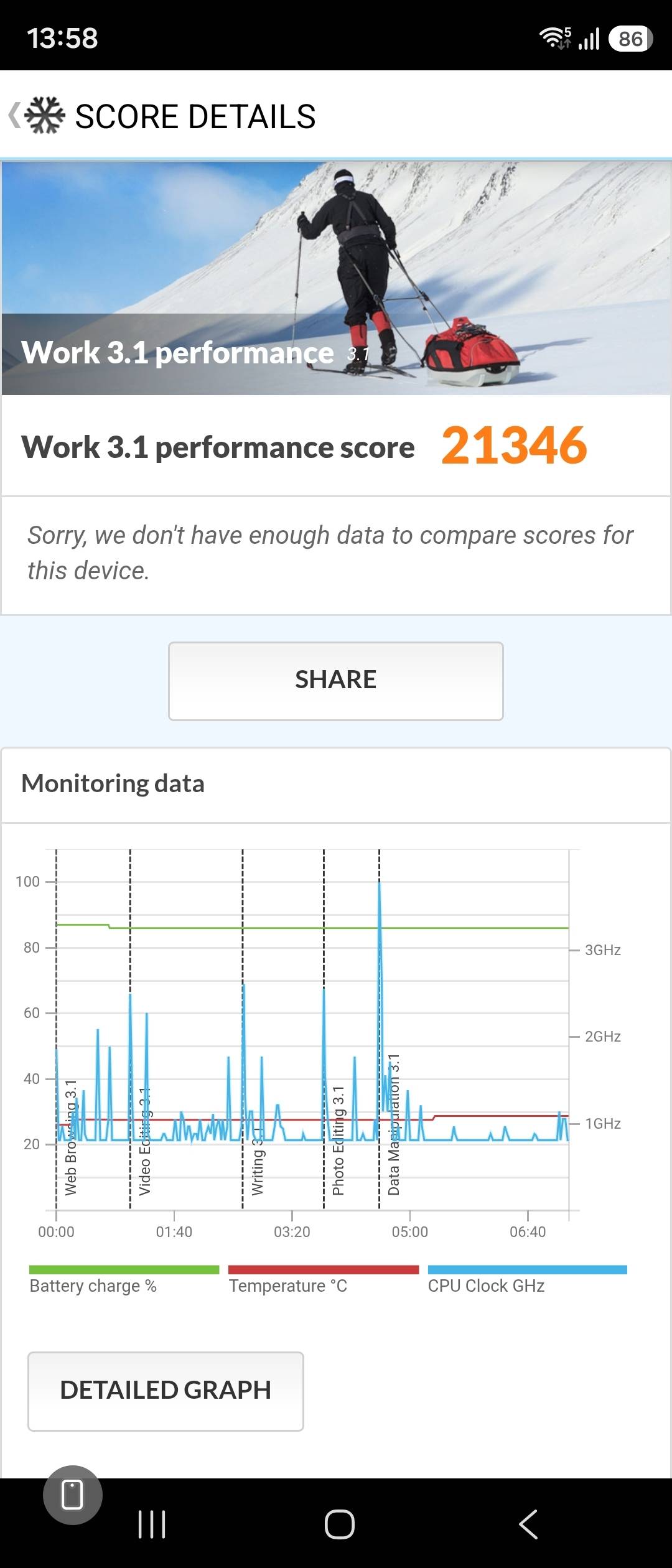
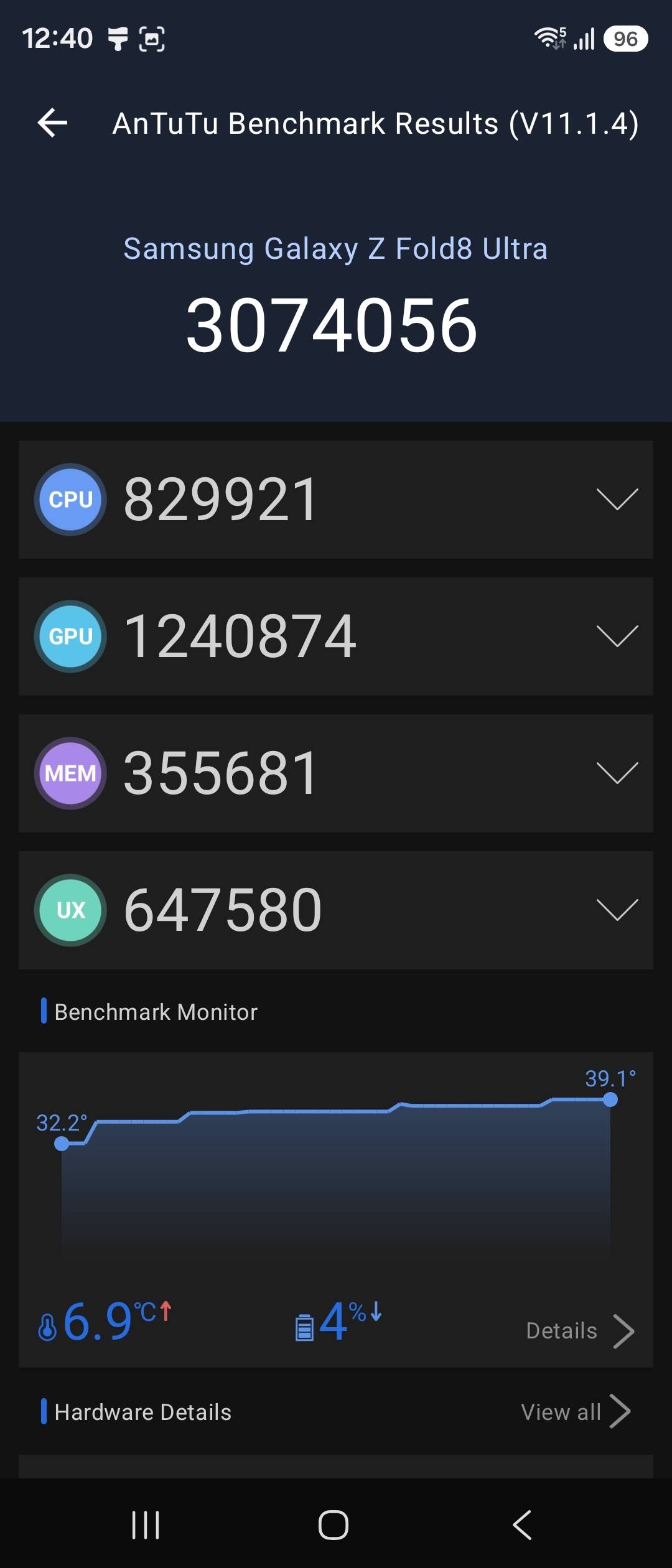
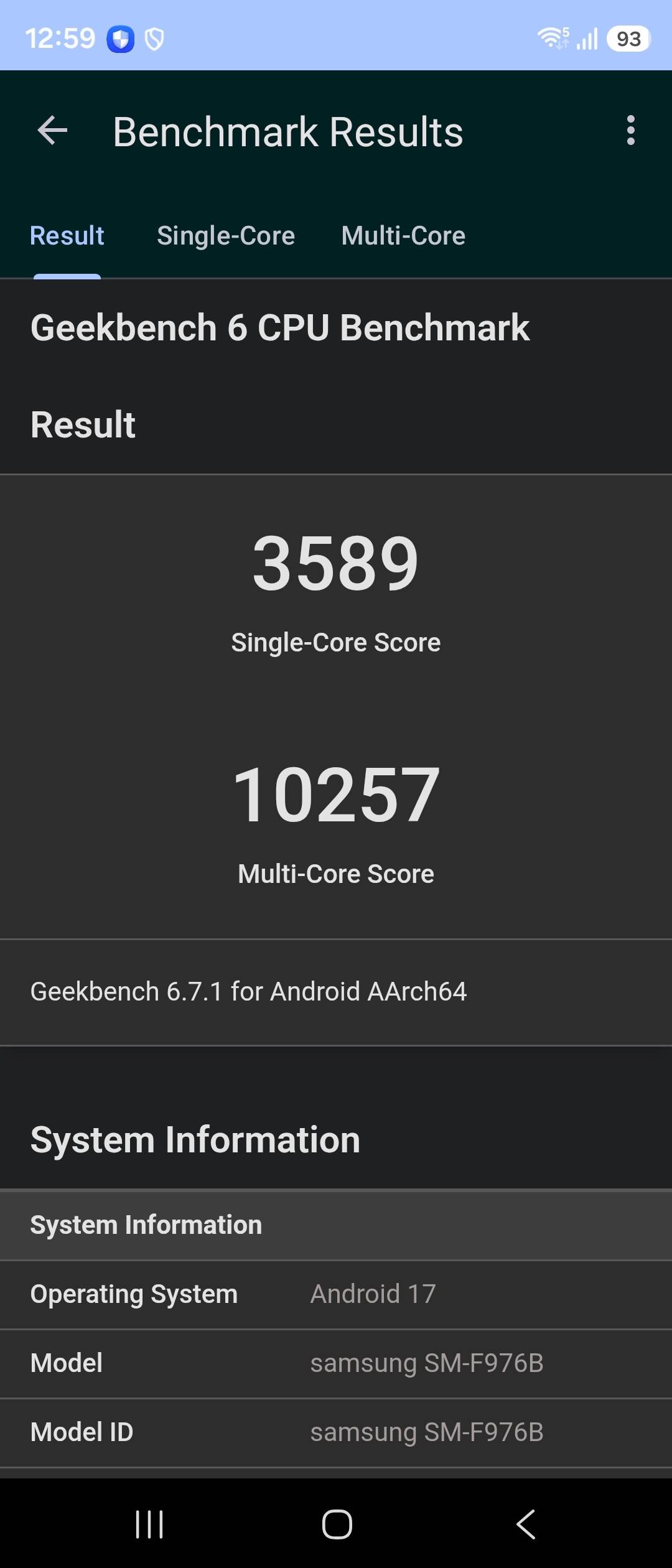
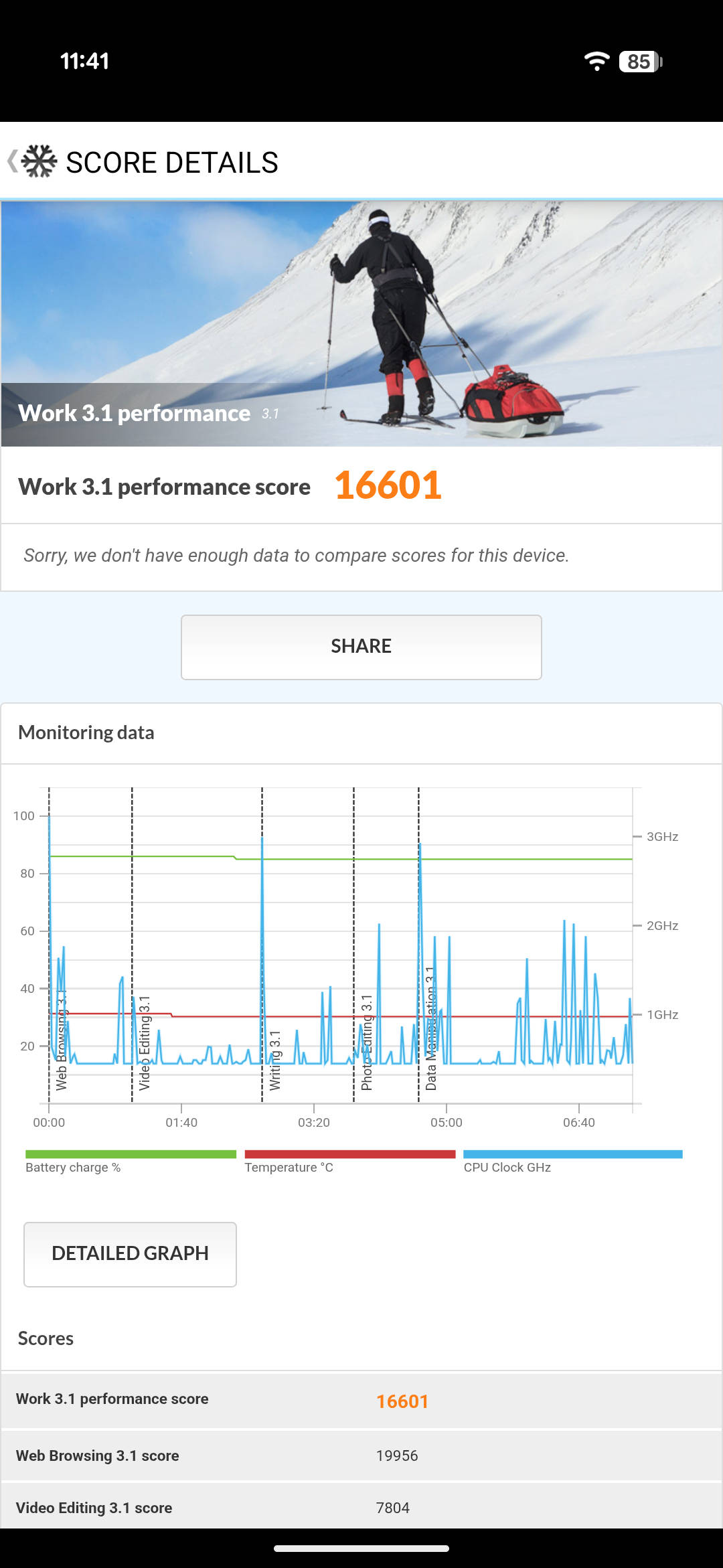
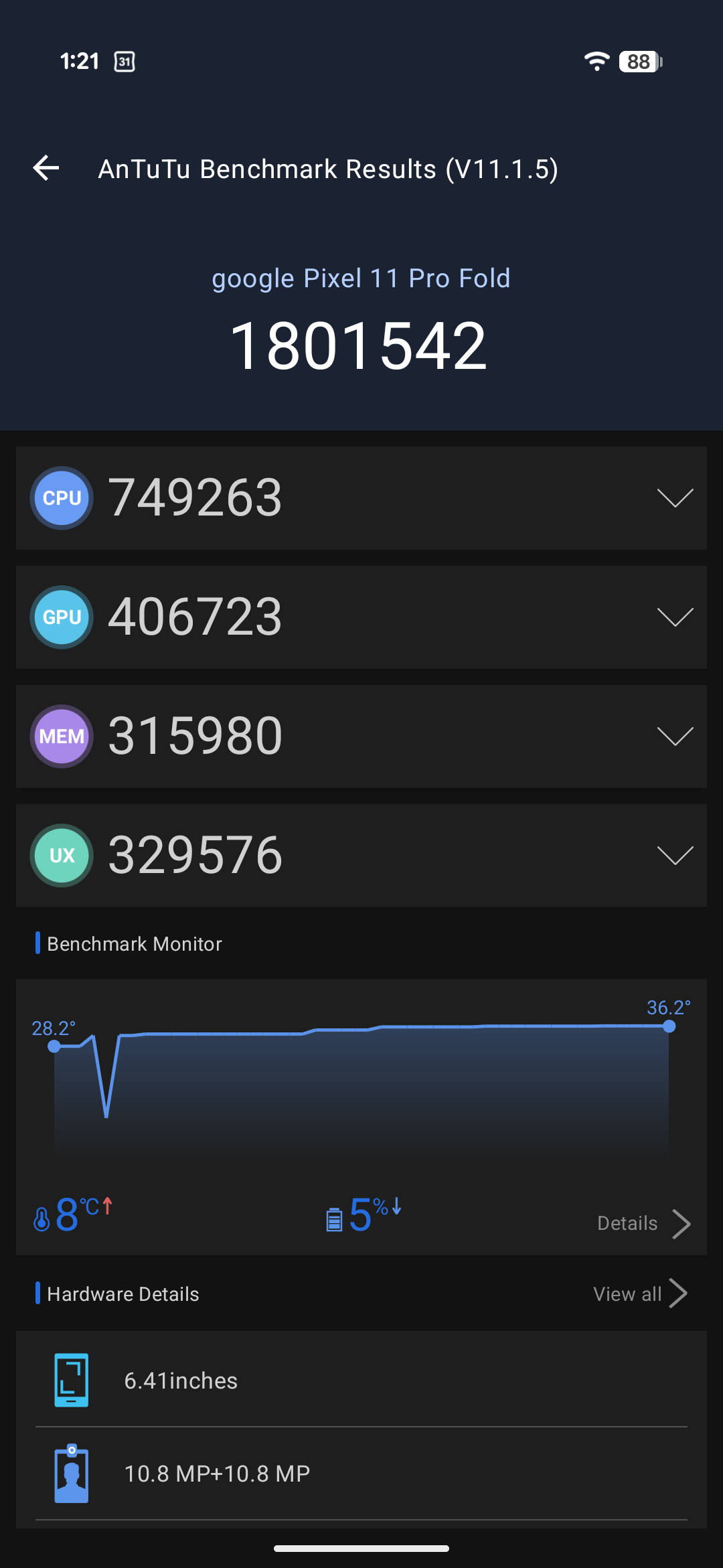
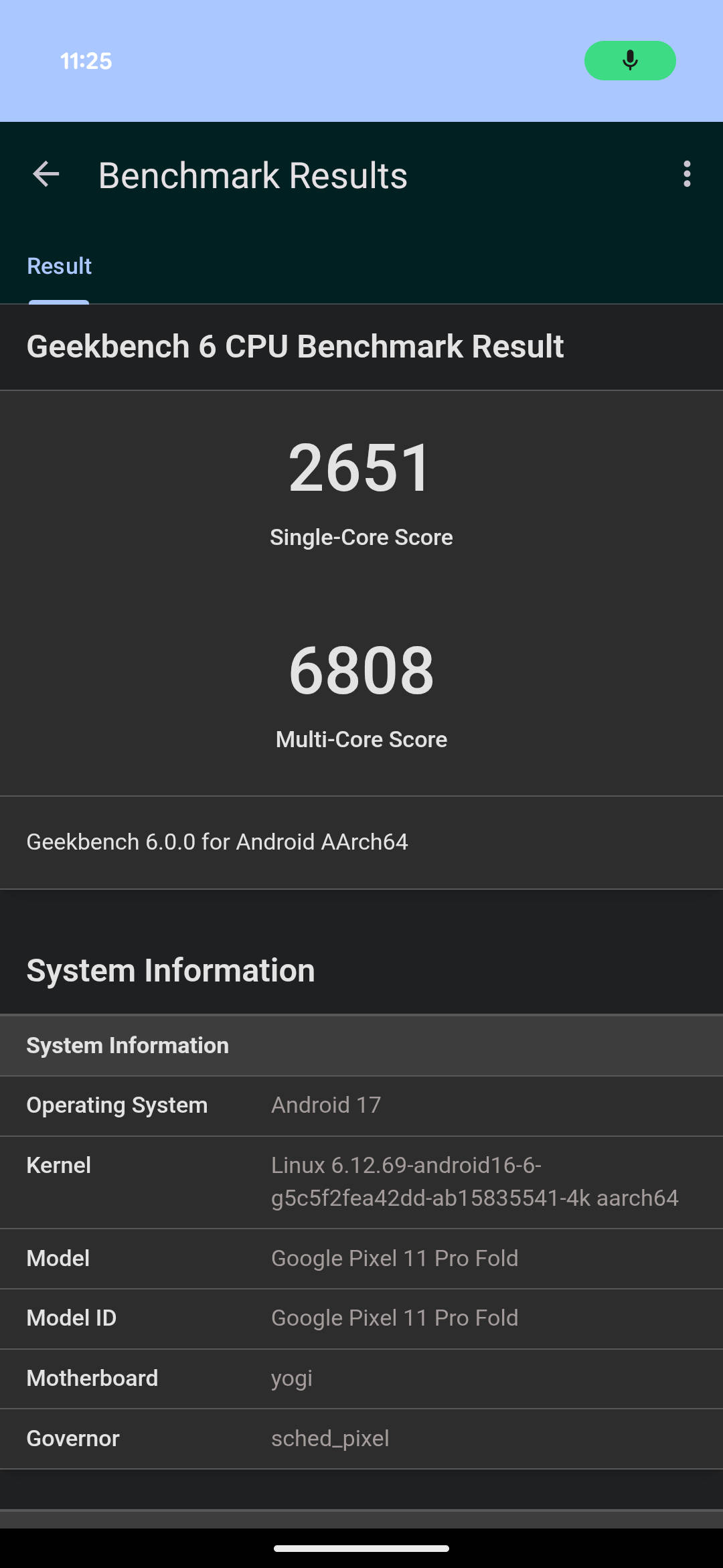
The Pixel 11 Pro Fold and Galaxy Z Fold8 Ultra are taking different routes under the hood. Google uses its Tensor G6 processor, built on TSMC’s 3nm process and paired with 16GB LPDDR5X RAM. Samsung goes with the Qualcomm Snapdragon 8 Elite Gen 5 for Galaxy and offers 12GB or 16GB RAM. If flagship performance is the priority, Samsung has the more conventional proposition. Google’s Tensor G6 is designed with on-device AI as a major focus.
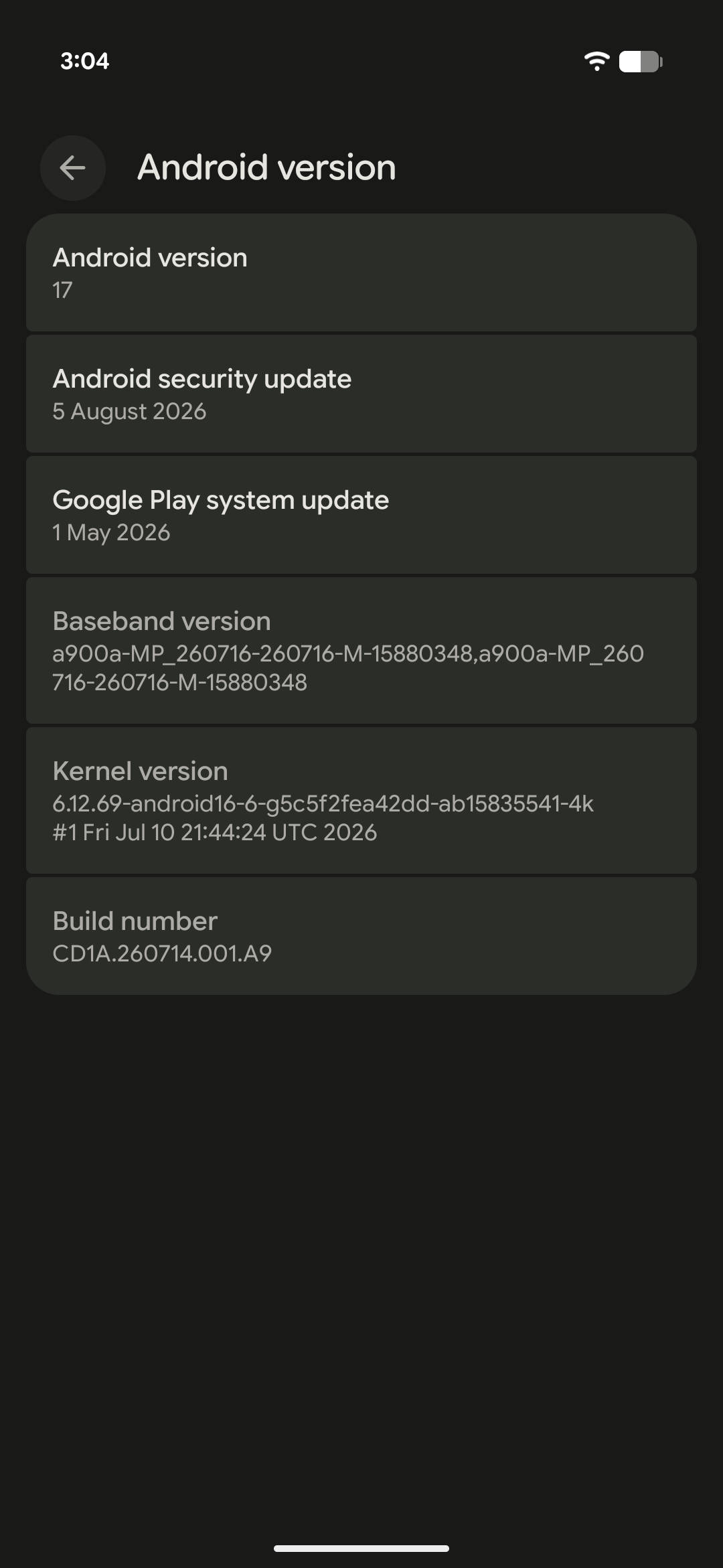
The Pixel runs Android 17 and gets seven years of OS, security and Pixel Drop updates. Gemini Intelligence is baked deeply into the experience. Gemini Spark can handle background system tasks and pull context from apps such as email and the calendar, while Screen-Aware Writing Assistance can read what’s on screen and help draft, rewrite, reply to or translate messages. The foldable form factor gives these features more room to breathe. App Bubbles and floating windows can keep active tasks visible while two major apps sit side by side. Google is essentially treating the inner display as a workspace rather than simply a larger phone screen.
Samsung is doing something similar, building on years of Galaxy Z Fold multitasking. One UI 9 includes features such as Gemini Notebooks, Now Brief and Now Nudge, with the latter using on-screen context to suggest useful actions. Samsung’s multi-window implementation also remains one of the strongest reasons to buy a Galaxy Z Fold in the first place.
There is plenty of overlap in AI. Both phones use Gemini, both offer contextual assistance, and both have AI-powered creative and productivity tools. Google’s Pixel 11 Pro Fold adds features such as real-time sign-to-text translation, Rambler Dictation, Camera-less Circle to Search and Gemini Spark. Samsung’s agentic AI, meanwhile, is designed to carry out multi-step actions across supported apps and services. Google pushes Gemini deeper into the phone’s underlying experience, while Samsung is particularly strong at combining AI with the large-screen multitasking that makes its foldables useful in the first place.
Both phones also promise seven years of software support, so this is one category where neither has an obvious longevity advantage.
Battery and charging
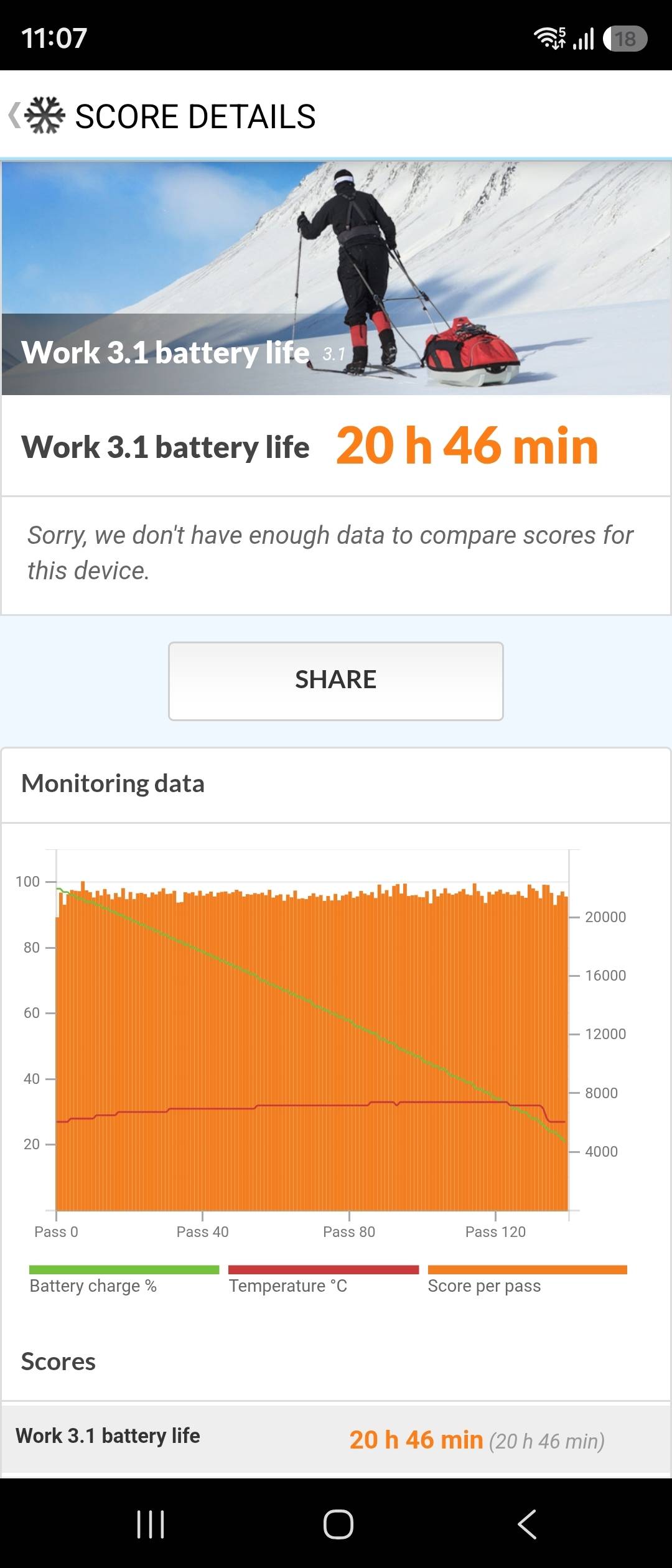
Samsung gets the larger battery, with a 5,000mAh silicon-carbon dual-cell unit compared with 4,806mAh on the Pixel 11 Pro Fold. The Galaxy also charges faster over a cable. Its 45W wired charging is ahead of the Pixel’s 30W support. Google, however, has the faster wireless charging system, with 25W Qi2.2-certified Pixelsnap charging compared with Samsung’s 20W wireless charging.
Samsung therefore has the stronger overall charging package if wired charging is your priority. Google’s magnetic wireless system is more appealing if you regularly charge wirelessly or want to use magnetic Pixelsnap accessories.
Cameras
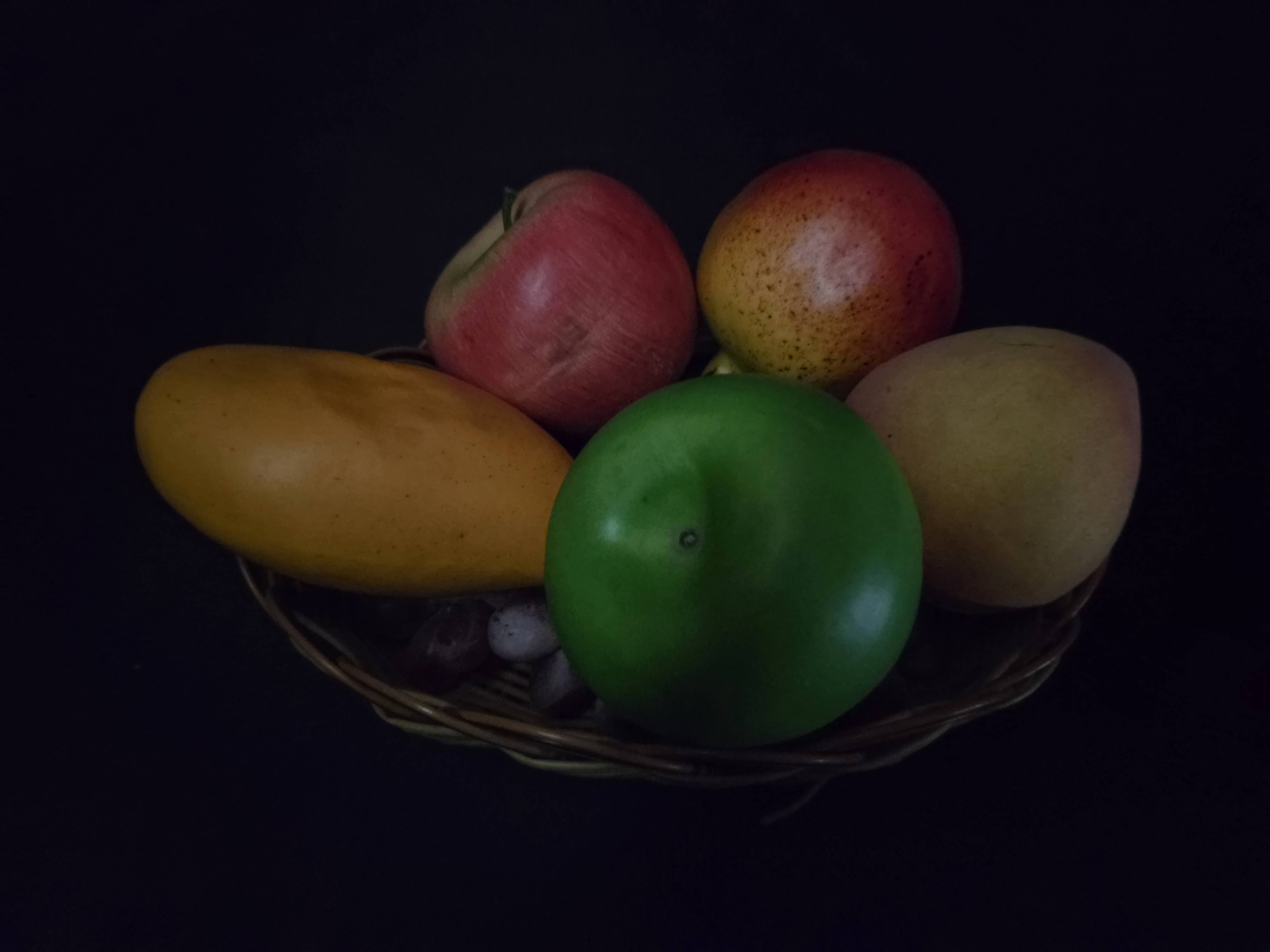
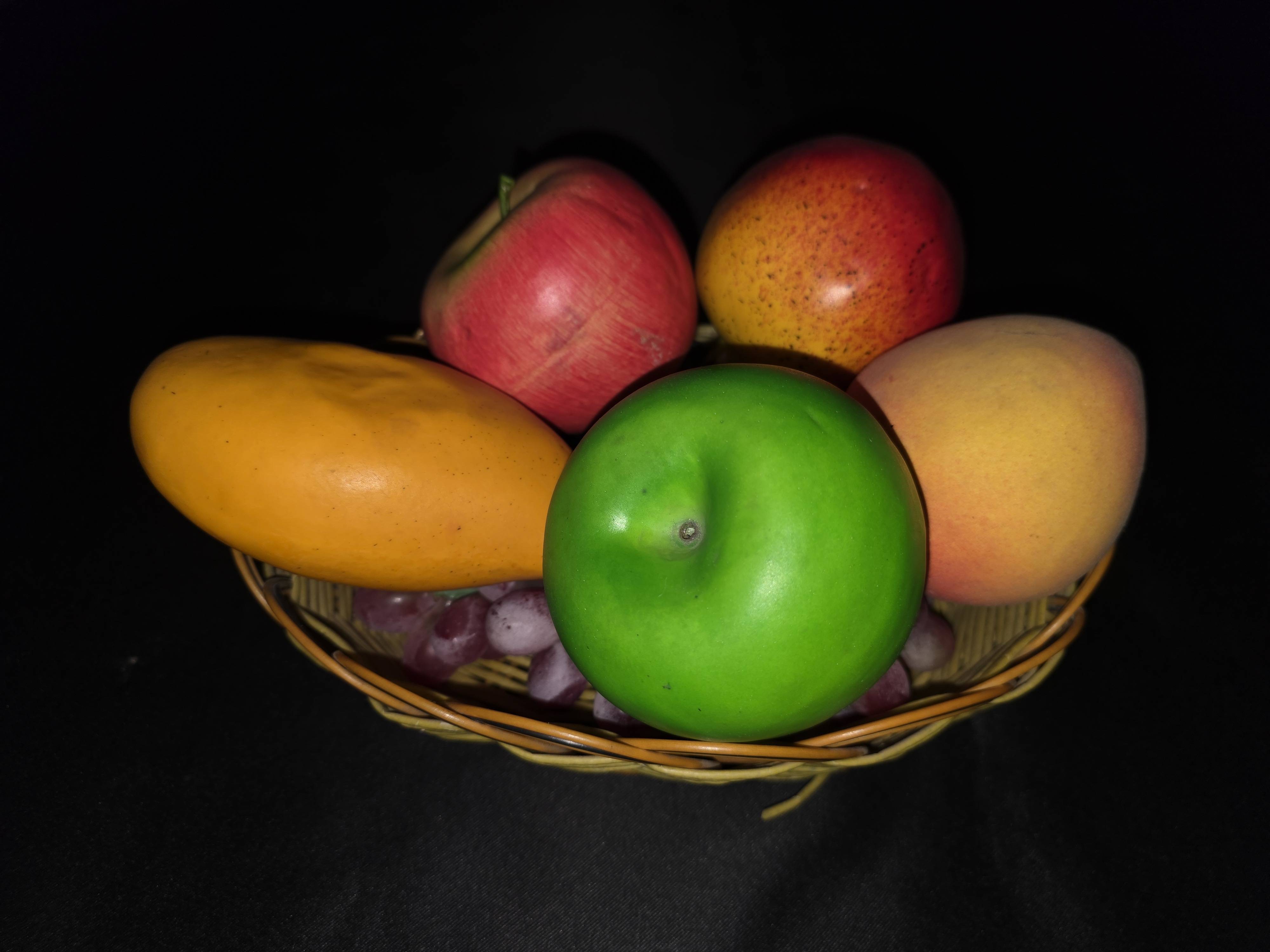
Samsung has gone decidedly bigger on camera hardware. The Galaxy Z Fold8 Ultra gets a 200MP primary camera with OIS and an f/1.7 aperture, alongside a 50MP ultrawide and a 10MP telephoto with 3x optical zoom and OIS. It can also record video at up to 8K at 30fps.
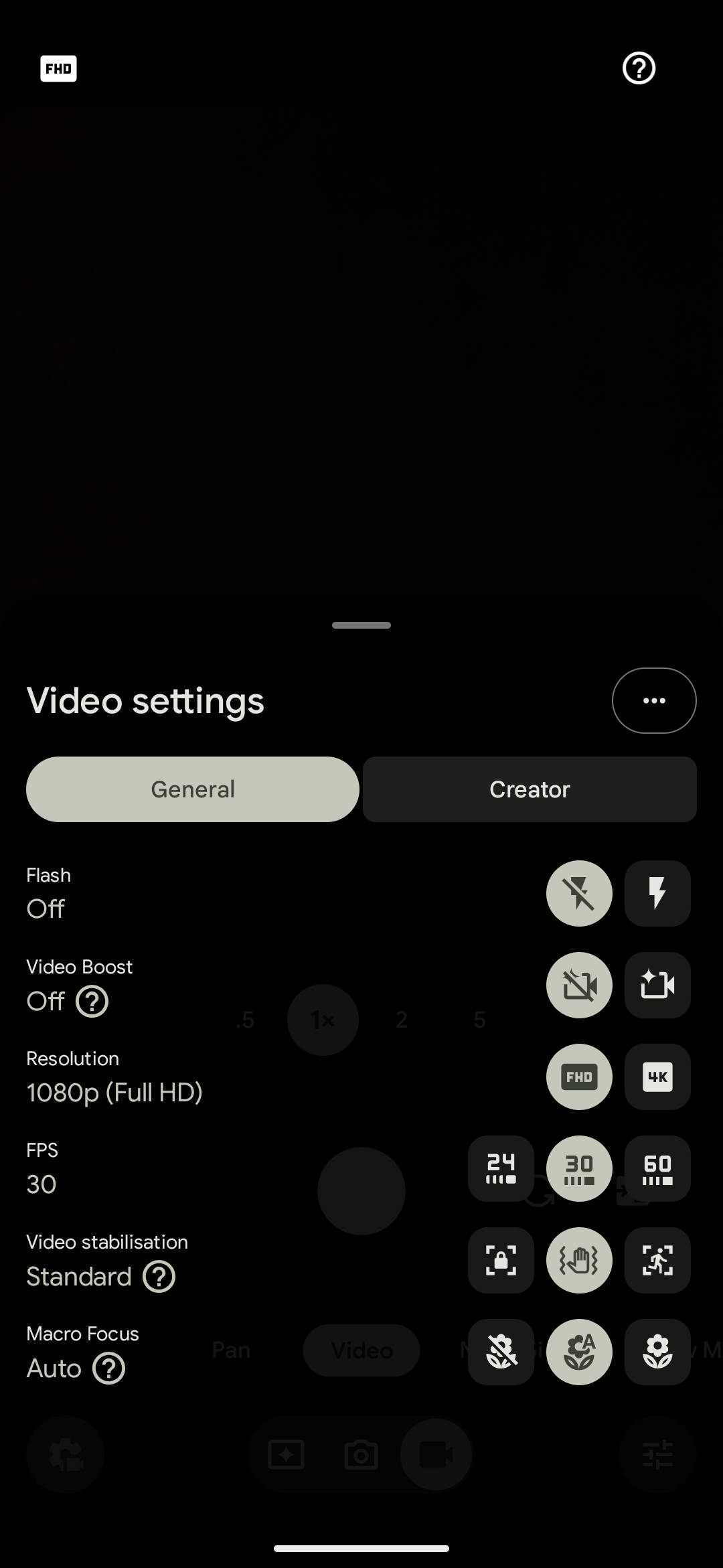
Google’s camera setup looks more restrained on paper. The Pixel 11 Pro Fold gets a 48MP primary sensor with OIS and an f/1.7 aperture, a 10.5MP ultrawide with a 127-degree field of view and Macro Focus, and a 10.8MP telephoto with OIS, 5x optical zoom and up to 30x Super Res Zoom.
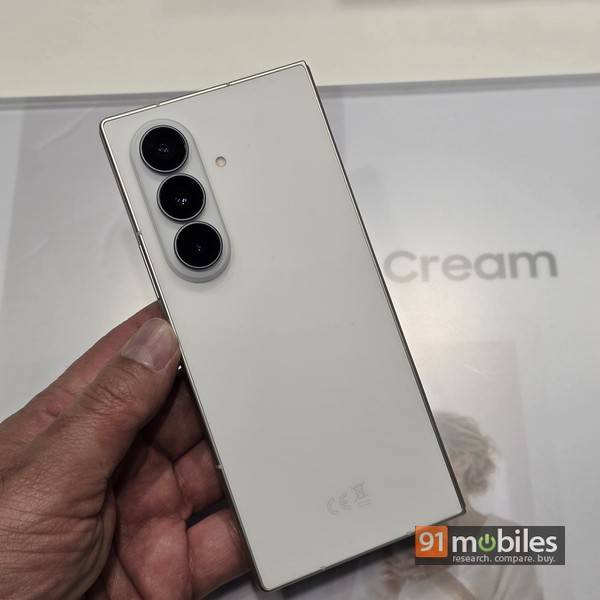
On hardware, Samsung has the clear advantage. A 200MP primary and 50MP ultrawide give it considerably more camera hardware to work with, and 8K recording adds another advantage for video-focused users. Google’s win is the processing behind the cameras. The Pixel 11 Pro Fold uses features such as Instant Night Sight, Magic Capture, Super Res Zoom Video and its AI teleprompter to make the act of shooting and editing smarter. Its 5x optical telephoto also gives it longer native reach than Samsung’s 3x camera.
Samsung has packed in more capable camera hardware, while Google is betting that Tensor and Gemini can extract more from comparatively modest sensors.
Verdict
Samsung has the stronger hardware package in several traditional flagship categories. The Galaxy Z Fold8 Ultra is thinner and lighter, has a larger battery and faster wired charging, and offers substantially more ambitious camera hardware. Its software also remains one of the biggest strengths of the Galaxy Z Fold range, particularly for users who want to run several apps at once.
Google’s Pixel 11 Pro Fold is more interesting if AI is central to the buying decision. Tensor G6 and Gemini are woven into photography, writing, accessibility and multitasking in ways that make the foldable feel less like a tablet with AI features added on and more like an AI assistant with a very large screen.
Samsung still has the more convincing proposition for buyers who prioritise thinness, weight, camera hardware, charging speed and large-screen productivity. The Pixel makes a stronger case for those who want Google’s AI ecosystem, brighter displays, IP68 protection and a generous 16GB + 512GB configuration.
Who should buy the Google Pixel 11 Pro Fold
- Want Google’s deepest Gemini integration and AI-first foldable experience.
- Prefer 16GB RAM and 512GB storage at a sub-Rs 2 lakh price.
- Value an IP68 rating and brighter 3,600-nit displays.
- Prefer a 5x optical telephoto and Google’s computational photography approach.
- Want 25W magnetic Pixelsnap wireless charging.
Who should buy the Samsung Galaxy Z Fold8 Ultra
- Want the thinner and lighter foldable.
- Prioritise flagship camera hardware.
- Need faster 45W wired charging and a larger battery.
- Want Samsung’s mature multi-window experience and broader storage options.
- Prefer a Snapdragon flagship chip for conventional high-end performance.
Google Pixel 11 Pro Fold Images





































Samsung Galaxy Z Fold 8 Ultra Images