


The OPPO Find X10 vs OPPO Find X10 Pro Max comparison comes down to what you expect from a flagship smartphone. Both phones run ColorOS 17, pack an 8,000mAh battery and feature Hasselblad co-developed camera systems built around 200MP sensors. However, their approach to photography, performance and everyday usability caters to different kinds of users.
After extended daily use of both phones, the answer comes down to how you use your phone. The Find X10 is the compact, lighter option, easy to use with one hand, with a Dual 200MP Camera System that makes it an excellent point-and-shoot and battery life that stretches to a day and a half or more. The Find X10 Pro Max is the heavyweight, with a Triple 200MP Camera System, the Dimensity 9600 Pro, and video tools built for creators, in a body best used with two hands. Here is how the two compare, section by section.
Table of Contents
Camera: Triple 200MP Camera System versus Dual 200MP Camera System
Both camera systems are Co-developed with Hasselblad, and both rely on OPPO’s True Color Camera, a multispectral sensor with 15EV Ultra-HDR and 24 spectral channels, working alongside the LUMO True Image Engine. On both phones, the result is a true-to-life Hasselblad colour profile, with skies, food, and skin tones that look the way they did in person rather than heavily processed.
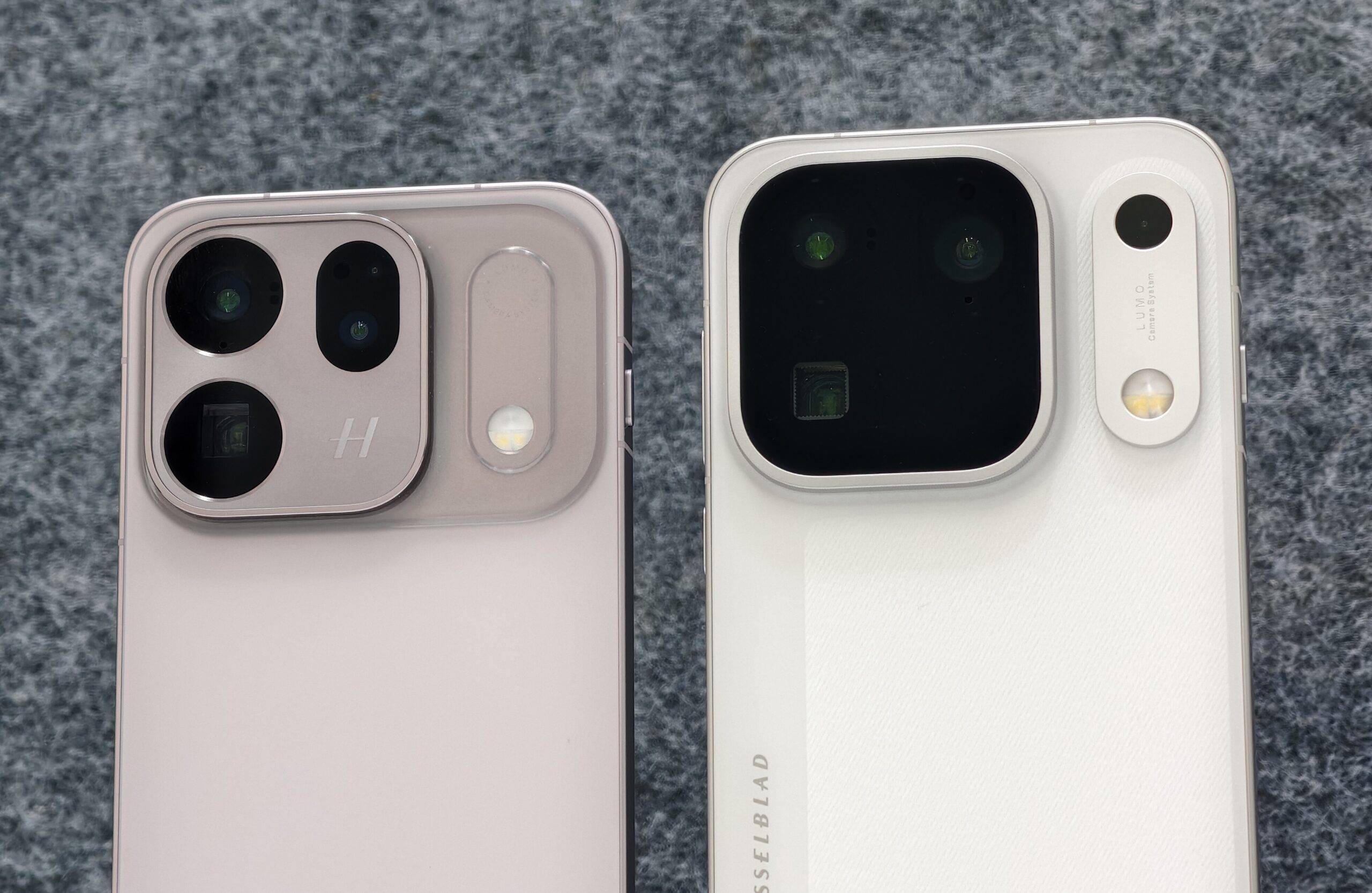
The Find X10 Pro Max goes all in with its Triple 200MP Camera System. The Hasselblad 200MP Ultra HDR Main Camera uses a 1/1.3-inch sensor with an f/1.5 aperture. The Hasselblad 200MP Ultra-Sensing Ultra-Wide Camera covers a 124-degree field of view and focuses from as close as 4cm. The Hasselblad 200MP Ultra-Sensing Telephoto Camera sits at 70mm and offers what OPPO calls 6x lossless zoom at 140mm, backed by CIPA 7.5-rated optical image stabilisation that keeps long-range shots steady by hand. Having 200MP on every lens is designed to keep detail consistent as you switch between them.
Zoom is where the Pro Max pulls furthest ahead. With the optional Hasselblad Teleconverter Kit, sold separately, it reaches 10x, 20x, and 40x, which makes it a serious tool for concerts, wildlife, and sport.
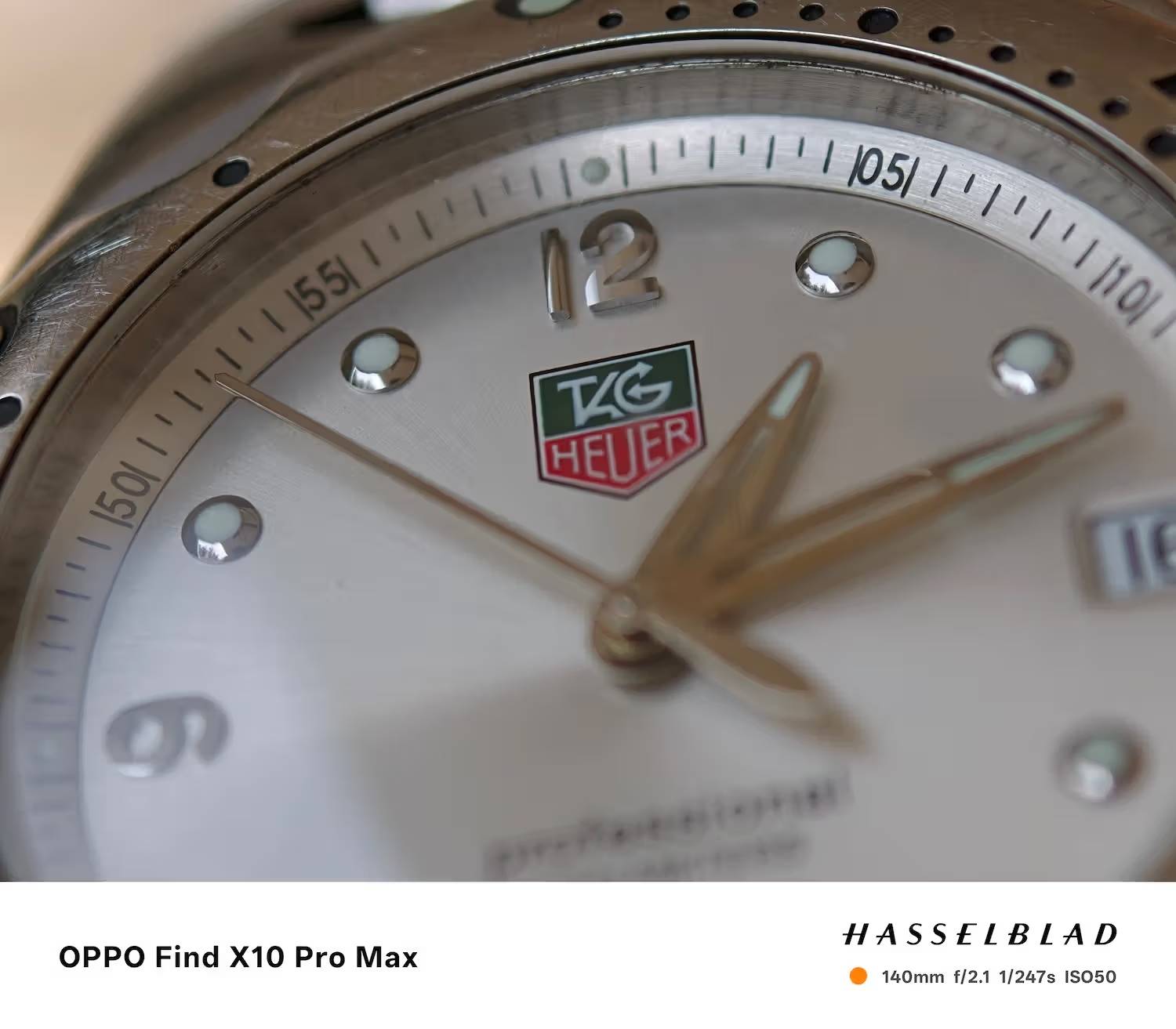
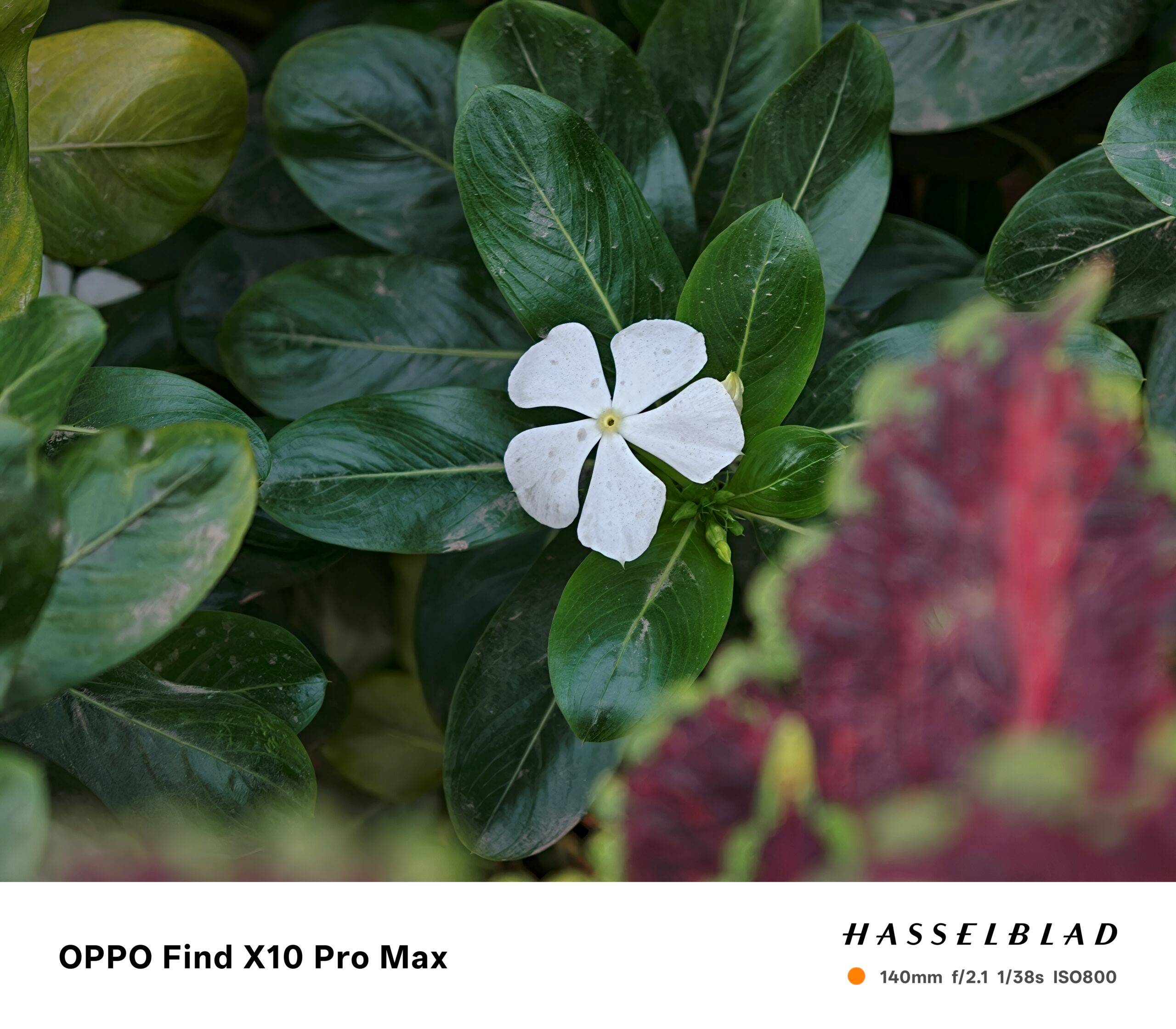
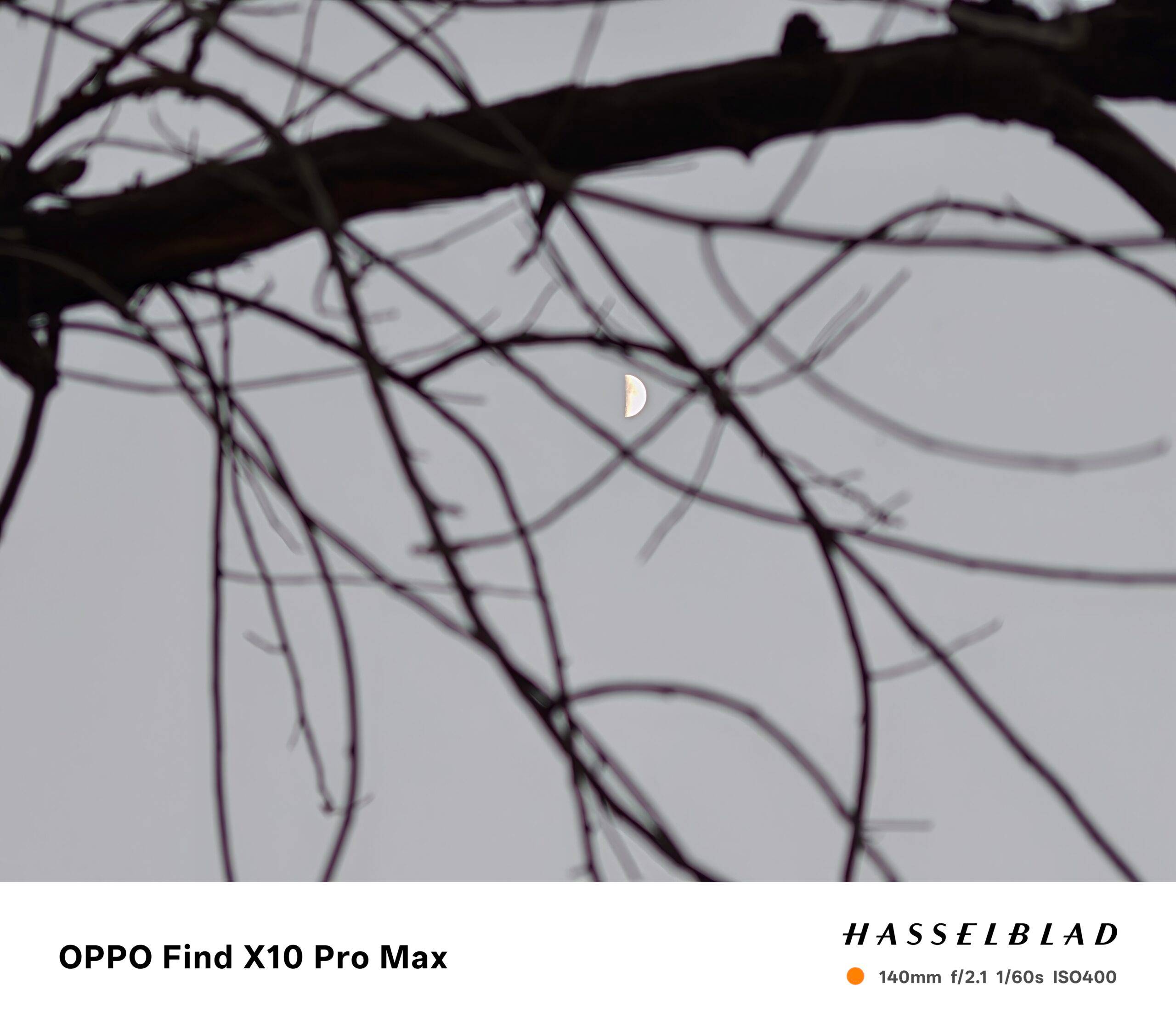
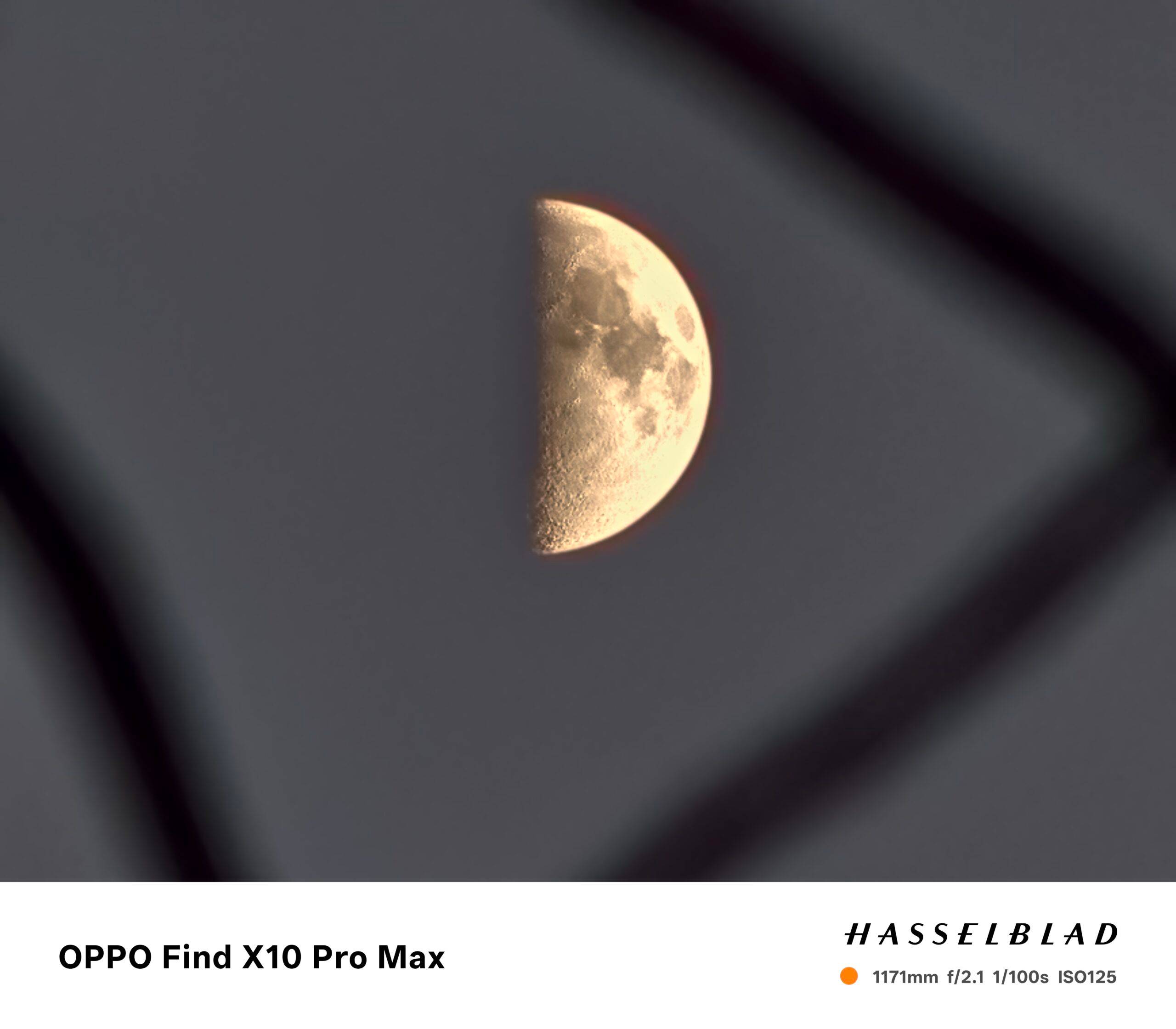
The telephoto samples back this up. At 140mm, a half-moon sits crisp behind soft branches, and pushed to 1171mm it resolves craters and maria without blowing out the highlights. Up close, a watch dial stays sharp across the logo and markers, while a periwinkle flower shot at 140mm keeps clean petal detail against smooth, natural bokeh.
The Find X10’s Dual 200MP Camera System pairs the Hasselblad 200MP Ultra-Clear Main Camera, with a 1/1.4-inch sensor and an f/1.6 aperture, with the Hasselblad 200MP Ultra-Sensing Telephoto Camera, a 65mm periscope, plus a 50MP Ultra-Wide Camera. In everyday use, it is an excellent point-and-shoot. Crops from the 200MP periscope stay impressively clean up to around 12.6x, and the 130mm Hasselblad 8K Ultra-Clear Telephoto mode brings distant detail within reach. The only quirk is a slight processing pause after taking a shot before the final image is ready.
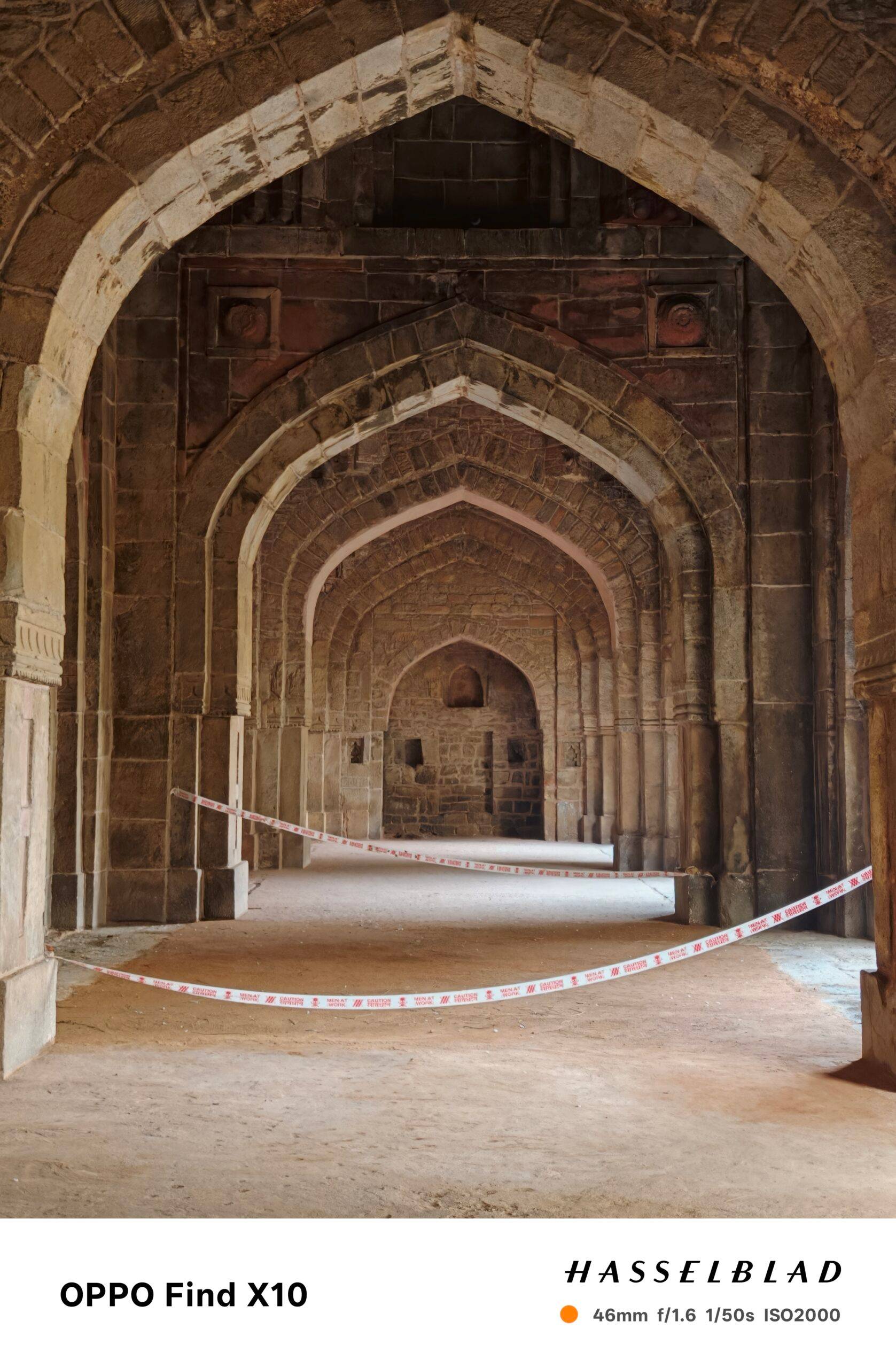
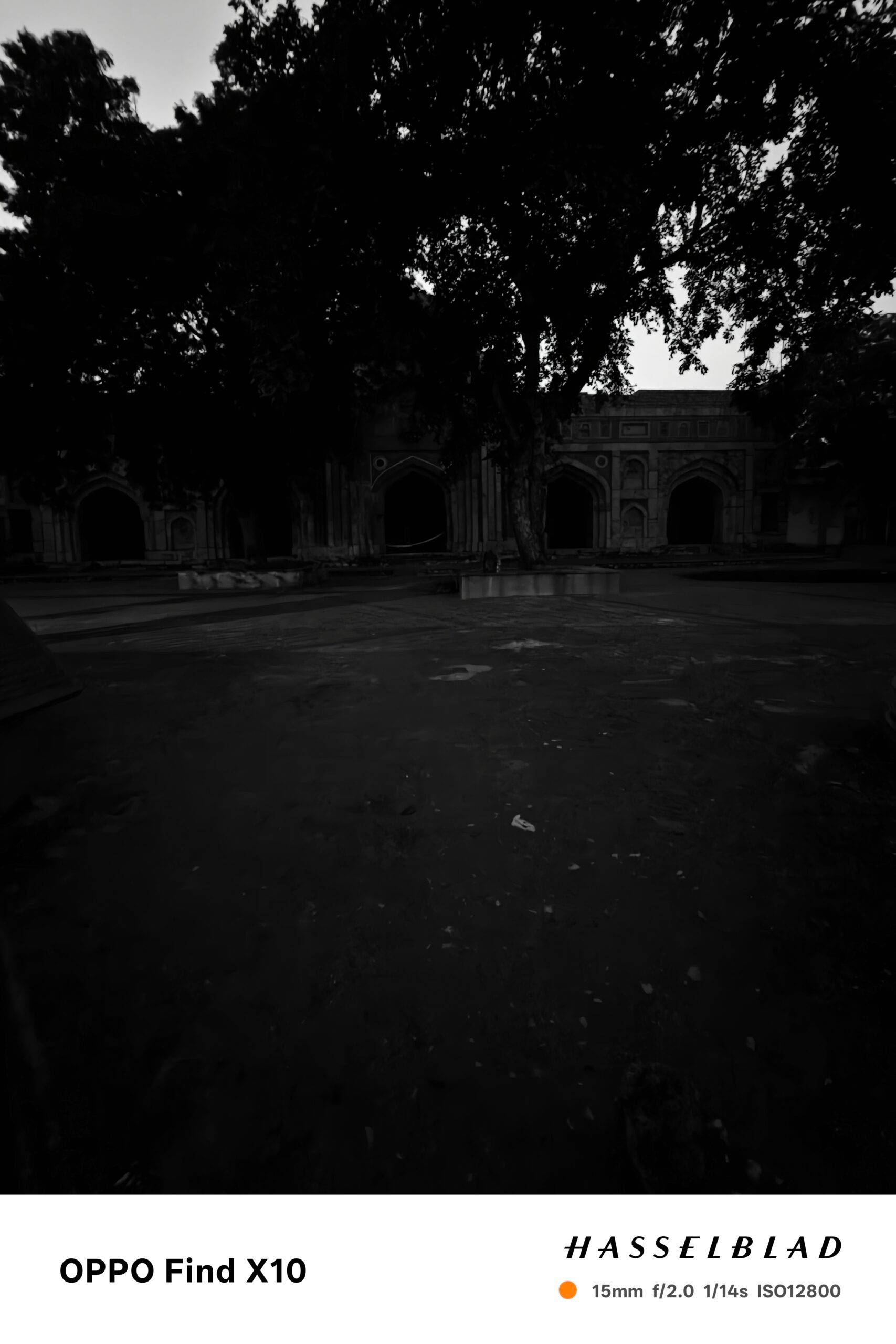
In dim light, the 46mm main camera crop of a mosque arcade holds depth, warm tones and well-controlled noise at ISO 2000. The ultra-wide is less convincing in near darkness: a courtyard shot at ISO 12800 keeps the framing clean, but the scene stays very dark.
Display and design: Camera-Inspired Design versus Fashion-Tech Aesthetic Design
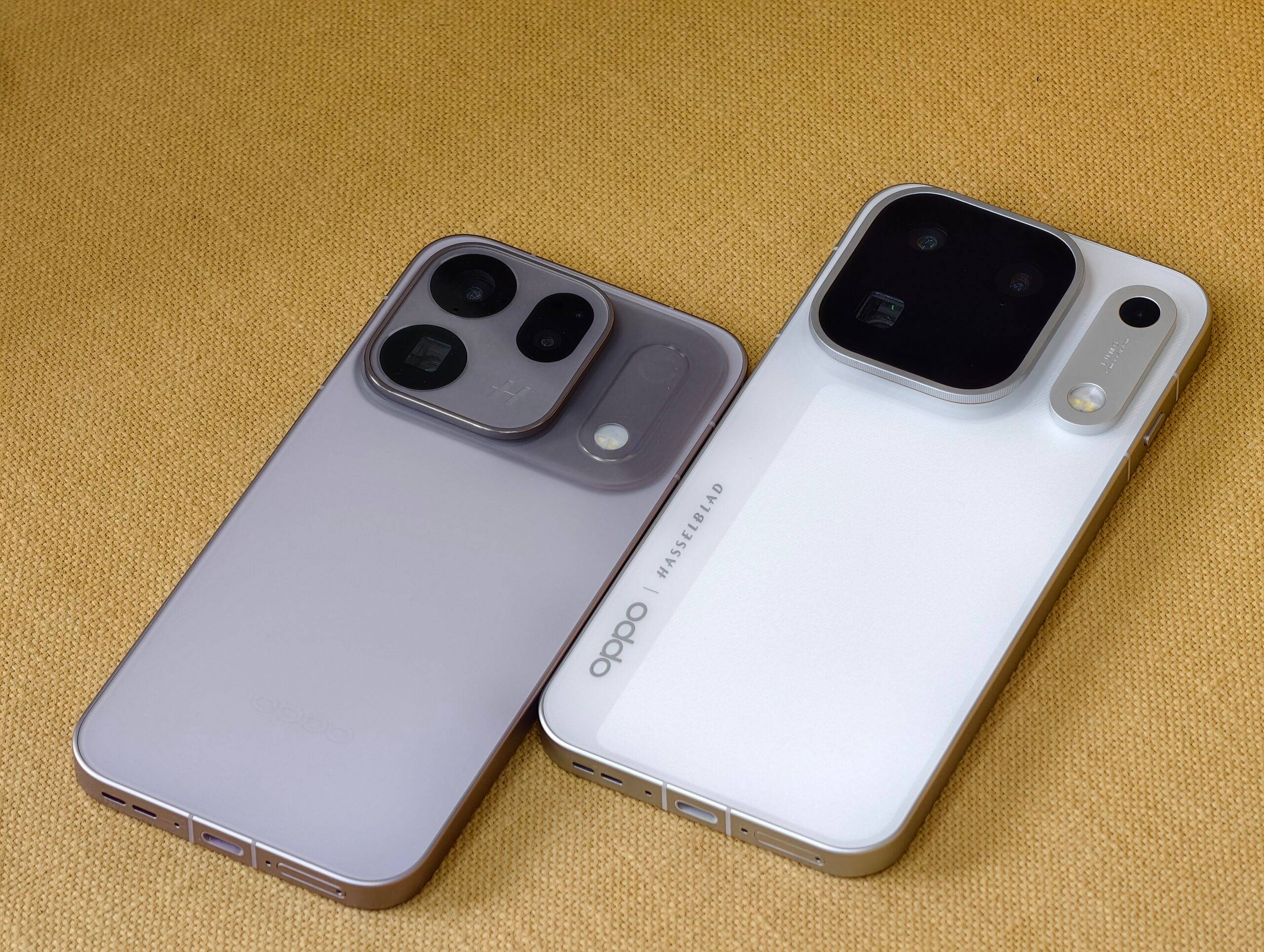
The difference between the two is obvious the moment you pick them up. The Find X10 Pro Max’s Camera-Inspired Design, with a split design on the Luna White model, feels dense and premium, and at 233g to 235g, it is noticeably heavy. It is a phone you will mostly use with two hands, which suits its strengths in photography, video, and gaming. It is also built to withstand rough usage, with IP66, P6, and IP69 ratings for dust and water, and OPPO says it has earned SGS’s five-star rating for drop resistance. It comes in Luna White and Titanium Grey.
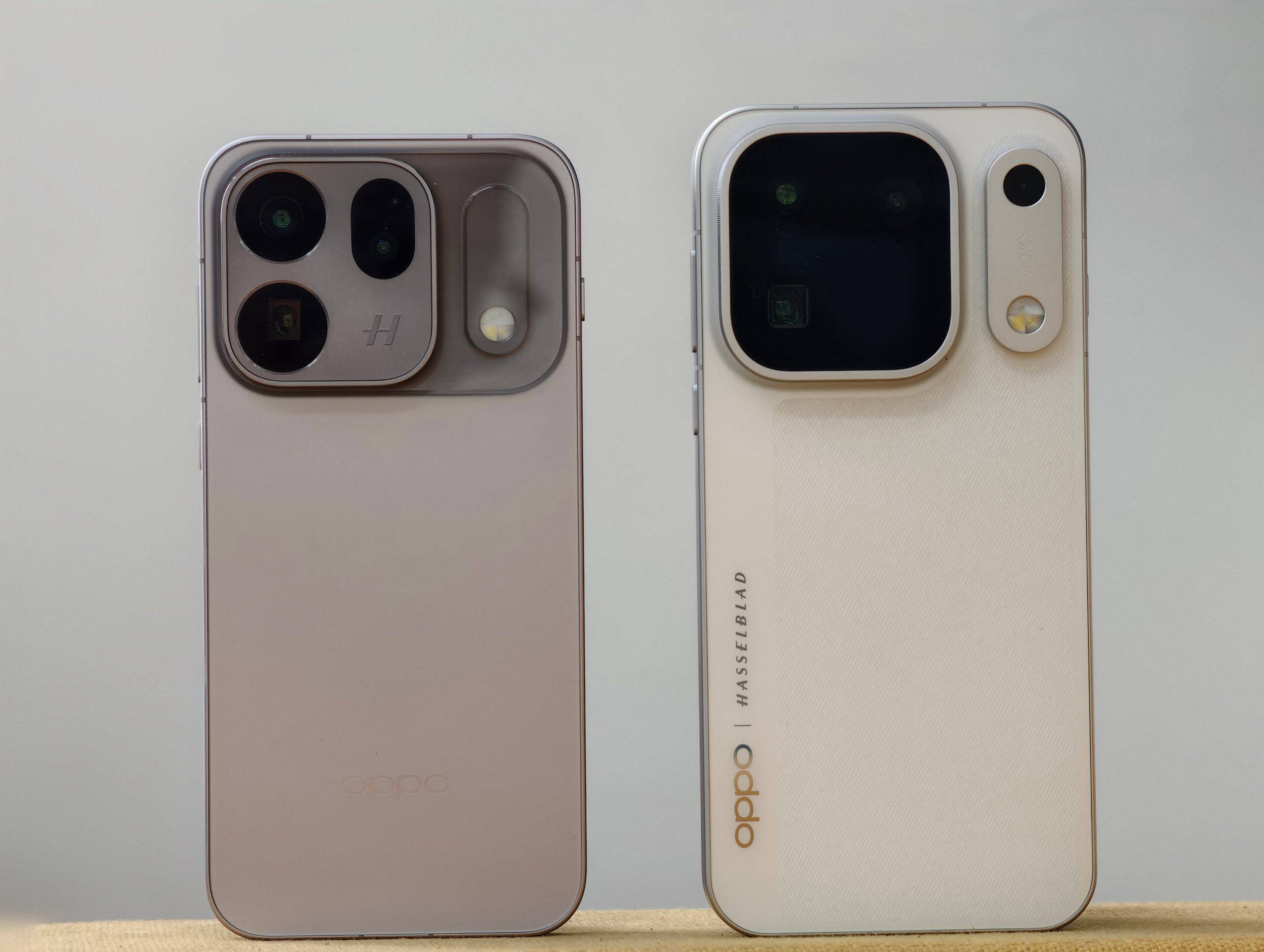
The Find X10’s Fashion-Tech Aesthetic Design is all about comfort. The phone is flat, compact, 8.4mm thin, and about 216g, and its 0.99mm Ultra-Narrow Bezels make the screen feel bigger than the phone’s footprint suggests. It is easy to use with one hand, whether you are replying to messages on the move or holding on in a crowded metro. It shares the same IP66, IP68, and IP69 ratings, and its Velvet Glass back and Lustrous Metal Frame come in Glacier Blue, Glow Coral, and Mist Grey.
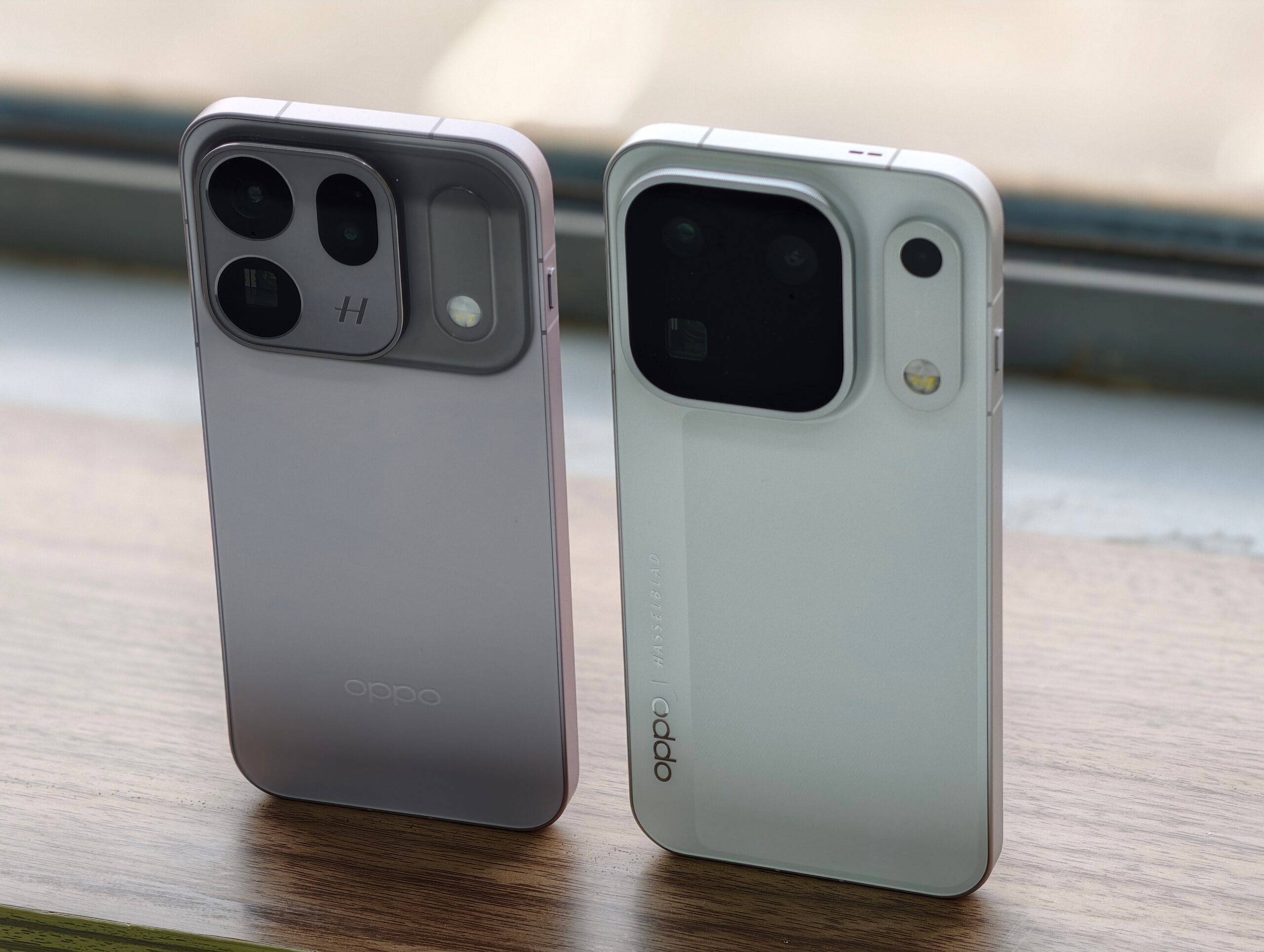
Both phones have a Snap Key, a customisable button that can be set to open AI Mind Space, record a voice note, take a screenshot, or launch the camera. Fans of the Find X9 Pro will notice that the Pro Max has dropped its Quick Button camera control, though the Snap Key can still open the camera with a single press.
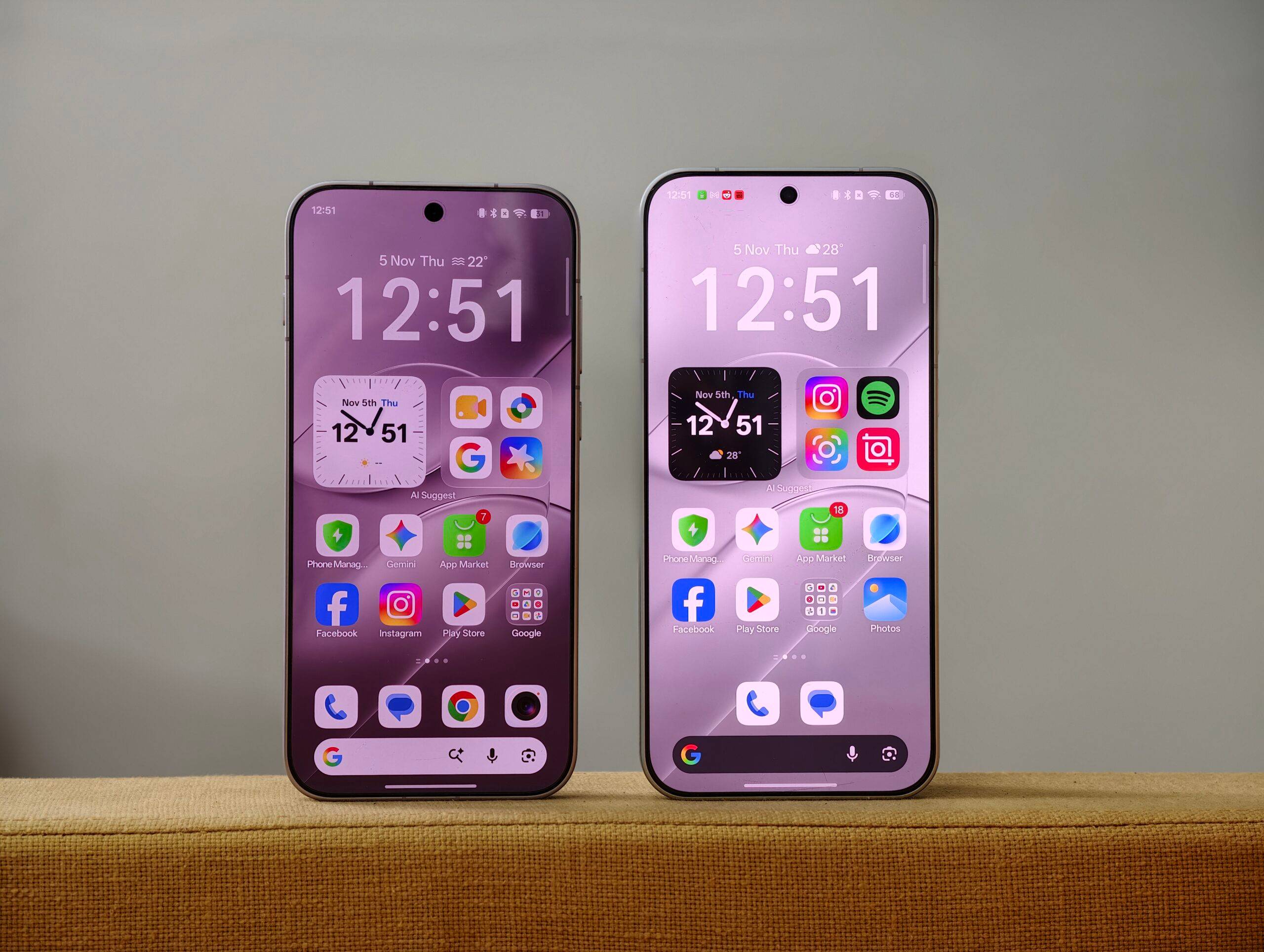
On the display front, the two are closer than their names suggest. Both use OPPO’s new generation ProXDR Display, an AMOLED panel with an adaptive refresh rate of 1Hz to 120Hz, up to 144Hz in supported games, 95 per cent BT.2020 colour, and 3,600 nits of local peak brightness. The Find X10’s 6.59-inch screen packs 462 PPI, while the Pro Max stretches to 6.78 inches at 450 PPI. Both stay easy to read in harsh sunlight, and the wide colour space makes HDR content look vivid. For late-night scrolling, brightness drops to just 1 nit, with 3840Hz PWM dimming below 70 nits.
Performance: Laminar Flow Engine x Dimensity 9600 Pro versus Laminar Flow Engine x Dimensity 9600M
Both phones pair a MediaTek chipset with OPPO’s Laminar Flow Engine, whose Adaptive Scheduling Architecture shifts resources to match what you are doing, and both are cooled by OPPO’s 3D Cryo-velocity Cooling System.
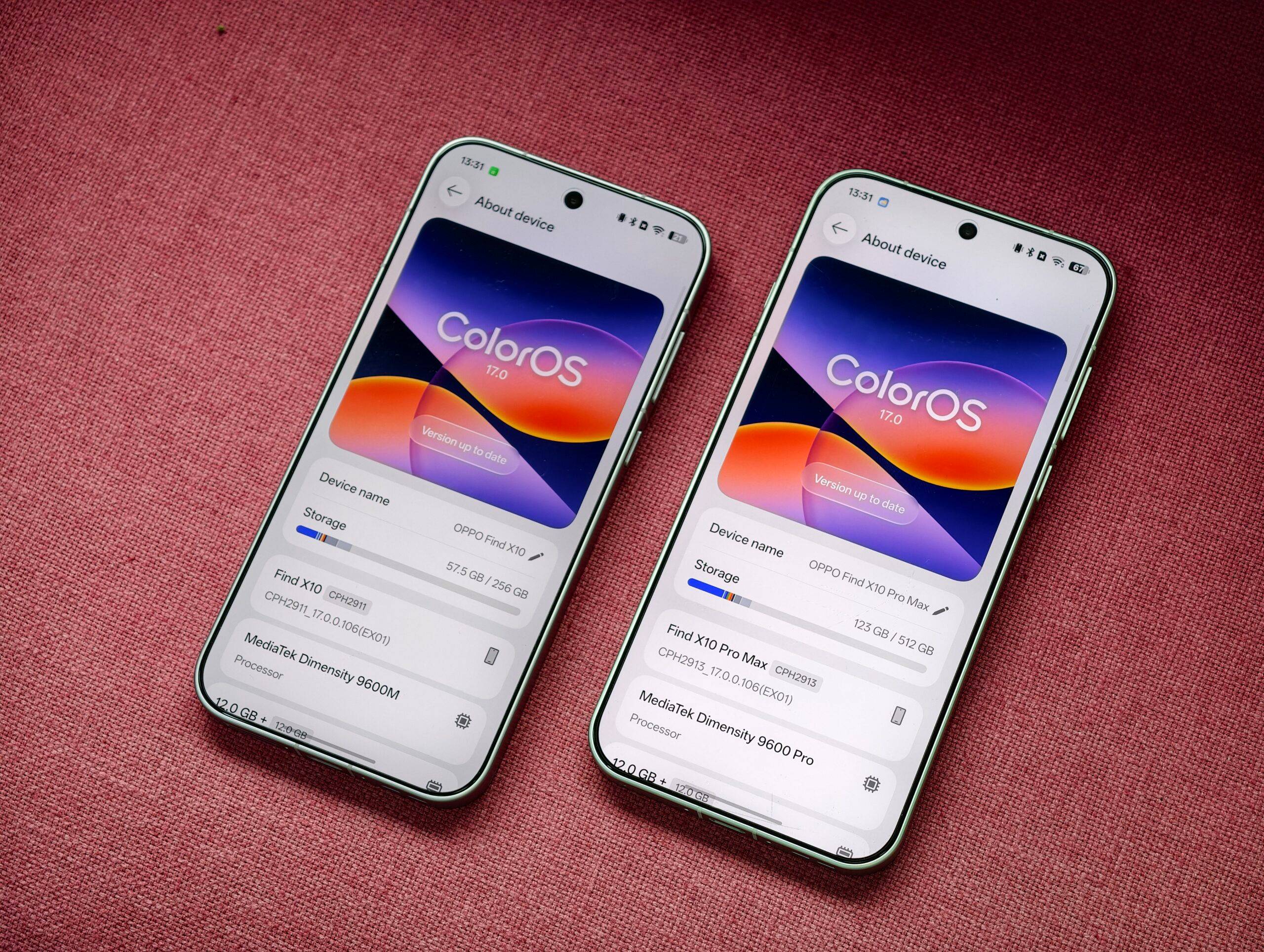
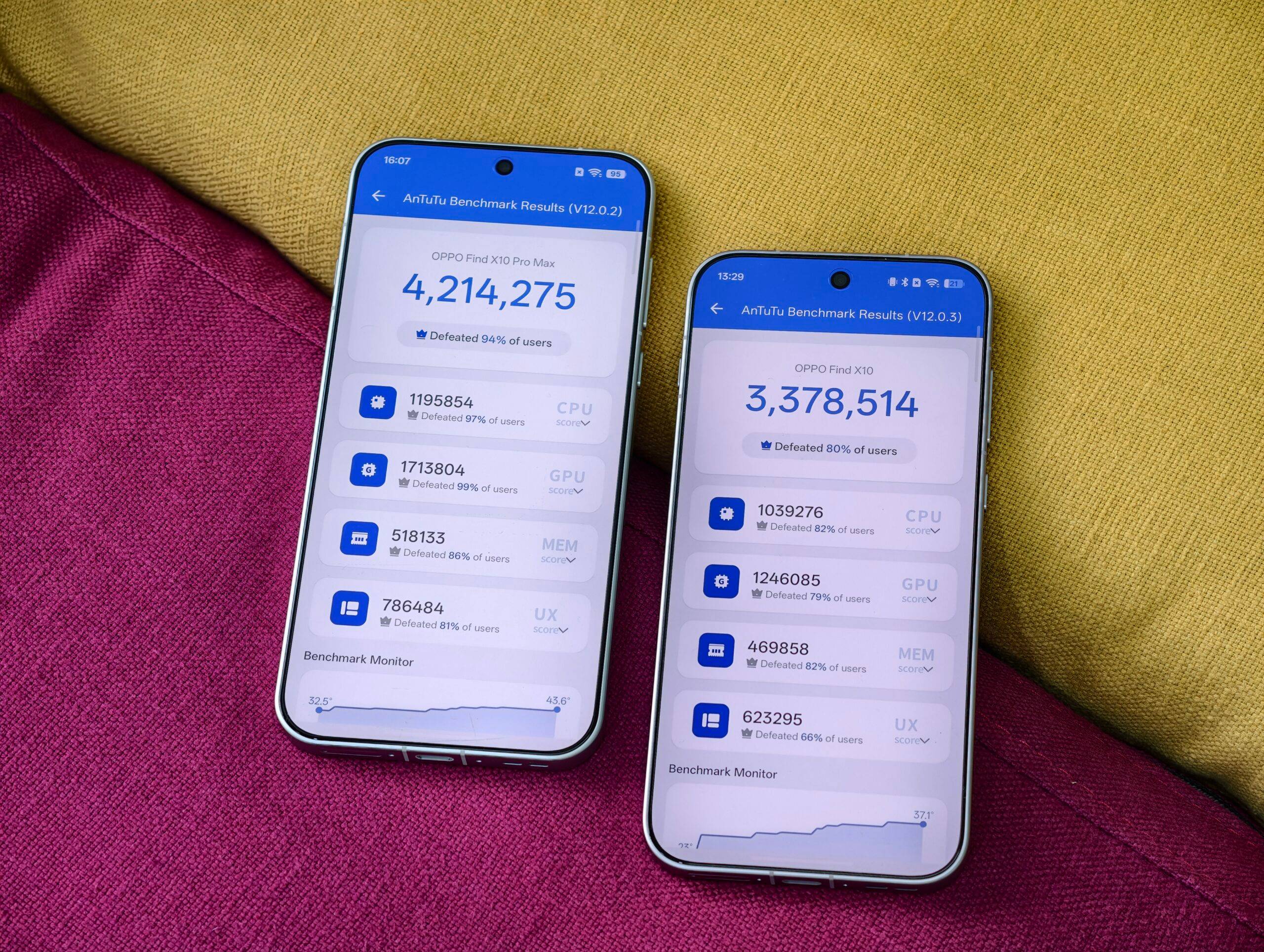
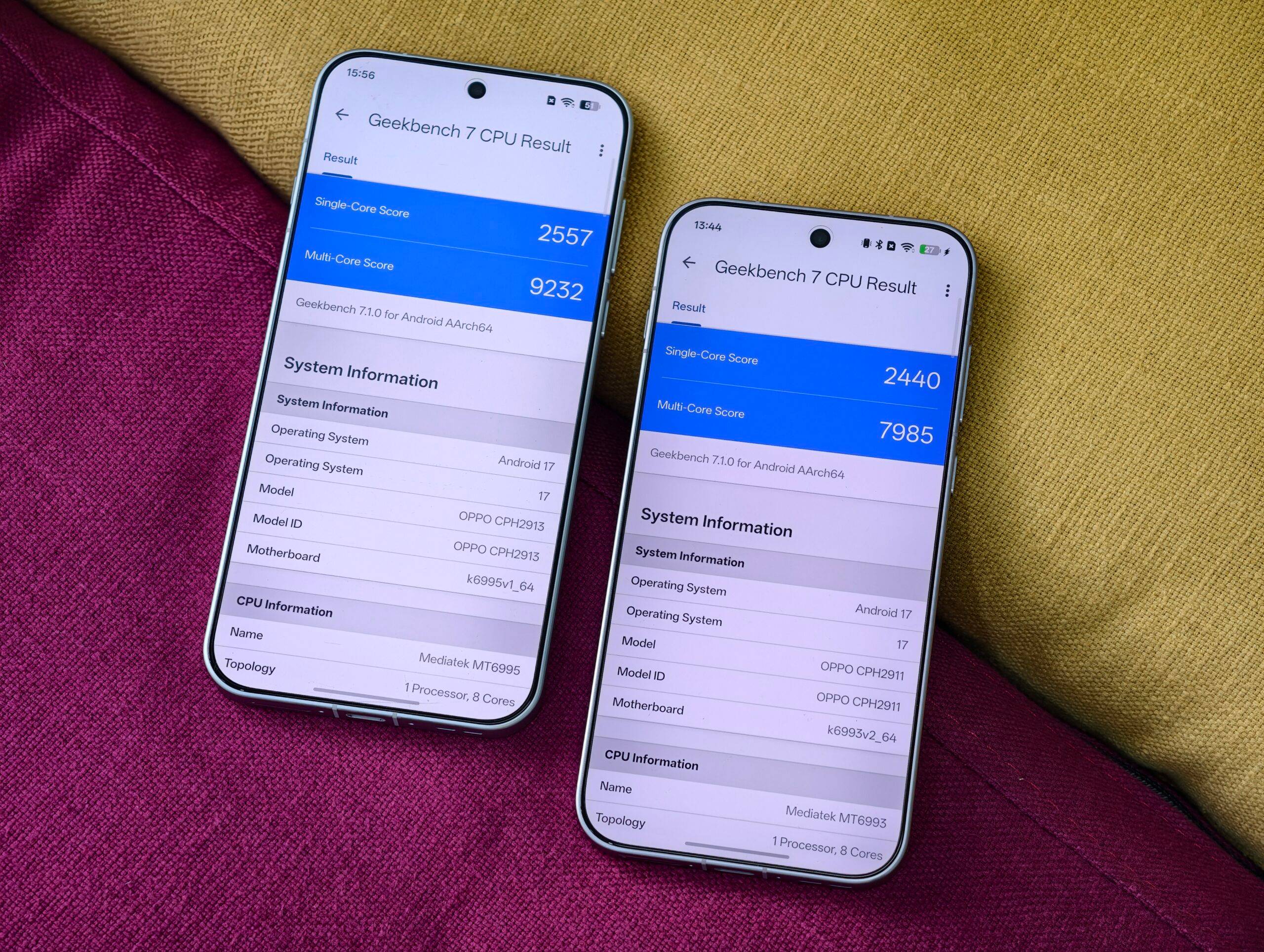
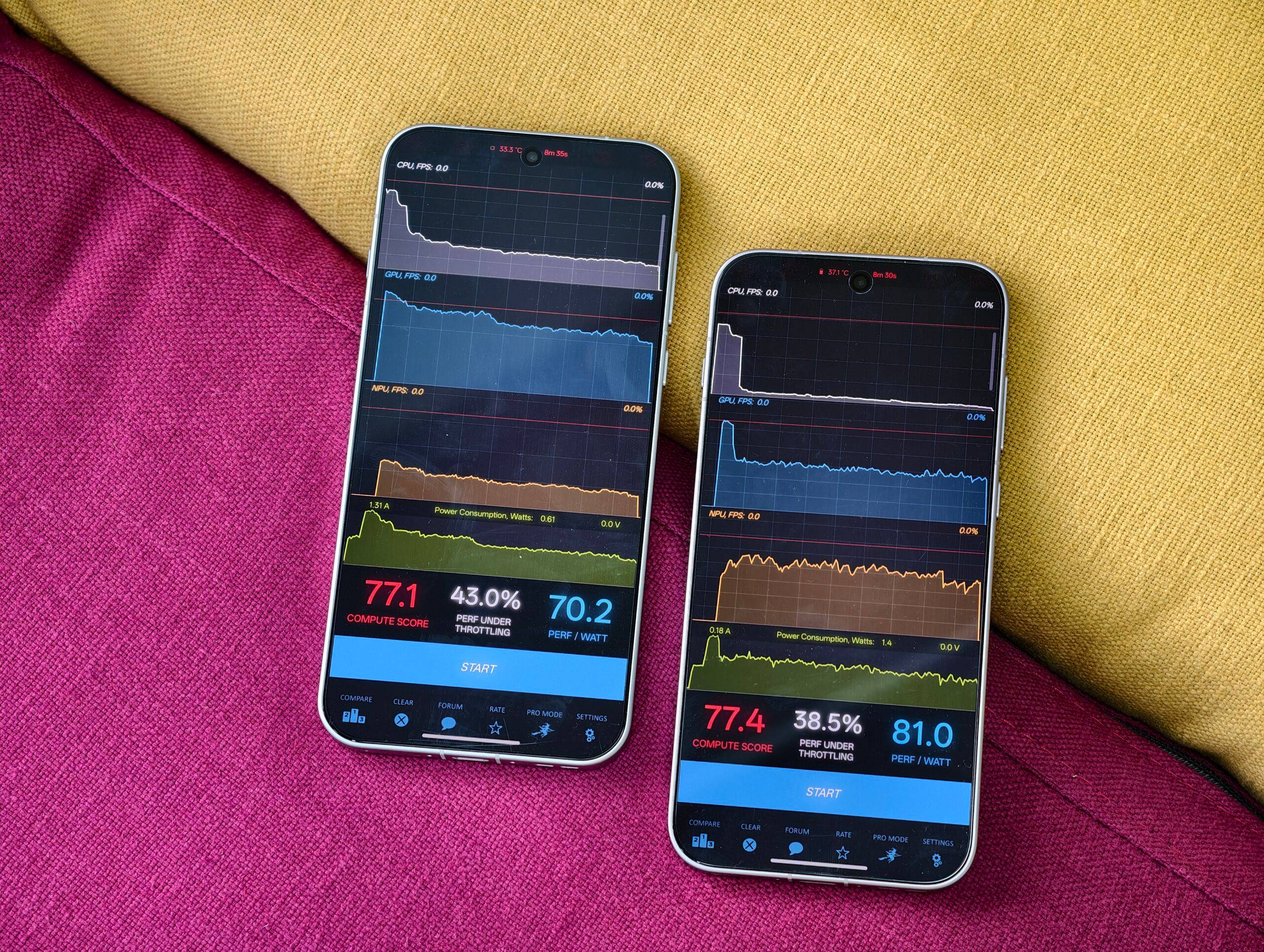
The Find X10 Pro Max runs the Dimensity 9600 Pro, a 2nm chip with an all-big-core design, with 12GB of LPDDR5X RAM and 512GB of UFS 4.1 storage. Scoring 4.2 million+ on AnTuTu v12, 2557 points for single-core, and 9232 multi-core points in Geekbench 7, with a performance stability of nearly 45%, that is pretty solid compared to the 35% average stability for top-end flagships, as per our test data. It is the one to pick for heavy gaming. Through long sessions of demanding games, it held steady performance with no thermal throttling, which is exactly what mobile gamers need from a phone at this level.
The Find X10 uses the Dimensity 9600M, a 3nm all-big-core chip in a 1+3+4 layout, with 12GB of RAM and 256GB or 512GB of storage. Scoring 3.3 million+ on AnTuTu v12, 2440 points for single-core, and 7985 multi-core points in Geekbench 7, with a performance stability of 38.5 per cent. ColorOS 17 felt fluid throughout, with quick app launches and smooth switching between apps, and OPPO rates it for up to 8 hours of sustained 120fps gaming.
Battery: 8000mAh Large Battery, 80W SUPERVOOC Flash Charge, and 50W Wireless Flash Charge
This is where the Find X10 series is at its strongest. Both phones use an 8000mAh Large Battery, the largest OPPO has put in a Find phone so far, along with 80W SUPERVOOC Flash Charge and 50W Wireless Flash Charge. A charger comes in the box, while the wireless charger is sold separately.
The Find X10 comfortably lasted a day and a half to two days on a single charge. The Pro Max, despite its bigger screen and more demanding hardware, managed two full days of heavy use. With the 80W charger, the Pro Max reached 50 per cent in about 30 minutes, while a full charge took a little over an hour, a fair trade-off for a battery this size.
OPPO’s own figures point the same way. It rates the Find X10 for 21 hours of video streaming and 8 hours of sustained 120fps gaming, and the Pro Max for 20 hours of video streaming and 6.5 hours of 4K 60fps recording.
ColorOS 17: AI Mind Space, AI Mind Pilot, and AI Photo Agent
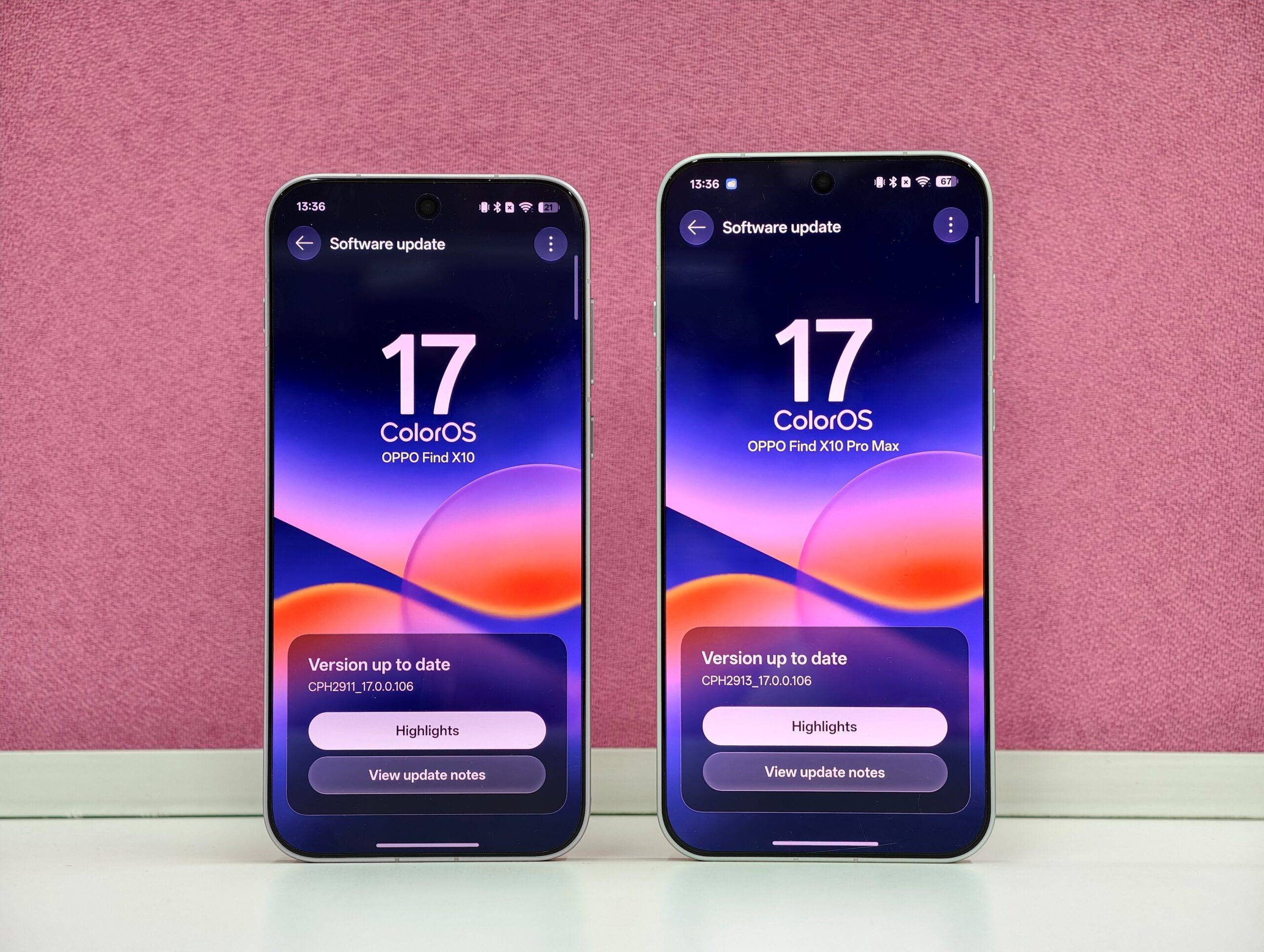
ColorOS 17 runs smoothly on both phones, and OPPO says it is built to stay smooth for six years, based on its lab tests. A few pre-installed apps are worth removing during setup, which takes a couple of minutes, and the software stays clean and quick after that.
AI Mind Space is the feature you are likely to use most. Press the Snap Key to capture a voice note, text, or image, and it is analysed and saved to AI Mind Space, ready when you need it later, whether that is a parking spot, a recipe, or a screenshot of a booking.
AI Mind Pilot goes further. It organises what matters on your phone, works out what you are trying to do, and helps you find, connect, and act on the information you need. It includes limited free usage, after which OPPO asks you to sign in with a ChatGPT or Manus account to continue, and its capabilities vary by device, region, software version, and supported services.


AI Photo Agent is an all-in-one editing assistant that handles tone, lighting, composition, and retouching, and can recreate a style you like from a reference image or a built-in template. It also has limited free usage, and results depend on the photo and the request. OPPO notes that some AI features may not be in the launch software in every region and will arrive through OTA updates, so it is worth checking what is live on your phone.
Video: 4K Cine-Grade HDR Video versus 8K Ultra-Clear Video Recording
Video is the clearest dividing line between the two. Only the Find X10 Pro Max has 4K Cine-Grade HDR Video, which captures 17 stops of dynamic range, so sunsets, stage lights, and backlit scenes keep detail in both the brightest and darkest areas. OPPO notes that the full 17-stop range applies at 1x in the standard video mode. Across its focal lengths, the Pro Max also records 8K video and 4K video at 120fps, the latter with Dolby Vision, and 4K Auto-Straighten helps keep the horizon level.
The Find X10 brings 8K Ultra-Clear Video Recording at 30fps, along with 4K at up to 120fps with Dolby Vision. Daylight footage holds up well, with the same true-to-life colour as the photos. In low light, there is some noticeable noise in the shadows, so creators who shoot a lot at night will be better served by the Pro Max.
Bottom line: which Find X10 should you buy?
Section | OPPO Find X10 | OPPO Find X10 Pro Max |
Camera | Dual 200MP Camera System; excellent point-and-shoot, clean crops up to about 12.6x | Triple 200MP Camera System; top-tier zoom, CIPA 7.5-rated telephoto stabilisation, Teleconverter Kit support |
Design | Compact and flat, about 216g, easy one-handed use | Premium Camera-Inspired Design, 233g to 235g, best with two hands |
Display | 6.59-inch, 462 PPI, 3,600 nits local peak | 6.78-inch, 450 PPI, 3,600 nits local peak |
Performance | Dimensity 9600M; fluid everyday use | Dimensity 9600 Pro; sustained heavy gaming without throttling |
Battery | 8000mAh; a day and a half to two days | 8000mAh; two full days of heavy use |
Video | 8K Ultra-Clear Video Recording; some shadow noise in low light | 4K Cine-Grade HDR Video, plus 8K and 4K 120fps across focal lengths |
Best for | Lightweight daily use, long battery life, and point-and-shoot photography | Power users, mobile gamers, and video creators who want top-tier zoom |
Buy the OPPO Find X10 if you want a compact flagship smartphone with excellent camera capabilities, long battery life and comfortable one-handed usability. The OPPO Find X10 is priced at Rs 1,39,999 for the base 256 storage variant, while its 512GB storage option costs Rs 1,69,999; it is available at mainline retail stores, OPPO e-Store, Amazon.in, and Flipkart. With benefits like up to Rs. 21,000 cashback, a free premium gift box worth Rs. 7,998 (OPPO Enco Air5 Pro and Quicksand Shimmer Magnetic Case), subject to availability, and an exchange bonus.
Buy the OPPO Find X10 Pro Max if you’re looking for a premium flagship camera phone with advanced zoom capabilities, powerful gaming performance and professional-grade video recording features. The OPPO Find X10 Pro Max comes in a single 12GB + 512GB variant priced at Rs. 1,99,999; it is available at mainline retail stores, OPPO e-Store, Amazon.in, and Flipkart. It also offers benefits like up to Rs. 30,000 cashback, a free premium gift box worth Rs. 8,998 (OPPO Enco Air5 Pro and Aramid Fibre Magnetic Case), subject to availability, and an exchange bonus.
This is a promotional post done as part of a brand collaboration.