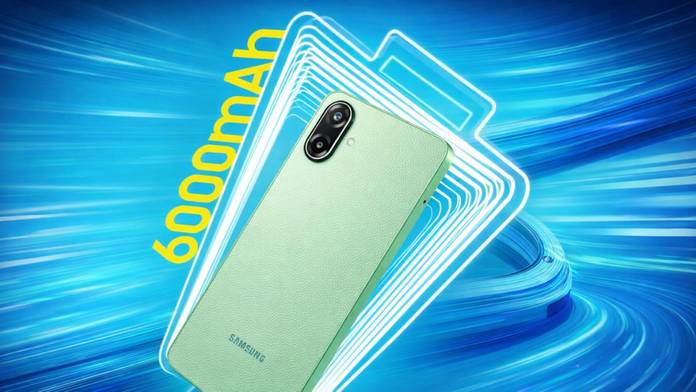
Battery life is one of those promises that almost every budget smartphone under 14k makes, and very few truly deliver. “All-day usage” sounds good in ads, but in reality, most phones begin to struggle once you stack video streaming, social feeds, navigation, and background apps into a single day. That is where Samsung’s Galaxy F70e 5G takes a different approach. Instead of vague endurance claims, it puts a hard number on the table – up to 26 hours of continuous video playback, measured through an in-house endurance test conducted by the 91mobiles TestLab under clearly defined conditions.
That figure is not a casual estimate. It comes from a structured, repeatable test designed to measure how long the phone can sustain uninterrupted video consumption. In 91mobiles’ battery endurance evaluation, the Galaxy F70e 5G demonstrated the ability to keep playing video long after most phones in the segment would tap out. As of 12 February 2026, this result gives the Galaxy F70e 5G a defensible basis for claiming the longest video playback time in its segment, ahead of alternatives such as the Vivo T4 Lite, Realme P3 Lite, iQOO Z10 Lite, and Narzo 80 Lite 5G. The difference here is not branding. It is engineering, configuration, and disciplined testing. The Galaxy F70e 5G’s 6000mAh battery, 6.7-inch HD+ display, and MediaTek Dimensity 6300 platform form the foundation of this endurance profile.
Table of Contents
Inside the 26-hour test: How the number was actually measured
Long playback figures only matter if the testing process is rigorous. To evaluate single-charge endurance, we conducted an offline video loop test on the Samsung Galaxy F70e 5G. The device was first charged to 100 percent and then placed into a continuous video loop using a 720p video played via the phone’s default gallery app. Playback continued uninterrupted until the battery drained completely and the device shut down automatically at around 0-1 percent charge.
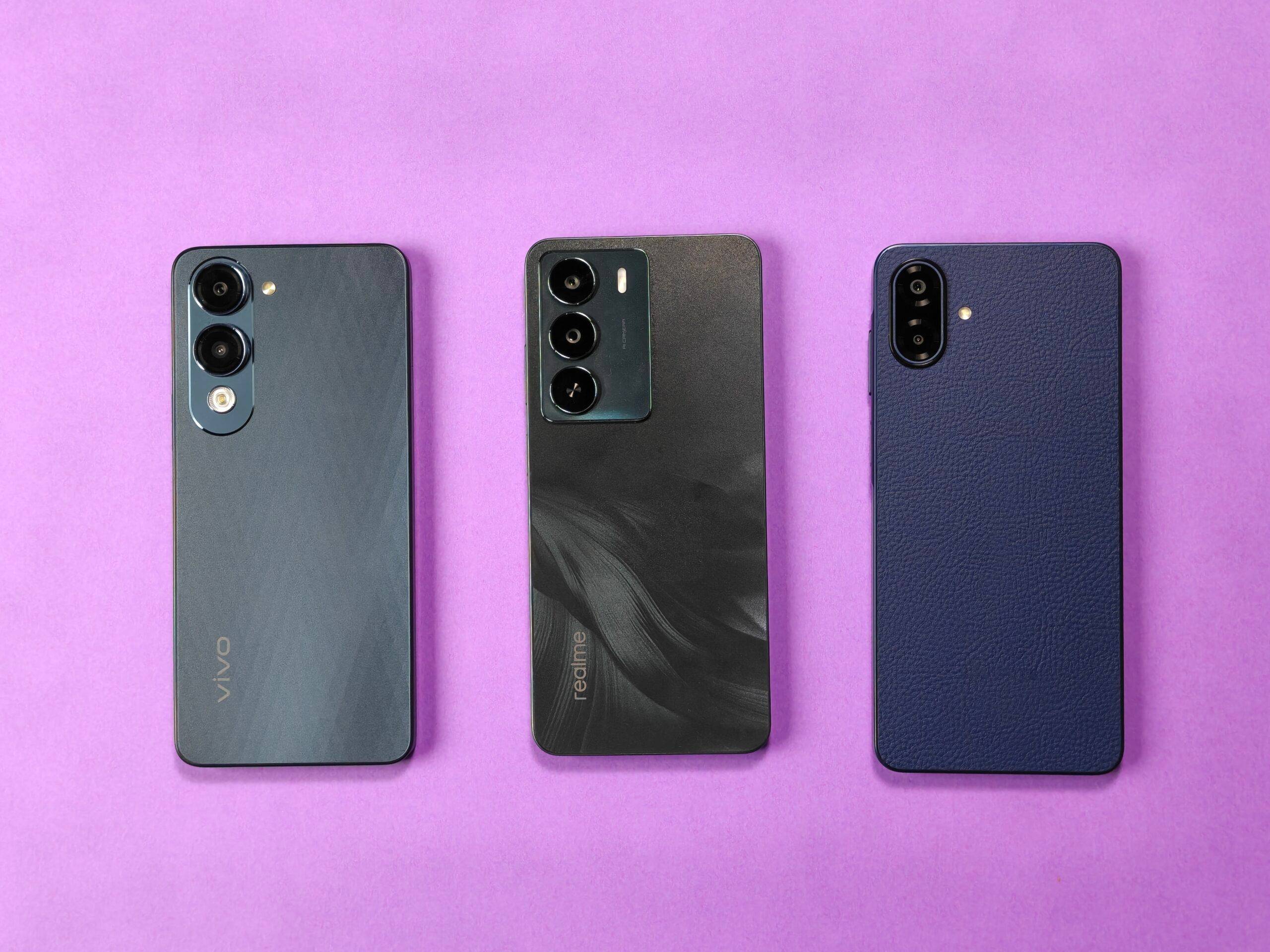
The test was performed at a controlled room temperature of 21 degrees Celsius, ensuring consistency across the full duration. Screen brightness was locked at 30 percent, audio volume was set to 50 percent, and all network communications were disengaged. The phone was kept in Aeroplane mode throughout the test to eliminate background drain from mobile data, Wi-Fi, Bluetooth, GPS, notifications, or SIM activity. The test ended only when the phone powered off on its own, ensuring the entire 6000mAh capacity was fully utilised.
Under these conditions, the fully charged Samsung Galaxy F70e 5G lasted for 26 hours of continuous video playback, validating the claim through controlled, repeatable in-house testing rather than estimation or extrapolation.
To remove unnecessary variables, the video file was stored locally on the device rather than streamed. Streaming would activate Wi-Fi or mobile data radios, adding unpredictable power drain. By keeping playback offline, the test isolates display, processor, storage, and audio consumption. The video itself was kept at practical resolutions – 720p – and encoded in standard formats such as H.264 or HEVC at 30 frames per second. These formats are decoded by dedicated hardware blocks inside the chipset rather than by the main CPU. That reduces processing load and stabilises power draw over long periods. In other words, the test reflects how people actually watch downloaded shows or movies on their phones, rather than creating an artificial stress scenario that inflates numbers.
Display configuration: Where efficiency begins
One of the biggest contributors to video battery drain is the screen. The Galaxy F70e 5G uses a 6.7-inch HD+ LCD panel with a 720 × 1600 resolution and 120Hz capability. During the battery endurance test, screen brightness was fixed at 30%, roughly equivalent to comfortable indoor viewing, and auto-brightness was turned off to avoid sudden spikes in power draw. More importantly, the refresh rate was locked at 60Hz, with adaptive and 120Hz modes disabled. Video playback does not benefit from higher refresh rates, and running a movie at 120Hz only wastes power. Locking the panel at 60Hz allowed the phone to minimise display consumption while maintaining smooth motion.
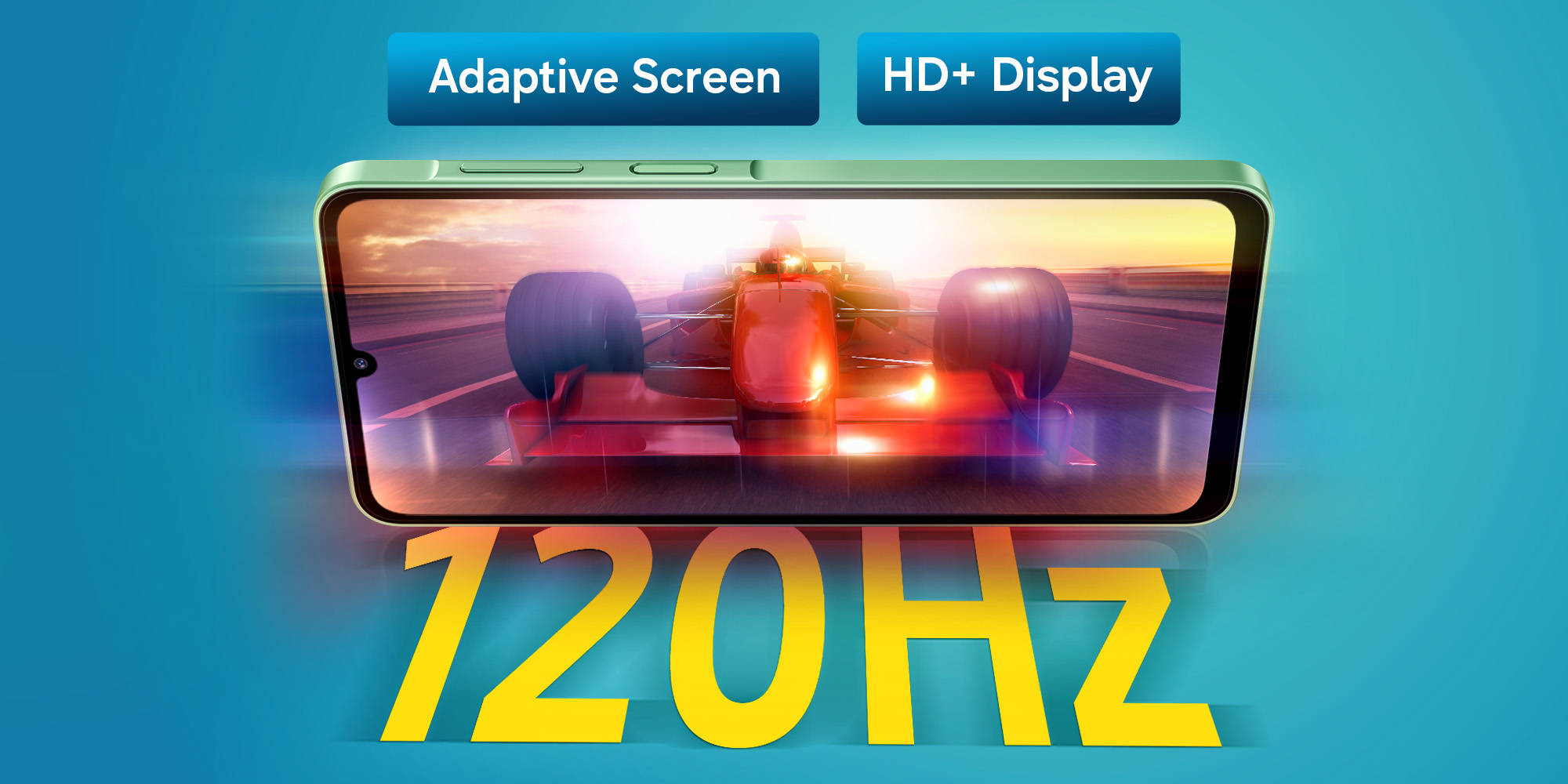
The HD+ resolution played a role here as well. Compared to higher-resolution panels, it required less GPU and memory bandwidth to drive during extended playback. This reduced sustained load and heat, helping the system remain stable over many hours. The result is a large screen that remains comfortable for long viewing sessions without becoming a battery liability.
Audio, connectivity, and background control
Audio output is another carefully managed element. During testing, volume was set to around 50 percent, which reflects normal listening habits. Playback was routed through the phone’s speakers or wired earphones. Bluetooth was avoided entirely, as wireless audio adds extra power consumption from both radio transmission and signal processing.
All non-essential radios were disabled. Airplane mode was turned on. Wi-Fi, mobile data, Bluetooth, and GPS were switched off. Background sync was stopped and notifications were blocked. There was no SIM activity. This level of control is essential for consistency. Without it, background processes can drain power unpredictably. The objective was simple — allowing the Galaxy F70e 5G to do one job only: play video continuously without hidden drains.
Power management and thermal discipline
Another important detail is that power-saving modes were kept turned off during the test. The 26-hour figure does not rely on aggressive throttling or reduced performance profiles. The phone operated under standard system behaviour. Thermal conditions were also controlled – the device was tested at room temperatures between 21°C and 25°C, placed flat on a surface without a protective case. These conditions allowed heat to dissipate naturally, preventing thermal throttling from interfering with power efficiency.
Lower operating temperatures reduced internal resistance in battery cells and improved power delivery efficiency. Combined with the Dimensity 6300’s efficient video decoding blocks, this helped the Galaxy F70e 5G maintain consistent power consumption throughout the test.
Why the hardware supports long playback
At the centre of this endurance profile is the 6000mAh battery. This is significantly larger than what many competitors offer in the same segment. Battery capacity alone, however, does not guarantee long playback. It needs to be paired with components that use power sensibly.
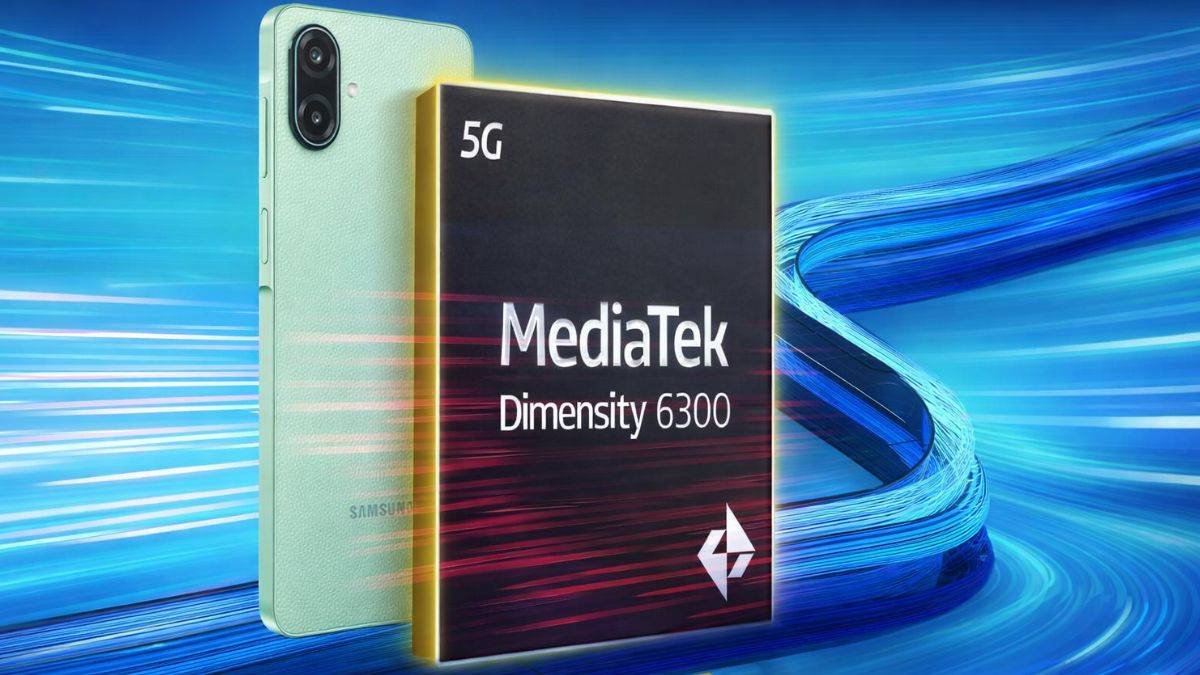
The MediaTek Dimensity 6300 is designed to handle media decoding using dedicated hardware engines rather than general-purpose cores. When playing standard H.264 or HEVC content at 30fps, the CPU and GPU remained largely idle, keeping power draw low and predictable. The phone’s 128GB internal storage also played a subtle role. Local video files were accessed efficiently, without repeated read cycles that could increase consumption. For users who maintain offline libraries, microSD expansion up to 1.5TB ensures playback remains local rather than dependent on streaming.
Why the claim holds in the current market
As of 12 February 2026, the Galaxy F70e 5G’s claim to segment-leading video playback rests on clearly documented factors:
- A 91mobiles TestLab-verified 26-hour continuous offline video playback result
- A large 6000mAh battery
- An HD+ display locked at 60Hz for playback efficiency
- Hardware-accelerated video decoding on the Dimensity 6300
- Strict control of brightness, audio, networks, and background activity during testing
When compared with devices such as the Vivo T4 Lite, Realme P3 Lite, iQOO Z10 Lite, and Narzo 80 Lite 5G, few offer this same combination of battery capacity, display configuration, and power discipline optimised specifically for media endurance. This does not mean every user will see exactly 26 hours. Real-world usage includes streaming, notifications, brightness changes, and multitasking. But the 91mobiles TestLab result establishes the upper boundary of what the hardware is capable of under ideal conditions.
The Galaxy F70e 5G does not rely on vague “all-day battery” language. It anchors its positioning in a measurable, repeatable outcome: up to 26 hours of continuous video playback, validated through 91mobiles’ in-house testing under clearly defined conditions. For buyers who care primarily about uninterrupted viewing – long journeys, binge sessions, offline libraries, and extended streaming – the Galaxy F70e 5G stands out as one of the most dependable options in its class.