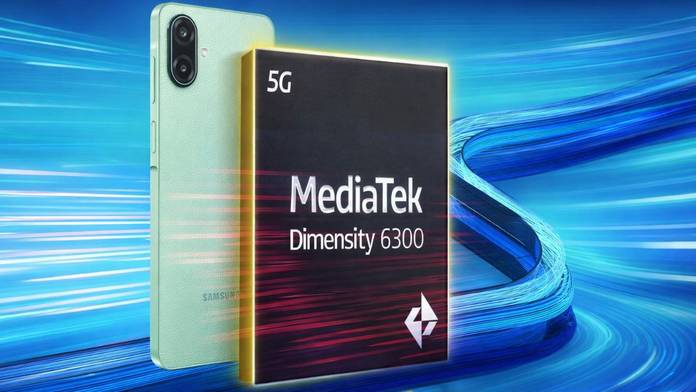
It’s a smart choice to take every bold hardware claim with a pinch of salt in 2026’s diverse market. “Smooth performance” has become one of the most overused phrases in the budget smartphone space. Almost every new launch in the under 14k category promises lag-free scrolling and faster app launches. Yet, a few months down the line, many of these phones start showing their limits – apps take longer to open, multitasking feels heavier, and simple actions begin to stutter.
That is why real smoothness is never about a single feature. It is about how the display, processor, memory, software, and battery work together over time. At 91mobiles, we evaluate smoothness the same way users experience it – through sustained, everyday interactions rather than isolated specs. And this is where the Galaxy F70e 5G separates itself. Based on controlled in-house smoothness testing conducted by the 91mobiles TestLab, the Galaxy F70e 5G emerged as the smoothest performer in its segment. With a 6.7-inch 120Hz display, MediaTek Dimensity 6300 chipset, up to 6GB RAM, 128GB storage with expansion, a 6000mAh battery with 25W fast charging, and Android 16 with One UI 8.0, Samsung has put together a configuration that is clearly focused on sustained responsiveness. As of 12 February 2026, our testing shows that this combination gives the Galaxy F70e 5G a measurable real-world advantage over rivals like the Vivo T4 Lite, Realme P3 Lite, iQOO Z10 Lite, and Narzo 80 Lite 5G.
To establish this positioning, we directly tested the Galaxy F70e 5G against two key competitors in the same price bracket: the vivo T4 Lite, which features a 90Hz display, and the realme P3 Lite, which also offers a 120Hz screen. This ensured the comparison reflected actual smoothness behaviour rather than refresh-rate numbers on paper.
A 120Hz display that actually changes daily usage
The biggest reason the Galaxy F70e 5G feels smooth from the moment you start using it is its display. It features a 6.7-inch HD+ LCD panel with a 720 × 1600 resolution, 260 PPI pixel density, and a 120Hz refresh rate. In real-world terms, this means the screen refreshes twice as often as a standard 60Hz panel. Scrolling through Instagram, X, YouTube Shorts, or long WhatsApp chats feels noticeably lighter. App switching is cleaner. Animations do not feel rushed or jerky. Even something as basic as pulling down the notification shade looks more fluid.
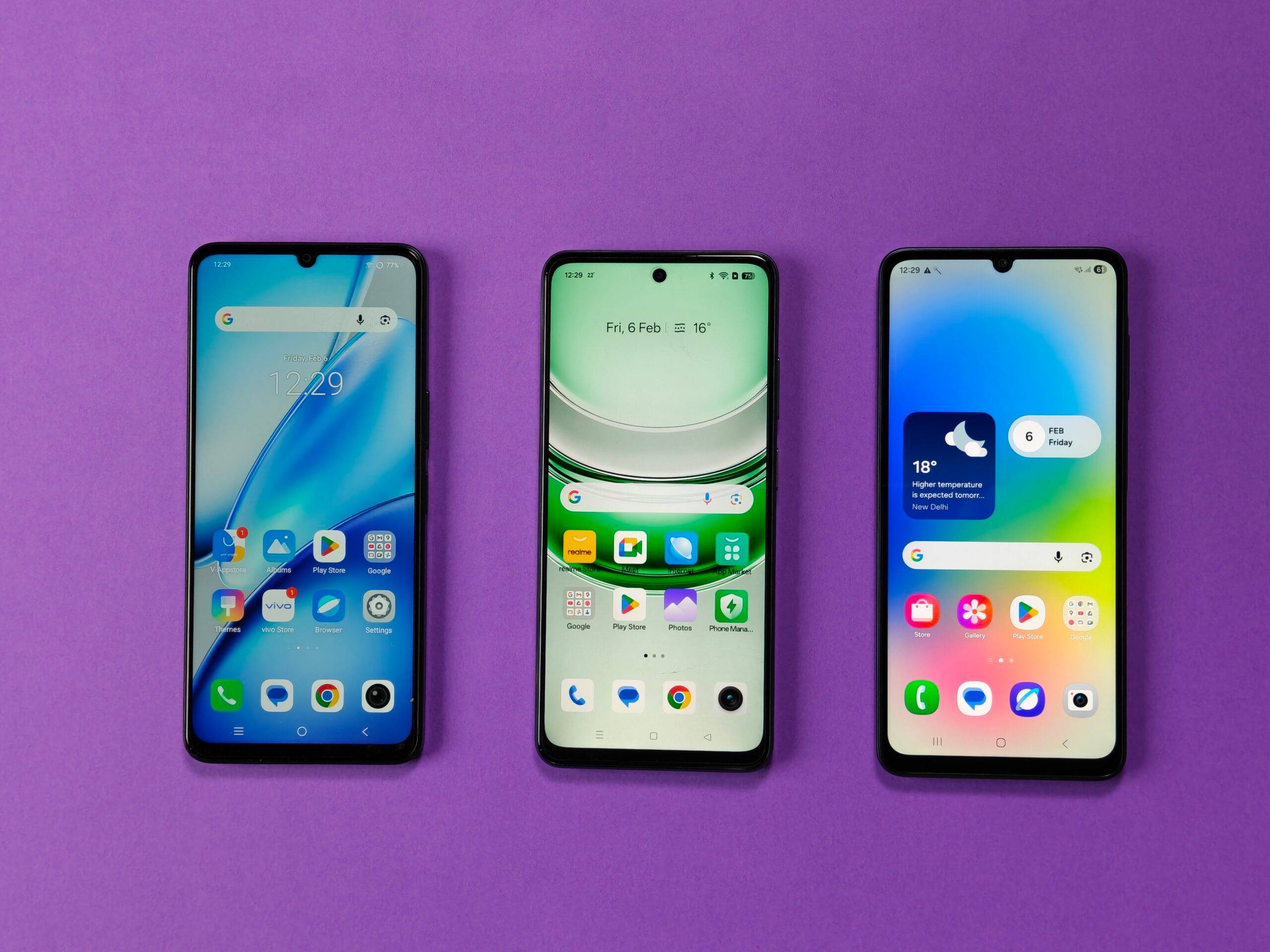
To objectively capture this difference, our team at the 91mobiles TestLab conducted a controlled smoothness evaluation across all three devices – the Galaxy F70e 5G, vivo T4 Lite, and realme P3 Lite. All smartphones were configured to run at their maximum supported refresh rates, after which a standardised web browser scroll test was performed. The entire process was recorded at 4K resolution and 120 frames per second, and the footage was then slowed down for frame-by-frame analysis of scrolling behaviour.
At this price level, many phones still settle for 60Hz or 90Hz. By committing to 120Hz on a large screen, Samsung ensures that smoothness is not limited to select moments. It becomes part of everyday use. The HD+ resolution also plays an important role here. It reduces the processing load required to run a high-refresh display. As a result, the phone can maintain smoother visuals without draining the battery too quickly or stressing the chipset.
When the slowed-down footage was analysed by the 91mobiles TestLab, the Galaxy F70e 5G consistently showed cleaner scroll motion, fewer frame drops, and more uniform frame pacing compared to both the 90Hz vivo T4 Lite and the 120Hz realme P3 Lite. From both direct human-eye observation and video-based analysis, the Galaxy F70e 5G was clearly the smoothest of the three devices under identical conditions.
Dimensity 6300, RAM, and One UI: Where consistency comes from
A fast display is useless without strong internal support. The Galaxy F70e 5G runs on the MediaTek Dimensity 6300, paired with 4GB or 6GB RAM and 128GB internal storage. The Dimensity 6300 is designed for balanced performance rather than short bursts of speed. It handles social apps, streaming, navigation, and casual gaming without overheating or slowing down. This stability is crucial for maintaining smoothness over long sessions. The RAM options give users practical flexibility. The 4GB variant works well for basic usage, while the 6GB version is better suited for heavier multitasking and longer gaming sessions. More RAM means fewer background apps being force-closed, which directly improves responsiveness.
Storage is another overlooked factor. With 128GB as standard, the phone avoids the slowdowns that often happen when internal memory fills up. The hybrid SIM slot with microSD expansion up to 1.5TB further extends this usability for users who store large media libraries. On the software side, Android 16 with One UI 8.0 completes the picture. Samsung’s interface has evolved into a stable and optimised system. Memory handling is better, background activity is more controlled, and animations feel consistent. Running the latest Android version also ensures access to modern performance frameworks. Together, this hardware-software pairing keeps the phone feeling responsive not just on day one, but months into usage.
Battery, design, and connectivity: Why smoothness lasts all day
Performance means little if it fades by evening. The Galaxy F70e 5G addresses this with a massive 6000mAh battery supported by 25W fast charging, and this endurance is not just theoretical. The Galaxy F70e 5G lasts for 26 hours of continuous video playback on a single charge.
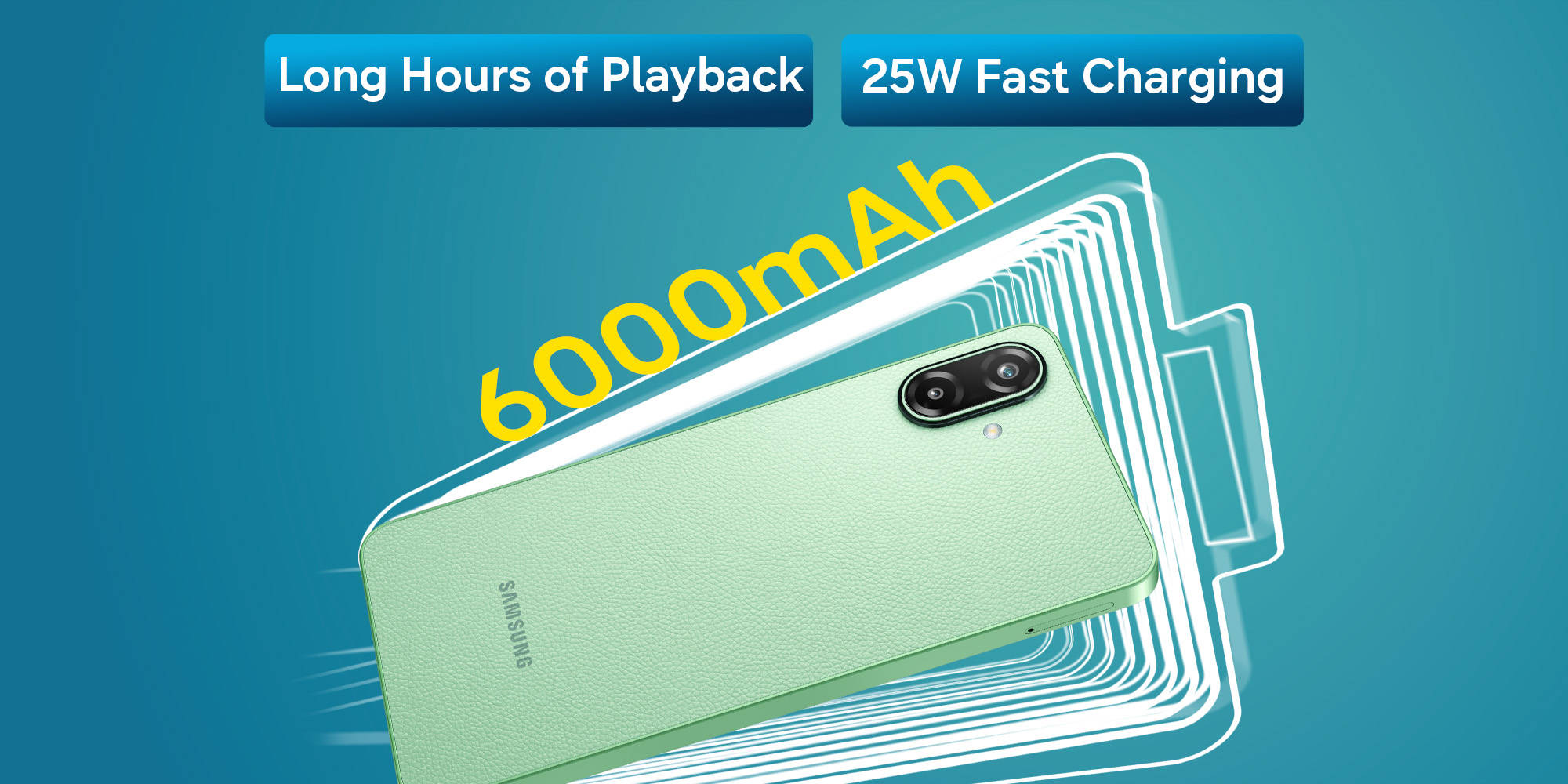
In everyday usage, this capacity comfortably supports long days of 5G usage, gaming, navigation, video streaming, and social media without forcing users to think about charging by late afternoon. Combined with the efficient processor and HD+ display, the phone sustains high-refresh operation without constantly falling back on aggressive power-saving measures. When charging is needed, 25W fast charging keeps downtime low. A short top-up between tasks is enough to restore several hours of use, reinforcing the idea of uninterrupted performance rather than short-lived smoothness.
The Galaxy F70e 5G offers a combination of efficient chipset behaviour and a well-balanced internal layout, which helps it maintain thermal stability. Lower sustained heat reduces throttling, which is especially important during extended gaming sessions, long video calls, or continuous navigation use, where many budget phones tend to slow down over time.
Smoothness is not only about what happens on the screen. It also depends on how reliably the phone connects and communicates. The Galaxy F70e 5G supports Wi-Fi 5 on both frequency bands, Bluetooth 5.3, USB Type-C, and dual Nano-SIM 5G with active 4G on both SIMs. This ensures stable connectivity for streaming, online gaming, cloud backups, and video calls. Bluetooth 5.3 improves wireless audio stability, while the presence of a 3.5mm headphone jack supports users who prefer wired headphones with zero latency. Together, these details prevent network and accessory limitations from undermining the overall performance experience.
Camera responsiveness and system fluidity
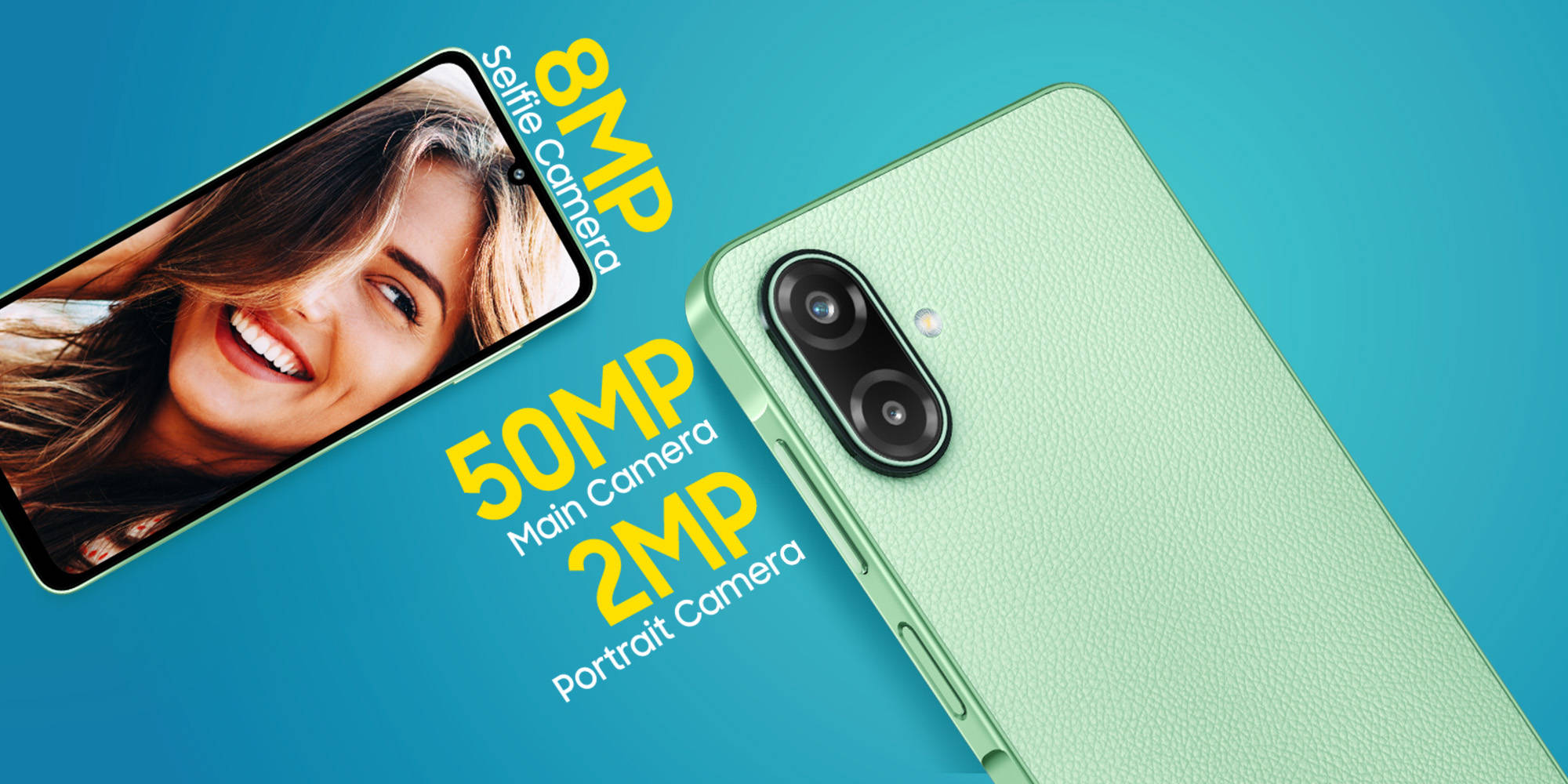
The Galaxy F70e 5G features a dual rear camera setup with a 50MP wide sensor and a 2MP depth sensor, supported by rear autofocus, along with an 8MP front camera for selfies and video calls. The phone’s software and hardware stack have a direct impact on perceived performance. Camera usage is one of the most demanding everyday tasks for a smartphone. Opening the camera quickly, switching between lenses, previewing shots in real time, applying HDR processing, and saving high-resolution images all place sustained load on the processor, memory, and storage. On weaker devices, this often leads to stutters, delayed shutter response, background app reloads, or temporary freezes after extended camera use.
With the combination of the Dimensity 6300 chipset, Android 16, and One UI 8.0, the Galaxy F70e 5G handles these transitions more consistently. The camera app launches quickly from the lock screen or multitasking view, autofocus locks without hesitation, and image processing runs in the background without interrupting other apps. Switching back to social media or messaging after shooting does not trigger aggressive app reloads, which is a common weak point in this segment.
This stability matters because for most users, photography is tightly linked to sharing. Capturing a photo, editing it lightly, and uploading it to Instagram, WhatsApp, or cloud storage happens in quick succession. When the system slows down during this chain, the experience feels fragmented. By keeping camera operations smooth and predictable, the Galaxy F70e 5G maintains continuity between shooting and sharing, reinforcing the broader claim of sustained system responsiveness. In this context, the camera is not just an imaging tool. It acts as a stress test for the phone’s overall performance. The fact that the Galaxy F70e 5G handles this workload without noticeable slowdowns adds practical credibility to its performance claims.
Why the claim holds
The Galaxy F70e 5G’s segment’s smoothest performance positioning rests on five pillars: a 120Hz 6.7-inch display, Dimensity 6300 chipset, up to 6GB RAM with expandable storage, Android 16 with One UI 8.0, and a 6000mAh battery with 25W charging. Few competing phones in this bracket combine all these elements in a single package – most compromise on either refresh rate, battery size, software freshness, or memory configuration.
Crucially, this positioning originates from our own controlled testing. In 91mobiles TestLab comparisons conducted under identical conditions, the Galaxy F70e 5G demonstrated visibly smoother scrolling behaviour than both the vivo T4 Lite and the realme P3 Lite, reinforcing the conclusion through both recorded evidence and human-eye observation.
That’s why it’s fair to say that the Galaxy F70e 5G does not rely on isolated benchmarks. It relies on system-level balance. A display that stays smooth throughout the day, hardware tuned for stability, sufficient memory and storage, long battery life, and modern software come together as one cohesive platform. For users who value dependable everyday responsiveness over short-lived performance spikes, the proposition is straightforward. The Galaxy F70e 5G is built to make 120Hz matter in real-world use in a segment where “smooth” is often just a slogan.