India’s smartphone market hits five-year high in Q3 2025 as premium demand surges: IDC report


India’s smartphone market recorded its strongest performance in five years during the third quarter of 2025, according to the latest report from IDC. The growth was driven mainly by rising demand for premium smartphones, boosted by new launches and discounts on previous models. However, the overall momentum was slightly weighed down by weak demand for entry-level Android phones and rising average selling prices, showing the market’s ongoing shift toward higher-value devices.
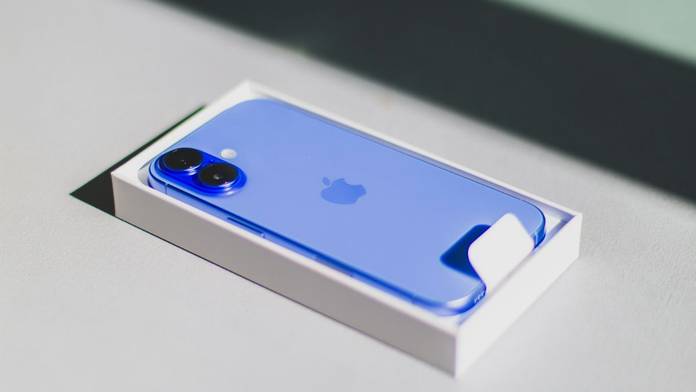
Apple delivered its best-ever quarter in India, shipping five million iPhones and securing the fourth position in the market for the first time. The company saw 25.6 percent year-over-year (YoY) growth, powered by strong demand for both new and older models. The iPhone 16 was the most-shipped smartphone in the country, accounting for five percent of all shipments. Meanwhile, the newly launched iPhone 17 series and iPhone Air made a record debut, contributing 16 percent of Apple’s shipments in the quarter, which IDC says is the brand’s strongest launch performance since 2021.
Festive season drivers such as aggressive pricing, bank offers, cashback, trade-in deals, and EMI options across online and offline channels played a big role in lifting demand this quarter. The average selling price of smartphones in India rose to an all-time high of $294 (Rs 26,000 approx), up 13.7 percent year-over-year.


The entry-level segment grew 35.3 percent year-over-year, increasing its share to 16 percent. Xiaomi, Realme, and Vivo led this category. The mass-budget segment fell 8.8 percent year-over-year, with share declining from 45 to 40 percent. Vivo, OPPO, and Realme dominated, with the OPPO A5 and Vivo T4X among the top models.
The entry-premium segment dropped 4.9 percent year-over-year, with share falling to 26 percent. Vivo, OPPO, and Samsung led this category, while Motorola’s Edge 60 Fusion was the highest-shipped model in this band. The mid-premium segment grew 10.7 percent year-over-year, rising to a four percent share. Samsung led the segment, supported by heavy discounts on the Galaxy S24.


The premium segment expanded 43.3 percent year-over-year, with Apple accounting for more than seventy percent of shipments. The super-premium segment posted the fastest growth at 52.9 percent year-over-year. Apple regained leadership with a 66 percent share, followed by Samsung at 31 percent. Strong performers included the Galaxy S24 Ultra, Galaxy Z Fold7, iPhone 16, iPhone 16 Pro, and Galaxy S25 Ultra.
Chipset trends also shifted. Qualcomm-powered phones grew 17.9 percent year-over-year, gaining a 29.2 percent market share thanks to strong shipments from Xiaomi, POCO, and Nothing. MediaTek, however, saw its share fall to forty-six percent after a 9.7 percent decline in shipments.
Offline retail continued its rise, with shipments up 21.8 percent year-over-year and market share increasing to 56.4 percent. Online channels saw their share fall to 43.6 percent, with shipments declining 12 percent year-over-year. IDC attributed the offline success to festive schemes, attractive margins for retailers, and price strategies aligned with local markets.
Among brands, Vivo held the number-one position for the seventh straight quarter due to its strong portfolio across price segments and balance between online and offline presence. OPPO climbed to second place, overtaking Samsung, driven by aggressive offline expansion and partner incentives. Motorola recorded the highest growth among the top brands at 52.4 percent year-over-year, followed by Apple’s strong 25.6 percent growth.