
vivo T4 Ultra
+ Compare


-
Design23

-
Rear Camera15

-
Front Camera4

-
360° View
![360° View]()
-
UI Screenshot17
![UI Screenshot]()
-
Videos2
![Videos]()


Key Specs
Performance
-
MediaTek Dimensity 9300 Plus -
Octa core (3.4 GHz, Single Core + 2.85 GHz, Tri core + 2 GHz, Quad core) -
8 GB / 12 GB RAM, LPDDR5
Display
-
6.67 inches (16.94 cm); AMOLED (Curved Display) -
1260x2800 px (FHD+) -
120 Hz Refresh Rate -
Bezel-less with punch-hole display
Rear Camera
-
Triple Camera Setup - 50 MP Wide Angle Primary Camera
- 8 MP Ultra-Wide Angle Camera
- 50 MP Periscope (upto 100x Digital Zoom, upto 3x Optical Zoom) Camera
-
Smart Aura Light -
4k @60 fps Video Recording
Front Camera
-
32 MP Wide Angle Lens -
4k @60 fps Video Recording
Battery
-
5500 mAh, Li-ion -
90W Flash Charging; USB Type-C port
General
-
SIM1: Nano, SIM2: Nano -
5G Supported -
256 GB / 512 GB internal storage, Non Expandable -
Dust Resistant, Water Resistant

vivo T4 Ultra Prices in India
 Flipkart
vivo T4 Ultra Compare Camera Samples



vivo T4 Ultra Expert Review Summary

Expert Rating:
![Ashish Kumar]()
Verdict
The Vivo T4 Ultra may not boast standout specifications beyond its impressive 3x optical zoom, but it comes across as a well-rounded option within its price segment. The handset delivers competitive performance, a vibrant and fluid viewing experience, and dependable battery life. The cameras are reliable, too. However, the smartphone would have benefited from a larger battery, a more robust IP rating, and a more advanced display panel.
Pros
- Bright AMOLED display
- Smooth performance
- Reliable & versatile cameras
Cons
- Battery smaller than competitors
- Sub-par IP64 rating
Slim& lightweight design
+
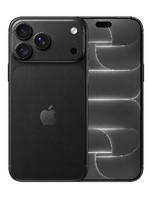
The Vivo V50 has somewhat inspired the design of the T4 Ultra smartphone. The rear panel features a pendulum wall clock-like camera setup, giving it a distinct look. The back panel sports a prominent black circular module that houses dual camera sensors and an elongated platform, which matches the colour scheme of the smartphone and has room for the Aura light, a telephoto lens, and '100x Tele Lens' text.The smartphone is available in two colour options in India: Meteor Grey and Phoenix Gold. We received the Phoenix Gold colour variant for review, which is anything but subtle and may not always look golden. The handset exudes a shade of white when viewed from an angle. The smartphone's rear panel features a glass layer with a subtle brush stroke finish beneath, designed to shimmer when light catches it at an angle.While the plastic frame might not offer an extremely premium feel, it significantly contributes to the T4 Ultra's manageable weight. Despite its glass back and robust 5,500mAh battery, the handset remains lightweight at just 193 grams, ensuring comfortable, prolonged use without causing wrist fatigue.Moving on, the smartphone boasts ingress protection (IP64), which means it can survive minor splashes of water. This is a bummer considering even the affordable smartphones these days offer better IP68 + IP69 ratings for water and dust resistance. Be that as it may, Vivo is providing a good-quality transparent case with the device to safeguard it against minor drops and falls.The handset is equipped with an in-display fingerprint scanner for enhanced security, which unlocks the device in a fraction of a second while remaining accurate. Furthermore, the smartphone features a USB Type-C port at the bottom edge for charging and data transfer, along with a speaker grill and a SIM card tray. The latter has space for dual SIM cards, but not for a microSD card to further expand the storage.
Read More
Bright AMOLED display
+
Moving on to the viewing experience, the Vivo T4 Ultra sports a 6.67-inch AMOLED display that bears 1.5k resolution, up to 120Hz refresh rate, 5,000 nits of peak brightness, and HDR10+ support. Even though the display size has gone down by 0.1 inch from its predecessor, Vivo has enhanced the viewing experience with improved brightness and resolution. The handset delivers punchy visuals with vibrant colours and deep blacks, which are on par with its competitors. That said, it lacks the dynamic refresh rate that allows the screen to automatically adjust its refresh rate based on the content being displayed, potentially impacting battery efficiency in some scenarios.The display can still smartly adapt to the content on the screen with its adaptive refresh rate, going all the way down to 60Hz (if not, 1Hz) from 120Hz to conserve battery life without sacrificing smooth animations or graphics. Furthermore, the smartphone's razor-thin bezels create a truly immersive viewing experience. However, regarding HDR content, as of the time of this review, only YouTube supports HDR video streaming on the device. Netflix and other streaming platforms are currently limited to FHD+ resolution.Be that as it may, the Vivo T4 Ultra comes equipped with dual stereo speakers, offering an immersive audio experience with rich, balanced sound output. The audio also remains fairly crisp at maximum volume levels, which will be a significant advantage for those who enjoy watching videos without using headphones.
Read More
Good daylight cameras
+
In terms of optics, the Vivo T4 Ultra sports triple rear cameras, comprising a 50MP Sony IMX921 OIS primary sensor, an 8MP ultra-wide sensor with 120-degree FoV, and a 50MP Sony IMX882 telephoto lens. Notably, the telephoto lens supports 3x optical zoom, which is superior to the 2x zoom in the price range. The lens proves to be a reliable addition, delivering sharp, detailed images of distant subjects. Moreover, the colour science is well-matched with the primary sensor, ensuring visual consistency across shots. The telephoto lens also performs admirably in terms of autofocus speed and subject tracking, making it both versatile and responsive in everyday use, and can also be used for macros.Talking about the Vivo T4 Ultra camera performance, it leans towards delivering bright, vibrant, and social media-ready images, particularly with more natural skin tone reproduction than its counterparts and balanced night photography. While it does fall short in areas like low-light sharpness and overexposure control in daylight, the handset consistently delivers appealing images with a bias toward vividness over realism. If you value a more saturated, vibrant photographic style with strong selfie and night mode performance, the Vivo T4 Ultra could be worth considering.The smartphone also supports 4K video recording at 60 frames per second (fps) from both the front and rear cameras. Video quality appears stable, particularly when recorded using the primary sensor in well-lit conditions. As for the colour reproduction and autofocus speed, they are consistent with the phone's still photography.Read on for a more detailed analysis of the Vivo T4 Ultra's cameras as we compare them with those of the Realme GT 7 and iQOO Neo 10 in different scenarios.DaylightThe Vivo T4 Ultra captures brighter images than the iQOO Neo 10 with its primary camera in daylight conditions. While this results in photos that are more visually striking, it sometimes struggles to retain shadow details and control overexposure caused by excessive light. In contrast, the iQOO Neo 10 produces images with better contrast, a balanced dynamic range, and near-accurate colours. It also stands out with superior detail retention.The Realme GT 7 tends to oversaturate colours, resulting in images that are more visually striking and social media-friendly. However, it falls short when it comes to retaining details in shadowy areas. The Vivo T4 Ultra performs better in this regard, managing to capture finer details which aren't directly exposed to the light.UltrawideThe Vivo T4 Ultra maintains consistent colour science when switching from the primary to the ultrawide camera, something the iQOO Neo 10 struggles with. The iQOO's ultrawide shooter tends to capture images with muted colours and lacklustre detail. In contrast, while Vivo's ultrawide images may lean towards overexposure, they appear more vibrant and appealing.The Realme GT 7's ultrawide lens maintains the same colour science as its primary camera, ensuring a consistent visual experience across lenses. Choosing between the Realme and Vivo smartphones ultimately comes down to personal preference. The Realme GT 7 favours a more contrast-heavy look, while the Vivo T4 Ultra delivers images with brighter, more vibrant colours.PortraitThe Vivo T4 Ultra doesn't switch to its telephoto lens for portraits by default. Instead, it uses a 50mm (equivalent to 1.5x zoom) focal point from its primary camera to capture images with a bokeh effect in the background.Compared to the iQOO Neo 10, which uses a telephoto lens for portrait shots, the Vivo T4 Ultra delivers more accurate skin tones. The iQOO, however, stands out with superior detail capture. That said, both smartphones offer comparable edge detection and bokeh effects, making the overall portrait experience quite similar.The Realme GT 7 pulls ahead with superior edge detection and a more natural-looking bokeh effect. However, its contrast-heavy processing results in less natural-looking skin tones. If accurate skin tones are your priority, the Vivo T4 Ultra may be a better choice.SelfieThe Vivo T4 Ultra does a slightly better job of keeping skin tones closer to natural. However, the iQOO Neo 10 excels in capturing finer facial details and reproducing clothing colours with near-accurate precision. Both smartphones offer comparable exposure levels when it comes to background details.Unlike its rear cameras, the Realme GT 7 adopts a brighter tone with its front-facing camera, often resulting in overexposed selfies that compromise detail and skin tone accuracy. In comparison, the Vivo T4 Ultra may be the better choice for selfie enthusiasts, thanks to its superior detail retention and more appealing, if not entirely accurate, colour reproduction.Low-lightIn low-light conditions, the Vivo T4 Ultra captures finer details that the iQOO Neo 10 sometimes misses. This may be attributed to the warmer tones the Vivo tends to favour, which can help bring out subtle elements in darker scenes. However, the iQOO Neo 10 compensates with sharper images and colours that are more true to life. That said, the iQOO smartphone could have done better with the light flare, which the Vivo offering seems to be controlling better.The contrast-heavy approach of the Realme GT 7 results in images that appear more true to life compared to those from the Vivo T4 Ultra. The Realme smartphone also captures sharper, crisper photos, while the Vivo struggles to reduce graininess, especially in challenging lighting conditions.Low-light (night mode)With Night mode enabled, the iQOO Neo 10 performs slightly better at managing light flares. However, it still falls short of the Vivo T4 Ultra, which produces more detailed images by effectively reducing grain. In terms of colour reproduction, both smartphones deliver nearly identical results.The Vivo T4 Ultra delivers more details than the Realme GT 7 with the night mode enabled. The smartphone is also better at controlling the light flare and applying the blueish tint that is discernible on the Realme offering.
Read More
Impressive performance
+
Under the hood, the Vivo T4 Ultra is powered by the MediaTek Dimensity 9300+ SoC, marking its debut in the Indian smartphone market with this specific chipset. The SoC, originally unveiled last year and has powered a few tablets since then, is a slightly enhanced version of the Dimensity 9300 chipset, which was the brain behind the Vivo X100-series smartphones. The Dimensity 9300+ shares the same 4nm manufacturing process, cores, and GPU, among other things, as the recently introduced Dimensity 9400e SoC. As a result, there is a negligible difference in the synthetic benchmark and real-world performances of the Vivo T4 Ultra and Realme GT 7.In fact, the Vivo T4 Ultra delivers performance nearly identical to the iQOO Neo 10, which is powered by the Snapdragon 8s Gen 4 SoC, across benchmarks like AnTuTu, Geekbench, and our standard gaming tests. While the smartphone posted the lowest score among its rivals in the Burnout CPU throttle test, we didn't find it to have any noticeable impact on day-to-day performance, even during demanding tasks such as gaming. The Vivo T4 Ultra gameplay remained on par with the Realme GT 7 and iQOO Neo 10 while playing games such as BGMI, Real Racing 3, and COD: Mobile at similar graphics and frame rate settings.
Read More
Useful AI features
+
The Vivo T4 Ultra runs FunTouch OS 15, based on Android 15, right out of the box. The software experience is typical of Vivo devices, featuring a customised interface along with a host of pre-installed apps. In addition to Vivo's native apps, the handset also comes with several third-party applications, including Amazon, Spotify, and PhonePe. While these are widely used and boast millions of downloads, users have the option to uninstall them if they're not needed.The phone may not offer an extensive suite of AI features, but the ones it does include are useful and enhance overall usability. The handset can transcribe audio to text, organise and summarise content in Notes, provide real-time call translation, perform on-screen Google searches, remove unwanted objects from images, and even optimise signal strength.Vivo has committed to long-term software support for the T4 Ultra, offering three years of major Android updates and four years of security patches. This ensures the device remains current and functional with most new features through to 2028. However, it falls short compared to the Realme GT 7, which promises four major OS upgrades and six years of security updates.
Read More
Solid battery life
+
The Vivo T4 Ultra retains its predecessor's 5,500mAh battery, but Vivo has marginally increased charging speeds from 80W to 90W. This enhancement allows the T4 Ultra to charge from 20 to 100 percent in just 34 minutes, four minutes faster than the Vivo T3 Ultra's 38 minutes for a similar charge level. A compatible 90W charger is provided in the box.The Vivo T4 Ultra scores 13 hours and 34 minutes on the PCMark battery test, which simulates real-world activities to drain the battery. Although respectable, the score is lower than both Realme GT 7 and iQOO Neo 10, which come with larger 7,000mAh batteries. Our lab tests further highlight this disparity. When streaming a YouTube video for 30 minutes, the Vivo T4 Ultra experienced a 4 percent battery drop, and a significant 21 percent drop after 90 minutes of gaming. On the contrary, the Realme GT 7 demonstrated superior power efficiency, consuming only 2 percent of battery during 30 minutes of YouTube streaming and 10 percent during 90 minutes of gaming.For high-end users who push their devices to the limit, the Vivo T4 Ultra might not be the top contender. However, for regular to moderately heavy users, this smartphone truly shines. The handset comfortably delivered an entire day and then some of battery life during my tests, handling everything from browsing and streaming to social media scrolling and light gaming without a hitch.
Read More
Read full Review

Verdict
The Vivo T4 Ultra may not boast standout specifications beyond its impressive 3x optical zoom, but it comes across as a well-rounded option within its price segment. The handset delivers competitive performance, a vibrant and fluid viewing experience, and dependable battery life. The cameras are reliable, too. However, the smartphone would have benefited from a larger battery, a more robust IP rating, and a more advanced display panel.
- Bright AMOLED display
- Smooth performance
- Reliable & versatile cameras
Pros
- Battery smaller than competitors
- Sub-par IP64 rating
Cons
Slim& lightweight design
+The Vivo V50 has somewhat inspired the design of the T4 Ultra smartphone. The rear panel features a pendulum wall clock-like camera setup, giving it a distinct look. The back panel sports a prominent black circular module that houses dual camera sensors and an elongated platform, which matches the colour scheme of the smartphone and has room for the Aura light, a telephoto lens, and '100x Tele Lens' text.The smartphone is available in two colour options in India: Meteor Grey and Phoenix Gold. We received the Phoenix Gold colour variant for review, which is anything but subtle and may not always look golden. The handset exudes a shade of white when viewed from an angle. The smartphone's rear panel features a glass layer with a subtle brush stroke finish beneath, designed to shimmer when light catches it at an angle.While the plastic frame might not offer an extremely premium feel, it significantly contributes to the T4 Ultra's manageable weight. Despite its glass back and robust 5,500mAh battery, the handset remains lightweight at just 193 grams, ensuring comfortable, prolonged use without causing wrist fatigue.Moving on, the smartphone boasts ingress protection (IP64), which means it can survive minor splashes of water. This is a bummer considering even the affordable smartphones these days offer better IP68 + IP69 ratings for water and dust resistance. Be that as it may, Vivo is providing a good-quality transparent case with the device to safeguard it against minor drops and falls.The handset is equipped with an in-display fingerprint scanner for enhanced security, which unlocks the device in a fraction of a second while remaining accurate. Furthermore, the smartphone features a USB Type-C port at the bottom edge for charging and data transfer, along with a speaker grill and a SIM card tray. The latter has space for dual SIM cards, but not for a microSD card to further expand the storage.
Read MoreBright AMOLED display
+Moving on to the viewing experience, the Vivo T4 Ultra sports a 6.67-inch AMOLED display that bears 1.5k resolution, up to 120Hz refresh rate, 5,000 nits of peak brightness, and HDR10+ support. Even though the display size has gone down by 0.1 inch from its predecessor, Vivo has enhanced the viewing experience with improved brightness and resolution. The handset delivers punchy visuals with vibrant colours and deep blacks, which are on par with its competitors. That said, it lacks the dynamic refresh rate that allows the screen to automatically adjust its refresh rate based on the content being displayed, potentially impacting battery efficiency in some scenarios.The display can still smartly adapt to the content on the screen with its adaptive refresh rate, going all the way down to 60Hz (if not, 1Hz) from 120Hz to conserve battery life without sacrificing smooth animations or graphics. Furthermore, the smartphone's razor-thin bezels create a truly immersive viewing experience. However, regarding HDR content, as of the time of this review, only YouTube supports HDR video streaming on the device. Netflix and other streaming platforms are currently limited to FHD+ resolution.Be that as it may, the Vivo T4 Ultra comes equipped with dual stereo speakers, offering an immersive audio experience with rich, balanced sound output. The audio also remains fairly crisp at maximum volume levels, which will be a significant advantage for those who enjoy watching videos without using headphones.
Read MoreGood daylight cameras
+In terms of optics, the Vivo T4 Ultra sports triple rear cameras, comprising a 50MP Sony IMX921 OIS primary sensor, an 8MP ultra-wide sensor with 120-degree FoV, and a 50MP Sony IMX882 telephoto lens. Notably, the telephoto lens supports 3x optical zoom, which is superior to the 2x zoom in the price range. The lens proves to be a reliable addition, delivering sharp, detailed images of distant subjects. Moreover, the colour science is well-matched with the primary sensor, ensuring visual consistency across shots. The telephoto lens also performs admirably in terms of autofocus speed and subject tracking, making it both versatile and responsive in everyday use, and can also be used for macros.Talking about the Vivo T4 Ultra camera performance, it leans towards delivering bright, vibrant, and social media-ready images, particularly with more natural skin tone reproduction than its counterparts and balanced night photography. While it does fall short in areas like low-light sharpness and overexposure control in daylight, the handset consistently delivers appealing images with a bias toward vividness over realism. If you value a more saturated, vibrant photographic style with strong selfie and night mode performance, the Vivo T4 Ultra could be worth considering.The smartphone also supports 4K video recording at 60 frames per second (fps) from both the front and rear cameras. Video quality appears stable, particularly when recorded using the primary sensor in well-lit conditions. As for the colour reproduction and autofocus speed, they are consistent with the phone's still photography.Read on for a more detailed analysis of the Vivo T4 Ultra's cameras as we compare them with those of the Realme GT 7 and iQOO Neo 10 in different scenarios.DaylightThe Vivo T4 Ultra captures brighter images than the iQOO Neo 10 with its primary camera in daylight conditions. While this results in photos that are more visually striking, it sometimes struggles to retain shadow details and control overexposure caused by excessive light. In contrast, the iQOO Neo 10 produces images with better contrast, a balanced dynamic range, and near-accurate colours. It also stands out with superior detail retention.The Realme GT 7 tends to oversaturate colours, resulting in images that are more visually striking and social media-friendly. However, it falls short when it comes to retaining details in shadowy areas. The Vivo T4 Ultra performs better in this regard, managing to capture finer details which aren't directly exposed to the light.UltrawideThe Vivo T4 Ultra maintains consistent colour science when switching from the primary to the ultrawide camera, something the iQOO Neo 10 struggles with. The iQOO's ultrawide shooter tends to capture images with muted colours and lacklustre detail. In contrast, while Vivo's ultrawide images may lean towards overexposure, they appear more vibrant and appealing.The Realme GT 7's ultrawide lens maintains the same colour science as its primary camera, ensuring a consistent visual experience across lenses. Choosing between the Realme and Vivo smartphones ultimately comes down to personal preference. The Realme GT 7 favours a more contrast-heavy look, while the Vivo T4 Ultra delivers images with brighter, more vibrant colours.PortraitThe Vivo T4 Ultra doesn't switch to its telephoto lens for portraits by default. Instead, it uses a 50mm (equivalent to 1.5x zoom) focal point from its primary camera to capture images with a bokeh effect in the background.Compared to the iQOO Neo 10, which uses a telephoto lens for portrait shots, the Vivo T4 Ultra delivers more accurate skin tones. The iQOO, however, stands out with superior detail capture. That said, both smartphones offer comparable edge detection and bokeh effects, making the overall portrait experience quite similar.The Realme GT 7 pulls ahead with superior edge detection and a more natural-looking bokeh effect. However, its contrast-heavy processing results in less natural-looking skin tones. If accurate skin tones are your priority, the Vivo T4 Ultra may be a better choice.SelfieThe Vivo T4 Ultra does a slightly better job of keeping skin tones closer to natural. However, the iQOO Neo 10 excels in capturing finer facial details and reproducing clothing colours with near-accurate precision. Both smartphones offer comparable exposure levels when it comes to background details.Unlike its rear cameras, the Realme GT 7 adopts a brighter tone with its front-facing camera, often resulting in overexposed selfies that compromise detail and skin tone accuracy. In comparison, the Vivo T4 Ultra may be the better choice for selfie enthusiasts, thanks to its superior detail retention and more appealing, if not entirely accurate, colour reproduction.Low-lightIn low-light conditions, the Vivo T4 Ultra captures finer details that the iQOO Neo 10 sometimes misses. This may be attributed to the warmer tones the Vivo tends to favour, which can help bring out subtle elements in darker scenes. However, the iQOO Neo 10 compensates with sharper images and colours that are more true to life. That said, the iQOO smartphone could have done better with the light flare, which the Vivo offering seems to be controlling better.The contrast-heavy approach of the Realme GT 7 results in images that appear more true to life compared to those from the Vivo T4 Ultra. The Realme smartphone also captures sharper, crisper photos, while the Vivo struggles to reduce graininess, especially in challenging lighting conditions.Low-light (night mode)With Night mode enabled, the iQOO Neo 10 performs slightly better at managing light flares. However, it still falls short of the Vivo T4 Ultra, which produces more detailed images by effectively reducing grain. In terms of colour reproduction, both smartphones deliver nearly identical results.The Vivo T4 Ultra delivers more details than the Realme GT 7 with the night mode enabled. The smartphone is also better at controlling the light flare and applying the blueish tint that is discernible on the Realme offering.
Read MoreImpressive performance
+Under the hood, the Vivo T4 Ultra is powered by the MediaTek Dimensity 9300+ SoC, marking its debut in the Indian smartphone market with this specific chipset. The SoC, originally unveiled last year and has powered a few tablets since then, is a slightly enhanced version of the Dimensity 9300 chipset, which was the brain behind the Vivo X100-series smartphones. The Dimensity 9300+ shares the same 4nm manufacturing process, cores, and GPU, among other things, as the recently introduced Dimensity 9400e SoC. As a result, there is a negligible difference in the synthetic benchmark and real-world performances of the Vivo T4 Ultra and Realme GT 7.In fact, the Vivo T4 Ultra delivers performance nearly identical to the iQOO Neo 10, which is powered by the Snapdragon 8s Gen 4 SoC, across benchmarks like AnTuTu, Geekbench, and our standard gaming tests. While the smartphone posted the lowest score among its rivals in the Burnout CPU throttle test, we didn't find it to have any noticeable impact on day-to-day performance, even during demanding tasks such as gaming. The Vivo T4 Ultra gameplay remained on par with the Realme GT 7 and iQOO Neo 10 while playing games such as BGMI, Real Racing 3, and COD: Mobile at similar graphics and frame rate settings.
Read MoreUseful AI features
+The Vivo T4 Ultra runs FunTouch OS 15, based on Android 15, right out of the box. The software experience is typical of Vivo devices, featuring a customised interface along with a host of pre-installed apps. In addition to Vivo's native apps, the handset also comes with several third-party applications, including Amazon, Spotify, and PhonePe. While these are widely used and boast millions of downloads, users have the option to uninstall them if they're not needed.The phone may not offer an extensive suite of AI features, but the ones it does include are useful and enhance overall usability. The handset can transcribe audio to text, organise and summarise content in Notes, provide real-time call translation, perform on-screen Google searches, remove unwanted objects from images, and even optimise signal strength.Vivo has committed to long-term software support for the T4 Ultra, offering three years of major Android updates and four years of security patches. This ensures the device remains current and functional with most new features through to 2028. However, it falls short compared to the Realme GT 7, which promises four major OS upgrades and six years of security updates.
Read MoreSolid battery life
+The Vivo T4 Ultra retains its predecessor's 5,500mAh battery, but Vivo has marginally increased charging speeds from 80W to 90W. This enhancement allows the T4 Ultra to charge from 20 to 100 percent in just 34 minutes, four minutes faster than the Vivo T3 Ultra's 38 minutes for a similar charge level. A compatible 90W charger is provided in the box.The Vivo T4 Ultra scores 13 hours and 34 minutes on the PCMark battery test, which simulates real-world activities to drain the battery. Although respectable, the score is lower than both Realme GT 7 and iQOO Neo 10, which come with larger 7,000mAh batteries. Our lab tests further highlight this disparity. When streaming a YouTube video for 30 minutes, the Vivo T4 Ultra experienced a 4 percent battery drop, and a significant 21 percent drop after 90 minutes of gaming. On the contrary, the Realme GT 7 demonstrated superior power efficiency, consuming only 2 percent of battery during 30 minutes of YouTube streaming and 10 percent during 90 minutes of gaming.For high-end users who push their devices to the limit, the Vivo T4 Ultra might not be the top contender. However, for regular to moderately heavy users, this smartphone truly shines. The handset comfortably delivered an entire day and then some of battery life during my tests, handling everything from browsing and streaming to social media scrolling and light gaming without a hitch.
Read MoreCompetitors For vivo T4 Ultra
View Alternatives








Popular Comparisons
 vivo T4 Ultra
 vivo T4 Pro
vivo T4 Ultra
 vivo V60
vivo T4 Ultra
 vivo T5 Pro
vivo T4 Ultra
 Motorola Edge 70 Pro 5G
vivo T4 Ultra
 OPPO Reno14
vivo T4 Ultra
 vivo T5 5G



vivo T4 Ultra Specifications
General |
|
|---|---|
| Launch Date | June 18, 2025 (Official) |
| Operating System | Android v15 |
| OS Updates | 3 Years |
| Security Updates | 4 Years |
| Custom UI | Funtouch OS |
Performance
(Excellent)
|
||||
|---|---|---|---|---|
| Chipset | MediaTek Dimensity 9300 Plus View Details | |||
| Processor | Octa core (3.4 GHz, Single core, Cortex X4 + 2.85 GHz, Tri core, Cortex X4 + 2 GHz, Quad core, Cortex A520) | |||
| Architecture | 64 bit | |||
| Fabrication | 4 nm | |||
| Graphics (GPU) | Immortalis-G720 MC12 | |||
| RAM | 8 GB / 12 GB | |||
| RAM Type | LPDDR5 | |||
| Cooling Technology | Vapor Chamber | |||
|
Gaming Test Results

* after 30 mins of gaming
|
||||
Benchmark Screenshots

AnTuTu Benchmark

Graphics Benchmark

Geekbench6 Benchmark
|

Display
(Best In Class)
|
|
|---|---|
| Display Type | AMOLED (Curved Display) |
| Screen Size | 6.67 inches (16.94 cm) |
| Resolution | 1260x2800 px (FHD+) |
| Peak Brightness | 5000 nits |
| HBM Brightness | 1600 nits |
| PWM Dimming | 2160 Hz |
| Refresh Rate | 120 Hz |
| Touch Sampling Rate | 300 Hz |
| Aspect Ratio | 20:9 |
| Pixel Density | 460 ppi |
| Screen to Body Ratio (calculated) | 89.21 % |
| Screen Protection | Yes |
| Bezel-less Display | Yes with punch-hole display |
| HDR 10 / HDR+ Support | Yes |
| Screen to Body Ratio (claimed by the brand) | 92.89 % |
UI Screenshots

Lock Screen

Home Screen

Screen With Widgets

Dialer Screen

App Drawer

Notification Panel

Quick Settings Panel

Settings Screen

OS Version

Storage

Battery

Camera On

Camera Options

Camera Modes

Camera Settings

Picture Size Options

Video Size Options
|
Design |
|
|---|---|
| Height | 160.5 mm |
| Width | 75.02 mm |
| Thickness | 7.43 mm |
| Weight | 192 grams |
| Build Material | Back: Mineral Glass |
| Water Resistance | Yes, Splash proof, IP64 |
| Ruggedness | Dust proof |
|
Click to View

|
Rear Camera
(Very Good)
|
||||||||||||||||||||||||||||||||||||
|---|---|---|---|---|---|---|---|---|---|---|---|---|---|---|---|---|---|---|---|---|---|---|---|---|---|---|---|---|---|---|---|---|---|---|---|---|
| Resolution | ||||||||||||||||||||||||||||||||||||
|
||||||||||||||||||||||||||||||||||||
| Autofocus | Yes | |||||||||||||||||||||||||||||||||||
| OIS | Yes | |||||||||||||||||||||||||||||||||||
| Flash | Yes, Smart Aura Light | |||||||||||||||||||||||||||||||||||
| Image Resolution | 8150 x 6150 Pixels | |||||||||||||||||||||||||||||||||||
| Settings | Exposure compensation, ISO control | |||||||||||||||||||||||||||||||||||
| Shooting Modes |
Continuous Shooting High Dynamic Range mode (HDR) |
|||||||||||||||||||||||||||||||||||
| Camera Features |
Digital Zoom Auto Flash Touch to focus |
|||||||||||||||||||||||||||||||||||
| Video Recording | 4k @60 fps | |||||||||||||||||||||||||||||||||||
| Video Recording Features | Dual Video Recording | |||||||||||||||||||||||||||||||||||
Rear Camera Samples

Daylight / HDR Auto

Wide Angle

Max Zoom Supported 100x

Long Shot 10X

Long Shot 5X

Long Shot 3X

Long Shot 1X

High Res

Portrait Shot

Night Mode OFF

Night Mode ON

Close Up

Low Light

Low Light With Flash

Colour Variance
|
Front Camera
(Excellent)
|
||||||||||||||
|---|---|---|---|---|---|---|---|---|---|---|---|---|---|---|
| Resolution | ||||||||||||||
|
||||||||||||||
| Autofocus | No | |||||||||||||
| Camera Features | Fixed Focus | |||||||||||||
| Video Recording | 4k @60 fps | |||||||||||||
Front Camera Samples

Selfie

Selfie Portrait

Selfie Low Light

Selfie Low Light With Flash
|
Battery
(Very Good)
|
||||
|---|---|---|---|---|
| Capacity | 5500 mAh | |||
| Battery Type | Li-ion | |||
| Quick Charging | Yes, 90W Flash Charging, 100% in 48 minutes | |||
| Reverse Charging | Yes | |||
|
Battery Test Results
|
Storage |
|
|---|---|
| Internal Storage | 256 GB / 512 GB |
| Storage Type | UFS 3.1 |
| Expandable Storage | No |
Network & Connectivity |
|
|---|---|
| SIM Slot(s) | Dual SIM |
| SIM Type | SIM1: Nano, SIM2: Nano |
| Network Support | 5G, 4G |
| VoLTE | Yes |
| SIM 1 |
5G bands, 4G bands
Expand
|
| SIM 2 |
5G bands, 4G bands
Expand
|
| SAR Value | Head: 0.994 W/kg, Body: 0.998 W/kg |
| Wi-Fi | Yes, Wi-Fi 6 (802.11 a/b/g/n/ac/ax) 5GHz |
| Wi-Fi Features | Mobile Hotspot |
| Bluetooth | Yes, v5.4 |
| GPS | Yes with A-GPS, Glonass |
| NFC | Yes |
Multimedia |
|
|---|---|
| Stereo Speakers | Yes |
| Audio Jack | USB Type-C |
Sensors |
|
|---|---|
| Fingerprint Sensor | Yes |
| Fingerprint Sensor Position | On-screen |
| Fingerprint Sensor Type | Optical |
| Other Sensors | Light sensor, Proximity sensor, Accelerometer, Compass, Gyroscope |
vivo T4 Ultra User Reviews
vivo T4 Ultra Key Highlights
| Processor | MediaTek Dimensity 9300 Plus |
| RAM & Storage | 8 GB RAM + 256 GB 12 GB RAM + 256 GB 12 GB RAM + 512 GB |
| Display | 6.67", 1260 x 2800 Resolution |
| Rear Camera | 50 MP + 8 MP + 50 MP |
| Front Camera | 32 MP |
| Battery | 5500 mAh |






















vivo T4 Ultra Price In India
| Product Name | Store | Price |
|---|---|---|
| vivo T4 Ultra (8 GB + 256 GB) | Flipkart | ₹35,999 |
| vivo T4 Ultra (12 GB + 256 GB) | Flipkart | ₹37,999 |
| vivo T4 Ultra (12 GB + 512 GB) | Flipkart | ₹39,999 |
Popular Links
- All Upcoming Phones
- Upcoming vivo Phones
- vivo phones under 10k
- vivo phones under 20k
- Samsung Galaxy F70 5G
- OPPO Find X10
- OPPO Find X10 Pro Max
- Infinix GT 50 Pro
- Nothing Phone 4a
- Samsung Mobiles
- Motorola Mobiles
- vivo Mobiles
- OPPO Mobiles
- Tecno Mobiles
- realme Mobiles
- OnePlus Mobiles