
Movie |
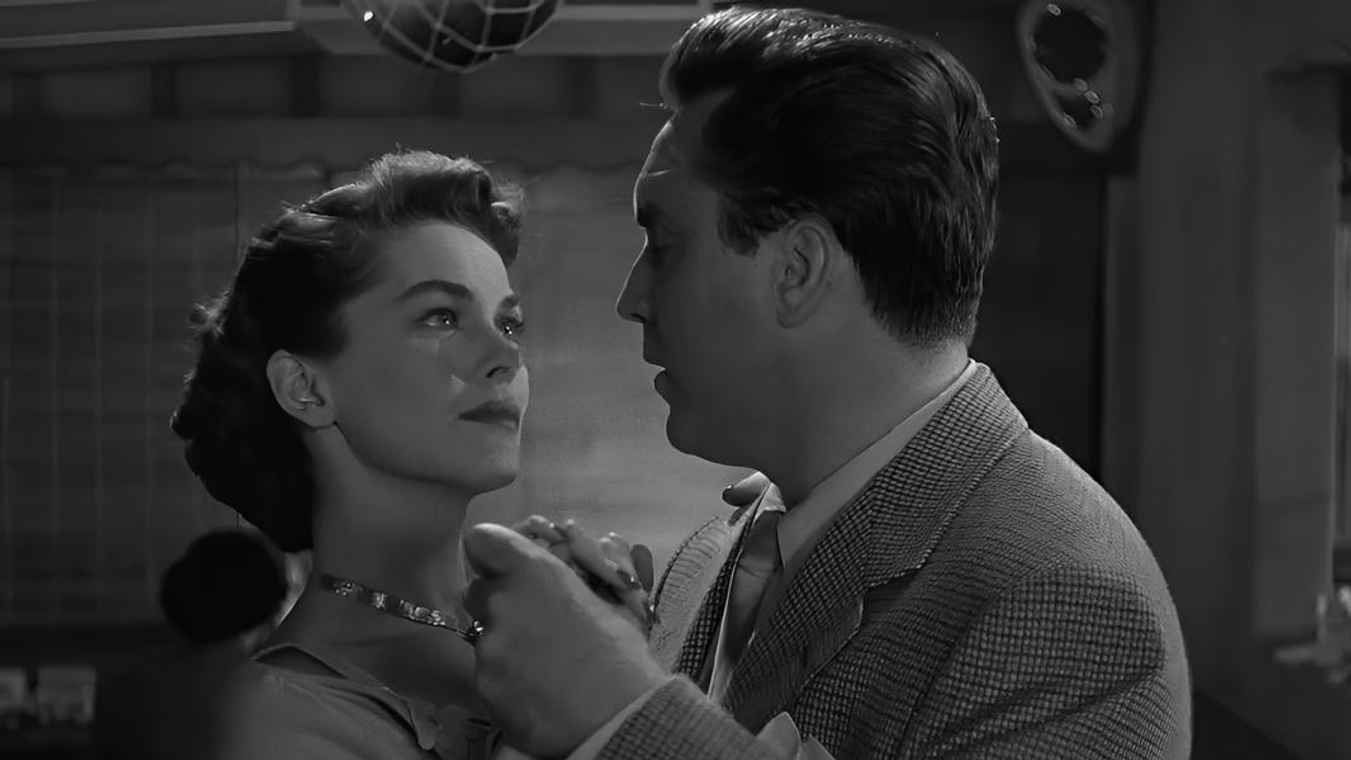
Gambling | Film Noir
Disclaimer: All content and media belong to original content streaming platforms/owners like Netflix, Disney+ Hotstar, Amazon Prime Videos, JioCinema, SonyLIV etc. 91mobiles entertainment does not claim any rights to the content and only aggregate the content along with the service providers links.

"Boulder Dam" is actually Hoover Dam. Congress authorized the Boulder Canyon Dam Project in 1931 and, it being traditional to name big federal dam projects after the sitting President, named it Hoover Dam. Franklin D. Roosevelt defeated Herbert Hoover in 1932 but could not officially change the name set by Congress. Harold Ickes (FDR's Interior Secretary), however, issued a memo directing that his employees " . . . will refer to the dam as 'Boulder Dam' in this pamphlet as well as in correspondence and other references . . . ". In 1947, after Roosevelt and Ickes had died, Congress passed a resolution to "restore" the name of Hoover Dam. Until that time, however, all official, tourist and other promotional materials called it "Boulder Dam." The public's recognition with the old name was still apparent in the movie (released in 1950) through the script and the highway signage seen en route.
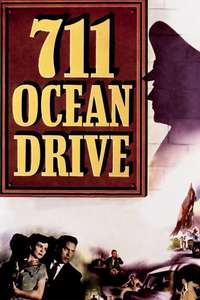
The title seems to refer to the beach house address, which is never mentioned in the film.
The local mob threatened the production crew because of the topic involving the bookmakers mafia of Cleveland.
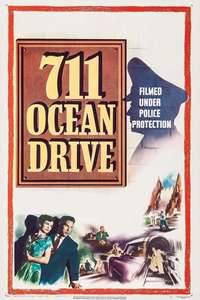
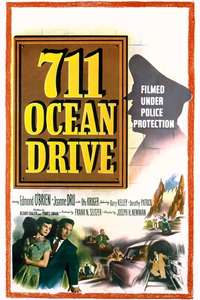
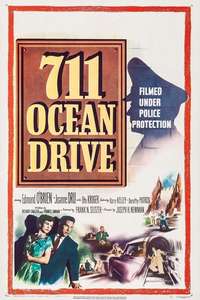
The lobby cards proclaim "Filmed Under Police Protection".
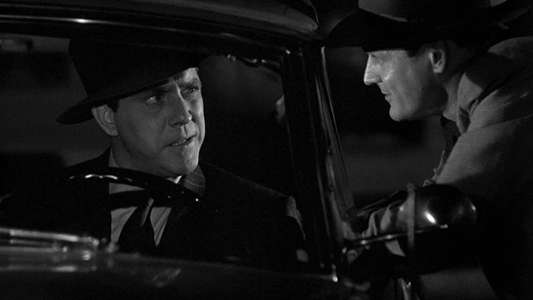
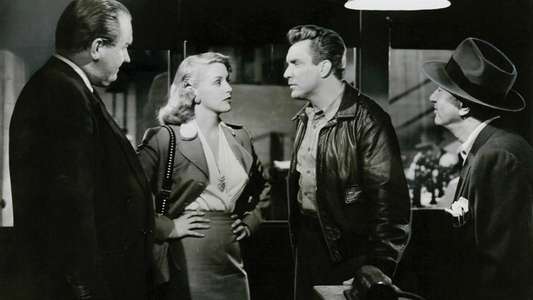
As Granger and Chippie drive up to the Liberty Finance office, a sign on the nightclub next door reads "Red Nichols and His 5 Pennies". Red Nichols was a popular jazz cornetist and bandleader in the 1920's and '30's who was staging a comeback in the 1950's. His career is depicted in the biopic The Five Pennies (1959).
"Mal Granger: Time wounds all heels."
"Mal Granger: I just wish I could lay my hands on Don Ameche for awhile, I'd teach him to invent the telephone."