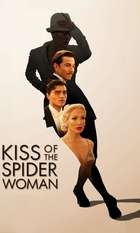

Movie |
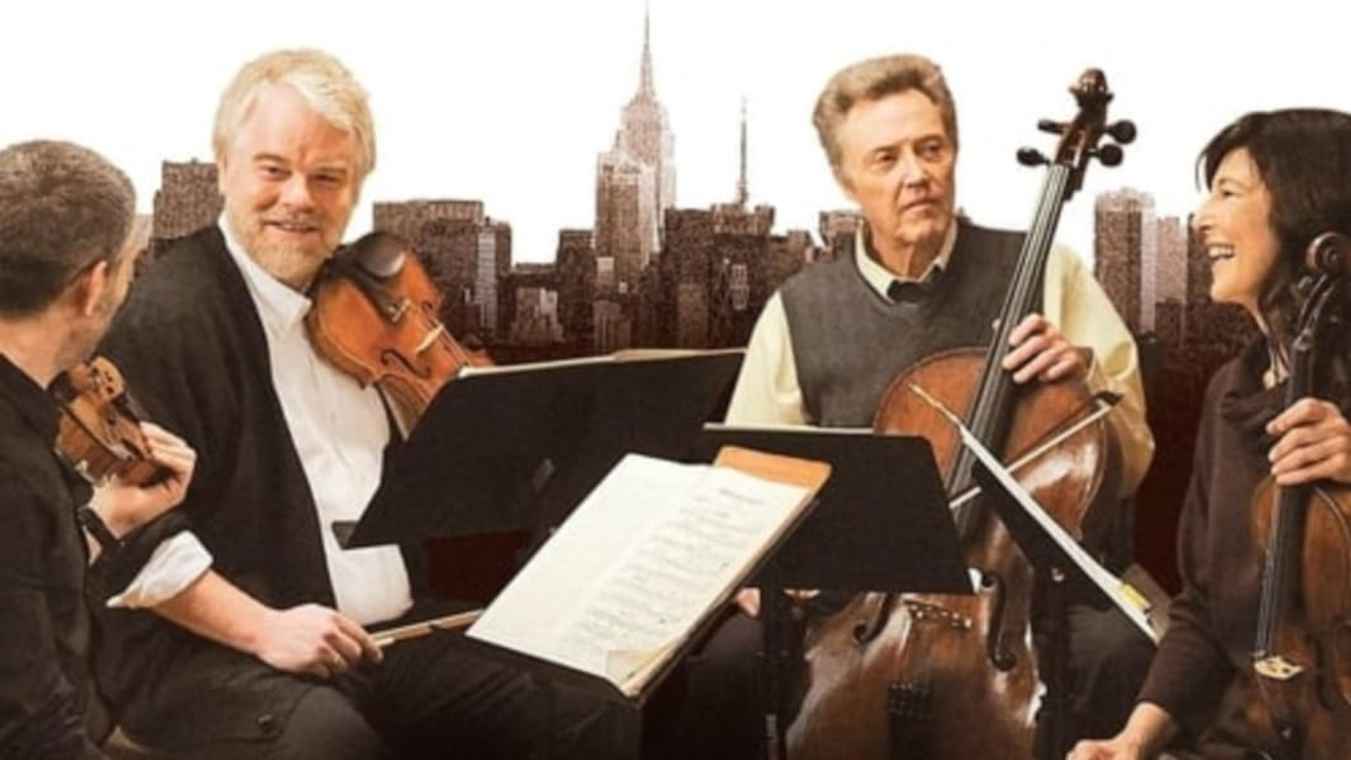
Classical Music | Quartet
Disclaimer: All content and media belong to original content streaming platforms/owners like Netflix, Disney+ Hotstar, Amazon Prime Videos, JioCinema, SonyLIV etc. 91mobiles entertainment does not claim any rights to the content and only aggregate the content along with the service providers links.

Breakthrough Artist | 2012 | Imogen
Best Supporting Actress | 2013 | Catherine
Best Music Supervision for Independent Film | 2013
Box Office Collection 6,303,709 USD
Peter Mitchell tells his class an anecdote about the two times he met cello legend Pablo Casals; this anecdote is a true incident that happened to another legendary cellist, the late Gregor Piatigorsky. This anecdote is paraphrased from Piatigorsky's autobiography, "Cellist".
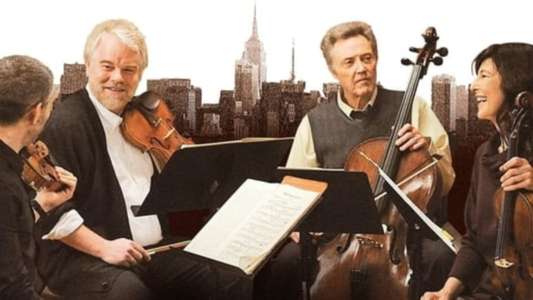
The scene between Christopher Walken and Catherine Keener at the Frick Collection is the first time the Frick allowed filming a scene at their gallery since its opening 75 years ago.
Catherine Keener said about Christopher Walken's role in the film and the way the other actors related to him: "He is the man. He's 'the dad.' And if dad is cool and feeling good today, we all feel good. We truly hated to disappoint him. We were always happy to see him. We wanted his approval. All of those things."
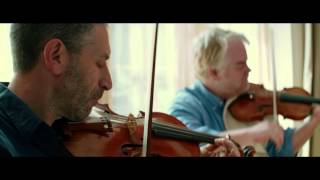
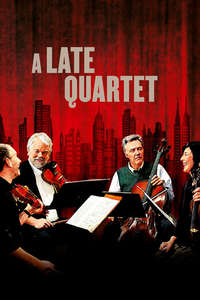
The concert scene in the film is played at the Grace Rainey Hall at the Metropolitan Museum - the same stage where the legendary Guarneri String Quartet played their farewell concert after 45 years of playing together.
Sotheby's David Redden appears as the auctioneer in the film's auction scene.
"[first lines] Peter Mitchell: Time present and time past are both perhaps present in time future, and time future contained in time past. If all time is eternally present, all time is unredeemable. Or say that the end precedes the beginning, and the end and the beginning were always there before the beginning and after the end. And all is always now."
"Peter Mitchell: Casals emphasized the good stuff, the things he enjoyed. He encouraged. And for the rest, leave that to the morons, or whatever it is in Spanish, who judge by counting faults. "I can be grateful, and so must you be," he said, "for even one singular phrase, one transcendent moment.""