
Movie |
Combat | Philosophical Depiction Of War
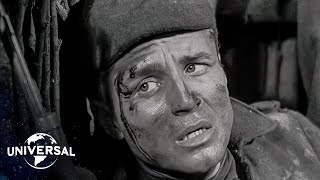
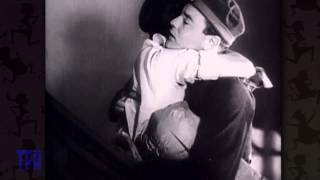
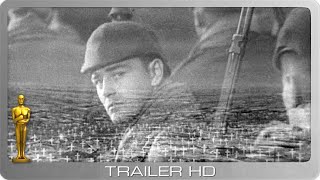
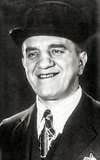
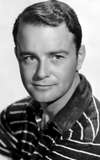
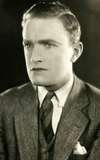
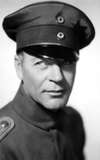
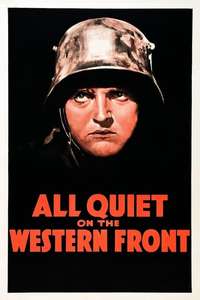
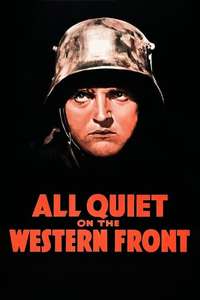
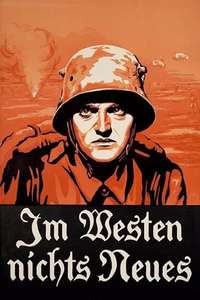
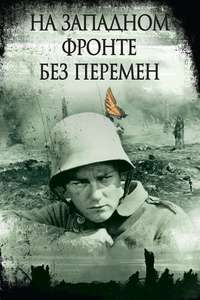
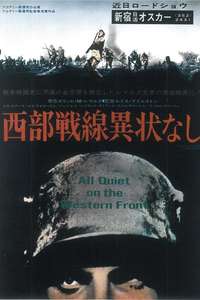
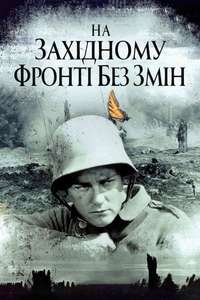
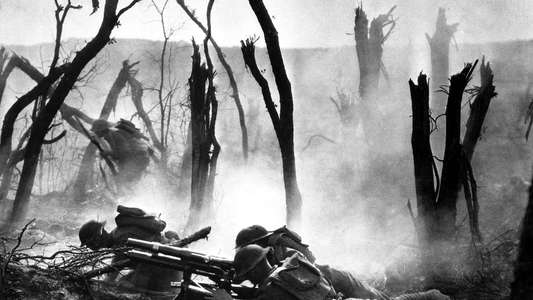
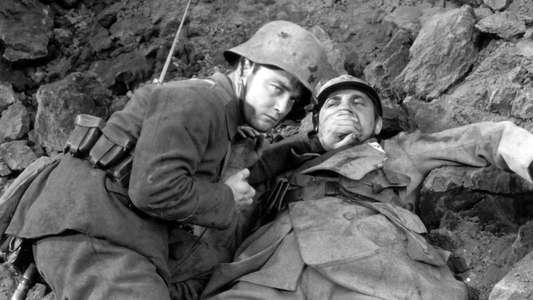
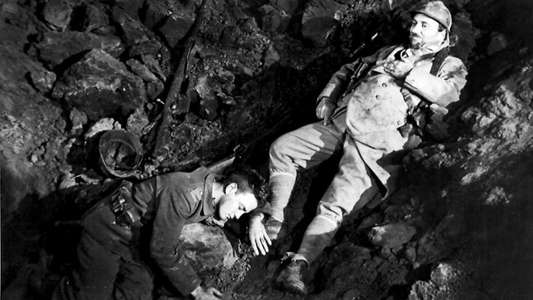
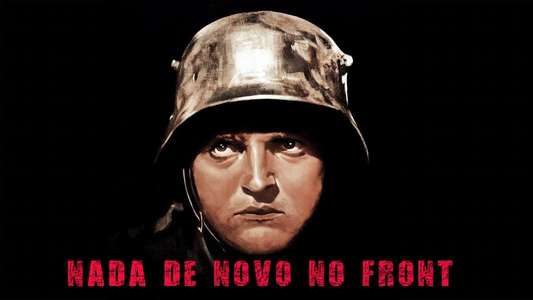
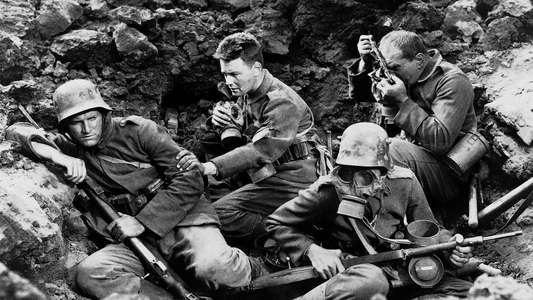
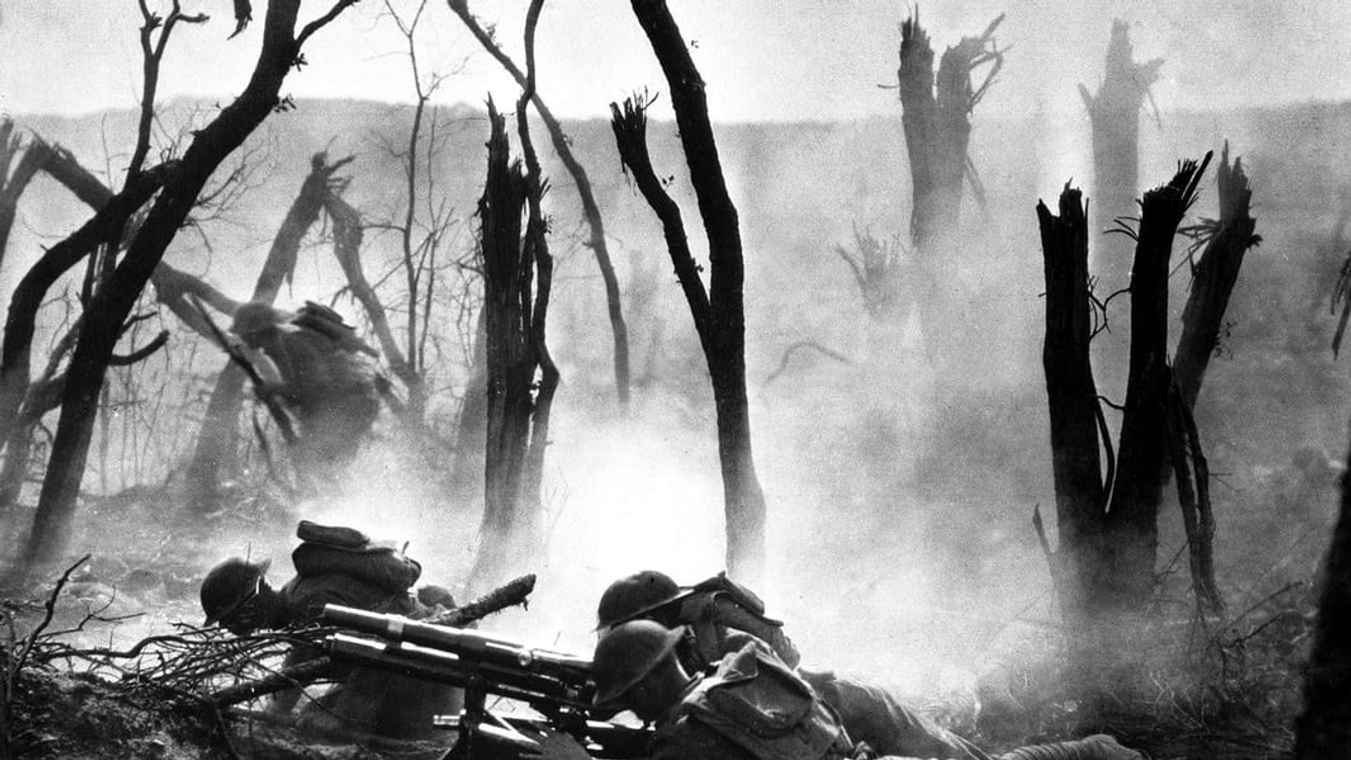
A young soldier faces profound disillusionment in the soul-destroying horror of World War I. Together with several other young German soldiers, he experiences the horrors of war, such evil of which he had not conceived of when signing up to fight. They eventually become sad, tormented, and confused of their purpose. Directed by Lewis Milestone. Starring Louis Wolheim, Lew Ayres, John Wray in the lead roles.
Disclaimer: All content and media belong to original content streaming platforms/owners like Netflix, Disney+ Hotstar, Amazon Prime Videos, JioCinema, SonyLIV etc. 91mobiles entertainment does not claim any rights to the content and only aggregate the content along with the service providers links.


A young soldier faces profound disillusionment in the soul-destroying horror of World War I. Together with several other young German soldiers, he experiences the horrors of war, such evil of which he had not conceived of when signing up to fight. They eventually become sad, tormented, and confused of their purpose. Directed by Lewis Milestone. Starring Louis Wolheim, Lew Ayres, John Wray in the lead roles.
Budget 1,448,864 USD
Box Office Collection 3,270,000 USD
With the loss of limbs and gory deaths shown rather explicitly, this is undoubtedly the most violent American film of its time. This is because the Production Code was not strictly enforced until 1934, and also because Universal Pictures deemed the subject matter important enough to allow the violence to be seen. The scene where a soldier grabs a strand of barbed wire and then is blown up by an artillery shell, leaving only his hands still grabbing the barbed wire, was told to director Lewis Milestone by a former German soldier working as an extra, who saw that happen during a French attack on his position during the war. Milestone used it in the film.
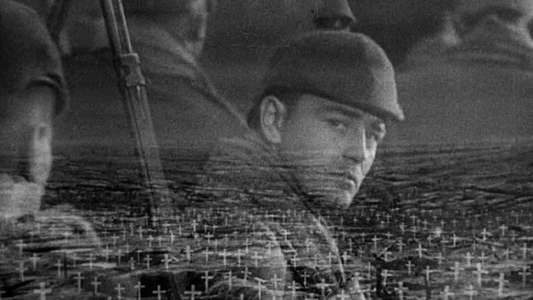
The iconic final shot was filmed during the editing process. All the actors had left so that is actually Lewis Milestone's hand we see in the final shot.
Made for the then considerable sum of $1.25 million. The fact that production began only a few months after the 1929 stock-market crash puts into perspective the enormous gamble taken by Universal Pictures in making this film.
Lewis Milestone deliberately made the film without music so as not to take away from the seriousness of the subject. Much to his chagrin, however, some movie theaters added music in of their own choosing, as they weren't used to having films delivered to them without any form of background scoring.
In part because of his experience in playing the part of Paul Baumer, Lew Ayres became a conscientious objector during the Second World War. His films were banned in over 100 Chicago theaters.
"Paul Bäumer: You still think it's beautiful to die for your country. The first bombardment taught us better. When it comes to dying for country, it's better not to die at all."
"Professor Kantorek: Paul! How are you, Paul? Paul Bäumer: [somber] Glad to see you, Professor. Professor Kantorek: You've come at the right moment, Baumer! Just at the right moment! [to students] Professor Kantorek: And as if to prove all I have said, here is one of the first to go! A lad who sat before me on these very benches, who gave up all to serve in the first year of the war. One of the iron youth who have made Germany invincible in the field! Look at him. Sturdy and bronze and clear-eyed! The kind of soldier every one of you should envy! Paul, lad, you must speak to them. You must tell them what it means to serve your fatherland. Paul Bäumer: No no, I can't tell them anything. Paul Bäumer: You must, Paul. Just a word. Just tell them how much they're needed out there. Tell them why you went, and what it meant to you. Paul Bäumer: I can't say anything. Professor Kantorek: If you remember some deed of heroism, some touch of humility, tell about it. [encouraging murmurs from the students] Paul Bäumer: I can't tell you anything you don't know. We live in the trenches out there, we fight, we try not to be killed; and sometimes we are. That's all. [students fidget, disappointed] Professor Kantorek: No, no Paul! Paul Bäumer: [angry] I've been there! I know what it's like! Professor Kantorek: That's not what one dwells on, Paul! Paul Bäumer: [bitterly] I heard you in here, reciting that same old stuff. Making more iron men, more young heroes. You still think it's beautiful and sweet to die for your country, don't you? [Kantorek nods firmly] Paul Bäumer: We used to think you knew. The first bombardment taught us better. It's dirty and painful to die for your country. When it comes to dying for your country it's better not to die at all! There are millions out there dying for their countries, and what good is it? [muttering from students] Professor Kantorek: [shocked] Paul! Paul Bäumer: [angry] You asked me to tell them how much they're needed out there. [to students] Paul Bäumer: He tells you, "Go out and die!" Oh, but if you'll pardon me, it's easier to *say* go out and die than it is to do it! Student: Coward! Paul Bäumer: And it's easier to say it, than to watch it happen! students: Coward! You're a coward! Coward! Professor Kantorek: No! No, boys, boys! I'm sorry, Baumer, but I must say... Paul Bäumer: We've no use talking like this. You won't know what I mean. Only, it's been a long while since we enlisted out of this classroom. So long, I thought maybe the whole world had learned by this time. Only now they're sending babies, and they won't last a week! I shouldn't have come on leave. Up at the front you're alive or you're dead and that's all. You can't fool anybody about that very long. And up there we know we're lost and done for whether we're dead or alive. Three years we've had of it, four years! And every day a year, and every night a century! And our bodies are earth, and our thoughts are clay, and we sleep and eat with death! And we're done for because you *can't* live that way and keep anything inside you! I shouldn't have come on leave. I'll go back tomorrow. I've got four days more, but I can't stand it here! I'll go back tomorrow! I'm sorry. [exit]"