
Movie |
Seven Years War | Tragic
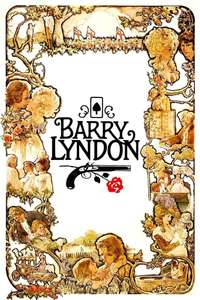
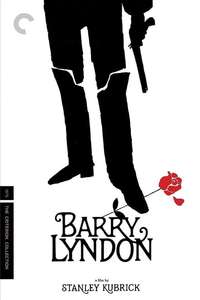
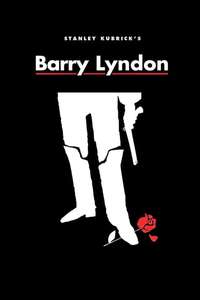
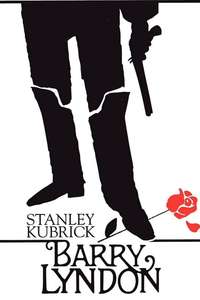
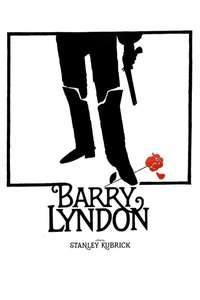
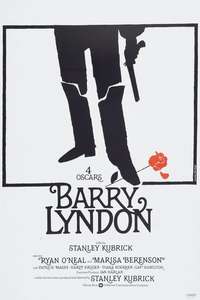
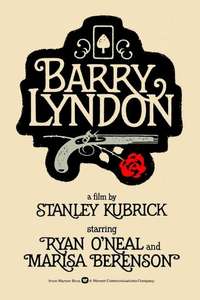
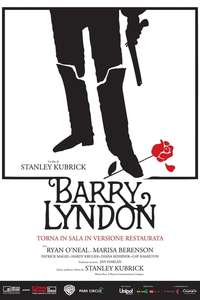
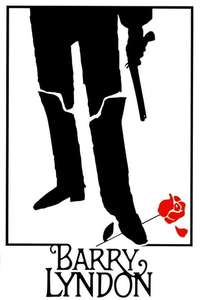
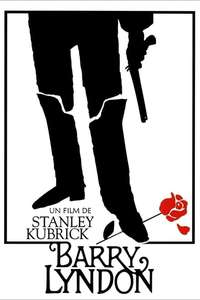
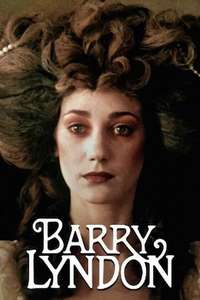
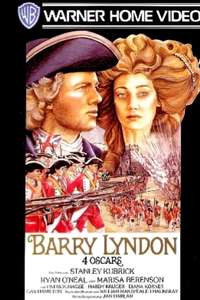
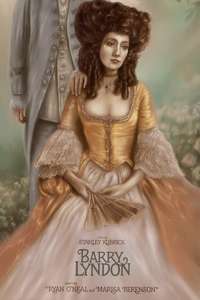
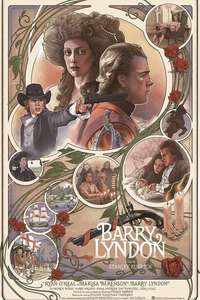
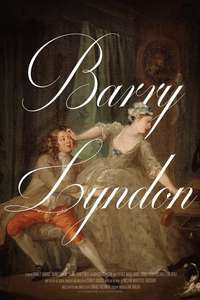
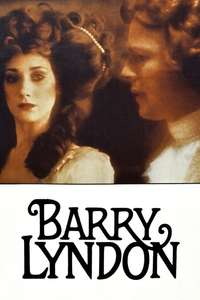
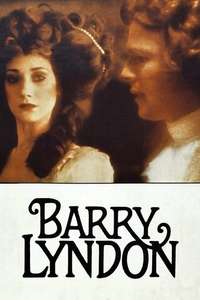
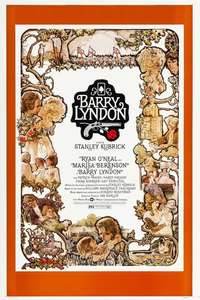
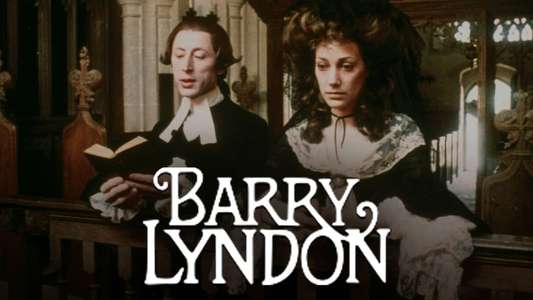
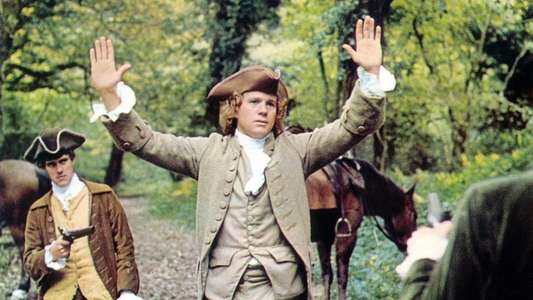
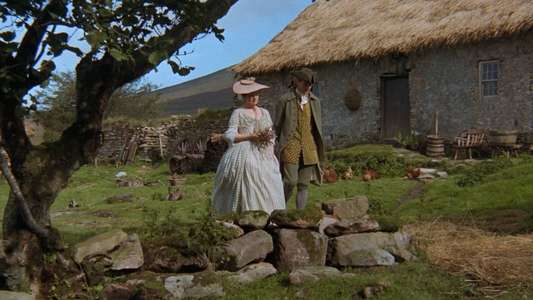
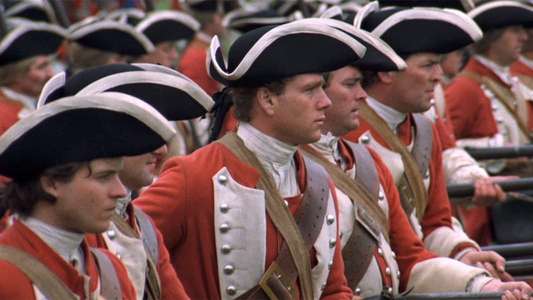
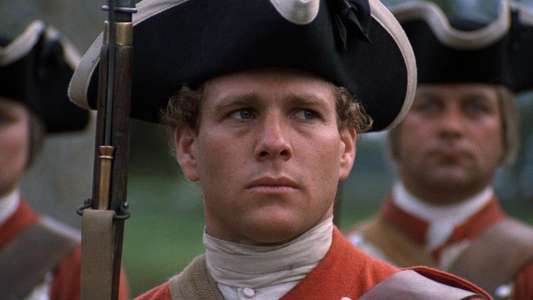
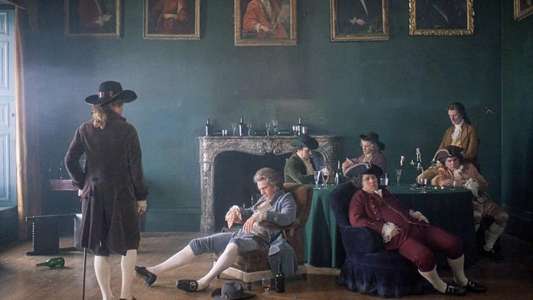
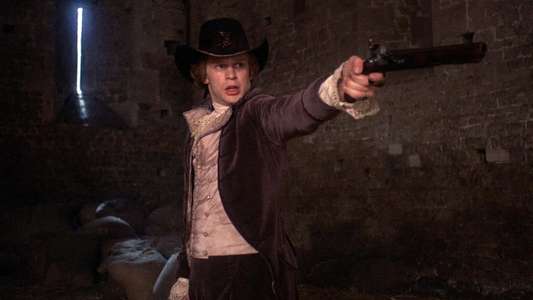
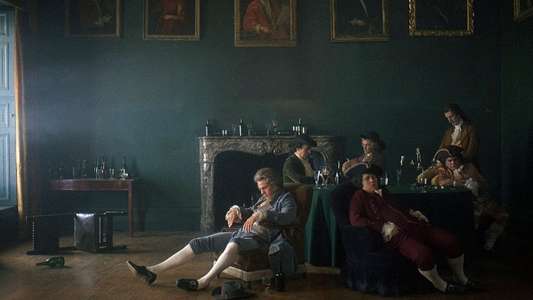
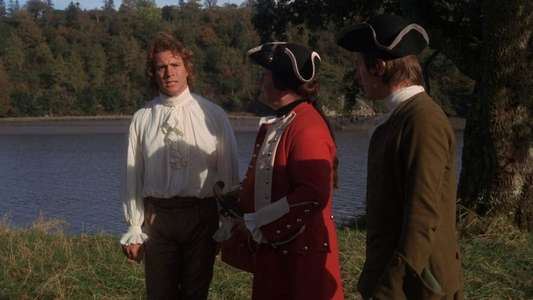
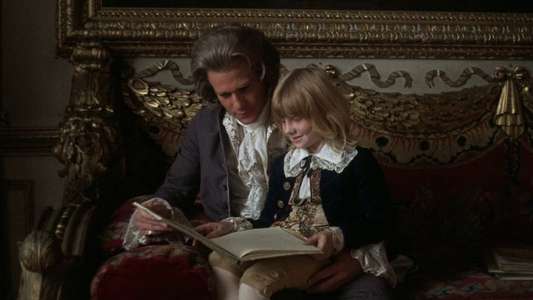
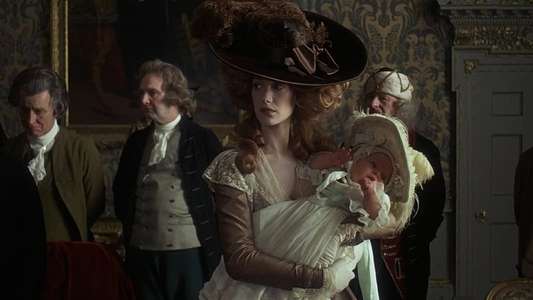
In the Eighteenth Century, in a small village in Ireland, Redmond Barry is a young farm boy in love with his cousin Nora Brady. When Nora engages to the British Captain John Quin, Barry challenges him for a duel of pistols. He wins and escapes to Dublin, but is robbed on the road. Without any other alternative, Barry joins the British Army to fight in the Seven Years War.
Disclaimer: All content and media belong to original content streaming platforms/owners like Netflix, Disney+ Hotstar, Amazon Prime Videos, JioCinema, SonyLIV etc. 91mobiles entertainment does not claim any rights to the content and only aggregate the content along with the service providers links.

![Barry Lyndon - Official Trailer [1975] HD](https://img.youtube.com/vi/9lzSoKOs1fc/mqdefault.jpg)
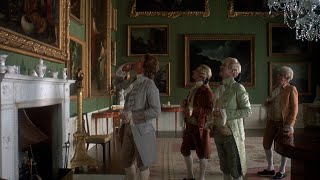
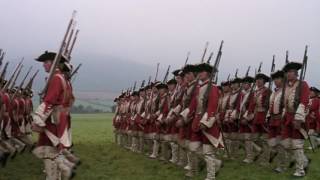
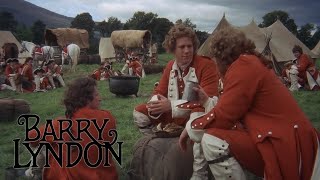
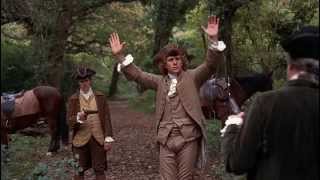
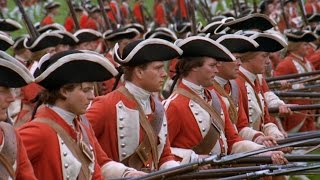


In the Eighteenth Century, in a small village in Ireland, Redmond Barry is a young farm boy in love with his cousin Nora Brady. When Nora engages to the British Captain John Quin, Barry challenges him for a duel of pistols. He wins and escapes to Dublin, but is robbed on the road. Without any other alternative, Barry joins the British Army to fight in the Seven Years War.
Best Art DirectionSet Decoration | 1976 | Ken
Best Cinematography | 1976 | John
Best Costume Design | 1976 | Milena
Best Music Scoring Original Song Score andor Adaptation | 1976 | Leonard
1975 | John
Best Cinematography | 1975 | John
Foreign Film Auslndischer Film | 1978 | Stanley
Best DVD Collection | 2012
Best Cinematography | 1976 | John
Best Foreign Film Mejor Pelcula Extranjera | 1977 | Stanley
1977 | Stanley
Best Foreign Film Mejor Pelcula Extranjera | 1977
Best Actor | 1975 | Ryan
Best Film | 1975 | Stanley
Best Director | 1976 | Stanley
Best Picture | 1976 | Stanley
Best Writing Screenplay Adapted From Other Material | 1976 | Stanley
Best Foreign Film Meilleur film tranger | 1977 | Stanley
Best Drama Adapted from Another Medium | 1976 | Stanley
Outstanding Directorial Achievement in Motion Pictures | 1976 | Stanley
Best Film | 1975 | Stanley
Budget 11,000,000 USD
Box Office Collection 31,500,000 USD
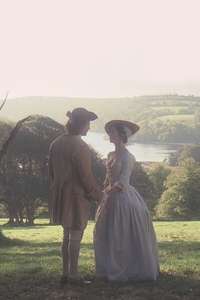
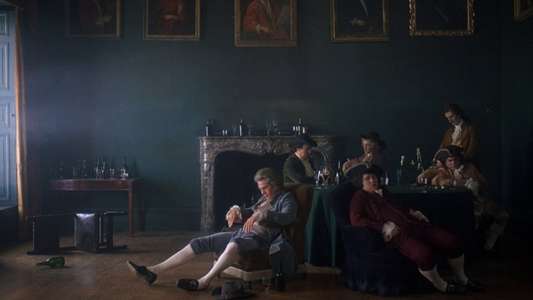
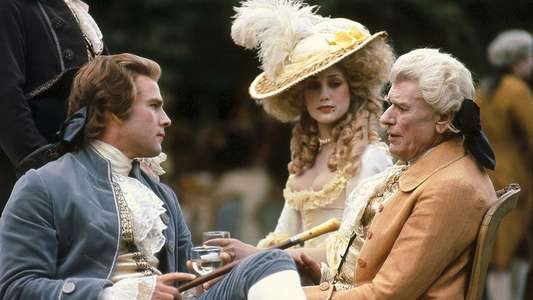
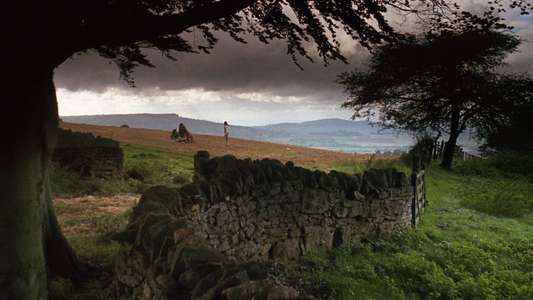
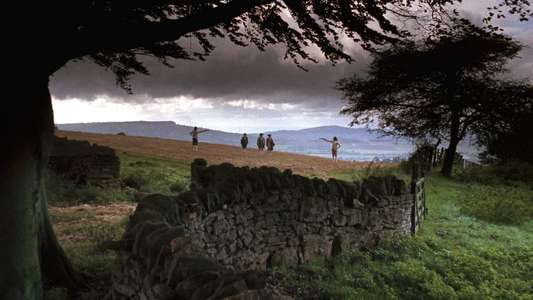
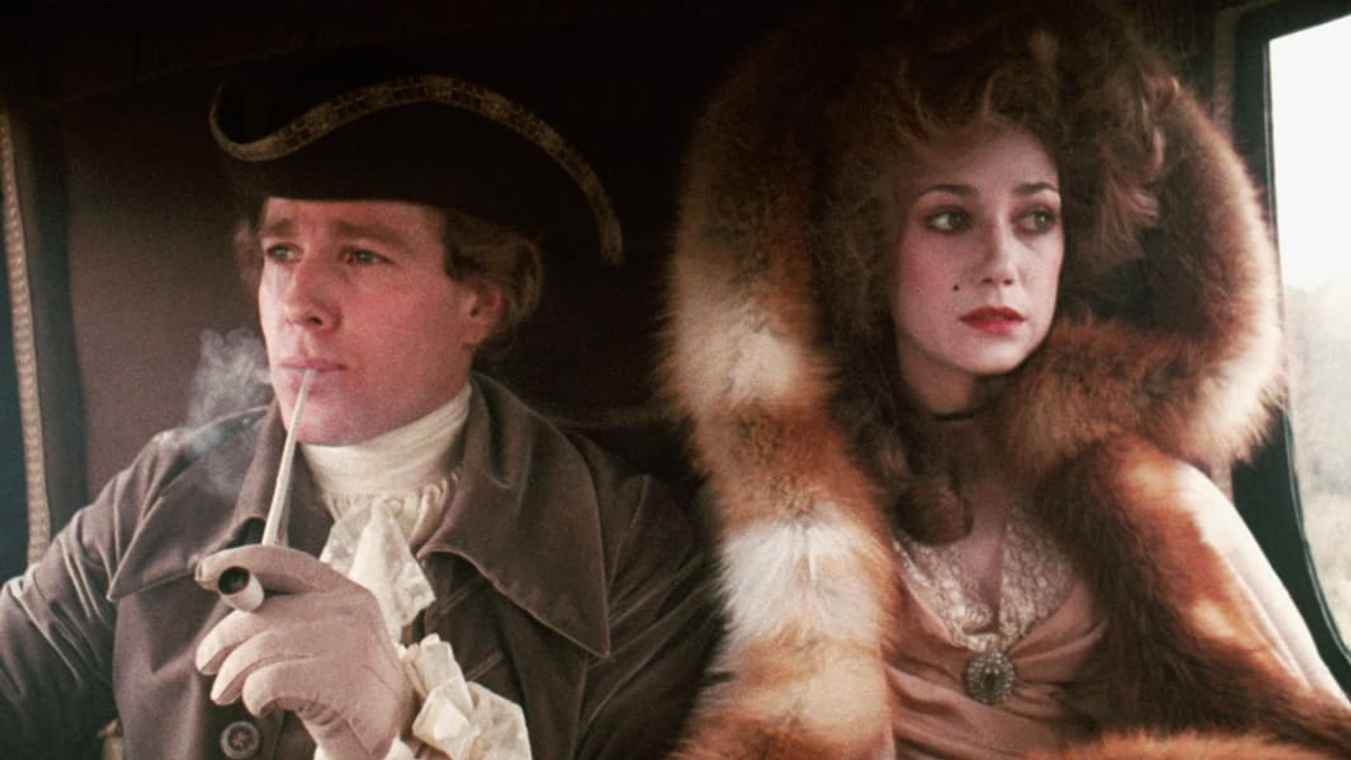
Many of the shots were composed and filmed in order to evoke certain eighteenth-century paintings, especially those by Thomas Gainsborough.
Production was moved from Ireland to England after writer, producer, and director Stanley Kubrick received word that his name was on an I.R.A. hit list for directing a movie featuring English soldiers in Ireland. Consequently, several scenes were dropped.
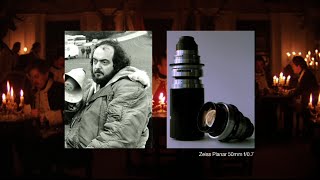
Contrary to legend, this movie did use artificial lighting in some scenes (for example, when Bryan (David Morley) learns he's getting a horse). However, it is true that no electronic lighting was used for the candle-lit scenes. A lens built by the Carl Zeiss Company for N.A.S.A., a 50mm Zeiss lens modified with the Kollmorgen adaptor used in still cameras, was used to shoot scenes lit only by candle. This lens had the largest aperture of any ever built for movie use (f/0.7).
Stanley Kubrick used to play the soundtrack's classical music during takes to get the actors and actresses in a better mood. He was reportedly influenced by Sergio Leone's method in Once Upon a Time in the West (1968).
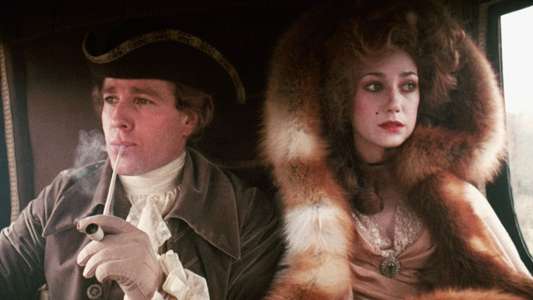
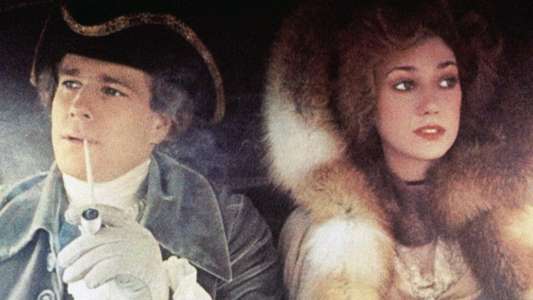
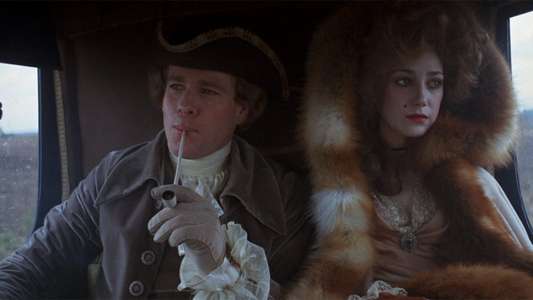
Writer, producer, and director Stanley Kubrick would often shoot a great many retakes of a scene, just to get "that extra something" in a shot; twenty to fifty takes per scene was not uncommon. It has been claimed that Kubrick shot over one hundred takes of the scene in which Barry (Ryan O'Neal) first meets Lady Honoria Lyndon (Marisa Berenson). Ultimately, O'Neal became so exasperated with said practice that he faced Kubrick at one point and said, "All right, I'll tell you what we'll do. You act out my part in this scene, and then I'll imitate you." Characteristically, Kubrick reckoned that O'Neal was merely being insolent.
"Title card: [End title card] EPILOGUE Title card: It was in the reign of George III that the aforesaid personages lived and quarreled; good or bad, handsome or ugly, rich or poor they are all equal now"
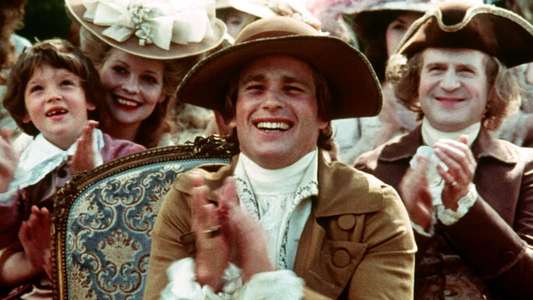
"Narrator: [voice-over] Barry had his faults, but none could say of him that he was not a good and tender father. He loved his son with blind impartiality. He denied the boy nothing. It is impossible to convey what high hopes Barry had for young Bryan, or how he indulged in a thousand fond anticipations of the boy's future success and figure in the world. But Fate had determined that Barry should leave none of his race behind him... that he should finish his life poor, lonely, and childless."