
Movie |
False Inprisonment | Redemption
Disclaimer: All content and media belong to original content streaming platforms/owners like Netflix, Disney+ Hotstar, Amazon Prime Videos, JioCinema, SonyLIV etc. 91mobiles entertainment does not claim any rights to the content and only aggregate the content along with the service providers links.
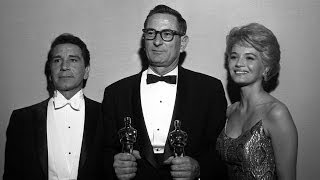
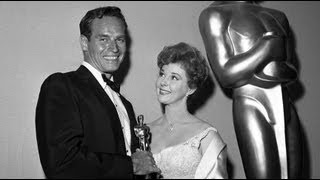
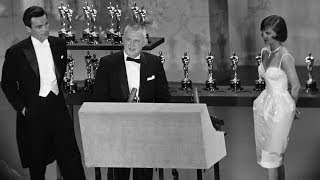
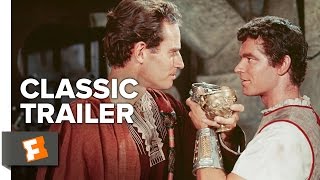
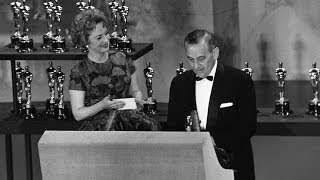
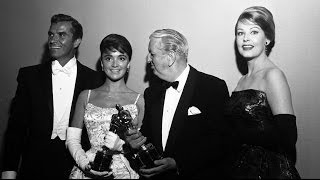

Best Art DirectionSet Decoration Color | 1960
Best Costume Design Color | 1960
Best Music Scoring of a Dramatic or Comedy Picture | 1960
Best Effects Special Effects | 1960
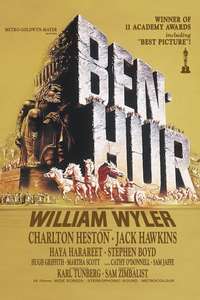
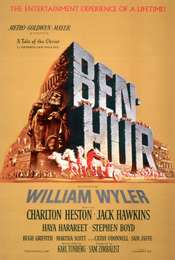
Best Picture | 1960
Best Director | 1960 | William
Best Cinematography Color | 1960
Best Actor in a Supporting Role | 1960
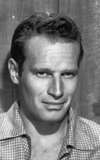
Best Actor in a Leading Role | 1960 | Charlton
Best Sound | 1960
Best Film Editing | 1960
Best Motion Picture Drama | 1960
Best Director | 1960 | William
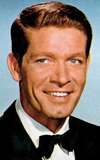
Best Supporting Actor | 1960 | Stephen
Best Film from any Source | 1960 | William
Motion Picture | 1999
Best Foreign Actor Migliore Attore Straniero | 1961 | Charlton
Best Foreign Production Migliore Produzione Straniera | 1961
Special Award | 1960
Best Sound Editing Feature Film | 1960
Best New Release ReRelease or ReRecording of an Existing Score | 2018 | James
1960
Outstanding Directorial Achievement in Motion Pictures | 1960 | William
Best Film | 1959
Outstanding Artistic Contribution | 1959
Most Oscars Won By A Film | 2004
Best Writing Screenplay Based on Material from Another Medium | 1960
Best Actor Drama | 1960 | Charlton
Best Soundtrack Album or Recording of Music Score from Motion Picture or Television | 1961
Best Archival Release of an Existing Score | 2013
Best Movie BluRay | 2011
Best Classic Film DVD Release | 2006
Best Actor International | 1961 | Charlton
Top Male Dramatic Performance | 1960 | Charlton
Top Male Supporting Performance | 1960
Best Written American Drama | 1960
Best Film | 1959 | William
Budget 15,000,000 USD
Box Office Collection 164,000,000 USD
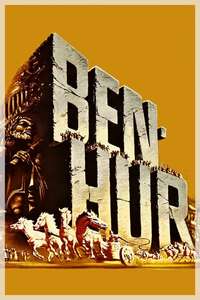
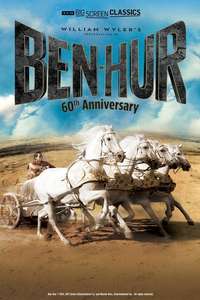
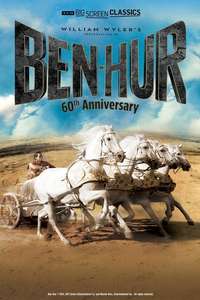
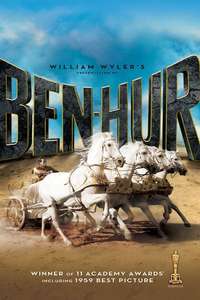
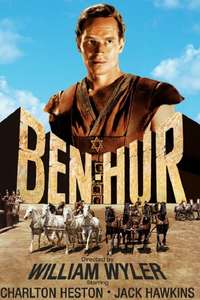
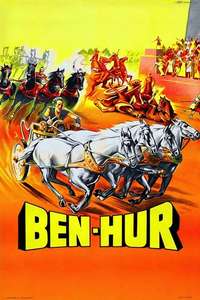
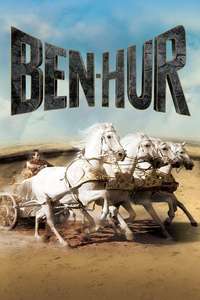
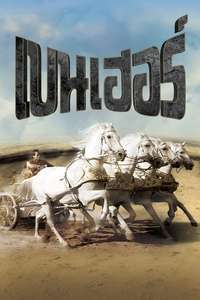
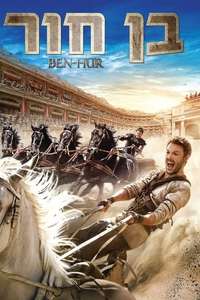
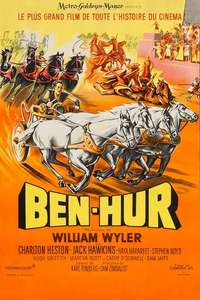
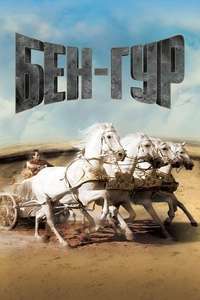
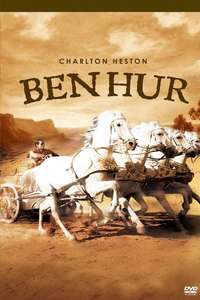
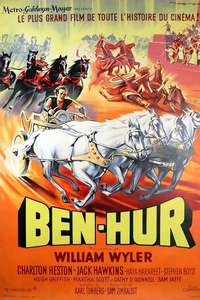
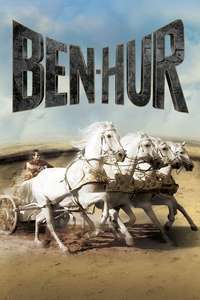
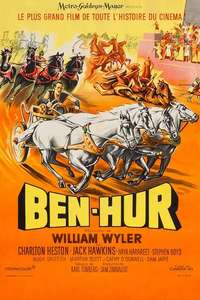
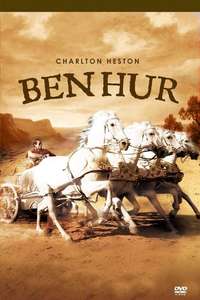
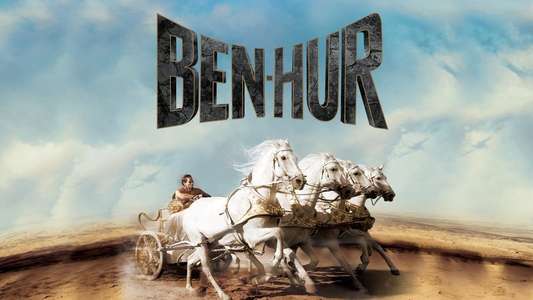
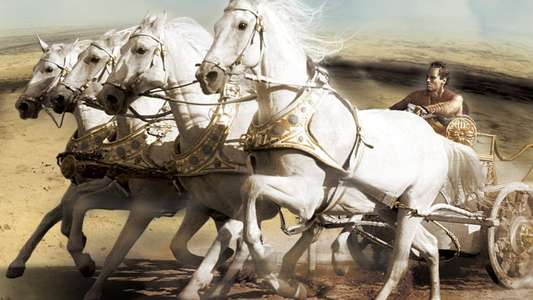
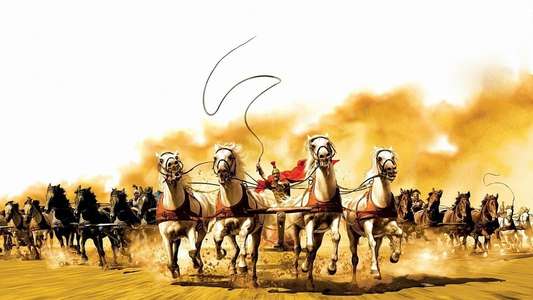
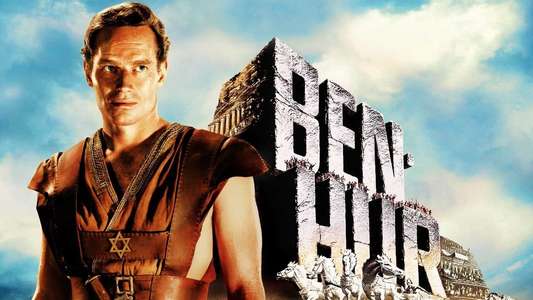
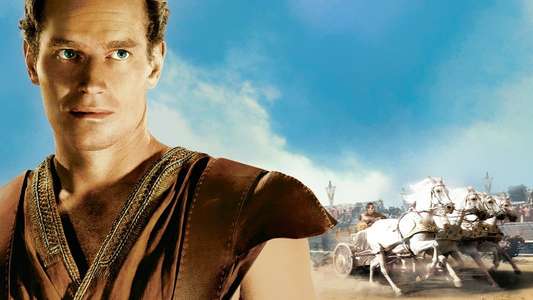
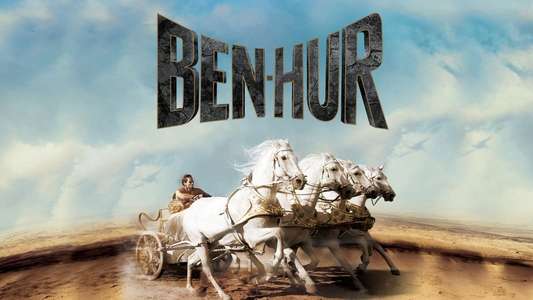
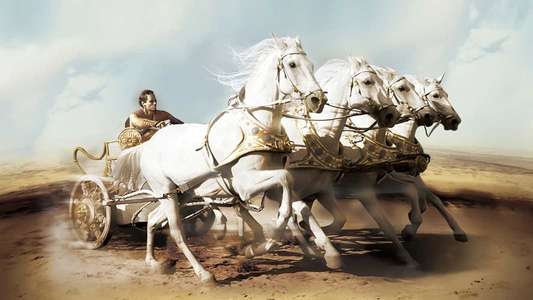
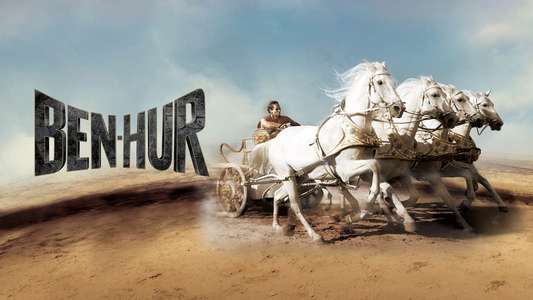
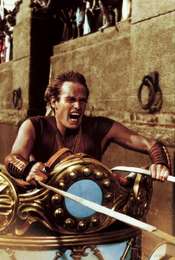
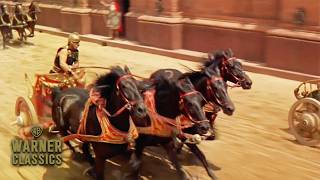
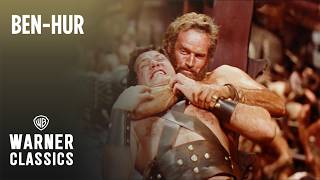
The chariot race required 15,000 extras on a set constructed on 18 acres of backlot at Cinecitta Studios outside Rome. Tour buses visited the set every hour. Eighteen chariots were built, with half being used for practice. The race took five weeks to film.
During the 18-day auction of MGM props, costumes and memorabilia that took place in May 1970 when new studio owner Kirk Kerkorian was liquidating the studio's assets, a Sacramento restaurateur paid $4,000 for a chariot used in the film. Three years later, during the energy crisis, he was arrested for driving the chariot on the highway.
The chariot race has a 263-to-1 cutting ratio (263 feet of film for every one foot used), probably the highest for any 65mm sequence ever filmed.
A talent was a measure of weight, and could have meant either silver or gold, as each metal was measured in talents. In 2022 dollars, the sum wagered by Messala against the sheikh at 4-to-1 odds on 1,000 talents would be the modern-day equivalent of approximately $82.0 million of silver, or $8.0 billion of gold.
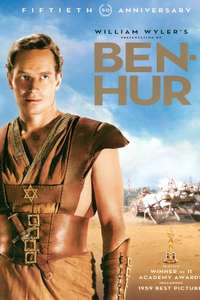
Kirk Douglas was offered the role of Messala but turned it down, because he didn't want to play a "second-rate baddie". Douglas wanted to play Judah Ben-Hur, whose Jewishness appealed to him, but he was too old and Charlton Heston had already been cast. The experience motivated Douglas to develop his own epic, Spartacus (1960), which was partially designed to compete against Ben-Hur (1959).
The chariot race required 15,000 extras on a set constructed on 18 acres of backlot at Cinecitta Studios outside Rome. Tour buses visited the set every hour. Eighteen chariots were built, with half being used for practice. The race took five weeks to film.
During the 18-day auction of MGM props, costumes and memorabilia that took place in May 1970 when new studio owner Kirk Kerkorian was liquidating the studio's assets, a Sacramento restaurateur paid $4,000 for a chariot used in the film. Three years later, during the energy crisis, he was arrested for driving the chariot on the highway.
The chariot race has a 263-to-1 cutting ratio (263 feet of film for every one foot used), probably the highest for any 65mm sequence ever filmed.
Kirk Douglas was offered the role of Messala but turned it down, because he didn't want to play a "second-rate baddie". Douglas wanted to play Judah Ben-Hur, whose Jewishness appealed to him, but he was too old and Charlton Heston had already been cast. The experience motivated Douglas to develop his own epic, Spartacus (1960), which was partially designed to compete against Ben-Hur (1959).
The only Hollywood film to make the Vatican-approved film list in the category of religion.
"Quintus Arrius: Your eyes are full of hate, forty-one. That's good. Hate keeps a man alive. It gives him strength."
"Sextus: You can break a man's skull, you can arrest him, you can throw him into a dungeon. But how do you control what's up here? [taps his head] Sextus: How do you fight an idea?"