

Movie |
Prison | Rebel
Disclaimer: All content and media belong to original content streaming platforms/owners like Netflix, Disney+ Hotstar, Amazon Prime Videos, JioCinema, SonyLIV etc. 91mobiles entertainment does not claim any rights to the content and only aggregate the content along with the service providers links.

Best Foreign Actor | 1963 | Burt
Best Actor | 1962 | Burt
Top Ten Films | 1962
1962 | John
Best Actor in a Supporting Role | 1963 | Telly
Best Actress in a Supporting Role | 1963
Best Cinematography BlackandWhite | 1963
Best Actor in a Leading Role | 1963 | Burt
1962 | John
Top Male Dramatic Performance | 1963 | Burt
Top Female Supporting Performance | 1963
Top Drama | 1963
Outstanding Directorial Achievement in Motion Pictures | 1963 | John
Best Written American Drama | 1963
Best Film | 1962 | John
Budget 2,650,000 USD
Box Office Collection 3,100,000 USD
Burt Lancaster later claimed that Robert Stroud could not be released from prison because the authorities were concerned he might sexually abuse children.
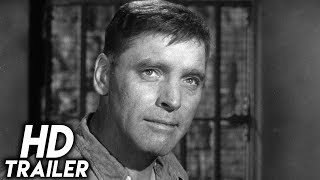
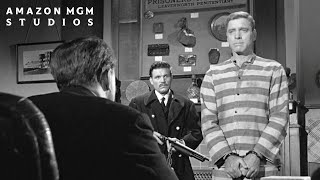
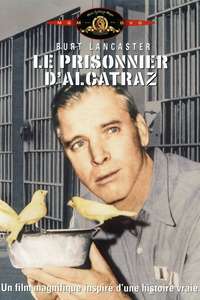
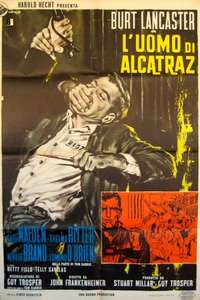
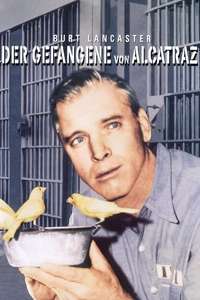
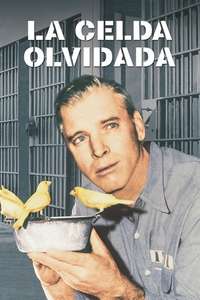
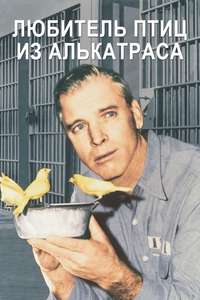
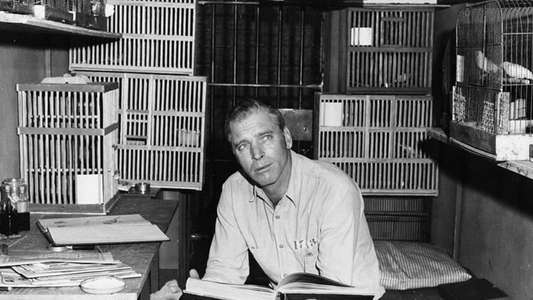
Robert Stroud was actually imprisoned in cell #42 located in D Block. According to Frank Heaney, a former prison guard (1948-51), Stroud was anything but the sympathetic character portrayed by Burt Lancaster. He was an extremely difficult and demented inmate who, though highly intelligent, was a vicious killer and a violent psychopath.
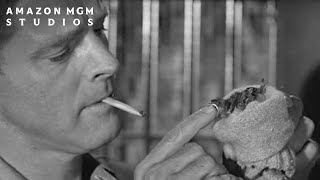
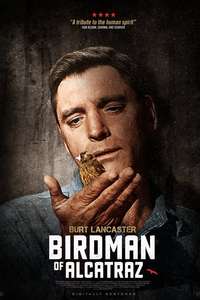
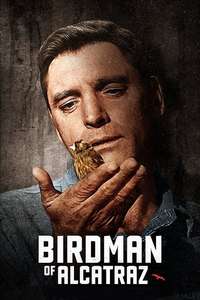
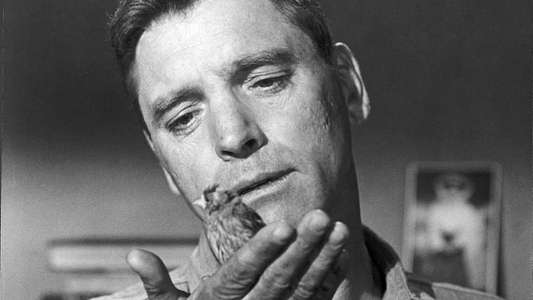
Burt Lancaster was so immersed in his role that he wept on some moments, but he asked director John Frankenheimer not to show him cry to the audience.
Due to this popular movie, the real Robert Stroud became one of the most famous inmates of the federal prison at Alcatraz, second only to mob boss Al Capone.
The real Robert Stroud died a year after the film's release. He had been incarcerated for the last 54 years of his life (he died at the age of 73) with 42 of those years being spent in solitary confinement. He was never allowed to see the film about his life.
"[last lines] Robert Stroud: Tom? You know what they used to call Alcatraz in the old days? Tom Gaddis: What? Robert Stroud: Bird Island. Tom Gaddis: [narrating] Robert Stroud's petition for parole has been denied annually for 24 years. Age 72, he is now in his 53rd year of imprisonment."
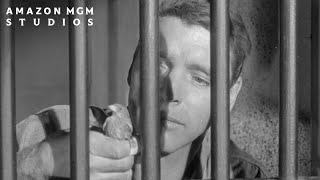
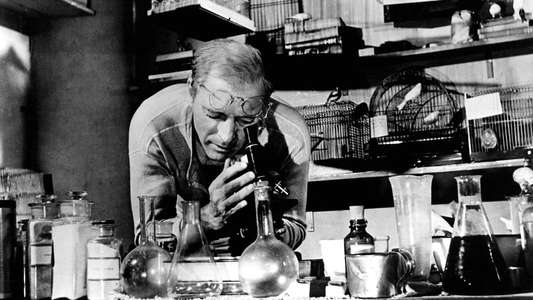
"Harvey Shoemaker: Bob... I've been sent here as a delegate of the Bureau to make you an offer. Robert Stroud: That's what I've been waiting for. Harvey Shoemaker: Now the bureau is willing to let you keep your birds. You can even sell 'em. Now this is their official proposal. You can continue to raise and sell the birds, but the profits will be turned over to the prison welfare fund, and you will receive a salary in the form of a share of the profits. I consider that quite a generous offer under the circumstances. Frankly, it's more than I would have offered, had I the authority. Albert Comstock: Well, Stroud? Robert Stroud: Let me see if I understand you. You're proposing that the United States government go into the canary-bird business. That's against private enterprise. You sound like a Bolshevik, Harvey. Albert Comstock: You have no legal right to raise canaries at all. Robert Stroud: I know. Rule 60 of the Federal Bureau of Prisons Manual: "An inmate cannot be permitted to operate a business, no matter how legitimate, while in prison." That right? Harvey Shoemaker: You quoted it correctly. Robert Stroud: That's what I thought. That's why I'm confused. The rule says I can't have a business. You say I can, provided I give you the profits. It's reinventing regulations. It's not like you. Albert Comstock: Mr. Shoemaker came all the way from Washington to try to work out a plan so you can keep your blasted birds. Robert Stroud: Don't con an old con, Warden. He came because of public opinion, and you know it. 50,000 signatures on a petition. Congressmen jumping all over MacLeod's back. I think I got you over a barrel, Harvey. Harvey Shoemaker: Is that you last word? Robert Stroud: I could use more room. For my birds."